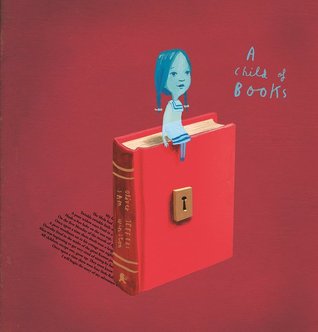
A Child of Books by Oliver Jeffers and Sam Winston

Share

A Child of Books

A Child of Books
Authors: Oliver Jeffers and Sam Winston
Published by September 6th, 2016

Summary: New York Times best-selling author-illustrator Oliver Jeffers and fine artist Sam Winston deliver a lyrical picture book inspiring readers of all ages to create, to question, to explore, and to imagine.

A little girl sails her raft across a sea of words, arriving at the house of a small boy and calling him away on an adventure. Through forests of fairy tales and across mountains of make-believe, the two travel together on a fantastical journey that unlocks the boy’s imagination. Now a lifetime of magic and adventure lies ahead of him . . . but who will be next?

Combining elegant images by Oliver Jeffers and Sam Winston’s typographical landscapes shaped from excerpts of children’s classics and lullabies, A Child of Books is a stunning prose poem on the rewards of reading and sharing stories—an immersive and unforgettable reading experience that readers will want to pass on to others.

Review: Oliver Jeffers has a way of writing such thought-provoking books with beautiful artwork  that are just a bit weird yet so brilliant that you can’t help but reading it over and over. I know that sounds like such a fan girl review, but if you’ve read any of his books, you know exactly what I am talking about. Jeffers’s newest book is no exception. This book is about how stories can carry you wherever your imagination can imagine. The brilliance of actually using words from classic books to carry the main character on her journey shows how all of these books have carried so many readers on adventures that only an author’s imagination mixed with the reader’s imagination could take them on. 

Teachers’ Tools for Navigation: Allusion and theme are where my mind automatically goes to when reading this book. First, you can look at the words that are used as the setting to look at why the authors chose these specific allusions. For example, during the sea scenes, they use Gulliver’s Travels, The Adventure of Pinocchio, The Swiss Family Robinson, 20,000 Leagues Under the Sea, Robinson Crusoe, The Voyages of Dr. Dolittle, and more. Why would these books specifically be chosen for those scenes? What other pieces of literature are used throughout the book and why? I also think the theme is very clear, but it will spark a really great conversation.

Discussion Questions: What is theme of the book?; Why did the author chose specific texts for different settings?

Flagged Passages: 

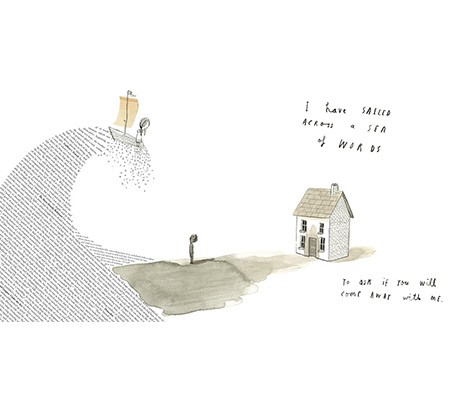
child of books spread

“I have sailed across a sea of words to ask if you will come away with me.”

Read This If You Loved: Anything by Oliver Jeffers, The Marvels by Brian SelznickNibbles: The Book Monster by Emma Yarlett, Sophie Quire and the Last Storyguard by Jonathan Auxier, The Whisper by Pamela Zagarenski

Recommended For:

  classroomlibrarybuttonsmall readaloudbuttonsmall closereadinganalysisbuttonsmall

Kellee Signature

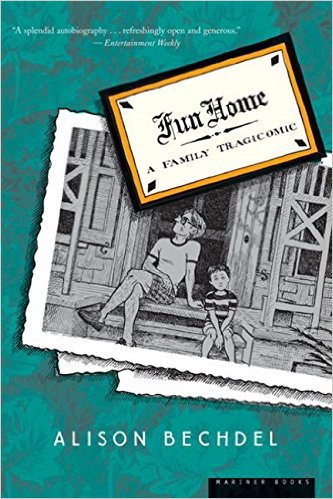
Fun Home: A Family Tragicomic by Alison Bechdel

Share

NFPB2016

Nonfiction Wednesday

Nonfiction Picture Book Wednesday is hosted by Kid Lit Frenzy and was started to help promote the reading of nonfiction texts. Most Wednesdays, we will be participating and will review a nonfiction text (though it may not always be a picture book).
Be sure to visit Kid Lit Frenzy and see what other nonfiction books are shared this week!
Fun Home

Fun Home: A Family Tragicomic
Author: Alison Bechdel
Published: June 5, 2007 by Mariner Books

Summary: In this graphic memoir, Alison Bechdel charts her fraught relationship with her late father.

Distant and exacting, Bruce Bechdel was an English teacher and director of the town funeral home, which Alison and her family referred to as the Fun Home. It was not until college that Alison, who had recently come out as a lesbian, discovered that her father was also gay. A few weeks after this revelation, he was dead, leaving a legacy of mystery for his daughter to resolve.

Review: I don’t tend to read many adult books each year, but I kept seeing this book referenced. I noticed it was a 2007 publication, and when books are still being discussed frequently almost ten years later, you know they have to be good! I finally requested it from my library, and boy did I love it. I usually try to review only new books, but this book was too good not to share. I felt deeply connected with Alison and her life—despite the fact that it is nothing like mine. I was really drawn to the psychological themes she embedded and the phenomenal writing. She is incredibly smart, and this shines in her writing. The drawings are equally captivating. I am not surprised that young adults tend to read this book. It’s quite edgy and many sections made me blush, but I know this doesn’t stop teens. I will be thinking about this book for a long time.

Teacher’s Tools for Navigation: I am not a stranger to controversy, but I’d probably use this book for close reading because the images might be a bit uncomfortable for some (but not most!) of my students. There is a lot of nudity, and there are sexually explicit drawings. That said, I most certainly would have it in my classroom (nothing stops me, controversy-wise, if a book is really good and a great learning tool). A close reading of many of the beginning chapters would lead to fantastic conversations about family dynamics and psychology. There is so much to teach from this book: Tone, Author’s Perspective, Vocabulary, etc. 

Discussion Questions: How does Alison navigate her childhood?; What is her response to her father’s death? Why might this be?; What role does the Fun Home play in her life? How does this graphic novel differ from others that you’ve read?; How is the author’s writing style similar to short vignettes? What scenes stand out to you? Why might this be?

Flagged Passage: 

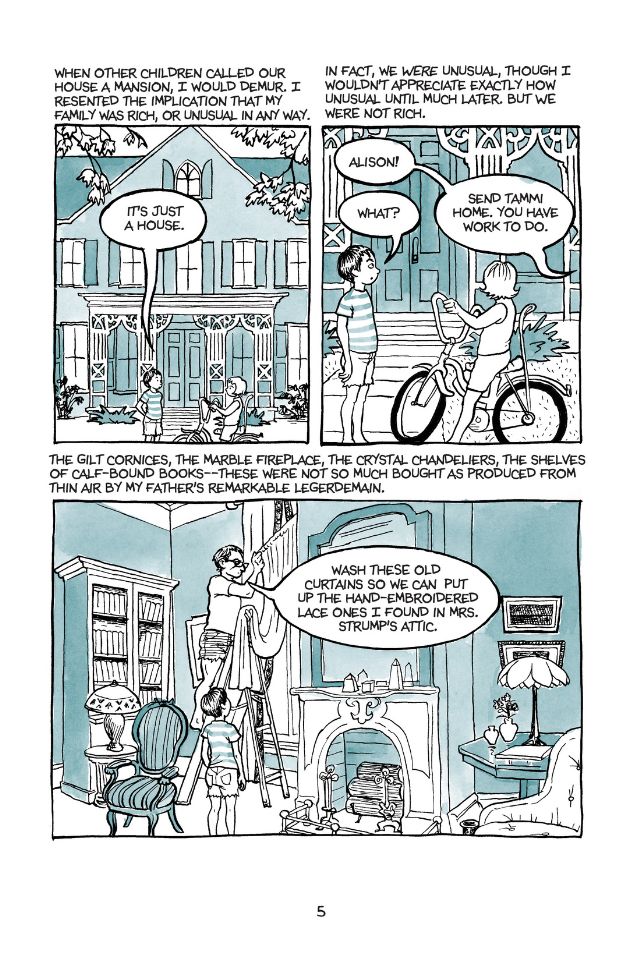
Fun Home ImageSource of Image

Read This If You Love: How the World Was: A California Childhood by Emmanuel Guibert; The Photographer by Emmanuel Guibert; Alan’s War by Emmanuel Guibert; The Stranger by Albert Camus; The House on Mango Street by Sandra Cisneros

Recommended For:

closereadinganalysisbuttonsmall classroomlibrarybuttonsmall

RickiSig

Pirasaurs! by Josh Funk

Share

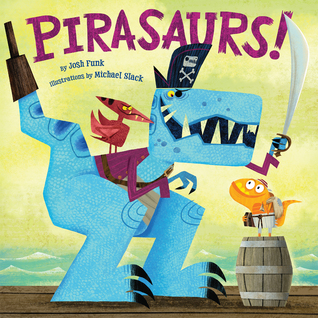
pirasaurs

Pirasaurs!
Author: Josh Funk
Illustrator: Michael Slack
Published August 30th, 2016

Summary: We’re Pirasaurs! We’re Pirasaurs!
We rule the open seas!
We’ll cannon-blast you to the past!
We do just what we please!

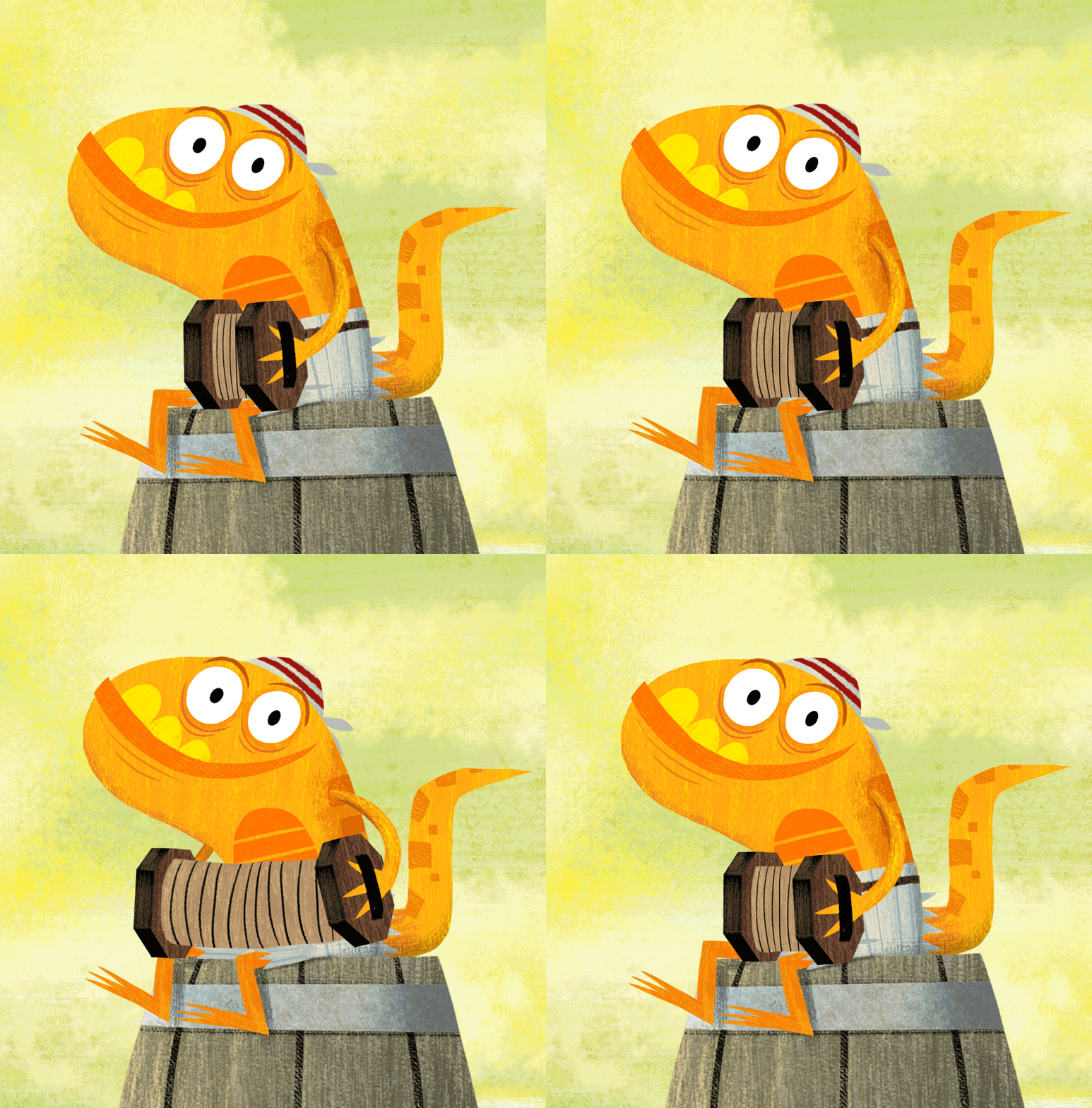
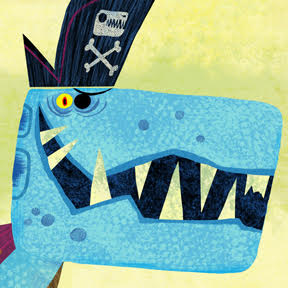
Meet the Pirasaurs, a ragtag team of seasoned pirate dinosaurs looking for adventure and treasure! There’s fearsome Captain Rex, golden-toothed Velocimate, one-eyed Bronto Beard, and more fearsome, buccaneering beasts….as well as one new recruit who may be small, but who’s eager to prove he can learn the ropes and find his place on the team.

But when a trap is set upon the Pirasaurs while looking for buried treasure, it’s up to the littlest recruit to show the team that there’s more to a Pirasaur than meets the eye patch!

“We’re Pirasaurs! We’re Pirasaurs!
We grunt and roar and sneer!
We’ll steal your books with tails and hooks
And own the blogosphere!

We’re Pirasaurs! We’re Pirasaurs!
We pose a giant threat!
We’ll slash and duel and soon we’ll rule
The world-wide internet!

We’re Pirasaurs! We’re Pirasaurs!
Our story is fantastic!
This grand hardback by Funk & Slack
Is published by Scholastic!

… and will be available on August 30th wherever books are sold!”

-Funk, 2016

Pirasaurs_Little_Scute_Animated Pirasaurs_captain_rex_profile_image

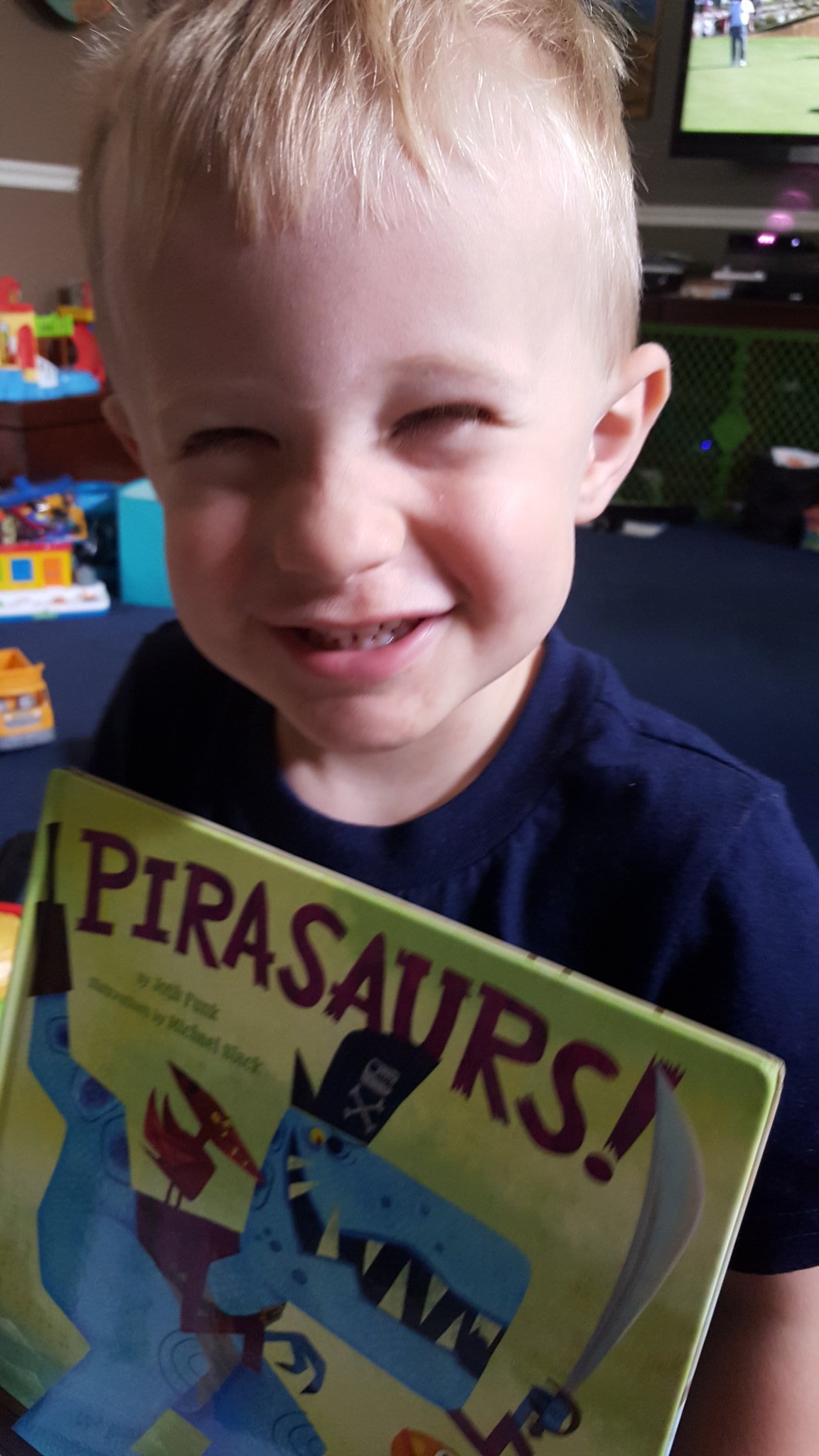
Kellee’s Review: Pirate dinosaurs?! I am so glad that Josh Funk thought of this because it makes a perfect picture book! Who doesn’t like dinosaurs or pirates or both?! I will tell you that my son definitely does! I mean, look at that face!

nZPP26Np

But in addition to how much we like the premise, it is done so well. Josh Funk must think in rhyme because his books rhyme so seamlessly, and it is so impressive. I also liked the characterization within the book because there are some wonderful pirasaur characters that each have such fun personality. And all of this isn’t even mentioning the colorful, beautiful illustrations!

Ricki’s Review: The concept! Ahhhh, the concept! This book had my son RAWGHing for days. It is books like Pirasaurs! that make readers. It shows kids that reading can be really fun and engaging, and I am grateful to have this book in my collection. The words flow beautifully, and the rhymes rolled off of my tongue as I read them. The illustrations pop, and I couldn’t stop smiling as I turned each page. The book takes readers for an adventure that they will remember long after the book ends. Each of the pirasaurs has a different, cooky personality—and my goodness are they hilarious! I highly recommend you get your hands on this book. It’s a winner.

Teachers’ Tools of Navigation: Pirasaurs! would be a perfect mentor text to discuss prediction, rhyme/rhythm, and characterization. First, while reading, stop just when the battle is beginning and have your students predict what they think is going to happen next. Remind them to use prior knowledge or text evidence to support their prediction. Then at the end of the book, students can check their predictions. When finished, the text can be used to analyze rhyme scheme and rhythm. Finally, students can analyze the character traits of each character and look for descriptive language that shows each character’s personality.

Discussion Questions: What are the character traits of each pirasaur?; What rhyme scheme does the book follow?; What do you think is going to happen after the battle?; What jobs do each pirasaur have? How can you tell?; What is the theme of the story?

Book Trailer: 

Read This If You Loved: How I Became a Pirate by Melinda Long; How Big Were Dinosaurs? by Lita Judge; Ladder to: The Pirate Pig by Cornelia Funke, The High Skies Adventures of Blue Jay the Pirate by Scott Nash, Pirates of the Caribbean: Jack Sparrow (series) by Rob Kidd

Recommended For: 

classroomlibrarybuttonsmall readaloudbuttonsmall closereadinganalysisbuttonsmall

Kellee Signature andRickiSig

**Thank you to Josh Funk for everything!**

Dear Dragon by Josh Funk

Share

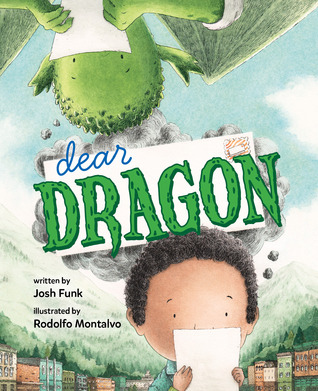
dear dragon

Dear Dragon
Author: Josh Funk
Illustrator: Rodolfo Montalvo
Anticipated Publication: September 6, 2016 by Viking Books for Young Readers

Goodreads Summary: A sweet and clever friendship story in rhyme, about looking past physical differences to appreciate the person (or dragon) underneath.

George and Blaise are pen pals, and they write letters to each other about everything: their pets, birthdays, favorite sports, and science fair projects. There’s just one thing that the two friends don’t know: George is a human, while Blaise is a dragon! What will happen when these pen pals finally meet face-to-face?

Ricki’s Review: I simply adored this book. It was quite clever and imaginative! I imagine it took a lot of thought to try to show how different George and Blaise’s lives might be and how they might misinterpret the descriptions of simple daily life events. I am a huge fan of Josh Funk’s writing and recommend all of his books. They all are witty and humorous, and my son and I always giggle while we read them. Each of his books teaches a life lesson that has been very useful for me as a mom, and I know they are equally useful for elementary school teachers. For Lady Pancake & Sir French Toast, I have been able to constantly refer to the variety of foods in the text in order to help my son with his picky eating habits. With this book, Dear Dragon, I have been able to talk with my son about differences and how we might work to understand how others might lead different daily lives than ours. I am really looking forward to Josh’s next book, Pirasaurs!. Based on his other books, I know it will be a good one!

Kellee’s Review: The books I find myself gravitating towards and recommending the most are the books that I not only love as a mother but can also definitely see the application of the book in all levels of classrooms. Dear Dragon fits into this category because it is such an amusing and fun book that is just a blast to read and discuss; however, it also has so many ways that I can see myself and other teachers using it in the classroom: for a mentor text, for a pen pal unit, for a read aloud. Dear Dragon also is an amazing set up to discuss first impressions and differences between people in safe place (since, you know, Blaise is a dragon). I also loved the quirky, colorful, detailed illustrations that accompany George and Blaise’s letters. The silly conversations just from these will make for a wonderful conversation.

Teachers’ Tools for Navigation: Ricki fondly remembers her elementary school experiences with pen pals. Her fourth class wrote to a class in Germany. It was so interesting to learn about all of the differences between our lives. This book would make for a great jumpstart to a pen pal project. It would be neat to connect to a class in another country or even across our own country. Students would learn a lot about how we are both similar and different from others—and how this is a good thing, indeed!

In addition to being a ton of fun, Dear Dragon will also be a perfect mentor text for a variety of reading skills and standards. The letters are a perfect opportunity to discuss point of view, voice, letter writing, and rhyming. The book also has a wonderful theme, the illustrations and letters could be compared/contrasted, and the entire text structure could be analyzed.

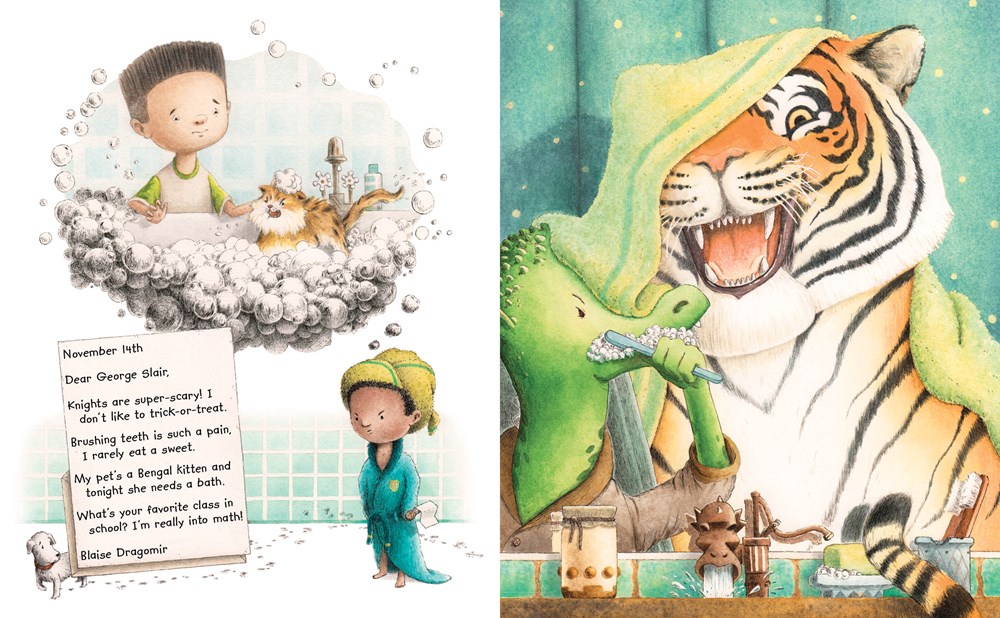
Discussion Questions: What are the similarities and differences between George and Blaise? How do they build their friendship across letters?; How do they each misinterpret the other’s letters in ways that are funny and enlightening? How do the illustrations reflect these misinterpretations?; This book is a fantasy, but how might you compare this book to real life?

Flagged Spread: 

9780451472304_IL_3_05101

Read This If You Loved: Lady Pancake & Sir French Toast by Josh Funk; Same, Same but Different by Jenny Sue Kostecki-Shaw; Whose Story is This, Anyway? by Mike Flaherty; Dragons Love Tacos by Adam Rubin; Have You Seen my Dragon? by Steve Light; Tony Baloney: Pen Pal by Pam Muñoz Ryan; Dear Mrs. Larue series by Mark Teague

Recommended For: 

readaloudbuttonsmall classroomlibrarybuttonsmall closereadinganalysisbuttonsmall

RickiSigandSignature

National Geographic Kids: Real or Fake? Far-Out Figs, Fishy Facts, and Phony Photos to Test for the Truth by Emily Krieger

Share

NFPB2016

Nonfiction Wednesday

Nonfiction Picture Book Wednesday is hosted by Kid Lit Frenzy and was started to help promote the reading of nonfiction texts. Most Wednesdays, we will be participating and will review a nonfiction text (though it may not always be a picture book).
Be sure to visit Kid Lit Frenzy and see what other nonfiction books are shared this week!

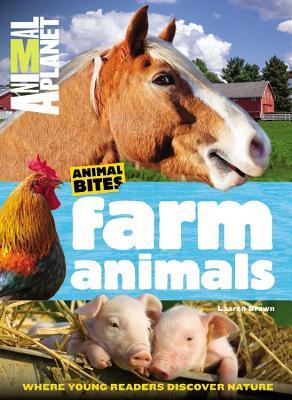
real or fake

Reeal or Fake? Far-Out Fibs, Fishy Facts, and Phony Photos to Test for the Truth
Author: Emily Krieger
Illustrator: Tom Nick Cocotos
Published May 10th, 2016 by National Geographic Children’s Books

Goodreads Summary: Can you tell the truth from a tall tale? Spot a phony photo a mile away? Figure out a fib in five second flat? Then Real or Fake? is the book for you! Put your amateur detective skills to work in this fun and wacky book and see if the truth triumphs as you encounter suspicious stories, fishy facts, lying lists, and more. You’ll even play interactive games that will leave you second-guessing everything you’ve ever read. Complete with awesome photos and hilarious collage art, this is one book that you have to read to believe . . . or disbelieve.

Kellee’s Review: This National Geographic text was really fascinating! I loved reading the little synopsis then trying to guess if the scenario is true or not. Although some were quite obvious to me, I best many of them will trick students! As a teacher, I also think this book will be a great addition to research units because it will begin a discussion about reliability and validity.

Ricki’s Review: This book would be a fabulous choice for a road trip. I can imagine reading the pages aloud to my kids as they guessed “Real!” or “Fake!” I also like how the facts aren’t all silly and pointless. There is a lot of good learning that happens in these pages–and as an adult, the facts weren’t obvious to me, either, so I would have fun on the car ride, too! I completely agree with Kellee’s smart suggestion that this would be a great book to introduce reliability and validity. With the political campaigning and the sharing of memes that are completely false (from both sides), I have been thinking about reliability and validity a lot lately!

Teachers’ Tools for Navigation: In addition to being an instant favorite in classrooms, Real or Fake? will definitely make anyone who reads it want to either research some of the real/fake information shared (Was Teddy Roosevelt shot but continued with his speech? and Did a chimp’s song became #19 on the European billboard charts?) or want to go research things they think they know! Real or Fake? will be a great book to use when talking about research and would be a fun introduction to Snopes.

We Flagged: “Plants make music: Real or Fake? It may sound crazy, but plants can play tunes. A new device converts electrical currents moving across a plant’s surface into synthesizer sound in real time. (Though the sound of the converted currents may not be music to your ears.) The device works in much the same way a lit-detector test does, only the probes are placed on leaves instead of on skin and the currents are translated into audio. What does this ‘music’ tell us about the secret life of plants? The inventors aren’t quite sure yet. They are, however, hoping the ‘biofeedback’ will eventually be revealing an help us learn more about the natural world. In the meantime, rest easy knowing that one day soon your houseplants could play a tune: An online fund-raising campaign to make the device available to people interested in purchasing it has reached its goal.”

Real! With its far-out sounds, the MIDI-sprout (‘MIDI’ stands for ‘musical instrument digital interface’) is changing the way people perceive plants. Scientists have known that plants send chemical and light signals to one another. Plants can even send chemical distress signals to get insects to come to their rescue! A study published in 2012 suggests that plants also may be able to use sound to communicate with one another, so why not talk to their human caretakers.

Fun Fact!: The MIDI Sprout can even be hooked up to humans! The electrical signals humans give off reportedly tell a lot about emotional states.” (p. 82-83)

*Disclosure: This quote cannot share the entire feeling of the book without the illustrations/photos. See the published book to see the complete experience.

Read This If You Loved: National Geographic’s 100 Things to Know Before You Grow UpMastermind by National Geographic, Weird but True series by National Geographic, National Geographic’s Awesome 8

Recommended For:

classroomlibrarybuttonsmall closereadinganalysisbuttonsmall readaloudbuttonsmall

Kellee Signature andRickiSig

**Thank you to Karen at Media Masters Publicity for providing copies for review!**

Picture Book Ten for Ten 2016: Ten Must-Have Picture Books for the Secondary Classroom

Share

PB10for10

In place of our weekly Top Ten Tuesday, we are instead so excited to join Cathy Mere and Mandy Robek for their annual August 10th Picture Books 10 for 10 event. The event features educators, librarians, parents, and other picture book lovers sharing their favorite ten picture books. Today, we are going to share our favorite 10 picture books for use in our secondary classrooms.

 Today’s Topic: Ten Must-Have Picture Books for the Secondary Classroom

Kellee

I wanted to share some picture books I used for the regular precept activity in my classroom with my middle schoolers. On my original post, I listed Each Kindness by Jacqueline Woodson, Red by Michael Hall, The Dot by Peter H. Reynolds, and Last Stop on Market Street by Matt de la Peña; however, here are others that I added during the rest of the year or will add this upcoming year:

1. Normal Norman by Tara Lazar

normal norman

When I reviewed this book, the first thing I thought of was using it for a precept because the theme of novel is so relevant to middle schoolers. They all want to be normal when really it is the extraordinary that should be striving for!

2. The Knowing Book by Rebecca Kai Dotlich

knowing book

The Knowing Book is a book that makes the reader think about the world around them and think about their priorities, choices, identity, and nature.

3. Ivan: The Remarkable True Story of the Shopping Mall Gorilla by Katherine Applegate

ivanpb

I used Ivan this year in a different individualized picture book activity, but the conversations that came about during that activity made me realize that the book needs to be a whole-group read aloud so we can discuss empathy for all living things.

4. Ada Twist, Scientist and Rosie Revere, Engineer by Andrea Beaty
and Iggy Peck, Architect (though I haven’t read it yet) 

ada twist rosie revere

I love these texts that focus on going for your dreams, overcoming obstacles, and finding your passion. Beaty’s writing is rhythmic and imaginative, and Roberts’s illustrations are so detailed and beautiful.

5. Freedom Summer by Deborah Wiles

freedom summer

Freedom Summer is such an accessible introduction to the Civil Rights Movement for students who are just learning about the civil unrest of the past and in the middle of racial tension currently. This book will start discussions and make students think. Luckily, Deborah Wiles helps us out a ton by sharing so many resources with us on her Pinterest board https://www.pinterest.com/debbiewiles/ and her website http://deborahwiles.com/site/resources-for-educators/.

Ricki

1. Red by Michael Hall

red a crayon's story

I use this picture book to talk about theme. I love reading this book to secondary students (or preservice teachers) and then asking them what they thought the book was “really” about. They are always surprised that their peers have different interpretations than they do. It’s a fabulous book with a beautiful message.

2. Battle Bunny by Jon Scieszka and Mac Barnett (I linked to Kellee’s Review of the book)

battle

This is one of my favorite activities to do with students of all ages (elementary school through college!). You can easily download the Birthday Bunny book from the internet. I like this idea, but I do the activity a bit differently. I put the students into groups of five and purchase five copies of The Poky Little Puppy. The story is fairly flat, and it is a classic. We talk about why this might be. Then, I let them go at it—they create their own versions (each group writes directly in the five books I purchased). Each group shares with the class, and they are stunned at what we come up with. This gives us opportunities to talk about all kinds of literary goodness. 🙂

3. Yo! Yes? by Chris Raschka

yo yes

My advisor, Wendy Glenn, introduced this book to me during our Methods class, and I still use it many years later (along with her activity!). She gave us a slip of paper with all of the words from this book but with the punctuation removed. We were instructed to find a partner and together, add punctuation and perform a skit for the class. It taught us the power of punctuation! I still use this activity with pre-service teachers  and loved doing it with my high schoolers.

4. The Mysteries of Harris Burdick (Portfolio Edition) by Chris Van Allsburg

mysteries of harris burdick

I took this idea from Caitlin Hoffman, a teacher in my department who always had clever ideas. (I am not sure if this idea was her own, but it is a clever one.) I bought the portfolio edition of this book, but it can also be purchased in picture book form. I hang the pictures around my classroom and tell my students to tell the rest of the story. Each picture in this book begs to be elaborated into a story.

5. And Tango Makes Three by Justin Richardson and Peter Parnell

tango

I love reading this book to my students to kick off banned books week. Most of them are stunned that it might even be banned because it is based on a true story. Following the reading and discussion, I put them into groups and give each group a different banned book, and we continue our conversation and sharing.

Which books do you think are a must-have for the classroom? 

Signatureand RickiSig

Blog Tour with Reviews and Giveaway!: Coyote Moon by Maria Gianferrari

Share

NFPB2016

Nonfiction Wednesday

Nonfiction Picture Book Wednesday is hosted by Kid Lit Frenzy and was started to help promote the reading of nonfiction texts. Most Wednesdays, we will be participating and will review a nonfiction text (though it may not always be a picture book).
Be sure to visit Kid Lit Frenzy and see what other nonfiction books are shared this week!

coyote moon

Coyote Moon
Author: Maria Gianferrari
Illustrator: Bagram Ibatoulline
Published July 19th, 2016 by Roaring Brook Press

Summary: A howl in the night.
A watchful eye in the darkness.
A flutter of movement among the trees.
Coyotes.

In the dark of the night, a mother coyote stalks prey to feed her hungry pups. Her hunt takes her through a suburban town, where she encounters a mouse, a rabbit, a flock of angry geese, and finally an unsuspecting turkey on the library lawn

POUNCE!

Perhaps Coyote’s family won’t go hungry today.

About the Author: Maria writes both fiction and nonfiction picture books from her sunny, book-lined study in northern Virginia, with dog, Becca as her muse. Maria’s debut picture book, Penny & Jelly: The School Show, illustrated by Thyra Heder, was released in July 2015 (HMH Books for Young Readers); a companion book, Penny & Jelly Slumber Under the Stars, was released in mid-June. Her debut nonfiction book, Coyote Moon, illustrated by Bagram Ibatoulline, will be published by Roaring Brook Press in July and is a Junior Library Guild Selection. In October, Aladdin Books for Young Readers will publish another fiction title, Officer Katz & Houndini: A Tale of Two Tails, illustrated by Danny Chatzikonstantinou. Maria has five additional books forthcoming from Roaring Brook Press, Boyds Mills Press and GP Putnam’s Sons. To learn more about Maria, visit her at mariagianferrari.com on Facebook or Instagram.

Kellee’s Review: I love how this piece of narrative nonfiction is told. Although it is in third person (for most of the book), it gets the reader into the head of the coyote. It takes the reader on her nightly hunt for survival, and the suspense of the hunt is palpable. In addition to the fantastic way the story is told, the realistic and beautiful illustrations bring everything to life.

Ricki’s Review: The beautiful cover of this book reflects the mysterious, dark illustrations that will surely lure readers. I loved how the book is written in the narrative nonfiction style. I was learning about coyotes but enjoying this information through a captivating story. This is a book that will most certainly appeal to students. I can imagine a group of kids, listening to this book with wide eyes. I think it will inspire them to want to know even more about this majestic creature.

Teachers’ Tools for Navigation: There are a few different ways that this text could be considered in the classroom. First, it is an interesting text to discuss point of view choices specifically because this book is told in third AND Second point of view. Also, this book could be the jumping off point for a student who wants to learn more about coyotes. Finally, Coyote Moon would be a perfect writing mentor text. Students could research their own animal then tell their animal’s story in a very detailed and similar way or with a different point of view choice.

Discussion Questions: How do the young coyotes survive while their mother is away?; What are some survival techniques that the prey use to escape from the coyote’s grasp?; What writing choices did the author make to help the reader become more involved in the story?; What point of view is the text in?; Is this text nonfiction or fiction?;

Flagged Passages: 

Coyote Moon Spread
From http://us.macmillan.com/coyotemoon-1/mariagianferrari

Read This If You Loved: Frozen Wild: How Animals Survive in the Coldest Places on Earth by Jim ArnoskyFlight of the Honey Bee by Raymond HuberWhen Lunch Fights Back: Wickedly Clever Animal Defenses by Rebecca L. JohnsonEye to Eye: How Animals See the World by Steve Jenkins,

Recommended For: 

classroomlibrarybuttonsmall readaloudbuttonsmall closereadinganalysisbuttonsmall

Giveaway!

a Rafflecopter giveaway

Don’t miss out on the other stops on the COYOTE MOON blog tour!

FRI 7/15:                   Pragmatic Mom
MON 7/18:                 Nonfiction Detectives
TUES 7/19:                Debtastic Reads
WED 7/20:                 Kid Lit Frenzy
THURS 7/21:              Librarian’s Quest
FRI 7/22:                   Kidlit411
MON 7/25:                 The Reading Zone
TUES 7/26:                Bartography
WED 7/27:                 Unleashing Readers

Signatureand RickiSig

**Thank you to Maria for providing copies for review!
And thank you to Roaring Book Press for providing a copy for giveaway!**