Student Voices: Reflections on the Current State of the World from Livie S. and Edie M.

Share

Reflections on the Current State of the World

What prohibits schools from having an active school library? by Livie, 7th grade

Most schools around the United States have a library, but it’s even better if they have an active one. Libraries are essential for student growth in their education. There are many reasons that affect a school library’s ability to do this though. Currently in the United States, there have been many budget cuts and natural events that have had an impact on the library society. In this blog post, I will be discussing many aspects that have an effect on school libraries, and what an active school library consists of

Why Libraries are Important

We are all told that libraries are important at some point or another by various people but the question still remains: WHY? They boost student learning and help to build a closer school community. Libraries are fundamental in the growth of a student and their school career. Studies have proven this, from 2007-2008 having more school libraries that host events like literacy week and are an active part in the well-being of the school, test scores increased drastically, the typical student that would usually be seen getting a 70-80 on standardized literary tests was now seen getting a 90-100. 

Defining the Term

What does it mean by active school library? Active school libraries are libraries that are taking part in school functions such as literacy night. It could also be things as little as taking into consideration what books students would want to read. By taking into consideration I mean having books in libraries that are not only new but also interesting. These are just many ways to define what an active school library really is. 

Budget Cuts

A lot of libraries across America are suffering from budget cuts. This is not just limited to school libraries but does have an effect on them. On Monday, February 10th, 2025, President Trump signed an executive order at the White House that would mandate the reduction of seven governmental agencies, one of which included the IMLS (Institute of Museum and Library Systems) and the Department of Education. The IMLS is a government agency that regulates and funds the country’s libraries and museums while the Department of Education ensures that schools across the country are giving their students what they need. Reducing these agencies means making them smaller, which in turn would mean cutting libraries all across the U.S. This is very important to schools because some of their libraries fall under the category of being cut in the reduction. Seminole County Schools in Florida are primarily without librarians because of this. Yes, while the students still have access to libraries, many do not have an actual librarian or dedicated full-time staff in the library. This affects having an active school library because how can there be events if there is no dedicated librarian to set up events. On another note, because of the ILMS and DOE funding being cut, several school libraries are without a clerk, deeply affecting the library setting because now all jobs are placed on the librarian’s shoulders. 

Expectations of Student Learning

While all of this is happening students are still expected to get high test scores. If students do not have the adequate resources at their usage how is it fair to expect this. It is scientifically proven that students with access to resources in a school library perform higher on tests. Many books in the library would have words a student may not have seen before and that is to their benefit; it leads them to ask questions or even look it up. This helps students grow their vocabulary and comprehension skills. Nonfiction books exist to inform people about the real world. While fiction is a great escape from reality… reality is still there and students, and especially adults, need to be informed. History books are especially crucial to make sure that history does not repeat itself (although that may be happening). 

Expectations on Librarians Themselves

Sometimes, or rather most times, librarians are expected to be more than just a librarian. They are expected to host many events throughout the year, such as setting up picture day, distributing laptops, state testing, and even writing the school newsletter. These jobs by themselves wouldn’t be too much to ask of a staff member because most of them happen at different times throughout the year but to also expect librarians to maintain the inviting atmosphere of the library and be an educator within the school while doing these tasks every week/month is unreasonable. While picture day and distributing laptops is not a weekly thing, yearbooks and weekly newsletters are. The librarians may also be asked to sub for other classes if that class is without a sub thus leaving the library unable to be attended or open on that day. Essentially, librarians are being treated not as teacher with a daily job but as disposable. You shouldn’t ask a teacher to stop teaching that day’s lesson just because they needed some copies made or someone to handle behavior, but sadly that is what is happening to most librarians across the U.S. Most libraries are called a media center because the title makes it so that the librarians can be called media specialists, expanding the jobs they can be asked to do. 

Statistics: Decrease in Librarians

Covid has had a big effect on the school librarian population. A study was done in 2020-2021 to reflect this and here are some of the facts from this study. 

  • 29.5% of schools across America reported not having librarians or not having a designated staff member for the library. 
  • Seven out of ten charter schools are without a full time librarian
  • 37.8% of western schools were without librarians, while southern schools had 22.2% of schools without librarians. 
  • Smaller schools (less than 200 students) were more likely to have their library cut
  • Bigger schools (2,000+ students) had an increase in the number of schools without librarians 10.8% to 16.3% 
  • 34.9% of city schools reported no librarian
  • 29.5% of town schools had no librarian
  • 57% of combined schools (k-8, k-12) had no librarian or library program at all
  • 33.8% of hispanic schools had no librarians
  • 32.5% of poverty serving schools (schools that their main population are students living in poverty) are without a librarian
  • The states with the highest percentage of schools without librarians are: Alaska(55.2%), Minnesota(50.6%), Hawaii(50.2%), West Viginia(50%), Michigan(49.9%). 

These facts are quite sad because literacy is an important part of student learning. Librarians are the fundamental base for a good library and without them libraries are unable to thrive as much as a library with a librarian.

Comparatives

Examples of an active school library and what it looks like:

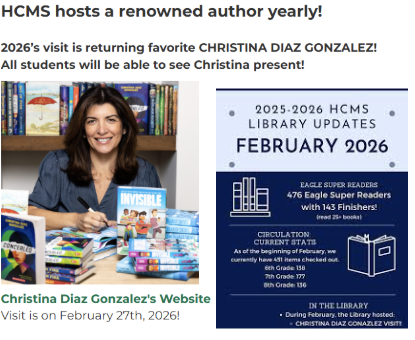
Hunter’s Creek Middle School (the school I go to) has one of the most active school libraries I can think of and one of the most active school librarians. Yes, I am a little biased but there is evidence to support this. Every year we have an author visit the school, this year we had three, but we still have at least one every year. This is to “advertise” reading to the students. As students visit the author in their ELA classes they get an in person talk with the author. I, for one, have certainly been encouraged to read these authors’ books after I have seen them. Another example is that we host literacy night every year for the coming author to encourage their books. We have rooms set up around the campus that are related to the author’s books. This year, we invited the 5th graders from their elementary school so that they could walk around the school and get familiar with our campus. We also have a Google form where students can fill out what books they would like to see in our library. Although, it does take some time to get these books in the library, the books almost always end up in our library. On another note, there is a reading challenge called Eagle Super Reader that is a paper that you fill out with twenty-five books you’ve read throughout the year and get prizes plus an end of year party. This really encourages kids to read because who wouldn’t want to skip school for a day and hang out in the library? This is just a little bit of the whole lot Ms. Moye does for our library and our school. All of these things and events she sets up all help make reading a little more fun for the students. They help to encourage students to read more, expanding their vocabulary and making them more educated. This is one example of an active school library and its effect on the students of which it serves.

Conclusion

In a nutshell, active school libraries are an excellent resource to have but there are certain obstacles that lessen one’s ability to do so. Such as budget cuts and the absence of a full-time librarian. There are schools that have been able to pull this off though, and that has greatly impacted student learning and reading capabilities. All in all, having an active school library is an amazing thing that I hope more students will get the opportunity to have in their educational careers.

Is The Hunger Games our future? by Edie, 8th grade

After reading Layla N.s’ post from last year (https://www.unleashingreaders.com/29146) I was inspired to expand, in light of more recent events (mid 2025-now) like issues regarding much more pressing matters. Such as a major increase in wrongful/ unjust (no fair trial) or violent deportations and racism by ICE (Immigrations and Customs Enforcement), there has also been an increase homelessness and inadequate housing all over the world that was not discussed in the previous post. There has also been another development since the first post; the announced Patriot Games happening summer 2026, which provide many parallels to The Hunger Games universe. The Hunger Games is a dystopian book series converted into movies. Here is a short summary of the plot: There are 12 districts in the country of Panem (originally 13 districts, just like the original 13 colonies!). The Capitol controls all of the districts, in an elected dictatorship type of way, and Panem (the country with all the districts/where The Hunger Games take place) is run with an extremely tyrannical government. Each district provides something for the Capitol, however they cannot trade with other districts, and are forbidden to leave the one they were born in.. Except if they are reaped. The reaping was installed after the districts rebelled against the Capitol and failed, as a punishment for them. The reaping is a part of The Hunger Games, in which the reaping is how they get there. To remind them that the Capitol is always stronger, but also to remind them how “generous” they are. I will explain more of The Hunger Games in their comparison section to the upcoming Patriot Games, but for now that is where I will end the summary. The 3 topics during this post are: Law Enforcement, The Hunger Games vs. The Patriot Games, and Quality of Life. 

Law Enforcement
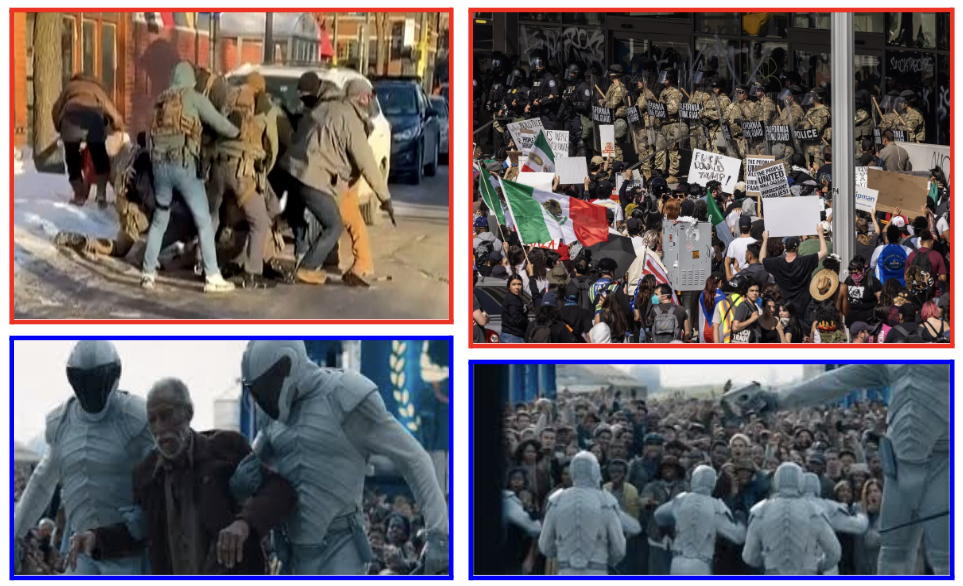
In this section of the post I will be showing and comparing the law enforcement in The Hunger Games vs. The law enforcement in the U.S.. Starting off, the image on the upper right shows people protesting against ICE (Immigration & Customs Enforcement). President Trump thought this was un-American and deployed the National Guard (to go against their own country!), just because of people simply exercising their 1st amendment rights. The image below shows a similar circumstance, but in The Hunger Games. Peacekeepers (who are the law enforcement in the books), are holding back people protesting against The Hunger Games (also fighting against their own country). 

Continuing to the images on the left, both show law enforcement officers holding down protesters, who were later shot dead by those same officers. The one on top shows Alex Pretti, who was filming a detaining by ICE, and mere minutes later, was killed by them. He approached a vehicle with his phone, recording a conflict (he was not prior involved in) with ICE agents. After the person ICE was having a conflict with ran into Alex for safety during the protest, the ICE agent took him as a threat. The agent immediately pepper sprayed him to the ground, and more ICE agents held him and started hitting him. Once the agents removed his (Alex Prettis’) legal carrying firearm, they decided he was still a threat; beaten and bloodied. They then brought out one of their own guns and shot him 10 times.The image below that shows an unnamed man in The Hunger Games series being lifted up on stage, and later shot, because he used a sign of rebellion: lifting the 3 middle fingers and whistling a tune from their district (the same district where a 12 year old girl got murdered in The Hunger Games: District 11). The constitution most likely does not matter/ no longer exist in The Hunger Games universe and it was probably legal for Peacekeepers to do this. It is not legal today. Though the 2 situations are awfully similar: murdered because of protesting. Why are our Constitutional rights slowly disappearing?

The Hunger Games v.s The Patriot Games

“The Patriot Games” “The Hunger Games”. One. Word. Off. The Patriot Games is an event President Trump announced for 2026, to celebrate America’s 250th year of freedom from Great Britain. They require 1 male and 1 female tribute from each state. These tributes for being the top high school student athlete in the state (you read that right; high school; children). Then, they will go to the capital (D.C.) and fight for their (the Capitals) entertainment, and it is unstated whether this will continue annually. The Hunger Games was created by the capitol after the districts lost a rebellion/war to them. It was to show them that they were superior, and was like an annual punishment. The rules were that 1 male and 1 female (ages 12-18) will be reaped (chosen) from each territory. Reaping day was on July 4th/Americas’ Independence Day. The parallels are obvious. 1 male and 1 female child selected from each territory to go fight in the Capitol, for the Capitols enjoyment. Now what happens to the tributes in the Patriot games who do not win is unstated, whether they get anything, or just go home. Luckily it is not a fight to death scenario , but the winners are bathed in riches just as the victor in The Hunger Games. These rules play into what the Capitol stated in The Hunger Games, ruling that the games are used to show that they will always be more powerful, and then the winner being shown mercy and money is a reminder of their “generosity”.

Quality of Life
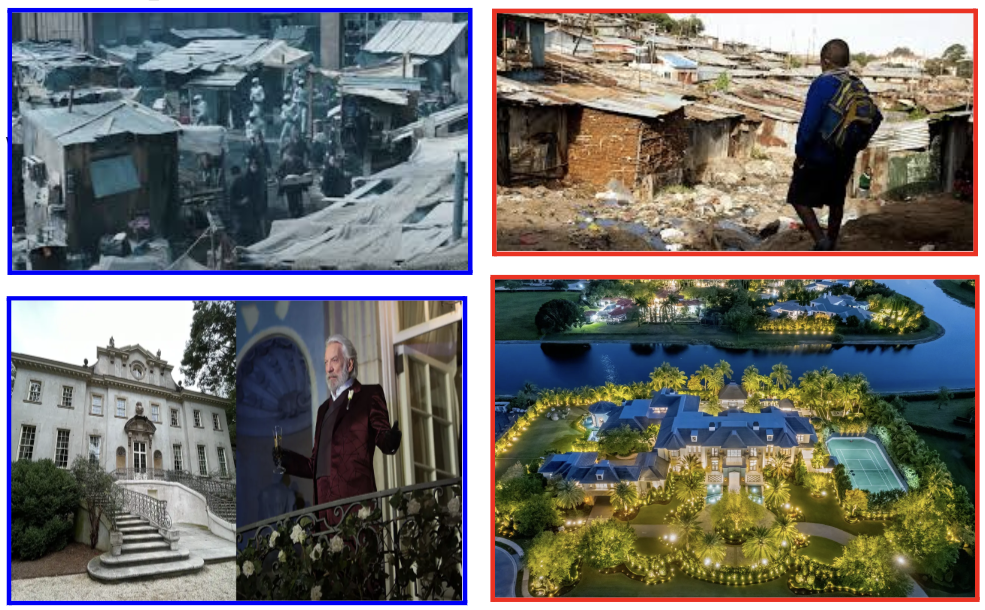
Next, quality of life in the world now versus quality of life in the districts. Starting off, world hunger is a very prominent issue and affects almost 1/10th of the population. Homelessness affects roughly 3% of the world population. These problems lead to awful living in many countries (as shown in the image on the upper right). In the districts from The Hunger Games, specifically district 12, we see lots of horrible living conditions along with many people starving. We even see this in the main character herself (Katniss Everdeen), nearly starving to death, simply because her district didn’t get enough rations for the winter. We also see people living on the streets, or in extremely small and damaged homes (upper left photo), much like present day poverty which affects 9% of the population. Through these we see many similarities with the way people live in these 2 worlds; on the worse side of it.

Now with people on the better side; I am going to compare citizens in the Capitol of Panem, and the billionaires of our world. The amount of rich people in Panem compared to the amount of people in the districts (living in lesser quality of life) is miniscule, yet they rule the country. They usually have ridiculously pricey houses, and outfits (lower left photo). The billionaires in our world are also extremely few (3000 out of more than 8 billion people!). Our billionaires normally have expensive extravagant clothing and homes (lower right), much like the capitol people. Though in small quantities, they have huge influences on our world, through them affecting political standpoints with money. The people who donate are in the 100s; yet every single one of them could obviously spare some of their money that could make a huge difference, but somehow, they are taxed less.

Conclusion

When reading or watching The Hunger Games( or if you haven’t read or watched the series, I hope this post convinced you to do so) you sided with the resistance to The Games/ Capitol right? Why are people still supporting the current state of our country and world when they can clearly see where we could be headed? The similarities between the two universes ( our Earth and The Hunger Games world) are apparent. As of right now, the amount of states in the U.S. who support this is decreasing, but there are still some who will do nothing but praise our way of life. Like in Mockingjay (3rd book in The Hunger Games) in District 2, where loyalty to the Capitol runs deep, they were the last one to surrender and join the rebellion, before the resistance stormed the Capitol. It will take time, but I believe eventually everyone will join the resistance just like in Mockingjay and overthrow our upcoming tyrannical government. Suzanne Collins ( author of The Hunger Games) has said, she only writes when she has something to say. Now this raises a lot of “when will” questions, when will everyone join the resistance? When will we start listening to Suzannes’ writings? When will The Hunger Games become our reality?

Thank you so much to my student voices today and their look at the state of our world!

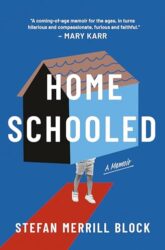
Sofia’s YA Book Nook: Homeschooled by Stefan Merrill Block

Share


Sofia is a 13-year-old brilliant reader who aspires to be a book reviewer. Since she was 8 years old, on select weeks, Sofia shares her favorite books with other young people her age! She is one of the most well-read youth that we know, so she is highly qualified for this role!

Note: This one is an adult book that is popular among young adults!


Dear readers,

Please let me introduce you to Homeschooled by Stefan Merril Block, a devastating memoir about Stefan’s relationship with his mom and how she emotionally manipulated him into homeschooling. His mom’s abusive nature while she so desperately wanted Stefan to stay as her little boy was heartbreaking to read about. I really want to thank Ricki for recommending this to me after I read Educated (link to review), a book of a similar nature which I also loved! 

Goodreads Summary

A heartbreaking and empowering debut memoir about a mother’s all-consuming love, a son’s perilous quest to discover the world beyond the front door and the unregulated homeschool system that impacts millions like him. Stefan Merrill Block was nine when his mother pulled him from school, certain that his teachers were “stifling his creativity.” With no background in education and no formal training, she began to instruct Stefan in the family’s living room. Beyond his formal lessons in math, however, Stefan was largely left to his own devices and his mother’s erratic whims. She forced him to bleach his hair and to crawl like a baby in a strange and regressive attempt to recapture his early years. Long before homeschooling would become a massive nationwide movement, at a time when it had just become legal in his home state of Texas, Stefan vanished into that unseen space and into his mother’s increasingly eccentric theories and projects. But when, after five years away from the outside world, Stefan reentered the public school system in Plano as a freshman, he was in for a jarring awakening. At once a novelistic portrait of mother and son, and an illuminating window into an overlooked corner of the American education system, Homeschooled is a moving, funny and ultimately inspiring story of a son’s battle for a life of his own choosing, and the wages of a mother’s all-consuming love.

My Thoughts

Homeschooled is a truly upsetting read that will have you forgetting that it is a memoir. I remember all the crazy scenes, including self-harm, where I couldn’t imagine such a horrific upbringing was real. This novel made me grateful for all of my wonderful teachers who nurture education and guide us through the material we have to learn, not just abandoning us like Stefan’s mother. The effects of the isolation his mother’s homeschooling caused were evident and caused Stefan to make social mistakes like going on a dating chat room. It really seemed like his mother was trying to isolate him at times, embarrassing him in front of his friends and corrupting the way he saw other people. Though this novel is not an accurate portrayal of all homeschooling, it definitely tells an important story that rings true to many across America. Bringing awareness to these practices is the key to avoiding them. Stefan’s mother should not have been able to single-handedly be responsible for all of Stefan’s schooling. 

Homeschooled is an Adult novel because of the emotional abuse Stefan faces and his intimate coming of age story. It is an important story that can and should be read by upper high schoolers.

**Thanks so much, Sofia!**

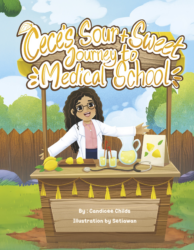
Author Guest Post: “Planting the Seed: Why Sharing Stories with Diverse Representation in Medicine and STEM Matters for Children” by Dr. Candicee Childs, Author of Cece’s Sour and Sweet Journey to Medical School

Share

“Planting the Seed: Why Sharing Stories with Diverse Representation in Medicine and STEM Matters for Children”

I remember that day as if it were yesterday—the day I found out becoming a doctor was possible and, quite frankly, a real option. Oddly enough, it was when I was a college student. I asked a career counselor, based on my interests and grades, how I could find my purpose in life (not just a job). I explored what service I hoped to give to the community and what I hoped to gain, which, again, was a sense of purpose. When he shared his first instinctive suggestion of a career in medicine, it shocked me.

I later realized I was incredibly stunned not because of the type of job he recommended, but because the reason I had never thought of it myself came from never seeing anyone who looked like me in it. It was not because of the responsibility or the difficulty of the path to medicine, but because the idea literally had not occurred to me. Growing up, I did not see any physicians of color in my community, nor did I have any family members who pursued this career. I did not read about it in books. It was rarely portrayed in the media. Without realizing it, I had internalized the idea that this was not a space meant for someone like me. It was a hidden barrier I did not realize was there.

That was the day I secretly vowed to myself that if I ever made it, I would do what I could to advocate for this—to show that, yes, diverse representation in medicine and STEM matters.

Today is a different time. The landscape is slowly changing, with shows such as Doc McStuffins, a young Black girl who imagines herself as a doctor caring for her stuffed animals. Children can also see characters like Shuri in Marvel’s Black Panther, a brilliant young woman scientist and engineer whose inventions power the fictional nation of Wakanda. Whether we realize it or not, these characters model to children of color and diverse backgrounds that, yes, this is possible. These characters may seem small in the grand scheme of things, but they carry enormous power in the media. They introduce children to possibilities they may not otherwise imagine. Yes, you can do this, and the world can be your oyster. Yes, you could be an athlete or a singer, but you could also be an engineer or even a doctor. Representation does something subtle but profound: it expands the imagination.

When children see someone who looks like them in a role in science, leadership, or healing, the question shifts from “Can someone like me do this?” to “How do I get there one day?”

This matters in medicine and STEM fields, where diversity remains limited in many spaces. As a tall woman of color, I was often expected to be a basketball player, but that was not my passion. I loved science and later grew to love the idea of becoming a doctor. Now that I am in the medical field, the research still shocks me with how low diversity remains. A 2023 article by the Association of American Medical Colleges (AAMC) reported that 5.7% of the U.S. physician workforce is Black/African American, and Hispanic physicians comprise approximately 6.9%, despite these groups representing 13.6% and 19.1% of the U.S. population, respectively.

There are many articles that explain why diversity in medicine matters, noting that it directly improves patient outcomes, reduces health disparities, and expands access to care for underserved populations. Beyond the statistics, representation matters because it shapes identity. When children are asked, “What do you want to be when you grow up?” many learn about these careers through what they see and what they can imagine. Whether they realize it or not, their identity is already forming, and it begins when a child first imagines who they might become.

For some children, that vision comes easily because the path is visible everywhere—in their neighborhoods, classrooms, families, television shows, and books. For others, that path seems hidden until someone shines a light on it. That is why stories are so important. Stories can be that light.

When we write books, create media through television and movies, provide mentorship, or simply share our journeys through reflection, we are doing more than telling personal stories. We are planting seeds—seeds that may grow years later into a future scientist, engineer, researcher, or physician who once needed someone to show them that the door was open. For me, that door opened with a single conversation.

Now, through storytelling and representation, I hope to help open it for someone else—maybe a young boy or girl who simply wants to pursue something different from what they feel the world is offering them based on how they look.

References:

  1. Boyle, P., By, Boyle, P., Writer, S. S., & 12, Jan. (2023, January 12). What’s your specialty? new data show the choices of America’s doctors by gender, race, and age. AAMC. https://www.aamc.org/news/what-s-your-specialty-new-data-show-choices-america-s-doctors-gender-race-and-age
  2. Heath, V., & Price, C. L. (2025). Addressing health disparities: How having a more diverse biomedical workforce can contribute to addressing health disparities in communities that are often underrepresented in the healthcare system. British Journal of Biomedical Science, 82. https://doi.org/10.3389/bjbs.2025.14973
  3. Rosenkranz, K. M., Arora, T. K., Termuhlen, P. M., Stain, S. C., Misra, S., Dent, D., & Nfonsam, V. (2021). Diversity, equity and inclusion in medicine: Why it matters and how do we achieve it? Journal of Surgical Education, 78(4), 1058–1065. https://doi.org/10.1016/j.jsurg.2020.11.013

Publishing May 7th, 2026 by Book Baby

About the Book: From a young age, Cece had her heart set on learning new things, and discovering how she could make a positive impact on the world. As she grows up, her passion for helping others intensifies and she sets her sights on a big dream – attending medical school to become a doctor. But Cece‘s path to her goal is filled with both sweet victories and sour setbacks. As the saying goes, “When life gives you lemons, make lemonade.” 

Through the highs and lows of her journey, Cece learns that failure is not the end, but a vital part of the process. In this heartwarming story, children will be inspired to embrace life’s sour moments, and find the sweetness that comes from never giving up and staying true to their dreams. Join Cece as she teaches young readers valuable lessons about overcoming obstacles and staying hopeful, no matter how tough the journey gets.

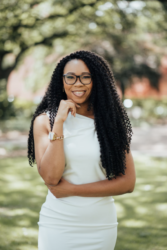
About the Author: Dr. Childs is passionate about sharing her story and, more importantly, wants to encourage any and everyone to find their passion and pursue their dreams – no matter how big or small. She has hope to encourage, empower and uplift any person who wants to truly work in their purpose. As a passionate author, she understands the importance of uplifting others through her words, actions, and creative works. In the future, she hopes to inspire and educate others by writing several books and becoming a podcaster. As a Christian, she also explores many ideas that embrace the role that spirituality plays in a person’s life.

Her hometown is the beautiful city of Savannah, GA. She has three degrees: a Bachelor of Science degree in Chemistry with a minor in Spanish from Valdosta State University, a Master of Healthcare Administration degree from Georgia Southern University, and a Doctor of Medicine degree from Augusta University – Medical College of Georgia. She has two certifications in nutrition and personal training from the National Academy of Sports Medicine.

Learn more about Candicee Childs here.

Follow Candicee Childs on social media:
Twitter/X: @candicee_childs_md | Instagram: @candicee_childs_md

Thank you, Dr. Childs, for this post!!

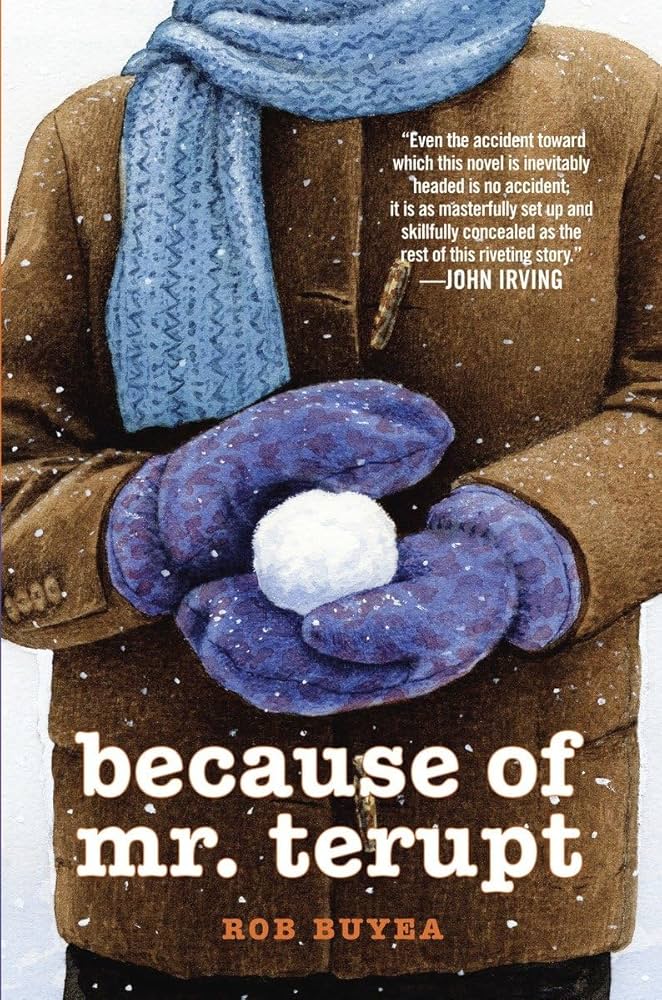
Henry’s Books: Because of Mr. Terupt by Rob Buyea

Share

Henry is an incredible 11-year-old kid who loves reading books. He wants to share his favorite books with other kid readers! This is his first book review, so give him some love!


Dear readers,

This is my first book review, so I’d love your thoughts. I listened to the audiobook, which was awesome.

Goodreads Summary: It’s the start of fifth grade for seven kids at Snow Hill School. There’s . . . Jessica, the new girl, smart and perceptive, who’s having a hard time fitting in; Alexia, a bully, your friend one second, your enemy the next; Peter, class prankster and troublemaker; Luke, the brain; Danielle, who never stands up for herself; shy Anna, whose home situation makes her an outcast; and Jeffrey, who hates school. Only Mr. Terupt, their new and energetic teacher, seems to know how to deal with them all. He makes the classroom a fun place, even if he doesn’t let them get away with much . . . until the snowy winter day when an accident changes everything—and everyone.

My Thoughts: Because of Mr. Terupt is a great book. It is about a teacher that a lot of kids really love. Seven of the kids in the class give their perspectives about how the teacher changed their lives. There is a big thing that happens in the middle of the book, but it is a spoiler, so I won’t tell you. My favorite character was Peter because he changes a lot during the book. In the beginning of the book it seems like he’s not a great kid, but he gets better. I think the age range for this book is 8-12. I highly recommend this book because it kept my interest from cover to cover.

**Thanks so much, Henry!**

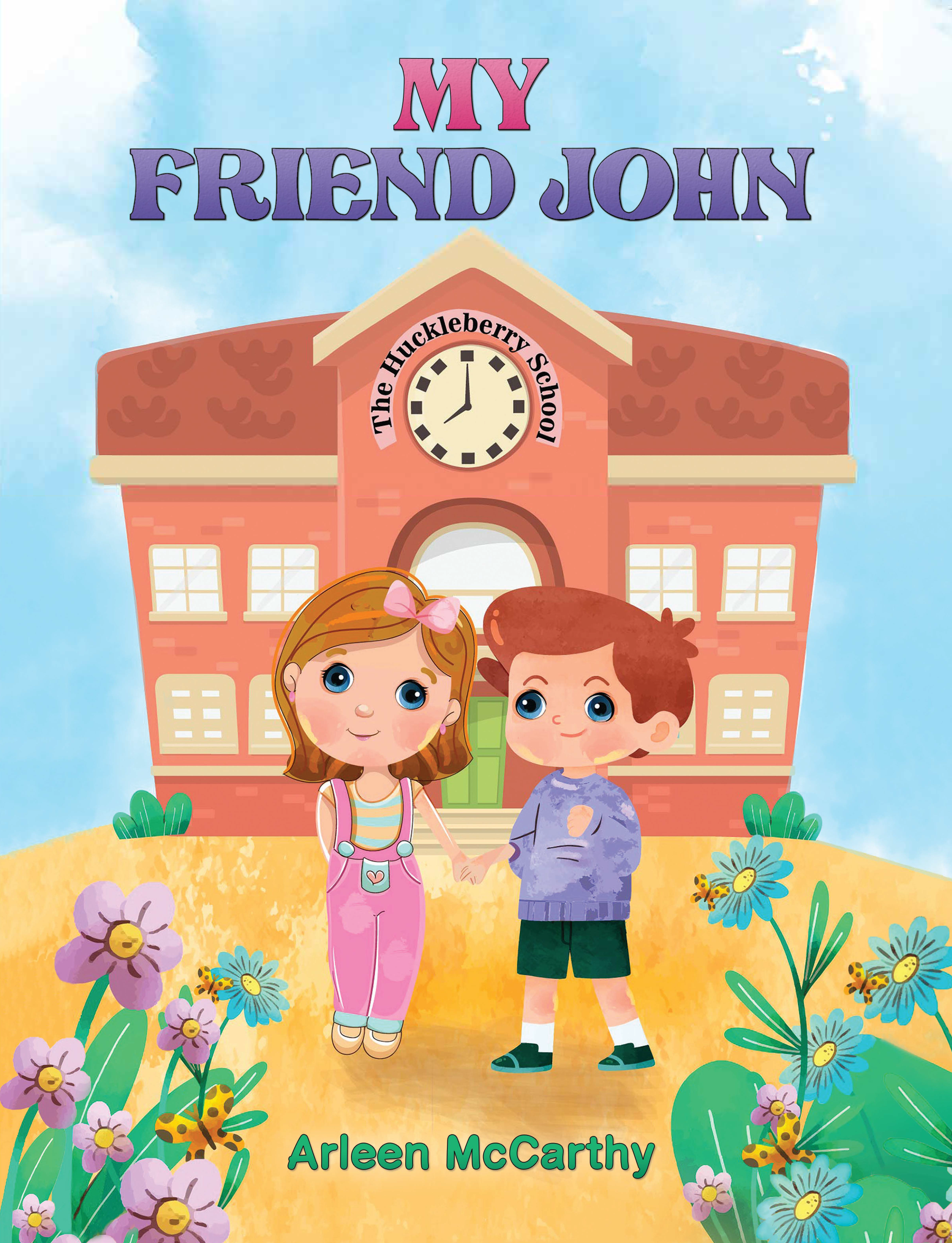
Author Guest Post: “Friendship in Schools” by Arleen McCarthy, Author of My Friend John

Share

“Friendship in Schools”

When we think of the word “friend,” we think of so many different people. We think of friends we grew up with, friends we went to college with, friends we know through our children, and friends we work with. But are they all really “friends?”

When I was younger, I would use this word a lot, but the older I get, the more selective I am with it. I think life teaches you that. 

But what if we learned what a friend is early on? What if we learned this valuable definition in elementary school? Would we be different as adults? Would our world be better?

I believe the answer is yes. We may not have a lot of friends, but I bet we would have good ones.

In my book, MY FRIEND JOHN, I wanted to easily convey to young readers that friends make you feel good. Friends make you feel safe. There are no judgments with friends, no whispers of envy, no passive aggressive comments–just advice, listening, acceptance, laughter, warm hugs, and a lot of love. This is what I know for sure, and this is so valuable to know as a child.

But how often have children and adults been hurt by their friends? If we, as humans “felt” our way through friendships, our friend list might decrease but the value of it would increase and we’d be much happier in the long-run.

In MY FRIEND JOHN, a young boy named John, who has Tourette Syndrome, starts at a new school. As he faces bullying, his new friend, Bella, stands up for him and educates herself and others on neurodiversity. 

When I think of Bella, I think about the kind of person she is: She did not judge her new classmate. Instead, she embraced a new student because she was kind, and even though he appeared very different from her, she wanted to be his friend. 

This was exactly what John needed. This is what we all need in life, especially children and especially children with disabilities. If more children were like Bella, our world would be a better place. John’s experience at his new school would not have been as pleasant if Bella had not taken the time to stand up for him. But the transformative power of human connection causes us to feel empowered and resilient.

How many times as an adult have you heard someone make fun of someone else? How many times have you seen people leave mean comments on social media posts? How many times have you heard gossiping? Why is this acceptable behavior? Where did we learn this from?

Life can be so hard at times, and we all need genuine friends to get us through it. I believe if children realize the true meaning of friendship and its connection to kindness, they would be able to make better choices.

When I think of my own experiences as a child and the moments I felt left out, it felt awful. I remember one time while I was in high school, I was walking home from the bus stop with a friend. I asked her if she wanted to do something that night as it was a Friday. She said she had already made plans with another friend, and they were going to a party. Why didn’t she just invite me? I never understood it. I remember feeling so sad. It felt terrible not to be included. 

And yet, Monday morning, I continued to be her friend.

Why do children and adults accept this behavior from their “friends?”

We all need human connection. We all need love. And we need to have this message conveyed to children, so they have the knowledge and understanding to make better choices when it comes to choosing friends. 

I feel this is especially important for our children with disabilities. We need more people to see past a disability. We need more people embracing diversity. We need more people like Bella.

Life is hard even without a disability…imagine living with one…imagine being a child living with one. 

But now just imagine being at a party where there were people with and without disabilities. Everyone is laughing and everyone is having fun. Everyone feels safe and everyone feels happy. Everyone is included.

I want to be at that kind of party.

What is a friend? A friend is someone who makes you feel good. A friend is someone who makes you feel safe.

Published November 8th, 2024 by Austin Macauley Publishers

About the Book: Meet John, a remarkable new student at The Huckleberry School. John’s life takes a heartwarming turn when he befriends a sweet little girl named Bella. Everything seems to be going smoothly for him, until a challenging situation resurfaces, shaking the foundations of his world. 

In My Friend John, we are invited to witness a touching journey which explores not only the essence of friendship but also the profound qualities of kindness and leadership. This poignant tale serves as a powerful reminder of the resilience within us all and the transformative power of genuine connection.

About the Author: Arleen McCarthy teaches at a public school in New York City and has always been passionate about making the world a better place. She grew up with two brothers with special needs and saw first-hand the struggles they endured while they were in school. Arleen, her husband, and their dog live in New York and divide their time between Manhattan and Westchester.

Thank you, Arleen, for this look and lesson about friendships in schools!

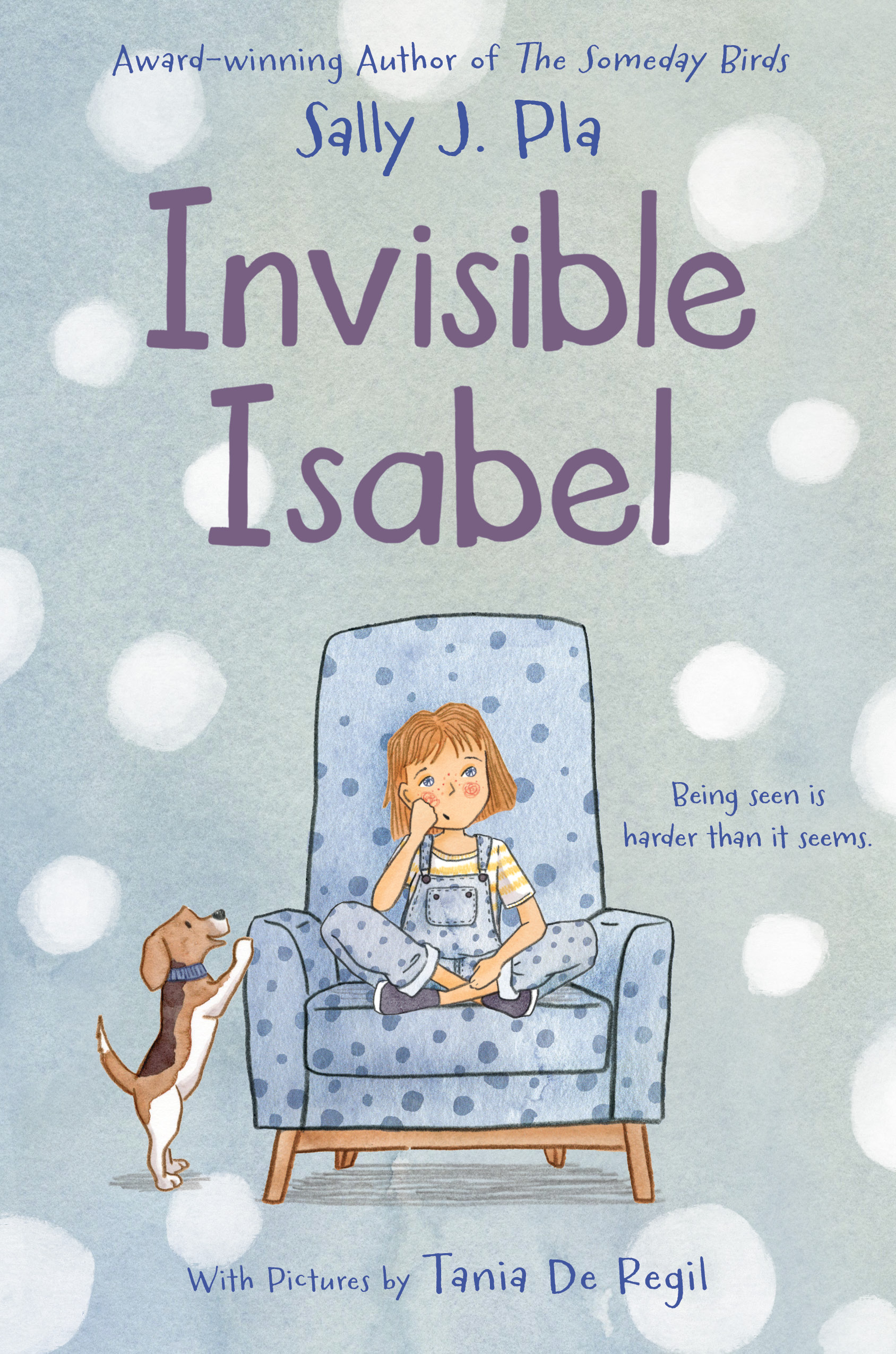
Invisible Isabel by Sally J. Pla, Illustrated by Tania de Regil

Share

Invisible Isabel
Author: Sally J. Pla
Illustrator: Tania de Regil
Published July 9th, 2024 by Quill Tree Books

Summary: In this illustrated middle grade novel by Schneider Award-winning author Sally J. Pla, introverted Isabel Beane learns how she can speak up to help quiet the worries she feels. For fans of Elana K. Arnold and Leslie Connor.

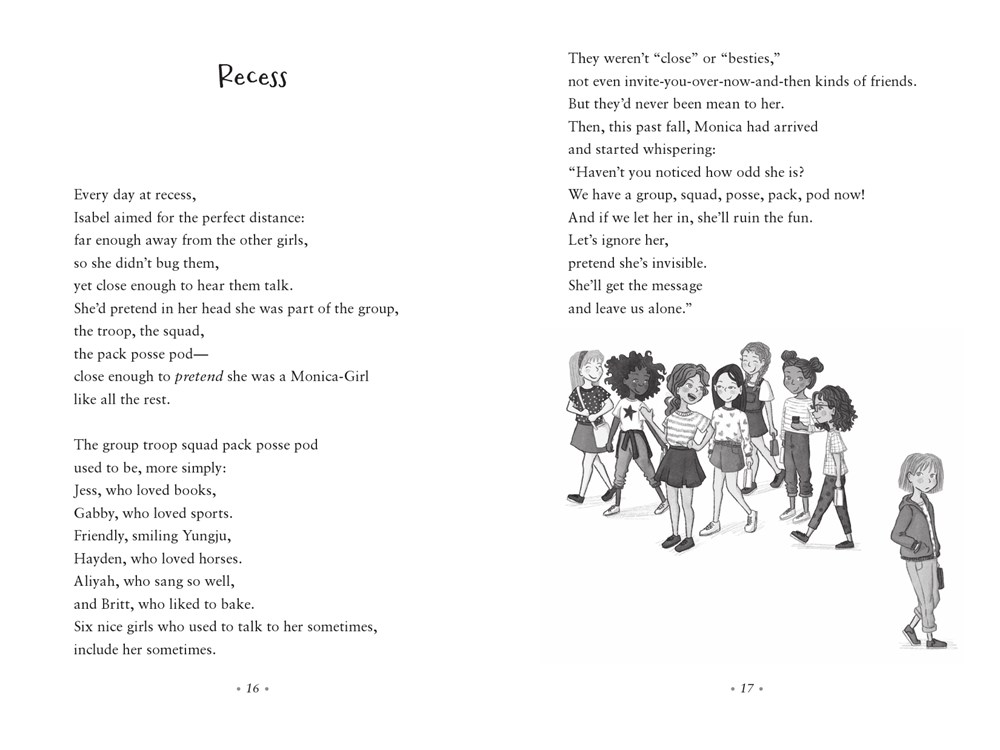
Isabel Beane is a shy girl who lives in a home full of havoc and hubbub and hullabaloo. With five siblings, there is too much too much-ness.

At the same time, there’s a new girl at school who is immediately popular, but she’s also not very nice to one person—Isabel.

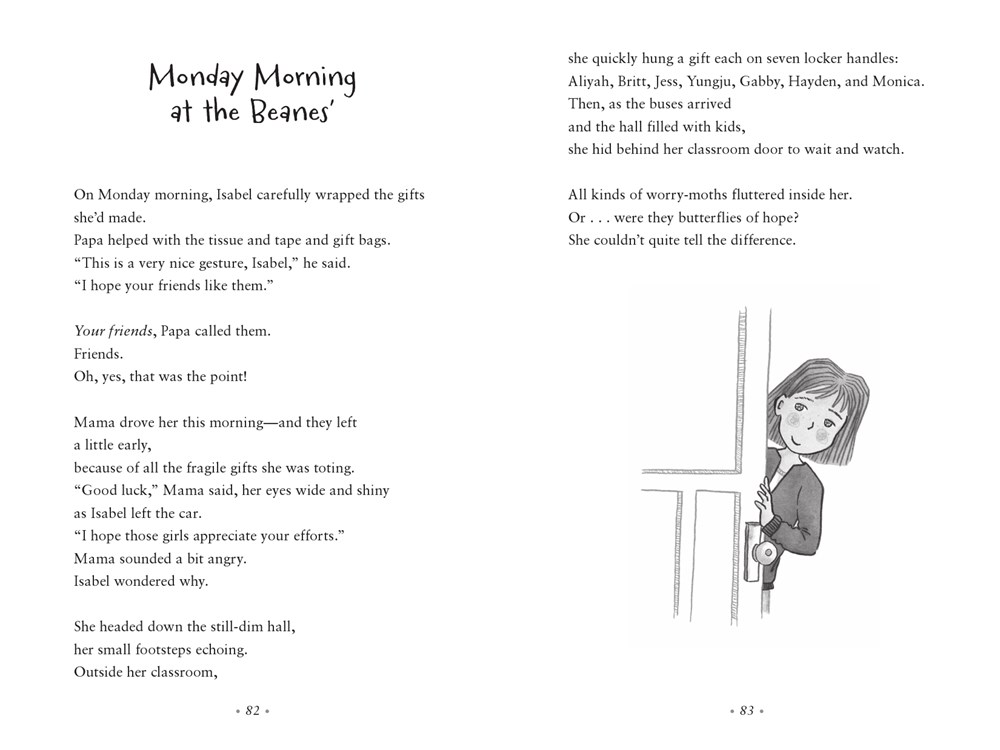
Isabel has never felt more invisible. She has so many fears: being abandoned by her old friends at school, having to speak to strangers in public, taking the upcoming Extremely Important standardized test. Her fears feel like worry-moths that flutter in her belly. With every passing day, it seems like they get stronger and stronger. How can Invisible Isabel make people listen?

About the Author: Sally J. Pla is the ALA Schneider Award-winning author of THE FIRE, THE WATER, AND MAUDIE McGINN, as well as the Dolly Gray Award-winning THE SOMEDAY BIRDS and several other popular novels and picture books. Her books have starred reviews and appear on many state awards lists and “best books” roundups. Sally, who is neurodivergent, has appeared on television and radio as an author and autism advocate. She also runs the website resource A Novel Mind (anovelmind.com). Sally believes in kindness, respect, and the beauty of different brains. We are all stars shining with different lights! Visit her at www.sallyjpla.com.

Instagram: @sallyjpla
Twitter/X: @sallyjpla
Facebook: Sally Pla

Review: This book brought up a ton of emotions for me as a mom and as a teacher. I was so mad at so many of the characters that I had to stop, breathe, and I even sent a Tweet to the author. I could not understand how this sweet girl wasn’t understood by anyone around her, and all of these emotions I felt while reading shows you how the style and voice of the book just engulfed me as a reader. Because of the verse and first person point of view, every word written felt like it was precisely chosen to go straight to my heart. I loved Isabel’s voice because although she is so quiet outwardly, she has so much to say, and we, the reader, get the honor of reading her words.

This book adds another amazing story into narratives about neurodivergency, and I truly believe that it will help so many understand Isabel thus leading to more understanding in real life.

Tools for Navigation: The verse in this novel will lend itself so perfectly to mentor texts. I would love to see students read Isabel’s poetry about her worry moths then write their own versions or use her examples of figurative language in their own way.

Discussion Questions: 

  • What were signs that Isabel struggled at home? At school?
  • How does Monica show that just one person can make a huge change? How about Monica’s dad?
  • What is the line between pushing someone to do something outside of their comfort zone in a health way versus in an unhealthy way?
  • Although Isabel’s stomach pains at one point ended up being appendicitis, did her anxiety also cause physical stomach pains? Why?
  • How did the change in teaching style change how Isabel felt at school?
  • How did the illustrations add to the book?
  • What did the backmatter teach us about anxiety/autism?

Flagged Passages: A Worry-Moths Compendium (pg. 21)

Many scary what-if worries made Isabel’s heart thump,
her tongue dry up,
her hands sweat,
and her stomach churn
with moths.
At least, they felt like moths.
Like buzzing, fluttering worry-moths
with evil, anxious wings.
Mam might not think they were real.
But they sure FELT real to Isabel.

Read This If You Love: Books-in-Verse, A Boy Called Bat by Elana K. Arnold, Better with Butter by Victoria Pointek, Tom Percival’s emotion picture books, Jenn Bailey’s Henry books

Recommended For: 

classroomlibrarybuttonsmall 

Signature

**Thank you to Barbara at Blue Slip Media for providing a copy for review!**

Alterations by Ray Xu

Share

Alterations
Author & Illustrator: Ray Xu
Published January 30th, 2024 by Union Square & Co.

Summary: This funny yet poignant middle-grade coming-of-age story highlights the struggle of feeling invisible while yearning to be seen by all.

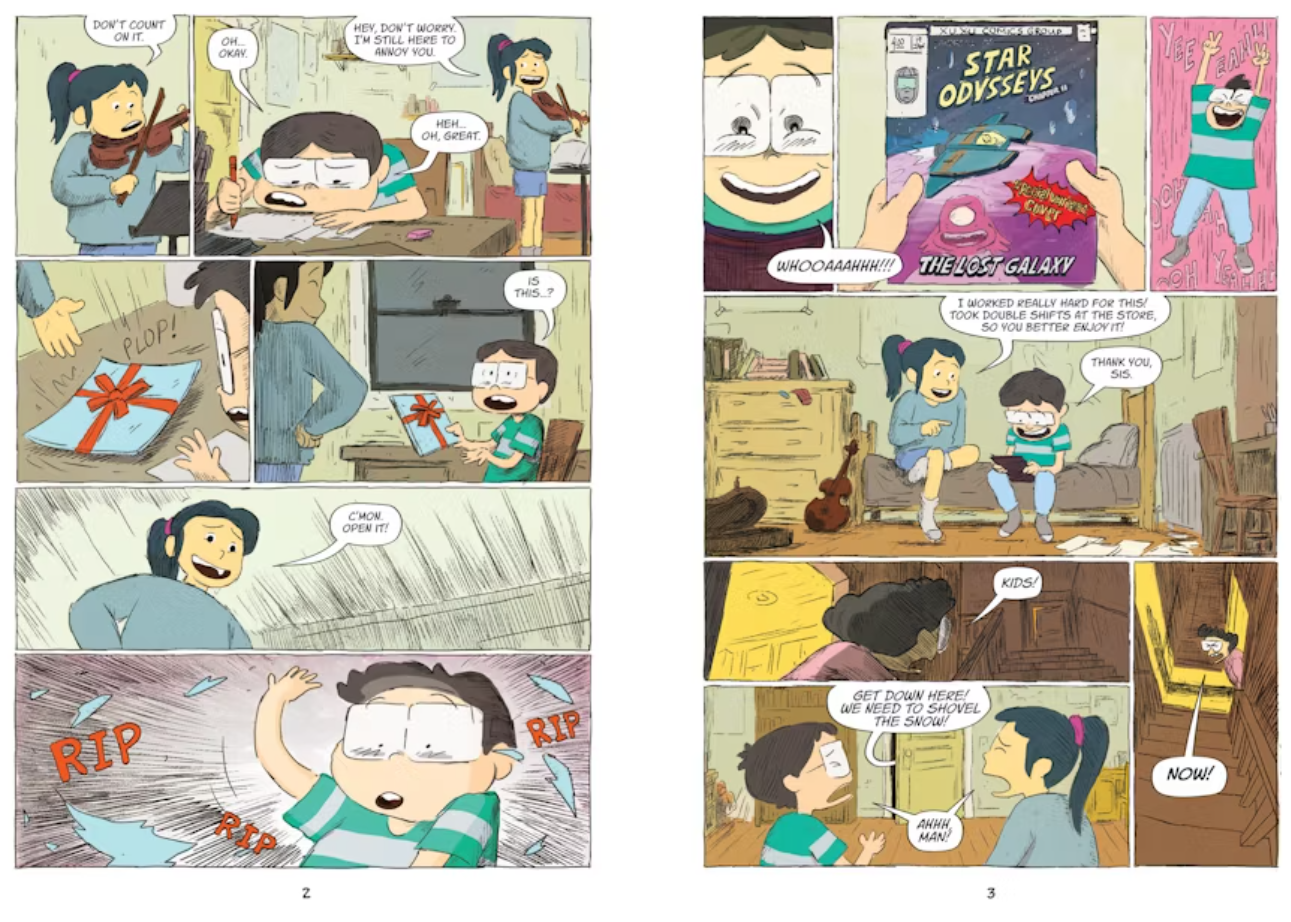
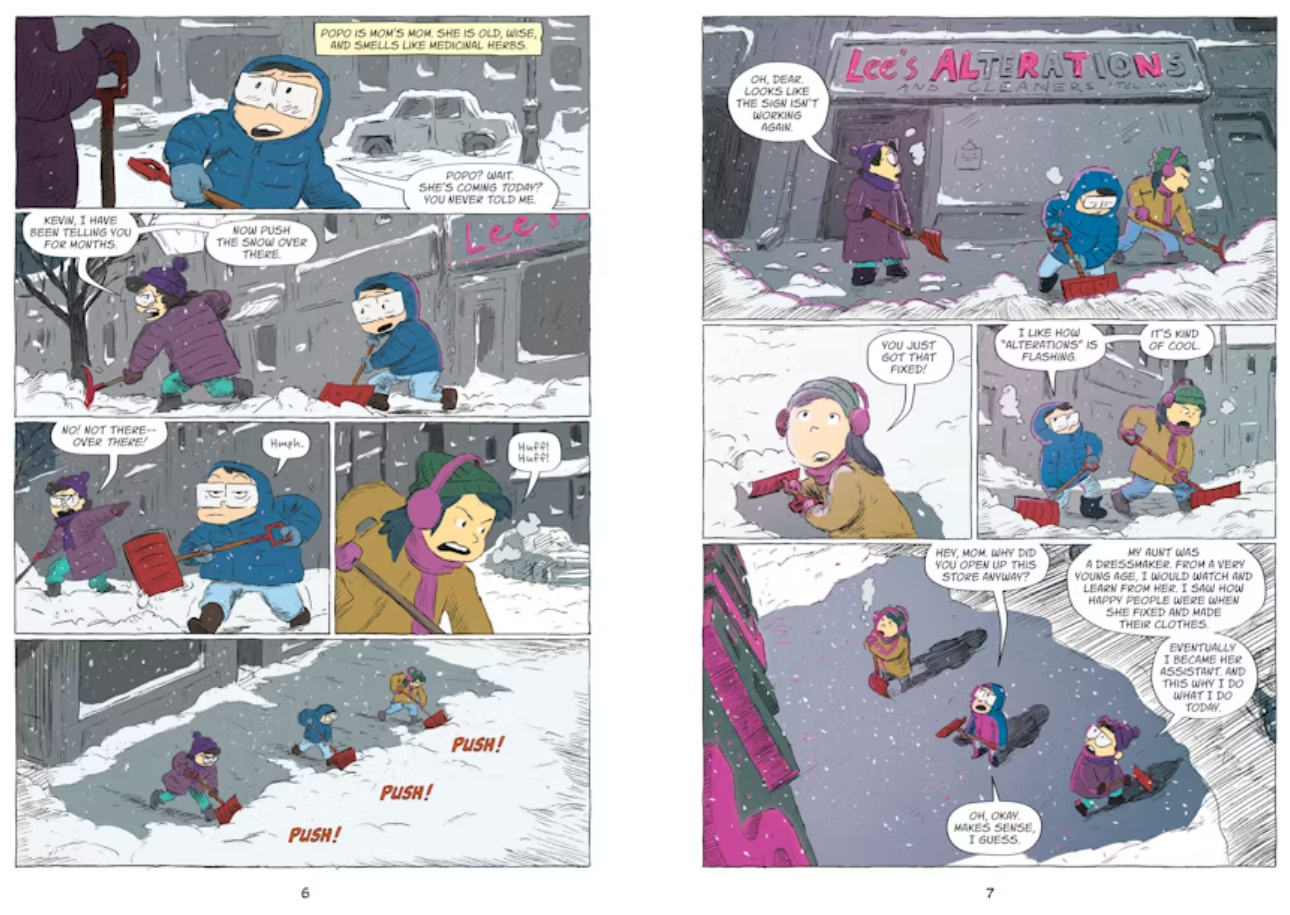
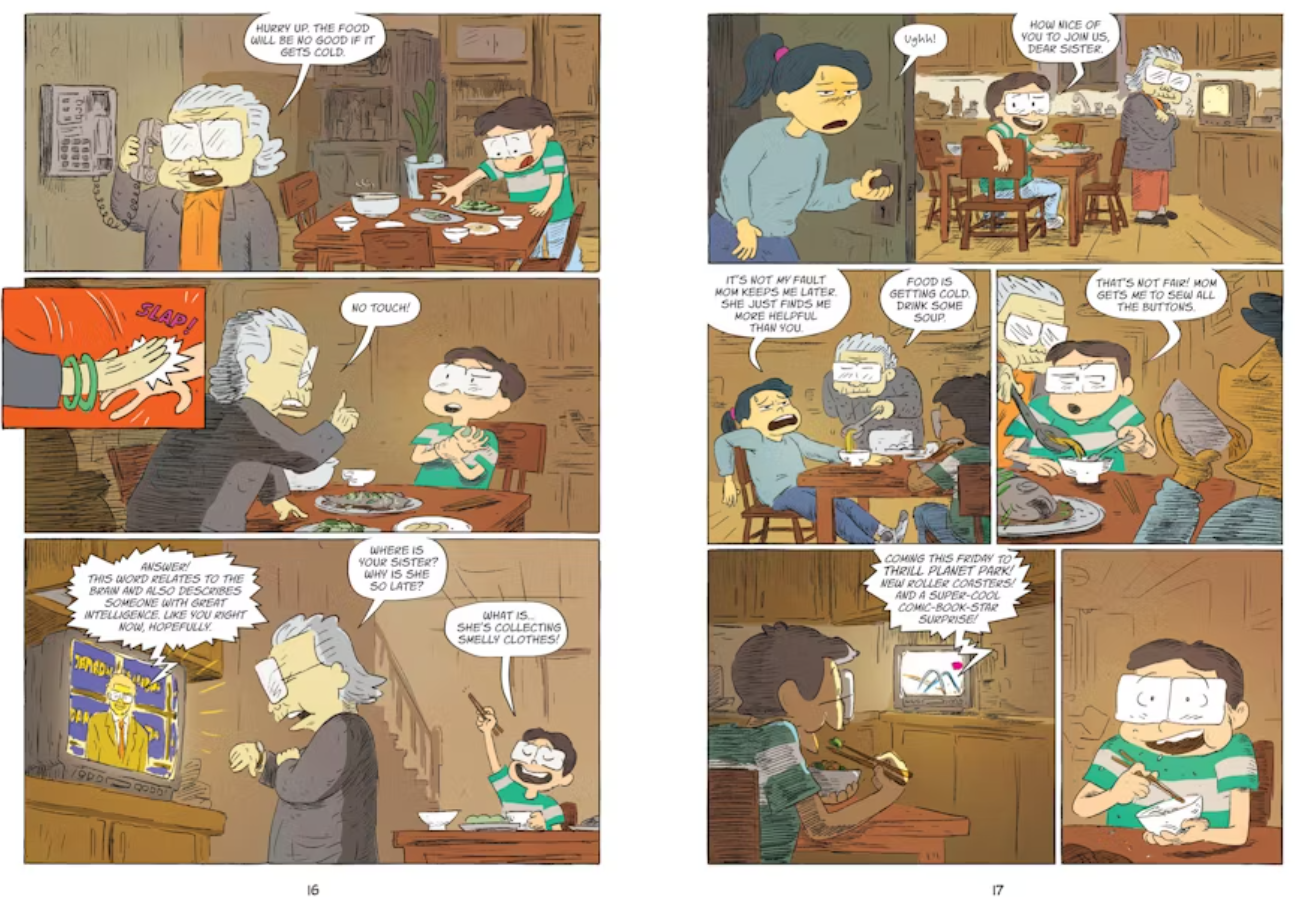
Kevin Lee is having a really bad week. Although he lives in a crowded Toronto apartment above the family’s alterations and dry-cleaning store, he mostly goes unnoticed. School isn’t exactly an oasis either—being one of the few Asian kids makes for some unwelcome attention. But when Kevin’s class plans a trip to Thrill Planet, a spectacular theme park, will he finally have a chance to turn his life around, or will it just be another day for Kevin Lee?

Fans of middle school graphic novels exploring identity and self-esteem will appreciate the poignant yet humorous journey of finding one’s place in the world, and readers who are looking for Asian representation in books will connect with Kevin’s story of racism, bullying, and the immigrant experience. With its mix of family relationships, friendships, and a thrilling amusement park climax, this inspiring read is perfect for fans of humorous middle grade fiction with diverse characters overcoming obstacles.

Praise:

This is an excellent debut middle grade graphic novel, both funny and full of heart, depicting the lives of an immigrant family.” —Book Riot

“A funny and heartfelt story that beautifully communicates the honest and awkward relationships we have with life and our immigrant parents.” —Dan Santat, Caldecott Medal winner and creator of A First Time for Everything

“Charming, relatable, nostalgic. Love Xu’s subtle and scraggly drawing style paired with his understated, yet deeply affecting storytelling. Brings me back to being a lonely Chinese kid in Toronto.”—Academy Award–winning director and screenwriter Domee Shi (Bao, Turning Red)

“Themes of sacrifice, survival, and love abound in a multidimensional story of navigating the bumpy terrain of family tensions and resilience across generations.”—Horn Book Magazine

“[A] moving depiction of a multigenerational immigrant Chinese family trying to sew themselves back together.”—Bulletin Center for Children’s Books

About the Author: Ray Xuis a Toronto-based story artist for television and feature films. His recent work includes the 2021 Netflix animated hit The Mitchells vs. The MachinesTeenage Mutant Ninja Turtles: Mutant Mayhem; and more. He invites you to visit him online at raymond-xu.com.

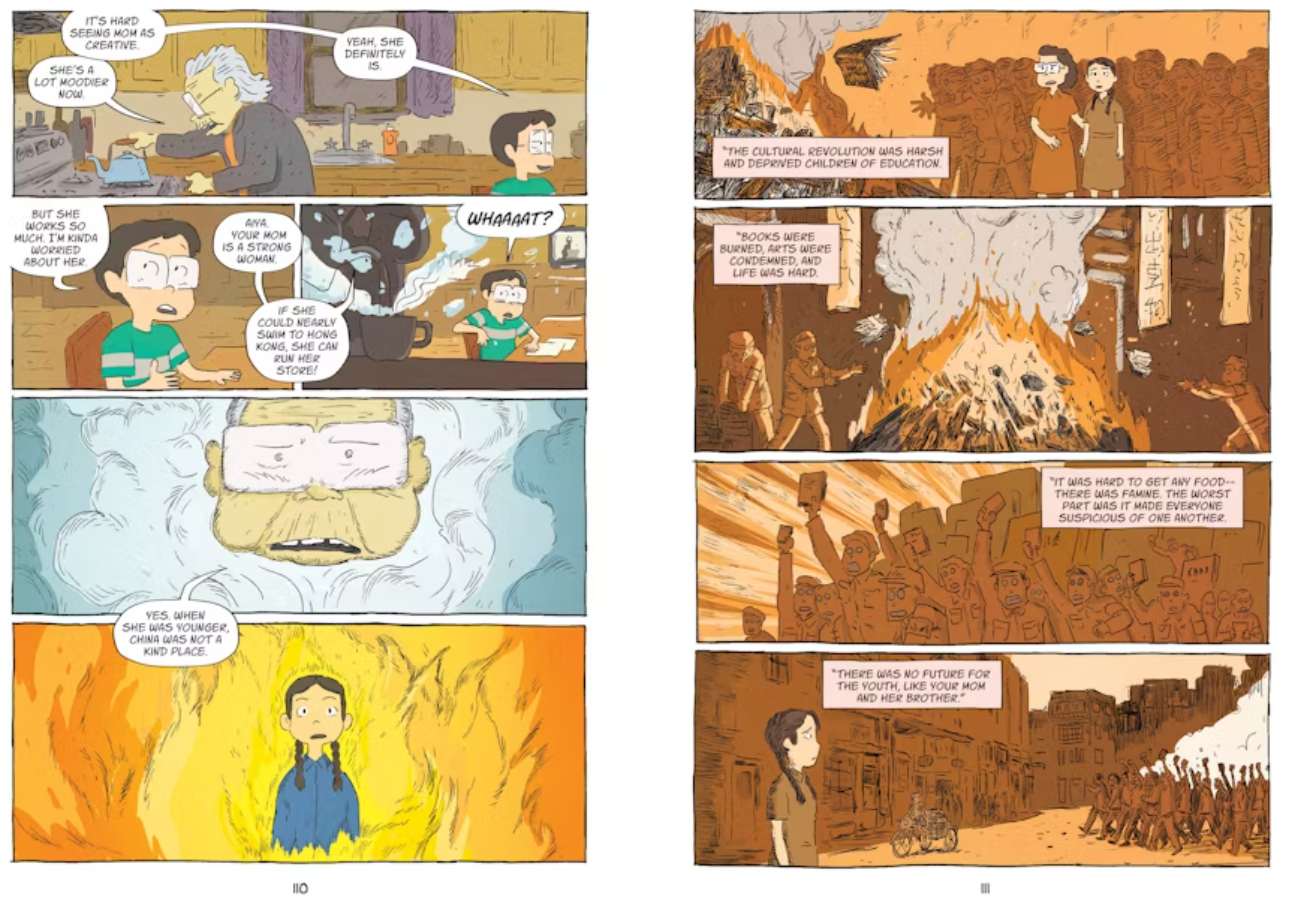
Review: This book is about so much more than it seems at first. Is it about Kevin navigating middle school, definitely, but it is also about so much more. Set in the 1990s, Kevin finds himself in the middle of his parent’s divorce with his mother working all the time and his grandmother newly moved into their small apartment where he finds himself fighting with his sister and mom more than being happy. This unsettled feeling bleeds into school where he doesn’t fit in with the primarily white school population and finds himself being picked on for his differences and getting in trouble when he’s truly not doing anything wrong.

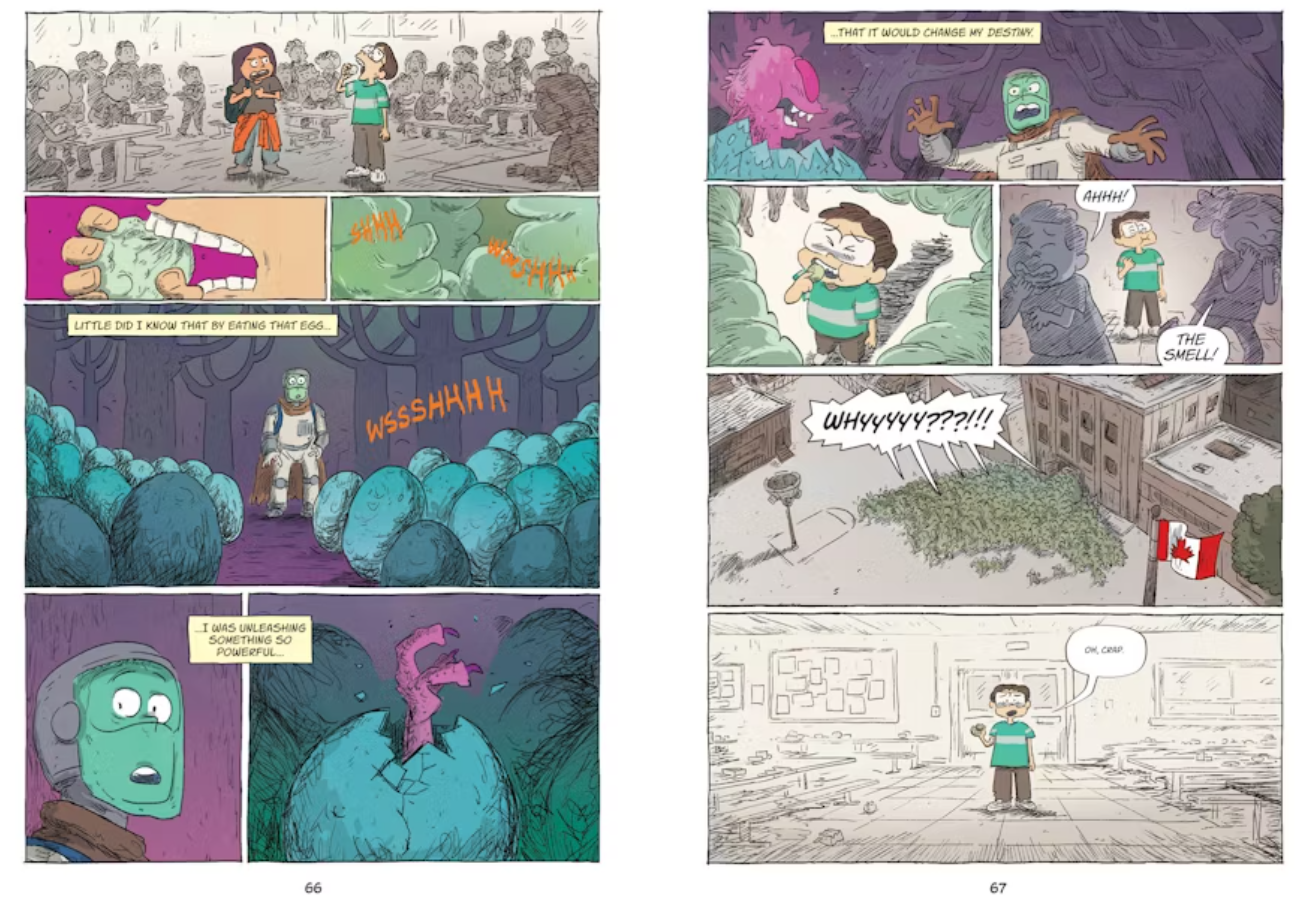
It is only through drawing that Kevin finds solace, and we, as readers, get to experience a story he is creating with his favorite superhero. This story runs parallel with Kevin’s life and is how he deals with the conflict surrounding him.

Readers will find empathy for Kevin throughout his story and will want to keep reading and rooting for Kevin to trudge his way out of the bumpy road he is navigating.

(Keep an eye out for some fantasy elements at the end of the book! I found it to be figurative more than literal magic to symbolize just one other way Kevin felt–you’ll have to let me know what you think!)

Tools for Navigation: This book will be read and loved by your graphic novel memoir fans. Although it is not a memoir, it fits in with Sunny Side UpMexikid, Smile, and other memoirs set in similar time periods.

Discussion Questions: 

  • How were both Kevin and his sister valid in how they were feeling?
  • How did Popo both help and add tension to the Lee household?
  • What does the roller coaster on the cover of the book symbolize?
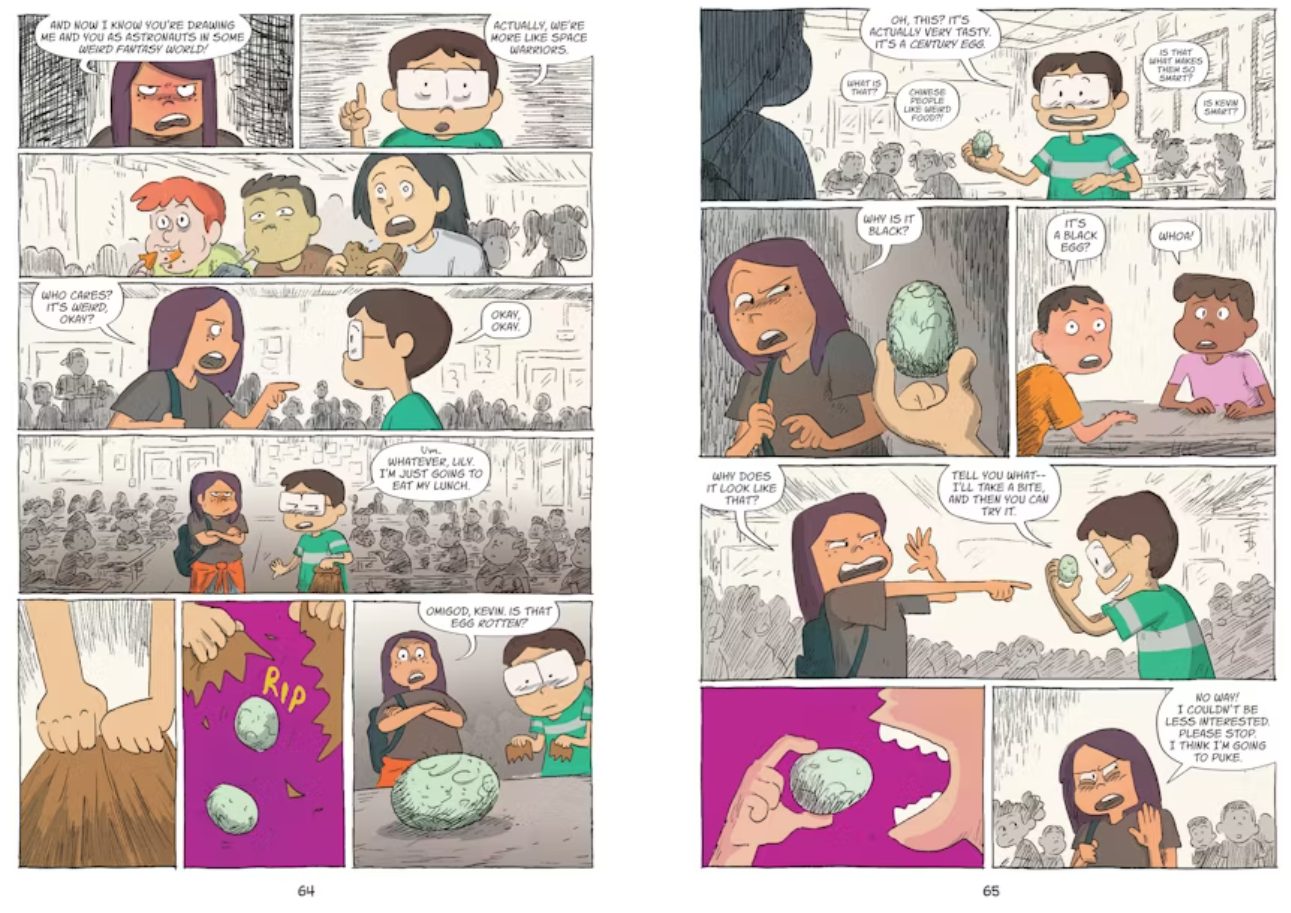
  • Do you think it is fair that Kevin is called to the principal’s office for the egg and the basketball incident?
  • Why do you think Lily stopped being Kevin’s friend? What happened to make her reconsider?
  • How was the comic Kevin was writing reflective of what was going on in his life?
  • What do you think is the purpose of the fantastical element at the end of the book?

Flagged Spreads: 

Read This If You Love: Graphic novels about school and family dynamics

Recommended For: 

classroomlibrarybuttonsmall

Signature

**Thank you to Union Square for providing a copy for review!**