Gender Swapped Fairy Tales by Karrie Fransman & Jonathan Plackett

Share

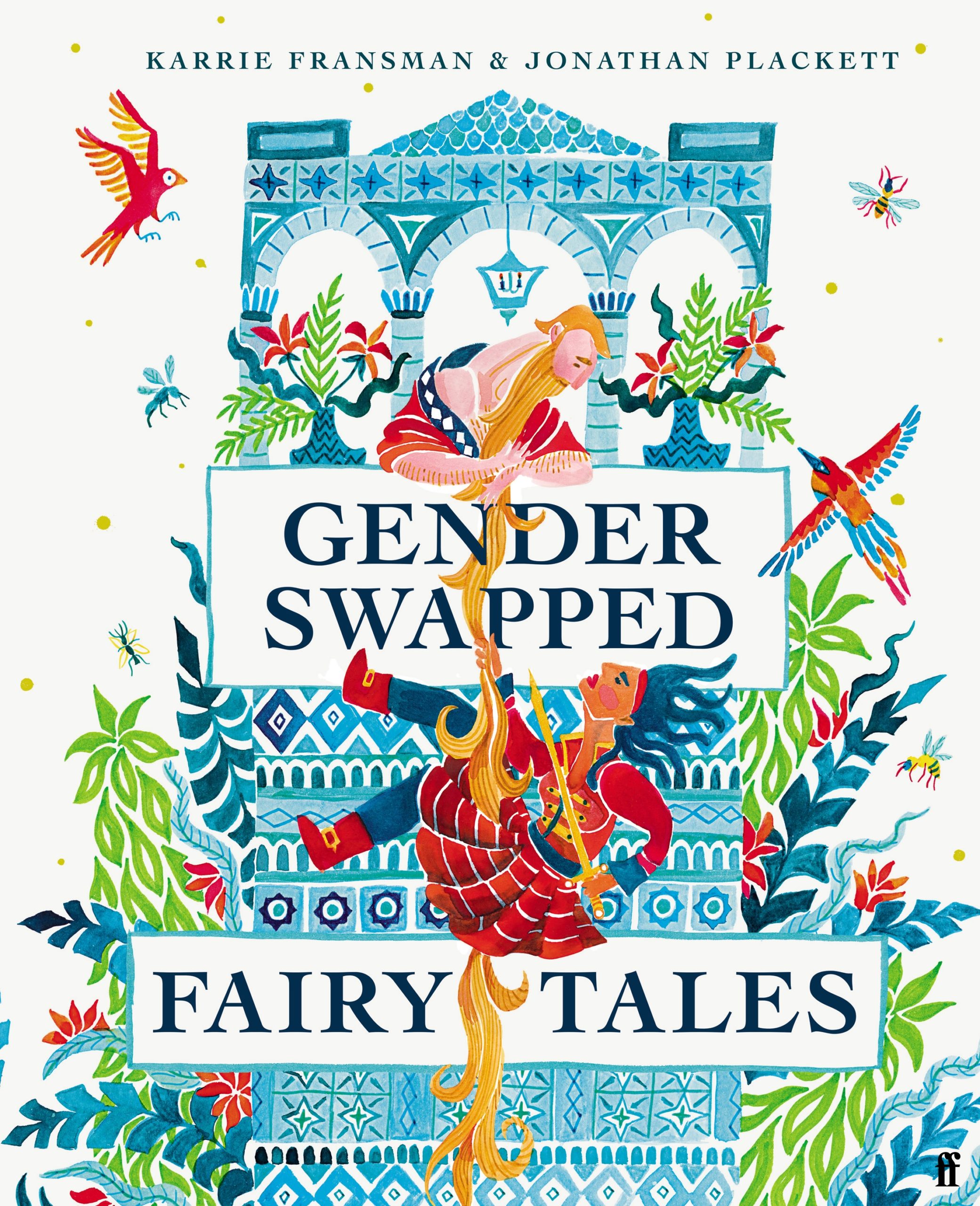
Gender Swapped Fairy Tales
Creators: Karrie Fransman & Jonathan Plackett
Published October 19, 2021 by Faber & Faber

Summary: Discover a collection of fairy tales unlike the ones you’ve read before . . .

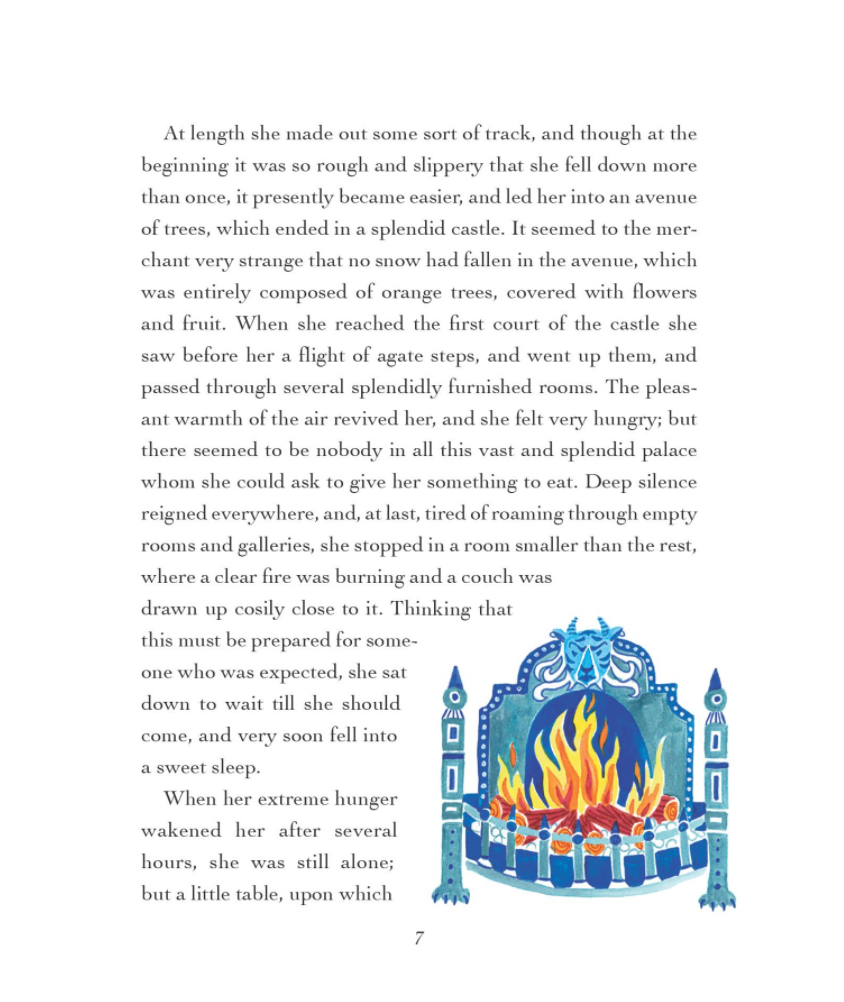
Once upon a time, in the middle of winter, a King sat at a window and sewed. As he sewed and gazed out onto the landscape, he pricked his finger with the needle, and three drops of blood fell onto the snow outside.

People have been telling fairy tales to their children for hundreds of years. And for almost as long, people have been rewriting those fairy tales – to help their children imagine a world where they are the heroes. Karrie and Jon were reading their child these stories when they hit upon a dilemma, something previous versions of these stories were missing, and so they decided to make one vital change . . .

They haven’t rewritten the stories in this book. They haven’t reimagined endings, or reinvented characters. What they have done is switch all the genders.

It might not sound like that much of a change, but you’ll be dazzled by the world this swap creates – and amazed by the new characters you’re about to discover.

Hear from the Creators: 

Review: This one does some really wonderful things. I love how it pushes the reader to reexamine assumptions we have around the social construct of gender. The author of an article in The Guardian about the book said it best about what truly made this book for me:

Plainly, the core audience is the malleable young mind, a child at the age of such innocence that they haven’t yet internalised the gender prejudice all around them, and who will head into the world thinking of women as adventurers and men as very much in touch with their emotions. But more fascinating – particularly if your children are too old and cynical for such an enterprise – is to read it yourself for what jars, what surprises, what seems implausible, what repels.

While in life I have no problem with a female chief executive, for some reason I can’t get my head around a lady miller. Dads who cook? Sure, I had one of those myself. Yet when “One day [Little Red Riding Hood’s] father, having made some custards, said to him …” I couldn’t even concentrate on the instruction (which is “take these to your grandfather”, obviously) for the din of my interior monologue, saying: “DADS DON’T COOK CUSTARD”.

The obvious and persistent bias – and I wonder whether, also, the most life-defining – is the beauty standard, the fact that a woman is judged by her appearance in a way a man is not, that her ugliness or beauty both inform the world’s view of her and become the whole of her, excluding all other traits. It’s revealed in a fact as simple as “beauty” functioning as a noun where “handsome” does not. How could a handsome man contract into “a handsome”? How would we know how daring he also was? “The Sleeping Handsome in the Wood”, “Handsome and the Beast”, all ram home, with a light, rueful humour, the timeless message to a woman in fiction: be beautiful, or be evil, or go home.

Also, I do want to note that the authors do a great job in their introduction explaining how they wanted to swap the “two dominant gender constructs to disrupt the binary” and that there is definitely a multitude of genders and that their book is not disputing that.

My one downfall for the book is that even though the authors tried really hard to make this as mathematical as possible and with no bias on their part, it still shown through in some ways: why does Rapunzel have to have a long beard instead of long hair? Why does the big bad wolf have on lipstick and heels just because she’s female? I would have loved to see gender norms pushed even more.

Teachers’ Tools for Navigation: What a fun classroom experience this book would be! Students can take their favorite traditional literature and gender swap it to see how it changes assumptions.

Discussion Questions: 

  • How did changing the gendering words in the book push your thinking while reading?
  • What stereotypes were pushed in the book just by switching the words?
  • How did the illustrations add to the story?
  • Do you think the authors should have changed other aspects of the stories as well?
  • What purpose did the authors hope to meet by changing these stories in this way?

Flagged Passages: 

Read This If You Love: Fairy Tales

Recommended For: 


Signature

**Thank you to Katie Halata for providing a copy for review!**
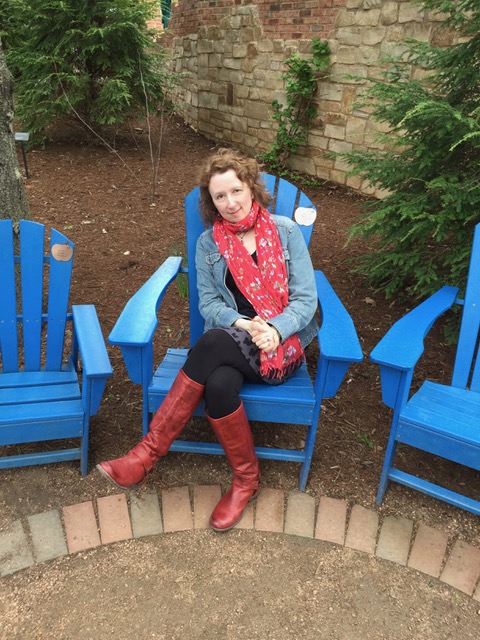
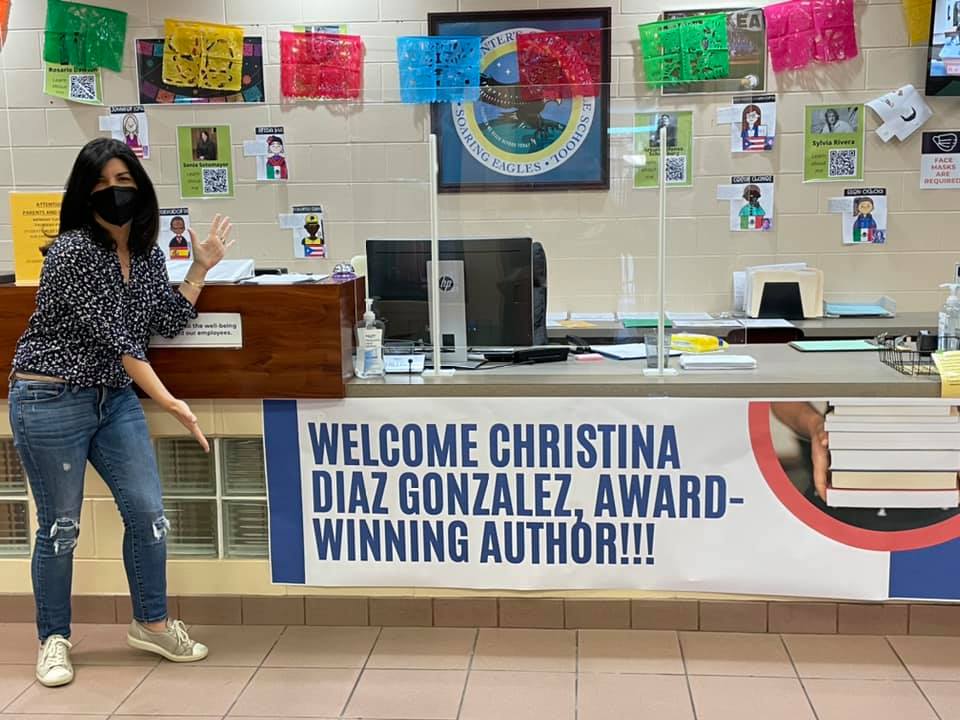
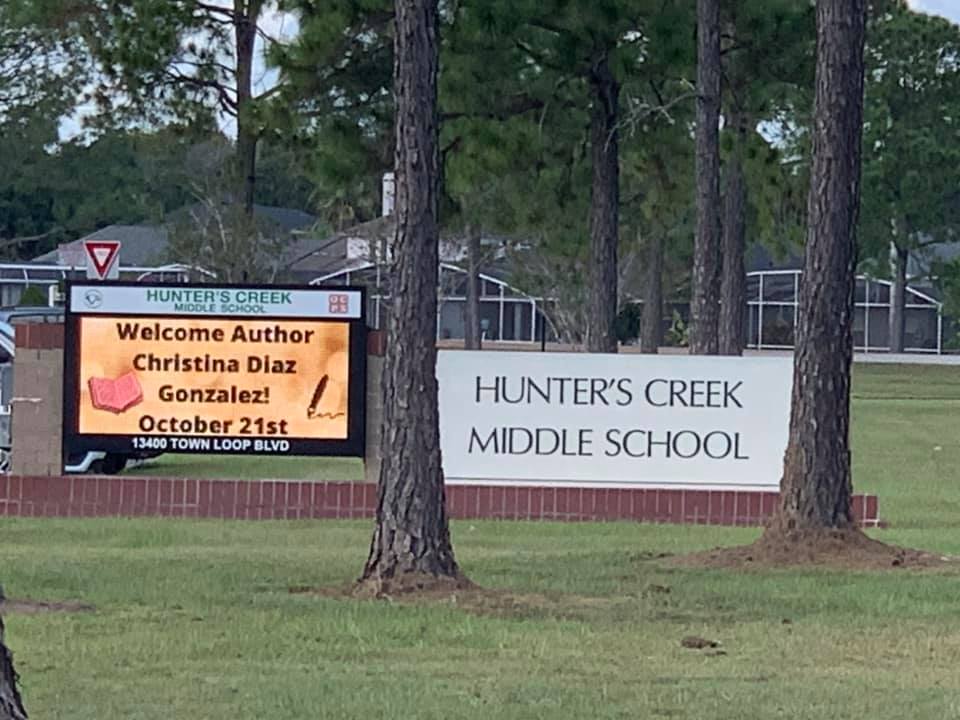
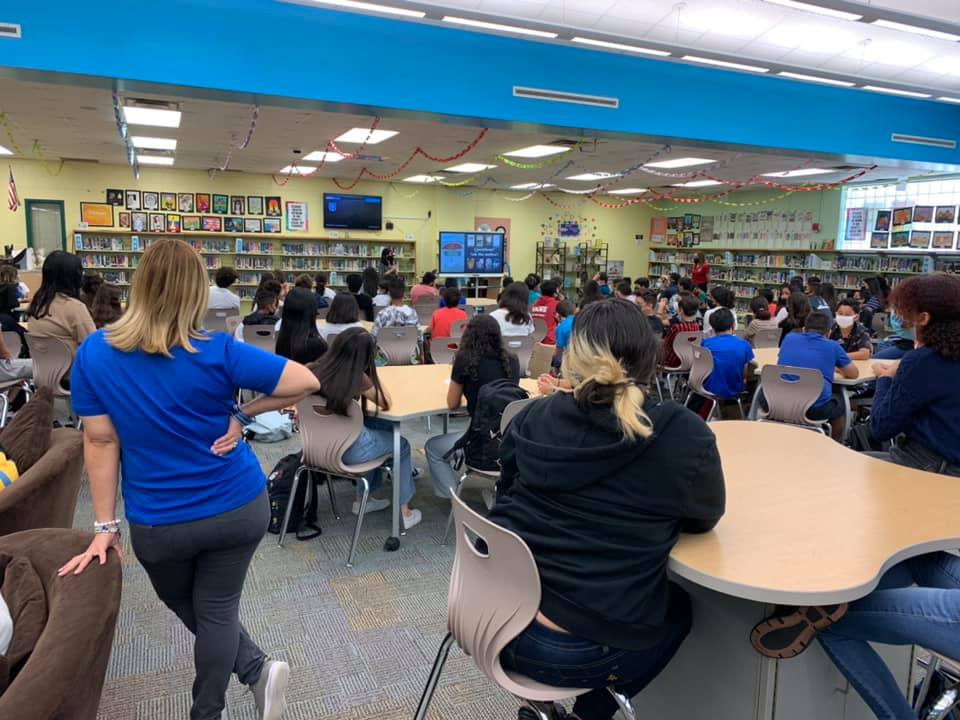
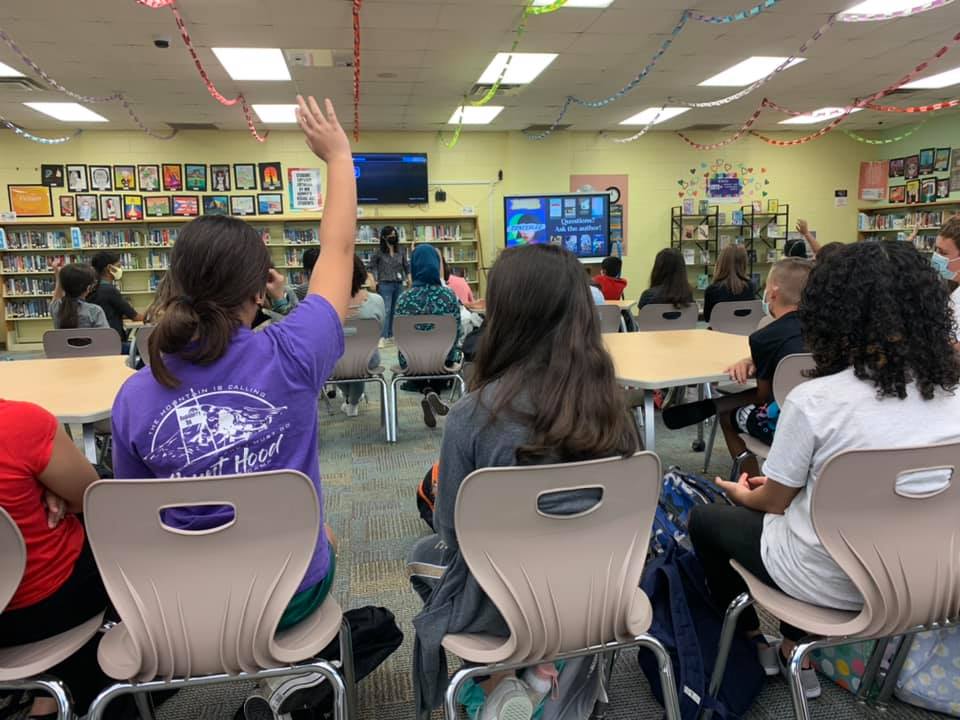
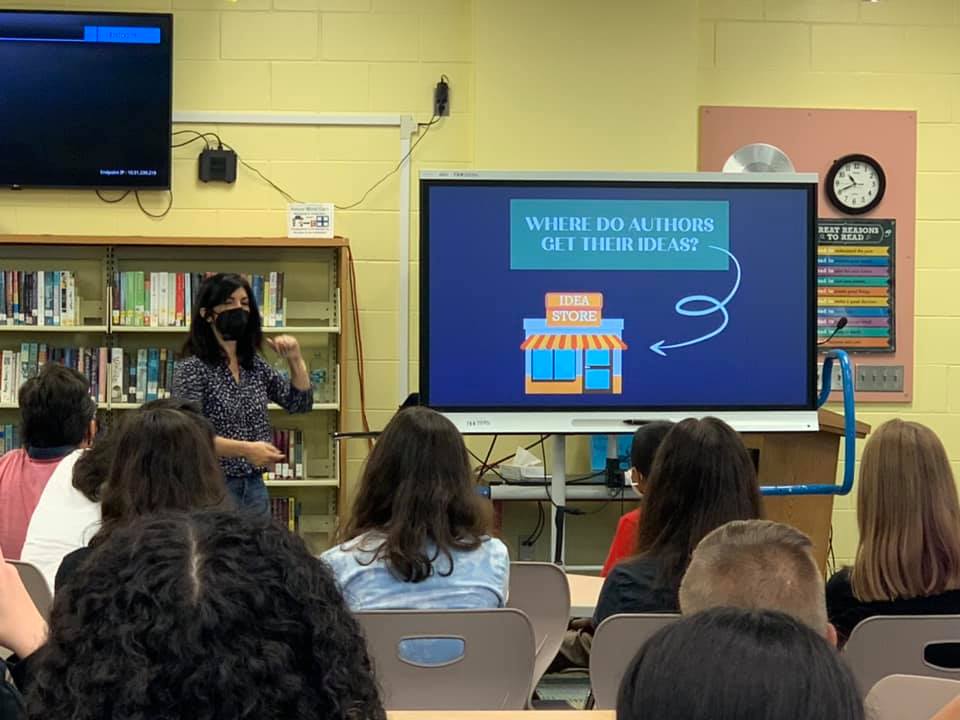
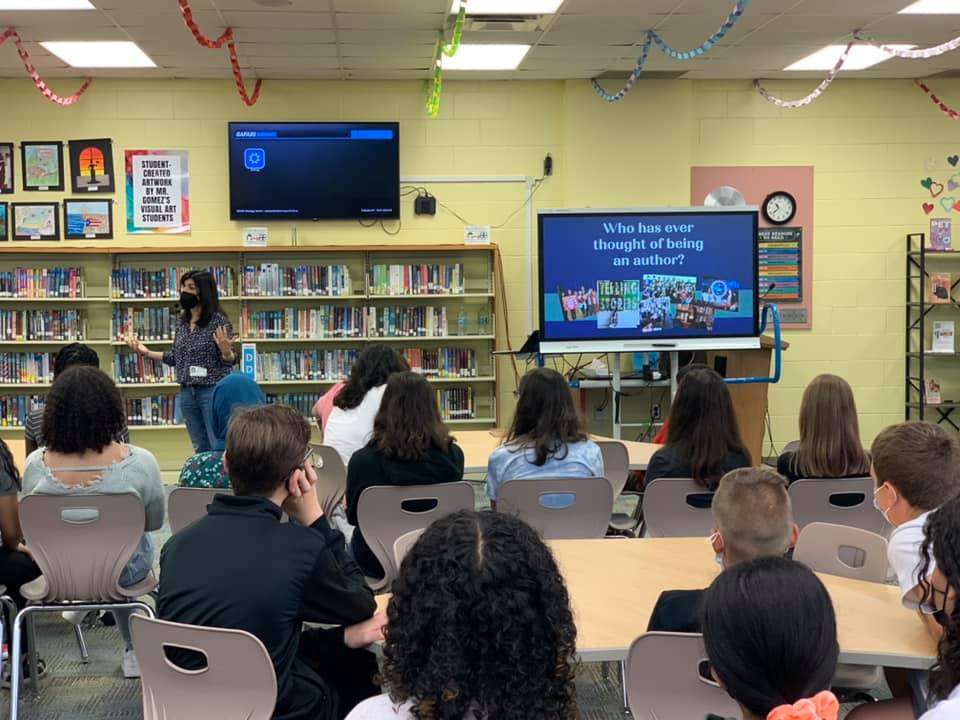
Author Christina Diaz Gonzalez’s Visit to Kellee’s School

Share

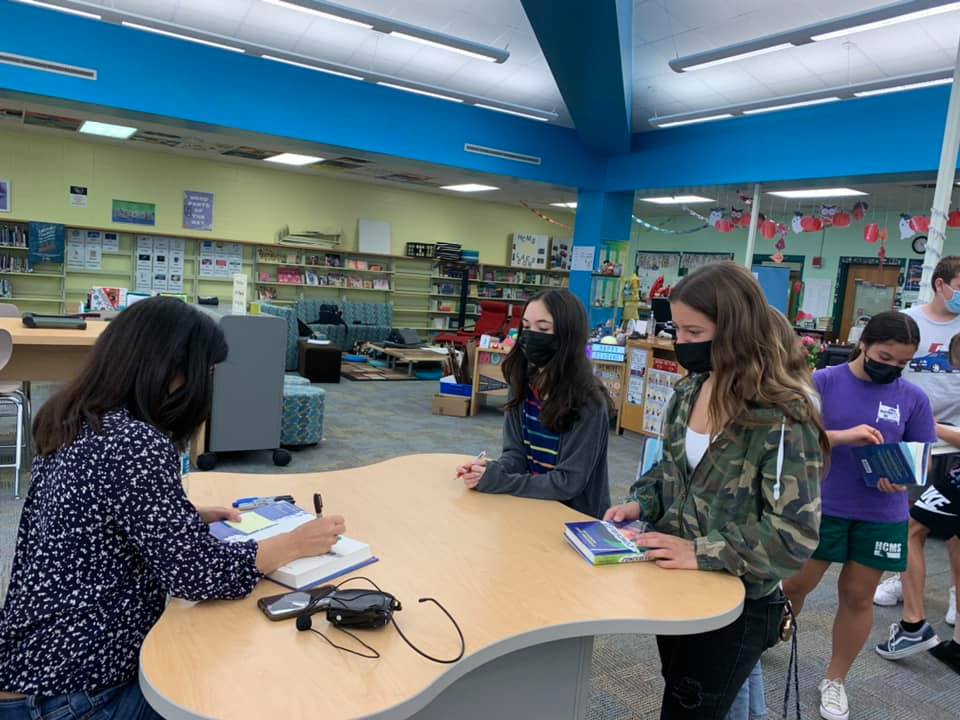
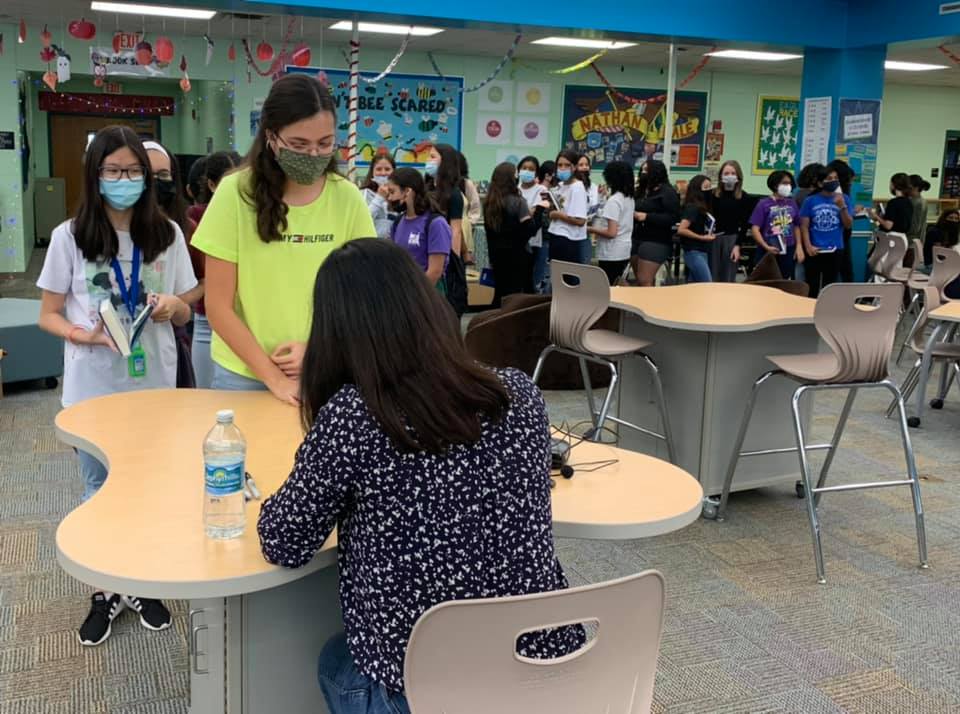
Having authors visit my school will NEVER get old! It is such an amazing experience for my students (and me)!

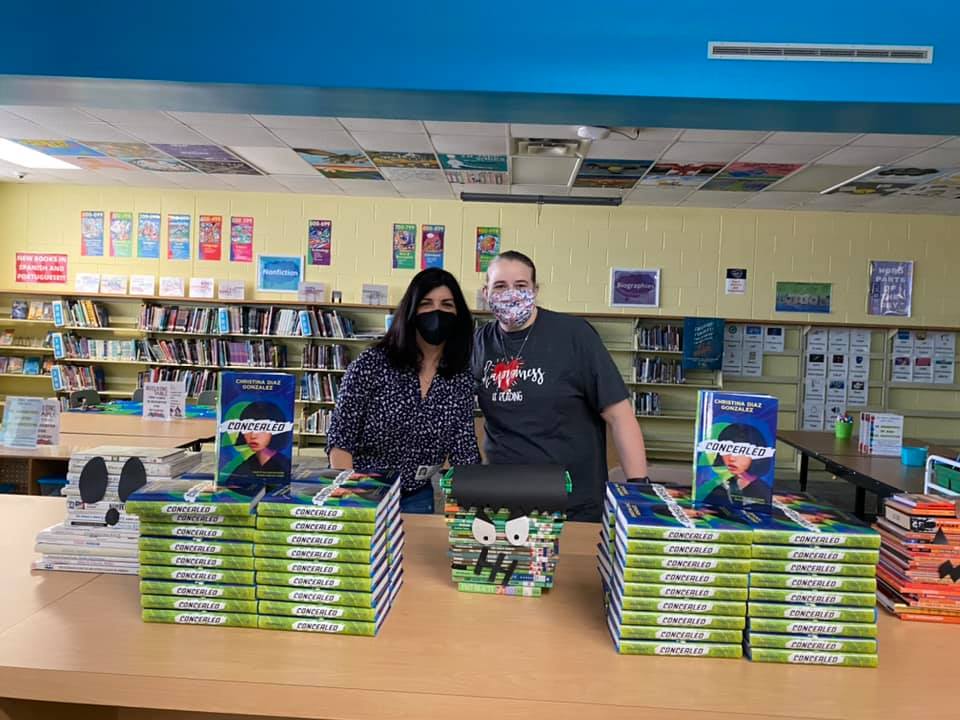
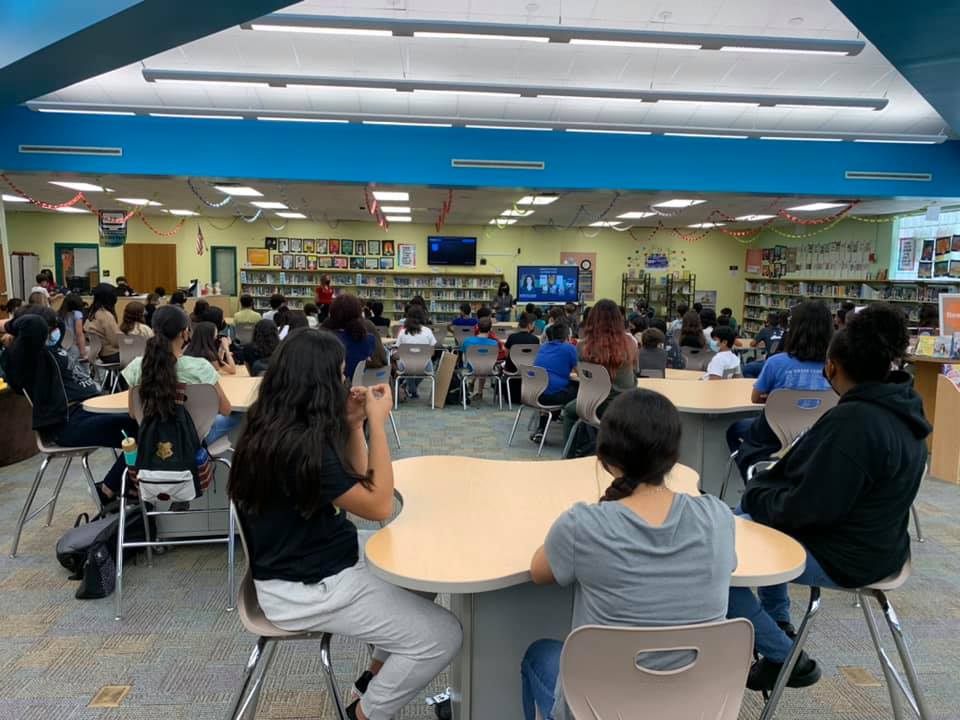
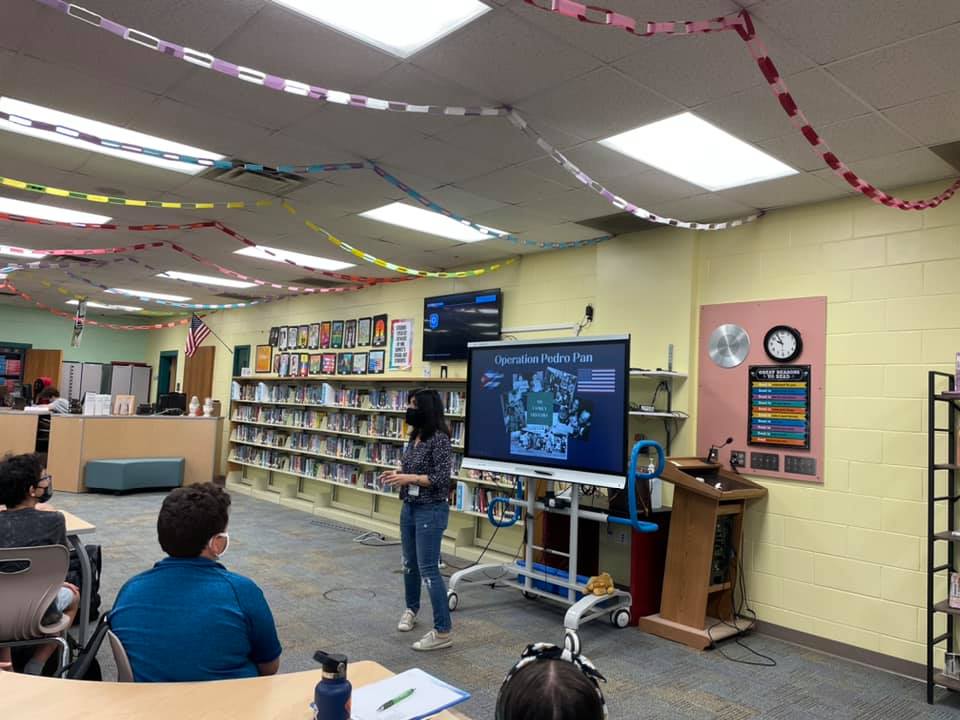
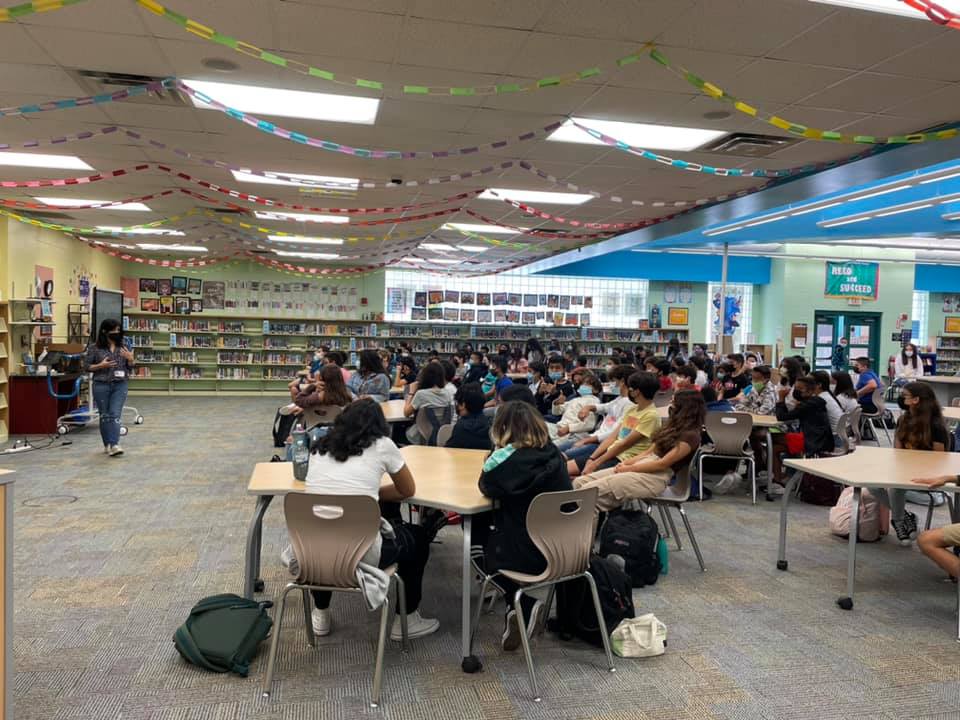
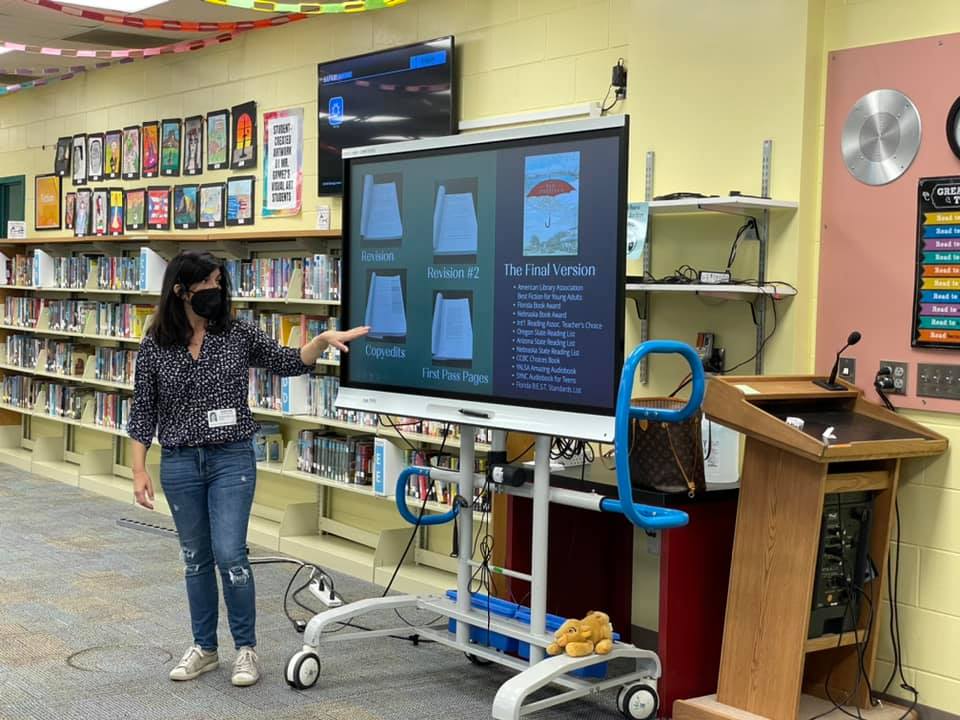
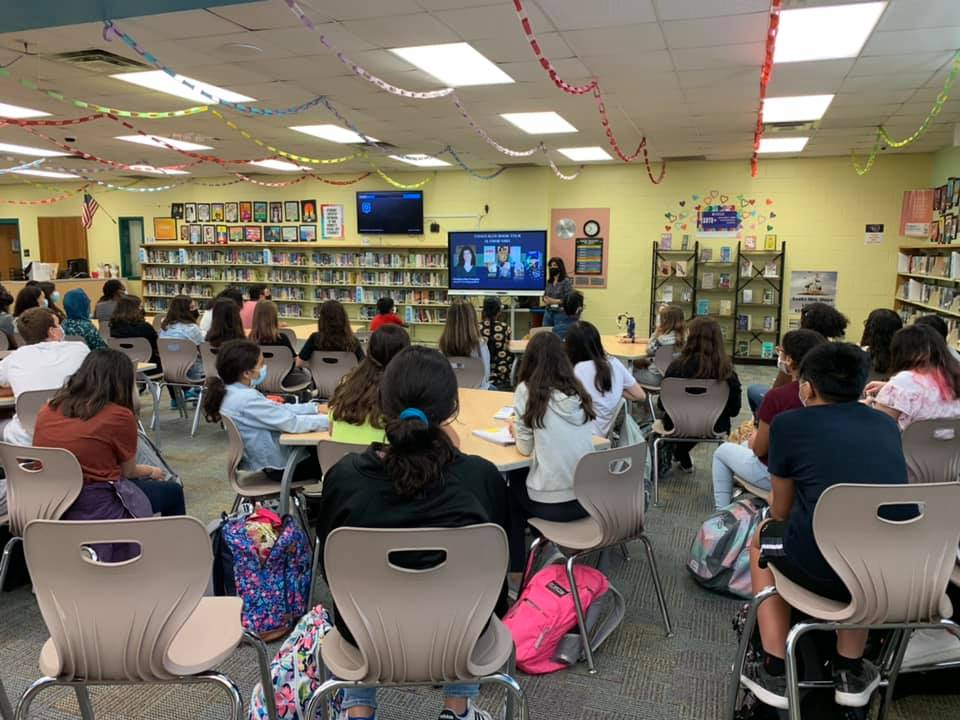
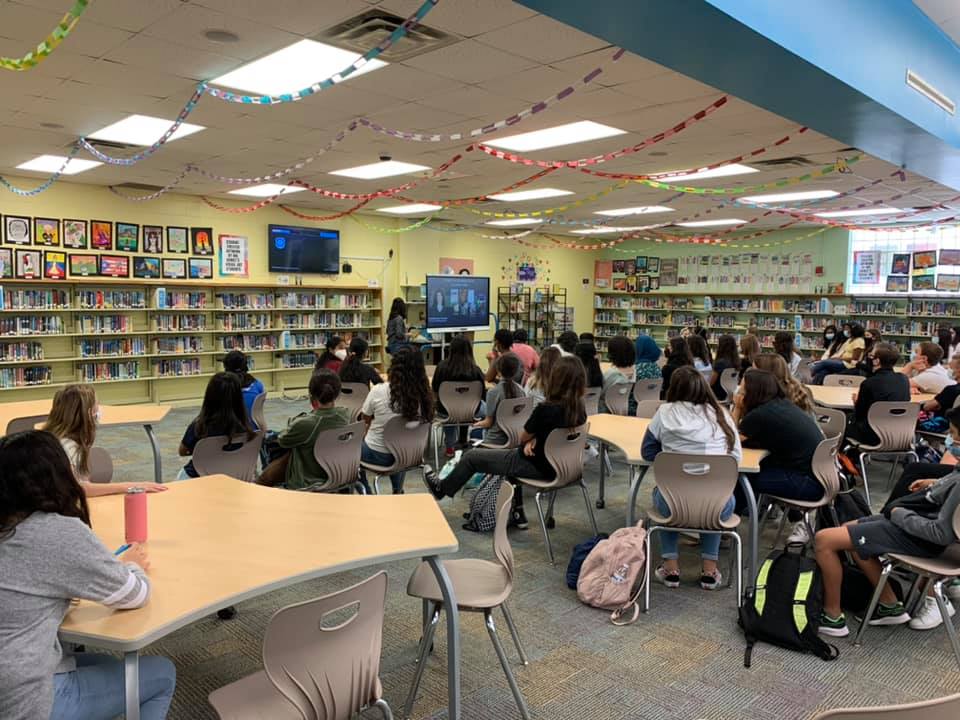
For Christina Diaz Gonzalez’s visit, she was at our school for half a day (we were splitting with another middle school), but we were able to fit in 2 presentations and book signings during this time.

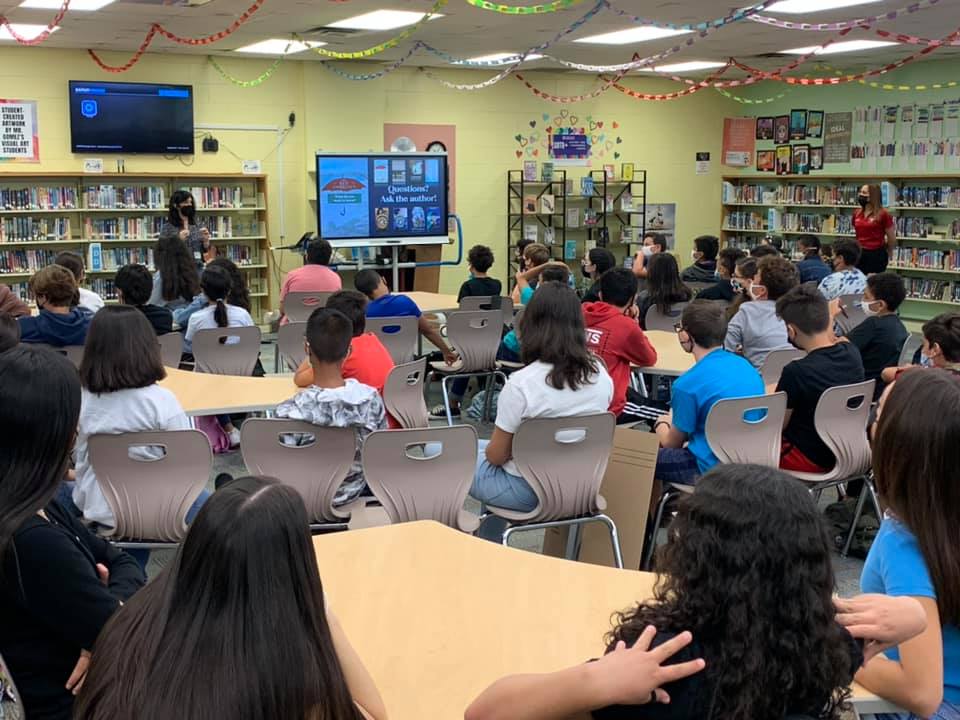
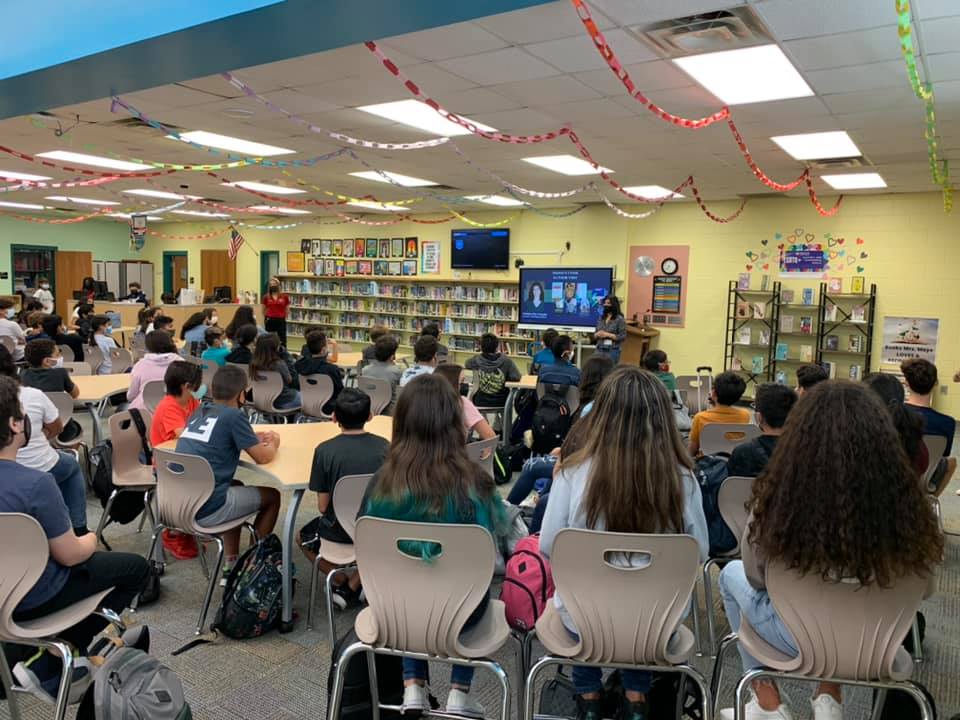
The first presentation was to our two-way dual language students, and Christina gave the presentation completely in Spanish! It was awesome to support the magnet program and literacy! For this presentation, she talked a bit more about Red Umbrella because my Spanish Honors teacher plans to teach the book.

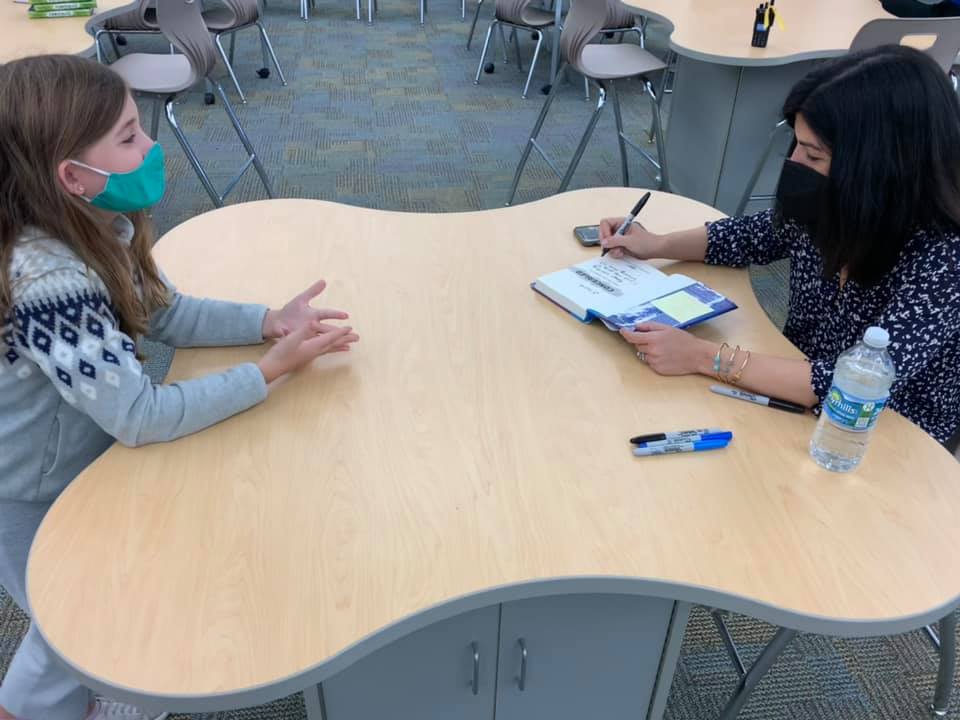
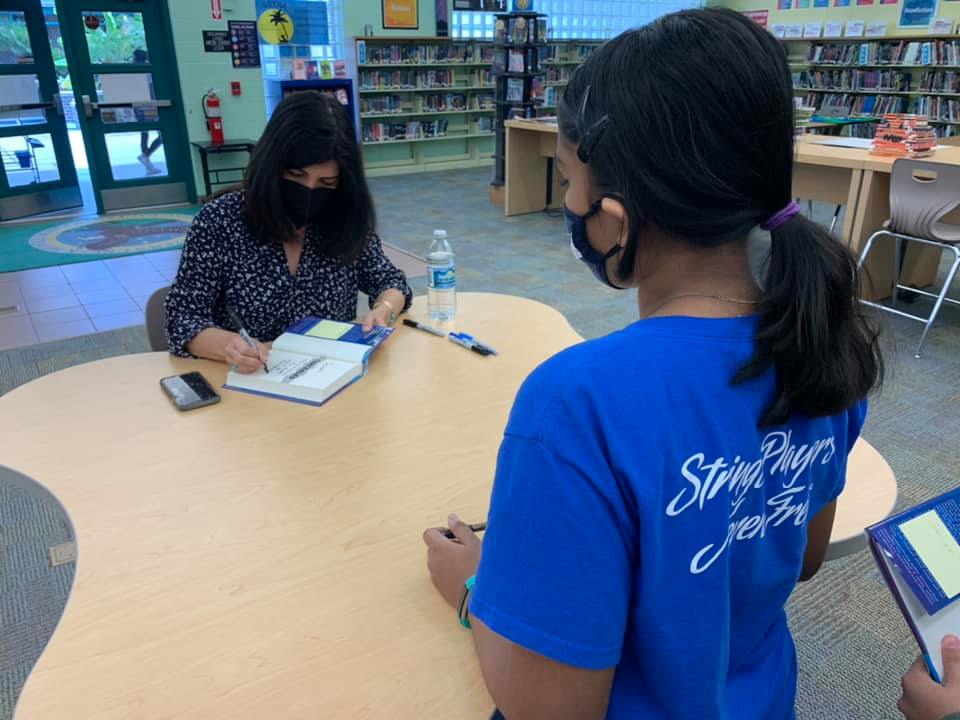
The second presentation was to our Student Literacy Leaders, 7th grade Latinos in Action, Lunch Book Club members, and several students who signed up to fill in the last of the 75 available spots. This presentation was focused on promoting her newest book, Concealed, which we were able to give a copy to each student who attended! After the presentation, Christina signed each students book and chatted with each student.

It was a whirlwind of an visit, but it was wonderful! I highly recommend Christina Diaz Gonzalez for visits–she was engaging, interesting, and the students loved her! I asked my Student Literacy Leaders to reflect on the visit, and here are some of their responses:

  • I really liked the author and she seemed like a great person and learning about her secret dream of being an author and her becoming one was honestly really inspirational.
  • It was very inspirational! I also loved how passionate she seemed about writing and reading books.
  • My favorite part was when she was talking about her idea process and how she got the idea for Concealed.
  • I learned that being an author doesn’t mean you need to have your whole book planned out from chapter to chapter, as long as you have a start and finish, you could write a book.
  • I learned that anyone can be an author if they enjoy it.
  • The visit was important to me because I love meeting an author and seeing what they are like outside of what is written in their books.
  • The visit was important because she was a Latina author, and I haven’t met that many female authors of color.
  • The visit was important to me because it was a new experience for me when it comes to visiting authors and getting a little sneak peek of their life. I enjoyed every second of it and getting a signed book for free just seemed like a huge honor.
  • It was important because it was my first time meeting an author!
  • The visit was important to me because it gave me (alongside others) a chance to take things in from an author’s perspective; it really was refreshing to hear and gain a sense of.
  • I learned that even if there’s no motivation left is to always push through the matter/problem.

Christina Diaz Gonzalez’s Books

Concealed
Concealed

The Red Umbrella
The Red Umbrella

Moving Target (Moving Targe... Return Fire (Moving Target,...
Moving TargetReturn Fire

A Thunderous Whisper

Stormspeaker (Spirit Animal...
Stormspeaker

Hope Nation: YA Authors Sha...
Hope Nation

Thank you so much, Christina, for this wonderful visit!

Signature

Review & Giveaway!: Susie B. Won’t Back Down by Margaret Finnegan

Share

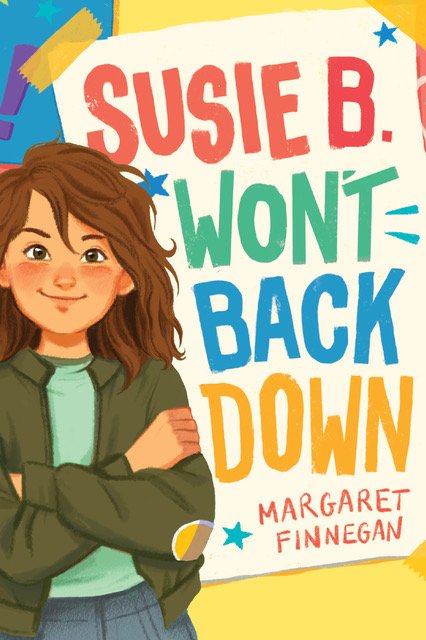
Susie B. Won’t Back Down
Author: Margaret Finnegan
Published October 5th, 2021 by Atheneum Books for Young Readers

Summary: This funny, big-hearted novel about a young girl’s campaign for student council president is told through letters to her hero Susan B. Anthony.

Susie B. has a lot to say. Like how it’s not fair that she has to be called Susie B. instead of plain Susie. Or about how polar bears are endangered. Or how the Usual Geniuses are always getting picked for cool stuff over the kids like her with butterflies in their brain. And it’s because Susie B. has a lot to say about these very important things that she’s running for student council president.

If she’s president, she can advocate for the underdogs just like her hero and fellow Susie B., Susan B. Anthony. (And, okay, maybe the chance to give big speeches to the whole school with a microphone is another perk.) But when the most usual of Usual Geniuses also enters the student council race, Susie realizes this may be a harder won fight than she thought. Even worse, Susie discovers that Susan B. Anthony wasn’t as great as history makes it seem, and she did some pretty terrible things to try to help her own cause. Soon, Susie has her own tough decisions to make. But one thing is for sure—no matter what, Susie B. won’t back down.

Praise: 

“Susie is energetic, breathless, enthusiastic, and genuinely, charmingly funny.” —Kirkus Reviews

A Junior Library Guild Selection

About the Author: Margaret Finnegan is the author of the middle-grade novels Susie B. Won’t Back Down and We Could Be Heroes. Her writing often focuses on themes on inclusion, hard choices, and being true to yourself. She also makes a really good chocolate cake. To learn more, and to download free discussion guides, visit MargaretFinnegan.com.

Twitter: @FinneganBegin
Instagram: @finneganbegin

Review: Happy book birthday to Susie!!!

This book has so much in it! I was highlighting away as I read–both as a recreational reader and as a teacher (see more in Teachers’ Tools!)! I love that it is an epistolary novel, specifically writing to Susan B. Anthony, because it gives us insight into Susie’s school, home, and her inner thinking. The discussions throughout about heroes, fairness, and history is done in a very age-appropriate way but also doesn’t sugar coat anything. I love that Susie has a “butterfly brain” and went to reading lab but is proud of it. The talk about how all brains are different made my heart sing! And on top of all of this, the story itself is so on point for coming of age and how popularity, personalities, and more really start to affect kids starting in about 5th grade.

Teachers’ Tools for Navigation: I am in love with Mr. Springer’s hero project! The way he made the project cross-curricular, interesting, interactive, and included choice just makes it such an amazing project! And there are definitely parts of the book that will work as mentors/exemplars to share with students if you have them do their own hero project including some of Susie’s letters and the Voting posters. Also, the author created a mock Susie B. News to show one of the activities for the hero project: https://www.margaretfinnegan.com/wp-content/uploads/2021/09/The-Susie-B.-News.pdf.

The author also shares some activities in the publisher-created discussion guide!

Discussion Questions (from the publisher-created discussion guide): 

  • Describe the way that the author organizes the story. How does this format help to connect the worlds of Susie B. at home and at school?
  • Why does Susie B. call Chloe and her three R’s (Rachelle, Rachel, and Rose) “fakey fakes?” In contrast, Susie B. has Joselyn Salazar as her best “spark.” What connects these two as friends?
  • Each of the characters copes with the social scene at school differently. How does Soozee Gupta manage to not be alone at lunch? What is your opinion of her social strategy?
  • Susie B. wrangles with the idea of fairness and justice. She believes that they are two different things. What do you think is the difference between being fair and being just?
  • What do you think is the most important lesson that Susie B. learned in this story? Give reasons for your opinion.

Flagged Passages: Chapter 1

Dear Susan B. Anthony:
I have very bad news for you. You’re dead. Really dead. Like, over one hundred years dead. Like, right now, you are dust and bones in the cemetery of your old hometown, Rochester, New York.

Sorry.

You are probably thinking, What the heck? If I am dead, why are you writing to me?

Congratulations! Even though you are dead, you are not forgotten! You are still remembered for being a brave and determined defender of women’s rights, especially women’s suffrage. That is the fancy name for women voting, even though I think suffrage should be the name for not being able to vote, because it sounds like the suffering you would have to go through if everybody thought your voice didn’t matter one speck.

Since I am also a brave and determined defender of all the rights of all the people, I thought you would like to know that I am thinking about you.

Plus, Mr. Springer is making me.

Mr. Springer is my fifth-grade teacher. Every year he assigns this thing called the Hero Project. All of his students have to choose a personal hero. They can choose anyone they want, as long as the person is dead. Mr. Springer used to let kids choose living heroes, but then the live heroes kept doing horrible things and ruining everyone’s projects. Luckily, dead heroes can’t surprise you like that. We are going to do a bunch of research and assignments on our heroes and basically use them to learn stuff about language arts, history, and even math and science. Mr. Springer is always trying to find sneaky ways to get us interested in what he’s teaching.

Read This If You Love: Twins by Varian Johnson & Shannon Wright, How to Win a Slime War by Mae Respicio, Kids Under the Stairs series by K.A. Holt, Friends Forever by Shannon Hale & LeUyen Pham, Five Things about Ava Andrews by Margaret Dilloway

Recommended For: 

classroomlibrarybuttonsmall 

Giveaway!

a Rafflecopter giveaway

Signature

**Thank you to Blue Slip Media for providing a copy for review and giveaway!**
Teachers’ Guide for The Beatryce Prophecy by Kate DiCamillo, Illustrated by Sophie Blackall

Share

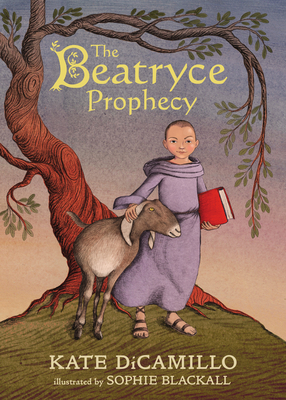
The Beatryce Prophecy
Author: Kate DiCamillo
Illustrator: Sophie Blackall
Publishing September 28th, 2021 by Candlewick Press

Summary: From two-time Newbery Medalist Kate DiCamillo and two-time Caldecott Medalist Sophie Blackall comes a fantastical meditation on fate, love, and the power of words to spell the world.

We shall all, in the end, be led to where we belong. We shall all, in the end, find our way home.

In a time of war, a mysterious child appears at the monastery of the Order of the Chronicles of Sorrowing. Gentle Brother Edik finds the girl, Beatryce, curled in a stall, wracked with fever, coated in dirt and blood, and holding fast to the ear of Answelica the goat. As the monk nurses Beatryce to health, he uncovers her dangerous secret, one that imperils them all–for the king of the land seeks just such a girl, and Brother Edik, who penned the prophecy himself, knows why.

And so it is that a girl with a head full of stories–powerful tales-within-the-tale of queens and kings, mermaids and wolves–ventures into a dark wood in search of the castle of one who wishes her dead. But Beatryce knows that, should she lose her way, those who love her–a wild-eyed monk, a man who had once been king, a boy with a terrible sword, and a goat with a head as hard as stone–will never give up searching for her, and to know this is to know everything. With its timeless themes, unforgettable cast, and magical medieval setting, Kate DiCamillo’s lyrical tale, paired with resonant black-and-white illustrations by Caldecott Medalist Sophie Blackall, is a true collaboration between masters.

Teachers’ Tools for Navigation and Discussion Questions: 

Please view and enjoy the teachers’ guide I created for Candlewick Press for The Beatryce Prophecy:

You can also access the teaching guide here.

You can learn more about The Beatryce Prophecy on Candlewick’s page.

Recommended For: 

readaloudbuttonsmall classroomlibrarybuttonsmall litcirclesbuttonsmall closereadinganalysisbuttonsmall

Kellee Signature

Author Guest Post: “Point-of-View Flip as a Way into Creative Writing” by Shirley Reva Vernick, Author of Ripped Away

Share

“Point-of-View Flip as a Way into Creative Writing”

I’m a big fan of the “point-of-view flip” activity for young writers. That’s where students are asked to retell an existing story (or scene or chapter) from a POV other than the one presented in the original. This exercise can be done with a short and simple tale like The Three Little Pigs (e.g., the wolf’s first-person POV) or with more advanced texts. I like this literary workout because, besides being just plain fun, it can help writers grow their skills. Here’s my thinking:

It’s hard to write creatively, from blank, on demand. That’s why I always hated assignments like, “Write a story from this week’s spelling words.” It’s why I’ve never gone to writers’ retreats, where I’d be put up for a random week not of my own choosing and expected to produce. I can no sooner schedule my creative juices than I can schedule the rain. I suspect that many students feel the same way.

With the POV flip exercise, students don’t have to pull characters or plots out of thin air. Those elements are already there, freeing students to focus on the craft of show-not-tell, dialogue, pacing, etc.

POV flipping shows writers how much hinges on POV when telling a story. After publishing four novels and several short stories, I’m more certain than ever that POV is among the most pivotal—and challenging—determinations to make in the writing process.

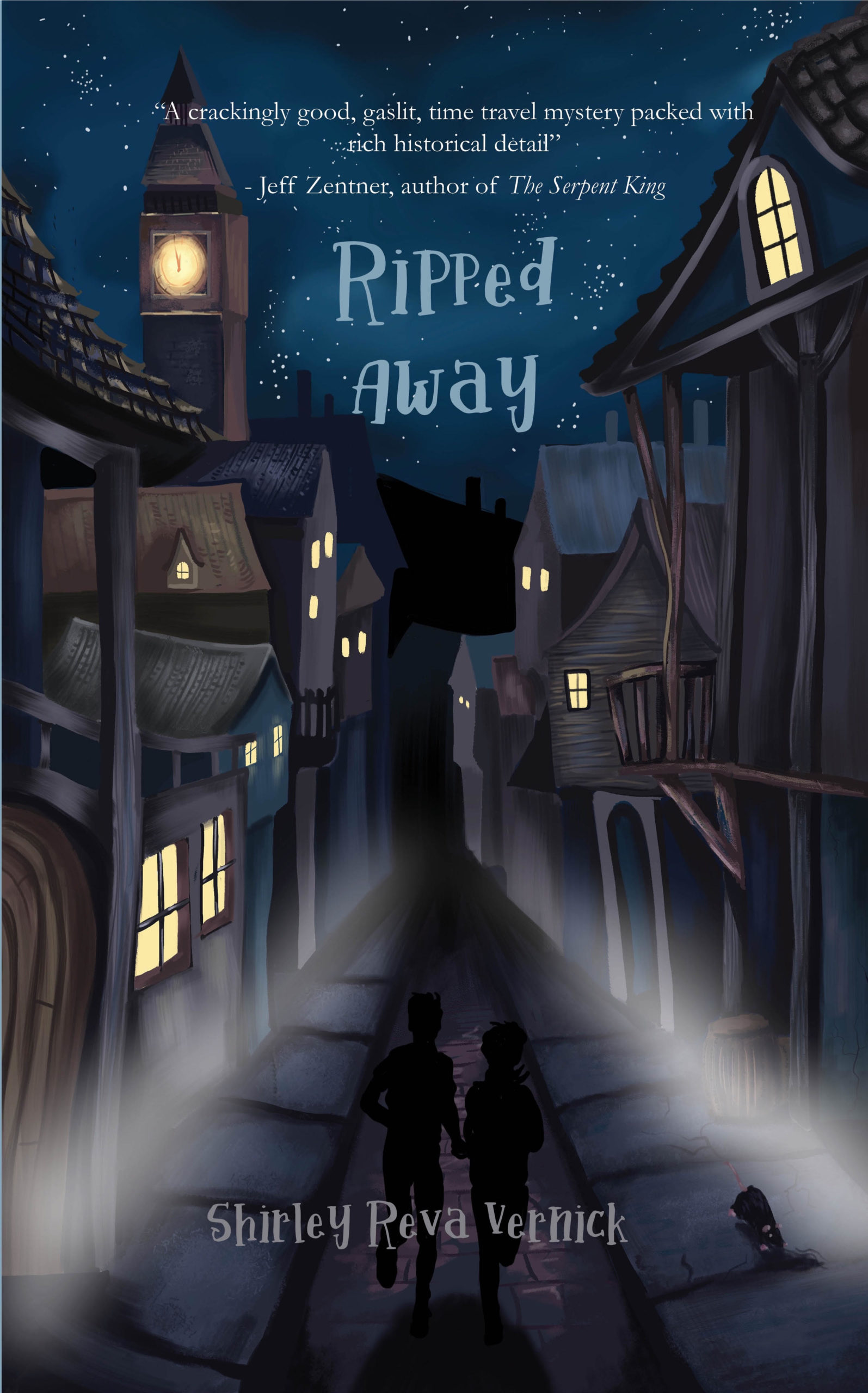
Take, for instance, my new upper-MG/early-YA novel, Ripped Away, which is set in Victorian London during the Jack the Ripper spree. I wrote my first draft in the third-person perspective of a boy growing up in London during that time. Something wasn’t right though. This POV didn’t feel immediate enough, intimate enough. So I rewrote the book in the first-person POV of that same character. It was an improvement, but I still wasn’t satisfied. Something was missing.

Eventually, I understood that the book wanted a narrator with a modern voice and contemporary sensibilities, because that’s how the tale would best resonate with readers. So I re-wrote it again, and that’s how Ripped Away became a time-travel fantasy.

When I think about how different the book would be if told from yet a different viewpoint—that of another character, or several other characters, or even an omniscient narrator—I see that Ripped Away could have been many stories. It took time and effort to discover the best POV for the story I wanted to tell, and it was well worth the investment. If students get the chance to experiment with viewpoint through the POV flip exercise, I think it will help them choose the right POV when they do create their own original text.

The flip activity keys students into POV in their reading. You can’t play around with viewpoint in your writing without it seeping into your awareness of what you read. I know several readers who actually use POV as a guide to selecting their leisure reading. Some insist on female first-person POV, others on third-person limited, yet others on multiple points of view. My own daughter goes for first-person stories that are told from the distance of time—an older adult looking back on his or her youth. I, for one, am drawn to the first-person peripheral narrator, like The Great Gatsby’s Nick Carraway. Throw in a dash of unreliability, and I’m hooked. I also like books that skillfully mix it up—part first-person, part third-person, and a sprinkling of second-person for added intensity.

So who knows? Maybe we can get kids to read more by guiding them to stories with the POV they prefer. And kids who read more—anyone who reads more—will be a better writer for it.

Coming February, 2022

About the Book: Ripped Away is based on the real experiences of Jewish immigrants to London during the Jack the Ripper spree, when xenophobia ran high.

In the story, a fortune teller reveals that classmates Abe and Mitzy may be able to save someone’s life…and then she sweeps them to the slums of Victorian London in the middle of the Jack the Ripper spree. To get back home, they’ll have to figure out how the fortune teller’s prophecy is connected to one of history’s most notorious criminal cases. They’ll also have to survive the outpouring of hate toward Jewish refugees that the Ripper murders triggered.

Vernick’s purpose in writing Ripped Away is to illuminate this episode in history, as well as to inspire readers to contemplate possible responses to intolerance. National Jewish Book Award-winning author Anne Blankman calls Ripped Away “an engrossing adventure. From the moment Abe and Mitzy are swept back in time to the infamous Jack the Ripper, readers will clamor to find out what happens next.”

Book Trailer: 

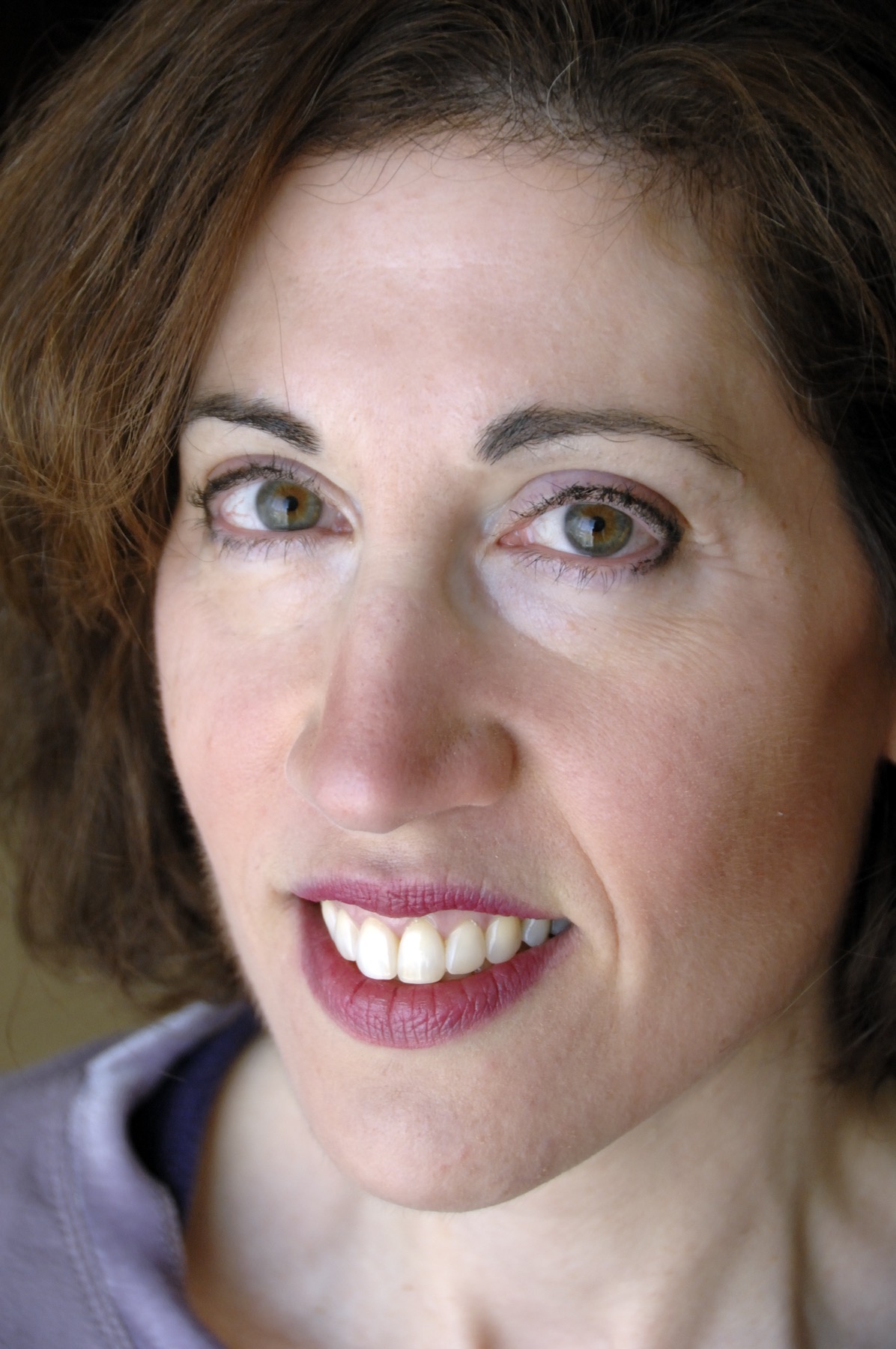
About the Author: Shirley Reva Vernick is the author of four novels for young readers. The Blood Lie is an American Library Association Best Fiction for Young Readers pick and a Sydney Taylor Book Award honoree. Remember  Dippy won the Dolly Gray Literature Award from the Council for Exceptional Children. The Black Butterfly is a Junior Library Guild selection. Ripped Away will be released February 8, 2022 by Regal House Publishing.

Shirley is a graduate of Cornell University and an alumna of the Radcliffe Writing Seminars. When not creating stories, she mentors incarcerated individuals with their writing via the Prisoner Express program.

Please see www.shirleyrevavernick.com for more.

Thank you, Shirley, for your wonderful creative writing activity and for sharing your book–we cannot wait until it is published!

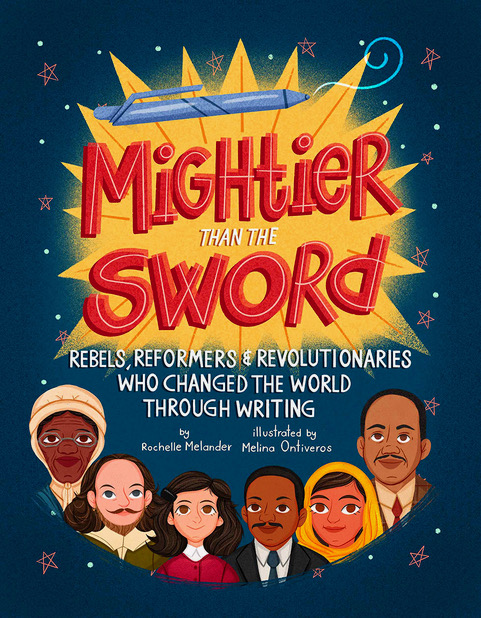
Author Guest Post: “Using Anthologies to Teach Writing” by Rochelle Melander, Author of Mightier than the Sword: Rebels, Reformers, and Revolutionaries Who Changed the World Through Writing

Share

“Using Anthologies to Teach Writing”

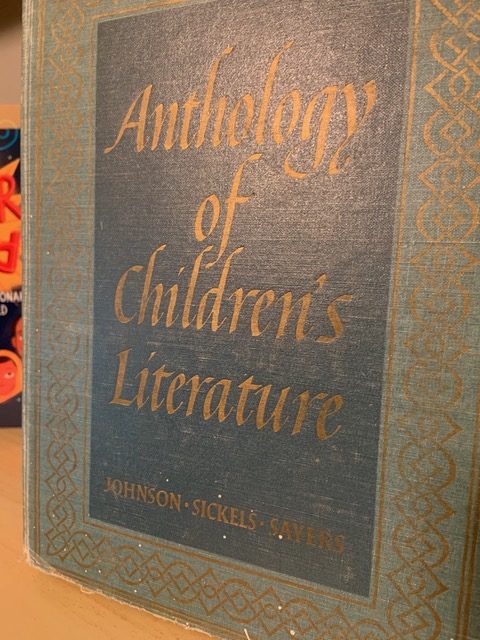
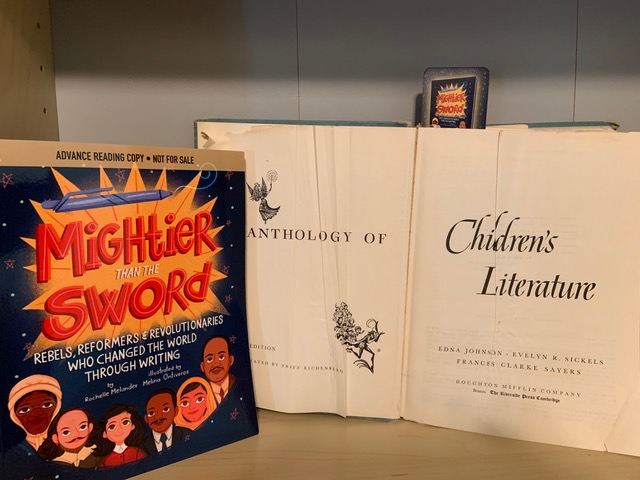
When I was growing up, our family had an Anthology of Children’s Literature. (No doubt one of my mom’s college textbooks!) Even though we regularly checked out books from the library, I spent a lot of time browsing through that book. I loved that I could find stories from all over the world. In that volume, I discovered new tongue twisters, Lewis Carroll’s “Jabberwocky,” and James Weldon Johnson’s “The Creation.”

Today, biographical anthologies have become popular in the children’s literature market. You can find anthologies on a wide range of topics like sports, science, technology, math, and more. They provide young people with an easy way to access stories about people who overcame obstacles to achieve success.

Because anthologies collect the stories of people around a theme, they offer many ways for readers to engage with the stories. Readers can take a treasure hunt through the essays in search for someone that interests them. Students might seek someone who:

+Champions a cause that matters to them.

+Overcame difficulties in school.

+Plays their favorite sport.

+Works in a career that interests them.

+Did something brave.

But how do you get young people to engage with these stories? When I wrote Mightier Than the Sword, an anthology of stories about people who used their words to change the world, I chose people from many disciplines because I wanted young people to see that many people write, not just storytellers. I added interactive writing exercises so that young people could write to change their own worlds.

I’ve been an artist educator since 2001, teaching in classrooms, libraries, and museums. I often use mentor texts and anthologies to engage young people in learning history and inspire their writing. Here are three writing exercises—and an art exercise—I use with historical texts:

Writing Exercise #1: Social Media Profile

Sei Shonagon (965-1010) captured court life in her writing, a genre known as zuihitsu that combined lists, advice on conversation and letter writing, observations about events, and suggestions on how priests should preach and dress. Had Sei Shonagon lived today, she might have developed a social sharing site like Instagram or Twitter.

Try this: Invite students to create a social media profile and several posts for the person they’ve chosen. This will especially fun when working with historical people. Maybe George Orwell would write a status update like: “Big brother? This whole platform is sus.”

Note: You can use any social media site that your students can relate to. There are several kid-friendly social media sites that might work, like GromSocial and PopJam.

Writing Exercise #2: Protest Song

The Afghan rapper and activist Sonita Alizadeh was angry about her parents’ plan to sell her into marriage, partly to help raise money to purchase a bride for her brother. To protest this, she wrote and performed the song “Brides for Sale” and posted it on YouTube. Alizadeh’s song saved her from an arranged marriage and paved the way for her to go to school.

Try this: Invite students to write a protest song for a cause that they care about.

Writing Exercise #3: Letter Campaign

Young Sophie Cruz wrote a letter to the Pope, asking him to fight for the rights of immigrants in the United States. Martin Luther King, Jr. wrote “Letter from a Birmingham Jail” to protest the advice to “wait” for justice. His letter became a sermon and then was published in newspapers and magazines across the country.

Try this. Ask students to write a letter to encourage change. Perhaps several students will want to create a letter-writing campaign to challenge an organization, government agency, or a government official.

Bonus Exercise: Protest Art!

To protest the lack of women’s works of art at the Metropolitan Museum of Art in New York City, the Guerilla Girls plastered posters on New York City buses asking: “Does a woman have to be naked to get into the Met. Museum?” The poster featured a reproduction of the nude in Jean-Auguste-Dominique Ingres’ La Grande Odalisque, with her face hidden by the group’s signature gorilla mask. The poster educated readers on the statistics: “Less than 5 percent of the artists in the Modern Art Sections are women, but 85 percent of the nudes are female.”

Try this: Invite students to create an art poster or social media meme to support their favorite cause.

Choosing Anthologies

The library is full of many kinds of anthologies on a wide range of topics like sports, science, technology, math, and more. Check out a big stack and let your students browse. The more they read, the better chance they will have of finding a role model who matters to them.

Published July 27th, 2021 by Beaming Books

About the Book: Mightier Than the Sword: Rebels, Reformers, and Revolutionaries Who Changed the World through Writing is a middle grade social justice book that tells the stories of historical and contemporary writers, activists, scientists, and leaders who used writing to make a difference in their lives and the world. The stories are accompanied by writing and creative exercises to help readers discover how they can use writing to explore ideas and ask for change. Sidebars explore types of writing, fun facts, and further resources.

Download the free activity pack: https://ms.beamingbooks.com/downloads/Activity_Packet_MightierThanTheSword.pdf

About the Author: Rochelle Melander wrote her first book at seven and has published 11 books for adults. Mightier Than the Sword: Rebels, Reformers, and Revolutionaries Who Changed the World through Writing is her debut book for children. She’s a professional certified coach, an artist educator and the founder of Dream Keepers, a writing workshop for young people. She lives in Milwaukee, Wisconsin with her husband, children, and two dogs. Visit her online at writenowcoach.com or rochellemelander.com

Thank you, Rochelle, for your book and for this incredible post with such useful classroom ideas! 

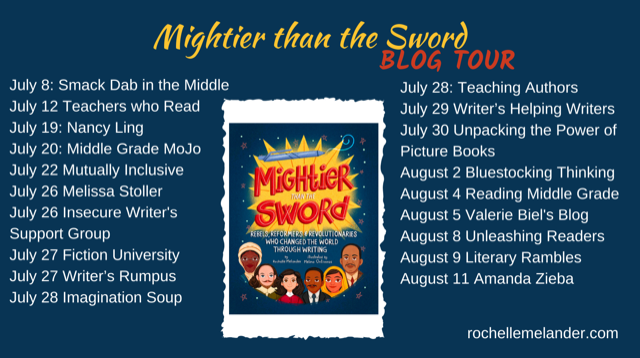
Don’t miss out on other stops on the Mightier than the Sword Blog Tour!

Jump at the Sun: The True Life Tale of Unstoppable Storycatcher Zora Neale Hurston by Alicia D. Williams, Illustrated by Jacqueline Alcántara

Share

Jump at the Sun: The True Life Tale of Unstoppable Storycatcher Zora Neale Hurston
Author: Alicia D. Williams
Illustrator: Jacqueline Alcántara
Published January 12th, 2021 by Atheneum/Caitlyn Dlouhy Books

Summary: A picture book that shines the light on Zora Neale Hurston, the writer and storycatcher extraordinaire who changed the face of American literature.

Zora was a girl who hankered for tales like bees for honey. Now, her mama always told her that if she wanted something, “to jump at de sun”, because even though you might not land quite that high, at least you’d get off the ground. So Zora jumped from place to place, from the porch of the general store where she listened to folktales, to Howard University, to Harlem. And everywhere she jumped, she shined sunlight on the tales most people hadn’t been bothered to listen to until Zora. The tales no one had written down until Zora. Tales on a whole culture of literature overlooked…until Zora. Until Zora jumped.

About the Creators:

Alicia D. Williams is the author of Genesis Begins Again, which received a Newbery and Kirkus Prize honors, was a William C. Morris Award finalist, and for which she won the Coretta Scott King – John Steptoe Award for New Talent. A graduate of the MFA program at Hamline University, and an oral storyteller in the African American tradition, she is also a teacher in Charlotte, North Carolina.

Jacqueline Alcántara is the illustrator of the critically acclaimed The Field and Freedom Soup. Her favorite days are spent drawing, painting, writing, and walking her dog. In 2016, she was awarded the inaugural We Need Diverse Books Illustrator mentorship. Find out more at JacquelineAlcantara.com.

Praise: 

*”A lively, joyfully rendered portrait of a literary legend.” – Publisher Weekly, starred review

* “Williams’ narration is a readaloud dream….it will be a joyful guide for folklore enthusiasts” – BCCB, starred review

* “This introduction to an American icon feels just right.” – Kirkus Reviews, starred review

* “A welcome addition to any picture book biography collection.” – School Library Journal, starred review

Review: Zora Neale Hurston has a special place in my heart as Eatonville is right around the corner, and I love the opportunity to be so close to Zora’s home, be inspired by her story, and learn from her. If you are ever here, stop by the Zora Neale Hurston National Museum of Fine Arts!

Alicia D. Williams does a beautiful job capturing the spirit of Zora and showing how truly special she was as a person and story teller. And I loved learning new things about her that I hadn’t known before (like that she graduated from high school at 28 and that she may have been lost to white-washed history if not for Alice Walker). And Alicia’s words mixed with the colorful and active illustrations of Alcántara, Zora is brought to life through the pages of this book.

Teachers’ Tools for Navigation: The publisher provided Curriculum Guide is the best resource for using this book in your classroom:

Discussion Questions: 

  • How are the end pages representative of Zora?
  • How were Zora’s stories important to American literature?
  • Why did the author call Zora a “storycatcher?”
  • How did the author integrate fictional characters and stories within her nonfiction biography of Zora Neale Hurston?
  • Why was some of Zora’s storytelling looked down upon?
  • What does the figurative phrase “reach/jump to the sun” mean?

Flagged Passages: 

Read This If You Love: Zora Neale Hurston, Picture book biographies

Recommended For: 

classroomlibrarybuttonsmall 

Signature

**Thank you to Simon & Schuster for a copy of the book to review!**