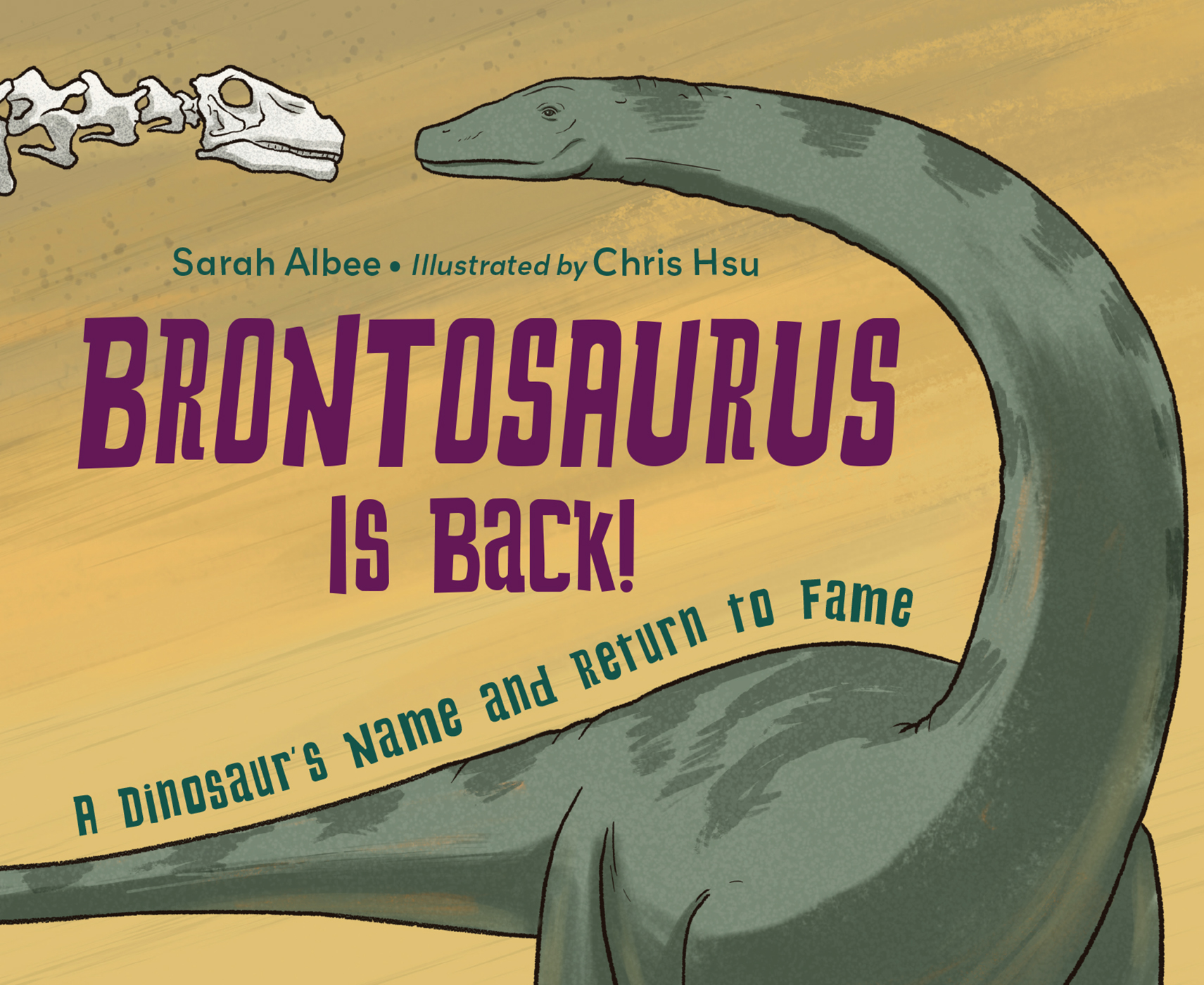
Brontosaurus Is Back! A Dinosaur’s Name and Return to Fame by Sarah Albee, Illustrated by Chris Hsu

Share

Brontosaurus Is Back! A Dinosaur’s Name and Return to Fame 
Author: Sarah Albee
Illustrator: Chris Hsu
Published September 29th, 2026 by Charlesbridge

Summary: A hilarious and fascinating look at Brontosaurus’s comeback—perfect for dino fans and curious kids learning how science evolves over time.

A fun, fact-filled nonfiction picture book for ages 6 to 9 about a dinosaur’s disappearing act and return.

This is fun, lively, kid-appeal-filled nonfiction and tells the story of brontosaurus—discovered, discontinued, and then reinstated again.

Dino fans, come and get it! There’s so much to learn in this interesting book about naming, sloppy science, dueling paleontologists, and more! Sarah Albee’s signature humor and strong writing, coupled with Chris Hsu’s kid-friendly and accurate art, bring history to life on the page.

Praise: A classic case study in how the course of scientific advancement can run anything but smooth.

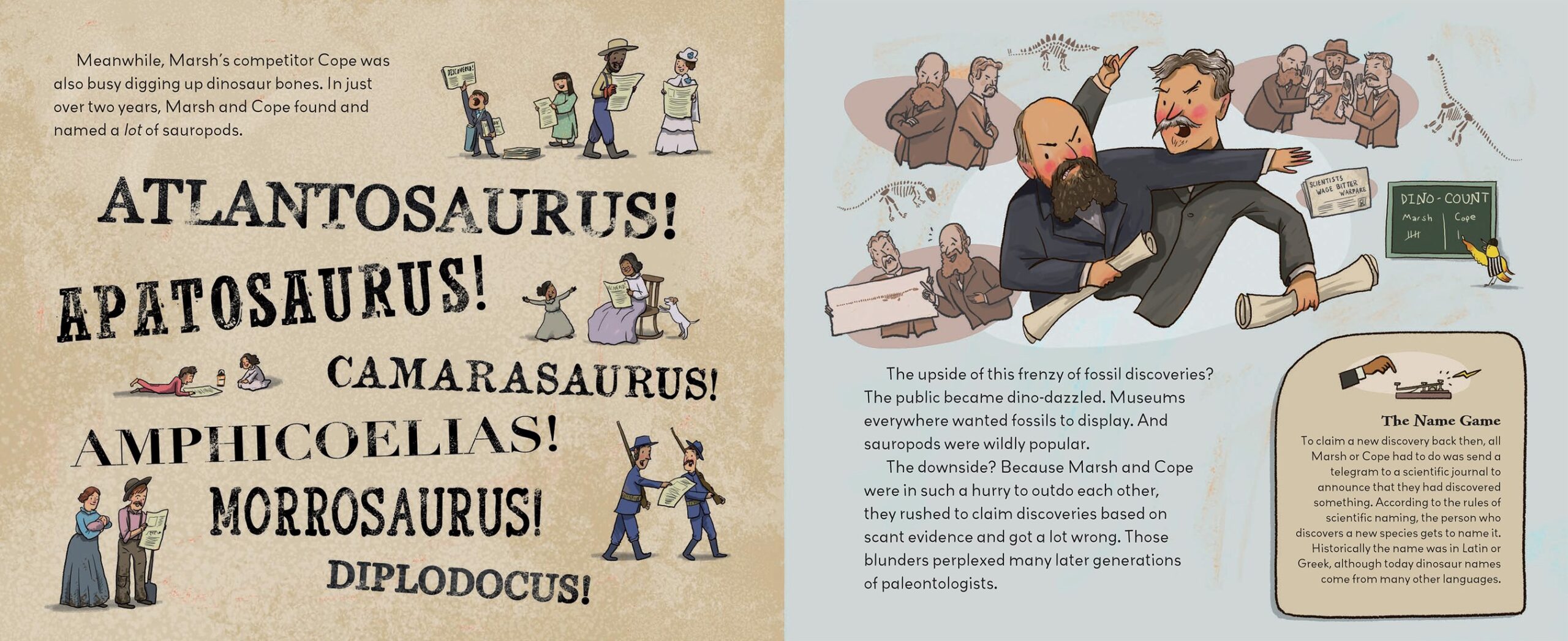
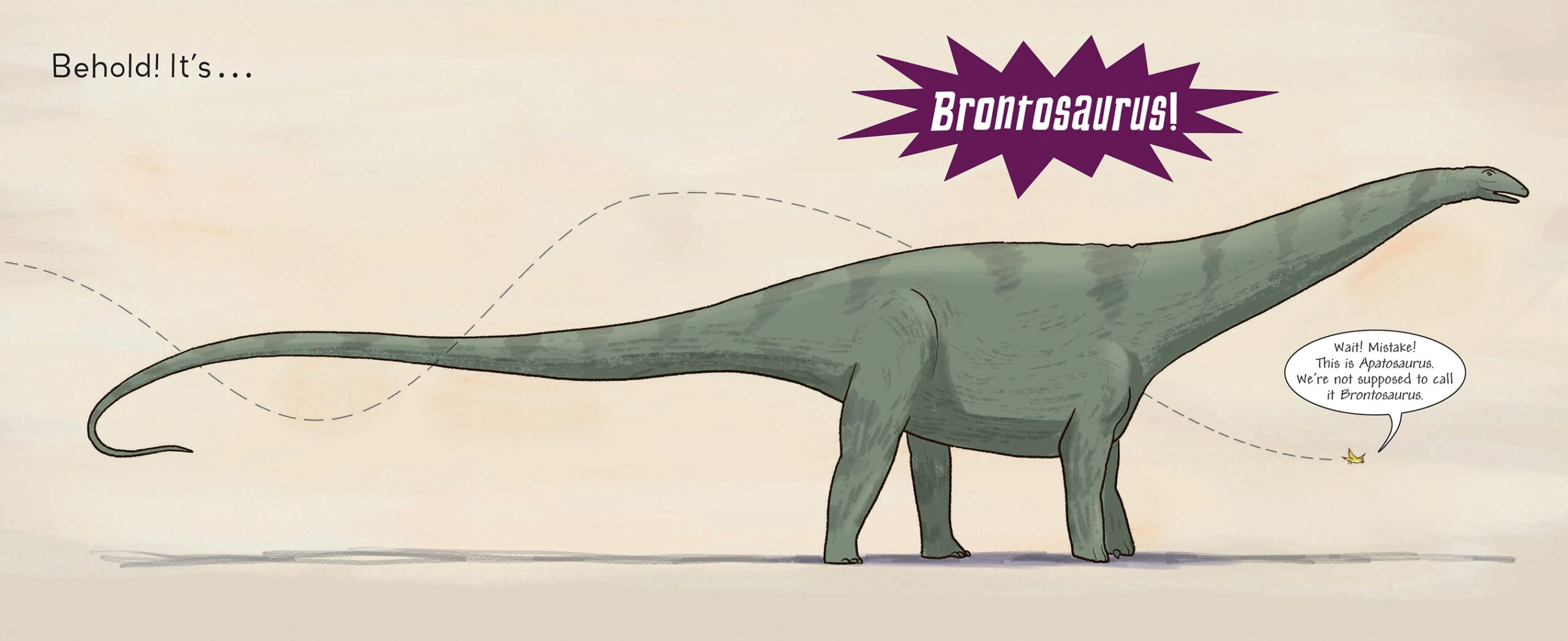
In the late 19th century, renowned paleontologist Othniel C. Marsh announced the discovery of scattered bones belonging to a sauropod he dubbed “Apatosaurus,” or “deceptive lizard.” At nearly the same time rival bone hunter Edward D. Cope proclaimed a similar find to be fossils of “Brontosaurus,” meaning “thunder lizard.” A later researcher’s determination that both actually belonged to the same genus touched off a century-long controversy, since, as Albee writes, scientific practice gives naming rights to the first finder. So even though “Brontosaurus was catchier,” and went on to become the common name with a “dino-dazzled” public, it fell out of official use. Until 2015, that is, when further discoveries led many researchers to change their minds and announce that the two actually were different dinosaurs. While laying out the bones of the kerfuffle with a fine sense of drama, the author also fleshes out her story with revealing observations about the evolution of our whole understanding of sauropod anatomy. Along the way she gives proper credit to Marsh’s original Sioux informants, as does Hsu in a period scene placed amid views of dinos, fossil bones, and skeletons, and racially diverse groups of modern museum visitors. A cheery glimpse of science in action, warts and all. —Kirkus Reviews

About the Creators:

Sarah Albee is the New York Times bestselling author of nonfiction books for kids. Her most recent titles are both nonfiction picture books: The Painter and the President: Gilbert Stuart’s Brush with George Washington, and Zero! The Number that Almost Wasn’t. Other popular titles include Troublemakers in Trousers: Women and What They Wore to Get Things Done; Fairy Tale Science; Accidental Archaeologists: True Stories of Unexpected Discoveries; and Poop Happened: A History of the World from the Bottom Up; and Alexander Hamilton: A Plan for America.  She and her husband live in New York City and have three grown children. Visit her at www.sarahalbeebooks.com.

Sarah Albee: IG @sarahjalbee FB @sarah.albee

Chris Hsu is a picture book illustrator and animation background artist whose credits include FX’s Archer and Marvel’s Hit-Monkey. His illustration work is influenced by world history, art history and music, and current favorite non-art activity is watching his daughters and nieces play soccer on Saturdays.

Chris Hsu: IG @chrisillustration

Review: Happy National Fossil Day! Brontosaurus is Back is the perfect book to highlight today!
National fossil day 2026 artwork - Fossils and Paleontology (U.S. National  Park Service)NATIONAL FOSSIL DAY™ - October 15, 2026 - National Day Calendar

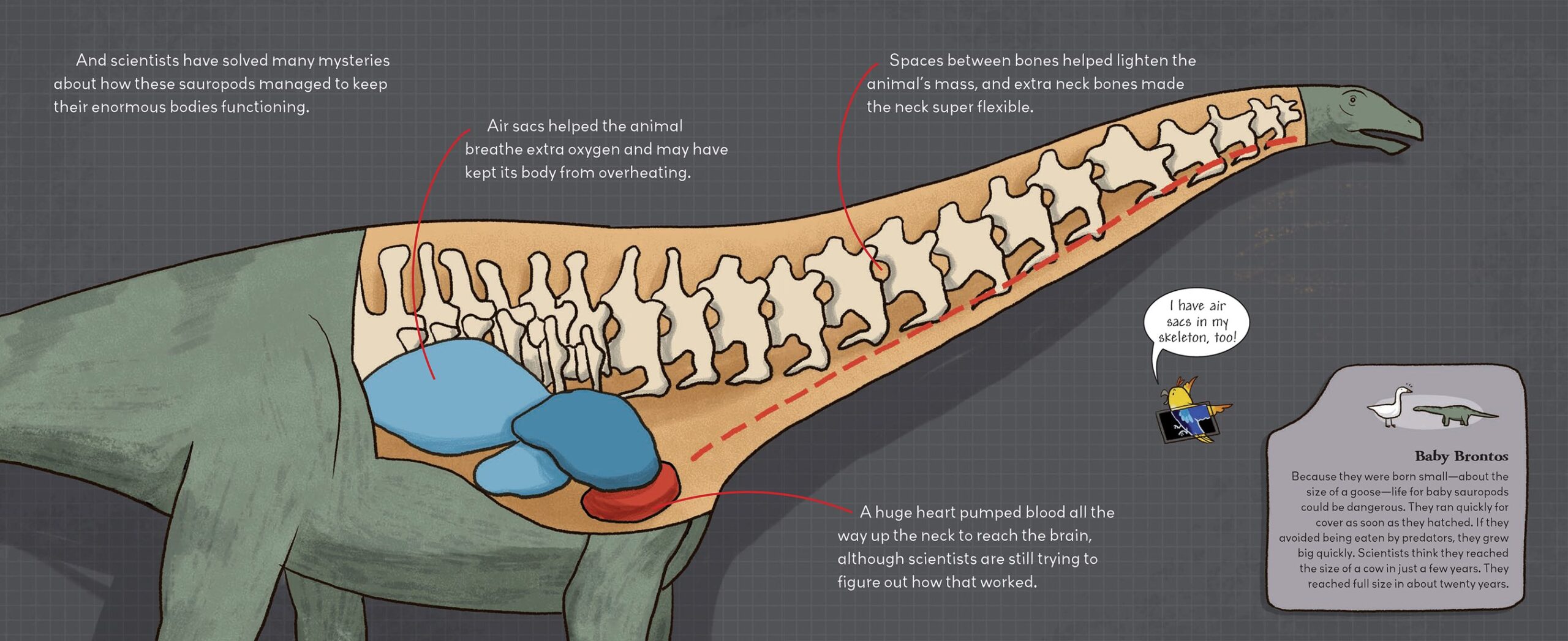
This text does so much: it shows the truth of how science is always evolving, how egos get in the way of scientific endeavors, how early paleontology worked, and how fossils help paleontologists. Sarah Albee is so good at balancing all the different goals of a nonfiction book while also making it interesting and engaging because Brontosaurus does all of this in an entertaining and informative way. I, personally, liked the funny bird sidekick to the narrator because it continued to remind the reader that dinosaurs are related to birds. I also think that the inclusion of the sidebars helped with bringing any needed extra facts back to the narrative to help keep the reader thinking outside of the narrative being told.

Also, oh man, I love the highlighting of two eager scientists trying to outdo each other and making mistakes–what a wonderful message for students! It is so important to do things slowly and correctly, not quickly and with mistakes.

The only thing I wish was that there was more explanation of the WHY brontosaurus came back–it just explains that there was a study in 2015 that said apatosaurus and brontosaurus are different but not exactly why; however, this is a perfect education opportunity!

Educators’ Tools for Navigation: The first thing I would have students do when finishing the book is look more into apatosauruses and brontosauruses and make a comparison and contrast on them.

This could also be a jumping off point for a debate because, as the book shares, “not all paleontologists agree,” so students can look at the evidence and decide what they agree with.

Discussion Questions: 

  • Today is National Fossil Day! What did you learn about fossils in this book?
  • How did ego play into scientists not being correct on their fossil analysis when it came to the sauropods?
  • How is paleontology a bit of a sciene of guessing on top of a science of fossils?
  • Do you agree with the policy of using the first name assigned to a species being used if two species are being determined to be the same? Why or why not?
  • Why do you think that most did not care that some scientists said brontosaurus weren’t their own species?
  • Why were scientists wrong for over a hundred years on the shape of that apatosaurus’s head?
  • On the page with “A Closer Look,” what differences do you see between the two dinosaurs?
  • What are some ways that you see or learned that dinosaurs and modern birds are alike?

Flagged Spreads: 
Read This If You Love: Dinosaurs, Science, Nonfiction Picture Books

Recommended For: 
classroomlibrarybuttonsmall 

Signature

**Thank you to Charlesbridge & Blue Slip Media for providing a copy for review!**

Instagram: @charlesbridgepublishing  |  @blue_slip_media
Facebook: Charlesbridge Publishing  |  Blue Slip Media

Student Voices: The Importance of Nonfiction from Kathy R. and Elise A.

Share

Importance of Nonfiction

“Are Nonfiction Books Actually Difficult or Are You Just Reading Nonfiction Books Wrong?” by Kathy R., 7th grade

Books are loved worldwide and pretty much everywhere, it comes in all formations and genres but the two main ways to separate books are in fiction and non-fiction. Fiction is formally more popular since it allows the reader to escape their worries and focus on the imaginative story they are reading. On the other hand non-fiction is usually depicted as boring and written with a ‘fact-heavy’ tone. But most of the time non-fiction isn’t a difficult read, maybe you are reading non-fiction the wrong way.

Finding the different types of non-fiction literature

There is a variety of types of non-fiction literature like history, science, biographies, essays. Going deeper into non-fiction there are types of books like narrative nonfiction which is telling a real life story in the form of a story, this is an easier way to read nonfiction if you are used to reading more story-like books. Another few examples are Art books if you are more on the art side of the reading spectrum, music is another example of reading non-fiction like a ‘how to’ book on learning the violin. Exploring these genres will help you find which is just right for you. Most of the time when people call non fiction ‘too hard’, it’s almost always because they are reading books that they can’t connect to or learn anything about said topic. 

What to avoid when reading non-fiction books

Other times people rush or try reading multiple genres at once which can lead to not understanding what you just read and not learning anything.  Arun Suresh, Finding It Difficult to Read Non-Fiction? You’re Probably Reading It the Wrong Way: “It’s common for people to switch between genres and read a variety of books on a variety of topics. It gives them a feeling of gaining knowledge of different subjects, but in the longterm, they won’t remember most of it. Which is why you should stick with a genre or two.” Frankly, one of the most important things to do while reading non fiction is to take in some of the information you’re gaining from that book. Why do the exact opposite by reading everything and anything at the same time? It completely defeats the purpose.

Tips when it comes to reading non-fiction

When it comes to reading non fiction there are a few tips and tricks that can help you greatly in understanding what you’re reading a little bit more. How to Read More Nonfiction (and Actually Enjoy It) gives a few examples such as:

  • Annotating your book with a highlighter and or sticky tabs 
  • Starting a non-fiction book with a friend or book club
  • Skimming through chapters and getting the main details
  • Set small goals that are easy to digest

Why should people go through all the troubles of reading a non-fiction book? What’s in it for them in the end?

The biggest question of all is why? Why is reading non-fiction important? Why should people go through the process of reading non-fiction? The best answer I can give you is that it helps you to learn and understand the world around us. You see, non-fiction as a whole is diverse and every book you read on one topic can help you understand more chapter by chapter. Every time you read something informational no matter what your age is you can learn and expand your knowledge. 

Some non-fiction books I could recommend to people

Here are a couple books that I would recommend to people with a variety of what the books are about!

Conclusion and final thoughts

In conclusion, non-fiction in a whole may seem ‘too complex’ and ‘overly academic’ but the truth is non-fiction and informational literature is for us to be able to understand more about this world we live in. Non-fiction may not be for everyone but it is better to try than and see if there is a book for you than to not give it a try. 


“I Think Readers Should Read More Nonfiction” by Elise A., 8th grade

Nonfiction should be promoted better because it is useful for learning different facts about life, history, science and any topic you like.

I’m not saying that reading fiction is bad. But they attract more people to them because of how popular they are which leads to more people buying them or checking them out unlike nonfiction books that are not that popular.

Nonfiction is also keeping our history alive. It tells us about our past and gives kids something to base our future off of. If we didn’t have the books then we won’t remember how different things changed and adapted to different environments.

Nonfiction shows real information all the way through and shows more facts than anything else. Some people may look at nonfiction and say that it’s boring but it’s just that they aren’t reading about a topic that they enjoy, they just pick up a nonfiction book and start reading instead of picking one that interests them.

Nonfiction books to read

There are many history books that can be used to promote like: 

  • The Rediscovery of America by Ned Blackhawk
  • Hidden Figures by Margot Lee Shetterly
  • Night Flyer: Harriet Tubman by Tiya Miles

There are many science books that can be used to promote like:

  • The Immortal Life Of Henrietta Lacks by Rebecca Skloot
  • Being Mortal by Atul Gawande
  • Lab Girl by Hope Jahren

These books are a good example of books to read to better understand certain subjects in school or everyday life.

Personally I like books about presidents. I look at those to understand how the new presidents are different from past presidents.

Nonfiction vs Fiction

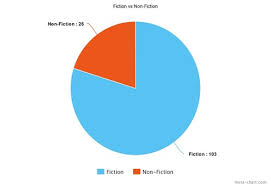
As you can see based on this graph there is a good amount of people who read nonfiction but it’s smaller in comparison to the people who read fiction. This shows that nonfiction isn’t disappearing, it’s just in the shadow of fiction.

But the thing is that most of the time people look at the books, and they judge it based on the cover.

Also, fiction isn’t the only type of books with series nonfiction also has series. Fiction series continue the story the author made up while nonfiction books show how different things in life are connected like how different parts of history are connected.

How librarians and educators could make it so their nonfiction books are something people want to read.

So I think to make nonfiction books look more appealing to people is to have it more in color or just more fun. If you make the area look more fun, like after you read the book, have people color by number with facts that they learn.

The reason to do all of this is because there are many fiction book activities like people have made many word searches for fiction books. So if the nonfiction books have activities then it will feel like something people read a lot convincing people to read them. Or have them take a quiz so they know what type of nonfiction books to look for kinda like finding different genres people like except there are science, history, and geography nonfiction books.

To conclude, nonfiction books should be read more because there are many good nonfiction books that need to get more love!


Thank you so much to my student voices today and their look at reading nonfiction!

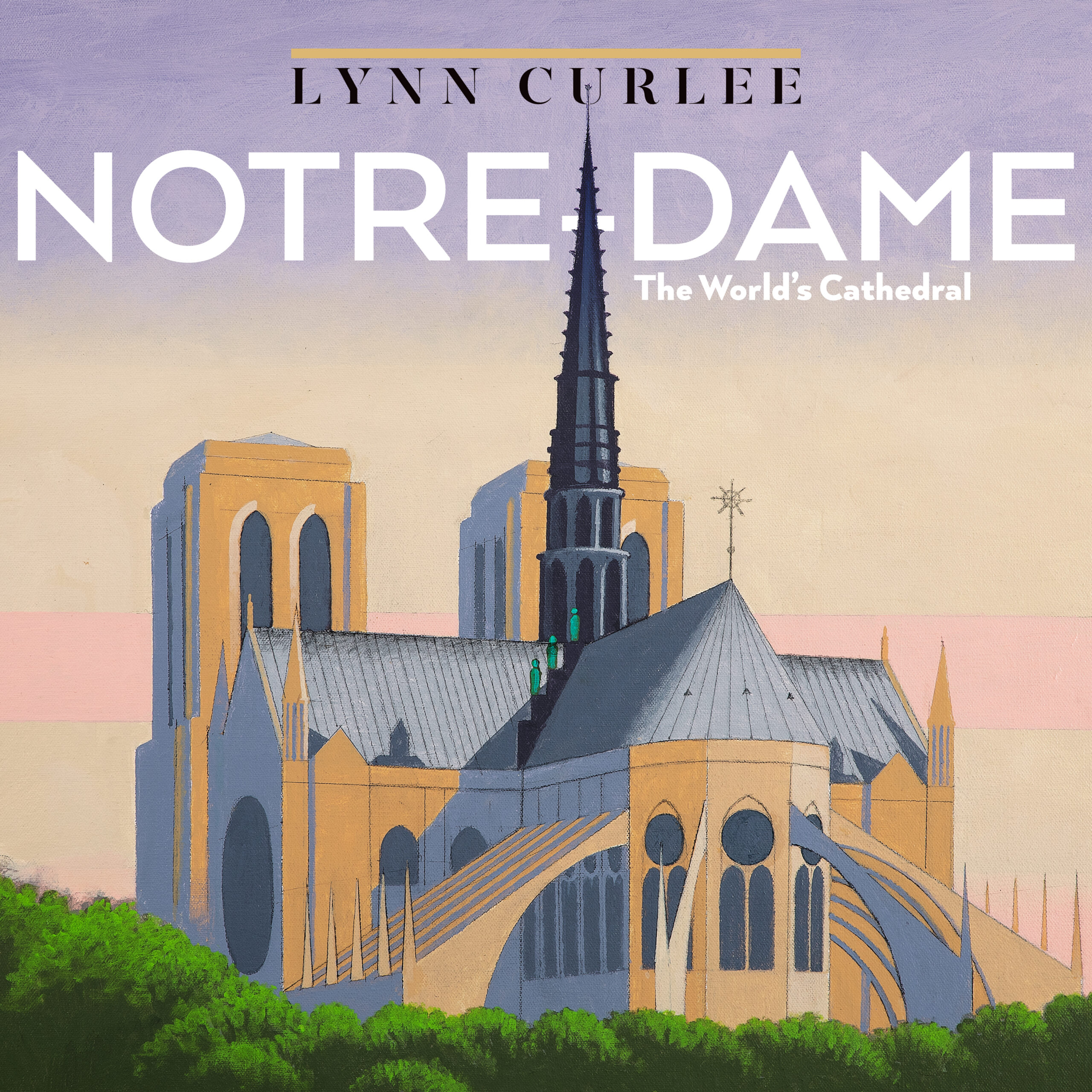
Notre-Dame: The World’s Cathedral by Lynn Curlee

Share

Notre-Dame: The World’s Cathedral
Author & Illustrator: Lynn Curlee
Published May 5th, 2026 by Atheneum Books for Young Readers

Summary: A fascinating visual history of Notre-Dame, “the World’s Cathedral,” that highlights the burning and reconstruction of the cherished building from award-winning author-illustrator Lynn Curlee.

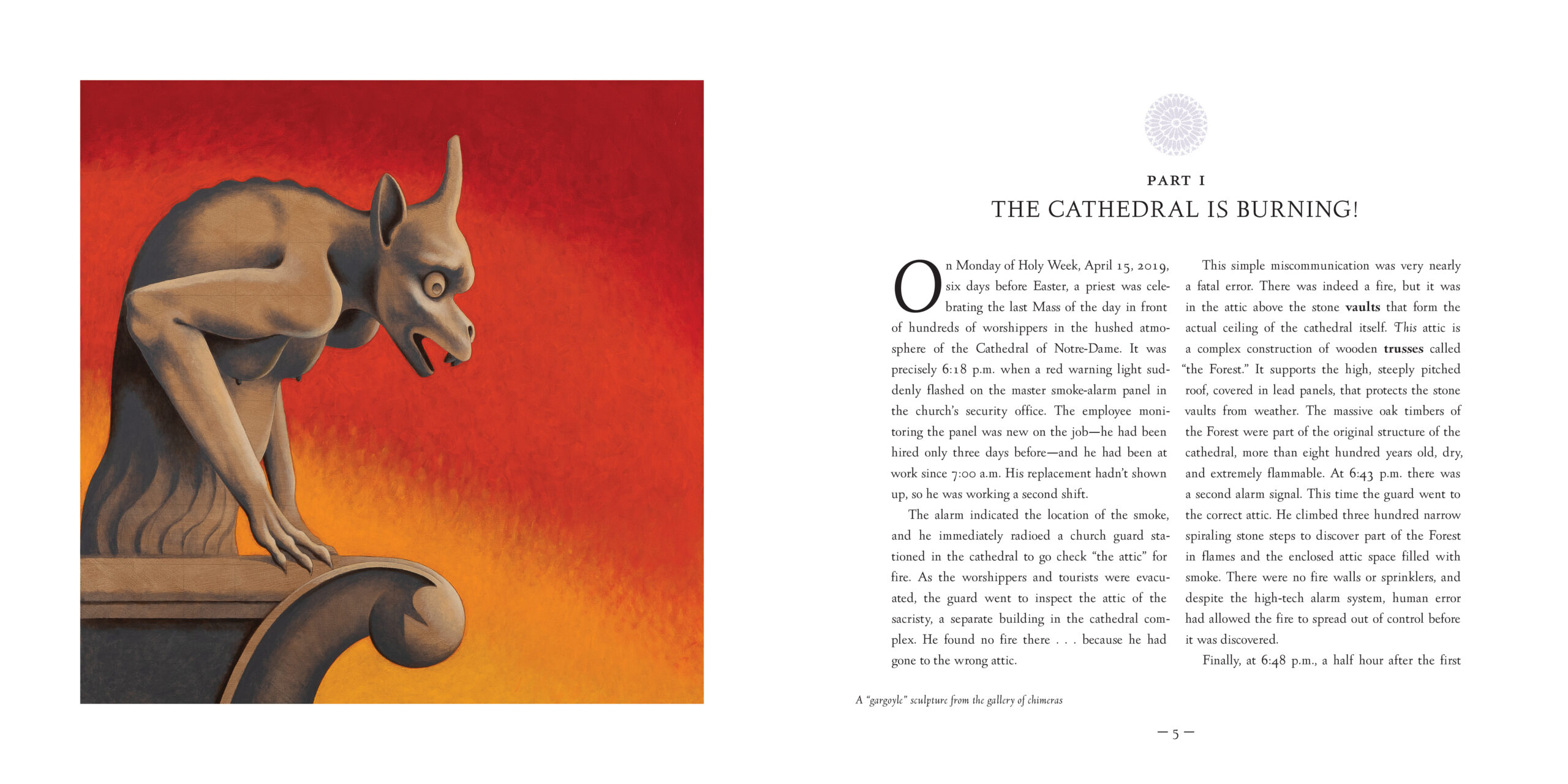
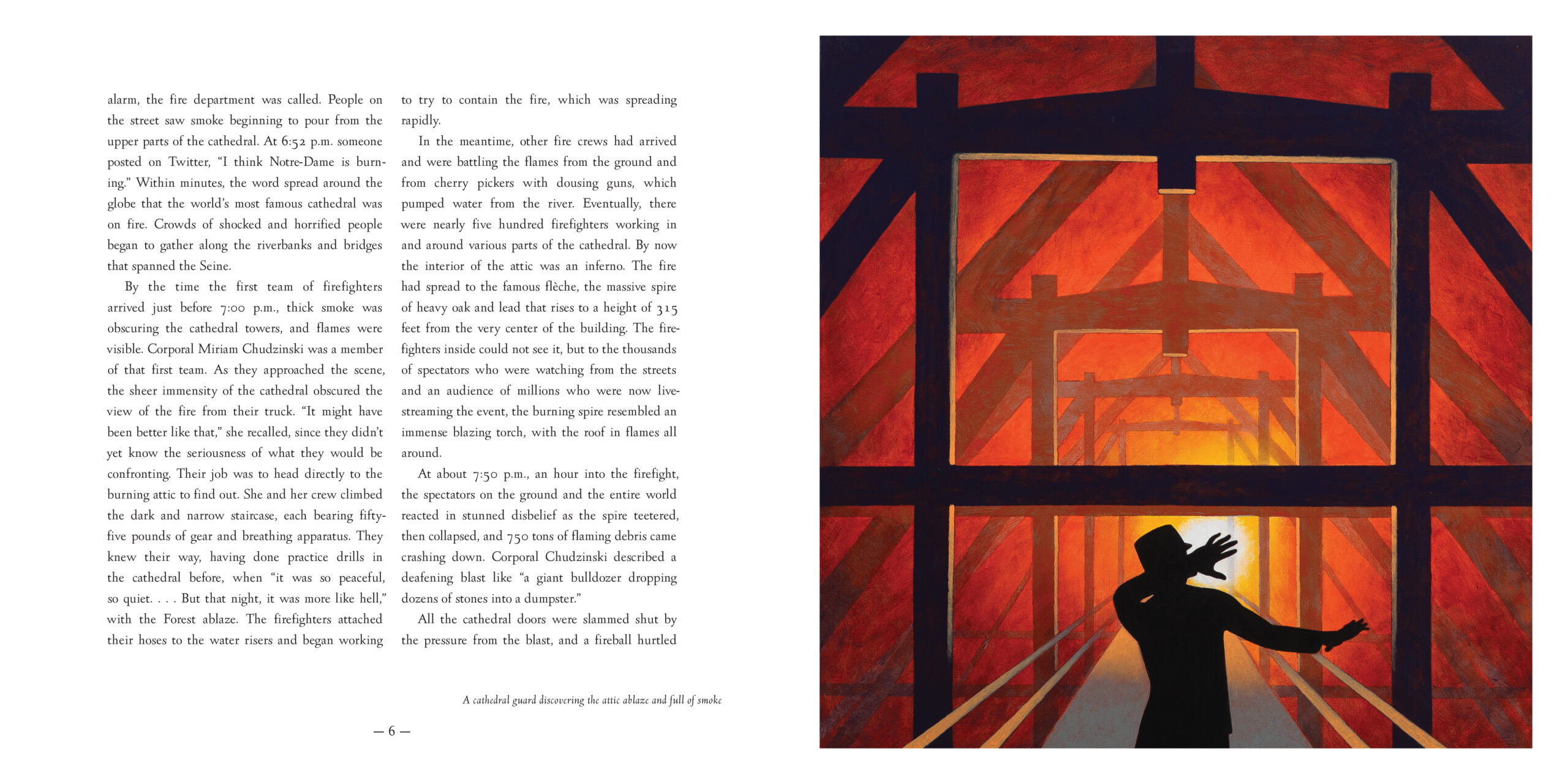
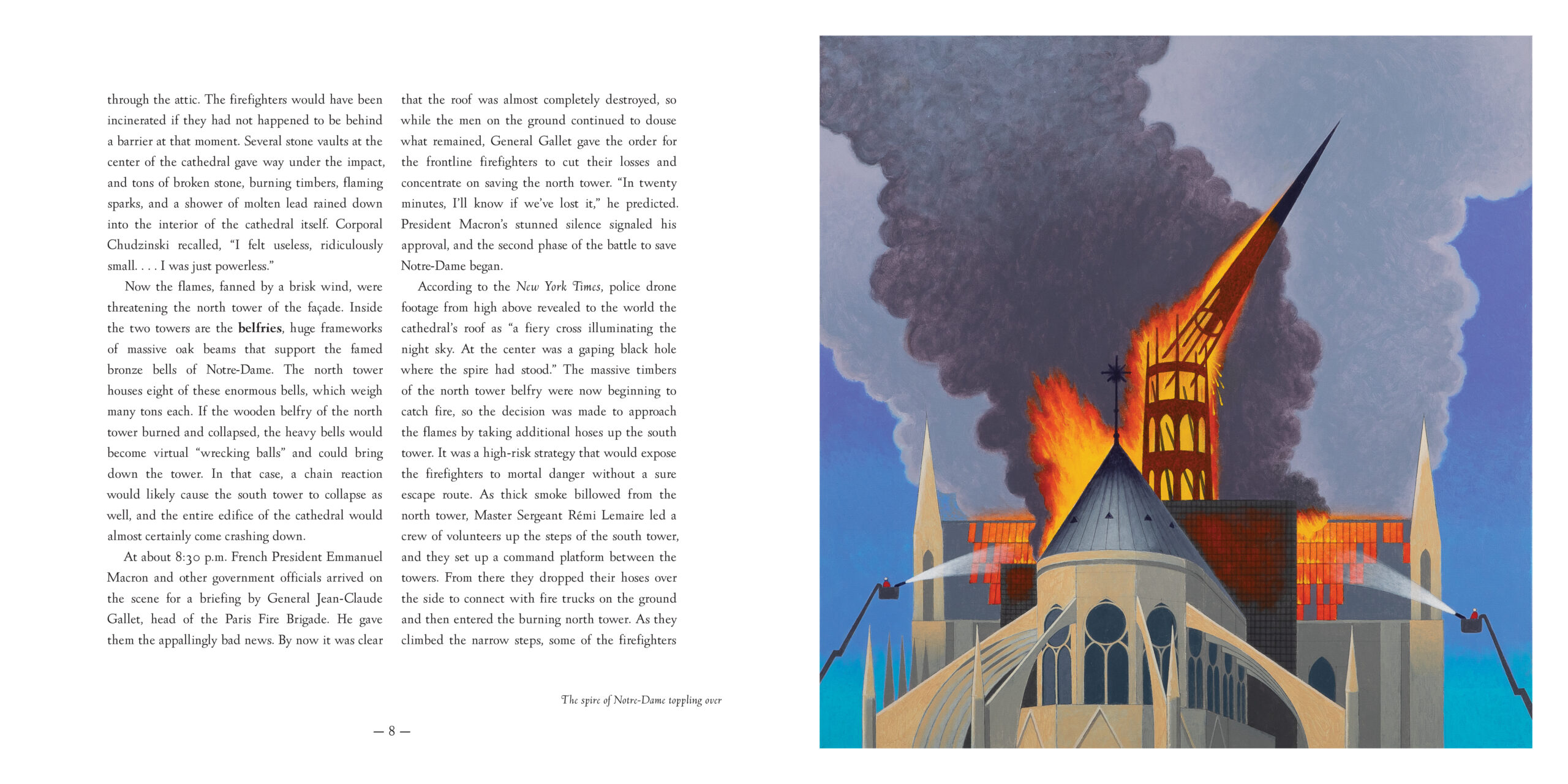
On April 15, 2019, the Cathedral of Notre-Dame in Paris was almost destroyed by fire, an event that shocked and riveted the entire world as it played out in real time on TV and across the internet.

The story of the fire and its aftermath, along with the rebuilding of the historic cathedral, offers an exciting narrative around which Lynn Curlee builds an illustrated story for middle grade readers about this internationally cherished monument.

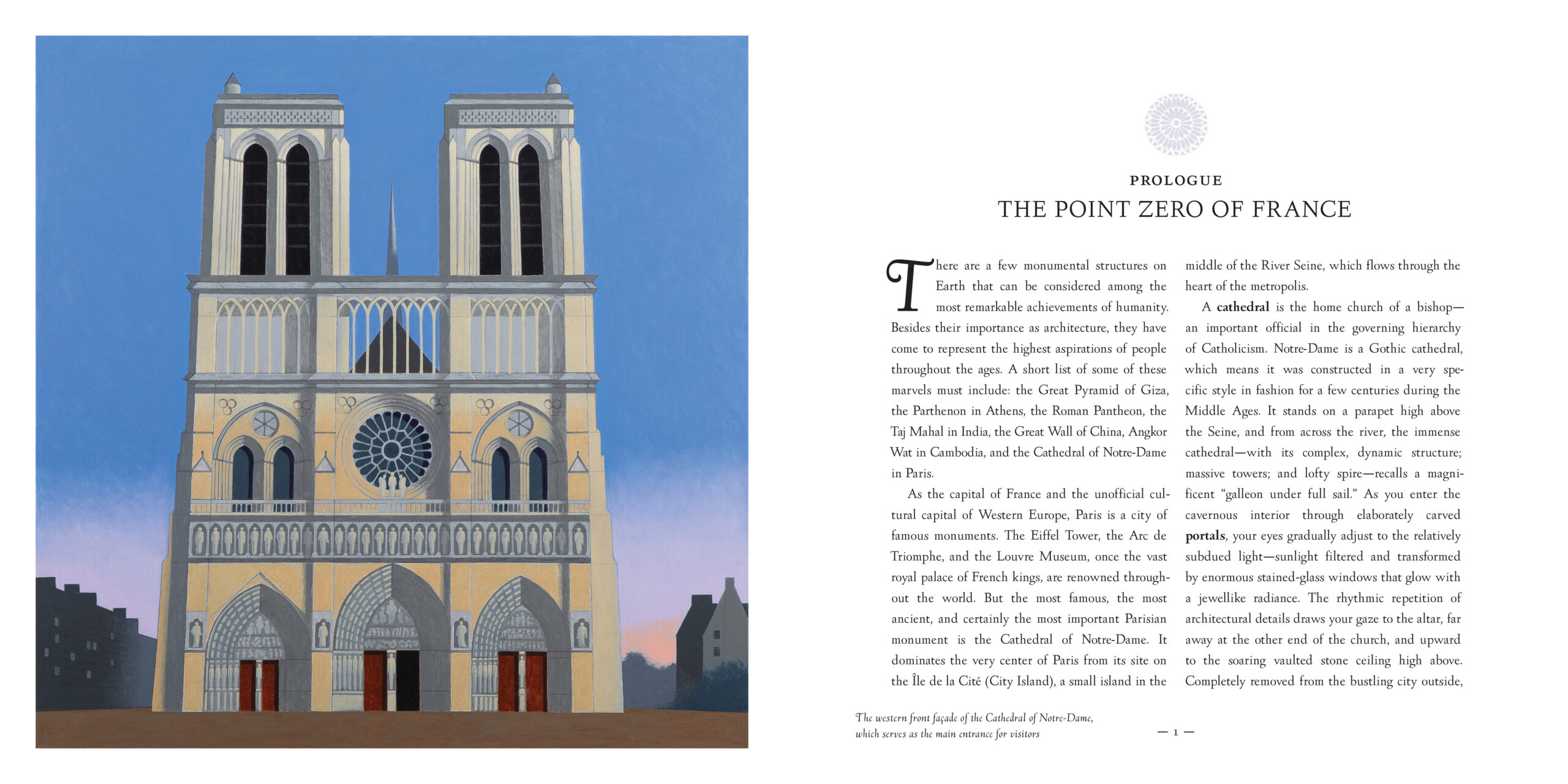
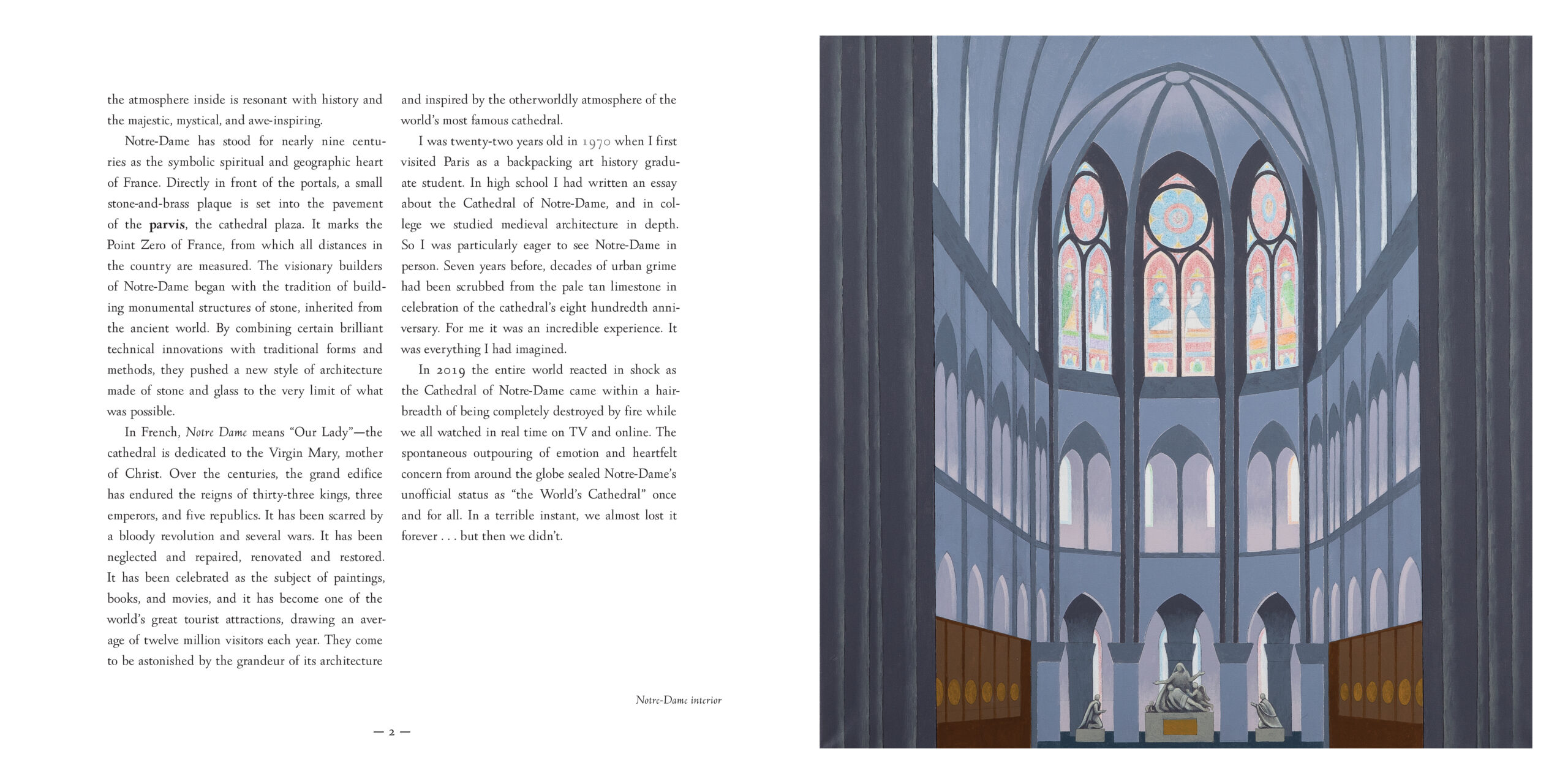
In the way that only he can, Lynn illuminates captivating information about cathedrals, gothic architecture, French history, restoration of old buildings, heroism under fire, and even Quasimodo, the famous Hunchback of Notre-Dame.

★ “This handsome offering goes far beyond covering the story of the devastating 2019 fire that
destroyed the Cathedral of Notre Dame in Paris, France. . . Currently the only book available on this subject
for middle-grade readers, this will be an attractive addition for all collections.” – Booklist, STARRED REVIEW

“Soaring tributes to both the building and the workers who preserved it.” – Kirkus Reviews

About the Creator: LYNN CURLEE was educated as an art historian and worked as a fine artist for many years before he began to make children’s books. Three of his books, Capital, Liberty, and Rushmore, were chosen by the Barbara Bush Literacy Campaign as their Book of the Year in three consecutive years. Mr. Curlee has won numerous awards for his work, including but not limited to a Robert F. Sibert Honor Book (Brooklyn Bridge), Orbis Pictus Award (Rushmore), ALA Notable Books for Children (Liberty), and Bank Street Best Children’s Book of the Year (Parthenon). His other books include Ballpark, Trains, Mythological Creatures, and Seven Wonders of the Ancient World. He lives in Norwich, Connecticut, with his partner and two Great Danes. Find out more on Instagram @LynnCurlee.

Review: This book is beautiful and fascinating! I learned so much about Notre-Dame and Parisian history. I also found the parts about the fire and restoration of the cathedral so interested!

I had not read any Lynn Curlee before this one, and I have now set a goal to read more because I loved the way that he brought his passion for the topic into both the text and the illustrations. Sadly, there is a not in the back from the editor that shares that in early 2025, Lynn Curlee fell “ill and is unable to continue working” and “this book is likely Lynn’s last book.” I am happy to say that this final book is definitely one to be proud of.

Educators’ Tools for Navigation: This book has so much for educators!

First, it could be used for a read aloud. It is pretty text heavy, so would probably be for older readers, but chunking this like a chapter book would be a fascinating read aloud.

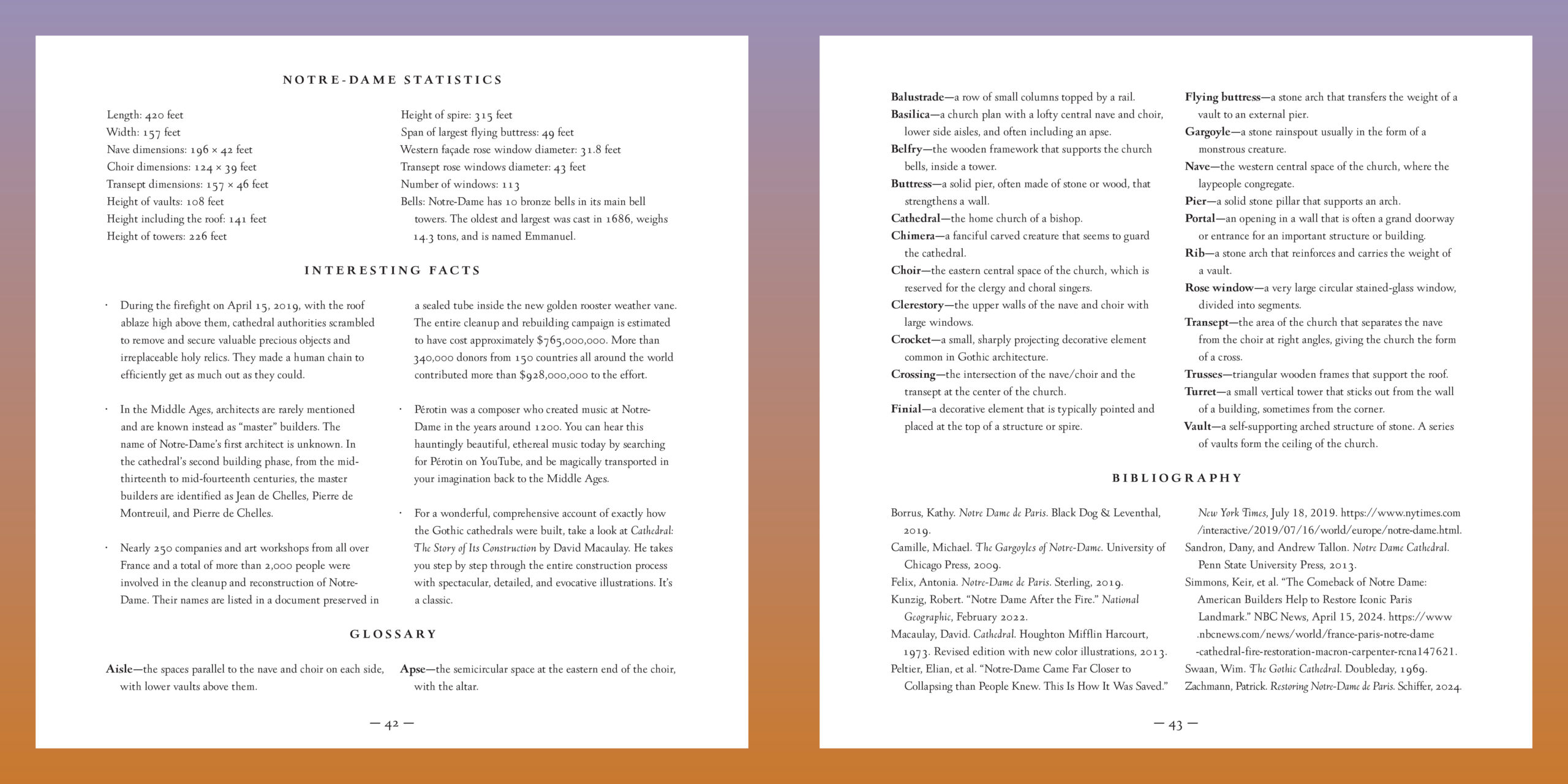
Second, I loved the vocabulary and glossary in this book. It is a great way to discuss vocabulary in nonfiction text.

Third, this book could be used for a mentor text to create their own nonfiction text about something they are interested in.

Fourth, this book would be a great support for any class learning about gothic architecture–I learned so much!

Fifth, make a timeline!

Sixth, do a book club with his other titles in this set then let students share with the class what they learned about their topic.

I just would love to see this text in classrooms and libraries; I hope you grab it!

Discussion Questions: 

  • How did the Parisians change their view of the cathedral during the 900 years it has been around?
  • Why was the restoration project so successful versus others that took longer?
  • Why is Notre Dame’s architecture so special?
  • How did Victor Hugo’s book affect the treatment of the cathedral?
  • Why is the cathedral so important to modern Paris?
  • How is our modern technology and advancements negatively affecting Notre-Dame?
  • How do you think the author chose which parts of the cathedral to include as illustrations?
  • Why do you think the author chose to jump around time-wise in the book?

Flagged Spreads: 

Read This If You Love: Architecture, History, Nonfiction Picture Books for Older Readers

Recommended For: 

classroomlibrarybuttonsmall 

Signature

**Thank you to the publisher for providing a copy for review!**

Student Voices: What Kellee’s Middle Schoolers are Reading, Loving, and Promoting

Share

My Student Literacy Leaders (students who help out in the library as their elective) recently were asked them to pick books they’ve loved that they feel should be checked out more than they are.

For these titles, they completed reading promotion projects which included Book Snaps (a snapshot of a book that is supposed to help get kids interested in the book), Title Talkers (a summary and extra info about the book to help share books with students), and Book Trailers (like a movie trailer but for a book).

Here are the titles they decided to promote (alphabetical by title) with some examples of their projects:

  • 12 to 22 by Jen Calonita
  • All’s Faire in Middle School by Victoria Jamieson
  • A-Okay by Jarad Greene

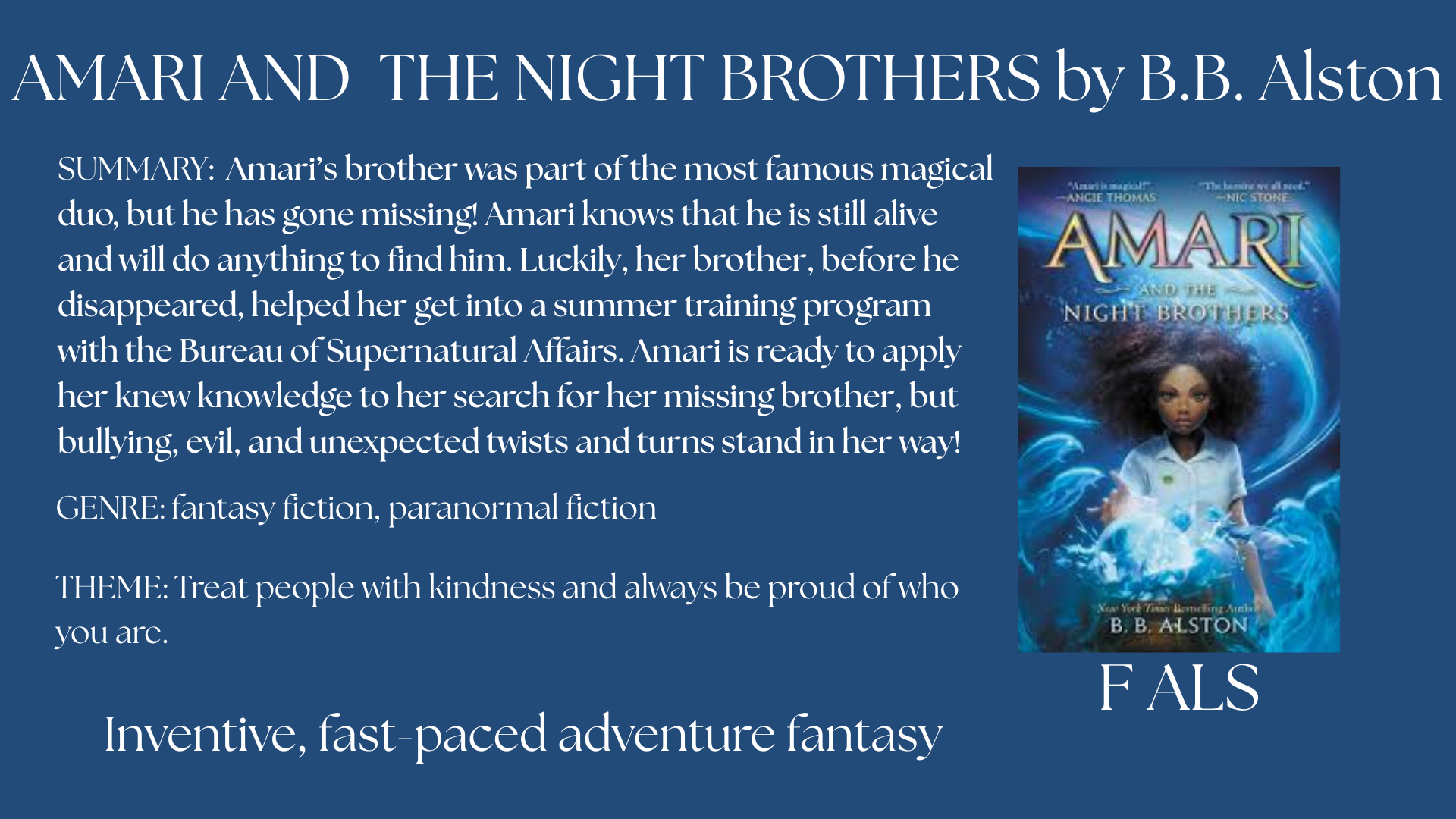
  • Amari and the Night Brothers by B.B. Alston
  • Among the Hidden by Margaret Peterson Haddix

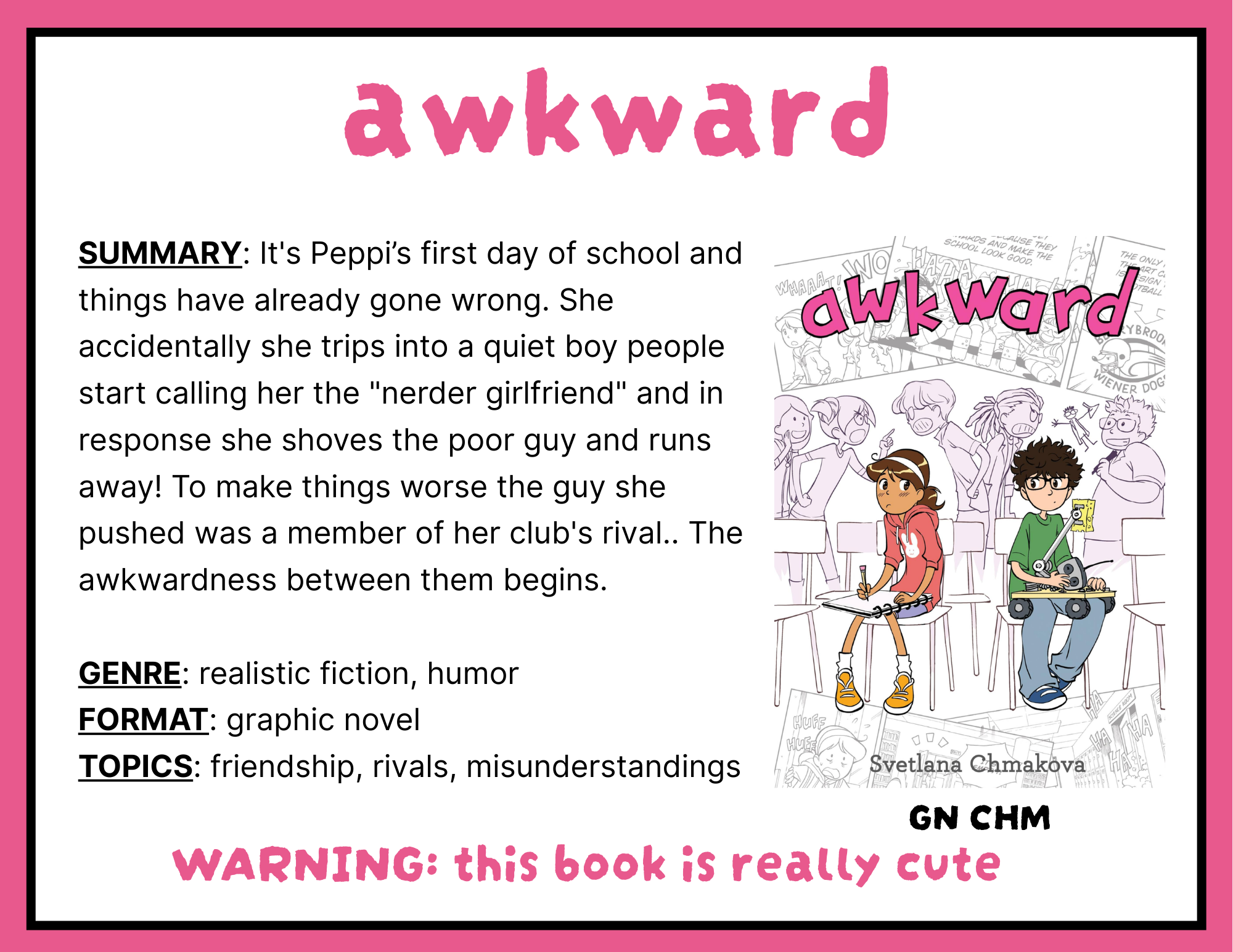
  • Awkward by Svetlana Chmakova
  • Baby-Sitters Little Sister: Karen’s Witch by Katy Farina, Created by Ann M. Martin
  • Bedhead Ted by Scott SanGiacomo

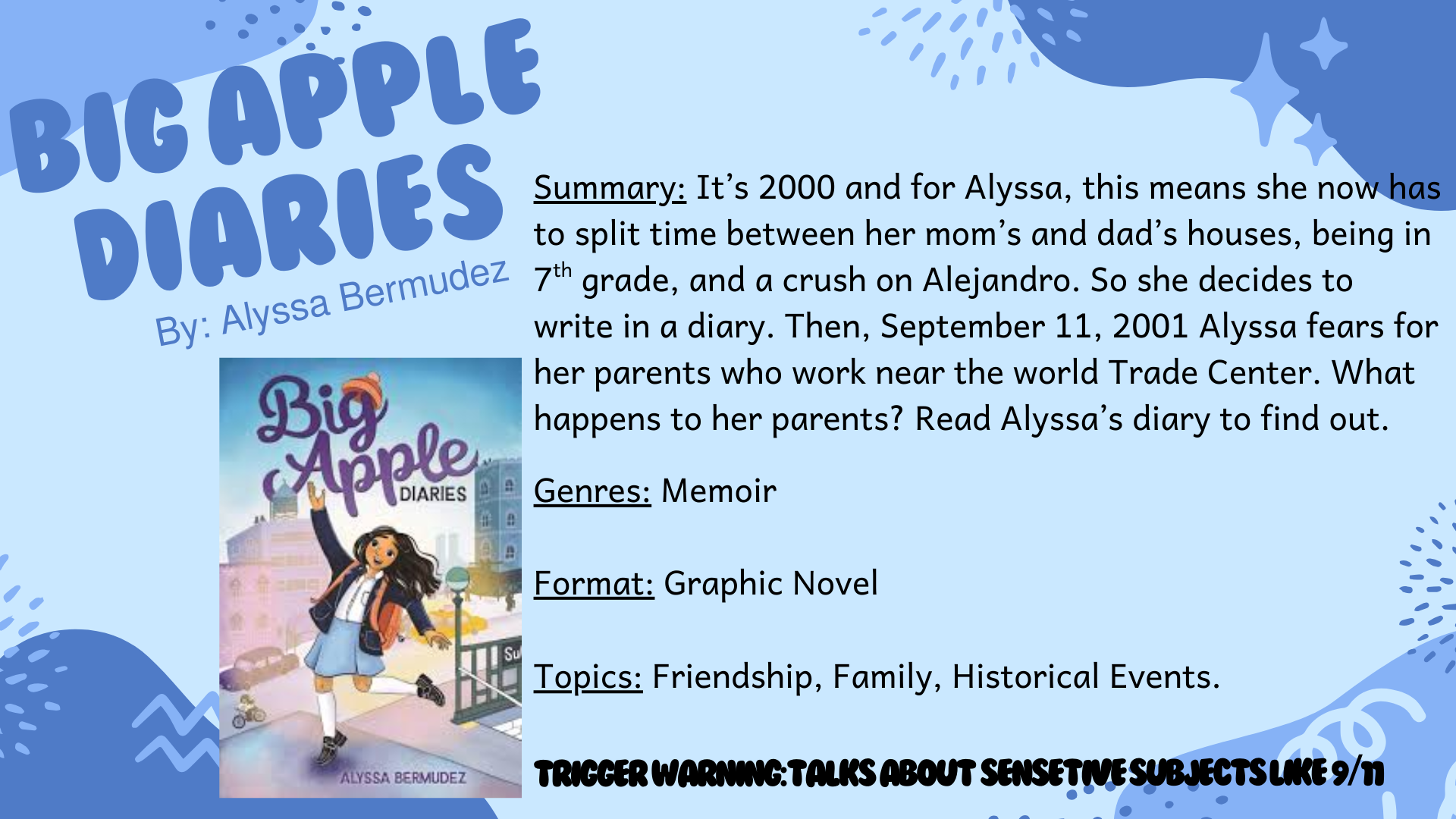
  • Big Apple Diaries by Alyssa Bermudez
  • Blended by Sharon Draper
  • Class Act by Jerry Craft

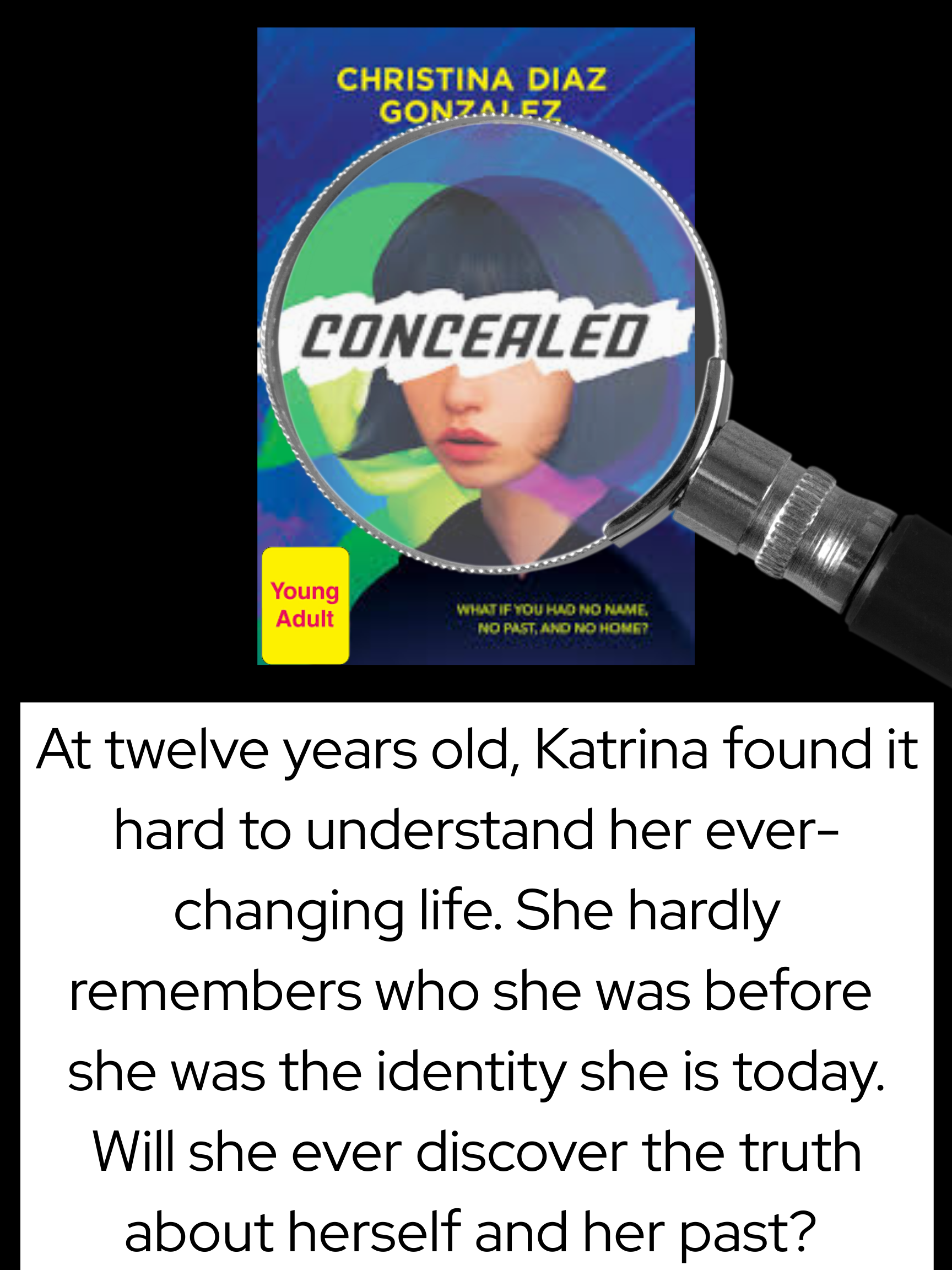
  • Concealed by Christina Diaz Gonzalez
  • Coraline by Neil Gaiman

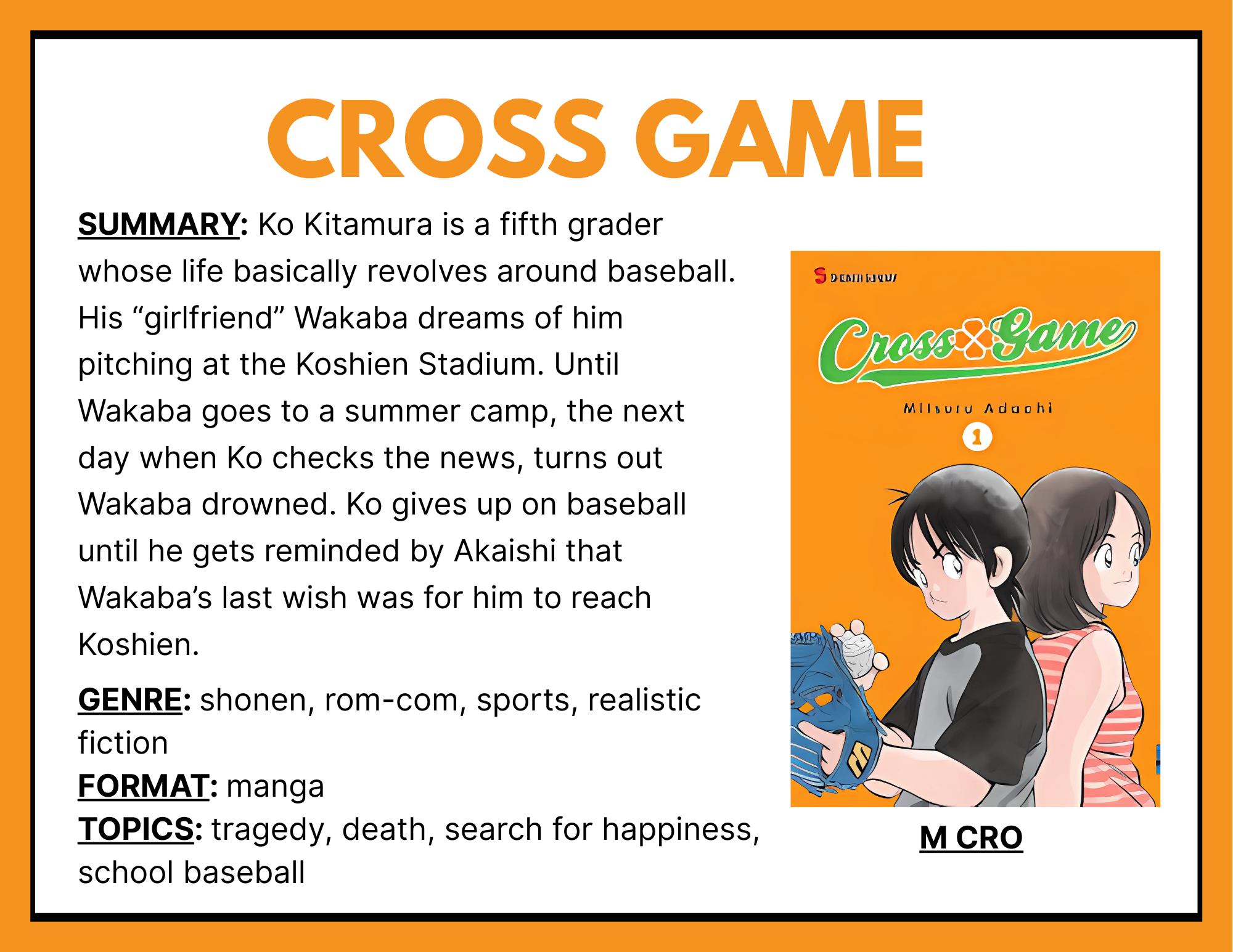
  • Cross Game: Vol. 1 by Mitsuru Adachi
  • Curse So Dark and Lonely by Brigid Kemmerer
  • Daybreak on Raven Island by Fleur Bradley

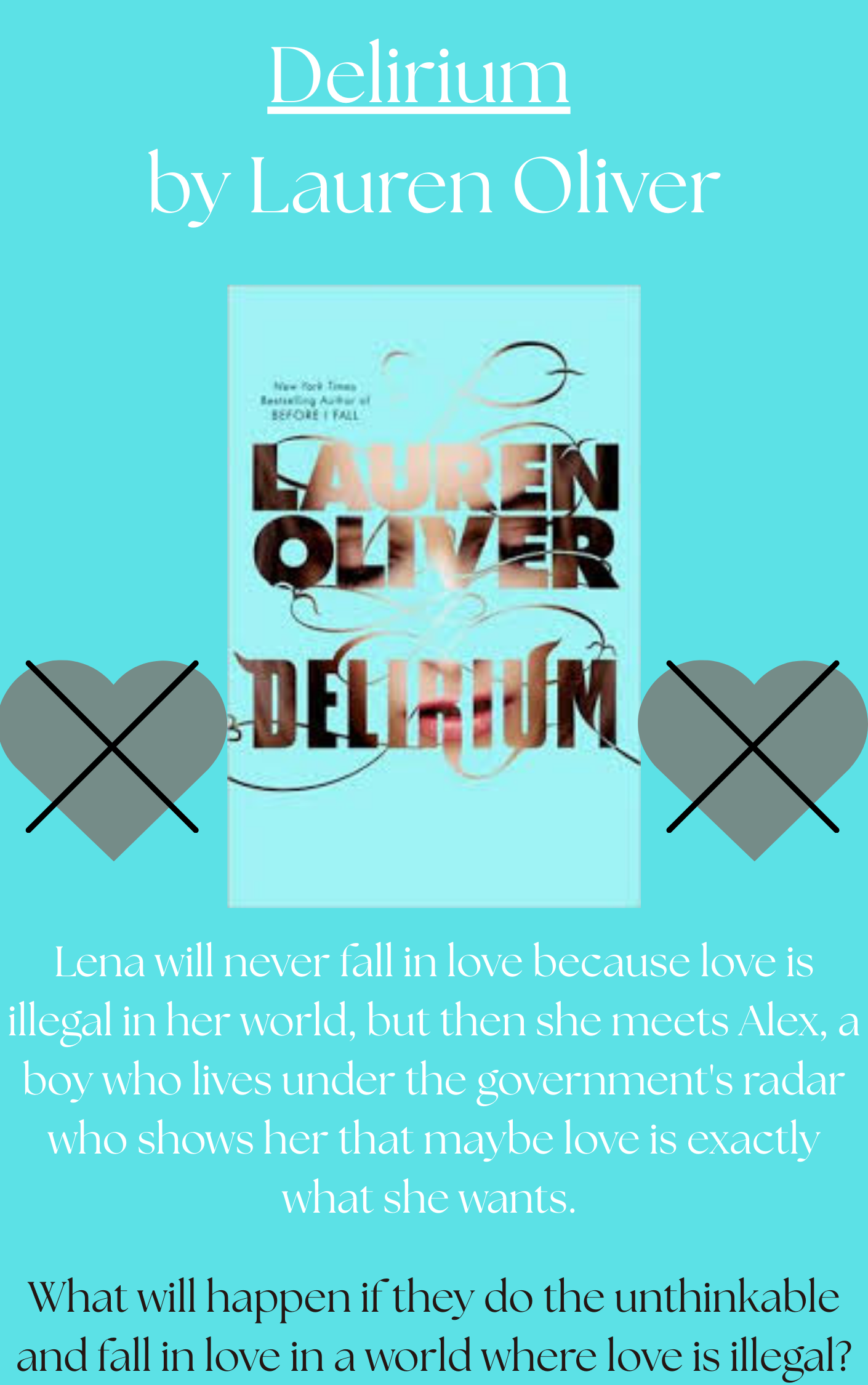
  • Delirium by Lauren Oliver
  • The Diary of a Young Girl by Anne Frank

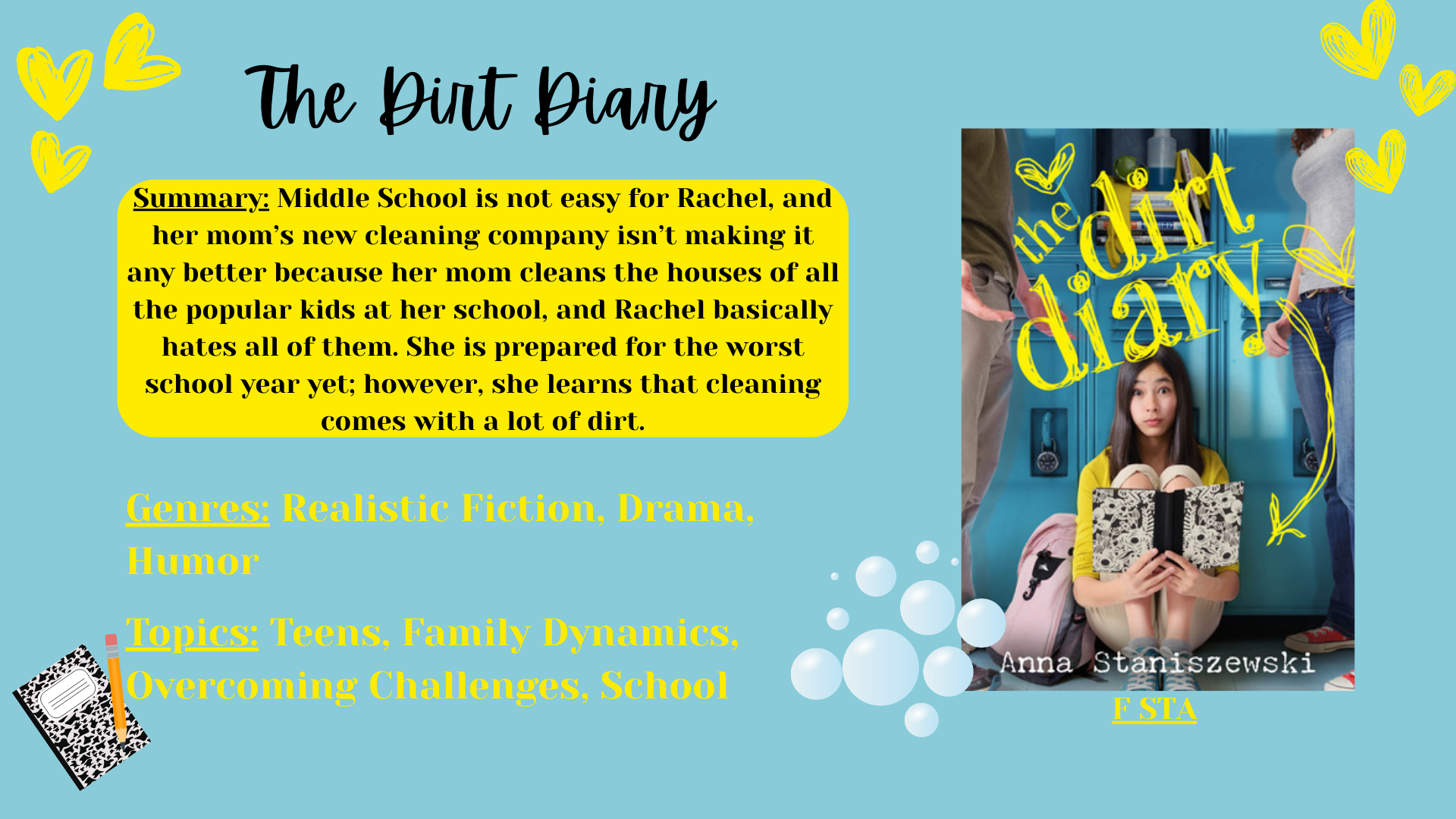
  • The Dirt Diary by Anna Staniszewski
  • Divergent by Veronica Roth
  • The Door of No Return by Kwame Alexander

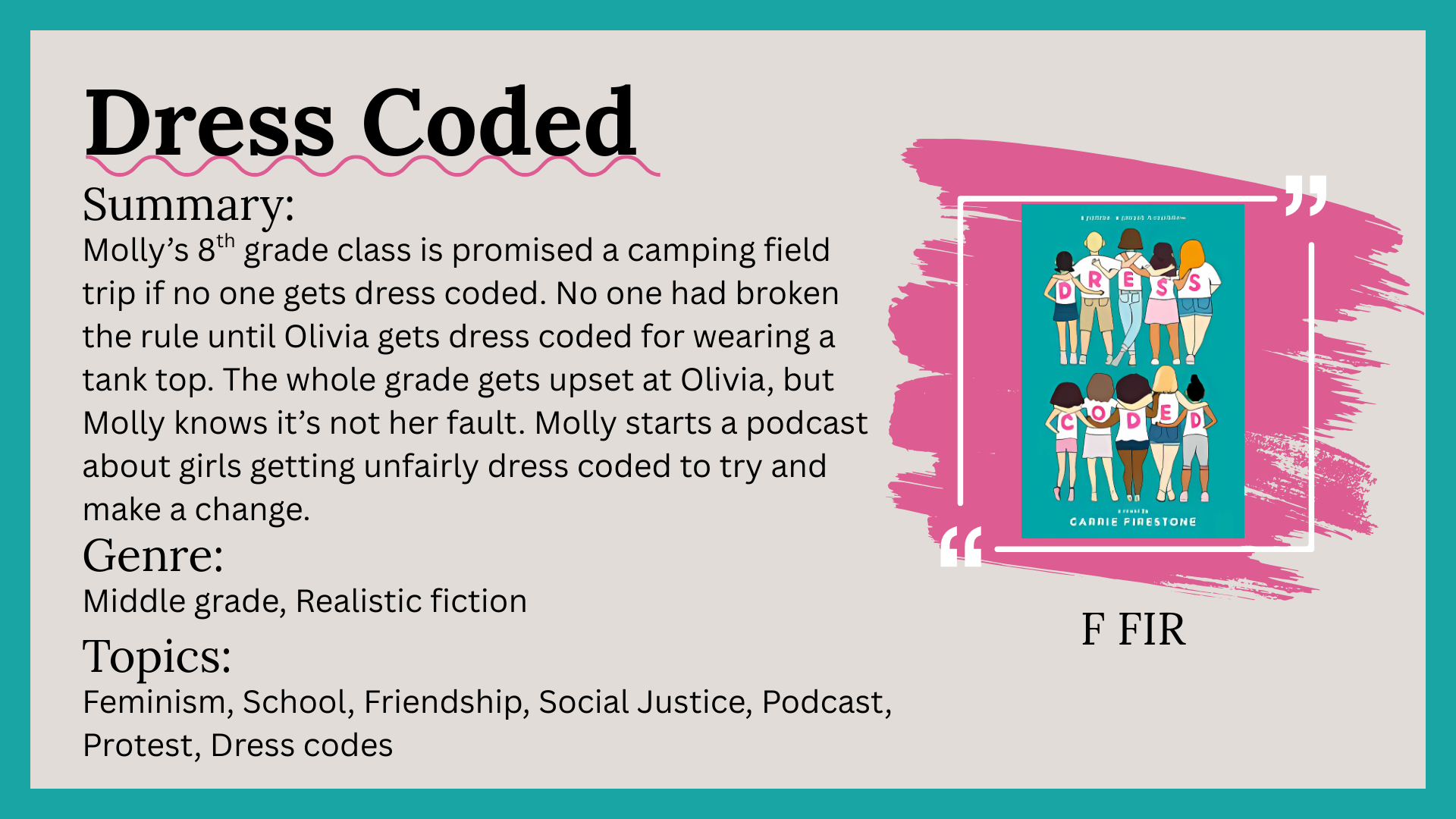
  • Dress Coded by Carrie Firestone
  • The Dumbest Idea Ever by Jimmy Gownley
  • Escape by K.R. Alexander
  • Esperanza Rising by Pam Muñoz Ryan

  • Fever 1793 by Laurie Halse Anderson
  • Fourth Stall by Chris Rylander
  • Frizzy by Claribel A. Ortega and Rose Bousamra

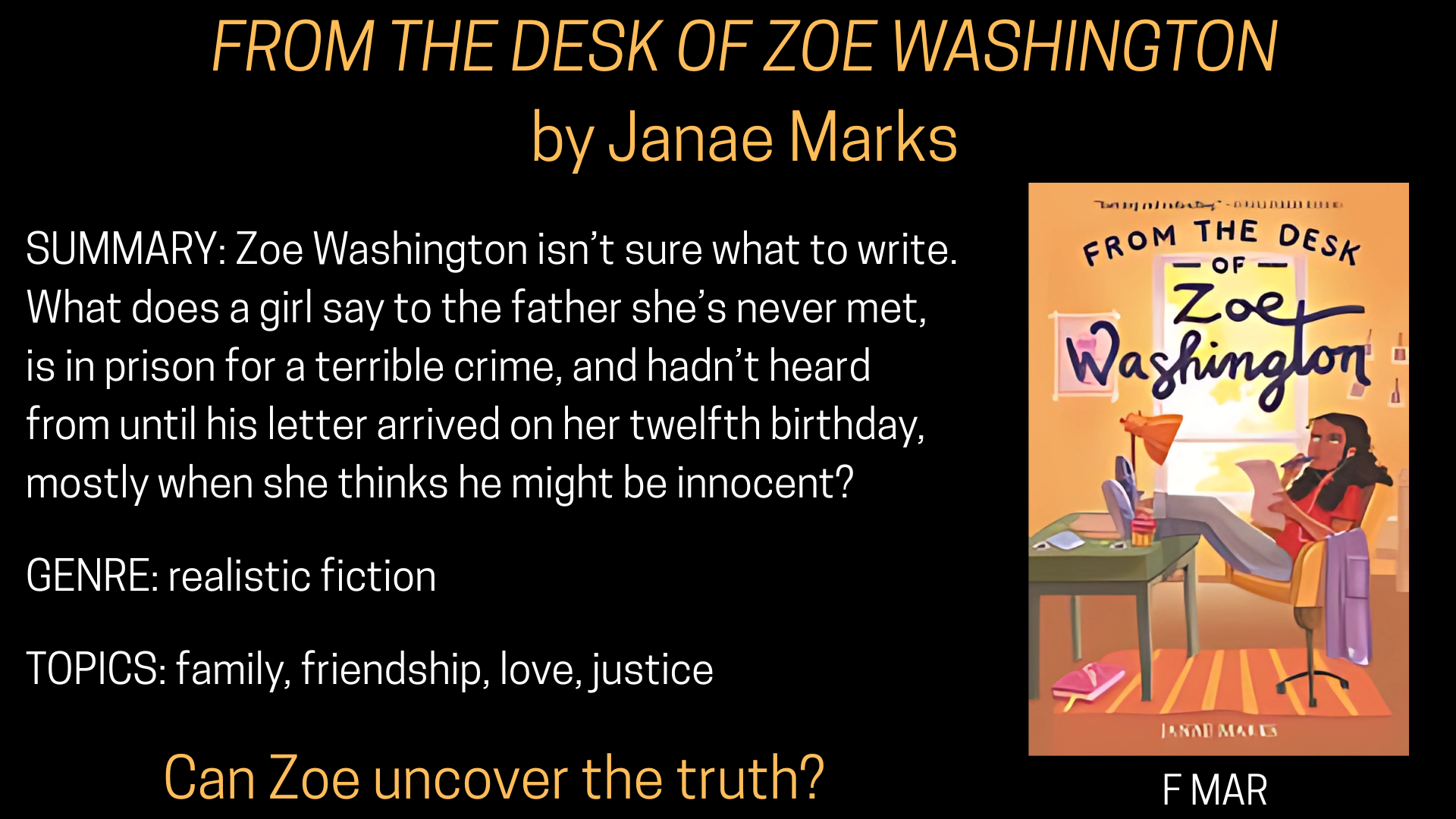
  • From the Desk of Zoe Washington by Janae Marks
  • Frost Blood by Elly Blake
  • Fruits Basket: Omnibus 1 by Natsuki Takaya

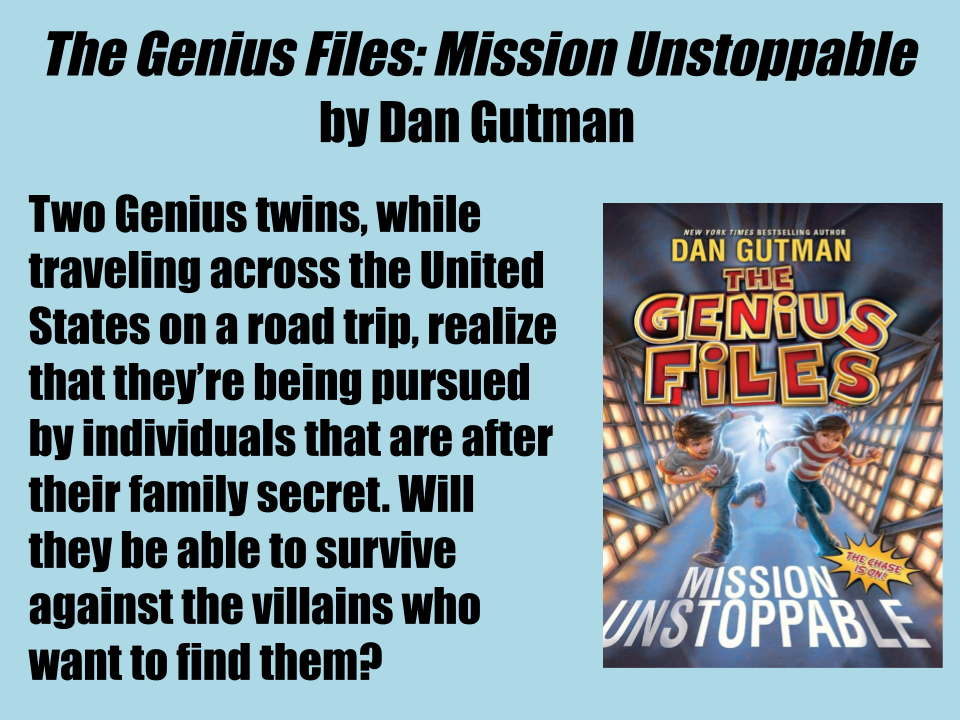
  • The Genius Files: Mission Unstoppable by Dan Gutman
  • Goddess Girls: Athena the Brain by Joan Holub and Suzanne Williams
  • Go with the Flow by Lily Williams and Karen Schneemann
  • Grace Needs Space by Benjamin A. Wilgus and Rii Abrego

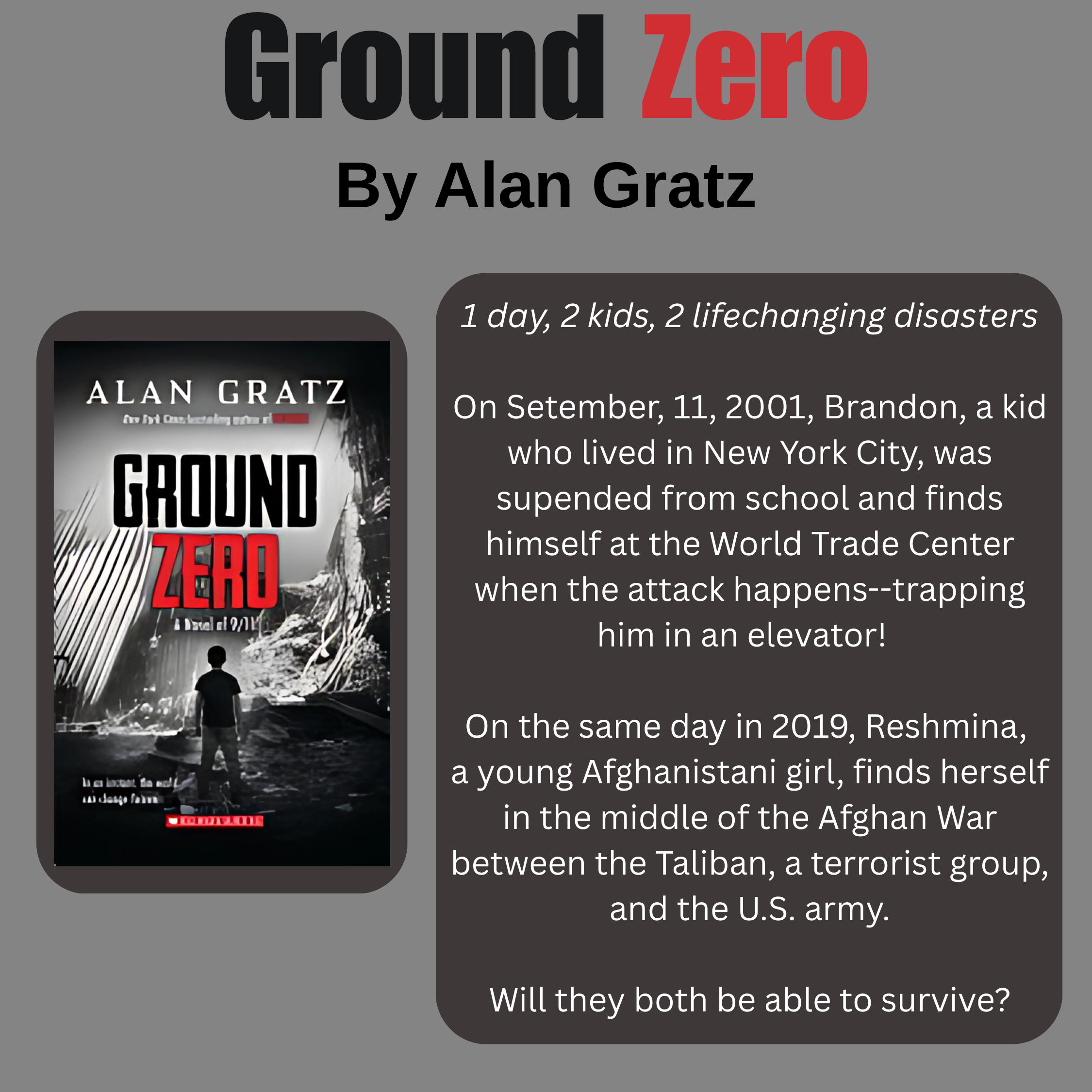
  • Ground Zero by Alan Gratz
  • Holes by Louis Sachar
  • Hooky: Vol. 1 by Míriam Bonastre Tur

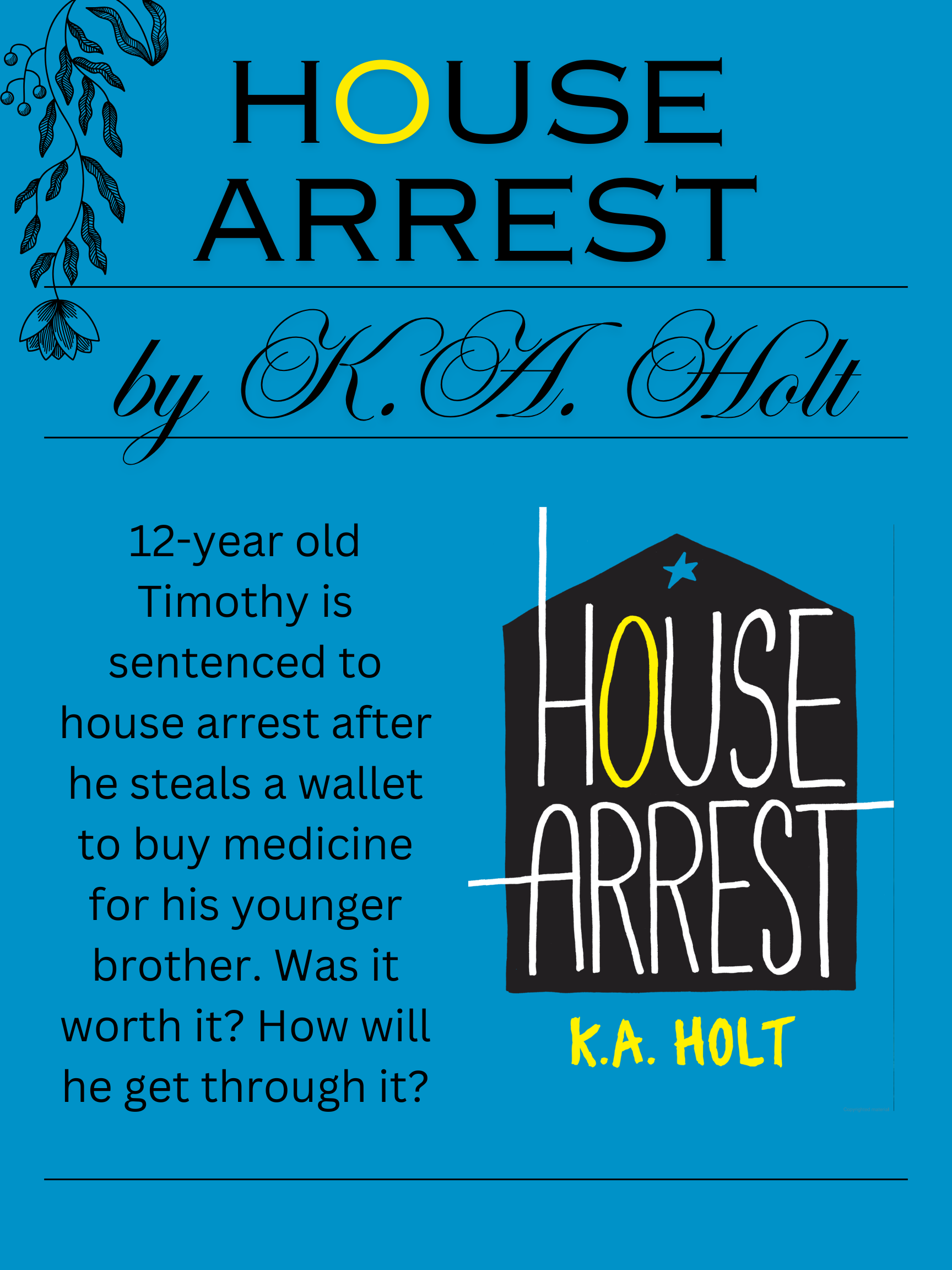
  • House Arrest by K.A. Holt
  • How I Became a Spy by Deborah Hopkinson

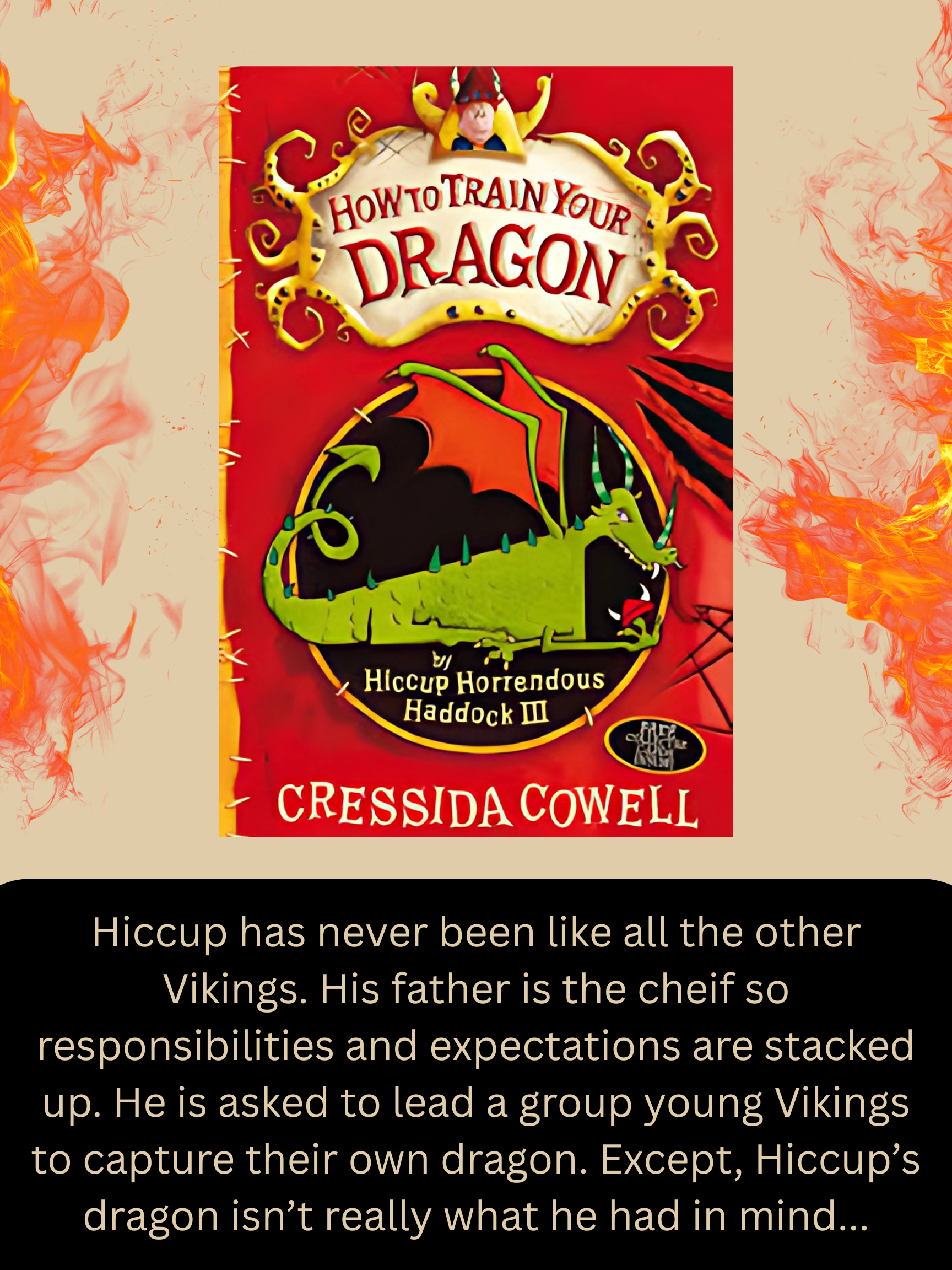
  • How to Train Your Dragon by Cressida Cowell
  • Huda F Cares? by Huda Fahmy
  • Insignia by S.J. Kincaid

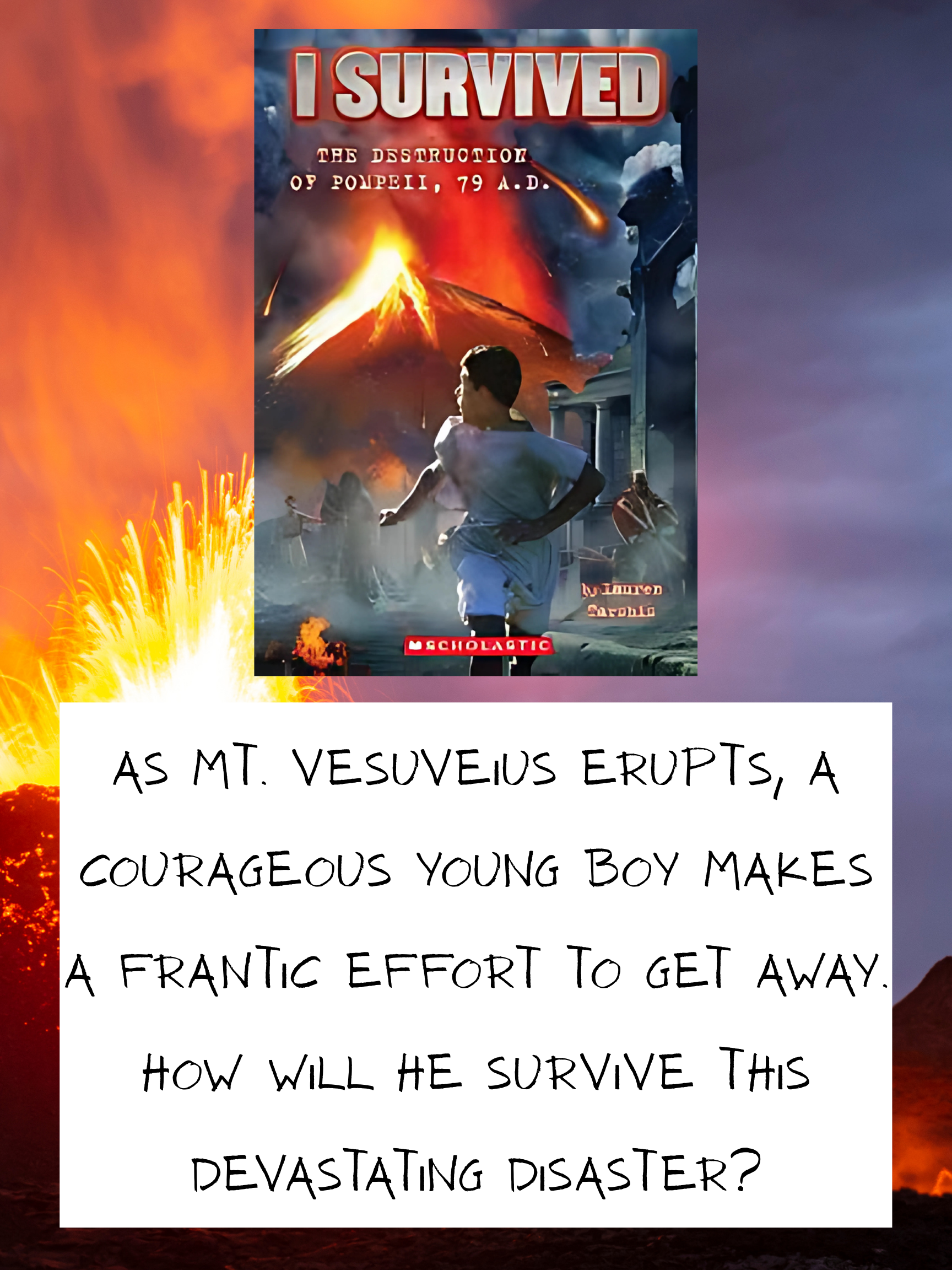
  • I Survived: The Destruction of Pompeii, 79 A.D. by Lauren Tarshis
  • I Survived: The Eruption of Mt. St. Helens, 1980 by Lauren Tarshis
  • I Survived: The Nazi Invasion, 1944 (Graphic Novel) by Lauren Tarshis and Álvaro Sarraseca
  • Join the Club, Maggie Diaz by Nina Moreno

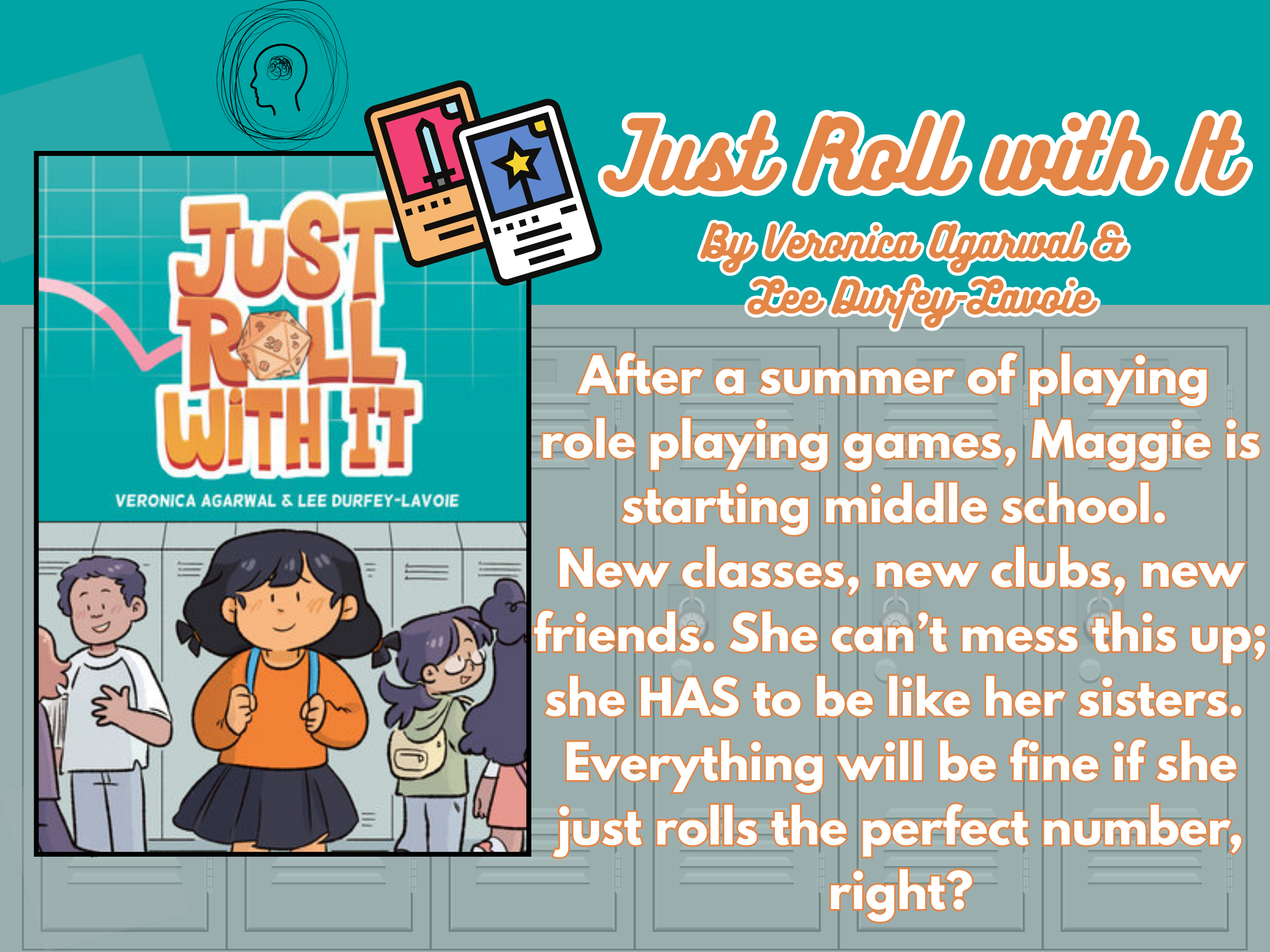
  • Just Roll with It by Veronica Agarwal and Lee Durfey-Lavoie
  • Katie the Catsitter by Colleen A.F. Venable and Stephanie Yue
  • Keeper of the Lost Cities by Shannon Messenger
  • Land of Stories: The Wishing Spell by Chris Colfer
  • Legend by Marie Lu

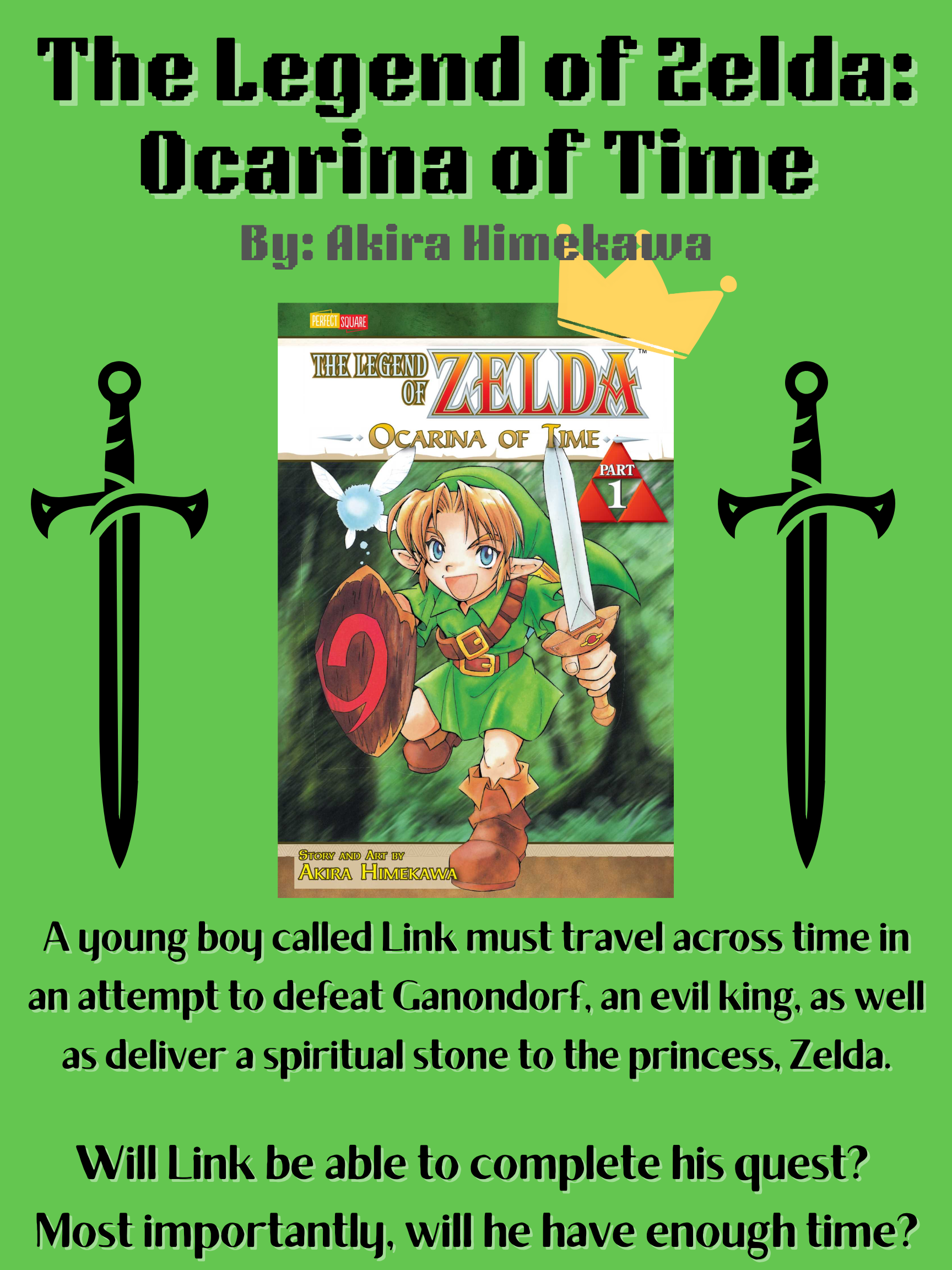
  • The Legend of Zelda: Ocarina of Time by Akira Himekawa

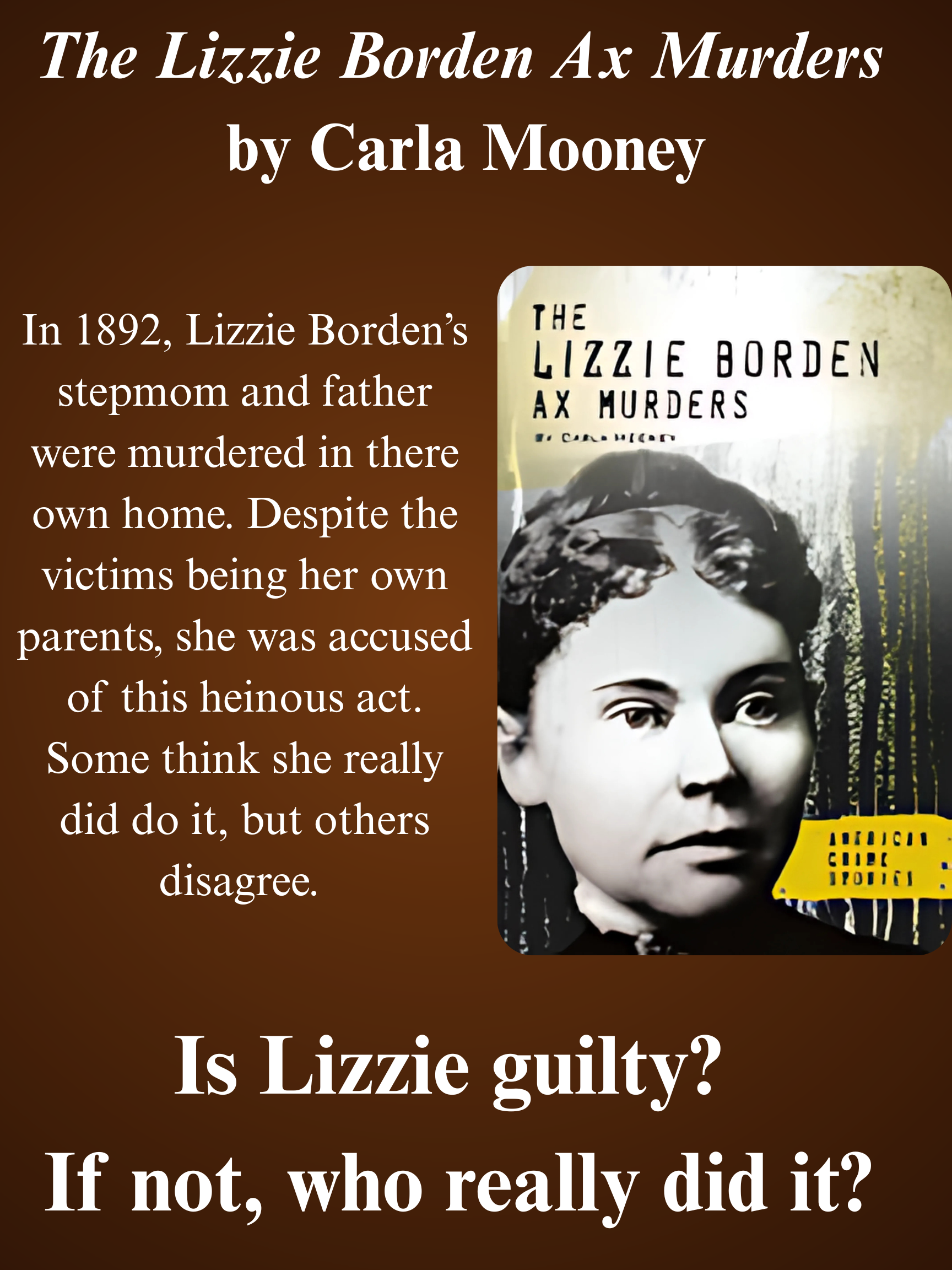
  • The Lizzie Borden Ax Murders by Carla Mooney
  • Looking Up by Stephan Pastis
  • The Lost Hero by Rick Riordan

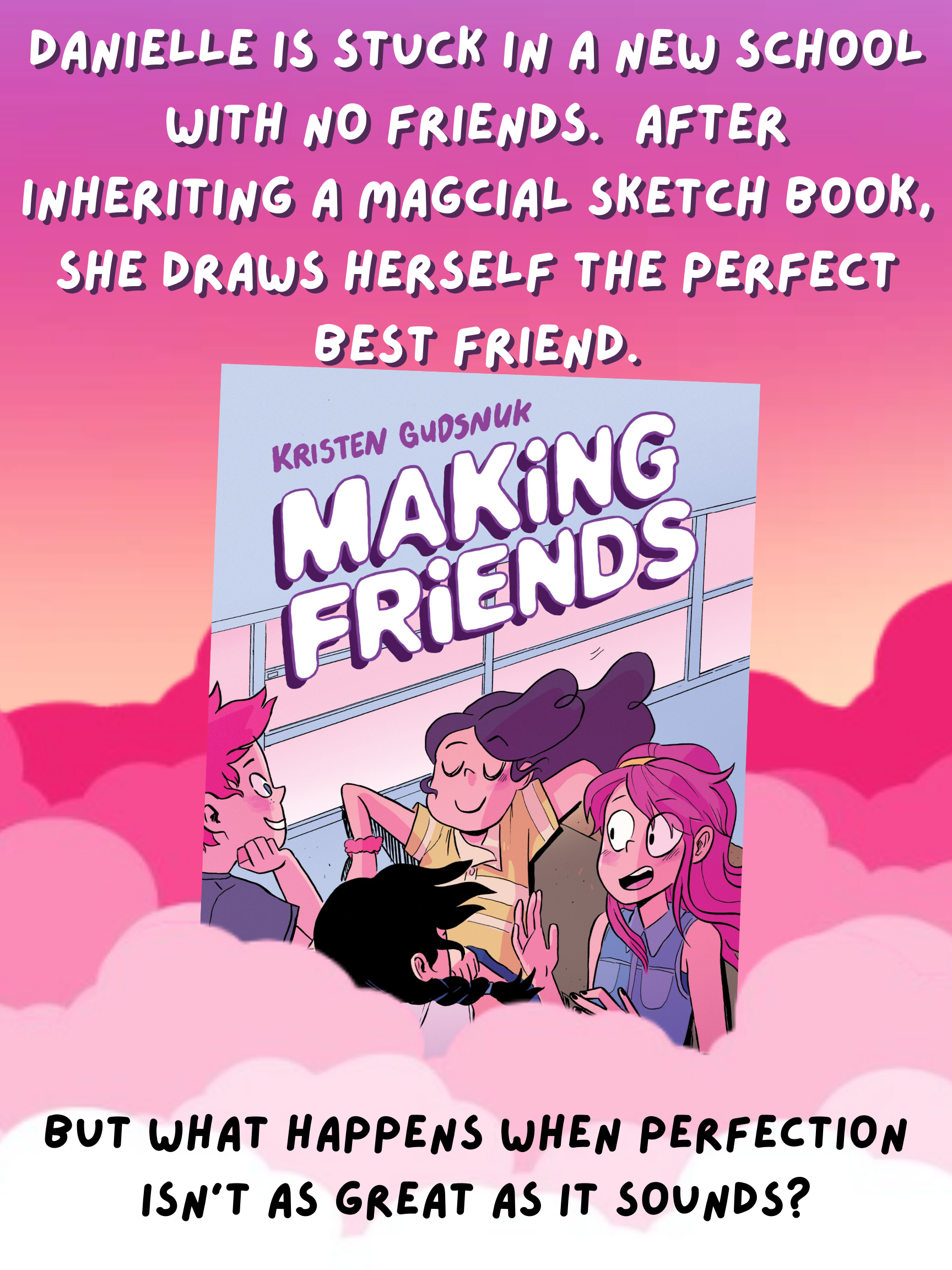
  • Making Friends by Kristen Gudsnuk
  • Matched by Ally Condie
  • Measuring Up by Lily Lamotte and Ann Xu

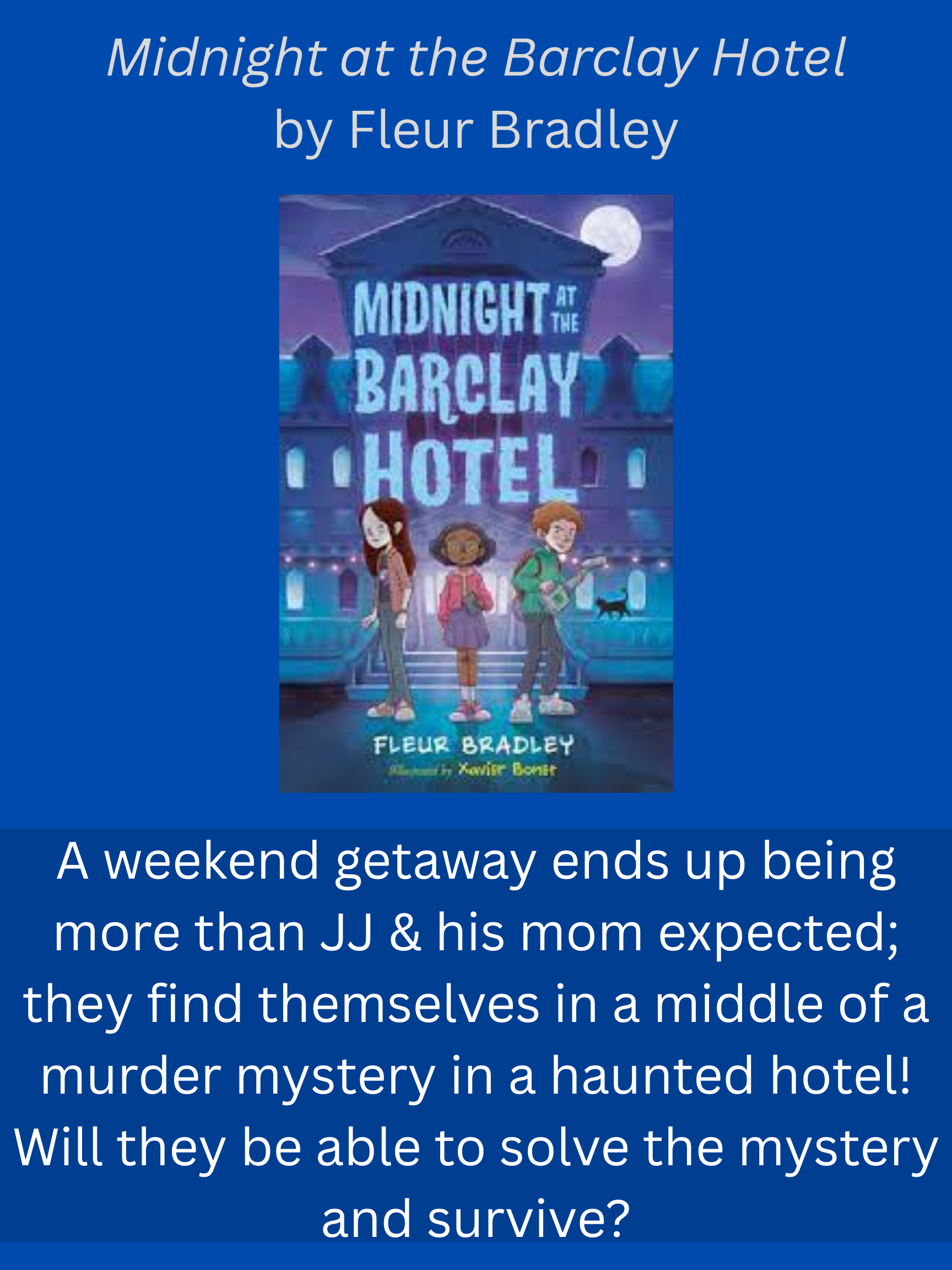
  • Midnight at the Barclay by Fleur Bradley
  • Miss Quinces by Kat Fajardo

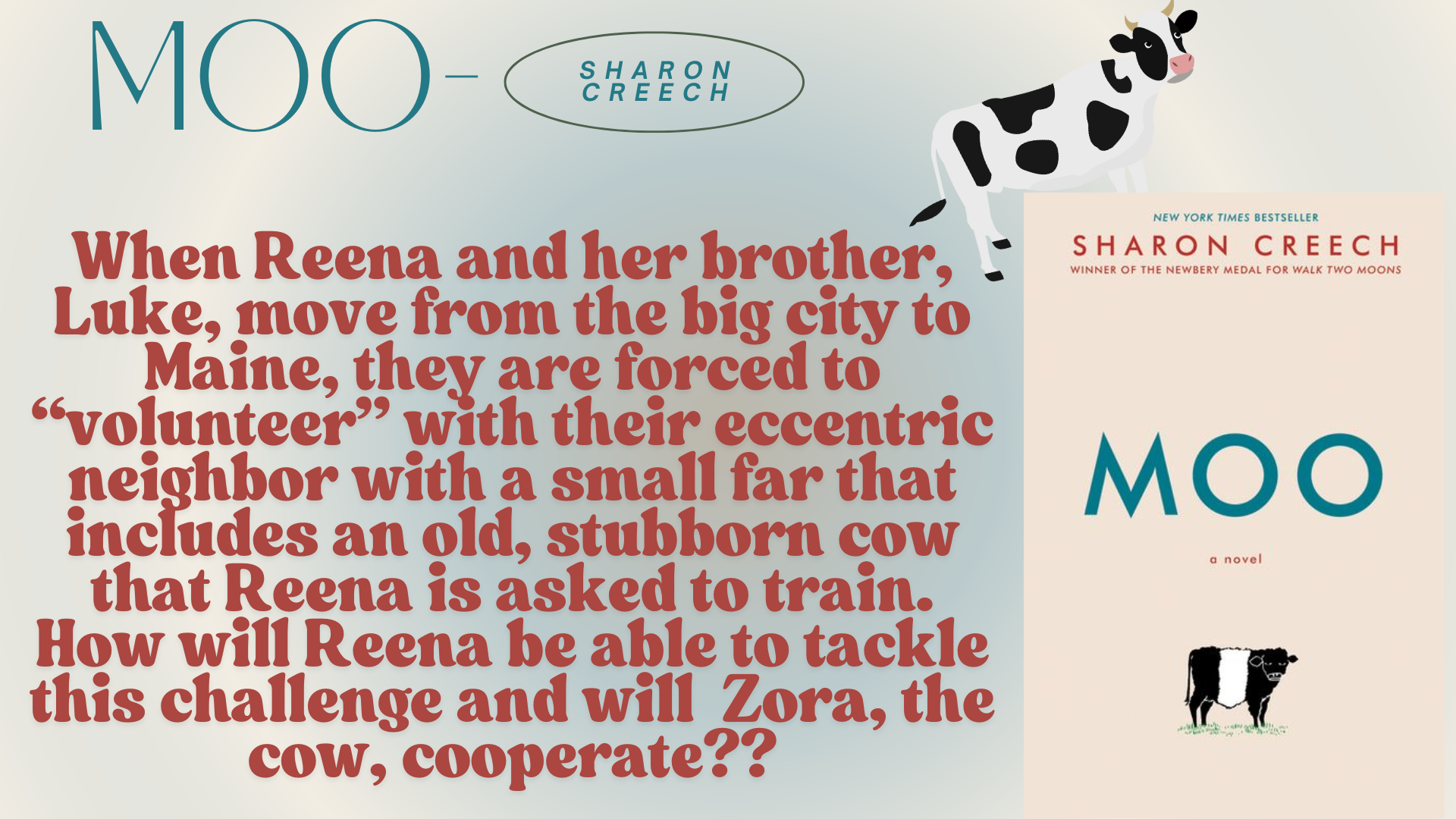
  • Moo by Sharon Creech
  • The Murders of Tupac and Biggie Smalls by Sue Bradford Edwards
  • No Place by Todd Strasser

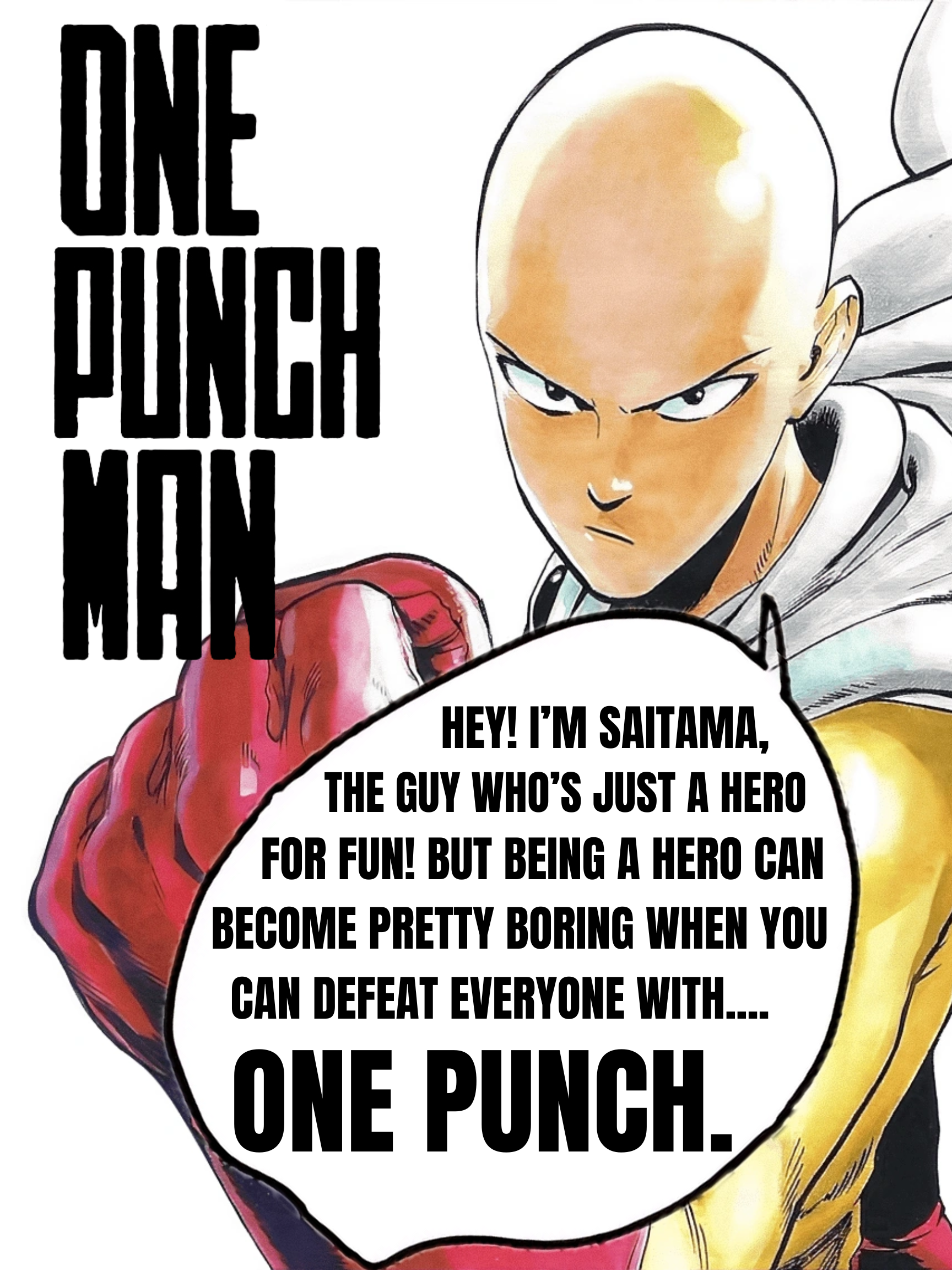
  • One Punch Man by ONE
  • Orange: The Complete Collection, Volume 1 by Ichigo Takano

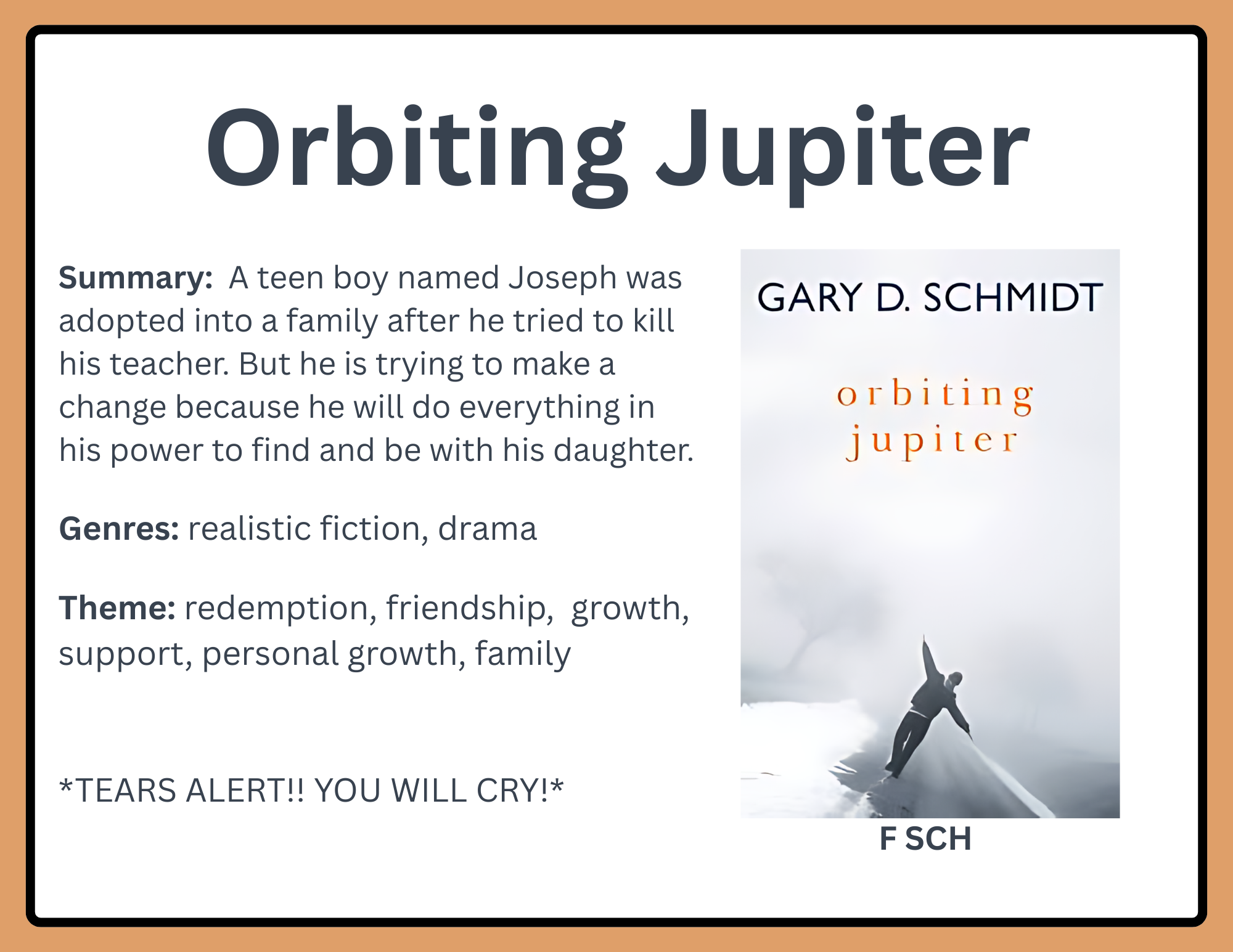
  • Orbiting Jupiter by Gary Schmidt
  • Orphan Island by Laurel Snyder
  • Out of My Mind by Sharon Draper

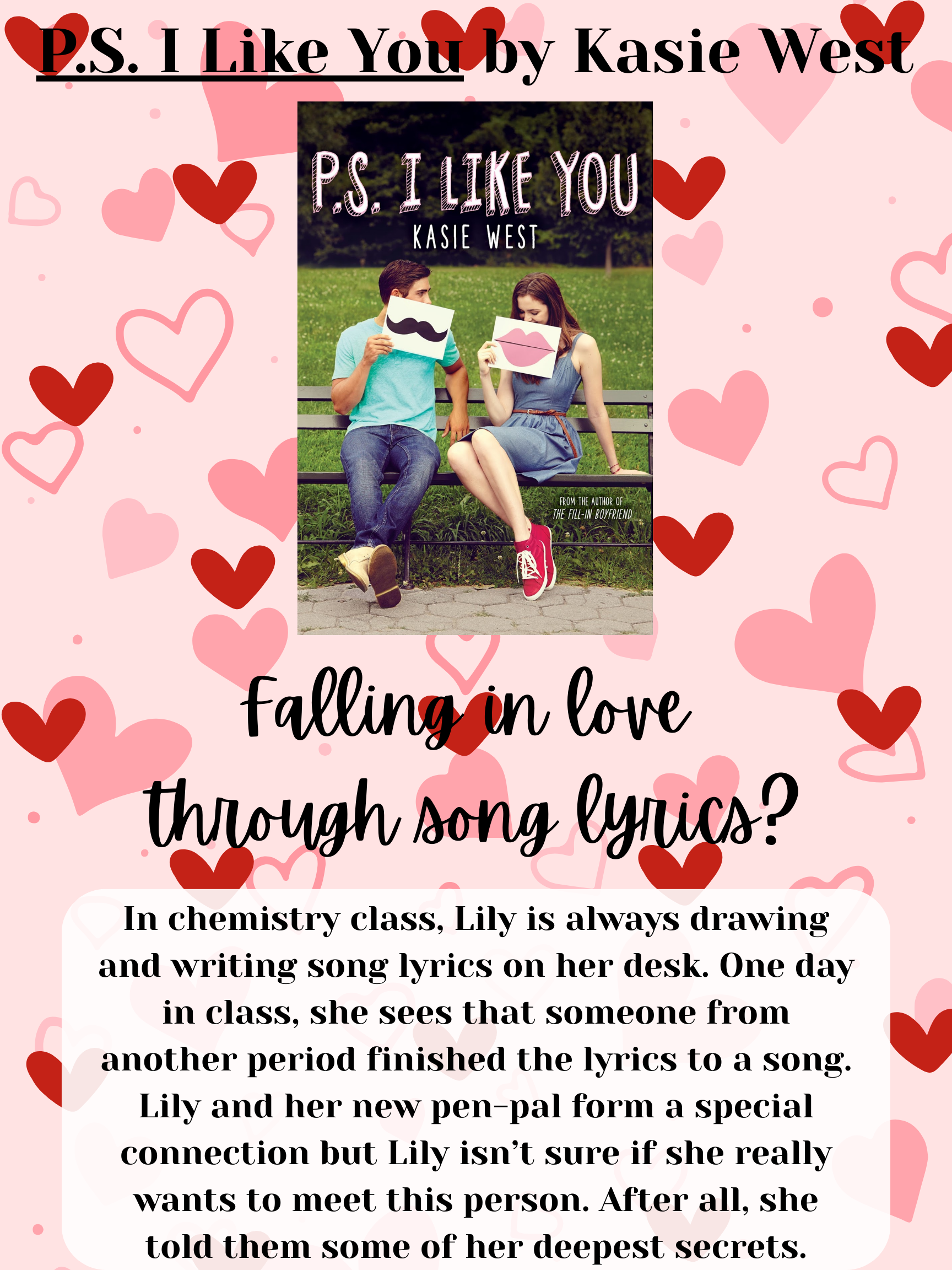
  • P.S. I Like You by Kasie West
  • Querido Evan Hansen by Val Emmich, Steven Levenson, Ben J. Pasek, and Justin Paul
  • Puzzled by Pan Cooke
  • Real Friends by Shannon Hale and LeUyen Pham

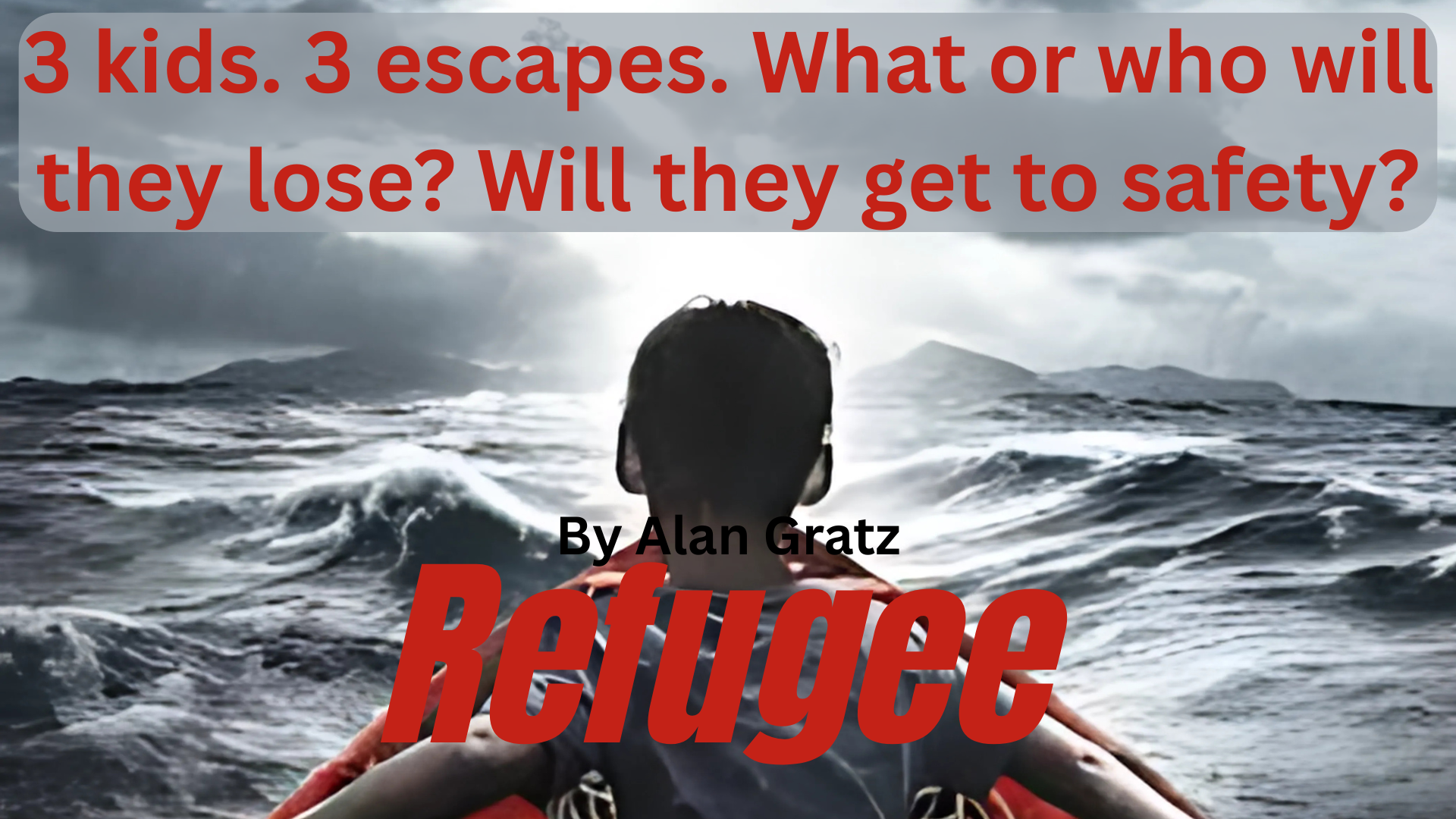
  • Refugee by Alan Gratz
  • Renegades by Marissa Meyers
  • Restart by Gordon Korman
  • School Trip by Jerry Craft

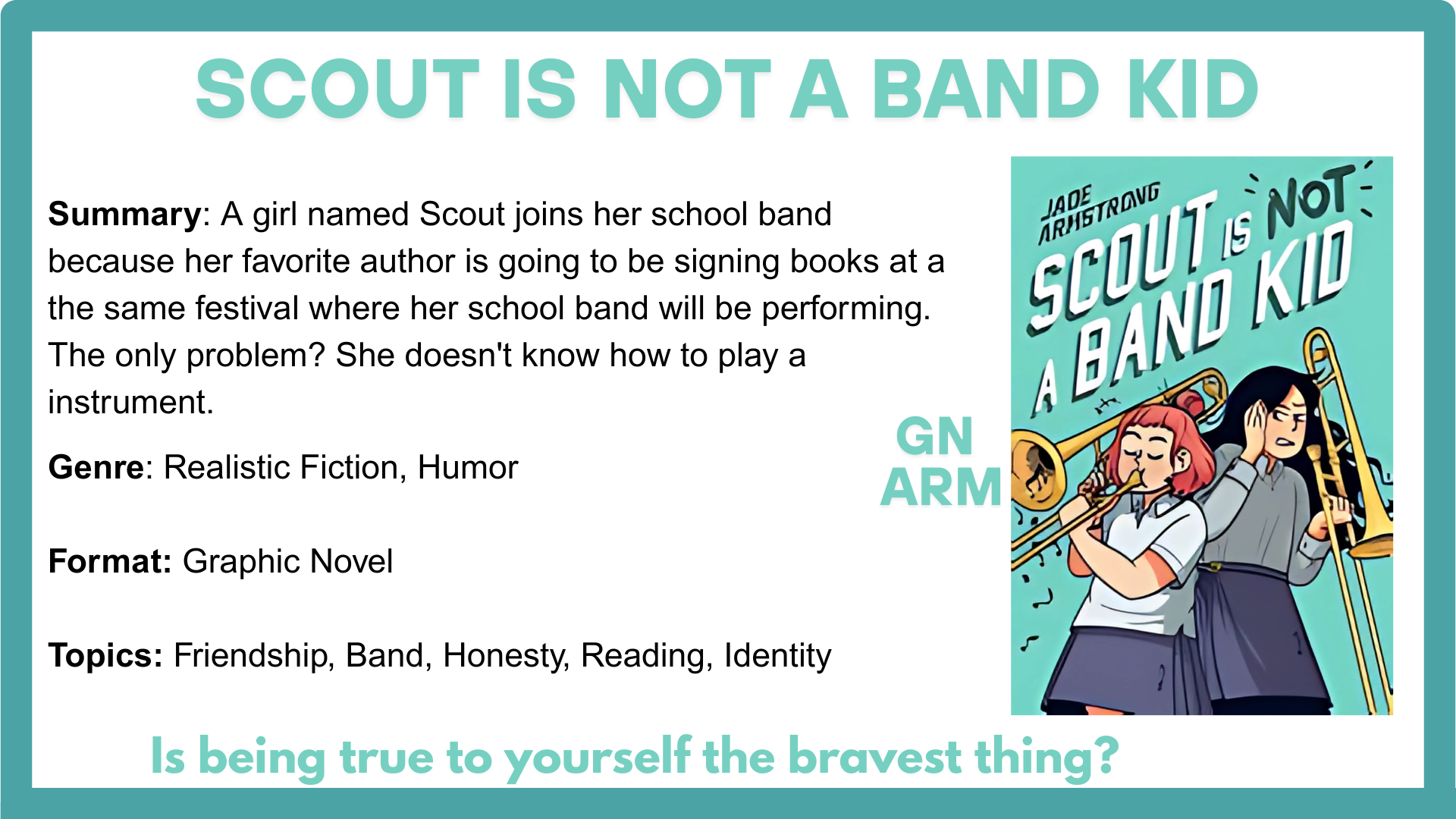
  • Scout is Not a Band Kid by Jade Armstrong
  • The Selection by Kiera Cass

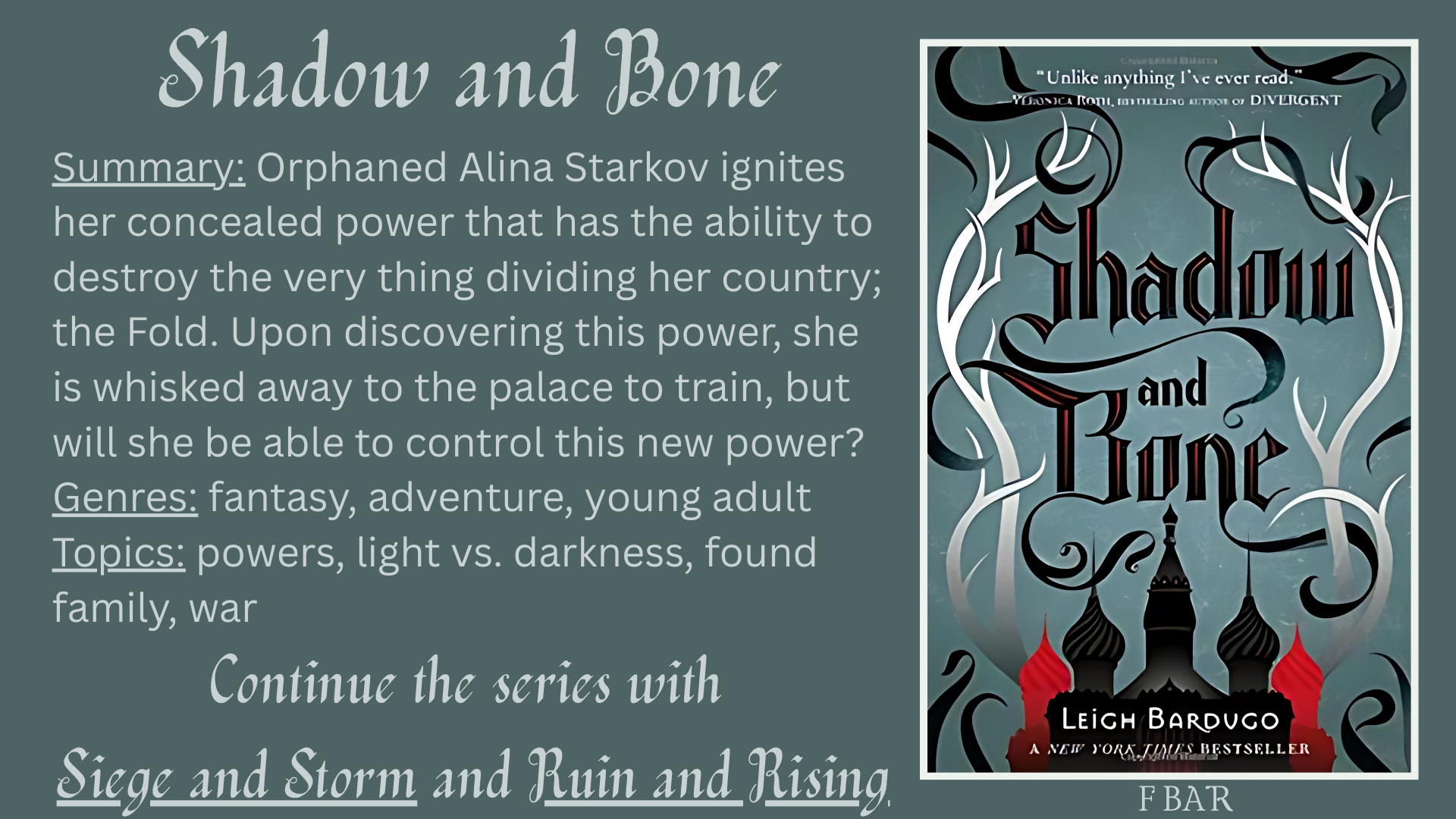
  • Shadow and Bone by Leigh Bardugo
  • Shiver by Maggie Stiefvater
  • Sick Kids in Love by Hannah Moskowitz

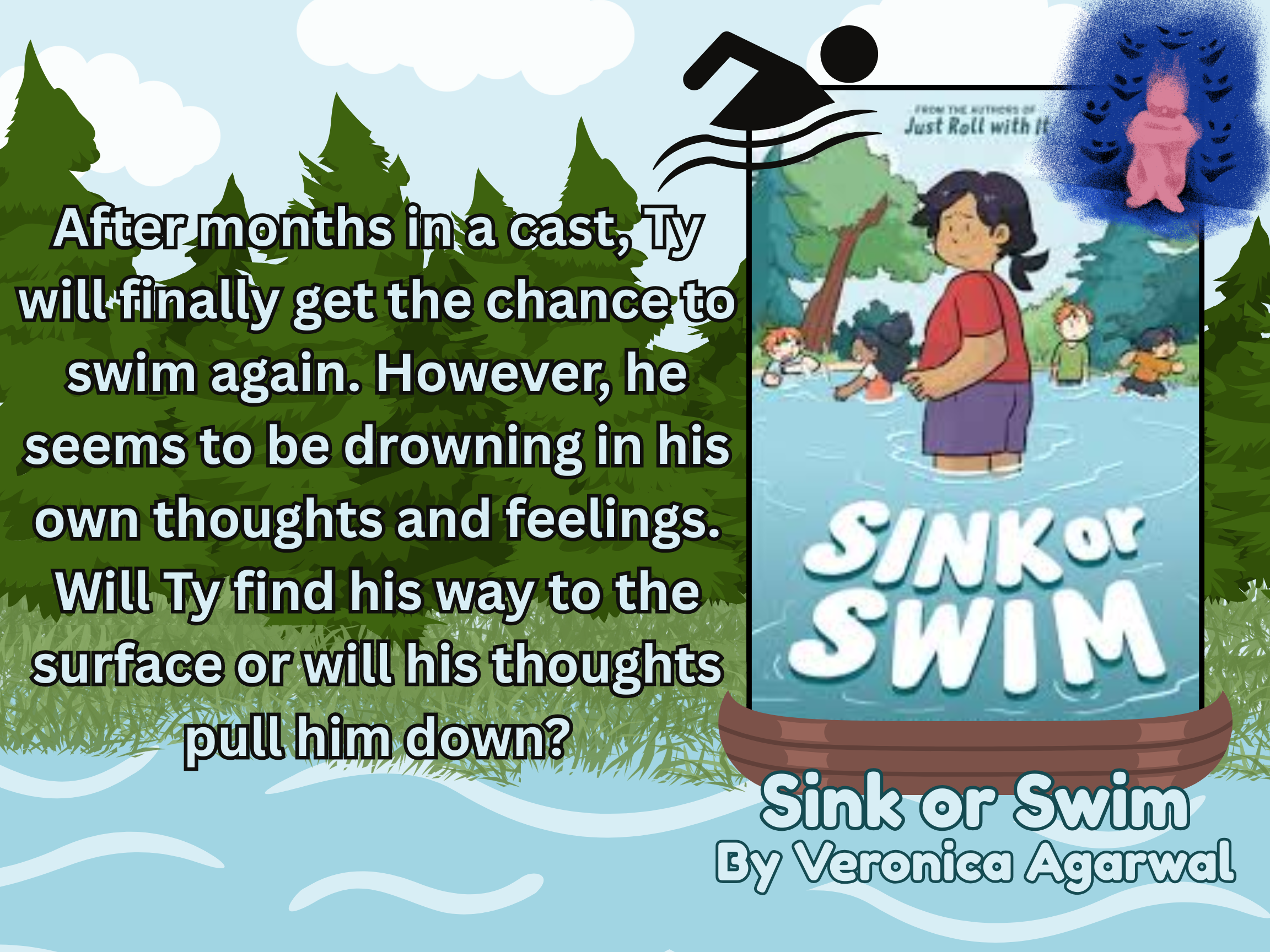
  • Sink or Swim by Veronica Agarwal
  • Sisters by Raina Telgemeier
  • Slacker by Gordon Korman
  • Speak by Laurie Halse Anderson
  • Spy School by Stuart Gibbs

  • Trapped by Michael Northrop
  • The Tryout by Christina Soontornvat and Joanna Cacao

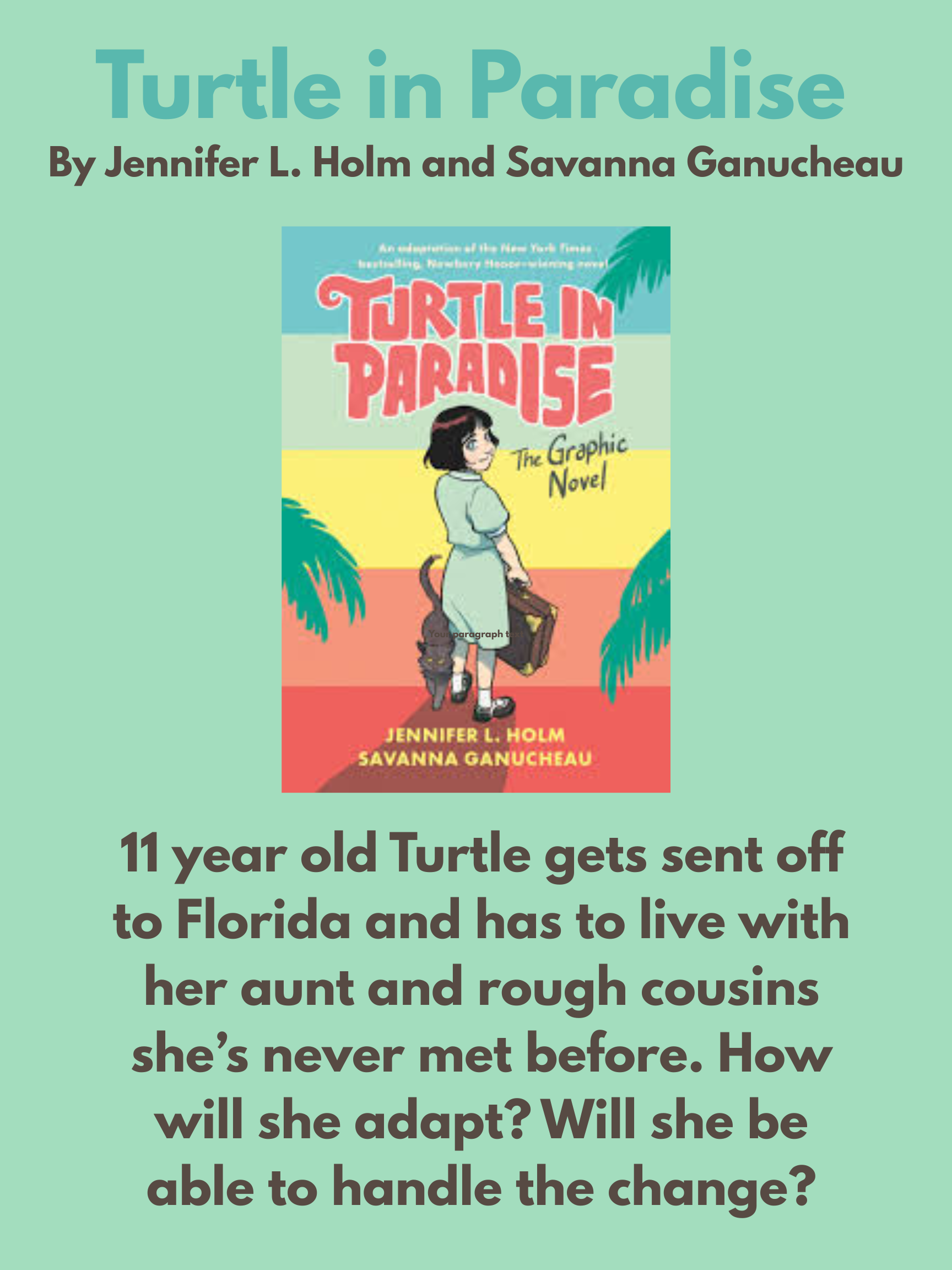
  • Turtle in Paradise by Jennifer L. Holm and Savanna Ganucheau
  • Twins by Varian Johnson and Shannon Wright

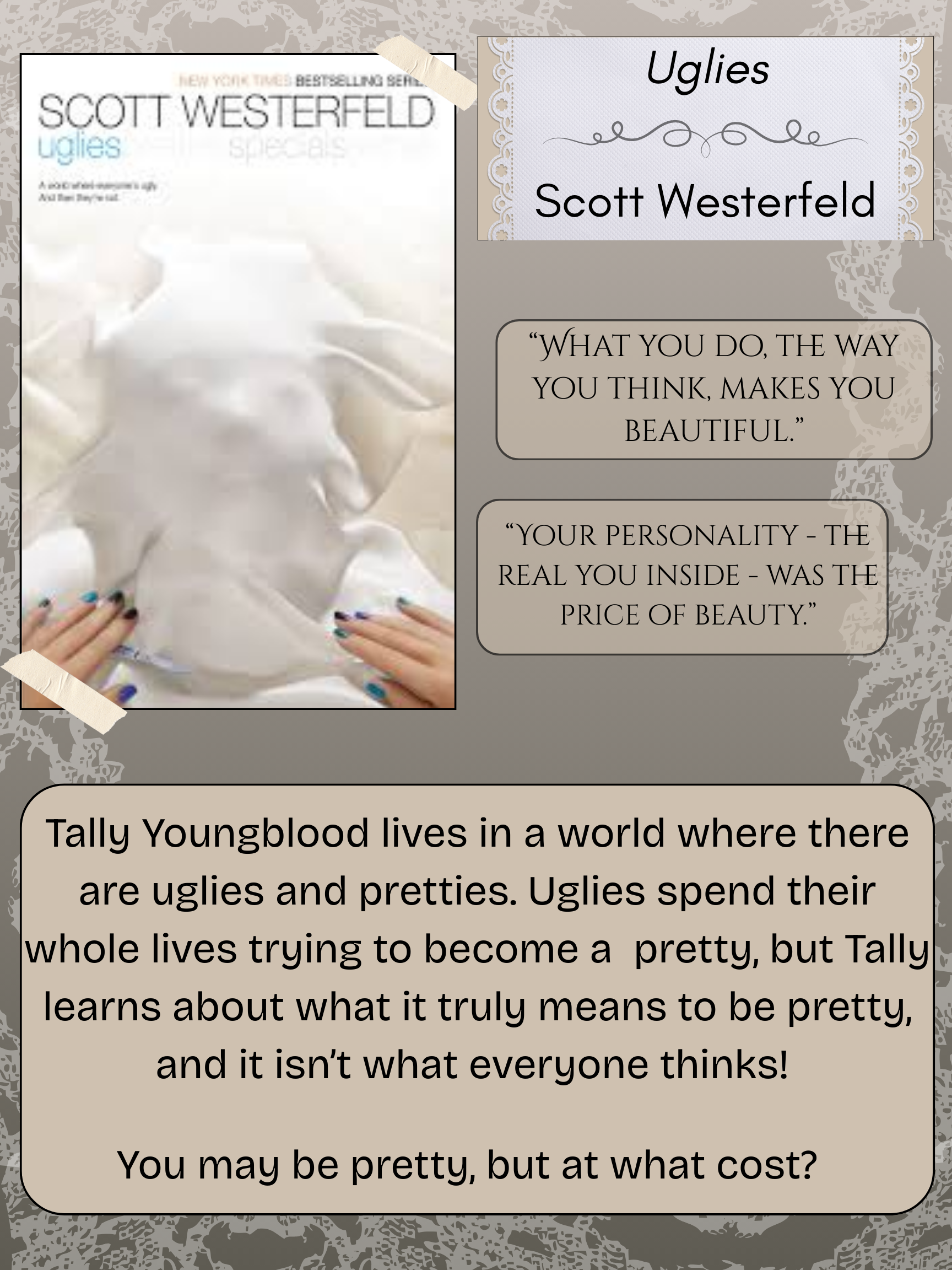
  • Uglies by Scott Westerfeld
  • Unplugged by Gordon Korman
  • Unwind by Neal Shusterman
  • War Cross by Marie Lu
  • When Stars are Scattered by Victoria Jamieson and Omar Mohamed

  • White Cat by Holly Black
  • The Wild Robot by Peter Brown
  • Wings of Fire: The Dragonet Prophecy by Tui T. Sutherland
  • Wonder by R.J. Palacios
  • The Young Elites by Marie Lu

Thank you to my students for sharing their favorite books and creating these great reading promotion projects!

Author Guest Post: “Back Matter Can Be the Beginning” by Charlotte Gunnufson, Author of Dream Submarine

Share

“Back Matter Can Be the Beginning”

Back matter is found at the end of a book, but it can be the beginning of a new interest, an invitation to explore and learn more. For young readers, back matter can be the jumping off point for a dive deep into a fascinating topic.

For teachers, back matter can be a terrific resource. Educators can use the bonus material at the back of a book to:

  • Engage students in a new topic. The story pulls them in; the back matter piques their interest.
  • Enrich students’ understanding and appreciation by extending their knowledge and revealing the depth and breadth of a subject.
  • Encourage curiosity, exploration and independent learning—hallmarks of an effective education!
  • Enjoy! Lots of kids (and adults) love facts and enjoy fortifying their brain with interesting information.

There’s a boom in back matter, and children’s picture books are a big part of this exciting phenomenon. Picture book back matter is visual, accessible and even entertaining. Here are some of the ways it’s presented:

  • Fun facts: additional information that educates, entertains and encourages curiosity
  • Activities and experiments: hands-on fun to further understanding
  • Key concepts: tricky ideas are distilled to reinforce learning
  • Glossary: valuable vocabulary
  • Maps: a little geography lesson that shows location or the scope of a journey
  • Timeline: often illustrated to enhance comprehension and retention
  • Primary sources: photographs, letters, newspaper clippings and more
  • Diagrams: pictures are worth a thousand words!
  • Charts and graphs: visual representations to deepen understanding
  • Author’s note: delves into the author’s research journey and writing process
  • Illustrator’s note: explains the artist’s research and how the art was created
  • Bibliography: shows that a book has been properly researched
  • Further reading: future reading!

Activity: Dive Deep into Back Matter

  1. Ask students what they know about back matter.
  2. Share a picture book that offers a bit of back matter.
  3. Prepare students for a visit to the library: they’re on a mission to find more back matter!
  4. Collaborate with the school librarian, and visit the library with students perusing the picture book section, both fiction and nonfiction.
  5. Invite students to share their discoveries.
  6. Make a list of the different types of back matter.
  7. Dig in! What do different types of back matter show? What types of back matter work best for given books? And what exactly is a bibliography?

Option: Older students can graduate to longer books.

Extension: The next time students embark on a writing assignment, ask them to include one or more types of back matter that are well suited to their topic. Invite them to share their work.

Importantly, students can use these investigative skills now, next year, in high school, college, the workplace and—bonus!—their lives.

But wait, there’s more! After diving into a picture book’s back matter, check out the author’s website. Authors are often immersed in research, and like teachers, they’re eager to share what they’ve learned.

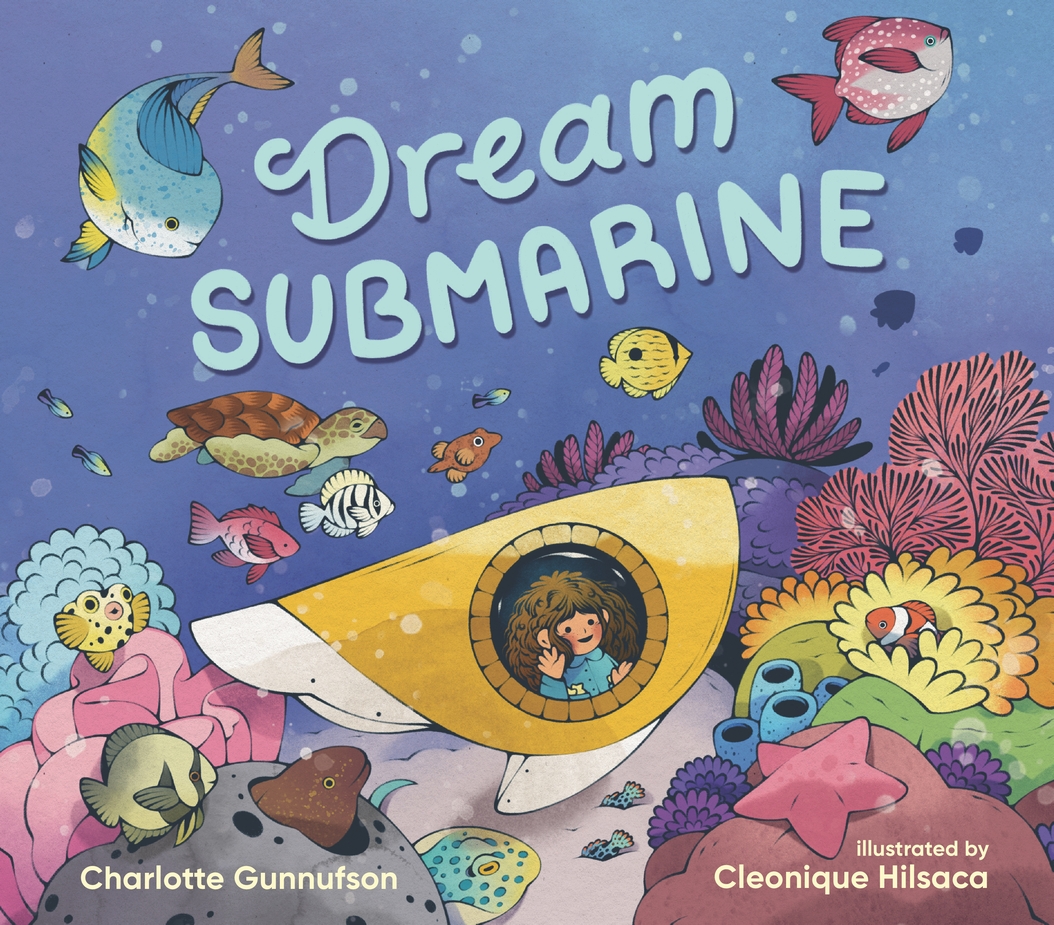
Dream Submarine
Author: Charlotte Gunnufson
Illustrator: Cleonique Hilsaca
Published June 11, 2024 by Candlewick Press

About the Book: Climb aboard the cozy Dream Submarine for a nighttime journey through the world’s oceans! Encounter disappearing fish and dozing whales. Watch large fish get their fins and faces cleaned by tiny wrasse. See red moki settling in caves and parrotfish snoozing in slime sleeping bags. Dive deep and discover bioluminescent creatures lighting up like fireflies. Rise to the surface relaxed and ready to learn more! This beautifully illustrated book includes seven pages of back matter: a map of the world showing the Dream Submarine’s voyage, fascinating facts about each animal, and a diagram of the ocean zones.

“An exploration of the oceans yields stunning discoveries…A delightful voyage well worth taking.” Kirkus Reviews

About the Author: Charlotte Gunnufson is a former teacher who loves connecting with kids at schools and libraries. She knows teaching is a tough job! Educators will find beneficial back matter in her books and teacher resources along with free, fun stuff for students on her website, booksbycharlotte.com. Two STEM books from Disney Planet Possible, Hard Hat Hank (2025) and Eight, Nine, Tengineers (2026), feature pages of kid-friendly facts and hands-on activities. Charlotte is also the author of School Spirits (Atheneum, 2026), Halloween Hustle, Prince and Pirate and a soon-to-be-announced STEM story.

Thank you, Charlotte, for pointing out the importance of back matter–it is always such an asset!

When Beavers Flew: An Incredible True Story of Rescue and Relocation by Kristen Tracy, Illustrated by Luisa Uribe

Share

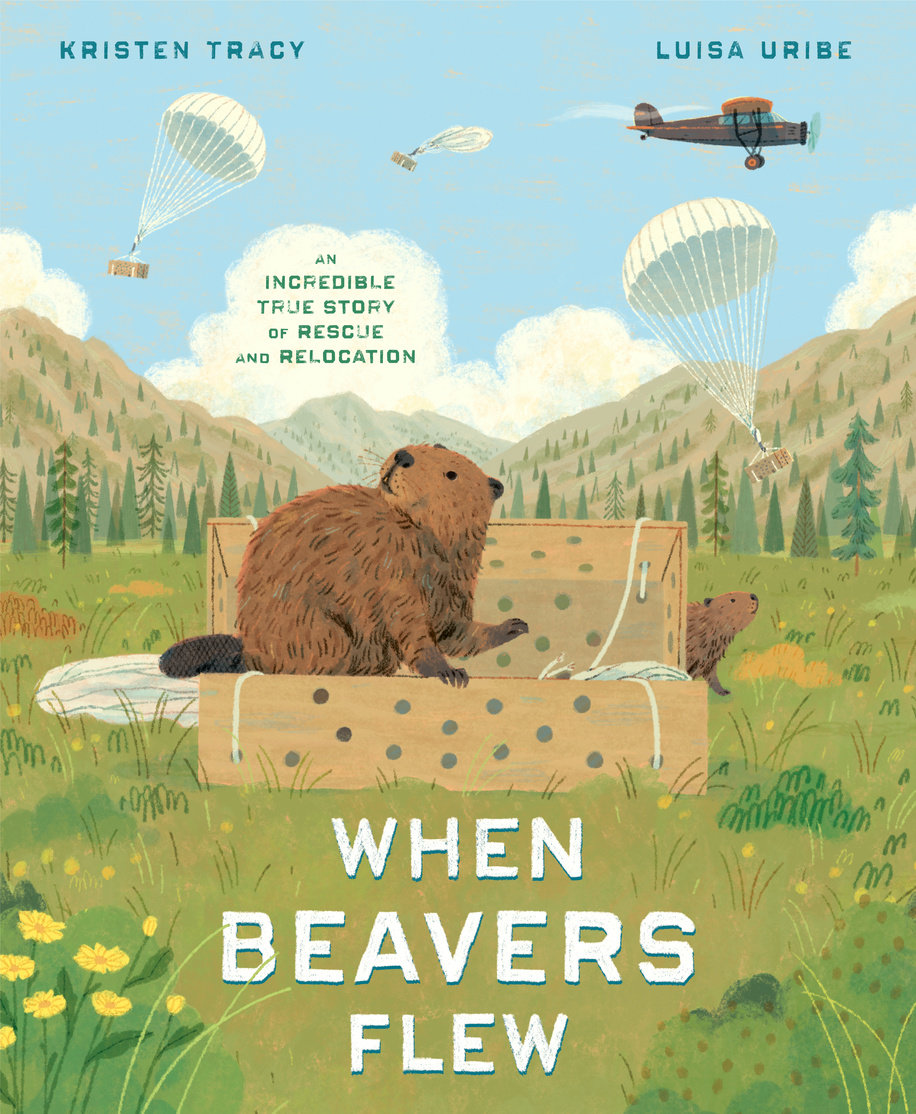
When Beavers Flew: An Incredible True Story of Rescue and Relocation
Author: Kristen Tracy
Illustrator: Luisa Uribe
Published July 23rd, 2024 by Random House Studio

Summary: This fascinating picture book tells the unique, quirky, and true story of how one man in Idaho saved 76 beavers from destroying a town by parachuting them into uninhabited wetlands.

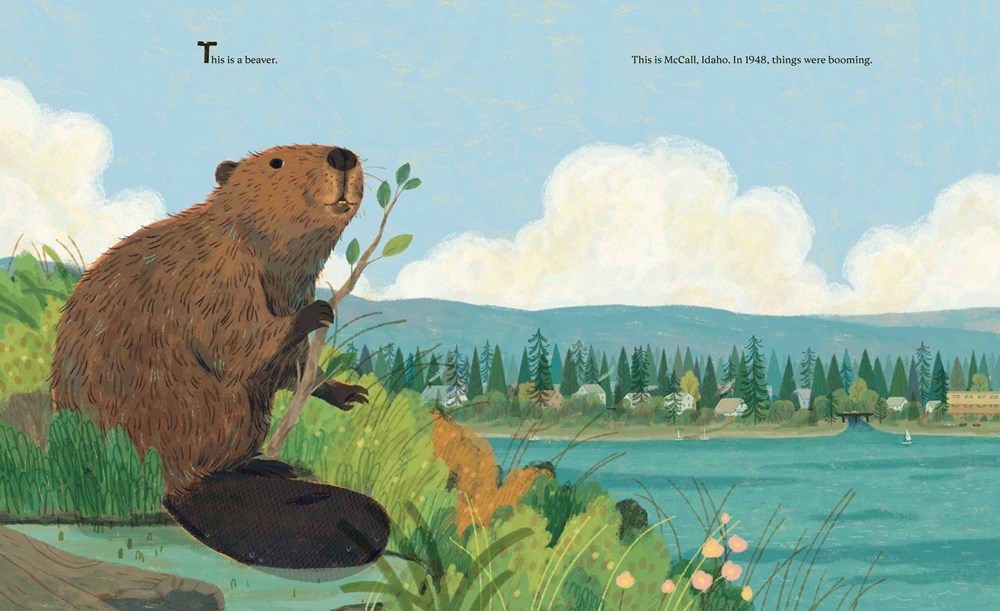
In 1948, the town of McCall, Idaho was growing rapidly. World War II was over, and the little town tucked away in the mountains began to boom. There was only one problem. As the town expanded, they found beavers everywhere. A beaver here, a beaver there, and it didn’t take long to realize that humans and beavers weren’t great cohabitators. But one clever and resourceful Fish and Game Warden named Elmo Heter had an idea.

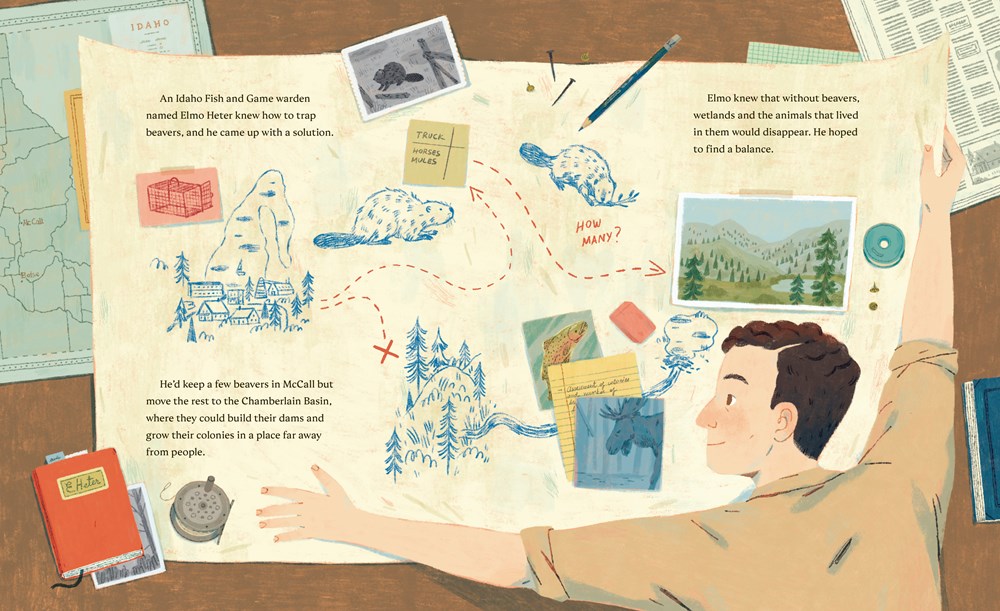
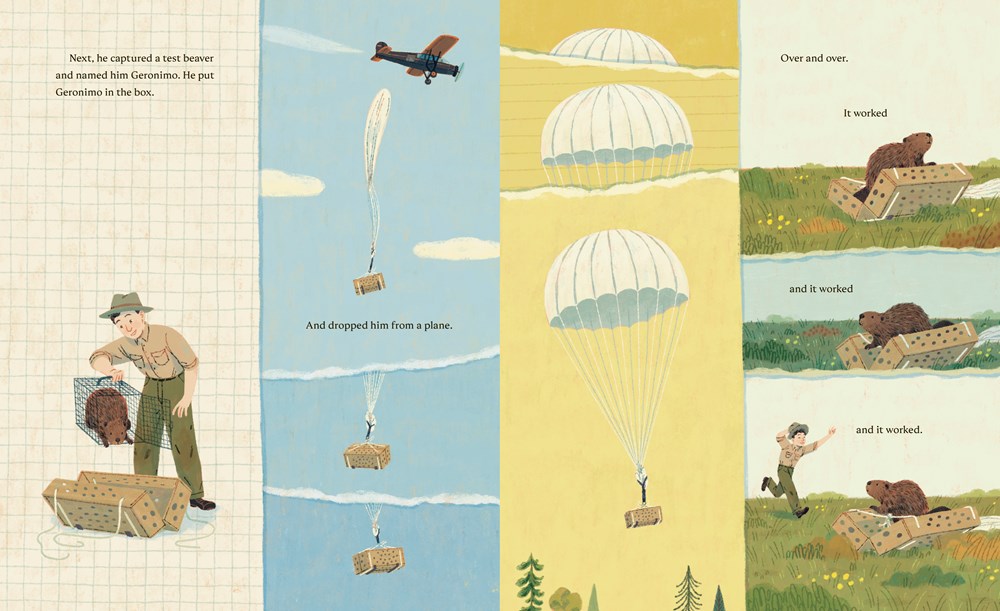
Heter knew that the beavers were integral to the wetlands, so keeping the well-being of the beavers in mind he set out to find a way to relocate them. After a few failed attempts, he finally landed on a wild idea… parachutes. Using a surplus of parachutes left over from WWII and creating a special box with air holes designed to pop open when it hit the ground, Heter devised a way to parachute the beavers into Idaho’s backcountry, an area that beavers hadn’t inhabited in decades.

Kirsten Tracy’s fascinating and playful nonfiction text pairs beautifully with Luisa Uribe’s detailed illustrations to bring this compelling true story to life.

“A celebration of an early environmental success.”—Kirkus Reviews

About the Creators: 

Kristen Tracy grew up in a tiny town in Idaho near Yellowstone Park surrounded by untamed and fascinating animals. She is a poet and YA author and has recently started writing picture books. Her debut picture book A Cub Story was published in 2021. Kristen Tracy young adult novels include Lost It, Camille McPhee Fell Under the Bus, Hung Up, and Project Unpopular. She won the Emily Dickinson First Book Award from the Poetry Foundation for her collection Half-Hazard. To learn more, visit kristentracy.com.

Luisa Uribe is the illustrator of Areli is a Dreamer, which was named a best book of the year from Kirkus, NYPL and Booklist, and My Brother is Away that received three starred reviews and was a Charlotte Huck honor book and a Charlotte Zolotow honor book. She lives in Bogotá, Colombia, with her partner and two cats.

Instagram:
Kristen Tracy: N/A
Luisa Uribe: @lupencita
Random House Children’s Books: @randomhousekids
Blue Slip Media: @blue_slip_media

Facebook:
Kristen Tracy: N/A
Luisa Uribe: N/A
Random House Children’s Books: Random House Children’s Books
Blue Slip Media: @blue-slip-media

Twitter:
Kristen Tracy: @kristen_tracy
Luisa Uribe: @lupencita
Random House Children’s Books: @randomhousekids
Blue Slip Media: @blueslipper & @barbfisch

Review: This is such a fascinating story. Too often, animals “in the way” of humans are killed or relocated with no thought, so I was so happy to read this story about Elmo Heter and all the thoughtfulness he put into the beavers in Idaho and the success of his endeavor. I think this story allows for the reader to see that there can be successes in these incidences; however, it also shows how humans impact is negative on animals/the environment. It is going to be a great conversation book and a new aspect of history to most.

The full page illustrations are the cherry on the sundae of this book for me. Uribe’s additions bring the story to life and shows the reader important aspects that would be missed without their inclusion. I, personally, really liked that additions of the aspects of the scientific method that are shared in the illustrations. It makes it clear that Heter had a hypothesis, asked questions, did research, until he figured out a conclusion to be successful. 

Tools for Navigation: This book will be a perfect read aloud to cross disciplines when discussion ecology and the environment or animals/humans impact.

Discussion Questions: 

  • How did humans cause the situation that they and the beavers were in?
  • How does human expansion affect the animals and environment?
  • Why did the location where the beavers were relocated to work? What could have caused a relocation like this not to work?
  • How did relocating 75 beavers help with the success of the relocation?
  • How to beavers help out ecology and the environment?
  • We don’t learn much about Elmo Heter as a person but we see his actions. What do these actions tell you about him?
  • What type of questions did Heter ask when he was determining how to relocate the beavers?
  • How did Heter use the scientific method when planning his rescue and relocation?
  • How did the illustrator utilize illustrations to add to the narrative?

Flagged Spreads: 

Read This If You Love: Beavers, the Environment, Ecology, National Parks

Recommended For: 

classroomlibrarybuttonsmall 

Signature

**Thank you to Barbara at Blue Slip Media for providing a copy for review!**
Cross-Curricular Educators’ Guide for Above the Trenches by Nathan Hale

Share

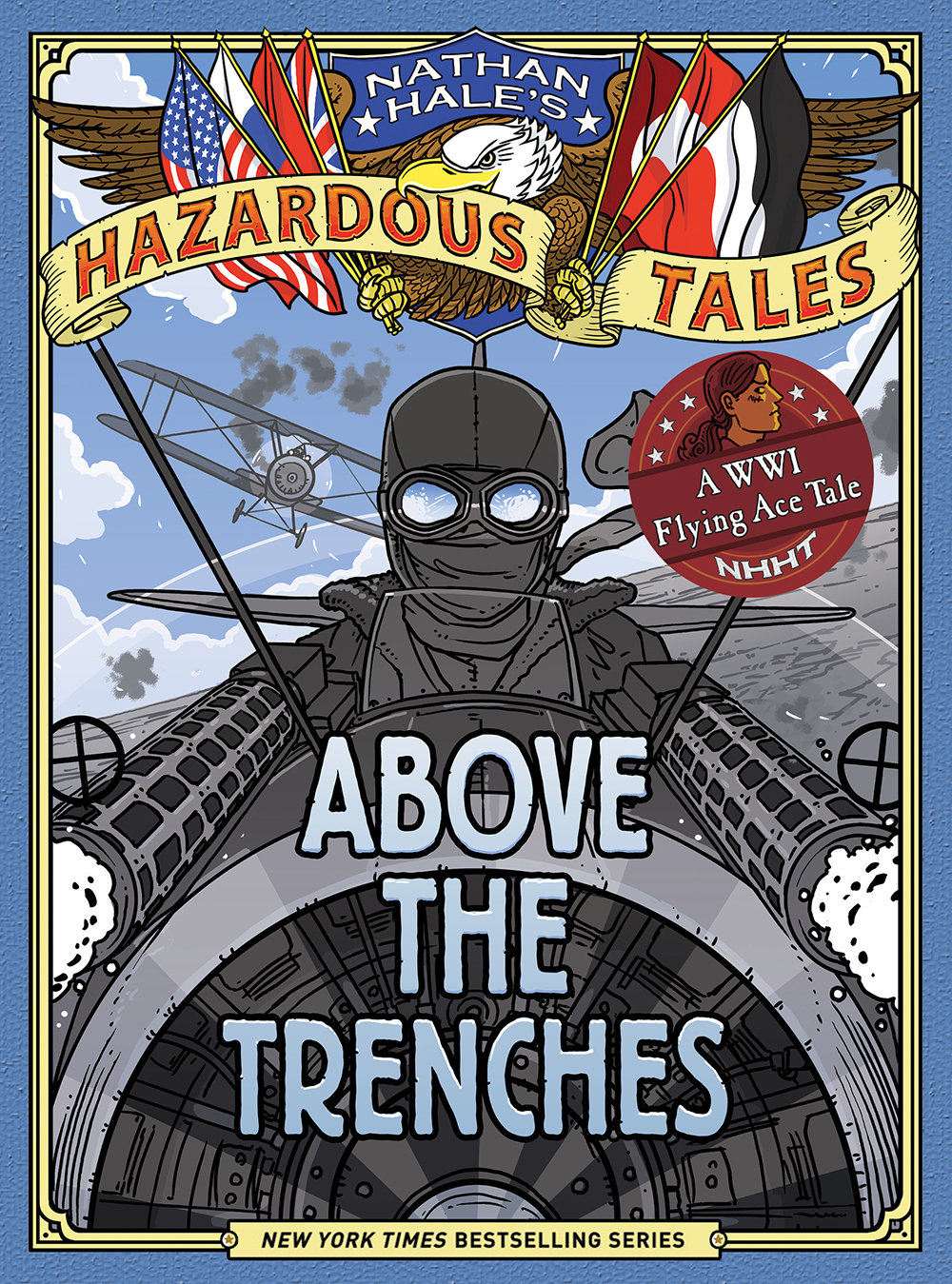
Above the Trenches (Nathan Hale’s Hazardous Tales #12): A WWI Flying Ace Tale
Author & Illustrator: Nathan Hale
Published: November 14th, 2023 by Abrams Fanfare

Summary: In Above the Trenches, author-illustrator Nathan Hale takes to the skies with the flying aces of World War I to reveal another Hazardous Tale in American history in the #1 New York Times bestselling graphic novel series.

“Yippee! We’re going back to World War One!” said nobody ever—except maybe the Hangman.

When the Great War began in 1914, America had plans to stay out of it. But some young men were so eager to fight, they joined the French Foreign Legion. From deep in the mud and blood of the Western Front, these young volunteers looked to the sky and saw the future—the airplane.

The first American pilots to fight in World War One flew for the French military. France created a squadron of volunteer Americans called the Lafayette Escadrille (named after the great Marquis de Lafayette).

This book is about that volunteer How they got into the French military. How they learned to fly. How they fought—and died. And how these American pilots would go down in history with other legendary flying aces like the Red Baron and his Flying Circus.

Nathan Hale’s Hazardous Tales are graphic novels that tell the thrilling, shocking, gruesome, and TRUE stories of American history. Read them all—if you dare!

Teachers’ Tools for Navigation and Discussion Questions: 

Please view and enjoy the cross-curricular educators’ guide I created for Abrams for Above the Trenches:

You can also access the educators’ guide here.

You can learn more about Above the Trenches on Abrams’s page.

Recommended For: 

classroomlibrarybuttonsmall litcirclesbuttonsmall closereadinganalysisbuttonsmall

Kellee Signature