Kellee’s Favorite Reads of 2017: Middle Grade and Young Adult

Share

I read so many wonderful books this year, that I decided that I needed two posts to highlight them!
Today’s post will focus on middle grade and young adult novels that I read this year and loved.
Each title will have a publication date listed as these are all favorites I READ in 2017 though they may have been published before or are coming out in 2018.

Favorite Fifteen Middle Grade Novels


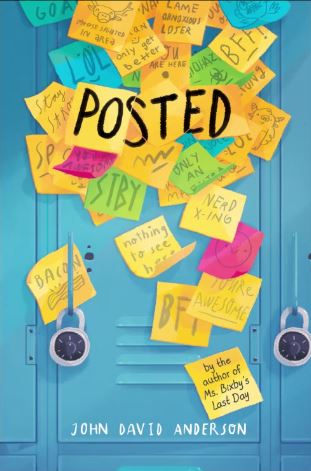
Posted by John David Anderson (2017)
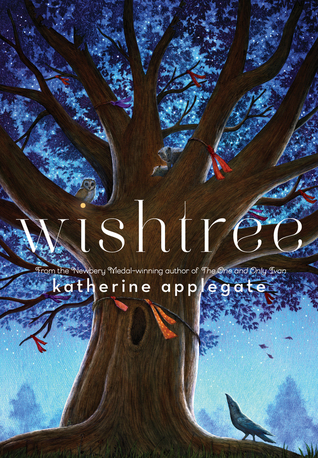
Wishtree by Katherine Applegate (2017)
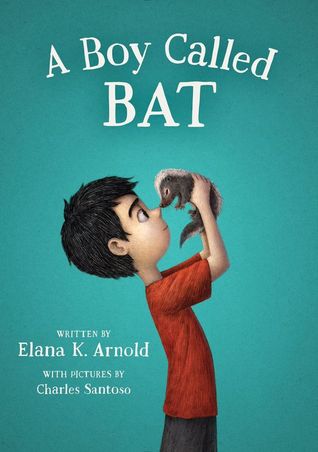
A Boy Called Bat by Elana K. Arnold (2017)


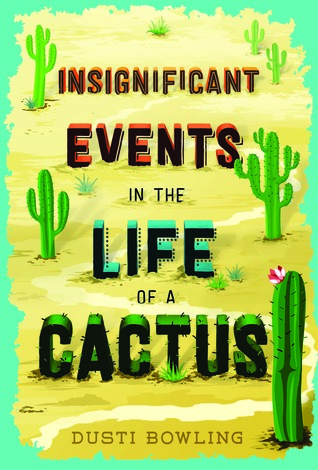
Insignificant Events in the Life of a Cactus by Dusti Bowling (2017)
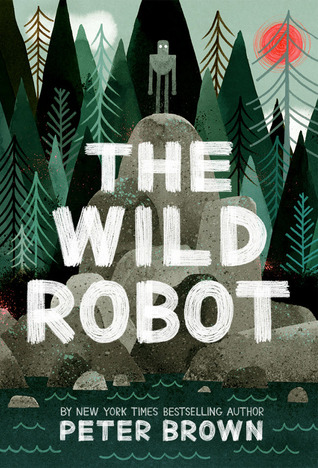
The Wild Robot by Peter Brown (2016)
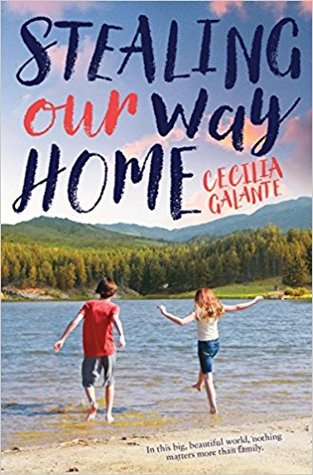
Stealing Our Way Home by Cecelia Galante (2017)


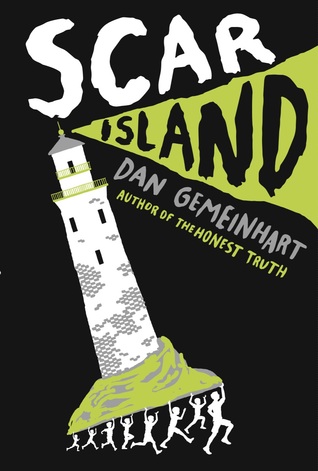
Scar Island by Dan Gemeinhart (2017)
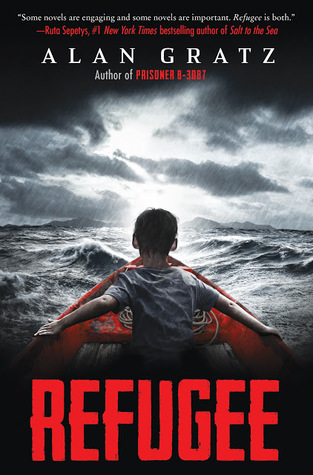
Refugee by Alan Gratz (2017)
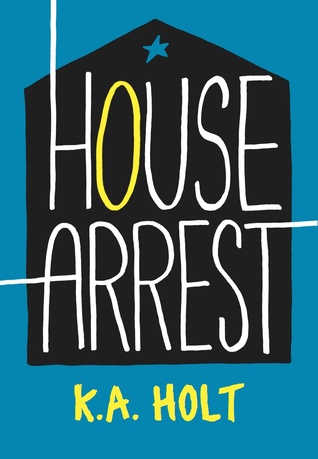
House Arrest by K.A. Holt (2015)


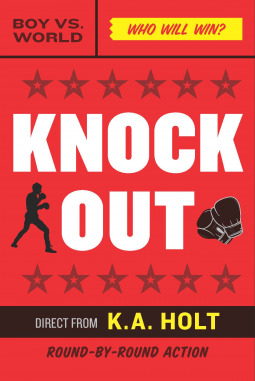
Knock Out by K.A. Holt (2018)
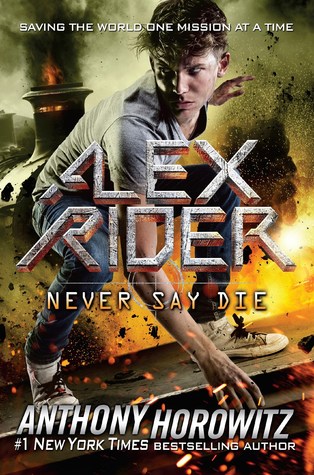
Alex Rider: Never Say Die
by Anthony Horowitz (2017)
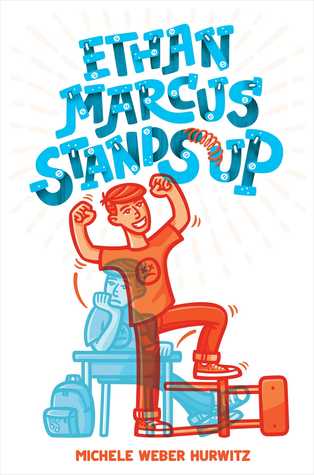
Ethan Marcus Stands Up by Michele Weber Hurwitz (2017)


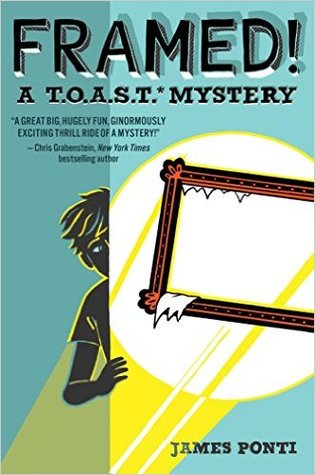
FRAMED! by James Ponti (2016)
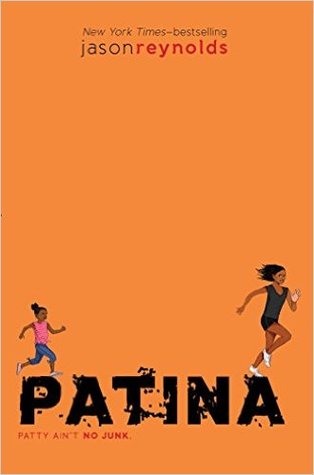
Patina by Jason Reynolds (2017)
Glory Be by Augusta Scattergood (2012)

Favorite Fifteen Young Adult Novels


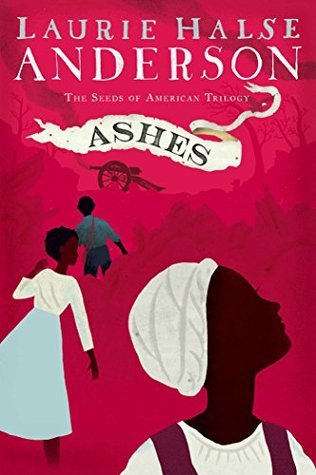
Ashes by Laurie Halse Anderson (2016)
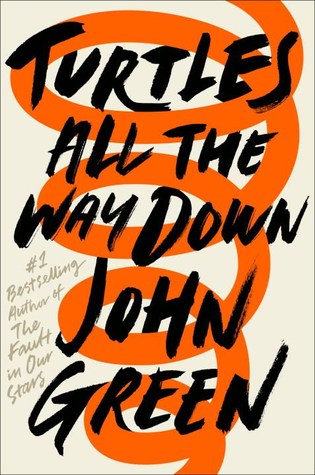
Turtles All the Way Down by John Green (2017)
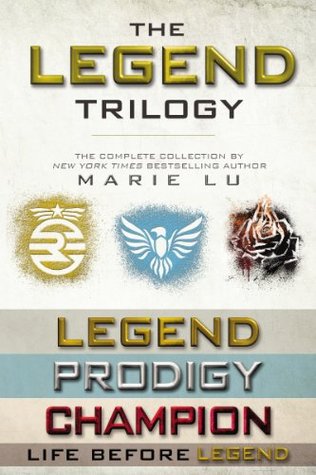
The Legend Trilogy by Marie Lu (2011-2013)


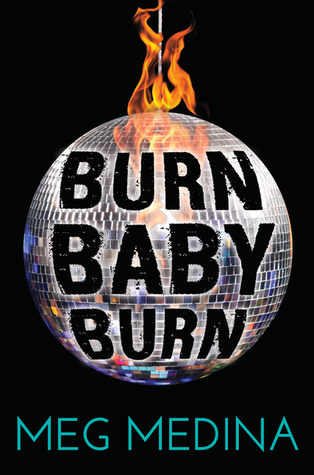
Burn Baby Burn by Meg Medina (2016)
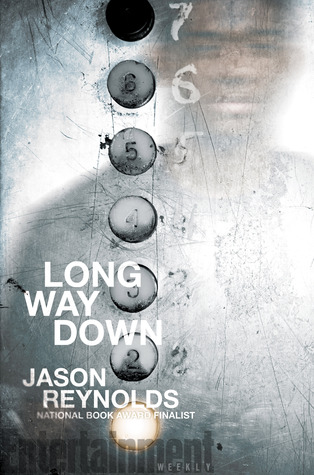
Long Way Down by Jason Reynolds (2017)
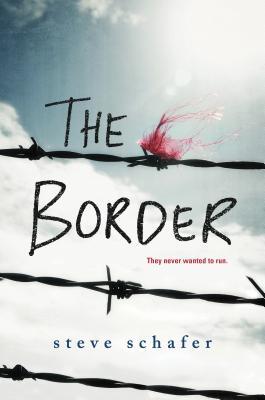
The Border by Steve Schafer (2017)


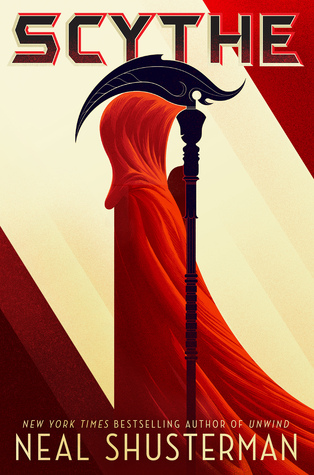
Scythe by Neal Shusterman (2016)
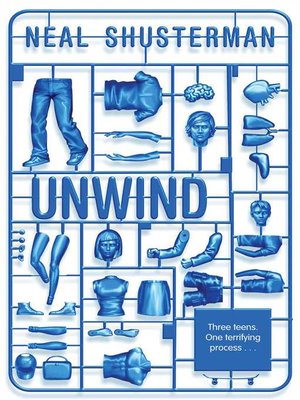
The Unwind Dystology by Neal Shusterman (2007-2014)
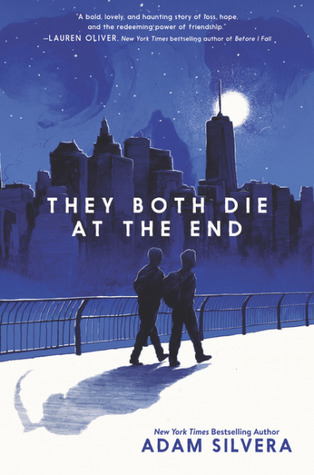
They Both Die at the End by Adam Silvera (2017)


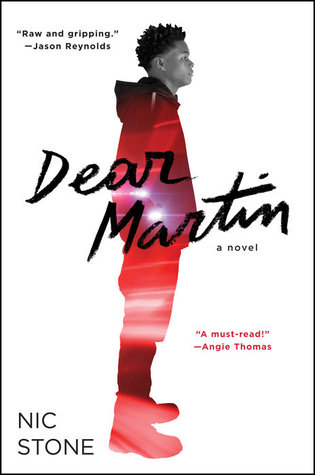
Dear Martin by Nic Stone (2017)
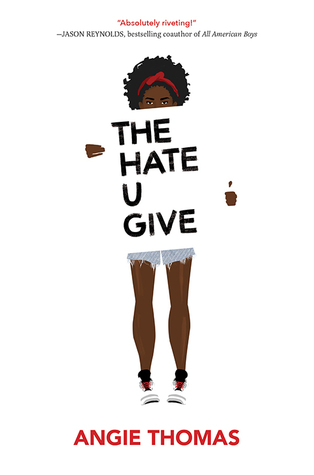
The Hate U Give by Angie Thomas (2017)
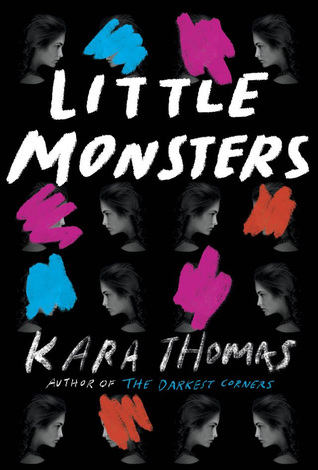
Little Monsters by Kara Thomas (2017)


The Unlikely Hero of Room 13B by Teresa Toten (2013)
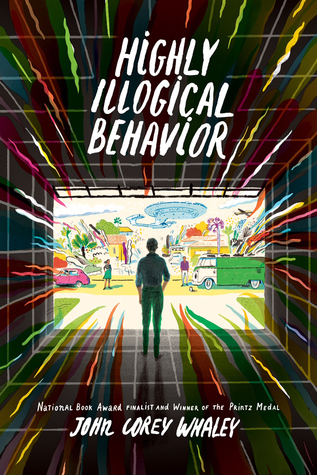
Highly Illogical Behavior by John Corey Whaley (2016)
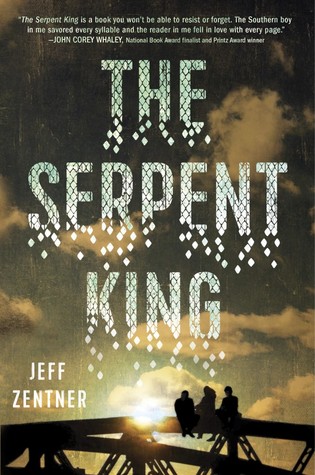
The Serpent King by Jeff Zentner (2016)

Favorite of the Year


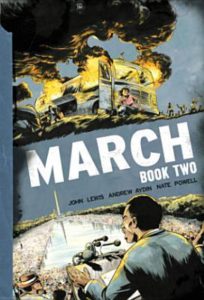
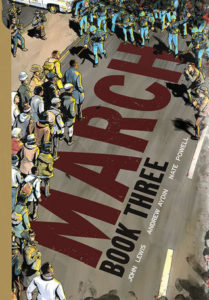
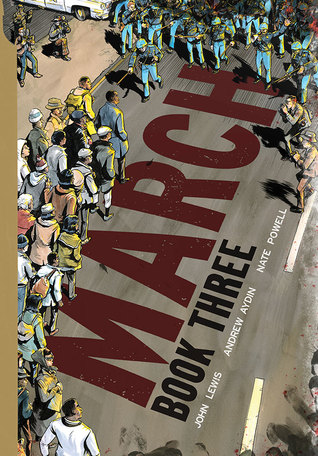
March: Book One, Book Two, and Book Three by John Lewis & Andrew Aydin, illustrated by Nate Powell
(2013-2016)

What were your favorite middle grade and young adult novels that you read in 2017?

Kellee’s Favorite Reads of 2017: Picture Books and Early Readers

Share

I read so many wonderful books this year, that I decided that I needed two posts to highlight them!
Today’s post will focus on picture books and early readers that I read this year and loved.
Each title will have a publication date listed as these are all favorites I READ in 2017 though they may have been published before or are coming out in 2018.

Favorite Fifteen Fiction Picture Books


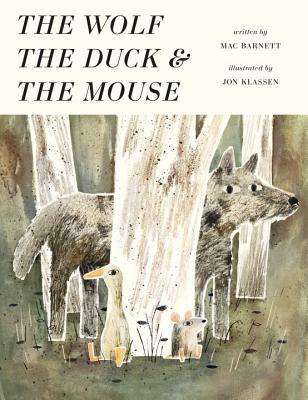
The Wolf, The Duck, & The Mouse by Mac Barnett, illustrated by Jon Klassen (2017)
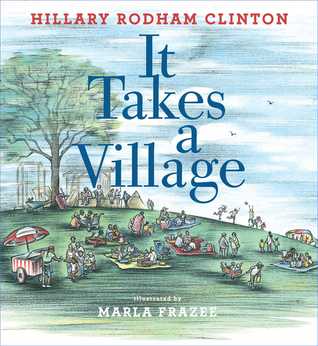
It Takes a Village by Hillary Rodham Clinton, illustrated by Marla Frazee (2017)
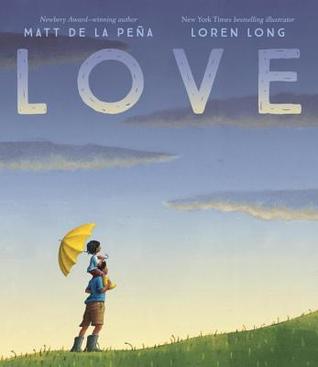
Love by Matt de la Peña, illustrated by Loren Long (2018)


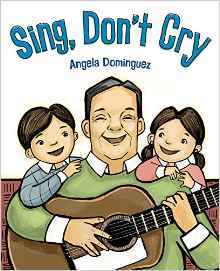
Sing, Don’t Cry by Angela Dominguez (2017)
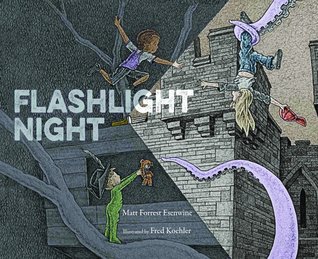
Flashlight Night by Matt Forrest Esenwine, illustrated by Fred Koehler (2017)
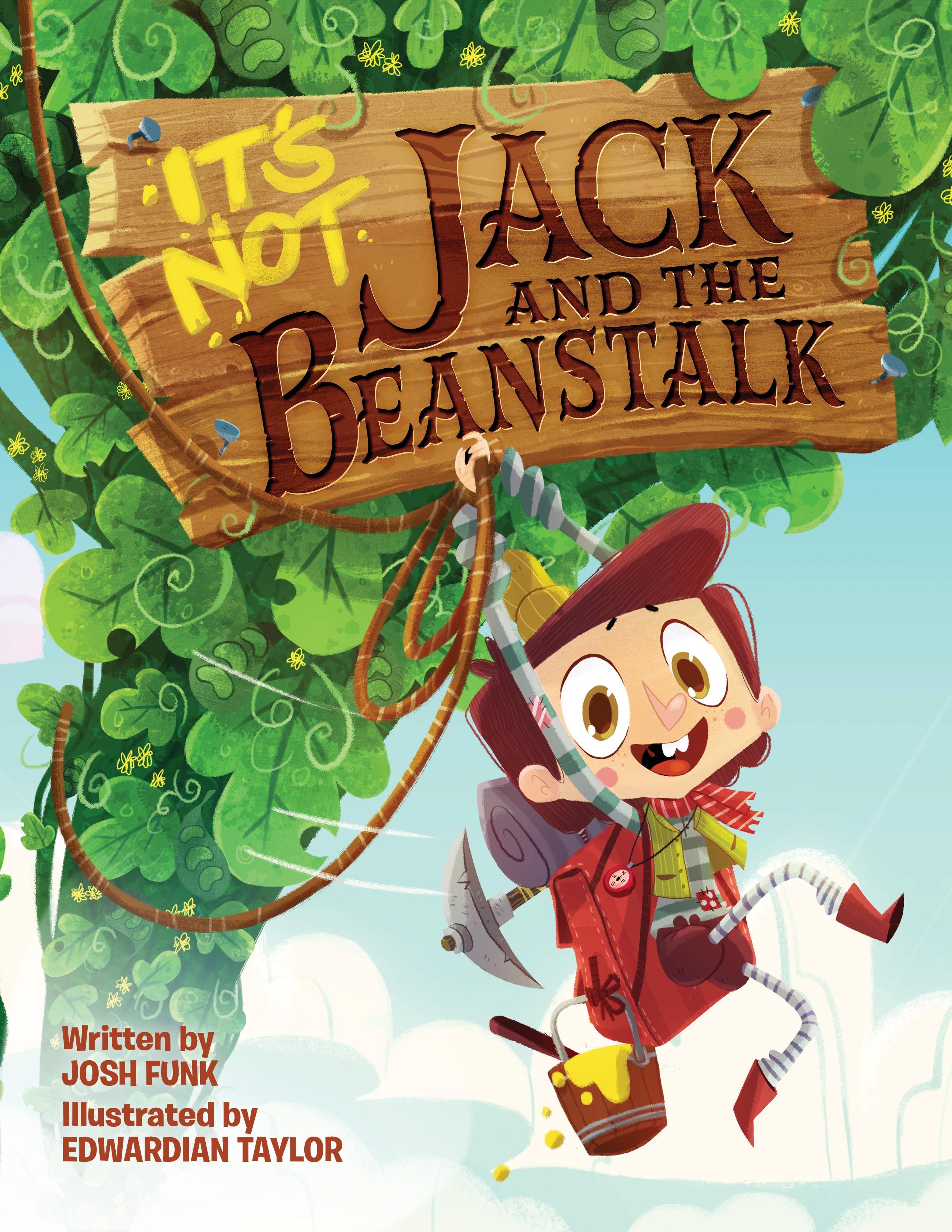
It’s Not Jack and the Beanstalk by Josh Funk, illustrated by Edwardian Taylor (2017)


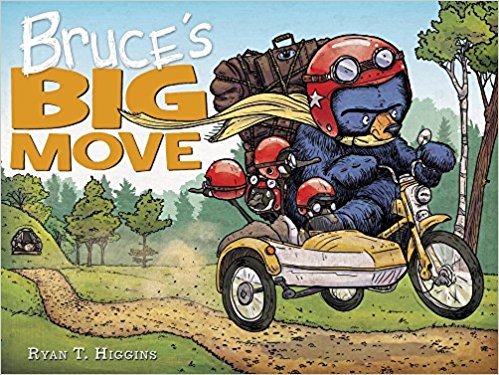
Bruce’s Big Move by Ryan T. Higgins (2017)
The Bear and the Piano by David Litchfield (2015)


Draw the Line by Kathryn Otoshi (2017)
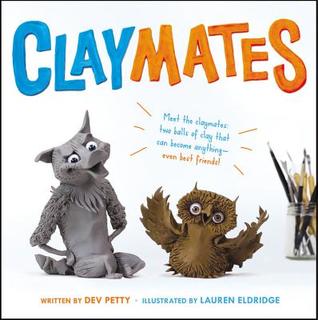
Claymates by Dev Petty, illustrated by Lauren Eldridge (2017)


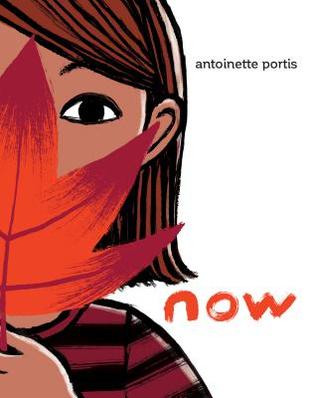
Now by Antoinette Portis (2017)
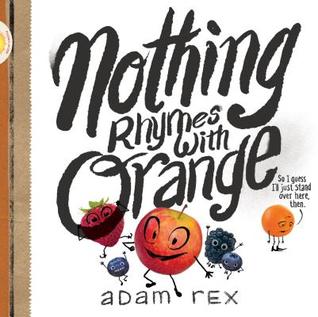
Nothing Rhymes with Orange by Adam Rex (2017)
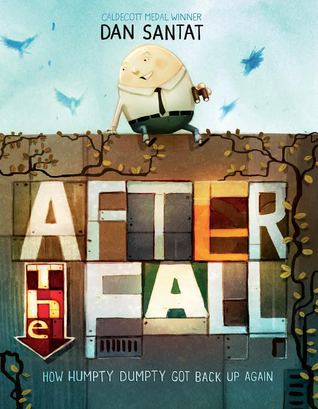
After the Fall by Dan Santat (2017)


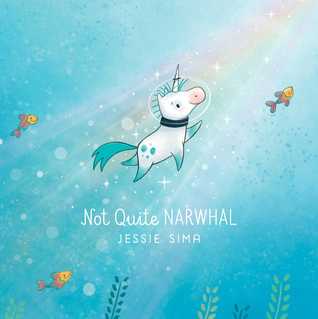
Not Quite Narwhal by Jessie Sima (2017)
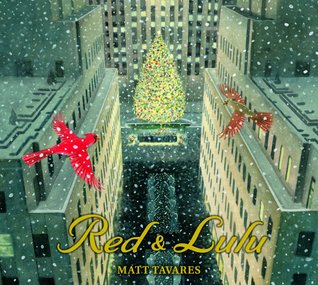
Red & Lulu by Matt Tavares (2017)

Favorite Five Nonfiction Picture Books


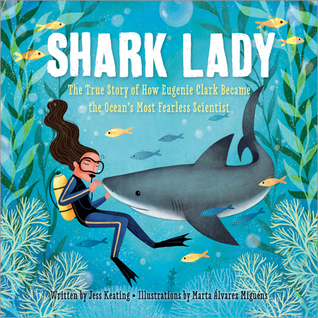
Shark Lady: The True Story of How Eugenie Clark Became the Ocean’s Most Fearless Scientist by Jess Keating, illustrated by Marta Álvarez Miguéns (2017)
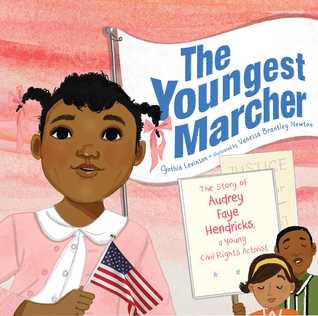
The Youngest Marcher: The Story of Audrey Faye Hendricks, a Young Civil Rights Activist by Cynthia Levinson, illustrated by Vanessa Brantley Newton (2017)
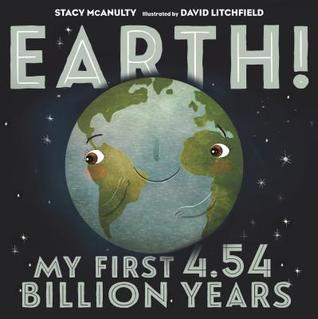
Earth! My First 4.54 Billion Year by Stacy McAnulty, illustrated by David Litchfield (2017)


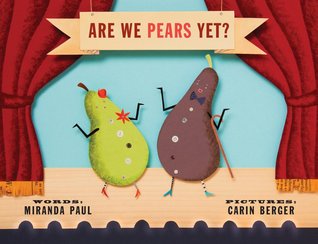
Are We Pears Yet? by Miranda Paul, Illustrated by Carin Berger (2017)
Grace Hopper: Queen of Computer Code by Laurie Wallmark, illustrated by Katy Wu (2017)

Favorite Five Early Readers


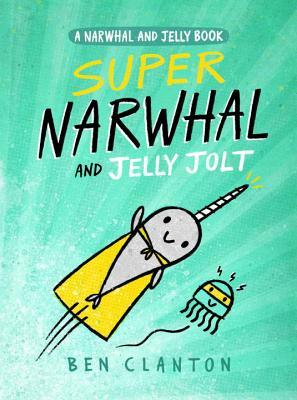
Super Narwhal and Jelly Jolt by Ben Clanton (2017)
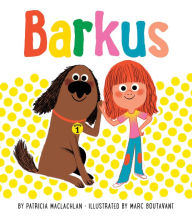
Barkus by Patricia Maclachlan, illustrated by Marc Boutavant (2017)
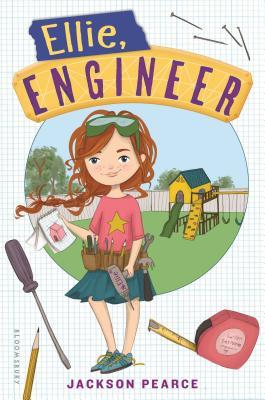
Ellie Engineer by Jackson Pearce (2018)


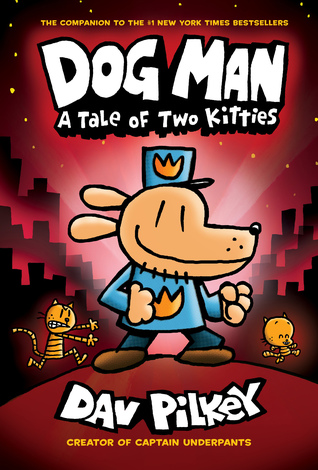
Dogman: A Tale of Two Kitties by Dav Pilkey (2017)
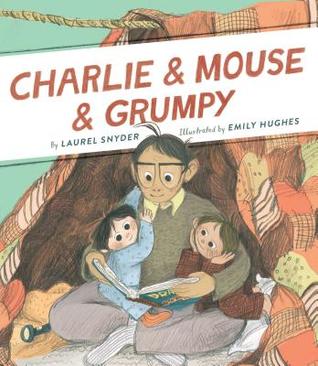
Charlie and Mouse and Grumpy by Laurel Snyder, illustrated by Emily Hughes (2017)

What were your favorite picture books and early readers that you read in 2017?

Musnet Series by Kickliy

Share

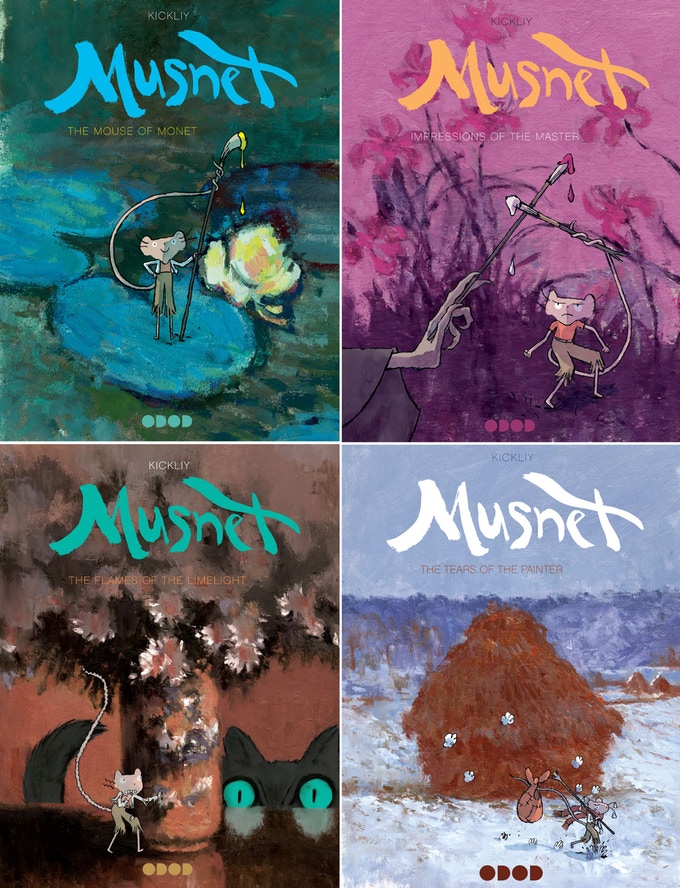
Musnet series
1. The Mouse of Monet
2. Impressions of the Master
3. The Flames of Limelight
4. The Tears of the Painter

Author: Kickliy
Published August 2nd, 2016; November 1st, 2016; April 11th, 2017; October 10th, 2017 by odod books

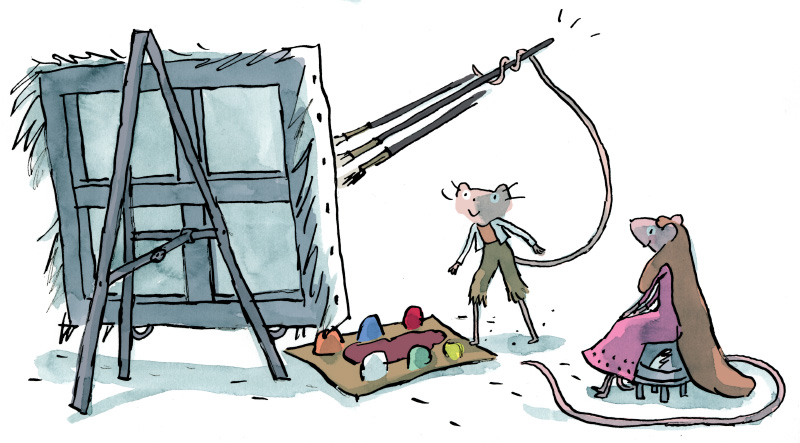
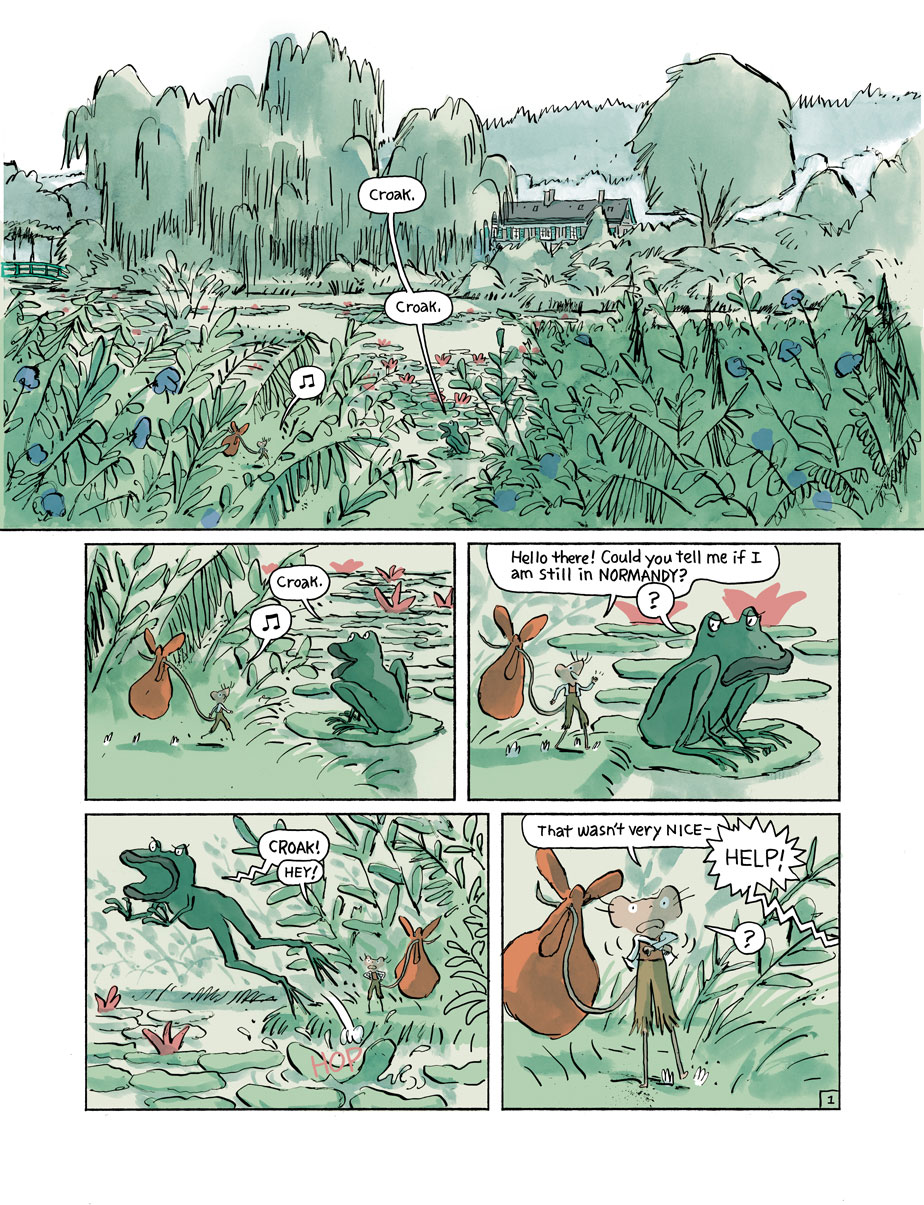
Summary: A young boy mouse travels the country side looking for work and happens upon the Monet’s garden. He takes on a job and becomes inspired to learn to paint. Will he paint in the classical ways, or in the new style of the impressionist? Which way will his brush sway?

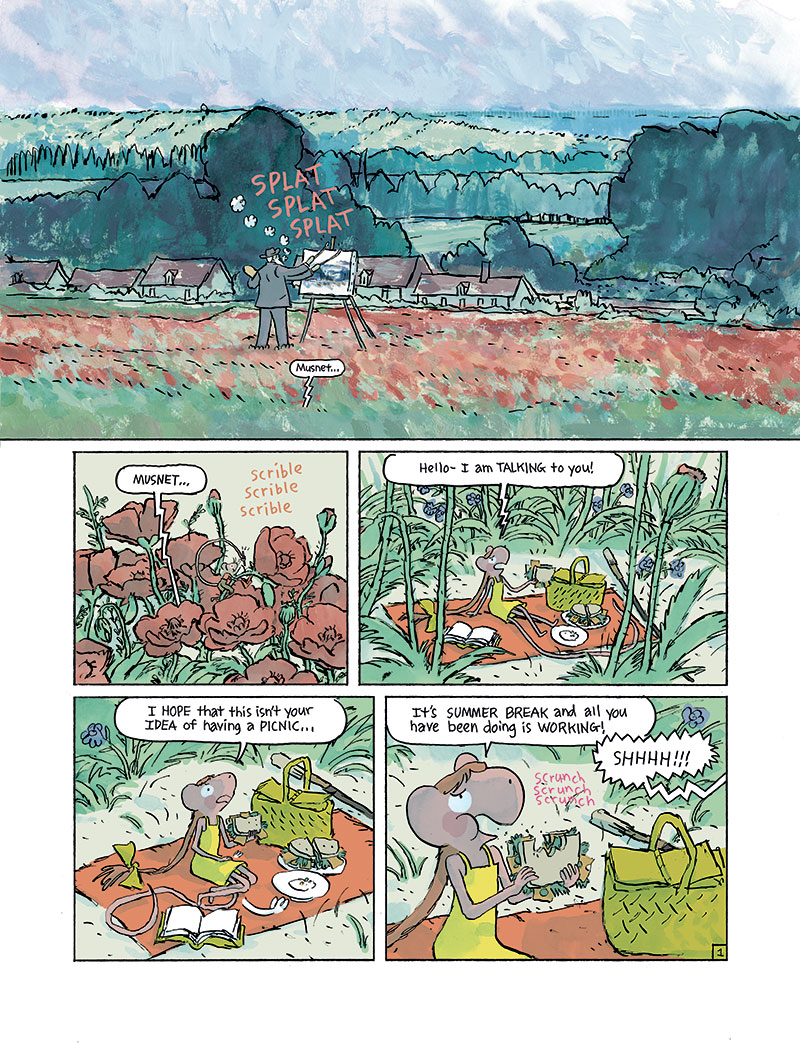
Musnet wants to be the best mouse painter that ever was. But, he’s caught between two worlds. On one paw, Musnet loves the classical style of his old teacher, the squirrel Remi. On the other paw, Musnet can’t help to be drawn to the fresh and new art of the human master, Monet. Which path will the Mus choose?

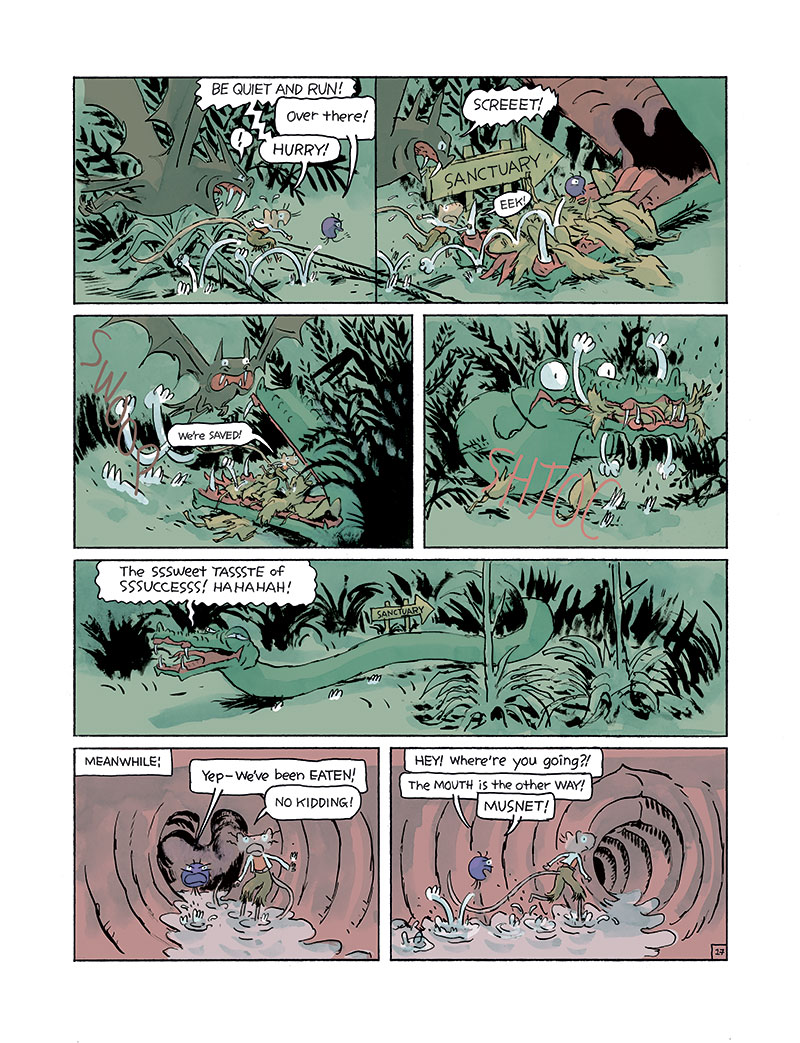
It’s dark season in Musnet’s world. His adoptive family faces eviction, his Master Remi is deathly ill, he’s chased by snakes, cats, and vampire bats, and—on top of all that—Musnet faces the most challenging painting commission of his life! Can he rise to challenges and brush them all away?

As snow and ice chill Monet’s garden, even colder things await Musnet this winter season. Mya, Musnet’s best friend, gets her own adventure. Chiby, the Japanese spider, gets in a tangle with a certain muscular rat. Is there even any room left for our vagabond mouse? Drama, action, adventure, abound in the final volume of the award nominated series.

Musnet is drawn and painted in a beautiful, lush and inky style popularized by Paul Pope and French comics masters such Blutch and Christophe Blain.

“It’s a really enjoyable story that brings Monet’s paintings to life through some incredibly sweet and memorable characters. It’s challenging and imaginative, and I’m sure it will spark an obsession with painting (and maybe also mice).”—Girls Like Comics

“This new series revolves around a painting mouse found in Monet’s famous gardens in Giverny: the nameless, orphan mouse is befriended by Mya and her mouse family, who live inside the artist’s house. Introduced to painting after he begins working for Remy, an old squirrel painter, he is enchanted by Monet’s work. Beautifully painted […] charming tale of humour, art, and adventure, as the little mouse grows to find his meaning and place in the world.”—The Guardian

“Musnet: The Mouse of Monet is a gorgeous and friendly story about a mouse discovering his calling in life and also what he wants to be called. Take a friendly and likable orphaned mouse, place him in a beautifully rendered watercolor and ink medium with miniature Monet masterpieces and you get a stunning and engaging story of a mouse learning to become an artist. He makes friends, finds a mentor, and even gets to sneak a peek inside Monet’s studio. It’s incredibly well executed, entertaining, informative, and absolutely absorbing. It is one of the best books I’ve read this year.” —The Picture Book Review

Review: After I read book one of this series, I could not wait to share it with everyone I talked to: “I love when books include art history in them because it makes me feel at home since I grew up in art museums as a museum director’s daughter. Musnet is no different. As soon as I realized that Musnet had ended up in Monet’s famous garden, I was fascinated with Musnet’s story and his journey to becoming an artist. Kickliy’s artwork pays perfect homage to Monet’s work and is a beautiful backdrop to Musnet’s story.” And I was really excited to read the rest of the books in the series.

Luckily they did not disappoint! Book one was just an introduction to the characters who continued to mature throughout the arc of the story. Musnet’s situation fluctuates causing the reader to quickly move from relief to panic which ensures the reader wants to keep going through the series. Although the series begins with Musnet just looking for a home, it ends with Musnet looking for what life has in store for him as an artist.

But what makes this series even more unique is the level of graphics. Kickliy’s ink, watercolor, and oil illustrations are reminiscent of the period in which Monet lived–it is like reading art. Kickliy even paints little oil paintings for the book for whenever a Musnet or Monet work is shown.

Teachers’ Tools for Navigation: “Musnet lives in Monet’s garden. Was there a roach under Van Gogh’s bed? Or a fish behind Munch’s Scream? If so, what would their story be like?” Have students create stories of animals that ‘live’ in the background of famous paintings. They’d need to research the art styles for illustrations and the time period/place of the painting for their setting, so this activity would be a perfect cross-curricular for writing, reading, art, and history.

Parts of the book would also be really great assets for engagement and information in art classrooms. Remi, Monet, and Musnet are talented artists who share insight throughout the series.

Discussion Questions: 

  • After book one, did you think Musnet was going to become a successful artist?
  • How does Kickliy’s illustrations fit the period of the book’s setting?
  • Which conflict in Musnet’s story affected Musnet’s conclusion the most?
  • Why do you think Kickliy chose Monet as the artist inspiration for his book?
  • What artist would you want to meet?
  • How did meeting Mya change Musnet’s life? Remi? Chiby?

Flagged Passages: 

Read This If You Love: Art, Graphic Novels, Monet, Mira’s Diary by Marissa Moss, The Museum by Susan Verde, Babymouse series by Jennifer and Matthew Holm, The Tale of Despereaux by Kate DiCamillo, Redwall by Brian Jacques, The Museum by Susan Verde

Recommended For: 

Signature

Author Guest Post!: “The Joy of Comic Reprints” by Tom Eaton, Author of The Bug Zapper

Share

“The Joy of Comic Reprints”

When sharing my comic for kids, The Bug Zapper, at events throughout the year, I’m regularly asked for additional recommendations. Many kids have already devoured Calvin and Hobbes and TinTin – what next?

While there are many awesome new graphic novels for kids out there, I also like to recommend reprints and collections of older classics. Here are some of my favorites:

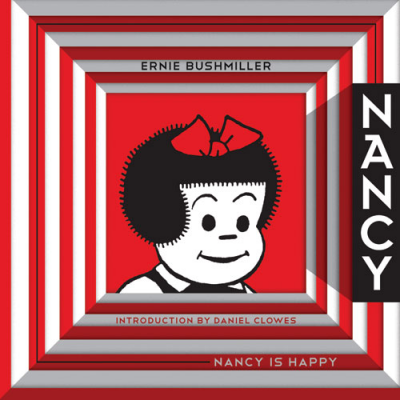
Nancy Is Happy

These original strips from Nancy creator Ernie Bushmiller are perfectly executed blasts of fun – often unabashedly cheesy, with bold, clear artwork. While they might seem like they’re for a younger audience, there’s something totally disarming about these that is universally appealing. They are the comic strip’s comic strip – as the Fantagraphics catalog tells us, Nancy strips have literally been used as the dictionary example of comics.

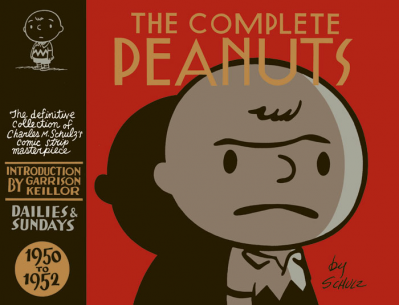
The Complete Peanuts

Similarly, the Fantagraphics reprints of early Peanuts are gems. One of my favorites is 1950-52, which reprints some of the earliest Peanuts cartoons. Everyone knows the Peanuts characters as the miniature adults they’d come to be, but in these, Charlie Brown starts out as more mischievous than neurotic, and the humor’s broader than it would end up being in later years.

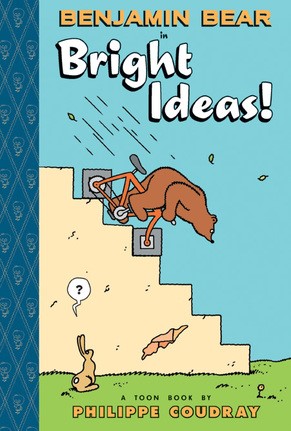
Benjamin Bear

I discovered these at our library while picking books out for my 5-year old, and was hooked. They’re reprints of a sparsely-worded French comic, now published by Toon Books (I’m not sure when they were originally published). As with Nancy, the strips are gag oriented and everything is staged perfectly to build to a clear yet surprising punchline. Perhaps for a bit younger age group than the Calvin and Hobbes crowd, but again, there’s something for everyone here.

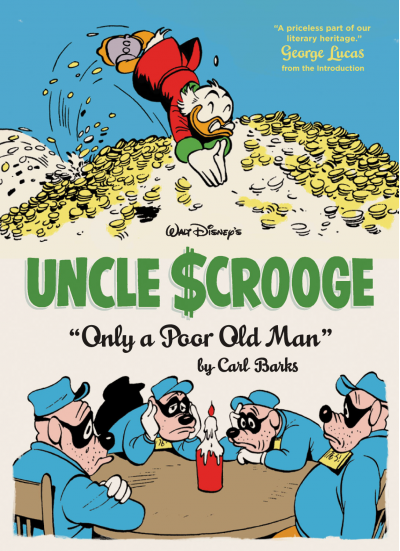
Uncle Scrooge “Only a Poor Old Man”

The cartoonist perhaps most synonymous with Uncle Scrooge is Carl Barks, and these reprints of his comic books (again, from Fantagraphics) are amazing. Given lots of creative control, Barks created a world of adventure and humor that would later inspire “Raiders of the Lost Ark” and its own DuckTales franchise. But this is the source. Each has a crazy premise at its heart – for instance, in one, Scrooge fears being shortchanged by Donald, so he sinks millions of quarters underwater just to create demand for a single coin. These outrageous concepts and clear artwork make these books a treat (and introduce basic economic principles, to boot!)

There are many more out there – when I discussed this with friends, they swore by Asterix (which I’m not as familiar with). I’m also personally a big fan of Moomin and Pogo, though I sometimes think they’re more for grown-ups. I’d love to hear more recommendations and what you think.

About the Author: I’m a Brooklyn, NY-based animator and professor, with an MFA in Digital Media from Lehman College. Professional animation industry experience includes Cartoon Network’s Sheep In The Big City and Codename: Kids Next Door, as well as Disney’s Little Einsteins.

Freelance projects include music videos for Sufjan Stevens (Put the Lights on the Tree) and the Danielson Famile (Idiot Boksen.) My original short animated films include the award-winning Don’t Smash, starring My Brightest Diamond’s Shara Worden as the voice of the bunny. Don’t Smash has screened in kids film festivals in the U.S. and internationally, and I’ve done Q&A sessions at the Brooklyn Academy of Music. My most recent work is a self-released graphic novel for kids, The Bug Zapper, an animated version of which was selected for the 2016 San Diego Comic Con Film Festival.

I’m an Assistant Professor of Animation at Kingsborough College in Brooklyn. I’ve also taught at Cooper Union and Queens College. Children’s classes have included animation and cartooning classes at the Brooklyn Design Lab in Brooklyn, NY and Creative Summer at the Mead School in Stamford, CT.

For even more of the nitty-gritty, check out my interview with HTML Giant.

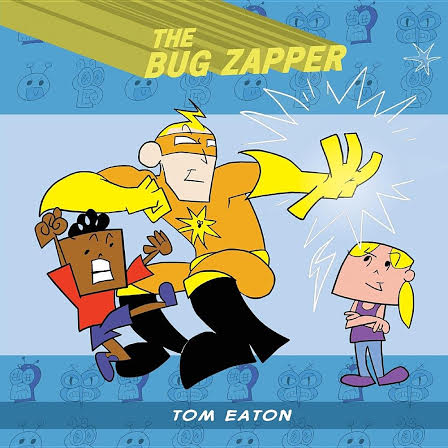
The Bug Zapper
Author and Illustrator: Tom Eaton

About the Book: The Bug Zapper is a superhero graphic novel for kids ages 6-8. It’s about a town full of bug villains, and the one superhero who must keep them in line. With the help of school reporters Robert and Amber, our hero must contend with Mean Mosquito, Bumblebeezy, and more.

You can check out The Bug Zapper at bugzappercomics.com, and facebook.com/BugZapperComics. It’s available as a print book, or an ebook series with extra animated scenes.

Tom Eaton also created a Bug Zapper animated short that has word balloons instead of audible dialogue, encouraging kids to read:

And remember teachers: Comics are reading, too!
Thank you, Tom, for this awesome reminder of these classic and timeless comics 🙂 

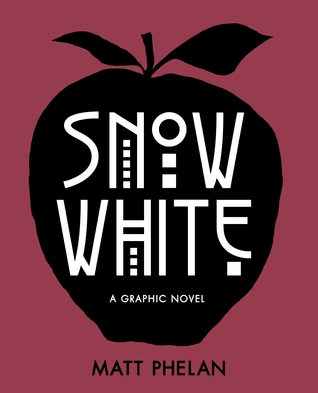
Snow White: A Graphic Novel by Matt Phelan

Share

Snow White: A Graphic Novel
Author: Matt Phelan
Published: September 21, 2016 by Candlewick

A Guest Review by Emily Baseler

GoodReads Summary: Award-winning graphic novelist Matt Phelan delivers a darkly stylized noir Snow White set against the backdrop of Depression-era Manhattan.

The scene: New York City, 1928. The dazzling lights cast shadows that grow ever darker as the glitzy prosperity of the Roaring Twenties screeches to a halt. Enter a cast of familiar characters: a young girl, Samantha White, returning after being sent away by her cruel stepmother, the Queen of the Follies, years earlier; her father, the King of Wall Street, who survives the stock market crash only to suffer a strange and sudden death; seven street urchins, brave protectors for a girl as pure as snow; and a mysterious stock ticker that holds the stepmother in its thrall, churning out ticker tape imprinted with the wicked words “Another . . . More Beautiful . . . KILL.” In a moody, cinematic new telling of a beloved fairy tale, extraordinary graphic novelist Matt Phelan captures the essence of classic film noir on the page—and draws a striking distinction between good and evil.

Review: Matt Phelan reinvented the “happily ever after” with this retelling. I identify as a Disney Classic enthusiast but I was pleasantly surprised with the ending. The illustrations are gorgeous with distinct intentionality. More mature themes such as death, assassination, murder were evaluated within a historical context to create an incredible murder mystery story at the level of a middle grade reader.

Teachers’ Tools for Navigation: This would be an excellent text to hand a more reluctant reader. There is limited text the reader is asked to interpret the illustrations and structure. In literature groups, students could potentially discuss the use of metaphor, oenomania, author/illustrator’s choice, and compare/ contrast the original fairytale with the retelling. This is also a text I would recommend to a student who has shown an interest in the graphic novel genre to read independently.

Discussion Questions: Why do you think the author choose to use red in selected illustrations? How did this choice influence you as a reader?; Why do you think the author choose to break apart the chapters this way?; Even though there were few words, how did you interpret the mood, tone, and voice of characters?; Did you find yourself needing to interpret the illustrations to understand the plot? What was that experience like for you as a reader?; How is this retelling of the classic fairy tale of “Snow White” different than the original? What did you notice is similar?

Flagged Passage: “My name is Snow White, but my mother didn’t call be that to be funny. She would say that the snow covers everything and makes the entire world beautiful” (Ch. 10)

Book Trailer: 

Read This If You Loved: Red: The True Story of Red Riding Hood by Liesl Shurtliff, Jack: The True Story of Jack and the Beanstalk by Liesl Shurtliff, Rump: The True Story of Rumpelstiltskin by Liesl Shurtliff

Recommended For:
 classroomlibrarybuttonsmall

Thank you, Emily!

RickiSig

March Trilogy by John Lewis with Andrew Aydin (co-writer) and Nate Powell (illustrator)

Share

nfpb2017

Nonfiction Wednesday

Nonfiction Picture Book Wednesday is hosted by Kid Lit Frenzy and was started to help promote the reading of nonfiction texts. Most Wednesdays, we will be participating and will review a nonfiction text (though it may not always be a picture book).
Be sure to visit Kid Lit Frenzy and see what other nonfiction books are shared this week!
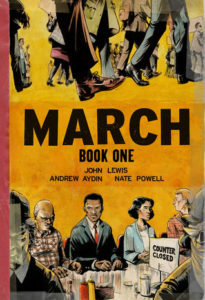
March Trilogy
Author: John Lewis and Andrew Aydin
Illustrator: Nate Powell
Published 2013, 2015, & 2016 by Top Shelf Productions

Summary: Congressman John Lewis (GA-5) is an American icon, one of the key figures of the civil rights movement. His commitment to justice and nonviolence has taken him from an Alabama sharecropper’s farm to the halls of Congress, from a segregated schoolroom to the 1963 March on Washington, and from receiving beatings from state troopers to receiving the Medal of Freedom from the first African-American president.

Now, to share his remarkable story with new generations, Lewis presents March, a graphic novel trilogy, in collaboration with co-writer Andrew Aydin and New York Times best-selling artist Nate Powell (winner of the Eisner Award and LA Times Book Prize finalist for Swallow Me Whole).

March is a vivid first-hand account of John Lewis’ lifelong struggle for civil and human rights, meditating in the modern age on the distance traveled since the days of Jim Crow and segregation. Rooted in Lewis’ personal story, it also reflects on the highs and lows of the broader civil rights movement.

Book One: Begins with John Lewis’ youth in rural Alabama, his life-changing meeting with Martin Luther King, Jr., the birth of the Nashville Student Movement, and their battle to tear down segregation through nonviolent lunch counter sit-ins, building to a stunning climax on the steps of City Hall.

Book Two: After the success of the Nashville sit-in campaign, John Lewis is more committed than ever to changing the world through nonviolence – but as he and his fellow Freedom Riders board a bus into the vicious heart of the deep south, they will be tested like never before. Faced with beatings, police brutality, imprisonment, arson, and even murder, the young activists of the movement struggle with internal conflicts as well. But their courage will attract the notice of powerful allies, from Martin Luther King, Jr. to Attorney General Robert F. Kennedy… and once Lewis is elected chairman of the Student Nonviolent Coordinating Committee, this 23-year-old will be thrust into the national spotlight, becoming one of the “Big Six” leaders of the civil rights movement and a central figure in the landmark 1963 March on Washington for Jobs and Freedom.

Book Three: Fall 1963, the Civil Rights Movement is an undeniable keystone of the national conversation, and as chair of the Student Nonviolent Coordinating Committee, John Lewis is right in the thick of it. With the stakes continuing to rise, white supremacists intensify their opposition through government obstruction and civilian terrorist attacks, a supportive president is assassinated, and African-Americans across the South are still blatantly prohibited from voting. To carry out their nonviolent revolution, Lewis and an army of young activists launch a series of innovative projects, including the Freedom Vote, Mississippi Freedom Summer, and a pitched battle for the soul of the Democratic Party waged live on national television. But strategic disputes are deepening within the movement, even as 25-year-old John Lewis heads to Alabama to risk everything in a historic showdown that will shock the world.

Many years ago, John Lewis and other student activists drew inspiration from the 1950s comic book “Martin Luther King and the Montgomery Story.” Now, his own comics bring those days to life for a new audience, testifying to a movement whose echoes will be heard for generations.

Review: No matter what I say in this review, I am not going to give this trilogy justice. I mean, Book Three won the National Book Award, Sibert Medal, Printz Award, Coretta Scott King Award, YALSA Excellence in Nonfiction, and the Walter Dean Myers Award. And it had SIX starred reviews, Book Two had FOUR starred reviews, and Book One had FIVE starred reviews. That is FIFTEEN between the three! And they all deserve whatever praise or recognition they have received.

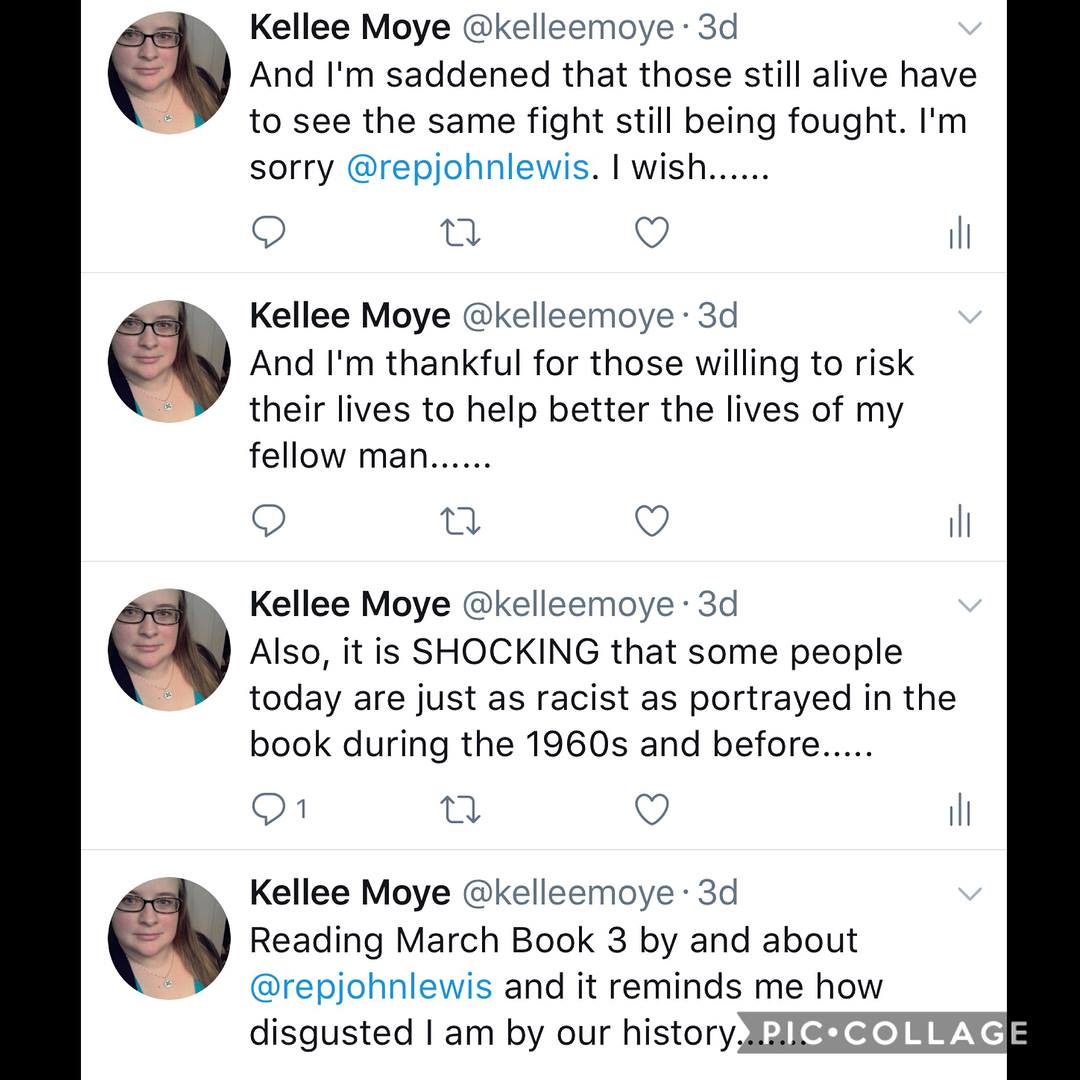
John Lewis’s story included many aspects of the Civil Rights movement I did know about; however, it gives insight into these events that no one else could give us as Lewis is the last of the March on Washington speakers to be with us. It also addresses aspects of the movement that are not taught in history books because it is ugly. Our history is ugly, but that is exactly why it needs to be talked about. There were times when reading where I had to put the book down (especially in Book Three) because this truth was harder to read than just any fiction I’ve encountered. These were my tweets as I was reading (read bottom to top):
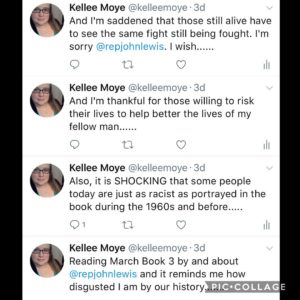
But it is because of the shocking nature of our history that we must speak and read and learn about it. We are supposed to keep moving forward, and the only way to make sure we know which way that is, is to learn about what was in the past. John Lewis, with the help of his co-writer Andrew Aydin and the illustrator Nate Powell, have given us a gift with these books. A gift of a look into the past through the eyes of an insider.

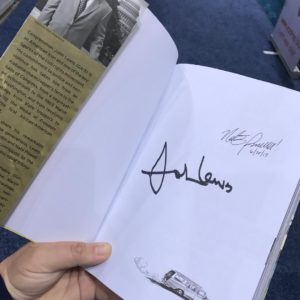
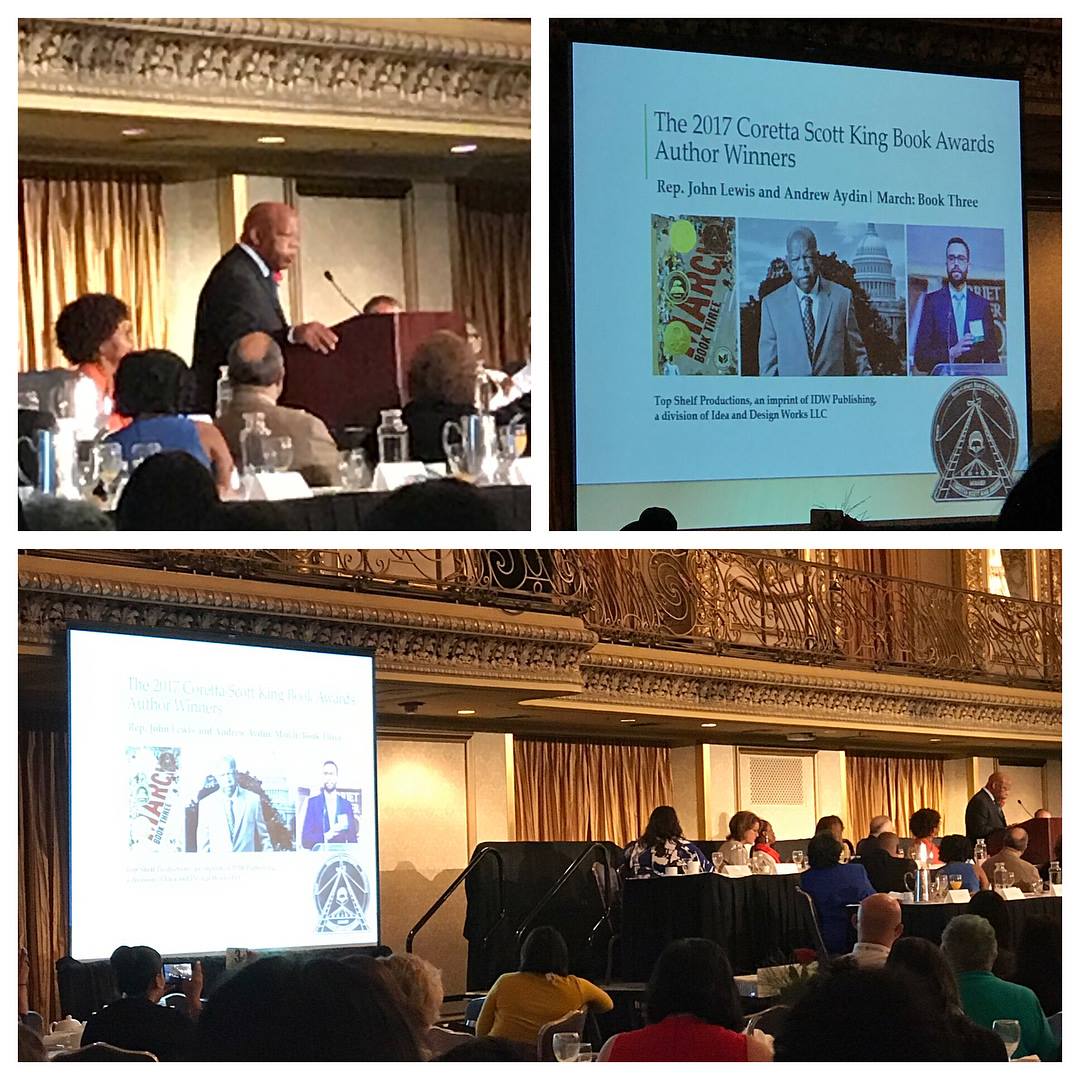
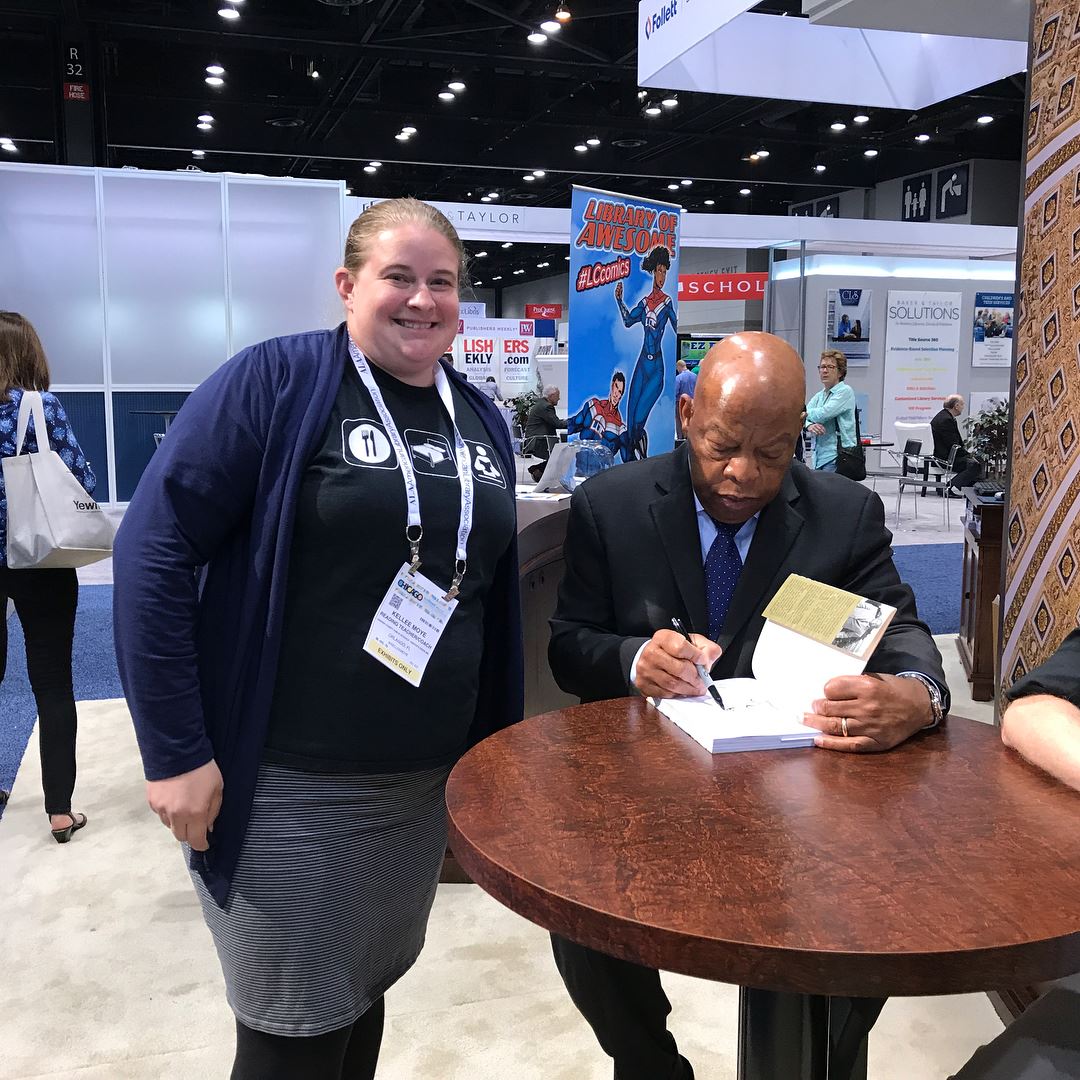
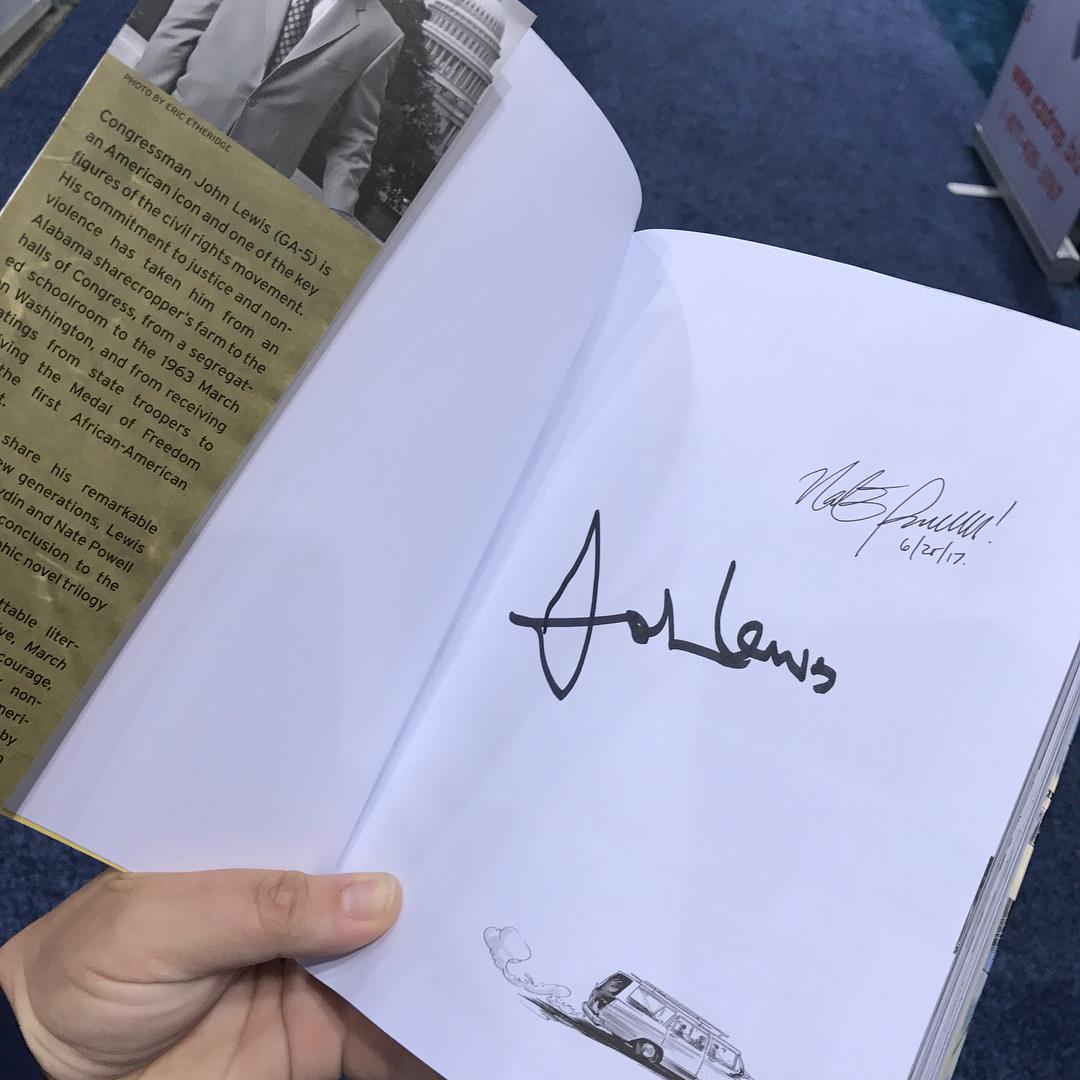
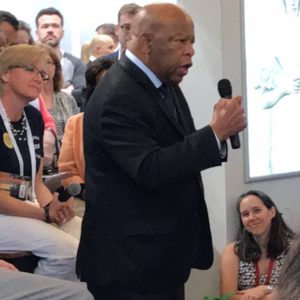
I’d also like to share how amazing it was to see John Lewis at ALA Annual in Chicago! I had the honor of hearing him speak twice: once at the Coretta Scott King Award breakfast and once in the Library of Congress pavilion. I also got to shake his hand (though the picture didn’t come out–boo!), thank him, and get my book signed by him and Nate Powell. I am still in awe of the experience!

Teachers’ Tools for Navigation: PLEASE put these in classrooms! U.S. History teachers, use these as your resource for teaching about Civil Rights. ELA teachers, use these as a nonfiction text in any unit. Anyone with a library for young adults, please put them in your collection. Everyone, read these with a young adult or get them to a young adult. Learning about John Lewis’s truth is how we keep history from repeating itself.

Discussion Questions: 

March Book One Teaching Guide

March Book Two Teaching Guide

March Book Three Example Lesson Plan

Flagged Passages: 

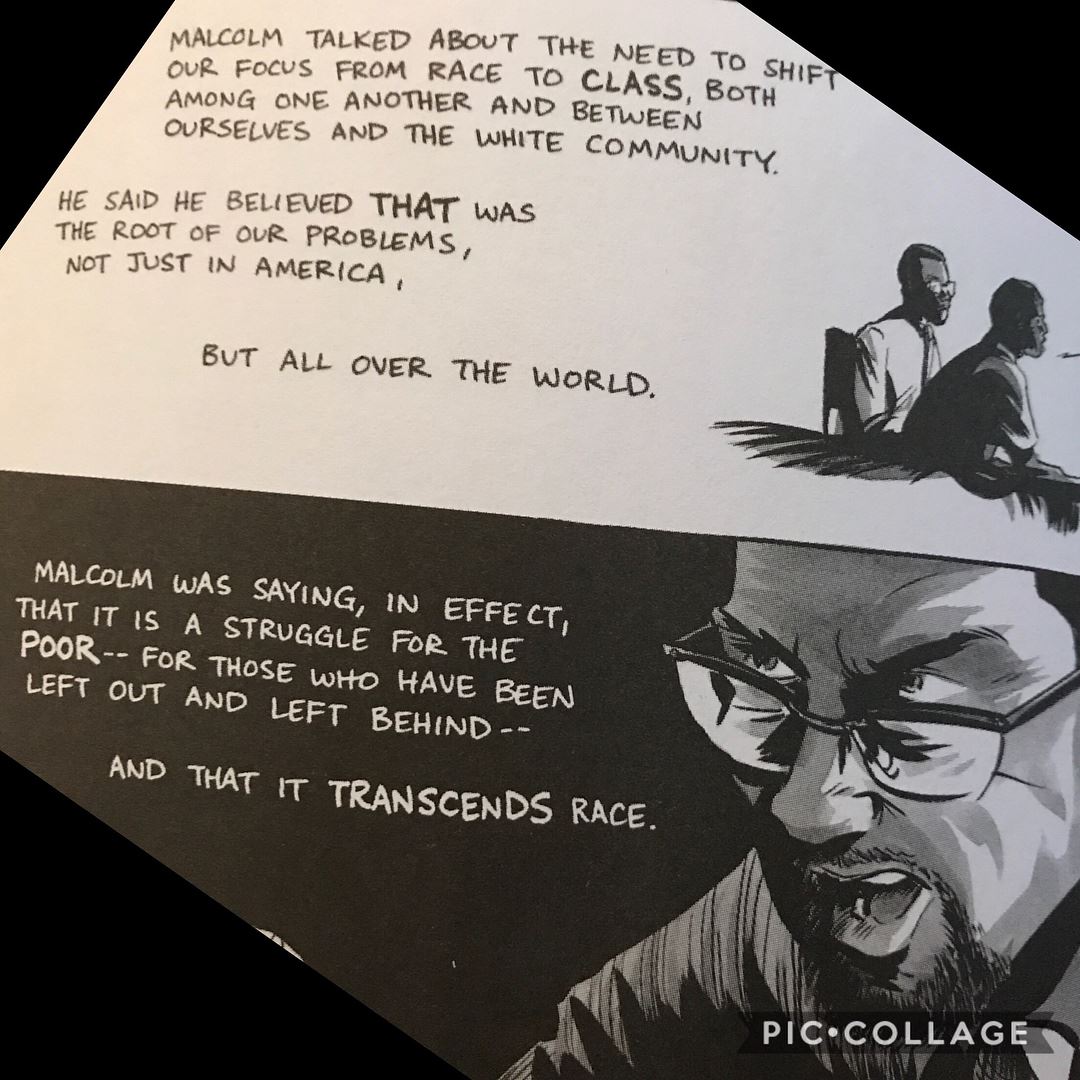
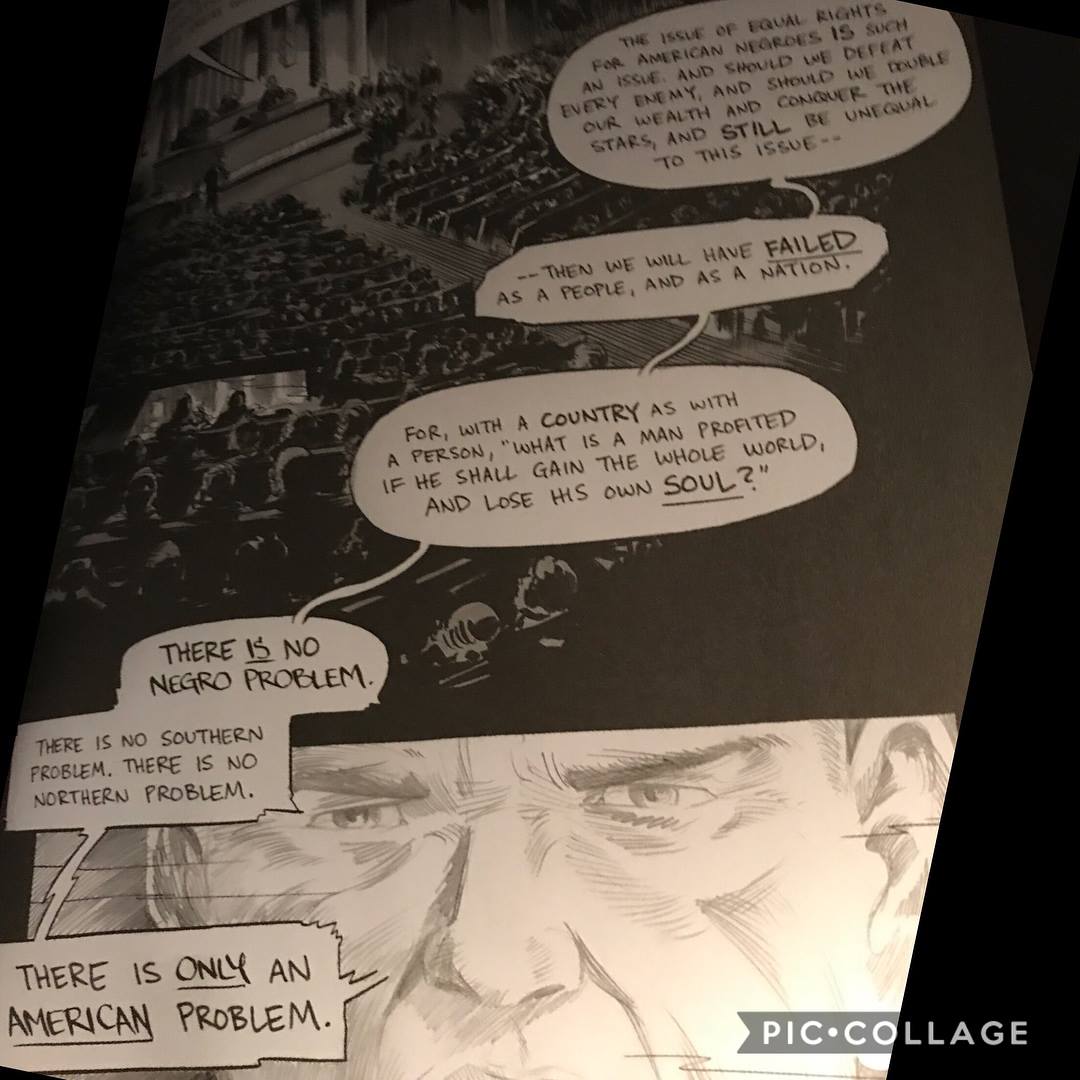
Here are three passages I took photos of because it shocked me how relevant they are to our society today. They may not be the best representation of John Lewis’s narrative; however, they do show the beautiful format and artwork as well as touch on some of the events in Book Three.
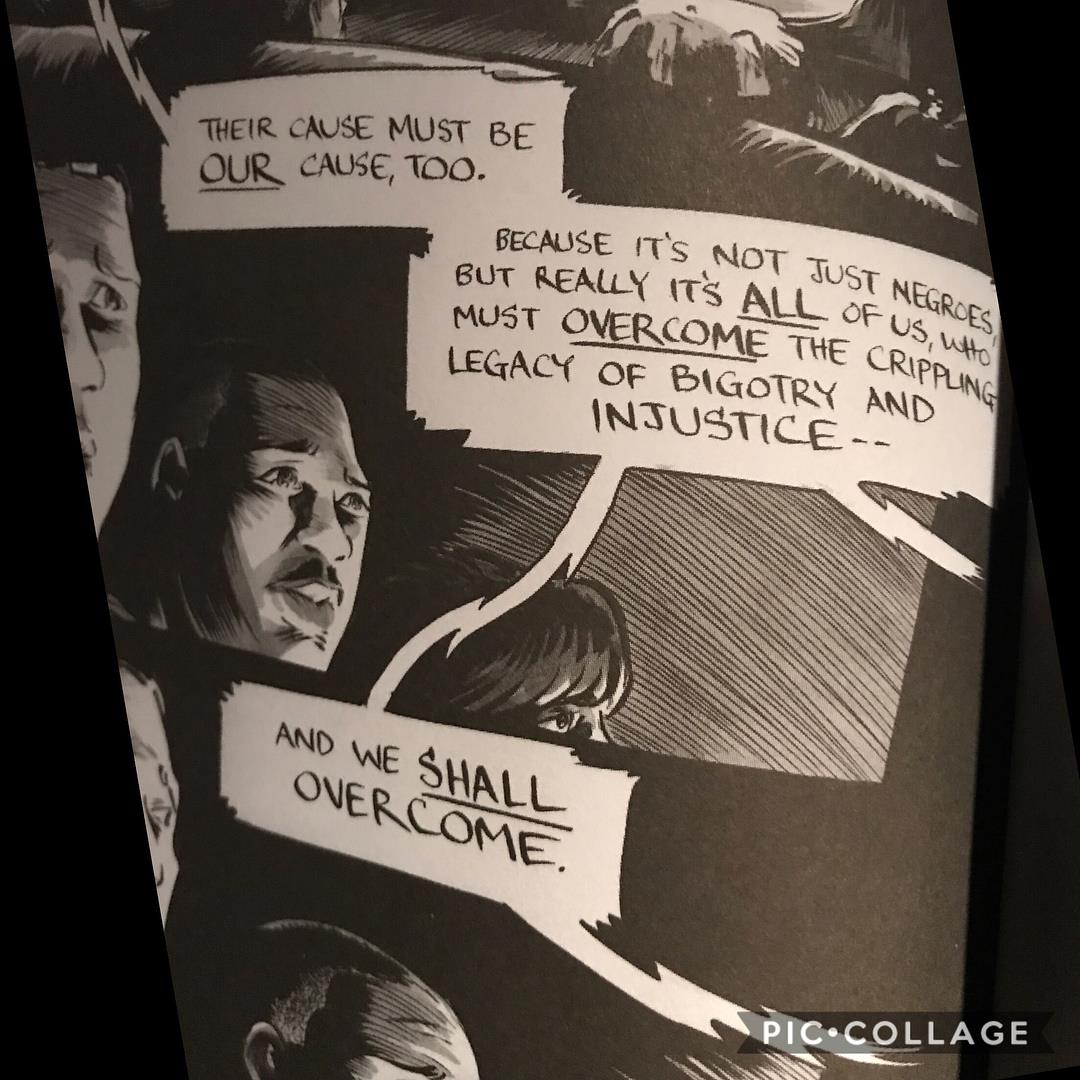
Read This If You Love: Just read these. I promise.

Recommended For: 
classroomlibrarybuttonsmall closereadinganalysisbuttonsmall 

Signature

Top Checked Out Books by Kellee’s Middle School Readers 2016-2017

Share

Yearly, starting with 2012-2013 (and excluding 2013-2014), I have shared the most popular books in my classroom library:
2012-2013
2014-2015
2015-2016

From 2011-2013, I taught an intensive reading class with students who had not been successful on the state reading test; however, since 2014, I switched to teaching advanced reading, an elective that students choose to be in (and I still get to work with my striving readers through being reading coach–a win/win!). In the past, I shared the top books from all students who checked out from my classroom library which included my class as well as students from the three intensive reading teachers; however, I really wanted to see what the top books my students checked out this year, so I pulled a report showing just that. I currently have 3,428 titles in my classroom library, and 623 of them were checked out this year. Today, I am happy to share with you…

The most checked out books of 2016-2017 from my 6th-8th grade classroom library
**My Mock Newbery/Lunch Book Club did not check out through the same system. To see what they read, check out their posts:
Mock Newbery | Lunch Book Club**
**My students also didn’t check out from my library for their  in-class book clubs at the end of the year. They books they chose to read were:
The Maze Runner, Save Me a Seat, Stormbreaker, Point Blank, Locomotion, Trino’s Choice, Dark Life, Wolf Hollow, Jeremy Fink an the Meaning of Life, Kimchi & Calamari, City of Ember, Ms. Bixby’s Last Day, Charmed Children of Rookskill Castle, Touching Spirit Bear, and Wig in the Window**

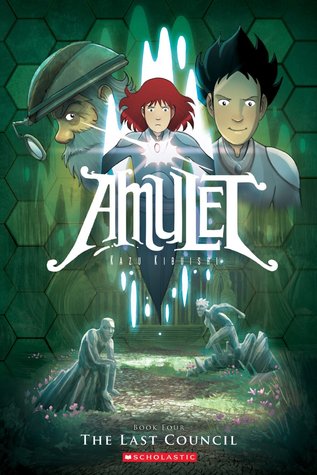
15. The Last Council by Kazu Kibuishi

14. nine, ten by Nora Raleigh Baskins

13. The Tapper Twins go to War by Geoff Rodkey

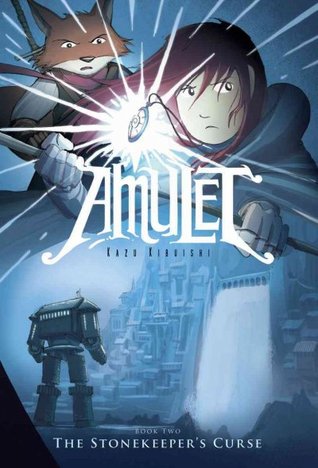
12. The Stonekeeper’s Curse by Kazu Kibuishi

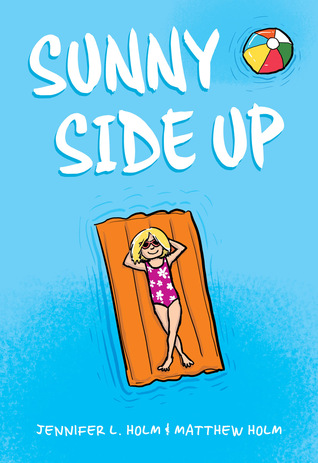
11. Sunny Side Up by Jennifer Holm

10. Old School by Jeff Kinney

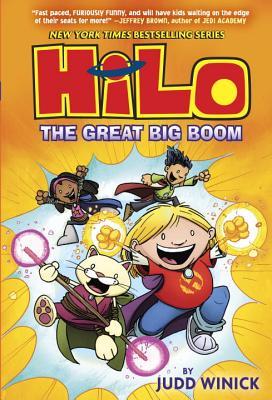
9. HiLo: The Great Big Boom by Judd Winick

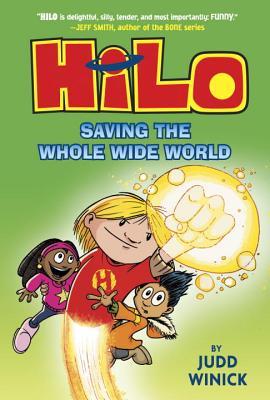
8. HiLo: Saving the Whole Wide World by Judd Winick

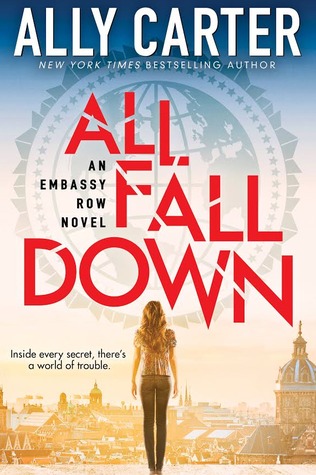
7. All Fall Down by Ally Carter

6. The Stonekeeper by Kazu Kibuishi

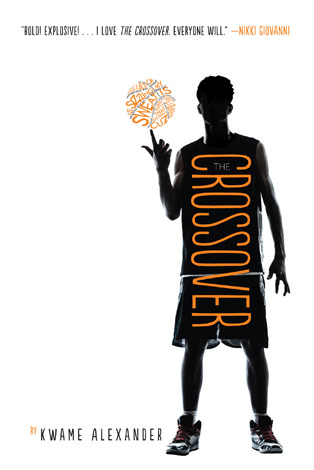
5. The Crossover by Kwame Alexander

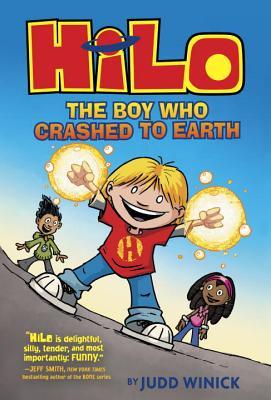
4. HiLo: The Boy Who Crashed to Earth by Judd Winick

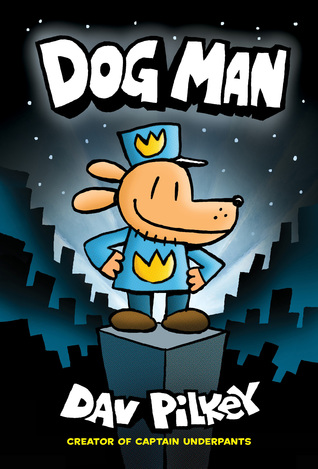
3. Dog Man by Dav Pilkey

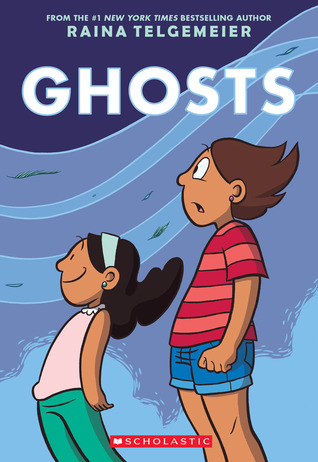
2. Ghosts by Raina Telgemeier

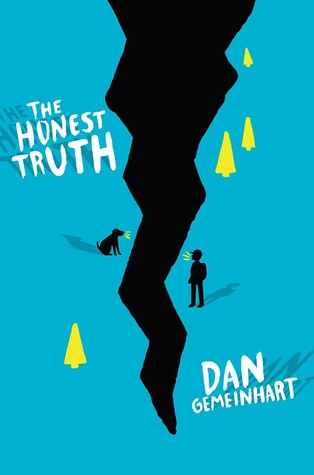
1. The Honest Truth by Dan Gemeinhart

I’d also like to share the #16-27 titles because they were all tied!

16-27.
Escape from Lucien by Kazu Kibuishi

Double Down by Jeff Kinney
Dream Jumper: Nightmare Escape by Greg Gunberg
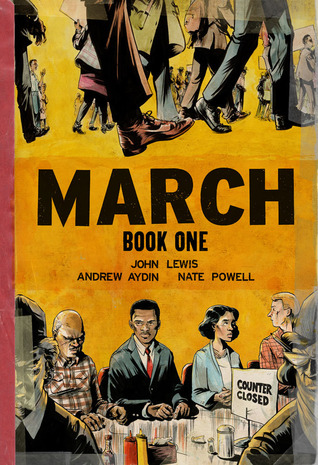
Prince of Elves by Kazu Kibuishi
Teen Boat!: The Race for Boatlantis by Dave Roman
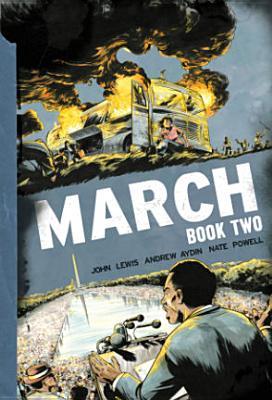
The Wig in the Window by Kristen Kittscher
The Worst Class Trip Ever by Dave Barry
Bot Wars by J.V. Kade
Legend by Marie Lu
See How They Run by Ally Carter
Wonder by R.J. Palacios
Harry Potter and the Sorcerer’s Stone by J.K. Rowling

What an interesting mix this year! I always love pulling the stats because even though I do status of the class consistently, I can never guess all of the top checked out books. I knew the Amulet series, HiLo series, Dog Man, and The Honest Truth would be on here though–they were passed around! Numbers 13, 7, 5, and 1 were also on our state list (SSYRA), so it was not a surprise to see them.

I also love seeing graphic novels on the list. Graphic novels are very popular with ALL of my readers. I think it is a myth that only nonreaders or struggling readers read them. So many of my students adore reading them (as do I!). I think there are many reasons why graphic novels are favorites: helps students visualize, fun to read as many of these students have only found reading to be a horrible chore, and colorful! Graphic novels are something I truly believe will help students love reading more and become better readers, and if you look at how much these students are reading and increasing in their reading ability, I think they back me up. (To see more research about the importance of graphic novels, check out my graphic novel teaching guide with Abrams.)
What books/series do you find to be most popular with your middle school readers?
Have you found success with the books I listed above?
Have you read any of the books I’ve listed? Did you enjoy them?

I hope this list of books helps point you in the direction of some texts that your readers will truly love!

Signature