Blog Tour, Author Guest Post, Giveaway, and Review!: Maybe a Fox by Kathi Appelt and Alison McGhee

Share

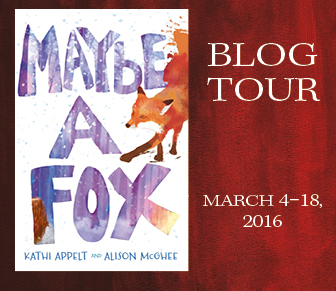
maybe a fox

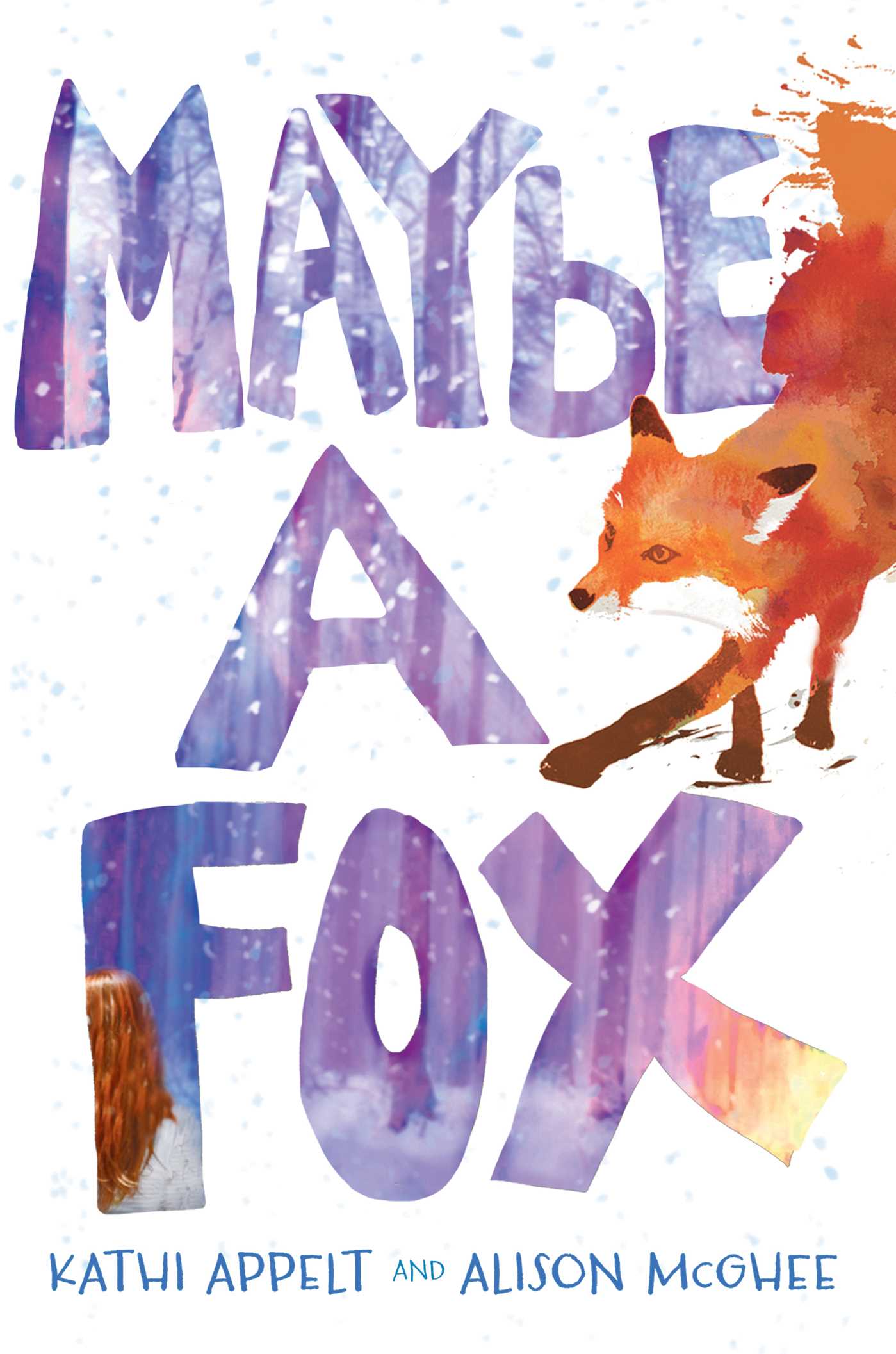
Maybe a Fox
Author: Kathi Appelt and Alison McGhee
Published: March 8, 2016 by Atheneum/Caitlyn Dlouhy Books

Goodreads Summary: A tale about two sisters, a fox cub, and what happens when one of the sisters disappears forever.

Sylvie and Jules, Jules and Sylvie. Better than just sisters, better than best friends, they’d be identical twins if only they’d been born in the same year. And if only Sylvie wasn’t such a fast—faster than fast—runner. But Sylvie is too fast, and when she runs to the river they’re not supposed to go anywhere near to throw a wish rock just before the school bus comes on a snowy morning, she runs so fast that no one sees what happens…and no one ever sees her again. Jules is devastated, but she refuses to believe what all the others believe, that—like their mother—her sister is gone forever.

At the very same time, in the shadow world, a shadow fox is born—half of the spirit world, half of the animal world. She too is fast—faster than fast—and she senses danger. She’s too young to know exactly what she senses, but she knows something is very wrong. And when Jules believes one last wish rock for Sylvie needs to be thrown into the river, the human and shadow worlds collide.

Writing in alternate voices—one Jules’s, the other the fox’s—Kathi Appelt and Alison McGhee tell the tale of one small family’s moment of heartbreak.

Ricki’s Review: I read this entire book in one sitting because, quite simply, I could not put it down. I sobbed through the entire book because I connected so strongly with these characters. As a mom, I couldn’t imagine my son experiencing the pain that these sisters felt from the loss of their mother. As a sister, I can’t imagine my own sister disappearing. These two connections, along with the stunning portrayal of character and story, made this book feel deeply personal for me. While younger students won’t be moms, and thus, won’t have this personal connection I had with the text, they will be sons and daughters. Regardless of a reader’s point of view, they will connect with this book because it is written so beautifully. I won’t forget this book, and I don’t think other readers will forget it, either.

Kellee’s Review: This book is one I’ll be talking about for a while. I will say it is probably the saddest book that I’ve ever read; however, it is beautiful. It is very hard to explain unless you’ve experienced because it gives hope while also being so terribly sad. The characters, animal and humans, are so thought out and detailed that as you read you feel with them and for them. I was also in awe of the way Kathi and Alison were able to tell such a unique story without the reader ever feeling like it was an odd scenario. Whenever I try to describe this book to someone, they give me quite a weird look, so I just stop trying and tell them they should read it because it is a heart print book. There is no other way to describe it. Like Ricki said, every reader will feel for someone in the book. And every reader won’t be able to deny how beautifully written the prose is. 

Teachers’ Tools for Navigation: As you will read in Kathi and Alison’s guest post below, point-of-view makes this story quite powerful. Teachers might ask students to consider the varying perspectives of this story and how they work together to form a cohesive whole. The teacher might provide other examples of texts that feature different points-of-view to compare and contrast authors’ styles. Students might then try their hand at writing in various, connected points-of-view and subsequently analyze how this enhances a narrative.

Discussion Questions: How do the authors unfold the plot in the narrative?; What predictions did you make while reading this story? How might the story have turned out quite differently?; How does Senna’s point-of-view enhance the story for you?; Were there any allusions within the text?; What theme do you take away from Maybe a Fox?

We Flagged: “The baby girl fox, Senna, came into the world in darkness, thirty feet below ground in the end dug out of cool brown earth. She was the middle child, born between her older and younger brothers, the three of them separated by minutes.

The first thing she knew was the feel of her mother’s tongue. Shhh shhh shhh, cleaning her off, licking her into life and warmth and love and safety.

The second thing she knew was the feel and smell of her brothers’ bodies pressed against hers as their mother nursed them, their front paws kneading her belly.

The third thing she knew was that there was someone waiting for her, someone she needed to find.” (p. 75-76)

Read This if You Loved: The House of Purple Cedar by Tim TinglePax by Sara PennyPacker, Counting Crows by Kathi Appelt

Recommended For: 
litcirclesbuttonsmall closereadinganalysisbuttonsmall readaloudbuttonsmall classroomlibrarybuttonsmall

Giveaway!
A Guest Post from Kathi and Alison about Point-of-View

Finding the best possible point of view for a story is one of the most important choices that a writer can make. The point of view, more than any other aspect of literature, dictates the distance created between the character and the reader. When we embarked upon this story, Alison chose to write from the fox’s story and she decided early on that she wanted to write from an omniscient point of view. This allowed her to place Senna deeply within the pocket of her fox family, and to give our readers an intimate sense of their world. It gave her a way to present the fox-world via the senses of all five members of their family, and put the readers squarely inside of the natural landscape.

When we were first drafting, Kathi chose to write Jules from a first person point of view. However, it didn’t take long before she realized that the first person was too limiting. Yes, first person is quite intimate and there are good reasons to use it, but in this case it felt as though it created too many blind spots. Jules needed a bigger canvas and so Kathi switched to third person. That allowed her to broaden the scope of Jules’ experience, and to let Jules, as well as the omniscient narrator, experience the events as they unfolded.

We always knew that Sam’s point of view would be from the third person too, and he stepped into the story in a way that let the reader get a more objective perspective. We also hoped to show that even though Sylvie’s death primarily impacted Jules and her dad, her loss was felt strongly by the entire community. As well, Sam’s earnest desire for the return of the catamount helped to create a sense of possibility that the other characters couldn’t, simply because of their closeness to Sylvie.

The landscape also gave us a perspective. The woods and rocks, and of course the Slip itself with its local legends, provided not only a backdrop, but its own wild voice, a voice that spoke to each of our characters—fox, Jules, Sam, Elk, Sylvie, Zeke, Dad, and the catamount—in a way that only a wild place can speak.

All this to say that the multiple points of view hopefully helped to create stories within stories that, when woven together, made a single story that was enriched by the viewpoints of each character.

Kathi and Alison.

About the Authors:
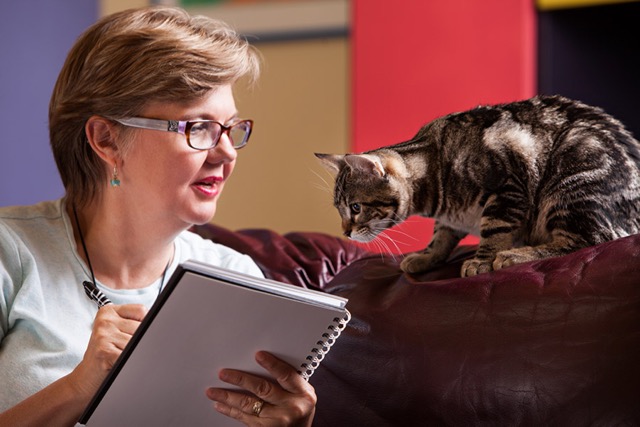
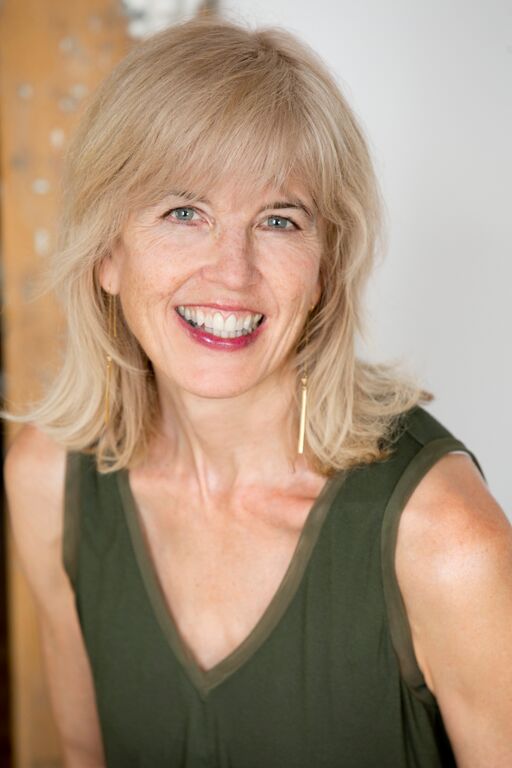
Kathi Appelt photo 2015_credit Igor Kraguljak

Kathi Appelt is the New York Times best-selling author of more than forty books for children and young adults. Her picture books include Oh My Baby, Little One, illustrated by Jane Dyer, and the Bubba and Beau series, illustrated by Arthur Howard. Her novels for older readers include two National Book Award finalists: The True Blue Scouts of Sugar Man Swamp and The Underneath, which was also a Newbery Honor Book. In addition to writing, Ms. Appelt is on the faculty in the Masters of Creative Writing for Children and Young Adults at Vermont College of Fine Arts. She lives in College Station, Texas. To learn  more, visit Kathi’s website at kathiappelt.com.
Alison McGhee photo 2015 credit Dani Werner
Alison McGhee is the New York Times bestselling author of Someday, as well as Firefly Hollow, Little Boy, So Many Days, Bye-Bye Crib, Always, A Very Brave Witch, and the Bink and Gollie books. Her other children’s books include All Rivers Flow to the Sea, Countdown to Kindergarten, and Snap. Alison is also the author of the Pulitzer Prize–nominated adult novel Shadowbaby, which was also a Today show book club selection. She lives in Minneapolis, Minnesota, and you can visit her at AlisonMcGhee.com.

MaybeAFox_banner

Follow the blog and book tour!

See Another Guest Post by Kathi Appelt Here!

RickiSigandSignature

**Thank you to Barbara at Blue Slip Media for providing copies for review and the giveaway. Also, thank you to Kathi and Alison for the wonderfully insightful guest post!**
National Geographic Kids: Farm Animals & Rascally Rabbits!

Share

NFPB2016

Nonfiction Wednesday

Nonfiction Picture Book Wednesday is hosted by Kid Lit Frenzy and was started to help promote the reading of nonfiction texts. Most Wednesdays, we will be participating and will review a nonfiction text (though it may not always be a picture book).
Be sure to visit Kid Lit Frenzy and see what other nonfiction books are shared this week!

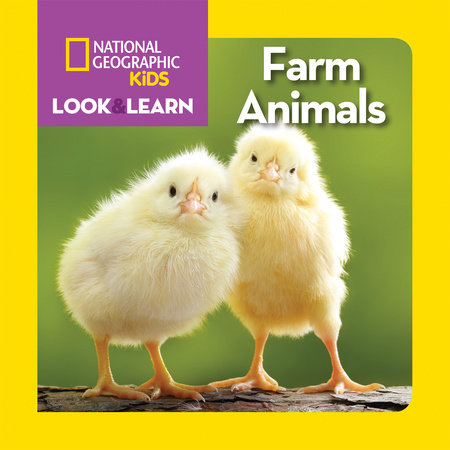
farm animals

Farm Animals
Author: Catherine D. Hughes
Photographs from National Geographic
Published February 9th, 2016 by National Geographic Children’s Books

Goodreads Summary: Young readers will meet their favorite farm animals and learn more about them through simple, age-appropriate language in this colorful board book.

rascally

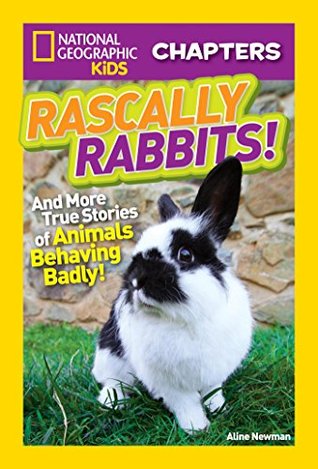
Rascally Rabbits! And More True Stories of Animals Behaving Badly!
Author: Aline Alexander Newman
Photographs from National Geographic
Published February 9th, 2016 by National Geographic Children’s Books

Goodreads Summary: These bunnies may look adorable, but there’s more than meets the eye! In Rascally Rabbits, meet some rabbits that cause nothing but trouble, a rescue pup who will eat ANYTHING, and a sneaky bear with a taste for treats. Readers won’t stop laughing as they read these hilarious–and completely true!–stories. Filled with engaging photos, fast facts, and fascinating sidebars, readers won’t want to put this book down.


Kellee’s Review: What I like so much about National Geographic Kids books are that they really do take nonfiction to the next level. First, they have nonfiction for all ages. The Look & Learn series are for kids ages 1-4 then move to their Readers Series which is an early reader then to Chapters that is primary level. Each level adds more text but continue to include interesting facts and photographs. Once you get up to Chapters, the text even includes sidebars, an index, and a bibliography. 

Farm Animals was a favorite with Trent immediately. One of his stations at school is all about animals and they spend their time there talking about the different animals, what color they are, and what sound they made, so Trent loved telling me all of the animals’ names and the sound they make. I loved that there were animals facts and sidebars in addition to just the animal photographs and sounds.

Rascally Rabbits! is a perfect first chapter book because it is quite funny (these animals do some crazy things), it is educational because it teaches about the animals as well, and it splits up the stories into nice sections.

Ricki’s Review: I completely agree with Kellee. I much prefer narrative nonfiction, so I always hesitate to pick up informational nonfiction. The National Geographic books remind me just how wrong my assumptions are. I am not crazy about leveling, particularly with nonfiction, but I think that some parents really like it. And I think the leveling in these books is far more accurate than in fiction texts. 

I knew Henry would love Farm Animals the second we got it in the mail. Like most kids, he loves animals. He immediately began singing “Old McDonald” as we started reading the book, and he was bouncing up and down as we went through each of the brightly colored pictures.

Rascally Rabbits! is a bit challenging for him, but he loved the pictures. I opted to read selected text to him aloud, and I read the entire book on my own. Kids who are interested in rabbits will absolutely adore these books. I still remember reading dozens of books about poodles when I was younger. Because I was so interested in the content, I didn’t realize how much I was learning! The book is organized very well, and they did a really nice job with this one.

Teachers’ Tools for Navigation: National Geographic Kids’ books should be a go to for a teacher’s informational nonfiction section. Students will love reading and learning from these texts. Farm Animals and other Look & Learn books are perfect for read alouds and helping young children learn about different parts of our world. Rascally Rabbits! and other chapter books can be used for read aloud, independent reading, or even within a lit circle/jigsaw. For example, with Rascally Rabbits! each group could read about each of the different animals who made a mistake then go group with one person from each of the other groups to share what they read.

Discussion Questions: (Farm Animals) What product do each of these animals give to us?; What other farm animals do you know? What sounds do they make?; (Rascally Rabbits!) What are some things that Babbity does to make Flopsy’s life tough?; What makes bears get near humans?; Why was Neil afraid something bad might happen with Moose? Did something bad happen? Was it Neil’s fault?

We Flagged: “Moo! Cows eat grass. A group of cows is called a herd. People drink milk that comes from cows. Guess What? One cow can give enough milk in a day to fill 400 glasses.” (Farm Animals)

“Did You Know? The best way to pet a rabbit is to gently scratch its forehead and between its eyes.” (Rascally Rabbits!, p. 9)

“A young black dog ran without purpose along a forest road in Lewis County, New York, U.S.A. Rain was pouring down and freezing on the ground. Tiny icicle hung from the dog’s ears and chin. He had a wild-eyed look on his face.” (Rascally Rabbits!, p. 71)

Read This If You Loved: Nonfiction animals books

Recommended For: 

classroomlibrarybuttonsmall readaloudbuttonsmall litcirclesbuttonsmall

Signatureand RickiSig

**Thank you Karen from Media Masters Publicity for providing copies for review!**

Normal Norman Written by Tara Lazar, Illustrated by S.britt

Share

normal norman

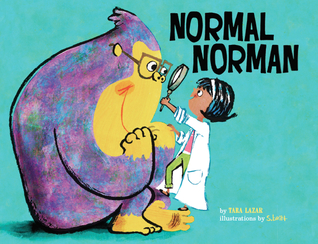
Normal Norman
Author: Tara Lazar; Illustrator: S. britt
Published March 1, 2016 by Sterling Children’s Books

GoodReads Summary: What is “normal?” That’s the question an eager young scientist, narrating her very first book, hopes to answer. Unfortunately, her exceedingly “normal” subject—an orangutan named Norman—turns out to be exceptionally strange. He speaks English, sleeps in a bed, loves his stuffed toy, goes bananas over pizza, and even deep-sea dives! Oh, no: what’s a “normal” scientist to do?

Ricki’s Review: Norman is one of those great literary characters that will stick with readers for a long time. The book is quite humorous, and my son was giggling as we read it together. Norman is anything but normal, yet the young scientist makes strong efforts to prove that he is normal. She becomes very frustrated, and then Norman teaches her an important lesson. I enjoyed this book because it was a fresh take on the idea of: What does it mean to be normal? I also enjoyed the layout of each page. The quote bubbles from the characters added another layer to the text that would be great to discuss in the classroom with a close reading. This will be a favorite in classrooms, and I recommend it highly.

Kellee’s Review: I love everything that this book stands for. It shows that normal is whatever you make it, that everyone should be accepted for what they are, and normal isn’t always what it seems. Norman helps mold the young scientist’s mind which will hopefully lead readers to also rethink what they think normal is. I am definitely going to use this book as one of our “precepts” in the future because I really think it’ll make students think. 

Teachers’ Tools for Navigation: Teachers might consider using this text to teach broad conceptions of normalcy. Often, young students conceive of normalcy as anything similar to them. A teacher might introduce different groups, customs, and cultures to allow students to understand that normal is a socially constructed concept, and people can be different yet still normal. Or perhaps, students might determine that there is no such thing as being “normal.”

Discussion Questions: What does it mean to be normal? Is anyone normal? How might we conceive of normalcy more broadly?; What lessons does the scientist learn? How does she learn them?

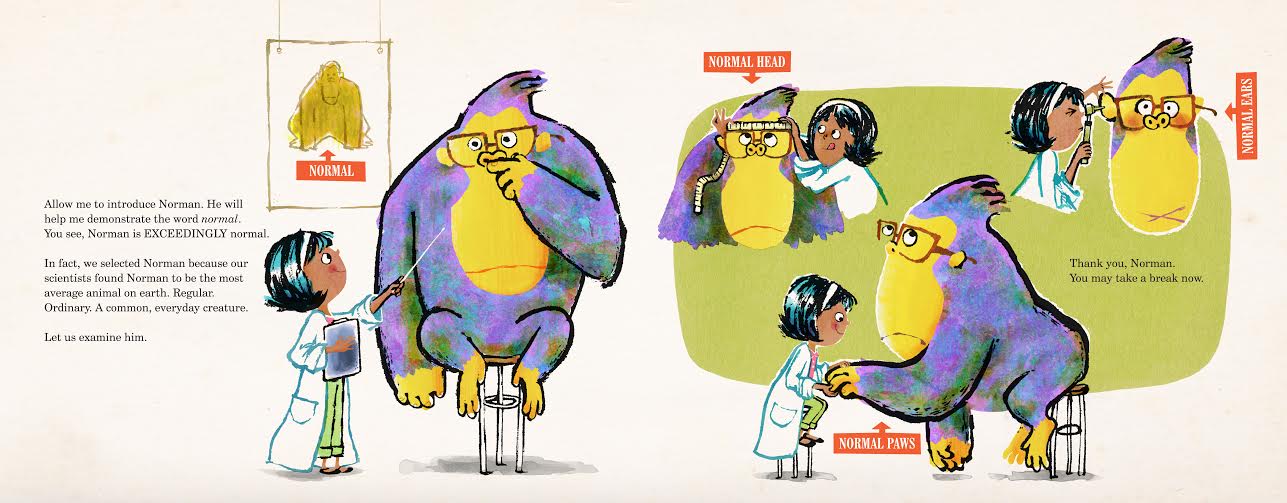
We Flagged: “Allow me to introduce Norman. He will help me demonstrate the word normal. You see, Norman is EXCEEDINGLY normal.” 

normal norman spread

Reprinted with permission from Normal Norman © 2016 by Tara Lazar, Sterling Children’s Books, an imprint of Sterling Publishing Co., Inc. Illustrations © 2016 by Stephan Britt.

Read This If You Loved: You Are (Not) Small by Anna KangGiraffes Can’t Dance by Giles Andreae, Unicorn Thinks He’s Pretty Great by Bob SheaThe Magic of Maxwell and His Tail by Maureen Stolar Kanefield

Recommended For: 

closereadinganalysisbuttonsmall readaloudbuttonsmall classroomlibrarybuttonsmall

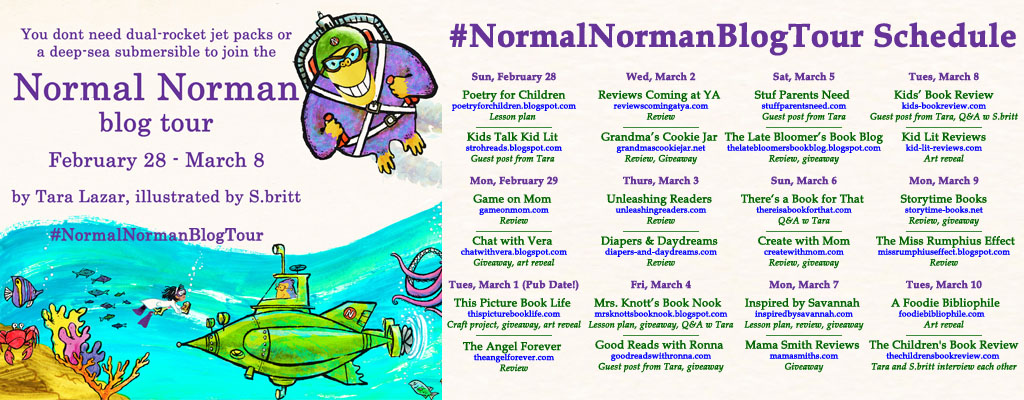
Check Out Normal Norman at the other stops on the tour!:

NN Tour Schedule - Sized for Twitter (1)

RickiSigandKellee Signature

**Thank you to Josh from Sterling books for providing copies for review!!**

The House of Purple Cedar by Tim Tingle

Share

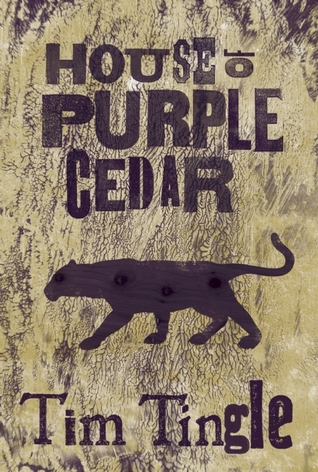
house of purple cedar

House of Purple Cedar
Author: Tim Tingle
Published: February 18, 2014 by Cinco Puntos Press

GoodReads Summary: “The hour has come to speak of troubled times. It is time we spoke of Skullyville.”

Thus begins Rose Goode’s story of her growing up in Indian Territory in pre-statehood Oklahoma. Skullyville, a once-thriving Choctaw community, was destroyed by land-grabbers, culminating in the arson on New Year’s Eve, 1896, of New Hope Academy for Girls. Twenty Choctaw girls died, but Rose escaped. She is blessed by the presence of her grandmother Pokoni and her grandfather Amafo, both respected elders who understand the old ways. Soon after the fire, the white sheriff beats Amafo in front of the town’s people, humiliating him. Instead of asking the Choctaw community to avenge the beating, her grandfather decides to follow the path of forgiveness. And so unwinds this tale of mystery, Indian-style magical realism, and deep wisdom. It’s a world where backwoods spiritualism and Bible-thumping Christianity mix with bad guys; a one-legged woman shop-keeper, her oaf of a husband, herbal potions, and shape-shifting panthers rendering justice. Tim Tingle—a scholar of his nation’s language, culture, and spirituality—tells Rose’s story of good and evil with understanding and even laugh-out-loud Choctaw humor.

My Review: It took Tingle fifteen years (and many experiences with a Choctaw storyteller) to write this story, and the thoughtfulness of the story makes this feel very true. While this book is marketed for adults, it most certainly has a young adult crossover audience. I was swept away by the lyrical beauty of the words. The book is quite magical. As I think back on the book, vivid scenes replay in my head. I had difficulty putting the book down because the characters were so real. I was wrapped in all of the subplots and did not want to leave the characters. It reminded me much of a John Steinbeck book—East of Eden, in particular. The evilness of Hardwicke in this book reminded me much of Cathy in East of Eden. When I came to the end of The House of Purple Cedar, I felt as if I’d read an epic—or something enormously important. The themes are left to the reader, they are varied, and they pour from the text. This complex story will remain with me for a long time.

Teachers’ Tools for Navigation: Most obviously, teachers could teach this book along with cultural stories from the Choctaw. They might look at reincarnation and its evolution in history and culture, too. Alternatively, teachers could ask students to examine age. What role does age play in this story, and how does it impact character? Teachers might have students read more about the Indian Boarding Schools and their impact on the Native American community.

Discussion Questions: What does Amafo teach us? Would you do the same in his position? How do his lessons impact the rest of the story?; How does Tingle vividly depict characters in ways that make this story come alive? What makes these characters feel so real?; What is Maggie’s purpose in the story? What does she teach us?; What role does family play in this text?

We Flagged: I am choosing a quote that shows just how beautiful Tingle’s language is: “His hand gripped her shoulder and strong fingers seized her upper arm. He flung her on her back and a hot river of strength surged through her. He was massive and his figure blocked the sky.”

Read This If You Loved: Books by Sherman Alexie, House Made of Dawn by M. Scott Momaday, Books by Louise Erdrich, East of Eden by John Steinbeck,

Recommended For:

 closereadinganalysisbuttonsmall litcirclesbuttonsmall classroomlibrarybuttonsmall

RickiSig

Dewey Bob by Judy Schachner

Share

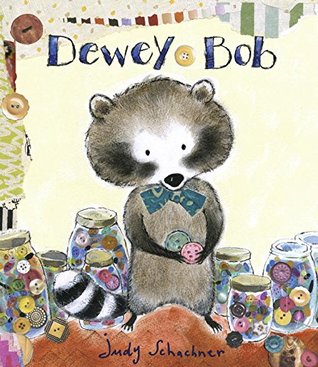
dewey bob

Dewey Bob
Author and Illustrator: Judy Schachner
Published September 8th, 2015 by Dial Books

Summary: Dewey Bob Crockett is a durn cute raccoon who lives by himself in a house filled to the brim with the wonderful objects he collects. Buttons, wheels, furniture and bricabrac adorn his cozy quarters and keep him busy as he finds and fixes, turning trash into treasures. But there’s something missing from Dewey’s collections—a friend! He tries gathering up some critters and bringing them home in his shopping cart, but that doesn’t work out so well. In the end, a friend does come Dewey’s way, and, with a little DIY help from this clever raccoon, returns again and again.

Combining art and heart with storytelling genius and a lilting twang, Judy Schachner’s tale of unexpected friendship will delight readers young and old.

Author Judy Schachner Introduces Dewey Bob: 

My Review: Dewey is a little different than the other raccoons, so he finds himself in a beautiful home with a lot of things but no friends or family. Although Dewey is a bit untraditional, he finds himself a friend who will warm your heart!

Judy Schachner has a way with story telling. She brings her character’s voice to life, this time with a little bit of twang and rhyming. By being able to hear the character’s voice, the book is more engaging because you connect with the character more. Additionally, her illustrations in Dewey Bob are brilliant. They are a mixture of her what I believe is pencil and watercolor illustrations with found object collage. It is perfect for Dewey’s story.

Teachers’ Tools for Navigation: Dewey Bob gives many opportunities for discussion while reading aloud. You can discuss the difference between Dewey and the other raccoons, how the book is structured, Dewey’s rhyming and accent, Dewey’s friend, and even the illustrations. Each page really has opportunities for you to talk to your students about what is happening. This book is going to be a favorite read aloud for many.

Discussion Questions: How is Dewey Bob different than the other raccoons?; How does the author choose what goes in speech bubbles and what was in her prose?; How does the collage illustration help with the experience of reading Dewey Bob?

We Flagged: “‘No pants for me! No pants for me! Cuz’ I’m gonna live in a big oak tree,’ he sang, looking straight up at his future home.

The place was empty as a hatched egg…and filthy, too! But a little dirt didn’t scare Dewey. ‘I’m a mean, clean, washin’ machine!” said the li’l raccoon as he scrubbed the place spotless. Then he took a long soak in the tub with some of his favorite buttons.”

Read This If You Loved: This is a Moose by Richard T. Morris, The Snatchabook by Helen Docherty, Odd Duck by Cecil Castellucci, Skippyjon Jones by Judy Schachner

Recommended For: 

readaloudbuttonsmall classroomlibrarybuttonsmall

Kellee Signature

**Thank you to Lauri at Dial Books for providing a copy for review!!**

A Carnival of Cats by Charles Ghigna

Share

carnival of cats

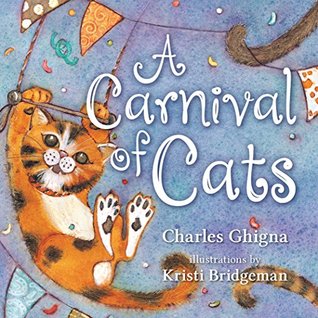
A Carnival of Cats
Author: Charles Ghigna
Illustrator: Kristi Bridgeman
Published September 1st, 2015 by Orca Book Publishers

Summary: There’s a purrrfect little carnival coming to town, filled with adorable cats of all different kinds! In this hint-and-reveal board book, babies, toddlers and cat-lovers alike will enjoy discovering (and guessing) what breed of cat is hiding on the next page. With playful rhyming text from award-winning author Charles Ghigna, aka Father Goose(R), and beautiful illustrations by celebrated artist Kristi Bridgeman, this exuberant board book will have everyone guessing what cat is that!

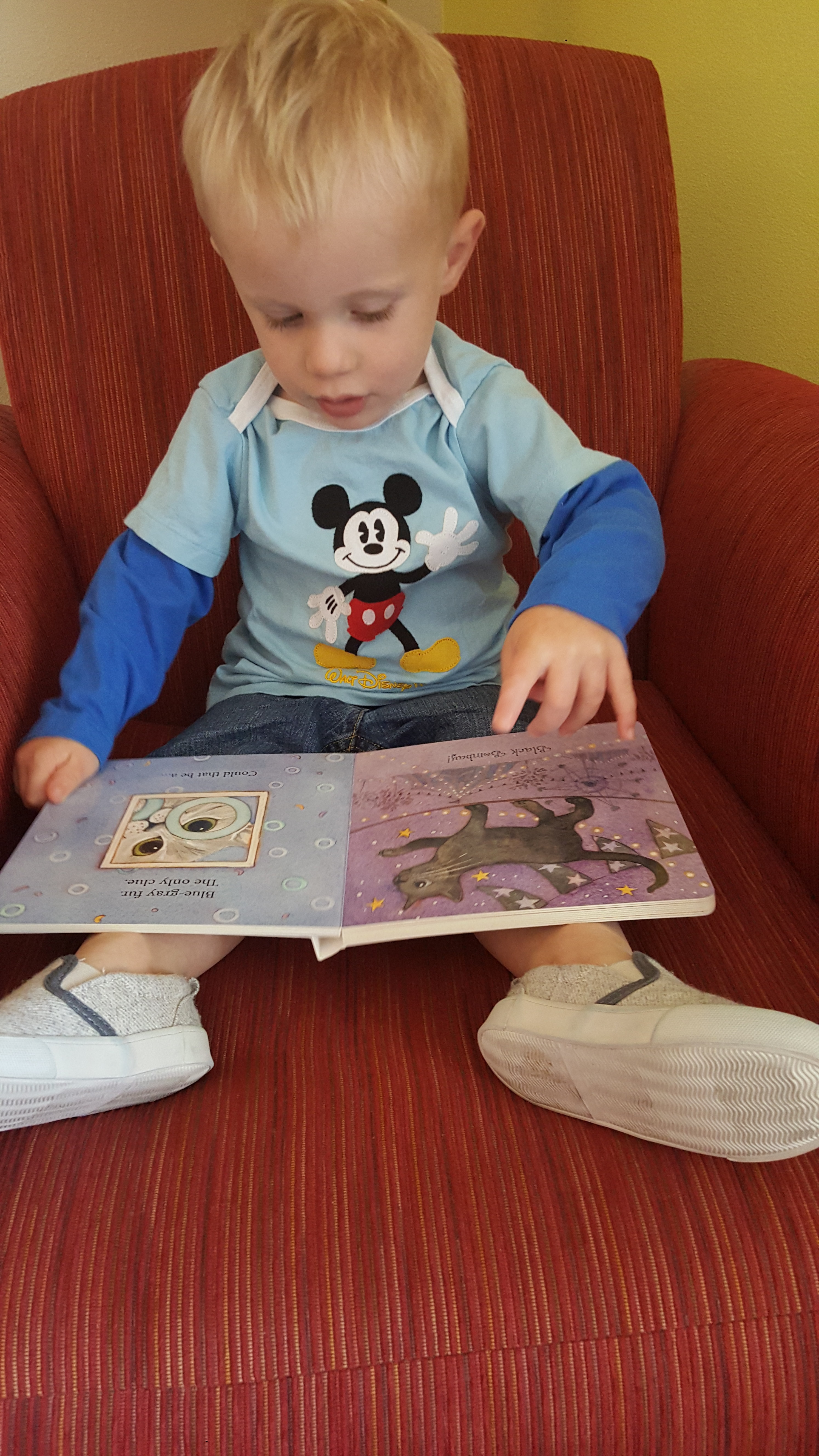
Kellee’s Review: Trent really loves animals, but he especially loves kitties since we have two of them, so when I heard about this book, I knew it would be one that Trent would really enjoy. And I was right!

20151127_101857

We had a great time looking at all the different types of cats, learning their names, and discussing the traits of each type of cat. Trent was also very enthusiastic about the balloons in the carnival. The book also rhymes, so there is a great rhythm while reading which adds to the musicality of being at a carnival of cats.

Ricki’s Review: Ever since we received this book, Henry has wanted to read it every night. My son is a cat guy. When I asked him which relative he wanted to come to his birthday party the most, he said, “Kitty.” You can only imagine his excitement when he received this book. Each page features different appearances, names, and behaviors of cats. I was surprised at how much I learned! We’ve been practicing the different types of cats, so he will be better able to identify his feline friends. I’d highly recommend this board book. It is quite fun to read, and every night, I look forward to reading it.

Teachers’ Tools for Navigation: This book will be a wonderful read aloud in an early childhood classroom. There are opportunities for comparing and contrasting, rhyming, and cross-curricular elements by talking about different breeds of cats.

Discussion Questions: What are the differences between the different types of cats? Which cat has _____/is _____?

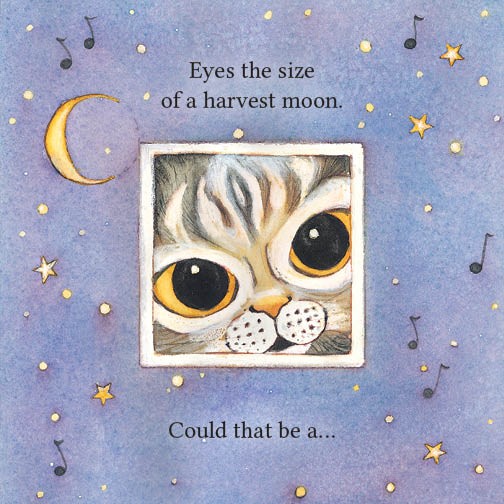
We Flagged: 

carnival of cats pic 1 carnival of cats pic 2

Read This If You Love: Cats

Recommended For: 

readaloudbuttonsmall

Kellee Signature andRickiSig

**Thank you to Katie at Orca for providing copies for review!!**

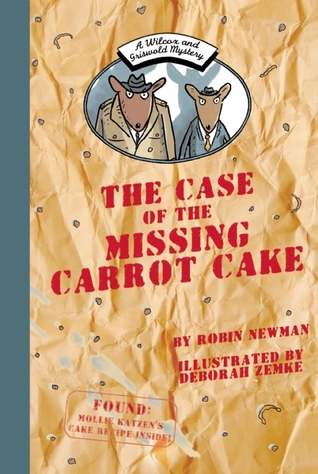
A Wilcox and Griswold Mystery: The Case of the Missing Carrot Cake by Robin Newman, Illustrated by Deborah Zemke

Share

case of the missing carrot

A Wilcox and Griswold Mystery: The Case of the Missing Carrot Cake
Author: Robin Newman
Illustrator: Deborah Zemke
Published May 12th, 2015 by Creston Books

Goodreads Summary: When food goes missing on Ed’s farm, Detectives Wilcox and Griswold do what it takes to track down the thieves. In this case, Miss Rabbit’s carrot cake has disappeared. Has it been stolen? Or eaten? Or both? Who dunnit?

“Readers ready for chapter books will solve the crime and then be surprised by the twist at the end. Here’s hoping for more hard-boiled detecting from Wilcox and Griswold!”
— Kirkus Reviews, Starred Review

My Review: This book starts with a letter to the reader about the two detectives who will be leading the case, and I automatically thought of Dragnet as soon as I read it, and that was the voice I heard all the way through the book which made it even more fun to read! I love how this book was crafted: set up like a police file with times of interviews, suspects, and clues throughout. The detectives are also quite humorous and the ending is just surprising enough though some students may be able to predict it if they follow the clues. 

Teachers’ Tools for Navigation: The Case of the Missing Carrot is a perfect read aloud to practice inferring and prediction as students try to figure out what is going on at the farm. Students can keep track of clues and characters (suspects), and the book also gives opportunities to discuss sequence, vocabulary, dialogue, point of view, and voice. The text is just so much fun to read, but can also be a great discussion starter/exemplar for so many language arts topics.

Discussion Questions: (Thoughout the book) What clues did this section give us? Who is a new suspect? Who is no longer a suspect? How has your prediction changed? What is your prediction now?

We Flagged: 

case of the missing carrot illustration

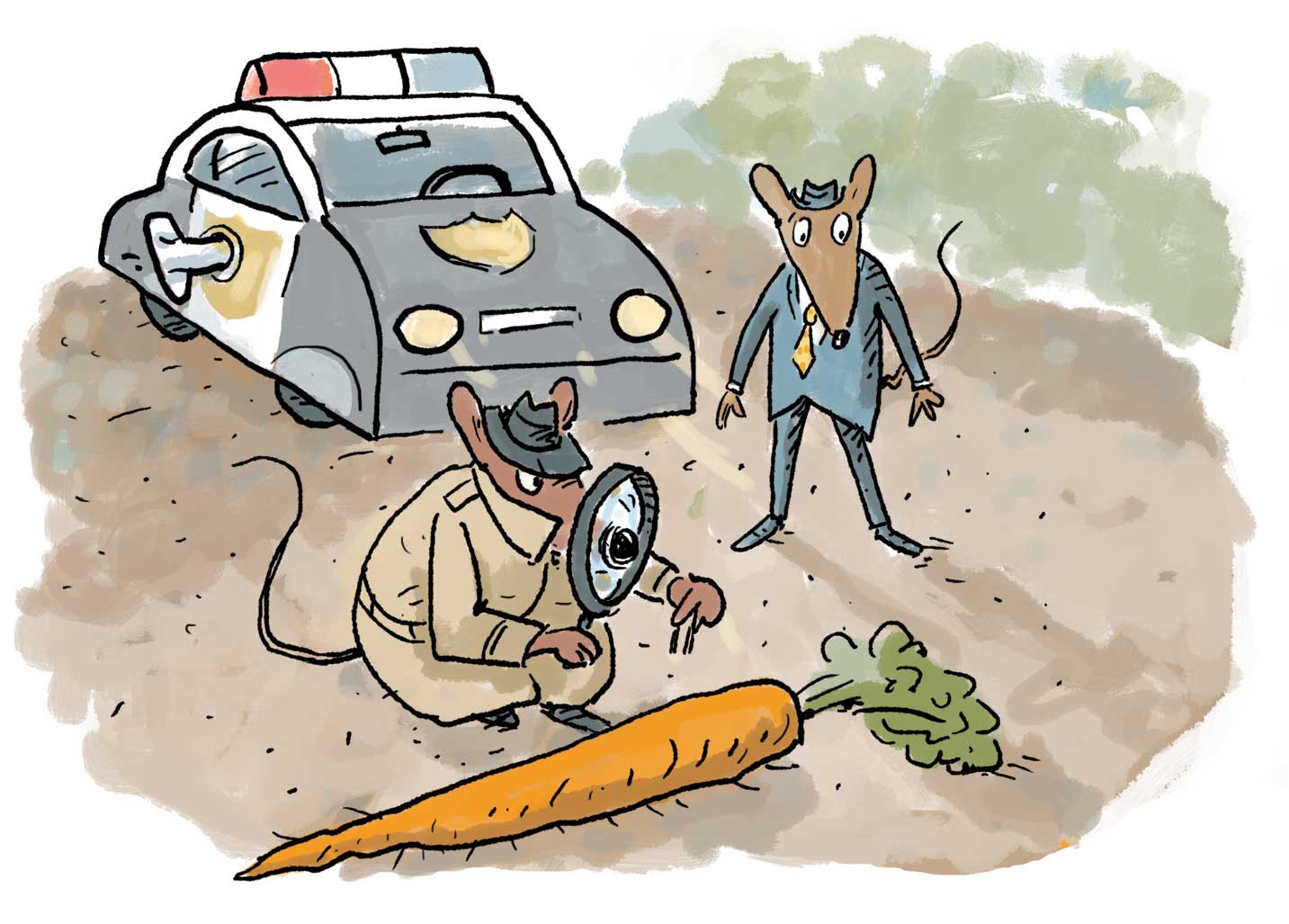
“Captain, stop the car!” I shouted. “There’s something up ahead. It’s orange.”

The captain grabbed his magnifying glass and tweezers. He picked up the object.

“A carrot!” I said.

I ran back to the squad car to get the crime scene photos.

“This carrot matches the ones we found in Miss Rabbit’s kitchen. We’re onto something.”

The captain twitched his tail furiously. (p. 19)

Read This If You Loved: Francine Poulet Meets the Ghost Raccoon by Kate DiCamilloThe Troublemaker by Lauren Castillo, Mercy Watson series by Kate DiCamillo, Lulu series by Judith Viorst

Recommended For:

classroomlibrarybuttonsmall readaloudbuttonsmall

  Signature

*Thank you to Creston Books for providing copies for review!**