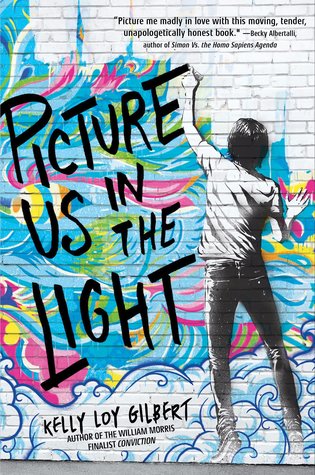
Picture Us in the Light by Kelly Loy Gilbert

Share

Picture Us in the Light
Author: Kelly Loy Gilbert
Published: April 10, 2018 by Disney-Hyperion

Guest Review by Rachel Krieger

Summary: Danny has been an artist for as long as he can remember, and it seems his path is set, with a scholarship to RISD and his family’s blessing to pursue the career he’s always dreamed of. Still, contemplating a future without his best friend, Harry Wong, by his side makes Danny feel a panic he can barely put into words. Harry and Danny’s lives are deeply intertwined and as they approach the one-year anniversary of a tragedy that shook their friend group to its core, Danny can’t stop asking himself if Harry is truly in love with his girlfriend, Regina Chan.

When Danny digs deeper into his parents’ past, he uncovers a secret that disturbs the foundations of his family history and the carefully constructed facade his parents have maintained begins to crumble. With everything he loves in danger of being stripped away, Danny must face the ghosts of the past in order to build a future that belongs to him.

Review: This book is filled to the brim with interesting plot points. While most novels would focus on one to two major things that are going on in a character’s life, this one has several. I found this to be both engaging and chaotic. Some of the time I felt that if Danny was a real person, he would simply explode during the course of events in the book. Danny was dealing with things well beyond what most people his age experience and manages to mostly keep it together despite. There are entire novels that deal with immigration, adoption, death of a loved one, suicide, sexual orientation, poverty, college preparedness, or love, but this one contains all of these ideas, among others. Though it felt like too much at times, this became one of the great aspects of the novel as well.

Throughout the story, Danny struggles with his morality at the same time as struggling with everything that life is dragging him through. Even though he is dealing with more than any human should have to, he still has time to feel the things that remind the reader that he is a person. So many of Danny’s feelings are perfectly reflective of what I and many others feel at points in life. The best part is that no matter who you are or what you have been through, you can connect with one of the topics addressed in this book. Gilbert’s inclusion of so many salient issues substantially increases the relatability.

Teacher’s Tool For Navigation: There are so many great things to talk about in the classroom in relation to this book. Although most reviews look at this novel as an exploration of sexuality, there are several other lenses with which to look through to spur great discussion. The issue that comes to mind first and foremost is immigration and the effect that it can have on a family and especially children in a family. Although Danny himself never went through the process of immigration, his parents did, and this has a huge effect on their family. Through the normal ups and downs of the life of a high schooler, Danny also discovers many things throughout the story that are connected to his family’s immigration and it only adds to his strife.

Many young students know little to nothing about the process of immigration—having never immigrated themselves—and Picture Us in the Light can do a lot to change that. It would be such a beneficial discussion to address the immigration experience that this family has and to even talk about the danger of a single story: that no family or persons story of immigration is exactly alike. It could also be interesting to teach this book alongside a classic tale of immigration such as Upton Sinclair’s The Jungle. There is a lot of material that can be taken from this book and I can see it being a very helpful tool in the classroom for discussing pertinent issues.

Discussion Questions: 

  • Is this novel hypercritical of students dealing with the suicide of a peer?
  • Does this novel reaffirm too many stereotypes?
  • How does this novel do well in talking about the exploration of sexuality?
  • How does it do poorly?
  • Do you believe Danny was as immoral a person as he thought he was?
  • What do the second person, in-between chapter bits do for the story?

We Flagged: “But in that instant, the one where you saw that flash of recognition strike him like lightning, you felt what you came here to see if you’d feel: the same strike at the same time, an atomic pull you can’t explain.”

Read This If You Loved: Aristotle and Dante Discover the Secrets of the Universe by Benjamin Alire Sáenz, I’ll Give You the Sun by Jandy Nelson, Simon Vs. The Homo Sapiens Agenda by Becky Albertalli, American Street by Ibi Zoboi, It’s Kind of a Funny Story by Ned Vizzini, Thirteen Reasons Why by Jay Asher

Recommended For: 

classroomlibrarybuttonsmall 

RickiSig

In-Class Book Clubs with Kellee’s Classes

Share

In-Class Book Clubs are one of my favorite units that I do in my classes. They are my version of lit circles but with the only job of all students is to read, analyze, and discuss. These book clubs build community, stamina, and reading love in my classroom.

I’ve shared a few times about these in-class book clubs. First in April, 2018 where I went over the basic procedures of the book clubs and then in November, 2018 where I shared my students’ choices for this year’s clubs. Now, I am happy to share how this school year’s clubs went!

I did things a little bit differently this year. I had noticed that students were understanding the basics of the narrative and loving the reading but weren’t meeting the standards. I had to make sure to help guide their thinking but also I didn’t want to make the act of reading tedious. It is a slippery slope that I know I am always going to be reflecting about.

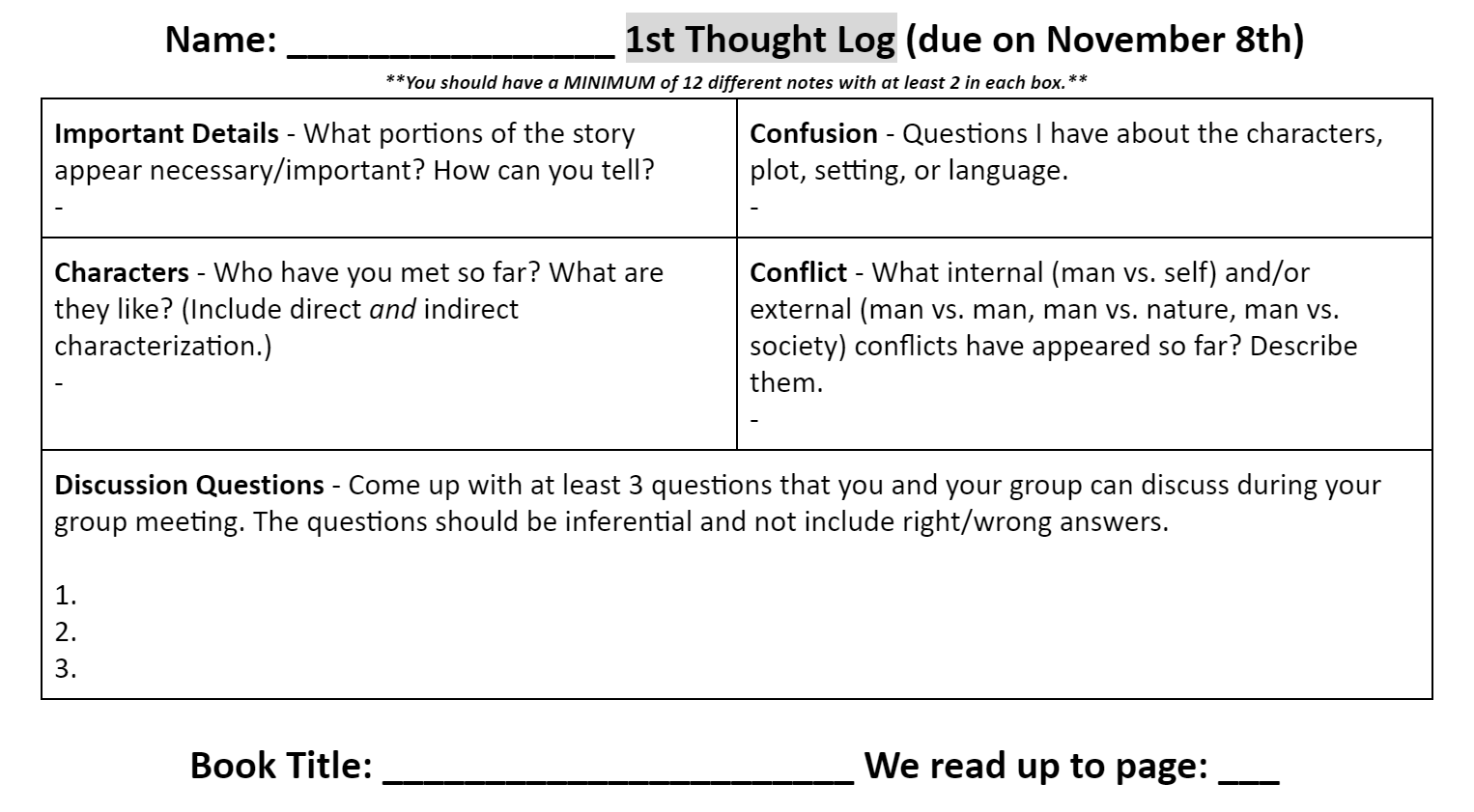
Because of this, I went with thought logs this year. A thought log was a strategy I was introduced to by my teacher friend Sarah Krajewski. Thought logs have four boxes for students to take notes while reading. My thought logs had two constant boxes: 1) Important details & 2) Conflict. Important details allowed them to just take notes on anything important that happened and the conflict box had them track the progress of the conflict. The other two boxes changed for each thought log: Confusion, Characters, Setting, My Feelings, Change, & Theme/Impact. Additionally, I added a bottom to my thought log that asked the students to come up with three open-ended discussion questions. Here’s our first thought log, so you can see an example:

Other than the new thought logs, everything else stayed the same: Students chose their books, I made their groups, we came up with class book club norms, they created their schedule, they met once a week, at the end of the unit I gave an individualized standards-focused assessment, and the kids LOVED it.

Well, everyone stayed the same until the end. At NCTE 2018, I went to one of Kelly Gallagher’s sessions and he shared a way he connects nonfiction and fiction when his students are reading novels: He has the students find nonfiction text features that connect to their novel. I decided to try this with my students, and I loved it!

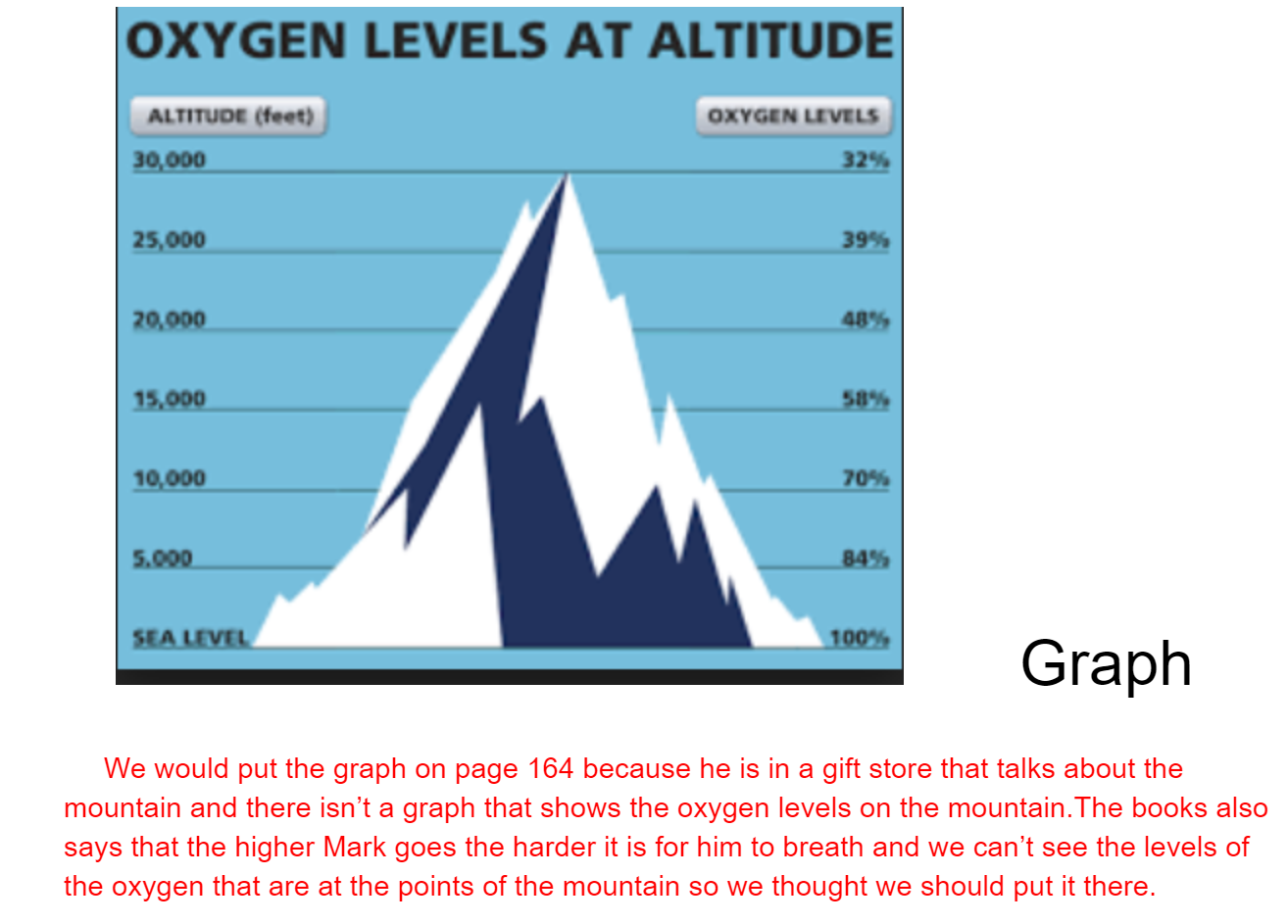
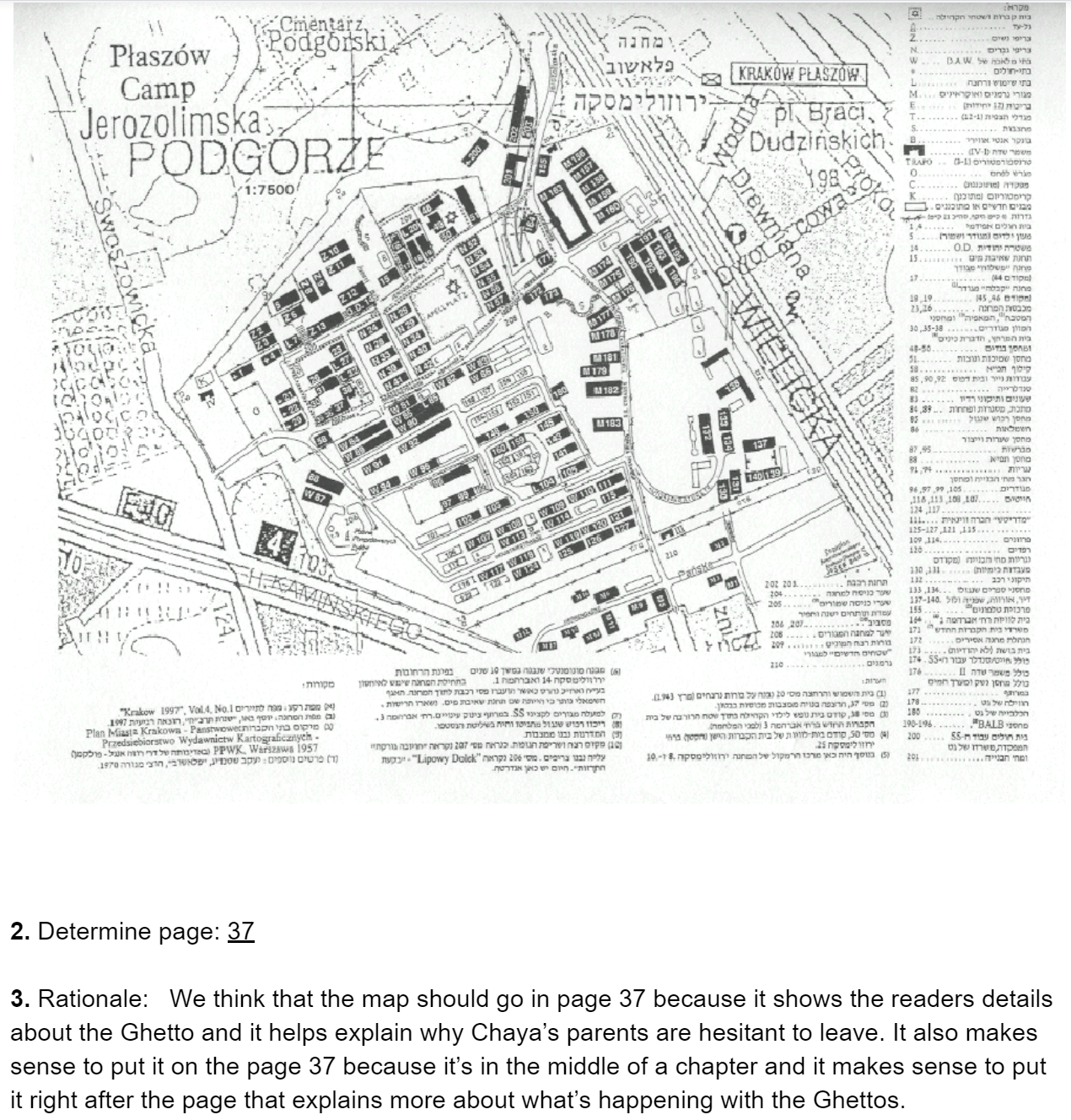
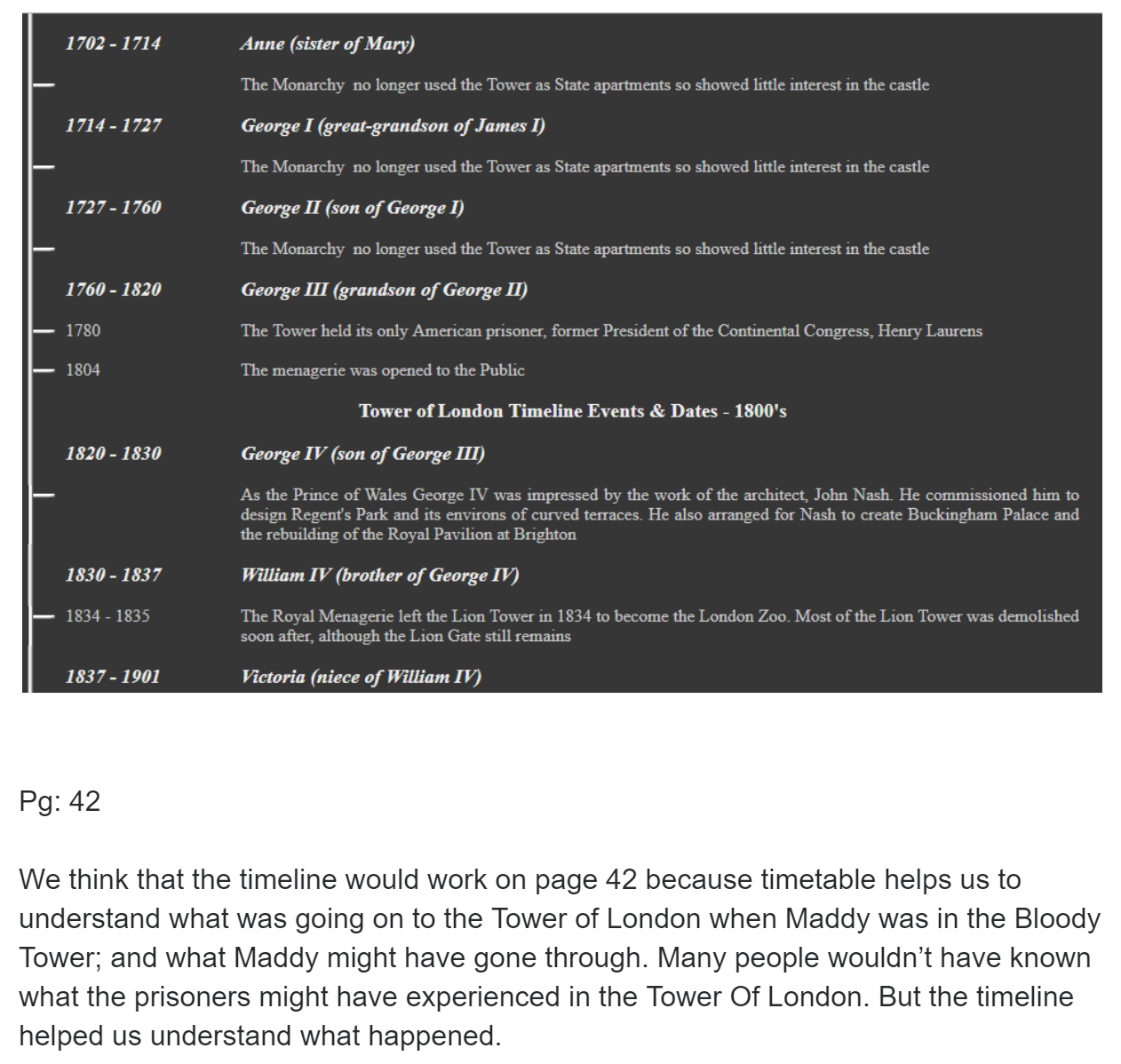
As a book club, my students found two nonfiction elements (maps, graphs, images, etc.) that would help the reader of their book have their experience enhanced. They then said what page they would place the element and explain why it is important.

Here are some of my favorites:

The Honest Truth by Dan Gemeinhart

Rules by Cynthia Lord

Resistance by Jennifer Nielsen

Ravenmaster’s Secret: Escape from the Tower of London by Elvira Woodruff

Reflection: I’m not completely sold on the Thought Logs yet. I don’t want to kill the joy of reading. Ever. But my job is to teach standards, too. Always a conflict within me, and we’ll see what I decide next year! I will say that I loved the nonfiction element, so I think that will stay. Until next year!

Signature

It’s Monday! What Are You Reading? #IMWAYR 4/29/19

Share

IMWAYR 2015 logo

It’s Monday! What Are You Reading? From Picture Books to YA!

It’s Monday! What are you Reading? is a meme started by Sheila at Book Journeys and now hosted by Kathryn at The Book Date. It is a great way to recap what you read and/or reviewed the previous week and to plan out your reading and reviews for the upcoming week. It’s also a great chance to see what others are reading right now…you just might discover the next “must-read” book!

Kellee and Jen, of Teach Mentor Texts, decided to give It’s Monday! What Are You Reading? a kidlit focus. If you read and review books in children’s literature – picture books, chapter books, middle grade novels, young adult novels, anything in the world of kidlit – join us! We love this meme and think you will, too.

We encourage everyone who participates to support the blogging community by visiting at least three of the other book bloggers that link up and leave comments for them.

Bold_line

Tuesday: Call for Teachers of YAL Classes

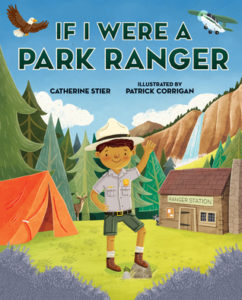
Wednesday: Celebrate #NationalParkWeek! Review and Giveaway: If I Were a Park Ranger by Catherine Stier

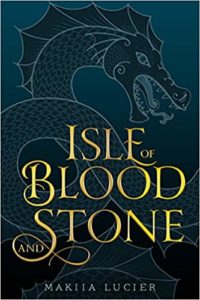
Thursday: Guest Review: Isle of Blood and Stone by Makiia Lucier

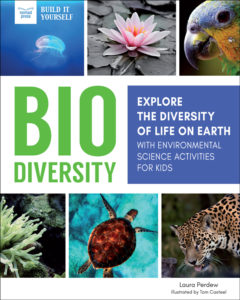
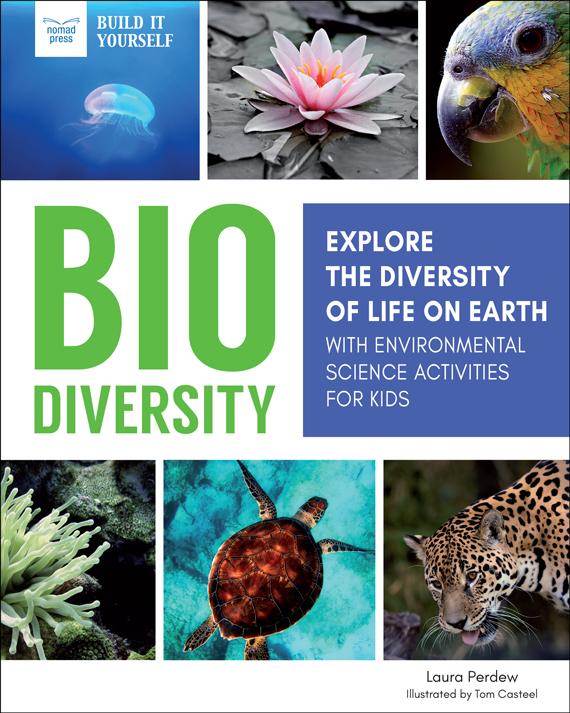
Sunday: Author Guest Post!: “Celebrate Biodiversity: Life + Variety = Biodiversity” by Laura Perdew, Author of Biodiversity: Explore the Diversity of Life on Earth

**Click on any picture/link to view the post**

Bold_line

Kellee

First, and I know you all always say you understand and it is okay, but I have to apologize for not commenting recently on IMWAYR. I’ve been reading them on my phone, but I can’t comment easily from there… I’ve recently become part of something that is time consuming and with the end of the year and Ricki being on maternity leave (Yay new Ginsberg baby!) and with all the regular mom and teacher stuff… well, life just zips by some times. But know I appreciate and love you all!

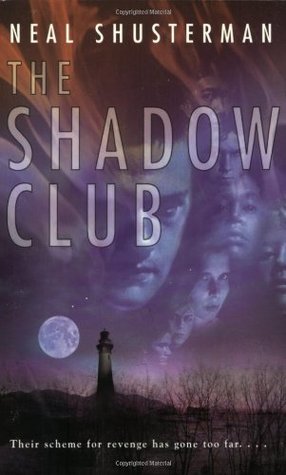
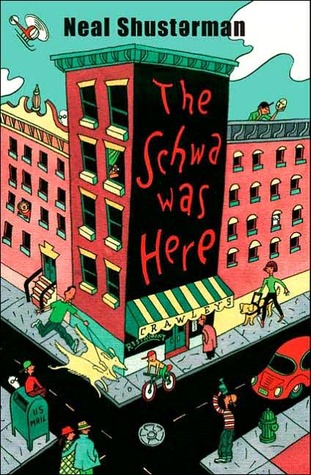
  • Finished both The Shadow Club and The Schwa Was Here by Neal Shusterman. Interestingly, they both have to do with the feeling of not being seen as an adolescent. As a teacher and mom, this topic makes me so sad! I want every kid to be seen and know they are amazing!

So much reading with Trent! Makes my heart happy 🙂

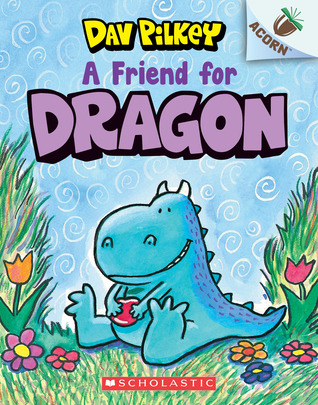
  • I read A Friend for Dragon a while ago, and I am happy to see Acorn imprint rereleasing it and so is Trent. He is a forever Dav Pilkey fan.
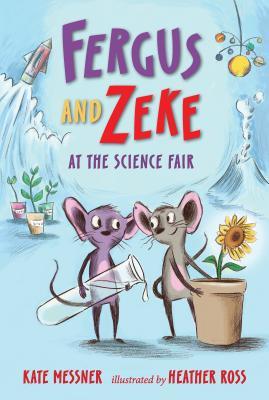
  • Fergus and Zeke were instant favorites in our household! Although I think Trent had a bit more comprehension issues with this second one because he didn’t understand many of the science fair references, but he still loved their story!
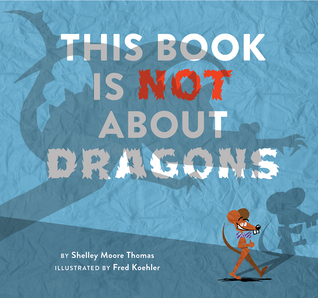
  • This Book is NOT About Dragons by Shelley Moore Thomas may be my new favorite read aloud with Trent. How funny! If you haven’t read it, I highly recommend!
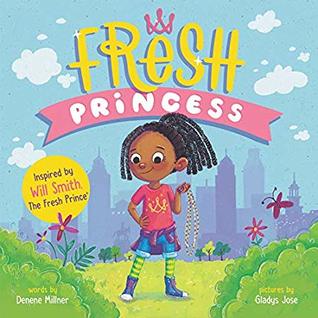
  • Fresh Princess by Denene Miller is illustrated by a local artist, so I was so happy to be able to support her–and I even got a signed copy! The new take on the Fresh Prince story makes for a good book.
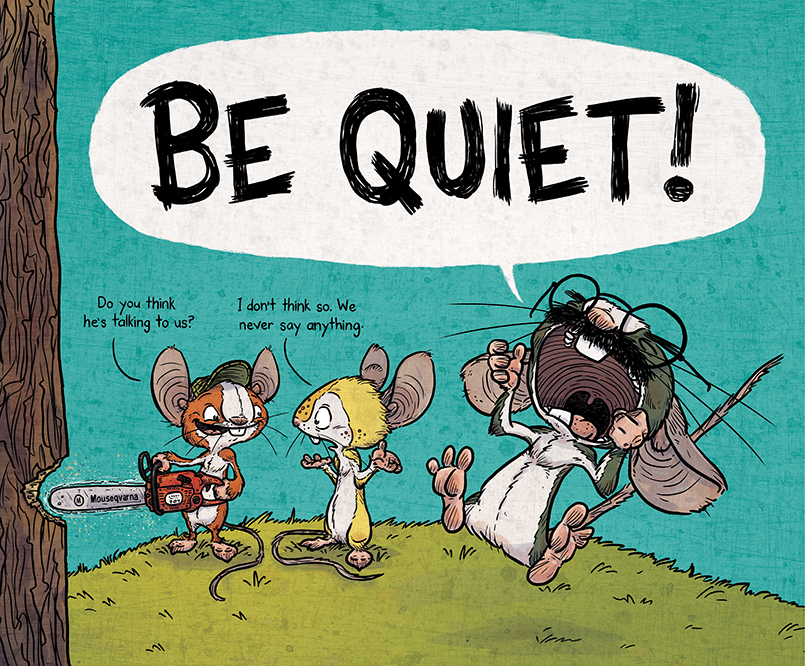
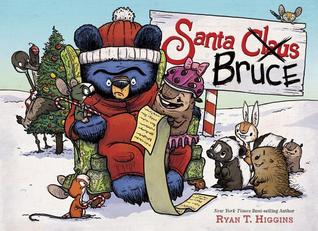
  • Be Quiet! by Ryan T. Higgins and Santa Bruce by Ryan T. Higgins are Trent favorites, and he loves to read along to the audiobook on Hoopla.
  • I also realized while searching Hoopla that Trent had never read Tacky the Penguin, so I fixed that!

Ricki

Ricki is away on maternity leave and will return mid-June. Happy reading!

Bold_line

Kellee


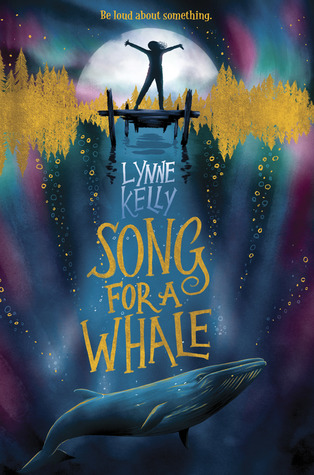
  • Starting: Song for a Whale by Lynne Kelly
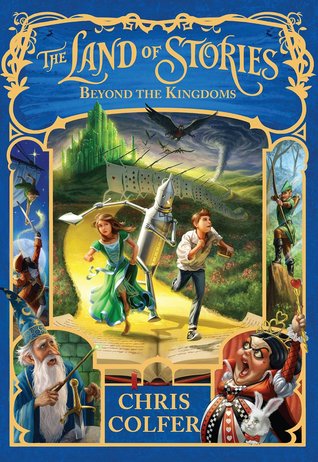
  • Listening: The Land of Stories: Beyond the Kingdoms by Chris Colfer
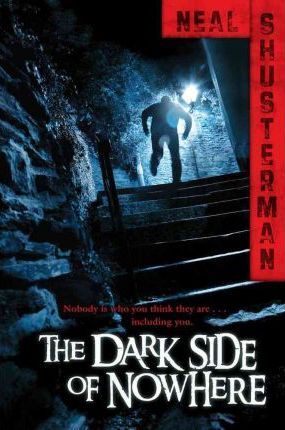
  • On Deck: The Dark Side of Nowhere by Neal Shusterman
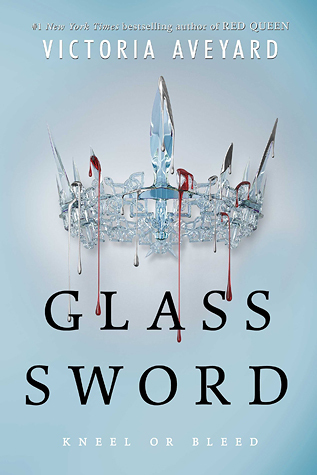
  • In the Hole: Glass Sword by Victoria Aveyard
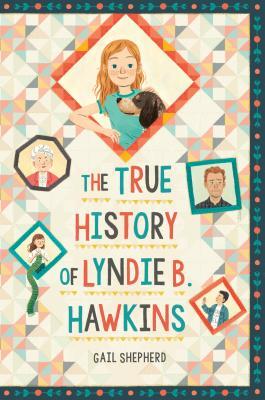
  • On Hold at my Library: The True History of Lyndie B. Hawkins by Gail Shepherd
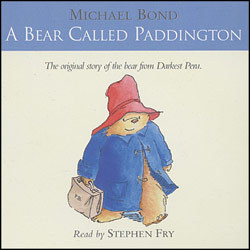
  • Listening with Trent: A Bear Called Paddington by Michael Bond
  • Picture Book On Deck with Trent: Who knows!
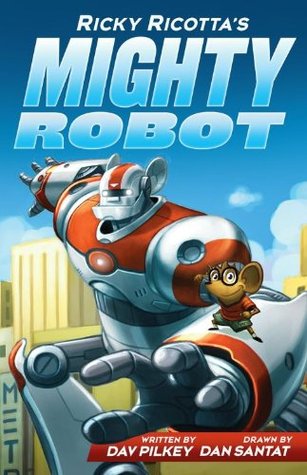
  • Chapter Book On Deck with Trent: Ricky Ricotta’s Mighty Robot by Dav Pilkey

Bold_line

Tuesday: In-Class Book Clubs in Kellee’s Classes

Thursday: Guest Review: Picture Us in the Light by Kelly Loy Gilbert

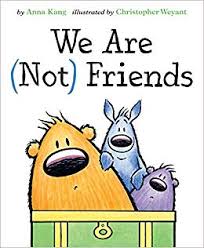
Friday: Blog Tour with Review and Giveaway!: We Are (Not) Friends by Anna Kang

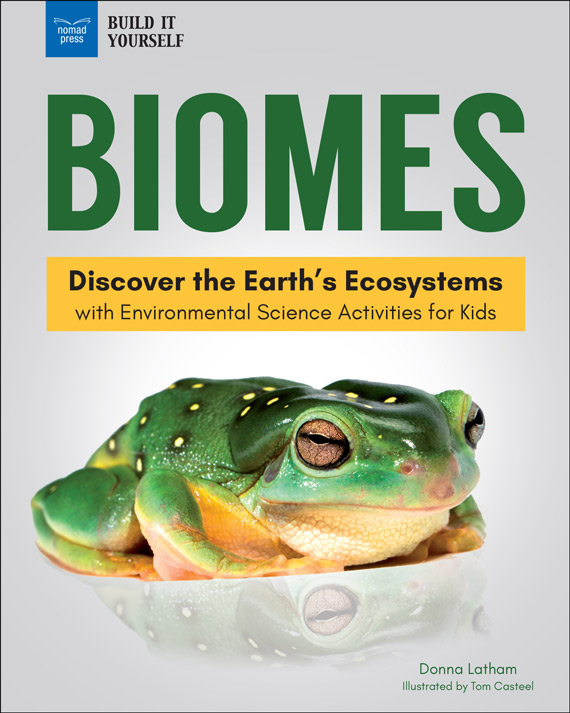
Sunday: Author Guest Post!: “Environmental Science Activities for Kids” by Donna Latham, Author of Biomes: Discover the Earth’s Ecosystems with Environmental Science Activities for Kids

Bold_line

Link up below and go check out what everyone else is reading. Please support other bloggers by viewing and commenting on at least 3 other blogs. If you tweet about your Monday post, tag the tweet with #IMWAYR!

 Signature andRickiSig

Author Guest Post: “Celebrate Biodiversity: Life + Variety = Biodiversity” by Laura Perdew, Author of Biodiversity: Explore the Diversity of Life on Earth

Share

“Celebrate Biodiversity: Life + Variety = Biodiversity”

From smelly stinkhorn mushrooms to hardy tardigrades, and towering sequoia to soaring condors, and creepy anglerfish to the Hercules beetle, Earth is home to MILLIONS of known species of plants, animals, fungi, bacteria, and microorganisms of all shapes and sizes. Scientists estimate there could be millions (if not billions) more species that have not yet been identified.

Biodiversity is present everywhere on the planet including some pretty extreme places: near volcanoes, at the deepest parts of the ocean, in the sand, in hot springs and mud pots, in the ice, and even under the ice. And consider this – wherever you are at this moment you are in the company of hundreds or maybe even thousands of other species growing, squiggling, flying, reproducing, wriggling, feeding, and thriving.

Biodiversity: Explore the Diversity of Life on Earth explores genetic, species, and ecosystem biodiversity and how each species, no matter how large or how small, has a role to play. It is all CONNECTED. As John Muir once wrote, “When we try to pick out anything by itself, we find it hitched to everything else in the Universe.”

These interconnections make our planet mighty, yet also fragile and vulnerable. Writing and researching Biodiversity gave me an increased appreciation for the amount, variety, and complexity of life on our planet. Unfortunately, I am also now even more aware of the many threats to biodiversity. The time for action is now. To quote Dr. Seuss, “Unless,” he wrote in The Lorax in 1971, “unless someone like you cares a whole awful lot, nothing is going to get better, it’s not.”

My hope is that the book will inspire wonder in kids and raise awareness.

Wonder leads to caring (hopefully a lot!).

And if kids care, they will act.

Starred review from Booklist:

“By book’s end, readers will truly understand what biodiversity is, its importance to the health of the planet, and humans’ impact on the complex natural systems where it thrives.”

Activity: Explore Biodiversity

To start the discussion about biodiversity, generate a list as a group of five examples of each of the following: plants, animals, fungi, bacteria, and microorganisms. This list will ultimately spark conversations. Next, challenge students to research and discover one species of plants, animals, fungi, bacteria, and microorganisms they’ve never heard of. To generate even more interest, challenge them to find the most unique or bizarre species they can. Their findings can be shared in any number of formats, including a museum-style gallery walk, an online slide show, or a “show and tell.”

Questions for discussion:

  1. What are the similarities between the all plants discovered? What are the differences?
  2. What would happen if one of the animals students researched disappeared?
  3. What role do the fungi play in the ecosystem?
  4. Bacteria are often thought of as something to get rid of. What do you think the larger results of this might be?
  5. How do you feel about the microorganisms all around you?

Activity: Get Involved

There are many ways for students to get involved to support biodiversity. One is to protect or create new habitats.

Today, the populations of pollinators are in decline, especially butterflies and bees. Much of this is due to habitat loss and poisoning as a result of pesticide use in agriculture. To support pollinators, conservationists are encouraging people to plant pollinator gardens at home, work, school, and in the community.

Start by identifying a place where kids can plant a garden. If space is an issue, consider using a large pot or a planter outside a window because they will attract pollinators too! The next step is to research the types of pollinators in your area. Then research types of plants that these pollinators are attracted to. Try to find a variety of plants that flower throughout the spring, summer, and fall. Perhaps go talk to a local expert or invite one into the classroom. Draw plans for the gardens and plant in the spring. As the garden grows, record observations about the growth and about the species that visit the garden.

Questions for discussion:

  1. How many different species have you observed in your garden? Do certain pollinators like specific types of flowers?
  2. There is a lot going on above the soil. Did you ever consider what is going on below the soil? What kinds of species may be living there? Are they harmful to the garden or helpful?
  3. What would it take to launch a local effort to create pollinator gardens? Could you educate neighbors about planting their own gardens? Can you convince the school to set aside a larger area for a garden? How about in the community?

Activity: Celebrate Biodiversity!

Understanding and appreciating biodiversity are a critical part of the effort to protect it. Kids can play a key role in raising awareness about the threats to biodiversity. Have kids create a piece of visual art that celebrates biodiversity. It can celebrate the biodiversity around the world, just in your community, unseen biodiversity, or biodiversity in a single ecosystem. Each student should choose their own medium – painting, sculpture, collage, photograph, or whatever interests them. The goal is to create a piece that celebrates the variety and value of life on Earth, and to make others stop to think as well.

Consider places where the artwork can be displayed – in the school, community centers, churches, other gathering places, or even online. Invite family and friends to view the pieces. International Day for Biological Diversity is May 22, but, of course, you can celebrate any day.

Questions for discussion:

  1. As you worked on your piece, did you slow down and spend more time thinking about biodiversity?
  2. What was the reaction to the pieces from others?
  3. Have you been inspired to do even more to raise awareness of the issues facing biodiversity? What else can you do?

More teaching resources for Biodiversity at https://nomadpress.net/wordpress/wp-content/uploads/2018/07/Biodiversity-Classroom-Guide.pdf.

Biodiversity: Explore the Diversity of Life on Earth with Environmental Science Activities for Kids
Author: Laura Perdew
Illustrator: Tom Casteel
Published March 5th, 2019 by Nomad Press

About the Book: From the tallest tree to the smallest microbe, Earth is home to more than 1.5 million known species of plants, animals, fungi, bacteria, and microorganisms. And scientists estimate there could be millions, if not billions, more that have not yet been identified!

Biodiversity: Explore the Diversity of Life on Earth with Environmental Activities for Kids introduces middle schoolers to the evolution of life on Earth, beginning with the first single-celled organisms that emerged 3.8 billion years ago to the complex, multi-celled organisms that exist today and make up the tree of life. Biodiversity is found everywhere on the planet—on land, in the water, and even in extreme environments such as ice and volcanoes. There are actually entire microbiomes beneath our feet, in puddles, and even in our belly buttons!

Biodiversity includes hands-on STEM activities and critical thinking exercises to encourage readers to consider the threat to biodiversity and figure out ways to be part of the solution. Fun facts, links to online primary sources and other supplemental material, and essential questions take readers on an exploration of the incredible biodiversity on Earth.

About the Author: Laura Perdew is an author, writing consultant, and former middle school teacher. She has written more than 15 books for the education market on a wide range of subjects, including the animal rights movement, the history of the toilet, eating local, and the Great Pacific Garbage Patch. She is a long-time member of the Society of Children’s Book Authors and Illustrators. Laura lives in Boulder, Colorado.

Website: lauraperdew.com

Thank you, Laura, for this wonderful post about our amazing Earth!

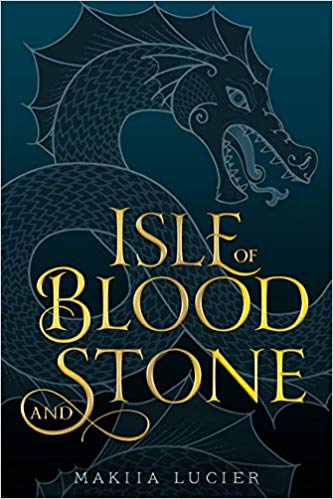
Isle of Blood and Stone by Makiia Lucier

Share

Isle of Blood and Stone
Author: Makiia Lucier
Published: April 10, 2018 by Houghton Mifflin Harcourt

Guest Review by Rachel Krieger

Summary: Nineteen-year-old Elias is a royal explorer, a skilled mapmaker, and the new king of del Mar’s oldest friend. Soon he will embark on the adventure of a lifetime, an expedition past the Strait of Cain and into uncharted waters. Nothing stands in his way…until a long-ago tragedy creeps back into the light, threatening all he holds dear.

The people of St. John del Mar have never recovered from the loss of their boy princes, kidnapped eighteen years ago, both presumed dead. But when two maps surface, each bearing the same hidden riddle, troubling questions arise. What really happened to the young heirs? And why do the maps appear to be drawn by Lord Antoni, Elias’s father, who vanished on that same fateful day? With the king’s beautiful cousin by his side—whether he wants her there or not—Elias will race to solve the riddle of the princes. He will have to use his wits and guard his back. Because some truths are better left buried…and an unknown enemy stalks his every turn.

Review: I absolutely adore this book. Makiia Lucier did an excellent job of incorporating strong characters, resistance to discrimination, mystery, romance, and interesting elements of the fantastic all in one novel. The plot had me completely riveted and I spent a lot of time while not reading thinking about the big reveal I knew was coming. Lucier had strong female characters who consistently proved to be as independent and capable as their male counterparts. The quest narrative was something new and fascinating that will certainly have all readers sticking around until the end. And best yet, this was the first book I have ever read about map-making. The incredible world building required no info dump, nor unrealistic exposition, because Lucier’s characters are often seen either drawing or studying maps. The issues discussed, the characters created, and the world formed came together to make a wonderfully mysterious and incredibly fun novel to read.

Teacher’s Tool For Navigation: This book is a great way for students to look at discrimination. Although the races represented in this novel are of a fantastical nature, they are still ripe for discussion. You can ask your students to think about the real-life connections to the way that Mercedes is treated, being of mixed race. There are many books that address this type of racism directly, making it one of the main aspects of the story. Lucier addresses the issue a few times but does not make it a major plot point. It would be really interesting to discuss this as a plot element but not a form of social commentary.

It could also be interesting to look at and start a discussion on the treatment of illness in our society. There is an island in this novel where lepers are quarantined, often against their will. Although we have nothing exactly like this in society, there are certainly loose parallels in the ways that we treat people with diseases and disorders. It would be really beneficial to start a conversation with students about this form of social imprisonment that is rarely discussed.

Discussion Questions: 

  • What parts of this novel reaffirm gender stereotypes, and which break away?
  • Can you think of any ways that Mercedes’s treatment in the novel is reflected in the real world?
  • What does this novel say about the way that illness is treated in society?

We Flagged: “It was not the first time someone had spat at Mercedes, or even the fifth, but it had been some years since Elias had witnessed the insult.”

Read This If You Loved: Who Fears Death by Nnedi Okorafor, Miss Peregrine’s Home for Peculiar Children by Ransom Riggs, The Night Circus by Erin Morgenstern, Graceling by Kristin Cashore, Scythe Scythe by Neal Shusterman

Recommended For: 
classroomlibrarybuttonsmall 

RickiSig

Celebrate #NationalParkWeek! Review and Giveaway: If I Were a Park Ranger by Catherine Stier

Share

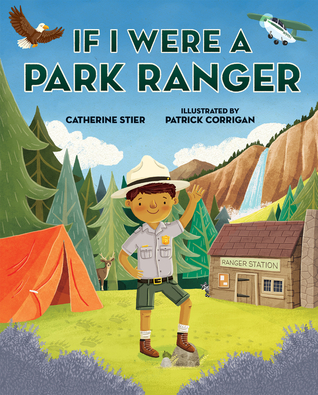
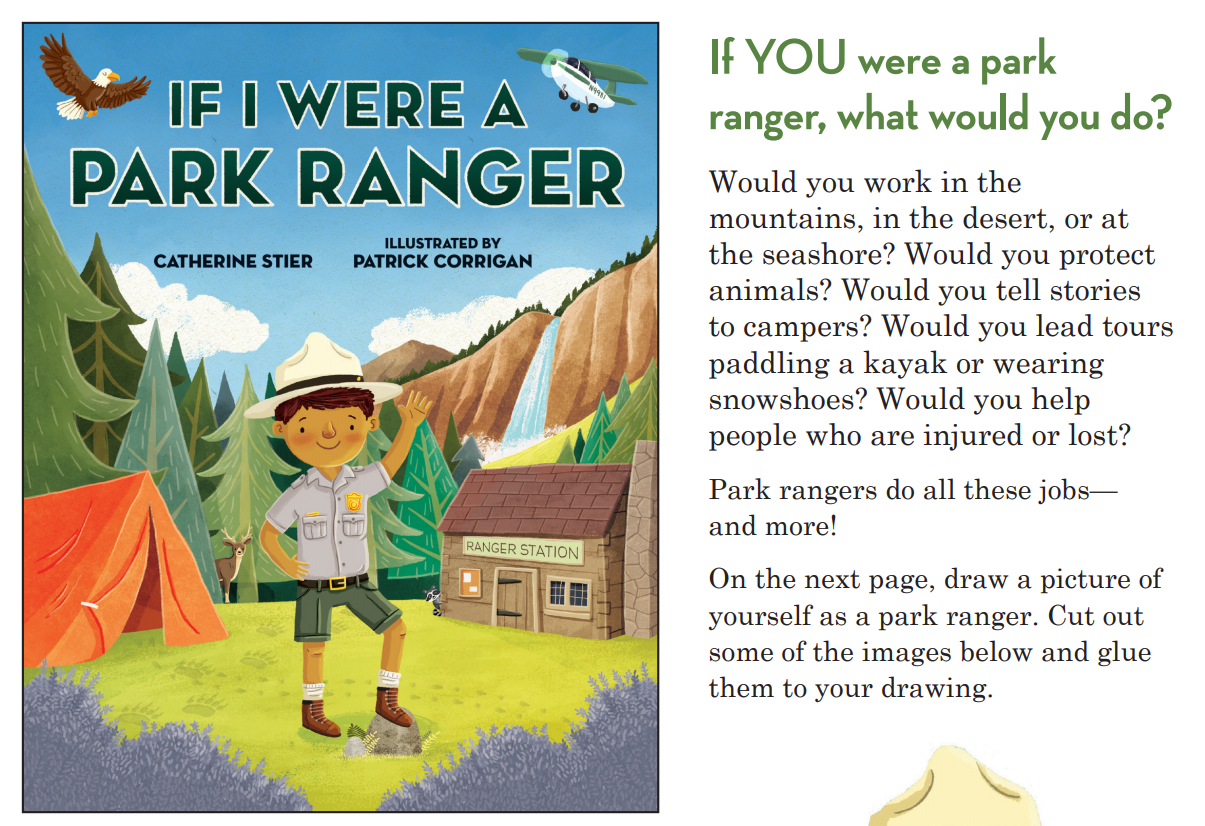
If I Were a Park Ranger
Author: Catherine Stier
Illustrator: Patrick Corrigan
Published April 1st, 2019 by Albert Whitman Company

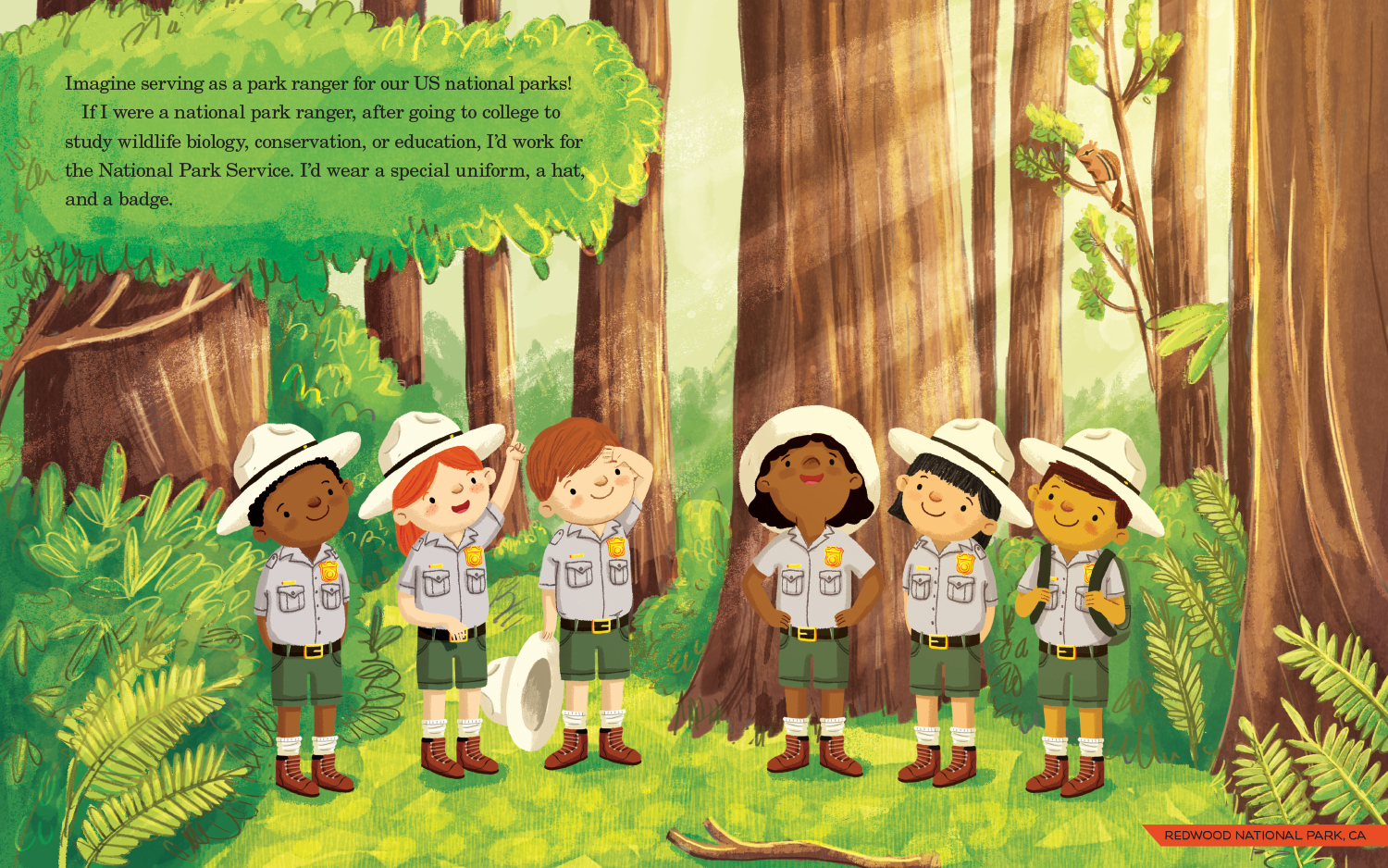
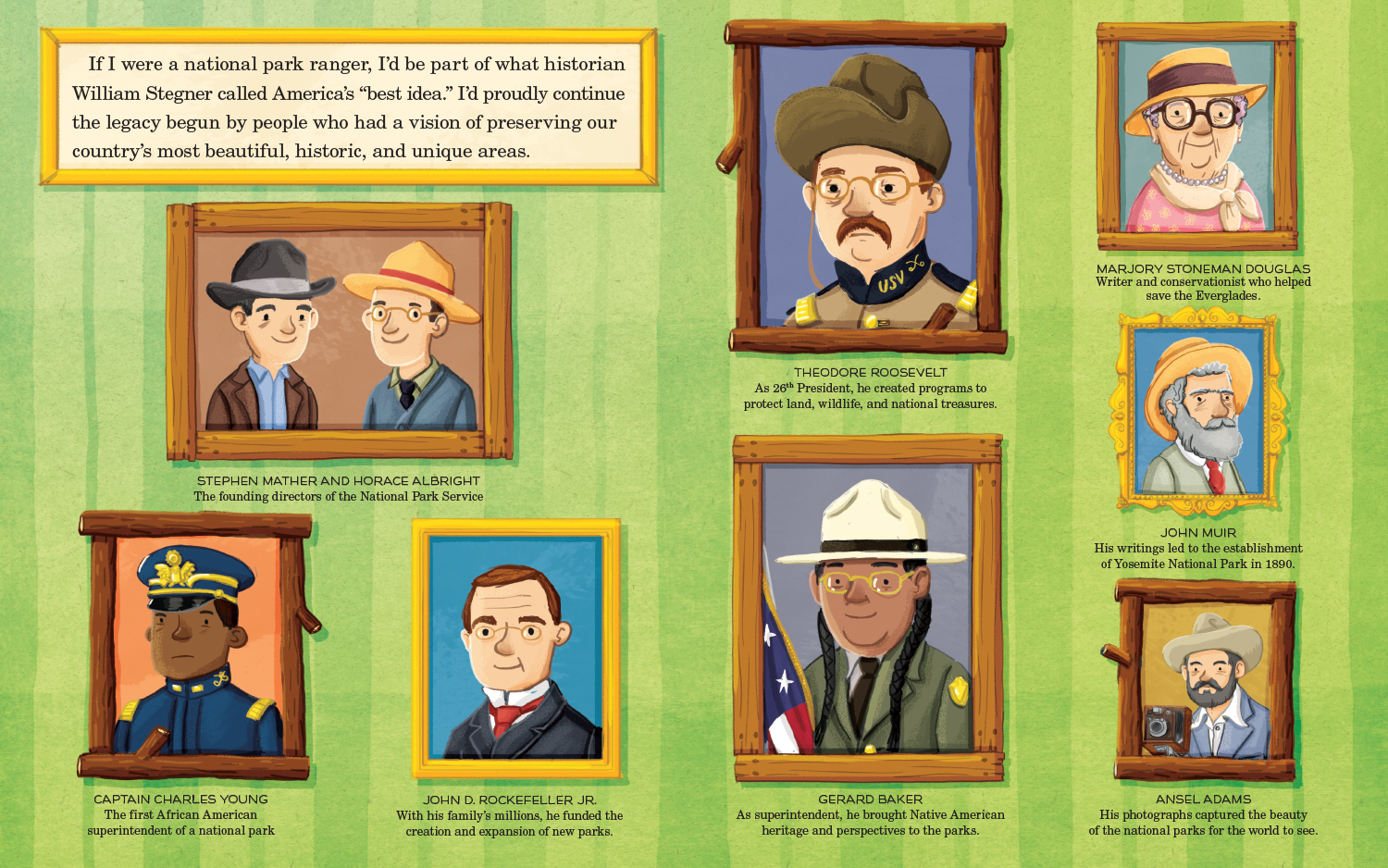
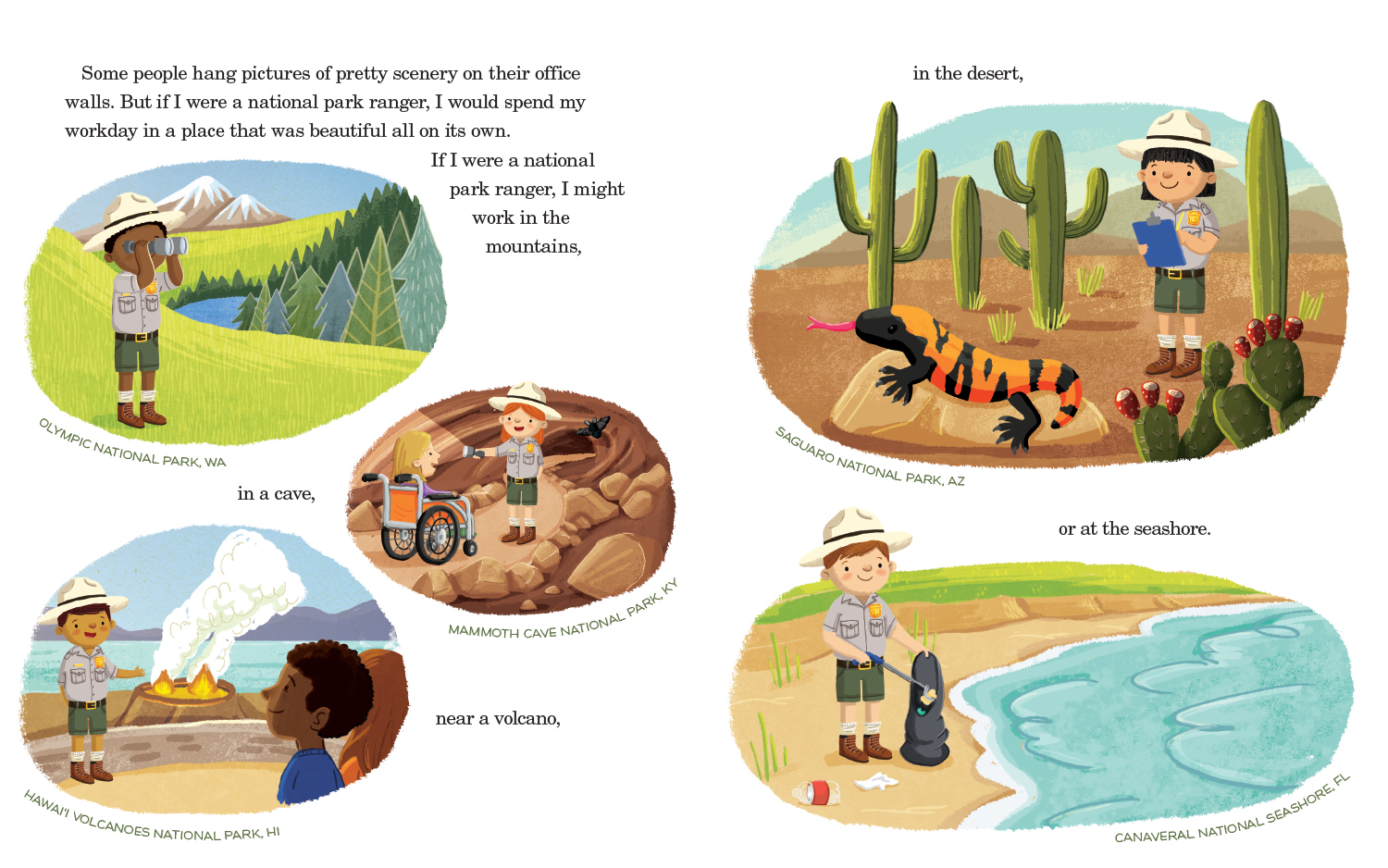
Summary: If you were a national park ranger, you’d spend every day in one of the most treasured places in America. You’d have an amazing job protecting animals, the environment, and our country’s natural and historical heritage, from the wilds of Denali to the Statue of Liberty!

About the Creators:

As a child, Catherine Stier wanted to be an author or park ranger. She visited her first national park as a baby and has been a fan ever since. She is the author of If I Were President and several other award-winning picture books, and has worked as a magazine writer, newspaper columnist, writing instructor, and children’s literature researcher. She lives in San Antonio, Texas with her husband and volunteers with programs that connect families and children with nature and the outdoors. To learn more, and to download free activity sheets and curriculum guides, visit her website: catherinestier.com.

Patrick Corrigan was born in the north of England and grew up drawing and designing. After University, he was an art director in a design studio for nearly ten years. He now lives in London with his wife and cat, illustrating children’s books. See more of his work at www.patrickcorrigan.co.uk.

Review: What a great informational text about National Parks and the park rangers that take care of them! The text did a wonderful job introducing not only the National Parks and all the different ones throughout the country but also all of the amazing things that park rangers do to take care of these national treasures. I was most impressed by how it was all inclusive of all the different types of jobs that keep the parks going as well as all the different types of parks that can be visited. The text, filled with information, along with the colorful illustrations bring it all to life for the reader and keeps them engaged in a way that other non-narrative informational texts struggle with sometimes.

Teachers’ Tools for Navigation: 

2019’s National Park Week is April 20-28th, and If I Were a Park Ranger is a perfect read aloud for the week! It would be perfect for when a class is learning about Theodore Roosevelt or any other founder of National Parks also.

The author’s website also includes activity pages for the book: http://www.catherinestier.com/curriculum-guides/!

Discussion Questions: 

  • What National Park would you want to visit?
  • What does it take to be a park ranger?
  • What type of person do you think would succeed the most as a park ranger?
  • How does science fit into a park ranger’s job? Technology? Engineering? Math? Art?
  • What is the author’s purpose for creating the text?

Flagged Passages: 

Read This If You Love: National Parks, Nature, Conservation

Recommended For: 
classroomlibrarybuttonsmall

Giveaway!

Ten lucky winners will receive a copy of If I Were A Park Ranger by Catherine Stier. One Grand Prize winner will receive a signed copy of the book PLUS a Park Ranger Stuffed Doll, a “National Park Geek” Iron-on Patch, National Park Animal Cookies, Camping Stickers, Woodland Animal Mini Notebook, and Book Cover Postcards! Winners will be selected at random and notified via email. One entry per person, please. US addresses only. Entries are due by 5/3/19. Follow this link to enter!

Signature

**Thank you to Blue Slip Media for providing a copy for review!**

Call for Middle and High School Teachers of YAL

Share

Do you teach a young adult literature course, or do you integrate YAL in your classroom?

I am currently working on a book project that explores the different ways in which middle and high school teachers structure their YAL courses (elective or required). I am also looking at how teachers infuse YAL into their regular education courses. I’ve seen great classroom designs and course projects, and I am looking for others. I’d love to capture them and acknowledge the great work happening in classrooms. If you might be interested in being included in the book, please send me an email at ricki[DOT]ginsberg[AT]colostate.edu or message me on Facebook! Participation would involve the sharing of a course project, classroom activity/activities, and/or course syllabus.

If you know someone who might be interested, please share this post with them. Thank you!