Review and Giveaway!: Henry and the Chalk Dragon by Jennifer Trafton

Share

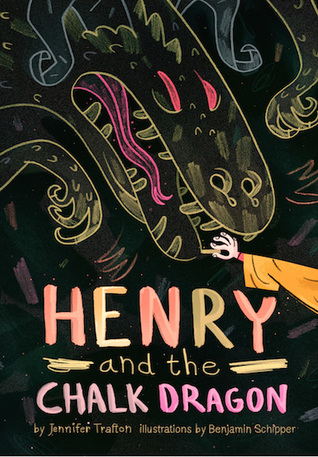
Henry and the Chalk Dragon
Author: Jennifer Trafton
Illustrator: Benjamin Schipper
Published April 4th, 2017 by Rabbit Room Press

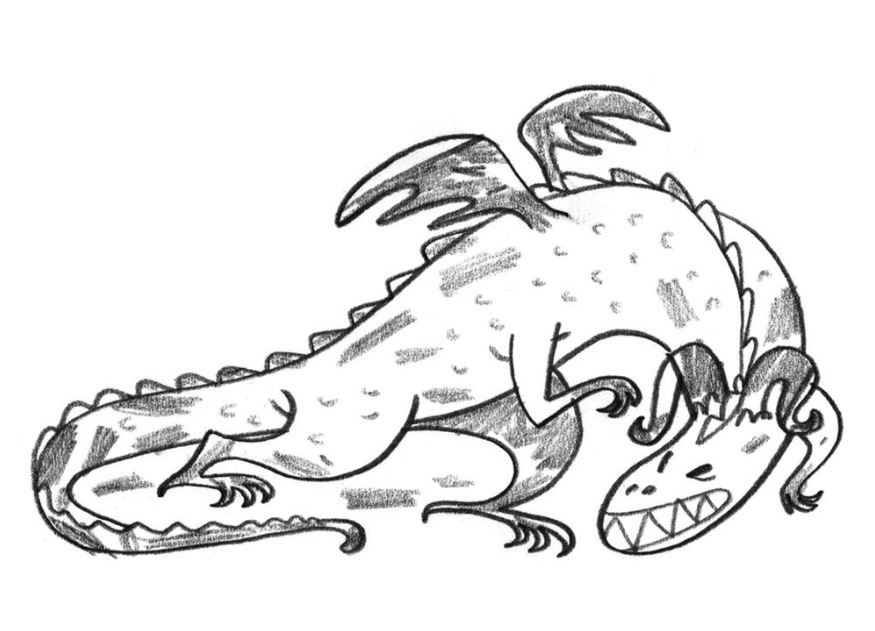
Summary: In the town of Squashbuckle, just about anything can happen, and when Henry Penwhistle draws a mighty Chalk Dragon on his door, the dragon does what Henry least expects–it runs away. Now Henry’s art is out in the world for everyone to see, and it’s causing trouble for him and his schoolmates, Oscar and Jade. If they don’t stop it, the entire town could be doomed! To vanquish the threat of a rampaging Chalk Dragon, Sir Henry Penwhistle, Knight of La Muncha Elementary School, is going to have to do more than just catch his art–he’s going to have to let his imagination run wild. And THAT takes bravery.

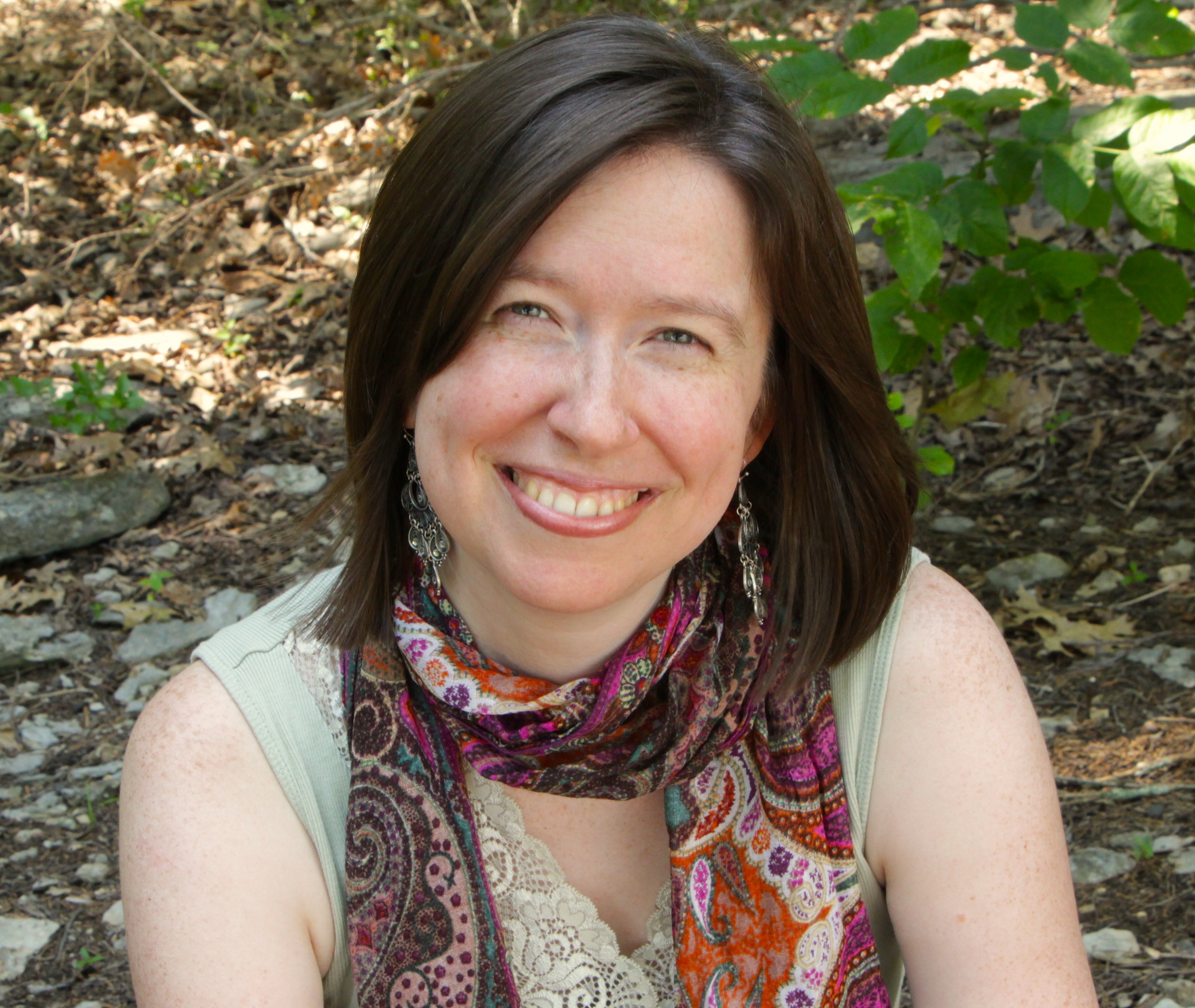
About the Author: Jennifer Trafton is the author of The Rise and Fall of Mount Majestic (Dial, 2010) which received starred reviews in Publishers Weekly and School Library Journal and was a nominee for Tennessee’s Volunteer State Book Award and the National Homeschool Book Award. Henry and the Chalk Dragon arose from her lifelong love of drawing and her personal quest for the courage to be an artist. She lives in Nashville, Tennessee, where, in addition to pursuing her love of art and illustration, she teaches writing classes, workshops, and summer camps in a variety of schools, libraries, and homeschool groups in the Nashville area, as well as online classes to kids around the world. To learn more, and to download free materials, visit jennifertrafton.com.

Critical Praise: 

★“A delicious face-off between forces of conformity and creativity run amok, spiced with offbeat names as well as insights expressed with eloquent simplicity.” —Booklist (starred review)
★“A perfect title to hand to young readers looking for laughs along with a wild and crazy adventure.”
                                                                                —School Library Journal (starred review)

Review: I love any book that promotes imagination, and it isn’t too often that you find a novel that is all about keeping your imagination. Henry’s story is a Pleasantville one–he lives in a boring town and takes boring classes, but when he closes his door, his imagination goes wild. It is when his imaginative Chalk Dragon escapes and wrecks havoc on his school does the power of an imagination really start to show. 

On a side note, and only some of you will understand this, but the cover of Henry and the Chalk Dragon is matte and SO SOFT!

Teachers’ Tools for Navigation: Along with a read aloud, the text gives lots of opportunities to discuss imagination, art, and creative writing. Also, chunking the text to fit the most opportune times will lead to some great writing and art prompts.

Discussion Questions: How did the principal end up the way he is? How do we know that he was not that way when he was younger?; Was Henry’s class/school doing the best thing to promote Vegetable Week?; Which adults understand Henry and his imagination? Which hinder him?; How does the power of Henry’s imagination cause havoc on the school? How does it save the school?; What does Henry’s chalk dragon coming to life symbolize in the grand scheme of things?; What is the lesson that the author is trying to teach us about imagination and growing up?

Flagged Passages: “Henry recognized the curve of those horns and the arrow-tipped tail. He recognized every sharp green flick of scaly skin, every zigzag of the bony spines running down the creature’s back. It was his dragon. Just as he had imagined it. Just as he had drawn it. Here it was, standing in front of him! There was something brand new in the world, and he had put it there!

There is a kind of fear that squeezes your heart with an icy hand and freezes you into a popsicle. But there is another kind of fear that is thrilling and hot, that makes your fingers tingle and your toes tickle each other inside your shoes until you want to leap over the Empire State Building. Henry was afraid with this kind of fear, and it felt good.

The dragon stared back at him–up and down, from his sneakers to his shiny helmet. It did not look afraid of Henry. It spread its wings proudly. It stretched its scaly neck as high as it would go. Its mouth widened slowly into a dragonish grin.

How long had Henry been waiting for this moment? Here he was, in his shiny suit of armor, with a sword in his hand. And here was a real live dragon–a dragon who could knock the house down with a few flicks of its tail, who could eat his mother for breakfast, who could send a ball of fire bouncing down the street. He knew exactly what he had to do.” (p. 32-33)

Read This If You Loved: The Journey Trilogy by Aaron BeckerHarold and the Purple Crayon by Crockett Johnson, Other picture books that spark imagination

Recommended For:

classroomlibrarybuttonsmall 

Giveaway!

a Rafflecopter giveaway

**Thank you to Barbara at Blue Slip Media for providing a copy for review!**

Paint Me a Picture & Tell Me a Story by Emily Bannister

Share

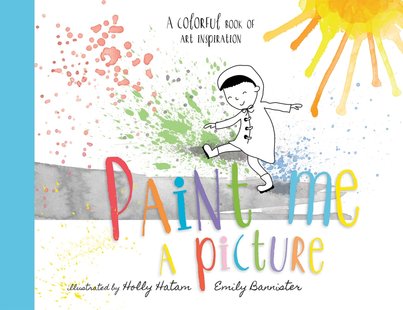
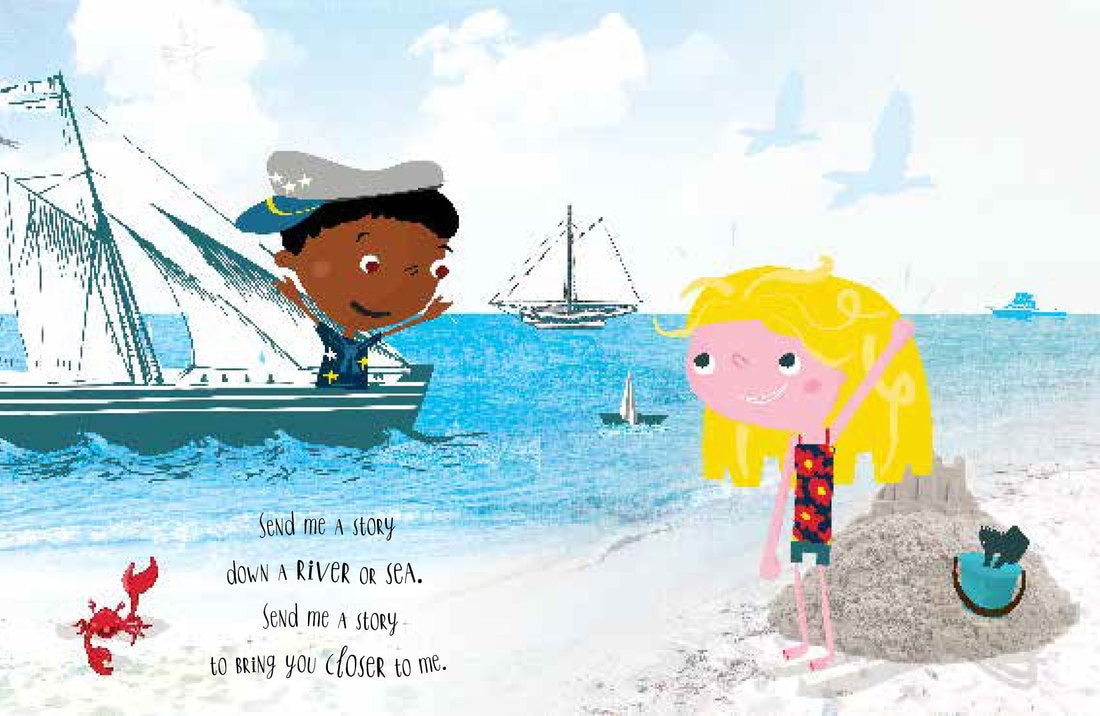
Paint Me a Picture: A Colorful Book of Art Inspiration
Author: Emily Bannister
Illustrator: Holly Hatam
Published by Kane Miller EDC Publishing

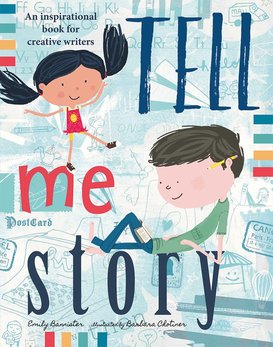
Tell Me a Story: An Inspirational Book for Creative Writers
Author: Emily Bannister
Illustrator: Barbara Chotiner
Published by Kane Miller EDC Publishing

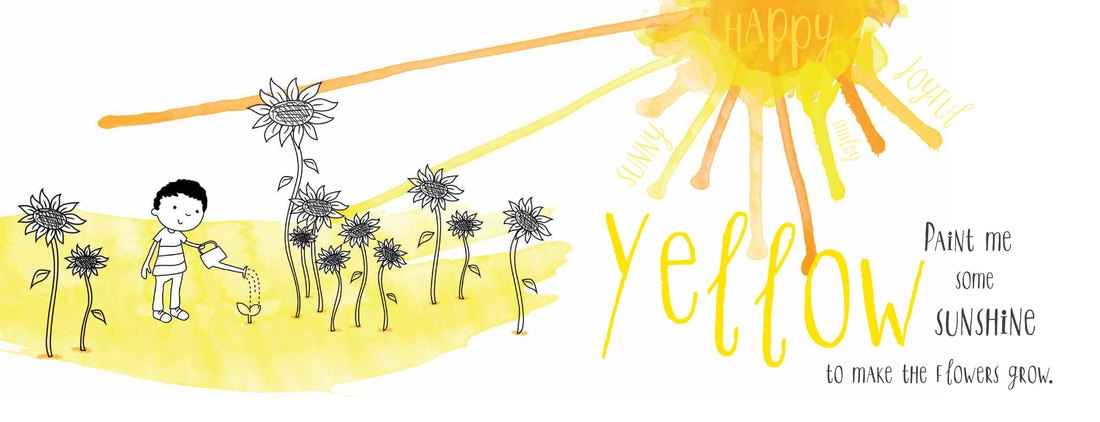
Summary: Paint Me a Picture equates color to mood, getting children thinking about the way they see and feel our colorful world.

Tell Me a Story lets children know that their words are important, that no matter the form, their stories are meaningful.

With simple rhyming text and accessible art, this book is a springboard for drawing and sharing stories, giving color to emotions, and kids permission to do, create, show and tell.

It delightfully, poetically, celebrates the joy and imagination in art in all its forms and inspires the storyteller in everyone.

Review: I love books that help students feel like they are artists, writers, or thinkers. I think creativity is such an important part of childhood and too often we are pushing kids to grow up too quickly and not learn how to be creative or we’re pushing kids to fit into a certain box instead of letting them think outside of the box. These books help kids see the joy in writing and creating. They celebrate creative thinking and writing and the colors of our world. They show how you can combine color and words to create something that others will want to read and see. 

Teachers’ Tools for Navigation: Sometimes all a student needs is inspiration to create a story or piece of art work. These texts are those inspiration. They help students know that their story means something. That their words are something someone wants to read. That color can mean something. That their color choices when making artwork make a difference but that all colors are beautiful.

Discussion Questions: If you wanted to draw a picture that symbolizes sadness/happiness/laughter/anger, etc., what color would you use? What would you draw?; What is your favorite color? What does it symbolize to you?; To write a story, you first need to start with an idea, a place, or a thing. What would you write a story about?

Flagged Passages: 

Read This If You Loved: What Do You See? by Kyla Ryman, The Amazing Crafty Cat by Charise Mericle Harper, A Child of Books by Oliver JeffersThe Museum by Susan Verde, My Life in Pictures by Deborah ZemkeDoodle Adventures by Mike LoweryMy Pen by Christopher Myers, Mix it Up! by Hervé Tullet, Sky Color by Peter H. Reynolds, Art by Patrick McDonnell, Not a Box by Antoinette Portis, Seen Art? by Jon Scieszka, The Cat and the Bird by Geraldine Elschner

Recommended For:

classroomlibrarybuttonsmall 

**Thank you to Lynn at Kane Miller for providing copies for review!!**

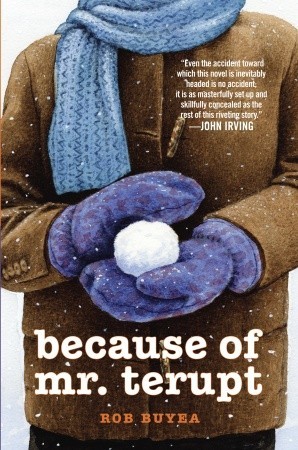
Because of Mr. Terupt by Rob Buyea

Share

Because of Mr. Terupt
Author: Rob Buyea
Published October 12, 2010 by Delacorte

A Guest Review by Julia Kipphut

Summary: Mr. Terupt’s fifth grade class at Snow Hill School is comprised of various types of students, some including: a new student, a popular girl, a bully, and a troublemaker. Their teacher, Mr. Terupt who is passionate and energetic, strives to engage his students and instill a sense of community amongst his class. Unfortunately, one day, a snowball fight goes awry and leaves Mr. Terupt in a coma. His class is rattled and must learn to work together, be kind, and hope for Mr. Terupt’s recovery.

Review: This book includes a variety of characters, each owning their own identity and personality. Each chapter is written from a different character’s perspective, making for a fluid and interesting read. They are relatable for children and allow them to recognize themselves in each character. Each character evolves in the story and shows tremendous growth, proving the rich development of the people in this book. The message of community and forgiveness is nicely intertwined in the story and proves that it is always better to choose kindness. The theme of this book is positive and motivational. 

Teachers’ Tools for Navigation: Because of Mr. Terupt serves as a great reader aloud for upper elementary school students. 4th and 5th graders who are struggling with their identity and place in a classroom community can learn the importance of compassion. Students can learn to embrace individual differences for a common goal or outcome, mirroring the characters in this book. Additionally, this book allows students to study character development throughout the story; each character evolves- allowing for effective classroom discussion.

Because of each character of this book is written from a different character’s perspective, students are able to study point of view and consider the influence each chapter has on the story as a whole. Students are able to learn about each character in depth and can even use literature circles to each study a character for analysis.

Discussion Questions: How might the story be different if the snowball accident did not happen?; What do you think the author’s purpose or message was for this story?; Why do you think the author chose to write this story from different characters points of views? Do you think this was effective?

Book Trailer: 

Read This If You Loved: Out of My Mind by Sharon Draper; Wonder by R. J. Palacio

Recommended For:

  litcirclesbuttonsmall  classroomlibrarybuttonsmall

Thank you, Julia!

RickiSig

Ricki’s 2016 NCTE and ALAN Experience

Share

2016-ncte

If you haven’t been to the NCTE (National Council of Teachers of English) convention or ALAN (Assembly on Literature for Adolescents of the NCTE) Workshop and you love books, this would be a real treat to yourself. The NCTE convention occurs each November the Thursday through Sunday before Thanksgiving. Then, the ALAN Workshop occurs the Monday and Tuesday following the NCTE convention. Attendees include teachers, librarians, teacher educators, authors, and publishers. I’ve gone every year since 2006, and I absolutely love attending.

I love meeting all of the great, incredible new authors. But this year, I was able to meet two of my childhood icons, Ann M. Martin, author of The Baby-Sitters Club series and S. E. Hinton, author of The Outsiders.

15107368_10103729408876601_8402640874323432055_n

Ann M. Martin

15037313_10103730362984561_1890780387595358292_n

S. E. Hinton

The NCTE convention allows us to fulfill our childhood dreams, but it also helps us fulfill adult dreams. This year, I was honored to chair a panel that featured Laurie Halse Anderson, E. K. Johnston, and Amber Smith at the ALAN Workshop. Laurie led the discussion, which was centered on issues of rape and healing. All three authors have phenomenal books that critically examine this topic.

lha-panel

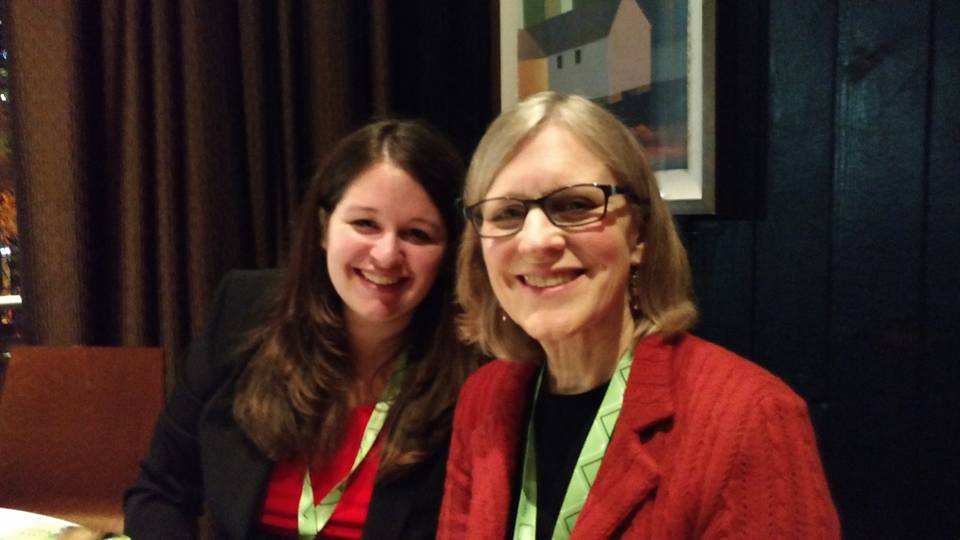
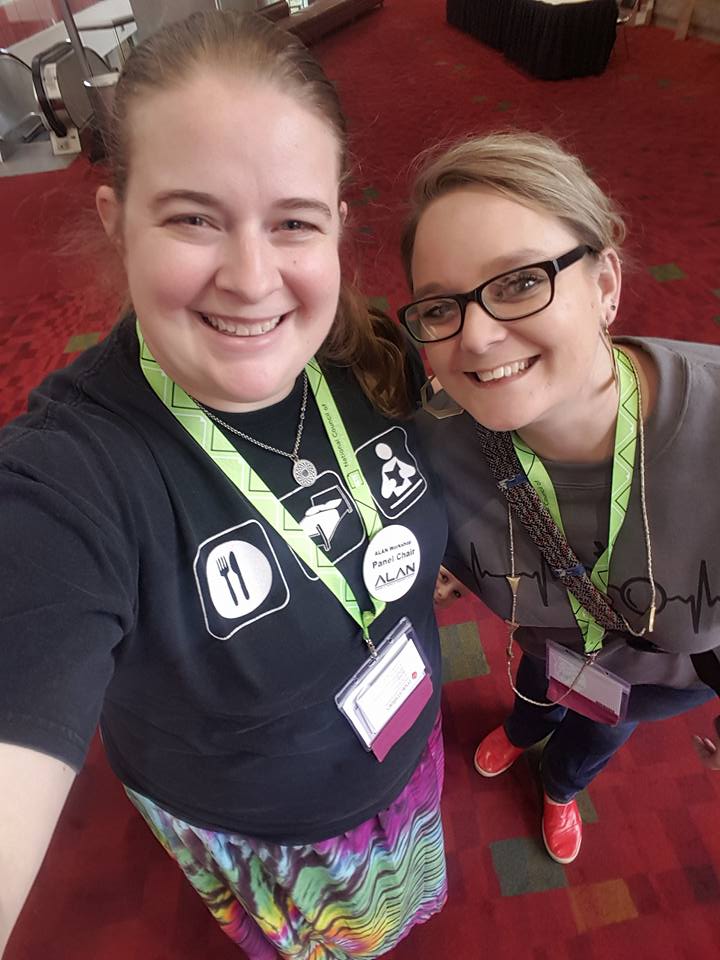
Me, E. K. Johnston, Laurie Halse Anderson, Amber Smith

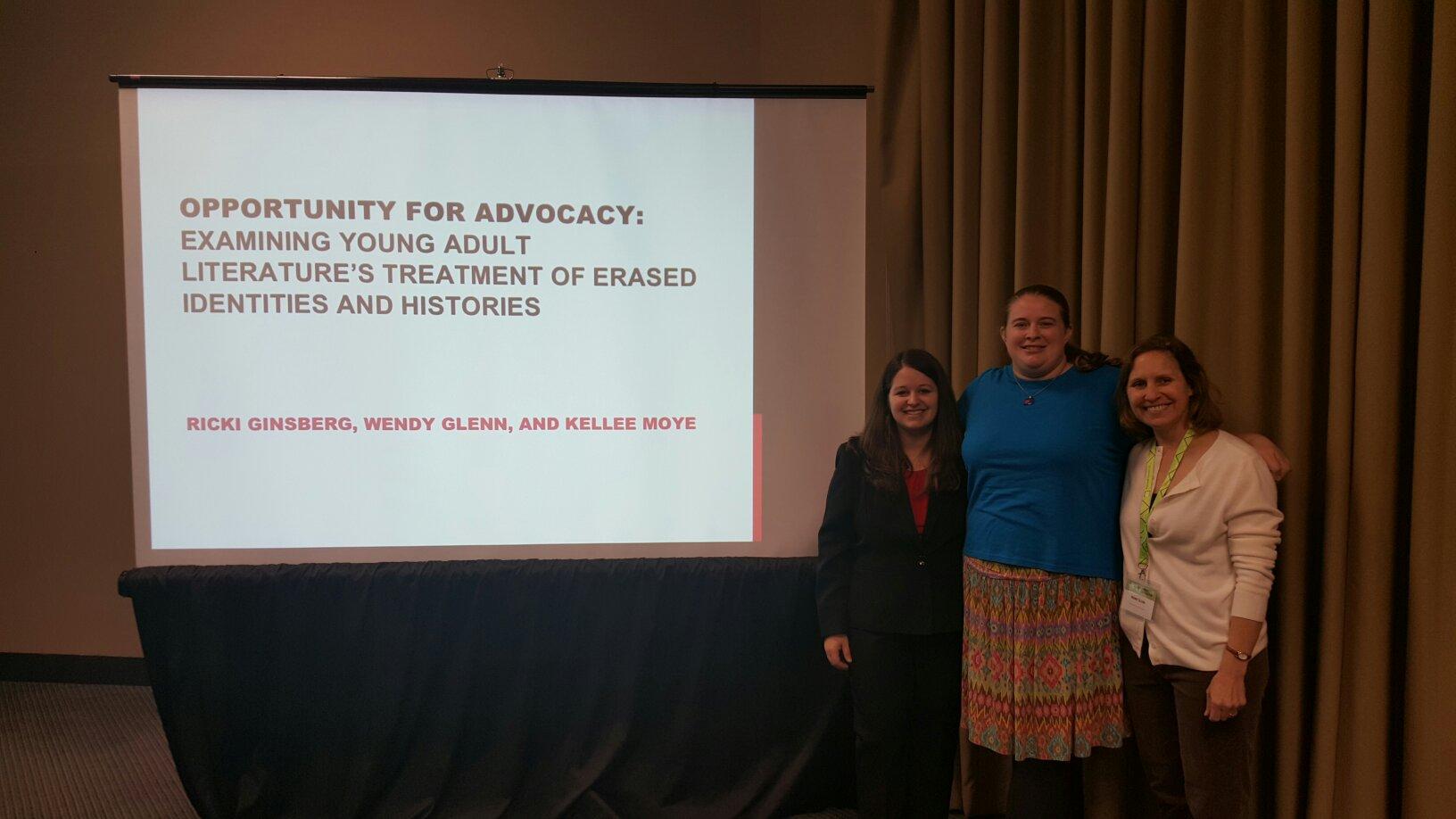
My first presentation was “Opportunity for Advocacy: Examining Young Adult Literature’s Treatment of Erased Identities and Histories.” I was really proud with how this presentation went! Wendy, Kellee, and I presented different ways that young adult texts erase or deny identities and how this can be used to promote advocacy. Two of the handouts that emerged from this session will be available this Wednesday and Thursday

30208

Me, Kellee, Wendy

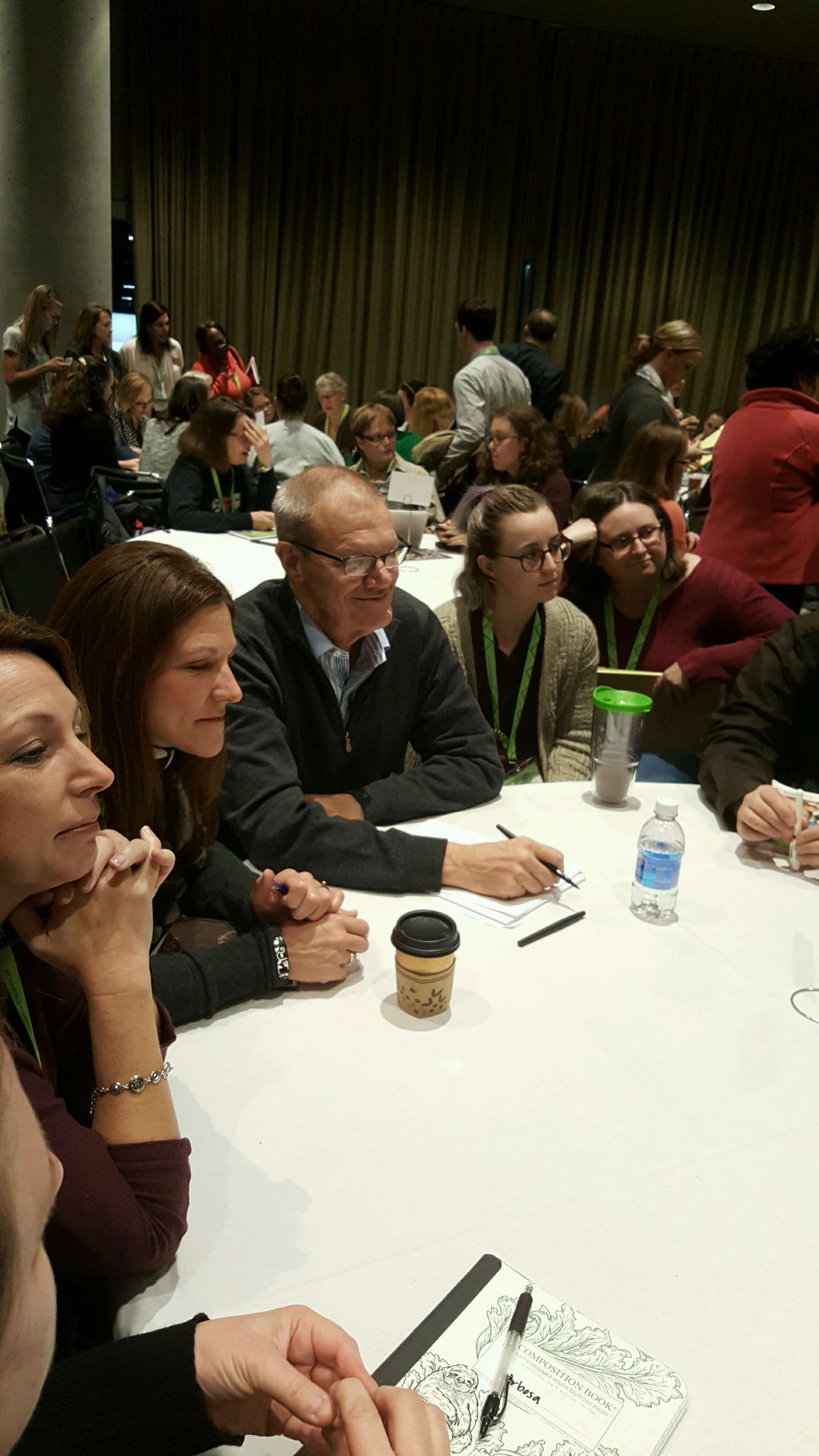
I also presented at a roundtable session, “Advocating for Hope: The Amelia Elizabeth Walden Award and Its Importance in Promoting and Providing a Positive Outlook.” We used the Amelia Elizabeth Walden Award books to show different creative ways to help students search for messages of hope. We also discussed how to create text sets of hope.

30221

Advocating for Hope Roundtable

I also presented at a roundtable in the “Culturally Diverse Young Adult Literature: Voices of Advocacy & Community” session. Meg Medina and Kekla Magoon started out the presentation and discussed the importance of culturally diverse literature to promote advocacy. My roundtable featured Kekla Magoon’s How it Went Down. We talked about how interdisciplinary ideas, like dog-whistle politics, could be used to help students analyze perspective and work toward advocacy.

My last presentation was in a paper panel called “Examining Responses to Young Adult Literature in English Education and English Language Arts Classrooms.” Wendy Glenn and I talked about our research study about the ways students labeled as struggling negotiated their reading identities in nontraditional and traditional English courses. The full paper is available in the Research in the Teaching of English‘s August 2016 journal. The article is published here.

I also attended some great presentations about identity, equity, and advocacy (my interests). I learned so much and am very excited to keep rethinking my instruction and research.

From old friends to new, I am always excited by the incredible connections I make at this conference. I am lifted up by the individuals who share this passion for reading and feel so grateful for my NCTE and ALAN families. Thank you all for another wonderful year that invigorated me and made me feel even more alive and excited to begin this next year—for I genuinely believe that reading saves lives.

Until next year, friends! Will I see you there? 

2017-ncte-web_banner_660x133

RickiSig

Kellee’s 2016 NCTE and ALAN Experience

Share

2016-ncte

What is NCTE and ALAN? The figurative answer is BOOK LOVING EDUCATOR HEAVEN! The literal answer is NCTE stands for the National Council of Teachers of English and ALAN is the Assembly on Literature for Adolescents of the NCTE. Each November, the annual NCTE conference followed by the ALAN workshop is six days of educators of reading & writing, books, and authors. I have attended both every year except last year since 2010, and it is one of the things that truly fills my teaching tank.
20161118_090931

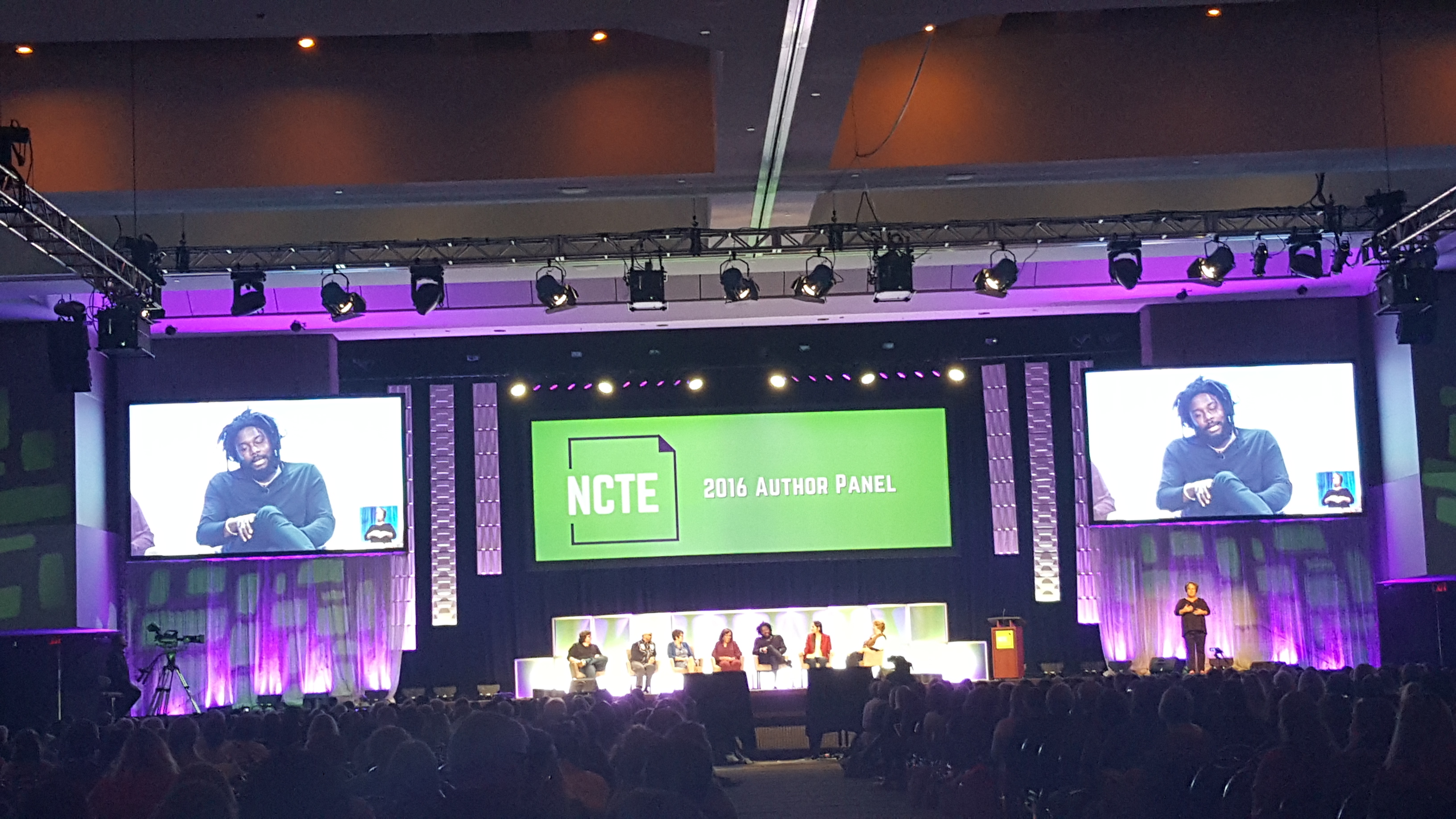
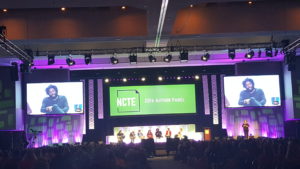
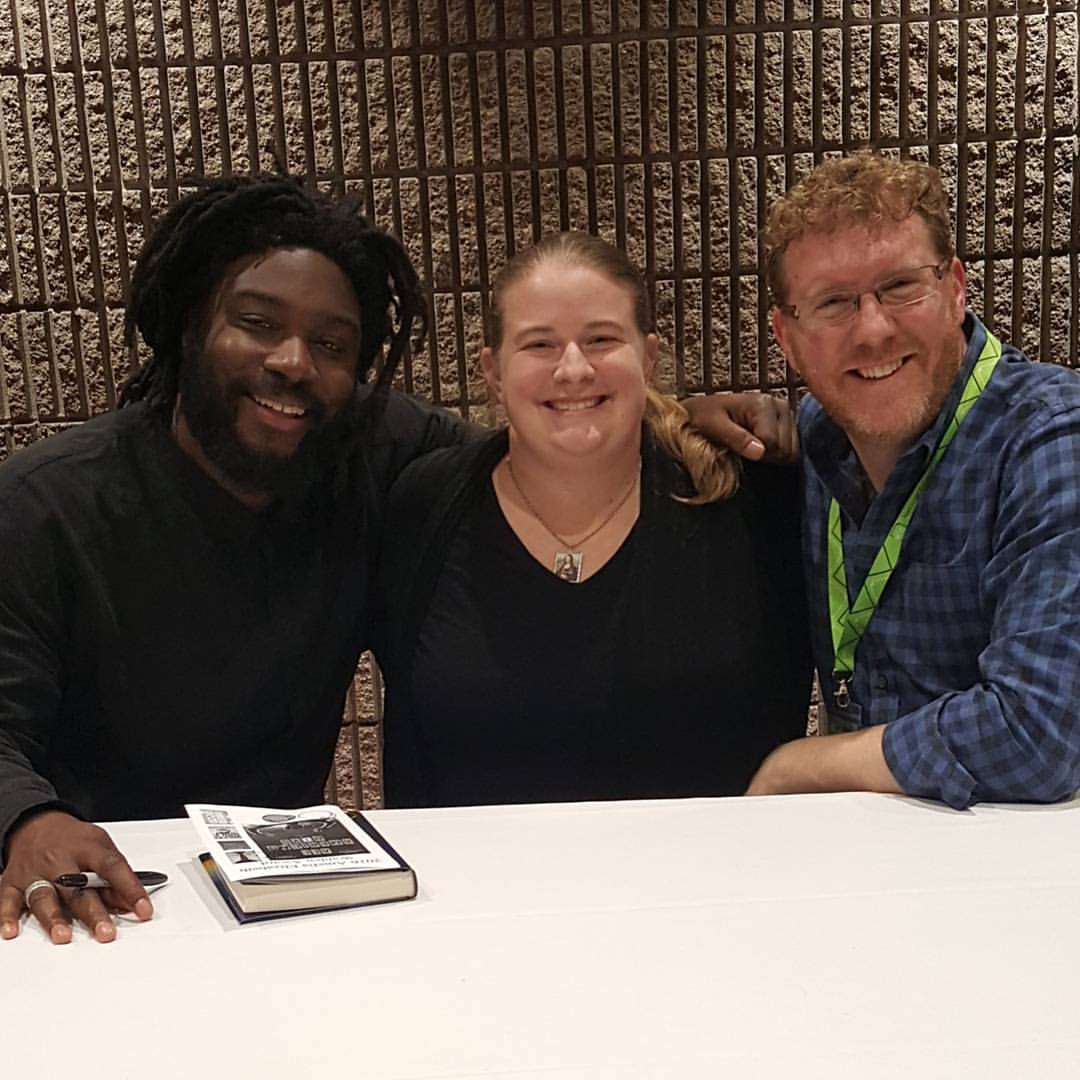
This year at the conference, the focus was advocacy, and I began my time there with a panel about authors as advocates which featured Jason Reynolds, Meg Medina, Greg Neri, e.E. Charlton-Trujillo, Sharon Draper, and Ibtisam Barakat. The panel brought up many important topics though specifically focused on how literature can be windows and mirrors for our students. The easiest way to share the brilliance of these authors is to share what they said (from my Twitter feed, so may not be exact quotes):

Greg Neri

  • “I may not have the answers, but I can raise important questions.”
  • “My books serve as gateways that raise questions that teachers might not be prepared to talk about.”
  • “Talk TO kids not AT kids.”
  • “Kids have a voice. They just need to be assured they can use it.”

Meg Medina

  • “I wrote with the intention of kids recognizing themselves and their experience on the page.”
  • “Take a risk on new author voices.”

Sharon Draper

  • “How do we advocate for change? By getting kids to read which makes them think.”
  • “Books are an opportunity to begin conversation.”
  • “DO NOT USE THE TERM THOSE KIDS. Every kid that walks into the classroom needs an opportunity. They all need you.”
  • “Put all the books out there and let kids find the books they need.”
  • “Books touch people in ways authors don’t expect.”

e.E. Charlton-Trujillo

  • “Give that one piece of literature that can give a reader a window of who they COULD be.”
  • “Books create conversation. When we are in conversation we create opportunity.”
  • “None of us are blind to the hate/oppression in US. Young people more than ever need an opportunity to be heard.”

Jason Reynolds

  • “Greatest form of advocacy, underrated form of advocacy, are the mundane stories.”
  • “Very dangerous thing to tell a kid that the way they natural speak, the way their family speaks, is improper/wrong.”

Ibtisam Barakat

  • “You can destroy children by words.”
  • “When a president of a country targets one particular group, that’s dangerous.”
  • “Kids (we) only learn from people we like. It’s all about the relationship.”
  • “To be here for years and still feel like an outsider. Our whole culture is mispronounced.”
  • “When dealing with children all political views and prejudicial feelings should be put aside and the child should be treated as just that, a child.”
15137540_10209377020114750_7666924146399048139_o

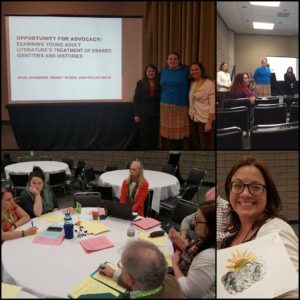
I then went directly to my first presentation titled OPPORTUNITY FOR ADVOCACY: EXAMINING YOUNG ADULT LITERATURE’S TREATMENT OF  ERASED IDENTITIES AND HISTORIES that I was presenting with Ricki and her adviser at UConn, Wendy Glenn. I loved working with Ricki on this presentation, and I really felt like there were amazing conversations were had while discussing figurative and literal erasing of histories and identity.

Following this presentation was our session about the Walden Award. I was lucky enough to introduce the award and its history to our attendees.

View the introduction presentation at: https://drive.google.com/open?id=0B3gaomzCT6B7NWE0V1NMcV9qRjA

We then worked with our attendees on how each Walden Award winner fit the idea of hope, what hope is, and how you can use the intersection of art, music, writing, and reading to promote hope within the classroom.

Some of my favorite part of this round table is the discussion of what hope is and why it is important:

  • “What is hope? Hope is the thing w/ feathers. -Dickinson | Belief in the possible. | Footholds when you are slipping. | Knowing I’m not alone.”
  • “Everyone has a different definition of hope.”
  • “How is a positive outcome different than a hopeful outcome?”
  • “Some books with neat, positive outcome may not seem real while hope seems real and is a bit open and messy.”
  • “Hopeful endings let the reader be part of the conclusion of the story.”
  • “A little bit of light in the darkness is a lot. Hope is the sun beyond the dark clouds. -Daria Plumb”
  • “Don’t want to leave kids just in the loss, the dark. Need to look at hope, the light. -Wendy Glenn”

One thing I love about NCTE is being able to see some teaching super stars present about their work. I never get to see everyone that I hope to because of conflicting sessions, but I was able to get to see Linda Reif and Harvey Daniels this year, both who I have never seen before.
linda-reif

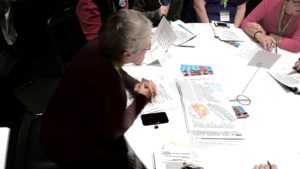
The first session I attended was Linda Reif’s where she shared her Heart Map poetry books that she does with her students to help the explore poetry in a more authentic and memorable way that leads deeper understanding of poetry through reflection, art, and reading. The final product is a beautiful heart book filled with  poems, reflections, and artwork.
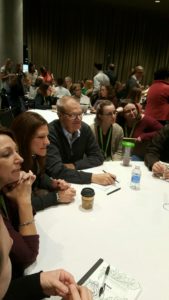
harvey-daniels

Then I went to see Harvey “Smokey” Daniels who was one of the first education authors that I really connected with, so I was so excited to finally be able to be inspired by him. His newest text is The Curious Classroom, so he engaged us in discussion about inquiry and how to bring inquiry into our classroom. I took away the reminder that inquiry does not have to be a large unit project or assessment but can just be a way to start each day or a way for students to find what really interests them. I look forward to reading The Curious Classroom and work even more towards making my class a hub of inquiry.
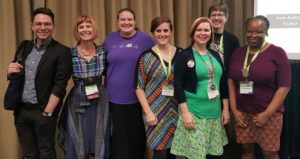
15111113_10209391767563427_8946989518582707591_o

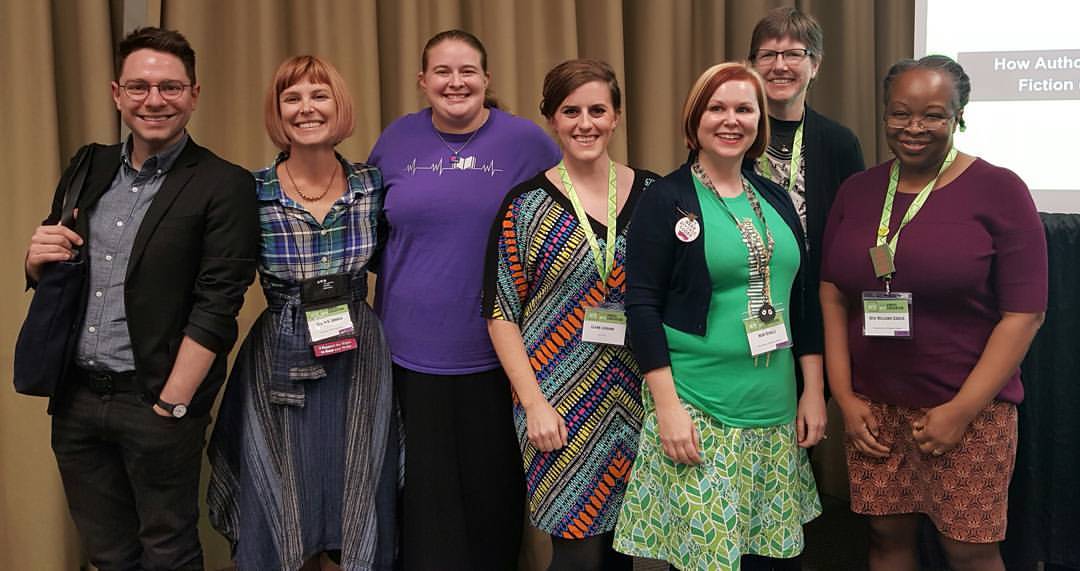
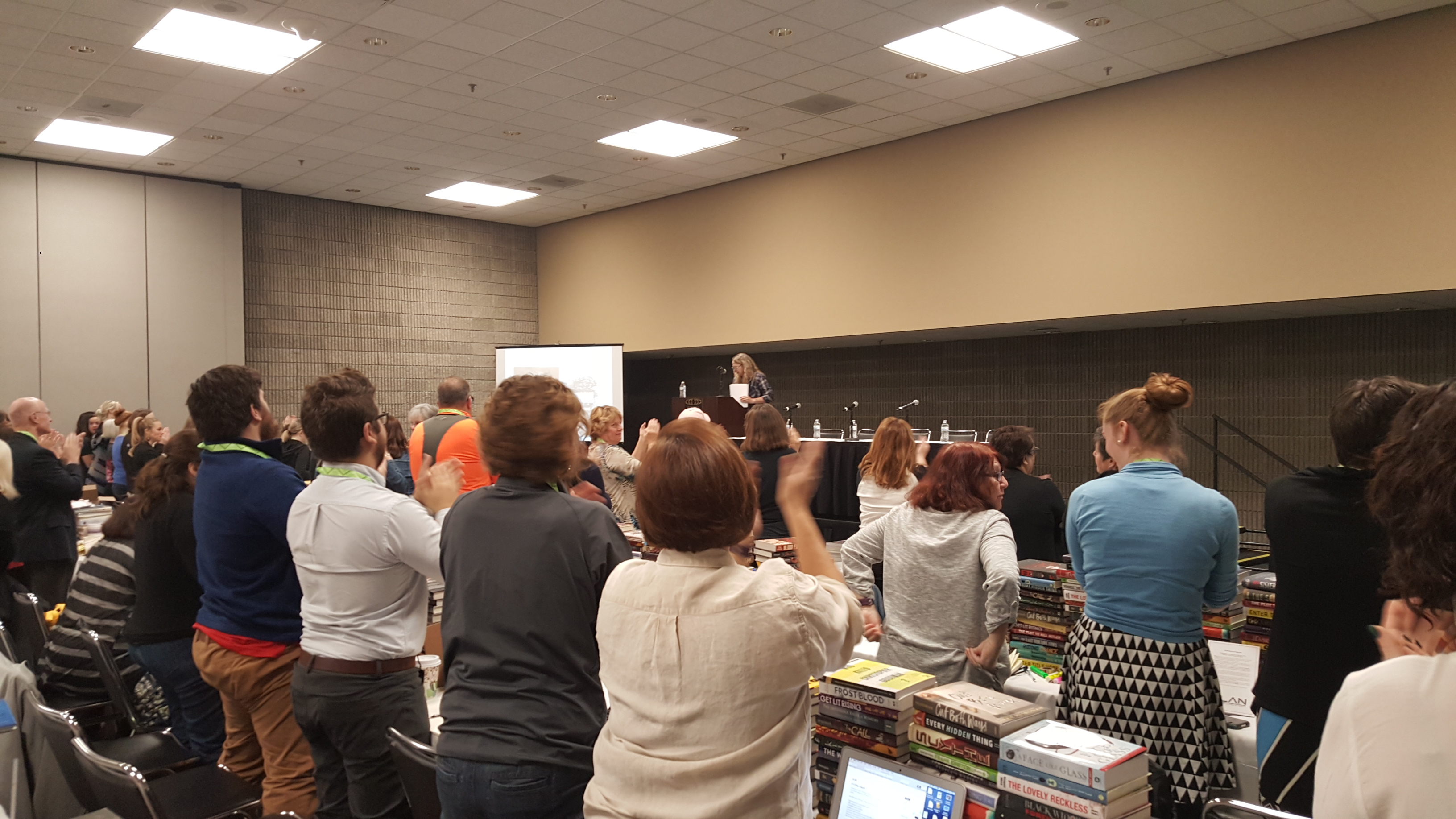
My final presentation was an author panel with Tim Federle, Elana K. Arnold, Claire LeGrand, Heidi Schulz, Anne Nesbet, and Rita Williams-Garcia on how they take the life they live and use what they know to write their fiction. The panel was fantastic, and I felt that it was a perfect mix of seeing amazing authors and activities that could be used directly in the classroom. The authors were so good, I had to take some notes! (And there were more that I didn’t get to write down because I was so enthralled.)

  • “All of life is material for writing. I rewrite the past as I wish I’d done.” -Tim Federle
  • “I’m the protagonist of my own life story.” -Tim Federle
  • Take lots of notes because “you never know when you’re living history.” -Anne Nesbet
  • “Delphine had to learn to form her own opinion and defend herself.” -Rita Williams-Garcia

The presentation below have each authors’ writing tip that will help your student writers move from life to notebook to fiction.

View the presentation at: https://drive.google.com/open?id=0B3gaomzCT6B7OUlBaXZzLVpoUWM
20161120_112510 20161120_110359

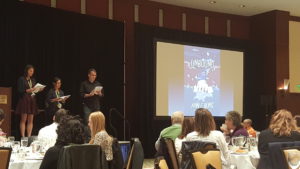
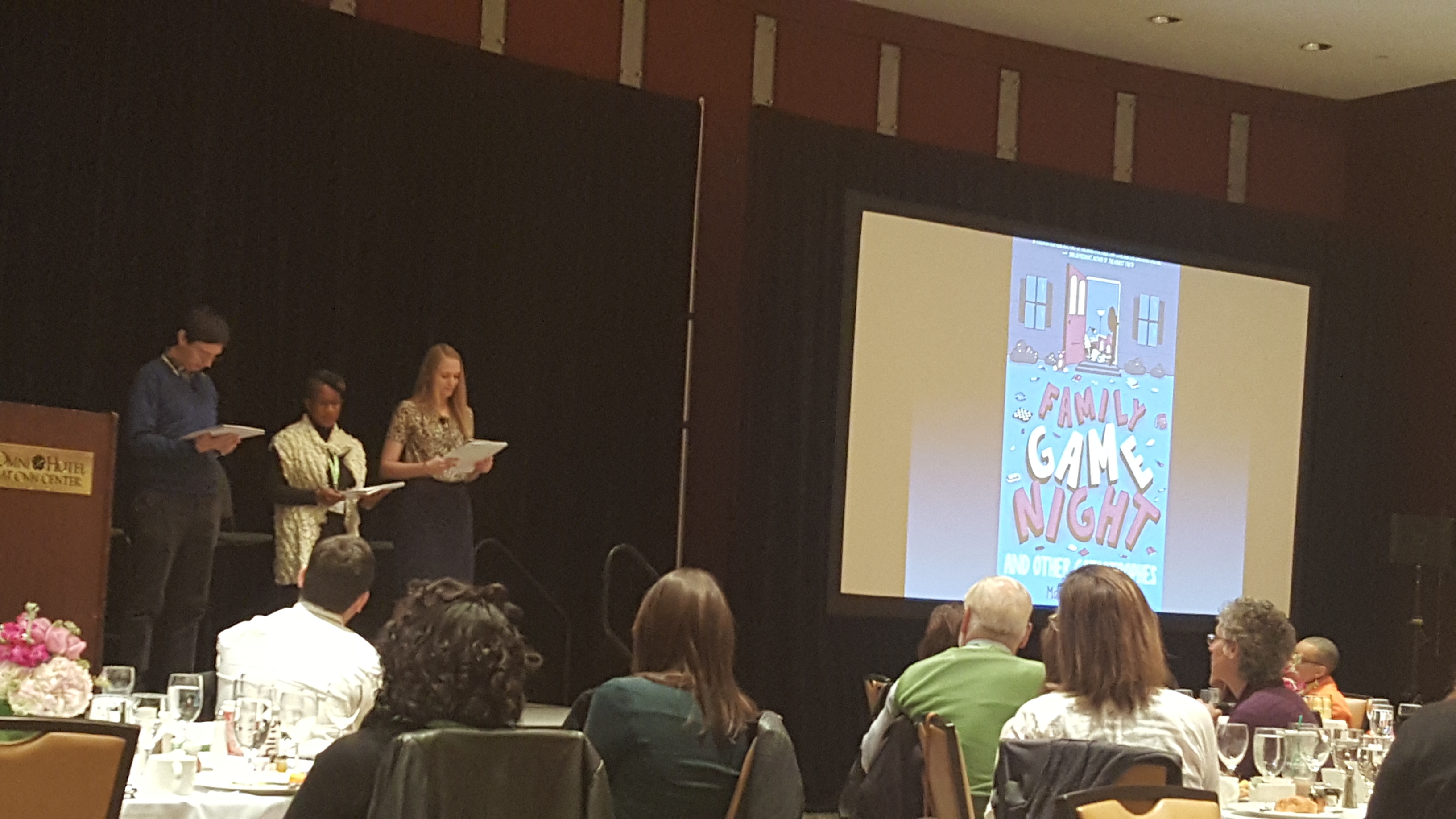
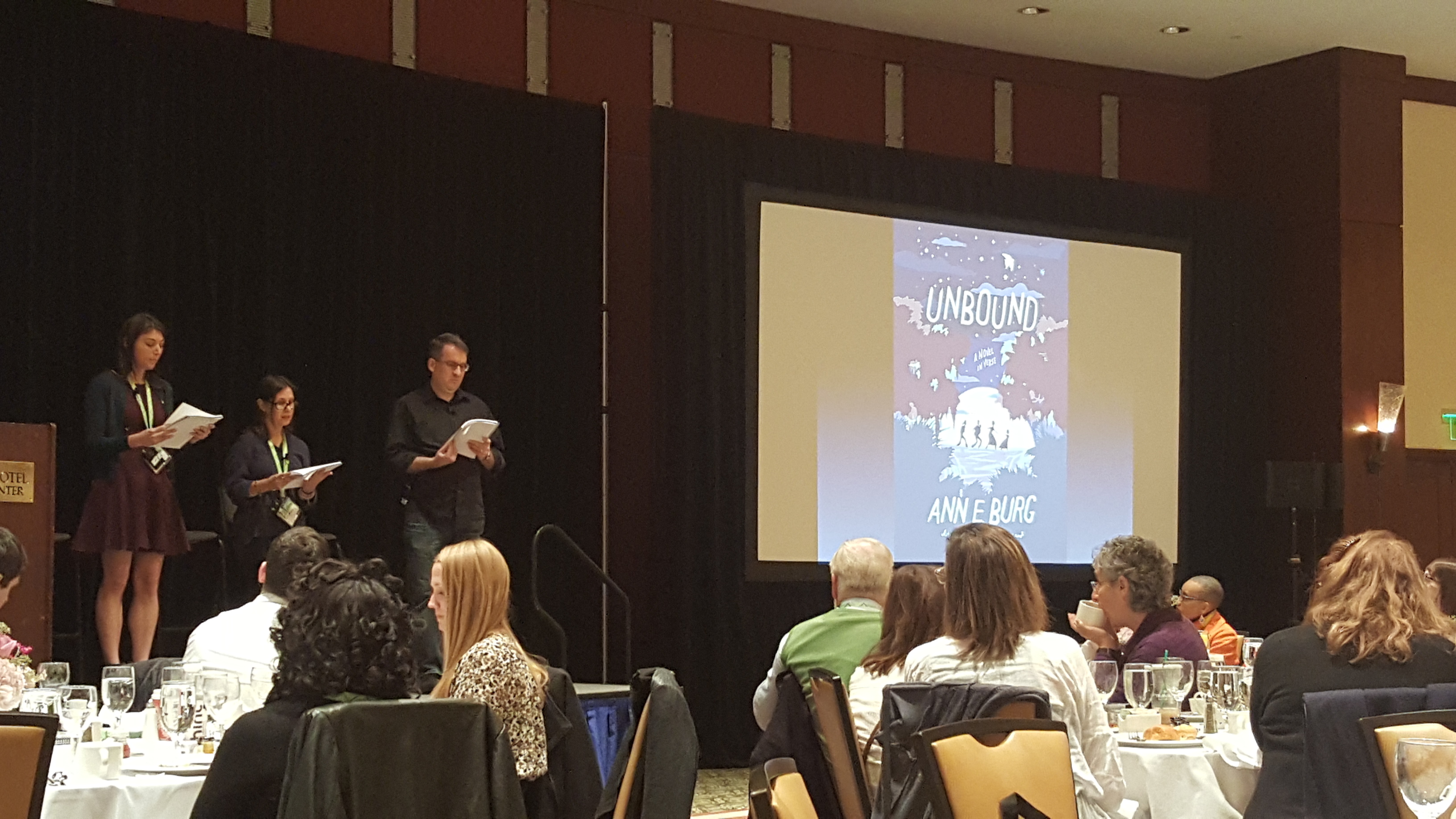
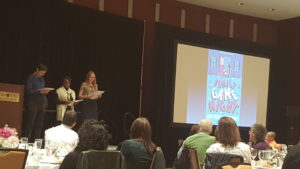
On Sunday, I attended one of my favorite events at NCTE, The Scholastic brunch, which introduces the attendees to six books and the authors, in groups of 3, take part in readers’ theater of scenes from each book. This year the authors were Ann E. Burg (Unbound), Alyson Gerber (Braced), Christine Taylor (Riding Chance), Mary E. Lambert (Family Game Night and Other Catastrophes), Peadar O’Guilin (The Call), and Jordan Sonnenblick (Falling Over Sideways).

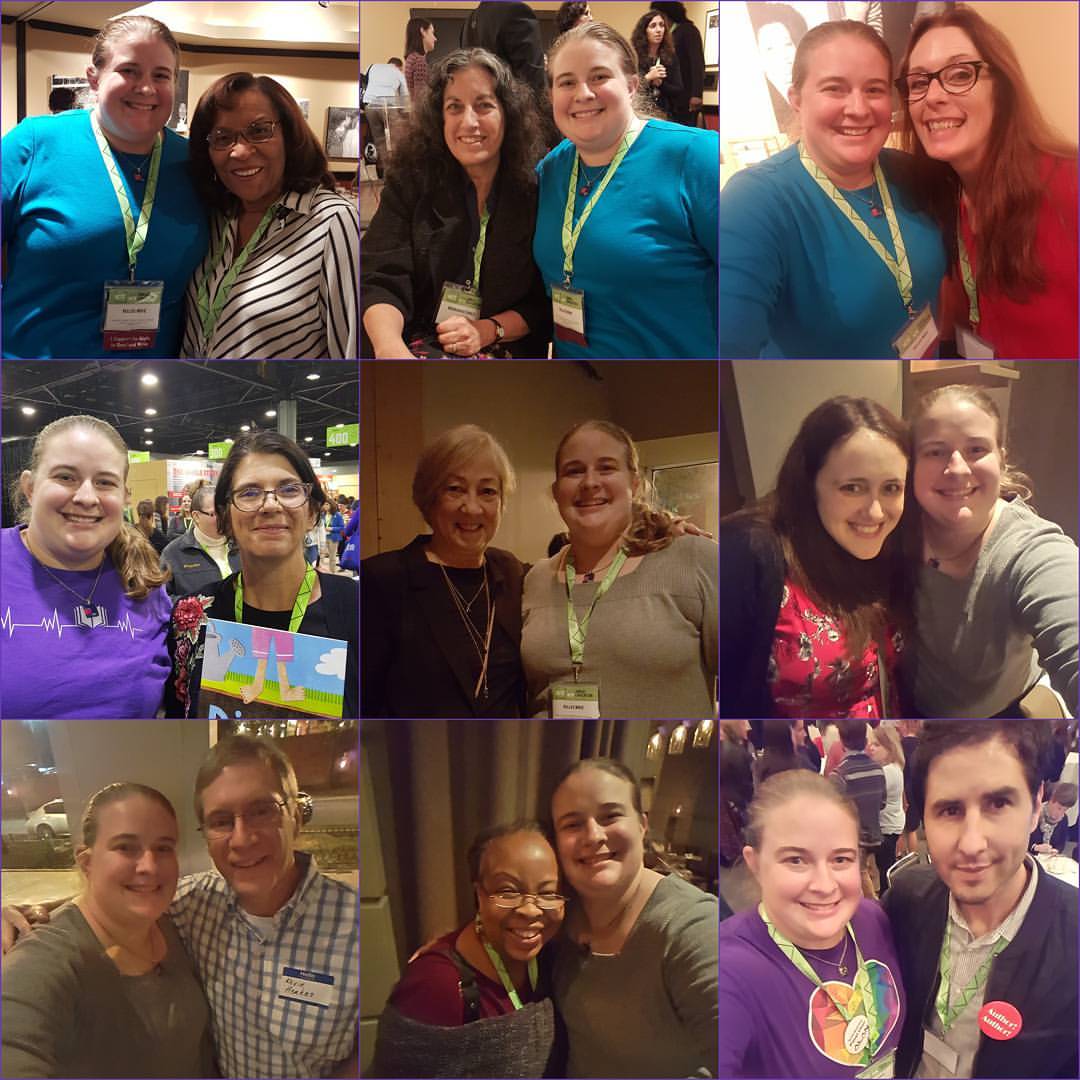
Throughout these 4 days, I was very lucky to see so many wonderful authors, some new to me and some I consider friends. I want to thank all of the authors and publishers for everything they do during NCTE!
15122975_10209412976893647_5262581908641506402_o

Sharon Draper
Margarita Engle
Laurie Halse Anderson
Cindy Jenson-Elliott
Sharon Draper
Becky Albertalli
Kevin Henkes
Rita Williams-Garcia
Matt de la Peña
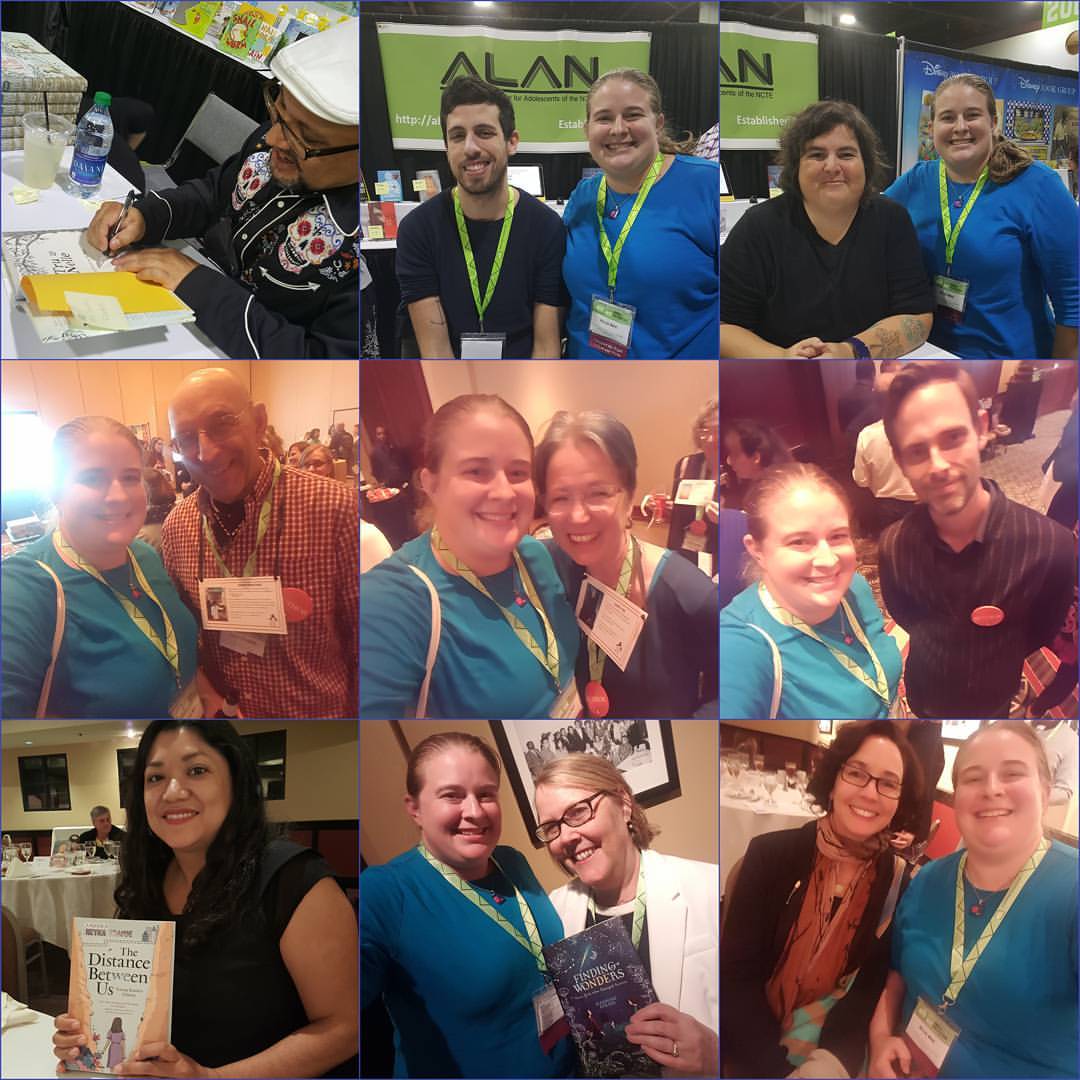
15137652_10209412941452761_4488921074953812660_o

Greg Neri
Adam Silvera
e.E. Charlton-Trujillo
Joseph Bruchac
Janet Fox
Ranson Riggs
Reyna Grande
Jeannine Atkins
Nora Raleigh Baskin


alan

The amazingness that is the ALAN workshop’s first event is the ALAN breakfast on Saturday morning, and this one definitely start with a bang: S.E. Hinton was the esteemed speaker. I also love the breakfast because the ALAN Award and Ted Hipple Service Award are both given out. These two awards given to advocates for adolescent literature and ALAN are always accompanied by amazing speeches, and this year was no different!

Hipple Award Winner: Marge Ford

  • “ALAN is a force of like-minded people. We are story people.”

ALAN Award Winner: Gary Salvner

  • “Just as stories have changed me, I pray that they can change others.”
  • “We don’t need to build a damn wall, we need to open doors and give kids skills to rebuild the world.”
  • “Share books that promote reconciliation and understanding.”
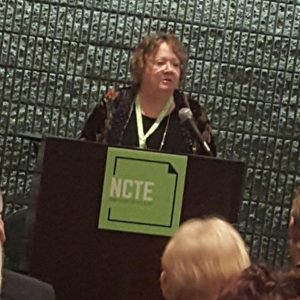
15032136_10209382106641910_1905280321426847557_n

We then were lucky enough to see S.E. Hinton speak. She was the perfect mix of funny and insightful and thoughtful and blunt.

  • “First half of my life people thought I was male; the second half they thought I was dead.”
  • “No better writing teacher than Jane Austen and the library is free.”
  • “I wrote The Outsiders because I  was upset about the social situation at my high school.”
  • “If you don’t write because you don’t know who is going to read/publish it, you’re not a writer. Focus on writing.”
  • “I flunked reading/writing when I was writing The Outsiders.”
  • “I used initials for first reviewers to keep bias out.”
  • “Don’t think your enthusiasm doesn’t matter. Even if students may not like something, enthusiasm spreads.”
  • “I couldn’t teach because couldn’t leave the kids at school. I would take them home with me & worry.”
  • “Writing a screenplay is writing a coloring book where actors, directors, & others add color. Communal story telling.”
  • The Outsiders is what it is because of when I wrote it.”

On Sunday night with the ALAN cocktail party, the festivities officially began! The cocktail party is a free event for attendees of ALAN that give the authors and attendees time to mingle before the workshop begins on Monday. Thank you to the publishers who host the cocktail party!
20161121_084527 20161121_085607

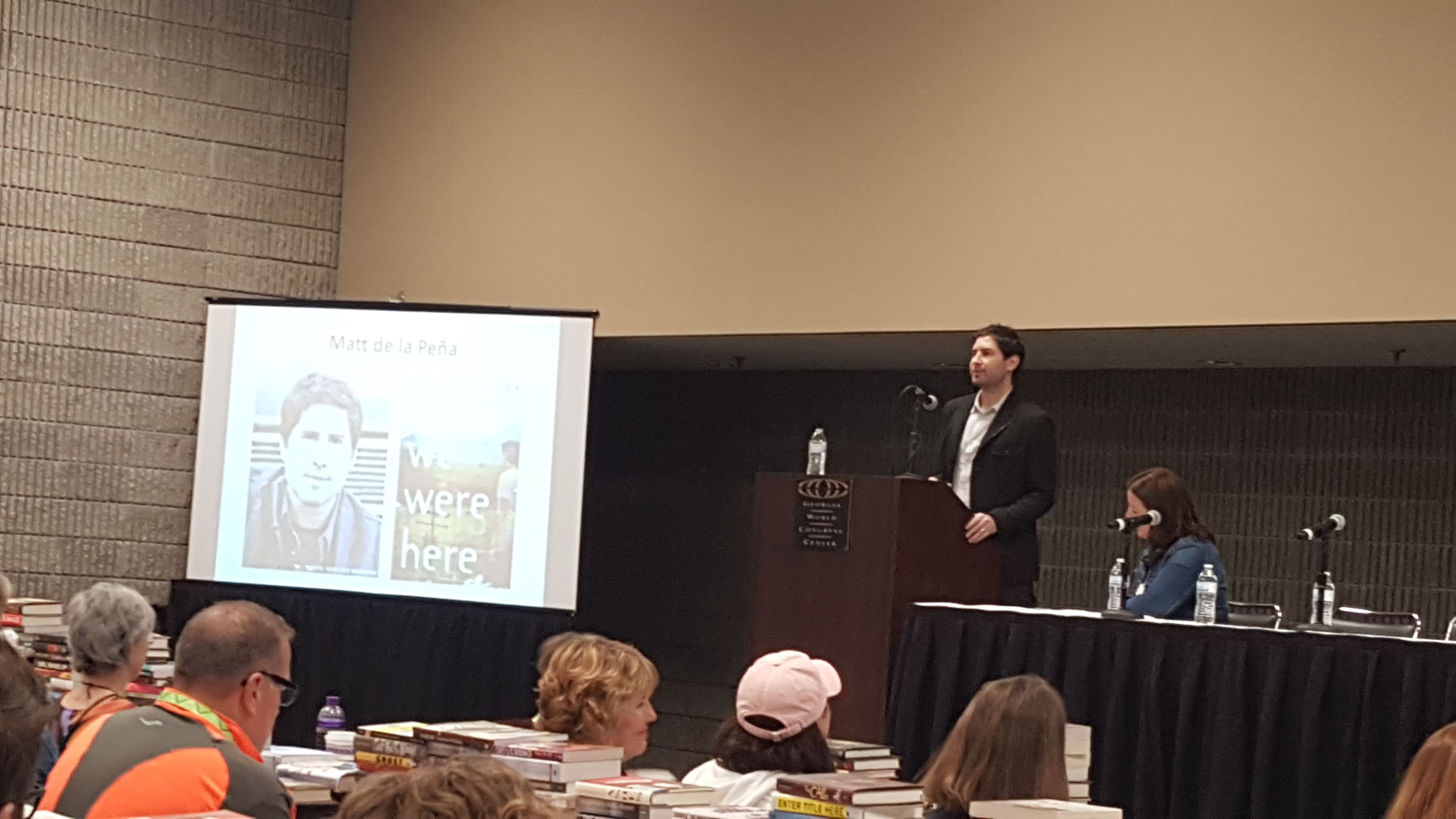
Monday started with a bang! A.S. King was the key note speaker followed by Matt de la Peña. Both speakers blew away the audience with their truth about the state of our country, the importance of literature, and a focus on love.

A.S. King

  • “I was often told to be more normal.”
  • “I thank my 9th grade teacher for allowing me to write a 1st person narrative from the POV of a specific can of succotash.”
  • “My characters’ voices are in my head and go out my fingers.”
  • “I plan nothing. My process is based solely on trust in a very untrustworthy world.”
  • “No matter what I do in life I’ll be doing it as a woman and that will piss some people off.”
  • “Rejection letters taught me that woman are not supposed to be weird.”
  • “Teachers know how to assess. You are in a contact state of assessment. You are teachers!”
  • “People who make THE TEST are not even educators! Teachers’ jobs have grown more challenging.”
  • “Relevant contemporary novels are not dangerous. No where as dangerous as thinking that all kids should learn the same.”
  • “Failure is spectacular for risk takers! Risk takers are test proof.”
  • “Innovation is the child of necessity.”
  • “Classrooms are shelters for figurative tornadoes all around us.”
  • “Education is being bought and sold while poverty is crushing the souls of our children.”
  • “Write a common core of compassion and put it into every lesson.”

Matt de la Peña

  • “Everyone has things they are proud of & wear on their sleeve & have things they are ashamed of. What makes us human.”
  • “I want to go into schools where there is no one like me to show them there are people like me.”
  • “Favorite thing about being home is reading books to my daughter.”
  • He then read to us a story called LOVE which I cannot wait to see in completion form.

I must also mention what I felt was one of the most moving and powerful moments of the ALAN workshop: The Get Lit Poets. Four teens joined us and performed poetry for us that is incomparable to much I have heard before. Visit their YouTube channel to view their work.
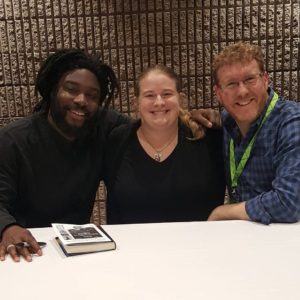
15138422_10209405317302162_864809732563732155_o

One of the highlights on the Monday of the ALAN workshop is always the Walden Award presentation. This year’s award was given to All American Boys by Jason Reynolds and Brendan Kiely with the honors given to All the Bright Places by Jennifer Niven, Challenger Deep by Neal Shusterman, Out of Darkness by Ashley Hope Pérez, and Wolf by Wolf by Ryan Graudin. Chair Mark Lechter asked each author (all were able to attend but Jennifer Niven) to discuss the concept of hope.

Jason Reynolds

  • “Hope is not self fulfilling.”
  • “Just because you say you have hope doesn’t mean you do. It is not cerebral; it exists in the gut.”
  • “Hope is thrown around so much, it doesn’t mean much any more. You have to do something.”
  • “Students want to have these discussions, they just need somewhere to have them.”
  • “Do something. Earn it. Every day.”
  • “This book came out of their friendship. This is what it looks like. It can happen.”

Brendan Kiely

  • “Tricky to talk about race and racism as a white person. But necessary.”
  • “But it is incredibly important to think about our accountability to threatened communities.”
  • “Hope is action.”
  • “Identity politics are civil rights. Let’s go out there and BE hope.”
  • “First need to deconstruct the part of me that is the problem so I can be part of the hope.”
  • “Hope is the kind of road that I travel to find and share love.”
  • “Love and love and love. I want to write in search of hope.”

Neal Shusterman

  • “So many books about mental illness only show the dark side; this novel shows light.”
  • “When you start to spiral, remember there is hope.”

Ashley Hope Pérez

  • “Hope is not about happy endings. Not about naive optimism. Hope is about particular orientation to the future”
  • “Hope depends on the reader, and the work the reader is willing to do.”
  • “Hope in seeing the character’s resilience.”
  • “Giving tiny seeds of hope for readers to go the future that we really want to have.”

Ryan Graudin

  • “Hope is not an emotion. It is a force. It is the call to take action.”
  • “We need something to keep us going. That is what hope is.”
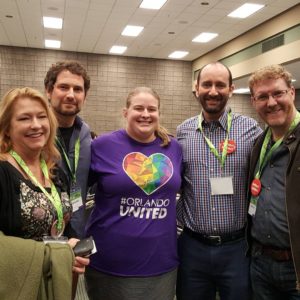
15110907_10209411265770870_3354709884875626067_o

My author panel was the last of the day Tuesday and was a wonderful exclamation point at the end of a workshop that many of us will never forget. My panel focused on re-imagining love stories with Kristin Elizabeth Clark, Kenneth Oppel, Bill Konigsberg, and Brendan Kiely. Each of their love stories is a deviation to the traditional, and we focused on that during the moderated discussion.

  • “Love is love. It all feels the same on the inside.” -Kristin Elizabeth Clark
  • “I wanted to celebrate rush of first love & make it more complicated than Romeo & Juliet.” -Kenneth Oppel
  • “I’m always looking for the love story that hasn’t been written yet. | I’m exploring what youngest generation is doing with labels. I learn the most from them.” -Bill Konigsberg
  • “The one purpose of life is to learn how to love & hold onto it. | It [Last True Love Story] is a dual love story; It is a journey of teens falling in love & end of life, holding onto love.” -Brendan Kiely

Mixed in with these panels and speakers were panel after panel and speaker after speaker of authors and educators and editors sharing their passion. Search #ALAN16 or @ALANorg on Twitter to view some of the amazing insights shared. Here are some more of my favorite quotes from both days:

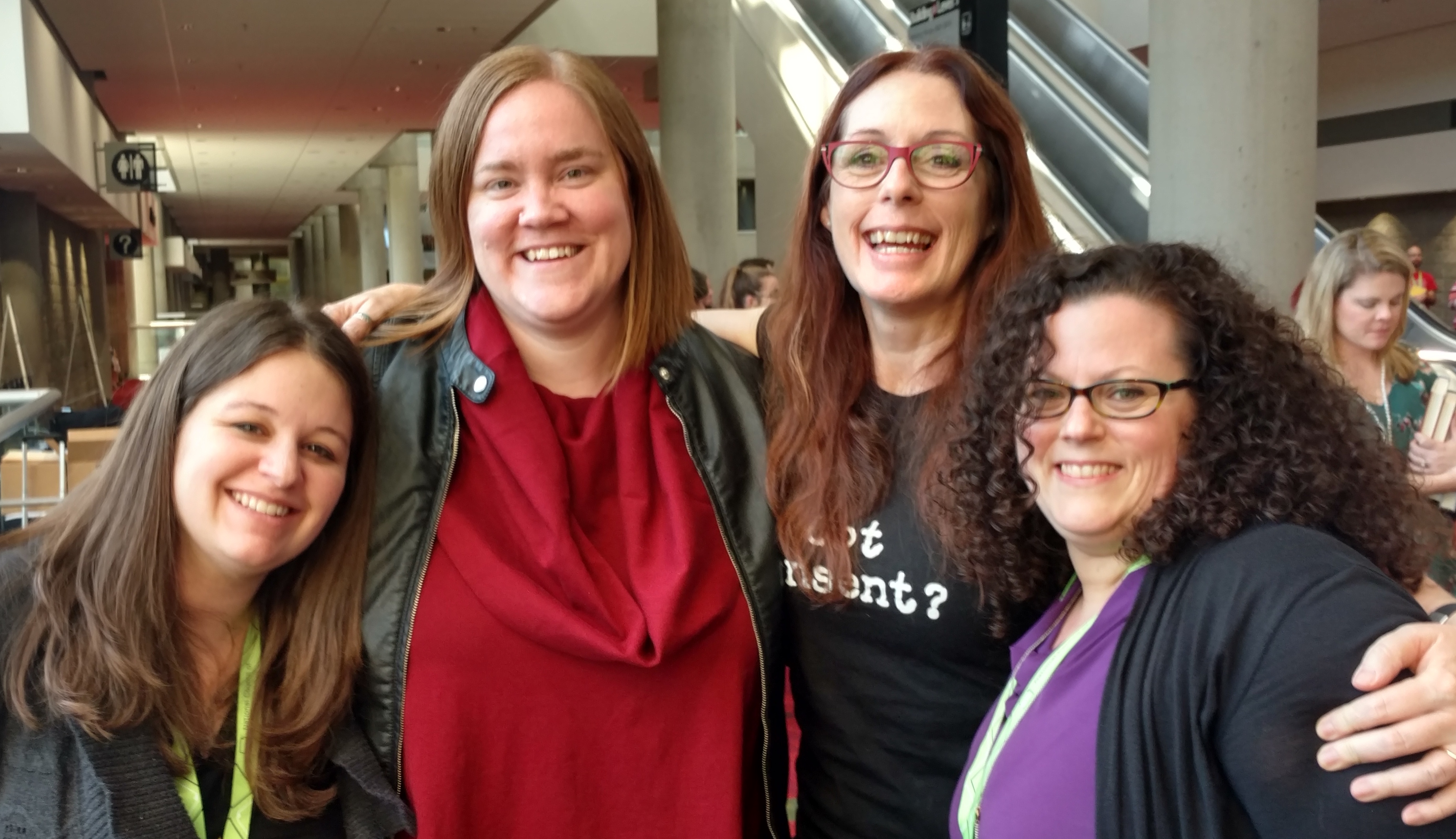
  • “The word diversity needs to be replaced with American.” and “Don’t hide behind the canon. We have robust literature that represents all teens now.” -Laurie Halse Anderson  (while wearing her GOT CONSENT? t-shirt)
  • “Urban fiction is a label to say the book is a little bit dangerous. We need to be self aware that the label Urban sweeps cultures under the rug. Erases identity.  Using the term URBAN FICTION is simplifying things. And anything easy should be thought about.” -Jason Reynolds
  • “Whatever the setting it, it is vitally important to humanize every single character on the page.” -Ibi Zoboi
  • “Soon the only thing mentioned on vocab tests and in schools about American Indians will be the term extinct.” -Tim Tingle
  • “There are many of us [Native Americans]. We write nation specific. We all have diff cultures. What we have in common is genocide.” -Eric Gansworth
  • “Challenge of writing Vincent Van Gogh’s life was figuring out how reliable he was as a narrator” -Deborah Heiligman
  • “Writing fiction is like baking a cake with best ingredients from store; nonfiction like baking with what your partner brings home.” -Candace Fleming
  • “Humans are good that way. If you love something hard enough, it rubs off onto others.” -Maggie Stiefvater
  • “I like young people to understand that adults are just people. They are flawed. | Risks aren’t in the situations; it is in creating characters who are real. Writing a kid who’s an amazing human being, a character who is real, beautiful, absolutely sincere, is the risk. ” -Benjamin Alire Saenz
  • “Cave paintings show creativity is as important to the human necessity as food & air. Creativity is an elemental human trait.” -Jeff Zentner
  • “Art brings together people. And gives us a world point of view.” -Kayla Cagan
  • “Women’s stories disappear, and it can be hard to rebel. Better to see a female fight and lose than never fight at all. Every girl deserves a hero of their own.  | Fiction and stories have shaped human existence.” -Frances Hardinge
  • “It’d be a shame to not swim in the sea of stories.” Peadar O’Guilin
  • “Not all art is going to be seen as beautiful by all.” -Rahul Kanakia
  • “There are no limits to what books are suppose to be.” -Randi Pink
  • “I want readers to be enraged, to empathize with characters & advocate anywhere they see injustice.” -Patricia Powell
  • “There is a difference between failing and being a failure.” -David Arnold

Noah Schaffer kindly took so many photos while attending the ALAN workshop, and he has shared them publicly with us on Facebook. Join the ALAN Public Group to view them (and LIKE our ALAN Page (https://www.facebook.com/alanorganization/) while you are on there!).

Like NCTE, ALAN allows me to see many authors that I love!
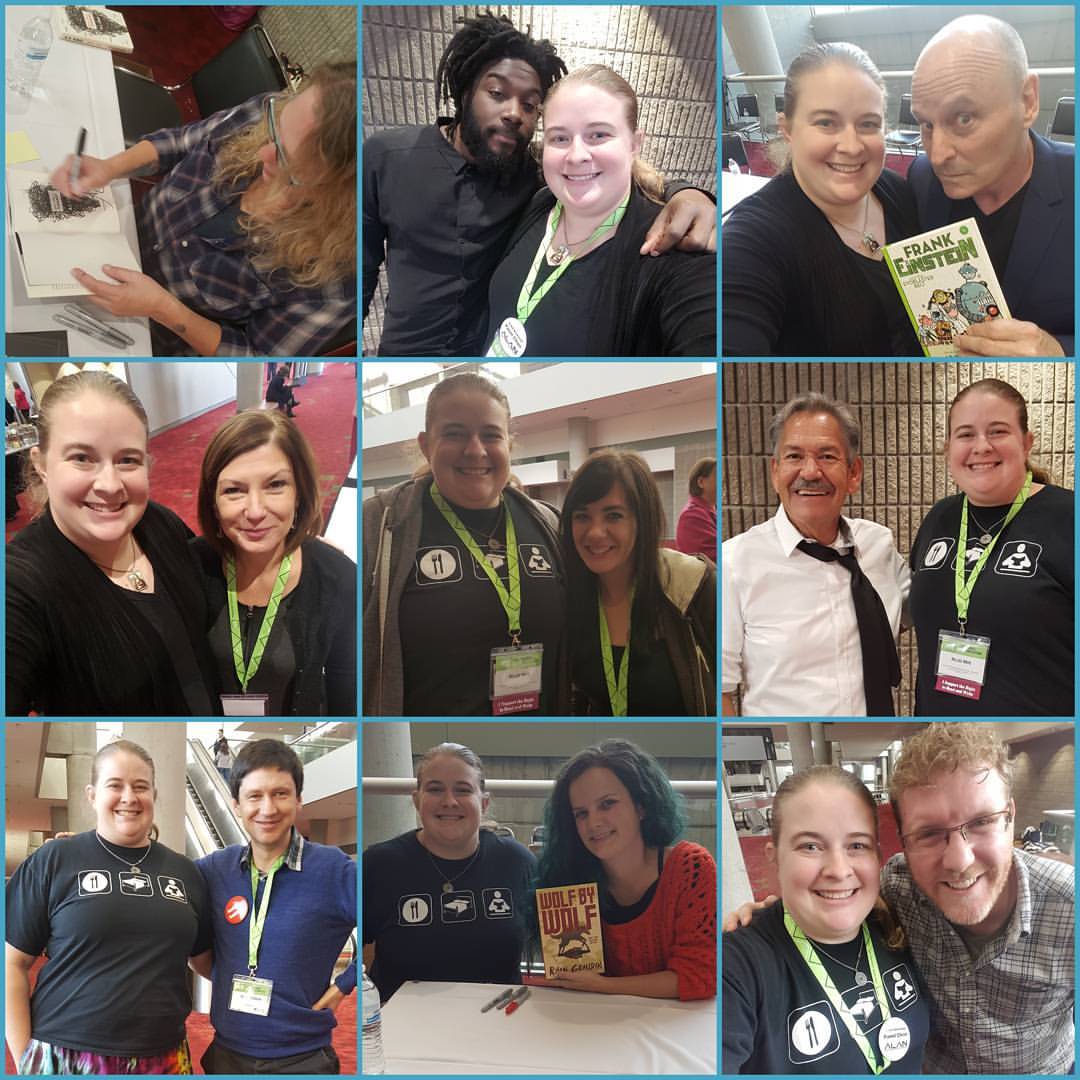
15110360_10209412993974074_5205357481593184880_o

A.S. King
Jason Reynolds
Jon Sciezska
Candace Fleming
Maggie Stiefvater
Benjamin Alire Saenz
Peadar O’Guilin
Ryan Graudin
Brendan Kiely
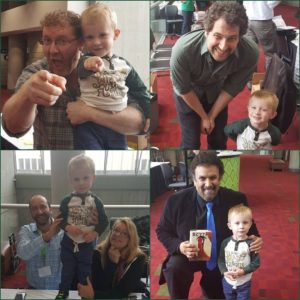
15195843_10209413000094227_4752091591950554182_o

And Trent visited! Trent with:
Brendan Kiely
Kenneth Oppel
Bill Konigsberg
Kristin Elizabeth Clark
Neal Shusterman


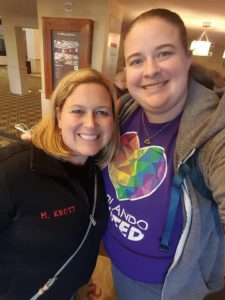
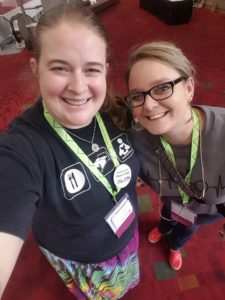
Probably my favorite part of the two days though are my time with my friends who truly support and push me as the educator I am and hope to become. I am always terrible about getting photos of everyone (including one with Ricki!), but here are the ones I took.
15202761_10209413046935398_6856160707408446995_n 15192641_10209413046975399_1412509390791015332_n

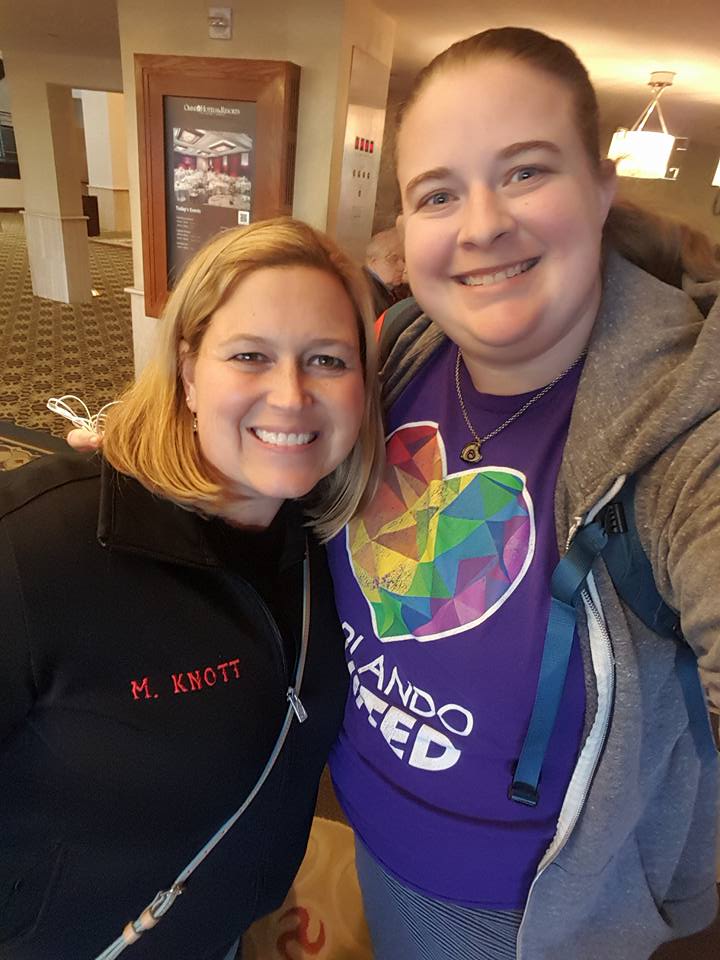
With Michele Knott and Jennie Smith

15181536_10209413046855396_3982121374181778032_n

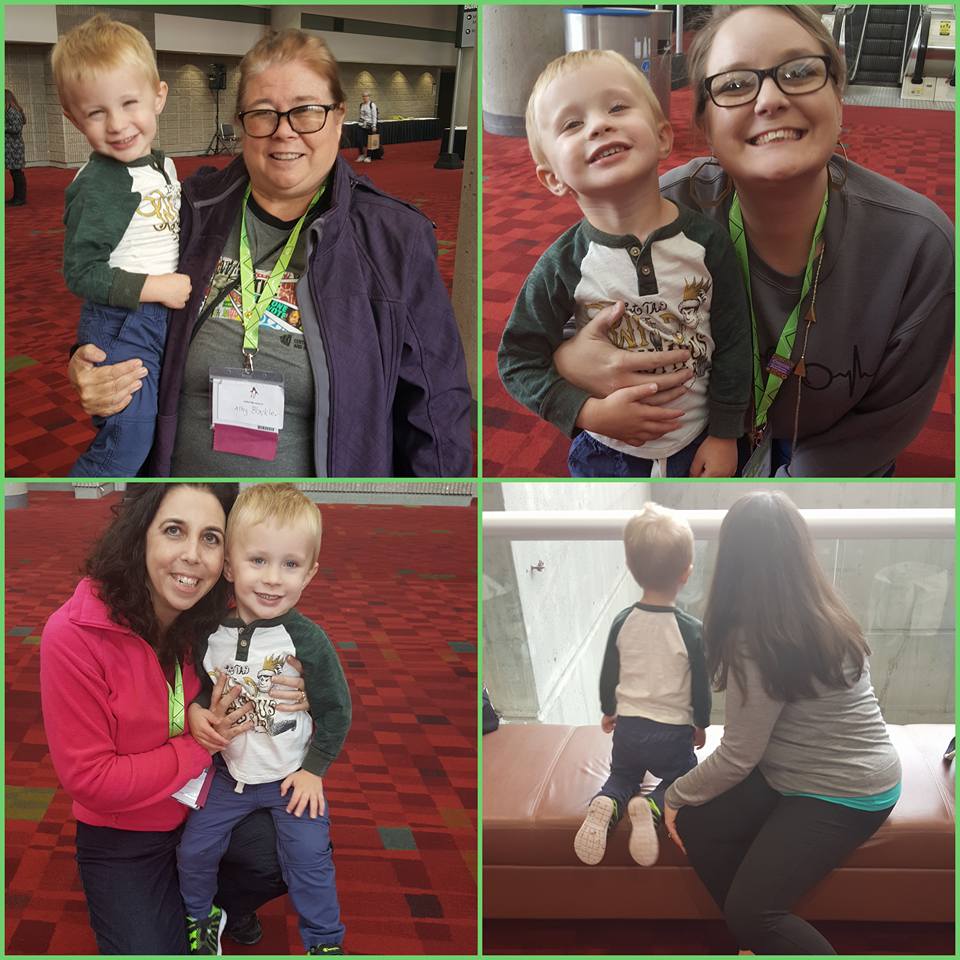
Trent with:
Cathy Blackler
Jennie Smith
Jen Ansbach
Katie Halata

Until next year, friends! Will I see you there? 
2017-ncte-web_banner_660x133

Kellee Signature

Mini Museum Series from Home Grown Books

Share

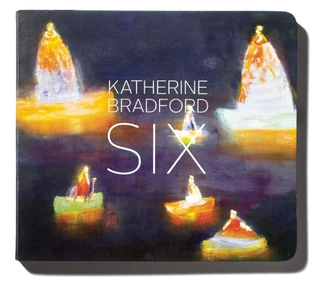
six

Six
Author: Kyla Ryman
Artist: Katherine Bradford
Published August 1st, 2015 by Home Grown Books

Summary: Children will love identifying what sort of thing is being repeated (is it a boat? a swimmer? a buoy?) while also becoming more familiar with counting. For young children, this is a beautiful introduction to the world of numbers. For toddlers and older children, the content of the paintings leave a lot of room for discussion and thought beyond the pages of the book. The numbers inside this board book are out of order, encouraging children to interact with the artwork and explore the paintings at their own pace.

what-do-you-see

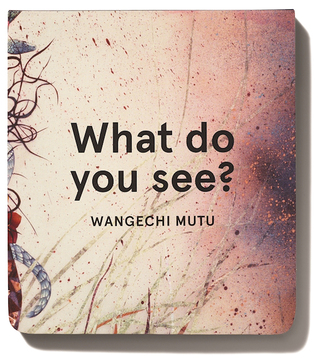
What do you see?
Author: Kyla Ryman
Artist: Wangechi Mutu
Published September 6th, 2016 by Home Grown Books

Summary: Deconstruct the collage work of Wangechi Mutu in this compelling art book for curious kids. Children will love exploring this mysterious world where objects are not quite what they seem.

About Home Grown Books: Home Grown Books develops books that support its core values – organic learning, creativity, sustainability and giving back. They reject a one-size-fits-all educational model, and are committed to treating all children as unique, creative individuals. The books honor children’s innate intelligence with compelling content that will spark their curiosity. As the books engage the imagination, little readers are drawn back to the books, effortlessly strengthening their reading habits and fostering confidence in themselves as a reader.  Believing in the power of art to engage a little reader’s mind, their books feature artwork by emerging and established artists that will capture the imaginations of your little one. The language is simple and the artwork is complex, leaving room beyond the words for a child’s imagination to explore. As part of their Mini Museum Series, they partnered with high profile artists such as Wangechi Mutu & Katherine Bradford, to produce visually stimulating board books. Home Grown Books are the only independent publisher that manufactures all their books in the US with eco-friendly practices. The NYC board books are printed with 100% recycled (min 35% post consumer) CCNB paperboard with an aqueous coating. The paperback books are printed on 50% post consumer paper using low-VOC vegetable inks, and renewable wind-powered energy and the book pack packaging is printed in New York on paper from managed forest using low-VOC vegetable inks and renewable wind-powered energy. More info and news can be viewed here: homegrownbooksnyc.com/blogs/news

About the Founder: Kyla Ryman saw a need for creative and compelling reading content for children. In 2012, she founded Home Grown Books to develop resources that empowered parents and inspired little readers. Kyla is a mother of two boys and an advocate of organic learning. She embraces thinking, playing, and creating as the building blocks for learning. More info here: homegrownbooksnyc.com/pages/about-us#founder.

My Review: Many of you may know, my father is the director of the Louisiana State University Art Museum, and I have grown up surrounded by art. Some of my first memories are at his art openings, and I cannot remember a time of my life where art wasn’t a part of it, either in viewing or in creating. Because of this lifetime love and respect for art, I love when art is included in picture books. These new Mini Museum Series books are different than I’ve ever encountered though as they specifically focus on contemporary art for very young children.

six-spread

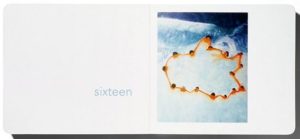
Six, filled with Bradford’s art, will be a perfect counting, identifying, and discussion book. In no consistent order, the text will show if the reader can count, and not just memorize what number comes next, and each page allows for discussion about the colors and images in each piece of art.

what-do-you-see-spread

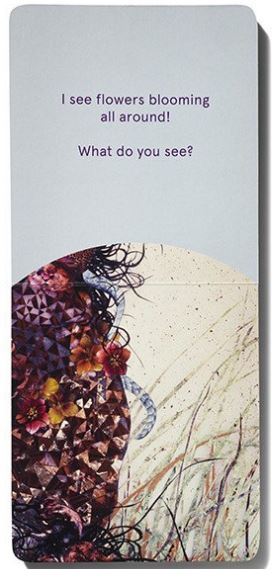
What Do You See?, filled with Mutu’s abstract art work, is a perfect way to introduce kids to the idea of abstraction and how art is different for anyone who is viewing it.

Read These If You Love: ART

Recommended For: 

classroomlibrarybuttonsmall readaloudbuttonsmall

*Home/Preschool Library & Discussion Aloud*

Kellee Signature

**Thank you to Home Grown Books for providing copies for review!**

Around America To Win the Vote: Two Suffragists, a Kitten, and 10,000 Miles by Mara Rockliff

Share

NFPB2016

Nonfiction Wednesday

Nonfiction Picture Book Wednesday is hosted by Kid Lit Frenzy and was started to help promote the reading of nonfiction texts. Most Wednesdays, we will be participating and will review a nonfiction text (though it may not always be a picture book).
Be sure to visit Kid Lit Frenzy and see what other nonfiction books are shared this week!

around-america-to-win-the-vote

Around America to Win the Vote: Two Suffragists, a Kitten, and 10,000 Miles
Author: Mara Rockliff
Illustrator: Hadley Hooper
Published August 2nd, 2016

Summary: The author of Mesmerized delivers another fascinating glimpse into history, this time the story of two brave suffragists on a trek across America to spread the word: Votes for Women!

In April 1916, Nell Richardson and Alice Burke set out from New York City in a little yellow car, embarking on a bumpy, muddy, unmapped journey ten thousand miles long. They took with them a teeny typewriter, a tiny sewing machine, a wee black kitten, and a message for Americans all across the country: Votes for Women! The women’s suffrage movement was in full swing, and Nell and Alice would not let anything keep them from spreading the word about equal voting rights for women. Braving blizzards, deserts, and naysayers—not to mention a whole lot of tires stuck in the mud—the two courageous friends made their way through the cities and towns of America to further their cause. One hundred years after Nell and Alice set off on their trip, Mara Rockliff revives their spirit in a lively and whimsical picture book, with exuberant illustrations by Hadley Hooper bringing their inspiring historical trek to life.

Review: I am posting this review specifically today because it is amazing to hear for these women’s journey when today a woman is running for president under a major political power. It is amazing that in 2016 we have made it this far, which is amazing, but we also have to remember how hard woman fought for women’s rights and that women’s equality isn’t here yet.

Another reason why I posted this today is to remind people to vote. All election days are our opportunity to choose our futures. We are not powerless; voting gives us power and a voice. Please vote and remind all those close and dear to you to vote as well.

Now to the book. I loved reading Nell and Alice’s adventure. These are woman that are truly role models because they did something so unexpected and unacceptable at the time to fight for something they believe in a peaceful and intelligent manner. Mara Rockliff, along with Hooper’s busy yet muted and beautiful illustrations, tell us their story in an engaging way that will definitely make the reader think about so much.

Teachers’ Tools for Navigation: In addition to reading Nell and Alice’s story in conjunction to history lessons about suffragists and this time in history or as a lit circle text with other books about strong woman or people making a difference, Michele Knott had an idea that I thought would be fascinating: compare and contrast the way that politics has changed in 100 years. How has tactics changed? How has technology changed the delivery and reception of politics?
Discussion Questions: What obstacles did Nell and Alice face that they would not have faced if they were traveling 10,000 miles in 2016? How would their journey have been different if it was 2016? Do you think face-to-face works better than some of the use of technology that we see nowadays?; Do you think Nell and Alice made a difference?

Flagged Passages: 

around-america-spread

Read This If You Loved: The First Step by Susan E. Goodman, Fearless Flyer by Heather Lang, Hillary Rodham Clinton by Michelle Markel, Brave Girl by Michelle Markel or any book about a strong female of history; Sit-In by Andrea Davis Pinkney or any book about how people made a difference for what they knew was right

Recommended For: 

closereadinganalysisbuttonsmalllitcirclesbuttonsmallreadaloudbuttonsmallclassroomlibrarybuttonsmall

Signature