Text Sets for Teachers: Good vs. Evil: Exploring Morality Through the Holocaust

Share

Text Set Button

Good vs. Evil: Exploring Morality Through the Holocaust
Text Set for Night by Elie Wiesel
created by Kellie-Anne Crane

It is of the utmost importance that teachers prepare their students for their futures, whether that includes continuing their education or entering the work force. No matter what path students choose to take, there are certain concepts that all people need to recognize and consider as human beings, like the concept of morality. Everyone is confronted with moral decisions on a daily basis—whether it is a monumental decision, or even something as small as deciding to give the last cookie to your sister or to keep it for yourself. The events of the Holocaust and World War II are incredibly essential to study, not only because these events are our shared history but because of the unbelievable turmoil faced by millions. Teachers must help students to understand the gravity of this time period and work to teach it to students in a way that is both approachable and comprehensive.

By exploring the concept of morality through the Holocaust, students will be educated on what is perhaps the greatest tragedy of mankind and be forced to contemplate the morality of multiple scenarios throughout the holocaust. As upstanding citizens, we would like to think that we do not need to worry about anything like the Holocaust—but the fact remains that it happened less than a century ago. Teachers must help students examine the decisions and events that occurred during this vile period on a personal and real level so that they can gain a deeper understanding of the moral struggle faced during the era. Our youth must be educated on our past, both good and bad, to ensure that a similar situation such as this never arises.

Anchor Texts (although other texts may be used!):
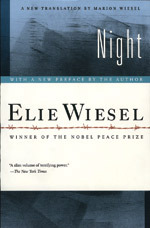
Night by Elie Wiesel
night

Novel Excerpts
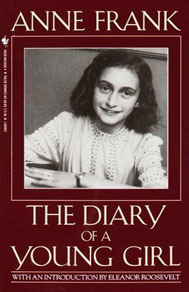
The Diary of a Young Girl by Anne Frank
anne frank
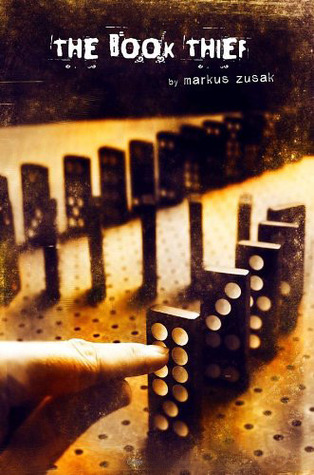
The Book Thief by Marcus Zusak
book thief
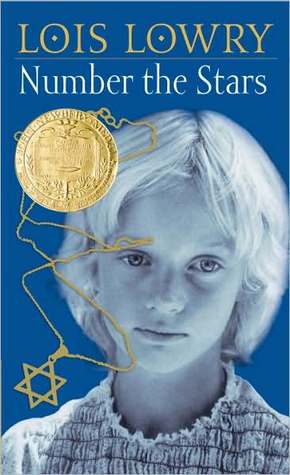
Number the Stars by Lois Lowry
number the stars

Graphic Novel
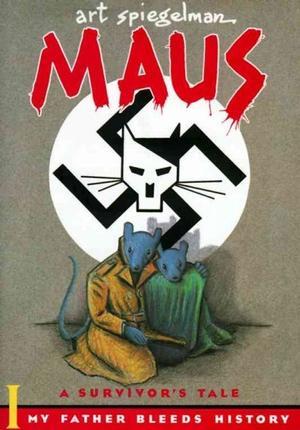
Maus I: A Survivor’s Tale by Art Spiegelman
maus

Picture Books
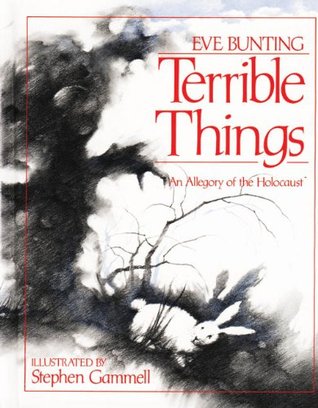
Terrible Things by Eve Bunting
terrible things
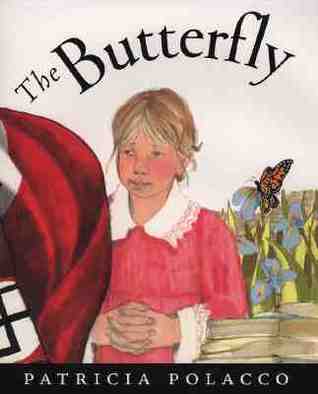
The Butterfly by Patricia Polacco
butterfly
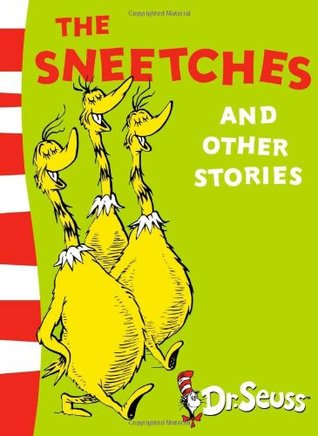
The Sneetches by Dr. Seuss
sneetches

Pledge of Allegiance”

Songs
“Empty Chairs at Empty Tables” from Les Misérables
“Hide and Seek” by Imogen Heap

Speeches
Winston Churchill’s First Speech as Prime Minister on May 13, 1940
President Roosevelt’s Speech to Congress on December 8, 1941
Adolf Hitler’s Speech Declaring War Against the United States on December 11, 1941
Pope John Paul II’s Speech at Israel’s Holocaust Museum March 23, 2000

Poems
“The Creed of a Holocaust Survivor” by Alexander Kimel
“The Action in the Ghetto of Rohatyn, March 1942” by Alexander Kimel

Charts
Lawrence Kohlberg’s Stages of Moral Development

Online Resources
Timeline from 1918-2000
Viktor Frankl: Why Believe in Others TED Talk
“‪Oprah and Elie Weisel at Auschwitz” (1:20- 6:05)
“Man that saved hundreds of children from the Holocaust surprised by them decades later”

Articles
“Ghettos Under Nazis” by Susan D. Glazer
“Baking Saved this Man during the Holocaust, and Is Still His Livelihood” by John M. Glionna
“3 Famous Moral Dilemmas That Will Really Make You Think” by Lenna Son
“German Woman, 91, is Charged with 260,000 Counts of Accessory to murder as Prosecutors Accuse Her of Being a Nazi SS Radio Operator Who Served in Auschwitz”

Guiding Questions

  • Are there tenets of morality that are universal?
  • Can a person’s sense of morality be altered by their situation or surroundings?
  • Did the conditions of the holocaust change people’s morals? How so?
  • Are there good and bad people?
  • What can we learn from the tragedy of the Holocaust?

Writing Prompts

  • Consider one of the famous moral dilemmas we have discussed. What do you believe is the right answer in this context? Why
  • What makes someone a good person? A bad person? Are there clear binaries between the two?
  • Choose a text (novel, story, video, song, etc.) from class that has helped to give you a better understanding of the holocaust. What did you learn from this text? Why is it important?
  • Choose a quote or passage from Night. What does this scene say about morality?
  • Is there any moral(s) that you find to be universal, as in followed and accepted by everyone? What is it and why is it so widely accepted? If not, explain why you think there is no universal set of morals.

A special thanks to Kellie-Anne for this inspiring text set! We think this text set would be useful for many anchor texts! What do you think?

Kellee Signatureand RickiSig

Text Sets for Teachers: The Power of Words: Witnessing the Impact of Words

Share

Text Set Button

The Power of Words: Witnessing the Impact of Words
Text Set for The Book Thief by Markus Zusak
created by Kelly Markle

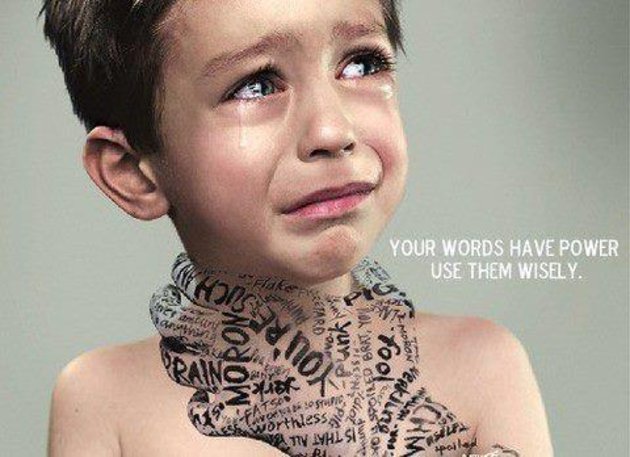
I chose this theme because I think that it is very important in The Book Thief and also important for confronting large events that based on control, such as the Holocaust. This theme could be used with almost any Holocaust text to highlight the psychological side of such a horrific time. The idea of “the power of words” is also something that would be very beneficial to talk about inside of a middle or high school classroom because it touches on issues that are extremely relevant to the students’ personal lives. This is a time of many insecurities and judgments, so it is a good way to explore this reality through other sources and texts. When designing the text set, I wanted to have a solid combination of historical and new sources that were relevant to what the students already know. I included musical sources, using a well-known song along with less popular songs that they may not know. I also did this by having a speech from Obama along with a speech by Hitler to highlight the fact that they are both very well spoken people and that they both have power in their words, but those words can be used to influence people differently.

When creating the set, I tried to start by thinking of activities that can be done based on this theme inside of the classroom. Then, I found sources to support those ideas, so that they were not thrown into a list that was nonsensical. This is important to my text set because many of the sources are videos and it is important to remember that there will be follow up activities that ask the students to write, respond, or participate in an activity based on what they are seeing so that it does not feel like they are only getting visual experiences. I also plan to print copies of lyrics to songs and speeches so that my students could read along and reference as the unit develops. I think that this theme lends itself to many different situations so that the discussions differ. There are also many levels of the influence words from a personal to a national level, which is something that is important to show students because one leads to another. This theme is relevant to the subject of English in general because if words did not have power, literature would not exist, and that could be used to help students realize the importance of the class and why books, poems, words endure.

Anchor Texts (although other texts may be used!):
The Book Thief by Markus Zusak
book thief

Novels
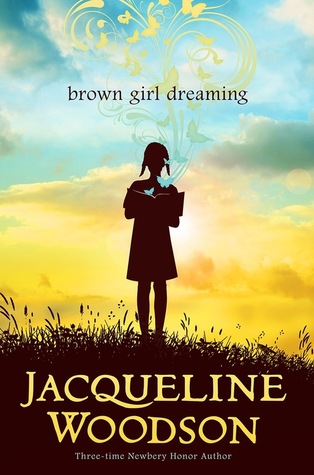
brown girl dreaming (excerpt) by Jaqueline Woodson
brown girl
The Diary of a Young Girl (excerpt) by Anne Frank
anne frank

Videos/Clips
Kid President: 20 Things We Should Say More Often
Blind Man: The Power of Words
Hannah Brencher’s Ted Talk
Fight Song in Spanish
Why Sign

Speeches
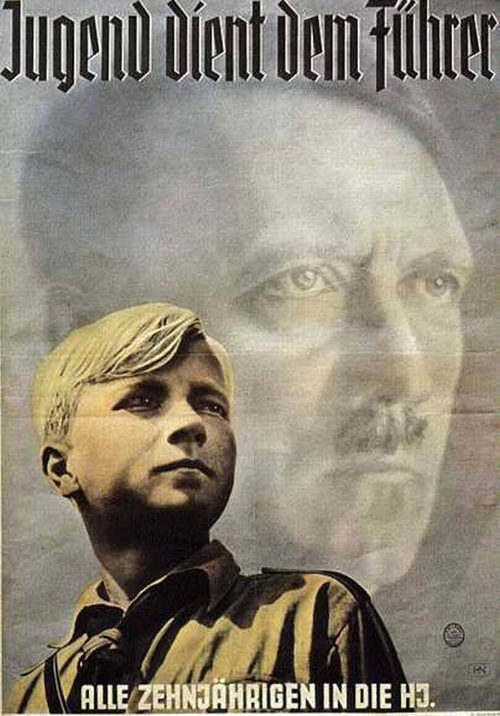
Hitler Youth Speech
Obama Campaign Speech
Obama: “Don’t Tell Me Words Don’t Matter”
Miss Teen USA 2007- South Carolina
“I Have a Dream”

Songs
“Consequence of Sounds” – Regina Spektor
“Same Love” – Macklemore
“A Hard Rain’s Gonna Fall” – Bob Dylan
“It’s Alright Ma” – Bob Dylan
“Misheard Song Lyrics”

Poems
“Jabberwocky” by Lewis Carol
“Every Kid Needs a Champion” by Rita Pierson
“The Power of Words” by Letitia Landon

Timelines
Holocaust timeline to represent how quickly Adolf Hitler gained power over the people

Histories
Churchill: The Power of Words

Images
10-Youth-Serves-the-Leader-All-10-Year-Olds-in-the-Hitler-Youth boy words

 Short Stories
“The Children’s Story” by James Clavell
“The Pledge of Allegiance”

Activities (Some Are Teacher Created/Shared)
How words are added to the dictionary
Word poems
Favorite Song Activity
Mein Kampf– 4 Corners Activity
Word Play (laughter/slaughter)
Label Game: Each student is randomly assigned one word to define
Brenna’s lesson with quotes about technology
Andrew’s mismatch word activity

Guiding Questions

  • How many words does it take to make a difference?
  • What is the value in the words that are not said? Is tehre any? When should silence prevail?
  • Why do words hold such power?
  • Is this power a good thing or a bad thing? Does the good outweigh the bad, or vice versa?
  • Do words have the same impact no matter who says them? Does definition of a word matter, or the background and emotion behind them?

Writing Prompts

  • Have you ever experienced a time when you have been influenced by words in some way? Have you ever used words to influence others?
  • Create a poem, song, speech, or advertisement that confronts an issue that you find important and use it to convince the readers to feel the way that you do about it through words. Take a strong stance.
  • After reading The Book Thief and completing this unit, what have you realized about the power of words that you did not think about before?
  • Make a list of single words that you think have the most power and explain why.
  • Do you think that you were influenced by words growing up? Whose words? What affect did they have on you? Does this help or hurt society as a whole?

A special thanks to Kelly for this phenomenal text set! We think this text set would be useful for many anchor texts! What do you think?

Kellee Signatureand RickiSig`1111`

Jump Back, Paul: The Life and Poems of Paul Laurence Dunbar by Sally Derby

Share

NFPB2015

Nonfiction Picture Book Wednesday

Nonfiction Picture Book Wednesday is hosted by Kid Lit Frenzy and was started to help promote the reading of nonfiction texts. Most Wednesdays, we will be participating and will review a nonfiction text (though it may not always be a picture book).
Be sure to visit Kid Lit Frenzy and see what other nonfiction books are shared this week!

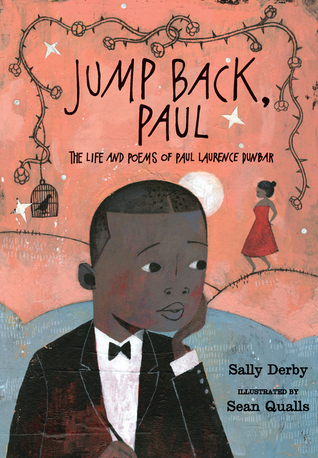
jump back paul

Jump Back, Paul: The Life and Poems of Paul Laurence Dunbar
Author: Sally Derby
Illustrator: Sean Qualls
Published September 22nd, 2015 by Candlewick Pres

Goodreads Summary: Discover the breadth and depth of Paul Laurence Dunbar’s poetry—and learn how it reflects his singular life as a late-nineteenth-century black man.

Did you know that Paul Laurence Dunbar originated such famous lines as “I know why the caged bird sings” and “We wear the mask that grins and lies”? From his childhood in poverty and his early promise as a poet to his immense fame and his untimely death, Dunbar’s story is one of triumph and tragedy. But his legacy remains in his much-beloved poetry—told in both Standard English and in dialect—which continues to delight and inspire readers today. More than two dozen of Dunbar’s poems are woven throughout this volume, illuminating the phases of his life and serving as examples of dialect, imagery, and tone. Narrating in a voice full of admiration and respect, Sally Derby introduces Paul Laurence Dunbar’s life and poetry to readers young and old, aided by Sean Qualls’s striking black-and-white illustrations.

My Review: I came into this book not knowing much about Paul Laurence Dunbar aside from knowing that the line “I know why the caged bird sings” was written by him which inspired Maya Angelou’s autobiography’s title; however, I didn’t know much else about his life or his poetry. Derby’s book does a fantastic job remedying that. Not only are you exposed to more than 20 of Dunbar’s poems, you are exposed to them in very specific ways as Derby tells Dunbar’s life story. Each poem’s inclusion is purposeful and perfectly timed. When finished, I wanted to read more of Dunbar’s poems and actually hear some of them being performed (his dialect poems are screaming to be read aloud). Qualls also does a brilliant job, as always, illustrating the tone of the text in beautiful black-and-white drawings.

Teachers’ Tools for Navigation: This book not only can be used to share information about Paul Laurence Dunbar’s life and his poetry, but it also includes fascinating information about what it was like to live after the Emancipation Proclamation then after Plessy v. Ferguson.

First, in an English classroom, this text truly puts Dunbar’s poems in a perspective which will allow more depth when analyzing. The way Derby set up the narrative of Dunbar’s life around his poems helps the reader understand the underlying meaning of his poetry even better than they would with a cold read.

Also, cross-curricularly while studying Dunbar’s poems, during history, a tie-in to this tumultuous time period would be easy and effective.  The time period that Dunbar lived in is not often discussed as it is a time after slavery but before segregation that many students may not know about.

Discussion Questions: Who do you think had the biggest influence on Dunbar becoming a poet?; Do you think Dunbar’s father’s absence affected how he was as a husband to Alice?; How do you think Frederick Douglass influence Dunbar?; How was the voice that told the story chosen by Derby? Do you think the way she structured and told the story was helpful in understanding Dunbar’s life and poetry?

We Flagged: “You never heard of the poet Paul Laurence Dunbar? Child, where’ve you been? I got to have a word with you. Why, back in the day, you’d have whole families sitting around listening while one of them performed “When Malindy Sings” or “Little Brown Baby” or “A Negro Love Song” (which folks most always call “Jump Back, Honey”).”

Read This If You Loved: Paul Laurence Dunbar’s poetry, I Know Why the Caged Bird Sings by Maya Angelou, Henry Aaron’s Dream by Matt Tavares, The Underground Abductor by Nathan Hale

Recommended For: 

classroomlibrarybuttonsmall readaloudbuttonsmall closereadinganalysisbuttonsmall

Signature

**Thank you to Candlewick for providing a copy for review!!**

Author Guest Post: “When Things Aren’t Perfect” by Laurie McKay, Author of The Last Dragon Charmer Series

Share

“When Things Aren’t Perfect”

A long time ago, in this galaxy and not so far away, I was in an English class. My teacher returned my paper and there was a blue ninety-nine scribbled on the top corner. I looked over my work to see where I lost that one point, and found no marks, no grammatical mistakes, no misspelled words. So, of course, I asked about it.

My teacher raised her brows and told me, “Writing can’t be perfect.”

Well. Isn’t that the entire problem right there? If writing is never perfect, when is it good enough?

After working on my debut novel Villain Keeper, I found that it was good enough for the publisher after three content edits, one copy edit, and at least one proof pages pass. And these by no means were the first revisions I’d done.

When my agent first sold the book series to HarperCollins, I’d already revised book one myself over and over again. Also, my critique partners (from here on known as my mom and my sister) had made suggestions and my agent had given me feedback, all of which I’d applied.

What surprised me the most, however, was how much better the book became after listening to each person’s (my mom’s, my sister’s, my agent’s, my editor’s) critiques, reading their comments, and thinking – with as open a mind as possible – about those editorial suggestions.

Somewhere in the midst of all these revisions, my manuscript got in pretty good shape. I was proud of it at least. It still benefited from additional revisions.

This has changed the way I view criticism. Instead of thinking of it as censure, I think of it as analysis. It’s not meant to condemn my work, it’s meant to benefit it.

There is this phrase I see on writing sites sometimes:

Give yourself permission to write badly.

Or, as I prefer it, Give yourself permission to write not good – at least at first.

It helps me when I get stuck. I remind myself it’s alright for things not to be perfect. I’ve got to start somewhere. Write something down. Practice. Revise. Get feedback. Then write some more. I try not to put the pressure of instant perfection on myself. It’s counterproductive. The idea is to first get something written.

Nora Roberts once said, “I can fix a bad page, I can’t fix a blank one.” She’s written over two hundred books in thirty years. That’s an astounding six to seven novels per year.  She’s a NY Times bestselling author. She still has to give herself permission to write bad pages and fix them.

When it comes to fixing pages, I’ve probably applied about ninety percent of feedback I’ve received on my writing. But not all criticisms are equal.

There is another quote, this one attributed to Neil Gaiman, which inspires me when it comes to sorting good criticism from not-so-good criticism. He said, “Remember: when people tell you something’s wrong or doesn’t work for them, they are almost always right. When they tell you exactly what they think is wrong and how to fix it, they are almost always wrong.”

With my mom and sister, my agent, and my editor, the criticism I’ve gotten has been overwhelmingly wonderful. Writing is subjective, though. Occasionally, I don’t agree with them. When that happens, I make myself consider their opinion as carefully as possible. Sometimes, I decide they’re right. Their suggestion is better than what I have. Other times, I decide they’re not, and that’s okay.

When I see the results of applying those analyses and suggestions, I’m wowed. And appreciative. It’s probably important to note, giving good feedback is hard work, too.

I’m also a teacher. I’ve taught some combination of biology, chemistry, and math for the last ten years. Many of my students are like I was. They don’t want a mark of ninety-nine. They want a perfect hundred. They often don’t want to revise, either. And I understand. It’s almost like they think if it needs improvement, it’s a failure. Or, if they think it’s good already, it can’t be improved.

But I think it’s a better idea to think of writing not in terms of ‘good’ and ‘bad’, but it terms of a ‘work-in-progress’.  The goal isn’t to hit perfection. It’s to hone skills. Improve. And criticism and revision are essential. They are part of the process. Once I’ve been over the same piece of work many times, there comes a point where I decide I’m happy with it, and move on to the next thing.

I just finished editing the second book Quest Maker in my series. I went through several rounds of feedback and revisions on it as well. I hope, and believe, my skills keep improving. I’m happy with book two, too.

Besides, there is something wonderful about always having room for improvement, always having something to strive for. Who knows? Maybe that was what my English teacher was trying to tell me way back when with that blue ninety-nine.

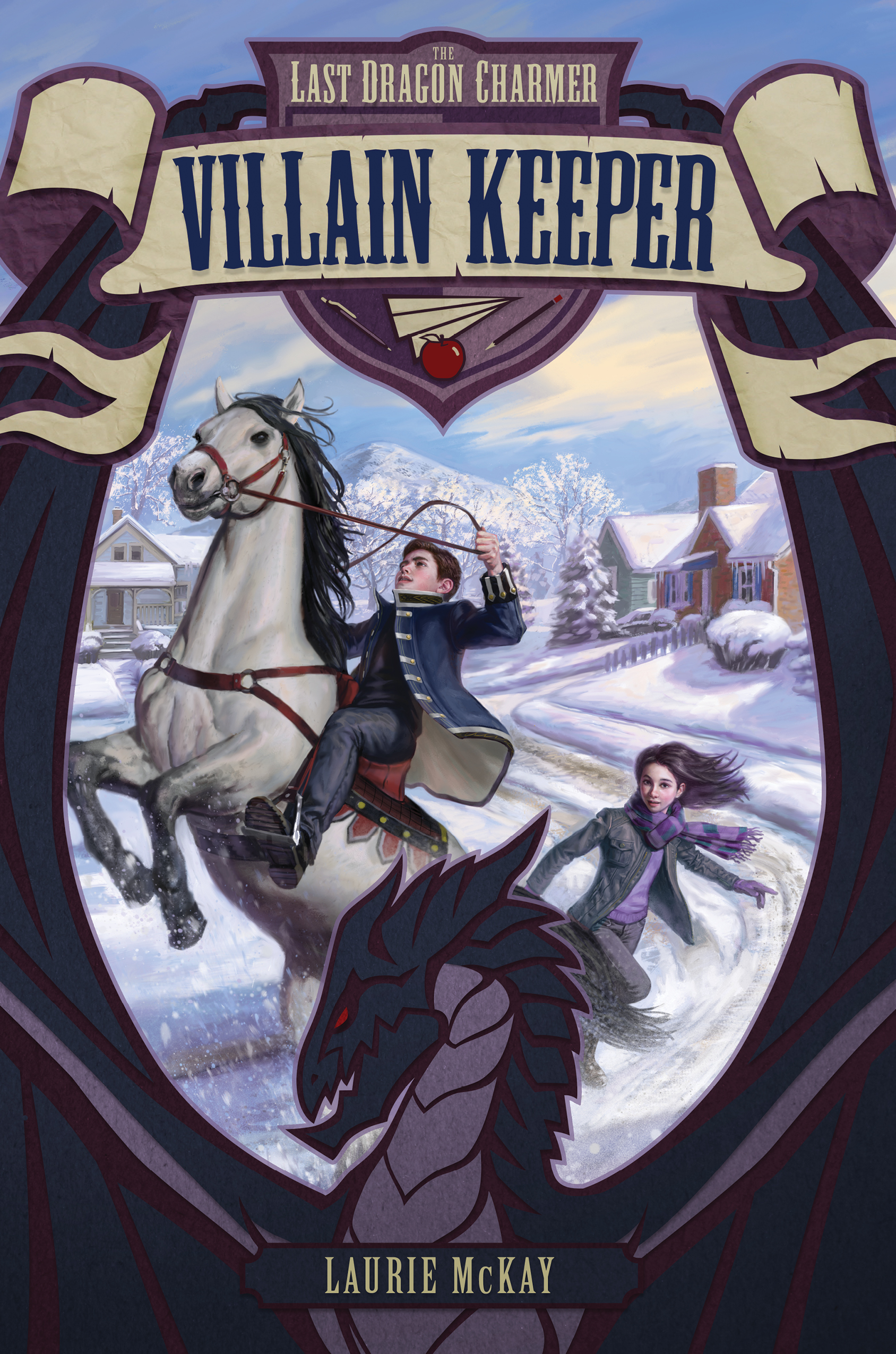
VillainKeeperLastDragon_CVR

Villain Keeper Summary: All his life, Prince Caden has dreamed of slaying a dragon. But before he has the chance, he is ripped from his home in the Great Winterlands of Razzon and finds himself in Asheville, North Carolina—a land with no magic and no dragons.

Or so he thinks. The longer Caden spends in Asheville, the more he comes to realize that there is unexpected and dangerous magic in this strange land. There just may be dragons here, too. But what if Caden’s destiny isn’t to slay a dragon, after all?

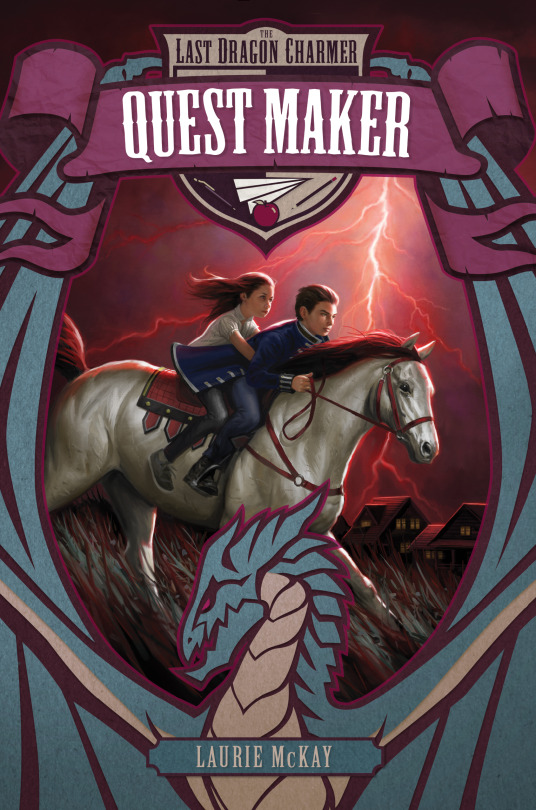
Quest Maker Cover

Quest Maker (Book 2)
Expected Publication February 2nd, 2016 by HarperCollins

About the Author: Laurie McKay is an author and biology instructor who lives in Durham, NC. When she’s not working, she spends time with her family and her two elderly dogs. Her debut MG fantasy novel, VILLAIN KEEPER (The Last Dragon Charmer #1), is available now, and her second book QUEST MAKER (The Last Dragon Charmer #2) will be available Feb. 2, 2016. To learn more about her or to see pictures of her dogs (and her family) follow her at lauriemckay.net or on Twitter or Facebook. You can find her book at GoodreadsIndieboundAmazonBN, and wherever books are sold.

Thank you so much to Laurie for her reflections on revision and critique! Such a great lesson for students (and adult writers!)

Signature andRickiSig

Author Guest Post!: “In This Place: An Imagery Writing Activity” by Kate Ormand, Author of The Wanderers

Share

“In This Place…” 

Exploring the five senses allows your reader to feel like they’re there inside your story. Expanding from visual description by bringing in other senses adds layers and makes it more real. Readers can relate more to the atmosphere of a place if relatable description is given.

Obviously, this can be overwhelming if done too much, but small details really make a scene, so this is a task I like to set myself sometimes:

In this place, I see…
In this place, I touch…
In this place, I smell…
In this place, I hear…
In this place, I taste…

I got the original exercise from ACID author, Emma Pass, who uses it in her writing workshops.

The Wanderers is set in a circus environment, which is so much fun to explore in this way. Here are some quotes from the book that support each of these, which started off as notes alongside the prompts:

In this place, I see… The sparkly blue bows around their necks catch the light, dazzling. Well, they’re supposed to dazzle. And maybe they would if everything wasn’t so cheap.

In this place, I touch… Outside, it’s more plastic and crinkles when I touch it.

In this place, I smell… The smell of hot pastry and the tang of ale fills the air, adding to the comfort.

In this place, I hear… The sound of cellos pours softly from the speakers, so low that I can hear the rustling of popcorn bags and hot dog wrappers coming from the audience.

In this place, I taste… The smell of grease and salt and so many bodies packed into the tent is overwhelming. I can almost taste it on my tongue.

Thanks so much for having me!

kate ormandtw

About the author: Kate Ormand is YA author of DARK DAYS and THE WANDERERS. She lives in the UK with her family, her partner, and a cocker spaniel called Freddie. She graduated from university with a first class degree in Fine Art Painting. It was during this course that Kate discovered her love of reading YA books, prompting her to try a new creative angle and experiment with writing. Kate is also member and co-creator of an online group of published writers and illustrators called Author Allsorts. And she writes children’s picture books under the name Kate Louise. Kate is represented by Isabel Atherton at Creative Authors Ltd. You can see more about Kate and her writing by visiting her website (www.kateormand.wordpress.com) or on Twitter (@kateormand).

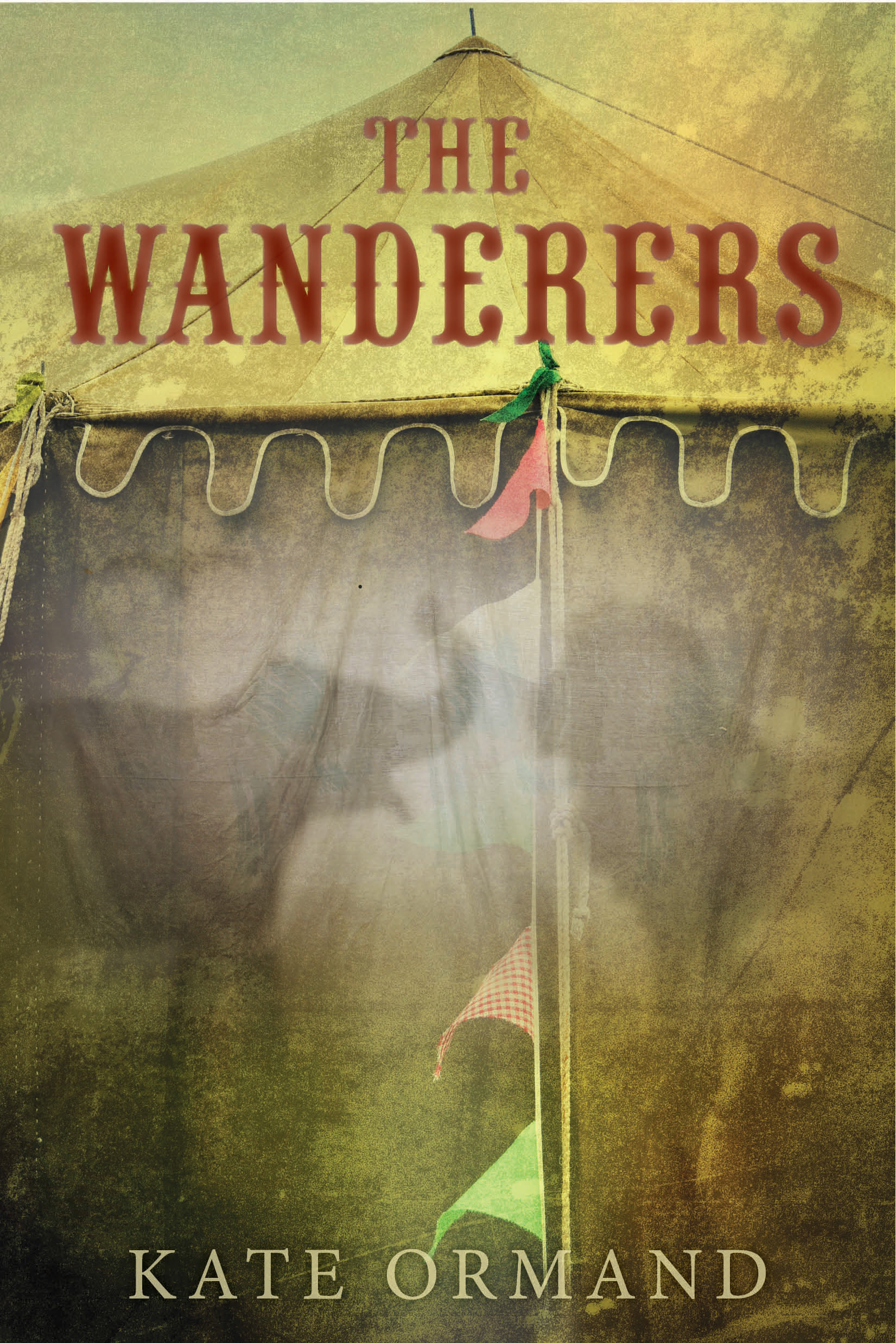
wanderers
Expected publication: September 1st, 2015 by Sky Pony Press

About The Wanderers: Flo lives an eccentric life—she travels with a popular circus in which the main acts star orphaned children with secret shape-shifting abilities. Once Flo turns sixteen, she must perform, but she’s not ready. While practicing jumping a flaming hurdle in a clearing beside the circus, she spots a dark figure in the trees and fears he saw her shift. The news sends the circus into a panic.

In Flo’s world, shifters are unknown to humans with the exception of a secret organization—the EOS, referred to as “hunters.” Hunters capture and kill. They send some shifters to labs for observation and testing—testing they don’t often survive—and deem others useless, a danger to society, and eliminate them. To avoid discovery, shifters travel in packs, constantly moving and keeping themselves hidden. Up until now, the circus was the perfect disguise.

Believing she has brought attention to the group, Flo feels dread and anxiety, causing her to make a mistake during her performance in front of the audience—a mistake that triggers a violent attack from the hunters.

Flo manages to flee the torched circus grounds with Jett, the bear shifter who loves her; the annoying elephant triplets; and a bratty tiger named Pru. Together they begin a new journey, alone in a world they don’t understand and don’t know how to navigate. On the run, they unravel secrets and lies that surround the circus and their lives—secrets and lies that all point to the unthinkable: Have they been betrayed by the people they trusted most?

Thank you to Kate for her post! What a great activity to expand the imagery in writing!

Signature andRickiSig

**Thank you to Cheryl at Skyhorse Publishing for connecting us!**

I Am Lucille Ball by Brad Meltzer

Share

NFPB2015

Nonfiction Picture Book Wednesday

Nonfiction Picture Book Wednesday is hosted by Kid Lit Frenzy and was started to help promote the reading of nonfiction texts. Most Wednesdays, we will be participating and will review a nonfiction text (though it may not always be a picture book).
Be sure to visit Kid Lit Frenzy and see what other nonfiction books are shared this week!

lucille ball

I Am Lucille Ball
Author: Brad Meltzer
Illustrator: Christopher Eliopoulos
Published July 14th, 2015

Goodreads Summary: “Kids always search for heroes, so we might as well have a say in it,” Brad Meltzer realized, and so he envisioned this friendly, fun approach to biography—for his own kids, and for yours. Each book tells the story of one of America’s icons in a vivacious, conversational way that works well for the youngest nonfiction readers, those who aren’t quite ready for the Who Was biography series. Each book focuses on a particular character trait that made that role model heroic. For example, Lucille Ball could make any situation funny. By making people around the world laugh, she proved that humor can take on anything.

This engaging series is the perfect way to bring American history to life for young children, providing them with the right role models, supplementing Common Core learning in the classroom, and best of all, inspiring them to strive and dream.

My Review:  The first “Ordinary People Change the World” book I read was I am Jackie Robinson, and I immediately loved the way the book was set up. I am Lucille Ball is the same way. Like I stated in my review of Jackie Robinson, I love that it is in first person which sucks the reader into Lucy’s life. The series is also a picture book/graphic novel mix which not only adds to the engagement aspect of the book, I think it really makes you feel like you know the subject more. It also is where Meltzer puts some of his funniest parts of the story.

The reason why I knew I had to review this book, though, was because of the subject matter. All of the other subjects of the books in the series (Lincoln, Parks, Einstein, Earhart, and Robinson) are pretty well-known amazing people although they did all start out with quite ordinary lives. Lucille Ball deserves to be talked about along with them though many do not know that she does. I love that Meltzer decided to tackle a story about someone that not everyone may understand why he chose her. Brad Meltzer addressed this on his Facebook page:

“To my surprise, some have asked: Why Lucy? So let me explain: I wrote this book because I wanted my daughter to finally have a female entertainment hero who wasn’t famous just because she was thin and known only for her looks. Lucy is different than everyone else. She’s funny, driven, and the first woman to run a major movie studio (producing Star Trek and Mission: Impossible). Her success came from her drive — and because she so perfectly wasn’t like everyone else. Plus she taught me, throughout my own childhood, that humor can take on anything. I wanted my daughter to learn that. 

But in terms of Lucy and Ethel crazy ideas, here’s my most Lucy and Ethel-ish. Share this book with someone who’s different. Share it with little girls and boys, as well as big girls and boys. Show them that it’s not just okay to be different…it’s SPECTACULAR to be different.”

Teachers’ Tools for Navigation: The “Ordinary People” books definitely need to be in classrooms. They are going to be loved by students. However, I think Meltzer’s subjects are definitely worth looking at. I see them being used in a lit circle where each group gets a different one of Meltzer’s books then after reading and discussing the books, they share what they learned about their Ordinary Person.

It would also be so much fun to use Meltzer’s books as a mentor text to writing their own Ordinary People picture book. A fun twist on a research project!

More information on I am Lucille Ball can be found here.

Discussion Questions: What made Lucille Ball a standout in the entertainment industry?; How did Lucille Ball pave the way for comediennes like Melissa McCarthy and others? How does Meltzer’s mix of picture book/graphic novel help make the book more enjoyable to read yet still informative?

We Flagged: 

look_ball1
From http://ordinarypeoplechangetheworld.com/lucille_ball.php

Interview with Brad Meltzer about I am Lucille Ball: https://youtu.be/OHK5uOiRBto 

Read This If You Loved: “Ordinary People Change the World” (series) by Brad Meltzer, “Who Was…” (biography series) by various

Recommended For: 

classroomlibrarybuttonsmall litcirclesbuttonsmall readaloudbuttonsmall

Signature

**Thank you to Penguin for providing a copy for review!!**

Author Guest Post!: “The Joy of Sharing Literature in A Classroom” by Miriam Spitzer Franklin, Author of Extraordinary

Share

“The Joy of Sharing Literature in A Classroom”

by Miriam Spitzer Franklin

With the push for better standardized test scores, reading workshops have increasingly turned toward focusing on building stamina during independent reading so that students will be able to read multiple passages and answer questions during a test that lasts hours. Helping students build stamina so that they can read longer independently is a worthy goal. But for some students, like my third grade daughter, being expected to read on her own for 45 minutes means she’ll lose her focus after 15 minutes and will spend the rest of the time quietly floundering on her own.

A better strategy is to have shorter independent reading sessions and spend more of the workshop teaching literature in small groups or to the whole class. During the class reading of a high-quality literary work, those students who are unable to sustain focus will be redirected if the material is engaging. Teachers can set expectations for reading, help students make predictions, and check often for understanding. In a group with a wide range of learners, some of the students can read independently while the others have a more structured approach with a combination of read-alouds, short sections of silent reading, and teacher modeling of expressive oral reading.

Literature studies should focus on higher level thinking skills. Teachers should ask questions that lead to divergent answers and deeper discussions. Teachers should choose books that lead students to think about different themes, to help them make connections with the characters, and to encourage questions that lead to better understandings of themselves and how they fit into the world.

In my middle grade novel, Extraordinary, ten-year-old Pansy decides she’s going to become an extraordinary person after her best friend suffers a brain injury. She is sure that the upcoming surgery for seizures will fix her brain, and when that happens, Pansy is going to make up for all the times she’s let her friend down in the past. My novel explores themes of hope, perseverance, self-esteem, friendship, and acceptance. Students can work in partners and small groups to identify character traits, character growth, and interpretations of the themes. Because students are all reading the same book instead of reading independent choices, peer or teacher-led discussions will lead to deeper understanding and analysis of the novel.

If we want students to dig below the surface to find meaning in text, they need to be evaluated through creative projects, written responses, and class discussions, not through a multiple choice test. In this way, students will discover a different purpose for reading; instead of reading to get the right answer, they will read to discover the joy of literature and the way books can transport them to places and situations they have never experienced before.

About the author: Miriam Spitzer Franklin taught elementary and middle school for twenty years, in both public and private school. Currently she teaches homeschooled students, designs curriculum for an online site, and is a writer-in-residence with the Charlotte Arts & Science Council. Other jobs she has held include working as a frazzled and unorganized waitress at a number of restaurants, driving the Zamboni and working the skate counter at the ice skating rink, teaching ice skating lessons, and owning a toy and gift store with her husband, Scott. Miriam lives with her husband, two daughters, and two pampered cats in Charlotte, North Carolina.

www.miriamfranklin.com

extraordinary cover

About the book: Last spring, Pansy chickened out on going to spring break camp, even though she’d promised her best friend, Anna, she’d go. It was just like when they went to get their hair cut for Locks of Love; only one of them walked out with a new hairstyle, and it wasn’t Pansy. But Pansy never got the chance to make it up to Anna. While at camp, Anna contracted meningitis and a dangerously high fever, and she hasn’t been the same since. Now all Pansy wants is her best friend back—not the silent girl in the wheelchair who has to go to a special school and who can’t do all the things Pansy used to chicken out of doing. So when Pansy discovers that Anna is getting a surgery that might cure her, Pansy realizes this is her chance—she’ll become the friend she always should have been. She’ll become the best friend Anna’s ever had—even if it means taking risks, trying new things (like those scary roller skates), and running herself ragged in the process.

Pansy’s chasing extraordinary, hoping she reaches it in time for her friend’s triumphant return. But what lies at the end of Pansy’s journey might not be exactly what she had expected—or wanted.

Extraordinary is a heartfelt, occasionally funny, coming-of-age middle grade novel by debut author Miriam Spitzer Franklin. It’s sure to appeal to fans of Cynthia Lord’s Rules and will inspire young friends to cherish the times they spend together. Every day should be lived like it’s extraordinary.

From the Atlanta Journal-Constitution: This moving novel is narrated by Pansy, whose best friend Anna has contracted a disease that has impaired her brain. “Losing” a best friend this way can be a tough challenge. North Carolina author Franklin firmly grasps the climate and struggles among kids today. Her crystal-clear writing is filled with rich detail and believable characters. The sensitive story will resonate with young girls wrestling with friendship pains. (Sky Pony Press, ages 8-12)

Thank you to Miriam for her wonderful guest post!

Signature andRickiSig