Blog Tour, Review, Giveaway, and Author & Illustrator Interview!: My Dog is the Best by Laurie Ann Thompson, Illustrated by Paul Schmid

Share

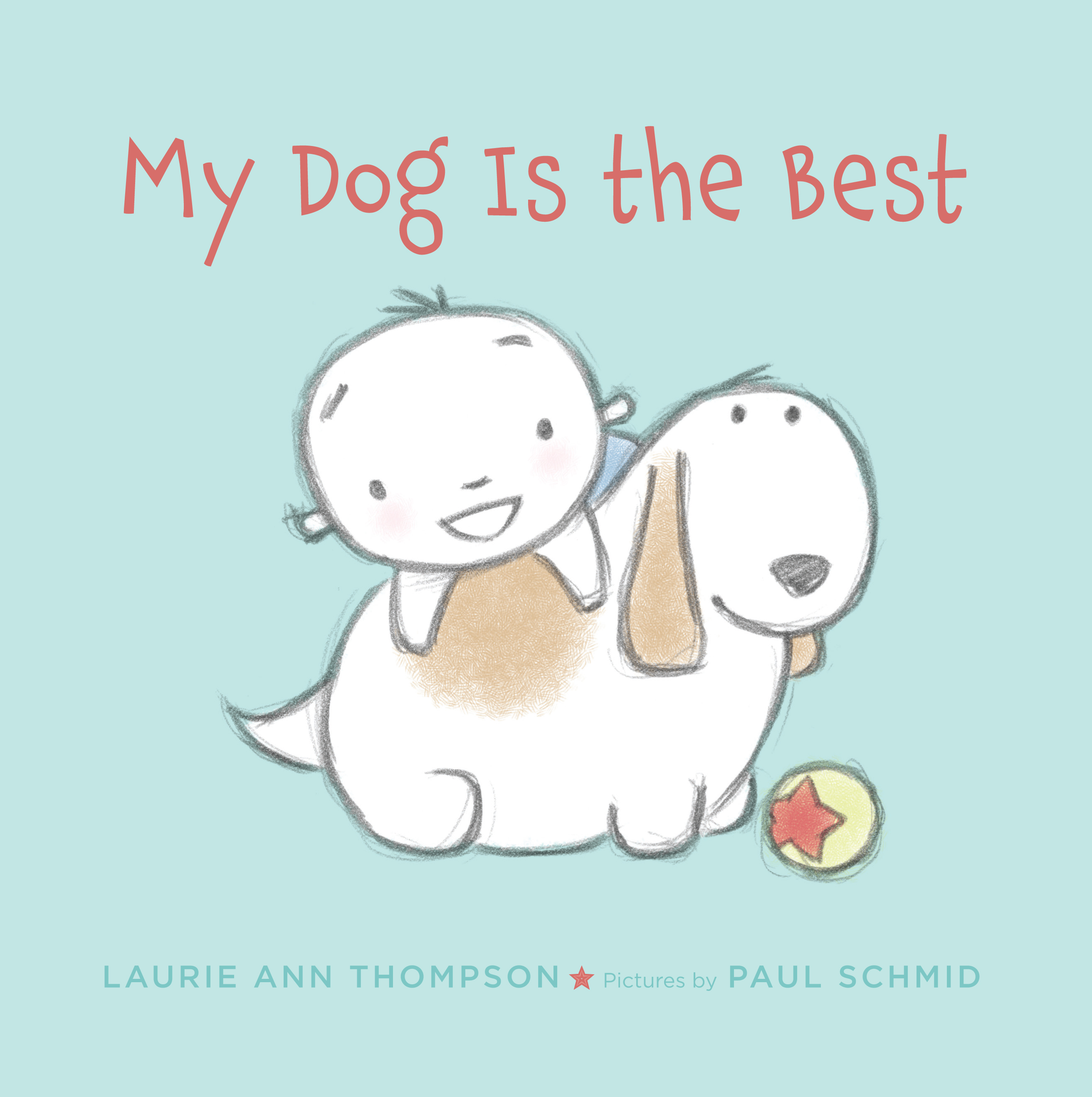
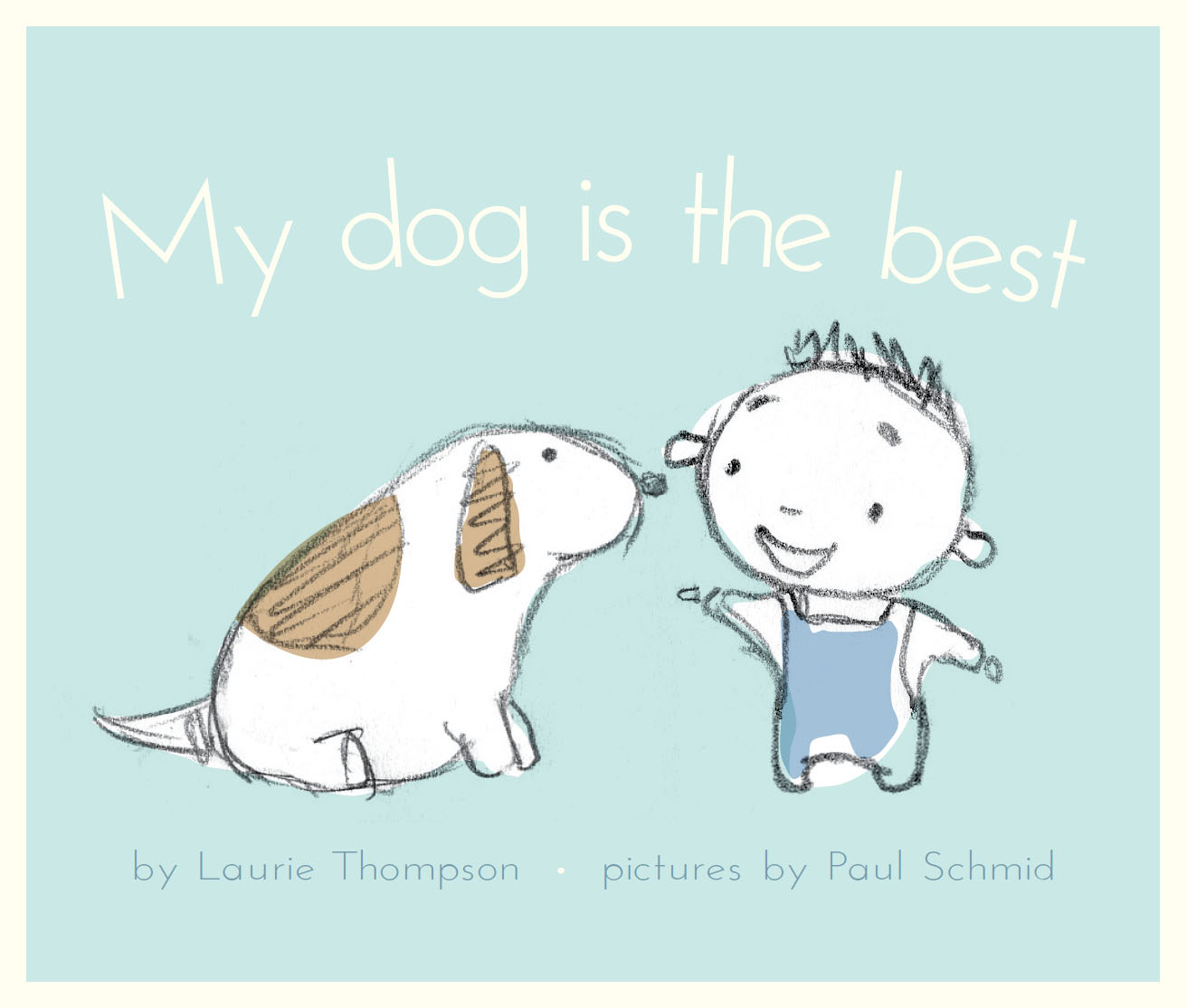
MY DOG IS THE BEST-cover

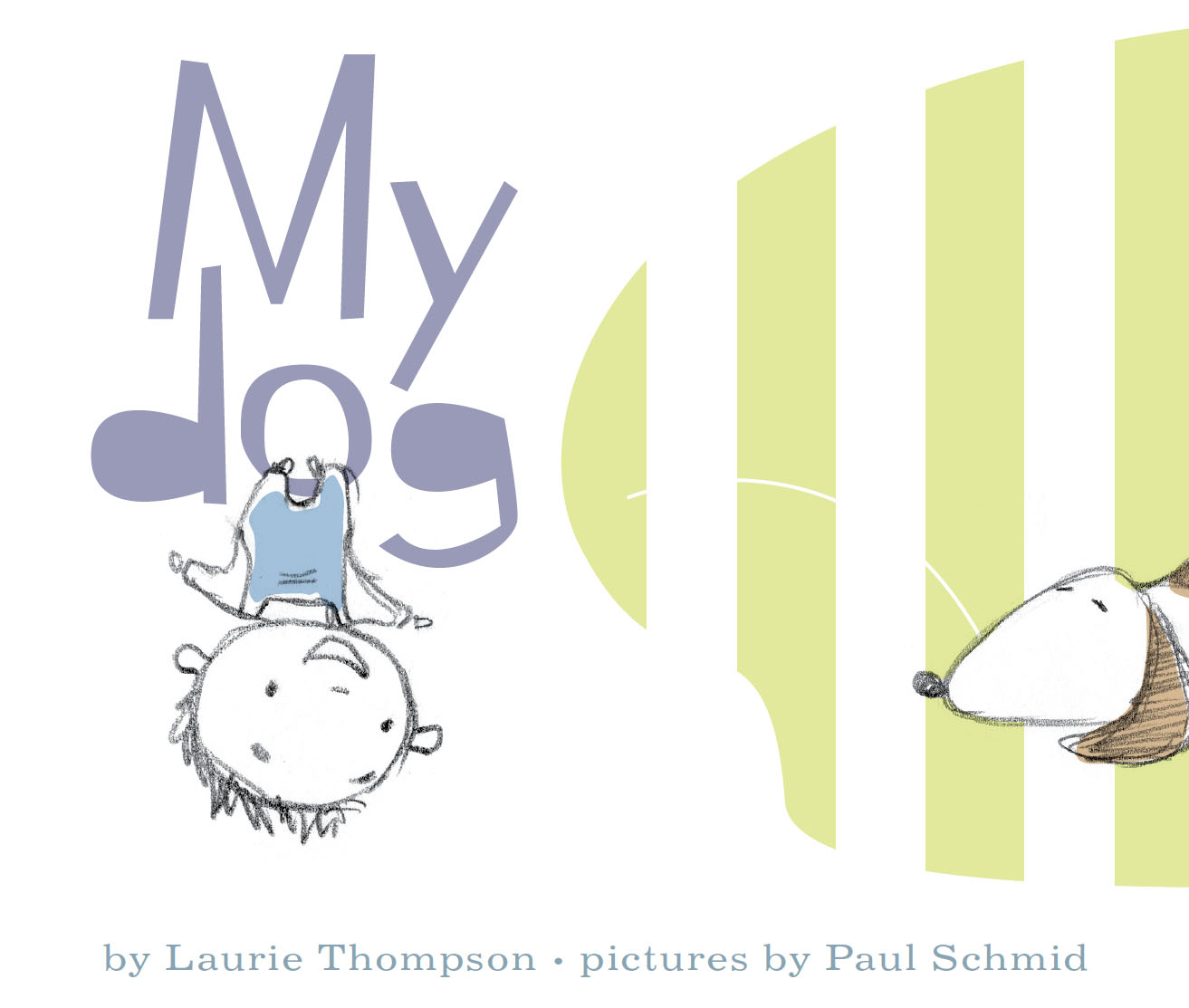
My Dog is the Best
Author: Laurie Ann Thompson
Illustrator: Paul Schmid
Published: June 9, 2015 by Farrar, Straus, and Giroux

Goodreads Summary: What do you get when you combine one energetic, enthusiastic little boy with his sleepy but tolerant dog? Unconditional love. Using simple words and spare illustrations, My Dog Is the Best celebrates the special bond that exists between a young child and a beloved family pet. It’s the heartwarming story of two best friends. . . told by a boy with a very active imagination.

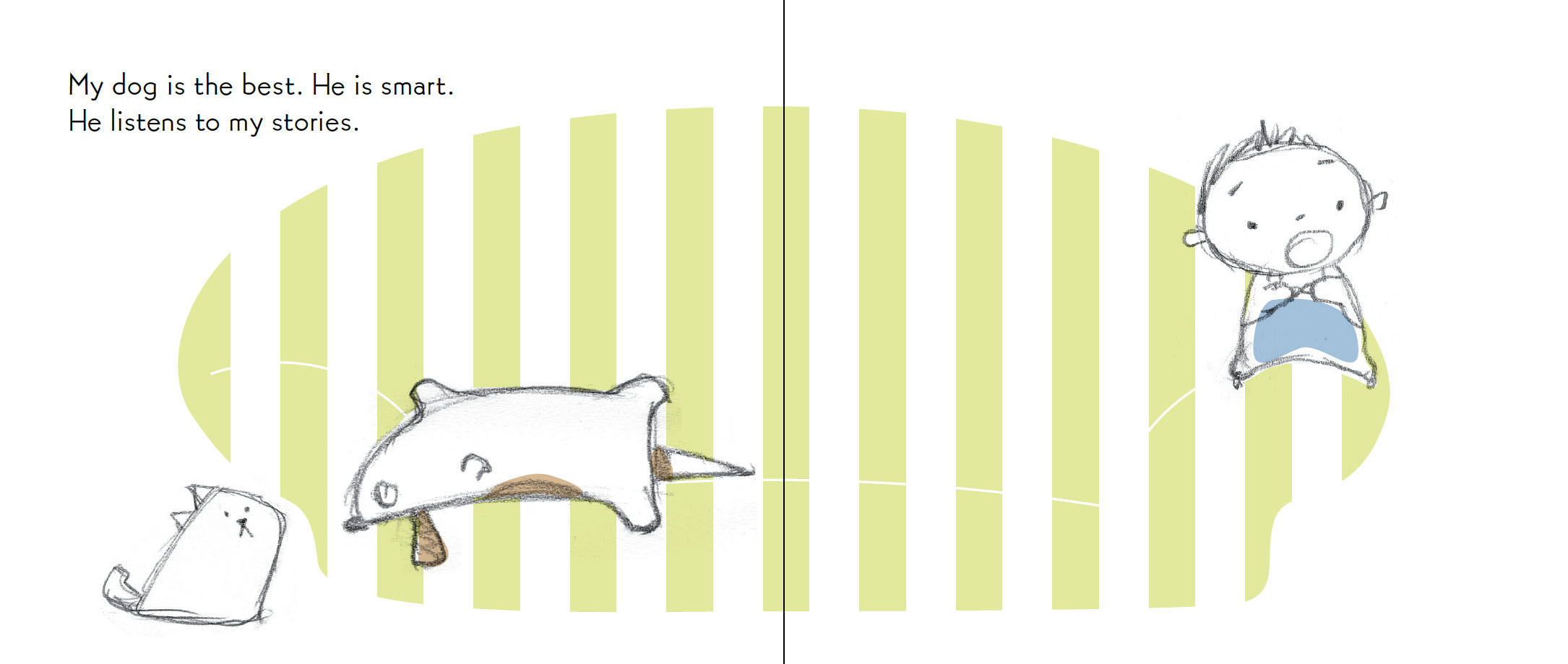
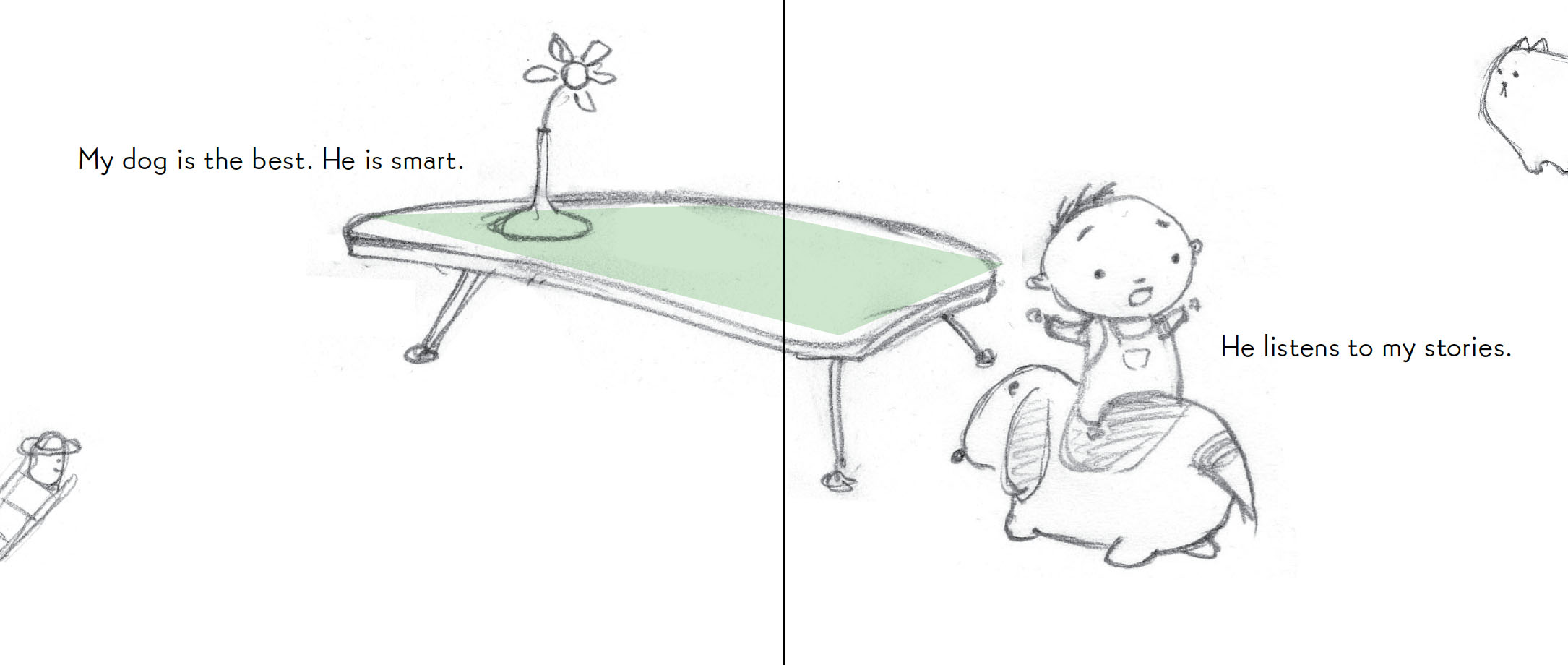
Ricki’s Review and Teachers’ Tools for Navigation: This charming tale will surely win the hearts of many children. It made me feel a bit guilty that I don’t have a dog for my son! I can imagine teachers reading this story aloud to captivated audiences. Teachers might ask students to compare this story with others in their classrooms. The way the illustrator and text focuses on the two subjects makes their friendship shine. You can find an example of the text’s playfulness in the flagged page below. It made me smile! After reading this story, I would encourage my students to write their own stories about friendships that they have.

Kellee’s Review and Teachers’ Tools for Navigation: This book makes me want a dog (and like Ricki said, I feel a bit guilty for not having a dog for Trent!). I loved this sweet story of a sleepy dog and a rambunctious child who is going to have fun with his dog no matter what the dog thinks about it. The play between the words and illustrations is what really made this book special and made the quiet humor really ring through. I also think that kids are really going to like the end of the book. Like Ricki, I think that this text could be a great mentor text for writing about times of imagination and friendship. What other ways could the boy have played with the dog? How do you play with your pet/toy? I also think that it is a great story to use to talk about humor and irony. Why was the ending funny?

Discussion Questions: What kinds of games do you play with your best friend/pet/toy?; Do you have a pet? How is your relationship with your pet similar or dissimilar with this story?; In what ways is it obvious that the author and illustrator worked together to create this book? How do the drawings enhance the story?; Why is the ending ironic?

We Flagged:

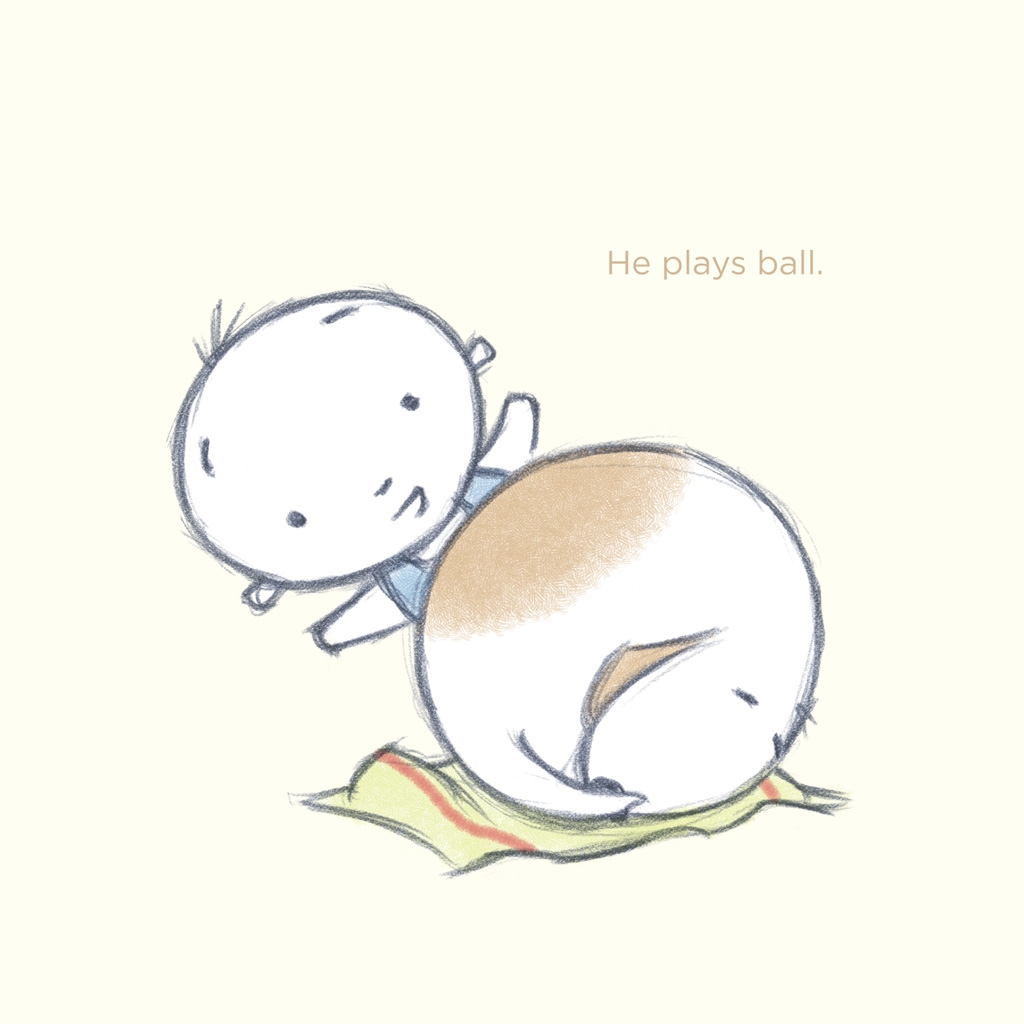
My Dog is the Best spread
Image from: http://us.macmillan.com/books/9780374300517

Read This if You Loved: Look! by Jeff Mack; The Poky Little Puppy by Janette Sebring Lowrey; May the Best Dog Win by Kelly Hashway; Bark, George by Jules Feiffer; Emmanuel’s Dream by Laurie Ann Thompson

Recommended For: 

readaloudbuttonsmall classroomlibrarybuttonsmall

Interview with the Laurie Ann Thompson and Paul Schmid!

Questions to Laurie:

05_lauriethompson_PhotoByMaryBalmaceda-500x750

  1. What inspired you to write this book?

I first wrote the text as an assignment for a course I was taking, Anastasia Suen’s Easy Reader/Chapter Book Workshop. I’ve always loved dogs, and it’s a great word for beginning readers, so I started there. I noticed that most of the time when I said, “Good dog!” to my poor old dog, Sara, she was either curling up and getting ready to go to sleep or already sleeping. She would give me this confused look that said, “What? I’m not doing anything!” She’d been a hyperactive, crazy dog in her younger years, so it was a huge relief when she finally started slowing down a little. I appreciated the humor in those interactions. At the same time, I had an awfully busy little boy at home, so both the tension between their very different energy levels and their special “best friends” relationship were natural ingredients for the story.


  1. Did you have a specific dog when you were growing up that you were thinking of as you wrote this book? 

It’s really a collection of all of them. My dogs were my best friends, and they put up with so much of my probably unwanted attention. I had one special dog named Sammy that I used to dress up in doll clothes, push in a baby swing, and take for rides in my bicycle basket. (He loved those last two activities, but I’m pretty sure he merely tolerated the first!) He was the best. When I was bit older, my dog Ripper used to wait at the end of our driveway—every single day—for the school bus to bring me home. He listened to all of my tales of teenage angst and always let me dry my tears on his fur. He was devoted and dependable. He was the best. Then, as an adult, there was Sara. She was the best, too. I think whatever dog we make room for in our lives becomes “the best,” just by virtue of us loving them.


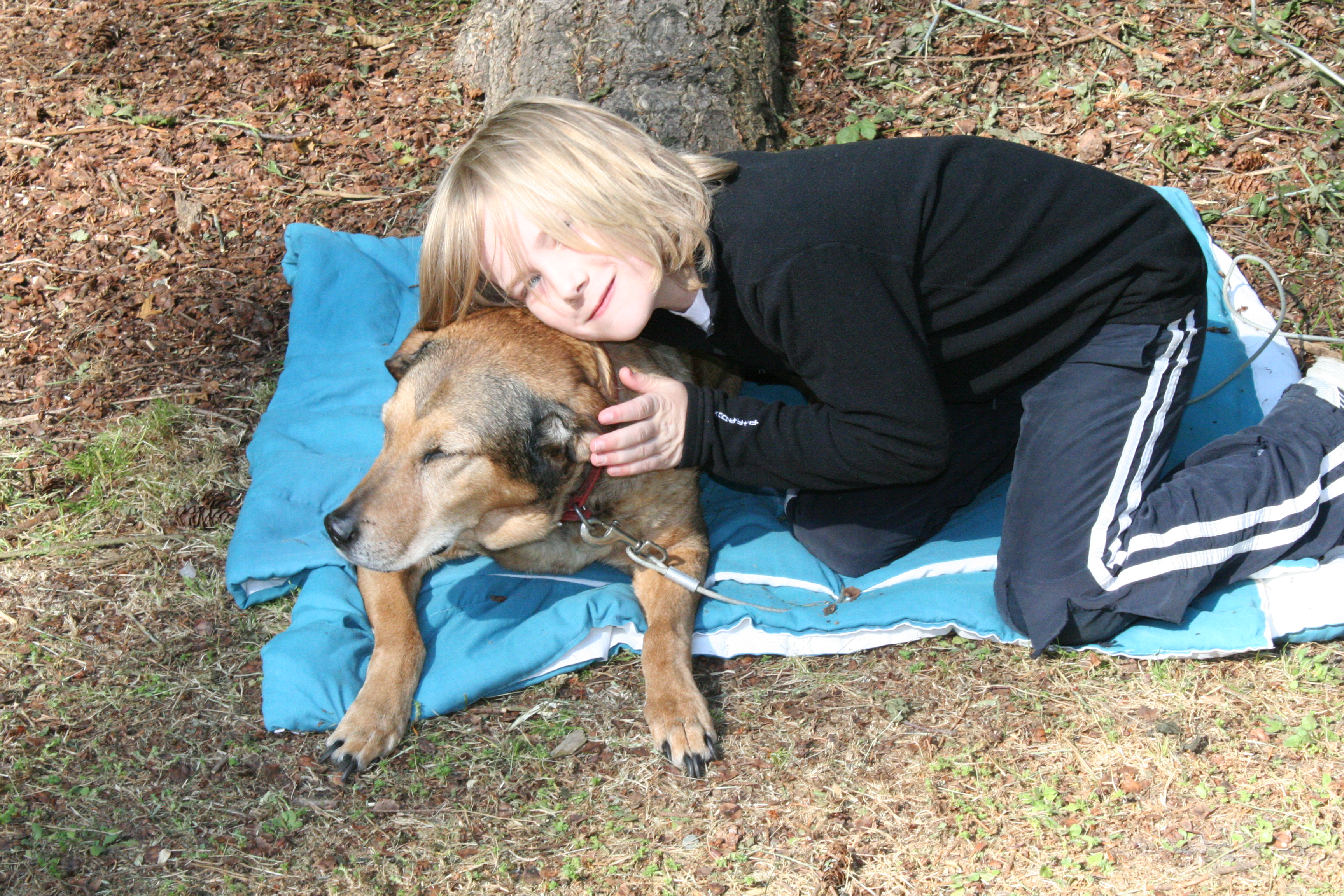
dressing up Sammy1999-03 36_34 Laurie and Ripper2011-07-02 083038 Connor and Sara

  1. You write both YA and children’s books. How is your writing process different for each?

It’s very different! For my YA books, I’m a rather obsessive planner. I research and outline, then research some more and revise the outline and so on, for a long time, before I’m finally ready to start writing. For my picture books, I like to just play. I just start writing and see what happens. As a result, I typically spend less time revising the YA books than the picture books, even though the picture books are much, much shorter! It usually takes a lot of revision to make a picture book work just right.


  1. What was it like to work with an illustrator? 

With my YA books, like Be a Changemaker, there is no illustrator, so the final product is the result of the collaboration between my editors and me—and we’re all primarily word people. As a picture book author, though, it’s always exciting to see what another person with a very different way of working and of seeing the world will bring to my original vision. Authors don’t usually get much say in the illustrations (and rightly so, as I surely am no art expert!). With my second book (and first picture book), Emmanuel’s Dream, I had never met the illustrator, Sean Qualls, and I didn’t see any of his stunning artwork until it was almost all finished. I was on pins and needles, but what a pleasant surprise! For My Dog Is the Best the experience was a bit unusual but every bit as special. It just happened that Paul Schmid and I live not far apart and had known each other for years. When he took on the manuscript, I was ecstatic! We kept in touch throughout the process, and I even got to spend a day collaborating with him in his studio—one of my all-time favorite writing days ever! We both ended up influencing both the art and the text, and we ended up with something we’re both really proud of.


Questions to Paul:

  1. How did you decide what the characters would look like?

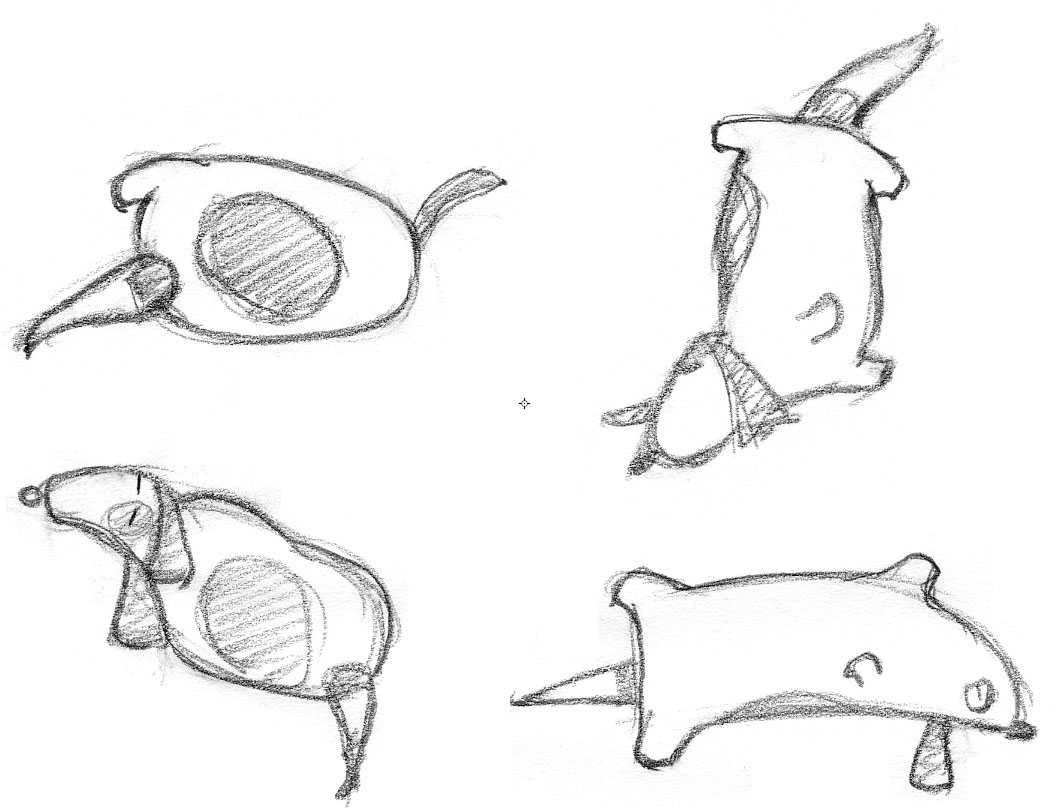
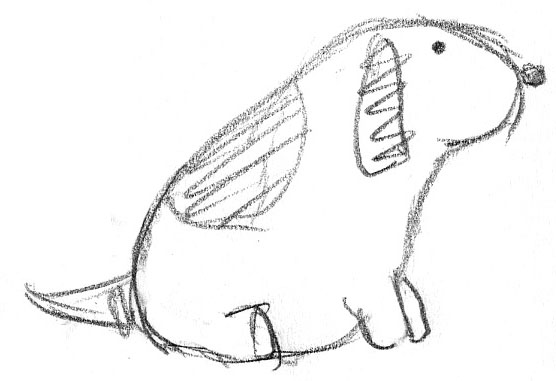
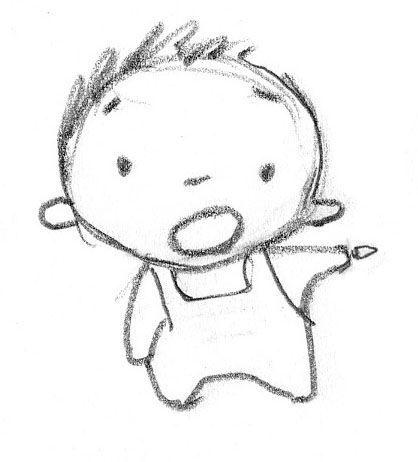
Initially, I form a clear picture of the characters personalities. Are they active? Sedentary? Outgoing or shy? The design of a character should provide solid clues to who they are. Our dog in the book just wants to nap, and I imagined an old, tolerant, comfortable Basset Hound of established habits. The boy is much more active, but young and naive. He is also sweet and loving, as the book is itself. So I felt the boy needed a kind, gullible, gentle look that was at the same time visually sympathetic to his dog, in order to form an emotional connection between the two for the reader. As a result, they both ended up round and gentle looking.


  1. What does the artistic process look like?

Many many sketches. Then many more. Then a few more. Eventually I have to start the final art. I don’t think I ever really feel like I’m done improving things, but a deadline shows up and helps me stop.

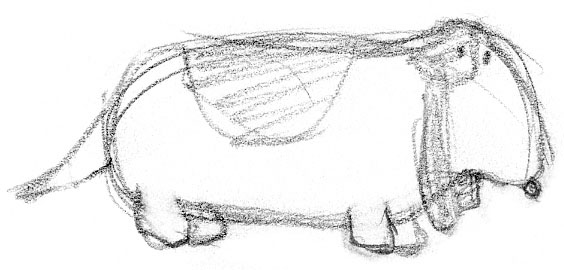
Early sketch of the dog

early dog

Dog Poses

dog poses

Dog sketch and boy sketch

dog sketch boy sketch

Early design

early design

Early cover design

early cover

Another early cover design

cover

Second stage spread

2nd stage spread

GIVEAWAY!

a Rafflecopter giveaway

Follow My Dog is the Best on Tour!:

6/6/2015     Booking Mama     http://www.bookingmama.net

6/8/2015     Jean Reidy     http://jeanreidy.com

6/9/2015     Watch. Connect. Read.     http://mrschureads.blogspot.com

6/10/2015    5 Minutes for Books     http://books.5minutesformom.com

6/11/2015     KidLit Frenzy     http://www.kidlitfrenzy.com

6/12/2015     Unleashing Readers     https://www.unleashingreaders.com

6/16/2015     Anastasia Suen: Booktalk     http://www.anastasiasuen.com

6/19/2015     Kirby’s Lane     http://kirbyslane.com

7/1/2015        Library Lions     http://LibraryLionsRoar.blogspot.com

Thank you to Laurie and Paul for taking part in the interview and for having us as part of the blog tour!

RickiSigandSignature

Author Guest Post!: “How Pre-Writing Made Me a Better Writer” by Melissa Hurst, Author of The Edge of Forever

Share

“How Pre-Writing Made Me a Better Writer”

When I started writing my first book, I was so excited. It was a shiny new story, and the possibilities were endless. The first few chapters were easy to write. After all, I had been thinking about them for several weeks while I created character profiles and sketched out the major plot points. But soon I began to lose steam. Getting words down was difficult, and I started to dread the blank page I had to face each day.

It took me over a year to write the first draft of that book. Sure, on some days it was easy to work, but more often than not I struggled to reach my daily word count goal. The really frustrating part was that I couldn’t figure out why. I knew where I wanted the story to go. So why was it so hard to write certain scenes?

I finally had a breakthrough after reading a book that suggested pre-writing each scene or chapter. Pre-writing sounds like more work, but I found it to be incredibly useful. Before I started writing for the day, I took out a notecard, labeled the chapter number, and I jotted down what was going to happen. I didn’t include many details or use dialogue, I just wrote what I wanted to happen, and I listed what characters would be in the scene. Doing this forced me to clarify my thoughts and really think about what was necessary to move the story forward. After that, writing became so much easier. I could finish each chapter more quickly instead of wasting time trying to figure out what to type. The blank page wasn’t so scary anymore.

Looking back, I should have known that pre-writing would help me. When I was still in school and received writing assignments, I’d usually procrastinate because I didn’t know what to write about. But when I started using an outline as a guide to tell me what information I needed to include in each paragraph, it wasn’t so difficult anymore. I could usually finish a paper in an hour or two, whereas before that it would take me several days.

I know a lot of people don’t like the thought of pre-writing, especially kids. But I like to think of it this way. When you have to travel to someplace new, isn’t it easier to have a guide to show you the way?

MelissaEHurstProfilePic

About the author: Melissa Hurst lives in the southern US with her husband and three kids. She writes YA science fiction and fantasy, which means she considers watching Star Trek and Firefly as research. She dreams of traveling around the world and maybe finding Atlantis one day. You can usually find her with a book in one hand and a Dr. Pepper in the other. Or consuming lots of chocolate.

The Edge of Forever is her debut novel.

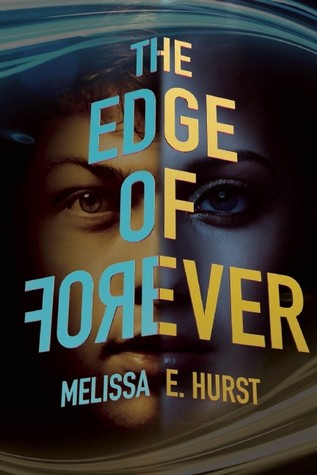
Edge of Forever

About the book: In 2013: Sixteen-year-old Alora is having blackouts. Each time she wakes up in a different place with no idea of how she got there. The one thing she is certain of? Someone is following her.

In 2146: Seventeen-year-old Bridger is one of a small number of people born with the ability to travel to the past. While on a routine school time trip, he sees the last person he expected—his dead father. The strangest part is that, according to the Department of Temporal Affairs, his father was never assigned to be in that time. Bridger’s even more stunned when he learns that his by-the-book father was there to break the most important rule of time travel—to prevent someone’s murder.

And that someone is named Alora.

Determined to discover why his father wanted to help a “ghost,” Bridger illegally shifts to 2013 and, along with Alora, races to solve the mystery surrounding her past and her connection to his father before the DTA finds him. If he can stop Alora’s death without altering the timeline, maybe he can save his father too.

Thank you to Melissa for her post that I cannot wait to share with students!

Signature andRickiSig


Blog Tour with Author Guest Post and Giveaway!: “Doing It Over…and Over…and Over Again” by Pete Hautman, Author of Eden West

Share

Doing It Over…and Over…and Over Again

“How long does it take to write a book?”

That’s one of the top five questions* I get asked when visiting middle schools. I like that question because it can be answered any number of ways.

My answer is always different, but it always starts with, “It depends…”

I wrote the first draft of Invisible, for example, in five weeks. Even to an eighth grader, that sounds fast.

But wait, there’s more! My first revision of Invisible took eight weeks. My second revision, a month. My editor then had some suggestions, and I took another month to revise it a third time. The final revision went quickly—just two or three weeks.

Total time from first keystroke to final manuscript? Six months of active work, spread out over about a year. That’s by far the fastest I’ve ever written a novel—and 80% of that time was spent on revising.

Eden West, the story of a boy who grows up  on an isolated doomsday cult compound in Montana, took twelve years. During those years of on-and-off writing and revising the setting changed, the number and names of the characters changed, the voice of the main character changed, the ending changed, and the title changed. I made two extended visits to Montana, where the book is set. I read seemingly endless pages of Biblical apocrypha, Mormon texts, and other scripture. The first few chapters I wrote were revised so often and so drastically that they are unrecognizable. Several times I had to set the book aside for a few weeks or months and let my subconscious work on it. Often, I worked on other things and simply let Eden West have a little alone time without me.

Typing a new scene, researching, revising, and dreaming are all parts of writing. Many of my best ideas come while I’m revising.

There may be writers out there who can write a publishable first draft, but I don’t know any. If there are any, I hate them. But the vast majority of us would no more forgo revision than we would eat an uncooked potato, or wear a pair of jeans that hadn’t been stitched together, or live in a home with gaping holes in the roof.

So how long does it take to write a book?

It depends…

P. S. The other four most asked questions are: 1)Where do you get your ideas?; 2) What is your favorite book?; 3) Are you going to write a sequel to (name of book they just read)?; 4) Will (name of book they just read) be made into a movie?

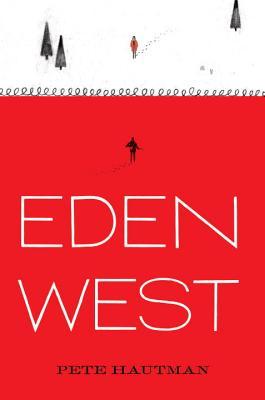
Pete Hautman’s newest book is Eden West published April 14th, 2015 by Candlewick Press. 

eden west

About Eden West: Twelve square miles of paradise, surrounded by an eight-foot-high chain-link fence: this is Nodd, the land of the Grace. It is all seventeen-year-old Jacob knows. Beyond the fence lies the World, a wicked, terrible place, doomed to destruction. When the Archangel Zerachiel descends from Heaven, only the Grace will be spared the horrors of the Apocalypse. But something is rotten in paradise. A wolf invades Nodd, slaughtering the Grace’s sheep. A new boy arrives from outside, and his scorn and disdain threaten to tarnish Jacob’s contentment. Then, while patrolling the borders of Nodd, Jacob meets Lynna, a girl from the adjoining ranch, who tempts him to sample the forbidden Worldly pleasures that lie beyond the fence. Jacob’s faith, his devotion, and his grip on reality are tested as his feelings for Lynna blossom into something greater and the End Days grow ever closer. Eden West is the story of two worlds, two hearts, the power of faith, and the resilience of the human spirit.

About Pete Hautman: Pete Hautman is the author of many books for young adults and adults, including the National Book Award–winning Godless and the recent Klaatu Diskos trilogy. He splits his time between Wisconsin and Minnesota. You can learn more about him at petehautman.com.

Visit the other stops on the Eden West blog tour: 

Word Nerds May 19 https://thewordnerds.wordpress.com/
Creatures ‘n’ Crooks May 20 http://cncbooksblog.wordpress.com/
My Book Views May 21 http://my-book-views.blogspot.com/
The Children’s Book Review May 22 http://www.thechildrensbookreview.com/
My Mercurial Musings May 26 http://www.mymercurialmusings.com/
The Roarbots May 27 http://theroarbots.com/
Unleashing Readers May 29 https://www.unleashingreaders.com/
Hudson Booksellers June 1 http://www.hudsonbooksellers.com/

GIVEAWAY!

Candlewick is kindly offering THREE copies of Eden West for giveaway!

a Rafflecopter giveaway

Thank you to Pete Hautman for his guest post and Candlewick for having us be part of the Eden West blog tour!

Signature

**Thank you to Jamie at Candlewick Press for providing copies for review!**

By Mouse & Frog by Deborah Freedman

Share

bymouseandfrog

By Mouse & Frog
Author and Illustrator: Deborah Freedman

Published April 14th, 2015 by Viking Books for Young Readers

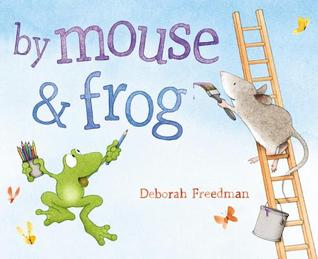
Goodreads Summary: Fastidious Mouse has one idea about how to tell a story. Free-spirited Frog has another. What happens when Frog crashes into Mouse’s story with some wild ideas? Chaos!…followed by the discovery that working together means being willing to compromise—and that listening to one another can lead to the most beautiful stories of all.

Kellee’s Review and Teachers’ Tools for Navigation: I love this book. There is so much wonderful in these pages. First, the book is just so funny! Mouse and Frog are so different and the back and forth is laugh-out-loud comedic. Second, the story really makes you look at personality types and think about how to work together. Frog and Mouse’s story would be a wonderful one to read and then talk about norms when working in groups on projects/assignments. Third, the book also looks at story writing and narrative elements. What is needed in a good story? Do all stories have to have the same things? All in all, this book is fun to read and will be a good jumping off point for all sorts of discussions. I think this book is going to find some major love in homes, schools, and libraries alike.

Ricki’s Review and Teachers’ Tools for Navigation: This magical story is about two friends who co-write a book together. It would be a great book to teach kids about the importance of listening and valuing others’ opinions. I would use this in the classroom at times when there is a lot of conflict. Very few students benefit from a pamphlet about conflict resolution. Instead, I would read this book aloud to students, and we could talk about the value of listening to and understanding each other. Overall, this is a great book to get students’ creative juices flowing. The whimsical creativeness of this title reminds me a bit of The Dot by Peter Reynolds, another picture book favorite.

Discussion Questions: What is needed in a good story? Do all stories have to have to have the same things?; Why didn’t Mouse and Frog get along at first? How did they compromise at the end?

We Flagged:

mouse-frog-flap

Read This If You Loved: Look! by Jeff Mack, The Story of Fish and Snail by Deborah Freedman, Little Red Writing by Joan HolubThe Dot by Peter Reynolds

Recommended For:

readaloudbuttonsmall closereadinganalysisbuttonsmall classroomlibrarybuttonsmall

Signature andRickiSig 

**Thank you to Penguin Young Readers for providing a copy for review!**

Never Take a Shark to the Dentist (and other things not to do) by Judi Barrett

Share

shark

Never Take a Shark to the Dentist (and other things not to do)
Author: Judi Barrett
Illustrator: John Nickle
Published March 4th, 2008 by Atheneum Books for Young Readers

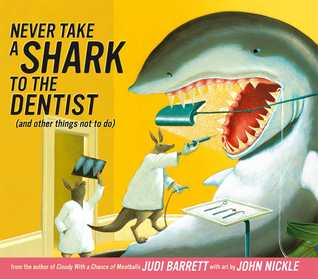
Goodreads Summary: There are many things you should never, ever, ever do. Like sit next to a porcupine on the subway (ouch!). Or hold hands with a lobster (double ouch!). Or take a shark to the dentist (triple ouch!).

Bestselling author JUDI BARRETT and imaginative illustrator JOHN NICKLE give us a raucous look at the perils of taking giraffes to the movies, goats to the library, and pigs out to lunch…and other such silly stuff.

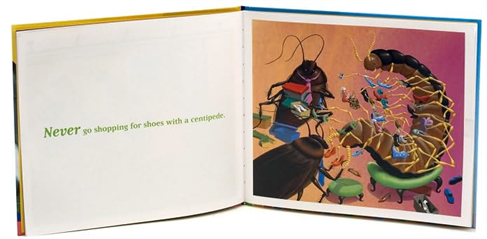
My Review and Teachers’ Tools for Navigation: The combination of Judi Barrett’s humorous DO NOTs and John Nickle’s fantastic illustrations, this book just cracked me up! It is not only a perfect read aloud to suck students in, it is definitely a book that can be used in the classroom. First, each instance has something not to do (Never take a shark to the dentist) with cartoony illustrations, but doesn’t elaborate after that. What would happen? Why wouldn’t you ____? A great cause and effect discussion. These little DO NOTs would also be perfect prompts to get students writing. It can be a prompt for a humorous narrative or for an expository essay about why not do to do these things.

Discussion Questions: What would happen next? Why wouldn’t you ____? What would cause you to need to ____?

We Flagged: 

nevergo

Check out Amazon to LOOK INSIDE Never Take a Shark to the Dentist (and other things not to do)

Read This Book If You Loved: Cloudy with a Chance of Meatballs by Judi Barrett, This Is Not My Hat & I Want My Hat Back by Jon Klassen, Press Here by Herve Tullet, Battle Bunny by Jon Sciezska, The Book of Bad Ideas by Laura Huliska-Beith

Recommended For: 

readaloudbuttonsmall closereadinganalysisbuttonsmall

Signature

Young Jane Austen: Becoming a Writer by Lisa Pliscou

Share

YoungJane

Young Jane Austen: Becoming a Writer
Author: Lisa Pliscou
Illustrator: Massimo Mongiardo
Published: April 20, 2015 by Wyatt-MacKenzie Publishing

GoodReads Summary: What was Jane Austen like as a child? What were her formative influences and experiences, her challenges and obstacles, that together set her on the path toward becoming a writer?

Drawing upon a wide array of sources, including Austen’s own books and correspondence, Lisa Pliscou has created a “speculative biography” that, along with 20 charming black-and-white illustrations, offers a fascinating glimpse into the world of young Jane Austen. Also included is a richly detailed, annotated version of the narrative and an overview of Austen’s life, legacy, and the era in which she lived, as well as a timeline of her key childhood events.

Young Jane Austen is sure to intrigue anyone interested in Jane Austen, in writing and the creative process, and in the triumph of the artistic spirit.

Review: I enjoy the way this book is formatted. The first half (or so) tells the story of Jane Austen as she grows up—before she became a writer. It gives a strong historical background of the expectations (or lack of expectations) for women at the time. While much isn’t known about Jane’s early life, the author does an excellent job creatively interpreting events with what we do know. The next section is an annotated version that reveals the author’s decisions for the text, and the last portion discusses Jane Austen’s later life as a writer. Readers will be inspired to take on some of Austen’s novels after reading this book. The beautiful paper and illustrations of this book made me wish that more books were creatively printed. I felt as if I was reading a text from the time period of Austen’s life, which made me feel warm and fuzzy.

Please note: I tagged this book as historical nonfiction and narrative nonfiction because it bridges both genres. It is a creative nonfiction, and the later portions of the book are more informational. These kinds of books make genre-sorting seem a bit silly.

Teachers’ Tools for Navigation: This text begs for readers to conduct research. They could delve into Jane’s novels to connect her life details with her works. They might also research more about the time period or another favorite author’s early life. The annotated section is particularly interesting to me. I would love to have my students annotate a text looking for the author’s purpose.

Discussion Questions: How was your life different from Jane Austen’s life? How do the expectations for females impact Jane?; What adjectives would you use to describe Jane? Why?; How does the format of the book enhance your reading? Do you know any other books like this?

We Flagged: 

young jane austen 1

I couldn’t help but share how beautiful the inside of this book is. Image taken from: www.goodreads.com.

Recommended For:

 classroomlibrarybuttonsmall

RickiSig

Review and Author’s Guest Post!: “Josh, Harrison & Dad’s Excellent Adventure” by Henry L. Herz, Author of Monster Goose Nursery Rhymes

Share

monster goose

Monster Goose Nursery Rhymes
Authors: Henry, Josh, and Harrison Herz
Illustrator: Abigail Larson
Published February 7th, 2015 by Pelican Publishing Company

Goodreads Summary: Enter an enchanted land of mythical creatures where manticores reign and ogres roar-a land of mystery and fright. A unique twist on traditional rhymes of everyone’s youth, “Monster Goose Nursery Rhymes” presents a more sinister approach to these childhood classics, and yet the sing-song nature of the poems renders them playful and jovial at the same time. Little Witch Muffet is not frightened by a silly, little spider; she simply adds him to her stew!

Rotten zombies, giants, dwarves, and goblins mingle with werewolves, centaurs, and fauns. Follow along the skeleton stepping stones, scale up a palisade, claw at the window of a tasty child and bake him into a pumpkin shell. Monsters cook up delicious elvish pie, too! Every kid who has an eensy weensy bit of sense wants a pet with feathers white as snow, who flies like an eagle and bleats like a goat-a hippogriff, of course!

Six forest sprites with four times as many pixies escape from a loaf of bread atop the elaborate table of the fey queen; her feast has flown away! If you enjoy mischief and have a penchant for the morbidly hilarious, the Herzs’ rhymes will satisfy your mythological curiosities.

Larson’s illustrations give new life to these ancient figures, and her artistic style employs the bold lines and colorful movement of an action-packed comic book. The author also includes a “bestiary” with information about the book’s legendary creatures, which hail from Scotland, Germany, Italy, Persia, Haiti, and Scandinavia.

Kellee’s Review and Teachers’ Tools for Navigation: Really like the creativity of mashing monster/mythology and nursery rhymes. A great intro to all things traditional lit and fantasy in a rhyming, fun way. I especially liked that the creatures hail from a variety of places and that the author included an appendix that includes information about each of them. I think this book would be a great way to introduce mythology as well as give students an opportunity to make their own parody of a nursery rhyme using a creature.

One thing that makes this book special is that Henry Herz wrote this book with his two sons. I am happy to share with you a post about their collaboration:

Josh, Harrison, and Dad’s Excellent Adventure

Henry, Josh & Harrison Herz

The astute observer will notice that there are three author credits for Monster Goose Nursery Rhymes. That’s because my young sons were involved in its creation. This is the tale of how two boys became traditionally published authors.

A few years ago (in a galaxy far away), I wanted to share my love of fantasy with my young sons.  They were too little for watching most of the fantasy and sci-fi movie classics, and there are only so many good fantasy books available for that age range.  Struck by inspiration one day, I came up with a way to share the joy of entering the magical realms of fantasy. I would write a fantasy book for them.

What I did not anticipate was that my boys would give me feedback on the story.  They devised some of the character (Nimpentoad) and creature (Neebel) names and made plot line suggestions.  And who better to help make the story appealing to kids than other kids?  So, the goal of interesting my sons in fantasy transformed into also encouraging them to write.

Originally, I only shared the story of Nimpentoad with family, for their own enjoyment.  I had no thoughts of having the book published.  But one day, my sister-in-law suggested that I consider publication because she felt the story was much better than many of the books she was seeing for her similarly-aged kids.  I thought about it for a while, and decided to give it a try.

The first step was to find the right artist. Once again, my sons were involved, this time in providing art direction.  We would explain in words what each illustration should contain.  Collaborating remotely via email and DropBox, our artist would give us a rough sketch, and we would provide feedback on details and color palette.  Nimpentoad came to life, while my boys added another dimension to their experience.

Given the amount of time that had passed, as well as the anticipated challenges with finding an agent or publisher willing to take a chance on an unproven writer, we decided to indie-publish.  The response to Nimpentoad was encouraging, and we subsequently indie-published Twignibble (an easy reader about a mechanically-inclined sloth, who travels the world helping his endangered animal friends), and How the Rhino Got His Skin (an updated picture book version of Rudyard Kipling’s classic).

We’ve done book readings and signings at schools, libraries, museums, farmer’s markets, book fairs, and bookstores. My boys are now experienced sales professionals! They know how to handle themselves with new people, and easily sell more books than I do.

Like any good author, I am committed to honing my craft. I belong to critique groups, participate in Tara Lazar’s annual Picture Book Idea Month (PiBoIdMo) event, and took a picture book writing class at UCSD. Part of the class curriculum was to draft some picture book manuscripts. Kids love monsters and I love monsters (being a big kid myself), and so the idea for Monster Goose Nursery Rhymes was born.

As with our other collaborations, I drafted the book, and then had my sons review it. Then it went through my critique group and more revisions. I subsequently attended the Orange County Editor’s Day event hosted by the Society of Children’s Book Writers and Illustrators (SCBWI). Monster Goose Nursery Rhymes won best picture book. After that, it was time to query agents and editors. Happily, several editors expressed interest. We chose Pelican Publishing, and the rest is history.

Writing rhyming picture books is very challenging (see why at http://wp.me/p31Xf4-K0). I jokingly encourage newbie writers to visit www.DontDoRhyme.com (not a real website). The irony is not lost on me that my debut traditionally published picture book is in rhyme. My only excuse is that I didn’t have to invent the meter, I just had to twist the words to fit the existing meter.

If you want to interest your kids in mythological creatures, or fantasy literature in general, give Monster Goose Nursery Rhymes a look. Just take care – Monster Goose Nursery Rhymes is a gateway book to The Lightning Thief and, eventually, to The Lord of the Rings.

Learn more about Monster Goose Nursery Rhymes at http://www.birchtreepub.com/mgnr.htm.

Recommended For: 

readaloudbuttonsmall closereadinganalysisbuttonsmall classroomlibrarybuttonsmall

Signature

**Thank you to Henry L. Herz for providing a copy for review and for the guest post!**