Author Guest Post: “Understand the Rules, Then Forget Them” by Erin Entrada Kelly, Author of Surely Surely Marisol Rainey

Share

“Understand the Rules, Then Forget Them”

I run a kids book club at my local library. It’s for ages eight to twelve. Each month, we read and discuss a middle grade book then complete a related activity. After we read The Year I Flew Away by Marie Arnold, we created a mural inspired by Haitian art. For Jennifer L. Holm’s The Lion of Mars, one of the students crafted a clay astronaut. To celebrate Gregor the Overlander by Suzanne Collins, we excavated bugs.

One afternoon, as we prepared to discuss Dan Santat’s The Aquanaut, I pulled paper and pencils out of my bag. One of the young readers, Anthony, wrinkled his nose.

“Oh, no,” he said. “We’re not gonna write, are we?”

As a lifelong writer, it’s difficult for me to imagine not wanting to write. But over the years I have come to accept a disappointing reality: A lot of kids really hate writing. For them, it feels like work.

“I’m not good at it,” Anthony said. With a tilted whine to his voice, he added: “I haaaate writing.”

While it’s true that some young people hate writing, will forever hate writing, and will instead excel in some other trade or craft, it’s my mission, as a lifelong wordsmith, to make them hate it a little less.

One of the ways to do that is to eliminate all the qualities about writing that feel like work. Anything that shackles them. Anything that limits their imagination. When our goal is to simply create something, without worrying whether it’s grammatically correct or good or even readable, we are suddenly free to make mistakes. And if there’s one thing I know about young people—they don’t like making mistakes. It’s the mistakes that often prevent them from trying. It’s the mistakes that make them think they’re not good at something.

What if we limit the possibility of error? What if we create simply for the joy of creating?

Here are a few things I’ve done with students.

  • Toss the rules. Give students a writing prompt and encourage them to respond however they want. Tell them not to worry about any rules of grammar or spelling. They won’t be graded on either. In fact, they won’t be graded at all. It will be a ten-minute writing sprint and that’s it. Afterward, give them the freedom of choice: They can keep what they wrote, share it with a friend, or toss it in the trash.
  • Encourage storythinking. When you read books together, stop at the end of each chapter and ask them what they think will happen next. If too many students answer at once, take differing answers from two or three students then take a poll with the rest of the class. If you want to incorporate writing, ask your students to write one or two sentences with their predictions. They don’t need to show their predictions to anyone if they don’t want to.
  • Encourage storytelling. When you finish reading a chapter or a book, ask them how they would have written it to make it more interesting. I ask my book club these questions all the time. Their answer is almost always the same: “More dragons.” In their opinion, dragons always make things more interesting. If your students say “more dragons,” your instinct may be similar to mine—you’ll find yourself explaining why dragons aren’t logical in a story like Charlotte’s Web. But instead of launching into your logical explanation, why not embrace all their ideas? That’s what I did with my book club, and they were immediately engaged, firing off one idea after another, until they reached the end of their own story. For me, the importance of the moment wasn’t to force them to think critically about Charlotte’s Web. It was to get them excited about stories and all the possibilities they offer.

To develop a love of writing, we must develop a love of creativity, a love of storytelling, and an appreciation of how words create stories. Rules, logic, grammar, spelling—all of these sound like work. Because they are work. They serve a purpose, certainly, but they also confine us.

There are times when it’s okay to prioritize creativity above all else, and let the work come later. As grown-ups, we often forget that.

Published August 9th, 2022 by Greenwillow Books

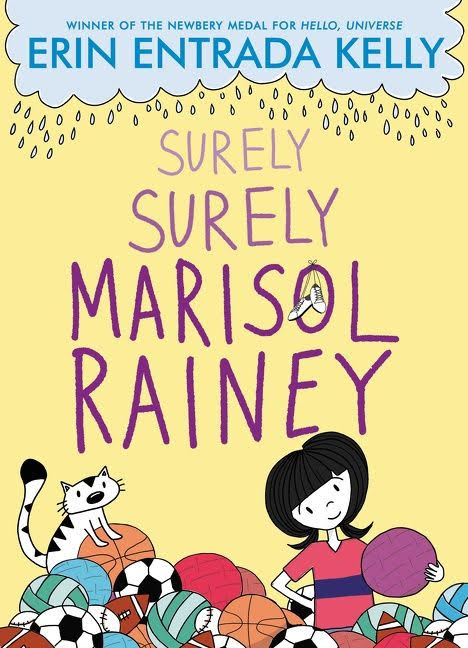
About the Book: Everyone loves sports . . . except Marisol! The stand-alone companion to Newbery Medal winner and New York Times-bestselling Erin Entrada Kelly’s Maybe Maybe Marisol Rainey is an irresistible and humorous story about friendship, family, and fitting in. Fans of Clementine, Billy Miller Makes a Wish, and Ramona the Pest will find a new friend in Marisol.

Marisol Rainey’s two least-favorite things are radishes and gym class. She avoids radishes with very little trouble, but gym is another story–especially when Coach Decker announces that they will be learning to play kickball.

There are so many things that can go wrong in kickball. What if Marisol tries to kick the ball . . . but falls down? What if she tries to catch the ball and gets smacked in the nose? What if she’s the worst kickballer in the history of kickball? Marisol and her best friend Jada decide to get help from the most unlikely–and most annoying–athlete in the world: Marisol’s big brother, Oz.

Told in short chapters with illustrations by the author on almost every page, Erin Entrada Kelly’s stand-alone companion novel to Maybe Maybe Marisol Rainey celebrates the small but mighty Marisol, the joys of friendship, the power of being different, and the triumph of persevering.

About the Author: New York Times–bestselling author Erin Entrada Kelly was awarded the Newbery Medal for Hello, Universe and a Newbery Honor for We Dream of Space. She grew up in Lake Charles, Louisiana, and now lives in Delaware. She is a professor of children’s literature in the graduate fiction and publishing programs at Rosemont College, where she earned her MFA, and is on the faculty at Hamline University. Her short fiction has been nominated for the Philippines Free Press Literary Award for Short Fiction and the Pushcart Prize. Erin Entrada Kelly’s debut novel, Blackbird Fly, was a Kirkus Best Book, a School Library Journal Best Book, an ALSC Notable Book, and an Asian/Pacific American Literature Honor Book. She is also the author of The Land of Forgotten Girls, winner of the Asian/Pacific American Award for Literature; You Go First, a Spring 2018 Indie Next Pick; Lalani of the Distant Sea, an Indie Next Pick; and Maybe Maybe Marisol Rainey which she also illustrated.

Thank you, Erin, for this reminder to allow kids to write freely!

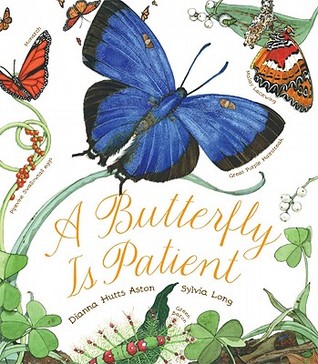
Guest Review: A Butterfly is Patient by Dianna Hutts Aston, Illustrated by Sylvia Long

Share

Guest Reviewer: Natalia, UCF Elementary Education Student

A Butterfly is Patient
Author: Dianna Hutts Aston
Illustrator: Sylvia Long
Published May 18th, 2011 by Chronicle Books

Summary: The creators of the award-winning An Egg Is Quiet and A Seed Is Sleepy have teamed up again to create this gorgeous and informative introduction to the world of butterflies. From iridescent blue swallowtails and brilliant orange monarchs to the worlds tiniest butterfly (Western Pygmy Blue) and the largest (Queen Alexandra’s Birdwing), an incredible variety of butterflies are celebrated here in all of their beauty and wonder. Perfect for a child’s bedroom bookshelf or for a classroom reading circle!  (Summary from Goodreads)

About the Creators: 

Dianna Hutts Aston is the author of many books for children and is the founder of the nonprofit foundation for disadvantaged children, The Oz Project. She lives in San Miguel de Allende, Mexico.

Sylvia Long is the illustrator of many best-selling books for children, including Sylvia Long’s Mother Goose and Hush Little Baby. She lives in Scottsdale, Arizona, with her husband and their dogs.

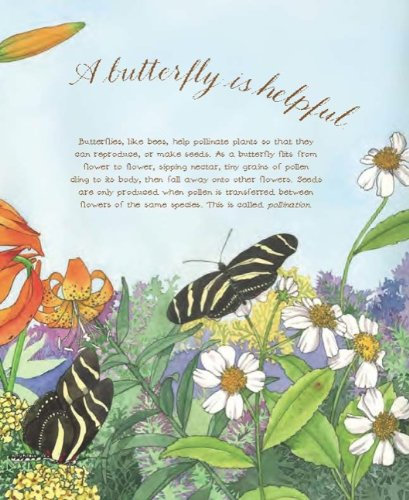
Review: I loved this beautifully illustrated book by Dianna Hutts Aston and Sylvia Long!  There is a wide variety of butterflies depicted in this nonfiction picture book about the life cycle and anatomy of butterflies.  Not only can it be enjoyed for its visual aspects, but the descriptive vocabulary shares basic facts about butterflies as well as more unusual information.  Did you know butterflies taste with their feet?  Some butterflies eat plants that are poisonous to their predators when they are caterpillars, so they will be poisonous as adults.  For such a seemingly delicate creature, A Butterfly is Patient shares that butterflies are so much more than they seem.

Teachers’ Tools for Navigation:

In addition to providing beautiful, life-like illustrations of a variety of butterflies, this nonfiction picture book follows the life cycle of a butterfly.  There are many opportunities to infuse reading, ELA, math, art, and science and more using this book.  There is a rich descriptive vocabulary and uses key terms like anatomy, metamorphosis, migration, coloration/camouflage, and more.  I can see using these words cross-curricular lessons, from an ELA-based writing exercise to science-based compare/contrast activity with other animals and insects.  Math and geography activities can be used to calculate and track the migratory paths that different species of butterflies travel in their lifetimes.  Take it a step further, compare/contrast how many hours/days/weeks that would take a person using different modes of transportation.  Students can use what they have learned about butterfly camouflage and anatomy, to create their own butterfly.  They can describe why they chose the colors and features, then use art supplies to create a painting, drawing, or model of their “newly discovered” species.

Something I love to do with my children and students, is purchase milkweed plants.  They attract Monarch Butterflies.  Sometimes the plants already have tiny eggs or caterpillars living on them.  Other times, if I wait long enough, Monarchs will lay eggs on my plants.  We love to watch the caterpillars grow from teeny tiny slivers, to thick, fat caterpillars, which in turn, change into gorgeous jade chrysalis.  If we are lucky enough, we get to see the butterfly when it hatches.  There are butterfly net cages you can use in the classroom or just keep the plants outdoors if there is a safe place.  Students can track the growth and changes throughout the process with drawings and/or written descriptions.

Discussion Questions: 

  • Why does a butterfly lay its egg under a leaf?
  • What does it mean to “molt?”
  • What is “metamorphosis?”
  • How does a caterpillar protect itself during metamorphosis?
  • How do butterflies help pollinate flowers?
  • What are some ways that butterflies use their wings to protect themselves?
  • How does a butterfly use its probiscis?
  • Are butterflies all the same size?
  • What would happen if a butterfly didn’t have scales?
  • How are butterflies’ scales helpful to them?
  • Where do Monarch butterflies migrate to and from?

Flagged Passages: 

Read This If You Love: The Very Hungry Caterpillar by Eric Carle

Recommended For: 

classroomlibrarybuttonsmall

Thank you, Natalia, for your review!

Lark & Kasim Start a Revolution by Kacen Callender

Share

Lark & Kasim Start a Revolution
Author: Kacen Callender
Published: September 27, 2022 by Amulet

Summary: From National Book Award–winner Kacen Callender, a contemporary YA that follows Lark’s journey to speak the truth and discover how their own self-love can be a revolution

Lark Winters wants to be a writer, and for now that means posting on their social media accounts––anything to build their platform. When former best friend Kasim accidentally posts a thread on Lark’s Twitter declaring his love for a secret, unrequited crush, Lark’s tweets are suddenly the talk of the school—and beyond. To protect Kasim, Lark decides to take the fall, pretending they accidentally posted the thread in reference to another classmate. It seems like a great idea: Lark gets closer to their crush, Kasim keeps his privacy, and Lark’s social media stats explode. But living a lie takes a toll—as does the judgment of thousands of Internet strangers. Lark tries their best to be perfect at all costs, but nothing seems good enough for the anonymous hordes––or for Kasim, who is growing closer to Lark, just like it used to be between them . . .

In the end, Lark must embrace their right to their messy emotions and learn how to be in love.

Review: This is a beautiful book that has so much heart. It feels as if Kacen Callender put their whole soul into it. The characterization, in particular, stood out to me. Even minor characters feel very developed. The characters remind us of the imperfections that we all have, and the value of remembering that we won’t get everything right. I was particular impressed by the ways in which love is depicted throughout the text. It is vast and expansive and knows no rules or boundaries. The LGBTQ representation and attention to intersectionality was among the best I’ve read (and I read a lot of YAL). Callender also depicts the raw brutality that can come with social media. There were moments in this text where I felt sick to my stomach.

The word “revolution” is in the title, and there are many moments where readers are given space to explore conceptions and understanding of activism. I particularly liked that the revolution isn’t explicit, which made me think deeply long after I turned the last page of the text.

I loved this book, and I can’t wait to discuss it with others. I certainly have many pages flagged to read again and again!

As one side note, I couldn’t decide if this book was realistic fiction or if the splash of magical realism made it magical realism. I am not much of a genre sorter, but I thought I’d throw that out there in case you are. 😉

Teachers’ Tools for Navigation: The rep in this book! The rep! I wish I’d been exposed to more books with representation like this when I was in school. If I was teaching this book, I would introduce some of Crenshaw’s intersectionality articles to allow students to dive into these concepts together.

Discussion Questions: 

  • What does Lark learn in this book?
  • How does Kasim develop as a character?
  • What do we, the readers, learn from Sable?
  • What did you learn (or think about) related to social media?
  • How are the characters in this book imperfectly human?

Flagged Passage: “That feeling when you read the last line of a book that you love? I can’t think of a lonelier feeling in the world.”

Read This If You Loved:  Books by Kacen Callender,

Recommended For:

 litcirclesbuttonsmall closereadinganalysisbuttonsmall classroomlibrarybuttonsmall

RickiSig

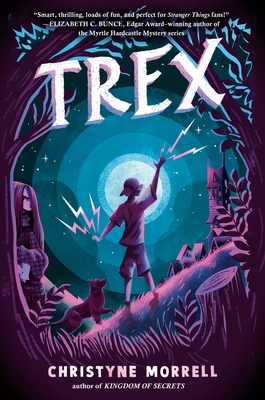
Trex by Christyne Morrell

Share

Trex
Author: Christyne Morrell
Published August 30th, 2022 by Delacorte

Summary: This middle grade mystery follows the adventures of a boy with an experimental brain implant, and a reclusive girl training to be a spy, as they’re pitted against school bullies, their own parents, and an evil, brain-hacking corporation. Perfect for fans of Stranger Things.

Trex’s experimental brain implant saved his life–but it also made his life a lot harder. Now he shocks everything he touches. When his overprotective mother finally agrees to send him to a real school for sixth grade, Trex is determined to fit in.

He wasn’t counting on Mellie the Mouse. She lives in the creepiest house in Hopewell Hill, where she spends her time scowling, lurking, ignoring bullies, and training to be a spy. Mellie is convinced she saw lightning shoot from Trex’s fingertips, and she is Very Suspicious.

And she should be . . . but not of Trex. Someone mysterious is lurking in the shadows . . . someone who knows a dangerous secret.

About the Author: Christyne’s earliest completed work, written at age 7, told the story of Kermit the Frog meeting Miss Piggy’s parents for the first time. Kermit the Hog was a cautionary tale about pretending to be something you’re not. She still thinks it has potential.

Today, Christyne writes middle-grade novels across a number of genres. Whether they take place in quirky seaside towns or fantastical, faraway kingdoms, her stories all have one thing in common: clever kids accomplishing extraordinary things, like conquering a curse, overthrowing a king, or taking down an evil, brain-hacking corporation. Christyne believes that middle-grade books should challenge, intrigue, and inspire young readers – but above all, never underestimate them.

Christyne’s debut middle-grade novel, Kingdom of Secrets, came out in August 2021 from Delacorte Press. Her next novel, TREX, releases in August 2022. She is also the author of the poetry book, The Fool Catcher (2021), and the picture book, Abra, Cadabra & Bob (2019), and her poems and stories have appeared in HighlightsSpider, and The School Magazine.

When Christyne isn’t writing for kids, she’s busy raising one. She’s an attorney by day, who enjoys reading, baking, and watching House Hunters marathons. She lives with her husband, daughter, and hyperactive beagle in Decatur, Georgia.

Review: I LOVED Morrell’s first middle grade novel, Kingdom of Secrets, so when she reached out for me to read her newest, I jumped at the chance! What is so interesting is how one author can come up with two completely different types of stories–two sides of the speculative coin, if you will. But man, does she knock this one out of the park, too. It is a mind bender of a story that, through red herrings, multiple points of view, and limited narrators, keeps you on your toes all the way until the end! There is so much to delve into with this book, and it is super engaging on top of it all. Another stellar middle grade novel!

Teachers’ Tools for Navigation: There is so much in this book to use in classrooms: STEM, journaling/spying, and mental health representation! And Christyne Morrell has so many resources on her website to utilize with Trex:

  • STEM
    • Static Electricity: Trex’s brain implant gives him a persistent static electric charge, which has a significant impact on his daily life. Teachers and students can explore the causes of static electricity and consider the steps someone with Trex’s condition would have to take to avoid hurting themselves and others. There are tons of activities available online that demonstrate static electricity at work. Here are some of the best: 16 Fun Electricity Experiments and Activities For Kids.
    • Trex in Real Life: Could Trex’s static electricity problem exist in real life? In Australia, a man reportedly built up a charge of 30,000 volts and set fire to a carpet! (Report: Man Burns Carpet with Static Shock | AP News)
    • Dry Lightning: Dry Lightning is any lightning that occurs without rain nearby. It’s especially dangerous for Trex, but it poses a real risk to everyone. Dry Lightning is more likely than typical lightning to cause forest fires, especially in the western portion of the United States, where it occurs most frequently. (What is a Dry Thunderstorm? | Live Science)
  • Spies
    • Spy Museum: Did you know there’s an entire museum dedicated to spycraft? Future sleuths will have a blast at the International Spy Museum in Washington, D.C. Upon arrival, visitors receive a cover identity, an RFID-enabled badge, and a secret mission to complete. And for those who can’t make it to D.C., the Spy Museum offers a number of resources on their website, including podcasts, puzzles, and more. (Spy Resources | International Spy Museum)
    • Famous Female Spies: Mellie follows in the footsteps of a long line of female spies. From the Civil War to World War II, women have been covertly risking their lives on top secret missions in service to their country. Learn about some of history’s most famous and successful spies: 6 of History’s Most Notable Female Spies | HistoryHit.
    • Easter Egg Hunt: To kickstart your career as a future spy, I’ve included a major Easter egg (a hidden reference) within the text of Trex. If you’ve read my first book, Kingdom of Secrets, and have a keen eye, perhaps you spot the reference!
  • Mental Health
    • The Power of Introverts: Full of insightful research and powerful examples, Susan Cain’s Quiet makes the case that introverts as a group are undervalued in our society and that we should accept – even embrace – our introverted natures. The “Quiet Manifesto” on Susan’s website states, “The next generation of quiet kids can and must be raised to know their own strengths.” And I wrote Trex for precisely that reason. There’s a version of Quiet for kids and a podcast for parents on Susan Cain’s website. (Home – Susan Cain)
    • Anxiety: One of the characters in Trex deals with anxiety – a sense of distress or fear when faced with uncomfortable, unfamiliar, or stressful situations. All of us experience some level of anxiety (on the first day of school, for example), but when it becomes debilitating or disruptive, it may require attention. Treatment for anxiety can range from simple tactics like breathing exercises to therapy and medication. If you’re experiencing anxiety, talk to a trusted adult or doctor, and check resources like Anxiety.org, Child Mind Institute, and CDC: Anxiety and depression in children.
    • Alphabetter: In the book, the characters play a game called “Alphabetter,” in which they take turns naming things that make them happy in alphabetical order. This is a simple and fun way for anyone to calm their stress and boost their mood!

Discussion Questions: 

Book Trailer:

Read This If You Love: Mysteries, Tesla’s Attic by Neal Shusterman & Eric Elfman, Moving Target by Christina Diaz Gonzalez, The Great Greene Heist by Varian Johnson, Masterminds by Gordon Korman

Recommended For: 

classroomlibrarybuttonsmall 

Signature

**Thank you to the author for providing an e-galley for review!**

It’s Monday! What Are You Reading? #IMWAYR 9/5/22

Share

It’s Monday! What Are You Reading?
Sharing Picture Books, Early Readers, Middle Grade Books, and Young Adult Books for All Ages!

It’s Monday! What Are You Reading? is a weekly blog hop co-hosted by Unleashing Readers and Teach Mentor Texts which focuses on sharing books marketed for children and young adults. It offers opportunities to share and recommend books with each other.

The original IMWAYR, with an adult literature focus, was started by Sheila at Book Journeys and is now hosted by Kathryn at The Book Date.

We encourage you to write your own post sharing what you’re reading, link up below, leave a comment, and support other IMWAYR bloggers by visiting and commenting on at least three of the other linked blogs.

Happy reading!

Bold_line

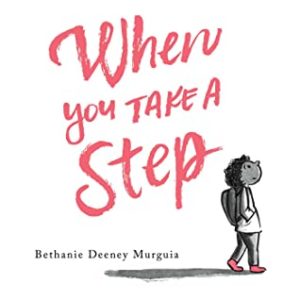
Tuesday: When You Take a Step by Bethanie Deeney Murguia

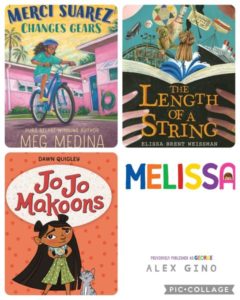
Thursday: Guest Post: Classroom Uses for Jo Jo Makoons by Dawn Quigley, Length of a String by Elissa Brent Weissman, Melissa by Alex Gino, and Merci Suarez Changes Gears by Meg Medina

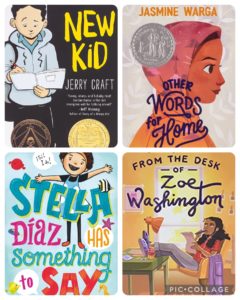
Saturday: Guest Post: Classroom Uses for New Kid by Jerry Craft, Other Words for Home by Jasmine Warga, Stella Díaz Has Something to Say by Angela Dominguez, and From the Desk of Zoe Washington by Janae Marks

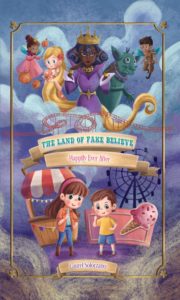
Sunday: Author Guest Post: “Five Tips to Excite Students About Writing” by Laurel Solorzano, Author of The Land of Fake Believe

**Click on any picture/link to view the post**

Bold_line

We’re both taking Labor Day off from long posts–hope you had a great week and happy reading! 🙂

Bold_line

Tuesday: Trex by Christyne Morrell

Thursday: Lark & Kasim Start a Revolution by Kacen Callender

Saturday: Guest Review: A Butterfly is Patient by Dianna Hutts Aston, Illustrated by Sylvia Long

Sunday: Author Guest Post by Erin Entrada Kelly

Bold_line

Link up below and go check out what everyone else is reading. Please support other bloggers by viewing and commenting on at least 3 other blogs. If you tweet about your Monday post, tag the tweet with #IMWAYR!

 Signature andRickiSig

Author Guest Post: “Five Tips to Excite Students About Writing” by Laurel Solorzano, Author of The Land of Fake Believe

Share

“Five Tips to Excite Students About Writing”

One of the most difficult parts of teaching writing is convincing all students to be involved in the various activities. Some of my students have reached the end of the writing period with NOTHING on their paper. How many distractions could they possibly have had? These five tips should help you get those students not only involved but excited to tell their story.

Tip #1

Allow Alternative Ways to Tell Their Story. Most of the time, my students who have trouble putting words on paper are the ones who talk. Everyone else may be working quietly, but they are talking- to me, to the other students, to themselves. It doesn’t matter if anyone is responding or not, their mouths are moving.

One way I’ve been able to get these students involved is by using a recording device (a phone or an app on a tablet works well). I move them out into the hall and have them record themselves telling their story or answering the prompt. I usually tell them that they have two minutes to record it (any longer than that, and transcription takes a while).

They LOVE doing this, because they can talk and avoid writing for a few minutes with the teacher’s permission!

Once they’ve recorded themselves, depending on the student’s age, I can either use an online program to transcribe it for them (I then have them read what they “wrote” and fix the errors), OR I’ll have them transcribe it themselves.

Tip #2

SHARE their writing. Some of my students have disliked writing because they don’t get the chance to talk/share with their classmates. They prefer to tell the story out loud rather than write it down and pass it to me.

Whenever I’ve given them the chance to read their story/writing out loud, then they get more excited about writing it. They can’t wait to make their classmates laugh!

I give other students the chance to share too, but don’t force it on the quieter ones who already enjoy the writing.

Tip #3

Give them creative freedom. While mentor texts or examples that students can follow is helpful for SOME students, it can make others struggle. How can they make their writing sound like that writing? They become overwhelmed trying to make it perfect, so they either don’t try at all or copy the example writing and just change a word or two.

For example, if you give them the topic of writing about a favorite memory, then give them subject examples, but not paragraph examples. “Did you ever receive a special Christmas or birthday present? What made it special? Where have you gone that you really enjoyed? The zoo, amusement park?” This can get their ideas pumping without feeling like they have to churn out a perfect paragraph.

Tip #4

Don’t compare writing. You probably already know this, and you wouldn’t do it on purpose. However, sometimes, comments slip out accidentally. “Wow! Did everyone see what a great paragraph Johnny wrote?” or maybe even something that you think is more subtle because you are just speaking to the student. “Johnny, that was really great. I don’t know how you do it!”

Written feedback helps avoid this comparison. I always write one thing each student did well and one thing they can improve. Instead of writing that one student needs to fix their verb tenses and their quotation marks, indent their paragraphs, not use fragments, and. . . well, you get the idea. That would be overwhelming as an adult.

Pick one, concrete thing that they can improve, and write that one. For example, “Don’t start sentences with ‘and’” or “Use an apostrophe to show possession.” That way, they can improve and not be overwhelmed.

Tip #5

Connect reading and writing. A lot of students who don’t necessarily enjoy writing do enjoy listening to stories. Even when students can read on their own, they aren’t too old to be read to as well.

Once they have a story in their head, writing prompts related to the story can turn on their creativity.

Read-aloud continues in my classroom even through fifth grade, which is why I love picking stories that are fun not only for the kids but for me to read year after year as well. Check out my book below for a fun classroom read!

Fun Writing Ideas

Now that you have some ideas about how to involve the non-writers in writing time, here are some prompts to use in your class.

  • If you could meet one fairy tale character, who would it be? What would happen when you meet them?
  • (After reading a book or part of a book together) What do you think should happen in the next chapter?
  • Pick one notoriously bad guy (the Joker, the Big Bad Wolf, or Maleficent for example) and write about them as if they were good.

Published September 1st, 2022

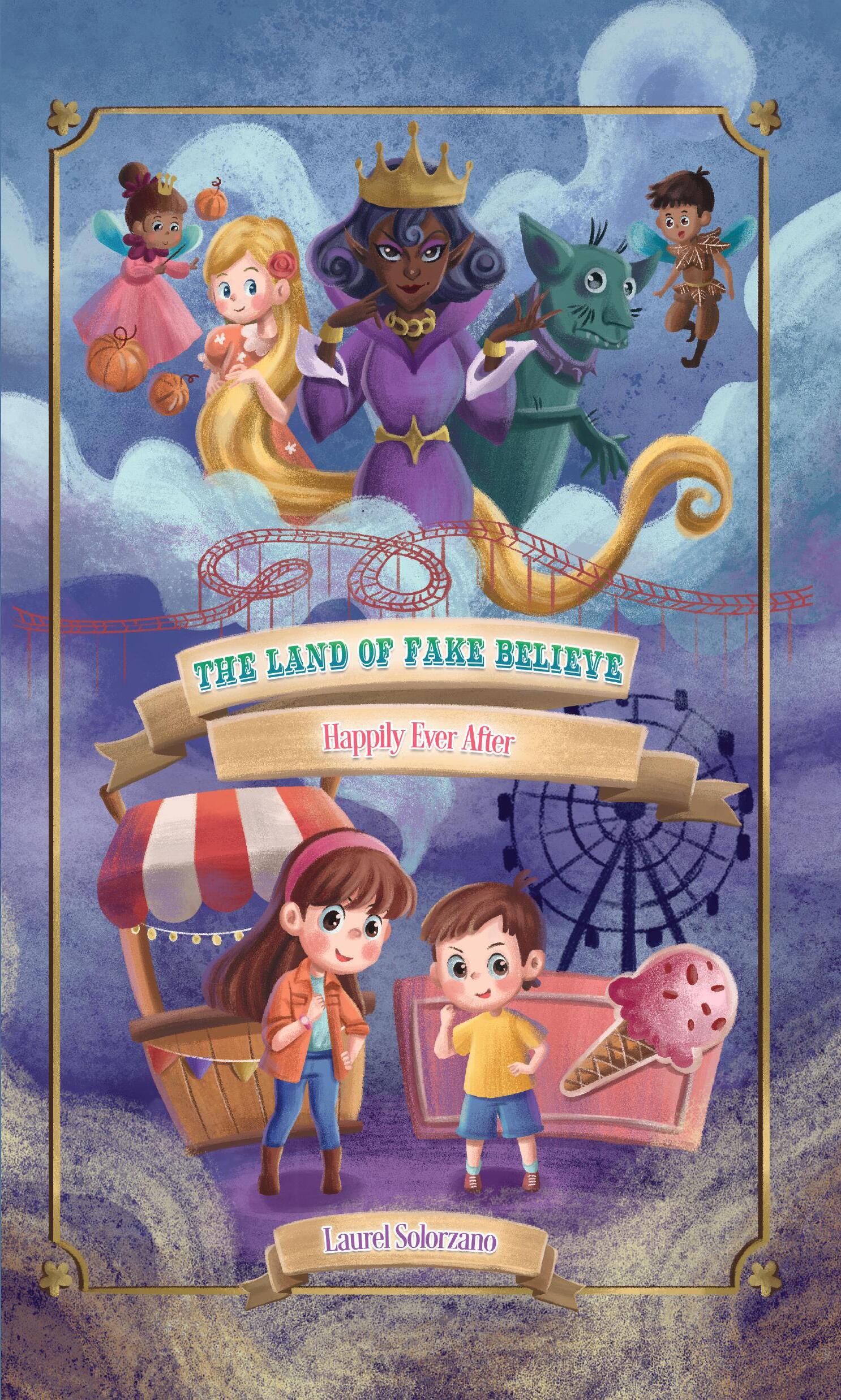
About the Book: The Land of Fake Believe is a twisted fairy tale about two siblings and their fateful encounter with real amusement park characters. It is geared to children ages eight to twelve, but can be read aloud to younger children.

In this fractured fairy tale story, twelve-year-old Taylan is angry when her mom scolds her for telling her five-year-old sister, Judy, that Cinderella isn’t real, just as the little girl is about to meet her favorite princess at the famed Happily Ever After amusement park. Relegated to their vacation hotel room for the evening as a punishment, Taylan enlists the help of her ten-year-old brother, Colby, to prove her mom wrong. What they discover in the park after dark is beyond their wildest dreams—or nightmares.

Soon, the siblings find themselves in the middle of a secret century-long battle among the park’s characters—the good Ever Afters and the dark Ever Afters—and are in a race to help their new friends before the Evil Queen takes over the park for good. With Beauty, Cindy, and Peter Pan on their side, will they be able to survive the conflict before it’s too late?

Fun activities after reading the book including a coloring sheet, quiz, and maze: https://www.laurelsolorzano.com/activities

About the Author: Children’s book author Laurel Solorzano has been creating stories since she first learned how to write, completing her first full-length novel while in middle school. Her love for fairy tales is what inspired her to write The Land of Fake Believe.

Hailing from Raleigh, North Carolina, where she lives with her husband, Yader, Laurel is a Spanish and English teacher. When she’s not penning creative stories for young readers, Laurel enjoys reading and spending time with her two dogs. Also the published author of five young adult books, Laurel’s book The Land of Fake Believe is the debut book in a series of twisted fairy tales including book 2-Once Upon a Climb and book 3- The Princess and the Key.

Author Q&A can be seen here. https://www.laurelsolorzano.com/about

Facebook- https://www.facebook.com/laurelsbooks

Signing up for her newsletter on her website is the best way to stay connected!

Thank you, Laurel, for these amazing engaging tips!

Guest Post: Classroom Uses for New Kid by Jerry Craft, Other Words for Home by Jasmine Warga, Stella Díaz Has Something to Say by Angela Dominguez, and From the Desk of Zoe Washington by Janae Marks

Share

One of the assignments during my Spring Children’s Literature course at UCF was creating a mini-teaching guide for the books we read for book clubs. We started with picture books for practice then students created them in their book clubs each week. The course was structured by genre as were the book clubs.

Today, I am happy to share the classroom uses and discussion questions found by my UCF Elementary Education students about these realistic fiction books.
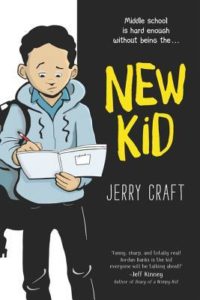
New Kid
Author: Jerry Craft
Published February 5th, 2019 by Quill Tree Books

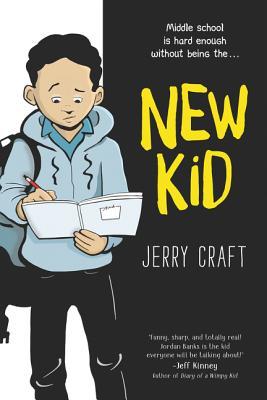
Summary: A graphic novel about starting over at a new school where diversity is low and the struggle to fit in is real.

Seventh grader Jordan Banks loves nothing more than drawing cartoons about his life. But instead of sending him to the art school of his dreams, his parents enroll him in a prestigious private school known for its academics, where Jordan is one of the few kids of color in his entire grade.

As he makes the daily trip from his Washington Heights apartment to the upscale Riverdale Academy Day School, Jordan soon finds himself torn between two worlds—and not really fitting into either one. Can Jordan learn to navigate his new school culture while keeping his neighborhood friends and staying true to himself?

Teachers’ Tools for Navigation: You can cover social topics like: Inclusion for BIPOC students and new kids, microaggressions, and stereotyping. If you have a new student in the class, maybe they could read and relate to this book. How to like the way Liam treated Jordan. Maybe you could also use Andy as an example of how not to treat others, since he is the antagonist of the story. Jordan also learned throughout the book how to be more confident, outspoken, stand up for others (telling the teacher that Andy was in the wrong over Drew in the lunch room scene), and how to be a bigger person (Jordan signing Andy’s yearbook at the end of the year).

Some topics for navigation would be using this text to discuss family dynamics and friendships. It would be great to also bring up the topic of diversity, bullying, and respect in the classrooms. Most of the characters in the book have some kind of conflict going on. Draw these conflicts to the students as some of these conflicts may mirror conflicts they could be personally dealing with. Open up the discussion for them to make connections to the story and its characters. Have the students discuss in what ways the conflicts in the book are fueled by social, racial, economic, and cultural differences? Using the book, have students do some freewriting about how to navigate through their emotions, just as Jordan found a way to cope. Teachers can also use the book to have students explore the ways the neighborhood Jordan speaks about is portrayed in the illustrations and words. They can investigate Washington Heights where Jordan and his family live and discuss how or why Jordan would camouflage.

Interdisciplinary options:

  • Geography: have students work with maps and have them draw a way that Jordan would have gone to school every day on the bus.
  • History: teach about how diversity is viewed now vs what it was in the past and why it is important to have it within our school and classroom.
  • Art: Jordan has great drawing skills and he loves to draw about what is going on in his life, maybe the students could try to draw what there day/week has looked like.

Discussion Questions: 

  • Which of the many pressures that Jordan faced can you relate to the most?
  • How do you handle having a new kid at your school?
  • How does Jordan handle the impacts of race on his friendships?
  • Which character in the book do you identify with the most? Why?
  • Why do you think Jordan saying something when the altercation between Drew and Andy happened, made others step up to report the truth, too?
  • Jordan states that when he has to ride the bus to school he has to be like a chameleon. In your own words, explain what this simile means.
  • In your own opinion, explain why you think the teacher keeps calling Jordan by the wrong name.
  • If you were a character in this book, who would you be and why?
  • Why do you think Jordan at the end of the book decided to write in Andy’s yearbook?
  • Have you ever lost touch with a friend after moving? Why do you think that happens?
  • Have you ever been the new kid? What was that like?
  • How would you have handled the situation like Jordan where the teacher had his notebook? And why?
  • Do you think that Jordan Moving helped develop his character in the book? Why?
  • Why do you think Drew reacted upset towards his teacher calling him Deandre?
  • Write about a time that you didn’t fit in. What happened? How did this make you feel? Did anyone notice and include you?
  • How do you handle having a new kid at your school? Classroom?

Recommended For: 

classroomlibrarybuttonsmall


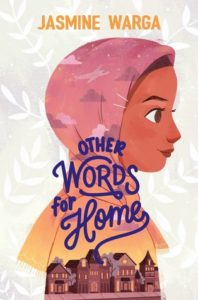
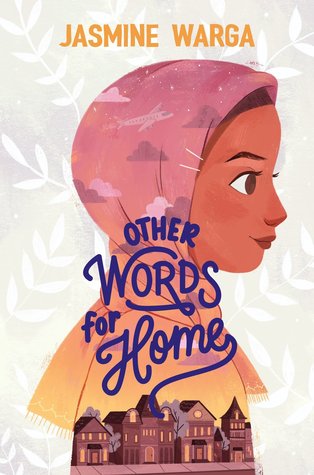
Other Words for Home
Author: Jasmine Warga
Published May 7th, 2019 by Balzer + Bray

Summary: I am learning how to be
sad
and happy
at the same time.

Jude never thought she’d be leaving her beloved older brother and father behind, all the way across the ocean in Syria. But when things in her hometown start becoming volatile, Jude and her mother are sent to live in Cincinnati with relatives.

At first, everything in America seems too fast and too loud. The American movies that Jude has always loved haven’t quite prepared her for starting school in the US—and her new label of “Middle Eastern,” an identity she’s never known before. But this life also brings unexpected surprises—there are new friends, a whole new family, and a school musical that Jude might just try out for. Maybe America, too, is a place where Jude can be seen as she really is.

Teachers’ Tools for Navigation: This book does a great job of taking a situation that is happening in the world and putting it into context in a way that resonates with students as is easy to understand.

A great activity for this book would be “Webbing what’s on my mind.” Students would take moments to write down key concepts throughout the book and talk about how they feel about the themes and issues that they read about. This will also give students time to research issues in the book, research it and then reflect. This will allow students to easily see key concepts in the books and compare their thoughts to the thoughts of their peers. This will allow a group discussion on key elements throughout the story.

Interdisciplinary opportunities:

Social Studies- Students will take this book as an opportunity to research about different countries and cultures to learn more about the characters and what they have gone through. This will also allow the students to understand the differences between the United States and Syria and the changes that Jude went through in the book.

Outreach/Humanitarian Aid- Students can learn about different organizations within their community and learn how to help those around them. Students can participate in drives to help refugees and those displaced by conflict.

Discussion Questions: 

  • Put yourself in Judes shoes. How would you have felt if you had to move across the country and leave your loved ones behind?
  • How does Baba feel when Mama and Jude say goodbye? Provide some examples from the book.
  • Why does Issa believe that he should protest?
  • Whose side do you understand more, the brothers or the parents?
  • Why did Jude have to move away?
  • How did Jude’s relationships with the other ELL students affect her confidence in school?
  • How did Mama and Jude first describe Cincinnati when they landed?
  • How did people treat Layla and Jude differently as one was born in America and spoke fluent English while the other struggled communicating and was seen as more of an outsider?
  • How did the behavior of those around Jude change after she began wearing a hijab. What evidence supports this?
  • The first time Jude is reminded of home in the US iis when she enters Layla’s family restaurant. How does this affect her relationship with Layla and her comfort level within Layla’s restaurant.

Recommended For: 

classroomlibrarybuttonsmall


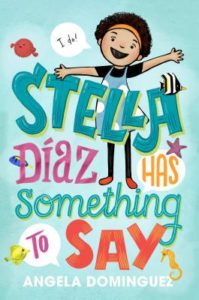
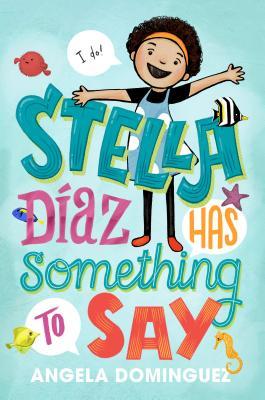
Stella Díaz Has Something to Say
Author: Angela Dominguez
Published January 16th, 2018 by Roaring Brook Press

Summary: In her first middle-grade novel, award-winning picture book author and illustrator Angela Dominguez tells a heartwarming story based on her own experiences growing up Mexican-American.

Stella Díaz loves marine animals, especially her betta fish, Pancho. But Stella Díaz is not a betta fish. Betta fish like to be alone, while Stella loves spending time with her mom and brother and her best friend Jenny. Trouble is, Jenny is in another class this year, and Stella feels very lonely.

When a new boy arrives in Stella’s class, she really wants to be his friend, but sometimes Stella accidentally speaks Spanish instead of English and pronounces words wrong, which makes her turn roja. Plus, she has to speak in front of her whole class for a big presentation at school! But she better get over her fears soon, because Stella Díaz has something to say!

Stella Díaz Has Something to Say introduces an infectiously charming new character with relatable writing and adorable black-and-white art throughout. Simple Spanish vocabulary is also integrated within the text, providing a bilingual element.

Teachers’ Tools for Navigation: This book would be useful by helping students know that they can overcome the fear of speaking and sharing  opinions, beliefs or ideas to other people, even if it means that those opinions may be different from other people. It also has bilingual opportunities!

Discussion Questions: 

  • Have you ever been the new students at school, if you have, how did you begin to make friends? If you haven’t, did you still feel nervous on your first day, why or why not?
  • If you moved to a different state and had to introduce yourself to the class, what would you say? Would you bring gifts for your classmates?
  • Do you think it’s an important best friend rule to match one another and no one else or do you think Stella was being over-protective of her best friend?
  • List some questions you would ask a new classmate to get to know them. What would you share with a classmate for them to get to know you?
  • How does Jenny suggest Stella start conversations with people? Do you think it is good advice?
  • Why do you think Stella doesn’t let people see her artwork until it’s perfect?
  • Why do you think Stella was afraid of speaking in public?
  • How did the spelling bee or marine report help Stella overcome her fear of speaking in public? What has helped you overcome the fear of speaking in public?
  • Stella and her family celebrate the new year with a trip to Wisconsin, how does your family celebrate special occasions or holidays?

Recommended For: 

classroomlibrarybuttonsmall


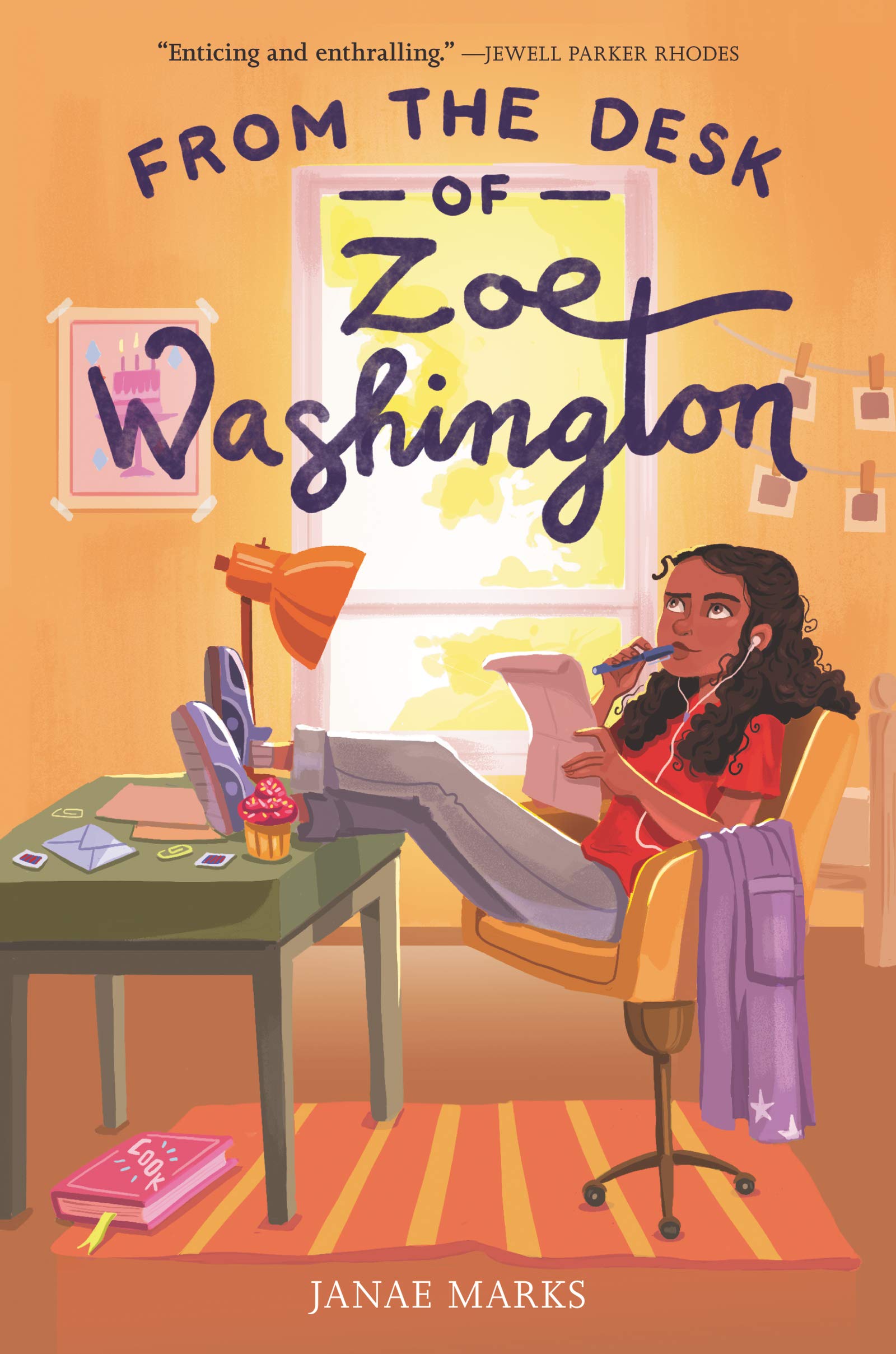
From the Desk of Zoe Washington
Author: Janae Marks
Published January 14th, 2020 by Katherine Tegen Books

Summary: Zoe Washington isn’t sure what to write. What does a girl say to the father she’s never met, hadn’t heard from until his letter arrived on her twelfth birthday, and who’s been in prison for a terrible crime?

A crime he says he never committed.

Could Marcus really be innocent? Zoe is determined to uncover the truth. Even if it means hiding his letters and her investigation from the rest of her family. Everyone else thinks Zoe’s worrying about doing a good job at her bakery internship and proving to her parents that she’s worthy of auditioning for Food Network’s Kids Bake Challenge.

But with bakery confections on one part of her mind, and Marcus’s conviction weighing heavily on the other, this is one recipe Zoe doesn’t know how to balance. The only thing she knows to be true: Everyone lies.

Teachers’ Tools for Navigation: This book is AMAZING, and is recommended for all to young readers to dive in. This story is also relatable and a lot of young readers can relate to this story and have a special bond with this book. This story also teaches the lesson to fight for what you believe in which is a great lesson to teach students.

This book would be useful to teach kids to fight for what they believe in. Even though Zoe didn’t know her father, she still fought to prove his innocence and was willing to uncover hard truths.

A great tool to use for this story is chronological order journals and open discussions. This book talks about a tough topic that may be hard for other students and this would be the perfect opportunity for teachers to connect with students and have an honest discussion about how the book makes them feel, what they think, and if they are open to sharing stories. You can also have a “mailbox” where students can send you mail and let them know that whatever mail  they send is only for your eyes, if they are uncomfortable with the conversation.

Discussion Questions: 

  • What is the theme of the book from the desk of Zoe Washington?
  • Describe where “From The Desk of Zoe Washington” take place.
  • How did the letter’s in the novel make you feel while reading the book?
  • What would you have done in Zoe’s  mother’s shoes? Why? What about other characters?
  • How do you think Zoe’s grandmother handles the situation?
  • Why do you think Zoe was so eager to rebuild her friendship with Trevor after he found out about Marcus?
  • Describe your favorite scene in the book and the way you imagined it while reading.
  • Why do you think it was so important for Zoe to build a relationship with his biological father?
  • Describe the conflicts that came up in Zoe and her mothers relationship when Zoe found the letter on her 12th birthday.

Recommended For: 

classroomlibrarybuttonsmall