It’s a Puppy’s Life by Seth Casteel

Share

It’s a Puppy’s Life
Author: Seth Casteel
Published March 20, 2018 by National Geographic Society

Summary: Have you ever wanted to know what goes on in the life of one of nature’s most beloved animals–the puppy? Follow along in this picture book featuring the photography of Seth Casteel.

Follow several puppies as they play, go for walks, eat, sleep, and romp about.

My Review: Who doesn’t love puppies? I don’t have a dog right now, and this made me want to take a trip to the pet store! Seth Casteel does a phenomenal job capturing the spirit of these energetic pups. I enjoyed looking at the different angles that he used. Further, I loved the key at the end of the book that distinguished between the breeds. This is a charming book that kids will love.

Teachers’ Tools for Navigation: This book inspired me to want to take photographs! Teachers might use this at the start of a photography unit. They can examine the angles of the photographs and talk about how the author captured such incredible images.

Discussion Questions: Which puppy is your favorite? How does the author capture the spirit of the puppies? How does he organize the book?

We Flagged: 

Read This If You Love: Dogs; Photography

Recommended For: 

RickiSig

**Thank you to Media Masters for providing copies for review!!**

Blog Tour with Review!: The Reckless Rescue (The Explorers #2) by Adrienne Kress

Share

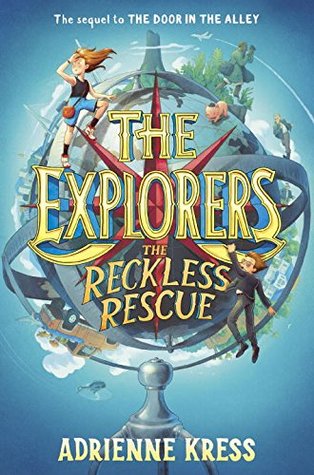
The Reckless Rescue (The Explorers #2)
Author: Adrienne Kress
Published April 24th, 2018 by Delacorte Books for Young Readers

Summary: More mystery, more bravery, more danger, and one amazingly reckless rescue await in the second book in the Explorers series! The perfect read for fans of The Name of This Book Is a Secret and The Mysterious Benedict Society!

Reader! Your attention is greatly needed. We have left things unresolved! What began as your average story of a boy stumbling upon a pig in a teeny hat and a secret international explorers society has turned into an adventure of epic proportions.

* The bad news: The boy (Sebastian) has been kidnapped by a trio of troublesome thugs.
* The good news: His new friend Evie has promised to rescue him!
* The bad news: Sebastian has been taken halfway around the world.
* The good news: Evie has famous explorer and former Filipendulous Five member Catherine Lind at her side!
* The bad news: There’s still the whole matter of Evie’s grandfather (and the leader of the Filipendulous Five) somewhere out there in grave danger.
* The good news: Pursuing Sebastian will lead Evie and Catherine to another member of the Filipendulous Five, who might be able to help!

This missive is a call to action and an invitation to join in mystery, bravery, and danger. There will be new people to meet, new places to see, and some dancing along the way. And one amazingly reckless rescue.

About the Author: Adrienne Kress is a writer and an actress born and raised in Toronto. She is the daughter of two high school English teachers, and credits them with inspiring her love of both writing and performing. She also has a cat named Atticus, who unfortunately despises teeny hats. She is the author of The Explorers: The Door in the AlleyThe Explorers: The Reckless Rescue,and The Explorers: The Quest for the Kid. To find out more about Adrienne, visit AdrienneKress.com and follow @AdrienneKress on Twitter and Instagram.

ReviewThis book starts RIGHT up where the first left off–like, actually! Mid-sentence! And I’m so glad because the cliffhanger in the first one was so intense! But here we are, right where we left off: Sebastian is kidnapped, and Evie has to figure out how to save him (hence the title…). Like the first book, I found that the snarky narrator, silly footnotes, and ridiculous situations was humor that is right up my alley, causing many laugh out loud moments, but let’s not forget that the story is also a nerve-racking adventure story also! Other than the humor and adventure, I also really like the characters in this story. Evie and Sebastian complement each other so well, and we really get to see them shine in this book as individuals since they are separated.

Teachers’ Tools for Navigation: This series would be a perfect mentor text when teaching dramatic irony, breaking the 4th wall, and footnotes. Even reading the first chapter will cover these three literary elements and will also get a lot of kids excited to read the story. Because the other place this book belongs is in libraries and classrooms–it is going to be a big hit with adventure and humor fans!

Discussion Questions: 

  • How does the narration style the author chose change the tone of the story?
  • Why do you think the author chose to include footnotes in the story?
  • How does the author use dramatic irony to keep the reader reading?
  • What is the “Lost Boys” K-Pop group an allusion to?
  • How do Sebastian and Evie complement each other?
  • How did some good or bad things in the story end up being the opposite of what you thought?

Flagged Passages: “Chapter 1: In which we resume our story.

There is a difference between fact and opinion. It’s hard to tell sometimes because opinions like to dress up as facts, and their costumes have gotten quite impressive lately.¹ There is a way, however, to easily tell the difference between them. You have to weigh them. Because, you see, facts have more substance. So they’re heavier. This is how one can know for a fact, for example, that being kidnapped for your brain is scary. Because when this fact is placed on the scale, man, does it ever tip the balance.

There are other facts one can be certain of. Like that private jets are cool. That traveling long distances get boring. And that not knowing where you are going or what’s going to happen to you is exhaustingly stressful.

And if you don’t believe me, just ask Sebastian, who is sitting in his seat and staring out the window of the private jet, feeling precisely all of those things.

It is odd to feed bored. Not that feeling bored is a rare or weird feeling. It’s a very common part of life, after all. But it just felt strange to feel bored in his particular situation. He should have been feeling terrified, possibly even a little excited. And he knew this because he’d felt those things initially when he’d been snatched out of the Explorers Society headquarters and held captive in a helicopter. But that felt like forever ago now.

¹I once saw an opinion wearing the most spectacular curly mustache that distracted me so much, I totally let him into my head, even though I found his footwear suspicious.”

Read This If You Love: The first Explorers book: The Door in the AlleyEmily and the Spellstone by Michael RubensGuardians of the Gryphon’s Claw by Todd Calgi Gallicano, Cucumber Quest series by Gigi D.G., Alex Rider series by Anthony Horowitz, The Lightning Thief by Rick Riordan

Recommended For: 

classroomlibrarybuttonsmall closereadinganalysisbuttonsmall

Signature

Teaching Tuesday: Grading is Complicated: Ruminations of an English Teacher Educator

Share

“Grading is Complicated: Ruminations of an English Teacher Educator”

My students (future secondary English teachers) have a lot of questions about grading. They wonder if effort should count. They wonder if an emergent bilingual who works dang hard on three drafts of an essay should receive the same grade as another student’s essay, which is better. They wonder if in the grading process, after looking at other student work, it is fair to go back and change a previous student’s rubric evaluation. They wonder if we need to use rubrics for everything. They wonder if rubrics are too limiting of intellectual freedom.

My students are brilliant, and they ask complex questions that don’t have definite answers.

Let’s take them one-by-one. I invite readers to push back on any of the comments. I don’t have the answers, and I am often wondering if I need to reimagine my conceptualizations of grading.

Should effort count?

I believe that effort should count. The book that we read (Wormeli’s Fair Isn’t Always Equal) argues that effort shouldn’t count. For me, that’s conceiving of grades in simplistic ways. English language arts, as a subject area, cannot be quantified. I think that multiple drafts should count. If we are to accommodate the varying needs of students in our classrooms, we need to consider effort. A student who has a learning disorder who works dang hard and produces draft after draft to improve an essay should get some credit. Not counting effort standardizes grades in ways that might be harmful to learners. I argue that we need to individualize students’ learning progress. We need to know our students, and then we can evaluate whether the paper earns the A. Does this dilute grading systems? It sure does. But are we in this field to actually help students improve their writing or reading, or are we in this field to calculate GPAs and circle the grade of an 81 on a written essay (something that can hardly be quantified)?

Let’s complicate it even more:

Emergent bilinguals. If we don’t include effort and don’t focus on students’ personal improvement in their reading and writing, wouldn’t emergent bilinguals who are just learning a new language fail repeatedly? For me, this is an easy-to-see example of why effort does need to factor into the grading process.

Rubrics

I hate them, but I also recognize their importance. I think it’s critical that students know how they are going to be evaluated. We need to show them rubrics before they start brainstorming. On the other hand, rubrics are wildly limiting on creativity and intellectual freedom. By creating rubrics, we automatically tell students exactly what they are looking for. I know that folks argue that they create rubrics that are very open. No matter how open a rubric is, it limits students’ creativity to go in a wildly different (and potentially incredible) direction. They are teacher-focused rather than student-focused. My solution to this is the provision of rubrics that are student-generated (as a whole class, most often) and as open as possible. I continually remind my students that I would excitedly invite a different approach to the assignment, and I invite them to see me if their vision seems to conflict with criteria on the rubric. The students and I collaboratively develop expectations, and it is my hope that this process will not restrict their visions.

Grading with Rubrics

A student asked the smart question—if I grade a student’s work according to a rubric and then read other students’ work and realize that I evaluated the first student’s work wrong, can I redo the rubric? I am very conflicted about this issue. If you didn’t even know how to evaluate the first student, how would they know how to earn an “A.” For me, this means that the assignment expectations weren’t clear enough. I told my students that they are welcome to go back and redo the grading process, but they might rethink how students might be more firmly aware of the assignment expectations. The solution here, in my opinion, is that students always need to be given the opportunity to revise. No summative assessment should ever be a definitive final grade, and students should always be able to revise their work to improve their reading and writing skills. An argument against this might be, “But an employer wouldn’t allow a worker to revise their writing!” My response to this is, “Classrooms aren’t businesses. Classrooms are designed to foster learning.”

What complications do you have with grading? 

It’s Monday! What Are You Reading? #IMWAYR 4/23/18

Share

IMWAYR 2015 logo

It’s Monday! What Are You Reading? From Picture Books to YA!

It’s Monday! What are you Reading? is a meme started by Sheila at Book Journeys and now hosted by Kathryn at The Book Date. It is a great way to recap what you read and/or reviewed the previous week and to plan out your reading and reviews for the upcoming week. It’s also a great chance to see what others are reading right now…you just might discover the next “must-read” book!

Kellee and Jen, of Teach Mentor Texts, decided to give It’s Monday! What Are You Reading? a kidlit focus. If you read and review books in children’s literature – picture books, chapter books, middle grade novels, young adult novels, anything in the world of kidlit – join us! We love this meme and think you will, too.

We encourage everyone who participates to support the blogging community by visiting at least three of the other book bloggers that link up and leave comments for them.

Bold_line

CONGRATULATIONS
Danielle H.
for winning our giveaway of Rewind by Carolyn O’Doherty

Bold_line

Last Week’s Posts


Tuesday:  Kellee’s Middle School In-Class Book Clubs and Recommended Titles

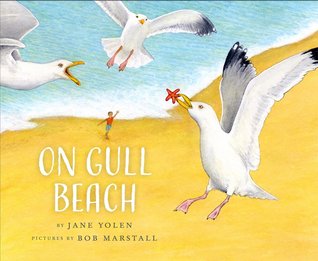
Wednesday: On Gull Beach by Jane Yolen

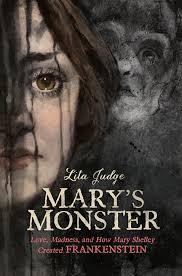
Thursday: Mary’s Monster by Lita Judge

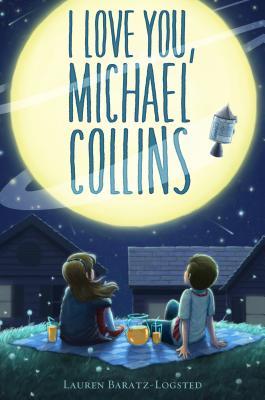
Friday: I Love You, Michael Collins by Lauren Baratz-Logsted

Sunday: Author Guest Post from Darby Karchut, Author of Del Toro Moon

**Click on any picture/link to view the post**

Bold_line

 Last Week’s Journeys

Kellee

I used this past weekend to get some work done and also to read some picture books that I’ve had waiting for me, piling up. I’m so glad I did–all were good, some were phenomenal.

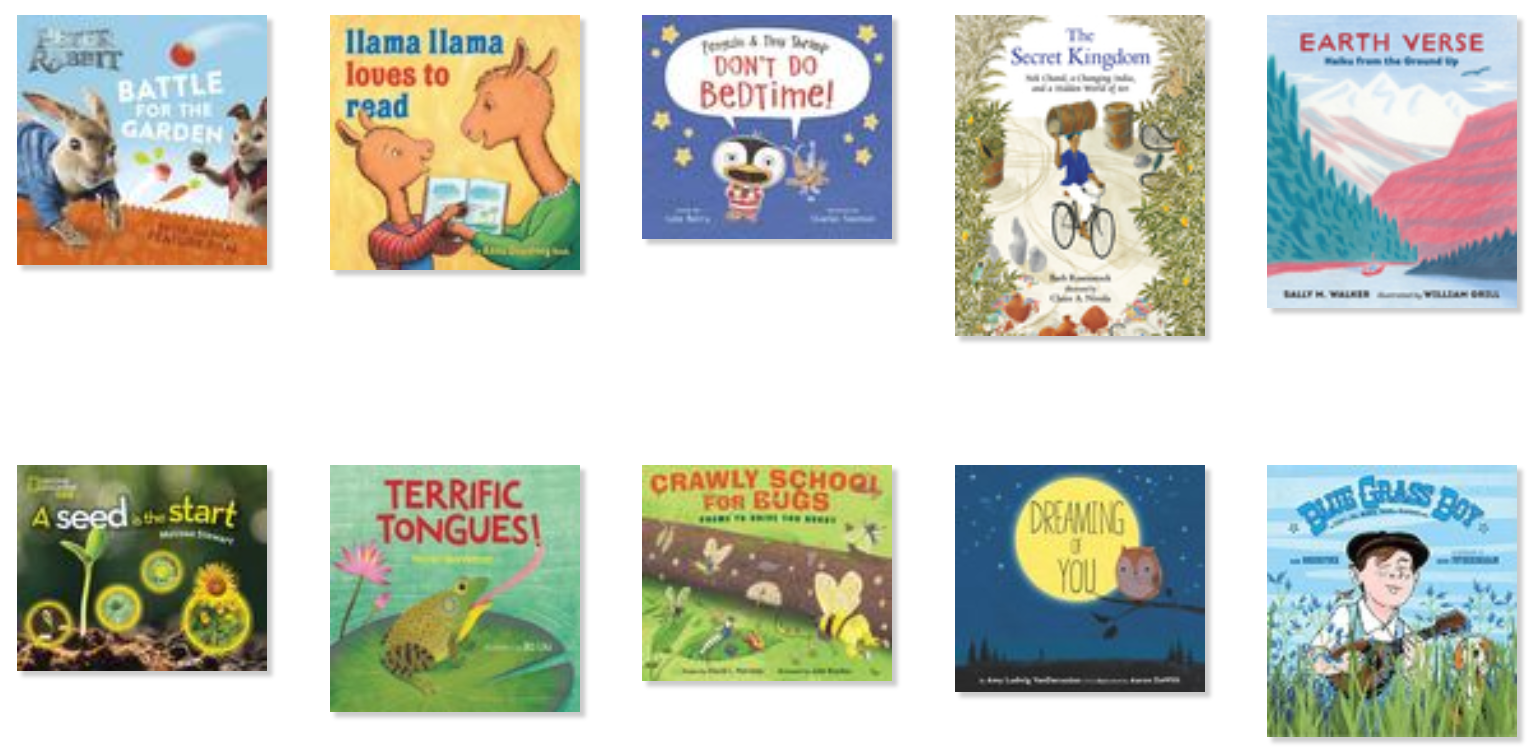
  • Trent really loved the Peter Rabbit movie, so when he saw this book adaptation, he wanted to read it so badly! It isn’t a literary masterpiece, but it made my boy happy 🙂
  • Llama Llama Loves to Read by Anna Dewdney is one of my favorite Llama Llama books, and it showed me that Trent knows how to read GO and STOP–yay!
  • Penguin and Tiny Shrimp Don’t Do Bedtime by Cate Barry was probably my favorite fiction picture book we read. It was really funny and made me and Trent laugh out loud.
  • The Secret Kingdom by Barb Rosenstock is as brilliant as I knew it would be based on her guest post. I loved learning about Nek Chand, a man who wanted to keep beauty even as society was tearing it down.
  • Earth Verse by Sally Walker is full of haikus about the Earth and geology which made the volcano-obssessed me pretty happy. It was a perfect mix of science and poetry, and the back matter was really interesting and helps make the haikus make more sense.
  • A Seed is the Start by Melissa Stewart is as good as everyone is saying. She does a great job of providing information in interesting, lyrical, yet scientific ways.
  • Same goes for Maria Gianferrari and her book Terrific Tongues. I had no idea that tongues were so fascinating, but they are!
  • Crawly School for Bugs by David L. Harrison immediately seemed like a companion to Leaf Litter Critters! I could see them working so well together!
  • Dreaming of You by Amy Ludwig VanDerwater was a sweet book about what animals dream about.
  • Blue Grass Boy by Barb Rosenstock is another interesting biography from Barb that tells us the story of Bill Monroe, the father of bluegrass music. I loved how she explained the inspiration for Monroe’s music.

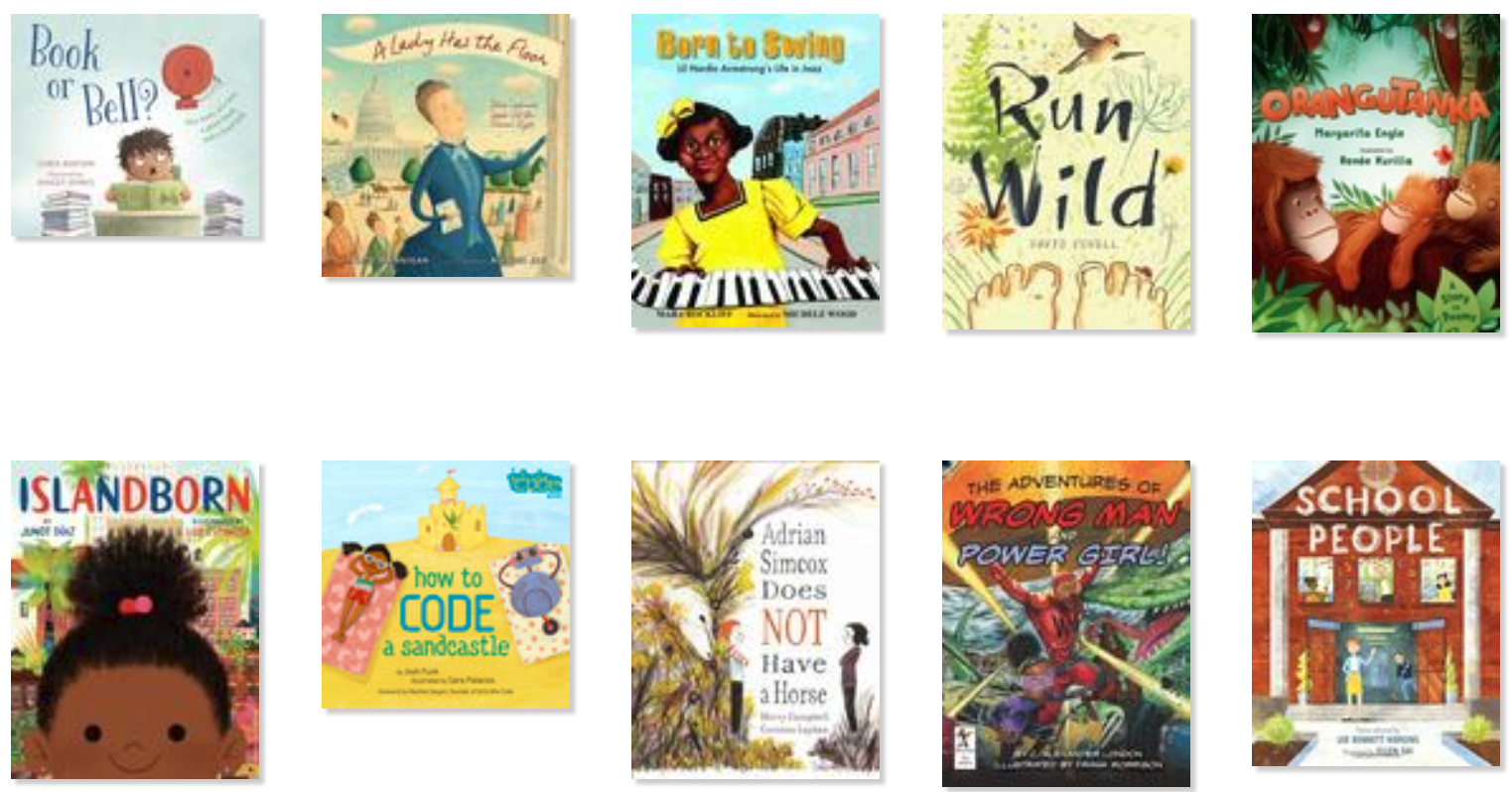
  • Book or Bell by Chris Barton looks at what happens when you can’t put down a book, even when the bell rings at school to go somewhere else.
  • I sadly didn’t know of Belva Lockwood until Hillary Clinton ran for president and many threw her name out there saying Hillary wasn’t the first woman to run, so I was so happy to read A Lady Has the Floor by Kate Hannigan to learn about her amazing life and brilliance.
  • Born to Swing by Mara Rockliff introduced me to another amazing woman that we should all know about: Lil Hardin Armstrong, Louis Armstrong’s second wife who was more famous (and arguably talented) than he was and helped him become famous. She was a piano prodigy who revolutionized woman in music.
  • Run Wild by David Covell looks at the wonders of just running free and enjoying the outside world.
  • Orangutanka by Margarita Engle is a reread for me, but it was the first time Trent and I read it together. With just finishing Rescued by Eliot Schrefer with my students, it was a great time to read this fun and poetic book about these amazing animals.
  • Islandborn by Junot Díaz is as perfect as everyone, including Ricki, has said. What a beautiful way to talk about heritage, specifically Lola’s.
  • Josh Funk’s newest picture book, How to Code a Sandcastle, combines his day job and his writing with our protagonist using her coding skills to have her robot help her build the perfect sandcastle. It is a great introduction to coding!
  • A book you need to add to your empathy text set: Adrian Simcox Does NOT have a Horse by Marcy Campbell looks at poverty, judging, and imagination.
  •  The Adventures of Wrong Man and Power Girl by C. Alexander London shows that dad is super even if he does the wrong thing a lot of the time. Luckily Power Girl is around to help save the day!
  • School People compiled by Lee Bennett Hopkins is a must get for every teacher! It is a compilation of poetry about all the different people who make a school what it is.

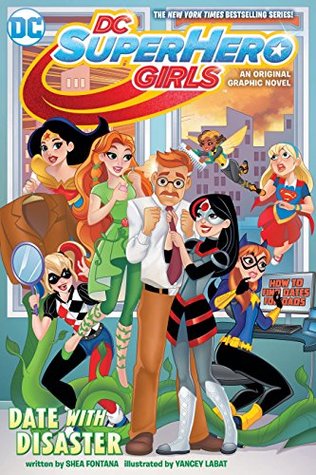
  • Trent and I finished DC Superhero Girls: Date with Disaster this week, and by the end of the graphic novel, Trent had obviously gotten used to the format and was really into it. I loved experience this first full graphic novel with him.
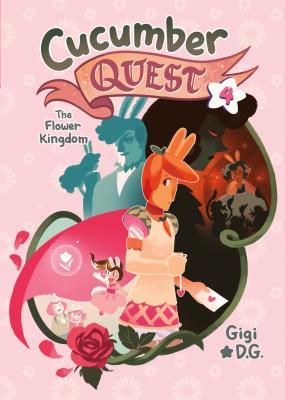
  • I’ve now finished the fourth Cucumber Quest book, and the waiting for more in the series begins…..
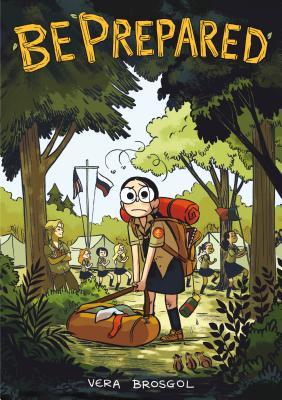
  • Be Prepared by Vera Brosgol is a semi-autobiographical story of Vera’s trip to Russian summer camp in Connecticut. Full of situations that anyone can connect to and other situations that will make you laugh out loud, the story is a coming of age graphic novel for all.
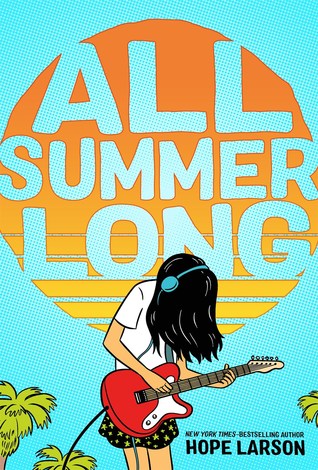
  • All Summer Long by Hope Larson is also a summer-long coming of age story, but Bina’s story looks more at friendship, gender expectations, and music. I definitely connected to this one more, but Be Prepared gave me better insight into a culture I am not part of.


  • I cannot wait to review The Reckless Rescue for you all on Wednesday!
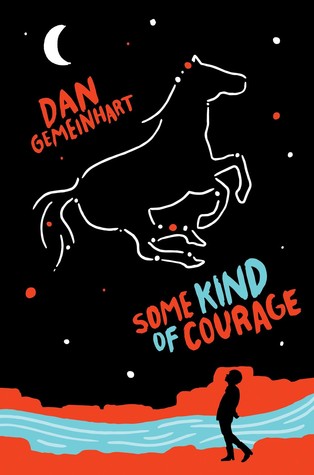
  • Dan Gemeinhart is another author who I am starting to realize is one I can trust to write a story I would love. Some Kind of Courage was some kind of book–just amazing. Wow! And the narrator for the audiobook was perfect! I cried of sadness and happiness while reading. Just so many emotions! Wow!
 Ricki

There is no way I can compete with that!

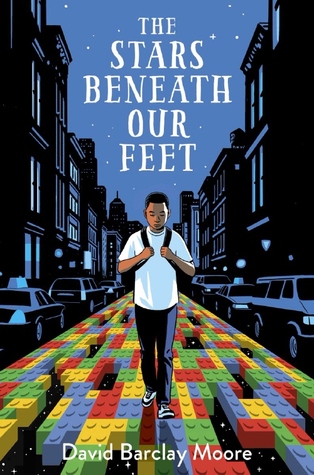
I listened to (and loved) The Stars Beneath Our Feet by David Barclay Moore. I loved the integration of legos, and I admired the brave, 12-year-old Lolly. This is a powerful book about grief.

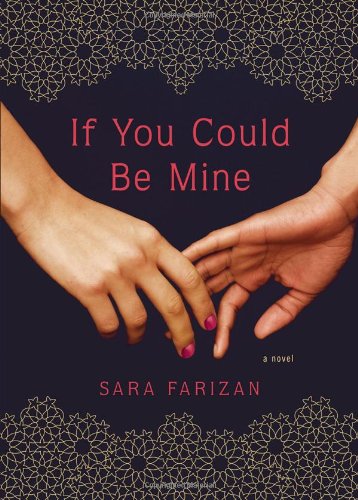
I REREAD If You Could Be Mine for the fifth time. I dare say that it gets better with each reading. I love this book, and I am looking forward to talking about it with students tomorrow! Besides discussing the book, we will be talking about it in the context of censorship.

My kids and I reread a hundred or so picture books, but none were new!

Bold_line

This Week’s Expeditions
Kellee

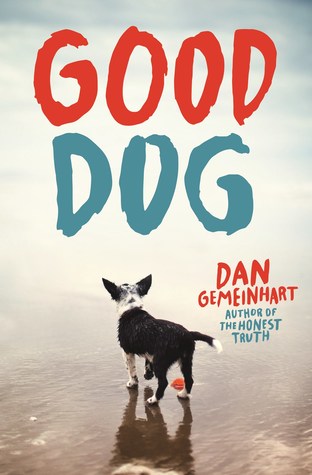
  • My book club’s virtual author visit with Dan Gemeinhart is on Friday, and Good Dog is the last of his books that I haven’t read, so I am planning on finishing it before then.
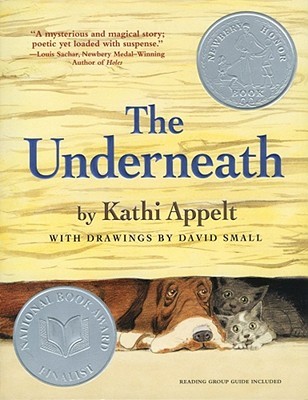
  • The Underneath by Kathi Appelt is RAVED about by so many, and it is turning 10 this year–obviously it is time for me to finally get to it!
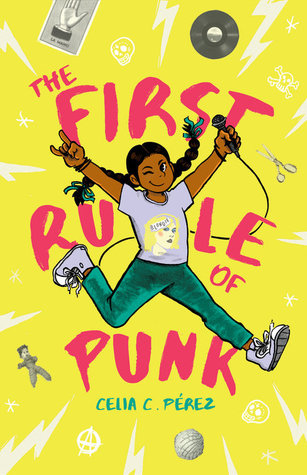
  • The Sunshine State Young Reader lists for next year were just announced, and First Rule of Punk by Celia C. Pérez is on the list; luckily, it was one of the books I’ve gotten from Audible, so I am going to start listening to it.
Ricki

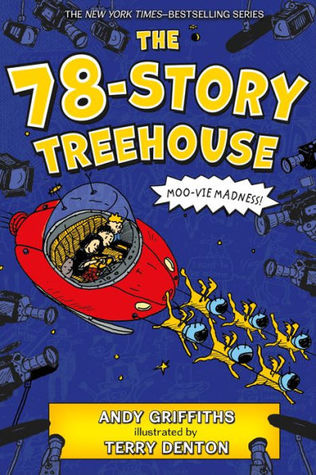
My son and I are reading The 78-Story Treehouse by Andy Griffiths. I’ve never read any of the treehouse books (GASP!), but now, I get it. I suspect that we will be reading every book in this series together. My son loves it!

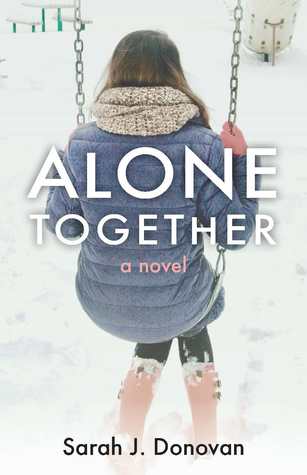
I am excited to start Alone Together by Sarah J. Donovan. I admire this author, so I am looking forward to diving into this book!

Bold_line

Upcoming Week’s Posts

Tuesday: Grading is Complicated: Ruminations of an English Teacher Educator

Wednesday: Blog Tour with Review: The Reckless Rescue (The Explorers #2) by Adrienne Kress

Thursday: It’s a Puppy’s Life from National Geographic

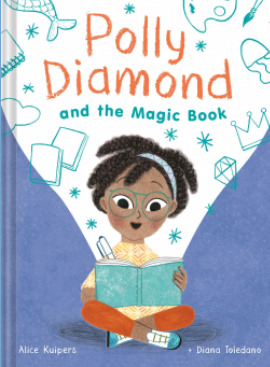
Friday: Teaching Guide with Discussion Questions and Activities for Polly Diamond and the Magic Book by Alice Kuipers

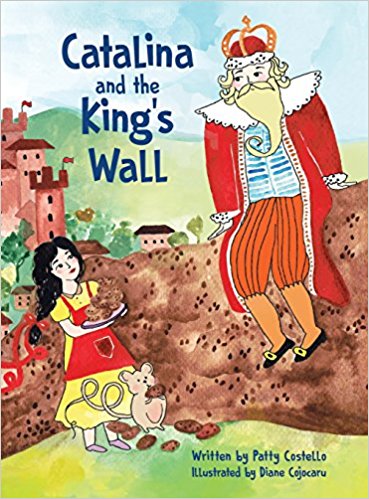
Sunday: Author Guest Post from Patty Costello, Author of Catalina and the King’s Wall

Bold_line

 So, what are you reading?

Link up below and go check out what everyone else is reading. Please support other bloggers by viewing and commenting on at least 3 other blogs. If you tweet about your Monday post, tag the tweet with #IMWAYR!

 Signature andRickiSig

Author Guest Post!: “Digging into Fantasy and SciFi: An Anthropological Approach” by Darby Karchut, Author of Del Toro Moon

Share

“Digging into Fantasy and SciFi: An Anthropological Approach”

Like many authors, I came to writing via a circuitous route. A childhood obsession with The Lord of the Rings led to a fascination with history and other cultures, which led to an undergraduate degree in anthropology, which led to teaching 7th grade social studies, which led to writing middle grade and YA fantasy. See? Circuitous.

This is particularly true with my upcoming book, Del Toro Moon, a tale about a boy and his family—descendants of Spanish knights and aided by talking Andalusian war horses—who hunt monsters in the modern-day American Southwest. Del Toro Moon incorporates all my feels: fantasy, horses, the history and legends of the Southwest (I’m a proud New Mexican native now living in Colorado), and powerful familial bonds, especially between fathers and sons.

Since I write mostly fantasy, my school visits often focus on reading and writing in that very popular genre. One writing trick I share with upper elementary and middle/high school students is to have them scrutinize literary worlds as an anthropologist would—another cross-curriculum tool between literature and social studies.

Part One

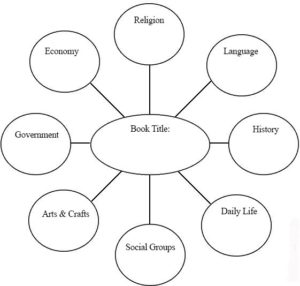
I begin by reviewing the eight elements or universals found in all human cultures. I do include this caveat: if a group of people does not have all eight elements, then it is probably a social group, not a culture as an anthropologist would define it:

Elements of Cultures

Religion

  • Religion answers basic meanings about life
  • Can be formal and elaborate or informal and peripheral to the culture

Language

  • One of the strongest unify forces of a culture
  • Variation of a language is called a dialect (local form of a language that may have a distinct vocabulary and pronunciation)
  • Idioms, metaphors, sayings, and cuss words – so fun for writers!

History

  • Actual as well as mythical
  • Shapes how a culture views itself and the world
  • Stories about the challenges and successes of a culture support certain values and help people develop cultural pride and unity
  • Cultural holidays mark important events and enable people to celebrate their heritages

Daily Life (Food/Clothing/Shelter)

  • Secular and holy meals
  • Clothes and weapons or tools, including information technology
  • Housing, including the building, furniture, gardens, etc.

Social Groups

  • People can belong to more than one social group based on age, gender, interests, etc.
  • The family is the most important social group
  • People act differently in different groups (socialization)
  • Ethnic group: a group that shares a language, history, religion, and sometimes, physical traits

Arts & Crafts

  • Expresses what people think is beautiful and meaningful
  • Can also tell stories about important figures and events in the culture
  • Music, visual arts, dance, performing arts, literature, crafts

Government

  • People need rules in order to live together without conflict
  • Limited Governments (restricts the power of its leaders)
  • Unlimited Governments: (leaders are all-powerful)

Economy

  • A system that determines what goods and services are produced, how to produce them, and who will receive them
  • Four main types of economic systems:
    • Traditional: barter and trade
    • Market: capitalism
    • Command: communism
    • Mixed: a blend of two or more

Part Two

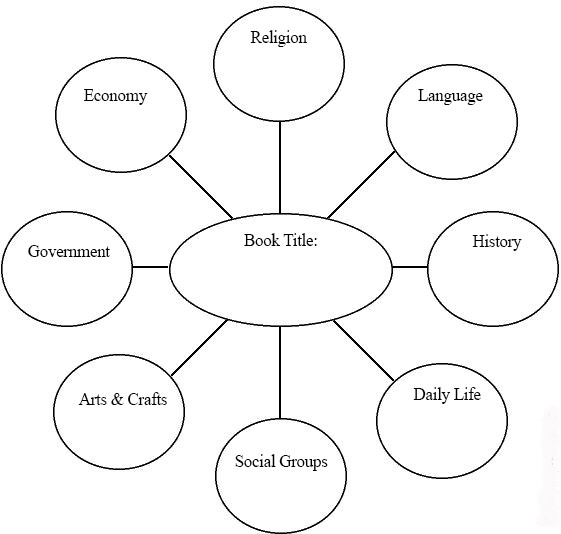
Next, the students divide into teams of two or three. Using a simple web graphic organizer (I’ve included an example—feel free to use it), each team takes apart a favorite book, movie, or TV show and determines if that book/movie/show/etc. has those eight elements. Some common favorites are:

Star Wars                                Harry Potter                 Star Trek         Percy Jackson

The Lord of the Rings            The Hunger Games        Warriors          Others?

The students must include a justification. For example, if a team is examining Star Wars and puts “Jedi” in the Religion circle, they must explain why they placed it there as opposed to History or Government.

Part Three

Finally, I have them complete the same exercise with their own work-in-progress. This is also a useful tool to aid in plotting a story prior to writing the first draft. I’ve had some pretty amazing discussions during this activity. One of my favorite was a debate focused on whether information technology should be listed under “Tools” or “Religion.”

I’d enjoy hearing about other ways teachers and librarians are connecting various disciplines, especially between the humanities and STEM. Please share with me and thank you!

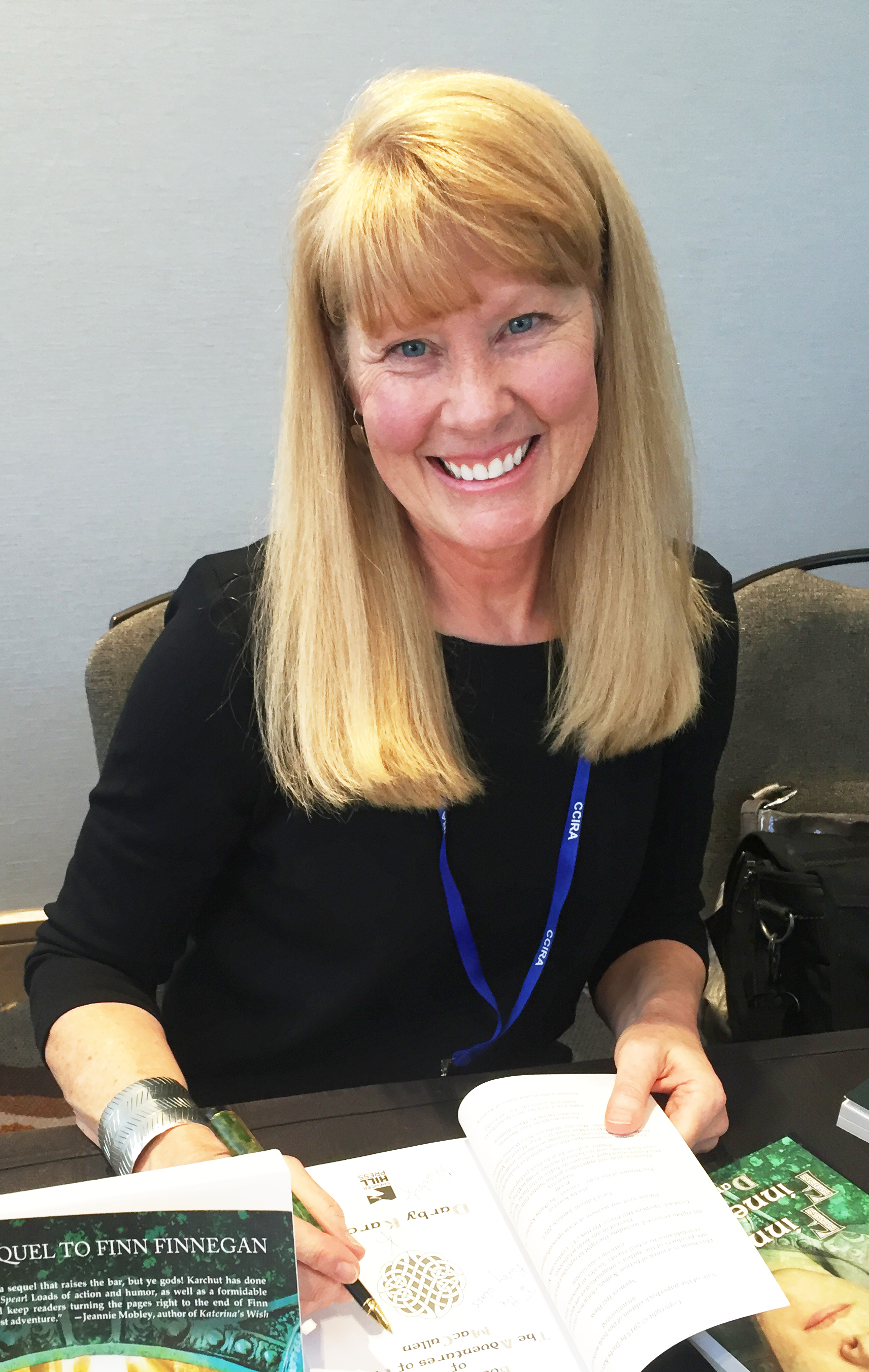
About the Author: Darby Karchut is a multi-award winning author, dreamer, and compulsive dawn greeter.  A proud native of New Mexico, she now lives in the foothills of the Rocky Mountains, where she runs in blizzards and bikes in lightning storms. When not dodging death by Colorado, Darby is busy at her writing desk. Her books include the best selling middle grade series: THE ADVENTURES OF FINN MacCULLEN. Best thing ever: her YA debut novel, GRIFFIN RISING, has been optioned for film. Her latest book, DEL TORO MOON, releases Fall 2018 from Owl Hollow Press. Visit the author at www.darbykarchut.com
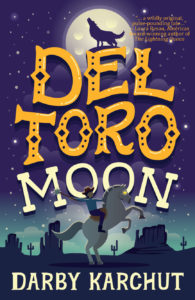
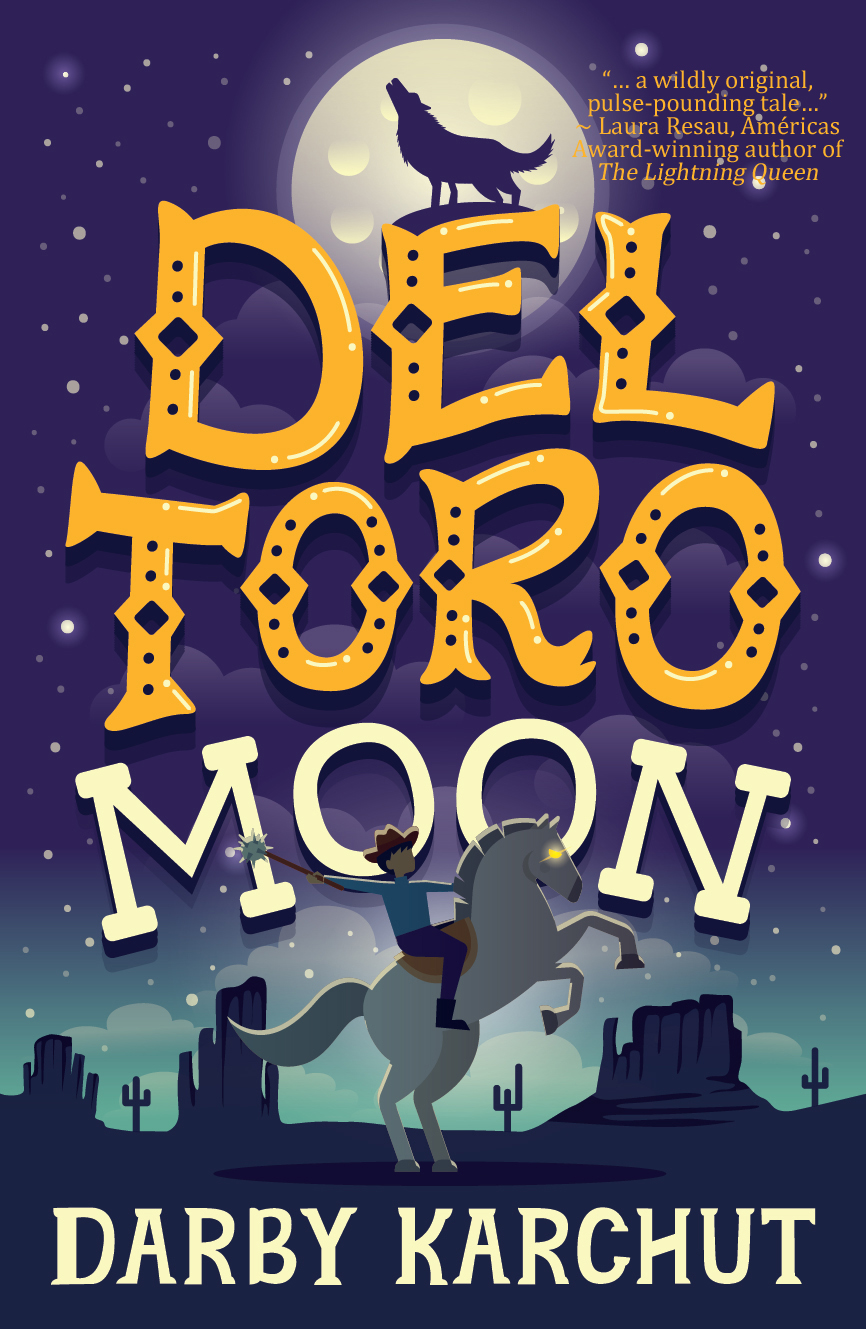
Del Toro Moon
Author: Darby Karchut
Publishing September 2018 by Owl Hollow Press

Summary: Bad enough Matt Del Toro is the greenest greenhorn in the family’s centuries-old business: riding down and destroying wolf-like creatures, known as skinners. He must also learn how to match his father’s skills at monster hunting. Odds of doing that? Yeah, about a million to one. Because Matt’s father is the legendary Javier Del Toro—hunter, scholar, and a true caballero: a gentleman of the horse.

Now, with the skinners multiplying, both in numbers and ferocity, Matt is desperate to keep his father and hot-tempered older brother from killing each other, prevent his new friend, Perry—a horse-crazy girl who recently moved to their small town of Huerfano, Colorado—from discovering the true nature of his odder-than-oddball family, and save a group of paleontologists from getting skinner-ed.

Luckily, Matt has twelve hundred pounds of backup in his best friend—El Cid, an Andalusian war stallion with the ability of human speech, more fighting savvy than a medieval knight, and a heart as big and steadfast as the Rocky Mountains.

Serious horse power.

Those skinners don’t stand a chance.

www.darbykarchut.com

www.owlhollowpress.com

https://www.goodreads.com/book/show/35183477-del-toro-moon?from_search=true

Thank you Darby for sharing this look at writing from a cross-curricular viewpoint!

 

I Love You, Michael Collins by Lauren Baratz-Logsted

Share

I Love You, Michael Collins
Author: Lauren Baratz-Logsted
Published June 20th, 2017 by Farrar, Straus and Giroux (BYR)

Summary: It’s 1969 and the country is gearing up for what looks to be the most exciting moment in U.S. history: men landing on the moon. Ten-year-old Mamie’s class is given an assignment to write letters to the astronauts. All the girls write to Neil Armstrong (“So cute!”) and all the boys write to Buzz Aldrin (“So cool!”). Only Mamie writes to Michael Collins, the astronaut who will come so close but never achieve everyone else’s dream of walking on the moon, because he is the one who must stay with the ship.

After school ends, Mamie keeps writing to Michael Collins, taking comfort in telling someone about what’s going on with her family as, one by one, they leave the house thinking that someone else is taking care of her—until she is all alone except for her cat and her best friend, Buster. And as the date of the launch nears, Mamie can’t help but wonder: Does no one stay with the ship anymore?

I Love You, Michael Collins was a Best Book of June 2017 on Amazon; a semifinalist for the Goodreads Readers’ Choice Awards; and a pick by the Planetary Society for Best Science Children’s Books of 2017.

ReviewThere is so much I really enjoyed about this book!

First, I adored looking into the experience of the moon landing. I cannot even imagine witnessing it happening! What an amazing feat it was and completely unimaginable. (And I hope to at some point see it happen again.) And I thought Baratz-Logsted did a good job showing all the different types of feelings towards the moon landing and space program. But I’m glad that she focused on its amazingness and the excitement.

Second, I think the author did a fantastic job with the character’s voice. With a book of letters it is essential that the writing sounds like the character because it is actually the character writing all the words. I loved seeing all the techniques she used to write like Mamie while still keeping her writing to a literary level.

Third, I loved that the book was not just a reenactment of the moon landing and a family’s celebration of it. The story has so many layers within it: Mamie’s introverted personality and the look into what makes a kid like this happy; her family’s conflicts and issues; and the power of one best friend.

Overall, I Love You, Michael Collins is a fun historical fiction middle grade book that is perfect for so many readers!

Teachers’ Tools for Navigation: The first thing I went to when I thought about this book from a teachers point of view was the idea of letter writing. Mamie writes Michael Collins originally because it is a school project. Mamies letters could be used as a starting point on how to write letters, parts of a letter, etc. And students could even write a letter to someone in the news that is doing something amazing.

Next summer is the 50th anniversary of the moon landing, and at the end of next school year, I am definitely going to do a cross-curricular unit about NASA and the Apollo missions along with a read aloud of excerpts from this novel. It is so engaging as a story and will also be a great way for students in the 21st century to have a window into the 1960s.

But even without this amazing anniversary, Baratz-Logsted’s title is one that middle grade students will find enjoyment in and should definitely be in classrooms and libraries!

Discussion Questions: 

  • How did the author help make her writing seem like a ten-year-old was writing the letters?
  • Michael Collins is not a household name like Buzz Aldrin and Neil Armstrong. Why is that? Do you think we should all know his name in the same context as the other two astronauts?
  • Which character do you think changed the most throughout the book?
  • What do you think is going to happen next with Mamie’s family?
  • How did Buster’s friendship help Mamie keep her positivity and sanity during this tough time in her family?
  • If you were going to have a moon landing party, what would you make?
  • How would the story of Mamie’s parents’ separation have been different in the 21st century?

Flagged Passages: 

“Dear Michael Collins,

I finally figured out why you never write back. Can you figure out how I figured this out? If not, I will tell you. I did the math.

Okay, I didn’t really do the math, since I don’t have all the information. But it struck me that I might not be the only person writing to you. I though, if every school in the country has just one class that is writing letters to the astronauts and if in each class there is just one kid like me writing to you, then that is still a lot of mail.

It’s no wonder you can’t write back to everyone. And of course you do have other things to do right now.

I’m not sure how I feel about the idea of you getting more mail than I originally thought you did. On the one hand, I’m really happy for you. I’m glad you’ve got more than just me. On the other hand, it was kind of nice when I thought I was the only one. It felt special. Like I was the the only one who knew about you. Which of course isn’t true. The whole world knows about you. It’s just that most of them don’t seem to appreciate you very much.

Does it ever bother you that Neil Armstrong and Buzz Aldrin get so much more mail than you do? I hope not. It certainly wouldn’t bother me. There was a time I thought it might be nice to be popular–you know, to have a lot of friends. But then Buster came along, and then Campbell, and I realized that that is quite enough for me…” (p. 30-31)

Read This If You Love: Space! I recommend Space Encyclopedia by David A. Aguilar and Moon Base Crisis by Rebecca Moesta & Kevin J. Anderson. Also check out Planetary.org’s list of recommended books from 2017: http://www.planetary.org/blogs/emily-lakdawalla/2017/1115-space-books-kids.html and 2016: http://www.planetary.org/blogs/emily-lakdawalla/2016/emily-lakdawalla-space-book-recommendations.html

Recommended For: 

classroomlibrarybuttonsmall closereadinganalysisbuttonsmall

Signature

Mary’s Monster by Lita Judge

Share

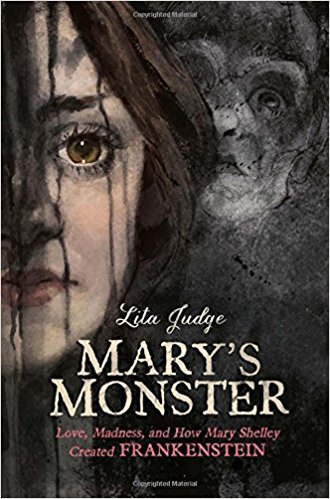
Mary’s Monster: Love, Madness, and How Mary Shelley Created Frankenstein
Author: Lita Judge
Published: January 30th, 2018 by Roaring Book Press

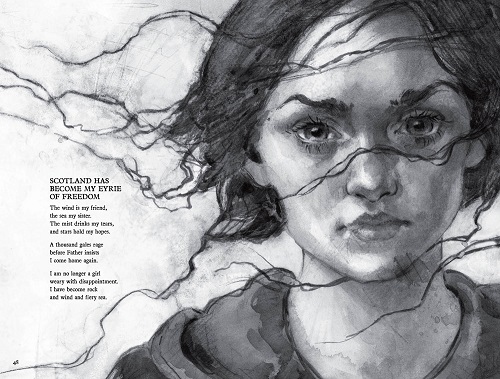
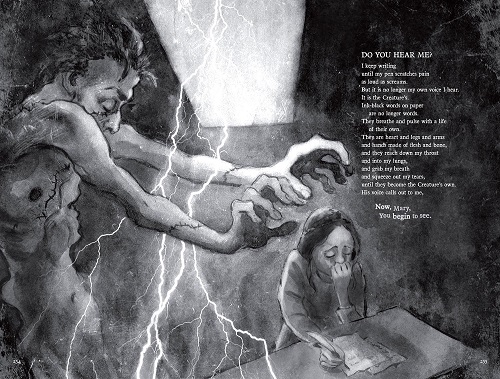
Summary: A young adult biography of Frankenstein’s profound young author, Mary Shelley, coinciding with the 200th anniversary of its publication, told through free verse and 300+ full-bleed illustrations.

Mary Shelley first began penning Frankenstein as part of a dare to write a ghost story, but the seeds of that story were planted long before that night. Mary, just nineteen years old at the time, had been living on her own for three years and had already lost a baby days after birth. She was deeply in love with famed poet Percy Bysshe Shelley, a mad man who both enthralled and terrified her, and her relationship with him was rife with scandal and ridicule. But rather than let it crush her, Mary fueled her grief, pain, and passion into a book that the world has still not forgotten 200 years later.

Dark, intense, and beautiful, this free-verse novel with over 300 pages of gorgeous black-and-white watercolor illustrations is a unique and unforgettable depiction of one of the greatest authors of all time.

Review and Teachers’ Tools for Navigation: Whew. I felt so many emotions as I read this book. I kept thinking, “My goodness, my students are going to love this book.” I was fortunate to receive two copies of this book in the mail, and those two copies have passed from student’s hand to student’s hand. The book doesn’t even make its way back up to my desk before another student snags it. This book defies genre sorting. It’s nonfiction, it’s horror, it’s romance, it’s an illustrated book in verse. I’ve already added it to my book list to teach next semester in my Adolescents’ Literature course.

Students will read this book and want immediately to read Frankenstein. The book reads fairly quickly because it contains verse and illustrations, but readers will struggle not to pause for several minutes to enjoy the beautiful illustrations on the pages.

I’m most excited about the classroom potential for this book. It offers so much to talk about regarding characterization, mood, and poetry. But it also offers a beautiful bridge to read with Frankenstein. I thought I knew a lot about Mary Shelley’s life, but this book told me so much more about it. Reading her story on these pages made me feel as if I was experiencing her life alongside her. If you haven’t read this book yet, I recommend it highly.

Discussion Questions: What factors may have influenced Mary Shelley’s Frankenstein? In what ways does the author use metaphor and symbolism to help us understand her experiences?; What might be the author’s purpose? Is she successful, in your opinion?; What textual features helped you understand Mary’s story? How might this book read differently if the author had used another form?

We Flagged: 

Read This If You Loved: Frankenstein by Mary Shelley; Horror; Gothic Literature

Recommended For:

classroomlibrarybuttonsmall

RickiSig