The Strange Fascinations of Noah Hypnotik by David Arnold

Share

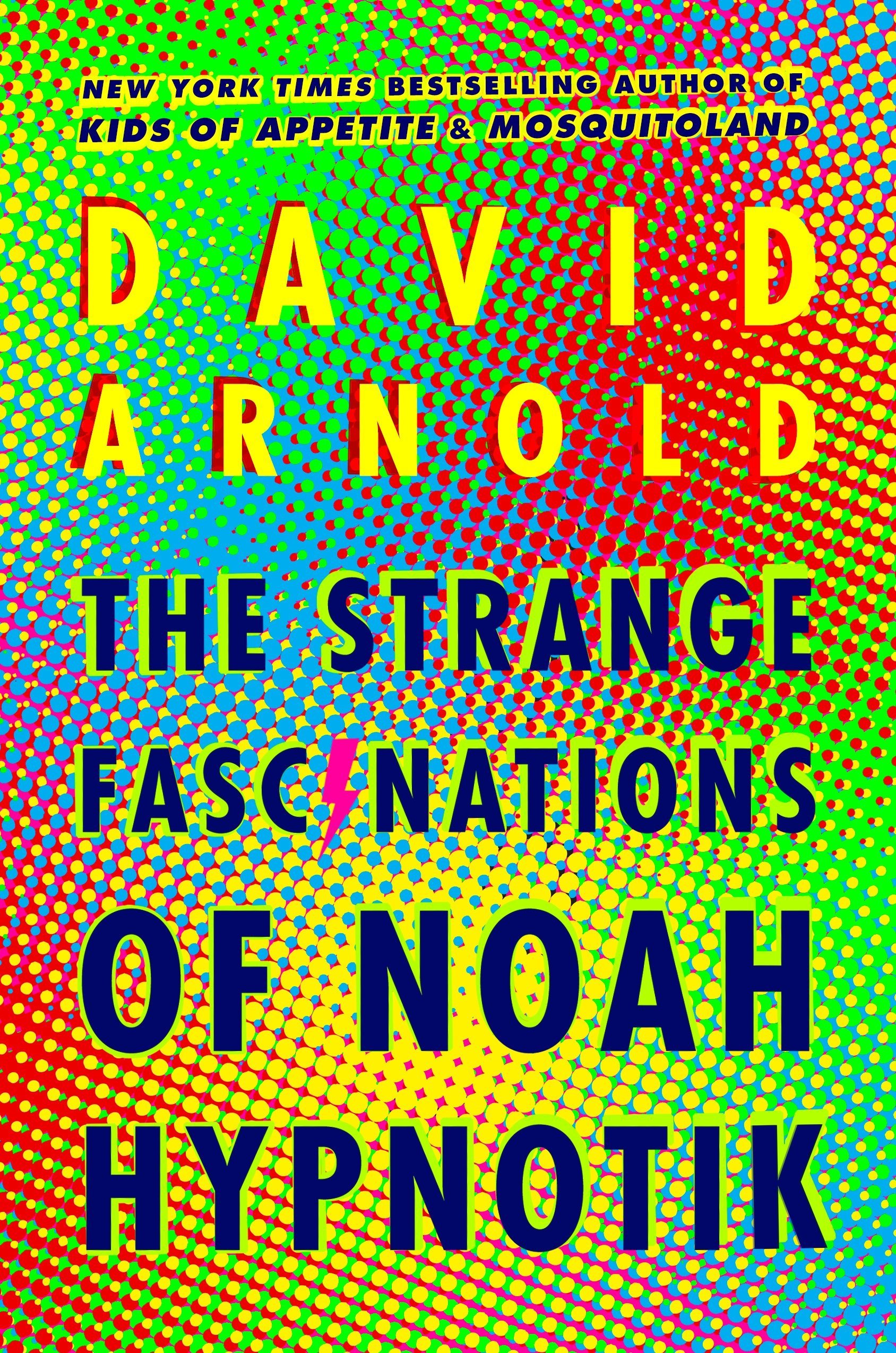
The Strange Fascinations of Noah Hypnotik
Author: David Arnold
Published: May 22, 2018 by Viking

Guest Review by Natalia Sperry

Summary: This is Noah Oakman → sixteen, Bowie believer, concise historian, disillusioned swimmer, son, brother, friend.

Then Noah → gets hypnotized.

Now Noah → sees changes—inexplicable scars, odd behaviors, rewritten histories—in all those around him. All except his Strange Fascinations . . .

Review: The longer I sit with this book, the more I feel like I’m still it; every time I sit down to think about it, I find new things to consider. If that’s not the sign of a good book,I don’t know what else is. The Strange Fascinations of Noah Hipnotik is a surreal exploration of identity, friendship, and family on the brink of the many changes protagonist Noah Oakman faces (both before and after his hypnotic episode) as he looks to the future beyond high school.

Above all else, I loved the nerdom in this book, both in its literary and historical detail as well as the variety of pop-culture references. In particular, much of the book (including its title) is drawn from musical icon David Bowie, so I’ll admit,  it’s hard to go wrong. The humor also brings some lightness to the moral questions and philosophical questions of self and reality, which helps keep the largely internal narrative afloat.

Through it all, this book captures an important to capture the emotional gamut of someone’s life, especially when it feels like everything is ch-ch-ch-changing around you. Whether you’re looking for fun or serious contemplation of reality, this book will let you escape for a while (and even for a while longer after you’re done!)

Teacher’s Tool For Navigation: Though grounded in humor and pop culture references, this book would make for a really interesting companion to classics like James Joyce’s Portrait of the Artist as a Young Man, or J.D. Salinger’s The Catcher in the Rye. In asking students to compare the latter with Strange Fascinations, there are some really interesting parallels to be made both in the coming of age story and in the respective protagonists’ relationships with their sisters.

Discussion Questions: Do you agree, like Circuit, that genuine conversations are rare in the contemporary world? What do you think of Noah’s “strange fascinations?” Do you have any “fascinations” of your own, in this sense?

Flagged: “Some books are songs like that, the ones you go back to, make playlists of, put on repeat” (page 108).

Read This If You Loved: Mosquitoland by David Arnold, Everybody Sees the Ants by A.S. King, Ready Player One by Ernest Cline

Recommended For: 

classroomlibrarybuttonsmall 

RickiSig

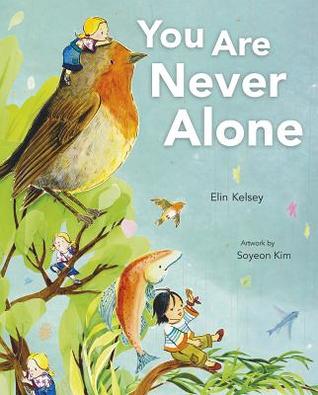
You Are Never Alone by Elin Kelsey

Share

You Are Never Alone
Author: Elin Kelsey
Illustrator: Soyeon Kim
Published April 15th, 2019 by Owl Kids

Summary: You Are Never Alone is a picture book that explores how humans are inextricably connected to nature.

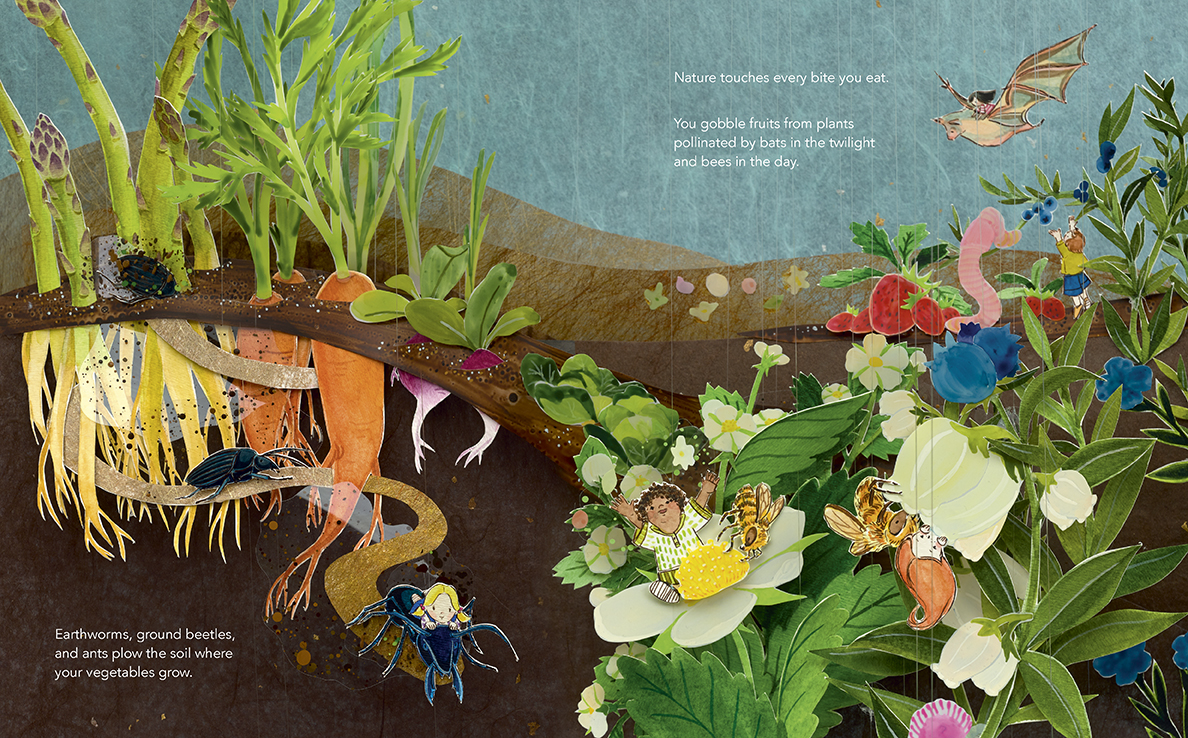
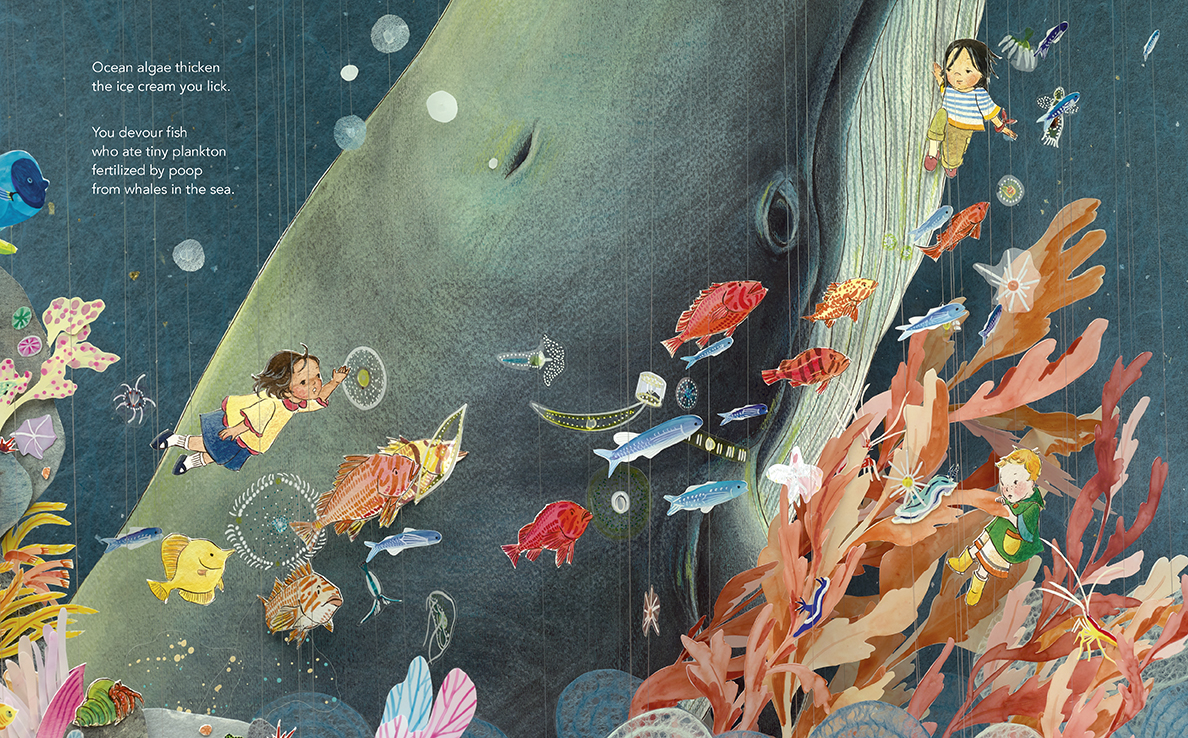
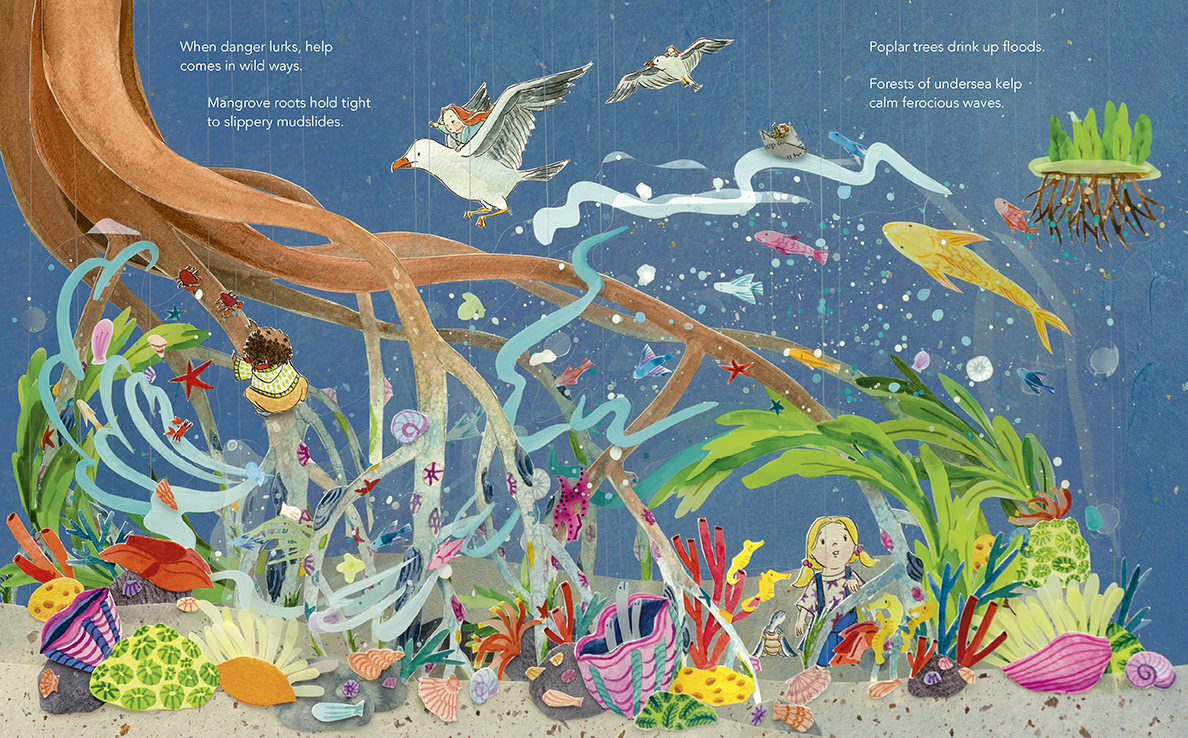
Drawing examples from the clouds and the cosmos, the seafloor and the surface of our skin, it explores how we are always surrounded and supported by nature. Whether it’s gravity holding us tight; our lungs breathing oxygen synthesized by plants; the countless microorganisms that build our immunity; or the whales whose waste fertilizes the plankton that feed the fish we eat: nature touches every aspect of how we live.

Using lyrical text grounded in current science alongside detailed diorama art, this informational picture book presents the idea that we thrive through connections to the land and sea and sky, and togetherness is key to nature. It encourages inquiry-based learning, inviting readers to wonder, ask questions, observe the natural world, and engage with big ideas.

About the Creators:

Elin Kelsey, PhD, is an award-winning author and a leading spokesperson for hope and the environment. In 2014, she co-created #OceanOptimism, a Twitter campaign to crowd-source and share ocean conservation successes which has reached 90 million users to date. She frequently works on projects with the Monterey Bay AquariumStanford University and the University of Victoria and is passionate about engaging kids in hopeful, science-based, environmental solutions.

Soyeon Kim is a Toronto-based, Korean-born artist who specializes in fine sketching and painting techniques to create three-dimensional dioramas. She is a graduate of the Visual Arts and Education programs at York University.

Praise for Elin Kelsey & Soyeon Kim:

“Both important and breathtakingly beautiful.” –Kirkus Reviews, starred, on You Are Never Alone

“The depth of the images and the surprising facts work together to create a lovely connection between the readers and the natural world.” –The Boston Globe on Wild Ideas

“Demands to be read and reread, studied and examined, and thoroughly digested. It is perfect for sparking adult and child conversations about our place in the universe. A remarkable achievement.” –Kirkus Reviews, starred, on You Are Stardust

“This is a work that will be read and examined again and again, with something new to be discovered at every turn. Profound and entirely wonderful.” –Kirkus Reviews, starred, on Wild Ideas

Review: What a beautiful representation of how humans and nature intertwine with each other. Often, when we speak of our impact on our planet and the planet’s impact on us, we focus on very huge ideas that may seem so far away for kids, but You Are Never Alone shows the small things that have a large impact.

The mix of beautiful art and research-based science make for a picture book that covers such a wide range of opportunities for classroom discussions and educational activities including themes, poetic verse, science, and diorama art.

Educators’ Guide:  

Flagged Passages: 

Behind the Scenes: 

Soyeon talks about the process of creating the diorama artwork in the book.

Elin explains the scientific research behind three of the poetic lines in the book.

Read This If You Love: The Perfect Tree by Chloe Bonfield; Weeds Find a Way by Cindy Jenson-Elliot; Thank You, Earth by April Pulley Sayre; Over and Under Snow (and its companions) by Kate Messner

Recommended For: 
classroomlibrarybuttonsmall   

Signature

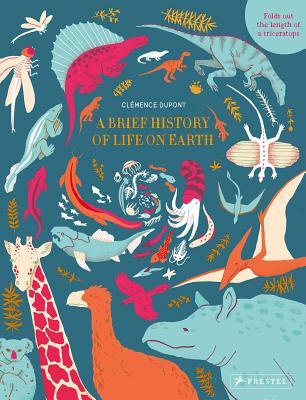
A Brief History of Life on Earth by Clémence Dupont

Share

A Brief History of Life on Earth
Creator: Clémence Dupont
Published March 19th, 2019 by Prestel Junior

Summary: The story of life on earth unfolds in dramatic fashion in this amazing picture book that takes readers from 4.6 billion years ago to the present day.

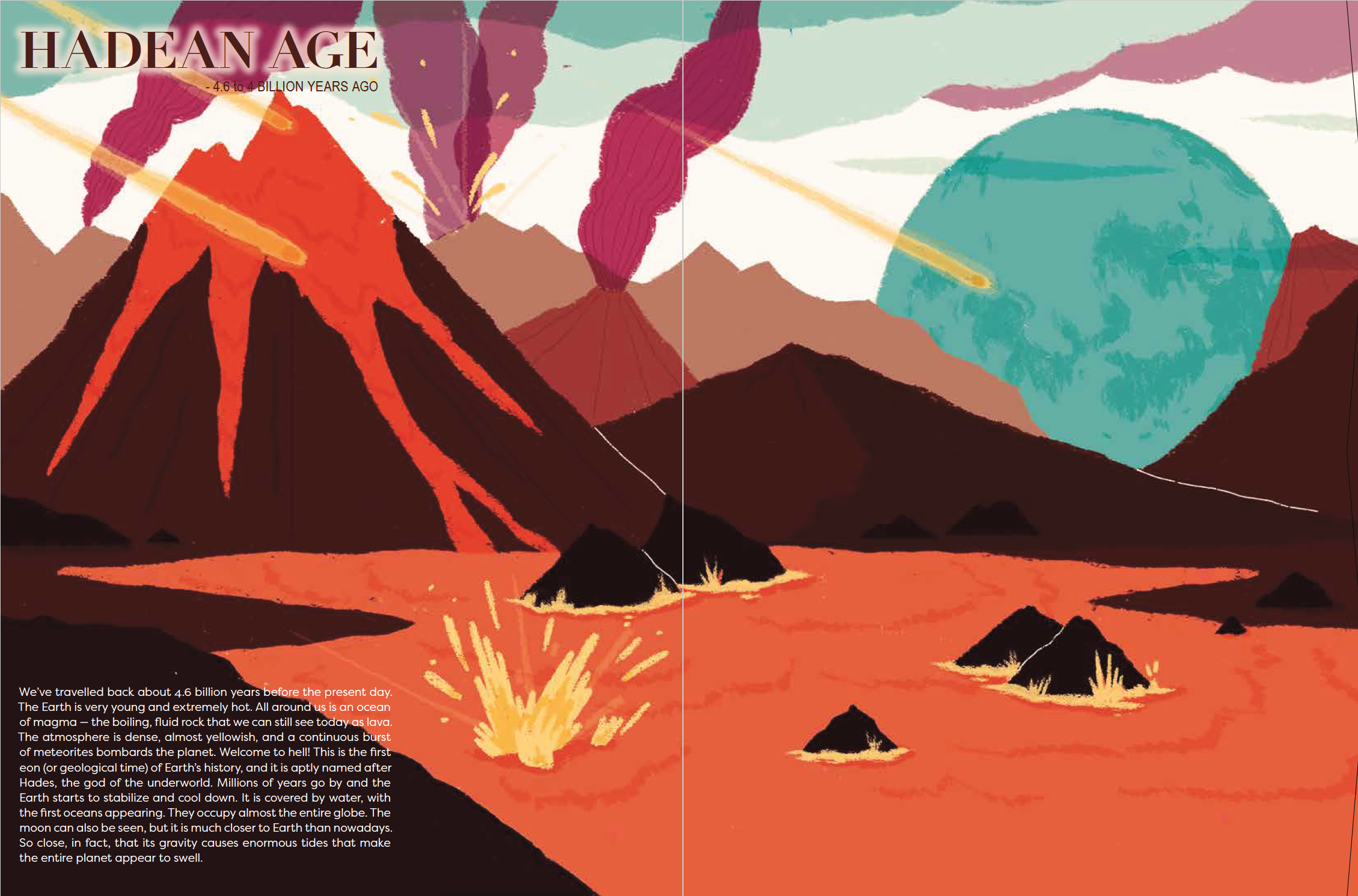
It’s difficult to grasp the enormous changes life on Earth has undergone since it first came into existence, but this marvelously illustrated book makes learning about our planet’s fascinating history easy and entertaining. In an accordion style, the series of pages take readers through every major geological period, with bright artwork and detailed drawings. Opening on lava-filled oceans and smoking volcanoes, the book unfolds, era by era, to show how life evolved from tiny protozoa and crustaceans to dinosaurs and mammals.

Fully expanded to 8 meters (26 feet), this spectacular visual timeline is a very impressive panorama that reveals evolution in all its glory. Each page is brimming with illustrations that readers will turn to again and again. A celebration of life, this extraordinary and beautiful book illuminates the history of Earth for young readers in an unforgettable and delightful way.

About the Author: Clémence Dupont is an illustrator living in Strasbourg, France. This is her first book.

Review: This book is so beautiful, useful, and just plain neat! First, I love that it folds out (as does Trent!):

When folded out, it reaches 26 feet with one side showing the images created by the author for each of the time periods while the other side has a timeline which is to scale showing how long respectively each time period was.

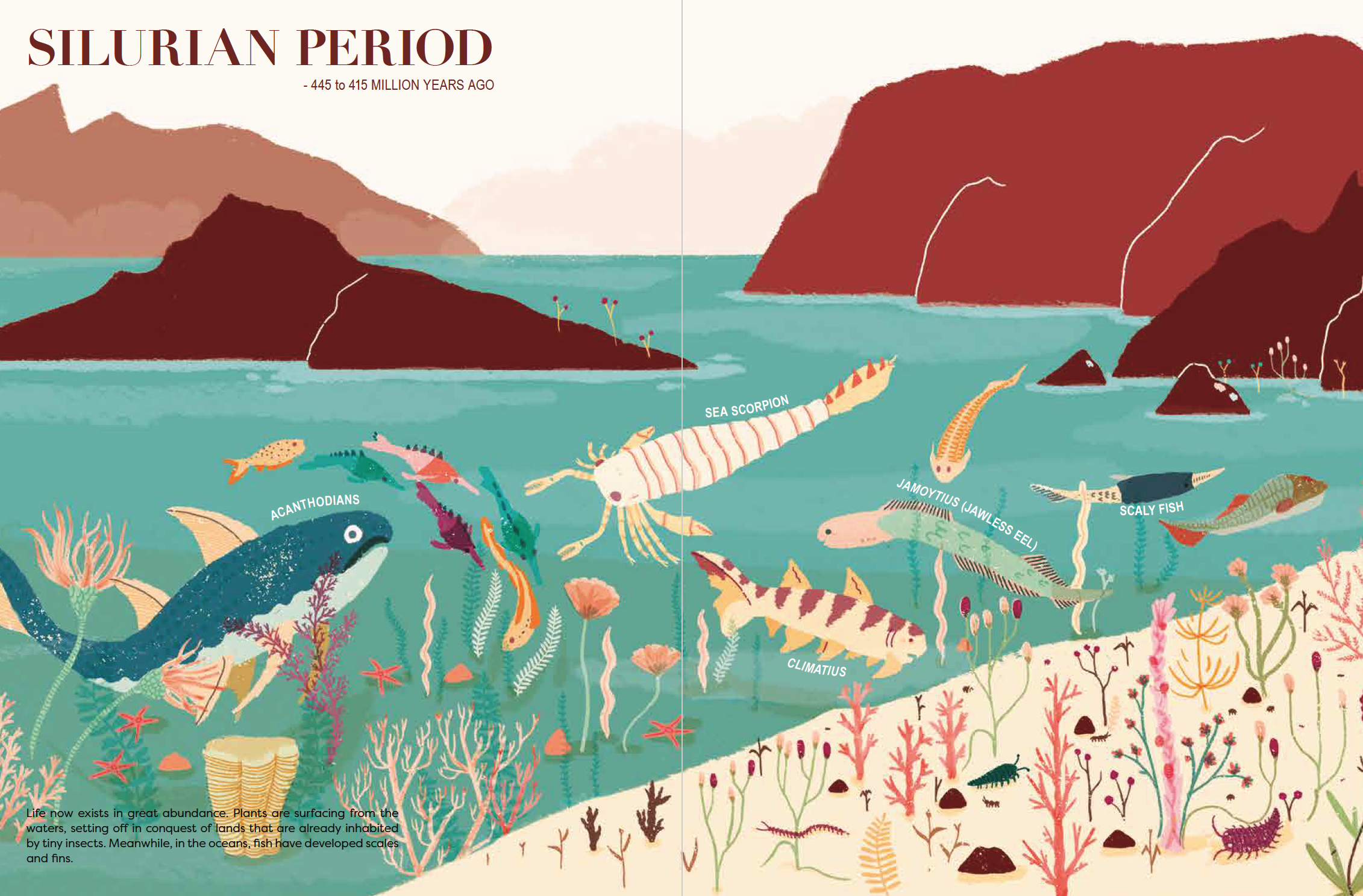
This book is a work of art. How each time period stands alone yet also is part of the entire timeline when folded out is beautiful to see. Additionally, I adore the artist’s technique of art with rough edges and bright colors.

Each spread focuses on one time period and the life on Earth at the time with a brief write up in the bottom left corner; however, many of the organisms/animals/plants not mentioned in the paragraph are labeled allowing readers to jump into inquiry about them if they wish.

Teachers’ Tools for Navigation: Did anyone else do the activity in elementary school where the teacher had the class convert the miles(?) between planets into centimeters then had the class create a to-scale solar system showing just how far apart the planets are? This book reminds me of that activity in that it shows the true expanse of time Earth has existed versus the very small time humans have. I would use this timeline to create a similar to-scale idea for students to show the history of life on Earth.

Also, as I stated above, each time period only has a brief write up and leaves much to research if one is interested.

Discussion Questions: 

  • What surprised you about the history of life on Earth?
  • What did the timeline on the back show you about the history of life on Earth?
  • When did dinosaurs appear? When did the first human ancestor appear? (etc.)
  • What animal surprised you that has been around a long time?
  • What do you believe is the author’s purpose in creating the book in this structure?
  • How did the Earth change from one period to the next? Take two periods and compare and contrast them.

Flagged Passages: 

Read This If You Love: Animals, Biology, Geology, Earth’s history

Recommended For: 
Signature

Make This by Ella Schwartz

Share

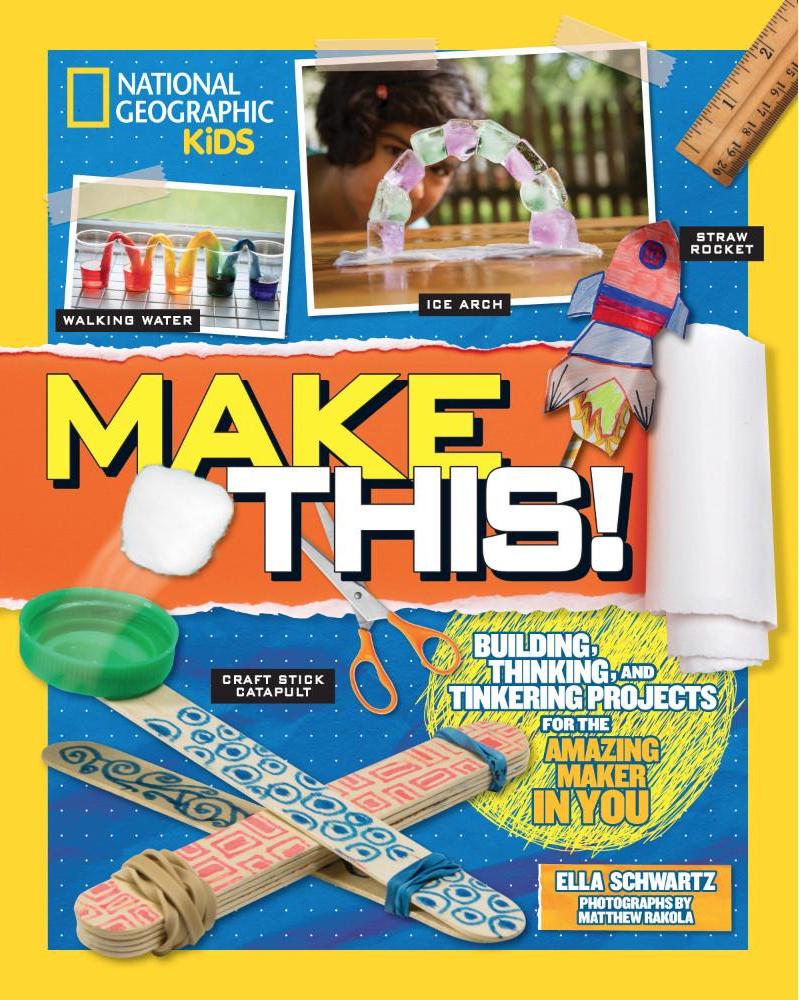
Make This!: Building, Thinking and Tinkering Projects for the Amazing Maker in You
Author: Ella Schwartz
Published February 2019 by National Geographic Children’s Books

Summary: This book is designed to inspire the next generation of engineers and supports all kinds of kid creators: those who prefer guided instruction, those who prefer to dream up and design objects on their own, and everyone in between. Within the nearly 160 pages of this book kids get the tools and the know-how to tackle all kinds of exciting projects: building a kaleidoscope, designing a fidget spinner, planting a rain forest, creating a musical instrument, and more. Unconventional scenarios inspired by real National Geographic Explorers give kids a chance to think outside the box and apply their maker skills to real life. Chapters are divided up by scientific principle, such as simple machines, energy, and forces. In each chapter, kids can start by following step-by-step activities, or get creative by tackling an open-ended challenge. Helpful sidebars explain the science behind what’s happening every step of the way.

My Review: My son loves this book so much that he took it for show-and-tell at his preschool. The teacher liked it so much that she purchased a copy for the classroom. This is a phenomenal book with loads of hands-on, easy-to-do activities. Many of the activities use materials that were available in my house (or easy to acquire). The first project my son completed was the straw rocket. He used two straws, some tape, and some paper to draw his own rocket and shoot it into the air. He has folded down the corners of almost every project as his next to-do. I love how the book is sectioned off into scientific principles. This even impressed my engineer husband. The sidebars allow me to read about the science behind the project as my son is constructing it. It is a wonderful book for learning. Although the book is marketed to ages 8-12, my 5-year-old was able to complete the projects with my help. I think 8-12-year-olds will appreciate this book just as much and be able to self-create.

Teachers’ Tools for Navigation: This book just screams for use in classrooms. It makes science learning incredibly fun. I can see it in classrooms as young as preschool and all the way through elementary school. The concepts can be scaffolded to the age of the learners, and the projects range in difficulty level.

Discussion Questions: 

  • Which scientific principle(s) do you enjoy learning about? Which projects taught you a lot about the principle?
  • Which real-life things (e.g. airplanes, hydraulic systems) relate to these scientific projects?

Read This If You Love: Science Books; Engineering Books; National Geographic’s 100 Things to Know Before You Grow UpMastermind by National Geographic, Weird but True series by National Geographic, Animal Atlas

Recommended For: 
classroomlibrarybuttonsmall

RickiSig

**Thank you to Karen at Media Masters Publicity for providing a copy for review!**

Chilly Da Vinci by J. Rutland

Share

Chilly Da Vinci
Author and Illustrator: J. Rutland
Published by December 4, 2018 by NorthSouth Books

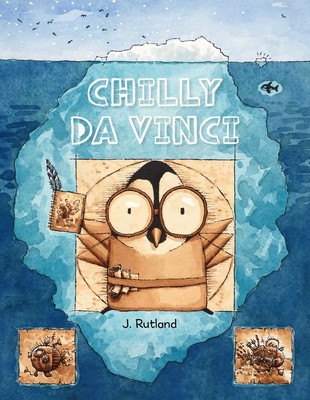
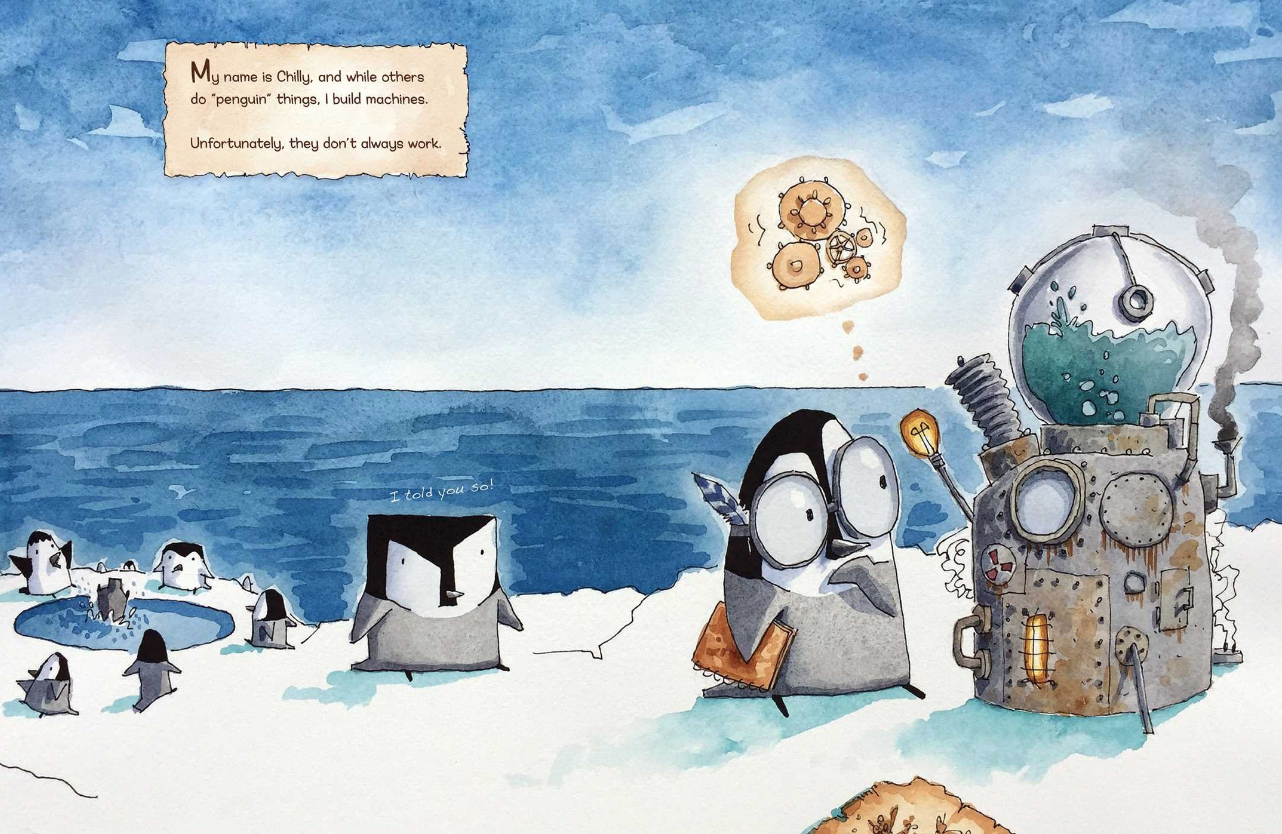
Goodreads Summary: While others do “penguin” things, Chilly da Vinci—self-declared inventor penguin, builds machines that don’t work…yet!  Chilly ties into the popular “maker” movement with humor and imagination.

While others do “penguin” things, Chilly da Vinci—self-declared inventor penguin, builds machines that don’t work…yet!

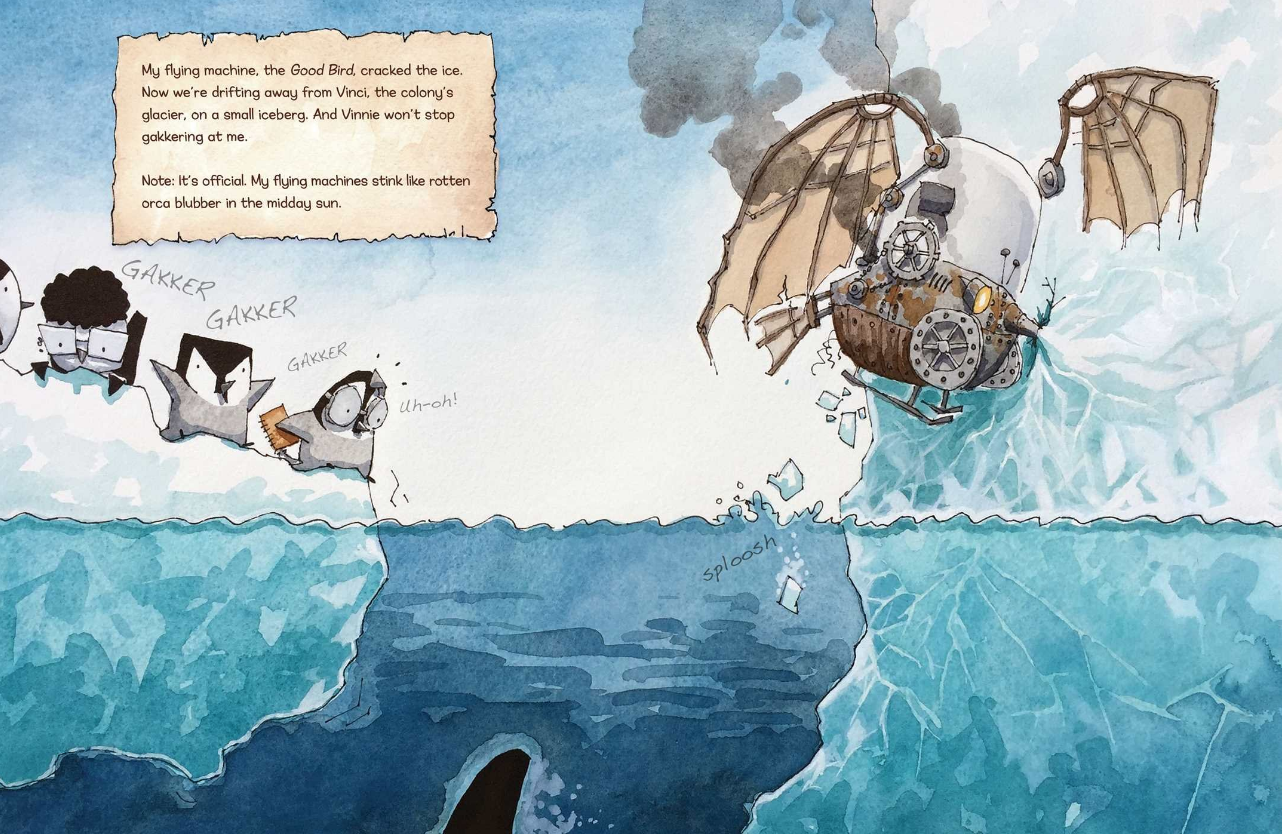
Ricki’s Review: My son tells everyone that he is an engineer. He spends a lot of time drawing his inventions and then building them with blocks. Needless to say, he was thrilled about this book. Chilly is an inventor who builds machines that don’t work. This offers great opportunities for conversations about the revision process and the time and patience required for inventors to be successful. The book ties well with history and Da Vinci’s inventions. There is wonderful classroom potential with this book. The illustrations border realistic and fantastic, which makes for fun examinations across pages. This book will be a favorite in classrooms and it is quite inspiring. I am most excited about its interdisciplinary potential.

Kellee’s Review: The structure of this book is so interesting! It switches between the reality of Chilly’s situation and a narrative of possibilities and his imagination. This will lead to some amazing conversations and also gives an example of a different type of narrative. I also think that so much can be done with the different creations that Chilly makes looking at real inventions and the sketches and research of Leonardo da Vinci. On top of that, I love the message of Chilly’s journey! It is all about not giving up and never letting anyone tell you something isn’t doable. Oh, and he’s a super cute penguin!

Teacher’s Tools For Navigation: Students might begin by investigating Da Vinci’s inventions and how they compare with those in the book. This offers a rich look into history. Then, students might draw out and design their own inventions. Working in small groups, they might try to build their inventions to experience and talk through the emotions that Chilly might be experiencing as he invents new creations!

Discussion Questions: 

  • How do Chilly’s inventions compare with those of Da Vinci?
  • What emotions and characteristics does Chilly display when his inventions don’t work?
  • How does the author use personification to enhance the reading of this text?
  • How might this book be different if Chilly was a person rather than a penguin? What does Chilly’s penguin character add to the story?

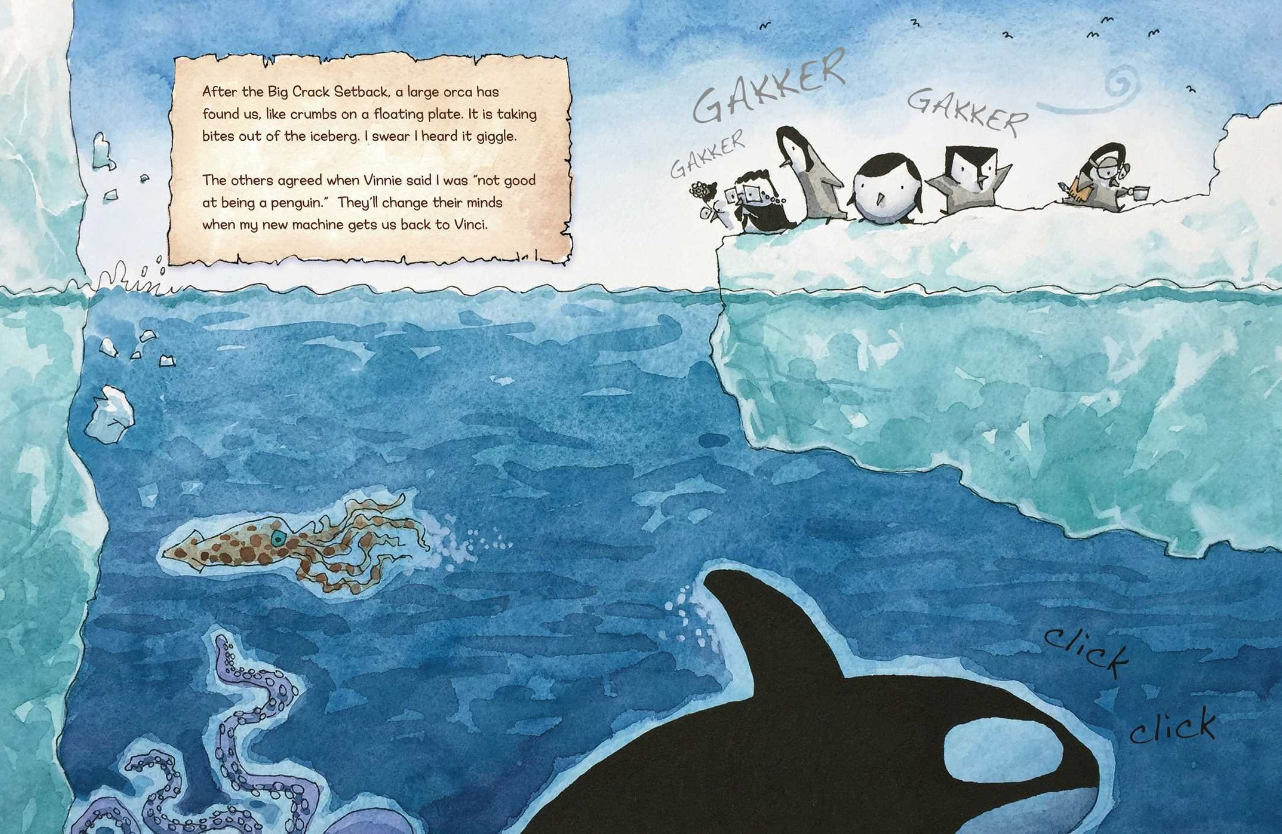
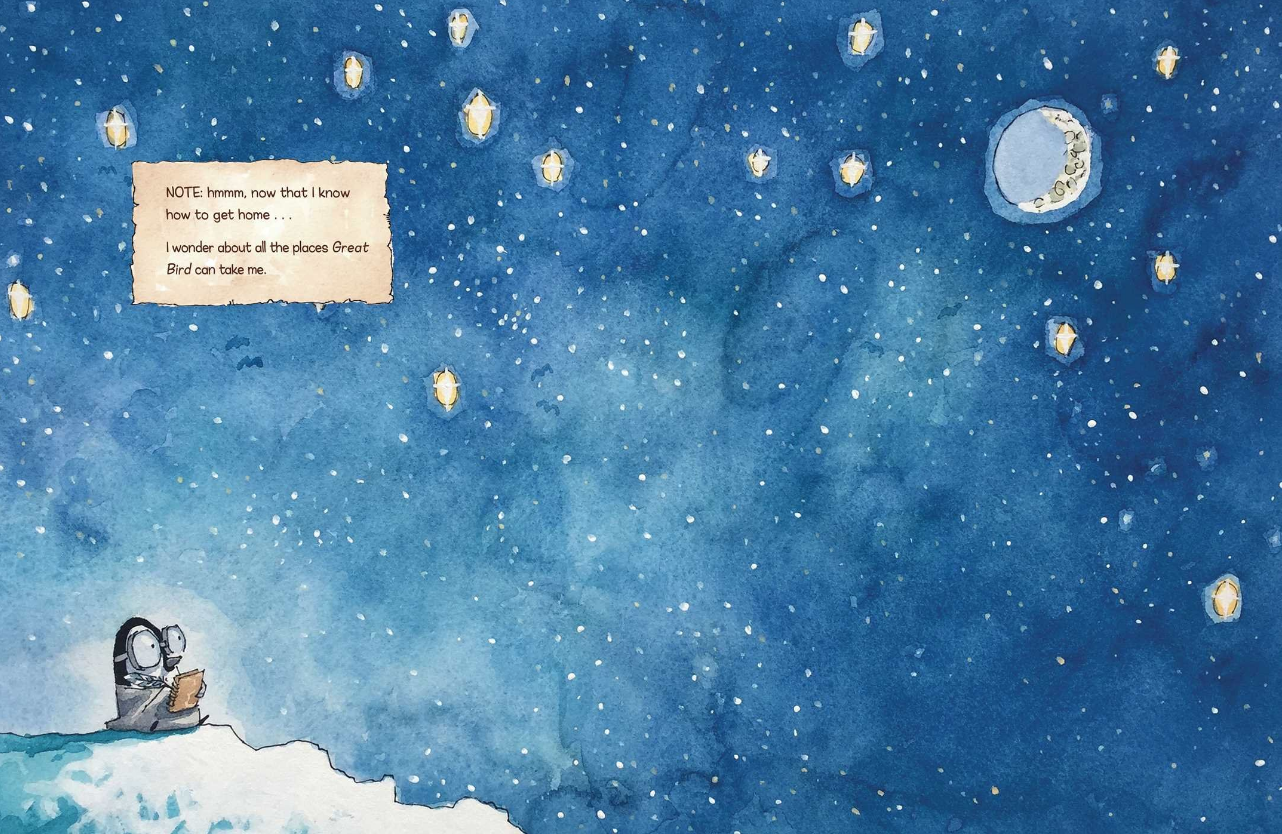
We Flagged: 

Read This If You Loved: Nonfiction books about Leonardo da Vinci, If Da Vinci Painted a Dinosaur by Amy Newbold, The Most Magnificent Thing by Ashley Spires, Lost and Found by Oliver Jeffers

Recommended For: 
classroomlibrarybuttonsmall  readaloudbuttonsmall 

and Signature

Smithsonian Exploration Station: Solar System

Share

Smithsonian Exploration Station: Solar System

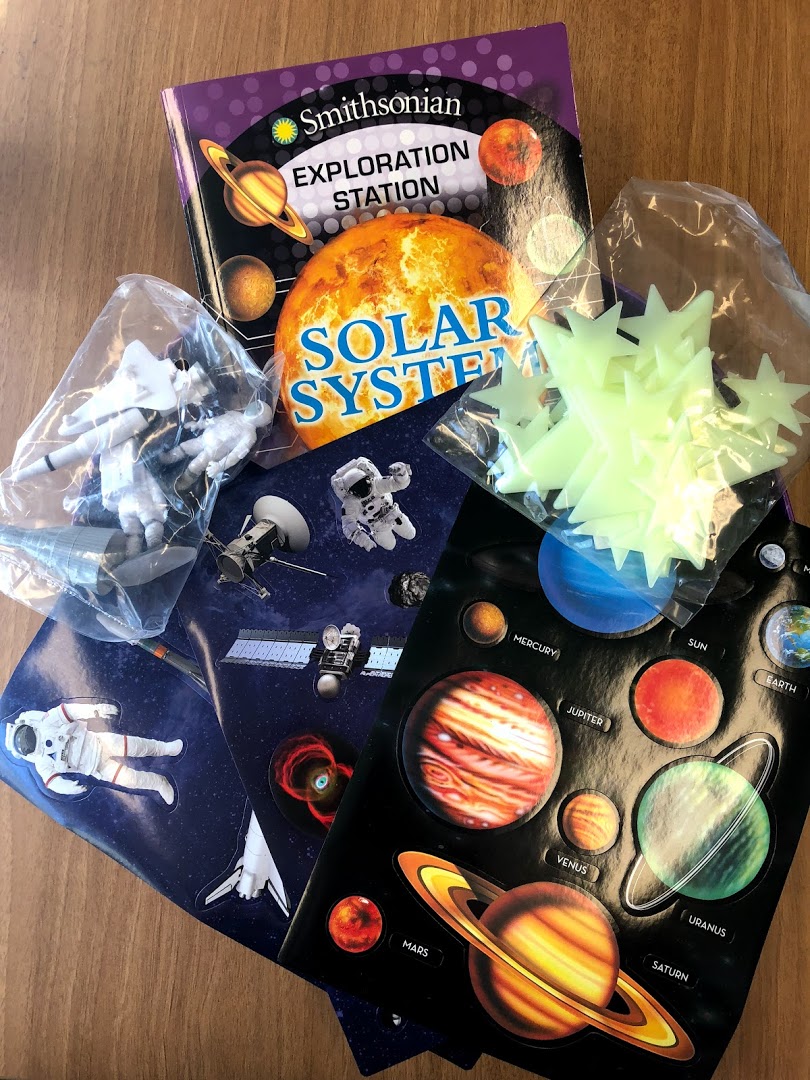
Summary: Take a trip into the stratosphere with Smithsonian Exploration Station: Space! With informative text and full-color photographs, young astronomers will learn about the intricate makeup of our solar system as well as distant galaxies and constellations. The 56-page fact book combined with the sticker sheet, space figurines to play with, and the glow-in-the-dark stars make this space experience interactive and engaging.

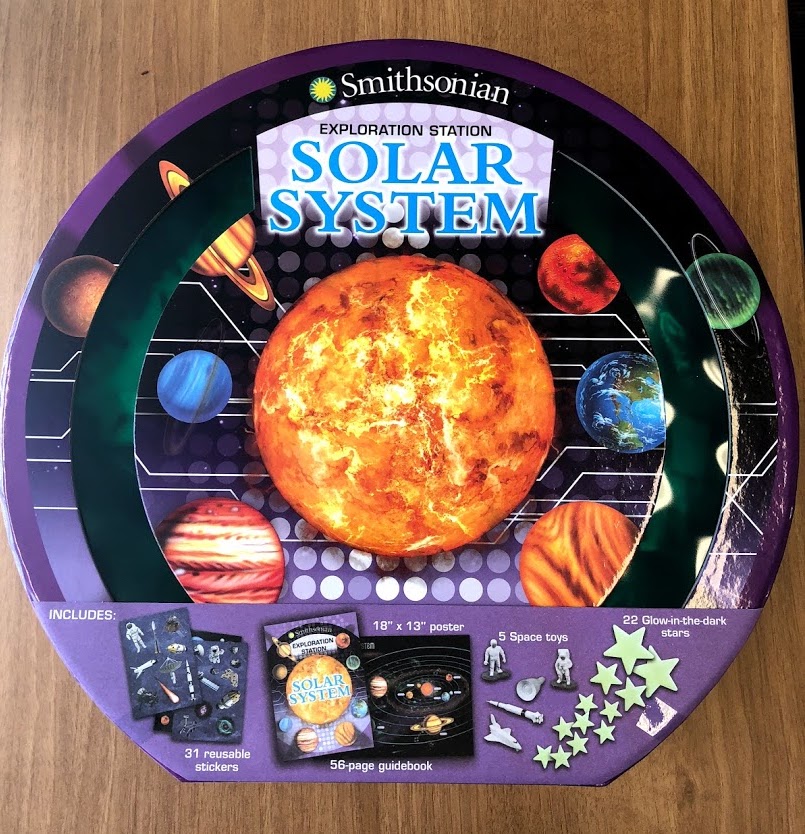
Includes a 56-page fact book, 30 stickers, 22 glow-in-the-dark stars, and 2 figurines (astronaut and rocket).

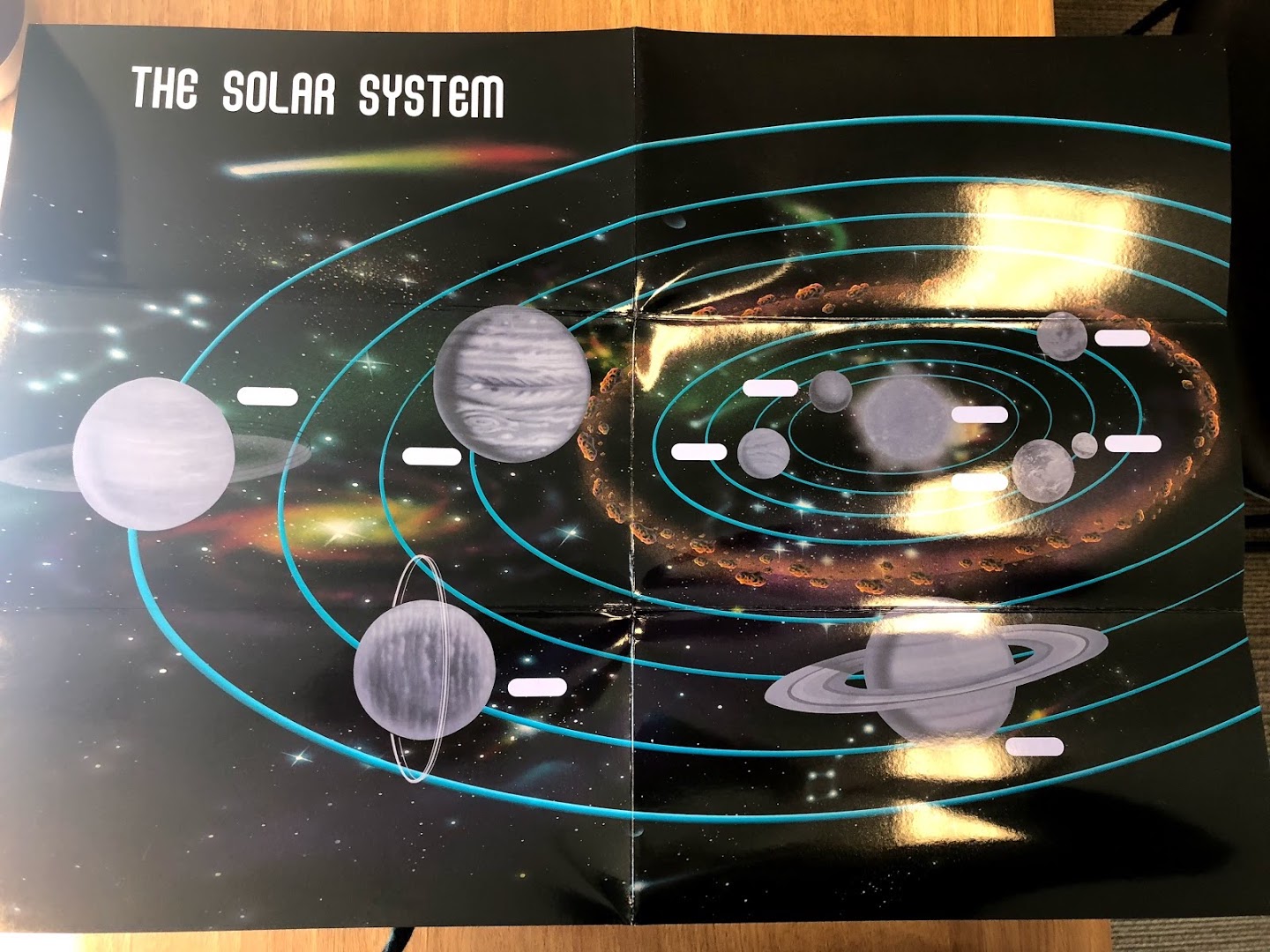
ReviewI love book kits. There is something about them that makes me feel warm and fuzzy. My almost 5-year-old loves them just as much. Opening the box is like opening a world of fun. We were thrilled to receive this kit, and it didn’t disappoint. My son played with the rocket and astronaut figurines as we read the book together. The rocket and astronaut touched every page of the book! After we read about each part of the solar system, he affixed the appropriate sticker on his poster. He’s very much looking forward to sticking the glow in the dark stars on his ceiling! Parents will love these kits. The interactive learning component is wonderful. I intend to purchase several other kits from this company!

Teachers’ Tools for Navigation: Teachers might purchase 1-2 kits each of the Smithsonian Exploration Station series. These include the Human Body, World Atlas, and Human Body. They can be found here. Students can select the kit that is most interesting to them and engage in an inquiry unit on the topic. These kids would be very fun to use in small groups!

Discussion Questions: 

  • What did you learn as you did the activities?;
  • What parts of solar system do you find most interesting? Why?;
  • How do the different parts of the solar system together?

We Flagged: 

The kit!

The full-sized poster! Notice the grayed out planets. The stickers match these and make for a great interactive reading experience!

Read This If You Loved: Any nonfiction books about the solar system; interactive books and kits (like this one about the human body)

Recommended For: 

classroomlibrarybuttonsmall

**Thank you to Casey at Media Masters Publicity for providing a copy for review**

Sun! One in a Billion by Stacy McAnulty

Share

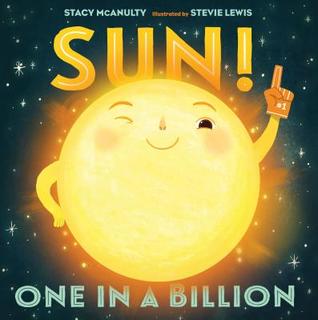
Sun! One in a Billion
Author: Stacy McAnulty
Illustrator: Stevie Lewis
Published October 23, 2018

Summary: From the author of Earth! My First 4.54 Billion Years comes a new picture book about space—
this time starring our Sun!

Meet Sun: He’s a star! And not just any star—he’s one in a billion. He lights up our solar system and makes life possible. With characteristic humor and charm, Stacy McAnulty channels the voice of Sun in this next celestial “autobiography.” Rich with kid-friendly facts and beautifully illustrated, this is an equally charming and irresistible companion to Earth! My First 4.54 Billion Years.

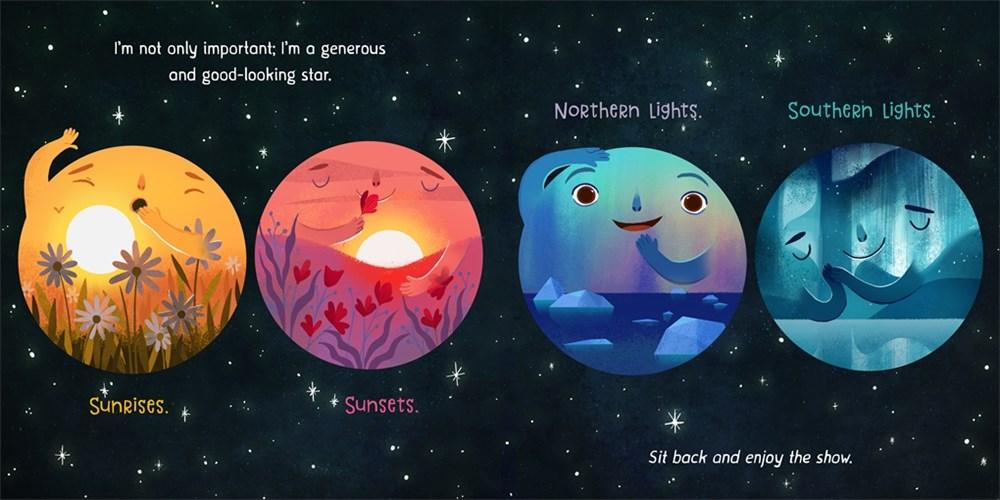
Ricki’s ReviewThis is my new favorite book about space. (And I have read a lot of books about space.) The author perfectly balances factual information and appeal. The illustrations pop off of the page, and the planets, sun, etc. are personified. I feel very lucky to have received this book for review. I am quite excited to read it to my son tomorrow night. I think I smiled throughout my entire reading of the book. If you are interested in space, get this book. It includes facts that were new to me, and the back matter offers a wealth of information for readers who want to delve deeper.

Kellee’s Review: The humor that Stacy McAnulty adds to her books about space really add to the engagement factor (for both the reader and listener); the Sun’s attitude in this one actually made me laugh out loud while reading, but I also learned some pretty cool facts while reading. I know that this book is going to be in our rotation because Trent wants to be an astronaut, and this one was an instant hit! I am so glad that there are amazing space books out there that add something new to the conversation and go about the information in a new and funny way! I really hope that this series continues because I’d love to see the personalities of all of the other parts of our solar system (and maybe some cool space objects from other systems!).

Teachers’ Tools for Navigation: Teachers might ask students to pick one fact in the book that makes them want to learn more about the world. They could look, for example, into a planet, or into the history of Earth. This inspires student-centered inquiry about a topic of choice!

Discussion Questions: 

  • How is the text structured in ways that are engaging and interesting?
  • What new facts did you learn?
  • Which page was your favorite, and why?
  • Did this book inspire you to want to learn more about any topics or information?

Flagged Passages: 

Read This If You Love: Earth! My First 4.54 Billion Years by Stacy McAnulty; Science, Space, Picture books with humorous narrators like It’s Not Jack and the Beanstalk by Josh FunkNothing Rhymes with Orange by Adam Rex

Recommended For: 

classroomlibrarybuttonsmall closereadinganalysisbuttonsmall

andSignature

**Thank you to Kelsey at Macmillan for setting up the blog tour for Sun!**