Review & Giveaway!: Susie B. Won’t Back Down by Margaret Finnegan

Share

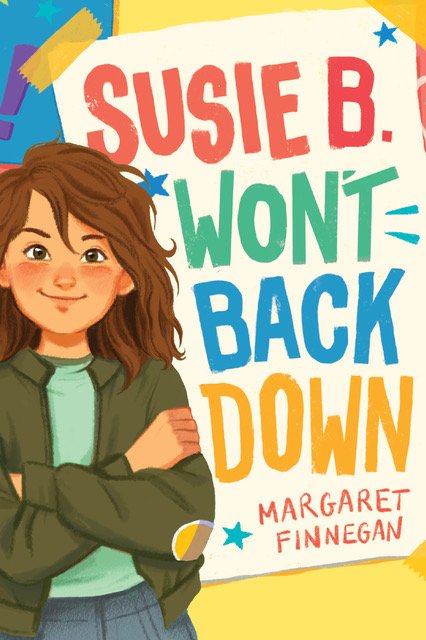
Susie B. Won’t Back Down
Author: Margaret Finnegan
Published October 5th, 2021 by Atheneum Books for Young Readers

Summary: This funny, big-hearted novel about a young girl’s campaign for student council president is told through letters to her hero Susan B. Anthony.

Susie B. has a lot to say. Like how it’s not fair that she has to be called Susie B. instead of plain Susie. Or about how polar bears are endangered. Or how the Usual Geniuses are always getting picked for cool stuff over the kids like her with butterflies in their brain. And it’s because Susie B. has a lot to say about these very important things that she’s running for student council president.

If she’s president, she can advocate for the underdogs just like her hero and fellow Susie B., Susan B. Anthony. (And, okay, maybe the chance to give big speeches to the whole school with a microphone is another perk.) But when the most usual of Usual Geniuses also enters the student council race, Susie realizes this may be a harder won fight than she thought. Even worse, Susie discovers that Susan B. Anthony wasn’t as great as history makes it seem, and she did some pretty terrible things to try to help her own cause. Soon, Susie has her own tough decisions to make. But one thing is for sure—no matter what, Susie B. won’t back down.

Praise: 

“Susie is energetic, breathless, enthusiastic, and genuinely, charmingly funny.” —Kirkus Reviews

A Junior Library Guild Selection

About the Author: Margaret Finnegan is the author of the middle-grade novels Susie B. Won’t Back Down and We Could Be Heroes. Her writing often focuses on themes on inclusion, hard choices, and being true to yourself. She also makes a really good chocolate cake. To learn more, and to download free discussion guides, visit MargaretFinnegan.com.

Twitter: @FinneganBegin
Instagram: @finneganbegin

Review: Happy book birthday to Susie!!!

This book has so much in it! I was highlighting away as I read–both as a recreational reader and as a teacher (see more in Teachers’ Tools!)! I love that it is an epistolary novel, specifically writing to Susan B. Anthony, because it gives us insight into Susie’s school, home, and her inner thinking. The discussions throughout about heroes, fairness, and history is done in a very age-appropriate way but also doesn’t sugar coat anything. I love that Susie has a “butterfly brain” and went to reading lab but is proud of it. The talk about how all brains are different made my heart sing! And on top of all of this, the story itself is so on point for coming of age and how popularity, personalities, and more really start to affect kids starting in about 5th grade.

Teachers’ Tools for Navigation: I am in love with Mr. Springer’s hero project! The way he made the project cross-curricular, interesting, interactive, and included choice just makes it such an amazing project! And there are definitely parts of the book that will work as mentors/exemplars to share with students if you have them do their own hero project including some of Susie’s letters and the Voting posters. Also, the author created a mock Susie B. News to show one of the activities for the hero project: https://www.margaretfinnegan.com/wp-content/uploads/2021/09/The-Susie-B.-News.pdf.

The author also shares some activities in the publisher-created discussion guide!

Discussion Questions (from the publisher-created discussion guide): 

  • Describe the way that the author organizes the story. How does this format help to connect the worlds of Susie B. at home and at school?
  • Why does Susie B. call Chloe and her three R’s (Rachelle, Rachel, and Rose) “fakey fakes?” In contrast, Susie B. has Joselyn Salazar as her best “spark.” What connects these two as friends?
  • Each of the characters copes with the social scene at school differently. How does Soozee Gupta manage to not be alone at lunch? What is your opinion of her social strategy?
  • Susie B. wrangles with the idea of fairness and justice. She believes that they are two different things. What do you think is the difference between being fair and being just?
  • What do you think is the most important lesson that Susie B. learned in this story? Give reasons for your opinion.

Flagged Passages: Chapter 1

Dear Susan B. Anthony:
I have very bad news for you. You’re dead. Really dead. Like, over one hundred years dead. Like, right now, you are dust and bones in the cemetery of your old hometown, Rochester, New York.

Sorry.

You are probably thinking, What the heck? If I am dead, why are you writing to me?

Congratulations! Even though you are dead, you are not forgotten! You are still remembered for being a brave and determined defender of women’s rights, especially women’s suffrage. That is the fancy name for women voting, even though I think suffrage should be the name for not being able to vote, because it sounds like the suffering you would have to go through if everybody thought your voice didn’t matter one speck.

Since I am also a brave and determined defender of all the rights of all the people, I thought you would like to know that I am thinking about you.

Plus, Mr. Springer is making me.

Mr. Springer is my fifth-grade teacher. Every year he assigns this thing called the Hero Project. All of his students have to choose a personal hero. They can choose anyone they want, as long as the person is dead. Mr. Springer used to let kids choose living heroes, but then the live heroes kept doing horrible things and ruining everyone’s projects. Luckily, dead heroes can’t surprise you like that. We are going to do a bunch of research and assignments on our heroes and basically use them to learn stuff about language arts, history, and even math and science. Mr. Springer is always trying to find sneaky ways to get us interested in what he’s teaching.

Read This If You Love: Twins by Varian Johnson & Shannon Wright, How to Win a Slime War by Mae Respicio, Kids Under the Stairs series by K.A. Holt, Friends Forever by Shannon Hale & LeUyen Pham, Five Things about Ava Andrews by Margaret Dilloway

Recommended For: 

classroomlibrarybuttonsmall 

Giveaway!

a Rafflecopter giveaway

Signature

**Thank you to Blue Slip Media for providing a copy for review and giveaway!**

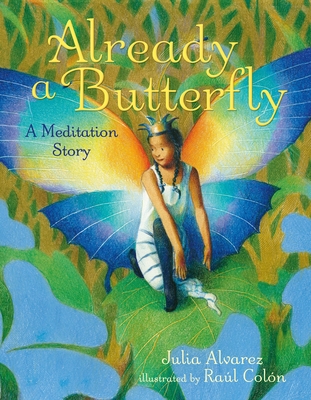
Already a Butterfly: A Meditation Story by Julia Alvarez, Illustrated by Raúl Colón

Share

Already a Butterfly: A Meditation Story
Author: Julia Alvarez
Illustrator: Raúl Colón
Published June 16, 2020 by Henry Holt and Co.

Summary: Already a Butterfly is a gentle picture book tale about self-soothing practices and self-confidence beliefs.

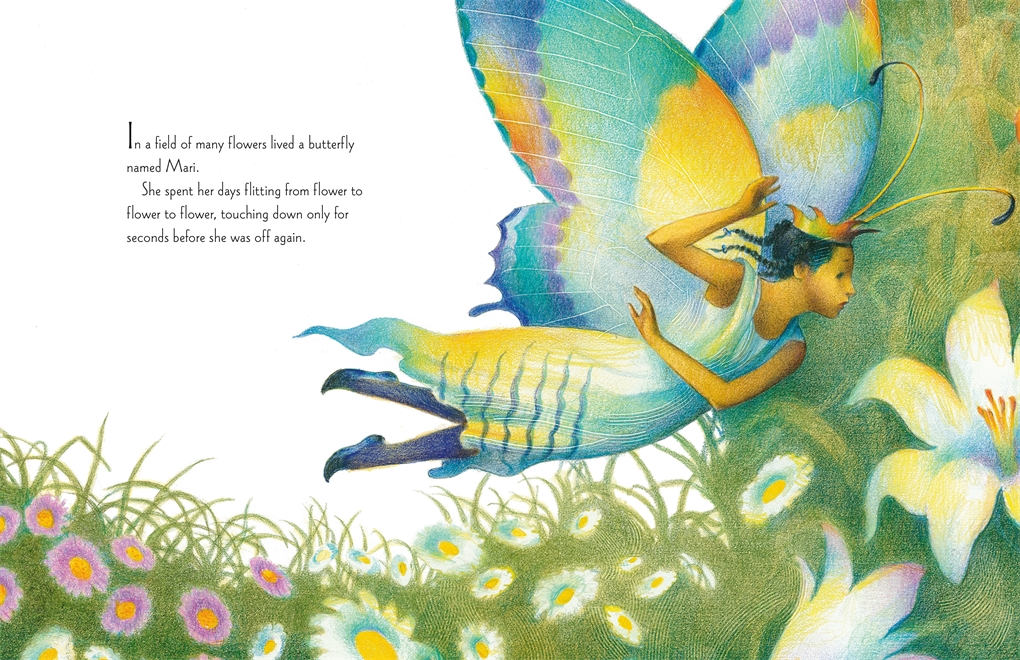
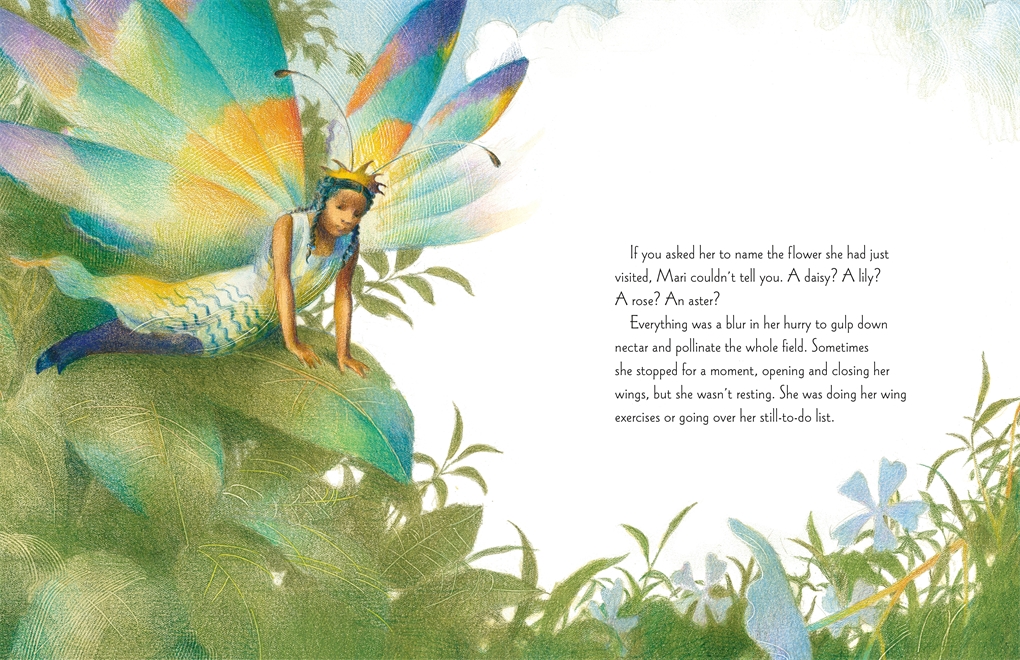
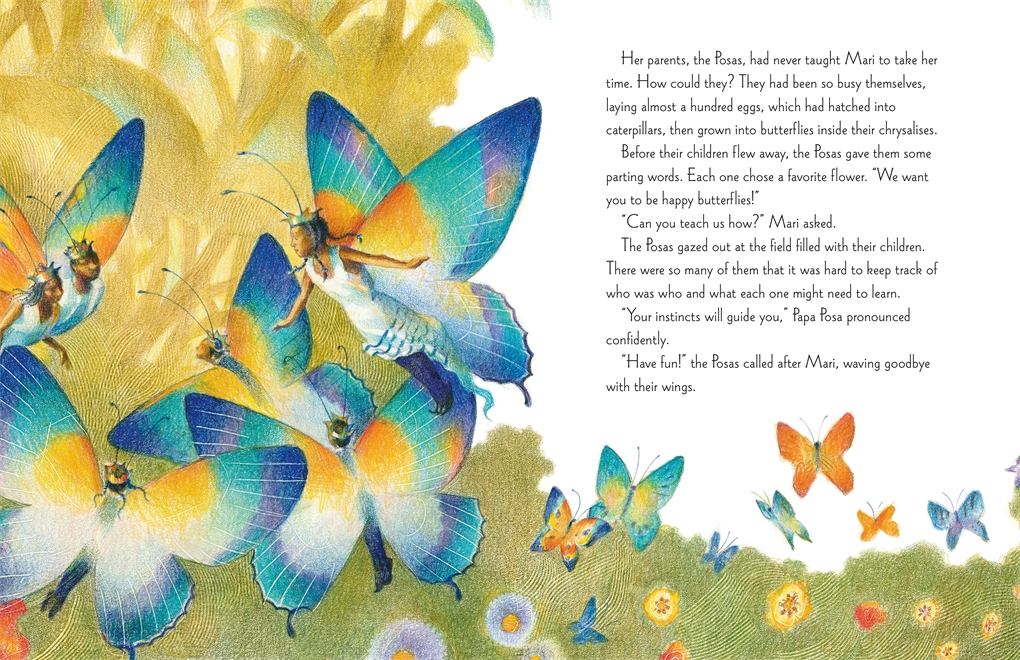
With so much to do in so little time, Mari is constantly on the move, flitting from flower to flower, practicing her camouflage poses, and planning for migration. She’s the busiest butterfly around. But does being productive mean she is happy? Mari couldn’t say. The only way she feels like a butterfly is by acting like one. Little does Mari know, the secret to feeling like herself is simply to focus her breath, find her quiet place, and follow her instincts. With the guidance of a thoughtful flower bud, Mari soon learns to meditate and appreciate that she was a butterfly all along.

Acclaimed author Julia Alvarez extolls the importance of mindfulness, reflection, and self-care for young children in this gratifying picture book, stunningly illustrated by award-winning artist Raúl Colón.

About the Author: 

Julia Alvarez is the author of numerous bestselling and award-winning novels including How the García Girls Lost Their Accents and In the Time of Butterflies, collections of poems, and works of nonfiction as well as picture books. She has won the Pura Belpré Award, the Américas Award, the Hispanic Heritage Award in Literature, the F. Scott Fitzgerald Award for Outstanding Achievement in American Literature, and the National Medal of Arts.

Raúl Colón has illustrated several highly acclaimed picture books, including Draw!; the New York Times-bestselling Angela and the Baby Jesus by Frank McCourt; Susanna Reich’s José! Born to Dance; and Jill Biden’s Don’t Forget, God Bless Our Troops. Mr. Colón lived in Puerto Rico as a young boy and now resides in New City, New York, with his family.

Praise:

“Soft, textured illustrations full of floral elements match the gentle quality of the tale. In a world that can’t seem to slow down, this story reminds readers to trust their instincts and breathe.” —Kirkus Reviews

“This is a tale about learning to be joyful in a world that seems to demand more and more of individuals. Young readers will find the prose and the dreamlike pictures of Mari’s journey soothing—and something to meditate on.” —Booklist

“Alvarez pens this introduction to meditation with advisory zeal, focusing on explanations that will appeal to caretakers who seek to support young meditation practitioners. Jewel-toned spreads by Colón provide scope for dreaming: Mari’s distinctive features—her black braids, her elflike shoes, her golden crown—give readers a fantasy heroine to linger over.” —Publishers Weekly

Review: At first glance, Mari seems like the perfect butterfly. She is beautiful, busy, efficient… but is she happy? She is doing what she things she should do but is she embracing who she is? These are the types of questions that this book is asking.

To be honest, reading this book may have hit home more for me than for Trent. The book is about slowing down and taking the time to be happy. Trent is still young and knows how to enjoy time, but it is important for me to show him that I too have time for the small things and also help him continue to do so. But just like the book made me think about passions, being busy, and how we come off, it will do the same for most readers.

I really loved the backmatter as well, learning how the author was inspired by the Mariposa DR Foundation’s Center for Girls and her granddaughters. It truly brought the book together and shows how the ideas within the book can be used in the real world.

Now, take all of this beautifulness in words and story and add in Colón’s beautiful watercolor illustrations that bring Mari to life, and this book clearly is a must have when discussing mindfulness with all ages!

Teachers’ Tools for Navigation: Use Already a Butterfly and the ideas in the “Growing Your Own Wings” backmatter to bring meditation into your classroom. A great day to introduce this would be World Meditation Day which is May 21st!

An extension reflection activity that would be fun is to have students make their own butterfly wings and write items, moments, people, etc. on their wings that make them truly happy. These wings can be a symbol to remind them to cherish those things.

Tips for Mindful Meditation: 

Discussion Questions: 

  • Why did the author choose Mari as the butterfly’s name?
  • How was the author inspired by her time with the Mariposa DR Foundation’s Center for Girls?
  • How could Mari’s story be compared to your life?
  • What did Bud teach Mari?
  • Why was Mari happier in her chrysalis?
  • Do you think what Bud taught Mari will make her happier?

Flagged Passages: 

Read This If You Love: I am Peace by Susan Verde, Calm with the Very Hungry Caterpillar by Eric Carle, My Magic Breath by Nick OrntnerGood Morning Yoga by Miriam Gates

Recommended For: 

classroomlibrarybuttonsmall 

Signature

**Thank you to Barbara at Blue Slip Media for providing a copy for review!**

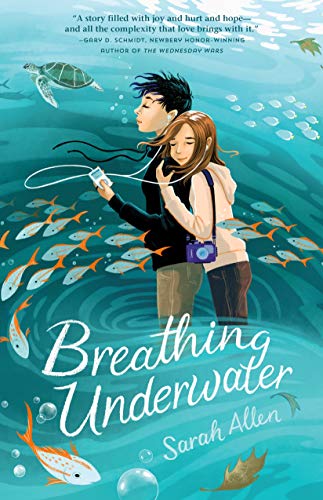
Sofia’s Kids’ Corner: Breathing Underwater by Sarah Allen

Share

Sofia is an 9-year-old brilliant reader who aspires to be a book reviewer. On select Saturdays, Sofia shares her favorite books with kids! She is one of the most well-read elementary schoolers that we know, so she is highly qualified for this role!


Dear readers,

This book is wonderful in the sense that it perfectly describes sisters. The thing that is really interesting and sad about this book is that the main character’s sister struggles with feelings. The main character, Olivia, tries her hardest to help her older sister but she usually can’t. The author almost made me cry in so many scenes. This book is recommended for ages 10-14.

Olivia’s big sister, Ruth, has a medical condition in which she struggles with feelings. This means that Olivia usually looks for signs on how Ruth is feeling. For example, what music she is listening to. Ruth listens to “happy” songs and sometimes she listens to “sad” songs. Ruth listens to all of these songs on an IPod. The old type, not the new mobile device that looks just like a miniature IPhone. She has had it for almost forever. Olivia wants to make Ruth happy again and she plans on taking her back to their first home. She remembers a game her sister and her called Treasure Hunt. The way that it worked was Ruth found a word like New or Sparkley. Then Olivia went around wherever they were and took photos that had something to do with the word Ruth picked. While Olivia was doing that Ruth made a playlist of songs that have something to do with that same word. After all of their tasks were completed they met back at a certain spot and shared what they had found. Ruth didn’t seem to have the illness back at her first home. She only started having bad days around the big move. Olivia is planning a road trip to their first home and she plans to find a treasure box that she buried there the last time they were there. She also plans on making the whole road trip a treasure hunt without Ruth noticing. Olivia really hopes that the road trip will make Ruth happier and stop her bad days from happening.

I sped through this book like a torpedo! This was the first book I have ever read on a kindle and I thought I would be reading less often because of that, but obviously I was wrong! I love this book! I almost cried or screamed at some parts because the author is really great at writing things and making people feel emotional while reading them. I am definitely keeping a lookout for some of her other books!


**Thanks so much to Sofia for this review. We are looking forward to reading this book and had heard it was really well done. Now we know we need to read it!**


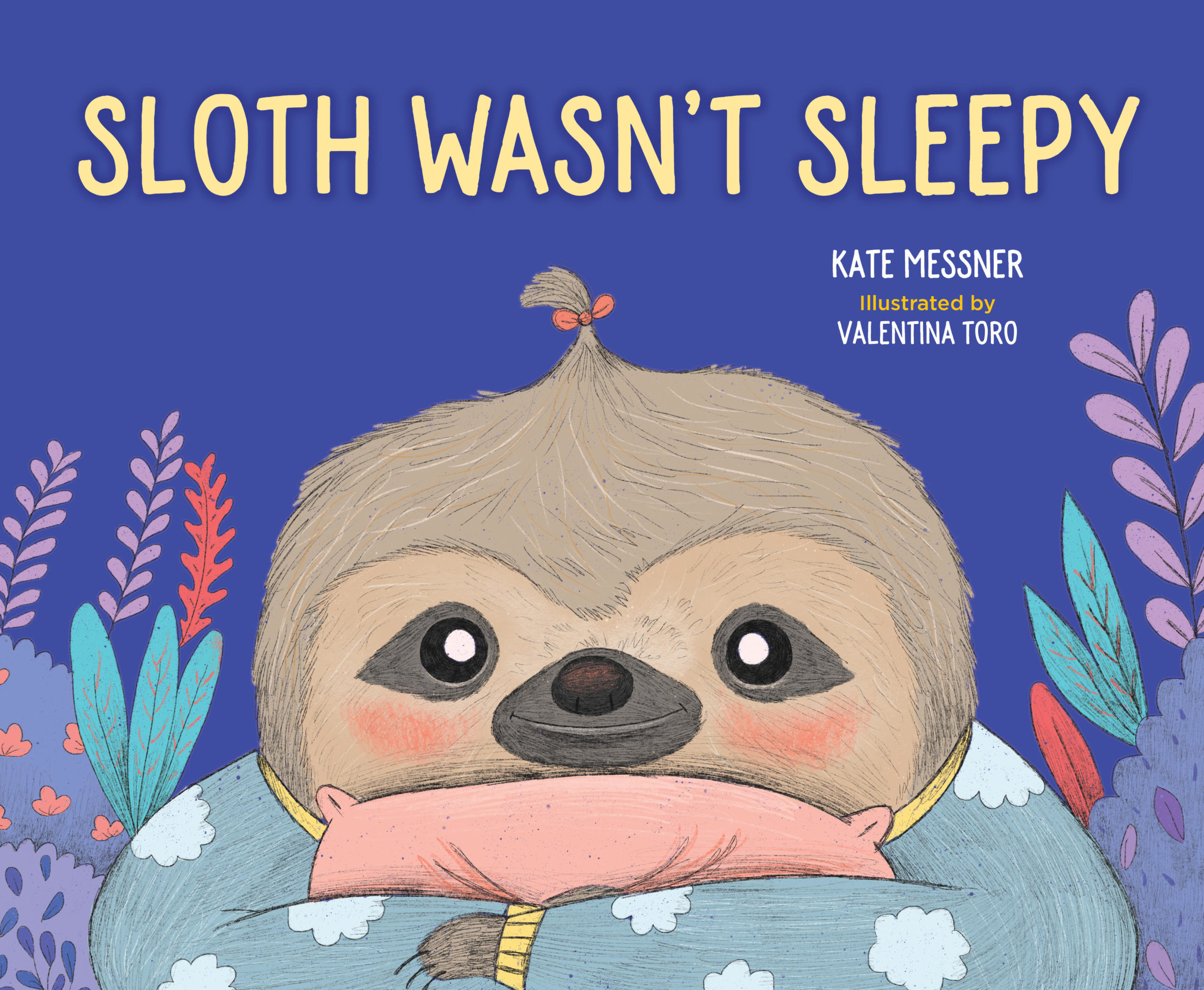
Sloth Wasn’t Sleepy by Kate Messner, Illustrated by Valentina Toro

Share

Sloth Wasn’t Sleepy
Author: Kate Messner
Illustrator: Valentina Toro
Published: January 12, 2021 by Sounds True

Goodreads Summary: For any child having trouble getting to sleep, the most lovable animal in the rain forest is here to help.

One night at bedtime, Sloth wasn’t sleepy.
“What if I worry when I try to fall asleep?” Sloth said.
“Ah … worries,” Mama said. “We will have to let them go.”

A tough day, a bad dream, a scary noise … these are just a few of the things that can keep kids wide awake and frightened after dark. But Mama Sloth knows the secrets for calming worried minds and getting to sleep—and as she shares them with her daughter, young readers will learn valuable relaxation skills that last a lifetime.

Sloth Wasn’t Sleepy does more than provide a sweet bedtime story—kids will join Sloth to learn mindfulness practices such as “shrinking down” fears in their mind and calming their body through breath and simple visualizations. Kate Messner’s beautiful book helps parents and kids relax into dreamland with a sense of peace, safety, and belonging.

Ricki’s Review: This book is simply magical. Since moving to Colorado, I have understood the value of mindfulness. My kids do meditation at night, and it has really helped their sleep. This book is going to be so helpful to facilitate the process. The charming illustrations drew my attention immediately, and my kids were giggling as we read the book. The words feel carefully and intentionally placed, and they soothed me, as the reader, too! I plan to gift this book to my younger sons’ teachers to use before naptime.

Kellee’s Review: My son is definitely afflicted with a large imagination, specifically when it comes to bedtimes and fears. Reading about Sloth’s worries and her mom’s advice on how to overcome this anxiety is something I will definitely be bringing up whenever these fears erupt at bedtime. I think many kids will find solace in these routines that Mama Sloth set up for Sloth in the story–between the relaxing onomatopoeias, the deep breathing, and the visualization, the story definitely brings a calm over the reader. And to add to this feeling is the adorable and cool-colored illustrations that just tie it all together.

Teachers’ Tools for Navigation: Implicit in this book is a description of anxiety. A common manifestation of anxiety comes with nighttime worrying. I’d love to use this book in literature circles centered around mental health, or in a way that allows children to think about the ways in which they negotiate feelings of worry and anxiety.

Discussion Questions: 

  • What interrupts Sloth’s desire to rest?
  • How does Sloth work to go to sleep?
  • How can you adjust your own habits to improve your sleep?
  • What worries do you have? Shrink them, lay it on a leaf, and set it free.
  • When else could you use a breathing technique like the one Mama Sloth taught Sloth?

We Flagged: “‘Sometimes,” Mama said, “I like to pretend I’m a tree. Drinking up breath from my roots to my crown, from my toes to the top of my head. Would you like to try that, too?'”

You can also check out:

Read This If You Loved: Sloth Wasn’t Sleepy by Frann Preston-Gannon; Sparky by Jenny Offill, “Slowly, Slowly, Slowly” Said the Sloth by Eric Carle, Dinosaur Farm by Frann Preston Gannon

Recommended For: 

RickiSigandKellee Signature

**Thank you to Samantha at Sounds True for providing copies for review!**

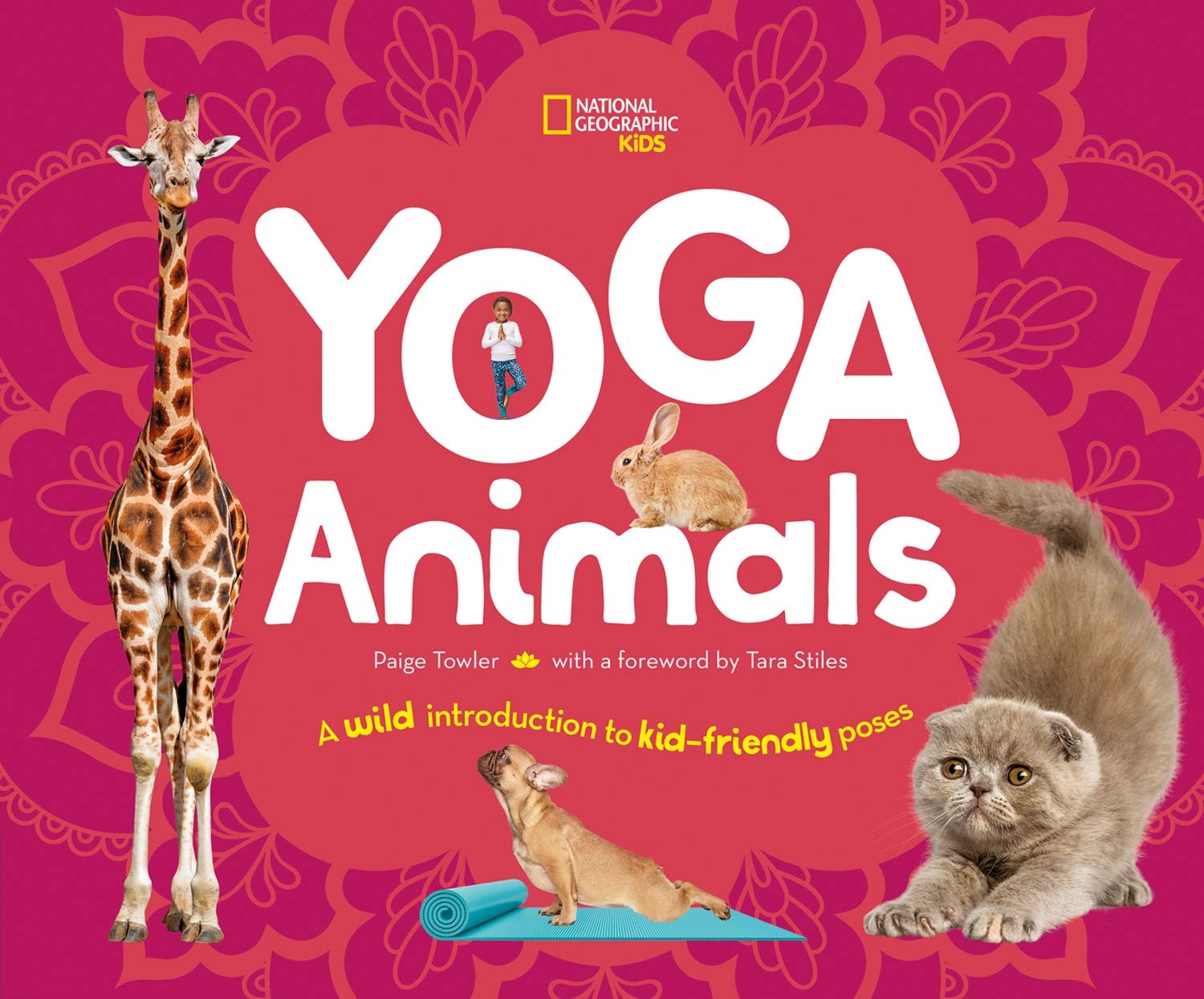
Yoga Animals: A Wild Introduction to Kid-Friendly Poses by Paige Towler

Share

Yoga Animals: A Wild Introduction to Kid-Friendly Poses
Author: Paige Towler
Foreword Author: Tara Stiles
Published May 19th, 2020 by National Geographic Kids

Summary: Adorable animal photos and lyrical text guide kids step-by-step through easy animal-inspired yoga poses.

Roar like a lion! Arch like a kitten! Stretch like a cobra! Did you know that many yoga poses were inspired by animals? Let these creatures inspire your young ones to get moving, practice mindfulness, or calm down after a long day. Simple step-by-step instructions explain the kid-friendly moves. Kids will get a kick out of the accompanying photos of animals that mimic each pose, and the sweet poem is sure to delight.

The foreword by Tara Stiles, founder of Strala Yoga, reminds us that we’re never too young to start enjoying the health benefits of yoga and mindfulness. Animal Yoga is the perfect intro to this ancient practice–great for engaging (and quieting!) a class, reading aloud one-on-one, or helping restless little ones fall asleep at bedtime or naptime.

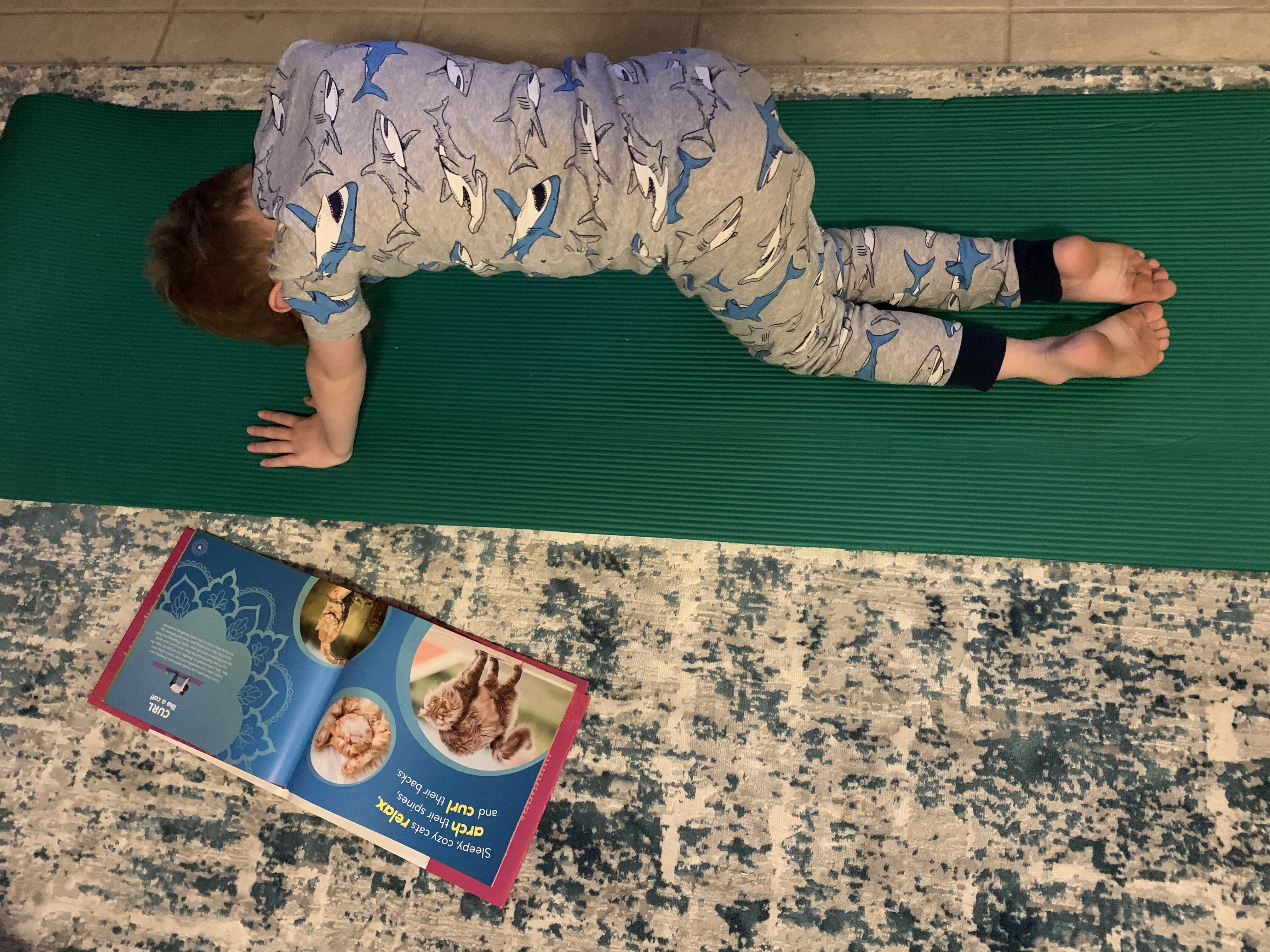
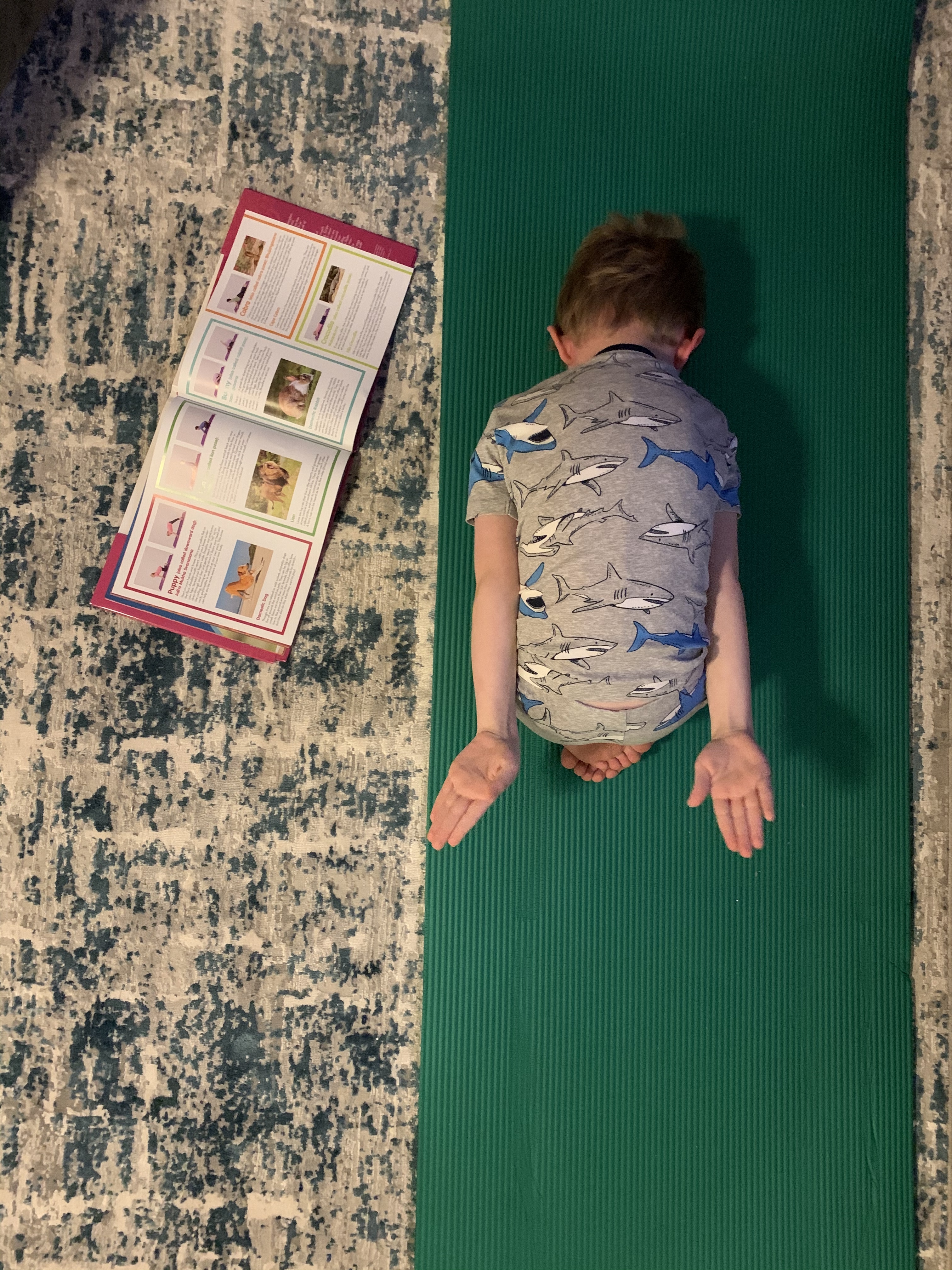
Review: Trent and I love doing Yoga together. We have family yoga mats, and he’s done mommy & me yoga with me though is favorite is Cosmic Yoga on You Tube. I wanted to make yoga part of Trent’s life because not only is it a wonderful form of exercise that he and I can do together, but it is also beneficial for mindset. Yoga Animals is a wonderful introduction to both aspects. I like that it makes the yoga poses accessible for so many ages. For example, it could be for a mom to do with a very young child as an introduction. Or older kids who may have done yoga in the past can use it independently. Here is Trent practicing his poses:

The book structure is also fun. The majority includes the animal photos with a connection to the yoga pose then a photo of the pose with instructions. In the back it goes more in depth about the pose and the animal taking the information to a whole other level.

Teachers’ Tools for Navigation: As the push for a healthy mindset has become more front and center recently as we realize that the current educational system is adding extra stress on kids, this book is a perfect addition to a classroom to have brain breaks. During the brain breaks, a new yoga pose can be introduced and the animal can be talked about as well. Then past yoga poses can be practiced as well.

Discussion Questions: 

  • What other animals have yoga poses?
  • How is the ____ pose like a ____ animal?
  • How does yoga help you physically and mentally?
  • Come up with your own stretch that resembles an animal.

Flagged Passages: 

Also, go to https://kids.nationalgeographic.com/explore/books/yoga-animals/ to see videos of Tara Stiles sharing poses from the book.

Read This If You Love: Yoga, Animals, Brain Breaks

Recommended For: 

classroomlibrarybuttonsmall

Signature

**Thank you to Karen at Media Masters Publicity for providing a copy for review!!**

Remove the Stigma: Brain Health

Share

When I was going through my thyroid diagnosis and treatment, I never felt like I should keep it a secret. I was going to an endocronologist, I knew I was doing the right thing for my health, and no one judged you for taking thyroid medication or getting treatments.

So, why is it not the same when it comes to mental health?

It should be, and I truly believe that one of the first things we could do as a community to change how it is talked about and the stigma around it is by changing the term we use. Mental health has a negative connotation in that many believe that our “mental state” is something we can control, and if we can’t control it, it is because we are weak. You can see this connotation is how people use mental informally to mean crazy. Mental is intangible.

So, why not instead call the study of mental illness

Brain Health

?

And instead of mental illnesses, we suffer from brain disorders?

These changes in terms show that the illnesses that many, including me, suffer are from imbalances in the brain, not something we are making up in our intangible thoughts. Brain health and brain disorders are very tangible things–they are all tied to chemicals, hormones, genetics, and trauma.

Let’s eliminate the stigma by changing the discussion! If we are suffering from brain health issues, we should see a professional, just like if we had heart or thyroid or other health issues. If we need time off for our brain health, just like if we had a cold, and we should be able to say that.

Think of how many lives we could save if kids (and adults!) realized that our brain health is as important as ear, nose, and throat or cardiology?

Advocate with me, and end the stigma!

Signature

Feral Youth by Shaun David Hutchinson, Brandy Colbert, Suzanne Young, Tim Floreen, Justina Ireland, Alaya Dawn Johnson, Stephanie Kuehn, E.C. Myers, Marieke Nijkamp, Robin Talley

Share

Feral Youth
Authors: Shaun David Hutchinson, Brandy Colbert, Suzanne Young, Tim Floreen, Justina Ireland, Alaya Dawn Johnson, Stephanie Kuehn, E.C. Myers, Marieke Nijkamp, Robin Talley
Published: September 5, 2017 by Simon Pulse

Guest Review by Natalia Sperry

Summary: At Zeppelin Bend, an outdoor education program designed to teach troubled youth the value of hard work, cooperation, and compassion, ten teens are left alone in the wild. The teens are a diverse group who come from all walks of life, and they were all sent to Zeppelin Bend as a last chance to get them to turn their lives around. They’ve just spent nearly two weeks learning to survive in the wilderness, and now their instructors have dropped them off eighteen miles from camp with no food, no water, and only their packs, and they’ll have to struggle to overcome their vast differences if they hope to survive.

Inspired by The Canterbury Tales, Feral Youth features characters, each complex and damaged in their own ways, who are enticed to tell a story (or two) with the promise of a cash prize. The stories range from noir-inspired revenge tales to mythological stories of fierce heroines and angry gods. And while few of the stories are claimed to be based in truth, they ultimately reveal more about the teller than the truth ever could.

Review: This is a complex anthology of traditionally ignored teenaged voices that demand to be heard; I couldn’t put it down! Feral Youth is compelling from the front flap to the final page. The distinct voices of all 10 characters shone through in every part, from their individual stories to the transitional narration, creating an established sense of the full cast that is difficult to attain when juggling so many stories.

In this day and age, it feels more important than ever read book that remind us that all people, even those “troubled kids” traditionally written off by society, have a unique story to tell. Though I initially felt a bit overwhelmed by the number of characters (especially those with similar sounding names!) having such a diverse cast of characters share their stories was really rewarding. Those stories, both those intended to be “factual” and those grounded in fantasy, refuse to go quietly from my mind. In a story centered around teens whose voices have been all but silenced by society, I think that’s a victory.

Teacher’s Tool For Navigation: As the book was inspired by Chaucer’s Canterbury Tales, teachers could have students read the two (or passages from both) and compare and contrast. In particular, looking for thematic parallels could lend itself to discussions about the nature of storytelling and whose voices get told. In that regard, the book could also fit into a unit about “objective truth” in storytelling, perhaps in discussing other narratives or nonfiction.

Even in including the text as a free-reading option, I think it is essential to build empathy through reading diverse stories. Including this text could be not only a way to build empathy, but could provide a starting point for further future reading of a diversity voices as well.

Discussion Questions: What parallels do you find to the Canterbury Tales? Which stories surprised you? Were there any characters you related to that you wouldn’t have anticipated connecting with?  

Flagged: “’They think we’re probably nothing but a bunch of animals, but we showed them who we really are. We showed them that they can’t ignore us’” (287).

Read This If You Loved: The Canterbury Tales by Chaucer, Les Miserables by Victor Hugo, other YA anthologies

Recommended For: 

classroomlibrarybuttonsmall 

RickiSig