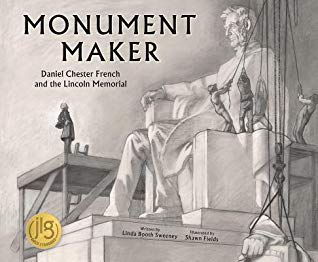
Monument Maker: Daniel Chester French and the Lincoln Memorial by Linda Booth Sweeney

Share

Monument Maker: Daniel Chester French and the Lincoln Memorial
Author: Linda Booth Sweeney
Illustrator: Shawn Fields
Published September 3rd, 2019 by Tilbury House Publishers

Summary: This is the story of how a farmboy became America’s foremost sculptor. After failing at academics, Dan was working the family farm when he idly carved a turnip into a frog and discovered what he was meant to do. Sweeney’s swift prose and Fields’s evocative illustrations capture the single-minded determination with which Dan taught himself to sculpt and launched his career with the famous Minuteman Statue in his hometown of Concord, Massachusetts.

This is also the story of the Lincoln Memorial, French’s culminating masterpiece. Thanks to this lovingly created tribute to the towering leader of Dan’s youth, Abraham Lincoln lives on as the man of marble, his craggy face and careworn gaze reminding millions of seekers what America can be. Dan’s statue is no lifeless figure, but a powerful, vital touchstone of a nation’s ideals. Now Dan French has his tribute too, in this exquisite biography that brings history to life for young readers.

Praise: 

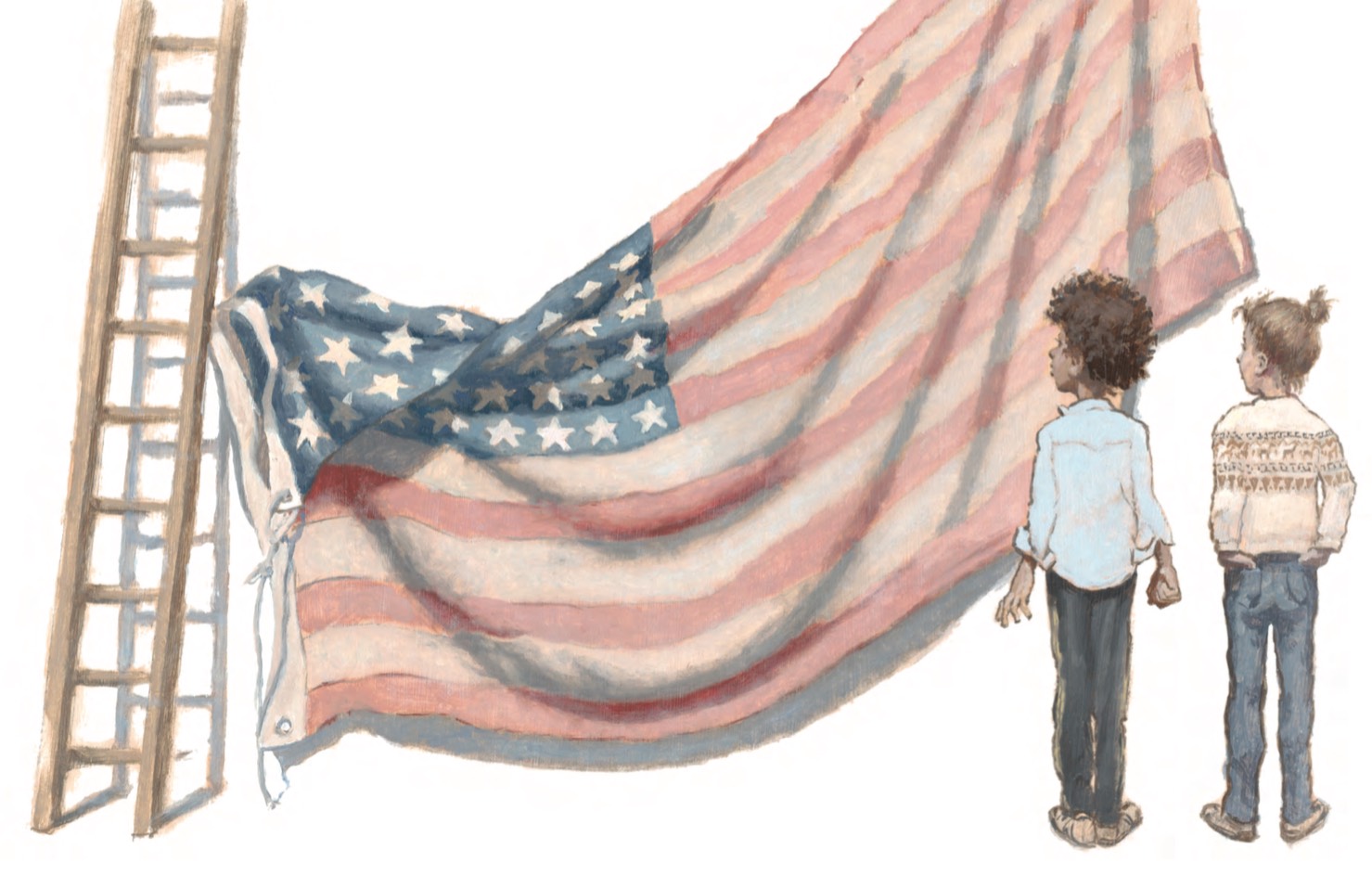
“The environment that nurtured Daniel Chester French is given loving treatment by Sweeney and Fields. . .  As Sweeney traces French’s way in the world, French goes on to create numerous statues of Civil War heroes, including the epic sculpture of Abraham Lincoln enshrined in his memorial. A timeline and author’s note fill in various gaps in the text, and Fields’ drawings are both powerful and graceful, just as French would have wanted, depicting a largely white cast but including some figures of color, including one of the two modern children who observe the story. . . Both bracing and winning, a fine tribute to the sculptor and his world. (Picture book biography. 8-12) ” – Kirkus Reviews

*Junior Library Guild Gold Standard

Note from the Creators:

When Abraham Lincoln was shot in 1865, fifteen-year-old Dan French had no way to know that one day his tribute to the great president would transform a Washington, DC marsh into a national gathering place. He only knew that he liked making things with his hands.

As a boy, Dan plowed the straightest lines on his family’s farm, but as a teen, he failed (quite spectacularly) out of MIT.  And yet, almost 50 years after Lincoln’s assassination, Daniel Chester French drew on his memories of Lincoln and his artistic talent to create a lovingly sculpted touchstone for a nation’s ideals, reminding millions of seekers what America strives for and still can be.

This is the story of how one young boy became very, very good at what he loves, and for that talent to inspire people across a country and around the world.

We hope this book both delights and unites!

About the Author: Linda Booth Sweeney is an accomplished writer and an educator specializing in the exploration of living systems. www.lindaboothsweeney.com

About the Illustrator: Shawn Fields studied art at the School of Visual Arts, the Arts Student’s League, and the New York Academy of Art. His work has been exhibited at ArtBasel Miami, Forbes Gallery NYC, Arcadia NYC, and is collected worldwide.

Review: If you have ever been to the Lincoln Memorial, you know that a very talented artist sculpted the statue you find within. Monument Maker tells us how a young farm boy takes something he is good at and makes it not only his job but his passion. And I think that is what I loved the most–it showed that there is so much more to life than what others want you to be good at and what society expects you to do well at. We all have talents and passions, look at what Daniel Chester French did with his!

Sweeney and Fields did a fantastic job telling his story while also tying in the theme mentioned above, celebrating history, and setting goals for the future. Overall, a truly deep and well done middle grade picture book!

Teachers’ Tools for Navigation: With ties to art and history as well as social-emotional learning, Monument Maker can find its home in may different classrooms.

Discussion Questions: 

  • What did Dan’s family do to help support him in his endeavors?
  • What are the different steps in creating a large monument like the Lincoln Memorial?
  • How did Daniel Chester French become one of the best in his field?
  • What is something you love that you want to do when you grow up? How can you become an expert?
  • Why was it important for Daniel to learn how to draw even though he wanted to be a sculptor?
  • What does Daniel Chester French failing out of some classes yet becoming a master sculpture tell you?
  • How does the author tie together Lincoln, French’s sculpture, other history, and the future?

Flagged Passages: 

“History shapes our lives. And what we do with our lives can shape history. That’s how it was with Daniel Chester French.”

“Soon afterward, Dan’s father returned from Boston carrying a cardboard box. In it was ten pounds of cold, wet clay for a family sculpting night.

One by one the family gave up, but not Dan. He kept at it until the shape of a dog’s head appeared in his hands. From then on, Dan worked on the farm during the day and sculpted birds and animals at night.”

Read This If You Love: Art, Abraham Lincoln, Architecture, Sculpture

Recommended For: 

classroomlibrarybuttonsmall 

Don’t miss out on other nonfiction picture books! Check out Kid Lit Frenzy’s Nonfiction Picture Book Challenge: 

Signature

Weird But True: Class Collaborative Research Activity

Share

My students love the Weird but True books by National Geographic, but one thing they don’t like about the books are the lack of information found in the books. Because of this, as we chatted in class, we decided to make a class “Weird But True” presentation with not only the weird and true facts but with extra information and sources! 

All three of my classes all worked in the same Google Slides presentation and built this amazing document of fascinating facts: 

Weird But True
Please view the Google Slides presentation to see the extra information in the Speaker Notes.

This was such a fun and interesting project! It made students check on facts, learn about reliable sources, and learn all sorts of interesting and fun facts!

Signature

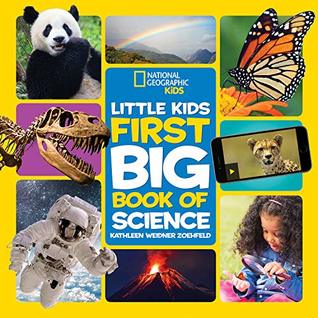
National Geographic Kids: Little Kids First Big Book of Science by Kathleen Weidner Zoehfeld

Share

National Geographic Kids: Little Kids First Big Book of Science
Author: Kathleen Weidner Zoehfeld
Published April 4th, 2019 by National Geographic Kids

Summary: What is science? What do scientists do? This lively reference book answers these questions and many more, all while introducing kids to the amazing things that scientists study: animals and plants, oceans and space, earthquakes and volcanoes, sound and light, inventions, and more!

Make sure kids’ first experience of the wonders of science is a thrilling eye-opener with this fun reference book. Fun activities, games, and simple experiments encourage interactive learning, showing kids that anyone can use scientific observation and experimentation to be a scientist and discover new things. With bright images and age-appropriate text, this book inspires kids to be curious, ask questions, and explore the world around them. And, maybe even grow up to be a scientist one day, too! Topics touched on include astronomy, botany, paleontology, malacology (that’s the science of clams, snails, and other animals with shells!), zoology, and more.

Inside you’ll find:

  • More than 200 incredible photos
  • Age-appropriate explanations of the things that scientists wonder about and learn
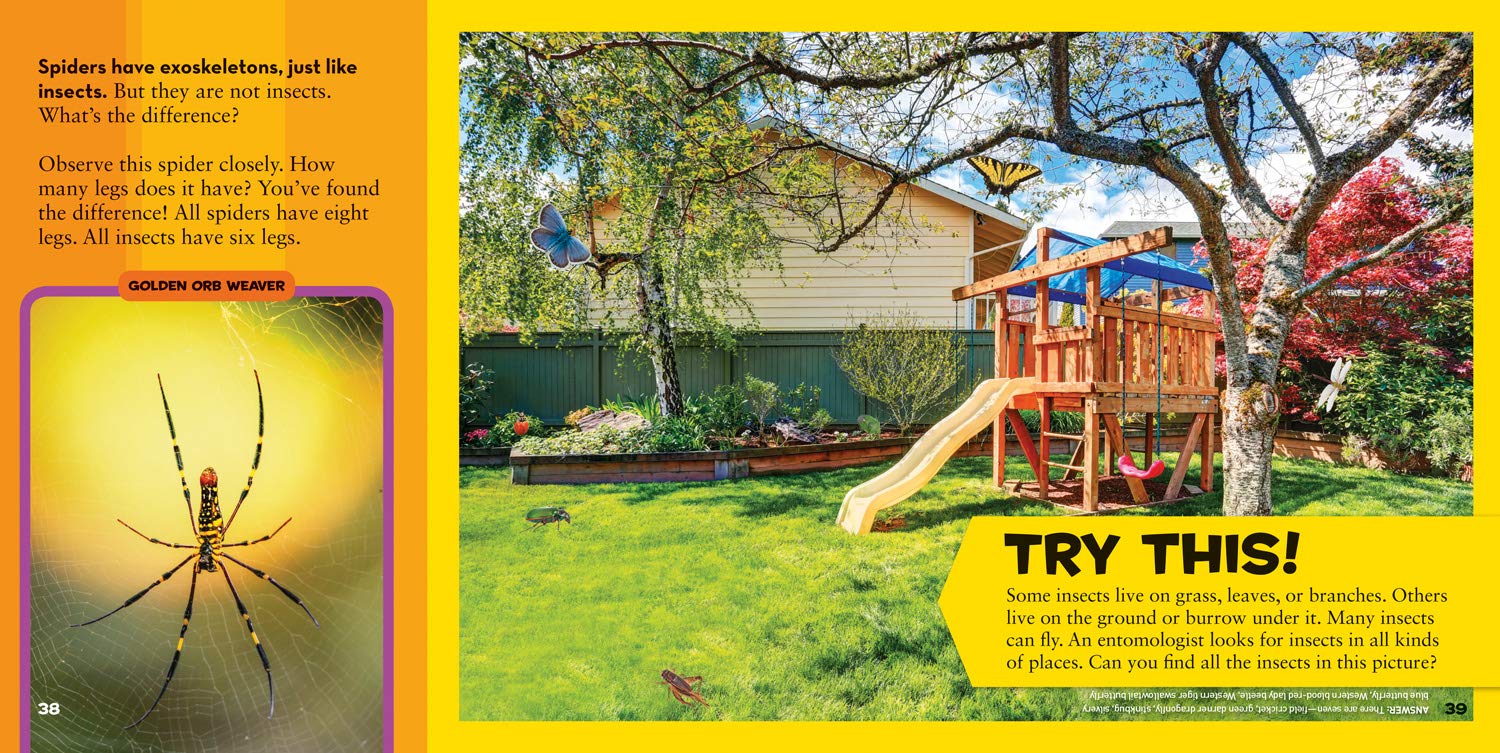
  • Questions and activities in each chapter that encourage interactive learning
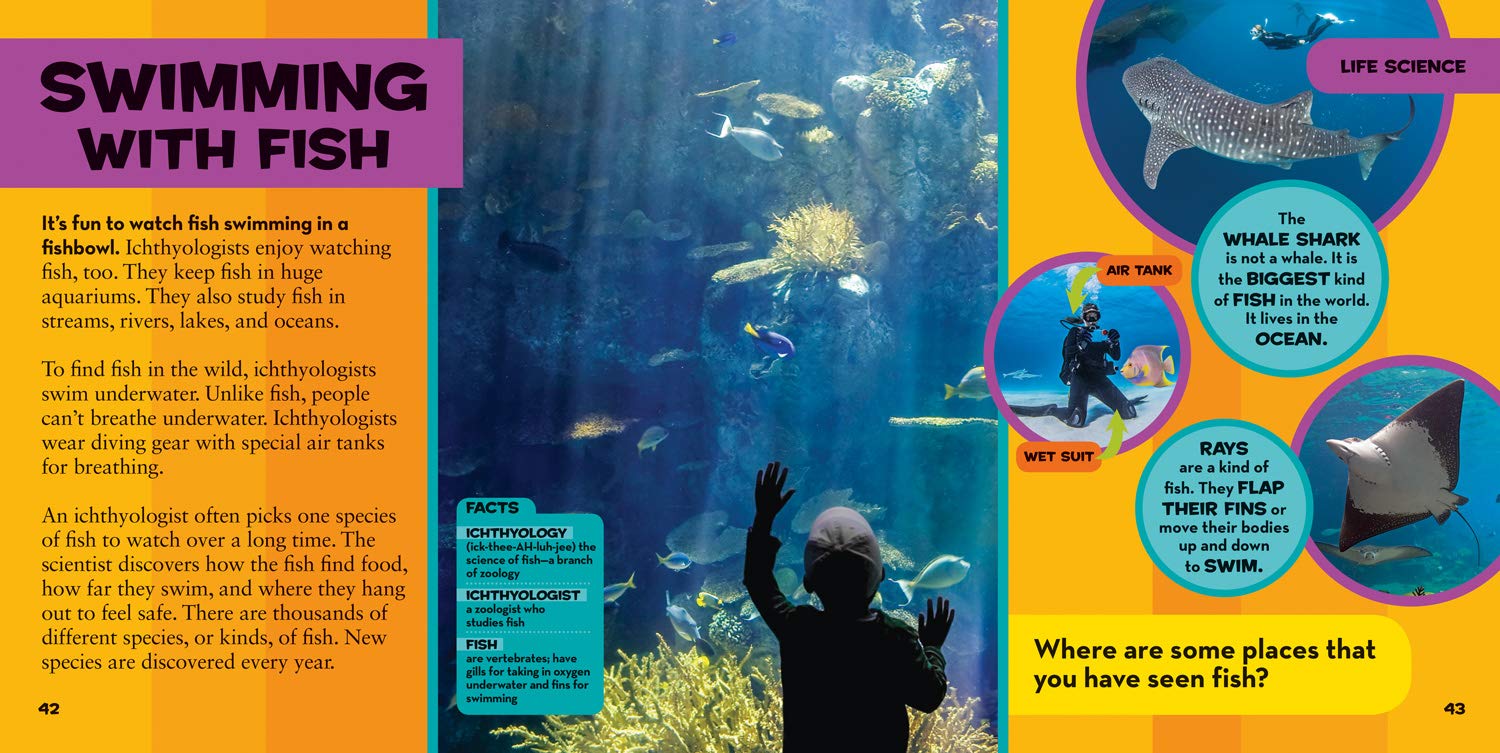
  • Simple text for reading aloud or for beginning readers, and fun facts on every page
  • Parent tips that extend the experience beyond the book

About the Author: Kathleen Weidner Zoehfeld was a children’s book editor for more than 10 years before becoming a full-time writer. She has published more than 60 books for children, most about animals and natural history.

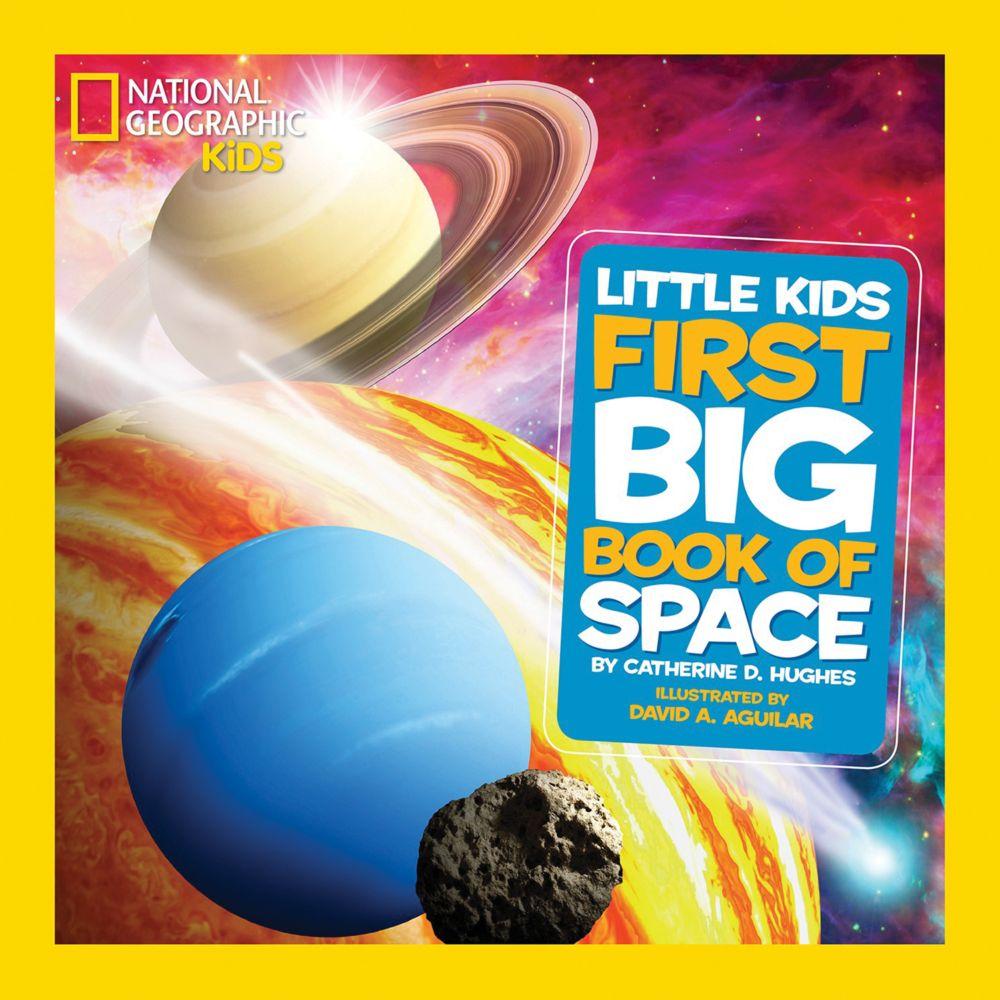
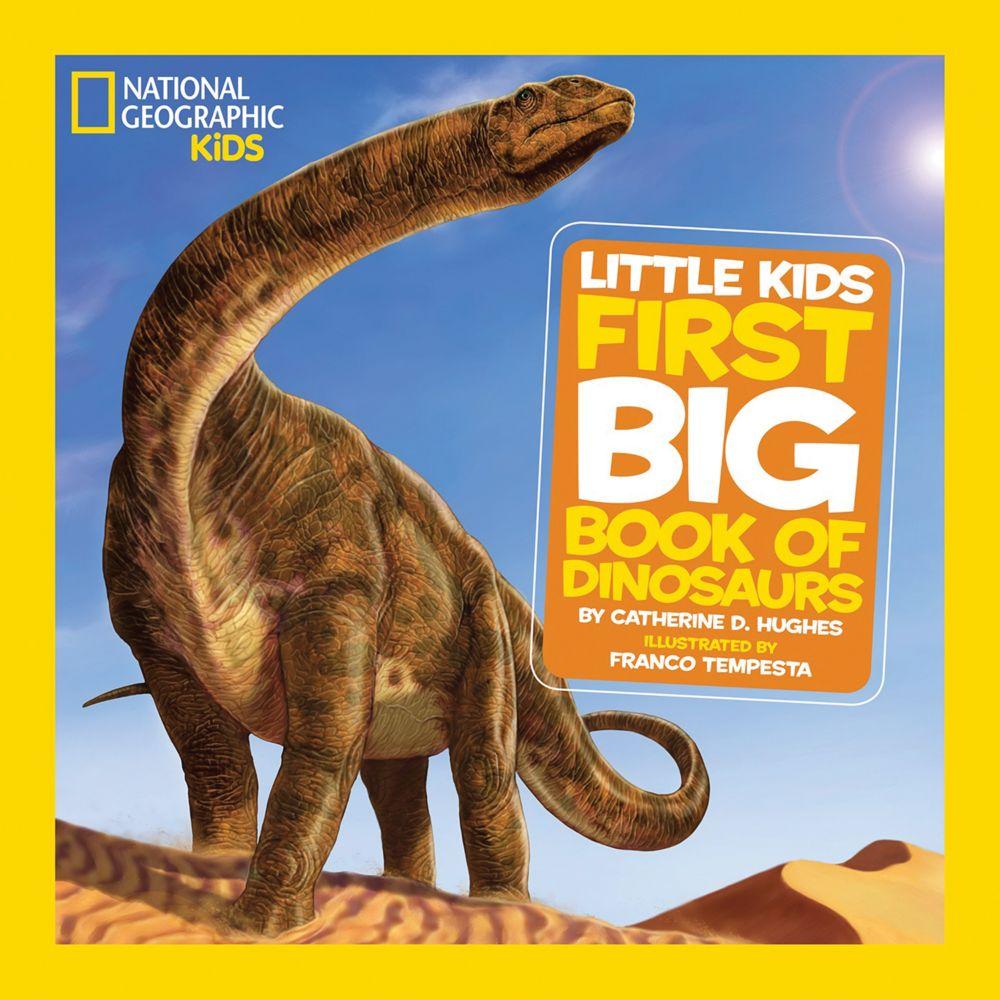
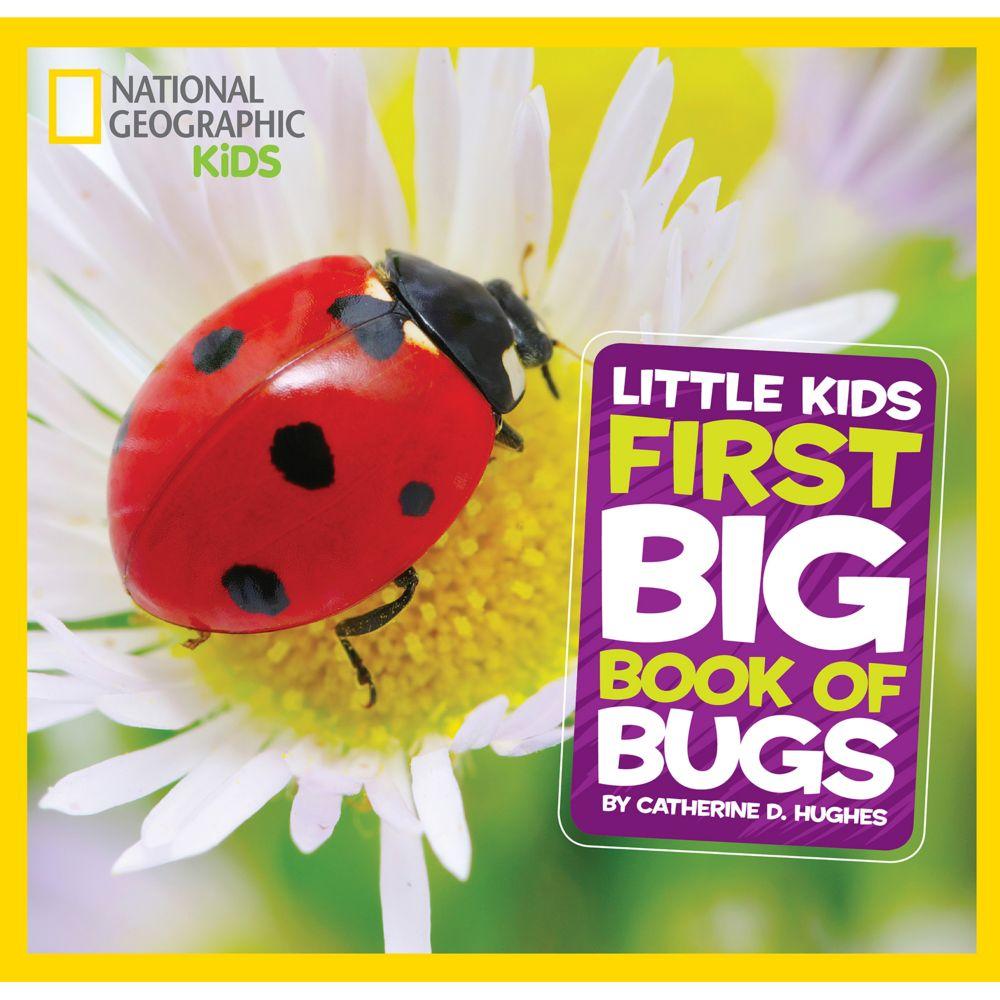
Other National Geographic Kids Little Kids First Big Books:


Review: National Geographic Kids books are such amazing resources for kids and adults! I just love reading through the books because I always learn something, too, and the images are beautiful. And as a mom, I love reading it with Trent because he adores science and the books are such an inquisitive conversation starter. As a teacher, I can see so many ways that this book could be used in an elementary classroom. It is just a perfect triad!

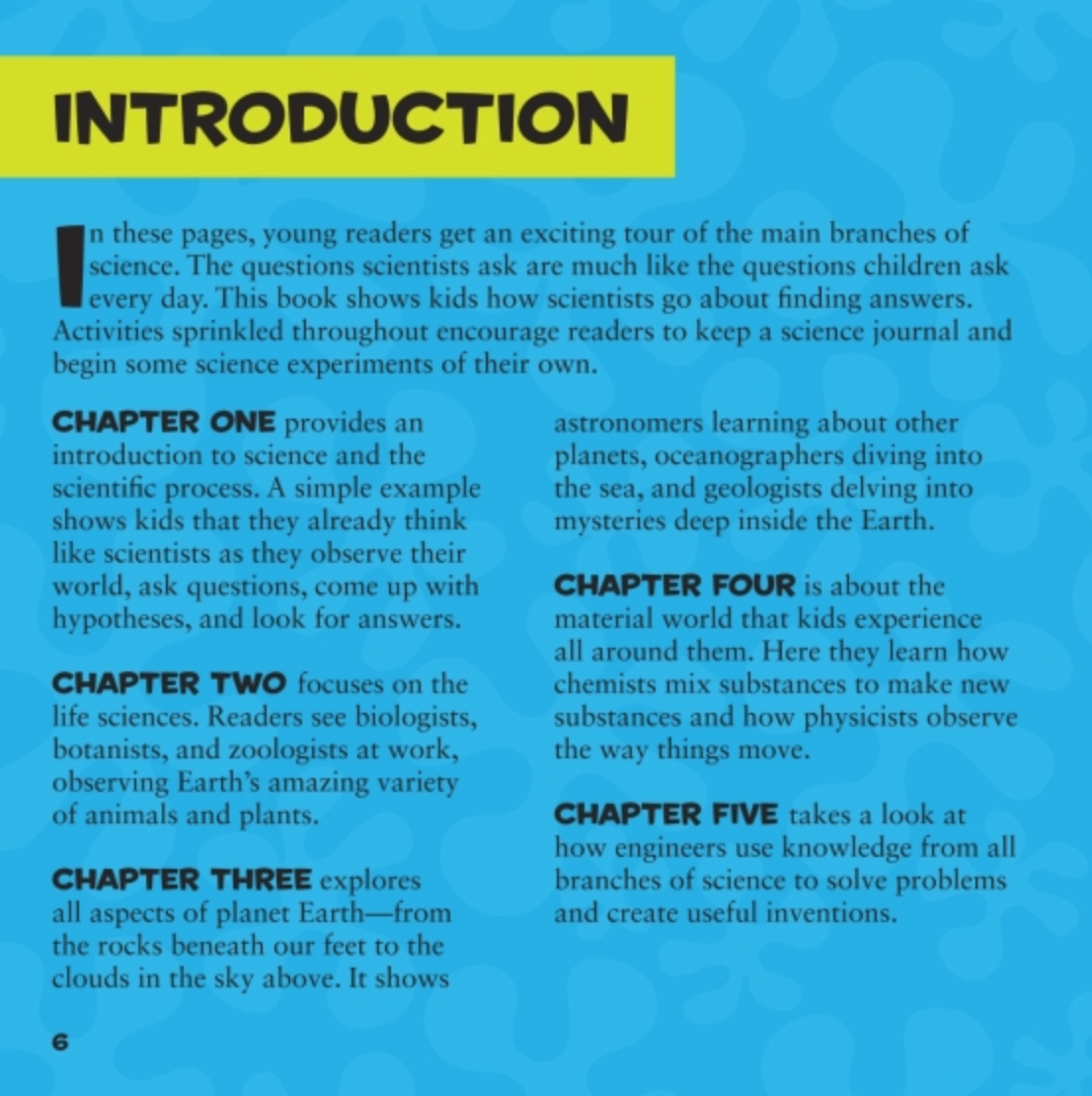
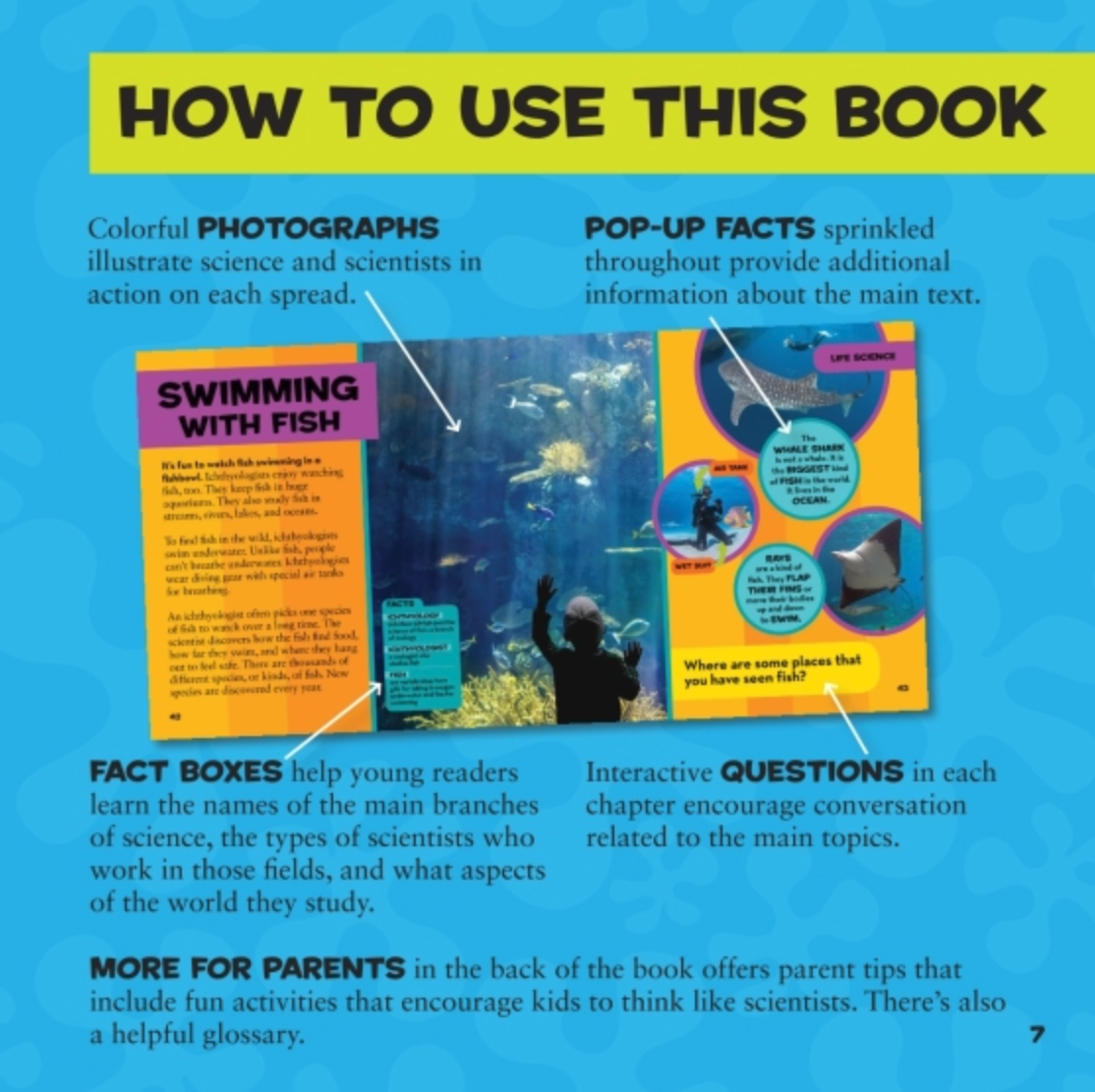
Teachers’ Tools for Navigation: The book is made to be used with children when discussing science. There are a plethora of ways to use it! The book speaks for itself:

Additionally, the parent resources in the back are amazing for home and classroom! Here are some examples of the hands-on science discussions/activities for adults to do with kids in the “Parent Tips” section (just a summary):

  • Egg, Plus Heat (Chemistry): Looks at how heat changes the egg.
  • Moon Shapes (Astronomy): Lunar calendar
  • House of Blocks (Engineering): Make the most stable structures.

Discussion Questions: 

  • What is a hypothesis?
  • What is a Control?
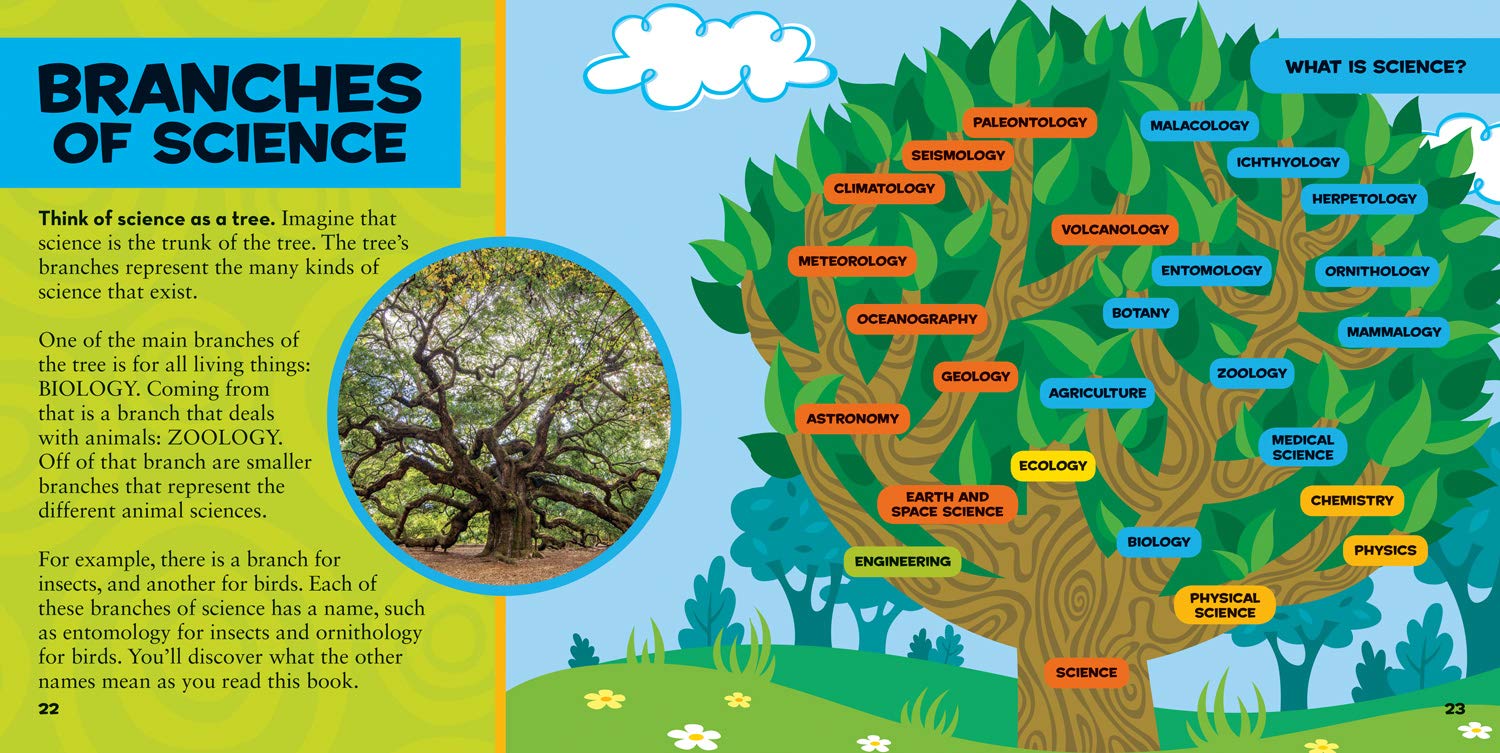
  • What are the different branches of science?
  • Why do we get vaccinations?
  • What are the different kinds of animals?
  • What is an ecosystem?
  • What are the three different states of matter?
  • What moves faster: light or sound?
  • Word play with the glossary!

Some of the Interactive Questions from throughout the book

  • If you could spend a day with one of these scientists, who would you choose?
  • Which part of the body would you like to learn more about? Why?
  • Can you name three ways you look different from when you were a baby?
  • What wild animal would you most like to study? Why?
  • Which ecosystem would you most like to visit? Why?
  • How many ocean animals can you name?
  • If you could travel to another planet, which one would you choose?
  • What would you like to invent?

Flagged Passages: 

Read This If You Love: Science!

Recommended For: 

classroomlibrarybuttonsmall 

Signature

**Thank you to Karen at Media Masters Publicity for providing a copy for review**

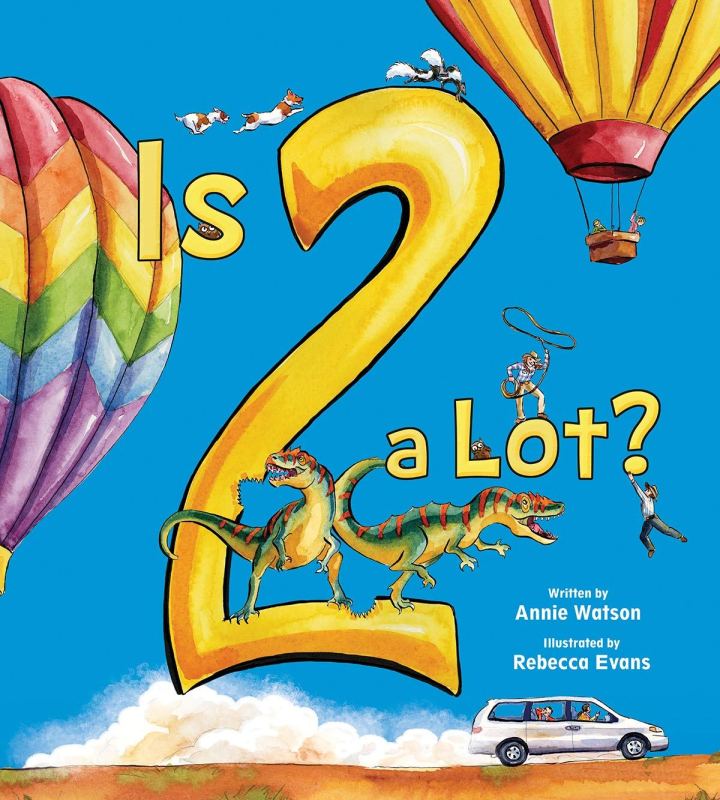
Is 2 A Lot? An Adventure with Numbers by Annie Watson

Share

Is 2 A Lot? An Adventure with Numbers
Author: Annie Watson
Illustrator: Rebecca Evans
Published June 4th, 2019 by Tilbury House Publishers

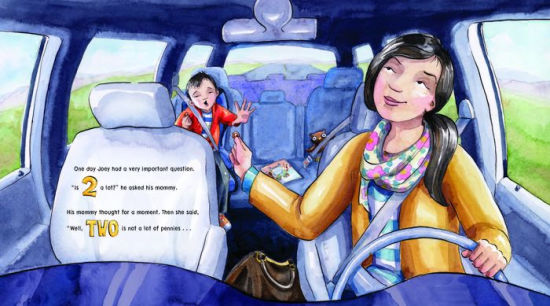
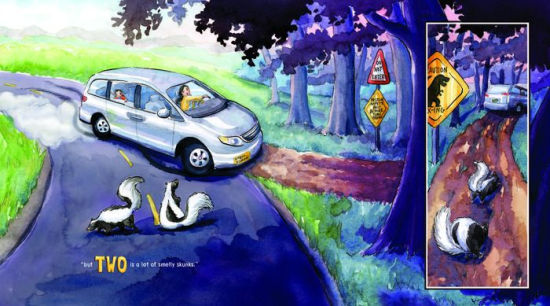
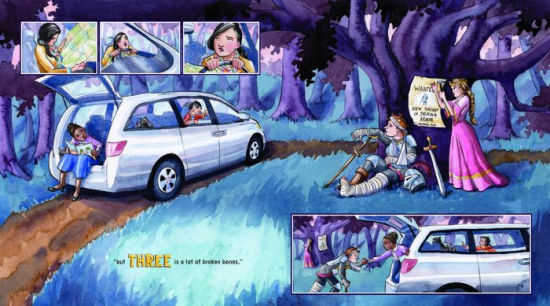
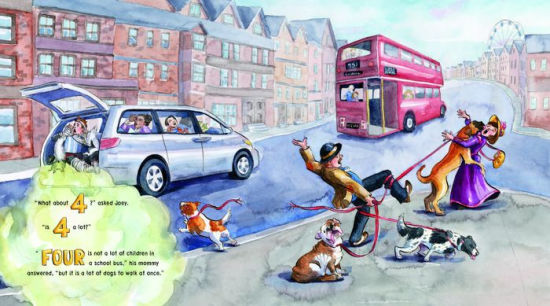
Summary: Two is not a lot of pennies, but it is a lot of smelly skunks. Ten is not a lot of popcorn pieces, but it is a lot of chomping dinosaurs. One thousand is not a lot of grains of sand, but it is a lot of hot air balloons!

While Joey’s mom explains the context of numbers in vivid ways, Joey’s imagination transforms their ordinary car ride into a magical odyssey through a land of make-believe.

Is Two a Lot? is a wonderfully charming and authentic exchange between mother and child. Annie Watson’s story makes numbers tangible, and Rebecca Evans’s illustrations bring them to life.

About the Author: Annie Watson (Flagstaff, AZ) is proud of the meaningful work that she does as a high school English teacher, and she feels balanced whenever she can get outside and find time to write. She finds daily joy in reading bedtime stories, and she looks forward to her family’s next adventure to the bookstore, museum, or beach. She and her husband and two children enjoy the beautiful mountains, sunflowers, parks, community events, and pizza places in and around Flagstaff.

About the Illustrator: Rebecca Evans worked for nine years as an artist and designer before returning to her first love: children’s book illustration and writing. Her children’s books include Someday I’ll Fly; Friends in Fur Coats; The Good Things; The Shopkeeper’s Bear; Naughty Nana; Amhale in South Africa; Mei Ling in China; Tiffany in New York; Masterpiece Robot; and Finding the Speed of Light. She lives in Maryland with her husband and four young children, shares her love of literature and art regularly at elementary schools, teaches art at the Chesapeake Center for the Creative Arts, and works from her home studio whenever time permits. Rebecca’s own boundless imagination enjoys free reign at www.rebeccaevans.net

Praise: “A picture book that accurately depicts how children think about numbers and values in a fun and engaging way.

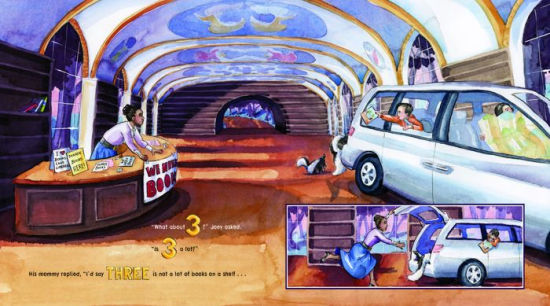
Readers will want to count the number of skunks, cowboys, and other imaginative creatures and objects Joey and his mother discuss throughout the book, and they will enjoy seeing various characters from the places they visit pile into the trunk of the station wagon.

Children who are learning the meaning of value and numbers will both learn from this book, with its whimsical examples of what “a lot” means, and find much to enjoy.” – Kirkus Reviews

Review: Trent loves books like I do, but he really is more of a science and math kid than I was (am!), so whenever we can combine the two in fun ways, the book is a favorite in my house. This also shows the engagement opportunities with a book in a classroom.

I love that the story is a conversation between a mom and her son. It reminds me so much of so many conversations I’ve had in my car with Trent. I really promotes the inquisitiveness of kids which is something I think we all need to keep promoting.

Teachers’ Tools for Navigation: Trent actually had a hard time grasping the concept that is being discussed in the book, so it would be an amazing math activity to turn the conversations into manipulatives and bring the numbers to life!

Discussion Questions: 

  • When is ___ (#) a lot? When is it not?
  • How many pieces of sand are on a beach?
  • How many bones are in your body?
  • Why do skunks spray?
  • How many types of dinosaurs were there?
  • How many kids fit in a bus? A double-decker bus?
  • How do hot air balloons work?
  • What questions do you have that you would like answered?
  • Look at the illustrations and how all of the things mentioned throughout come together, and write your own narrative telling the story about what happened.

Flagged Passages: 

Read This If You Love: Math, Inquiry

Recommended For: 

classroomlibrarybuttonsmall 

Signature

Blog Tour with Review: Moon! Earth’s Best Friend by Stacy McAnulty

Share

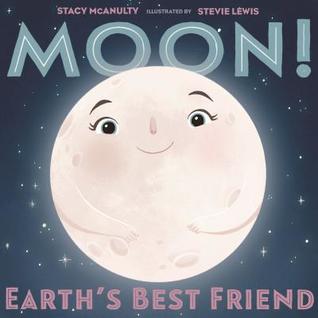
Moon! Earth’s Best Friend
Author: Stacy McAnulty
Illustrator: Stevie Lewis
Published June 11th, 2019

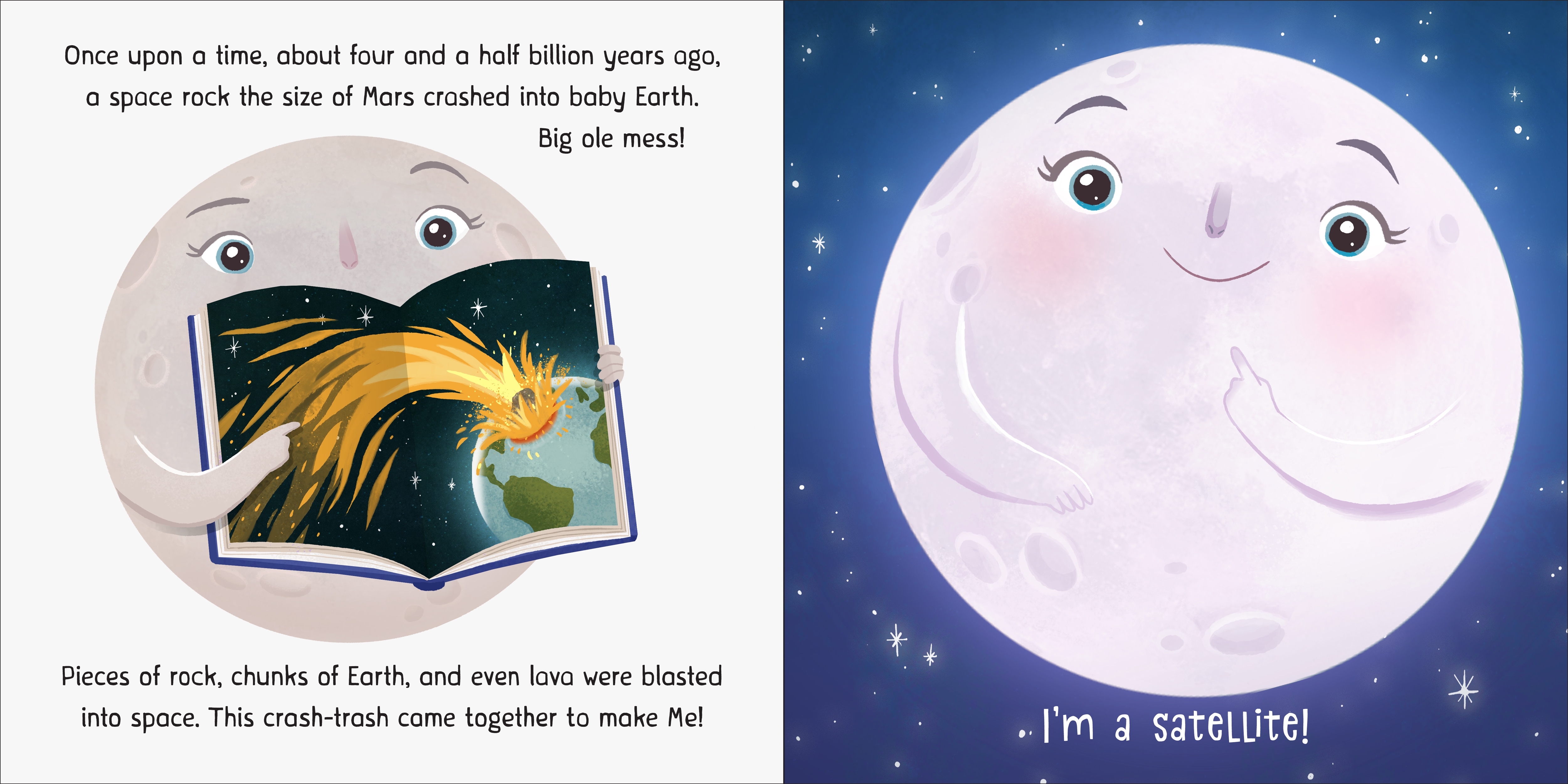
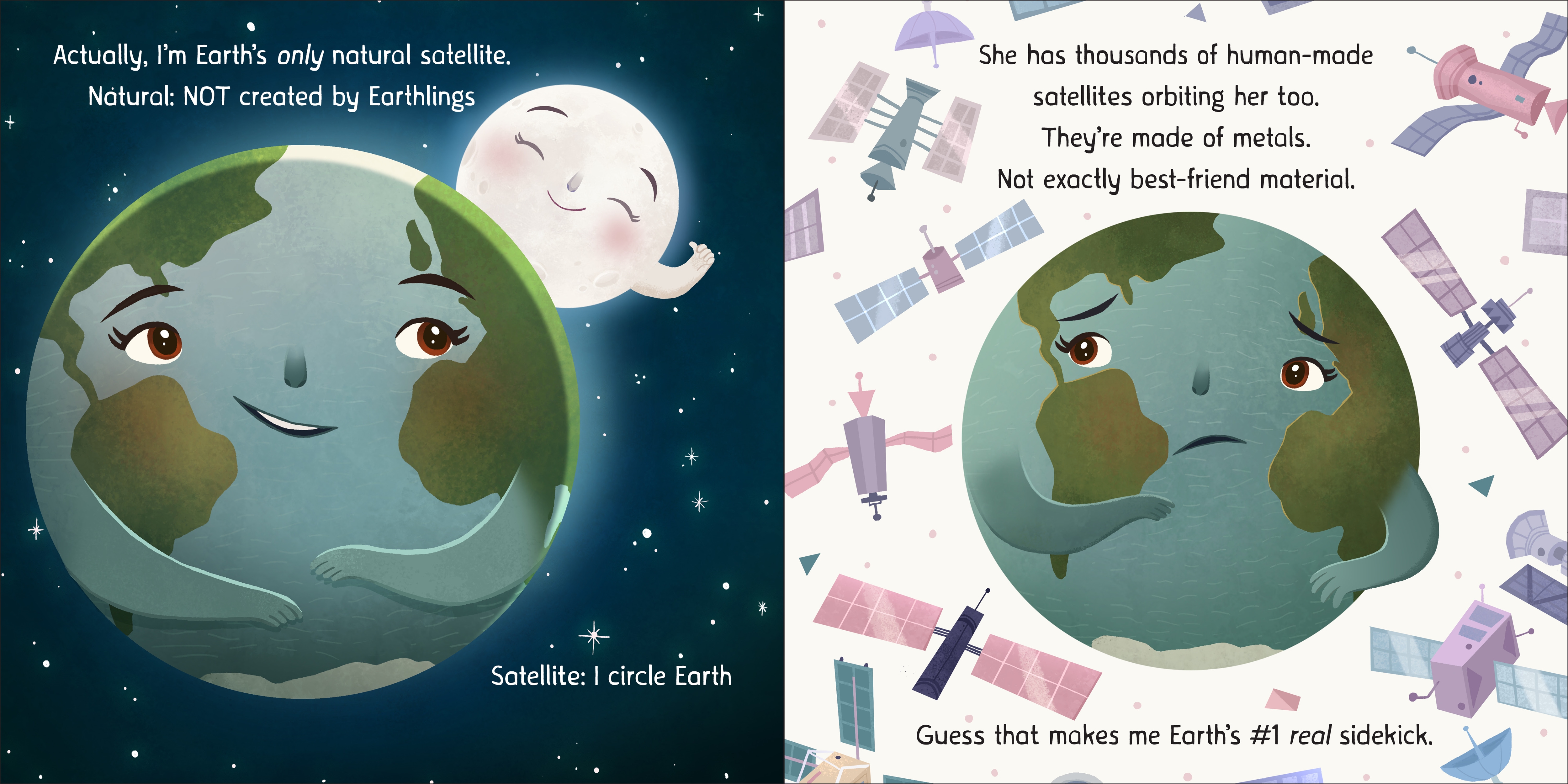
Summary: From writer Stacy McAnulty and illustrator Stevie Lewis, Moon! Earth’s Best Friend is a light-hearted nonfiction picture book about the formation and history of the moon—told from the perspective of the moon itself.

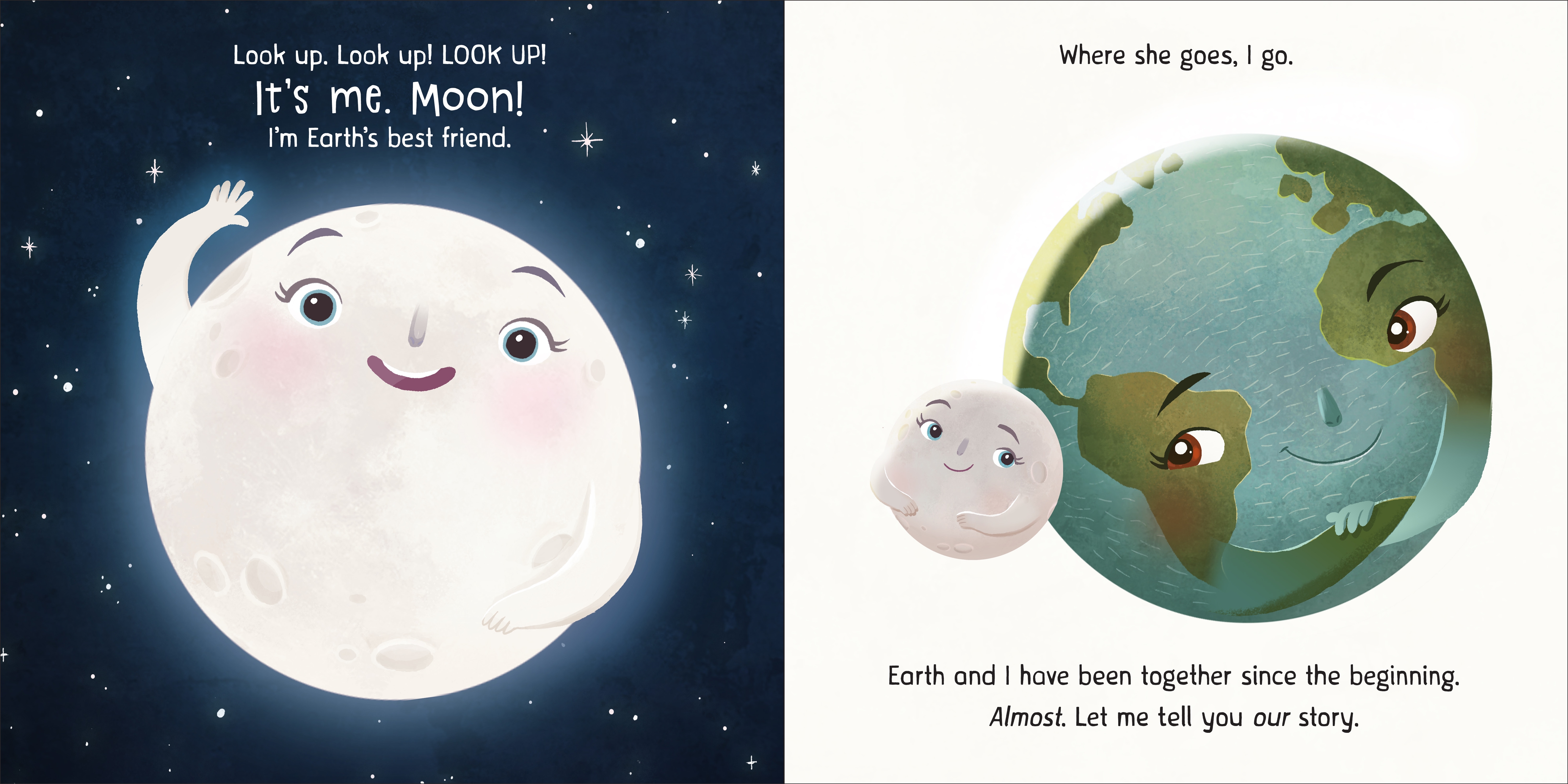
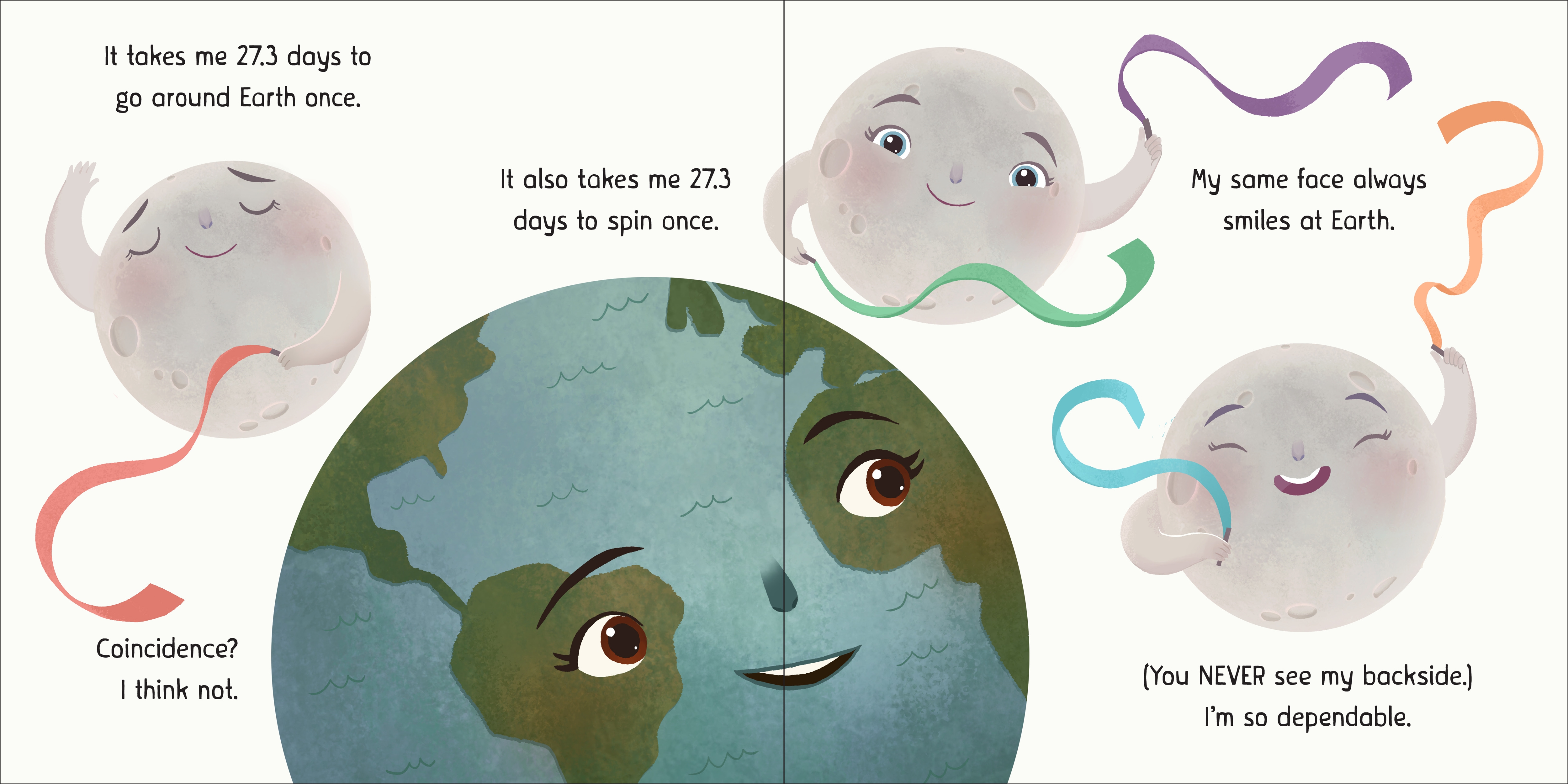
Meet Moon! She’s more than just a rock—she’s Earth’s rock, her best friend she can always count on. Moon never turns her back on her friend (literally: she’s always facing Earth with the same side!). These two will stick together forever. With characteristic humor and charm, Stacy McAnulty channels the voice of Moon in this next celestial “autobiography” in the Our Universe series. Rich with kid-friendly facts and beautifully brought to life by Stevie Lewis, this is an equally charming and irresistible companion to Earth! My First 4.54 Billion Years and Sun! One in a Billion.

About the Author: Stacy McAnulty is the author of several picture books, including Earth! My First 4.54 Billion Years, illustrated by David Litchfield; Sun! One in a Billion, illustrated by Stevie Lewis; Excellent Ed, illustrated by Julia Sarcone-Roach; and Beautiful, illustrated by Joanne Lew-Vriethoff. She lives in North Carolina with her husband, three children, and two dogs.

About the Illustrator: Stevie Lewis spent four years working in animation and now creates art and illustrates children’s books, including Sun! One in a Billion, written by Stacy McAnulty, and Lost in the Library, written by Josh Funk. Stevie lives on the road, furthering her passion for climbing, art, and the outdoors. She gathers inspiration from a variety of places, be it climbing in the high desert in central Oregon, hiking in the wilderness of Alaska, or sharing laughs with fellow travelers around a campfire.

Praise: “Perfect for children—and grown-ups—who have questions about the greater universe.” —Booklist on Moon! Earth’s Best Friend

A Junior Library Guild Selection

Review: I cannot rave enough about this book and the series it is a part of. And as a mom of a kid who adores space, I have read quite a few nonfiction space books, but there are no others like McAnulty and Lewis’s books. There are a few reasons why these books, including Moon!, stand above and beyond others:

  • Humor! You cannot help but giggle when Moon says something funny or cute.
  • Narration! It is awesome having the Moon (or Earth or Sun) narrate the book. It being in 1st person adds to the narrative.
  • Voice! It is so fascinating how McAnulty changes her voice in each of the books. If I read one aloud to Trent without saying which book it was, he would know because of how the characters talk.
  • Interesting! McAnulty does a great job sharing foundational knowledge as well as some unique facts.

View our reviews for the first two Universe books, Earth! and Sun!, also.

Teachers’ Tools for Navigation: The ideas we shared for the other Universe books would definitely book for Moon! also, so check out the other posts linked above, but now that we have three Universe books, there is now the opportunity to do activities will all three books! The options I think of are:

  • Like a jigsaw! Split your class into three groups, and each group reads and discusses one of the books. From the book, they create a handout to share the information that they learned. Then make new groups with 3 students: one from each book’s group. They will then share what they learned with their new group.
  • Split up the class into three groups (one for each group) and have the group read the book and create a readers theater of the book.
  • In-class book clubs! With them being picture books, you can split into three groups and rotate them through all three books. Have students create a one pager sharing what they learned (independently or as a group) or have them write discussion questions and discuss them or give questions to have them discuss.

Discussion Questions: 

  • How did the Moon come to be?
  • Why is Moon capitalized but moon isn’t?
  • How does the author use the narrator’s voice between the three books? How do the voices differ?
  • What reasonings does Moon give for why she’s Earth’s BFF?
  • What new information did you learn about the Moon?

Our Universe Series Book Trailer: 

Flagged Passages: 

Read This If You Love: Universe books by Stacy McAnulty, The Sun is Kind of a Big Deal by Nick Seluk, Once Upon a Star by James Carter, Space Encyclopedia by David AguilarYou Choose In Space by Pippa GoodhartA Big Mooncake for Little Star by Grace Lin, Star Stuff by Stephanie Roth Sisson

Recommended For: 

classroomlibrarybuttonsmall 

Signature

**Thank you to Macmillan for providing a copy of the book for review!!**

In-Class Book Clubs with Kellee’s Classes

Share

In-Class Book Clubs are one of my favorite units that I do in my classes. They are my version of lit circles but with the only job of all students is to read, analyze, and discuss. These book clubs build community, stamina, and reading love in my classroom.

I’ve shared a few times about these in-class book clubs. First in April, 2018 where I went over the basic procedures of the book clubs and then in November, 2018 where I shared my students’ choices for this year’s clubs. Now, I am happy to share how this school year’s clubs went!

I did things a little bit differently this year. I had noticed that students were understanding the basics of the narrative and loving the reading but weren’t meeting the standards. I had to make sure to help guide their thinking but also I didn’t want to make the act of reading tedious. It is a slippery slope that I know I am always going to be reflecting about.

Because of this, I went with thought logs this year. A thought log was a strategy I was introduced to by my teacher friend Sarah Krajewski. Thought logs have four boxes for students to take notes while reading. My thought logs had two constant boxes: 1) Important details & 2) Conflict. Important details allowed them to just take notes on anything important that happened and the conflict box had them track the progress of the conflict. The other two boxes changed for each thought log: Confusion, Characters, Setting, My Feelings, Change, & Theme/Impact. Additionally, I added a bottom to my thought log that asked the students to come up with three open-ended discussion questions. Here’s our first thought log, so you can see an example:

Other than the new thought logs, everything else stayed the same: Students chose their books, I made their groups, we came up with class book club norms, they created their schedule, they met once a week, at the end of the unit I gave an individualized standards-focused assessment, and the kids LOVED it.

Well, everyone stayed the same until the end. At NCTE 2018, I went to one of Kelly Gallagher’s sessions and he shared a way he connects nonfiction and fiction when his students are reading novels: He has the students find nonfiction text features that connect to their novel. I decided to try this with my students, and I loved it!

As a book club, my students found two nonfiction elements (maps, graphs, images, etc.) that would help the reader of their book have their experience enhanced. They then said what page they would place the element and explain why it is important.

Here are some of my favorites:

The Honest Truth by Dan Gemeinhart

Rules by Cynthia Lord

Resistance by Jennifer Nielsen

Ravenmaster’s Secret: Escape from the Tower of London by Elvira Woodruff

Reflection: I’m not completely sold on the Thought Logs yet. I don’t want to kill the joy of reading. Ever. But my job is to teach standards, too. Always a conflict within me, and we’ll see what I decide next year! I will say that I loved the nonfiction element, so I think that will stay. Until next year!

Signature

A Brief History of Life on Earth by Clémence Dupont

Share

A Brief History of Life on Earth
Creator: Clémence Dupont
Published March 19th, 2019 by Prestel Junior

Summary: The story of life on earth unfolds in dramatic fashion in this amazing picture book that takes readers from 4.6 billion years ago to the present day.

It’s difficult to grasp the enormous changes life on Earth has undergone since it first came into existence, but this marvelously illustrated book makes learning about our planet’s fascinating history easy and entertaining. In an accordion style, the series of pages take readers through every major geological period, with bright artwork and detailed drawings. Opening on lava-filled oceans and smoking volcanoes, the book unfolds, era by era, to show how life evolved from tiny protozoa and crustaceans to dinosaurs and mammals.

Fully expanded to 8 meters (26 feet), this spectacular visual timeline is a very impressive panorama that reveals evolution in all its glory. Each page is brimming with illustrations that readers will turn to again and again. A celebration of life, this extraordinary and beautiful book illuminates the history of Earth for young readers in an unforgettable and delightful way.

About the Author: Clémence Dupont is an illustrator living in Strasbourg, France. This is her first book.

Review: This book is so beautiful, useful, and just plain neat! First, I love that it folds out (as does Trent!):

When folded out, it reaches 26 feet with one side showing the images created by the author for each of the time periods while the other side has a timeline which is to scale showing how long respectively each time period was.

This book is a work of art. How each time period stands alone yet also is part of the entire timeline when folded out is beautiful to see. Additionally, I adore the artist’s technique of art with rough edges and bright colors.

Each spread focuses on one time period and the life on Earth at the time with a brief write up in the bottom left corner; however, many of the organisms/animals/plants not mentioned in the paragraph are labeled allowing readers to jump into inquiry about them if they wish.

Teachers’ Tools for Navigation: Did anyone else do the activity in elementary school where the teacher had the class convert the miles(?) between planets into centimeters then had the class create a to-scale solar system showing just how far apart the planets are? This book reminds me of that activity in that it shows the true expanse of time Earth has existed versus the very small time humans have. I would use this timeline to create a similar to-scale idea for students to show the history of life on Earth.

Also, as I stated above, each time period only has a brief write up and leaves much to research if one is interested.

Discussion Questions: 

  • What surprised you about the history of life on Earth?
  • What did the timeline on the back show you about the history of life on Earth?
  • When did dinosaurs appear? When did the first human ancestor appear? (etc.)
  • What animal surprised you that has been around a long time?
  • What do you believe is the author’s purpose in creating the book in this structure?
  • How did the Earth change from one period to the next? Take two periods and compare and contrast them.

Flagged Passages: 

Read This If You Love: Animals, Biology, Geology, Earth’s history

Recommended For: 

Signature