Teaching Rescued by Eliot Schrefer in a Middle School Reading Classroom

Share

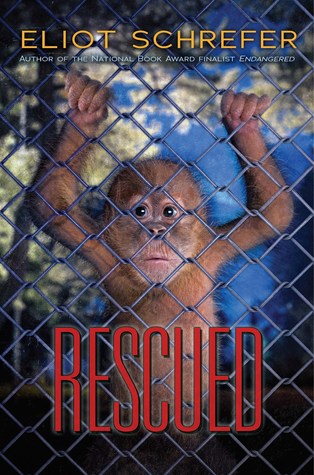
Rescued
Ape Quartet #3
Author: Eliot Schrefer
Published April 26th, 2016 by Scholastic Press

Summary: They grew up together. Now they have to escape together.

Raja has been raised in captivity. Not behind the bars of a zoo, but within the confines of an American home. He was stolen when he was young to be someone’s pet. Now he’s grown up and is about to be sent away again, to a place from which there will be no return.

John grew up with Raja. The orangutan was his friend, his brother. But when John’s parents split up and he moved across the country, he left Raja behind. Now Raja is in danger.

There’s one last chance to save Raja—a chance that will force John to confront his fractured family and the captivity he’s imposed on himself all of these years.

About the Author: Eliot Schrefer is a New York Times-bestselling author, and has twice been a finalist for the National Book Award. In naming him an Editor’s Choice, the New York Times has called his work “dazzling… big-hearted.” He is also the author of two novels for adults and four other novels for children and young adults. His books have been named to the NPR “best of the year” list, the ALA best fiction list for young adults, and the Chicago Public Library’s “Best of the Best.” His work has also been selected to the Amelia Bloomer List, recognizing best feminist books for young readers, and he has been a finalist for the Walden Award and won the Green Earth Book Award and Sigurd Olson Nature Writing Award. He lives in New York City, where he reviews books for USAToday.

ReviewI think out of the three Ape Quartet books published so far, this is the one that is going to hit closest to home for many. It will make many readers uncomfortable and want to make a change. First, it takes place in the United States unlike Africa like the first two. Second, it really digs into an issue that is still very much prominent here–animal injustice.

I find Schrefer’s writing to be so beautiful yet so easy to read. He can pull you into his stories and makes you feel for not only his human characters but also his animal characters. He does such a tremendous amount of research for all of his books and with this one it brings the injustice of Raja alive.

I am a sucker for ape books. I find apes to be the most fascinating animals, and orangutans may be my favorite because they have these amazing eyes that just show me that they are so intelligent and deep thinkers. They are also introverts; I think I just relate to them in that way. This book brings orangutans to life through Raja.

As evident from Schrefer’s status as a two-time National Book Award finalist, his books can be used as a mentor text for just about any aspect of writing that you are looking for: characterization, imagery, voice, conflict, etc. Read any of his books, and you can pull out so much to discuss and use within the classroom. Additionally, there are some amazing ape books, including Schrefer’s other Ape Quartet books, that would make for an amazing lit circle opportunity or text set.

Review originally posted here on May 13, 2016.

Teachers’ Tools for Navigation: Last year, our whole-class novel unit was done using Hurt Go Happy and included a trip to Center for Great Apes. This year, I had a completely different type of novel planned, but my students begged to read more about apes (and visit CFGA again). After looking at all of the available ape books, I decided that Rescued was perfect for the standards I wanted to teach and also included orangutans instead of chimps, and orangutans are the other great ape at CFGA. After setting up a Donors Choose and getting funded (THANK YOU ALL DONORS!), Eliot Schrefer also so kindly contacted me and offered to send even more copies of Rescued to my students–wow! So much kindness! Now that we had a plethora of copies, I wanted to share the love, so I contacted my South Carolina middle school teacher friend, Jennie Smith, to see if she wanted to read Rescued with us and collaborate some how. I was so happy that she said yes!

The Unit

Because I do love whole-class novels, but I also don’t like how a whole-class novel can also ruin a book with too much time spent on one book with way too many assignments during the unit. To try to fight this, I planned the unit quite simply:

  • Each week the students were given a focus question on Monday that they could think about all week then answer on Friday.
    • These focus questions are how we collaborated with Mrs. Smith’s class as well. My 1st and 2nd period posted their answers on Padlet and Mrs. Smith’s students would also post. The kids would then respond to each other.
    • Focus questions:
      • 1. What’s a big idea that’s emerging that’s worth talking about?
      • 2. Is there a passage that struck you as important in developing a character or a conflict in the reading so far? Share the passage and explain.
      • 3. What incident up to this point has had the most impact on the plot? How so? What did the characters’ response to this incident teach you about them?
      • 4. There are many who argue that Great Apes are human-like, including the lawyer who will take apes as plaintiffs to demand rights. What are some examples in this section of Raja showing how close to humans he truly is?
      • 5. How did the characters (specifically John’s mom, John’s dad, John, and Raja) change throughout the book? What other narrative elements helped shape their final persona? Find a piece of dialogue and a specific incident in the book that is evidence for your analysis of the character.
    • The idea of focus questions was something I got from a talk by Kelly Gallagher and Penny Kittle at NCTE 2017.
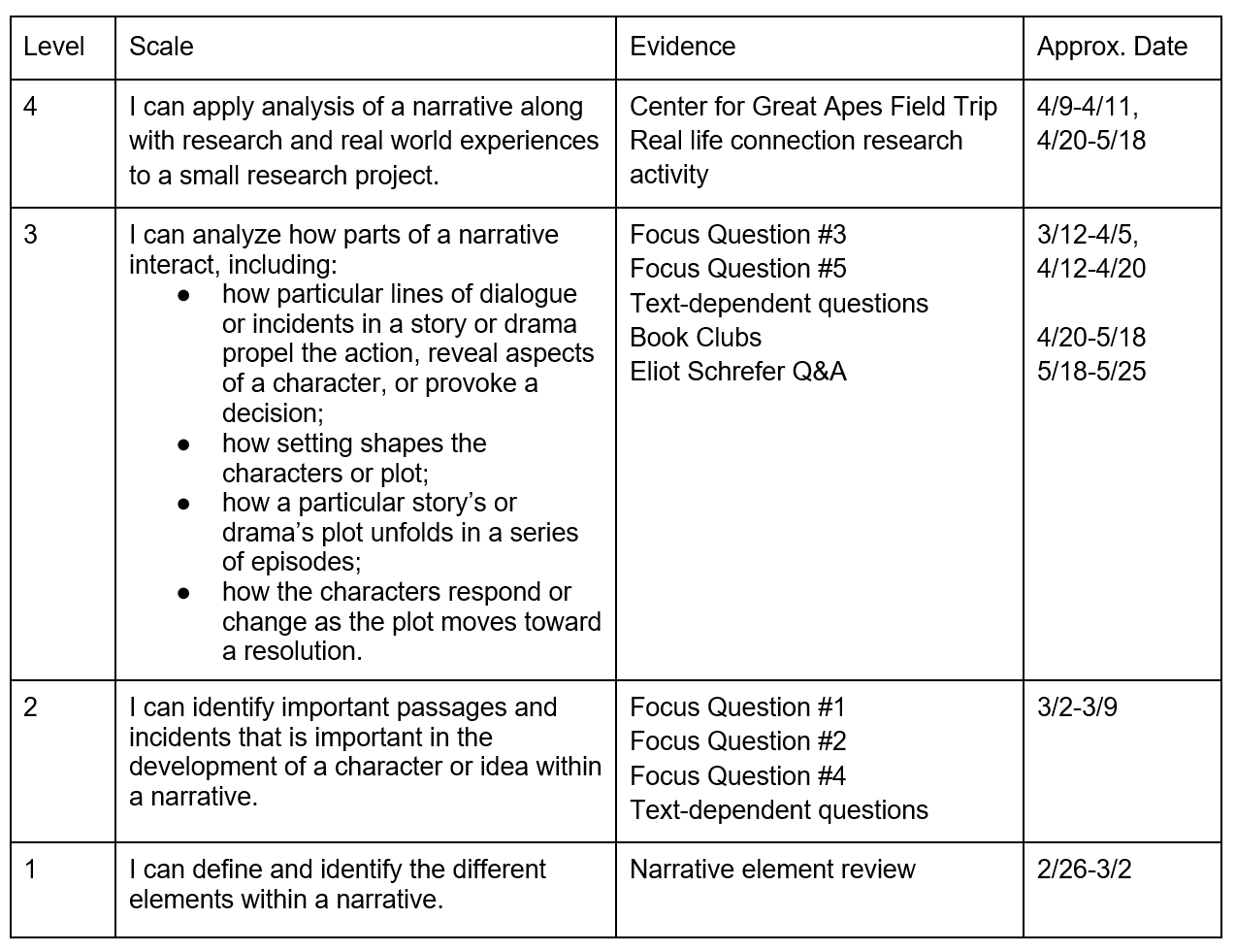
  • Because of one of the standards the unit was focusing on, we also looked at narrative elements, specifically dialogue, setting, and conflicts. Here is my scale for the unit:
  • Throughout the unit, I would also stop to have students think about certain text-dependent questions. I tried not to do this too often to not slow down the narrative; however, I loved seeing my students’ thinking. We would then discuss these questions, but I like allowing my students to write answers first before discussing because it allows them to get their thinking organized. (I shared some of these text-dependent questions and an example of a student’s answers below.)
The Field Trip

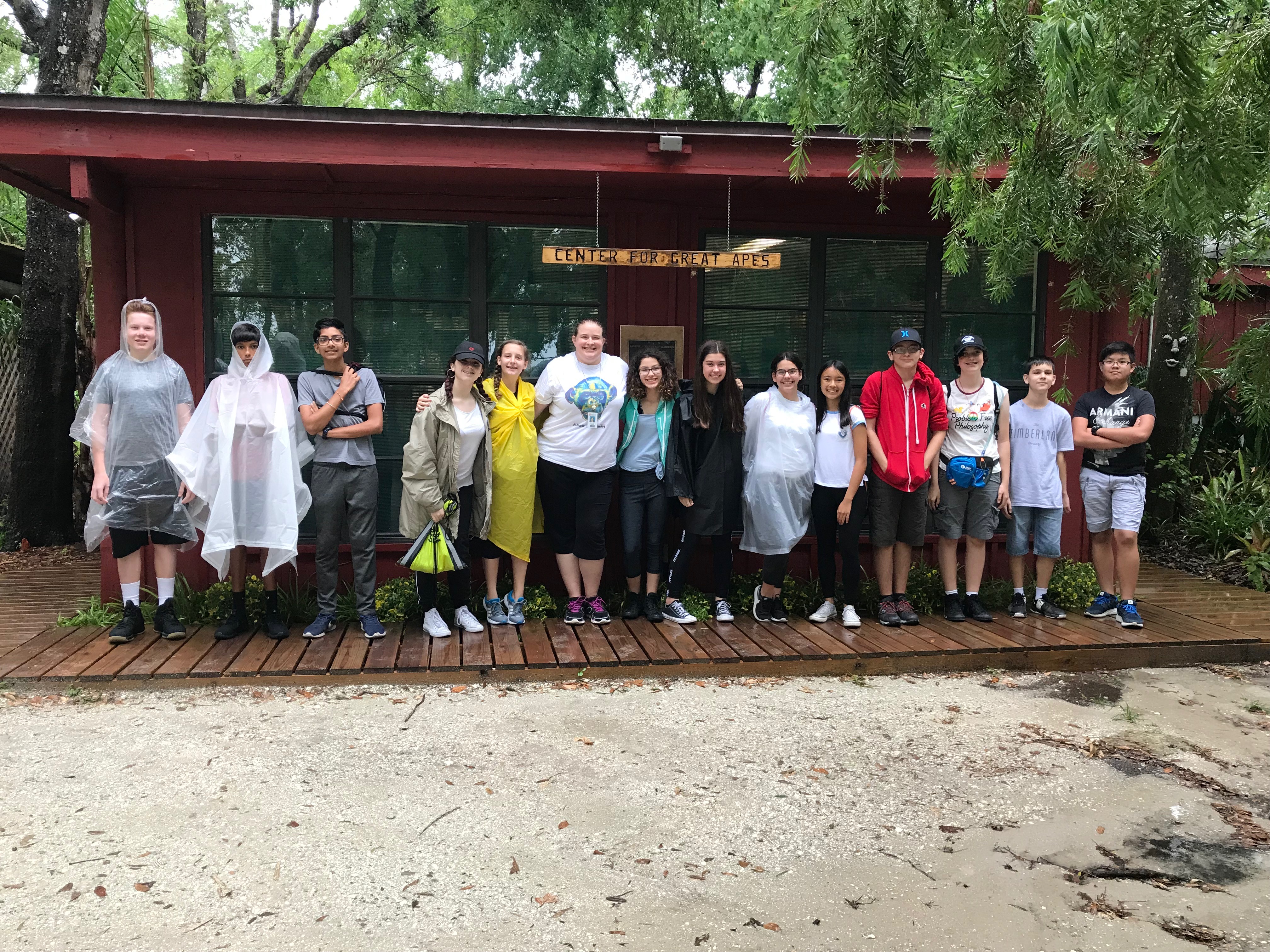
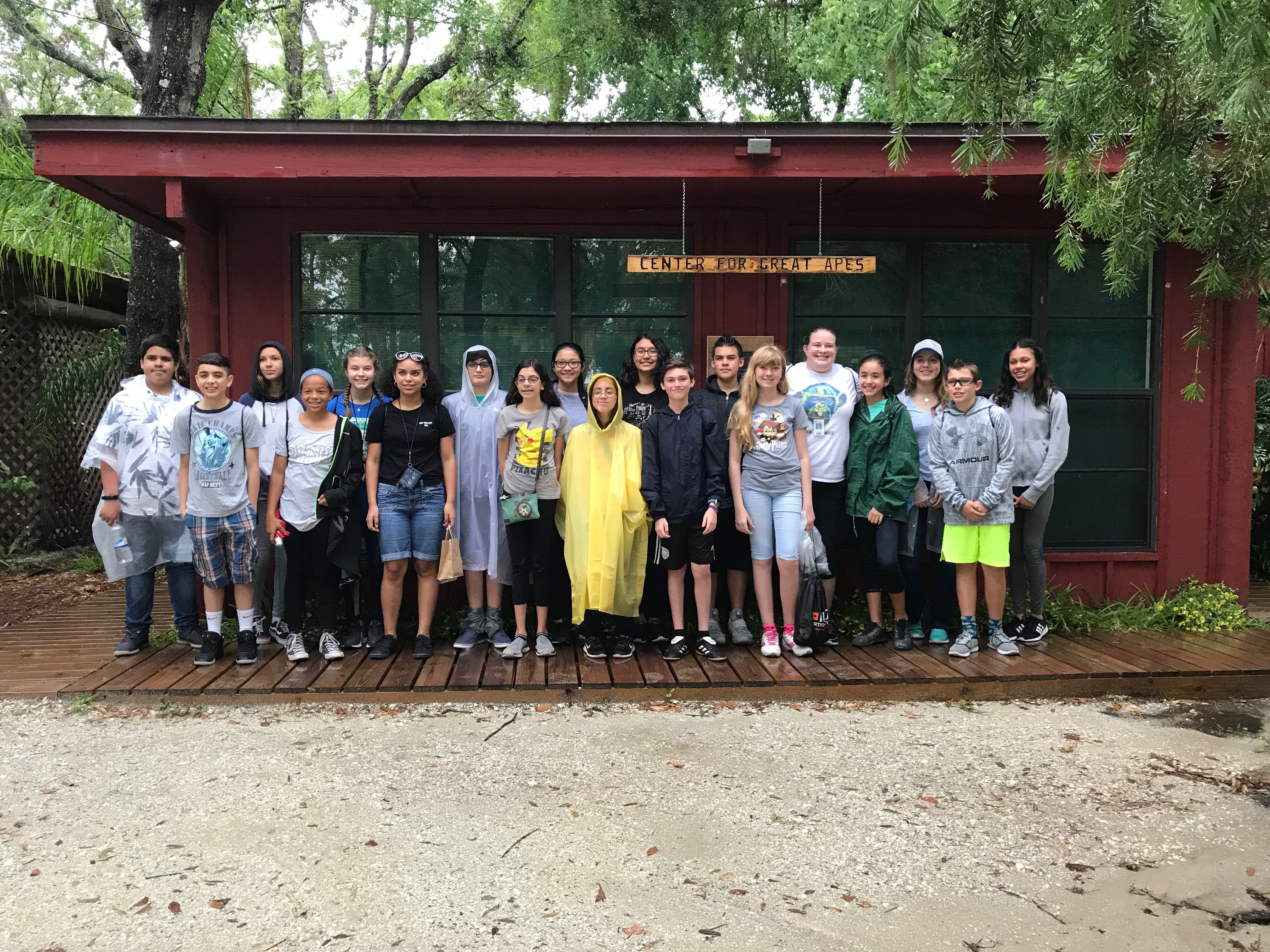
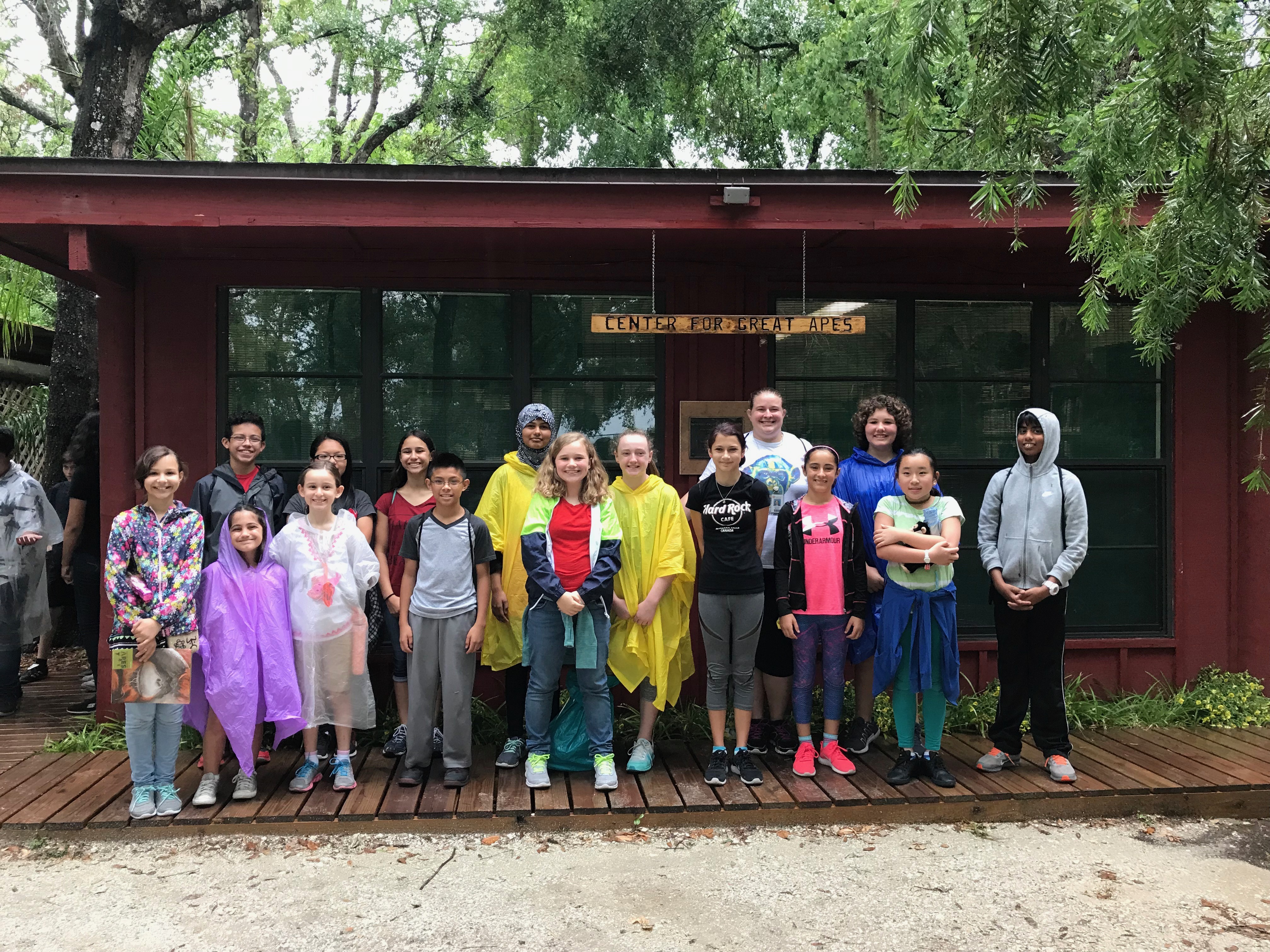
Once again I was lucky enough to bring my students to the CFGAs. All students were able to attend this year, and they were so kind to donate to the Center goodies for the Apes–it always fills my heart to see the empathy in their hearts!

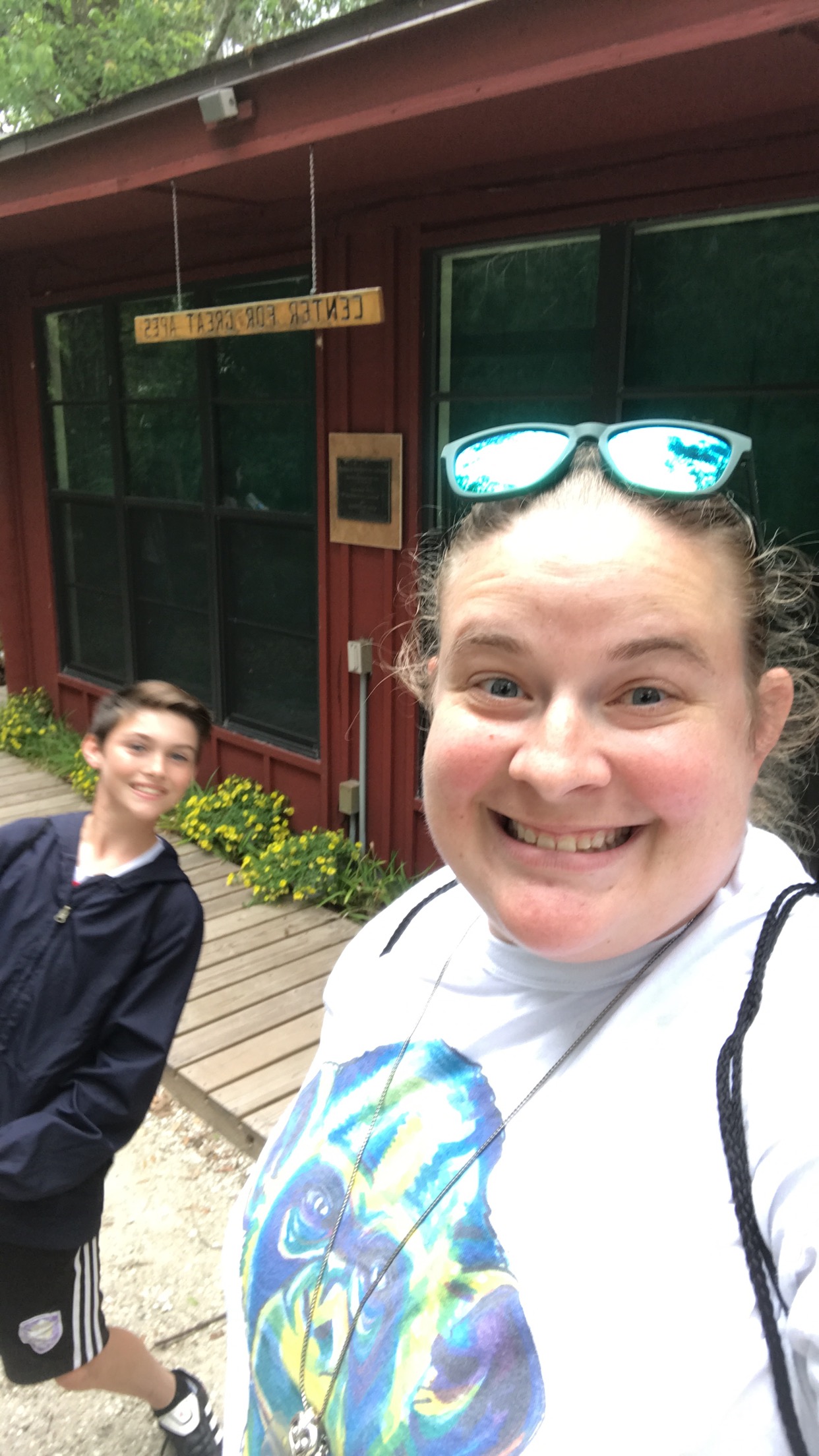
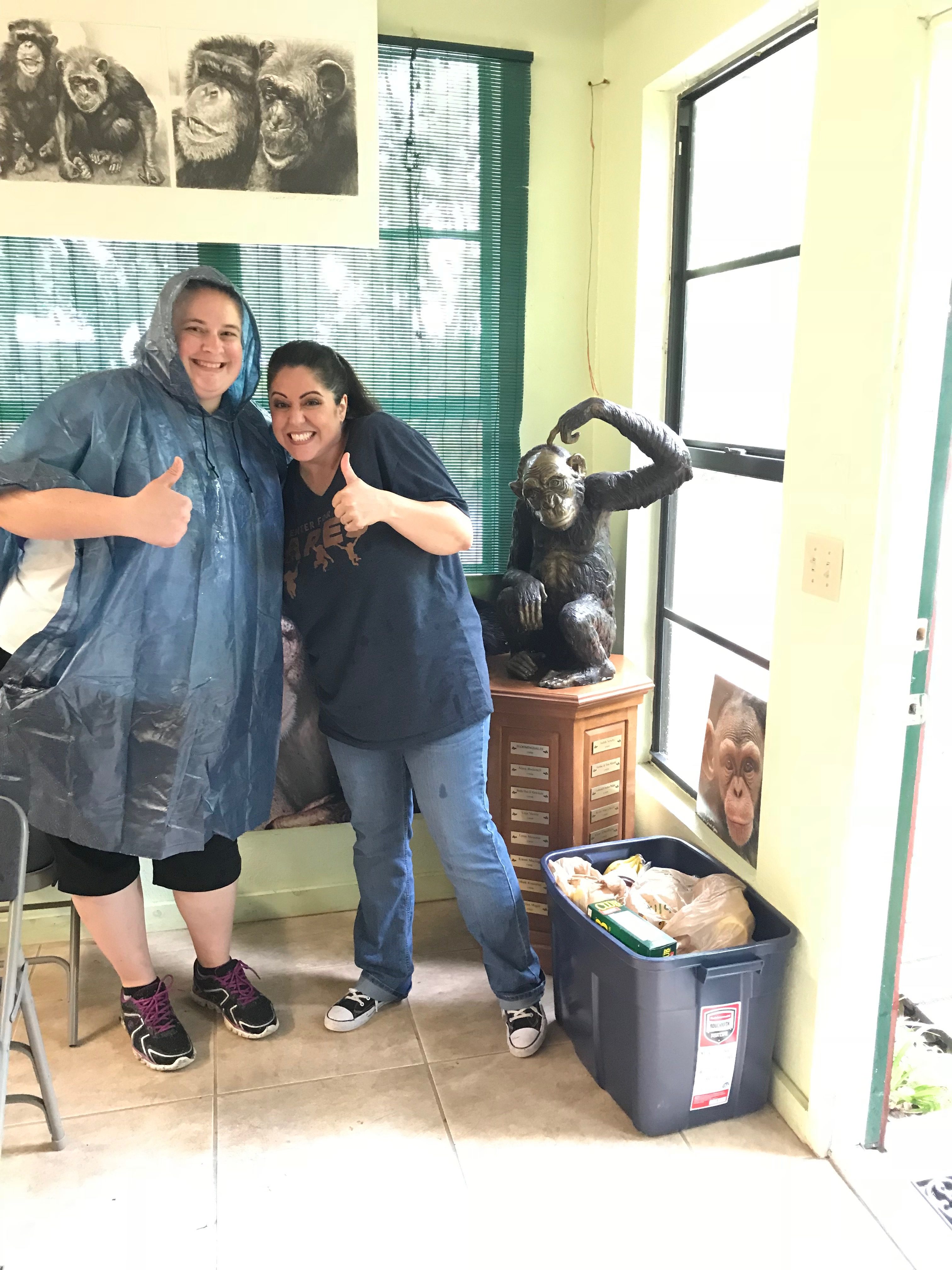
I have gone to the Center for Great Apes for years, and sadly this is the first year it rained. Luckily, we were able to get in a 90-minute tour to see the amazing animals who inspired Schrefer’s novel. To see more about the Center, the apes they’ve saved, and the amazing work they do, please visit http://www.centerforgreatapes.org/.
Author Virtual Visit

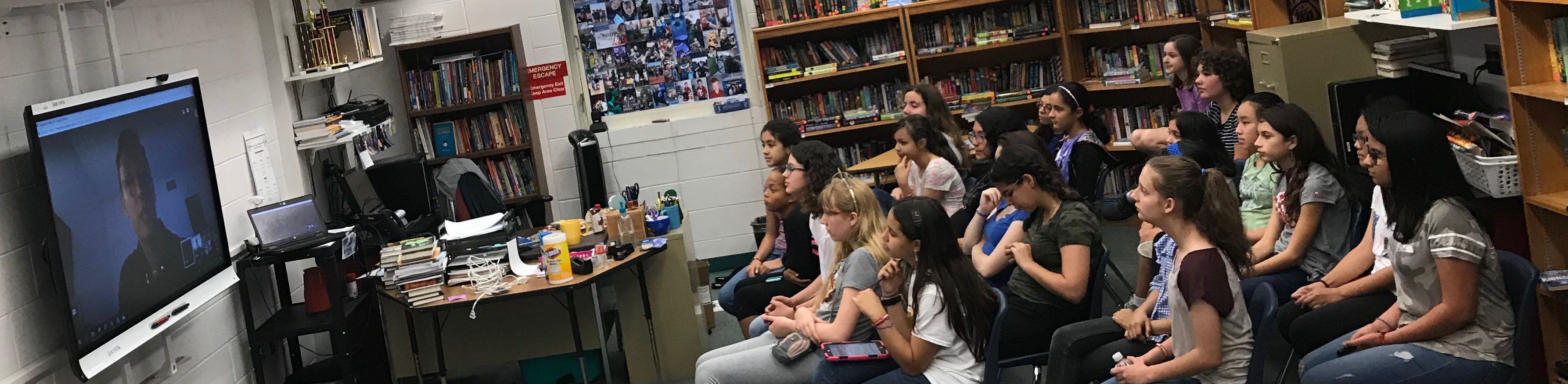
After reading Rescued, I was so happy to be able to give my (and Jennie’s) students an opportunity to interview Eliot Schrefer about the book. Each student wrote down at least one question they had for Eliot then in groups, the students chose their favorites, then based on these choices, we broke it down to 5 per class equaling fifteen interview questions altogether:

  • Why did you start writing about apes in the first place? And how did you decide on the order of publication for the Ape Quartet? 
  • Do you like writing realistic fiction like Rescued or fantasy like Mez’s Magic better?
  • Will you continue to write about apes now that you are done with the Ape Quartet? 
  • While the titles of your other books, Endangered, Threatened, and Captured, inspire a feeling of fear, the title Rescued inspires hope. Did this change in connotation of your title mark your different opinion about orangutans?
  • Were you ever stuck in between two decisions while writing the book? When? 
  • Who do you think the antagonist of the book is?
  • How did you come up with the whole “Raja bites off John’s finger” scenario? 
  • How did you come up with the concept of Friendlyland? 
  • How did you come up with the character traits for each character (Ex. Gary being a bad father)? Did you base them off people you know or knew? 
  • Can you tell us more about the corruption happening in Indonesia which allows palm oil companies to be able to keep burning down forests even though it is illegal? 
  • Do you feel that apes should be treated like human beings and given the same rights such as due process, land, etc. like the lawyer in the book? 
  • Was it hard for you to decide what would happen to Raja at the end of the book or did you know that you wanted Raja to be released into the wild instead of being kept at the sanctuary?
  • Do you have a favorite sanctuary or zoo you’ve visited? Have you visited the CFGA?
  • You used the word “merantau” which means “hitting a dead end and leaving one life to live another elsewhere” which pretty much sums up the theme of the book. Where did you come across this word? 
  • What writing tips can you give to students who want to be a writer?

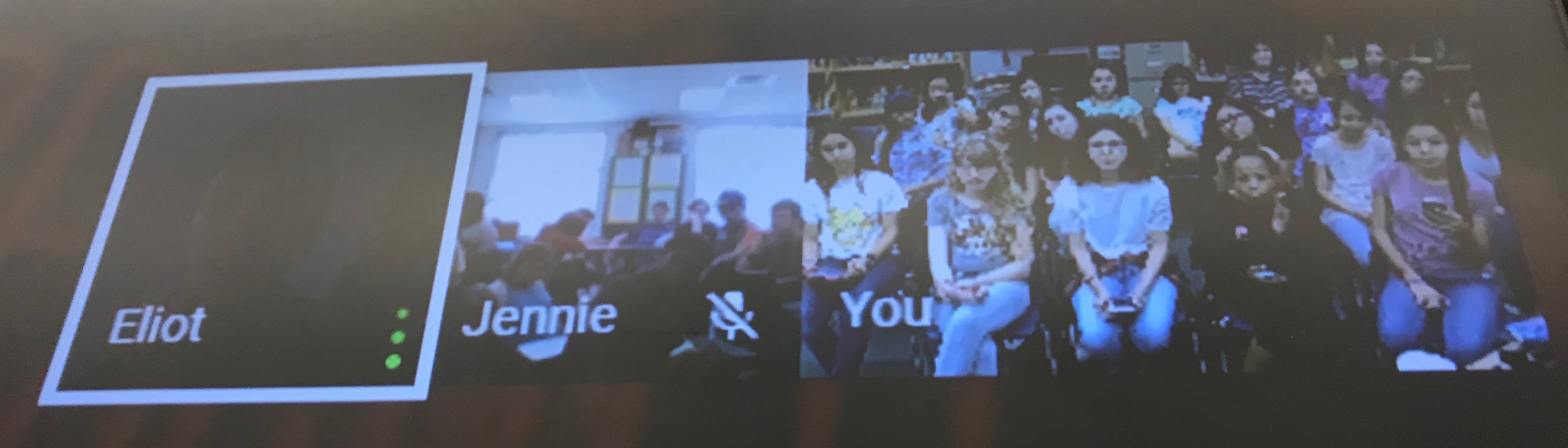
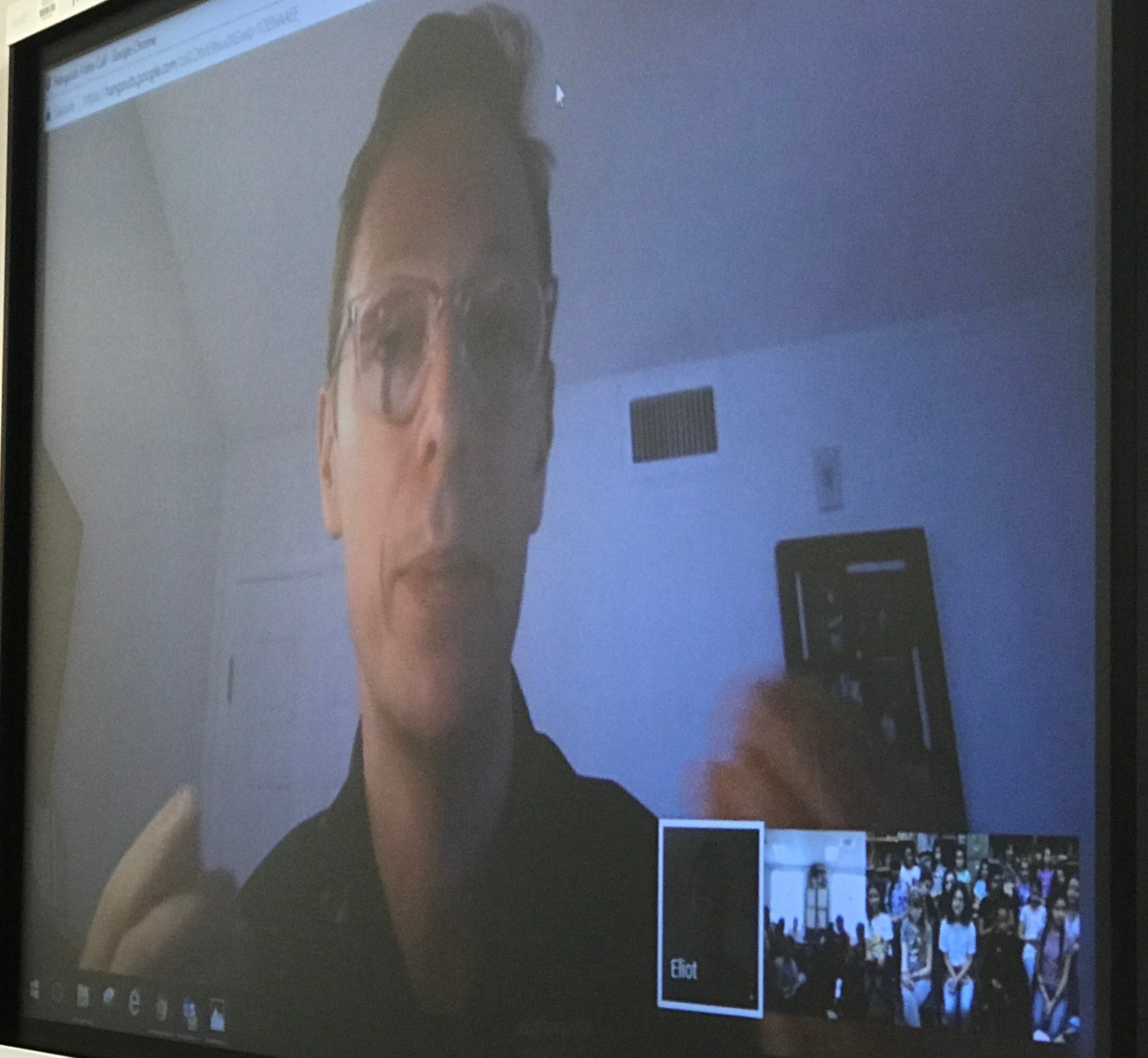
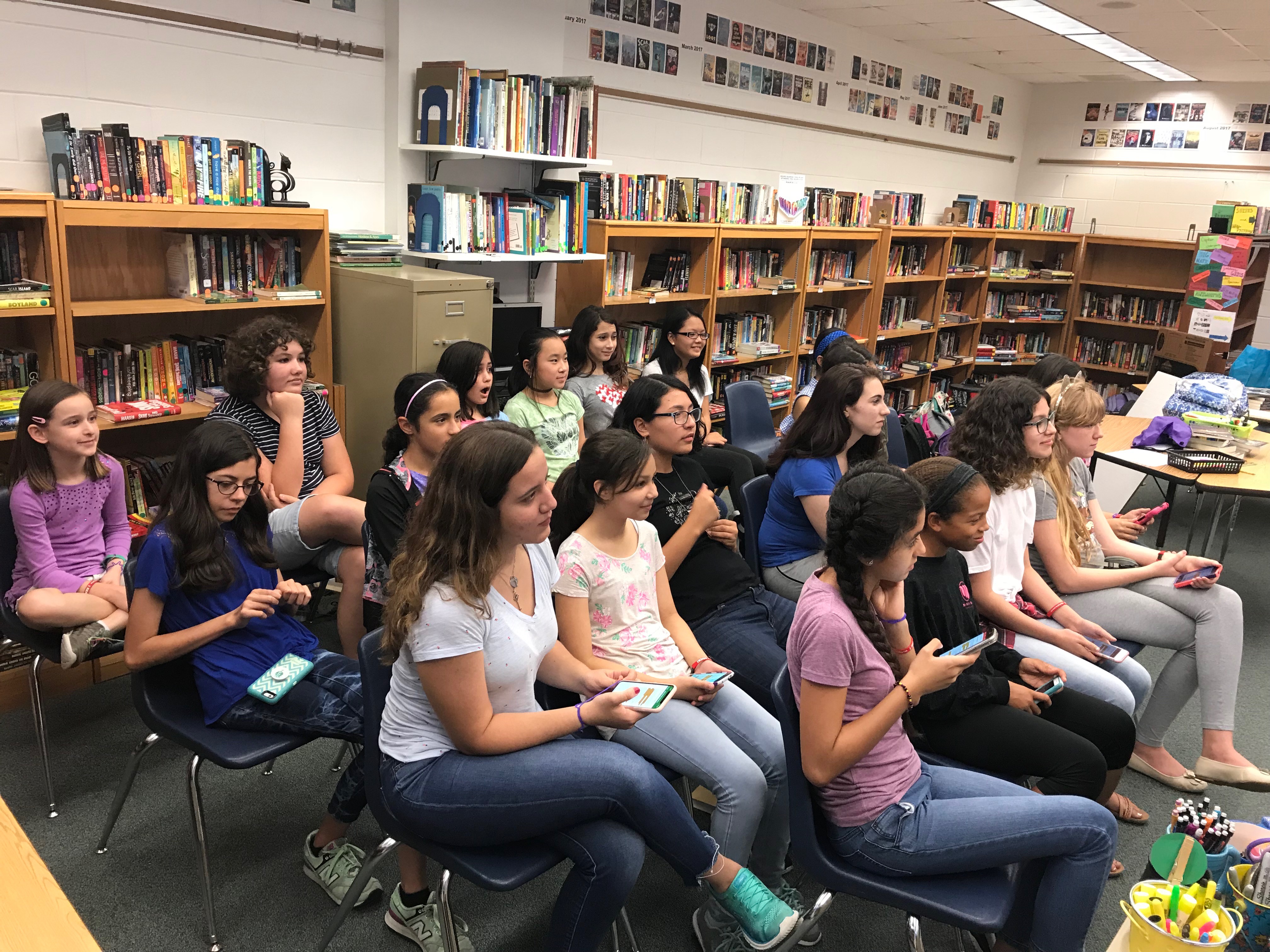
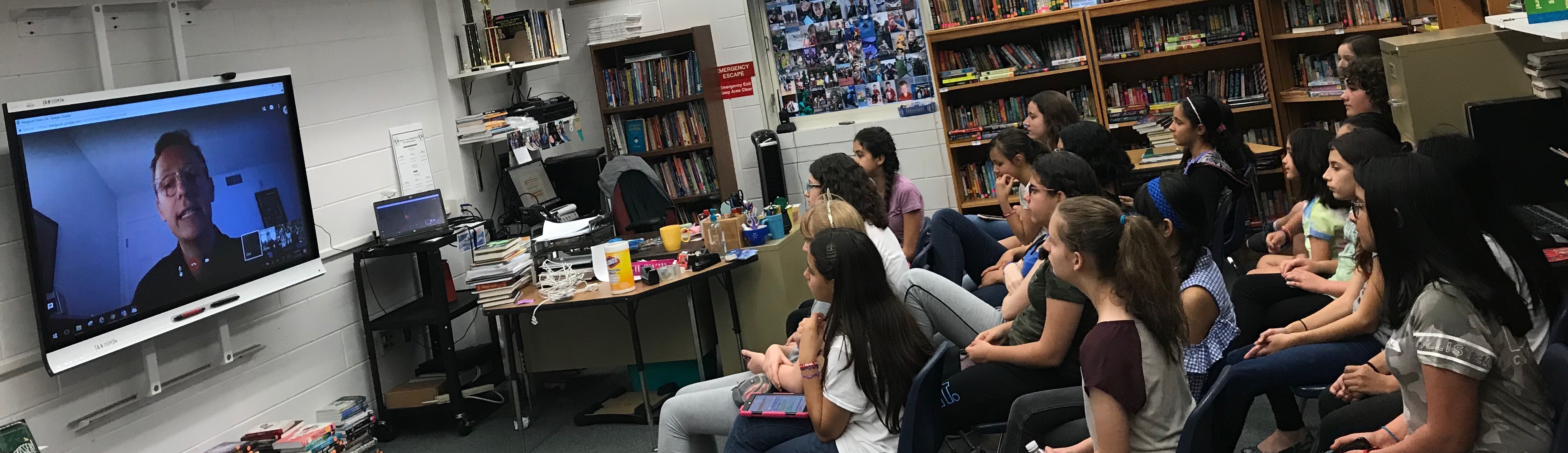
We then did a Google Hangout with Mrs. Smith’s class and Eliot Schrefer on May 25th after school:
Some of my favorite answers/quotes from the visit were:

  • Realistic fiction allows for a shifting antagonist.
  • Wanted to help people realize that orangutans aren’t stuffed animals come to life.
  • I don’t have characters first. I have stories first then make the best characters for that story.
  • Apes should not be kept against their will.
  • I used the idea of merantau to develop the plot.
  • Advice: For any artistic pursuit, I encourage you to think of the long range range view. It is risky to put all expectations of self in one basket. Focus on the joy you feel when doing the art. Remember what brings you joy! And do research, take advice, and read.

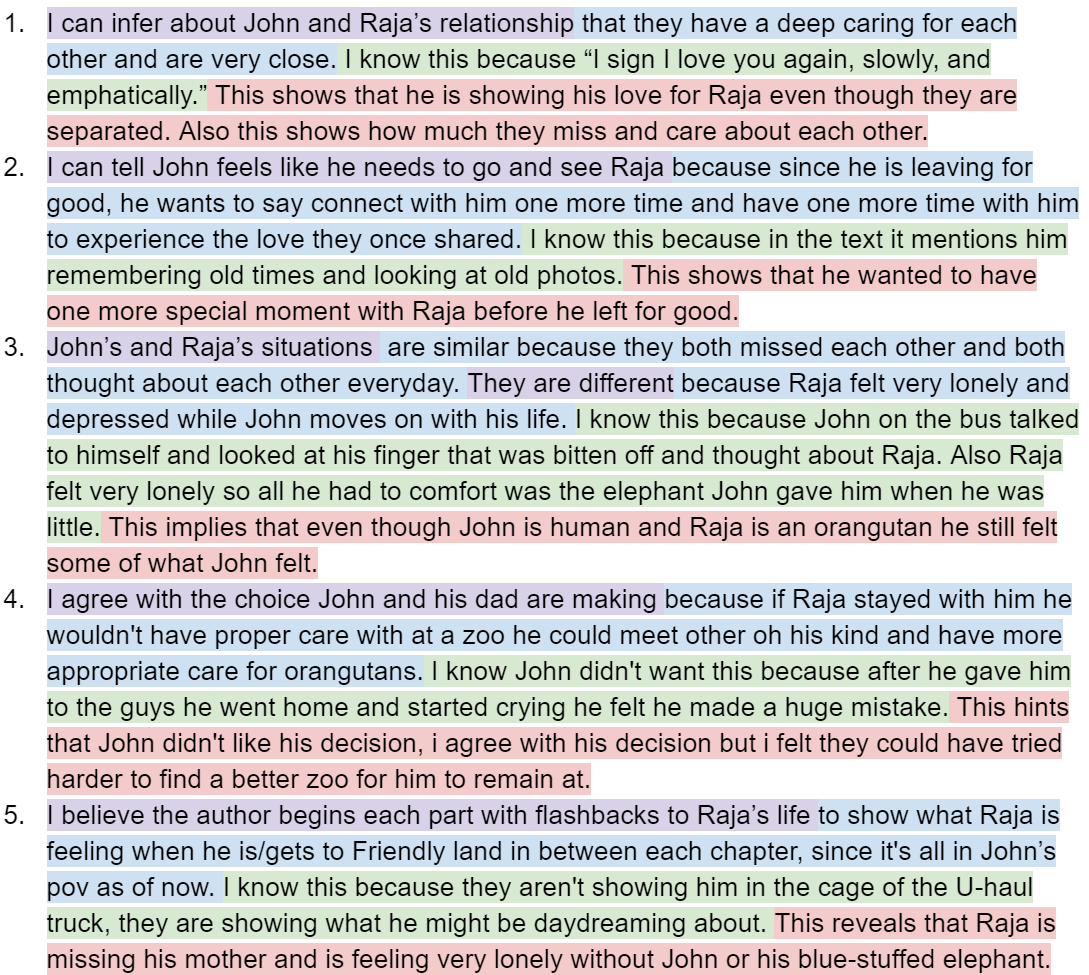
Discussion Questions: These were the first five of the text-dependent questions I asked during our reading of Rescued as well as an example of a student response (color coded for RATE. R=restate, A=answer, T=text evidence, E=elaborate/explain).

  • What can you infer about John and Raja’s relationship based on the first section?
  • Why does John feel like he needs to go see Raja before he leaves?
  • In the Q&A, the author says he “realized that a captive ape’s situation was similar to the plight of a kid during a divorce, getting swept along by the needs of powerful parents, at risk for being seen for what he represents instead of as a child with his own needs” (p. 251). How are John’s and Raja’s situations similar after the divorce? How are they different?
  • Do you agree with the choice John and his dad are making? Why or why not?
  • Why do you believe the author is beginning each part with a memory of Raja’s?
  • How did the author foreshadow this scene (on pg. 99) earlier in the book?
Flagged Passages: “My telltale heart, the one I’d left behind.” (p. 38)

Read This If You Love: Eliot Schrefer novels: Endangered and ThreatenedHurt Go Happy by Ginny RorbyHalf Brother by Kenneth Oppel, The One and Only Ivan by Katherine Applegate, Ivan: The Remarkable True Story of the Shopping Mall Gorilla by Katherine ApplegatePrimates by Jim Ottaviani

Recommended For: 

classroomlibrarybuttonsmall  

Signature

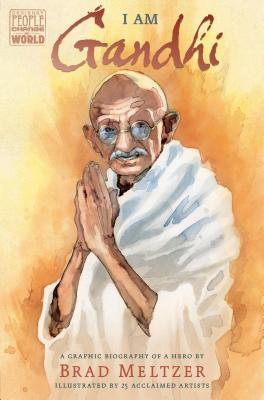
I Am Gandhi: A Graphic Biography of a Hero by Brad Meltzer

Share

I Am Gandhi
Author: Brad Meltzer
Illustrator: 25 Acclaimed Artists
Published May 8th, 2018 by Dial Books

Summary: Twenty-five exceptional comic book creators join forces to share the heroic story of Gandhi in this inspiring graphic novel biography.

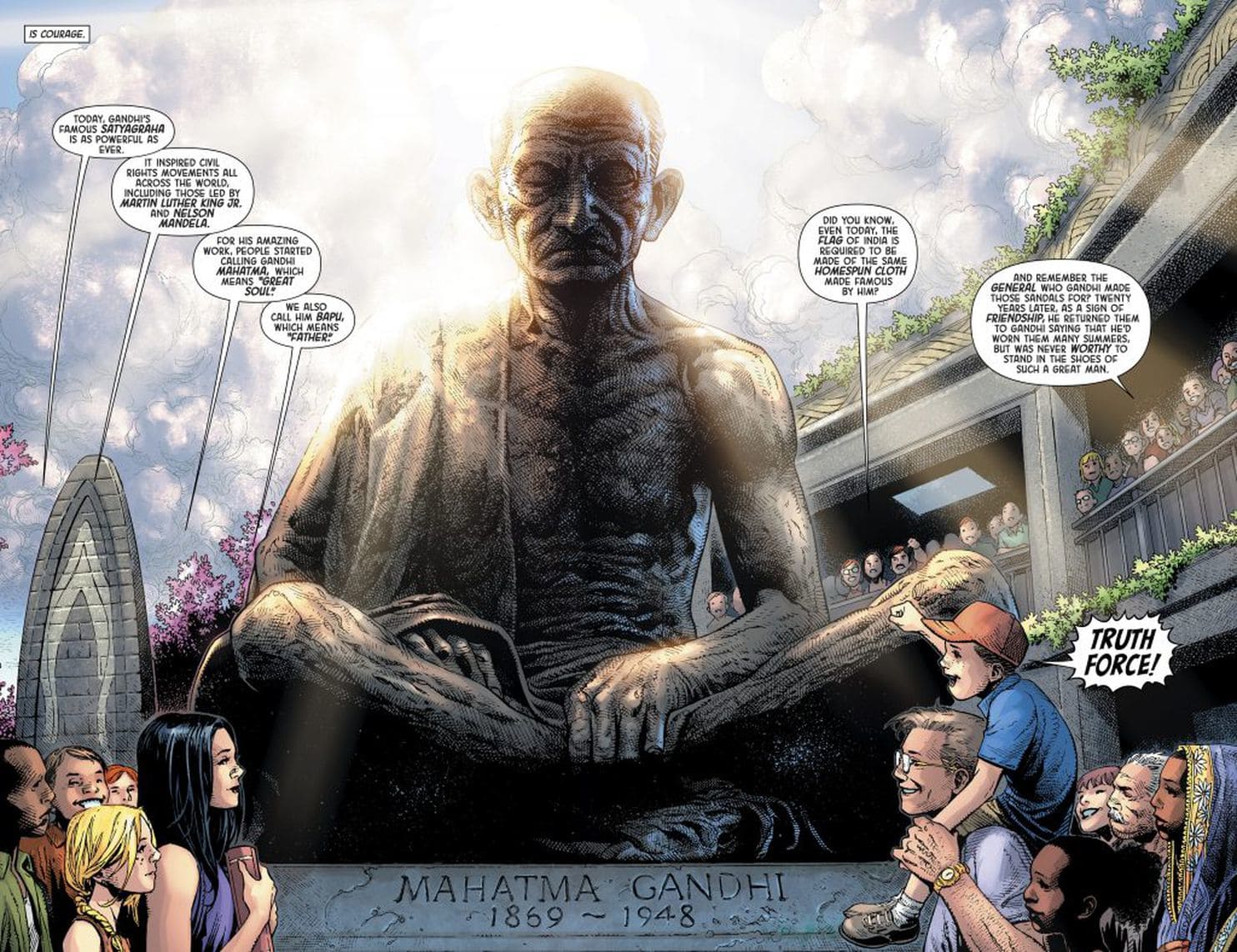
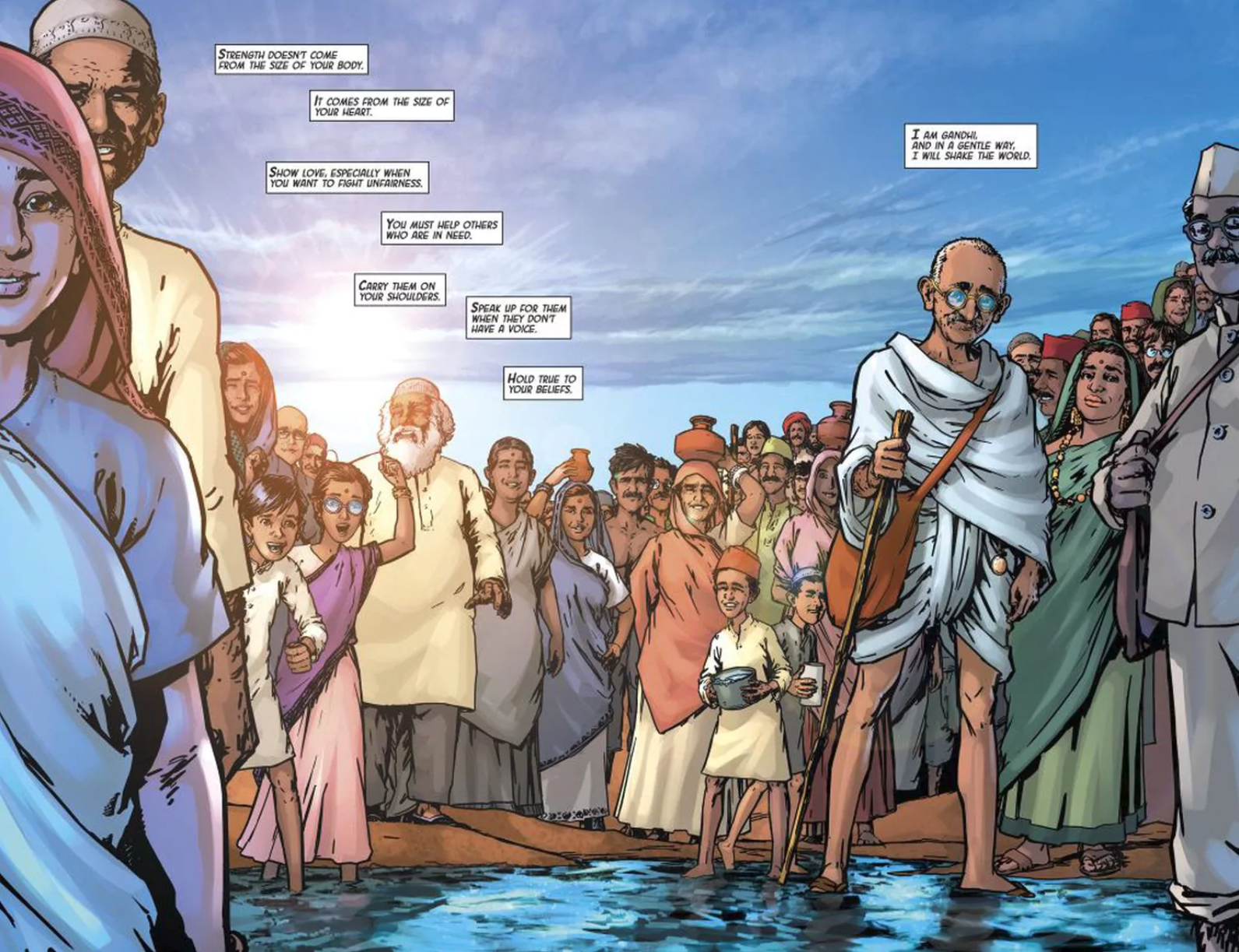
As a young man in India, Gandhi saw firsthand how people were treated unfairly. Refusing to accept injustice, he came up with a brilliant way to fight back through quiet, peaceful protest. He used his methods in South Africa and India, where he led a nonviolent revolution that freed his country from British rule. Through his calm, steady heroism, Gandhi changed the lives of millions and inspired civil rights movements all over the world, proving that the smallest of us can be the most powerful.

Galvanized by Gandhi’s example of gentle, peaceful activism, New York Times bestselling author Brad Meltzer asked his friends in the comic book world to help him make a difference by creating this philanthropic graphic novel. Twenty-four illustrators–including many of the most acclaimed artists in comics today–enthusiastically joined the project, agreeing to donate their work so that their royalties can go to Seeds of Peace, a non-profit organization that inspires and cultivates new generations of global leaders. This extraordinary biography is a glorious team effort that truly exemplifies Gandhi’s selflessness and love for humanity.

The illustrators included are: Art Adams, John Cassaday, Jim Cheung, Amanda Connor, Carlos D’Anda, Michael Gaydos, Gene Ha, Stephanie Hans, Bryan Hitch, Phil Jimenez, Siddharth Kotian, David LaFuente, David Mack, Alex Maleev, Francis Manapul, David Marquez, Steve McNiven, Rags Morales, Saumin Patel, Nate Powell, Stephane Roux, Marco Rudy, Kamome Shirahama, Bill Sienkiewicz, and Abhishek Singh.

Kellee’s ReviewI’ll be honest–when I first read on the cover that 25 different artists illustrated this graphic biography, I was worried that the stagnation of illustration styles would hinder the narrative of Gandhi’s life, but I was so wrong. Instead, by allowing each illustrator to give us their interpretation of Gandhi, his spirit instead flowed through the pages as it was obvious that his story had touched each and every artist, and the author, taking part in this graphic biography.

While reading, it was clear to me that Meltzer wanted Gandhi’s message of equality, peace, and kindness to scream at the reader, and this was confirmed when I read the Washington Post article about Meltzer’s inspiration. I believe Meltzer did a beautiful job not only telling Gandhi’s story but also showing that peace is possible in a time of tumultuous relationships but that the only way to truly achieve it is through similar activism as Gandhi.

Ricki’s Review: I read this graphic novel twice to myself and twice with my son. Further, I’ve read portions of it to my students. I can’t stop sharing it! I was blown away by the amalgamation of the 25 graphic novelists—it made for an absolutely stunning text. I appreciate the historical perspective that extends throughout the graphic novel, and I loved that the illustrations really make Ghandi’s story come alive. This is a book that I will share often and widely. If you haven’t read it, I recommend it highly—even if you already know a lot about Ghandi’s life.

Teachers’ Tools for Navigation: Have students connect Gandhi’s philosophies to those who influenced him and those he influenced. For example, in one of my literature classes, one person picked an author who was influenced by another (for example, Woody Guthrie was influenced by Walt Whitman) then the next student built on that (for example, Bob Dylan was influenced by Woody Guthrie OR Ralph Waldo Emerson influenced Walt Whitman) until a complete chain of influences were made. Then each student wrote an analysis paper showing how they were influenced then presented their findings (in order of influences) to the class. This same idea could be done here: Henry David Thoreau influenced Gandhi who influenced Martin Luther King, Jr. who influenced Barack Obama who influenced Cory Booker, etc. This idea could also be used just to look at the idea of peaceful protests that have changed the course of history: Gandhi, MLK, Black Lives Matter, Never Again, etc.

Discussion Questions: 

  • What is the theme of Meltzer’s story of Gandhi?
  • How did Gandhi change the course of history for Indians in South Africa and India?
  • How did the 25 different artists illustrating the graphic novel affect the reading of the biography?
  • How did Thoreau influence Gandhi? Can you infer how Gandhi influence Martin Luther King, Jr.?
  • What was the importance of Gandhi’s march to the sea to hold salt?
  • Why do you believe Meltzer chose the specific quotes he included in the back matter of the book?

Flagged Passages: 

Read This If You Love: The Ordinary People Change the World series (ex. I am Lucille Ball, I am Jackie Robinson), Nonfiction graphic novels such as Drowned City by Don Brown

Recommended For: 
classroomlibrarybuttonsmall closereadinganalysisbuttonsmall

Signatureand 

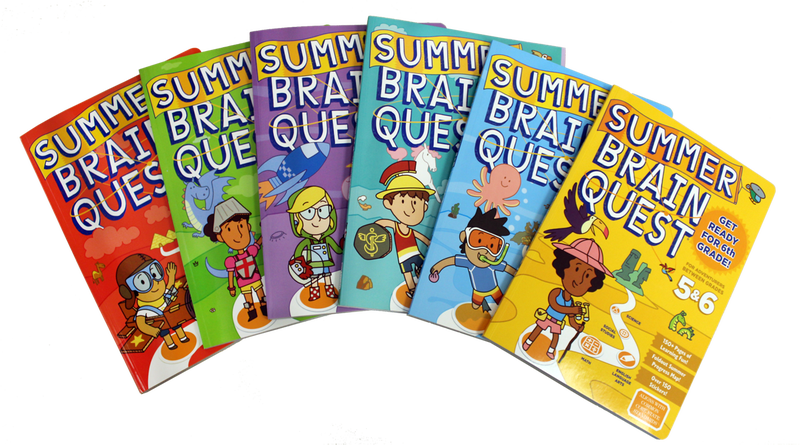
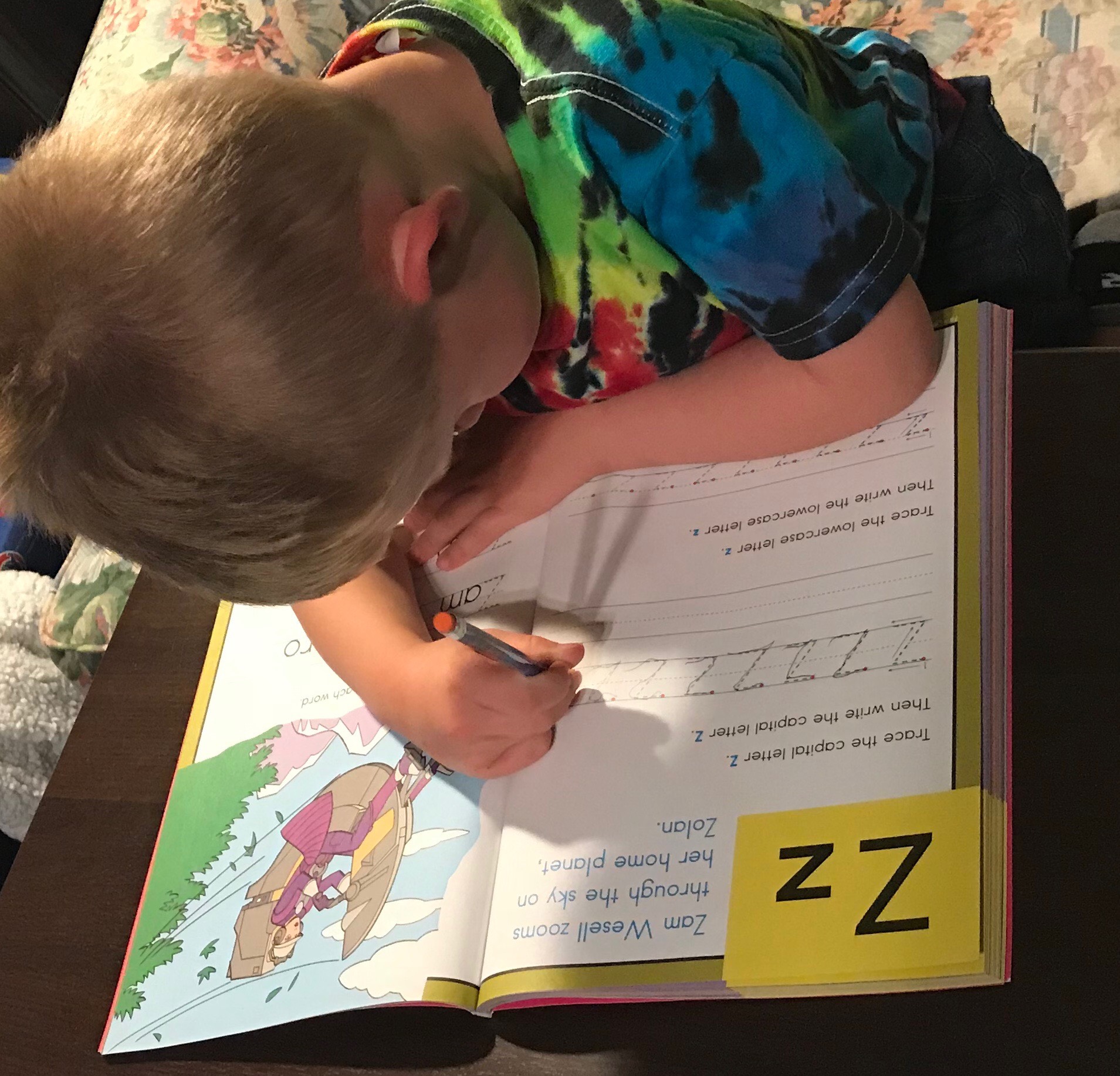
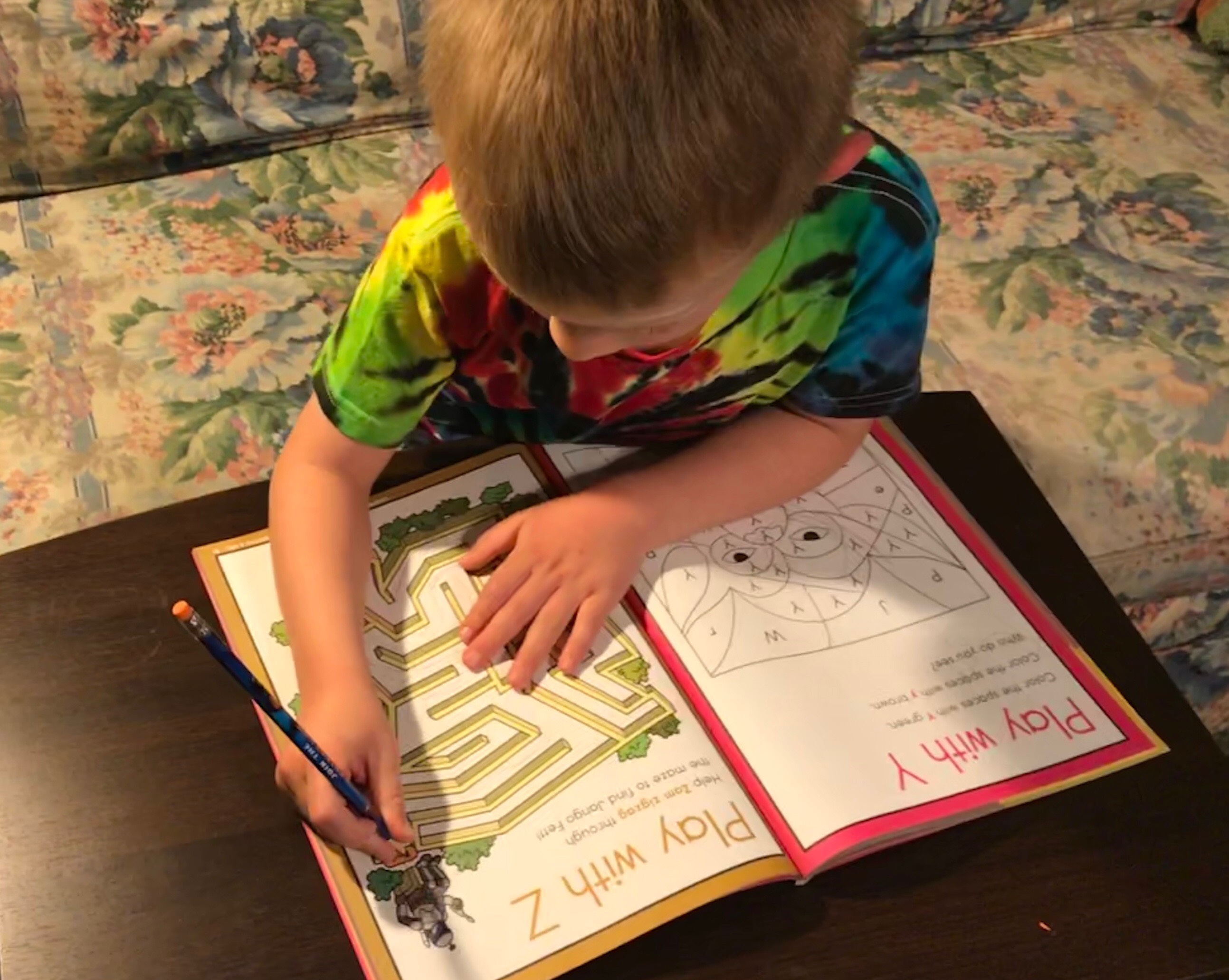
Summer Brain Quest and Star Wars Workbooks

Share

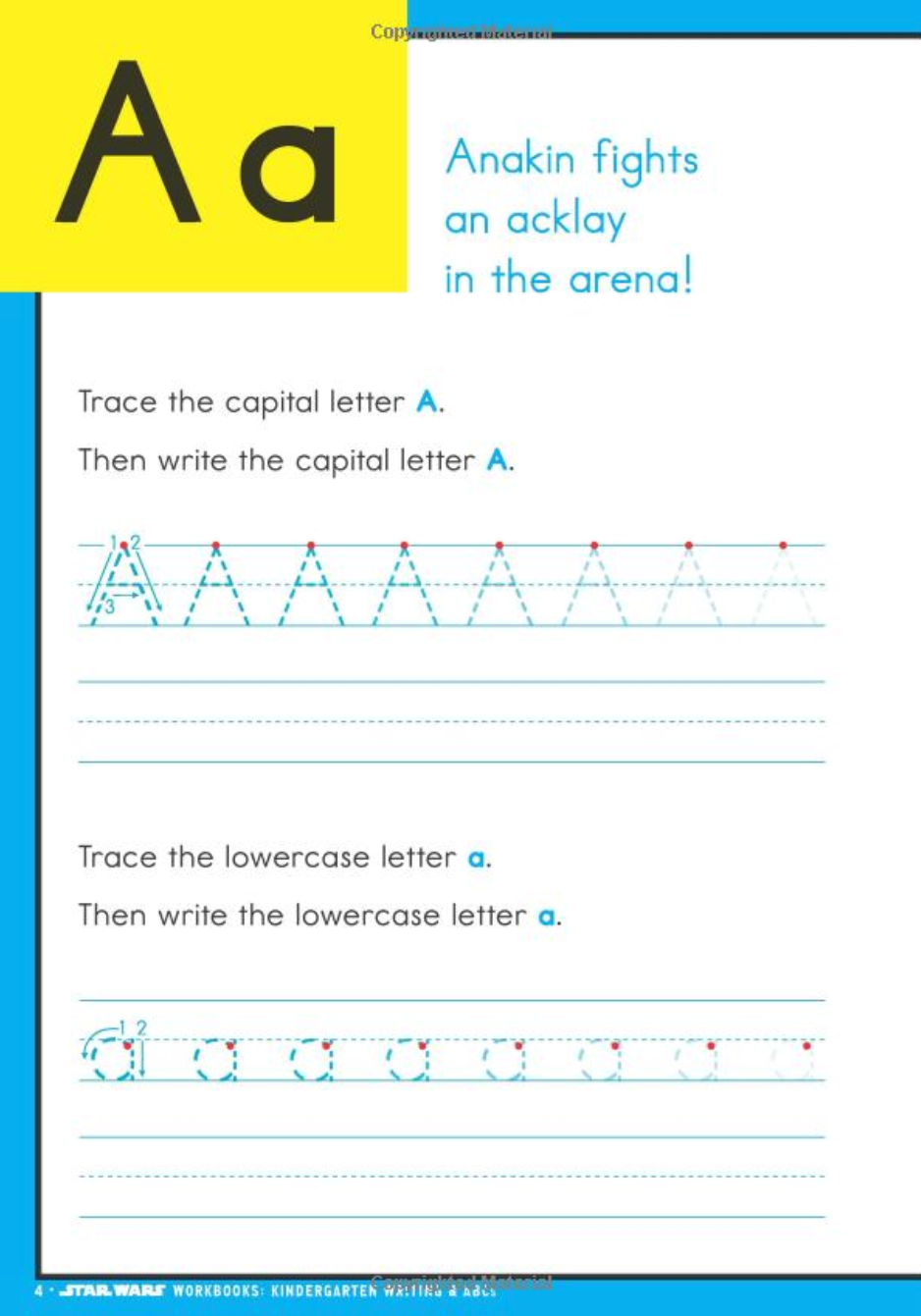
Star Wars Workbooks (Writing, ABCs, Reading, and Math)

and

Summer Brain Quest Workbooks

Published by Workman

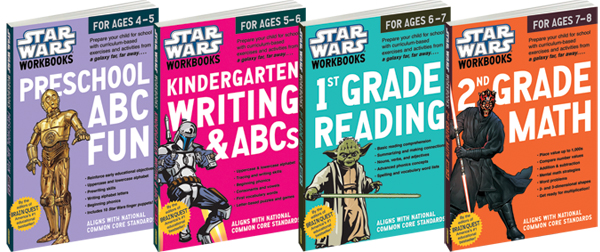
Star Wars Workbooks Summary: The Force is strong with this series! Introducing a line of workbooks that marries the iconic popularity of Star Wars with the unique mix of editorial quality, fun presentation, and rigorous educational standards that Workman applied to the BRAIN QUEST Workbooks.

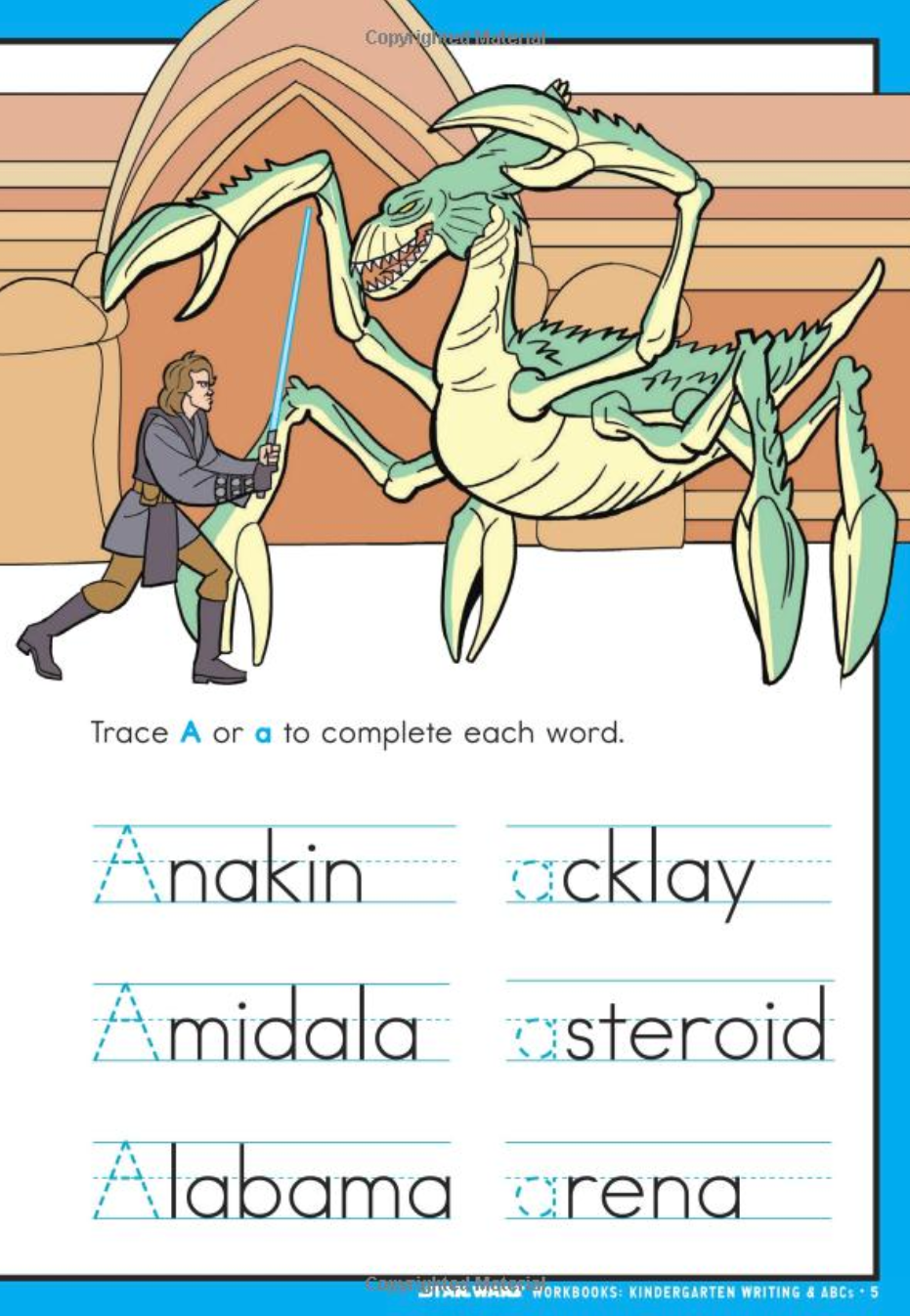
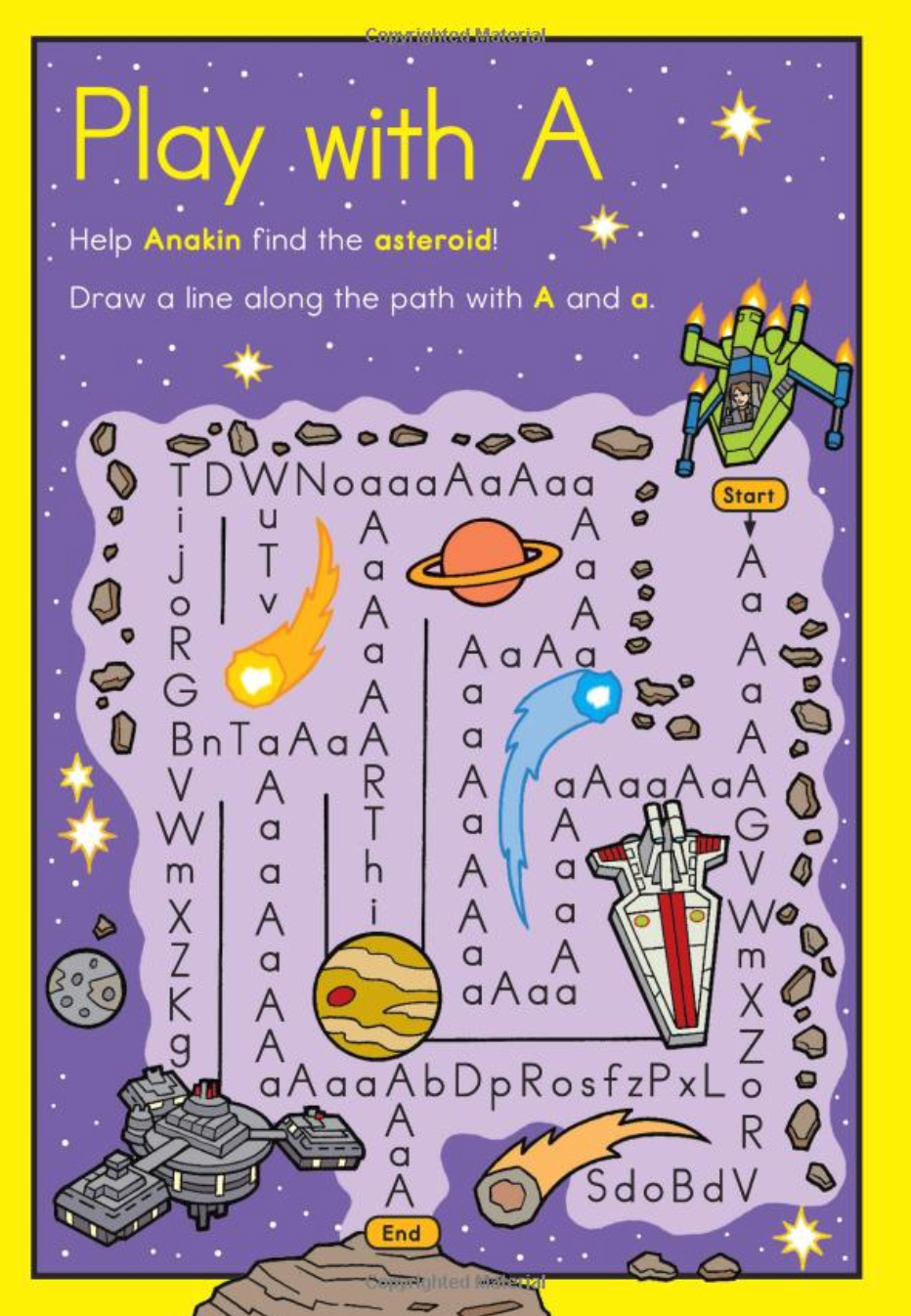
Twelve titles launch the series―three each for Pre-K through 2nd Grade―and dig deep into core subjects, including numbers, ABCs, phonics, and reading readiness for younger grades, and math, reading, and writing for the older ones. The material, which aligns with national Common Core State Standards, is designed to reinforce essential concepts and lessons taught in schools. Any child, not just fans of Star Wars―but yes, those fans will be especially delighted (as will reluctant learners)―will love the “A” is for Anakin approach to phonics. Kids will practice learning numbers by counting and circling X-wing starfighters and clone troopers. Master place values by sorting groups of Wookiees. There are math problems―Yoda is holding 7 lightsabers. 5 of the lightsabers are blue. The rest are green. How many green lightsabers is he holding? And Language Arts―Circle the correct homophone in this sentence: Luke is a Jedi knight/night.

Featuring favorite characters like Luke Skywalker, Queen Amidala, Yoda, and Obi-Wan Kenobi, and other creatures, monsters, Jedi, and Sith, the workbooks are filled with thousands of original illustrations drawing from all six Star Wars movies and the expanded Star Wars universe.

Learn well, you will.

Summer Brain Quest Workbooks Summary (Pre-K to K Summary): It’s time to get ready for school! Now, the series that keeps K–6th graders sharp, active, and curious in between grades is expanding to meet popular demand: Introducing Summer Brain Quest: Between Grades Pre-K & K, covering the summer between Preschool and Kindergarten so 4- and 5-year-olds can get ready for school—and have fun doing it.

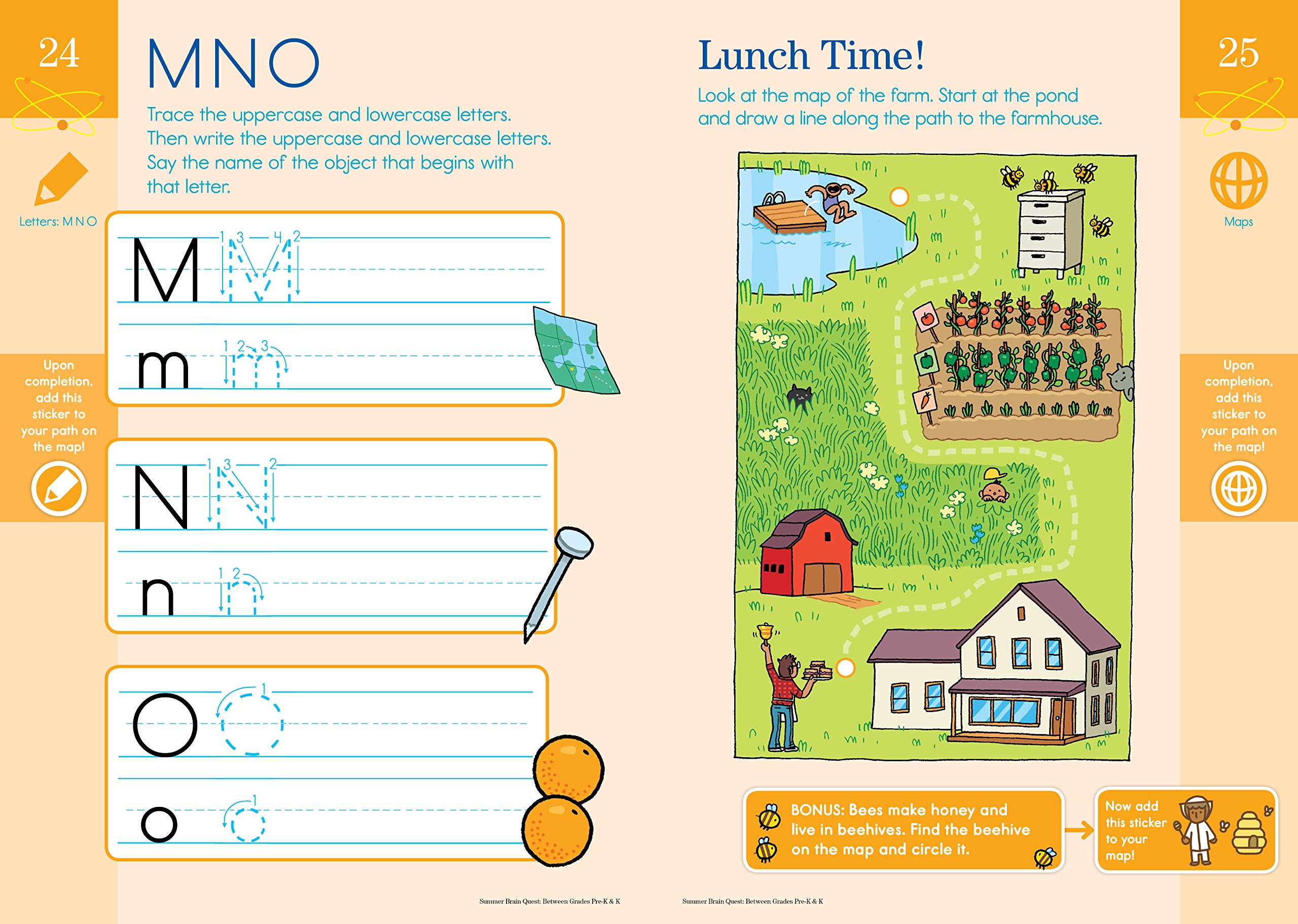
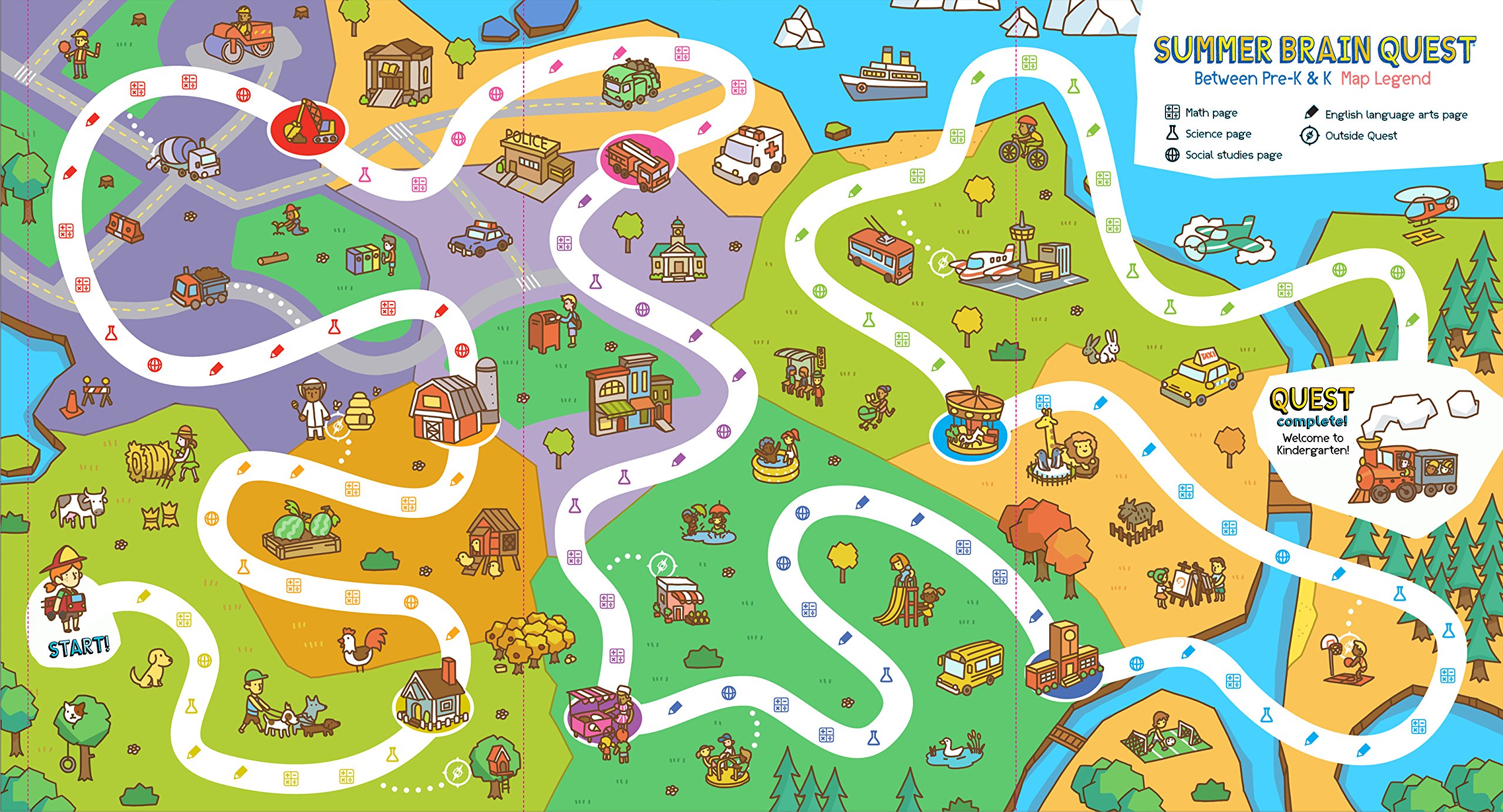
Part workbook, part game, part adventure, it’s the interactive book that combines educational activities with indoor and outdoor play—with entertaining and effective results. The pullout map guides kids on a learning quest; to cross the finish line, they fulfill the curriculum-based exercises and customize their path by pursuing the bonus challenges and outdoor activities that excite them most. How about extra counting or reading calendars? A hunt for three-dimensional shapes? Identifying landforms? Or finding words that rhyme? Along the way, they earn stickers for completing pages, tick off an adventure list, and get fresh air with outdoor learning challenges, like writing the alphabet with sidewalk chalk.

Teacher-approved, parent-trusted, and designed to appeal to kids’ natural love of learning and playful curiosity, Brain Questmakes it fun to be smart all summer long!

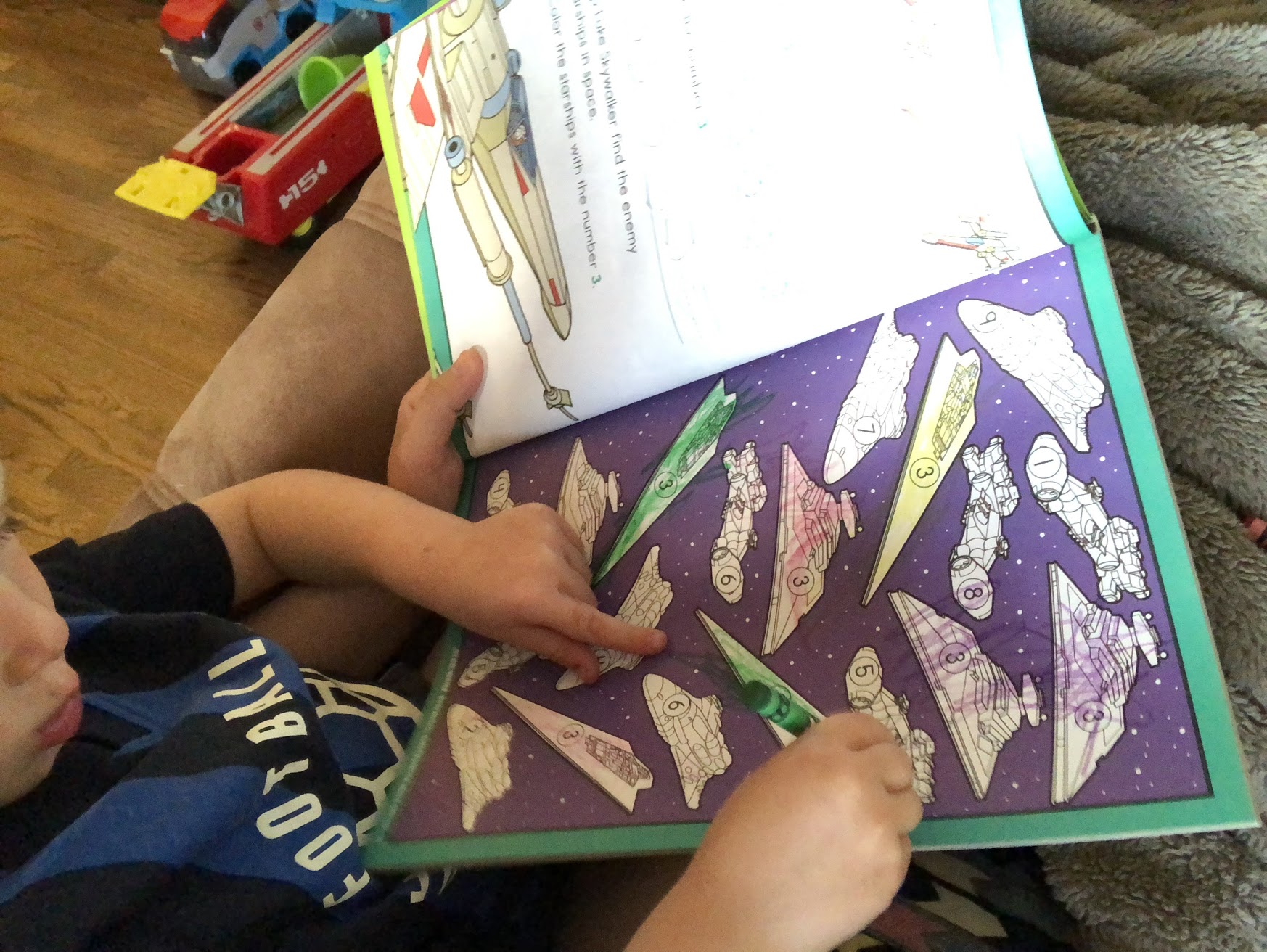
Ricki’s ReviewMy son LOVES these books. They have made him so excited about reading, writing, and math. I am not a workbook kind of teacher, but these books defy all notions of worksheet and workbook teaching. The Summer Brain Quest books feature a map at the end. As kids finish each page, they earn stickers to go along the map. The books ask them about themselves in the “my world” pages. They make learning very fun. He particularly loves the Star Wars reading book. He enjoys matching the letters to words and circling answers. My son is an outdoors-y kind of kid. He doesn’t enjoy sitting at the table and practicing his reading. Therefore, we do these at night. After we read together, he picks one of these workbooks to do together. We sit on the floor, and he loves it. It extends his awake time, and he loves thinking he is doing something fun to stay up later than his brother. We found the workbooks in the bookstore yesterday, and he was thrilled to see his books on the shelves. We ended up buying other books in the Brain Quest series because he enjoyed them so much. He chose this rather than a new toy! I’ll be purchasing these books for my younger son when he gets a bit older. They are absolutely wonderful and make learning fun! 

Kellee’s ReviewLike Ricki, I am skeptical whenever I see a workbook, but as soon as these arrived, my son became a bit obsessed with “doing his Star Wars letters,” and I just cannot argue with that as Trent is not a sit-and-do-something type of kid. But since the workbook is a mix of writing and activities, it doesn’t seem like work to him but instead is seen as a game. Because of this, I view them more as an activity book than just a workbook. We’ve currently been focusing primarily on the Star Wars activity book because I don’t want to overwhelm him, and it also leaves the Brain Quest for us to do when he is done. (Though, I do LOVE Brain Quest cards. My sister, Natalie, gives them to Trent for his birthday, and we do his “cards” in the car.) Lastly, I want to give a shout out to these helping parents who want to include educational activities at home. I know that even I, as a teacher mom, struggle with figuring out what to do to help my child learn to read and keep learning, and these activity books are perfect!

We Flagged: 

Star Wars “A”

to “Z”

Tracing and Coloring the Number 3

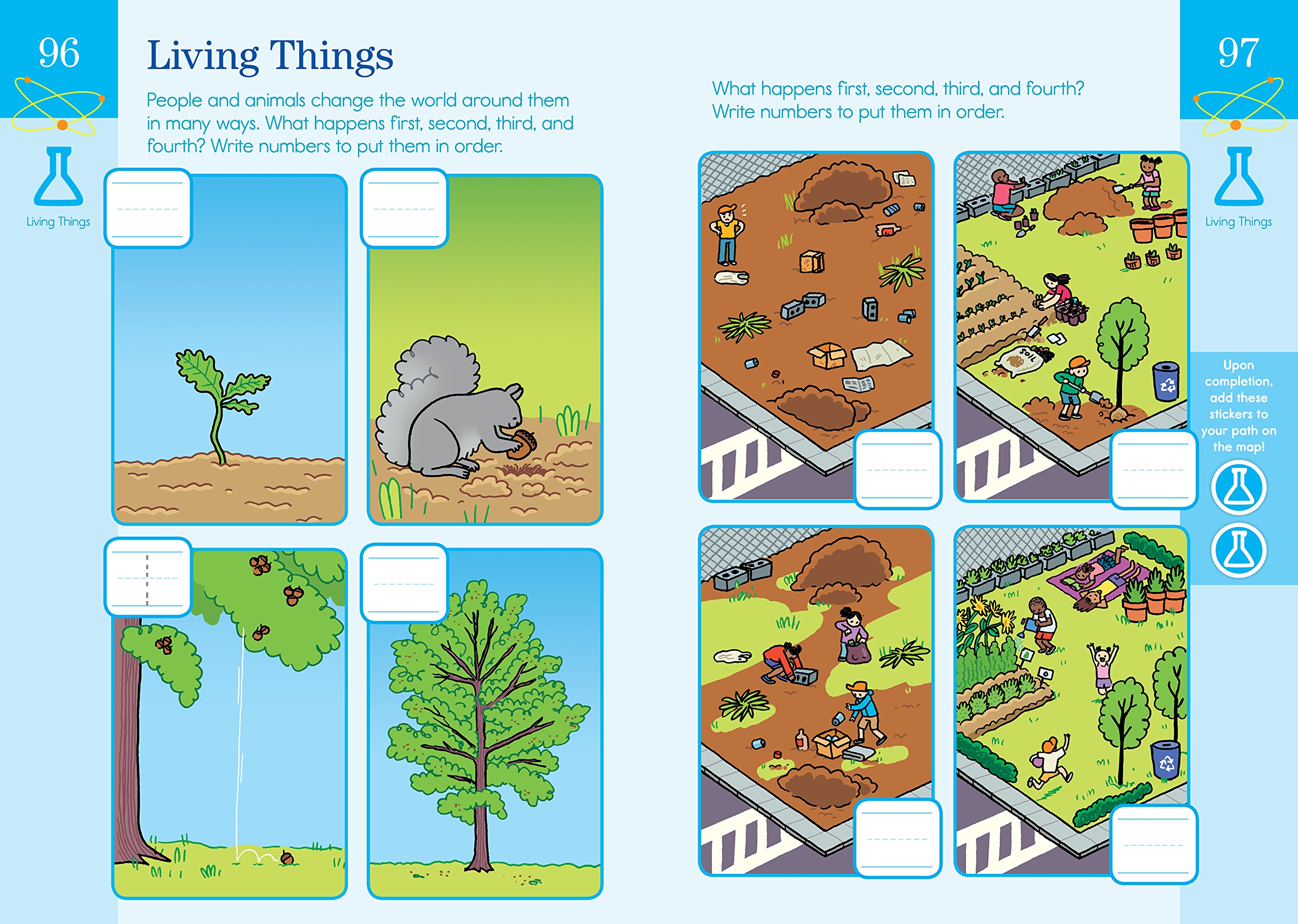
Brainquest “MNO” and “Living Things”

“Summer Brain Quest” map

Recommended For: 
classroomlibrarybuttonsmall

 and

**Thank you to Diana and Christi at Workman for providing a copy for review**

Who’s Hiding? by Satoru Onishi

Share

Who’s Hiding?
Author: Satoru Onishi
Published: January 1, 2018 by Gecko Press

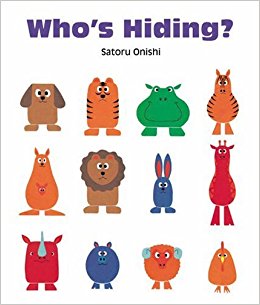
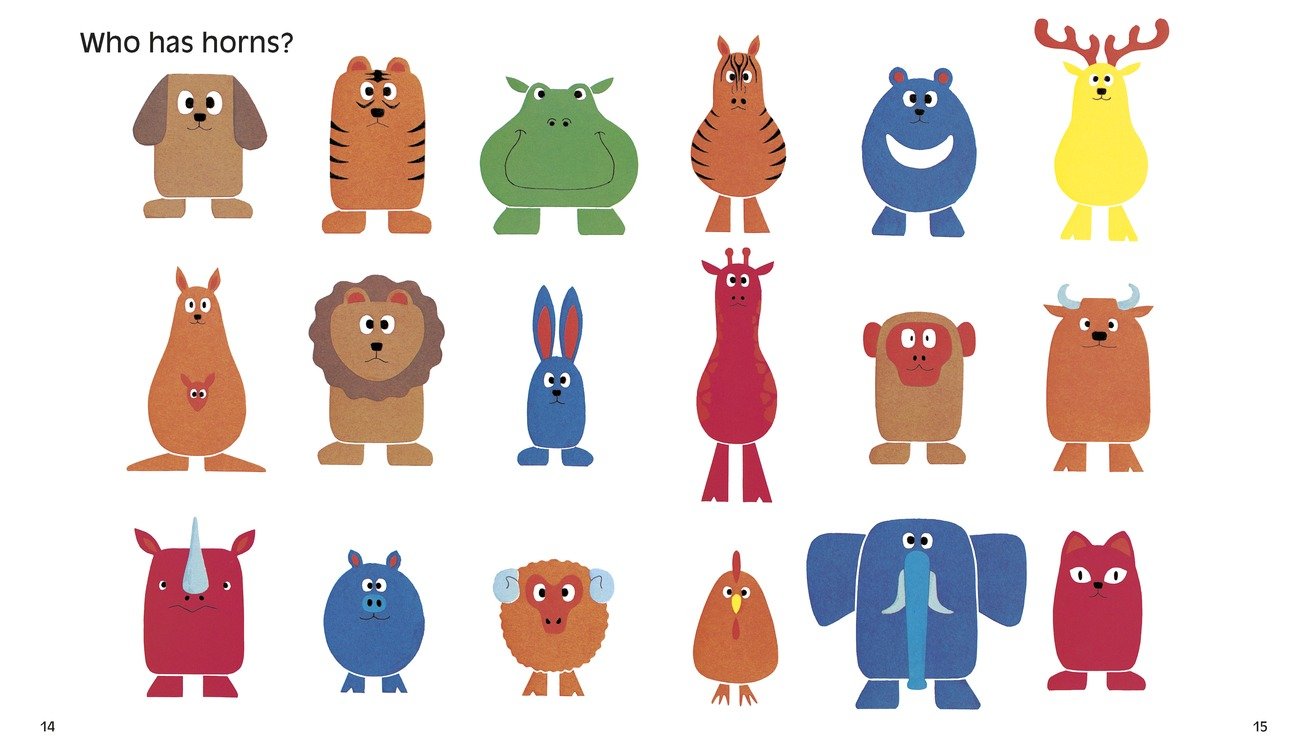
Summary: Who’s hiding? Who’s crying? Who’s backwards? Look carefully! Is it dog, tiger, hippo, zebra, bear, reindeer, kangaroo, lion, rabbit, giraffe, monkey, bull, rhino, pig, sheep, hen, elephant, or cat? Can you tell? Look again…18 fun-loving animals can be found on each question-posing page, sending readers into an up-close, attention-to-detail discovery.

ReviewThis is a book that is fun for people of all ages! Each spread asks questions like, “Who’s hiding?” or “Who’s angry?” or “Who has horns?” Readers  have to look from animal to animal to figure out the answer. My son and I had a lot of fun reading it because we raced to see who could find the animal first. It offers a unique twist to search-and-find books, and quite frankly, we found it to be much more fun than the classic search-and-find books. I could see this book working well with students who have been identified as having ASD. Because some pages ask about emotions, it would be a good way to reinforce facial expressions. Other pages would be easier (like “Who has horns?” and might relieve some frustration.

Teachers’ Tools for Navigation: As stated above, this books would be a great test for students who have been identified as having ASD. Also, it is a generally fun book and could be used to teach skills in compare and contrast (across the pages and within the pages). Lastly, it would be a great book to give to fast finishers.

Discussion Questions: How do the animals change across the pages? Which animal is your favorite? Which page is your favorite, and why?

We Flagged: 

Read This If You Loved: Search-and-Find Books

Recommended For: 
classroomlibrarybuttonsmall

**Thank you to Veronica at Myrick for providing a copy for review**

Tsu and the Outliers by E. Eero Johnson

Share

Tsu and the Outliers
Author: E. Eero Johnson
Published May 8th, 2018 by odod books

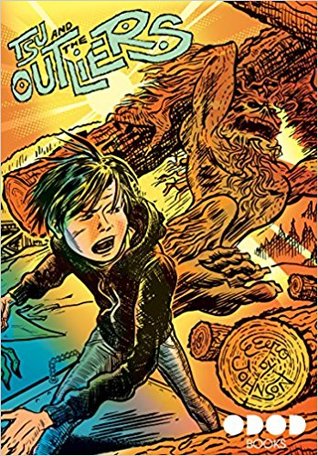
Summary: Tsu and the Outliers is a graphic novel about a non- verbal boy whose rural existence appears unbearable until rumors of a monstrous giant upend his mundane life. Tsu finds himself at the center of the mystery, as his strange metaphysical connection with the creature is revealed.

As the dragnet closes in, Tsu is forced to choose between a dangerous path leading beyond the periphery of human perception or a life without his only friend.

About the Author: E. Eero Johnson (Erik T. Johnson) is a Minneapolis-based illustrator, graphic designer, and comic book artist. His illustrations have appeared in GQThe New YorkerNewsweekWired, and The New York Times, and on several book covers. His comic book projects, The Outliers and Kozmo-Knot, have gained a growing interest from the indie comic world. He lives with his wife, Tammy, sons, Emmett and Eilif, and a crazy Boston terrier.

ReviewTsu and the Outliers is an interesting look at a new type of superhero: a young non-verbal boy who is able to communicate with a creature that his world is afraid of. There are some interesting discussion points when it comes to bullying since Tsu is judged by his classmates because of his disability. This is a big theme during the beginning of the book as we get to know Tsu. The creature also ends up being a Sasquatch and they are being chased by a chupacabra-like creature which introduces North American folklore. Overall, the story is pretty crazy (in a good way), and the end of the book sets up for a definite sequel which I NEED because Tsu makes a crazy decision at the end of the book with no explanation.

Teachers’ Tools for Navigation: Use the scene where Tsu is bullied by Jespers to start a dialogue about bullying. Discuss why the scene makes them angry and uncomfortable and what could have been done by others to help Tsu. Have students create anti-bullying advertisements to share in your school.

When mythology and folklore are discussed, the focus is primarily on Greek, Roman, and Egyptian. Use Tsu and the Outliers to discuss North American folklore including the Sasquatch and chupacabra. Have them research the tales about these creatures and create their own myth with them in it. Also, as a class, discuss the difference between the characters is Tsu and traditional folklore.

Discussion Questions: 

  • What foreshadowing was there to show that Tsu was more than what everyone assumed?
  • Tsu’s lack of verbal communication in the end of the book ended up not being a disability. What do you think caused it?
  • Why do you think Tsu made the choice he did at the end of the book?
  • Why do you think Tsu’s mother made the claim she did at the end of the book covering up for Tsu?
  • Why does the Chimpanzee-professor want Tsu?

Flagged Passages: 

Read This If You Love: Superpowers, Folklore, Superhero comics

Recommended For: 

classroomlibrarybuttonsmall

Signature

**Thank you to odod books for providing a copy for review!**

Sticky Facts: What Will You Find?: A Peel-and-Discover Activity Book

Share

Sticky Facts: What Will You Find?
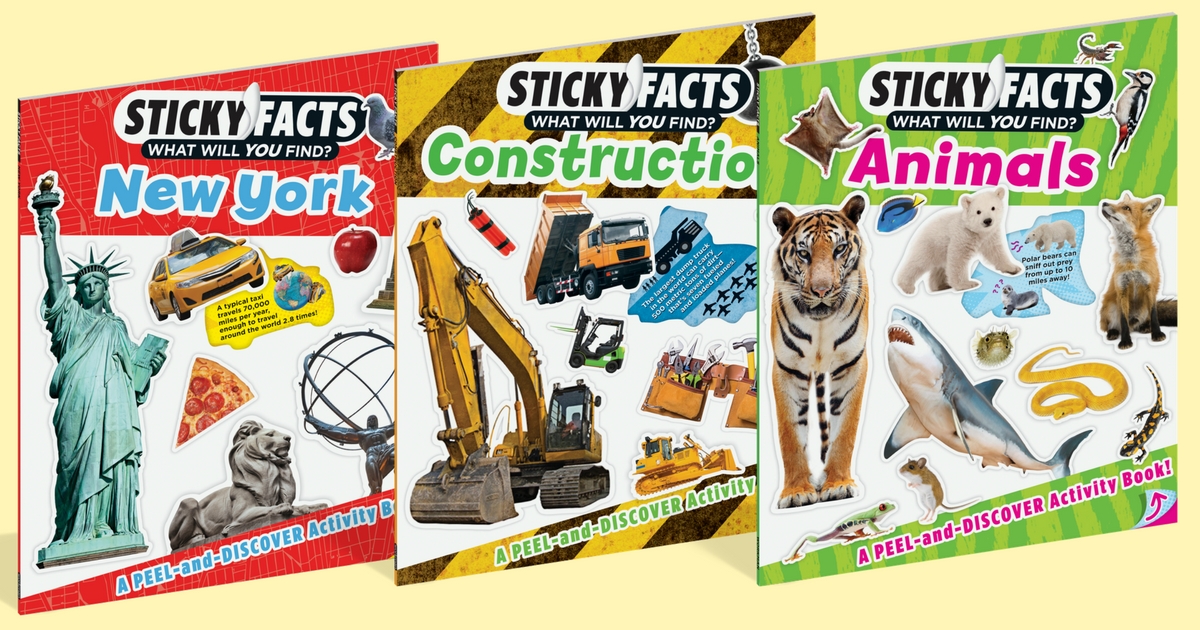
New York, Construction, Animals
Published: December 12, 2017 by Workman

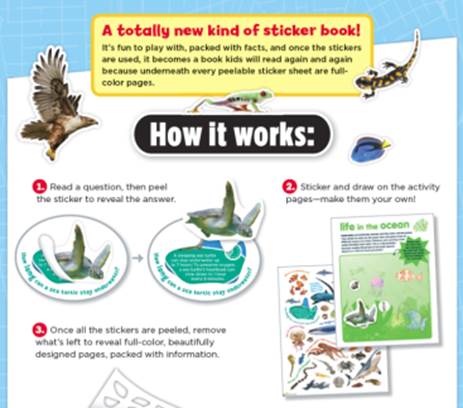
Summary: Sticky Facts is an innovative, kid-friendly approach to beloved topics for ages 6 and up, featuring a cutting-edge sticker sheet design that allows for text and color images to appear underneath the sticker.

Unlike average sticker books, each sticker page features questions with facts hidden underneath the relevant sticker. Once the sticker is peeled o­ff, the fascinating factis revealed. Activity pages with corresponding prompts are featured next to the sticker pages for readers to use as fuel for sticker landscapes, adding hours of fun to the whole experience!

ReviewWhile the book is marketed for ages 6 and up, my 4-year-old had a blast with these books. I had to read the facts beneath the stickers to him, but he loved peeling them off of the pages and finding their matching places within the book. As a parent, sometimes it gets to the point that I am looking for something new and different, and this clever idea was very impressive to me. The books are well-made and fun. I overheard my son sharing one of the construction facts with a friend at preschool, so it really works! These books make great gifts and add a new twist to kids’ love of stickers.

Teachers’ Tools for Navigation: Teachers might group students by interest to allow them to learn and work together on a book of their choosing. This allows students to learn nonfiction facts on a topic that they are interested about!

Discussion Questions: Which was your favorite sticky fact?; What are some new facts that you learned? What kinds of facts are featured below the stickers?

We Flagged: 

Read This If You Loved: Nonfiction; Sticker Books

Recommended For: 
classroomlibrarybuttonsmall

**Thank you to Christy at Workman for providing a copy for review**

It’s a Puppy’s Life by Seth Casteel

Share

It’s a Puppy’s Life
Author: Seth Casteel
Published March 20, 2018 by National Geographic Society

Summary: Have you ever wanted to know what goes on in the life of one of nature’s most beloved animals–the puppy? Follow along in this picture book featuring the photography of Seth Casteel.

Follow several puppies as they play, go for walks, eat, sleep, and romp about.

My Review: Who doesn’t love puppies? I don’t have a dog right now, and this made me want to take a trip to the pet store! Seth Casteel does a phenomenal job capturing the spirit of these energetic pups. I enjoyed looking at the different angles that he used. Further, I loved the key at the end of the book that distinguished between the breeds. This is a charming book that kids will love.

Teachers’ Tools for Navigation: This book inspired me to want to take photographs! Teachers might use this at the start of a photography unit. They can examine the angles of the photographs and talk about how the author captured such incredible images.

Discussion Questions: Which puppy is your favorite? How does the author capture the spirit of the puppies? How does he organize the book?

We Flagged: 

Read This If You Love: Dogs; Photography

Recommended For: 
RickiSig

**Thank you to Media Masters for providing copies for review!!**