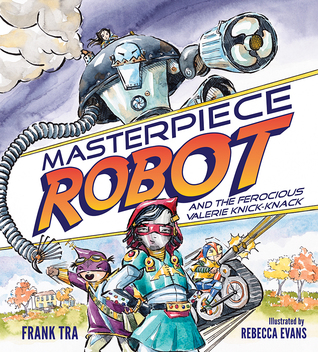
Masterpiece Robot and the Ferocious Valerie Knick-Knack by Frank Tra

Share

Masterpiece Robot and the Ferocious Valerie Knick-Knack
Author: Frank Tra
Illustrator: Rebecca Evans
Published April 17th, 2018 by Tilbury House Publishers

Summary: Masterpiece Robot pays tribute to the power of a child’s vivid imagination, which can transform a suburban autumn backyard into a futuristic battleground and Laura’s lively siblings into unwitting but enthusiastic participants in a fight for a planet’s survival. We begin in Laura’s bedroom where she is struggling to find her way into the story she wants to write, and we end there with Laura putting the finishing touches on her triumphant tale.

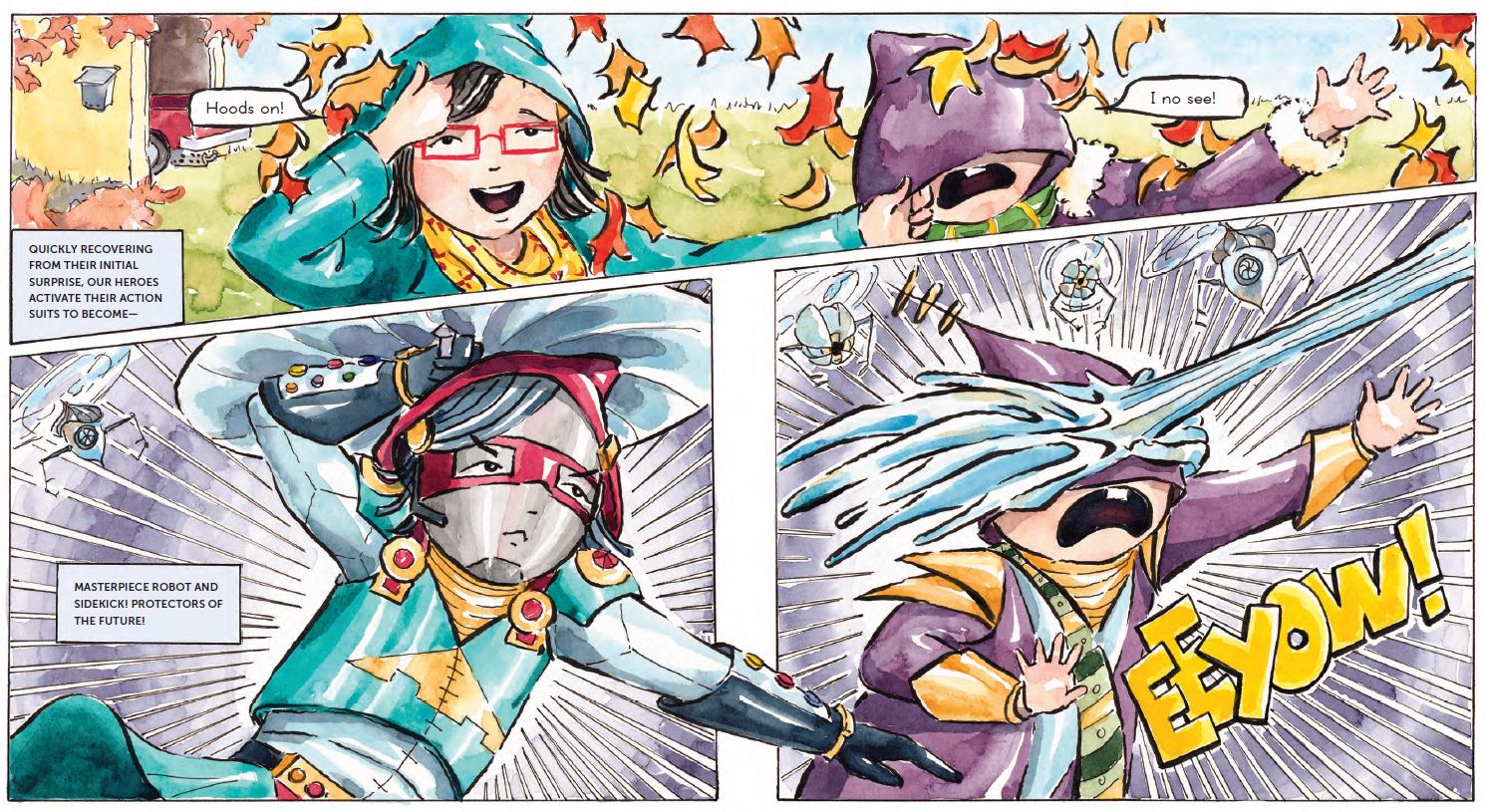
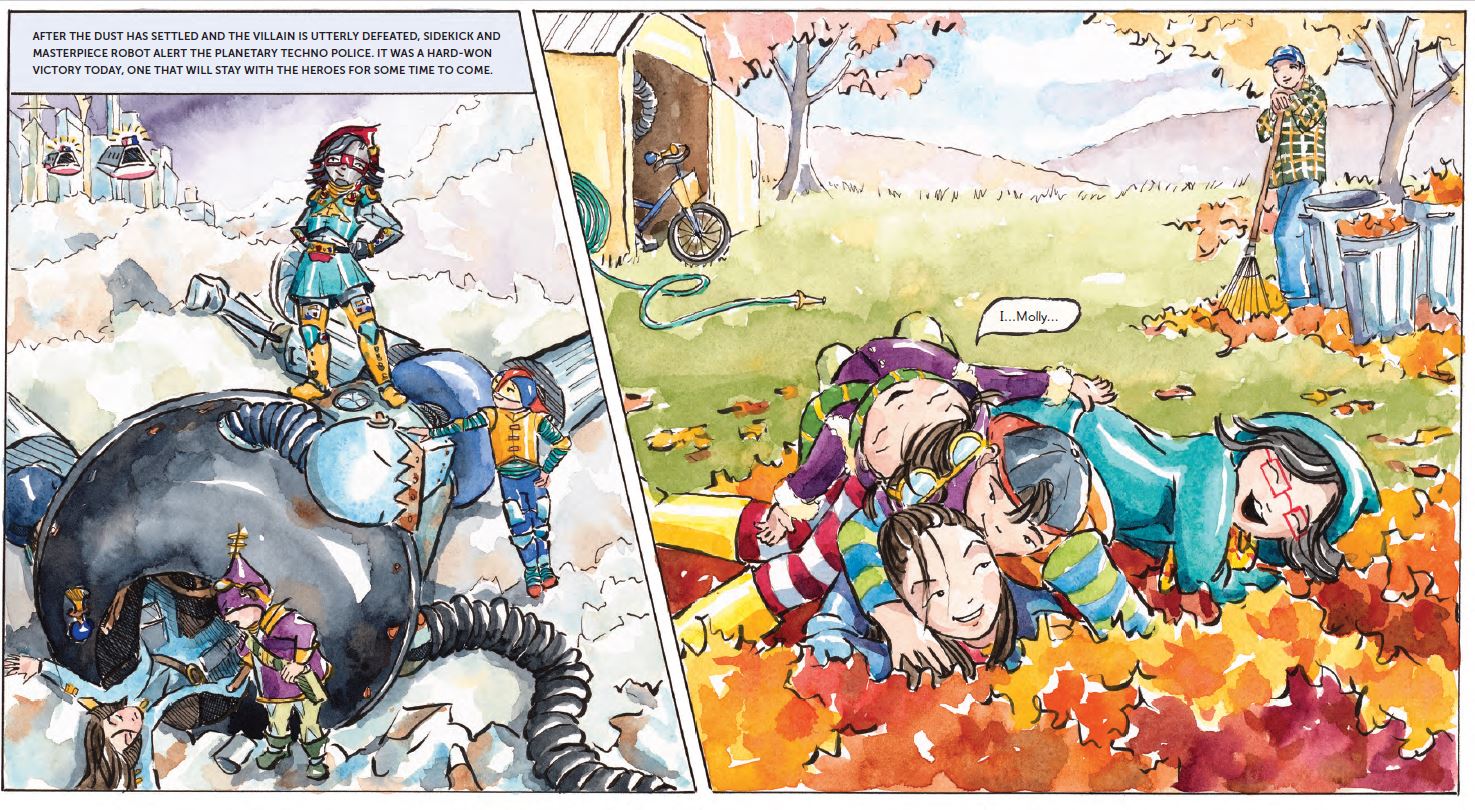
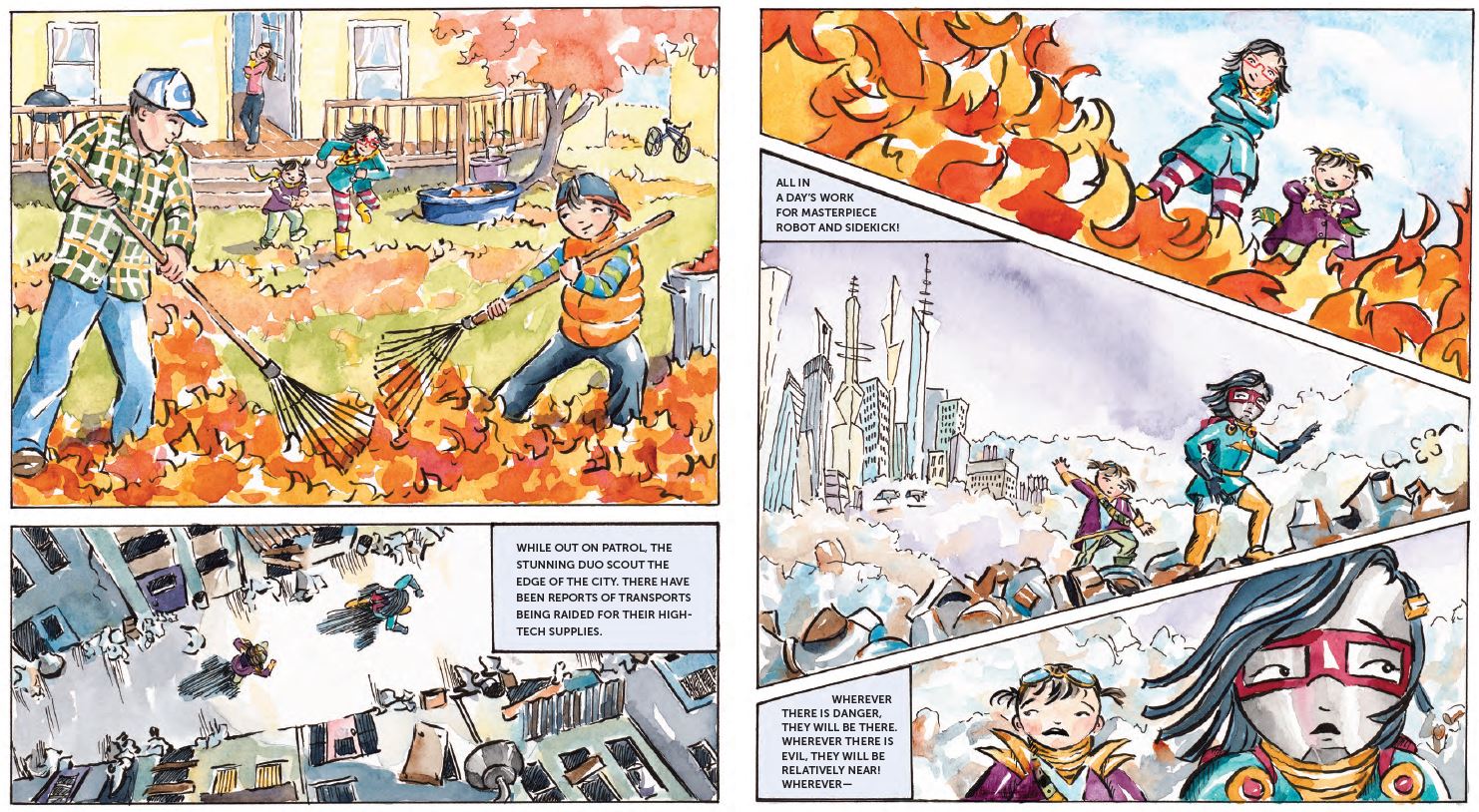
When Laura―a.k.a. Masterpiece Robot―heads into the backyard with her little sister Molly―a.k.a. Sidekick―her active imagination places them instead on patrol around the perimeter of a dystopian city, guarding against super villains. Then older sister Amber―a.k.a. Valerie Knick-Knack―throws handfuls of fallen leaves at them, unknowingly initiating a battle for the ages.

This one is such a fun read, and one kids will definitely relate to! It also lets adults relive those childhood memories where ordinary things – such as a pile of leaves, or a large cardboard box – can turn extraordinary with just a bit of imagination. The transitions back and forth from suburbia to dystopia in this story within a story are deftly rendered with contrasting palettes. The rollicking interactions of the sibling heroes and villains make Masterpiece Robot pure fun to read.

About the Author & Illustrator: 

A child of Vietnamese immigrants, FRANK TRA proudly calls Wichita, Kansas home. Frank attended the University of Kansas to wrestle and write comic books. While there, he also earned a Doctorate in Pharmacy. He has been a cancer pharmacist for the last ten years. Frank’s writing credits include two graphic novels and several comic books. Masterpiece Robot is his first children’s book. Dr. Tra resides in a quiet neighborhood with his wife, Katy, and their six children: Amber, Laura, Roman, Molly, Tommy, and Isaac. He spends his spare time writing, fishing, and coaching his high school wrestling team.

REBECCA EVANS worked for nine years as an artist and designer before returning to her first love: children’s book illustrations and writing. Her children’s books include Someday I’ll Fly; Friends in Fur Coats; The Good Things; The Shopkeeper’s Bear; Naughty Nan; Amhale in South Africa; Vivienne in France; Mei Ling in China; Marcela in Argentina; Tiffany in New York; and Tatiana in Russia. She lives in Maryland with her husband and four young children, shares her love of literature and art regularly at elementary schools, teaches art at the Chesapeake Center for the Creative Arts, and works from her home studio whenever time permits. Rebecca’s boundless imagination enjoys free rein at www.rebeccaevans.net.

ReviewI love this book! I love the story, I love the spread of imaginative play, and I love the humor! It is so smart how the author and illustrator told both stories: the literal and the imaginative, and both stories are developed and fun to read together AND separately. This made for a quite complex book which is also really appealing to kids (and parents/teachers). I’m also a big fan of the artwork in the book. The illustrator did an amazing job changing the style just a bit for the imaginative and the reality but also kept her signature style in both. The illustrations definitely added to the narrative making this book a must get. I also loved that this is a sci-fi picture book because not many exist.

Teachers’ Tools for Navigation: There are a few different ways I envision this book being used in a classroom. First, I would like to say that it’s best would be in a read aloud with a conversation around the reality versus imaginative. There is also some great word choices and vocabulary throughout. Lastly, the reality has very little narrative, so students could write the story of what is actually happening. The discussion questions shared below will also lead to some great activities and discussions.

Discussion Questions: 

  • What character in real life was the imaginative characters?
  • Compare and contrast the reality and imaginative story.
  • How did the illustrator change her style for reality versus sci fi?
  • Think of a chore that you do at home. What could you imagine you were doing when you are doing your chore?

Flagged Passages: 
Read This If You Love: Zathura by Chris Van Allsburg, Du Iz Tak? by Carson Ellis, Where the Wild Things Are by Maurice Sendak, Not a Box by Antoinette Portis, Going Places by Paul and Peter Reynolds, Weslandia by Paul Fleishman, and other books that promote imagination and creativity

Recommended For: 

classroomlibrarybuttonsmall 

Signature

Atlas of Imaginary Places by Mia Cassany

Share

Atlas of Imaginary Places
Author: Mia Cassany
Illustrator: Ana de Lima
Published: May 8, 2018 by Prestel Junior

Summary: This dreamy, gorgeously detailed picture book leads children on a journey to impossible but wonderfully imagined places.

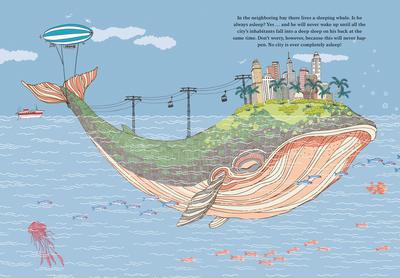
Upside-down mountains, volcanoes that spew bubble gum, a gentle humpback whale keeping an entire city afloat. These and other wonderful worlds may not exist on Earth, but elsewhere–who knows? Each spread of this captivating book invites readers on a fantastic voyage. Ana de Lima’s whimsical, softly colored illustrations are filled with surprising details that reward close examination, while Mia Cassany’s soothing narrator is a nameless fellow traveler. A jungle where the animals exchange stripes, spots, and markings each time they sneeze, an archipelago made up of dessert-shaped islands, and a lighthouse so tall you can draw a new galaxy with your finger are just some of the wild places to visit. Perfect for before-bed reading, or daytime dreaming, this stunningly illustrated book will delight young readers and encourage them to conjure their own imaginary places.

My Review: Ever since I finished reading this book (the first time), I have been really looking forward to reviewing it. I cannot get over how wonderfully imaginative it is. It’s absolutely breath-taking. I’ve read it about fifteen times now, and every time, I notice something different. When my son pulls it off of the bookshelf for our nightly reading routine, I silently cheer. I love reading it and pouring through the pages with him. I include a spread below to give you a sense of the gorgeous pages within the book. In the spread featured below, a humpback whale rests just below the surface of the ocean. An entire city is afloat, and the page tells readers that when the city goes to sleep, the whale will wake. But because the city never sleeps, the whale will never wake. I sat with this page for quite some time. I love the magical notion that beneath the surface of the island rests a beautiful, unseen whale. I’ve read thousands of picture books, and this one ranks as one of my favorites. It’s remarkable.

Teacher’s Tools for Navigation: This book belongs in every creative writing class (at all age levels). Teachers might ask students to imagine their own imaginary place. They could write and illustrate a spread, and the spreads could be combined to form a class book. Older writers might examine the prose and the imagination that brings this book alive.

For my Teaching Writing college course, I intend to ask students to select a spread and begin to draft a story. The pages of this book make great story starters. It would also be a great book to talk about setting.

Discussion Questions: 

  • Which page is your favorite? Why?
  • Compare and contrast the pages. What is similar? What is different?
  • How do the author and illustrator seem to work to together to make this book come alive?
  • What is an imaginary place that you might add to this collection? What would it look like?

Flagged Passage: 

Read This If You Loved: What Do You Do with an Idea? by Kobi Yamada; What Do You Do With a Problem? by Kobi Yamada; The Most Magnificent Thing by Ashley Spires; The Dot by Peter H. Reynolds, The Noisy Paint Box by Barb Rosenstock, Lost and Found by Oliver Jeffers, Journey by Aaron Becker

Recommended For:
  readaloudbuttonsmall closereadinganalysisbuttonsmall classroomlibrarybuttonsmall

*Thank you to Casey from Media Masters Publicity for providing this book for an honest review!*

Blog Tour with Review, Teaching Guide, and Giveaway!: Two Truths and a Lie: Histories and Mysteries by Ammi-Joan Paquette and Laurie Ann Thompson

Share

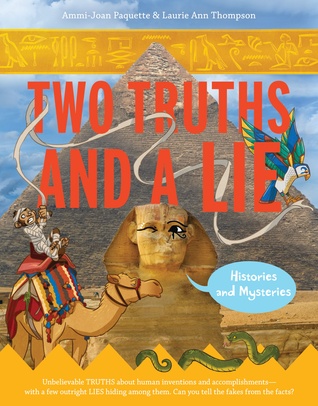
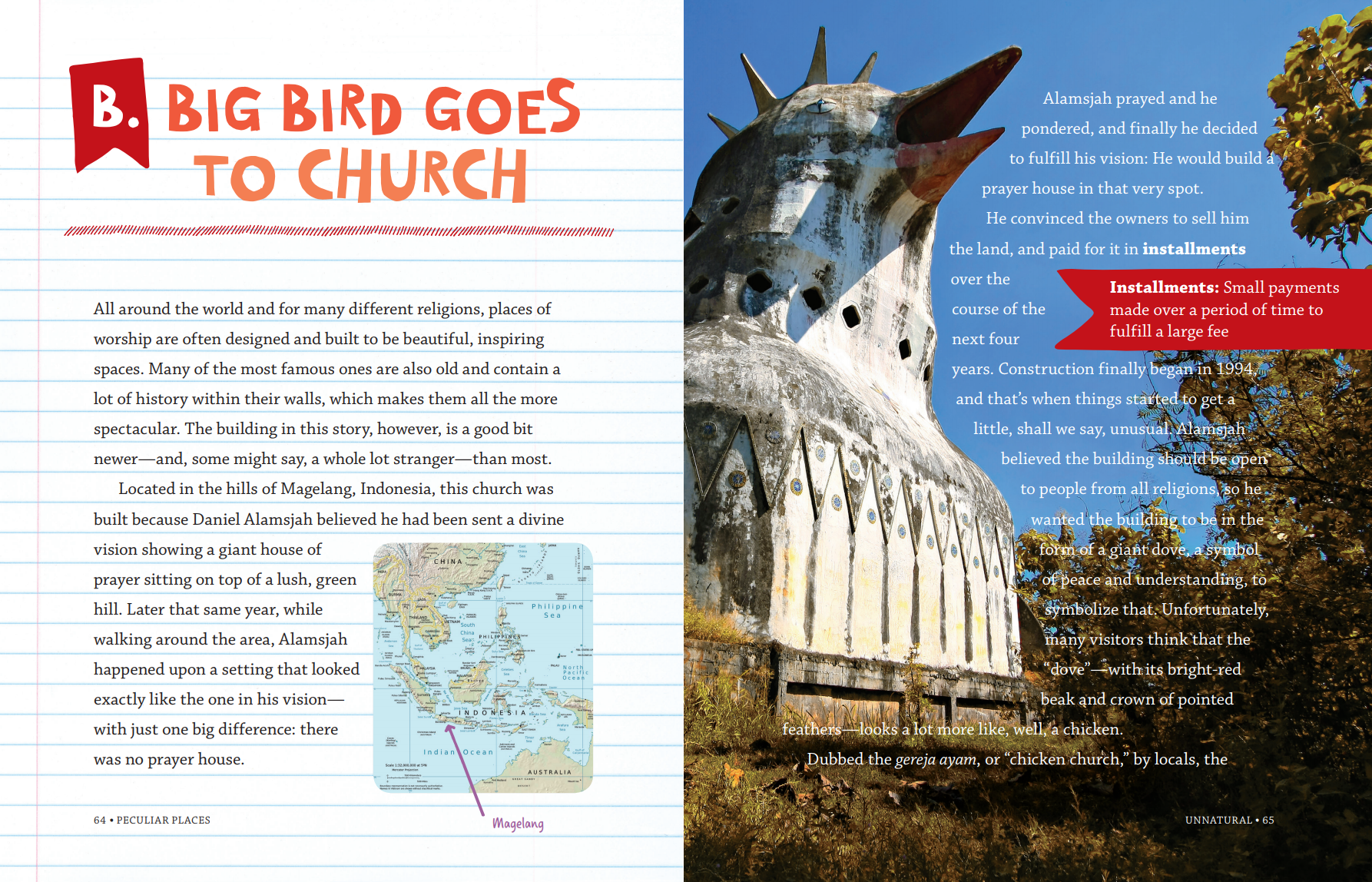
Two Truths and a Lie: Histories and Mysteries
Authors: Ammi-Joan Paquette and Laurie Ann Thompson
Published June 26th, 2018 by Walden Pond Press

Summary: Unbelievable TRUTHS about outrageous people, places and events—with a few outright LIES hiding among them. Can you tell the fakes from the facts?

Did you know that a young girl once saved an entire beach community from a devastating tsunami thanks to something she learned in her fourth-grade geography lesson? Or that there is a person alive today who generates her own magnetic field? Or how about the fact that Benjamin Franklin once challenged the Royal Academy of Brussels to devise a way to make farts smell good?

Welcome to Two Truths and a Lie: Histories and Mysteries! You know the game: Every story in this book is strange and astounding, but one out of every three is an outright lie.

Can you guess which stories are the facts and which are the fakes? It’s not going to be easy. Some false stories are based on truth, and some of the true stories are just plain unbelievable! Don’t be fooled by the photos that accompany each story—it’s going to take all your smarts and some clever research to root out the alternative facts.

From a train that transported dead people to antique photos of real fairies to a dog who was elected mayor, the stories in this book will amaze you! Just don’t believe everything you read. . . .

About the Authors:


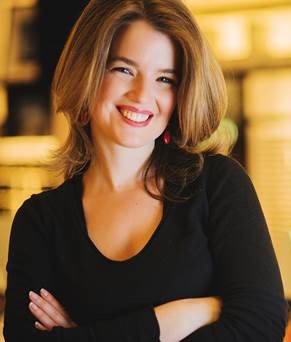
Ammi-Joan Paquette loves caves, hates mushy bananas, and is ambivalent about capybaras. She is the author of the novels The Train of Lost Things, Paradox, and Nowhere Girl as well as the Princess Juniper series and many more. She is also the recipient of a PEN/New England Susan P. Bloom Children’s Book Discovery Award honor. Joan lives outside Boston, Massachusetts, where she balances her own writing with her day job as a literary agent. You can visit her online at www.ajpaquette.com.

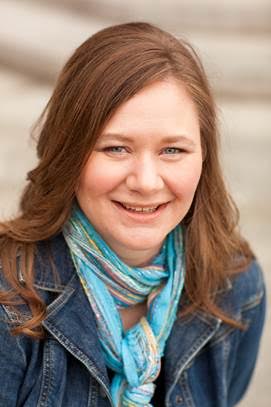
Laurie Ann Thompson loves capybaras, hates caves, and is ambivalent about mushy bananas. She is the author of several award-winning nonfiction books, including Emmanuel’s Dream,  a picture book biography of Emmanuel Ofosu Yeboah, which was the recipient of the Schneider Family Book Award and was named an ALA Notable Book and a CCBC Choice, among other accolades. She lives outside Seattle with her family, and you can visit her online at www.lauriethompson.com

Unleashing Readers review of Two Truths and a Lie: It’s Alive! https://www.unleashingreaders.com/?p=13591 

ReviewI just love this series for so many reasons! First, it is just so interesting! Even the “lies” include true stories with information switched out to make it not true. There are quizzes and tidbits of information. There is so much to read about and just take in. I am so in awe with the authors who truly find unknown information that is fascinating and will keep kids (and adults!) reading. Also, I think it is so important to teach students/kids (and adults!) how to determine if information being given to us is valid and reliable. Third, I think the authors do a fantastic job including a wide variety of topics to give students who may have different interests interested. And with two books in the series now focusing on two different focuses, it makes it so even more readers will find something they want to learn about. And lastly, I am so glad that the authors are making nonfiction fun! Too many of my students don’t like nonfiction because they find it “boring.” This book is anything but boring.

Teaching Guide:

Flagged Passages: 

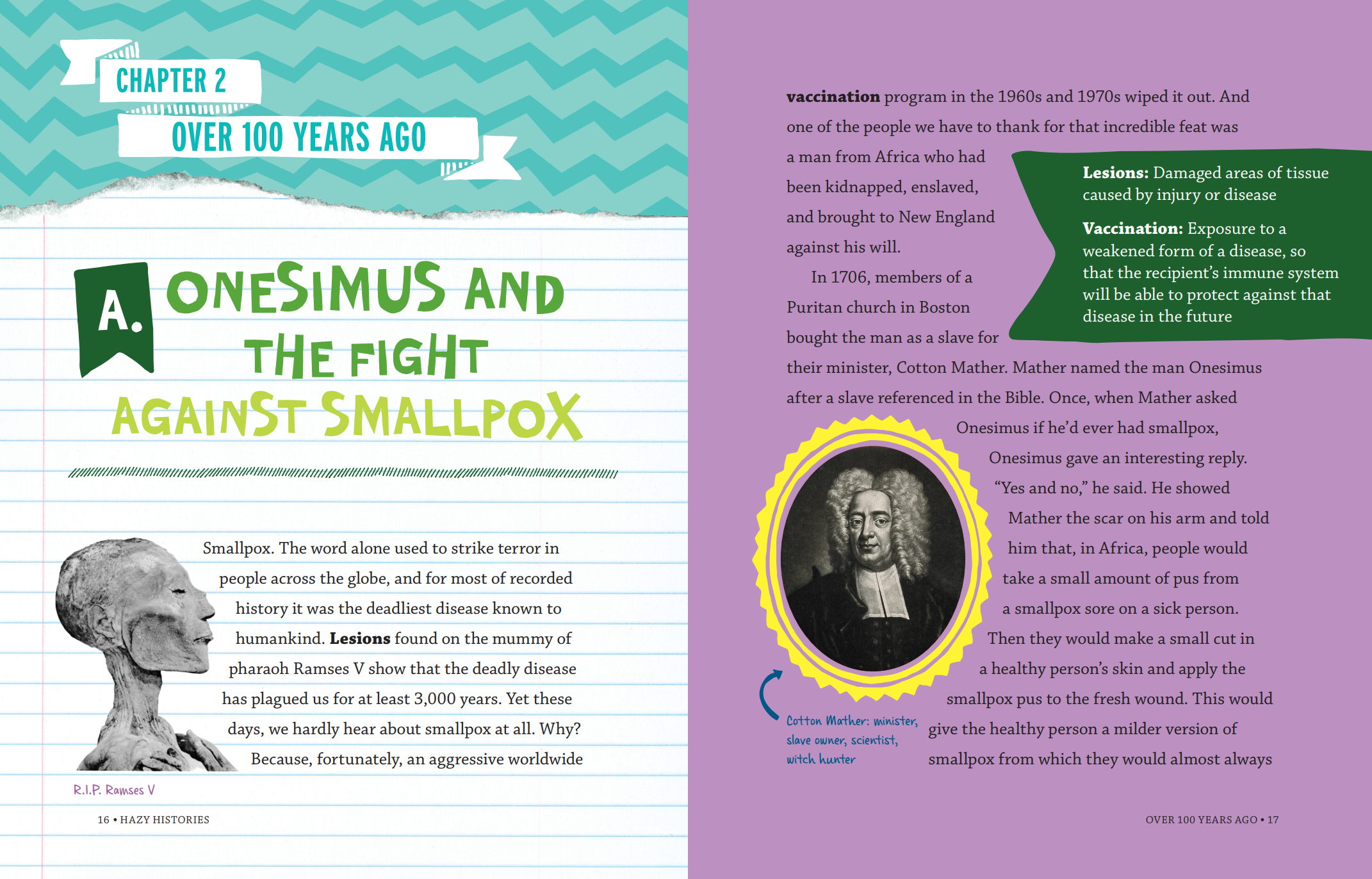
Part 1: Hazy Histories

History. Some people think of it as nothing more than a whole bunch of names and events and dates to be memorized. But history is so much more than that. History is people, history is stories, history is fascinating! 

In this section, we’ll spin some amazing tales from ancient history right up to the present day. All of them are remarkable, but remember–one of the stories in each chapter is fake.

Prepare yourself to experience history in a way that you never have before.

Let’s get started!

Chapter 2: Over 1,00 Years Ago

Read This If You Love: Unsolved Mysteries from History series by Jane Yolen and Heidi Elisabet Yolen Stemple: The Mary Celeste, Roanoke, The Wolf Girlsand The Salem Witch Trials; History’s Mysteries from National Geographic; History; Nonfiction mysteries

Recommended For: 
classroomlibrarybuttonsmall 

Blog Tour Stops: 

DATE BLOG
6/19 Library Lions Roar
6/20 Geo Librarian
6/21 A Foodie Bibliophile in Wanderlust
6/21 Roadmap to Reality: Helping Kids Find Their Way in a World of Fake News
6/26 The Official Tumblr of Walden Media
6/26 Bluestocking Thinking
6/27 Unleashing Readers
6/27 Nerdy Book Club
6/27 Writers Rumpus
6/28 The Book Monsters
6/29 Pragmatic Mom

GIVEAWAY!

a Rafflecopter giveaway

Signature

Review and Giveaway!: Goodbye Brings Hello by Dianne White

Share

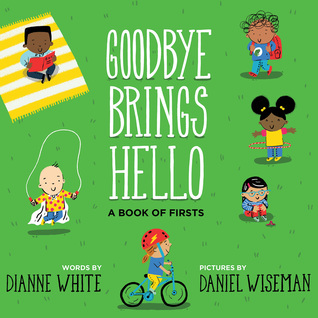
Goodbye Brings Hello: A Book of Firsts
Author: Dianne White
Illustrator: Daniel Wiseman
Published June 26th, 2018 by HMH Books for Young Readers

Summary: There are many ways of letting go.
With each goodbye, a new hello.

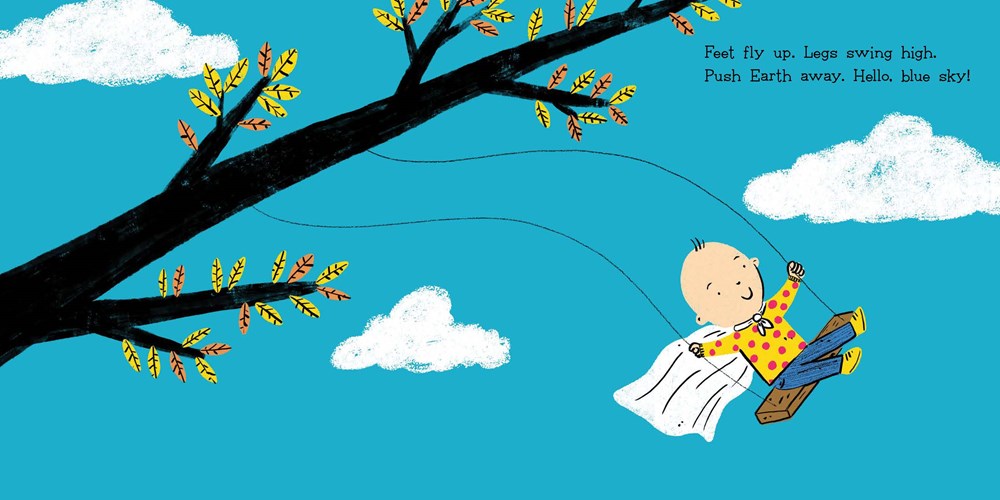
From being pushed on a swing to learning how to pump your legs yourself, from riding a beloved trike to mastering your first bike ride, from leaving the comforts of home behind to venturing forth on that first day of school, milestones are exciting but hard. They mean having to say goodbye to one moment in order to welcome the next.   

Honest and uplifting, this cheerfully illustrated ode to change gently empowers readers to brave life’s milestones, both large and small. 

About the Author and Illustrator: 

When she was five, Dianne White said goodbye to her house and her teacher, Mrs. Dunlap, and hello to a new school, and her newest favorite teacher, Mr. Loop. She has an MFA in Writing for Children and Young Adults from Vermont College of Fine Arts and is the award-winning author of Blue on Blue. She lives in Arizona, where she writes full-time. Her next book, Who Eats Orange?, is due out August 2018. For more information, and to download a free activity kit, visit diannewrites.com. Twitter: @diannewrites

Daniel Wiseman remembers saying goodbye to the training wheels on his bike, and saying a great big hello to skinned knees and elbows. But the freedom of rolling on two wheels was well worth the bumps and bruises. He still rides his (slightly larger) bike almost every day. Daniel loves to draw, and has illustrated several books for children. He lives in St. Louis, Missouri. Visit him at danieldraws.com. Instagram: @d_wiseman

Praise: 

“White and Wiseman have created an engaging set of vignettes that will appeal to young listeners in the process of learning new skills.”—Booklist

“This book will give courage to any child feeling a little nervous or scared to try something new.”—Kirkus

“The brightly colored, naive-style illustrations add a cheerful positivity to the book.”—School Library Journal

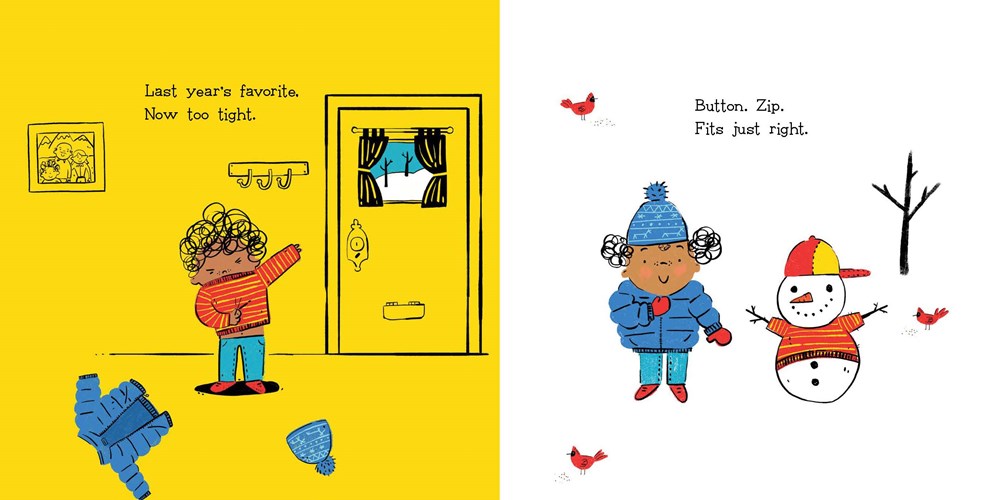
ReviewWow! What a great lesson within the pages of this book! As kids grow up, one of the hardest things is the saying goodbye to things as they outgrow or as the world changes. For example, Trent just finished preschool and is now in a jump start to pre-K program, so he is switching teachers. What a hard transition! We’ve also had a lot of change at my school that I teach at, and I have had to talk to my middle schoolers about change. It is hard for them, too! And the book doesn’t only deal with big changes, it also shows that seasons change, clothes change, haircuts change… Life is about changes, and we have to learn how to work through them to live our happiest life. Because of the way the book is written, a lot of discussion can happen inferring from the writing and the illustrations to help determine what change is happening to the kid in the illustration.

Teachers’ Tools for Navigation: Activity kit including discussion questions, poetry, graphing, mazes, looking at seasons, and other fun activities here: https://bit.ly/2s3WA40

Discussion Questions: Here are some some of the discussion questions from the activity kit:

  • What are some things you’ve had to say goodbye to? Were you sad to leave them behind? Or did you feel happy that you were moving on to something new?
  • On the back cover of the book it says, “Trying new things takes courage.” What do you think this means?
  • Can you think ahead to what things you’ll do in the future? What will you be saying goodbye to soon? What hellos are you looking forward to?
  • Do you think saying goodbye and hello to things only happens when you’re a kid? Do grown ups say goodbye and hello to things?

Flagged Passages: 

Read This If You Love: School People by Lee Bennett Hopkins; Time for School by Brian BiggsMonster Needs to Go to School by Paul CzajakOn My Way to School by Sarah Maizes; One Leaf, Two Leaves, Count with Me by John MicklosWhen Green Becomes Tomatoes by Julie Fogliano

Recommended For: 
classroomlibrarybuttonsmall 

Giveaway!

a Rafflecopter giveaway

Signature

**Thank you to Blue Slip Media for providing a copy for review and giveaway!**

Whose Boat? by Toni Buzzeo

Share

Whose Boat?
Author: Toni Buzzeo
Illustrator: Tom Froese
Published May 22nd, 2018 by Abrams Appleseed

Summary: Smoke billows up.
Cool water flows.
Whose boat is that?
Do you know?

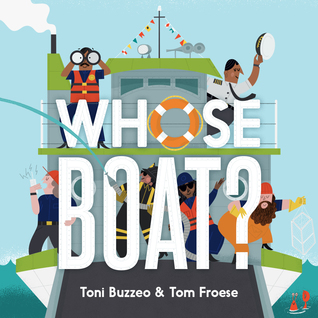
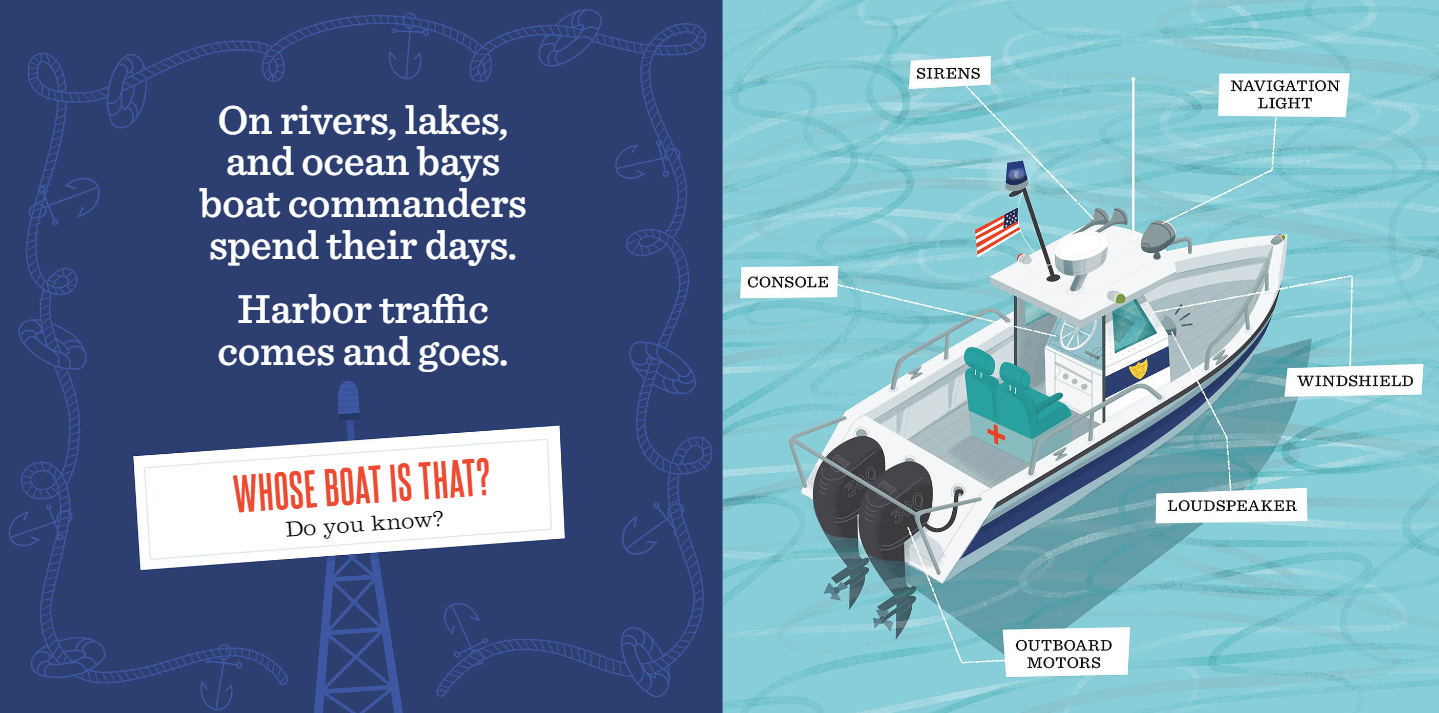
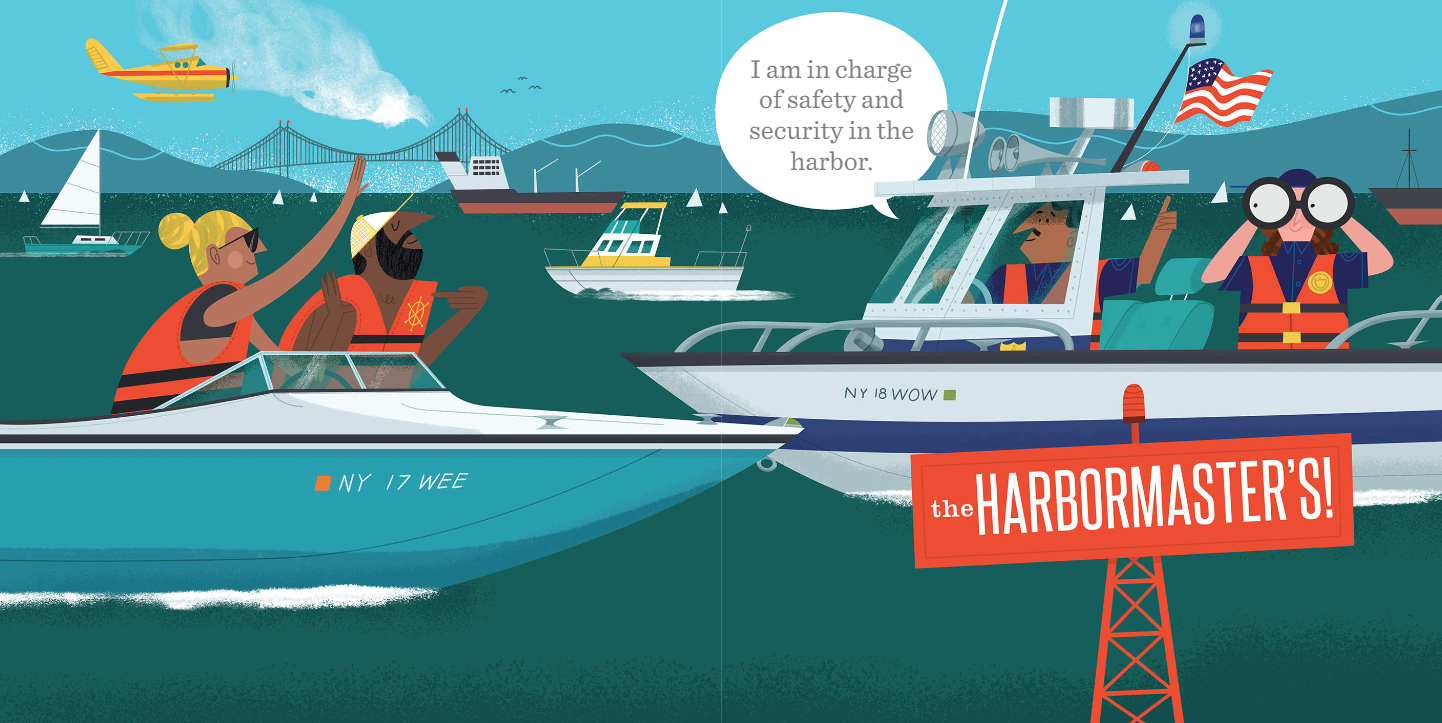
This nonfiction ode to boats features six kinds of workers and their boats—a patrol boat, a tugboat, a car ferry, a lobster boat, a lifeboat, and a fireboat—with important parts properly labeled. The answer to each inquiring refrain lies under a gatefold, engaging the reader in an informative guessing game. With lyrical (and factual!) text by New York Times–bestselling author Toni Buzzeo, and the stylized art of Tom Froese, this sturdy board book is perfect for curious and playful young readers.

About the Author and Illustrator: 

Toni Buzzeo’s first two books in the series, Whose Tools? and Whose Truck?, have sold more than fifty thousand copies. Toni is the author of the 2013 Caldecott Honor Book and New York Times bestseller One Cool Friend, as well as many other books for children. A former elementary school librarian and secondary teacher, she now presents at schools, national and international library and reading conferences, and in district and regional staff development trainings. Buzzeo lives with her husband in Arlington, Massachusetts.

Tom Froese is a commercial artist. His work can be seen in retail stores and publications including MonocleHarvard Business Review, and Wired UK. He lives in Canada.

Kellee’s ReviewThis book quickly became a favorite in our household. Trent was so excited about learning about the boats, and the little bit of a twist at the end makes it so that Trent loves to reveal this surprise and he gets excited every time. I do really like how the book doesn’t only introduce the boats but also shares the who the boat is owned/driven by. The lyrical poems for each boat are also really nicely written and fun to read aloud. 

Trent’s Review:I like how the pages open up. And I like reading it to mom, dad, and my two kitty cats. My favorite boat is the car ferry. Sometime I want to park my car in the car ferry then I’ll go up and up to the top. It is fun how the boats were the kids’ in the pool.  I like this page and this page (he then went through every page).

Teachers’ Tools for Navigation: This would be a great book to discuss careers on the water. Also, the text would be a great introduction to possessive apostrophes since it focuses on the owners of the boats. Students could also write their own poems about a vehicle or boat or building or whatever they want to have their peers guess the owner of what they are writing about.

Discussion Questions: 

  • Which boat helps maintain order in the harbor? Whose boat is it?
  • Which boat moves cars across the bay? Whose boat is it?
  • Which boat helps with fires and accidents? Whose boat is it?
  • Which boat moves larger boats? Whose boat is it?
  • Which boat captures fish and other animals for food? Whose boat is it?
  • What is the twist at the end of the book?
  • What are the differences between the boats? Similarities?
  • What boat vocabulary was new to you?

Flagged Passages: 

Read This If You Love: Jonathan and the Big Blue Boat by Philip C. Stead, Just a Tugboat by Mercer Mayer, Books about vehicles

Recommended For: 
classroomlibrarybuttonsmall 

Signature

Review and Giveaway!: What Do They Do With All That Poo? by Jane Kurtz

Share

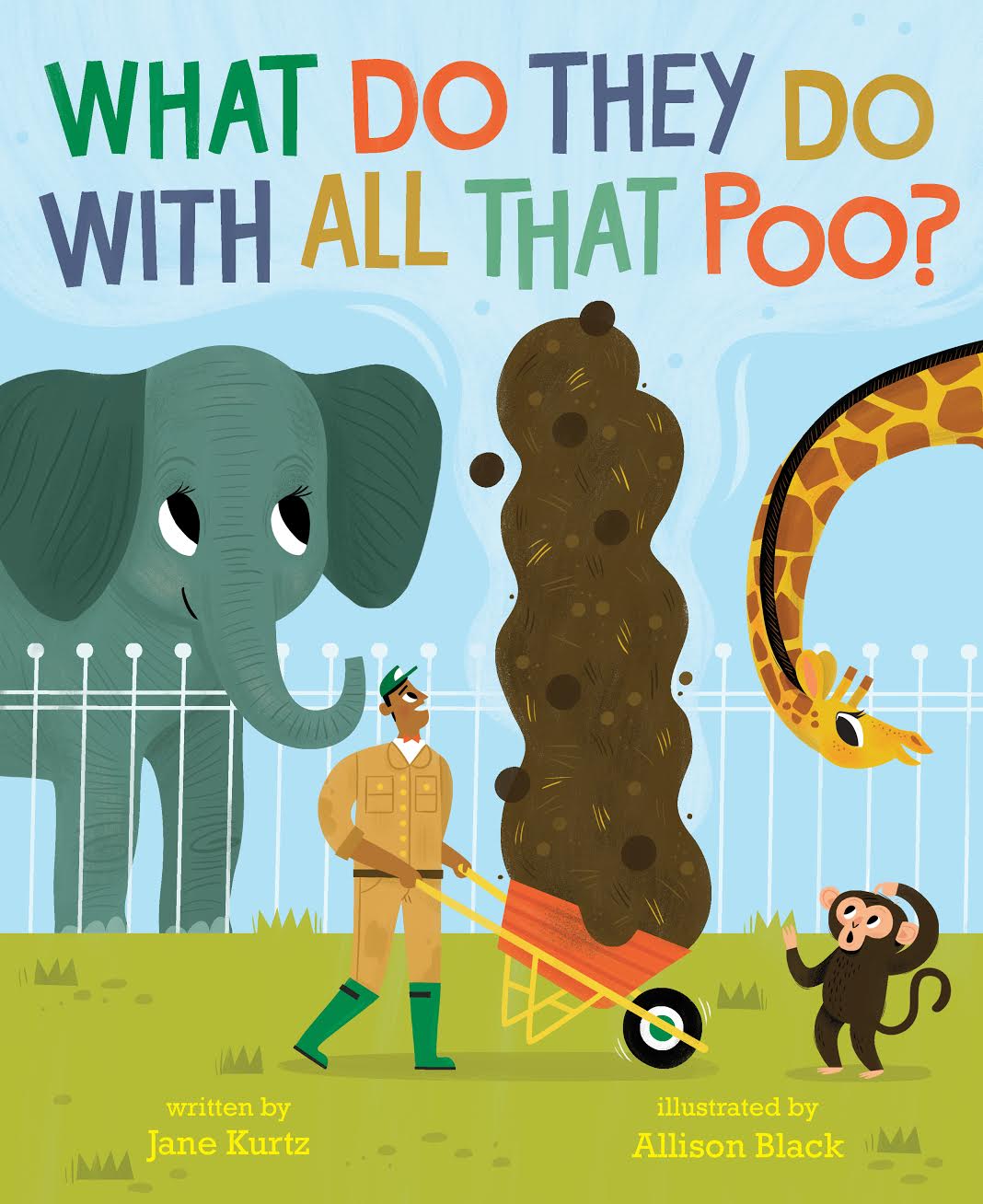
What Do They Do With All That Poo?
Author: Jane Kurtz; Illustrator: Allison Black
Published: June 19, 2018 by Beach Lane Books

Goodreads Summary: Find out what happens to all of the poo at the zoo in this funny and factual picture book!

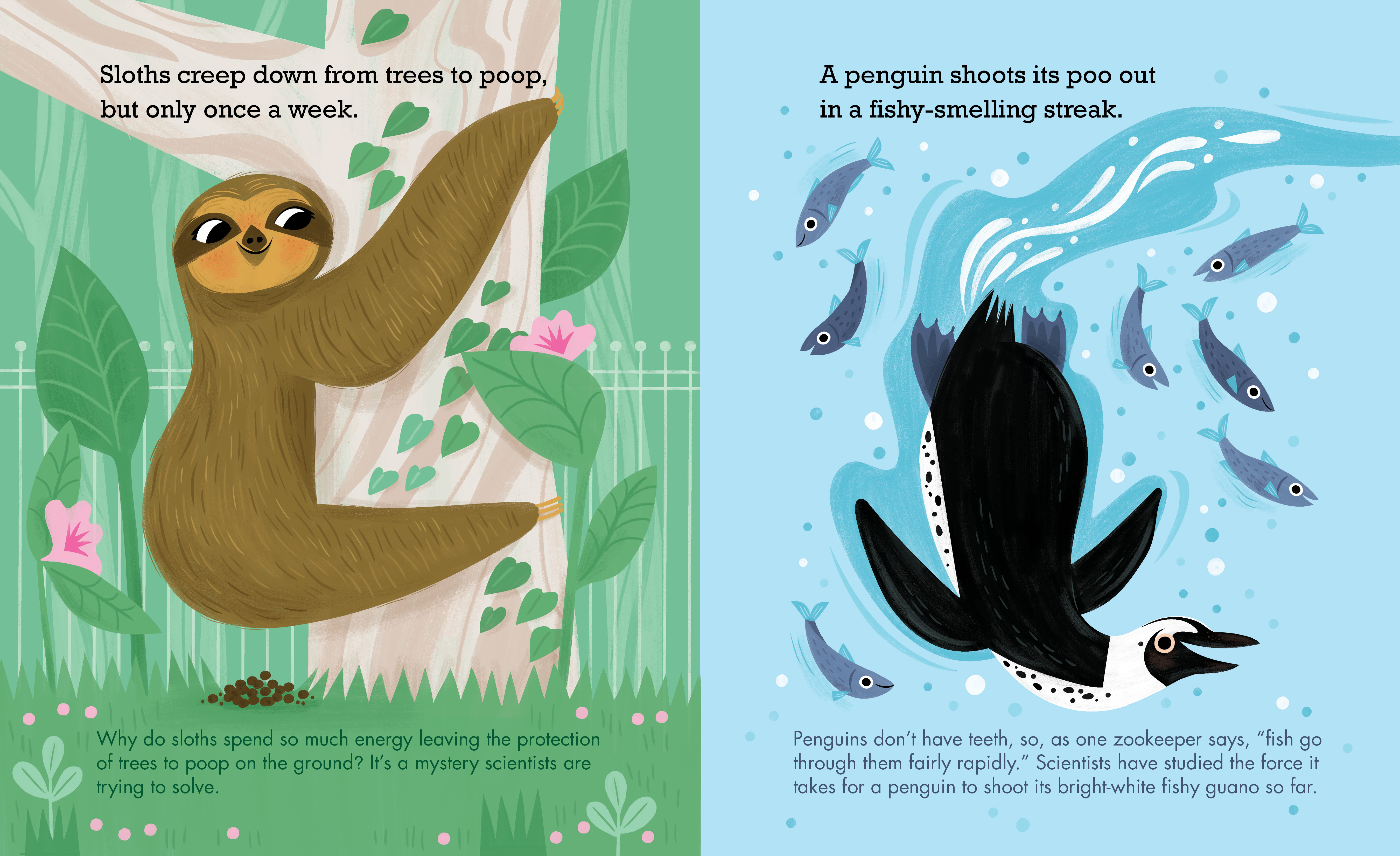
There are so many different kinds of animals at the zoo, and they each make lots and lots (and sometimes LOTS!) of poo. So what do zoos do with all of that poo? This zany, fact-filled romp explores zoo poo, from cube-shaped wombat poo to white hyena scat, and all of the places it ends up, including in science labs and elephant-poo paper—even backyard gardens!

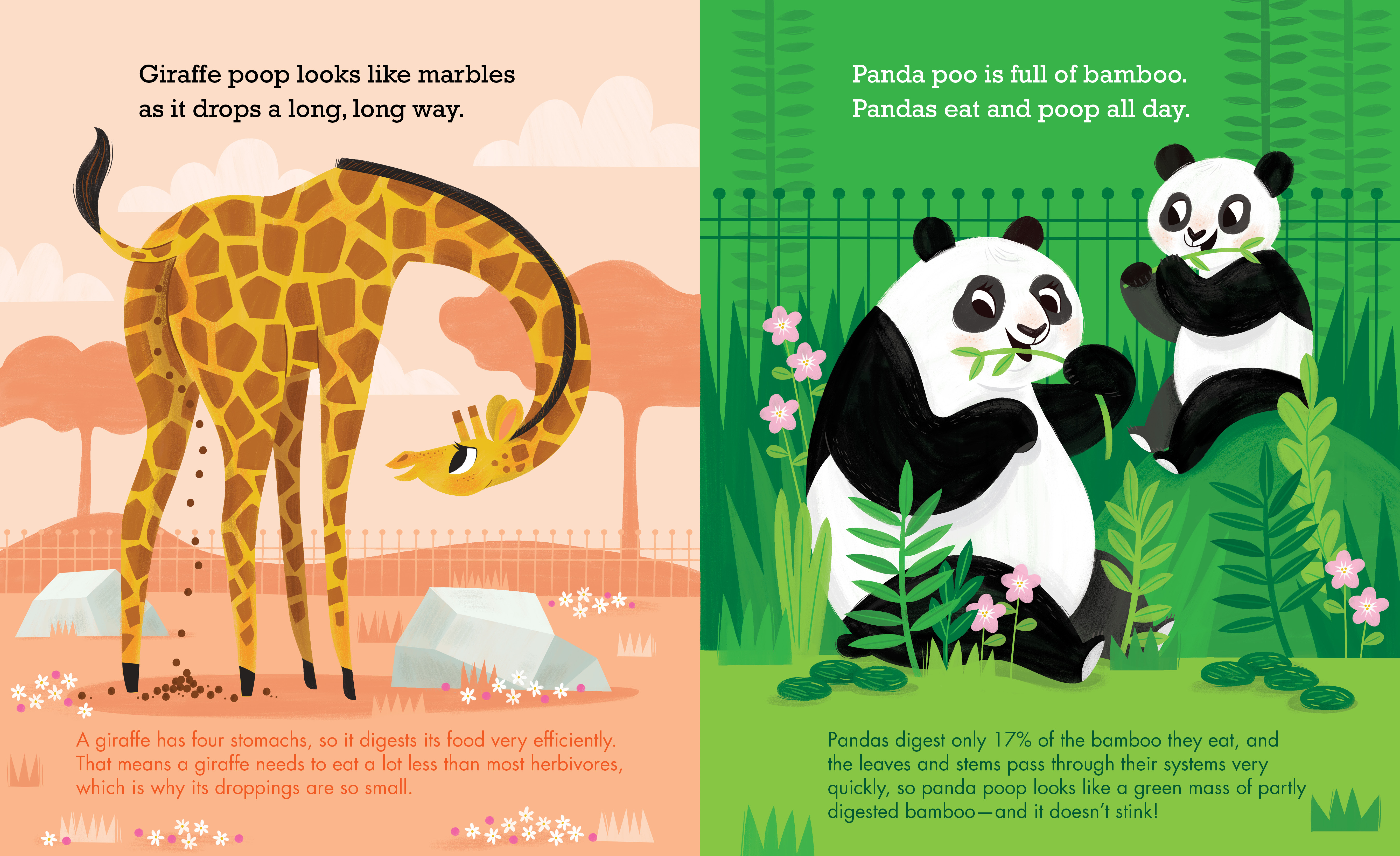
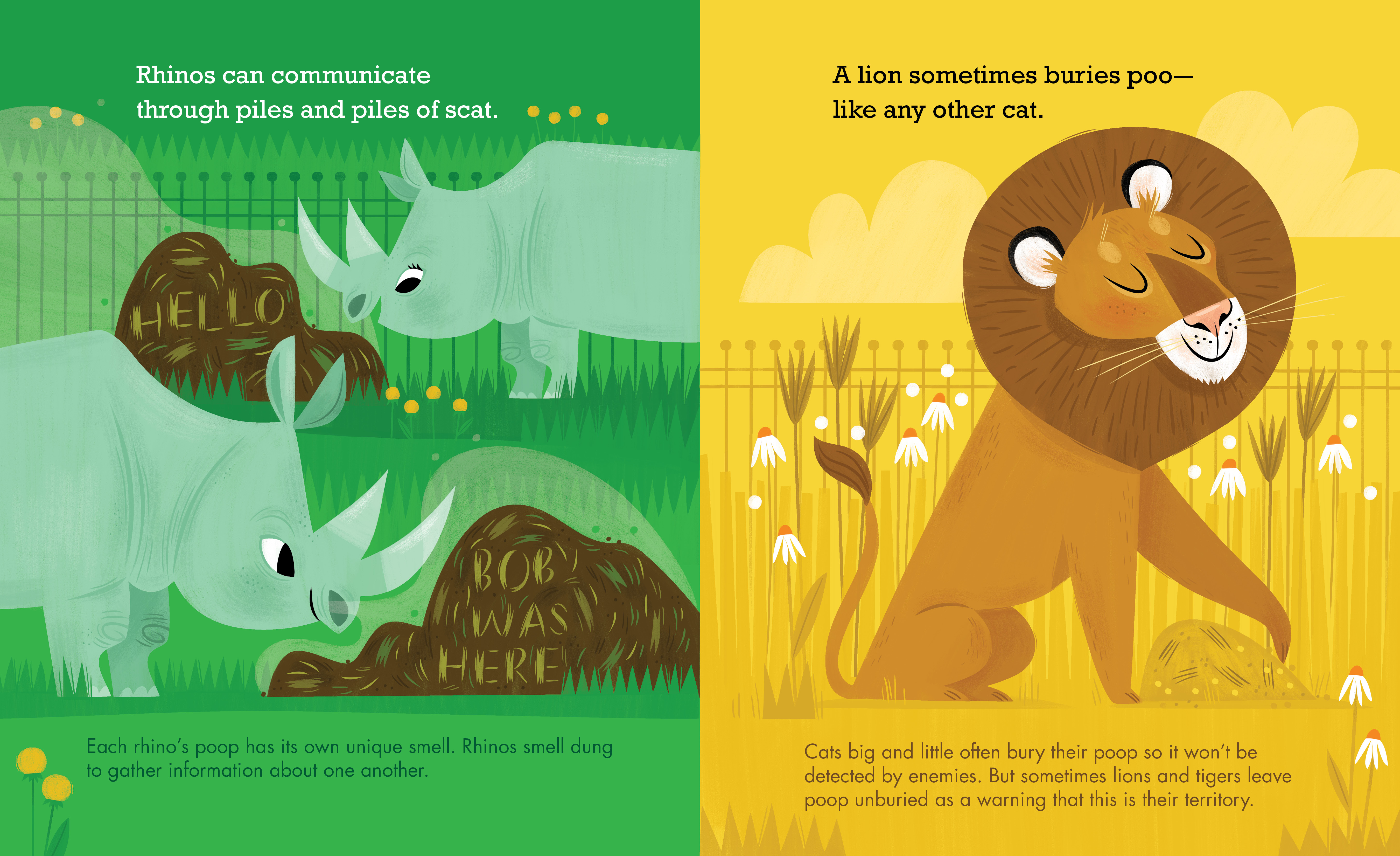
Ricki’s Review: It brings me great joy to review this book. Really. This book is on our nightly reading list, and my son laughs and laughs as we look at all of the different types of poo. I’ll admit that I don’t like poop jokes and don’t find poop to be very funny. But this book is really funny and wildly entertaining. My son’s preschool teacher has recycled panda poo paper, and he learned from this book that this recycling process is made possible by a panda’s diet (see the first spread featured below). He was thrilled to share this scientific tidbit during his morning meeting. This book spurs curiosity. My son asks a lot of questions wen we read it, and we do a lot of comparing and contrasting across pages. I’ll admit that we’ve had great fun selecting which poo is the most interesting to us. I loved that one of the animals (no spoilers here) has cube-shaped poo! This book is sure to be a favorite in classrooms. Get ready to learn science in an entertaining way!

Teachers’ Tools for Navigation: Mary Cowhey’s Black Ants and Buddhists is one of the most beloved elementary school professional development texts. In the book, Cowhey describes a moment in her teaching career when a student wondered aloud about where the poo goes after he flushes the toilet. Cowhey set up an exploratory learning unit based on this question. What Do They Do with All That Poo? follows this spirit (with a focus on zoos and animals).

Teachers might ask students to go home and return to class with an inquiry question about the world. Then, they might (as a whole class, in groups, individually) explore their question(s) and design a picture book or picture books to reflect their new learning.

Discussion Questions: 

  • What did you learn? What do they do with all that poo?
  • Which animal poo was the most interesting to you?
  • Select one animal. What is one interesting fact about the animal’s poo (beyond the shape)?
  • Which animals weren’t featured in the book? What is their poo like?

Flagged Passages: 

Read This If You Loved: Caring for Your Lion by Tammi Sauer; Strange, Unusual, Gross, and Cool Animals by Charles Ghigna; Pink is for Blobfish by Jess Keating; Animal Planet & National Geographic nonfiction such as Real or Fake?Ocean AnimalsAwesome 8Animal Atlas, or the Animal Bites series    

Recommended For: 
readaloudbuttonsmall classroomlibrarybuttonsmall

Giveaway!:

a Rafflecopter giveaway

About the Author: Jane Kurtz was born in Portland, Oregon (where she now lives), but when she was two years old, her parents decided to move to Ethiopia, where she spent most of her childhood. Jane speaks about being an author at schools and conferences—in all but eleven of the United States, so far, and such places as Uganda, Nigeria, Kenya, France, Germany, Romania, Russia, Oman, England, Indonesia, Cambodia, the Philippines, and Japan. She helped start Ethiopia Reads (EthiopiaReads.org), a nonprofit that is planting libraries for children and printing some of the first easy-reader books in local languages in Ethiopia. She is the author of many books for children, including Water Hole Waiting and River Friendly River Wild, winner of the SCBWI Golden Kite award for picture book text. To learn more, visit her website: janekurtz.com.

Twitter: @janekurtz

RickiSig

**Thank you to Barbara at Blue Slip Media for providing a copy for review!**

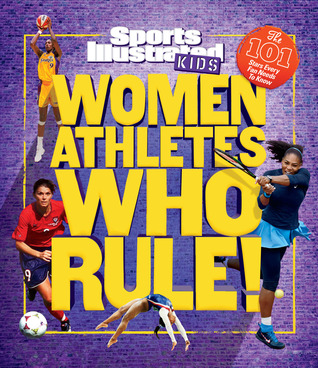
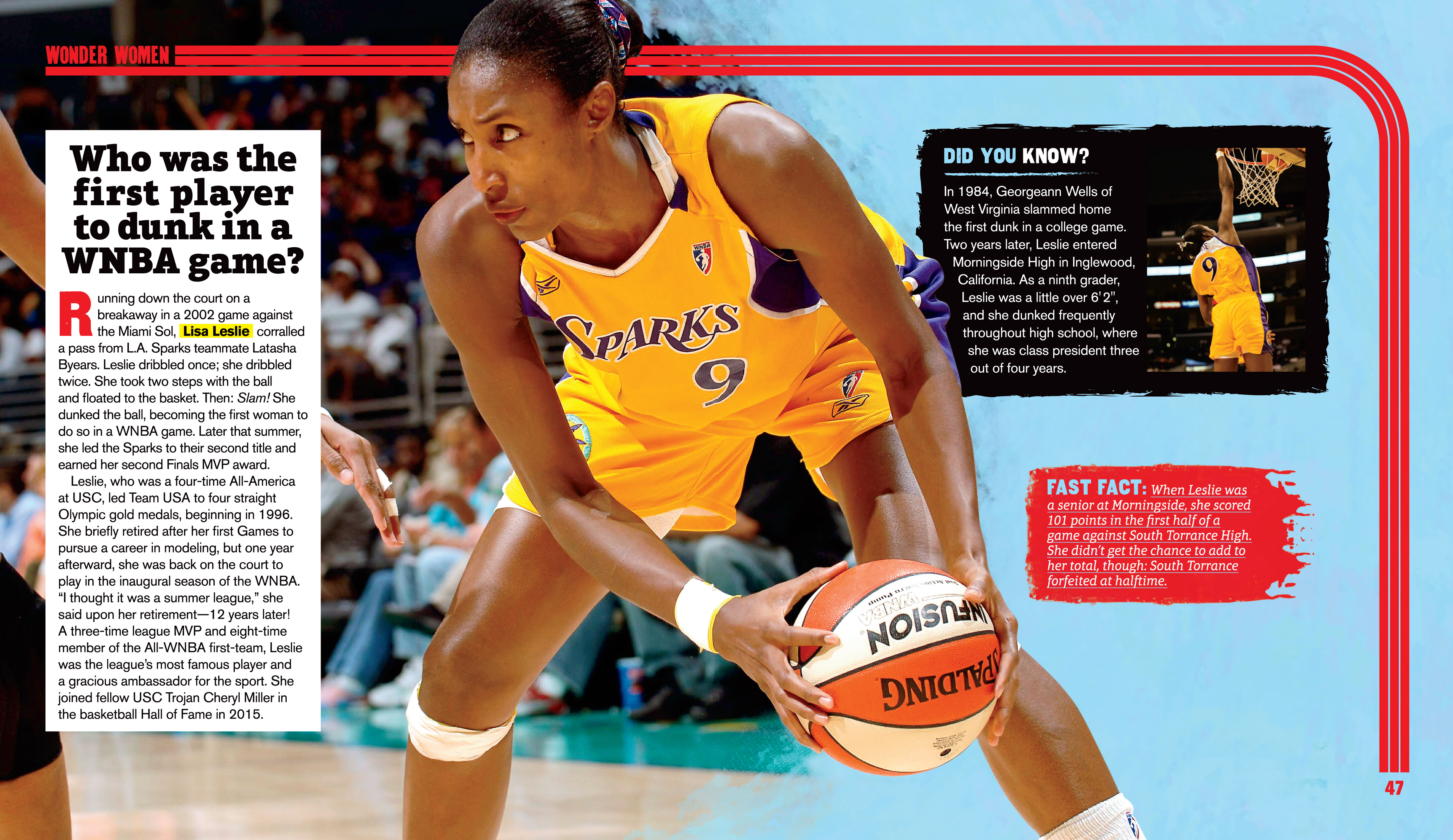
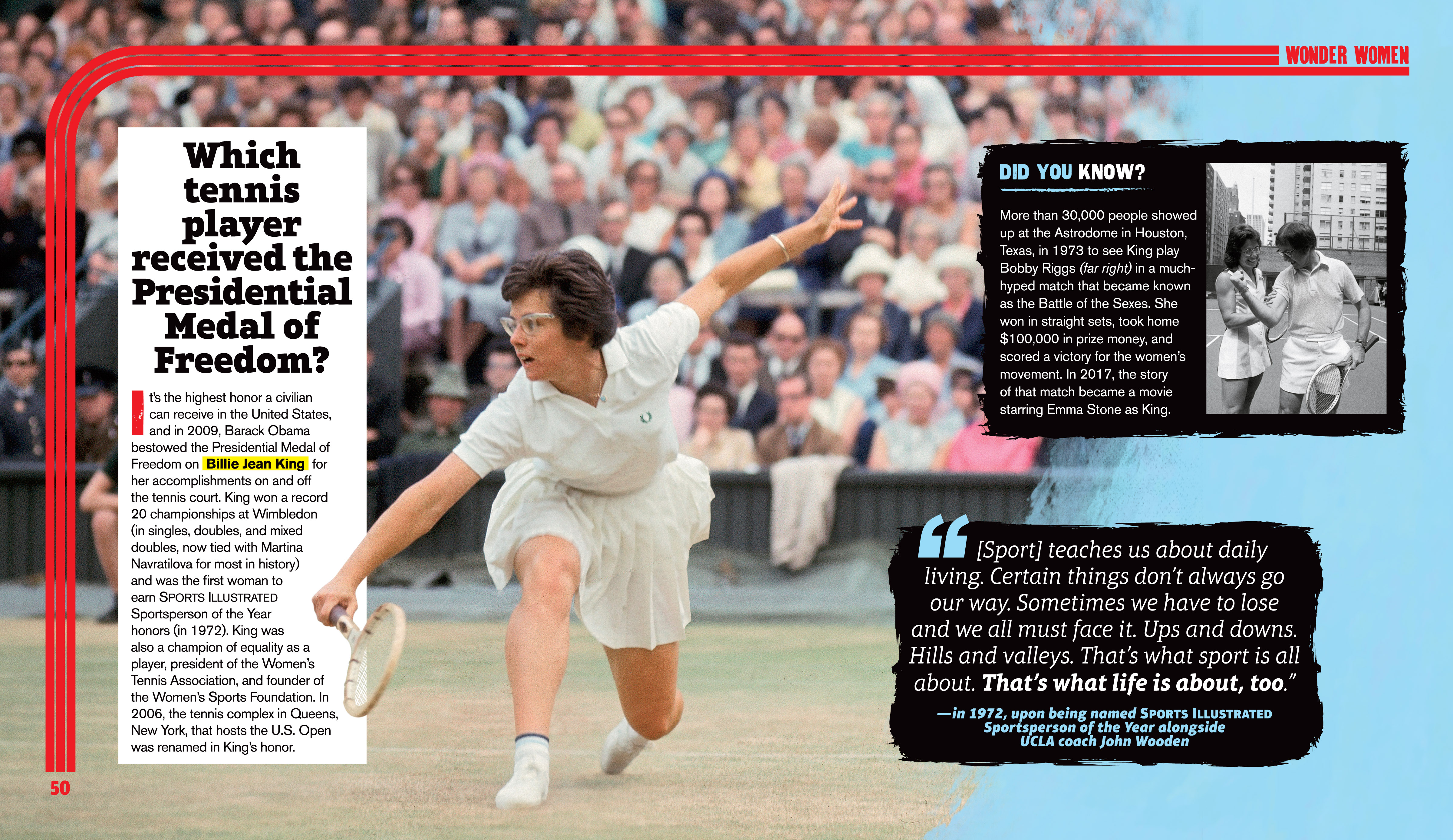
Women Athletes Who Rule! from Sports Illustrated Kids: The 101 Stars Every Fan Needs to Know by Elizabeth McGarr McCue

Share

Women Athletes Who Rule! from Sports Illustrated Kids: The 101 Stars Every Fan Needs to Know
Author: Elizabeth McGarr McCue
Published June 5th, 2018 by Sports Illustrated

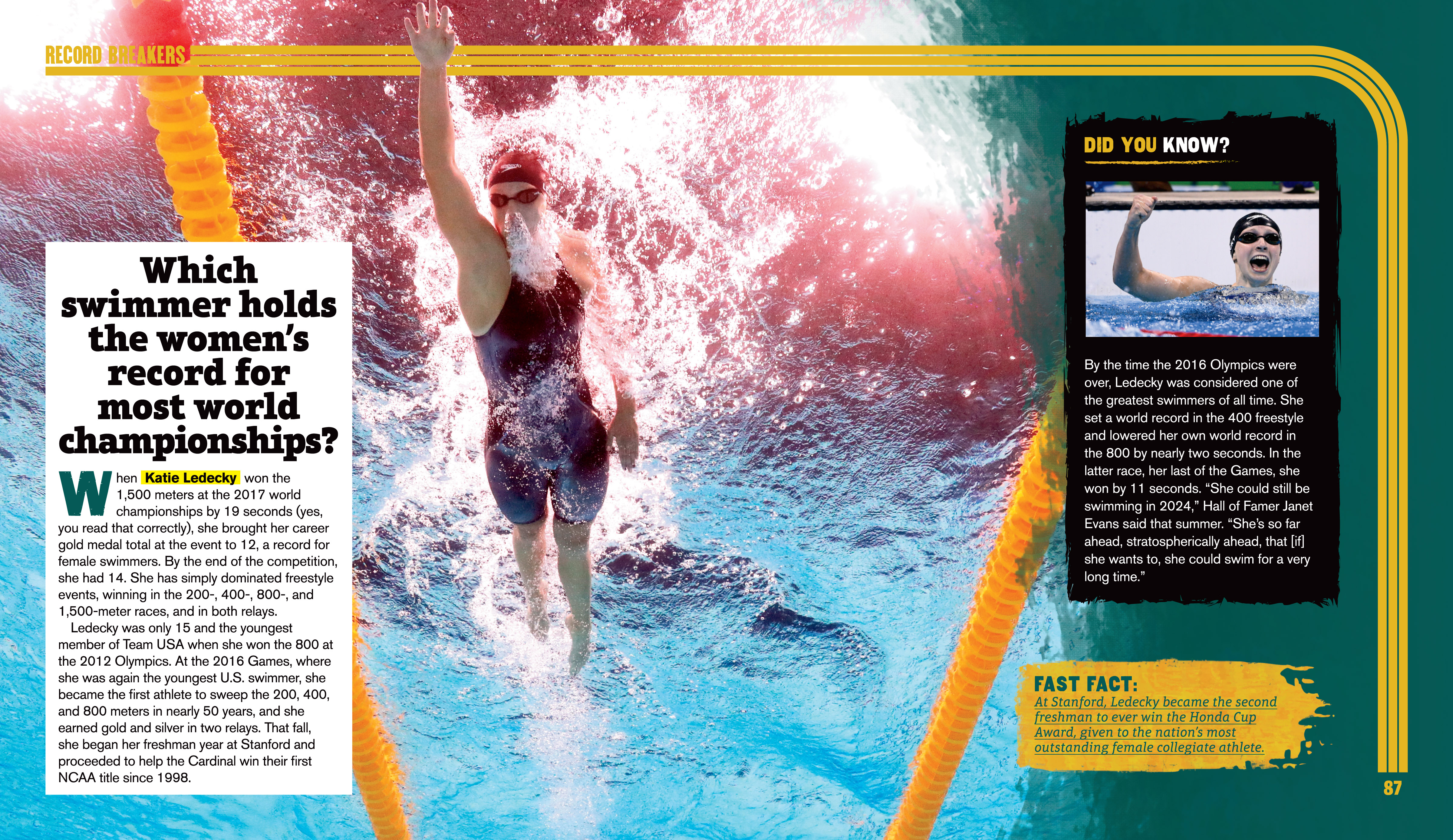
Summary: The fifth book in the Big Book of Who series from Sports Illustrated Kids profiles extraordinary athletes who shaped the narratives of their sports. The best women athletes–past and present–including Billie Jean King, Serena Williams, Nadia Comaneci, Simone Biles, and dozens more are grouped into these categories: Superstars who reinvented what it means to be a sports celebrity, Wonder Women who transcend sports and created seismic shifts in our culture, Trail Blazers who broke barriers and paved the way for others to follow, Record Breakers who set new standards for excellence, and the Champions who showed heart and gumption as winners. All of their stories bring excellence in women’s sports to readers hungry for empowering stories for kids–girls and boys alike. 

ReviewAlthough I wish there were just more women in a book called ATHLETES WHO RULE, I am happy to have a book that celebrates female athletes that kick butt in their sport! This book celebrates firsts, amazing accomplishments, broken records, and champions. I adore that it spans from the early 1900s to today looking at women who paved the way for the extraordinary athletes that are superstars of today.

Teachers’ Tools for Navigation: The text is structured like a Guinness Book of World Records book making it quite friendly for kid readers who want to read the whole text or for readers who want to browse for fun facts. It could also be a great resource for a literacy activity in a physical education class.

Discussion Questions: 

  • How did the women of the early 1900s help pave the way for women athletes today?
  • How are women athletes treated differently than male athletes?
  • Which woman athlete was a new name to you and impressed you with their accomplishments?
  • How was the book structured? What other ways could it have been organized?
  • How did the “Fast Facts,” “Did You Know,” and “Wow Factor” sidebars help with the intrigue the book built?

Flagged Passages: 

Credit: Excerpted from Women Athletes Who Rule by the Editors of Sports illustrated Kids. Copyright © 2018 Liberty Street. Reprinted with permission from Time Inc. Books, a division of Meredith Corporation. New York, NY. All rights reserved.

Read This If You Love: Sports!, Sports history, Sports Illustrated Kids

Recommended For: 
classroomlibrarybuttonsmall

Signature

**Thank you to little bigfoot for providing a copy for review!**