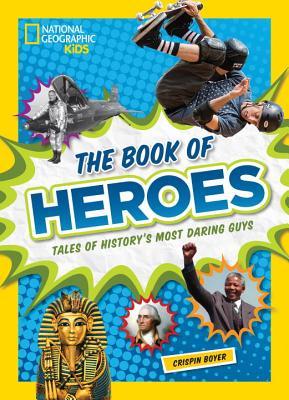
The Book of Heroines: Tales of History’s Gutsiest Gals & The Book of Heroes: Tales of History’s Most Daring Dudes from National Geographic Kids

Share

nfpb2017

Nonfiction Wednesday

Nonfiction Picture Book Wednesday is hosted by Kid Lit Frenzy and was started to help promote the reading of nonfiction texts. Most Wednesdays, we will be participating and will review a nonfiction text (though it may not always be a picture book).
Be sure to visit Kid Lit Frenzy and see what other nonfiction books are shared this week!
book-of-heroines

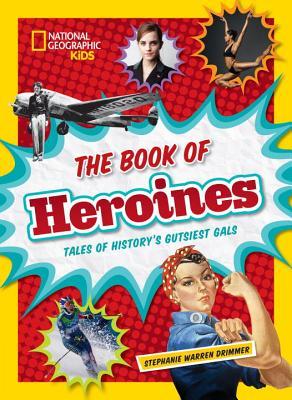
The Book of Heroines: Tales of History’s Gutsiest Gals
Author: Stephanie Warren Drimmer
Published November 8th, 2016 by National Geographic Children’s Books

book-of-heroes

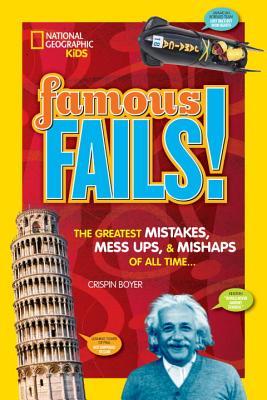
The Book of Heroes: Tales of History’s Most Daring Guys
Author: Cristpin Boyer
Published November 8th, 2016 by National Geographic Children’s Books

The Book of Heroines Summary: Everybody needs a role model! Discover true stories of superstars, war heroes, world leaders, gusty gals, and everyday girls who changed the world.

From Sacagawea to Mother Teresa, Annie Oakley to Malala Yousafzai, these famous females hiked up their pants and petticoats or charged full-speed ahead to prove that girls are just as tough as boys…maybe even tougher. Complete with amazing images and a fun design, this is the book that every kid with a goal, hope, or dream will want to own.

The Book of Heroes Summary: Everybody needs a role model! Discover the true stories of superheroes, rebels, world leaders, action heroes, sports legends, and many more daring dudes, all of whom played their part to make their mark, make a contribution, and make the world a better place.

From Abraham Lincoln to Sitting Bull, Stephen Hawking to Galileo, these cool guys had the boldness, bravery, and brains to meet the challenges of their day. With a fun design, engaging text, and high-quality photographs, this is ultimate hero guide and keepsake for 21st century kids .

Review: As I’ve stated over and over, I am so impressed with all the new National Geographic Kids books that I have encountered over the last couple of years. With this text, I specifically found the way that the publisher/authors structure the texts makes them so thematic-based thus accessible and informative. The books also have something for everyone as so many different types of heroines/heroes are featured from scientists, historical heroes, political heroes, and more! I cannot wait to put these in my classroom and find out how to use them with students!

Teachers’ Tools for Navigation: Teachers will find this book irreplaceable! It has so much information to fit into so many different units, connect with so many different texts, and relates to so many parts of history. These texts could also be used as the basis of a inquiry project where students use these texts as previews and they choose a theme or a hero/heroine and complete a research/inquiry project around it or maybe even create a text set around the theme or the person.

Discussion Questions: Which heroine/hero do you think changed history the most?; If you were to take part in an inquiry project about one hero/heroine, who would you like to learn more about?; Why did the author/publisher choose to structure the text in the way they did? What other structures could they have chosen? Which do you feel would have had a bigger impact?

Flagged Passages: 

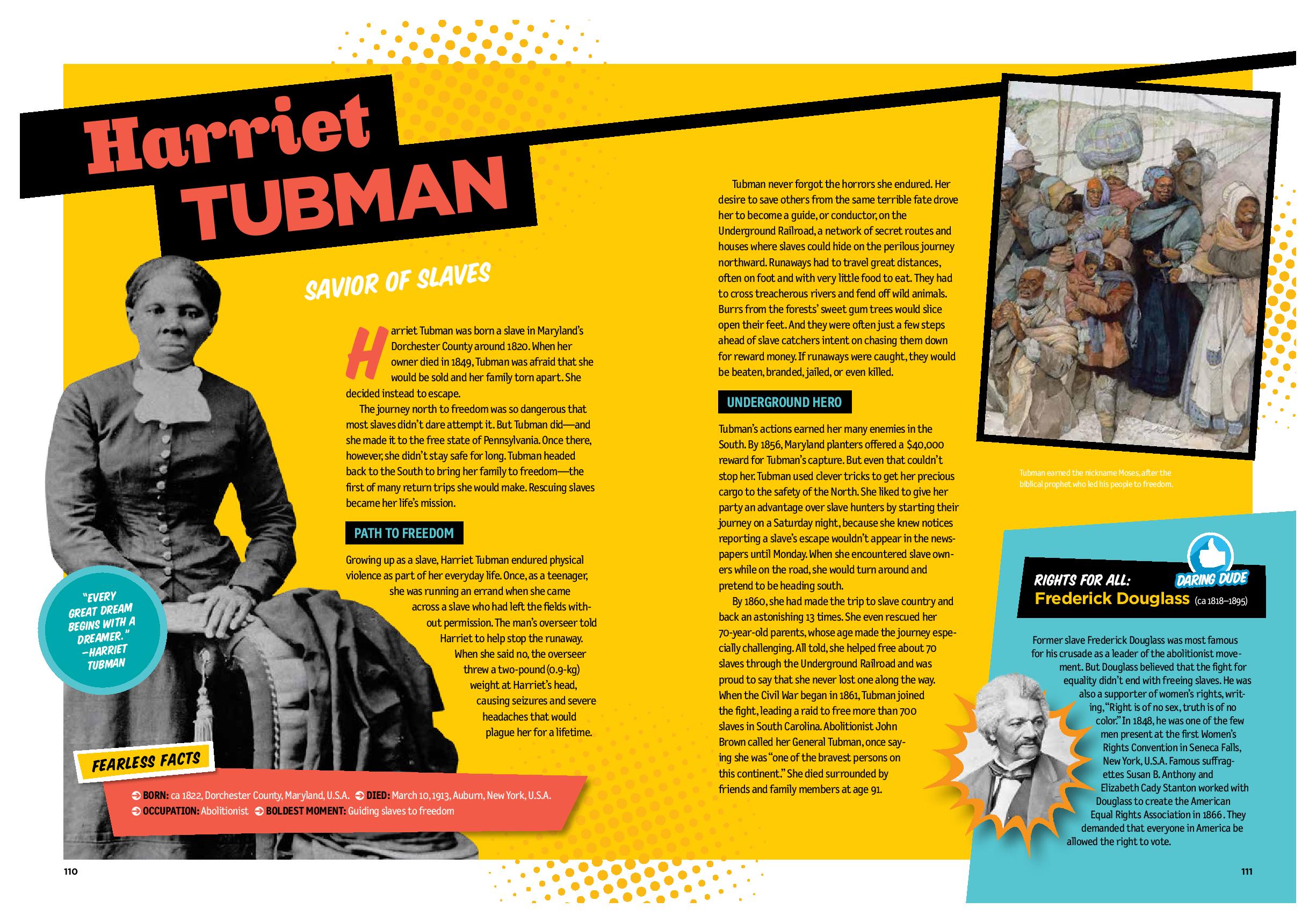
books-of-heroines-108-111-116-117-peace-heroines-page-001books-of-heroines-108-111-116-117-peace-heroines-page-002books-of-heroines-108-111-116-117-peace-heroines-page-003

Read This If You Love: Biographies, History, Women’s Rights, Science, Animals, Mythology

Recommended For: 

classroomlibrarybuttonsmall closereadinganalysisbuttonsmall

Signature

**Thank you to Karen at Media Masters Publicity for providing copies for review!**

Frightlopedia by Julie Winterbottom

Share

nfpb2017

Nonfiction Wednesday

Nonfiction Picture Book Wednesday is hosted by Kid Lit Frenzy and was started to help promote the reading of nonfiction texts. Most Wednesdays, we will be participating and will review a nonfiction text (though it may not always be a picture book).
Be sure to visit Kid Lit Frenzy and see what other nonfiction books are shared this week!

frightlopedia

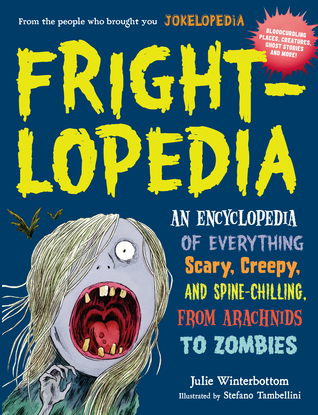
Frightlopedia: An Encyclopedia of Everything Scary, Creepy, and Spine-Chilling, from Arachnids to Zombies
Author: Julie Winterbottom
Illustrator: Stefano Tambellini
Published August 23rd, 2016 by Workman Publishing Company

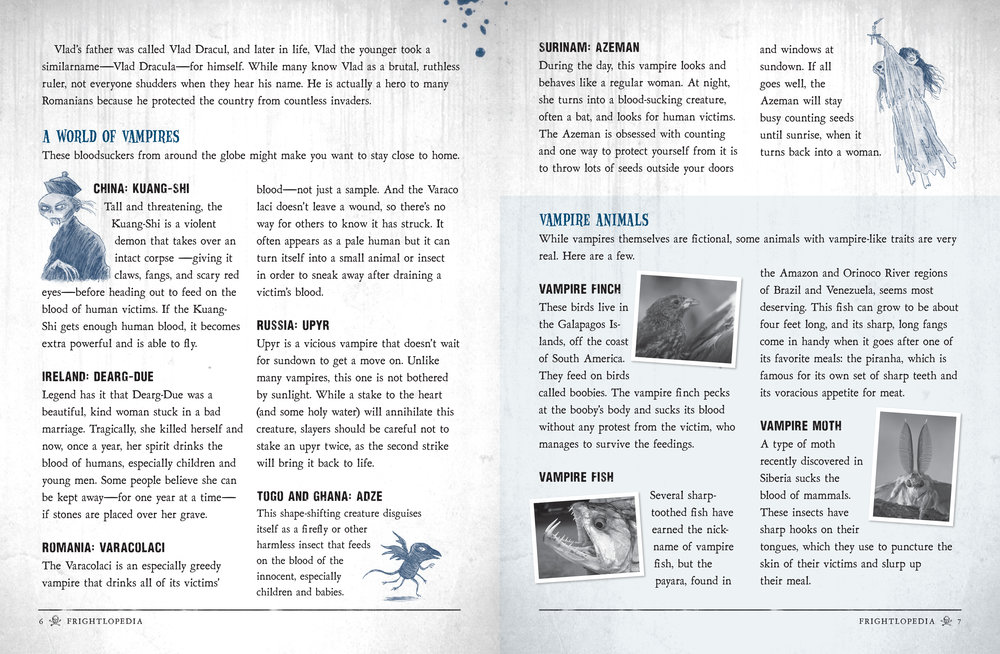
Summary: Here’s the book for kids who love scary stuff, whether it’s telling ghost stories around a campfire, discovering the origins of various vampires, monsters, and witches, or reading creepy tales under the covers with a flashlight.

Combining fact, fiction, and hands-on activities, Frightlopedia is an illustrated A-Z collection of some of the world’s most frightening places, scariest stories, and gruesomest creatures, both real and imagined. Discover Borneo’s Gomantong Cave, where literally millions of bats, cockroaches, spiders, and rats coexist—in pitch darkness. Learn about mythical creatures like the Mongolian Death Worm—and scarily real ones like killer bees, which were accidentally created by scientists in the 1950s. Visit New Orleans’s Beauregard-Keyes house, where Civil War soldiers are said to still clash in the front hall. Plus ghost stories from around the world, a cross-cultural study of vampires, and how to transform into a zombie with makeup. Each entry includes a “Fright Meter” measurement from 1 to 3, because while being scared is fun, everyone has their limit.

Review: I loved the structure of this text, and students and other teachers will as well. Different than a traditional encyclopedia, the Frightlopedia mixes fact, fiction, traditional literature, and hands-on activities which makes this a perfect classroom text as it will suck in readers in so many different ways, and it will also work in such a variety of classroom activities as well.

Teachers’ Tools for Navigation: Like I shared above, this text has a really nice mix of genres along with hands-on activities. For example, parts of the text could be used during lessons on mythology, literary standards, traditional literature, science, or history. There is just so much, it is hard to actually share it all. Go into MONSTERS, if you want include mythological creatures; SHARKS or JELLYFISH during biology; CAPUCHIN CATACOMBS or MUMMIES in history; XYLOPHOBIA or CLAUSTROPHOBIA during word students of affixes; WRITE YOUR OWN GHOST STORY during creative writing; and so much more!

Discussion Questions: Which section did you find the most frightening? Why? The most interesting? Why?; Do you believe in ghosts?; How were mummies made in different cultures?; Which animal is the most frightening to you?

Flagged Passages: 

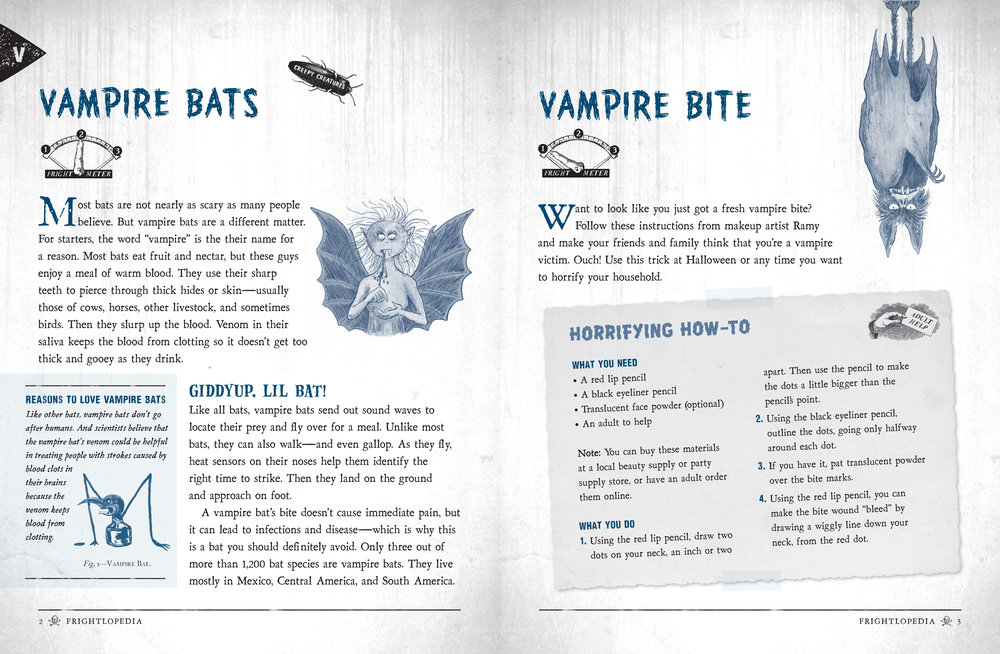
frightlopedia-vampire

frightlopedia-vampire-2

Read This If You Love: Ghost stories, mythology, being scared, learning about weird animals, learning about scary history

Recommended For: 

classroomlibrarybuttonsmall closereadinganalysisbuttonsmall

Signature

Exclusive Reveal!: Teaching Guide for Charlie and Mouse by Laurel Snyder

Share

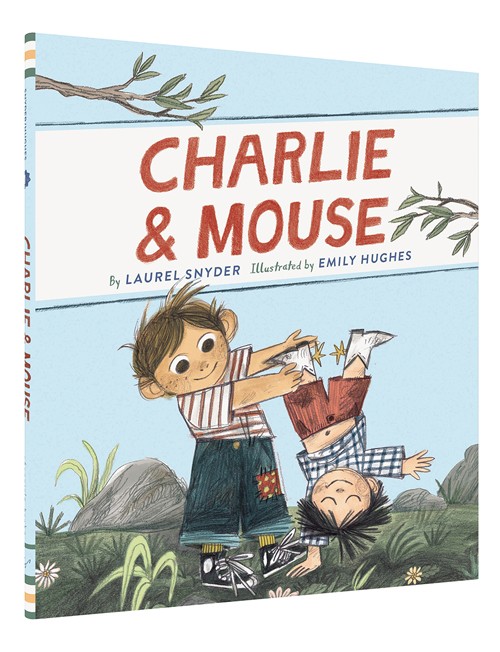
charlie-and-mouse-cover

Charlie & Mouse
Author: Laurel Snyder
Illustrator: Emily Hughes
Expected Publication April 11th, 2017 by Chronicle Books
http://www.chroniclebooks.com/charlie-mouse.html

Yesterday we revealed the Barkus teaching guide, today we get to share another new guide I wrote for another must-get early chapter book from Chronicle Books for all of my early elementary friends!

About the Book: Meet Charlie and Mouse! Join these irresistible and irrepressible sibs in their quest to talk to some lumps, take the neighborhood to a party, sell some rocks, and invent the bedtime banana. With imagination and humor, beloved author and illustrator team Laurel Snyder and Emily Hughes paint a lively picture of brotherhood in four irresistible stories that readers will relish.

About the Author: Laurel Snyder is the author of many books for children. She lives and writes in a small yellow house in Atlanta, Georgia, which she shares with her husband and two sons. She would like to state for the record that while none of these stories are exactly true, none of them are exactly untrue either.

About the Illustrator: Emily Hughes is an illustrator (and sometimes writer) who lives in windy Brighton, England, while thinking fondly of her hometown in Hilo, Hawaii. When making books she uses pencils, her tablet, and a very, very generous stack of paper.

About the Guide: This guide consists of discussion opportunities and classroom extension activities designed for use by Pre-K through first grade students in classroom, small group, or individual assignments. Charlie & Mouse allows children to exercise a variety of reading comprehension strategies, from gaining information about a story from the illustrations and text to retelling, describing, building vocabulary, and comparing and contrasting. Additionally, Charlie & Mouse helps young readers develop foundational reading skills such as learning to recognize sight words and text features.

You can also access the teaching guide here.

Update (11/10/17): I have completed the guide for the sequel to Charlie and Mouse as well! Check it out: https://www.unleashingreaders.com/?p=14584

Recommended For: 

readaloudbuttonsmall classroomlibrarybuttonsmall closereadinganalysisbuttonsmall

Don’t miss out on this one!

Kellee Signature


Exclusive Reveal!: Teaching Guide for Barkus by Patricia MacLachlan

Share

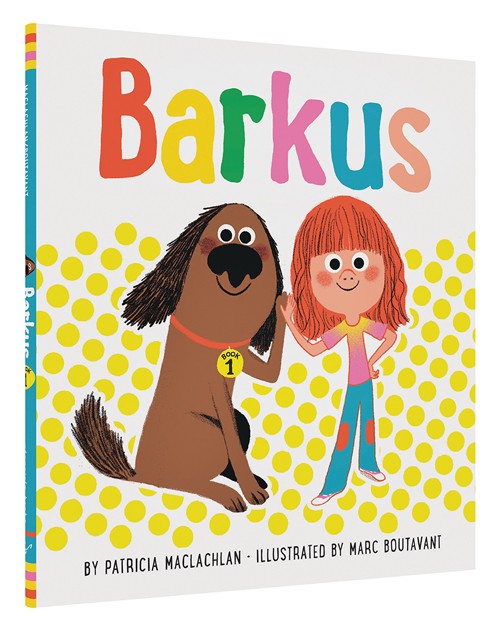
barkus-cover

Barkus
Author: Patricia MacLachlan
Illustrator: Marc Boutavant
Expected Publication June 6th, 2017 by Chronicle Books
http://www.chroniclebooks.com/barkus.html

Today we are happy to be able to be able to exclusively reveal the teaching guide for Barkus by Patricia MacLachlan. This is an early chapter book that is a must-get for all of our early elementary friends.

About the Book: Meet Barkus. Barkus is loyal. Barkus is generous. Barkus is sometimes a little too energetic! But in the end, Barkus is family. The exuberant Barkus and his lucky young owner jump, whirl, and twirl across this delightful early chapter book series from two award-winning book creators.

About the Author: Patricia MacLachlan is the celebrated author of many timeless books for young readers, including Sarah, Plain and Tall, winner of the Newbery Medal. Her novels for young readers include: Arthur, For the Very First Time; The Facts and Fiction of Minna Pratt; Skylark; Caleb’s Story; More Perfect than the Moon; Grandfather’s Dance; Word After Word After Word; Kindred Souls; and The Truth of Me. She is also the author of countless beloved picture books, a number of which she co-wrote with her daughter, Emily.

About the Illustrator: Marc Boutavant is an illustrator, graphic artist, and comic strip author. He lives in Paris.

About the Guide: This guide consists of discussion opportunities and classroom extension activities designed for use by Pre-K through second grade students in classroom, small group, or individual assignments.

You can also access the teaching guide here.

Recommended For: 

readaloudbuttonsmall classroomlibrarybuttonsmall closereadinganalysisbuttonsmall

Don’t miss out on this one!

Kellee Signature

Tales from the Arabian Nights: Stories of Adventure, Magic, Love, and Betrayal by Donna Jo Napoli

Share

nfpb2017

Nonfiction Wednesday

Nonfiction Picture Book Wednesday is hosted by Kid Lit Frenzy and was started to help promote the reading of nonfiction texts. Most Wednesdays, we will be participating and will review a nonfiction text (though it may not always be a picture book).
Be sure to visit Kid Lit Frenzy and see what other nonfiction books are shared this week!

arabian-nights

Tales from the Arabian Nights: Stories of Adventure, Magic, Love, and Betrayal by Donna Jo Napoli
Author: Donna Jo Napoli
Illustrator: Christina Balit
Published October 11th, 2016 by National Geographic Children’s Books

Summary: Classic stories and dazzling illustrations of princesses, kings, sailors, and genies come to life in a stunning retelling of the Arabian folk tales from One Thousand and One Nights and other collections, including those of Aladdin, Sinbad the Sailor, and Ali Baba and the Forty Thieves. The magical storytelling of award-winning author Donna Jo Napoli dramatizes these timeless tales and ignites childrens’ imaginations.

Review: This short story anthology of Arabian mythology was fascinating, captivating, and beautifully written and illustrated. The layers of themes and stories built upon each other to create a collection that is a wonderful introduction to true traditional literature.

One thing that I at first struggled with but then ended up loving was how stories overlapped with stories. The main story was that a young woman was telling her husband a story every night to keep him in suspense so that he keeps her alive for another night. So within her story, she is telling stories. Then sometimes the characters in her stories, to help her add suspense and cliffhangers, will tell stories. So that meant at times the story you were reading was a story within a story within a story. Sounds confusing but the way it was explained and implemented allowed for the tactic to do what the young woman hoped it would do for her husband–I just had to keep reading!

I also, in my ignorance, had not read any Arabian traditional literature as I only knew the pop culture versions, so I loved learning about the culture and history through their folk tales.

Teachers’ Tools for Navigation: Greek mythology is taught throughout school; however, there are folk tales and mythology from so many other cultures. I would love to see more Arabian folk tales taught during mythology units (and why not more folk tales and mythology from other cultures as well!). Donna Jo Napoli along with Christina Balit already have anthologies for Egyptian and Norse (and Greek), so those are a good place to start!

Discussion Questions: What are some themes you see throughout all of the tales?; How are the stories you were familiar with different than the popular culture versions you knew?

Flagged Passages: 

arabian-nights-illustration

“Princess Budur unfoldedthe letter and her own ring dropped into her palm. She read the letter. At last! She planted her feet against the wall and strained until the iron around her neck snapped. She pulled the curtain aside and threw herself into Qamar al-Zaman’s arms. On that day they were wed.” (p. 72-73)

Read This If You Love: The Arabian Nights by various and other Middle Eastern or Asian stories and folk tales, mythology

Recommended For: 

classroomlibrarybuttonsmall closereadinganalysisbuttonsmall

Signature

**Thank you to Karen at Media Masters Publicity for providing a copy for review!!**

Dining with Dinosaurs: A Tasty Guide to Mesozoic Munching by Hannah Bonner

Share

nfpb2017

Nonfiction Wednesday

Nonfiction Picture Book Wednesday is hosted by Kid Lit Frenzy and was started to help promote the reading of nonfiction texts. Most Wednesdays, we will be participating and will review a nonfiction text (though it may not always be a picture book).
Be sure to visit Kid Lit Frenzy and see what other nonfiction books are shared this week!

Also, I’d like to thank Sarah Brannen for making such a beautiful piece of artwork for our weekly nonfiction link up. It is perfect for illustrating why nonfiction is so important!

dining-with-dinosaurs

Dining with Dinosaurs: A Tasty Guide to Mesozoic Munching
Author: Hannah Bonner
Published September 20th, 2016 by National Geographic Children’s Books

Summary: Sure you know T-Rex was the meat-eating king and brontosaurus munched on leaves, but what else was on the dino dining menu during the Mesozoic era?

Meet the ‘vores: carnivores, piscivores, herbivores, insectivores, “trashivores,” “sunivores,” and omnivores like us.

Readers will be surprised and inspired to learn about dino diets and they’ll get to explore how scientists can tell which dinosaurs ate what just from looking at fossils!

Journey through artist and author Hannah Bonner’s whimsical world to learn how the dinosaurs and their contemporaries bit, chewed, and soaked up their food.

Review: Although the cover looks a bit silly, this text is to be taken seriously. Hannah Bonner does a wonderful job examining what different dinosaurs ate, the science behind what and why they ate what they did, how paleontologists know what dinos ate, and where all these dinosaurs fit in the grand scheme of things. Told in a unique structure that alternates between Hannah and a microraptor narrating and comic strip interviews with scientists, the text is not only informative but very entertaining.

Teachers’ Tools for Navigation: This is going to be the perfect text for a dinosaur unit in a classroom. It allows for so many different discussions including the different periods within the Mesozoic Era (and Cenozoic Era), connections between dinosaur diets and modern animals, types of scientists that study dinosaurs, different species of dinosaurs, and even text structure. Such a wide range of opportunities for classroom discussion (and even extension activities from the discussions). Additionally, the back matter of the text is filled to the brim with information and even an experiment.

Discussion Questions: What are some ways paleontologists can tell which dinosaurs ate what?; What modern animals fit into each of the ‘vore categories in the text?; Why did the author choose to include the comic strip interviews throughout the book?

Flagged Passages: 

dining-with-dinosaurs-spread

dining-with-dinosaurs-comic-strip-interview

Read This If You Love: Dinosaurs 

Recommended For: 

classroomlibrarybuttonsmall closereadinganalysisbuttonsmall

Signature

**Thank you to Karen at Media Masters Publicity for providing a copy for review!!**

Natumi Takes the Lead: The True Story of an Orphan Elephant Who Finds a Family by Gerry Ellis with Amy Novesky

Share

NFPB2016

Nonfiction Wednesday

Nonfiction Picture Book Wednesday is hosted by Kid Lit Frenzy and was started to help promote the reading of nonfiction texts. Most Wednesdays, we will be participating and will review a nonfiction text (though it may not always be a picture book).
Be sure to visit Kid Lit Frenzy and see what other nonfiction books are shared this week!

natumi

Natumi Takes the Lead: The True Story of an Orphan Elephant Who Finds Family
Author: Gerry Ellis with Amy Novesky
Published November 8th, 2016 by National Geographic Children’s Books

Goodreads Summary: After losing her mother, shy Natumi is rescued by a team from the David Sheldrick Wildlife Trust, an orphanage for baby elephants. At the shelter, Natumi hides behind keepers’ legs to watch the other elephants at the shelter. But soon, she meets several other orphans, and the eight of them play together in the surrounding bush.

As the babies become closer and more like a real family, they need a leader, someone they can trust. Can Natumi grow into this role?

Join the herd to find out what happens when they travel back into the wild. This sweet story, with its heartwarming photographs, explores the challenges and joys of family, love, and growing up, and is a perfect bedtime tale.

Review: In addition to being a story that teaches about elephants, Natumi’s story is one that will warm readers’ hearts. Her story is sad yet inspiring, heart breaking yet beautiful, and the reader gets to be there every step of the way. Gery Ellis’s photographs allow the reader to be right in the story and helps move this book past just a normal informational nonfiction text to literary nonfiction thus allowing it to cross boundaries in the classroom.

Teachers’ Tools for Navigation: Since the text crosses the informational/literary boundaries, there are immense possibilities to how this text could be used in the classroom. When I finished, the two things that struck me right away were the theme of the story and the inquiry that this story could be a basis for. Natumi’s story definitely has a pretty solid theme that can tie into many other texts or even science discussions about animal behaviors. Also, the text talks about one animal in peril in the wild, and it could be a jumping off point for a science/language arts crossover project where students state find a problem in the wild and create information, much like the author’s note, that shows ways to help and learn more about the issue. In addition, there are opportunities for vocabulary development, mapping skills, prediction, cause/effect, and much more.

Discussion Questions: How did poachers change Natumi’s life forever? Why are there poachers in Africa?; Why are elephant orphanages needed? How could we help this problem?; How did Natumi become the leader of her family?

Flagged Passages: 

natumi-spread

Read This If You Love: Elephants, Learning about endangered animals, Africa 

Recommended For: 

classroomlibrarybuttonsmall closereadinganalysisbuttonsmall readaloudbuttonsmall

Signature

**Thank you to Karen at Media Masters for providing a copy for review!**