X Authors: Ilyasah Shabazz and Kekla Magoon
Published: January 6, 2015 by Candlewick Press
GoodReads Summary: Cowritten by Malcolm X’s daughter, this riveting and revealing novel follows the formative years of the man whose words and actions shook the world.
I am Malcolm.
I am my father’s son. But to be my father’s son means that they will always come for me. They will always come for me, and I will always succumb.
Malcolm Little’s parents have always told him that he can achieve anything, but from what he can tell, that’s nothing but a pack of lies—after all, his father’s been murdered, his mother’s been taken away, and his dreams of becoming a lawyer have gotten him laughed out of school. There’s no point in trying, he figures, and lured by the nightlife of Boston and New York, he escapes into a world of fancy suits, jazz, girls, and reefer.
But Malcolm’s efforts to leave the past behind lead him into increasingly dangerous territory when what starts as some small-time hustling quickly spins out of control. Deep down, he knows that the freedom he’s found is only an illusion—and that he can’t run forever.
X follows Malcolm from his childhood to his imprisonment for theft at age twenty, when he found the faith that would lead him to forge a new path and command a voice that still resonates today.
Review: If you’ve been reading the blog the past few weeks, my love for this book may feel repetitive (and I am not sorry!). Some books just stick to our bones and X by Ilyasah Shabazz and Kekla Magoon will remain with me forever. It kept me awake late at night, and I was floored by the captivating writing. This is a very special book and well worth the hype it has received. I plan to use it in my future Methods classes because there are so many themes and topics for discussion. Most texts are written about Malcolm Little’s later life, but this book encapsulates his early years—this restless young man is dissatisfied with his circumstances and attempts to make a name for himself. He does not always make the best choices, but he learns from his many mistakes, and his spirit will inspire readers. I highly recommend this book for all readers. Malcolm has a lot to teach us.
Teachers’ Tools for Navigation: This book made me want to sign out Malcolm X’s autobiography from the library. I wondered what else I could learn about him. Teachers might ask students to research Malcolm X’s life. They might explore the ways Malcolm inspired troubled youth and why he made connections with them. Based on this text and others, it seems that many of Malcolm X’s actions may be misrepresented, so it might be wise for teachers to discuss his life, mission, and actions with students. This would allow students to form their own understandings of his later life.
Discussion Questions: If you could change one decision Malcolm made, what would it be? What do you think he should have done differently?; Malcolm may inspire us, but who inspired Malcolm?; How is Malcolm different from his family members? How does this impact him?
We Flagged: “I did what I had to. Didn’t see anything wrong with it. Not a thing” (p. 36).
Read This If You Loved: The Rock and the River by Kekla Magoon; How it Went Down by Kekla Magoon; Freedom Summer by Deborah Wiles; Audacity by Melanie Crowder; The Boy in the Black Suit by Jason Reynolds
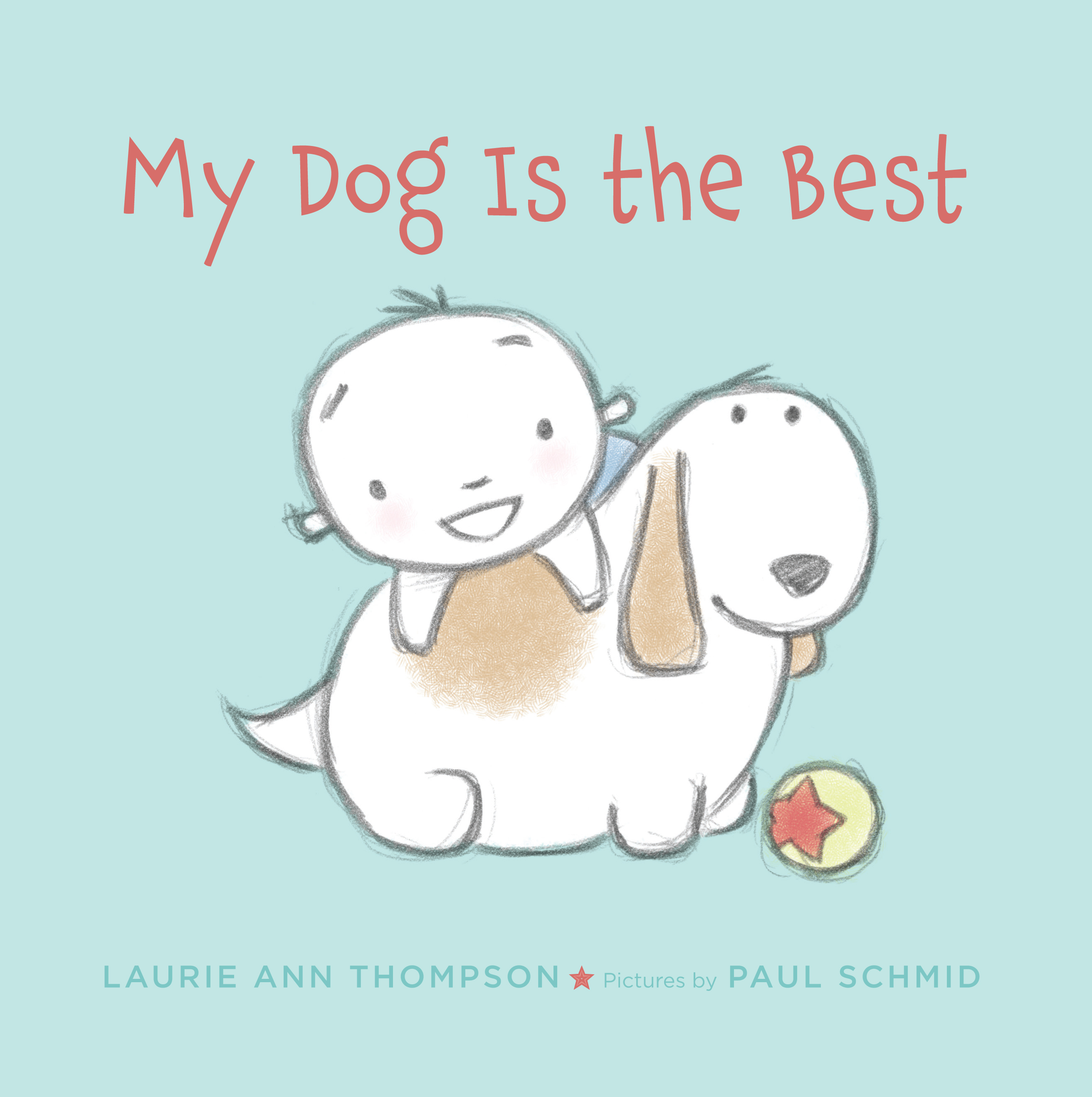
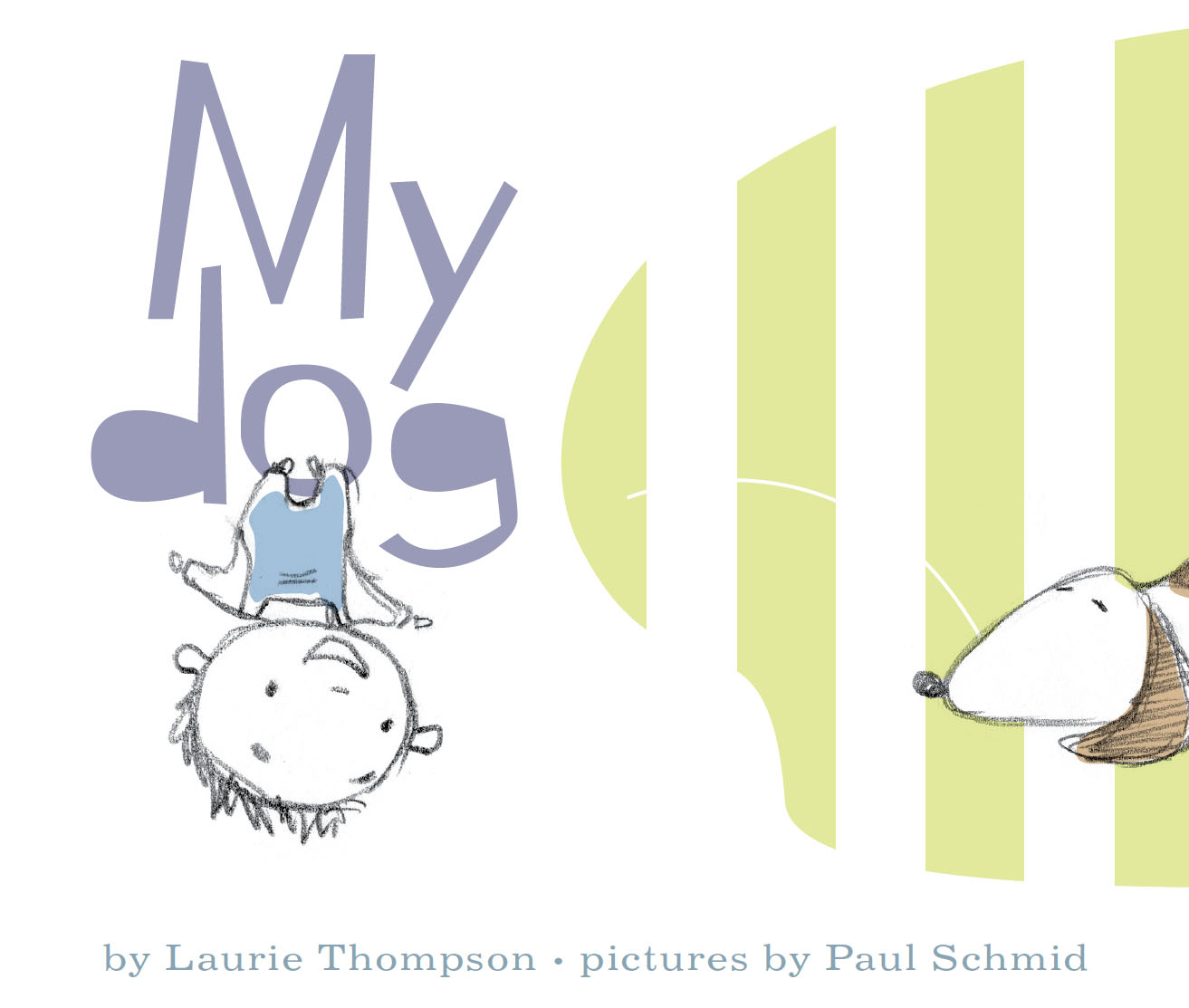
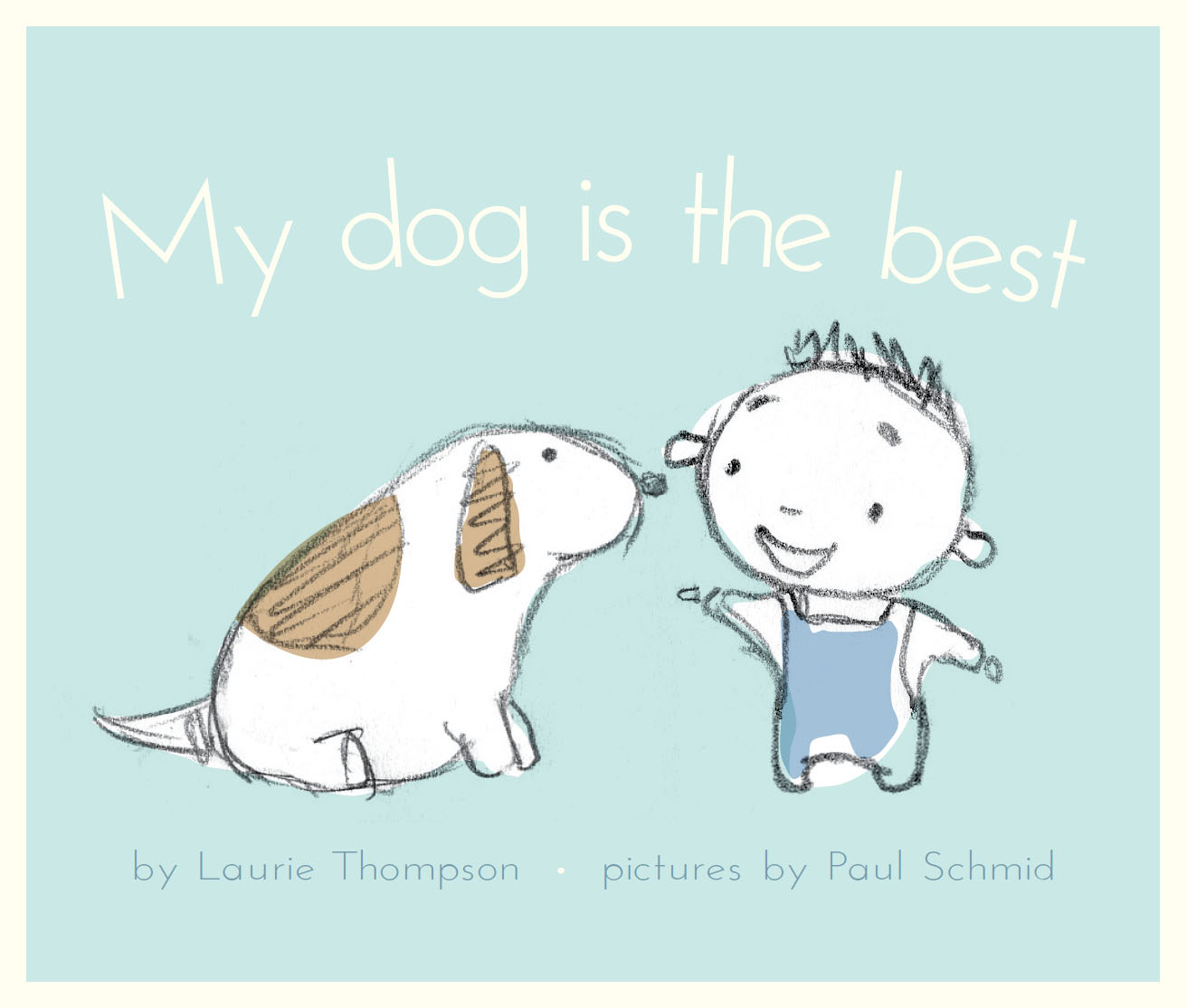
My Dog is the Best Author: Laurie Ann Thompson
Illustrator: Paul Schmid
Published: June 9, 2015 by Farrar, Straus, and Giroux
Goodreads Summary: What do you get when you combine one energetic, enthusiastic little boy with his sleepy but tolerant dog? Unconditional love. Using simple words and spare illustrations, My Dog Is the Best celebrates the special bond that exists between a young child and a beloved family pet. It’s the heartwarming story of two best friends. . . told by a boy with a very active imagination.
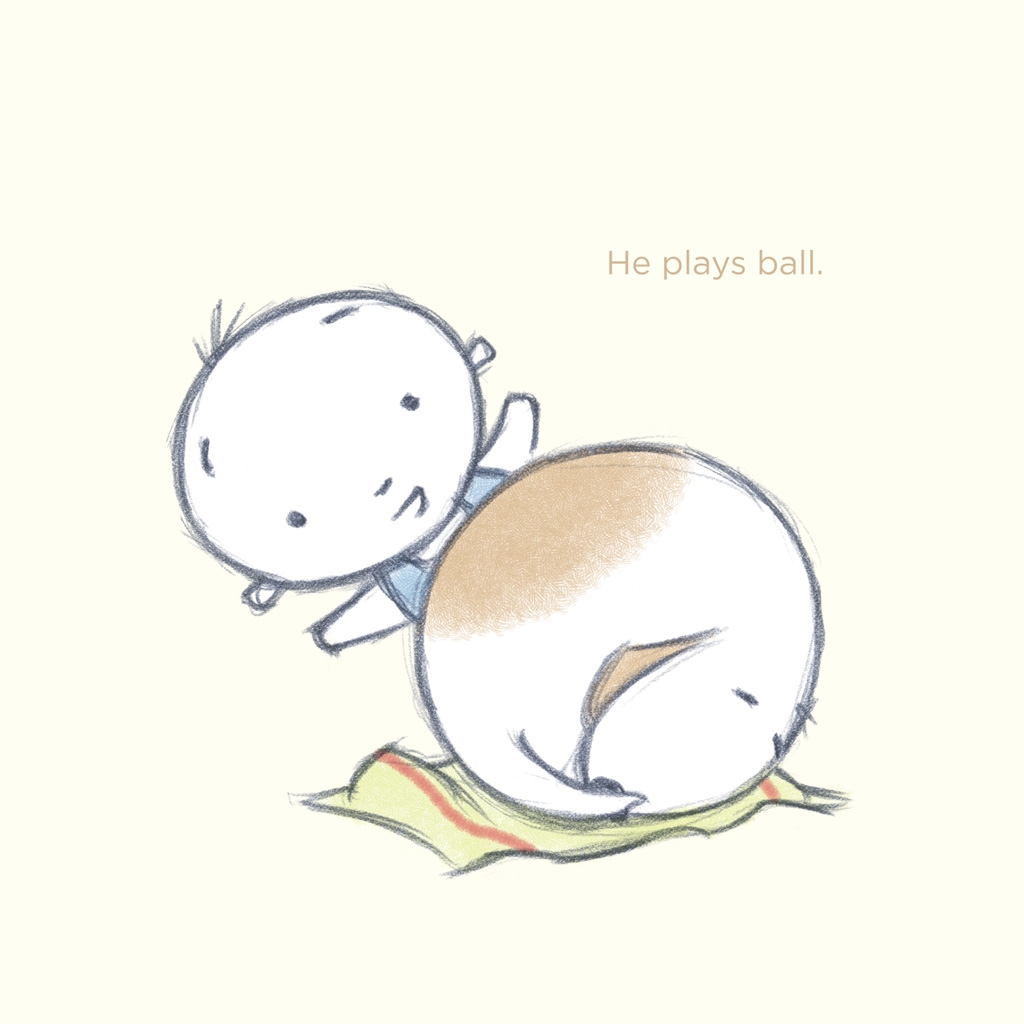
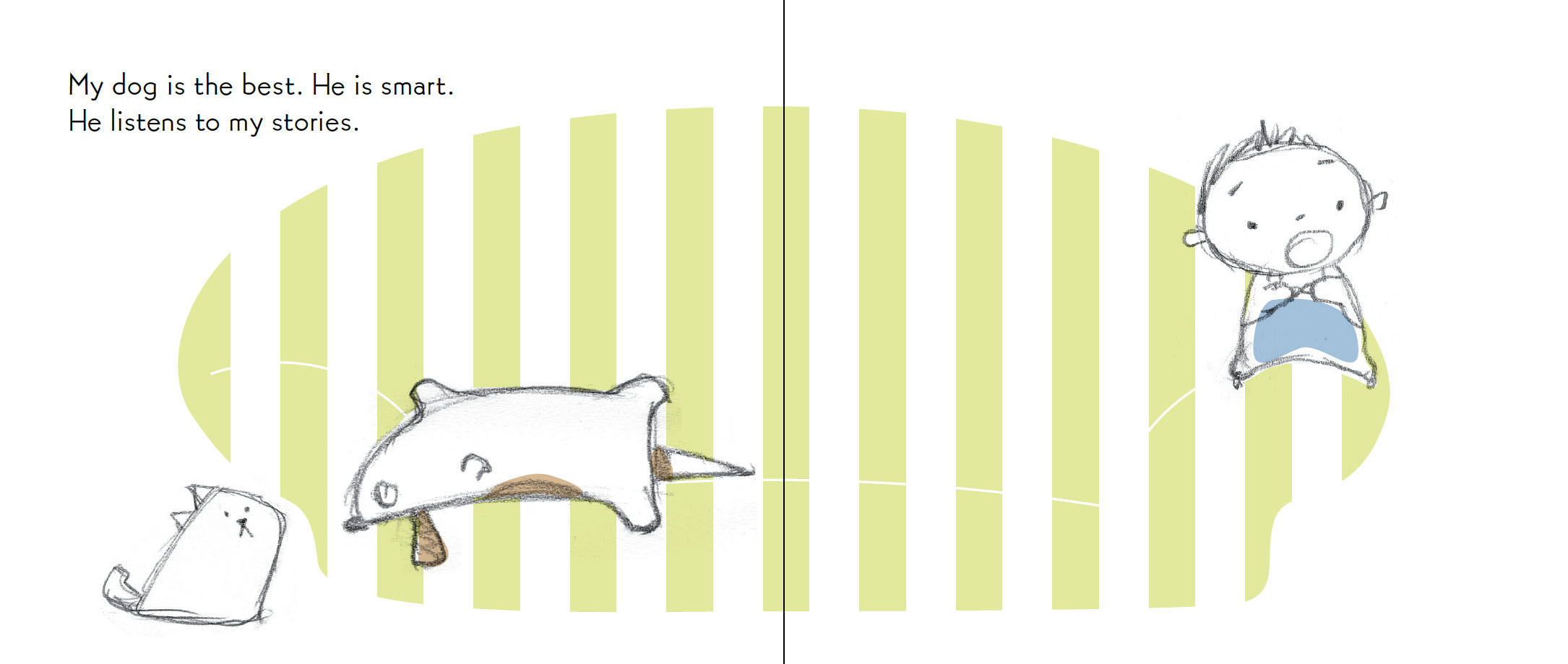
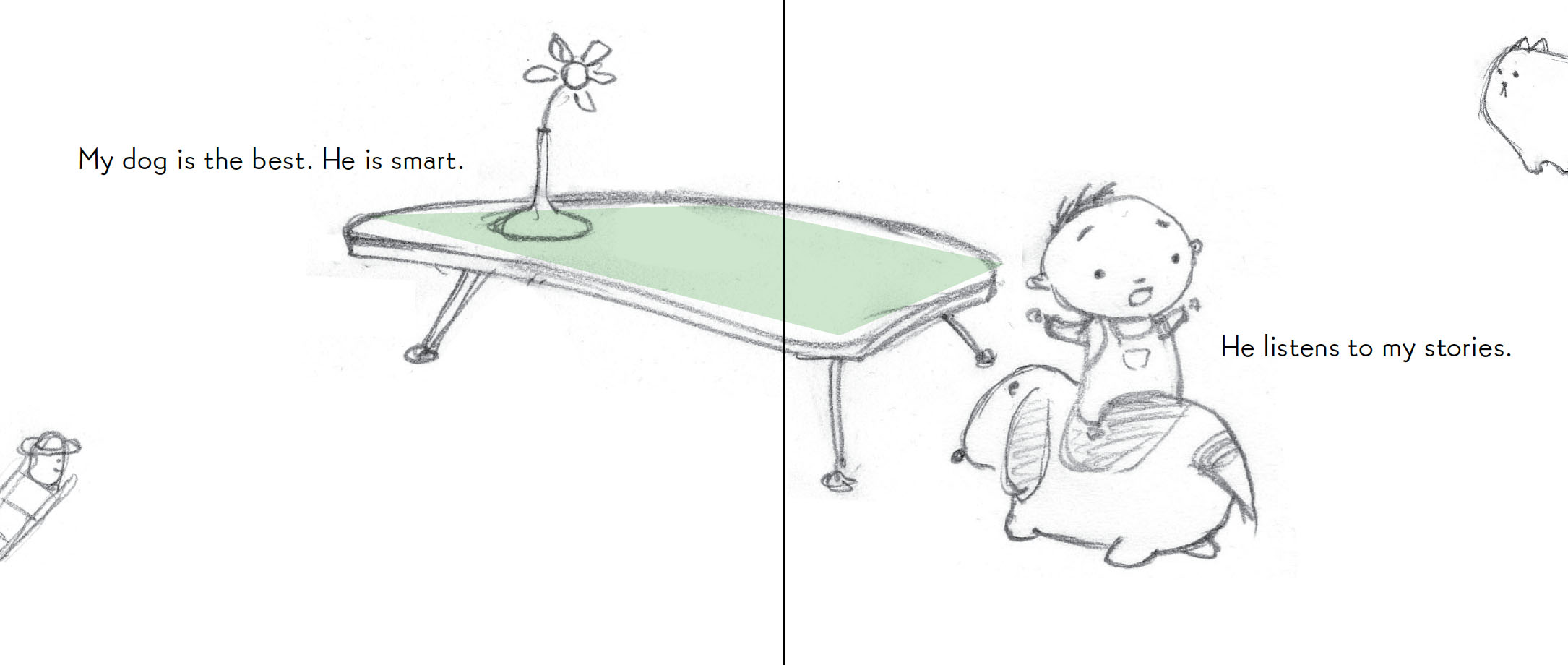
Ricki’s Review and Teachers’ Tools for Navigation: This charming tale will surely win the hearts of many children. It made me feel a bit guilty that I don’t have a dog for my son! I can imagine teachers reading this story aloud to captivated audiences. Teachers might ask students to compare this story with others in their classrooms. The way the illustrator and text focuses on the two subjects makes their friendship shine. You can find an example of the text’s playfulness in the flagged page below. It made me smile! After reading this story, I would encourage my students to write their own stories about friendships that they have.
Kellee’s Review and Teachers’ Tools for Navigation: This book makes me want a dog (and like Ricki said, I feel a bit guilty for not having a dog for Trent!). I loved this sweet story of a sleepy dog and a rambunctious child who is going to have fun with his dog no matter what the dog thinks about it. The play between the words and illustrations is what really made this book special and made the quiet humor really ring through. I also think that kids are really going to like the end of the book. Like Ricki, I think that this text could be a great mentor text for writing about times of imagination and friendship. What other ways could the boy have played with the dog? How do you play with your pet/toy? I also think that it is a great story to use to talk about humor and irony. Why was the ending funny?
Discussion Questions: What kinds of games do you play with your best friend/pet/toy?; Do you have a pet? How is your relationship with your pet similar or dissimilar with this story?; In what ways is it obvious that the author and illustrator worked together to create this book? How do the drawings enhance the story?; Why is the ending ironic?
Read This if You Loved: Look! by Jeff Mack; The Poky Little Puppy by Janette Sebring Lowrey; May the Best Dog Win by Kelly Hashway; Bark, George by Jules Feiffer; Emmanuel’s Dream by Laurie Ann Thompson
Recommended For:
Interview with the Laurie Ann Thompson and Paul Schmid!
Questions to Laurie:
What inspired you to write this book?
I first wrote the text as an assignment for a course I was taking, Anastasia Suen’s Easy Reader/Chapter Book Workshop. I’ve always loved dogs, and it’s a great word for beginning readers, so I started there. I noticed that most of the time when I said, “Good dog!” to my poor old dog, Sara, she was either curling up and getting ready to go to sleep or already sleeping. She would give me this confused look that said, “What? I’m not doing anything!” She’d been a hyperactive, crazy dog in her younger years, so it was a huge relief when she finally started slowing down a little. I appreciated the humor in those interactions. At the same time, I had an awfully busy little boy at home, so both the tension between their very different energy levels and their special “best friends” relationship were natural ingredients for the story.
Did you have a specific dog when you were growing up that you were thinking of as you wrote this book?
It’s really a collection of all of them. My dogs were my best friends, and they put up with so much of my probably unwanted attention. I had one special dog named Sammy that I used to dress up in doll clothes, push in a baby swing, and take for rides in my bicycle basket. (He loved those last two activities, but I’m pretty sure he merely tolerated the first!) He was the best. When I was bit older, my dog Ripper used to wait at the end of our driveway—every single day—for the school bus to bring me home. He listened to all of my tales of teenage angst and always let me dry my tears on his fur. He was devoted and dependable. He was the best. Then, as an adult, there was Sara. She was the best, too. I think whatever dog we make room for in our lives becomes “the best,” just by virtue of us loving them.
You write both YA and children’s books. How is your writing process different for each?
It’s very different! For my YA books, I’m a rather obsessive planner. I research and outline, then research some more and revise the outline and so on, for a long time, before I’m finally ready to start writing. For my picture books, I like to just play. I just start writing and see what happens. As a result, I typically spend less time revising the YA books than the picture books, even though the picture books are much, much shorter! It usually takes a lot of revision to make a picture book work just right.
What was it like to work with an illustrator?
With my YA books, like Be a Changemaker, there is no illustrator, so the final product is the result of the collaboration between my editors and me—and we’re all primarily word people. As a picture book author, though, it’s always exciting to see what another person with a very different way of working and of seeing the world will bring to my original vision. Authors don’t usually get much say in the illustrations (and rightly so, as I surely am no art expert!). With my second book (and first picture book), Emmanuel’s Dream, I had never met the illustrator, Sean Qualls, and I didn’t see any of his stunning artwork until it was almost all finished. I was on pins and needles, but what a pleasant surprise! For My Dog Is the Best the experience was a bit unusual but every bit as special. It just happened that Paul Schmid and I live not far apart and had known each other for years. When he took on the manuscript, I was ecstatic! We kept in touch throughout the process, and I even got to spend a day collaborating with him in his studio—one of my all-time favorite writing days ever! We both ended up influencing both the art and the text, and we ended up with something we’re both really proud of.
Questions to Paul:
How did you decide what the characters would look like?
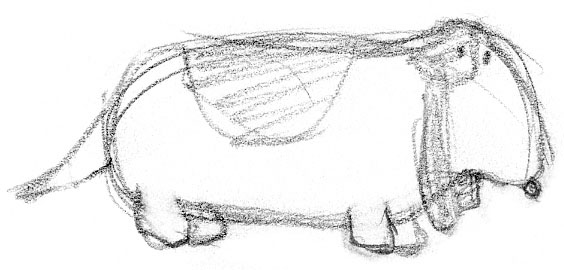
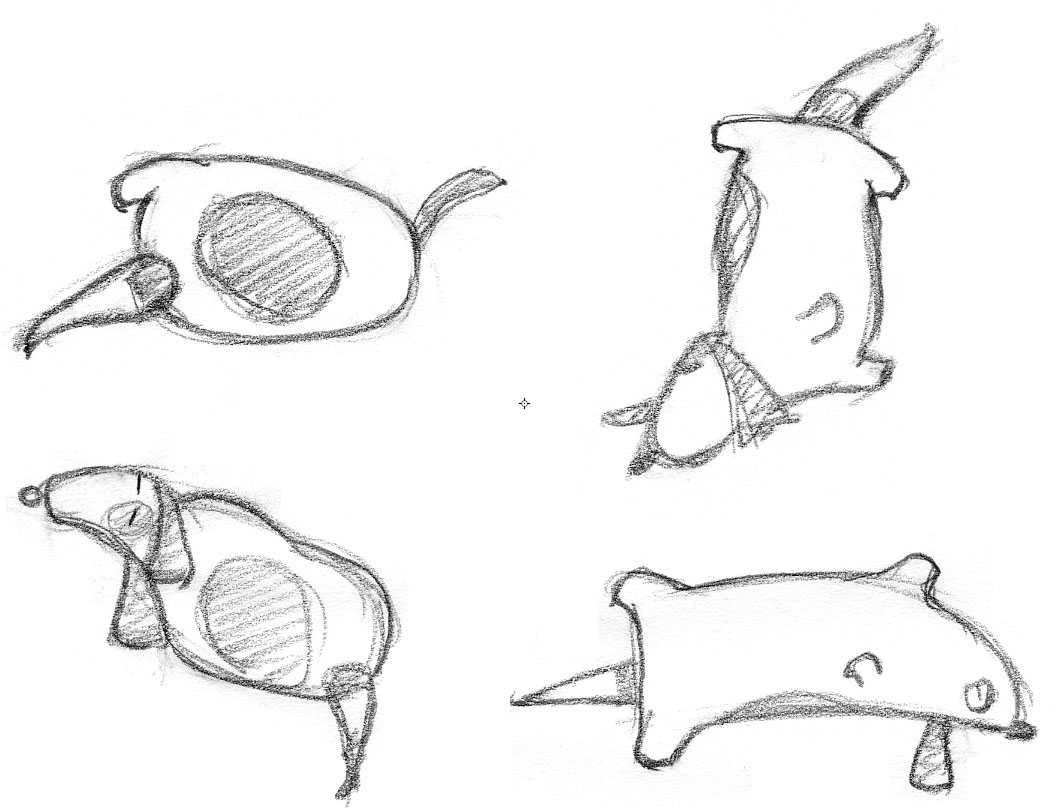
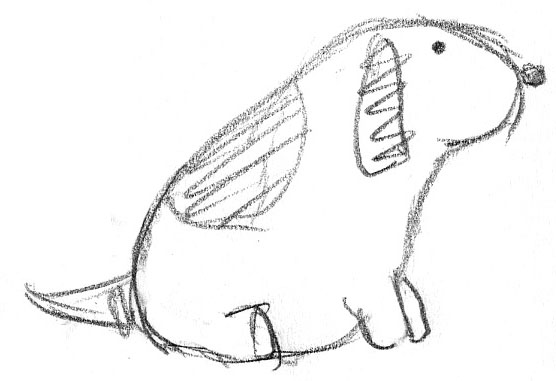
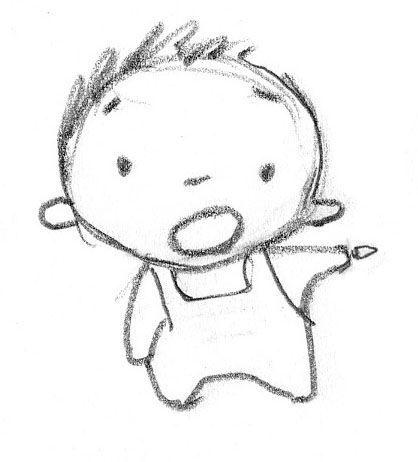
Initially, I form a clear picture of the characters personalities. Are they active? Sedentary? Outgoing or shy? The design of a character should provide solid clues to who they are. Our dog in the book just wants to nap, and I imagined an old, tolerant, comfortable Basset Hound of established habits. The boy is much more active, but young and naive. He is also sweet and loving, as the book is itself. So I felt the boy needed a kind, gullible, gentle look that was at the same time visually sympathetic to his dog, in order to form an emotional connection between the two for the reader. As a result, they both ended up round and gentle looking.
What does the artistic process look like?
Many many sketches. Then many more. Then a few more. Eventually I have to start the final art. I don’t think I ever really feel like I’m done improving things, but a deadline shows up and helps me stop.
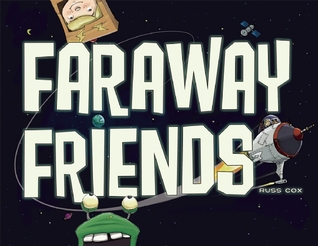
Faraway Friends Author and Illustrator: Russ Cox
Published May 5th, 2015 by Sky Pony Press
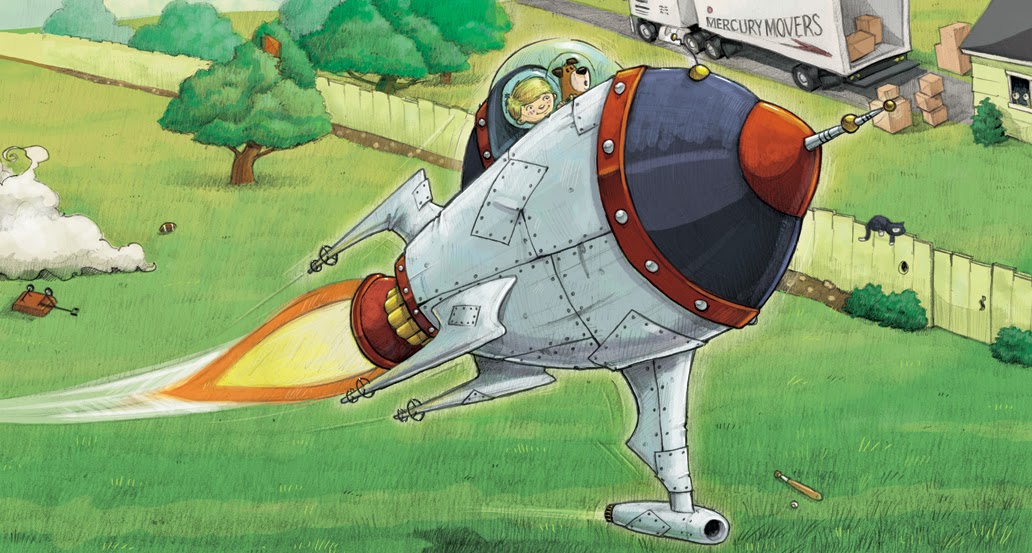
Goodreads Summary: This is the story of the adventure of a little boy named Sheldon and his dog, Jet. When Sheldon’s best friend moves away, Sheldon spies the word “Jupiter” painted on the side of the moving truck. Sheldon feels sad at first, but realizes that this is a sign—what he needs is a rocket ship! So Sheldon and Jet do some sketching and some scrounging, and, with a wagon full of equipment and supplies, the two future astronauts head to the backyard. With a glop and a wham, piece by piece the ship begins to take form, and soon it’s Commander Sheldon A. Flyer and Space Cadet Jet ready for takeoff! The duo jets around satellites, zooms by planets, speeds through space storms, and zips past other flying saucers . . . untilplop, they’ve arrived, somewhere with a green, alien life-form and a furry black blob.
This book encourages children to channel loneliness and boredom with creativity and imagination, and ultimately it is a story of new friendship. Featuring vibrant illustrations by debut author and illustrator Russ Cox, this action-packed story is sure to appeal to young readers in search of something that is out of this world!
My Review: I loved this story! It promotes imagination, has science elements, and is about the tough subject of friends moving away. When Sheldon’s best friend moves away, he believes he has moved to Jupiter so the only solution is to build a spaceship for himself and his dog, Jet, to go to Jupiter to see his friend. I adored that Sheldon went through a planning and sketching phase before building and “blasting off” with Jet. They then fly through outer space until a ship malfunction and a visiting alien change their plans. Children will love the colorful illustrations, fun adventure, and comic relief of Jet all while exploring themes of friendship, loss, and imagination.
P.S. The cover glows in the dark!!!!
Teachers’ Tools for Navigation: Like I shared above, there are some deep themes that can be addressed while/after reading this book. I also think it will promote a want to build a space ship, and it would be great to have students plan and build a spaceship (maybe not life size, but for an egg or pipe cleaner person?). The book also has onomatopoeias throughout which always makes me happy as they may be my favorite type of figurative language, and there is also great vocabulary words throughout to learn about.
Discussion Questions: Before reading, look at the cover and predict what you think the book is about. After reading, look back at the cover. What did you predict correctly and incorrectly based on the cover?; Has a friend of yours ever moved away? How did it make you feel? What did you do to help deal with the loss?; If you could build a spaceship and visit anywhere, where would you go?; When Sheldon and Jet blasted off into space, did you catch the clue for the ending in the background?
We Flagged:
(c) Russ Cox 2014
“BLAST OFF! In a spectacular plume of smoke Sheldon and Jet roared into space.”
Read This If You Loved: The Most Magnificent Thing by Ashley Spires, Journey by Aaron Becker
Recommended For:
**Thank you to Sara at Skyhorse Publishing for providing a copy for review!**
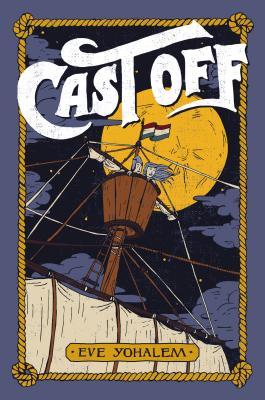
Cast Off: The Strange Adventures of Petra de Winter and Bram Broen Author: Eve Yohalem
Published: March 10, 2015 by Calkins Creek
GoodReads Summary: It’s 1663 and there is an extra passenger on board a Dutch merchant ship setting sail for the East Indies. Twelve-year-old Petra has stowed away to escape her abusive father. But she quickly realizes that surviving for months at sea will be impossible without help. So when Bram, the half-Dutch / Half-Javanese son of the ship’s carpenter, finds her hiding spot, Petra convinces him to help her stay hidden . . .and help disguise her as a boy.
If Petra is discovered and exposed as a girl, she could be tossed overboard, or worse . . . returned to her father. And if Bram is exposed for helping her, he could lose the only home—and family—he has. As tensions rise on the ship, with pirates attacking, deadly illness, and even mutiny, Petra and Bram face impossible decisions that test their friendship and threaten their dreams of freedom.
Told in alternating voices and filled with secrets and intrigue, this richly researched novel is historical fiction at its best.
Review: Take me away! This book whisked me off on a marvelous adventure filled with grave dangers, stow aways, tall ships, and mutiny. I couldn’t help but be reminded of one of my childhood favorites, The True Confessions of Charlotte Doyle by Avi. Petra escapes from a horribly abusive relationship with her father, and her bravery is an excellent model for young readers. She is discovered by Bram, the illegitimate son of the ship’s carpenter, and they form a very special friendship. This book delivers richly realized themes—particularly those of loyalty, heroism, sexism, and racism—that are very relevant to readers across time. I imagine a wide variety of audiences would appreciate this text because it touches on so many fascinating topics. It is clear that the author did her homework, and the result is magnificently entertaining.
Teachers’ Tools for Navigation: This book is an excellent example of a text that could be analyzed with a critical theorist lens. (See Appleman’s book about teaching critical theory to students of all levels.) I imagine rich classroom discussions would evolve from the application of gender theory or race theory, for instance, to this text. This is a compliment to the author and the depth of this book.
Discussion Questions: In what ways do gender and race play a role in this text?; How does the author weave history into the story?; What does Petra and Bram’s friendship teach us about humans in general?; How do the main characters display qualities of bravery?
Read This If You Loved: The True Confessions of Charlotte Doyle by Avi; Leviathan by Scott Westerfeld; Secrets of the Realm by Bev Stout; Peter Pan by J.M. Barrie
Recommended For:
Giveaway!
One lucky winner will receive a copy of CAST OFF: The Strange Adventures of Petra De Winter and Bram Broen (U.S. addresses; allow 4-6 weeks for delivery; offer ends 7/10/15).
In 2009 I got this great idea for a seafaring adventure about two kids who sail from Amsterdam to the East Indies in the seventeenth century. There was just one problem: I knew next to nothing about the seventeenth century. Or the Netherlands. Or the East Indies. Or sailing.
No matter. I like a challenge. I researched for a full year before I started writing, and after I started writing, I kept researching. I’m still researching. (I like researching.)
Today my Cast Off file has more than four hundred different source notes. I read lots of books: scholarly academic stuff, journalistic stuff, fiction, memoirs, journals, every first person account I could find. I spoke to people who knew much more than me—VOC scholars, maritime scholars, curators, my husband (he sails), surgeons, and dentists. I hung out in oddball museums. I traveled to Indonesia, where I slept in the jungle and held baby orangutans, and to the Netherlands, where I retraced every step of my characters that I could and explored the dark nooks of two different full-scale East Indiamen replicas.
I have no research training. It would have helped if I’d majored in history in college, but I didn’t. Mostly, I followed my nose. I knew that my story would begin in Amsterdam and take place mostly at sea on an East Indiaman bound for Batavia. I knew two of my characters: a Dutch girl and an East Indian boy, both twelve years old. That’s a lot to get started with.
What’s surgery like by candlelight below deck on a rocking ship before the invention of anesthesia? How do you fire a 4,000 pound canon without getting crushed by the recoil? These were the kinds of questions I tried to answer.
I tried to convey what it felt like to cram three hundred men onto a 150-foot long vessel for six months (damp, dark, and airless below, smelled bad, no privacy). The layout of the ship is based on actual ships of the period, as are the various jobs, daily schedule, terrible food.
For my characters’ medical knowledge, I have to thank John Woodall’s The Surgeon’s Mate, a seventeenth century medical guide no ship’s surgeon would have been without.
And in case anyone’s wondering, I got most of my slang from the always entertaining A New Dictionary of the Terms Ancient and Modern of the Canting Crew: In Its Several Tribes of Gypsies, Beggars, Thieves, Cheats, &c., with an Addition of Some Proverbs, Phrases, Figurative Speeches, &c. by B. E. Gent, c 1698. In my opinion, some of these terms should be brought back into everyday use. Please help make “Kiss my blind cheeks!” go viral!
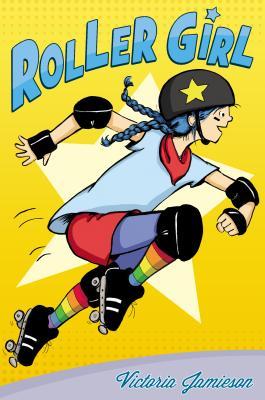
Roller Girl
Author and Illustrator: Victoria Jamieson
Published March 10th, 2015 by Dial Books
Goodreads Summary: For most of her twelve years, Astrid has done everything with her best friend Nicole. But after Astrid falls in love with roller derby and signs up for derby camp, Nicole decides to go to dance camp instead. And so begins the most difficult summer of Astrid’s life as she struggles to keep up with the older girls at camp, hang on to the friend she feels slipping away, and cautiously embark on a new friendship. As the end of summer nears and her first roller derby bout (and junior high!) draws closer, Astrid realizes that maybe she is strong enough to handle the bout, a lost friendship, and middle school… in short, strong enough to be a roller girl.
In her graphic novel debut, real-life derby girl Victoria Jamieson has created an inspiring coming-of-age story about friendship, perseverence, and girl power!
My Review and Teachers’ Tools for Navigation: How did I not read this book the instant it came out?! First, it has eye-catching, colorful artwork which is my favorite in graphic novels. Yes, everyone is comparing it to Raina’s work, and I can see why, because they are both just so well done and fun to read. Second, it is such a girl power book. Not an over-the-top girl power book, but it is a book about being a girl and being awesome at it. Third, it has roller derby in it! I love that we get to learn about the sport with Astrid. Fourth, the book has an awesome mom! Even when Astrid is complaining about her, she is being awesome (like taking her to poetry readings and the art museum). Fifth, this book is also about friendships and the ebbs and flows that come with teenage friends. Finally, it is about putting your mind to something and doing it! Astrid works her butt off, and it pays off. I think Roller Girl is also a great jumping off point to talk about bullying, friendship, and working hard to meet a goal.
This book is going to be loved by fans of Raina Telgemeier, El Deafo, The Dumbest Idea Ever!, Astronaut Academy, and Cleopatra in Space. It is definitely going to make the rounds in my classroom library!
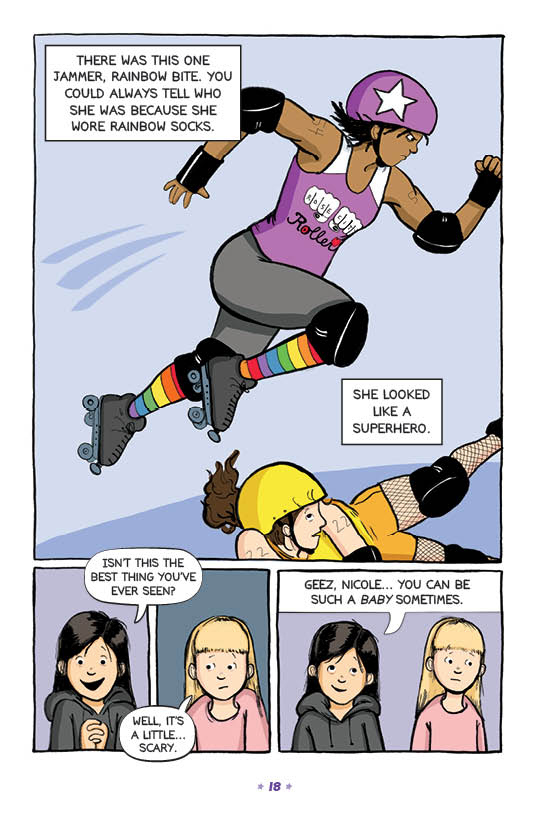
Discussion Questions: How should Astrid had dealt with Nicole not going to derby camp?; Have you had a friend like Nicole?; Astrid really wants to learn roller derby; Nicole wants to get better at ballet–what is your passion?; How did Rainbow Brite help Astrid?; What do you think about Astrid’s mom?
We Flagged:
Read This If You Loved: Smile, Sisters, and Dramaby Raina Telgemeier, El Deafo by Cece Bell, The Dumbest Idea Ever! by Jimmy Gownley, Astronaut Academy by Dave Roman, Cleopatra in Space by Mike Maihack
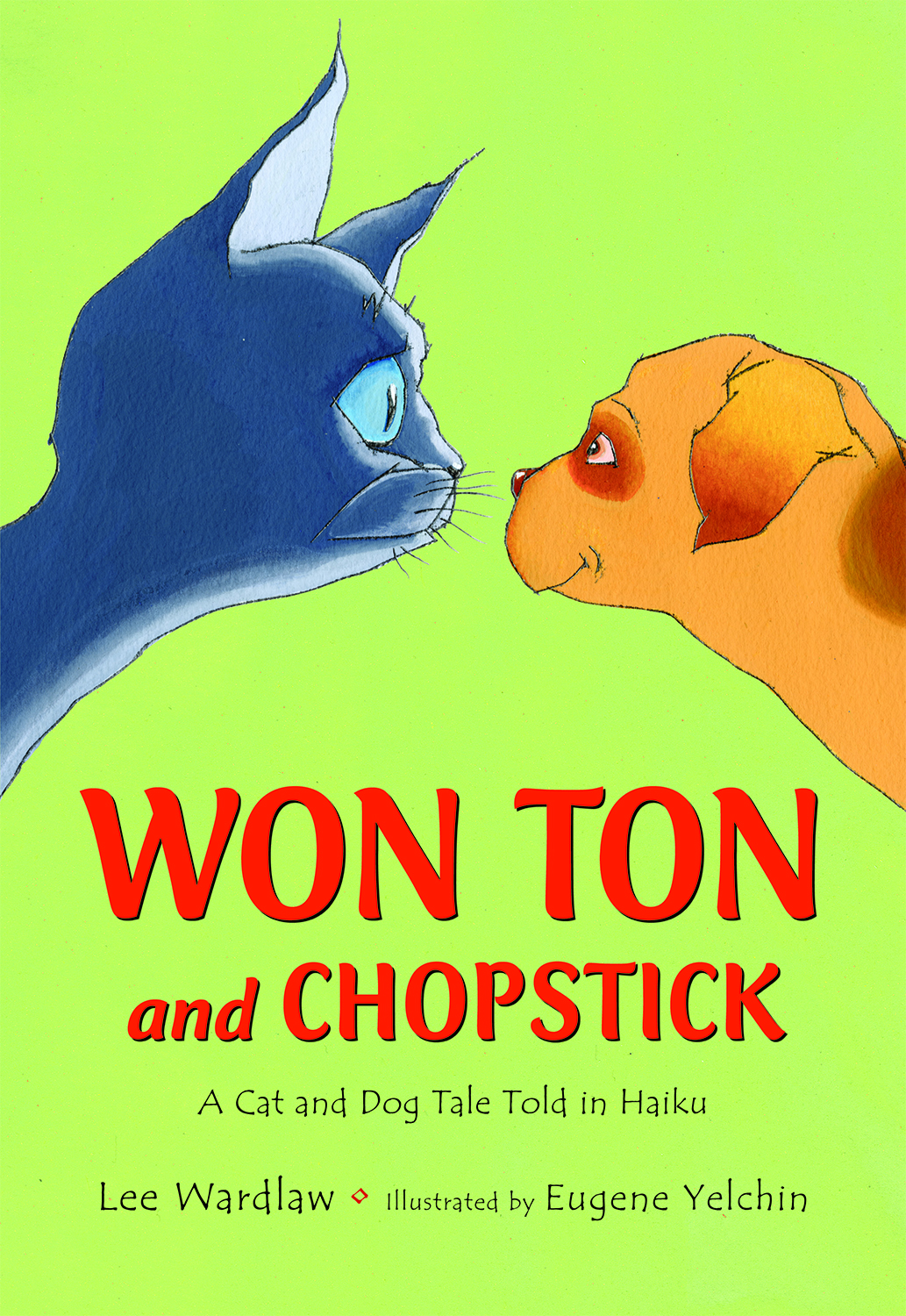
Won Ton and Chopstick: A Cat and Dog’s Tale Told in Haiku Author: Lee Wardlaw
Illustrator: Eugene Yelchin
Published: March 17, 2015 by Henry Holt and Co. (BYR)
Goodreads Summary: Won Ton has a happy life with his Boy, until… Ears perk. Fur prickles. Belly low, I creep…peek…FREEZE! My eyes full of Doom.
A new puppy arrives, and nothing will be the same.Told entirely in haiku and with plenty of catitude, the story of how Won Ton faces down the enemy is a fresh and funny twist on a familiar rivalry.
Ricki’s Review and Teachers’ Tools for Navigation: A Review in Haikus:
Quite Adorable
Fun for All, Especially
Middle Grade and Teen
Vocabulary
Will Teach the Crowds to Love Words
Fantastic Must-Read
Recommended for
Use as a Mentor Text for
Creative Writing
The Illustrations
Capture the Fun of this Tale
Or Should I Say Tail?
Kellee’s Review and Teachers’ Tools for Navigation: Well, Ricki sure one-upped me on this one! But I think she showed a really great example of what you can do with this book. I think it is a perfect introduction to haiku. It makes poetry accessible and fun which is the opposite of what students think when they think of poetry. I actually shared the first Won Ton book with my class at the time, and we wrote our own haiku about our favorite animal. Lee Wardlaw also includes very descriptive and specific vocabulary which would lead to a wonderful conversation about word choice and imagery.
I loved the first Won Ton book (see my review here), and I was happy to see that Lee Wardlaw had written a second so I could see what Won Ton was up to now. I am completely a cat person, so I love how Lee captures the nuances and thoughts of Won Ton.
Discussion Questions: How do the author’s haikus add to the complexity of this tale?; How does the vocabulary enhance the story?; What did you learn about friendship?; How do the illustrations enhance the themes of this book?; How does Won Ton’s feelings for Chopstick change throughout the book?
We Flagged:
“Master of escape!
High-flying, dog-defying
acrobatic cat!”
Read This if You Loved: Won Ton by Lee Wardlaw; One Leaf Rides the Wind by Celeste Davidson Mannis; If Not for the Cat by Jack Prelutsky; I Haiku You by Betsy E. Snyder; Dogku by Andrew Clements
Check out Won Ton and Chopstick at the Other Stops the Blog Tour:
“Eight Things I Learned from My Cats about Writing Haiku”
by Lee Wardlaw
1. There is no yesterday; there is no tomorrow. There is only you, scratching me under my chin right now.
Haiku poems focus on a right-this-instant experience—or from a memory of that experience. So remind your students to write in the present tense.
2. When poised at a hole, remain still—and use your ears, eyes, nose, whiskers and mouth to detect a lurking gopher.
Observation is crucial to haiku. It’s hard for children today to quiet their minds, especially when they’re constantly bombarded with TV, internet, iPhones, video games, etc. So take them outside, away from all of that! Encourage them to sit alone on the playground, under a tree, on a sunny bench, whatever, and use all five senses to absorb, appreciate, and anchor the moment.
3. Be patient. Then, when least expected—pounce!
Haiku captures ONE moment in time, revealing a surprise . . . or evoking a response of a-ha! or ahhh. This pounce helps the reader awaken and experience an ordinary moment or thing in an extraordinary way.
4. Most cats have 18 toes—unless we’re polydactyl; then we might have 20, 22, even 28 toes!
Japanese haiku feature a total of seventeen beats or sound units: five in the first line, seven in the second, five again in the third. But this 5-7-5 form doesn’t apply to American haiku because of differences in English phonics, vocabulary, grammar, and syntax. Too many teachers focus only on the 5-7-5 because they use haiku as lesson about syllables. Please don’t! When children force an unnecessary adjective or adverb (or a bunch of adverbs) into a haiku simply to meet the 17-beats rule, it ruins the flow, brevity, meaning, and beauty of a poem. It’s not a poem at all, just a laundry list. You end up with poems like this:
My cat is so cute.
He’s really, really, really
cute and so fluffy.
Encourage your students to experiment with any pattern they prefer (e.g. 2-3-2, 5-6-4, 4-7-3)—provided the structure remains three short lines. Remember: what’s most important here is not syllables but the essence of a chosen moment.
5. When I’m out, I want in; when I’m in, I want out. Mostly, I want out. That’s where the rats, gophers, lizards, snakes, bugs and birds are.
Traditional haiku focus on themes of nature, and always include a kigo or “season” word. This doesn’t mean you must be explicit about the weather or time of year. A sensorial hint (e.g. a green leaf indicates spring; a russet leaf indicates fall) is all that’s needed.
6. What part of meow don’t you understand?
Tease a cat and it won’t bother to holler—it will bite and scratch. It shows its annoyance rather than tells. Good haiku follows suit. Instead of explaining, haiku should paint a picture in the reader’s mind of the feeling it evokes. So encourage children to show the reader how cute and fluffy their cat is instead of just telling us.
7. If you refuse to play with me, I will snooze on your keyboard, flick pens off your desk, and gleefully shed into your printer.
Yes, haiku has “rules,” but remember to play! Encourage students to use words like toys, to frolic with them in new ways to portray images, emotions, themes, conflicts and character.
8. When in doubt, nap.
Good writing comes from revising. But before working on a second (or third . . . or fourth!) draft, both the students and their haiku need a “nap.” Set aside the poems for a few days (a few weeks is even better!). What needs revising will be much more obvious if the poems are read again with rested eyes, alert ears, and a fresh mind.
About Lee Wadlaw:
Lee Wardlaw swears that her first spoken word was “kitty.” Since then, she’s shared her life with 30 cats (not all at the same time) and published 30 books for young readers, including Won Ton: A Cat Tale Told in Haiku, recipient of the Lee Bennett Hopkins Poetry Award and many other honors. Lee has a B.A. in Education, an AMI-Primary Diploma from the Montessori Institute of San Diego, and is finishing her M.Ed. in Education/Child Development. She lives in Santa Barbara with her family. http://www.leewardlaw.com
and
**Thank you to Barbara at Blue Slip Media for providing copies for review and giveaway!**
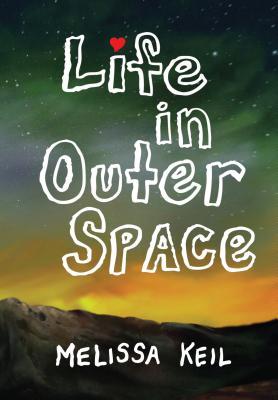
Life in Outer Space
Author: Melissa Keil
Published August 1st, 2013 by Peachtree Publishers
Goodreads Summary: Sam is a geek movie-buff with a ragtag group of loser friends who have been taking abuse from the popular kids for years. But when the super-cool Camilla moves to town, she surprises everyone by choosing to spend time with Sam’s group. Suddenly they go from geek to chic, and find that not everything boils down to us and them. With their social lives in flux, Sam and Camilla spend more and more time together. They become the best of friends, and Sam finds that he’s happier and more comfortable in his own skin than ever before. But eventually Sam must admit to himself that he’s fallen in love. If he confesses his true feelings to Camilla, will everything change again?
My Review: Kellee wrote her review almost a year ago, and after reading her review, I laughed because my notes about this book are so similar to her thoughts.
While reading this book, I thought about its connections to Stargirl by Jerry Spinelli and Paper Towns by John Green, and the narrator reminded me of Charlie from The Perks of Being a Wallflower by Stephen Chbosky. But while this book is similar to others, it is very different.
Sam makes being geeky feel cool. I am geeky, so I appreciated this. He experiences tough life issues that many teenagers face, and he doesn’t lie about his lack of knowledge about dealing with these issues or understanding girls. The book contains scenes with World of Warcraft and there is a lot of information about horror movies (both of which aren’t interesting to me), yet I remained very engaged in the story and the characters. Keil writes the male narrator very well, and I think all types of adolescents will identify with the themes of this book. This is one of Kellee’s favorite books, and I see why. Thank you for nagging me to read it, Kel. It is one that will stick with me forever.
Teachers’ Tools for Navigation: Why hasn’t this book received more press? It belongs in classrooms. As a teacher, I would use it as a mentor text for characterization. The scenes with Camilla are written breathtakingly well. If students read these scenes, they would want to read the entire book.
Discussion Questions: Did you find Camilla to be realistic? Could a student walk in and change the entire dynamic at the school in such a powerful way?; Why does Camilla like Sam? Is this realistic?; In what ways are media used by Keil to engage readers?; What does this book teach us about friendship?; How does Sam’s family life add to the complexity of this book?
We Flagged: “I guess some people enter your orbit and get stuck, and there’s nothing either of you can do about it” (p. 70).
And I loved the quote Kellee picked out. It is the scene I remember the most in the book:
“She is wearing a yellow dress that looks like it belongs to a 1950s housewife, and a pair of flat red boots. Her hair is longer than I’d imagine would be practical; it’s parted in the middle and hangs in brown waves almost to her waist. She peers around the room impassively. She doesn’t look terrified. She doesn’t look insanely overconfident, like Adrian that time in year seven when he performed a song as his book report for The Outsiders. Mike and I mark that event as ground zero for the downward social spiral of our group.” (p. 11)
Read This If You Loved:The Perks of Being a Wallflower by Stephen Chbosky, Stargirl by Jerry Spinelli, Paper Towns by John Green, Eleanor and Park by Rainbow Rowell