Review and Author Interview!: Cold War on Maplewood Street by Gayle Rosengren

Share

cold war maplewood

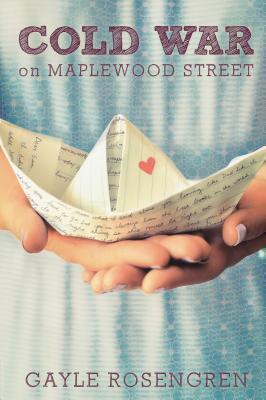
Cold War on Maplewood Street
Author: Gayle Rosengren
Published August 4, 2015 (Today!) by Putnam

Goodreads Summary: Cold War anxieties play out in a sensitively told story set during the Cuban missile crisis in the 1960s, perfect for fans of Gary Schmidt and Kristin Levine.

Joanna can’t get over how her brother broke his promise to never leave like their dad did. Sam is thousands of miles away on a navy ship, and no matter how often he sends letters, Joanna refuses to write back. When she makes a promise, she keeps it.

But then President Kennedy comes on TV with frightening news about Soviet missiles in Cuba—and that’s where Sam’s heading. Suddenly Joanna’s worries about being home alone, building up the courage to talk to a cute boy, and not being allowed to go to the first boy-girl party in her grade don’t seem so important. Maybe sometimes there are good reasons to break a promise.

The tense timeline of the Cuban missile crisis unfolds alongside a powerful, and ultimately hopeful, story about what it means to grow up in a world full of uncertainty.

Ricki’s Review: Cold War on Maplewood Street highlights a time period that isn’t common in the genre of historical fiction. I was intrigued from the very beginning because I have read few books focused on the Cuban missile crisis. The author excellently balances narrative and history in this engaging, thought-provoking text. Joanna is a strong girl who is ashamed of the way she treated her brother when he left for war. She makes a realistic mistake and tries to work through her emotions regarding her treatment of her brother and also the frightening events of war. There are many concepts for teachers to draw upon in this text—family, friendship, war, and fear, to name a few—and teachers will find this text offers rich opportunities for classroom discussion.

Kellee’s Review: What I think Ms. Rosengren does so well in this book is tell a real story with a piece of history as the backdrop. This is a Cold War/Cuban Missile Crisis story, but that isn’t what the book is all about. This book is about Joanna, her family, and her best friend. Her characters are very real and show the real emotions that must have been running through so many peoples’ veins during this tense time.  Because of how well this book is crafted as a narrative within a historical time period, I believe it would be a great introduction to this time period for middle grade readers. Many will have never heard of the Cold War or Cuban Missile Crisis, so learning about it through Joanna’s story is perfect. 

Teachers’ Tools for Navigation: Teachers might consider using this text to ask students to examine their regrets. Students could begin by closely examine characters that have regrets. Who are they? Do their regrets impact others? Then, the students could consider world leaders or pop culture to consider regrets that famous people might have and how these regrets impacted their lives. Finally, the students might journal to make connections with the text by examining mistakes they have made or regrets they hold in their personal lives.

Another interesting aspect of this book is the theme of communication. Students could compare the lack of communication of some of the characters in the book (which led to a major issue) and the lack of communication which led to the Cuban Missile Crisis. How could communication have helped either of these situations?

Discussion Questions: How would you react if your sibling went to war? Is Joanna’s reaction realistic? Is it fair?; How does war impact the lives of those who stay home? How do the characters of this text react differently from each other? Do you think the war impacted the choices Pamela’s family members make?; What is Mrs. Strenge’s role in the novel? How does she enhance our reading of the story?

Author Interview!: 

Unleashing Readers: What interested you in the Cold War, specifically?

Gayle Rosengren: When I wrote the first draft of Cold War on Maplewood Street–twenty years ago(!)–itwas to share a singular experience from my childhood, the Cuban Missile Crisis. But for several reasons, the manuscript never made it to an editor and I had to set it aside.

Years later I decided to revisit it with a different objective in mind. Now, I wanted to tell a story in which the crisis was the backdrop for a story about how poor communication can destroy relationships. The Cold War itself was an example of a break-down in communication on such a major scale that it very nearly led to destruction on a global level. In my novel, poor communication is demonstrated by main character Joanna’s failure to write to her brother and apologize for the terrible things she said to him when he left for the Navy. It’s also shown in her avoidance of a new tenant in their building, an old woman Joanna finds frightening for several reasons; and it’s demonstrated in her best friend Pamela Waterman’s family, when Mrs. Waterman runs away instead of confronting her husband about how desperate she is to see Paris.

UR: What does your research process look like?

GR: My research began with plumbing my own very vivid memories of the week of the crisis. I was twelve, and I was scared, especially since–although they tried to conceal it–I could see that adults were scared too.

But the major source of the historical details in Cold War on Maplewood Street came from the Chicago Tribune’s archives and actual headlines, photos, and articles that appeared in what was then The Chicago Daily Tribune. Remember, I wrote the first draft of the manuscript over twenty years ago. Pre-computer. And given that newspapers and television newscasts were the primary news sources of the day, I felt it was a solid source for my facts. I have a fat file full of copied newspaper pages that provided everything from the news to the weather and the television schedule. (All 4 channels!)

Today we know more about what was going on during that infamous week (in particular the note that Kennedy sent to Khrushchev agreeing to remove our nuclear weapons from Turkey) but I wanted Joanna to know only what anyone else living in the U.S, and specifically Chicago, would have known at the time.

UR: Did you decide on your time period or your protagonist/narrative first?

GR: This was an instance where the time period was clearly the inspiration for the story, and the protagonist and voice followed. I originally wrote this manuscript in the third person, rewrote it in first person, and then went back to third as I struggled to discover the character and voice that would best serve the story.

UR: Did anyone in your life inspire your characters?

GR: I modeled Joanna’s and Sam’s relationship on my close relationship with my brother Dennis. He was in the Air Force at the time of the missile crisis and based relatively safely in Okinawa, Japan, but I imagined that he was in the Navy, on a ship off the east coast of the U.S., and likely to be swept into action as part of the Cuba quarantine and blockade. I imagined how terrified I would have been for him. And then, to up the stakes, I imagined that when he’d left, Joanna in her hurt and anger accused him of deserting them just like their father had years before. The guilt she would feel knowing she might never get to apologize would be overwhelming.

Joanna’s mother was modeled after my single mother who always worked hard and scrimped to take care of us. Pamela was every good friend I ever had with a normal (which at the time meant two-parent) family.

As for Joanna, she was a lot like me at 12–childish and thoughtless one moment, grown-up and sensitive the next, taking awkward steps toward adulthood and all the while longing for the protective cocoon of childhood that was forever left behind in that unforgettable week. Like Joanna, I too loved horses and dogs and hated being alone in the house at night.

We Flagged: “[S]taying positive and hopeful—even pretending to—was much better than giving in to fear.” (p. 142)

Read This If You Loved: Countdown by Deborah Wiles; Paper Cowboy by Kristin Levine; What the Moon Said by Gayle Rosengren; Purple Heart by Patricia McCormick; Spy Catchers of Maple Hill by Megan Frazer Blakemore

Recommended For: 

  litcirclesbuttonsmall classroomlibrarybuttonsmall

 RickiSigandSignature

**Thank you to Penguin for providing copies for review and Ms. Rosengren for the author interview!**

Circus Mirandus by Cassie Beasley

Share


circus mirandus

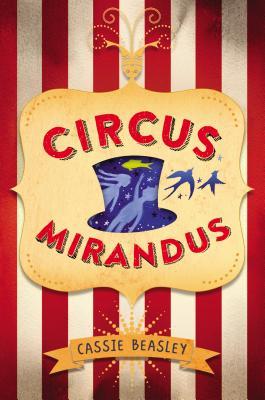
Circus Mirandus
Author: Cassie Beasley
Published January 1, 2015 by Dial

Goodreads Summary:
Do you believe in magic?
Micah Tuttle does.

Even though his awful Great-Aunt Gertrudis doesn’t approve, Micah believes in the stories his dying Grandpa Ephraim tells him of the magical Circus Mirandus: the invisible tiger guarding the gates, the beautiful flying birdwoman, and the magician more powerful than any other—the Man Who Bends Light. Finally, Grandpa Ephraim offers proof. The Circus is real. And the Lightbender owes Ephraim a miracle. With his friend Jenny Mendoza in tow, Micah sets out to find the Circus and the man he believes will save his grandfather.

The only problem is, the Lightbender doesn’t want to keep his promise. And now it’s up to Micah to get the miracle he came for.

Ricki’s Review: I was only a few pages in when I knew this book would be special. I was captivated by the beautifully described setting and the words that seemed to dance off the pages. This book is about magic, but the writing is quite magical in itself. I usually give my ARCs away, but I am hanging on to this copy because I plan to read it to my son when he is a bit older. I’ll likely buy another copy because I am eager to see the illustrations! I suspect that this text will create lifelong readers. It belongs in every classroom in America. Circus Mirandus is the kind of book that takes you to another world—one that will stay in your heart forever.

Kellee’s Review: I liked Circus Mirandus  from the very beginning, but as soon as the circus officially enters he story, the magic just engulfs you. I think it is the Lightbender that makes the story. He is a mystery, but also the person that I feel like I connected with the most. I truly feel that he is what makes this book as magical as it is. I also really liked Jenny. Jenny represents the main stream (which is odd to say because Jenny is a little bit odd), but Jenny has already moved past magic and is so straight forward. Convincing her to believe in anything past what she sees and knows was such a challenge for Micah. (But she is such a great friend!)

One of the things I really liked about the text is the theme of helping kids stay kids for as long as possible. Circus Mirandus is around to help keep the magic of childhood alive. That is something I can believe in!

Circus Mirandus was my informal Twitter book club’s choice for July, and I loved chatting with them about the book (and Ricki joined us this time!). To see the archive of our chat, you can view it here. (Warning: There are spoilers for the book in the chat.)
Some of my favorite quotes from the chat were:

“I loved that Jenny was willing to go along on the journey even if she had trouble believing.” -Alyson Beecher

–“Yes! That is what made me love her. She was willing to support her friend.” -Kellee Moye

–“And Jenny needed a friend, found something in herself that “might” want to believe, too?” -Linda Baie

–“I love how great Jenny and Micah are for each other…helping each other find courage and comfort.” -Beth Sanderson

“It was interesting that the light bender just dismissed G., rather as we all should dismiss evil people.” -Linda Baie

“I loved the relationship between Micah and Gpa. He had so many words of wisdom to prepare Micah.” -Leigh Anne Eck

–“The wonderful relationship between Micah and his Grandpa is what I will remember the most about this book.” -Cynthia Alaniz

“I don’t think we should hide kids from life truths like death. Kids need to be taught healthy ways to grieve.” -Ricki Ginsberg

“The artwork is special! It is interesting to read the Ch then look at the art & find the reasoning behind the art.” -Kellee Moye

–“Yes! There is something special when physical aesthetic of book matches aesthetic of the language.” -Christy Rush-Levine

Favorite quotes shared from the book:

“Because when you try too hard to hold on to something, you break it.”

“Who you are is more than good enough.”

Teachers’ Tools for Navigation: This book naturally lends itself to a creative project. I would love to have students work together to design their own circus. Perhaps each student could be in charge of designing a different section of the circus and writing about it. For example, one student might be in charge of writing the opening speech for a circus act; another student could be in charge of writing a newspaper article about the events; another student might be in charge of writing to the mayor to ask permission to use a field for the circus. I’d allow students to generate their own ideas, so they can take ownership of their work.

However, the best place that this book could end up is in as many kids’ hands as possible! It deserves to be read and read widely.

Discussion Questions: What is Jenny’s role in the novel? How does she add to the story?; Do you think you would believe in the circus? Why or why not?; Which characters showed bravery? Why or why not?; What role does fantasy play in this text? How would it be different if it was a work of realistic fiction?

We Flagged: “You never need an invitation to go home.”

Read This If You Loved: Books by Roald Dahl, A Snicker of Magic by Natalie Lloyd, Wonder Show by Hannah Barnaby, Miss Peregrine’s Home for Peculiar Children by Ransom Riggs, Big Fish by Daniel Wallace, Night Circus by Erin Morgenstern, Peter Pan by J.M. Barrie

Recommended For: 

 readaloudbuttonsmall litcirclesbuttonsmall closereadinganalysisbuttonsmall classroomlibrarybuttonsmall

 RickiSigandSignature

**Thank you to Penguin for providing copies for review!**

Freedom Summer by Deborah Wiles (Kellee’s Review)

Share

NFPB2015

Nonfiction Picture Book Wednesday

Nonfiction Picture Book Wednesday is hosted by Kid Lit Frenzy and was started to help promote the reading of nonfiction texts. Most Wednesdays, we will be participating and will review a nonfiction text (though it may not always be a picture book).
Be sure to visit Kid Lit Frenzy and see what other nonfiction books are shared this week!

Disclaimer: This book is technically historical fiction, but I felt it belonged on a Wednesday because of its base in fact (see “A Note About The Text”).

freedom summer

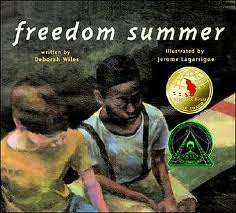
Freedom Summer
Author: Deborah Wiles
Illustrator: Jerome Lagarrigue
Published January 1st, 2005 by Aladdin

Goodreads Summary: 

John Henry swims better than anyone I know.
He crawls like a catfish,
blows bubbles like a swamp monster,
but he doesn’t swim in the town pool with me.
He’s not allowed.

Joe and John Henry are a lot alike. They both like shooting marbles, they both want to be firemen, and they both love to swim. But there’s one important way they’re different: Joe is white and John Henry is black, and in the South in 1964, that means John Henry isn’t allowed to do everything his best friend is. Then a law is passed that forbids segregation and opens the town pool to everyone. Joe and John Henry are so excited they race each other there…only to discover that it takes more than a new law to change people’s hearts.

My Review:  Deborah Wiles amazes me every time I read something by her. I think I need to get everything she has written and devour it. Her books make me a better person. This one is no exception to these statements. Freedom Summer starts with a personal story of Wiles’s and sets the stage for the book: What would it be like to have a best friend who is black in the South in 1964? Do you know what it is like? Any other friendship! Except many people felt that it was wrong and you cannot go places together. Freedom Summer is about Joe and John Henry. They are both young boys. They both like to swim. They both love ice cream. However, only one can go to the pool and only one can buy ice cream from the store. I think what makes this story so impactful is that Wiles sets the stage of the friendship as something so normal (because it is!!) then shows how different their lives are. So powerful. Made me cry. It’s lyrical writing, soft and beautiful illustrations, and powerful message are so moving. Go read it if you haven’t.

You can view Ricki’s review of Freedom Summer here.

Teachers’ Tools for Navigation: This book belongs in classrooms. It will start discussions and make students think. Luckily, Deborah Wiles helps us out a ton by sharing so many resources with us on her Pinterest board https://www.pinterest.com/debbiewiles/ and her website http://deborahwiles.com/site/resources-for-educators/.

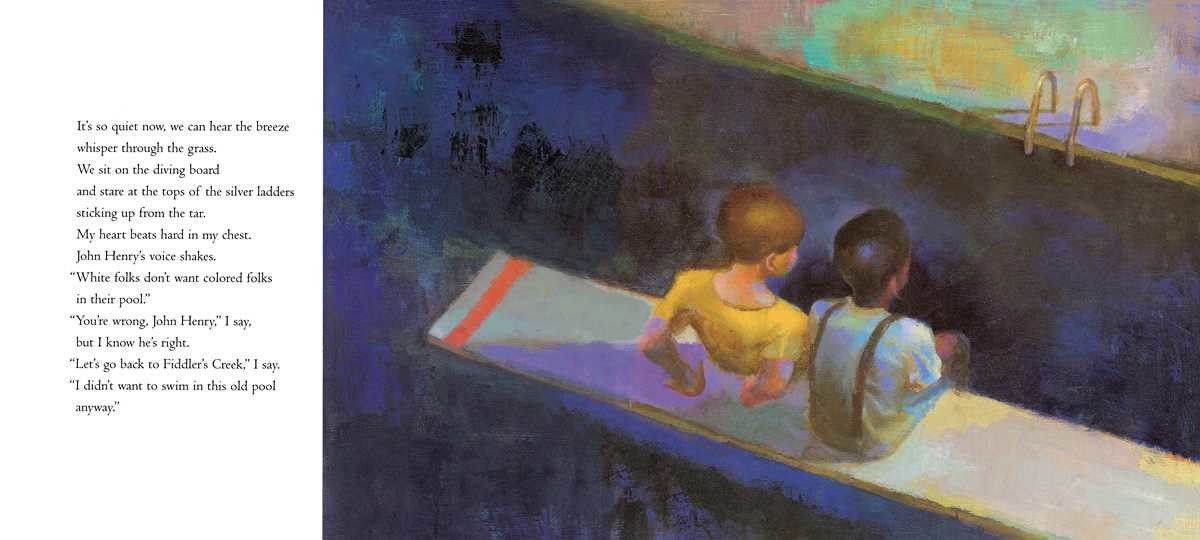
Discussion Questions: Why was the pool being filled with tar?; What do you think will happen after the end of the book?; Based on Joe’s parents letting him be friends with John Henry, what can you infer their viewpoint of integration is?

We Flagged: 

freedom summer spread
from http://books.simonandschuster.ca/Freedom-Summer/Deborah-Wiles/9781481422987

Read This If You Loved: Revolution by Deborah WilesSeeds of Freedom by Hester BassSeparate is Never Equal by Duncan TonatiuhThe Lions of Little Rock by Kristin Levine, Sin-In by Andrea Pinkney

Recommended For: 

classroomlibrarybuttonsmall readaloudbuttonsmall litcirclesbuttonsmall

Signature

X by Ilyasah Shabazz and Kekla Magoon

Share

x

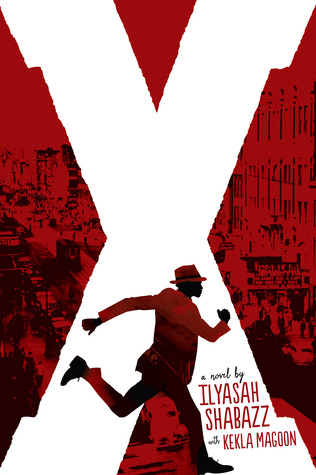
X
Authors: Ilyasah Shabazz and Kekla Magoon
Published: January 6, 2015 by Candlewick Press

GoodReads Summary: Cowritten by Malcolm X’s daughter, this riveting and revealing novel follows the formative years of the man whose words and actions shook the world.

I am Malcolm.
I am my father’s son. But to be my father’s son means that they will always come for me.

They will always come for me, and I will always succumb.

Malcolm Little’s parents have always told him that he can achieve anything, but from what he can tell, that’s nothing but a pack of lies—after all, his father’s been murdered, his mother’s been taken away, and his dreams of becoming a lawyer have gotten him laughed out of school. There’s no point in trying, he figures, and lured by the nightlife of Boston and New York, he escapes into a world of fancy suits, jazz, girls, and reefer.

But Malcolm’s efforts to leave the past behind lead him into increasingly dangerous territory when what starts as some small-time hustling quickly spins out of control. Deep down, he knows that the freedom he’s found is only an illusion—and that he can’t run forever.

X follows Malcolm from his childhood to his imprisonment for theft at age twenty, when he found the faith that would lead him to forge a new path and command a voice that still resonates today.

Review: If you’ve been reading the blog the past few weeks, my love for this book may feel repetitive (and I am not sorry!). Some books just stick to our bones and by Ilyasah Shabazz and Kekla Magoon will remain with me forever. It kept me awake late at night, and I was floored by the captivating writing. This is a very special book and well worth the hype it has received. I plan to use it in my future Methods classes because there are so many themes and topics for discussion. Most texts are written about Malcolm Little’s later life, but this book encapsulates his early years—this restless young man is dissatisfied with his circumstances and attempts to make a name for himself. He does not always make the best choices, but he learns from his many mistakes, and his spirit will inspire readers. I highly recommend this book for all readers. Malcolm has a lot to teach us.

Teachers’ Tools for Navigation: This book made me want to sign out Malcolm X’s autobiography from the library. I wondered what else I could learn about him. Teachers might ask students to research Malcolm X’s life. They might explore the ways Malcolm inspired troubled youth and why he made connections with them. Based on this text and others, it seems that many of Malcolm X’s actions may be misrepresented, so it might be wise for teachers to discuss his life, mission, and actions with students. This would allow students to form their own understandings of his later life.

Discussion Questions: If you could change one decision Malcolm made, what would it be? What do you think he should have done differently?; Malcolm may inspire us, but who inspired Malcolm?; How is Malcolm different from his family members? How does this impact him?

We Flagged: “I did what I had to. Didn’t see anything wrong with it. Not a thing” (p. 36).

Read This If You Loved: The Rock and the River by Kekla Magoon; How it Went Down by Kekla Magoon; Freedom Summer by Deborah Wiles; Audacity by Melanie Crowder; The Boy in the Black Suit by Jason Reynolds

Recommended For:

readaloudbuttonsmall litcirclesbuttonsmall closereadinganalysisbuttonsmall classroomlibrarybuttonsmall

RickiSig

Blog Tour, Review, Giveaway, and Author & Illustrator Interview!: My Dog is the Best by Laurie Ann Thompson, Illustrated by Paul Schmid

Share

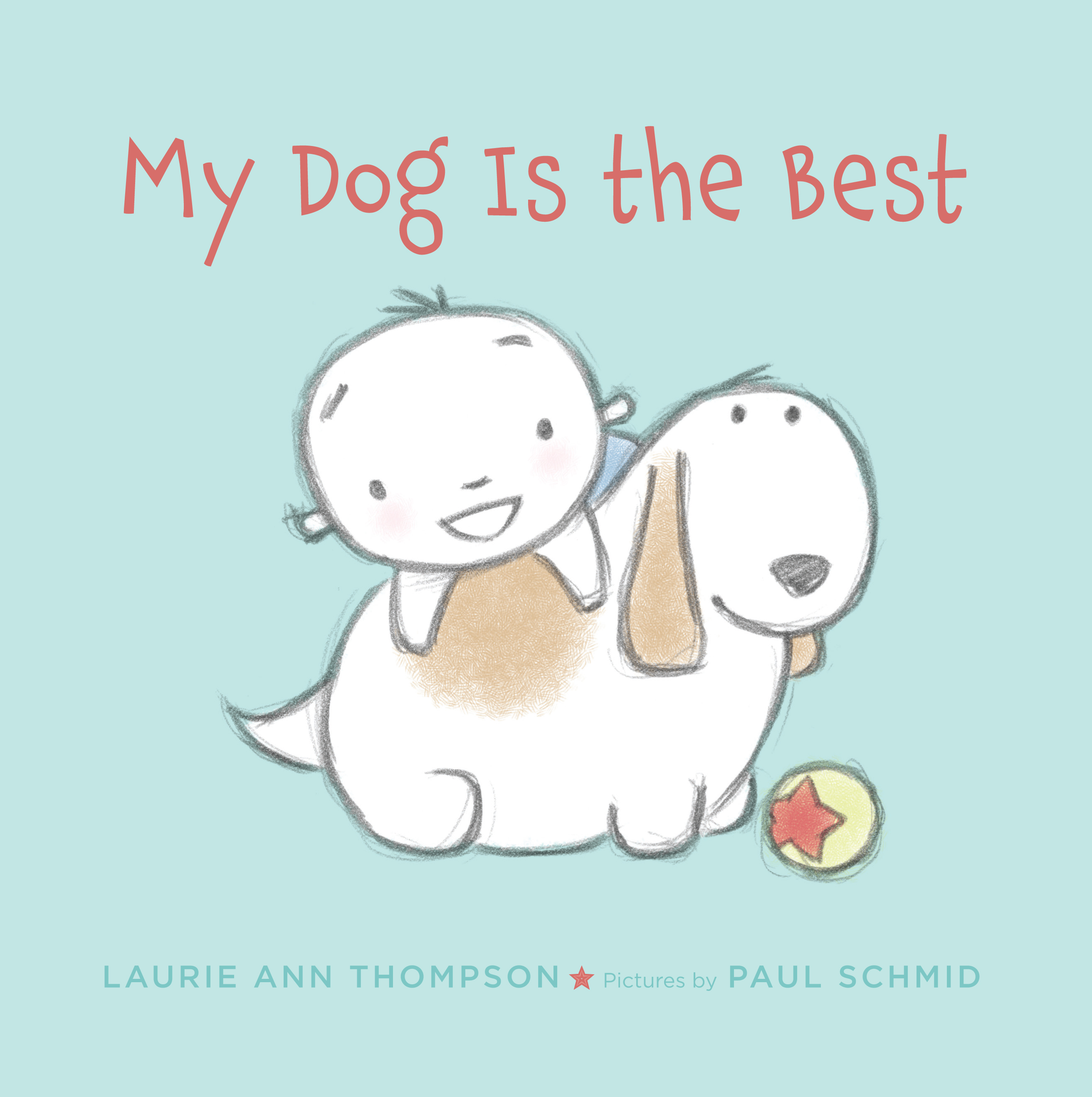
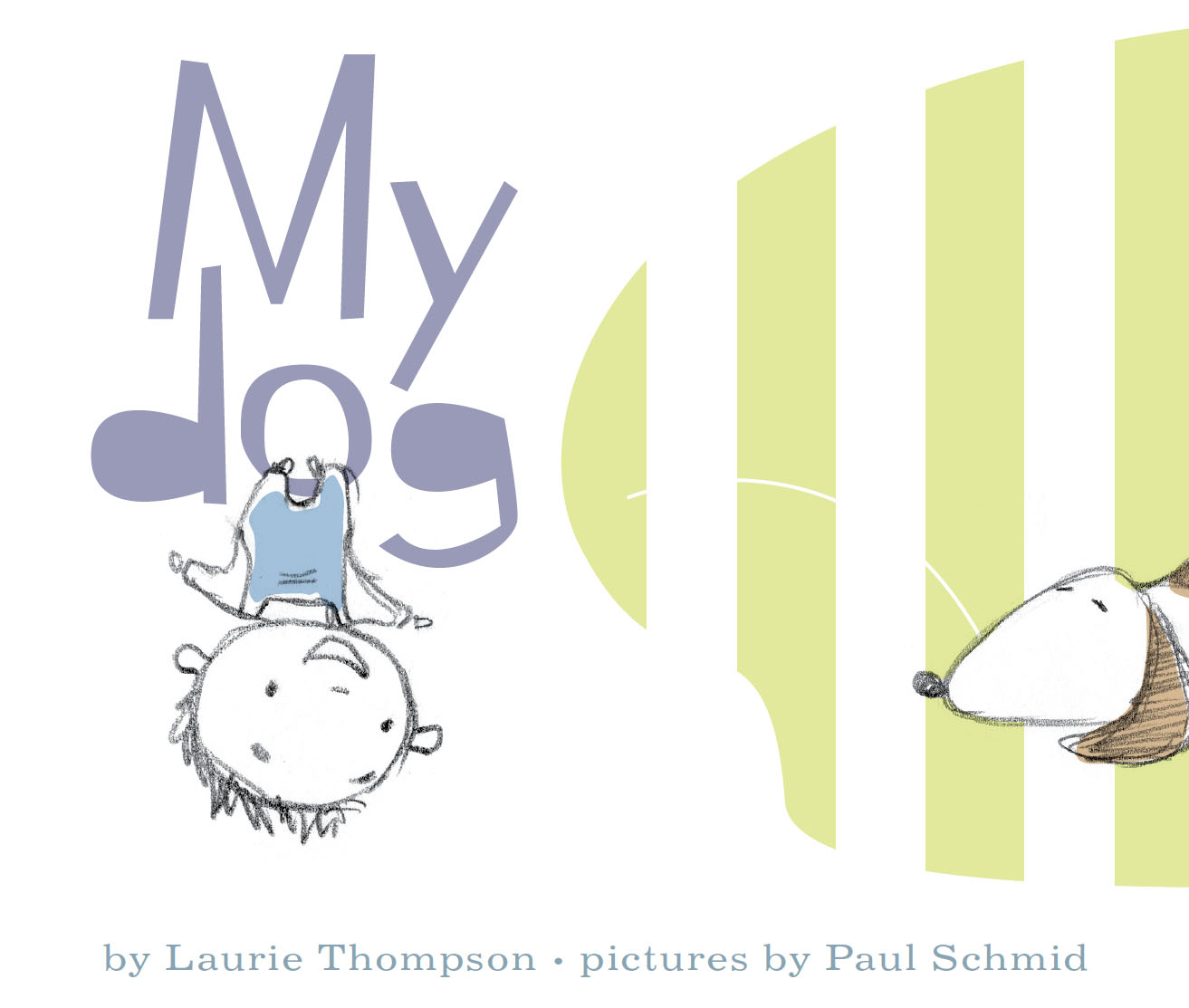
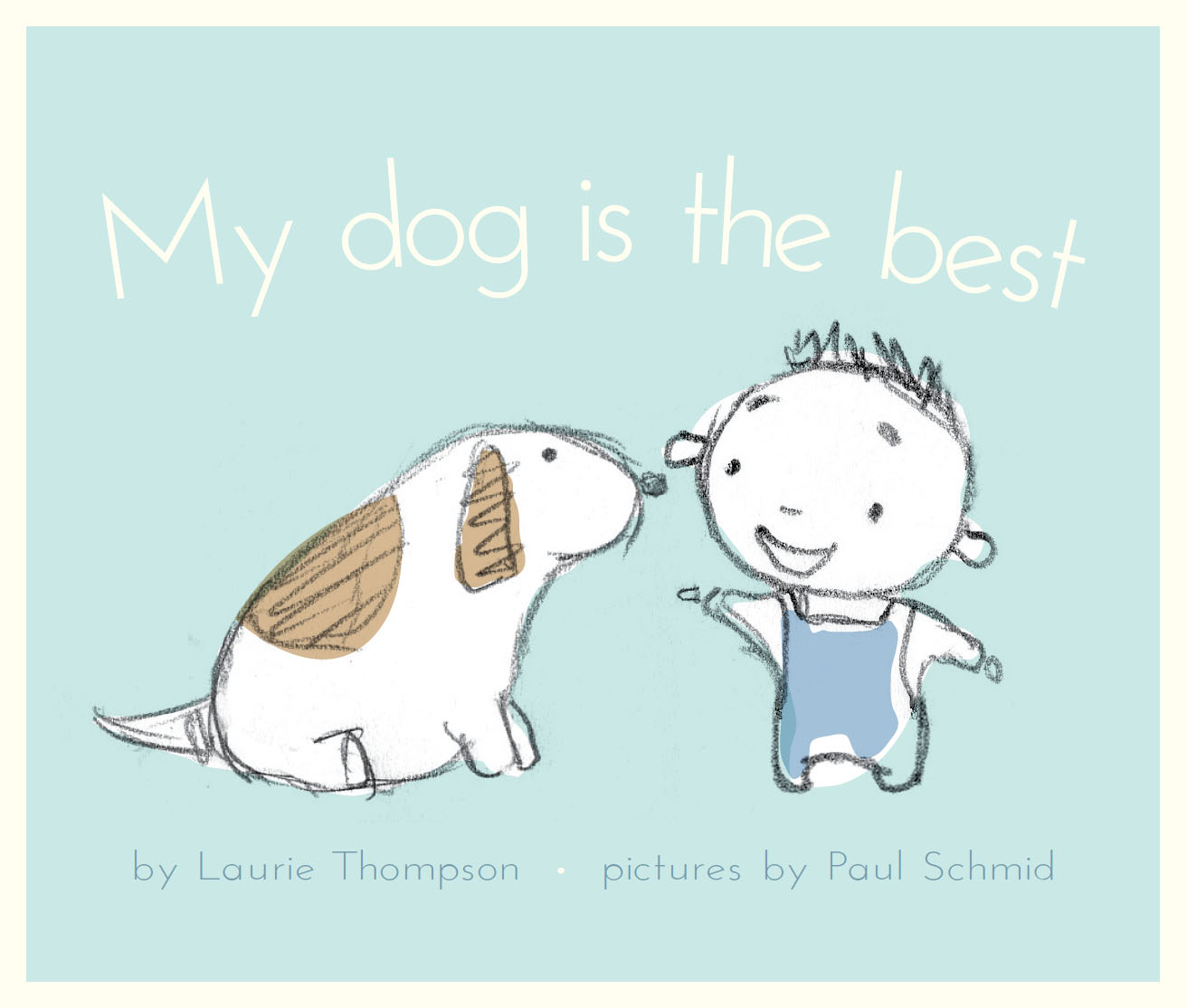
MY DOG IS THE BEST-cover

My Dog is the Best
Author: Laurie Ann Thompson
Illustrator: Paul Schmid
Published: June 9, 2015 by Farrar, Straus, and Giroux

Goodreads Summary: What do you get when you combine one energetic, enthusiastic little boy with his sleepy but tolerant dog? Unconditional love. Using simple words and spare illustrations, My Dog Is the Best celebrates the special bond that exists between a young child and a beloved family pet. It’s the heartwarming story of two best friends. . . told by a boy with a very active imagination.

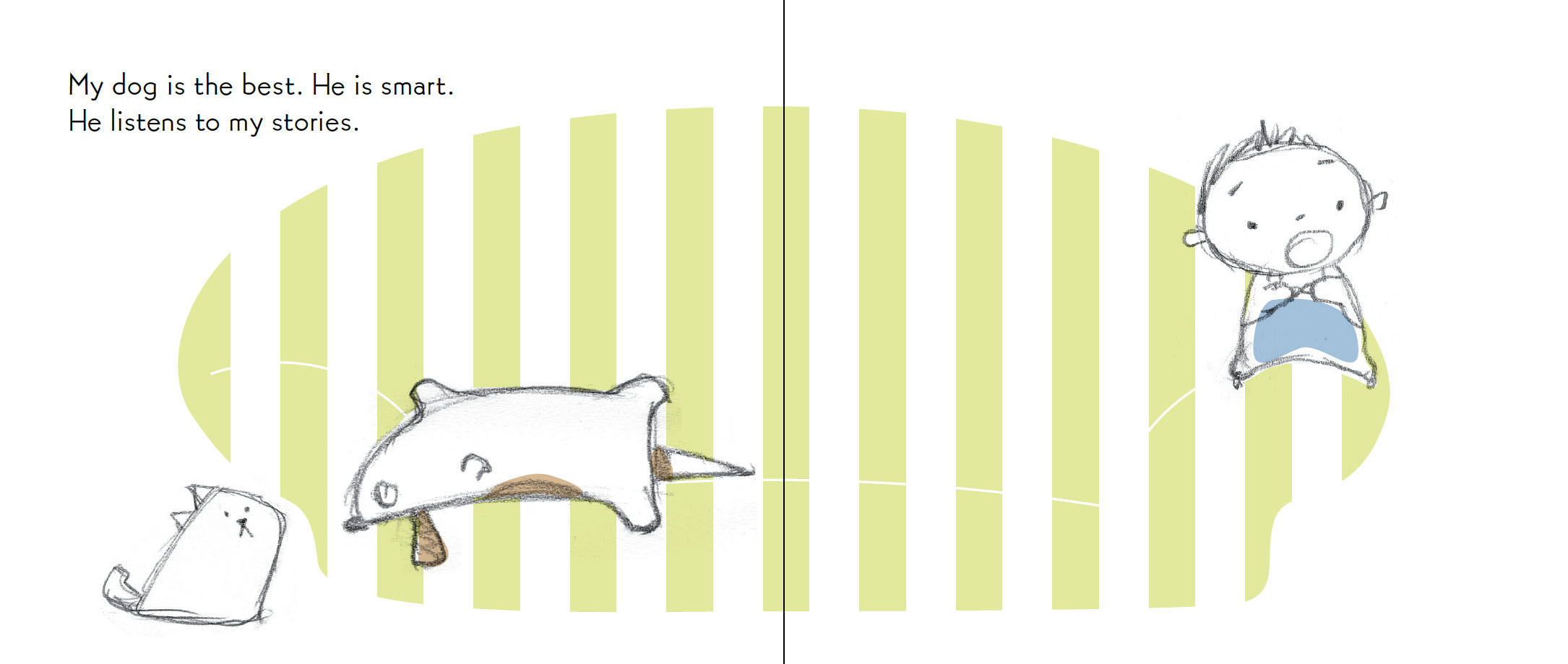
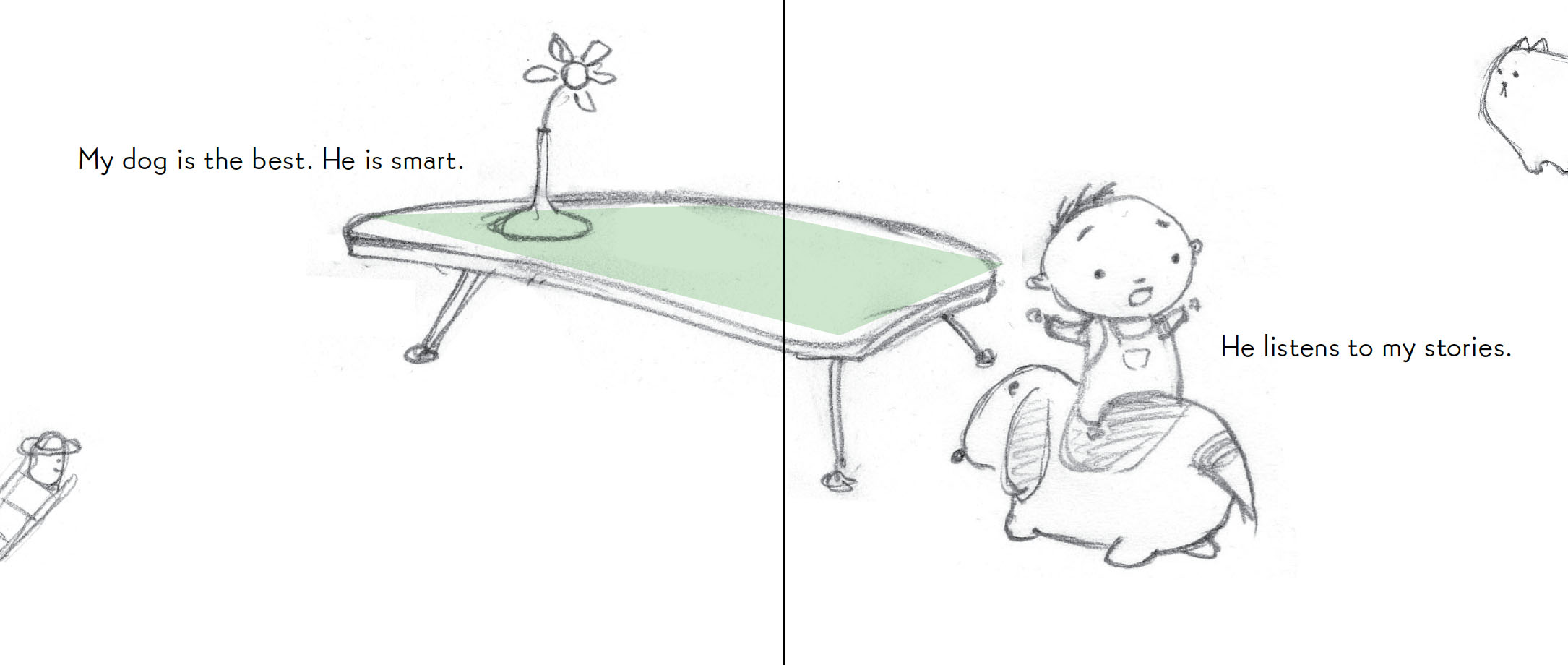
Ricki’s Review and Teachers’ Tools for Navigation: This charming tale will surely win the hearts of many children. It made me feel a bit guilty that I don’t have a dog for my son! I can imagine teachers reading this story aloud to captivated audiences. Teachers might ask students to compare this story with others in their classrooms. The way the illustrator and text focuses on the two subjects makes their friendship shine. You can find an example of the text’s playfulness in the flagged page below. It made me smile! After reading this story, I would encourage my students to write their own stories about friendships that they have.

Kellee’s Review and Teachers’ Tools for Navigation: This book makes me want a dog (and like Ricki said, I feel a bit guilty for not having a dog for Trent!). I loved this sweet story of a sleepy dog and a rambunctious child who is going to have fun with his dog no matter what the dog thinks about it. The play between the words and illustrations is what really made this book special and made the quiet humor really ring through. I also think that kids are really going to like the end of the book. Like Ricki, I think that this text could be a great mentor text for writing about times of imagination and friendship. What other ways could the boy have played with the dog? How do you play with your pet/toy? I also think that it is a great story to use to talk about humor and irony. Why was the ending funny?

Discussion Questions: What kinds of games do you play with your best friend/pet/toy?; Do you have a pet? How is your relationship with your pet similar or dissimilar with this story?; In what ways is it obvious that the author and illustrator worked together to create this book? How do the drawings enhance the story?; Why is the ending ironic?

We Flagged:

My Dog is the Best spread
Image from: http://us.macmillan.com/books/9780374300517

Read This if You Loved: Look! by Jeff Mack; The Poky Little Puppy by Janette Sebring Lowrey; May the Best Dog Win by Kelly Hashway; Bark, George by Jules Feiffer; Emmanuel’s Dream by Laurie Ann Thompson

Recommended For: 

readaloudbuttonsmall classroomlibrarybuttonsmall

Interview with the Laurie Ann Thompson and Paul Schmid!

Questions to Laurie:

05_lauriethompson_PhotoByMaryBalmaceda-500x750

  1. What inspired you to write this book?

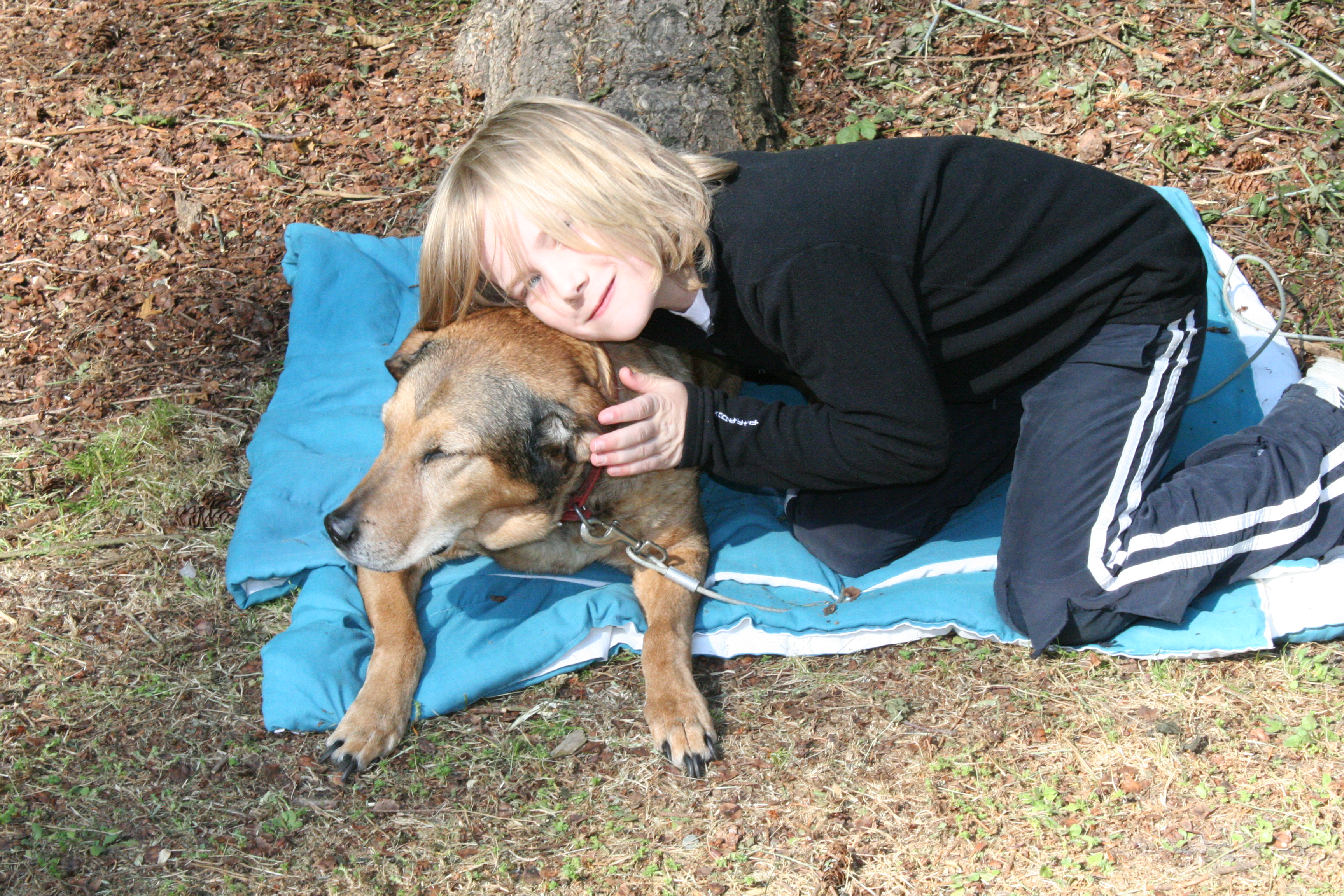
I first wrote the text as an assignment for a course I was taking, Anastasia Suen’s Easy Reader/Chapter Book Workshop. I’ve always loved dogs, and it’s a great word for beginning readers, so I started there. I noticed that most of the time when I said, “Good dog!” to my poor old dog, Sara, she was either curling up and getting ready to go to sleep or already sleeping. She would give me this confused look that said, “What? I’m not doing anything!” She’d been a hyperactive, crazy dog in her younger years, so it was a huge relief when she finally started slowing down a little. I appreciated the humor in those interactions. At the same time, I had an awfully busy little boy at home, so both the tension between their very different energy levels and their special “best friends” relationship were natural ingredients for the story.


  1. Did you have a specific dog when you were growing up that you were thinking of as you wrote this book? 

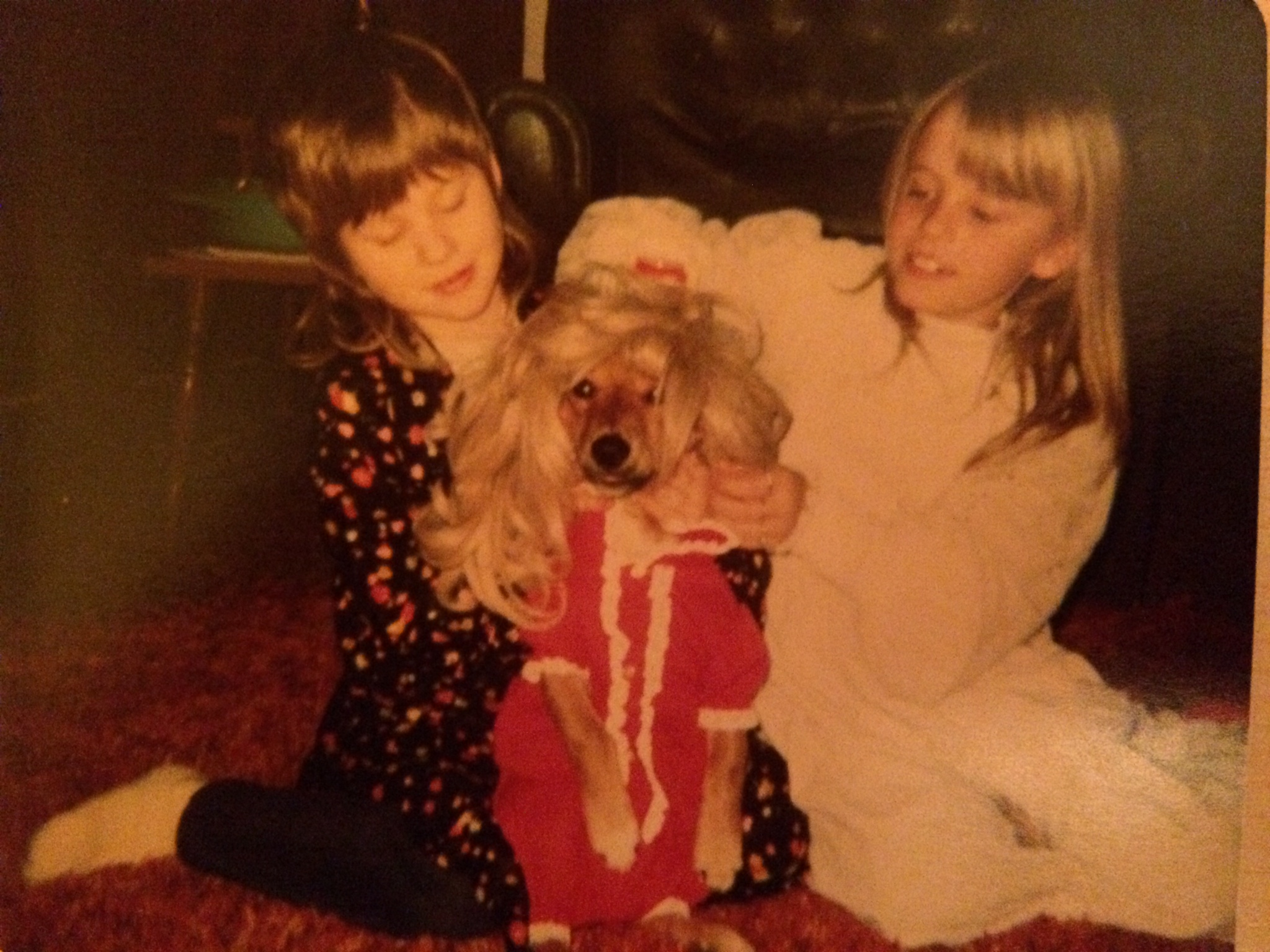
It’s really a collection of all of them. My dogs were my best friends, and they put up with so much of my probably unwanted attention. I had one special dog named Sammy that I used to dress up in doll clothes, push in a baby swing, and take for rides in my bicycle basket. (He loved those last two activities, but I’m pretty sure he merely tolerated the first!) He was the best. When I was bit older, my dog Ripper used to wait at the end of our driveway—every single day—for the school bus to bring me home. He listened to all of my tales of teenage angst and always let me dry my tears on his fur. He was devoted and dependable. He was the best. Then, as an adult, there was Sara. She was the best, too. I think whatever dog we make room for in our lives becomes “the best,” just by virtue of us loving them.


dressing up Sammy1999-03 36_34 Laurie and Ripper2011-07-02 083038 Connor and Sara

  1. You write both YA and children’s books. How is your writing process different for each?

It’s very different! For my YA books, I’m a rather obsessive planner. I research and outline, then research some more and revise the outline and so on, for a long time, before I’m finally ready to start writing. For my picture books, I like to just play. I just start writing and see what happens. As a result, I typically spend less time revising the YA books than the picture books, even though the picture books are much, much shorter! It usually takes a lot of revision to make a picture book work just right.


  1. What was it like to work with an illustrator? 

With my YA books, like Be a Changemaker, there is no illustrator, so the final product is the result of the collaboration between my editors and me—and we’re all primarily word people. As a picture book author, though, it’s always exciting to see what another person with a very different way of working and of seeing the world will bring to my original vision. Authors don’t usually get much say in the illustrations (and rightly so, as I surely am no art expert!). With my second book (and first picture book), Emmanuel’s Dream, I had never met the illustrator, Sean Qualls, and I didn’t see any of his stunning artwork until it was almost all finished. I was on pins and needles, but what a pleasant surprise! For My Dog Is the Best the experience was a bit unusual but every bit as special. It just happened that Paul Schmid and I live not far apart and had known each other for years. When he took on the manuscript, I was ecstatic! We kept in touch throughout the process, and I even got to spend a day collaborating with him in his studio—one of my all-time favorite writing days ever! We both ended up influencing both the art and the text, and we ended up with something we’re both really proud of.


Questions to Paul:

  1. How did you decide what the characters would look like?

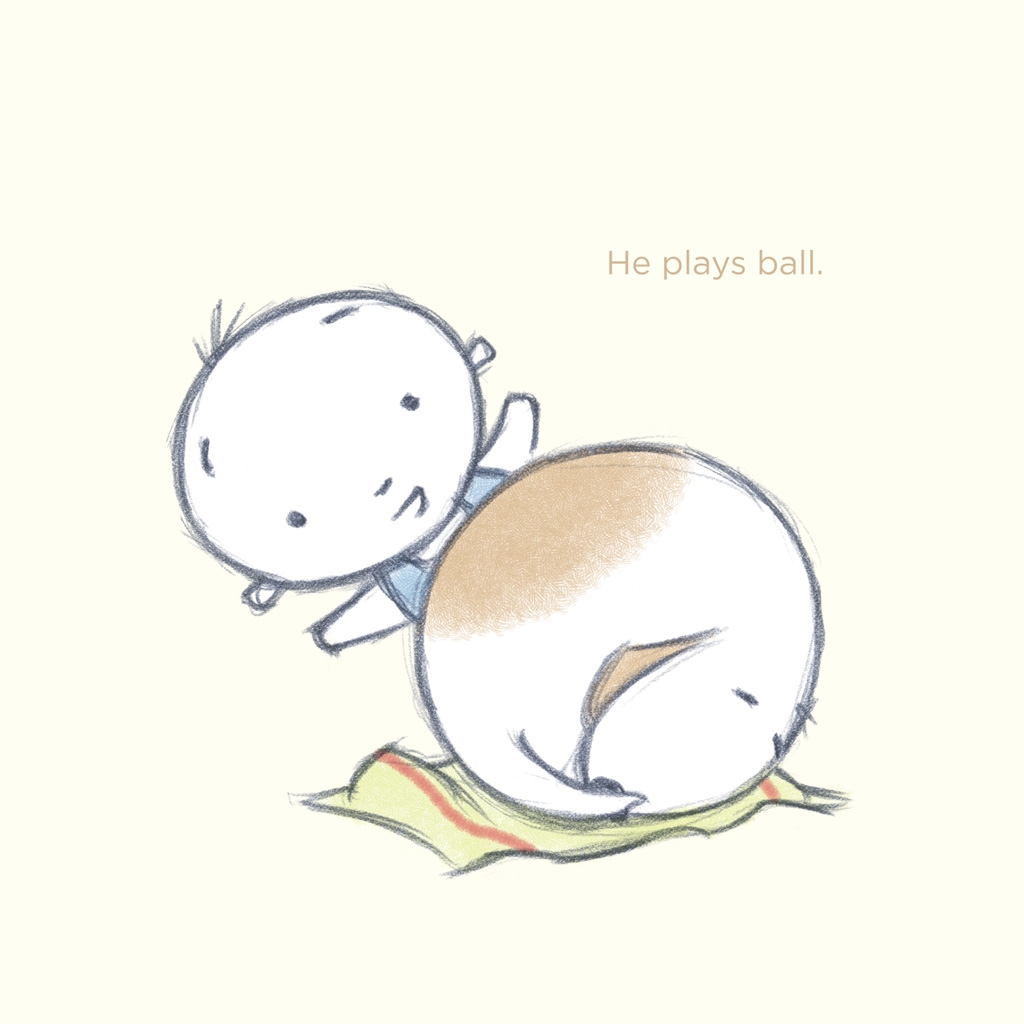
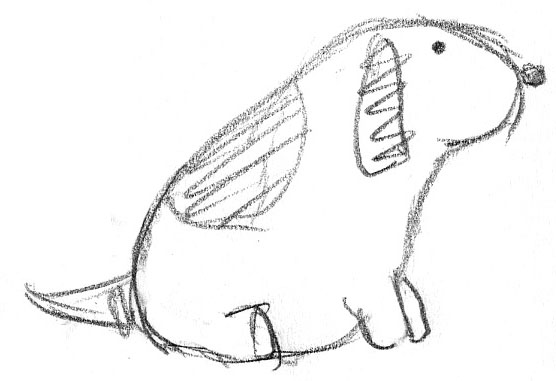
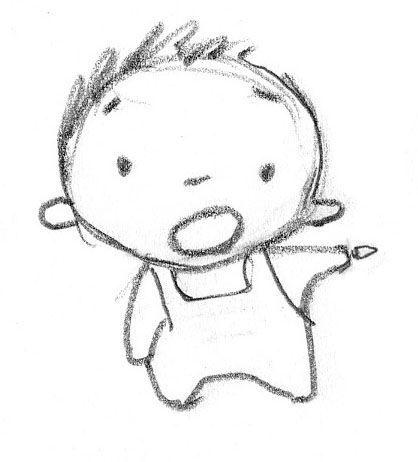
Initially, I form a clear picture of the characters personalities. Are they active? Sedentary? Outgoing or shy? The design of a character should provide solid clues to who they are. Our dog in the book just wants to nap, and I imagined an old, tolerant, comfortable Basset Hound of established habits. The boy is much more active, but young and naive. He is also sweet and loving, as the book is itself. So I felt the boy needed a kind, gullible, gentle look that was at the same time visually sympathetic to his dog, in order to form an emotional connection between the two for the reader. As a result, they both ended up round and gentle looking.


  1. What does the artistic process look like?

Many many sketches. Then many more. Then a few more. Eventually I have to start the final art. I don’t think I ever really feel like I’m done improving things, but a deadline shows up and helps me stop.

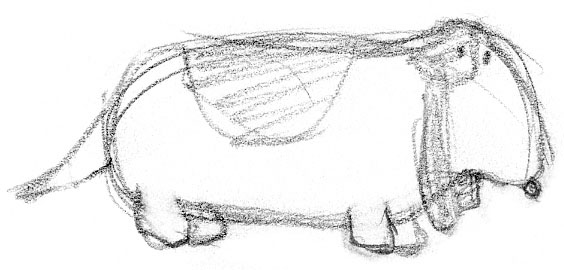
Early sketch of the dog

early dog

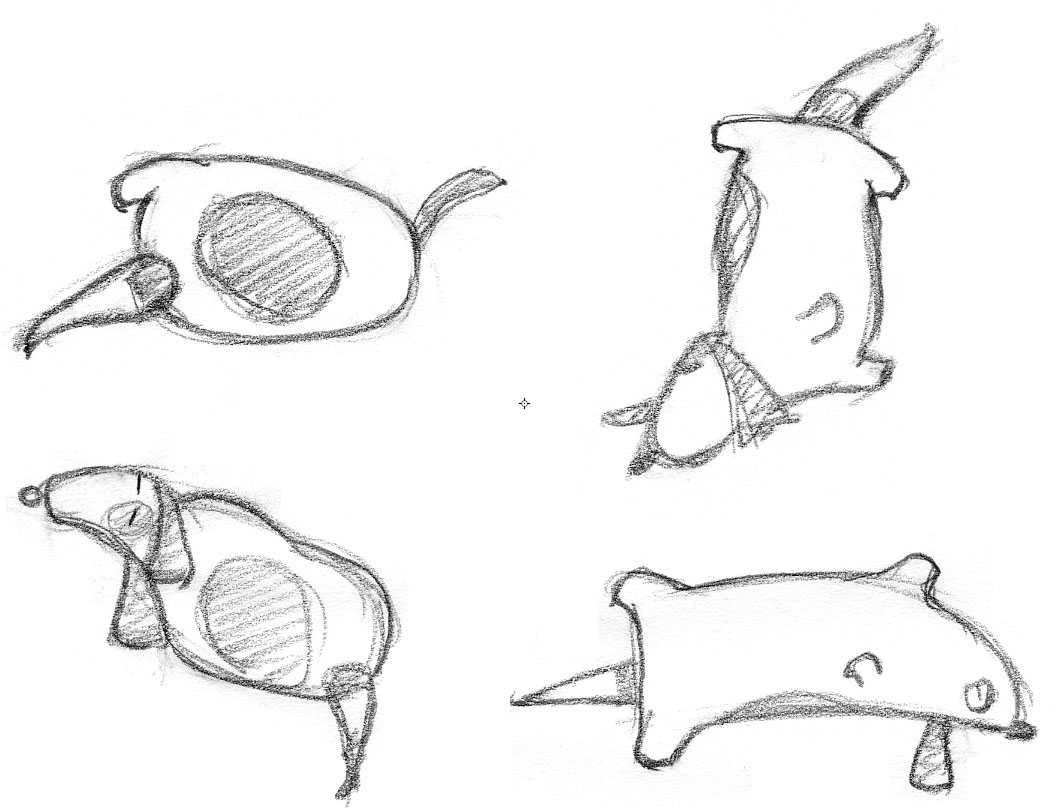
Dog Poses

dog poses

Dog sketch and boy sketch

dog sketch boy sketch

Early design

early design

Early cover design

early cover

Another early cover design

cover

Second stage spread

2nd stage spread

GIVEAWAY!

a Rafflecopter giveaway

Follow My Dog is the Best on Tour!:

6/6/2015     Booking Mama     http://www.bookingmama.net

6/8/2015     Jean Reidy     http://jeanreidy.com

6/9/2015     Watch. Connect. Read.     http://mrschureads.blogspot.com

6/10/2015    5 Minutes for Books     http://books.5minutesformom.com

6/11/2015     KidLit Frenzy     http://www.kidlitfrenzy.com

6/12/2015     Unleashing Readers     https://www.unleashingreaders.com

6/16/2015     Anastasia Suen: Booktalk     http://www.anastasiasuen.com

6/19/2015     Kirby’s Lane     http://kirbyslane.com

7/1/2015        Library Lions     http://LibraryLionsRoar.blogspot.com

Thank you to Laurie and Paul for taking part in the interview and for having us as part of the blog tour!

RickiSigandSignature

Faraway Friends by Russ Cox

Share

faraway friends

Faraway Friends
Author and Illustrator: Russ Cox
Published May 5th, 2015 by Sky Pony Press

Goodreads Summary: This is the story of the adventure of a little boy named Sheldon and his dog, Jet. When Sheldon’s best friend moves away, Sheldon spies the word “Jupiter” painted on the side of the moving truck. Sheldon feels sad at first, but realizes that this is a sign—what he needs is a rocket ship! So Sheldon and Jet do some sketching and some scrounging, and, with a wagon full of equipment and supplies, the two future astronauts head to the backyard. With a glop and a wham, piece by piece the ship begins to take form, and soon it’s Commander Sheldon A. Flyer and Space Cadet Jet ready for takeoff! The duo jets around satellites, zooms by planets, speeds through space storms, and zips past other flying saucers . . . untilplop, they’ve arrived, somewhere with a green, alien life-form and a furry black blob.

This book encourages children to channel loneliness and boredom with creativity and imagination, and ultimately it is a story of new friendship. Featuring vibrant illustrations by debut author and illustrator Russ Cox, this action-packed story is sure to appeal to young readers in search of something that is out of this world!

My Review: I loved this story! It promotes imagination, has science elements, and is about the tough subject of friends moving away. When Sheldon’s best friend moves away, he believes he has moved to Jupiter so the only solution is to build a spaceship for himself and his dog, Jet, to go to Jupiter to see his friend. I adored that Sheldon went through a planning and sketching phase before building and “blasting off” with Jet. They then fly through outer space until a ship malfunction and a visiting alien change their plans. Children will love the colorful illustrations, fun adventure, and comic relief of Jet all while exploring themes of friendship, loss, and imagination. 

P.S. The cover glows in the dark!!!!

Teachers’ Tools for Navigation: Like I shared above, there are some deep themes that can be addressed while/after reading this book. I also think it will promote a want to build a space ship, and it would be great to have students plan and build a spaceship (maybe not life size, but for an egg or pipe cleaner person?). The book also has onomatopoeias throughout which always makes me happy as they may be my favorite type of figurative language, and there is also great vocabulary words throughout to learn about.

Discussion Questions: Before reading, look at the cover and predict what you think the book is about. After reading, look back at the cover. What did you predict correctly and incorrectly based on the cover?; Has a friend of yours ever moved away? How did it make you feel? What did you do to help deal with the loss?; If you could build a spaceship and visit anywhere, where would you go?; When Sheldon and Jet blasted off into space, did you catch the clue for the ending in the background?

We Flagged:

faraway-friends-sample 2
(c) Russ Cox 2014

“BLAST OFF! In a spectacular plume of smoke Sheldon and Jet roared into space.”

Read This If You Loved: The Most Magnificent Thing by Ashley Spires, Journey by Aaron Becker

Recommended For:

classroomlibrarybuttonsmall closereadinganalysisbuttonsmall readaloudbuttonsmall

  Signature

**Thank you to Sara at Skyhorse Publishing for providing a copy for review!**

Blog Tour, Giveaway, and Author Guest Post!: Cast Off by Eve Yohalem

Share

Cast Off

Cast Off: The Strange Adventures of Petra de Winter and Bram Broen
Author: Eve Yohalem
Published: March 10, 2015 by Calkins Creek

GoodReads Summary: It’s 1663 and there is an extra passenger on board a Dutch merchant ship setting sail for the East Indies. Twelve-year-old Petra has stowed away to escape her abusive father. But she quickly realizes that surviving for months at sea will be impossible without help. So when Bram, the half-Dutch / Half-Javanese son of the ship’s carpenter, finds her hiding spot, Petra convinces him to help her stay hidden . . .and help disguise her as a boy.

If Petra is discovered and exposed as a girl, she could be tossed overboard, or worse . . . returned to her father. And if Bram is exposed for helping her, he could lose the only home—and family—he has. As tensions rise on the ship, with pirates attacking, deadly illness, and even mutiny, Petra and Bram face impossible decisions that test their friendship and threaten their dreams of freedom.

Told in alternating voices and filled with secrets and intrigue, this richly researched novel is historical fiction at its best.

Review: Take me away! This book whisked me off on a marvelous adventure filled with grave dangers, stow aways, tall ships, and mutiny. I couldn’t help but be reminded of one of my childhood favorites, The True Confessions of Charlotte Doyle by Avi. Petra escapes from a horribly abusive relationship with her father, and her bravery is an excellent model for young readers. She is discovered by Bram, the illegitimate son of the ship’s carpenter, and they form a very special friendship. This book delivers richly realized themes—particularly those of loyalty, heroism, sexism, and racism—that are very relevant to readers across time. I imagine a wide variety of audiences would appreciate this text because it touches on so many fascinating topics. It is clear that the author did her homework, and the result is magnificently entertaining.

Teachers’ Tools for Navigation: This book is an excellent example of a text that could be analyzed with a critical theorist lens. (See Appleman’s book about teaching critical theory to students of all levels.) I imagine rich classroom discussions would evolve from the application of gender theory or race theory, for instance, to this text. This is a compliment to the author and the depth of this book.

Discussion Questions: In what ways do gender and race play a role in this text?; How does the author weave history into the story?; What does Petra and Bram’s friendship teach us about humans in general?; How do the main characters display qualities of bravery?

Read This If You Loved: The True Confessions of Charlotte Doyle by Avi; Leviathan by Scott Westerfeld; Secrets of the Realm by Bev Stout; Peter Pan by J.M. Barrie

Recommended For:

 classroomlibrarybuttonsmall

RickiSig

Giveaway!

One lucky winner will receive a copy of CAST OFF: The Strange Adventures of Petra De Winter and Bram Broen (U.S. addresses; allow 4-6 weeks for delivery; offer ends 7/10/15).

a Rafflecopter giveaway

Guest Post from Eve Yohalem, Author of Cast Off!

Eve Yohalem photo

In 2009 I got this great idea for a seafaring adventure about two kids who sail from Amsterdam to the East Indies in the seventeenth century. There was just one problem: I knew next to nothing about the seventeenth century. Or the Netherlands. Or the East Indies. Or sailing.

No matter. I like a challenge. I researched for a full year before I started writing, and after I started writing, I kept researching. I’m still researching. (I like researching.)

Today my Cast Off file has more than four hundred different source notes. I read lots of books: scholarly academic stuff, journalistic stuff, fiction, memoirs, journals, every first person account I could find. I spoke to people who knew much more than me—VOC scholars, maritime scholars, curators, my husband (he sails), surgeons, and dentists. I hung out in oddball museums. I traveled to Indonesia, where I slept in the jungle and held baby orangutans, and to the Netherlands, where I retraced every step of my characters that I could and explored the dark nooks of two different full-scale East Indiamen replicas.

I have no research training. It would have helped if I’d majored in history in college, but I didn’t. Mostly, I followed my nose. I knew that my story would begin in Amsterdam and take place mostly at sea on an East Indiaman bound for Batavia. I knew two of my characters: a Dutch girl and an East Indian boy, both twelve years old. That’s a lot to get started with.

What’s surgery like by candlelight below deck on a rocking ship before the invention of anesthesia? How do you fire a 4,000 pound canon without getting crushed by the recoil? These were the kinds of questions I tried to answer.

I tried to convey what it felt like to cram three hundred men onto a 150-foot long vessel for six months (damp, dark, and airless below, smelled bad, no privacy). The layout of the ship is based on actual ships of the period, as are the various jobs, daily schedule, terrible food.

For my characters’ medical knowledge, I have to thank John Woodall’s The Surgeon’s Mate, a seventeenth century medical guide no ship’s surgeon would have been without.

And in case anyone’s wondering, I got most of my slang from the always entertaining A New Dictionary of the Terms Ancient and Modern of the Canting Crew: In Its Several Tribes of Gypsies, Beggars, Thieves, Cheats, &c., with an Addition of Some Proverbs, Phrases, Figurative Speeches, &c. by B. E. Gent, c 1698. In my opinion, some of these terms should be brought back into everyday use. Please help make “Kiss my blind cheeks!” go viral!

Follow Cast Off on the blog tour:
 
Mon, June 1
Book Monsters
Tues, June 2
The Hiding Spot
Wed, June 3
Books Unbound
Thurs, June 4
Unleashing Readers
Fri, June 5
Read Now, Sleep Later
Mon, June 8
Mother Daughter Book Club
Tues, June 9
Cracking the Cover
Wed, June 10
The Compulsive Reader
Thurs, June 11
The Children’s Book Review
Fri, June 12
I Read Banned Books

*Thank you to Barbara at BlueSlip Media for sending this book for review!*