Guest Post: Classroom Uses for One Crazy Summer by Rita Williams-Garcia, A Place to Hang the Moon by Kate Albus, Planet Earth is Blue by Nicole Panteleakos, Shooting Kabul by N.H. Senzai, and The Dreamer by Pam Muñoz Ryan

Share

One of the assignments during my Spring Children’s Literature course at UCF was creating a mini-teaching guide for the books we read for book clubs. We started with picture books for practice then students created them in their book clubs each week.

Today, I am happy to share the classroom uses and discussion questions found by my UCF Elementary Education students when reading these historical fiction books.
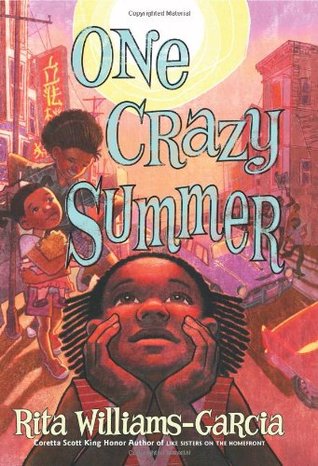
One Crazy Summer
Author: Rita Williams-Garcia
Published January 26th, 2010 by Quill Tree Books

Summary: In the summer of 1968, after travelling from Brooklyn to Oakland, California, to spend a month with the mother they barely know, eleven-year-old Delphine and her two younger sisters arrive to a cold welcome as they discover that their mother, a dedicated poet and printer, is resentful of the intrusion of their visit and wants them to attend a nearby Black Panther summer camp.

In a humorous and breakout book by Williams-Garcia, the Penderwicks meet the Black Panthers.

Discussion Questions: 

  • What do you think of Cecile and the way she treats her daughters? How does that make you feel?
  • What do you think Cecile does for the black panthers? Do you think it is good or bad?
  • Explain why you think the girls were sent to visit their mother?
  • Why did the black panthers call Fern’s doll, Ms. Pattycake, self hatred?
  • Who or what is a black panther? (For background knowledge on the history in story)
  • Why do you think Vonneta didn’t stick up for Fern when her friend was calling her a baby? Why did she then destroy Fern’s doll?
  • Family is an important theme of the novel, write about your relationship with your family.
  • Do you think Delphine agrees with the black panthers are fighting for? Why or why not?
  • Do you think Fern’s name is the real reason Cecile left? Why or why not?
  •  Do you think Delphine forgives her mom for abandoning her? Why or why not?

Recommended For: 

classroomlibrarybuttonsmall 


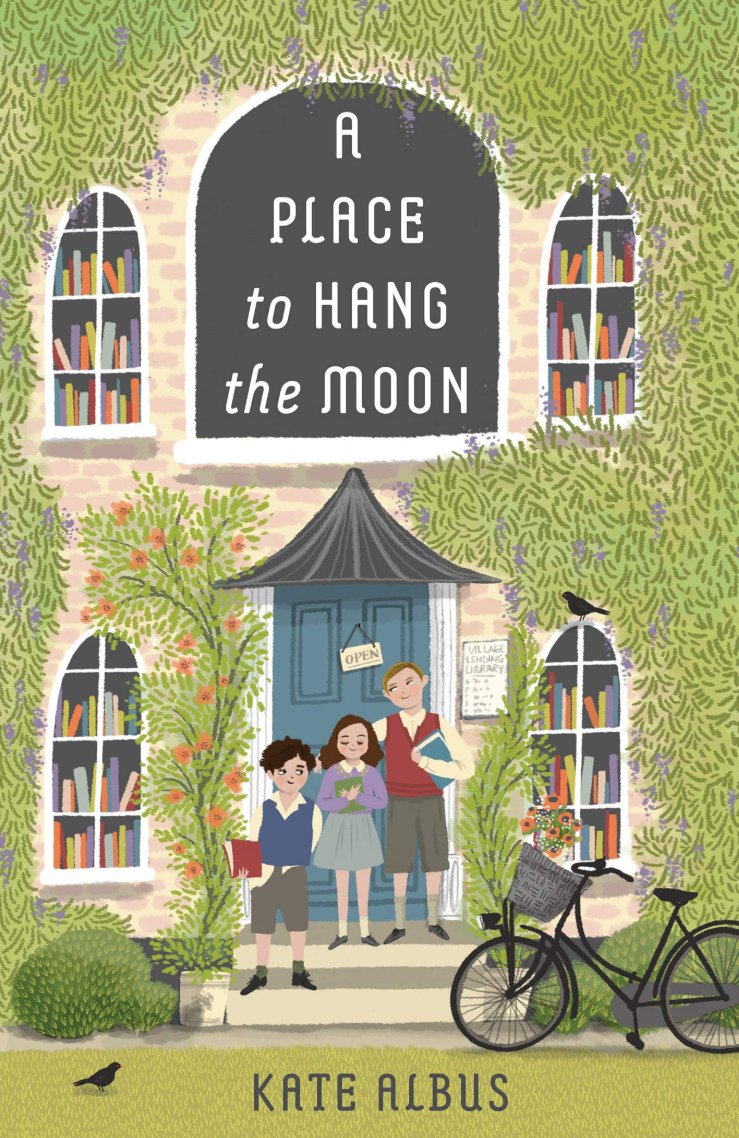
A Place to Hang the Moon
Author: Kate Albus
Published February 2nd, 2021 by Margaret Ferguson Books

Summary: Set against the backdrop of World War II, Anna, Edmund, and William are evacuated from London to live in the countryside, bouncing from home to home in search of a permanent family.

It is 1940 and Anna, 9, Edmund, 11, and William, 12, have just lost their grandmother. Unfortunately, she left no provision for their guardianship in her will. Her solicitor comes up with a preposterous plan: he will arrange for the children to join a group of schoolchildren who are being evacuated to a village in the country, where they will live with families for the duration of the war. He also hopes that whoever takes the children on might end up willing to adopt them and become their new family–providing, of course, that the children can agree on the choice.

Moving from one family to another, the children suffer the cruel trickery of foster brothers, the cold realities of outdoor toilets, and the hollowness of empty tummies. They seek comfort in the village lending library, whose kind librarian, Nora Muller, seems an excellent candidate–except that she has a German husband whose whereabouts are currently unknown. Nevertheless, Nora’s cottage is a place of bedtime stories and fireplaces, of vegetable gardens and hot, milky tea. Most important, it’s a place where someone thinks they all three hung the moon. Which is really all you need in a mom, if you think about it.

Teachers’ Tools for Navigation: This book could be used to teach children about the effects of World War II on England and specifically how it affected children. This book could also be used to have an open discussion about family. To help children understand how family changes and how your ideas and those you consider family can change over time.

This book should definitely be put in the classroom library. Close reading/analysis would be used especially when the children are learning about World War II, so they are able to better understand historical context and explore what else was going on in this time period and why the actions of the characters were necessary. And the book would be great in a book club could also be used to help students reflect upon what they were feeling and give them an opportunity to share their opinions of the story with their peers.

Interdisciplinary Aspects:

History- This book takes place during World War II students can take this as an opportunity to research the war and understand the setting of the novel and why the characters were forced to move away in more detail

Reading/Literature- Throughout the book the children are introduced to many different books and authors. Students can explore these books and read one of their choosing to understand these stories in more detail

Discussion Questions: 

  • Throughout the book the children mention that they know they will have found their new family when they find someone who believes that they had hung the moon. What do you believe that this phrase means?
  • During this book the children mention that they are frequently talking about rationing and the need for rationing coupons. What is rationing and why was it necessary during the war?
  • Why would Mrs.Mueller having a German husband make her unsuitable to house the children?
  • Which housing accommodation was the least suitable for the children? Why?
  • Throughout the book the children read different books to pass the time and feel better about their current situation? How can reading bring about comfort to these characters?
  • How is Edmunds understanding of the war and his actions to his billet hosts different from Williams?
  • Edmund tells William that he knows that the stories he tells about his parents are fake. Why does he still enjoy these stories even though he knows they aren’t real?
  • Each of the siblings is hoping to get something specific out of the new family. (Edmund wants someone to cook for him, William wants to not worry about taking care of his siblings and having so many burdens, and Anna wants someone to tuck her in and give her a hug) Why is their idea of parents so different? How does Mrs. Mueller meet each of their expectations?
  • Why do you think that none of the children were devastated at the death of their Grandmother? How do you think they acted at their parents’ funeral?
  • Why are the children sent to a village in the country?
  • What war did this story take place during?
  • Where did the children get sent off to?
  • What is one thing they encountered during their foster care?
  • What is the name of the librarian they fell in love with?
  • Who is the person that sent them into foster care and why?
  • What did it mean for them when they said they hung the moon?
  • Who sank the boat of refugee children?
  • Why did the English women who’s husband was German get a lot of prejudice from neighbors?

Recommended For: 
classroomlibrarybuttonsmall


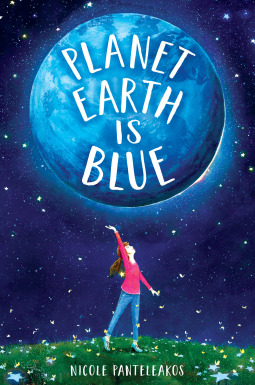
Planet Earth is Blue
Author: Nicole Panteleakos
Published May 14th, 2019 by Random House

Summary: Twelve-year-old Nova is eagerly awaiting the launch of the space shuttle Challenger–it’s the first time a teacher is going into space, and kids across America will watch the event on live TV in their classrooms. Nova and her big sister, Bridget, share a love of astronomy and the space program. They planned to watch the launch together. But Bridget has disappeared, and Nova is in a new foster home.

While foster families and teachers dismiss Nova as severely autistic and nonverbal, Bridget understands how intelligent and special Nova is, and all that she can’t express. As the liftoff draws closer, Nova’s new foster family and teachers begin to see her potential, and for the first time, she is making friends without Bridget. But every day, she’s counting down to the launch, and to the moment when she’ll see Bridget again. Because Bridget said, “No matter what, I’ll be there. I promise.

Teachers’ Tools for Navigation: This book would be useful for students who aren’t nonverbal and autistic, it would teach the perspective from these students who are  to better understand them and find ways to relate to them.

It can also be an introduction to space and the solar system focusing on science.

This would be a great book to have in the classroom library as it is easy to build a personal connection to the characters that students may not want to speak about to a larger group. This would give them the chance to dive into subjects that may be relatable to them but not others and provide a safe space for it.

Using this book for a close reading or analysis can be beneficial as it can be used as an introduction to the space unit. It can be used as a way to introduce the topic of differences in students’ lives and how it can be accepted rather than seen as a negative.

Discussion Questions: 

  • Describe the relationship between Nova and Bridget that was given by the narrator.
  • Why do you think Nova and Bridget were unable to live with their mother any longer?
  • Why do you think Nova took a special interest in space?
  • How does it make you feel that people are mean to Nova? Use describing words.
  • Nova often talks about being tested multiple times. How does Nova feel about this testing? Can you relate to this? Explain.
  • Why do you believe the book was written from the point of view of a narrator rather than Nova herself?
  • When Francine looks up the word Nova, how does this relate to her?
  • Why were the chapters counting down instead of up?
  • Describe the alternative ending you would have liked to read for Nova and Bridget.

Recommended For: 
classroomlibrarybuttonsmall


Shooting Kabul
Author: N.H. Senzai
Published June 22nd, 2010 by Simon & Schuster

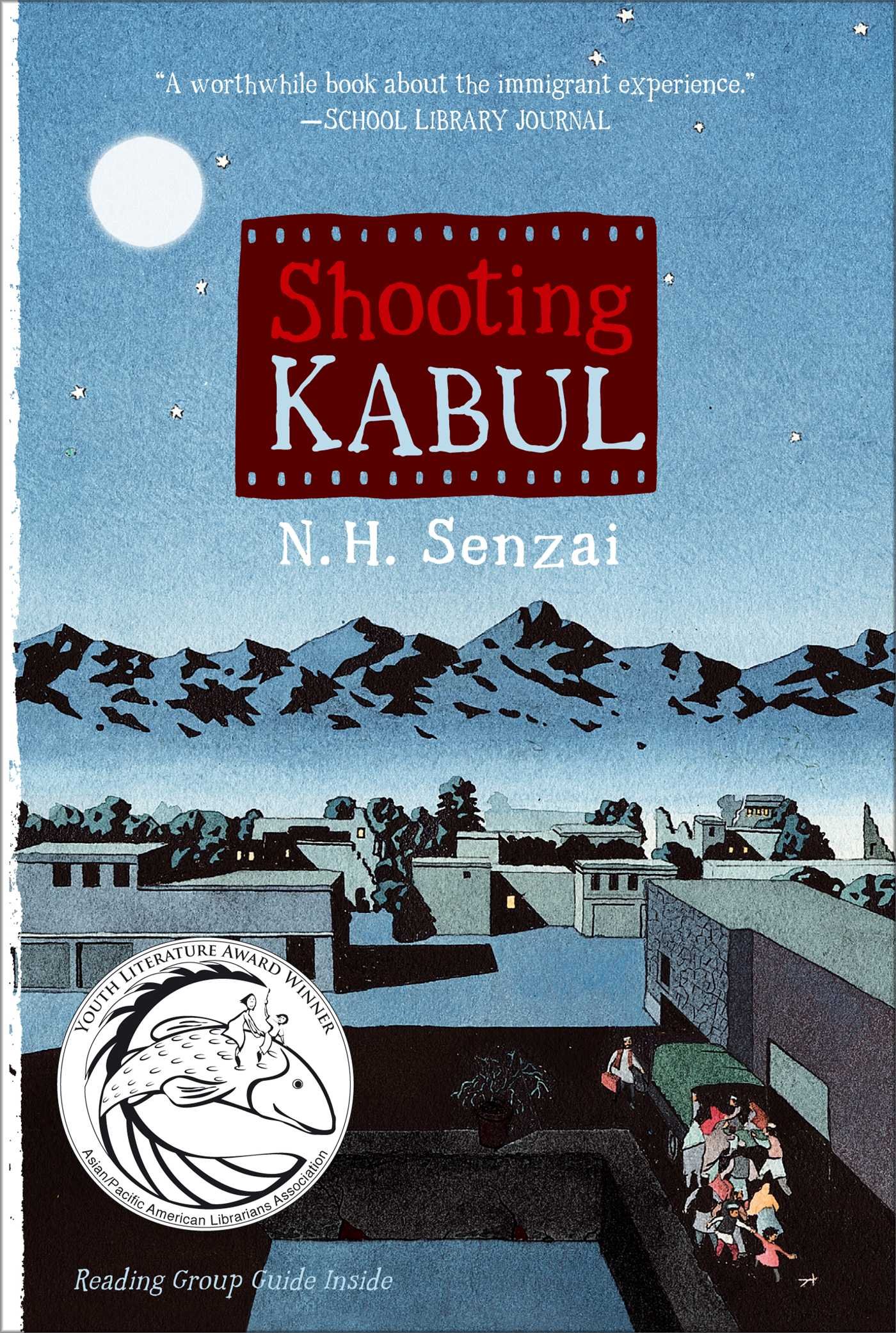
Summary: In the summer of 2001, twelve-year-old Fadi’s parents make the difficult decision to illegally leave Afghanistan and move the family to the United States. When their underground transport arrives at the rendezvous point, chaos ensues, and Fadi is left dragging his younger sister Mariam through the crush of people. But Mariam accidentally lets go of his hand and becomes lost in the crowd, just as Fadi is snatched up into the truck. With Taliban soldiers closing in, the truck speeds away, leaving Mariam behind.

Adjusting to life in the United States isn’t easy for Fadi’s family, and as the events of September 11th unfold the prospects of locating Mariam in a war torn Afghanistan seem slim. When a photography competition with a grand prize trip to India is announced, Fadi sees his chance to return to Afghanistan and find his sister. But can one photo really bring Mariam home?

Based in part on Ms. Senzai’s husband’s own experience fleeing his home in Soviet-controlled Afghanistan in the 1970’s, Shooting Kabul is a powerful story of hope, love, and perseverance.

Teachers’ Tools for Navigation:This book would be useful in the classroom when talking about history. Events like 9/11 and especially the history of the Middle East and how refugees adapt to American culture. It speaks on culture and religion. It also creates a discussion for kids to speak on transitioning, which most can relate to.

Discussion Questions: 

  • How do the events of September 11, 2001, affect Fadi’s school and home life?
  • How would you handle accidentally leaving your sibling behind in another country?
  • Would you go to another country if things are going bad in yours or would you stay to help? How would you help if you stay? Where did you leave and why did you choose there?
  • If you were put in charge of a country would you put your beliefs and needs first or would you worry more for your people’s wants and desires? How would you handle either situation?
  • Would you move on if the bullies had destroyed your camera? What would you do if the principal asked you who was there during the fight?
  • What kind of observations tell you on how Fadi has adapted to his new school and life in America?
  • If you were a member of Fadi’s family, how would you have felt about Habib, your dad, wanting to return to Afghanistan?
  • In the book, what types of misunderstandings about the Muslim faith and Middle Easterns are shown?
  • How do you think Fadi felt when in school? Was it difficult for him to cope with American culture ?

Recommended For: 
classroomlibrarybuttonsmall


The Dreamer
Author: Pam Muñoz Ryan & Peter Sis
Published April 1st, 2010 by Scholastic Press

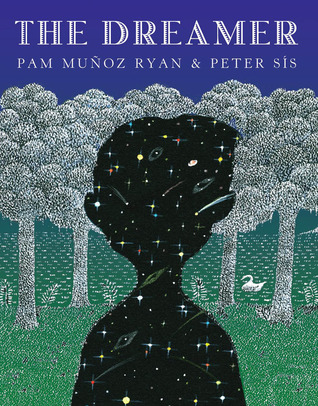
Summary: Neftali finds beauty and wonder everywhere: in the oily colors of mud puddles; a lost glove, sailing on the wind; the music of birds and language. He loves to collect treasures, daydream, and write–pastimes his authoritarian father thinks are for fools. Against all odds, Neftali prevails against his father’s cruelty and his own crippling shyness to become one of the most widely read poets in the world, Pablo Neruda. This moving story about the birth of an artist is also a celebration of childhood, imagination, & the strength of the creative spirit. Sure to inspire young writers & artists.

Teachers’ Tools for Navigation: This book is more about beating the odds that someone has set in place for you. Neftali is told he should be a poet by his father but when Neftali decides to be who he is meant to be, a poet/ artist, he finds success and happiness there.

The Dreamer would be an excellent book for independent reading within the classroom. This book would be great to have in your classroom library so that there are an array of diverse books to choose from. There will be a student at some point that will be able to relate to Neftali’s story with his father. This book could definitely make an impact on a student.

This book would be an excellent shared reading pick or book club choice. The story takes place in Chile, so can be used when teaching about other countries, specifically focusing on the norms, culture, and government. This story is also based on the childhood of poet Pablo Neruda. The book serves as an excellent introduction to poetry. The book is also a great aid for social emotional learning.

Discussion Questions: 

  • Why do you think Neftali enjoys daydreaming?
  • How would you describe Neftali’s relationship with his father?
  • What does Neftali’s father think of Rodolfo’s singing?
  • Why does he want Rodolfo to focus on business or medicine, instead of singing?
  • Compare Neftali’s father to Neftali’s uncle, Orlando. How are they similar or different?
  • Who did you think Neftali relates more to, his father or his uncle? Why?
  • How did Neftali’s relationship with his father change after his trip to the forest?
  • Why does Neftali love and hate the ocean?
  • Has anyone ever told you what you should be when you grow up? If so, how did it make you feel? What do you want to be when you grow up?
  • Why does Neftali’s have a hard time making it to school on time?
  • What does Neftalis’ collections represent? How do they make him feel?
  • Has someone ever told you that you should do something- as your father did with Neftali? How did that make you feel?
  • What does Neftali dream of becoming? Does his father agree? Why or why not?
  • Neftali’s father called him by really harsh names, such as “idiot”- Do you think that Neftali was truly any of those things?
  • In the beginning, Neftali was shy, frail, didn’t say much, and spent a lot of time alone. How did Neftali begin to change throughout the book?
  • In what ways did Neftali’s relationship begin to change with his father?
  • What do you think it feels like to be Neftali?
  • Draw a specific scene from the book, why did you choose this scene to draw?

Recommended For: 

classroomlibrarybuttonsmall


It’s Monday! What Are You Reading? #IMWAYR 8/22/22

Share

It’s Monday! What Are You Reading?
Sharing Picture Books, Early Readers, Middle Grade Books, and Young Adult Books for All Ages!

It’s Monday! What Are You Reading? is a weekly blog hop co-hosted by Unleashing Readers and Teach Mentor Texts which focuses on sharing books marketed for children and young adults. It offers opportunities to share and recommend books with each other.

The original IMWAYR, with an adult literature focus, was started by Sheila at Book Journeys and is now hosted by Kathryn at The Book Date.

We encourage you to write your own post sharing what you’re reading, link up below, leave a comment, and support other IMWAYR bloggers by visiting and commenting on at least three of the other linked blogs.

Happy reading!

Bold_line


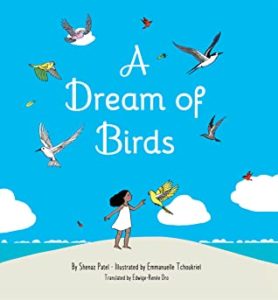
Tuesday: Review and Giveaway!!: A Dream of Birds by by Shenaz Patel, Illustrated by Emmanuelle Tchoukriel, and Translated by Edwig-Renée Dro
Giveaway closes this evening!

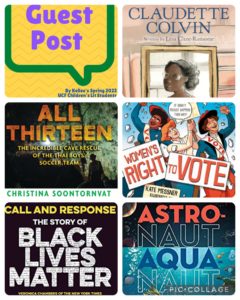
Thursday: Guest Post: Classroom Uses for All Thirteen by Christina Soontornvat, Astronaut-Aquanaut by Jennifer Swanson, Call and Response by Veronica Chambers, She Persisted: Claudette Colvin by Lesa Cline-Ransome, and History Smashers: Women’s Rights to Vote by Kate Messner

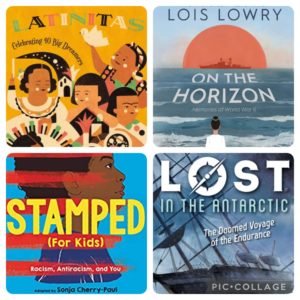
Saturday: Guest Post: Classroom Uses for Latinitas by Juliet Menendez, Lost in the Antarctic by Tod Olson, On the Horizon by Lois Lowry, and Stamped adapted by Sonja Cherry-Paul

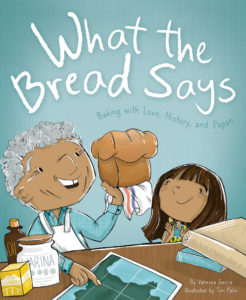
Sunday: Author Guest Post by Vanessa Garcia, Author of What the Bread Says: Baking with Love, History and Papan

**Click on any picture/link to view the post**

Bold_line

Kellee

Hi!! It is Ricki’s week for a long post, so I’ll update next week 🙂 But as always, you can learn more about what I’ve been reading by checking out my 2022 Goodreads Challenge page or my read bookshelf on Goodreads.

Ricki

Well, my reading is kind of a mess! I start school on Tuesday and of course I spent hours designing a new bitmoji classroom. I am going to combine this section with the currently reading section because I have many books going on right now. Two finished and many substantially in progress. I like to read a lot of books at the same time. Just me? 😉

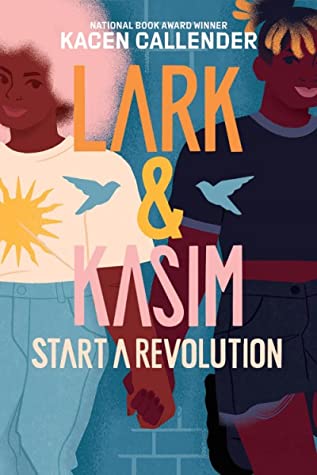
I finished Kacen Callender’s Lark & Kasim Start a Revolution, and you need to stop everything and read this book. Seriously, right now. It is so good.

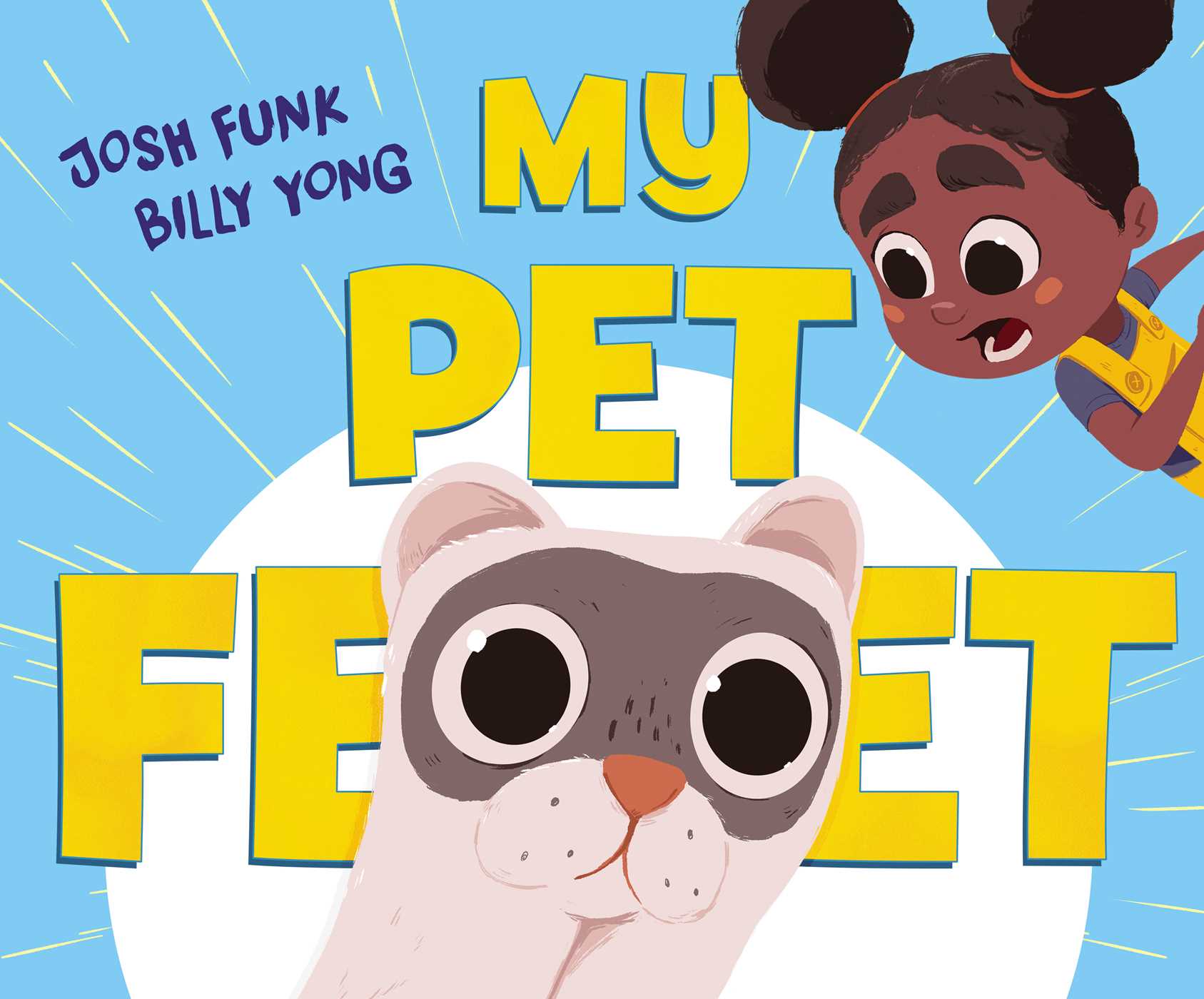
I can’t wait for this book to come out in two days! My Pet Feet by Josh Funk is so creative! Check out our 8-year-olds’ review tomorrow!

I am listening to Black Enough, which is edited by Ibi Zoboi. The stories are fantastic, and I keep thinking about how well they’d fit into instructional units. I love that the collection emphasizes the diversity within diversity.

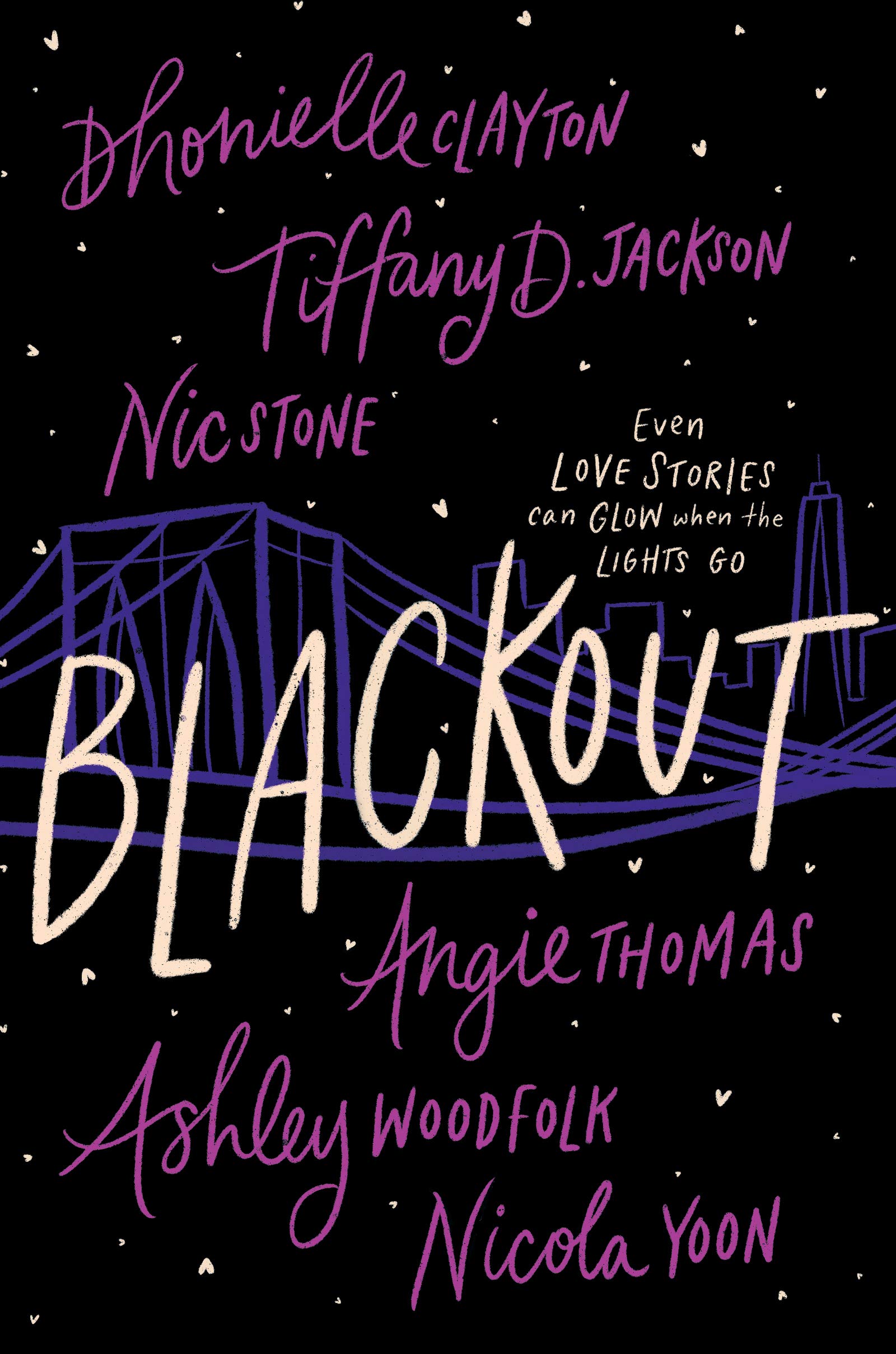
I have read a good amount of Blackout by Dhonielle Clayton, Tiffany D. Jackson, Nic Stone, Angie Thomas, Ashley Woodfolk, and Nicola Yoon. I just finished the story that could be described as the beginning of something new. Ahh, it was so good!

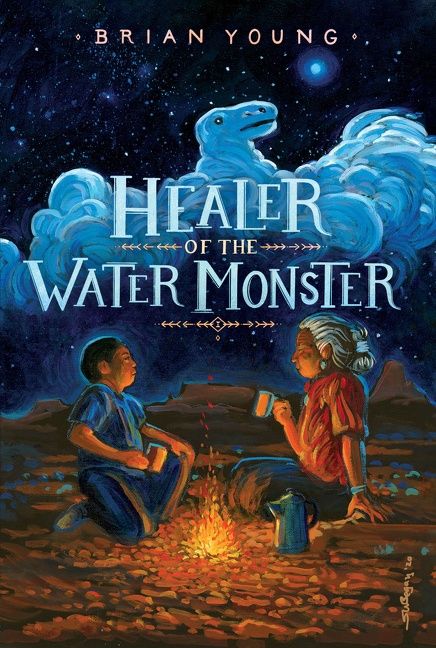
My son and I are reading Healer of the Water Monster by Brian Young. It is so, so good. We rotate reading chapters, and it has offered so much to talk about.

Bold_line

Tuesday: Guest Post: Classroom Uses for One Crazy Summer by Rita Williams-Garcia, A Place to Hang the Moon by Kate Albus, Planet Earth is Blue by Nicole Panteleakos, Shooting Kabul by N.H. Senzai, and The Dreamer by Pam Muñoz Ryan

Thursday: Guest Post: Guest Post: Classroom Uses for Front Desk by Kelly Yang, Indian No More by Charlene Willing McManis with Traci Sorell, Lucky Broken Girl by Ruth Behar, Mary and the Trail of Tears by Andrea L. Rogers, and Night Diary by Veera Hiranandani post

Saturday: Blog Tour and Guest Review from our 8 Year Olds!: My Pet Feet by Josh Funk

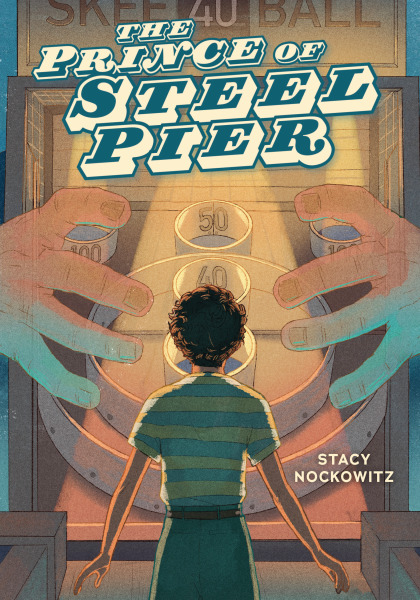
Sunday: Author Guest Post: “In Praise of the Standalone Book” by Stacy Nockowitz, Author of The Prince of Steel Pier

Bold_line

Link up below and go check out what everyone else is reading. Please support other bloggers by viewing and commenting on at least 3 other blogs. If you tweet about your Monday post, tag the tweet with #IMWAYR!

 Signature andRickiSig

Author Guest Post: “How to Honor Your Roots” by Vanessa Garcia, Author of What The Bread Says: Baking with Love, History, and Papan

Share

“How to Honor Your Roots”

I come from a family whose roots are thick and wild. A family which was uprooted repeatedly; displaced over and over again. But the root itself – to homeland and history — never died. Instead, it flourished with mysteries and new blooms alike.

Somehow, my grandparents managed to salvage and plant our family’s displaced Cuban roots on American soil. My mother nourished them, and they grew. It’s my job, as the daughter of refugees, to water them, watch them grow deeper and higher still. Writing is the way I till and water.

A little bit of background.

My grandfather was born in Spain and escaped three tyrannies. He escaped Franco during the Spanish Civil War, by crossing the Pyrenes Mountains on foot with his brother, Pedro. He was 13-years-old. Once in France, he and Pedro became foster kids. Then, WWII hit, and he and Pedro had to escape Hitler. They escaped on a ship with Jewish kids, fleeing for their life, the same ship Vladimir Nabokov would take just a month or so later.

The ship was headed to Ellis Island.

After stepping foot on Ellis Island, however, Pedro and Papan, which is what I call my grandfather, did not stay in the U.S. Papan and his brother told Ellis Island officials that they were from Cuba, because they were afraid to be sent back to war-torn Spain. So, instead, the brothers were shipped off to Cuba, where they built a new life. It was a spectacular life. Pedro and my grandfather made families, my grandfather married my Cuban grandmother; they had my mother and aunt. And then…Fidel Castro.

Fidel Castro came to power, and it was time to escape again, from yet another tyranny – this time to Miami. My grandfather fled with my mom, aunt, and grandmother, almost losing his life in the process. Pedro was not so lucky — he was caught and imprisoned, politically, for almost a decade. After Pedro was released from prison, he didn’t speak to anyone for about a year because of the torture he’d suffered under the Castro regime.

These are the kinds of stories so many people I know live with as part of who they are, and the legacies they carry; stories we cannot forget. This is why I write about my grandfather.

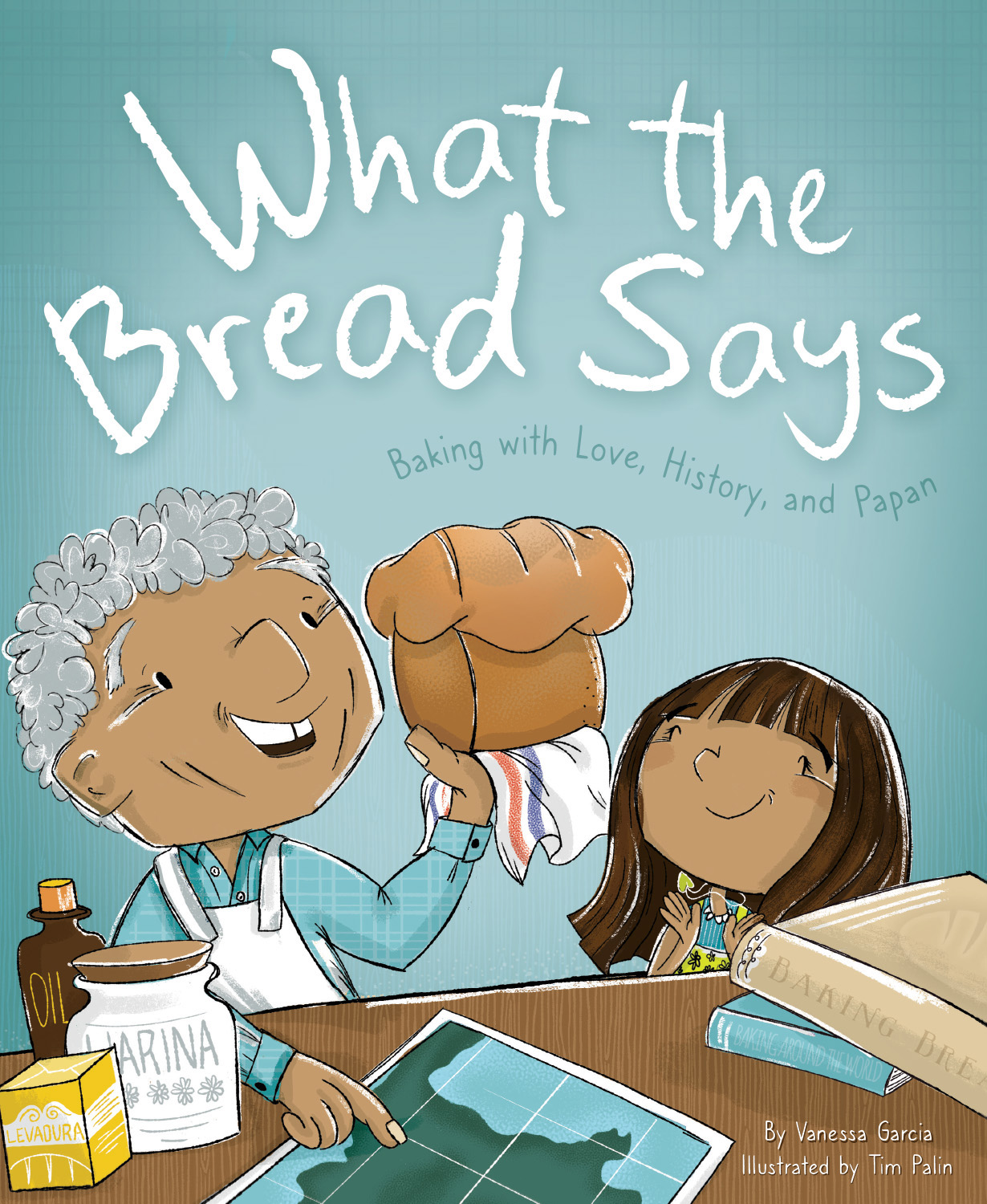
What the Bread Says is my first book-form homage to him. It’s a picture book that carries a lot, but is also simple at the same time. It’s the story of how, when I was a kid, my grandfather taught me to bake bread while telling me the family story.

I hope it inspires many other kids and families to collect their own family stories. I hope it inspires parents to tell oral histories and kids to ask questions. I hope it inspires families to record and archive these stories. These are the stories that make us up, not just as individuals, but as a collective. A forest.

History is within us. And sometimes it feels so big, we don’t know where to start. My advice? Grab your phone and place it next to your grandmother, mother, great grandfather. Whoever is around – the people that carried and watered the roots of your family until now. Because now it’s YOU! It’s your turn.

Press record and ask them to tell you the story of their life. Tell them to start from the beginning. Give them an example: “I was born in _____ on ______ day in the year _______….” And let them take it from there.

That’s what I did.

I let them take it, and my elders took me on a journey. I did this to both my grandparents. The first time, I went home and listened to the recordings. Then, I transcribed them. After this, questions arose. I went back. I asked these and other questions, asked them to fill in the blanks. They couldn’t remember all of it – my grandfather was 98 when he died, that’s almost a century of knowledge and experience. When he couldn’t remember, I asked those around him. I did research. Apart from all the bread-making sessions, which were unrecorded, of course, I began to record them when I was a teenager and later as an adult. I am still gathering their story, even beyond my grandfather’s death.

Our humanity is a puzzle – a map that’s partially uncharted, partially hidden, partially in sight. Our old people carry the key, and our young have the energy to use it. Together, we unlock the map and make the future.

What The Bread Says: Baking with Love, History, and Papan
Published October 1st, 2022 by Cardinal Rule Press

About the Book: Join Papan and Vanessa on a baking adventure from the bumpy Pyrenees Mountains into fancy Paris and to the tropical island of Cuba, kneading and dancing, singing, and telling stories all the way.

In every piece of bread, there’s a story, here is ours. What’s yours? Put on your apron and get ready to bake some delicious bread while you travel from Spain to France to Cuba and back again — all before the kitchen timer dings. Let Papan be your guide!

Book Trailer:

About the Author: Vanessa Garcia is a multidisciplinary writer and creator working as a screenwriter, novelist, playwright, and journalist. She has written for Sesame Street, Caillou, and is a consultant on Dora the Explorer. Her debut novel, White Light, was published in 2015, to critical acclaim. Named one of the Best Books of 2015 by NPR, it also won an International Latino Book Award. She holds a PhD from the University of California Irvine in English (with a focus in Creative Nonfiction), an MFA from the University of Miami (in fiction), and a BA from Barnard College, Columbia University (English and Art History). Her autobiographical radio play, Ich Bin Ein Berliner about the fall of the Berlin Wall and her relationship to Cuba, premiered in April of 2021. You can learn more at http://www.vanessagarcia.org/.

Thank you, Vanessa, for sharing your inspiration and history!

Guest Post: Classroom Uses for Latinitas by Juliet Menendez, Lost in the Antarctic by Tod Olson, On the Horizon by Lois Lowry, and Stamped adapted by Sonja Cherry-Paul

Share

One of the assignments during my Spring Children’s Literature course at UCF was creating a mini-teaching guide for the books we read for book clubs. We started with picture books for practice then students created them in their book clubs each week.

Today, I am happy to share the classroom uses and discussion questions found by my UCF Elementary Education students found for these nonfiction books they read.

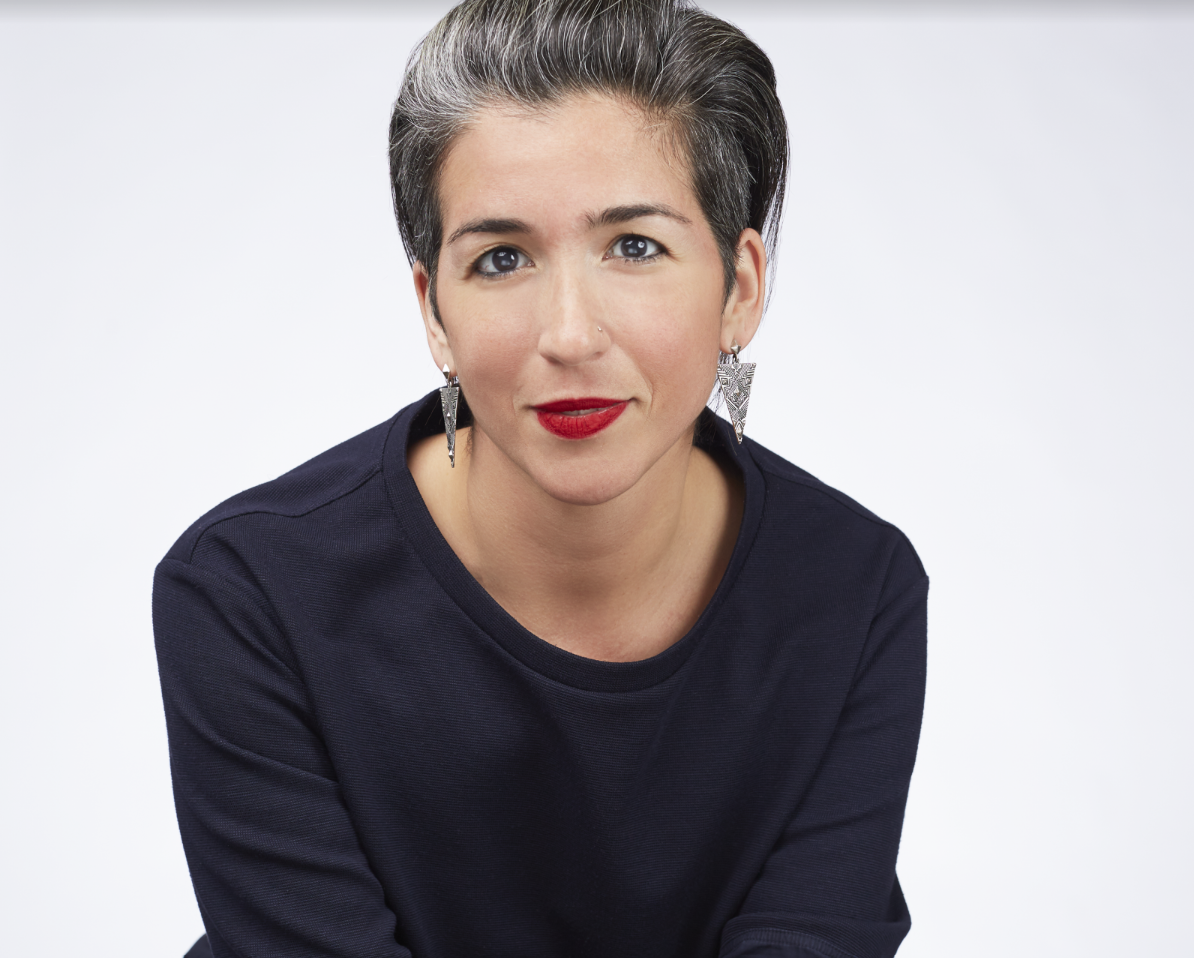
Latinitas: Celerating 40 Big Dreamers
Author: Juliet Menendez
Illustrator:
Published

Summary: Dream big with the Latinitas in Latinitas: Celebrating 40 Big Dreamers.

Discover how 40 influential Latinas became the women we celebrate today! In this collection of short biographies from all over Latin America and across the United States, Juliet Menéndez explores the first small steps that set the Latinitas off on their journeys. With gorgeous, hand-painted illustrations, Menéndez shines a spotlight on the power of childhood dreams.

From Supreme Court Justice Sonia Sotomayor to singer Selena Quintanilla to NASA’s first virtual reality engineer, Evelyn Miralles, this is a book for aspiring artists, scientists, activists, and more. These women followed their dreams–and just might encourage you to follow yours!

The book features Sor Juana Inés de la Cruz, Juana Azurduy de Padilla, Policarpa Salavarrieta, Rosa Peña de González, Teresa Carreño, Zelia Nuttall, Antonia Navarro, Matilde Hidalgo, Gabriela Mistral, Juana de Ibarbourou, Pura Belpré, Gumercinda Páez, Frida Kahlo, Julia de Burgos, Chavela Vargas, Alicia Alonso, Victoria Santa Cruz, Claribel Alegría, Celia Cruz, Dolores Huerta, Rita Moreno, Maria Auxiliadora da Silva, Mercedes Sosa, Isabel Allende, Susana Torre, Julia Alvarez, Sandra Cisneros, Sonia Sotomayor, Rigoberta Menchú Tum, Mercedes Doretti, Sonia Pierre, Justa Canaviri, Evelyn Miralles, Selena Quintanilla, Berta Cáceres, Serena Auñón, Wanda Díaz-Merced, Marta Vieira da Silva, Alexandria Ocasio-Cortez, and Laurie Hernandez.

Teachers’ Tools for Navigation: There are so many ways this book provides an opportunity to be used in the classroom. The book can be used during a history lesson as a resource. The book can also be used on its own for women’s month to learn about all of the Latina women who have made an impact in the world, or this book can also be used for Hispanic Heritage Month. This book could also be a resource if a student is looking to learn more about the women who have impacted their culture or just a Latina woman whose story has caught their attention. This book could also be used for language arts and social studies. This is an excellent book for reading circles, independent reading, or even book clubs. The children can choose a Latina they would like to focus on and write an essay on how they captured their attention or their accomplishments. This book is a quick read with various Latinas that will capture any student’s attention during reading time.

Discussion Questions: 

  • Choose one of the Latinitas highlighted in this book and write about how they inspired you.
  • Juana Azurduy de Padilla is one of the many women who fought for their country’s independence. What are some of the reasons people have fought for a nation’s independence?
  • Pick your favorite subject or topic and find a Latinita that shares that interest. What does she do in that field and how did she get there?
  • Many Latinitas were inspired by other great minds, who inspires you? Why?
  • Where they came from and where they called home heavily impacted the women in this book. How has your identity impacted your life?
  • Compare and contrast two Latinitas from different time periods. What did they have in common? What was different?
  • Explain why the work of an Archeologist, like Zelia Nuttall, is important?
  • Choose one of the Latinitas highlighted in this book and write about how they inspired you.
  • Juana Azurduy de Padilla is one of the many women who fought for their country’s independence. What are some of the reasons people have fought for a nation’s independence?
  • Explain why the work of an Archeologist, like Zelia Nuttall, is important?
  • Pick your favorite subject or topic and find a Latinita that shares that interest. What does she do in that field and how did she get there?
  • Many Latinitas were inspired by other great minds, who inspires you? Why?
  • Where they came from and where they called home heavily impacted the women in this book. How has your identity impacted your life?
  • Compare and contrast two Latinitas from different time periods. What did they have in common? What was different?
  • Compare two women that you read about in this book. Explain any similarities and differences between the two.
  • Write about two examples of Latinitas that had to fight for their education and explain how this was important.

Recommended For: 

classroomlibrarybuttonsmall


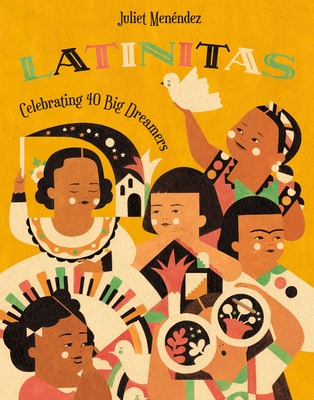
Lost in the Antarctic: The Doomed Voyage of the Endurance
Author: Tod Olson
Published January 1st, 2019 by Scholastic

Summary: There wasn’t a thing Ernest Shackleton could do. He stood on the ice-bound Weddell Sea, watching the giant blocks of frozen saltwater squeeze his ship to death. The ship’s name seemed ironic now: the Endurance. But she had lasted nine months in this condition, stuck on the ice in the frigid Antarctic winter. So had Shackleton and his crew of 28 men, trying to become the first expedition ever to cross the entire continent.

Now, in October 1915, as he watched his ship break into pieces, Shackleton gave up on that goal. He ordered his men to abandon ship. From here on, their new goal would be to focus on only one thing: survival.

Teachers’ Tools for Navigation: This book would make a great book club where students sit in groups and discuss their thoughts about the reading. This would also make an exceptional classroom library book because this could introduce students to survival based books that they may not have a lot of access to and may discover an interest in. This may also make them interested in Narrative Nonfiction that they may not have realized existed before.

This book could be interdisciplinary with science for the climate in the Antarctic and harsh conditions, along with social studies for a nonfiction historic event. Social studies with geography can also be involved as well.

Discussion Questions: 

  • On what day did The Endurance ship slip past the rotting whale carcasses into the South Atlantic?
  • Do you think Shackleton was a good captain for this voyage? Why or why not?
  • How do the images impact the story being told in the story? Do these images give you additional information? Explain how the images impact how you read the story.
  •  Do you think that the cold weather made it more difficult for Shackleton along his crew to survive? What if the weather was hotter, do you think they could’ve survived more easily?
  • Do you think there was a specific action that led to the doom of the voyage? Why do you think this?
  • If you could bring one person with you on this voyage who would you bring and why?
  • What would you do to stay positive in this scenario? Use specific instances from the story in your response.
  • What roles would you assign to each of your classmates on this voyage?
  • How long do you think you and your class would survive in the antarctic? What would be important to think about, based on what you read in the story, when considering how long your survival would be and what you would need.

Recommended For: 

classroomlibrarybuttonsmall


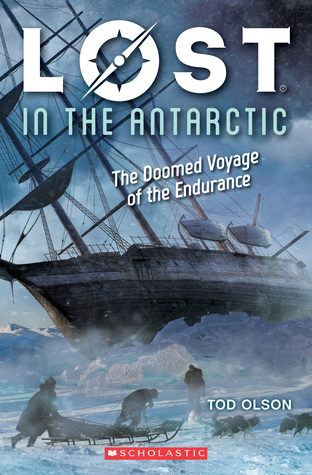
On the Horizon
Author: Lois Lowry
Published April 7th, 2020 by HMH Books for Young Readers

Summary: From Lois Lowry comes an account of the lives lost in two of WWII’s most infamous events: Pearl Harbor and Hiroshima. With black-and-white illustrations by Kenard Pak.

Lois Lowry looks back at history through a personal lens as she draws from her own memories as a child in Hawaii and Japan, as well as from historical research, in this work in verse for young readers.

On the Horizon tells the story of people whose lives were lost or forever altered by the twin tragedies of Pearl Harbor and Hiroshima.  Composed of poems about individual sailors who lost their lives on the Arizona and about the citizens of Hiroshima who experienced unfathomable horror.

Teachers’ Tools for Navigation: This book would be useful in the classroom to teach about two major historical events that happened. Additionally this book can be used to teach students about citizenship, understanding, and cause and effect.

Students could also use the events in the book to create a newspaper because this gives the students a chance to interview people from the book that went through major historical events and offers a range of perspectives for students to look from.

Discussion Questions: 

  • How do you think these events affected her?
  • Why do you think Lois Lowry decided to write about this event?
  • What connections can you make to the events of Horoshima and Pearl Harbor and your life?
  • Why do you think the author chose to write in poems?
  • Writing prompt: What would your feelings have been if you experienced the wars of Hiroshima and Pearl Harbor?
  • Why do you think the author chose the title “On the Horizon?”
  • What do you think Lois Lowry was trying to accomplish by giving different peoples perspectives?
  • How do you think the events of the war made Lois feel during and after the war?
  • What were your feelings when reading about the stories of sailors that lost their lives?

Recommended For: 

classroomlibrarybuttonsmall


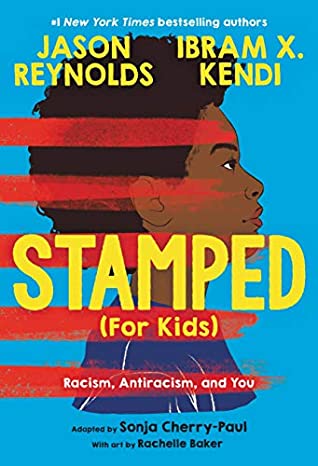
Stamped (For Kids): Racism, Antiracism, and You
Authors: Jason Reynolds & Ibram X. Kendi
Adapted by: Sonja Cherry-Paul
Published May 11th, 2021 by Little, Brown Books for Young Readers

Summary: This chapter book edition of the #1 New York Times bestseller by luminaries Ibram X. Kendi and Jason Reynolds is an essential introduction to the history of racism and antiracism in America

RACE. Uh-oh. The R-word. 
But actually talking about race is one of the most important things to learn how to do.

Adapted from the groundbreaking bestseller Stamped: Racism, Antiracism, and You, this book takes readers on a journey from present to past and back again. Kids will discover where racist ideas came from, identify how they impact America today, and meet those who have fought racism with antiracism. Along the way, they’ll learn how to identify and stamp out racist thoughts in their own lives.

Teachers’ Tools for Navigation: The book could be incorporated in classrooms as an introduction to a study. This book discusses an ongoing topic that is still controversial today. With a book like this, it opens up a door for students to discuss whether the author made valid points and how we could contribute his theories in today’s society.

The book is told in mostly chronological order when speaking about the evolution of racism throughout history. So the students could draw out a timeline and write the dates and facts they see throughout the story while they read. For this particular book it would be easier for them to do them in pairs.

Discussion Questions: 

  • In the book what actions lead to the civil war?
  • How did literature play a big role with how African American as slaves were viewed by society back then?
  • After reading the book, what part of American History did you learn that you hadn’t previously known?
  • What is the author’s motive for writing this book?
  • Can you name one person in the book that contributed to the author’s point? Why?
  • Who is Nat Turner and what was his role?
  • Why do you think this author mentioned, “This is not a history book?”
  • What form of media such as movies or TV shows  make you rethink about the content of racism after reading this book?
  • Who did the author name as the “world’s first racist person” early in the book?
  • What was the curse theory, and how did it have an effect on the justification of slavery?

Recommended For: 
classroomlibrarybuttonsmall


Guest Post: Classroom Uses for All Thirteen by Christina Soontornvat, Astronaut-Aquanaut by Jennifer Swanson, Call and Response by Veronica Chambers, She Persisted: Claudette Colvin by Lesa Cline-Ransome, and History Smashers: Women’s Rights to Vote by Kate Messner

Share

One of the assignments during my Spring Children’s Literature course at UCF was creating a mini-teaching guide for the books we read for book clubs. We started with picture books for practice then students created them in their book clubs each week.

Today, I am happy to share the classroom uses and discussion questions found by my UCF Elementary Education students about some of the nonfiction books they read.

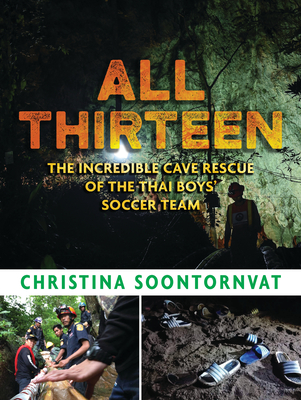
All Thirteen: The Incredible Cave Rescue of the Thai Boys’ Soccer Team
Author: Christina Soontornvat
Published October 13th, 2020 by Candlewick Press

Summary: An account of the amazing Thai cave rescue told in a you-are-there style that blends suspense, science, and cultural insight. Twelve young players of the Wild Boar soccer team and their coach enter a cave in northern Thailand seeking an afternoon adventure. But when they turn to leave, rising floodwaters block their path out. The boys are trapped! Before long, news of the missing team spreads, launching a seventeen day rescue operation involving thousands of rescuers from around the globe.

Teachers’ Tools for Navigation: This book would be great for a full class discussion and read aloud. This book has a lot of important themes that would be great for class discussion such as teamwork and will to survive. Additionally, incorporating STEM activities through engineering would be perfect since this book was full of it.  And you can teach chronological order writing from the style of the book.

Discussion Questions: 

  • Have you ever been cave diving or experienced jumping into really cold water? Do you think you would be able to stay in the same wet/cold conditions for multiple days? What would help you get through the experience?
  • The Wild Boars were used to working as a team on the field, do you think it was easy for them to keep each other’s hopes up or more difficult? Why?
  • Different experts were called in to help get the team out of the water? Who do you think would be the most helpful in a similar situation? Do you think there are any people who weren’t called in that should’ve been called? Why?
  • The British divers refused to dive into the cave because of safety hazards on June 29th, and 30th. In your opinion do you think they were right, or do you think the Thai military were right in telling them to go in? Why?
  • If you were a family member of one of the thirteen trapped inside, what would you do? Would you call whoever you can think to help or keep yourself busy with aimless tasks or help pump water? Do you think you would remain calm? Why?
  • Draw a scene from the book, why did you choose this scene and how does it make you feel?
  •  Why did the team continue to follow their coach further into the cave although at times it was unsafe?  Who is someone you would follow feeling safe? Why?
  •  How did the maps and diagrams make it easier to understand the operation?
  •  There are many heroes in this book, who is someone in the book you consider a hero? and in your own life?

Recommended For: 

classroomlibrarybuttonsmall


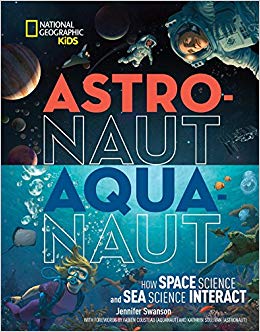
Astronaut – Aquanaut: How Space Science and Sea Science Interact
Author: Jennifer Swanson
Published January 9th, 2018 by National Geographic Kids

Summary: Astronaut-Aquanaut explores the world of space and sea science, its differences and its similarities. The book is filled with interesting facts of the preparation and journey of surviving in a remote and hostile environment. The book also includes vivid photographs, as well as detailed accounts of real astronauts and aquanauts.

Teachers’ Tools for Navigation:This book could be useful in the classroom as a read-aloud book. In addition, this book is great at incorporating science and can be used within a STEM class, if possible. In addition, students are exposed to many after-reading activities that can help them comprehend the information that they had just read from this book in class.

Discussion Questions: 

  • If you were to pick to be an Astronaut or Aquanaut what would you choose? And why?
  • What types of places do you think would be useful for aquanauts to discover? Where and why?
  • If you were an Astronaut how would you describe the similarities of your job to an Aquanaut?
  • Why do you think that these extreme exploration trips put a strain on the human body? And why do you think the body responds that way?
  • If you were an Astronaut what type of experiment would you conduct? And how can that also relate to being an Aquanaut?
  • Why is it important for astronauts to train underwater?
  • Imagine being called for an emergency involving an asteroid that needs to be identified. In what ways do you think this might affect your life as an astronaut, and how you would feel?
  • In what ways do you think that astronauts and aquanauts explore their surroundings?
  • How does understanding pressure, heat, and temperature help us understand space and sea exploration?

Recommended For: 
classroomlibrarybuttonsmall


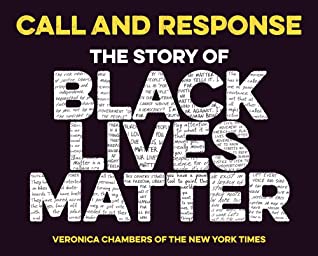
Call and Response: The Story of Black Lives Matter
Author: Veronica Chambers
Published August 17th, 2021 by Versify

Summary: Call and Response: The Story of Black Lives Matter written by Veronica Chambers is a powerful outlook on the events of the civil rights movement of 2020. The Black Lives Matter movement captured global attention and spurred thousands of people of all ages, races, genders, and backgrounds to stand up for progressive social reform. This book tells the story of how social media networks like Instagram, Snapchat, Tik Tok, as well as every news broadcasting site had come together to educate and inform the world on the systematic racism that has been growing in this country for centuries.

Teachers’ Tools for Navigation: This book could be used to help students understand a civil rights movements that is still going on today. The book shares information on the past and present situations that have led to this movement and includes pictures.

After reading this text, we would encourage my students to have a group discussion on there feelings towards the book, if the book made them feel a certain way, if they had an eye-opening facts that they would like to share, etc.

Discussion Questions: 

  • Do you remember another time in history when something was as big and powerful as the Black Lives Matter movement?
  • What emotions did you feel while looking at some of the pictures provided in the novel?
  • What are some ways that you can be a leader, like discussed in Chapter 6?
  • What quote in the novel stood out to you?  Why?
  • In what ways do you perceive this movement
  • How does it make you feel?
  • Do you feel you are in a safe and comfortable environment?
  • Do you or do you know of someone who may have been negatively affected by the BLM?
  •  Chapter 10 discusses young leaders. How did these young leaders lead, and why was it effective?

Recommended For: 

classroomlibrarybuttonsmall


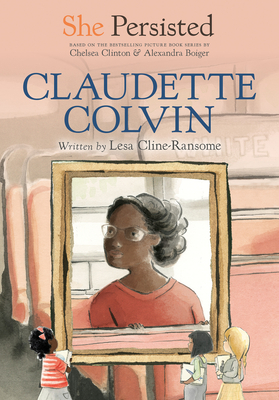
She Persisted: Claudette Colvin
Author: Lesa Cline-Ransome
Illustrator: Alexandra Boiger
Published February 2nd, 2021 by Philomel Books

Summary: Inspired by the #1 New York Times bestseller She Persisted by Chelsea Clinton and Alexandra Boiger comes a chapter book series about women who stood up, spoke up and rose up against the odds!

In this chapter book biography by award-winning author Lesa Cline-Ransome, readers learn about the amazing life of Claudette Colvin–and how she persisted.

Before Rosa Parks famously refused to give up her seat on a bus in Montgomery, Alabama, fifteen-year-old Claudette Colvin made the same choice. She insisted on standing up–or in her case, sitting down–for what was right, and in doing so, fought for equality, fairness, and justice.

Complete with an introduction from Chelsea Clinton, black-and-white illustrations throughout, and a list of ways that readers can follow in Claudette Colvin’s footsteps and make a difference!

Teachers’ Tools for Navigation: This book can be used in the classroom to teach students about the civil rights movement as well as the life of Claudette Colvin. By teaching students about influential people of the civil rights movement. This introduction to figures helps students understand the effect that they had on the movement and also the importance of why the fight was important.

Interdisciplinary uses:

Social Studies: This book can be used to help teach students the importance of behavior between different people. Understanding the importance of treating everyone as equals is essential to promoting peace in society. This book talks about the errors of the past and focuses on how even though we have different genders, races, and looks it is important to remember that we are all the same.

History: This does a great job of going over the history of the civil rights movement. This book touches upon why the movement started, what those who lived through the movement went through in everyday life, as well as talking about important events within the movement.

Political Literacy- This book teaches the students on the importance of persisting. This book goes over the importance of having a voice especially in politics. By knowing your rights and expressing them in society it is possible to make a change.

Discussion Questions: 

  • The author cited one inspiration of the novel was the quote “You can’t be what you can’t see.” Why is it important to read books that feature many different main characters?
  • What effect did the death of Delphine have on Claudette Colvin?
  • While Claudette Colvin and Rosa Parks protested in very similar ways the story of Rosa Parks is more commonly known. Had you heard of Claudette Colvin before reading this book? Why do you think the story of Rosa Parks is more widely known.
  • When Claudette Colvin was escorted off the bus she repeated that sitting was her constitutional right. Why is knowing your rights important? How does her knowledge of her rights affect the decisions she made in life?
  • In the back of the book there is a list of ways to persist. One the top of the list is to conduct research on how others have brought about change. Why is understanding change in the commonuite important to making a difference in the world?
  • When learning in school Claudette spoke about the attention that was spent on learning about injustice and civil rights. Claudette spoke about how she thought that this was more important and influential than the lessons they had covered in the past. Why is this so?
  • Why do you think Claudette decided to take a stand on the bus?
  • How did Claudette inspire others to take a stand?
  • How did the testimonies of the students on the bus differ from the police officer and other citizens on the bus. Why would they lie?
  • Claudette Colvin was charged with three charges of violating segregation laws, disturbing the peace, and assaulting a police officer. Why do you think one action resulted in multiple charges in court?

Recommended For: 
classroomlibrarybuttonsmall


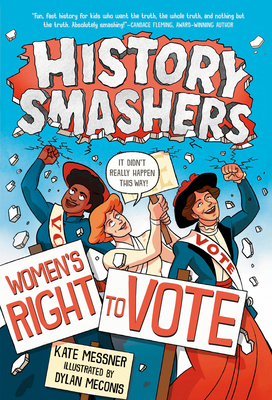
History Smashers: Women’s Right to Vote
Author: Kate Messner
Illustrator: Dylan Meconis
Published July 7th, 2020 by Random House Books for Children

Summary: Myths! Lies! Secrets! Smash the stories behind famous moments in history and expose the hidden truth. Perfect for fans of I Survived and Nathan Hale’s Hazardous Tales.

In 1920, Susan B. Anthony passed a law that gave voting rights to women in the United States. Right?

Wrong! Susan B. Anthony wasn’t even alive when the Nineteenth Amendment was ratified. Plus, it takes a lot more than one person to amend the constitution.

The truth is, it took millions of women to get that amendment into law. They marched! They picketed! They even went to jail. But in the end, it all came down to a letter from a state representative’s mom. No joke.

Through illustrations, graphic panels, photographs, sidebars, and more, acclaimed author Kate Messner smashes history by exploring the little-known details behind the fight for women’s suffrage.

Teachers’ Tools for Navigation: This book could be useful in a classroom during a Social Studies lesson where women rights is being talked about and the history behind that time. This book would also be useful to help students relate to the same efforts of current movements like,Black Lives Matter and other current social injustices. It teaches history in clear facts on how women sacrificed and fought on amending the constitution to help them have a right to vote and a voice. It also goes over discrimination and how it still was affected.

Discussion Questions: 

  • How did this book help you better understand the movement for women to vote in our country?
  • Why did Susan Anthony and Elizabeth Cady want the right for every American woman to vote? HH
  • Why was Susan B. Anthony portrayed as the face of the women’s right to vote movement?
  • How did the pictures and sidebars in the book help you understand what you were reading?
  • How did women’s suffrage affect black women?
  • Why do you think Susan B Anthony was used as the poster child for the book?
  • What myths were found during the book and who was supposedly the first woman who spoke about women’s rights?
  • What was the reason for women’s suffrage and the struggle for right for African Americans?
  • How did women exercise political power throughout the book?
  • In the book, how were black women involved in the fight for women’s suffrage?
  • What did Frances Ellen Watkins Harper argue about?
  • In 1792, Mary Wollstonecraft wrote an official document outlining what?
  • On page 24, a document called, The Declaration of Sentiments, women listed their demands and read it aloud to a convention at the time. If you had an opportunity to write your demands for this convention, what would they be?
  • From all the women leaders named in the book, who do you think was the most influential? Why?
  • Of the strategies that women used to earn the right to vote in the United States, which do you think was the most successful? Why?
  • After reading the book, what has been the impact of women’s suffrage in the 20th century?
  • Give examples of some of the outcomes that happened when women’s rights activists would protest and picket?
  • What was President’s Wilson’s response to the women’s protests?

Recommended For: 
classroomlibrarybuttonsmall


Review and Giveaway!: A Dream of Birds by Shenaz Patel, Illustrated by Emmanuelle Tchoukriel, Translated by Edwige-Renée Dro

Share

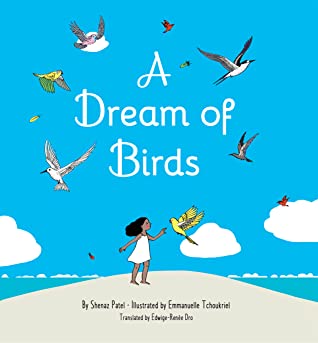
A Dream of Birds
Author: Shenaz Patel
Illustrator: Emmanuelle Tchoukriel; Translator: Edwige-Renée Dro
Published August 16, 2022 by Amazon Crossing

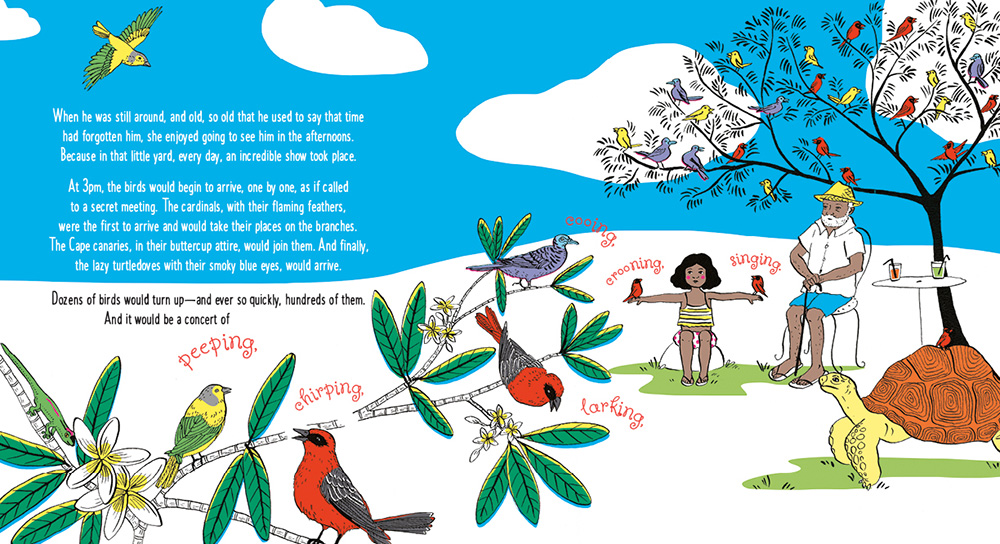
Summary: Sara has a thing for birds. They remind her of her grandfather, who loved birds, and the wonderful show the creatures would put on in his yard each day―like a cloud of colorful flowers carried by the wind.

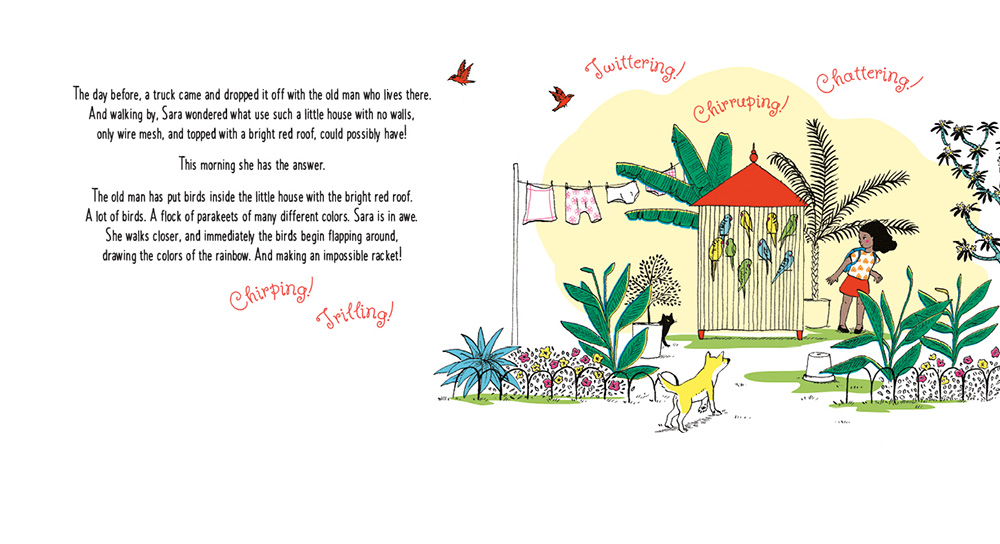
As Sara walks to school in her island town, she longs for the freedom of those birds. Then she spots a new birdhouse full of parakeets in someone’s yard. Sara feels drawn to them and unable to forget them. So what happens the next time, when she finds the door to the birdhouse unlocked?

With poetic language and beautiful art, this story set on the African island of Mauritius brings to life a little girl’s deep love of nature, her brash but well-meaning choice, and ultimately, her redemption and dream for a better world.

About the Creators:

Shenaz Patel was born and lives on Mauritius Island. She has several jobs: journalist, playwright, novelist, and translator, and she is also a comics and children’s book author. She has written nine books for children, including A Dream of Birdswhich was first published in French and English in Mauritius and France. She was named Chevalier des Arts et des Lettres in 2013, a high honor given by the French minister of culture.

Emmanuelle Tchoukriel was born and lives in France. Passionate about nature, she studied visual communication before entering the Estienne School in Paris. She specialized in scientific drawing, and she excels in illustrating flora and fauna. On Instagram: @emanuelle_tchoukriel

Edwige-Renée Dro is a writer, translator, and literary activist from the Ivory Coast, in Africa. Her writings have been published in anthologies such as New Daughters of Africa and Africa39, among others. She has judged many literary prizes, including the PEN International New Voices Award and the Etisalat Prize for Literature. She was awarded the Miles Morland Writing Scholarship in 2018 and is a 2021 resident of the International Writing Program at the University of Iowa. Learn more at edwigedro.wordpress.com. Twitter: @DroEdwige; Facebook: Renée Edwige Dro

Ricki’s Review: For me, this beautiful translation is about freedom and preservation. It reminds readers to pause and pay attention to the world around them and to act. It allows readers opportunities to evaluate the decisions they have made in their lives and the impact they have. It also allows readers to consider the lessons they have learned throughout their lives. A Dream of Birds celebrates the diversity of birds in Mauritius, an African island in the Indian Ocean, and it celebrates the passion and commitment of a child.

I loved how the backmatter gave more background of the story. This book is a translation, and there are more words on the page than stories I’d typically find in US households. Yet my kids (ages 8, 5, and 3) sat and listened to the story without breaking their gaze. They were drawn in by the onomatopoeias, the engaging story, and the bright illustrations. We need more international literature in our schools and homes, and this book shines brightly.

Kellee’s Review: Sara’s story is multi-faceted. It is a story of captivity and longing and family and memories. It is a story of beauty and nature and freedom and dreams. It is also a story of reality and consequences.

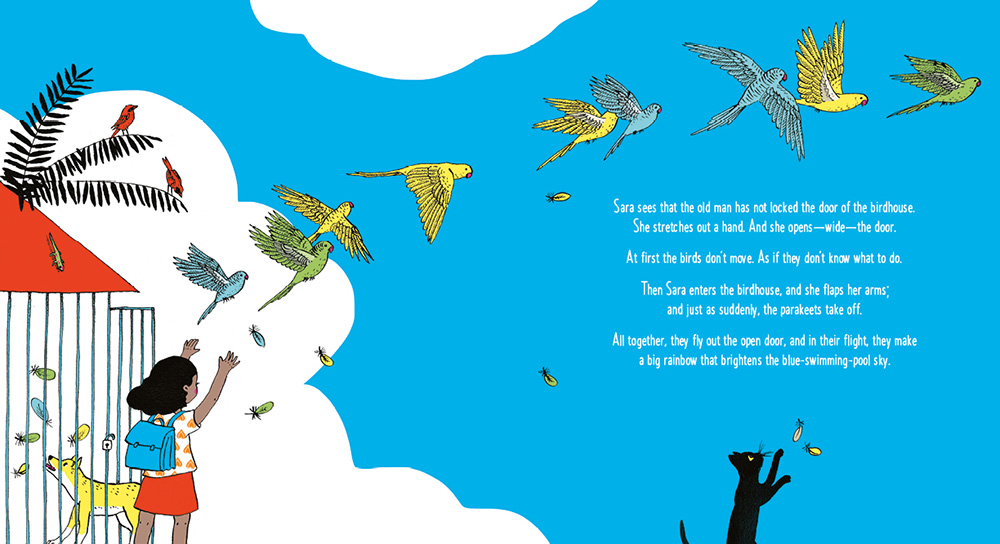
The story looks at Sara who meets a man with pet birds which reminds her of feeding wild flocks of birds with her grandfather. She hates seeing the captured books, all wings and beauty, not allowed to be free, so she makes a rash decision and frees the birds. Although her motives are made clear, her mother also explains to her that it was wrong to let domesticated birds go–this is a good lesson because it distinguishes between a well meaning action and a well thought out positive action. The book ends with a celebration of the diverse birds on Mauritius, an African Island in the Indian Ocean, and a reminder to celebrate animals’ wildness.

Although the narrative was a bit wordy for me at some points, the beautiful illustrations make the reader want to savor each page which helps move you through Sara’s story.

Teachers’ Tools for Navigation: Students might use this book as a jumping off point to learn more about Mauritius, Africa, and the Indian Ocean. They could pick a specific topic of exploration related to their interests.

Discussion Questions: 

  • What does Sara learn? Do you agree with the decisions she made?
  • What did you learn about Mauritius, Africa, and/or the Indian Ocean?
  • What lessons have you learned in your life?
  • What birds do you observe around your home?
  • Why was it wrong for Sara to let the birds go? Were her intentions good or bad?
  • Why is it important to leave wild animals wild?

Flagged Spreads: 

Read This If You Love: Birds, Animals, Environment

Giveaway:

a Rafflecopter giveaway

Recommended For: 
and Signature

**Thank you to Barbara at Blue Slip Media for providing a copy for review!**

Instagram: @blue_slip_media; Facebook: Blue Slip Media
It’s Monday! What Are You Reading? #IMWAYR 8/15/22

Share

It’s Monday! What Are You Reading?
Sharing Picture Books, Early Readers, Middle Grade Books, and Young Adult Books for All Ages!

It’s Monday! What Are You Reading? is a weekly blog hop co-hosted by Unleashing Readers and Teach Mentor Texts which focuses on sharing books marketed for children and young adults. It offers opportunities to share and recommend books with each other.

The original IMWAYR, with an adult literature focus, was started by Sheila at Book Journeys and is now hosted by Kathryn at The Book Date.

We encourage you to write your own post sharing what you’re reading, link up below, leave a comment, and support other IMWAYR bloggers by visiting and commenting on at least three of the other linked blogs.

Happy reading!

Bold_line


Tuesday: Student Voices: Insights from Karina D., Emma Y., Nour B., Maria F., Bianca C., and Anabella S.

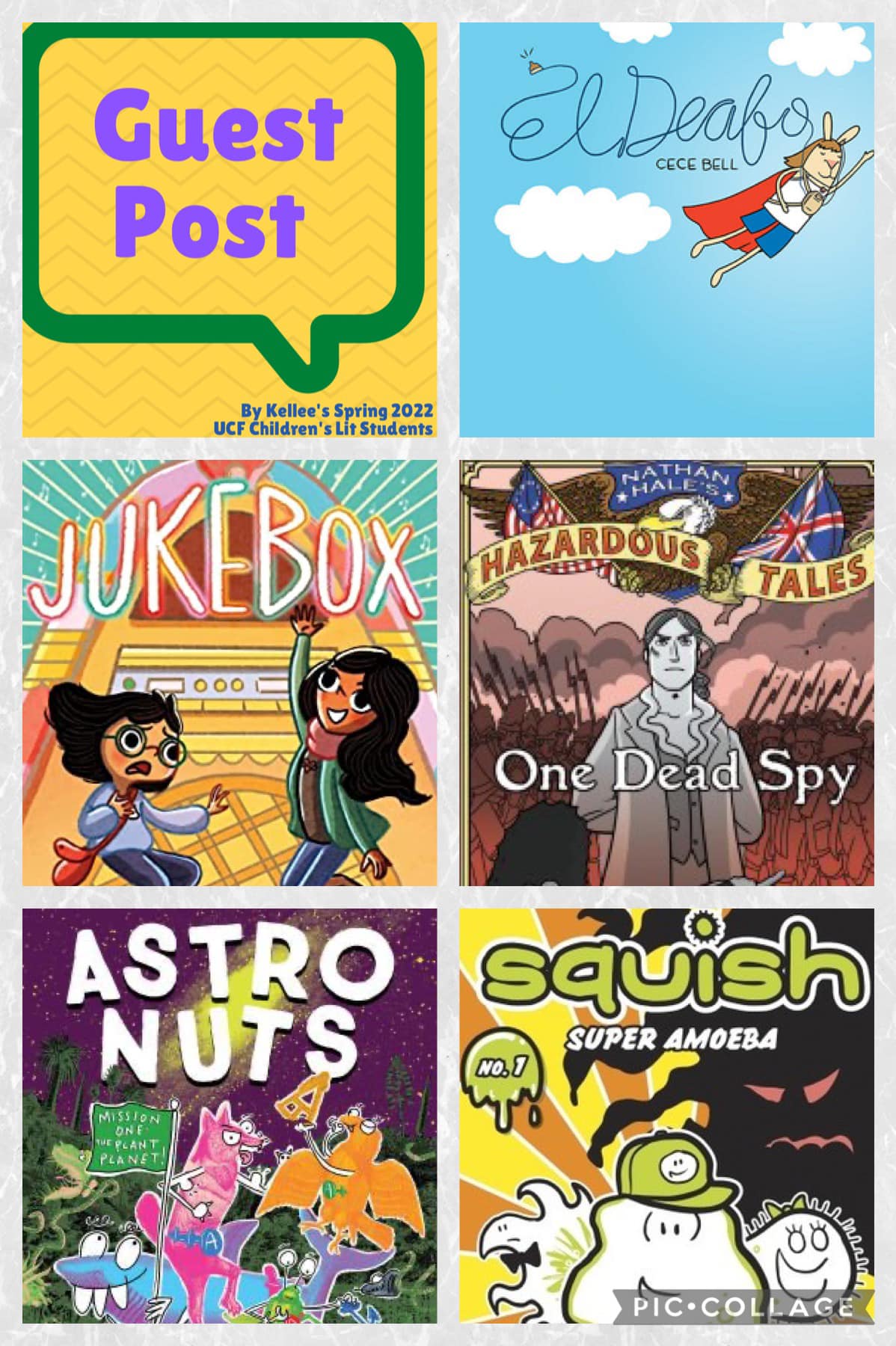
Thursday: Guest Post: Classroom Uses for Astronuts by Jon Sciezska, El Deafo by Cece Bell, Jukebox by Nidhi Chanani, One Dead Spy by Nathan Hale, and Squish: Super Amoeba by Jennifer L. Holm

Saturday: Guest Post: Classroom Uses for Stargazing by Jen Wang, The Party by Sergio Ruzzier, Twins by Varian Johnson, and When Stars Are Scattered by Victoria Jamieson and Omar Mohamed

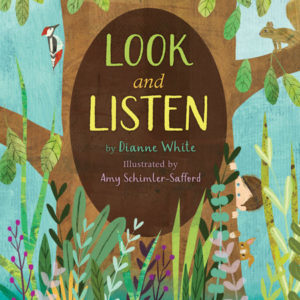
Sunday: Author Guest Post: “Finding ‘HOME’ in Poetry” by Dianne White, Author of Look and Listen

**Click on any picture/link to view the post**

Bold_line

Kellee

This was my first week back with students! YAY! When the kids show up, it reminds me why I do this intense job–because I love working with them!

Delirium by Lauren OliverPandemonium by Lauren OliverRequiem by Lauren Oliver
Annabel by Lauren OliverAlex by Lauren OliverHana by Lauren OliverRaven by Lauren Oliver

  • Delirium by Lauren Oliver is on my #mustreadin2022 list because a student asked me to finish the series (I’d only read book 1), and this week I did–and it is the epitome of dystopian rebellion and romance! When I finished I jumped right into the short stories which gave some nice insight to the in-betweens of some of the books and thoughts of other characters; however, I must let Lauren Oliver know that I NEED a story or a book for what happens next!

Cat + Gamer, Volume 1 by Wataru NadataniThe Mysterious Benedict Society by Trenton Lee Stewart

  • Cat + Gamer Vol. 1 by Wataru Nadatani: I bought this manga for Trent because cats, video games, and books are his three favorite things, and I am happy to say that this is his first manga and he loved it! He gave it to me as soon as he was done and told me I had to read it. It is so cute; I love finding all ages mangas to share with my students and now Trent!
  • Mysterious Benedict Society by Trenton Lee Stewart: This is a series that many people are always surprised to learn I hadn’t read, so I fixed that by listening to book one, and I can see why people love it so much: quirky characters, mystery that keeps you on your toes, and brilliant children! I have book 2’s audiobook on hold, and I look forward to reading it.

The Disappearing Mr. Jacques by Gideon StererLittle Mole Goes to School by Glenys Nellist

  • The Disappearing Mr. Jacques by Gideon Sterer, illustrated by Benjamin Chaud: I love interactive picture books, and this is unlike any that I have read before! Readers will love Mr. Jacques and his tricks and all of the fun and games that come with his story. And the illustrations bring it all to life to transfix readers!
  • Little Mole Goes to School by Glanys Nellist, illustraed by Sally Garland: Perfect for a back to school book! It looks at the importance of differences in friends as well as the feeling of anxiety–both of these are perfect for our littles starting school, so Little Mole will be a character and a book that many will relate to and love! (And make sure to check out the back matter where the animal species are discussed and there is advice from a child therapist to help with anxious kids.)

To learn more about any of these books, check out my 2022 Goodreads Challenge page or my read bookshelf on Goodreads.

Ricki

I’ll be back next week! 🙂

Bold_line

Kellee

With just finishing my audiobook and my series, I have to figure out what to read next! I’ll probably dip into my #mustreadin2022 list but who knows?!

Bold_line

Tuesday: A Dream of Birds by by Shenaz Patel, Illustrated by Emmanuelle Tchoukriel, and Translated by Edwig-Renée Dro

Thursday: Guest Post: Classroom Uses for All Thirteen by Christina Soontornvat, Astronaut-Aquanaut by Jennifer Swanson, Call and Response by Veronica Chambers, She Persisted: Claudette Colvin by Lesa Cline-Ransome, and History Smashers: Women’s Rights to Vote by Kate Messner

Saturday: Guest Post: Classroom Uses for Latinitas by Juliet Menendez, Lost in the Antarctic by Tod Olson, On the Horizon by Lois Lowry, and Stamped adapted by Sonja Cherry-Paul

Sunday: Author Guest Post by Vanessa Garcia, Author of What the Bread Says: Baking with Love, History and Papan 

Bold_line

Link up below and go check out what everyone else is reading. Please support other bloggers by viewing and commenting on at least 3 other blogs. If you tweet about your Monday post, tag the tweet with #IMWAYR!

 Signature andRickiSig