It’s Monday! What Are You Reading? #IMWAYR 5/21/18

Share

IMWAYR 2015 logo

It’s Monday! What Are You Reading? From Picture Books to YA!

It’s Monday! What are you Reading? is a meme started by Sheila at Book Journeys and now hosted by Kathryn at The Book Date. It is a great way to recap what you read and/or reviewed the previous week and to plan out your reading and reviews for the upcoming week. It’s also a great chance to see what others are reading right now…you just might discover the next “must-read” book!

Kellee and Jen, of Teach Mentor Texts, decided to give It’s Monday! What Are You Reading? a kidlit focus. If you read and review books in children’s literature – picture books, chapter books, middle grade novels, young adult novels, anything in the world of kidlit – join us! We love this meme and think you will, too.

We encourage everyone who participates to support the blogging community by visiting at least three of the other book bloggers that link up and leave comments for them.

Bold_line

Last Week’s Posts


Tuesday: A Secret About Close Reading

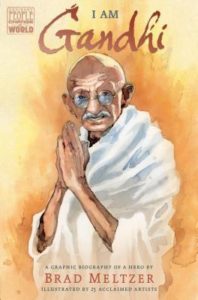
Wednesday: I Am Gandhi by Brad Meltzer

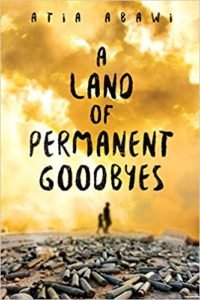
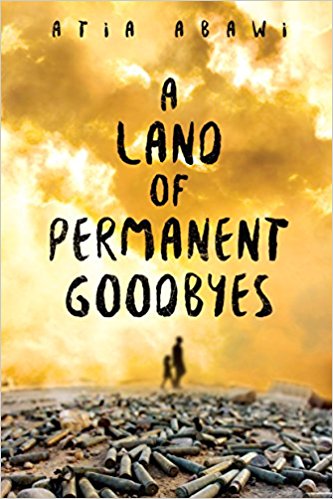
Thursday: Guest Review: A Land of Permanent Goodbyes by Atia Abawi

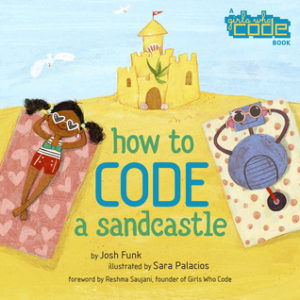
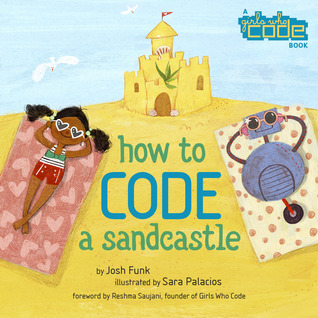
Friday: How to Code a Sandcastle by Josh Funk

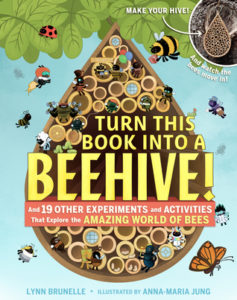
Sunday: Author Q&A with Lynn Brunelle, Author of Turn This Book Into a Beehive!

**Click on any picture/link to view the post**

Bold_line

 Last Week’s Journeys

Kellee

These last couple of weeks have been so busy (why is the end of the school year always so busy?!?!), but I was very happy to still be able to get some reading in:

  • My in-class book clubs wrapped up this week, so I finished Somewhere in the Darkness by Walter Dean Myers with my students. The ending definitely caused a great discussion!
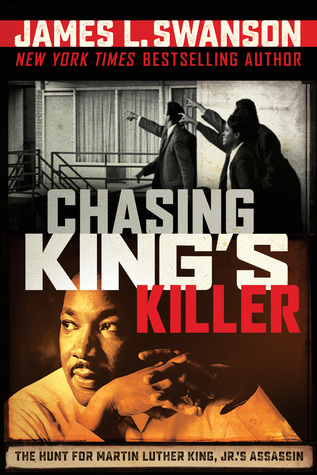
  • Chasing King’s Killer by James L. Swanson was just as good as Chasing Lincoln’s Killer! I have been learning so much about history from these books. Such sad history, but definitely history we all need to know.
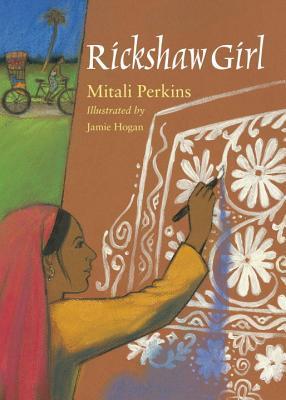
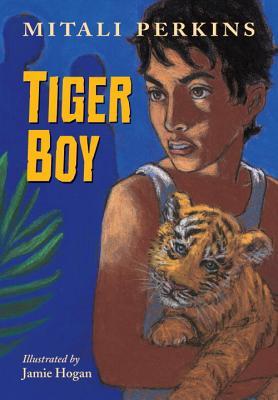
  • On Friday, we had a virtual author visit with Mitali Perkins, so I read Rickshaw Girl and Tiger Boy by her (as well as her short story in Open Mic, Funny Girl, and her essay from Teaching Tolerance). I am so glad that Mitali agreed to talk with us because I hadn’t read any of her books, and now I want to read them all!
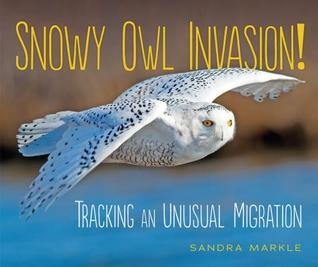
  • Sandra Markle’s nonfiction books are always so interesting because they show aspects of animals that so many of us don’t think about. This newest one looks at weird migration of snowy owls as far south as Florida!
With Trent in the car, we read/listened to:

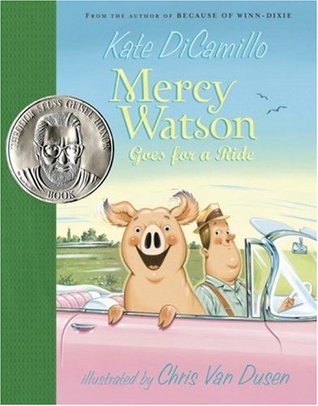
  • Mercy Watson Goes for a Ride by Kate DiCamillo which was our first journey into a book with less illustrations, and I was so proud of how much of the story Trent still comprehended!
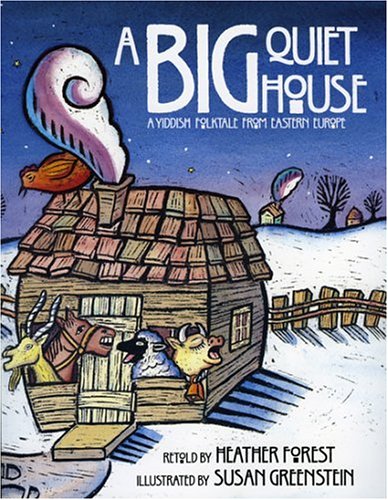
  • A Big Quiet House by Heather Forest is a Yiddish folktale that looks at perspective of happiness–great conversation starter!
 Ricki
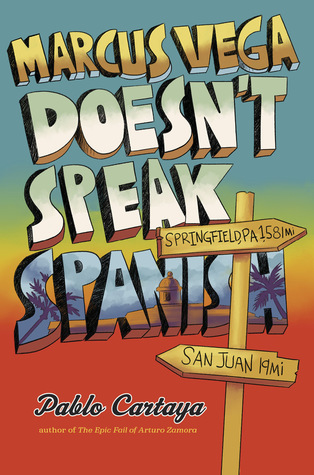
I love Pablo Cartaya. I was lucky to work with him on a piece for The ALAN Review, and I have so much respect for his professionalism and his incredibly wise insight. I have an inkling that he is going to become one of the most popular middle grade authors. Marcus Vega Doesn’t Speak Spanish is wonderful. It features a very tall, large eighth grader who is both a threat and a target. After he gets suspended, he, his mom, and his brother decide to go to Puerto Rico to try to regroup themselves. Marcus is determined to find and speak with his father who he hasn’t seen in ten years. There are so many wonderful themes in this book, but I loved the ways in which it explores family. (Also, I love how Pablo Cartaya always infuses themes of economics in his books).
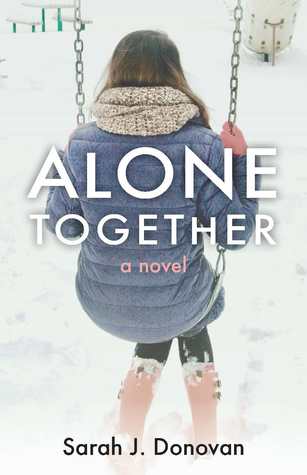
I was lucky to receive a copy of Sarah J. Donovan’s Alone Together. Sarah’s writing shows that she has a firm grasp on adolescence. The book is a beautiful book in verse. I found myself thinking about the characters long after I had closed the text. Sadie lives in a Catholic household, and quite frankly, her life is a mess. She is the only one of the eleven people in her family to sit at the breakfast table, and one of the few siblings who hasn’t left. She is the peacemaker and is sick of the empty fridge and bad choices that others seem to make for her. I think that Sadie has a life that many young people will relate to. She is left wondering about the ways in which people exist alone together. This is a great read, and I will be using it (in part and in whole) in my classes.
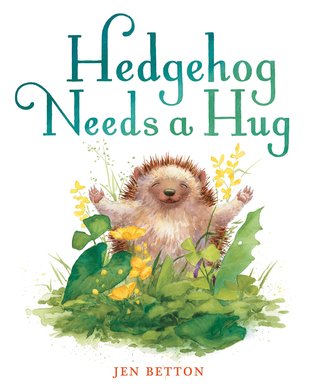
I loved Hedgehog Needs a Hug by Jen Betton. I was surprised to see that it didn’t have a higher rating on GoodReads. It’s about a hedgehog who wakes up and feels down. He really, really needs a hug, and the other animals are clearly avoiding him because he is prickly. The book doesn’t say this, so it was fun to ask my son why he thought they were avoiding him. Then he meets skunk, and skunk needs a hug (but of course, skunk is stinky). This is a great book to teach kids about some of the ways in which they might unintentionally be hurting people.
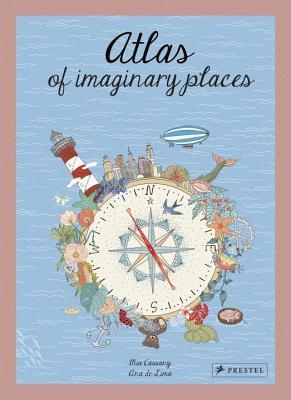
Atlas of Imaginary Places by Mia Cassany may be one of the most beautiful books that I have ever seen. The artistry is stunning. My son’s favorite page is the one that features a city on top of a whale. The myth is that the sleeping whale will wake up as soon as everyone is asleep–but the city never sleeps. I’ve read this book several times, and I just can’t get enough of it. It is truly a stunning text. I’d love to use this in an art class. It’s quite inspiring. I intend to do a full review of this one on June 7 because I need to highlight it even more!

Bold_line

This Week’s Expeditions
Kellee

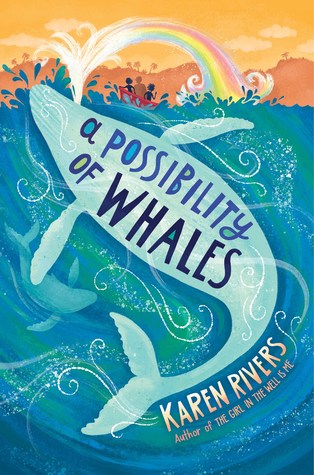
  • A Possibility of Whales is Karen Rivers newest, and I have students who adored The Girl in the Well is Me, so I look forward to reading and sharing this one.
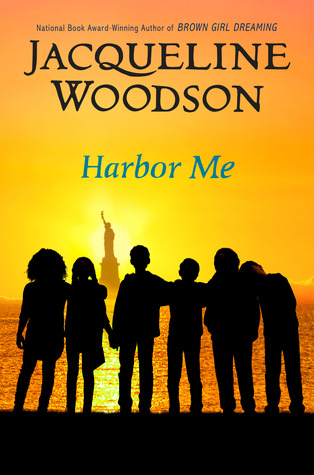
  • How could I not start Harbor Me as soon as I received it?!
  • The last Swanson audiobook on Hoopla is “The President Has Been Shot!,” and I started it earlier this week.

Additionally, I found some fun graphic novels and picture books on Netgalley I hope to get to!

Next weekend is Memorial Day weekend here in the U.S., so I will be taking next Monday off, so I hope you all have a wonderful two weeks, and I’ll see you on June 4th after my last day of school!

Ricki

I went a little bit nuts this week. I am desperately trying to make decisions for my syllabus next semester, so I started about 15 books and read the first 50 pages. All are recently published YAL. I won’t share them all now, but I am hoping to finish them in the upcoming weeks.
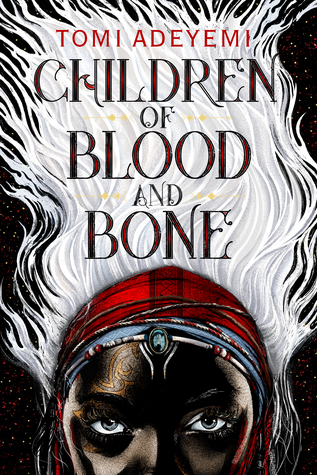
I started listening to Children of Blood and Bone yesterday, and it is really, really, really good. As in–I am going to lose sleep over this one. 🙂

Bold_line

Upcoming Week’s Posts


Tuesday: Things I Wish I’d Known as a Beginning Teacher

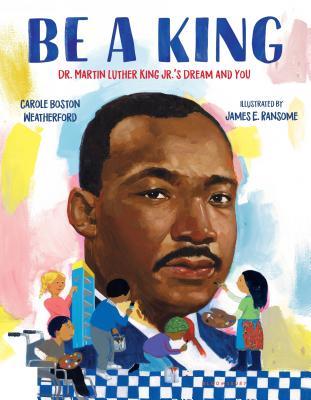
Wednesday: Be a King by Carole Boston Weatherford

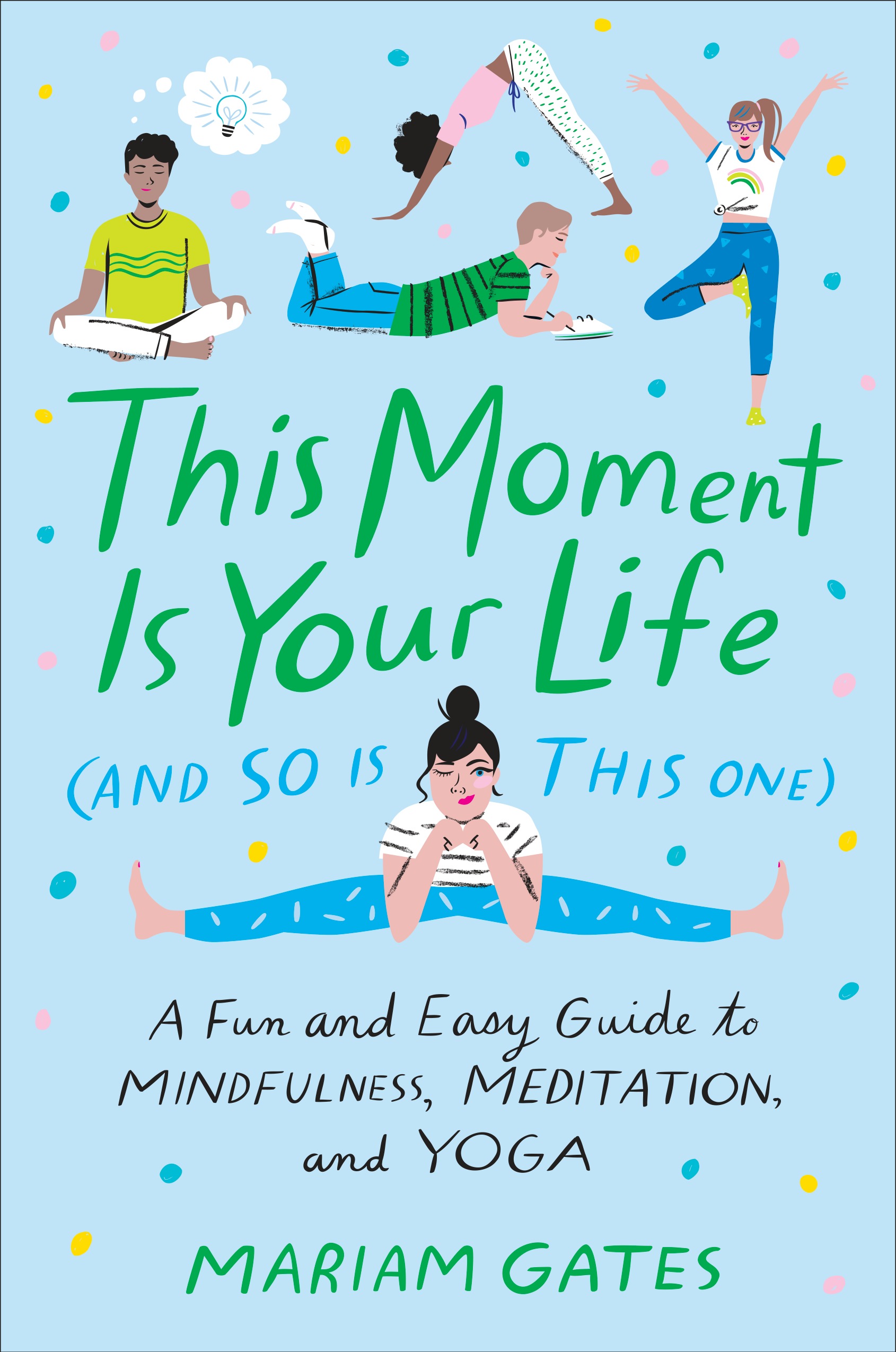
Thursday: Blog Tour with Review!: This Moment is Your Life (and so is this one) by Mariam Gates

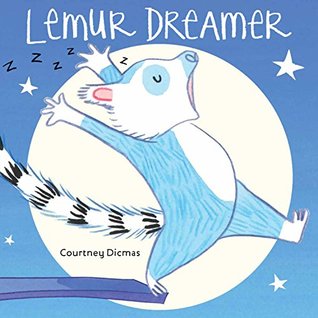
Friday: Lemur Dreamer by Courtney Dicmas

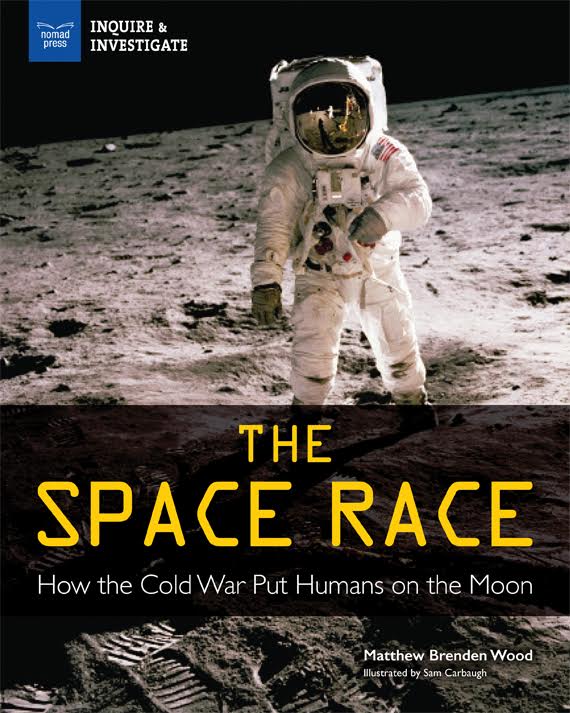
Sunday: Author Guest Post with Teaching Tools! by Matthew Brenden Wood, Author of The Space Race: How the Cold War Put Humans on the Moon

Bold_line

 So, what are you reading?

Link up below and go check out what everyone else is reading. Please support other bloggers by viewing and commenting on at least 3 other blogs. If you tweet about your Monday post, tag the tweet with #IMWAYR!

 Signature andRickiSig

Author Q&A with Lynn Brunelle, Author of Turn This Book Into a Beehive!

Share

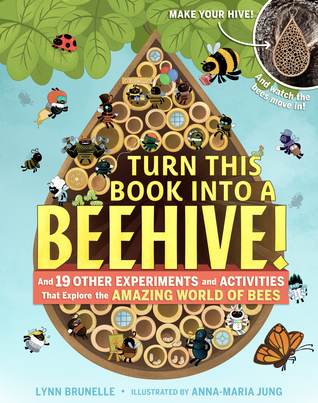
Turn This Book Into a Beehive! And 19 Other Experiments and Activities That Explore the Amazing World of Bees
Author: Lynn Brunelle
Illustrator: Anna-Maria Jung
Published April 3rd, 2018 by Workman Publishing

Summary: What a promise! Actually, promises. First, here’s a book that teaches kids all about the fascinating world of bees. Second, fun exercises, activities, and illustrations engage the imagination and offer a deeper understanding of bee life and bee behavior. Third, by following a few simple steps including removing the book’s cover and taping it together, readers can transform the book into an actual living home for backyard bees. Fourth, added all together,Turn This Book Into a Beehive! lets kids make a difference in the world—building a home where bees can thrive is one small but critical step in reversing the alarming trend of dwindling bee populations.

Turn This Book Into a Beehive!introduces kids to the amazing mason bee, a non-aggressive, non-stinging super-pollinator that does the work of over 100 honeybees. Mason bees usually live in hollow reeds or holes in wood, but here’s how to make a home just for them: Tear out the perforated paper—each illustrated as a different room in a house—roll the sheets into tubes, enclose the tubes using the book’s cover, and hang the structure outside. The bees will arrive, pack mud into the tubes, and begin pollinating all the plants in your backyard.

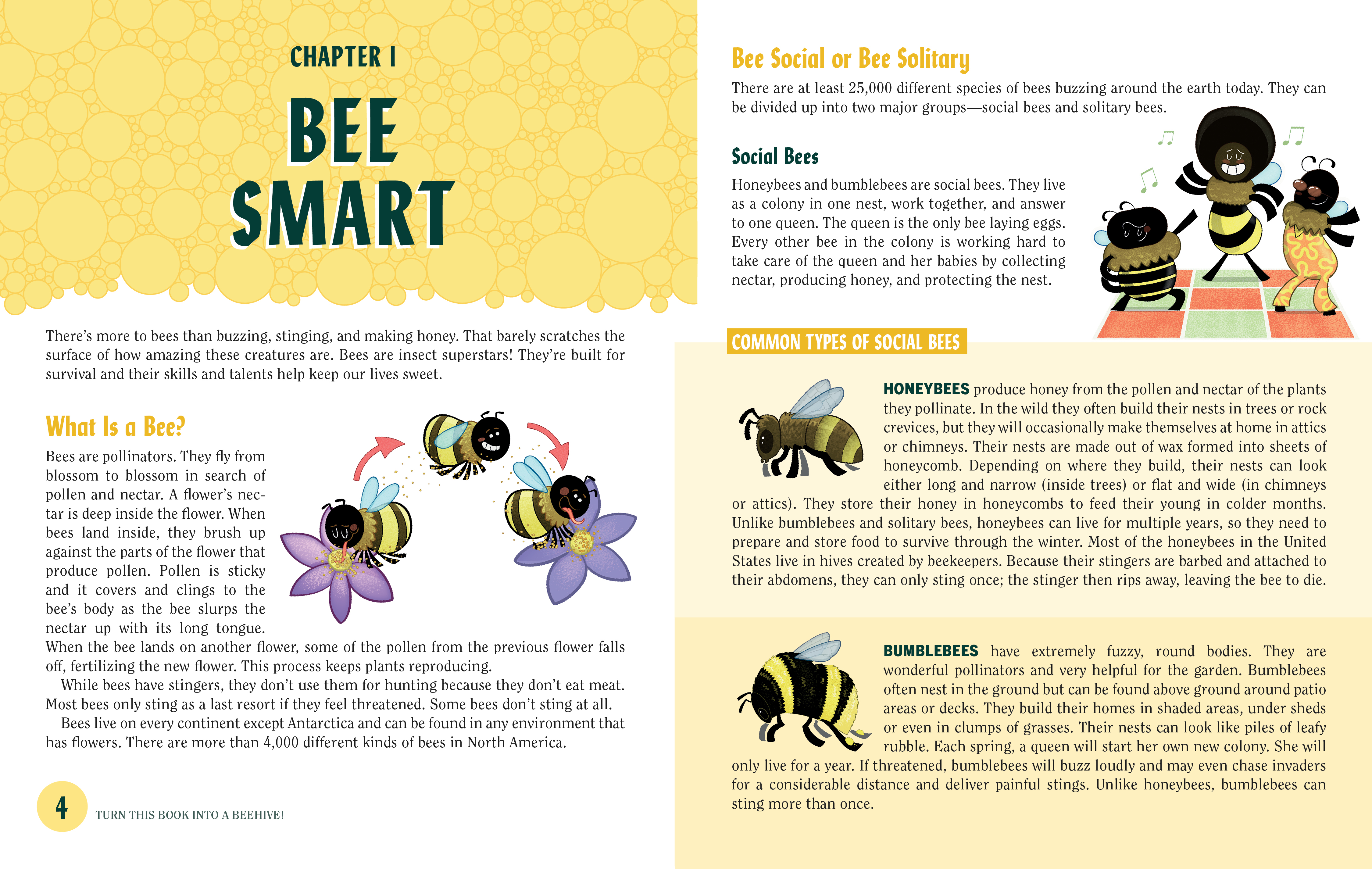
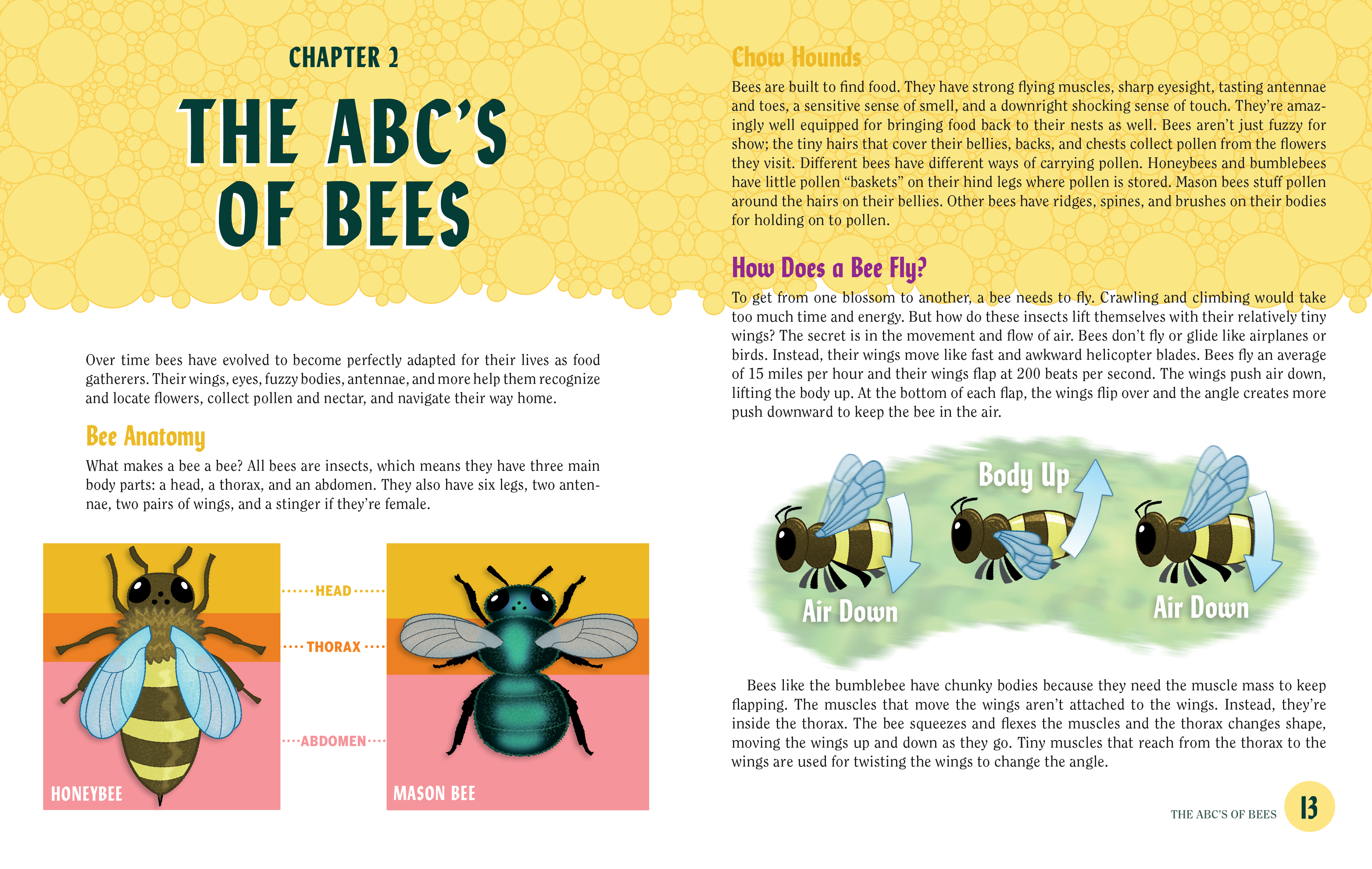
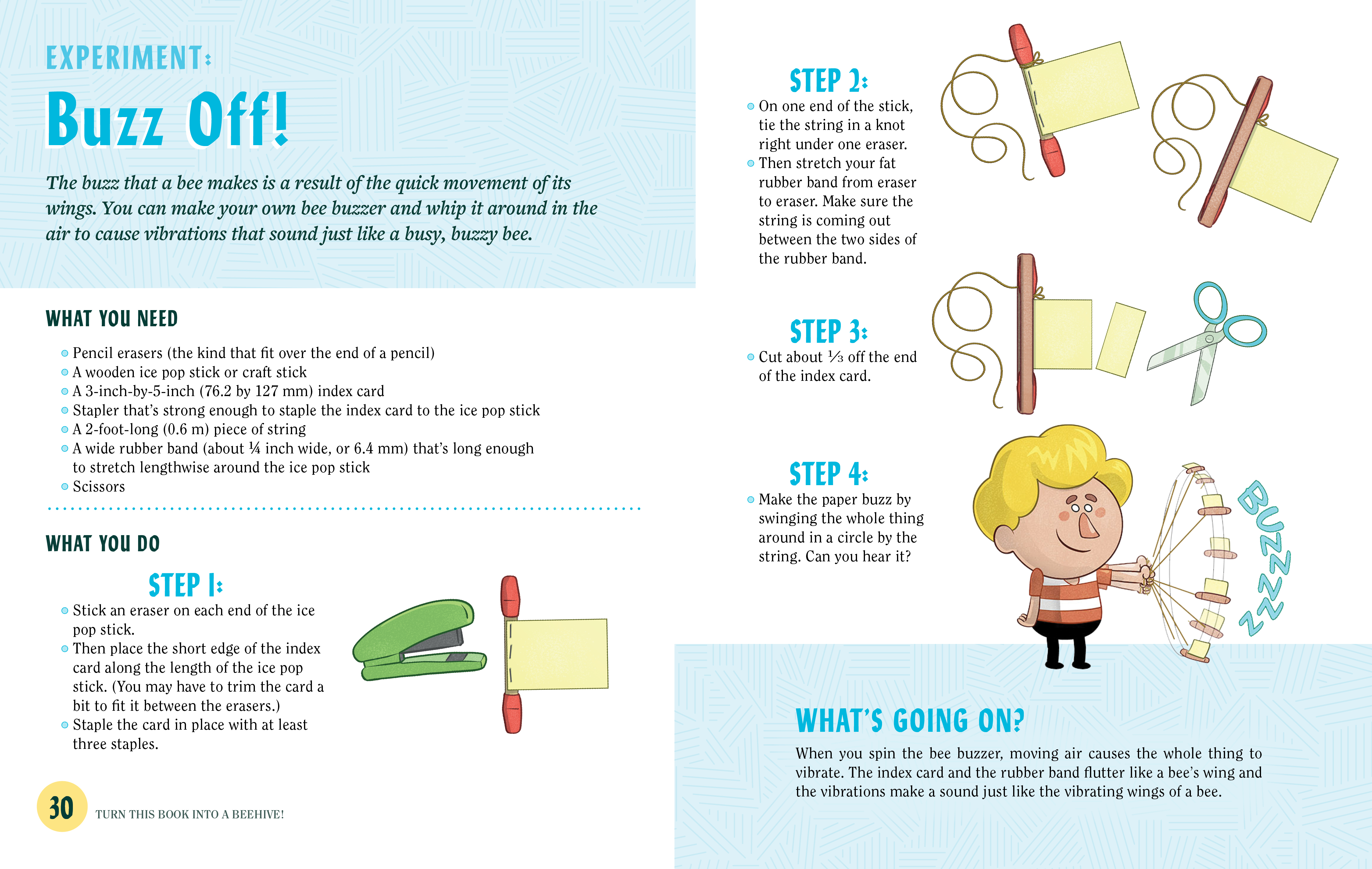
Twenty experiments and activities reveal even more about bees—how to smell like a bee, understand the role of flowers and pollen, learn how bees communicate with each other through “dance,” and more. It’s the real buzz on bees, delivered in the most ingenious and interactive way.

About the Author: Lynn Brunelle is a four-time Emmy Award–winning writer for Bill Nye the Science Guy and author of over 45 books, including the bestselling Pop Bottle Science and Camp Out! She is a regular contributor to KING-TV’s New Day Northwest as a family science guru and NPR’s Science Friday.

Q&A with Author, Lynn Brunelle:

Unleashing Readers: How did you research and learn more about the mason bee?

Lynn Brunelle: First I went to garden stores and asked around about bees.

I learned that honeybees and social bees were only 2% of the bees on the world. 98% of the bees are solitary wild bees that do amazing work as pollinators. I saw some of the houses these garden centers were selling to attract these bees. Then I went online and did some digging. All honeybees are domesticated and were brought here by colonists. In fact honeybees have been domesticated for a loooooooong time! There are images of beekeepers carved into caves, chiseled into Egyptian art, painted on Greek pottery and minted into Roman coins.

The solitary bees like mason bees are native bees and they’re amazing pollinators. I found experts as well. I contacted the USDA mason bee lab in Utah and spoke with bee people from around the country. It was so interesting and really exciting to learn so much.

Then I made my prototype of a book-turned-hive and stuck it out in my garden. Mason bees came! It worked; my garden has never been so productive!!

UR: How did you generate the activities within the book?

LB: My favorite thing is to make big concepts accessible to people of all ages, especially kids. And I think using laughter and hands-on fun is a great way for kids to really understand a concept. So when I was writing all of the amazing things about bees, I was always keeping in mind what kind of hands-on activity I could share for kids to really absorb the content. The fact that bees are positively charged and flowers are negatively charged and that makes pollen leap to a bee is FANTASTIC! And you can show that with a balloon and confetti. The fact that bees are amazing smellers is a perfect lead-in for getting kids to tune into their own sense of smell.

UR: Which activity is your favorite?

LB: It’s the actual making of the mason bee home that I love. Turning the book into a hive and watching as things unfold in the garden.

With mason bees, every girl’s a queen—like a single mom she finds the house—usually a hollow reed or stem or any tube—even paper ones in an inside out book cover!!! She gathers food, makes a pile of food, lays an egg on top of the food pile and then gathers mud to spackle a wall. In a good hollow tube, she can make 6-10 little rooms with an egg and a food supply in each one.

UR: What’s something else we might learn about you, either as a writer or as a person?

LB: I love my job! I get to learn about new things and share them every day. I love the outdoors. My family and I love hiking through the woods with the dogs, kayaking on the water and paddle boarding in the summer. We enjoy camping and exploring. I have a happy garden, I make jewelry and fused glass and am learning how to weld. My sons and I play the ukulele. They are teaching me to tell the difference between rap artists and I play the trombone. I make a great hummus and am getting better at rolling sushi with the help of my patient husband.

We Flagged: 


Thank you to Lynn Brunelle and Workman Press for this interview!


How to Code a Sandcastle by Josh Funk

Share

How to Code a Sandcastle
(How to Code with Pearl and Pascal #1)
Author: Josh Funk
Illustrator: Sara Palacios
Foreword by Reshma Saujani, founder of Girls Who Code
Published May 15th, 2018 by Viking

Summary: From the computer science nonprofit Girls Who Code comes this lively and funny story introducing kids to computer coding concepts.

Pearl and her trusty rust-proof robot, Pascal, need to build a sandcastle before summer vacation is over, and they’re going to do it using code. Pearl breaks the big we-need-a-sandcastle problem into smaller steps, then uses conditionals, loops, and other basic coding concepts to tell Pascal exactly what to do. But building a sandcastle isn’t as easy as it sounds when surfboards, mischievous dogs, and coding mishaps get in the way! Just when it looks like the sandcastle might never work, Pearl uses her coding skills to save the day and create something even better: a gorgeous sandcastle kingdom!

Kellee’s Review:  Through books like the Secret Coders series, Two Naomis, and now How to Code a Sandcastle, I’ve slowly begun to learn more and more about coding, and I find it fascinating! If I was a kid now, I would be so excited to have books like these to introduce me to coding. How to Code a Sandcastle is special because it takes coding, which is a tool that is primarily not taught until middle school or later, and makes it accessible to younger kids helping them build their coding vocabulary and knowledge at a young age. My son at age 4 now knows a basic idea of what coding is which is such a great foundation! Bravo Josh and Brava Sara for producing such an essential and gosh-darn funny book for kids.

Ricki’s Review: Josh Funk does it again and again and again. He creates highly engaging books that are so teachable! This is my first book in the Girls Who Code series, and it most certainly won’t be my last. It makes coding quite fun and offers an engaging introduction to children. I don’t know anything about coding, and I had fun learning the vocabulary with my son. After we read the book, we went through again and reviewed all of the new words that we learned about coding. The educational value of this book is very high—it is a great first dive into STEM, it could be used to teach step-by-step instructional writing, and it’s an incredible and hilarious read-aloud! Thanks for this wonderful new text for our classrooms, Josh!

Teachers’ Tools for Navigation: Like we shared above, How to Code a Sancastle is a wonderful foundation for learning about coding and would be an awesome read aloud in an elementary classroom as students are first being introduced to coding maybe on the “Day of Code” or before a computer course. It has a lot of introductory vocabulary and ideas that won’t overwhelm young children but will instead make them curious. Alternatively, it is also a great example of step-by-step instructional writing mixed with a hilarious narrative, so it would be a great mentor text for these writings.

Discussion Questions: 

  • Why did Pearl feel she needed to bring Pascal to build a sandcastle?
  • How did Pearl fix mistakes when she made them when coding Pascal?
  • What cause and effect relationships do you see in the story?
  • What problem and solution relationships do you see in the story?
  • How did the author include step-by-step instructions within the narrative while also keeping the story going?

Flagged Passages: 

Read This If You Love: Secret Coders series by Gene Luen Yang, Girls Who Code books, The coding references in Two Naomis by Olugbemisola Rhuday-Perkovich, Twenty Yawns by Jane SmileyOn Gull Beach by Jane Yolen

Recommended For: 

classroomlibrarybuttonsmall closereadinganalysisbuttonsmall 

Signatureand 

A Land of Permanent Goodbyes by Atia Abawi

Share


A Land of Permanent Goodbyes
Author: Atia Abawi
Published: January 23, 2018 by Philomel

Guest Review by Rachel Krieger

Summary: In a country ripped apart by war, Tareq lives with his big and loving family . . . until the bombs strike. His city is in ruins. His life is destroyed. And those who have survived are left to figure out their uncertain future.

In the wake of destruction, he’s threatened by Daesh fighters and witnesses a public beheading. Tareq’s family knows that to continue to stay alive, they must leave. As they travel as refugees from Syria to Turkey to Greece, facing danger at every turn, Tareq must find the resilience and courage to complete his harrowing journey.

But while this is one family’s story, it is also the timeless tale of all wars, of all tragedy, and of all strife. When you are a refugee, success is outliving your loss.

Review: This book is astonishing. In a world where people like to avoid talking about awkward things or situations that make us sad, this novel is completely, unapologetically honest. With every horror that Tareq experiences, you will find yourself crying with him, hoping with him, and loving with him. You will wish you could be with Alexia helping these people to find new lives. It is impossible to read Abawi’s story without reflecting on your own life, wondering what destiny would write about you.

If you know nothing about the refugee crises happening all over the world, this story will give you a glimpse into the lives of people struggling every day. Although it only looks into the lives of a few refugees, it gave me an idea of how different the life of a refugee is to my own. Atia Abawi’s story will make you reflect on your own humanity and actions, changing the way you think about the world and your own privilege.

Teacher’s Tool For Navigation: This is the perfect book to start a discussion about the situation in Syria. Since it is so essential to address current events regardless of the sensitive nature of those events, teachers should start conversations about this war-torn region. There are many young adult novels that address immigration, however, this one specifically follows the process of that immigration. It would be very beneficial to have students read a book like this and a book like American Street to look at very different stories of immigration with a few similar characteristics. This book in conjunction with others about immigration could be the perfect opportunity to discuss the idea of the danger of a single story.

This novel also offers a very interesting twist on narration. Since destiny is the narrator of this novel rather than one of the characters, there are small parts of the story that reflect broadly on war and humanity. It could be interesting to have students think about how this odd source of narration changes the story. They could even experiment with their own unique narrators, discussing how these odd points of view add or detract from stories.

Discussion Questions: What does the perspective switch add to the novel? Do you think a book like this is likely to encourage people to support this cause? How does Destiny as the narrator change this story? How would this story change if Tareq was a woman?

We Flagged: “Making it to Germany ended Tareq’s crossing and escape from war, but his new life as a refugee is just beginning. There are millions of Tareq’s, Susans and Fayeds, all in search of safety and kindness. I hope you will provide that warmth, be that helper, do what you can to make that world a better place. Because when I meet you—and I will—there will be reckoning. There always is.”

Read This If You Loved: Between Shades of Gray by Ruta Supetys, American Street by Ibi Zoboi, Picture Us in the Light by Kelly Loy Gilbert

Recommended For: 

classroomlibrarybuttonsmall 

RickiSig

I Am Gandhi: A Graphic Biography of a Hero by Brad Meltzer

Share

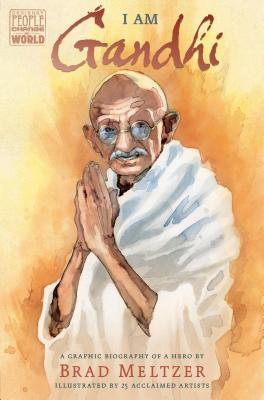
I Am Gandhi
Author: Brad Meltzer
Illustrator: 25 Acclaimed Artists
Published May 8th, 2018 by Dial Books

Summary: Twenty-five exceptional comic book creators join forces to share the heroic story of Gandhi in this inspiring graphic novel biography.

As a young man in India, Gandhi saw firsthand how people were treated unfairly. Refusing to accept injustice, he came up with a brilliant way to fight back through quiet, peaceful protest. He used his methods in South Africa and India, where he led a nonviolent revolution that freed his country from British rule. Through his calm, steady heroism, Gandhi changed the lives of millions and inspired civil rights movements all over the world, proving that the smallest of us can be the most powerful.

Galvanized by Gandhi’s example of gentle, peaceful activism, New York Times bestselling author Brad Meltzer asked his friends in the comic book world to help him make a difference by creating this philanthropic graphic novel. Twenty-four illustrators–including many of the most acclaimed artists in comics today–enthusiastically joined the project, agreeing to donate their work so that their royalties can go to Seeds of Peace, a non-profit organization that inspires and cultivates new generations of global leaders. This extraordinary biography is a glorious team effort that truly exemplifies Gandhi’s selflessness and love for humanity.

The illustrators included are: Art Adams, John Cassaday, Jim Cheung, Amanda Connor, Carlos D’Anda, Michael Gaydos, Gene Ha, Stephanie Hans, Bryan Hitch, Phil Jimenez, Siddharth Kotian, David LaFuente, David Mack, Alex Maleev, Francis Manapul, David Marquez, Steve McNiven, Rags Morales, Saumin Patel, Nate Powell, Stephane Roux, Marco Rudy, Kamome Shirahama, Bill Sienkiewicz, and Abhishek Singh.

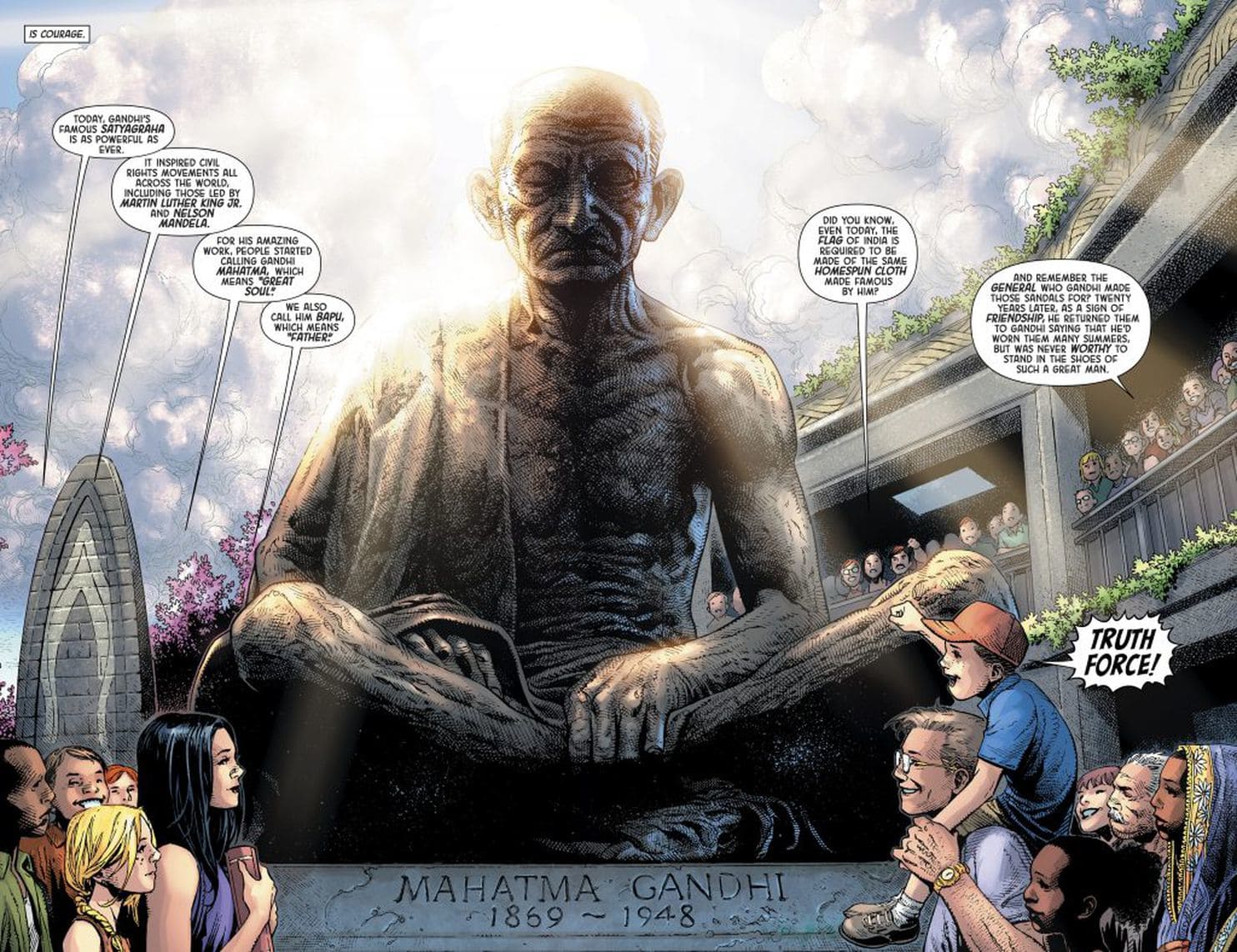
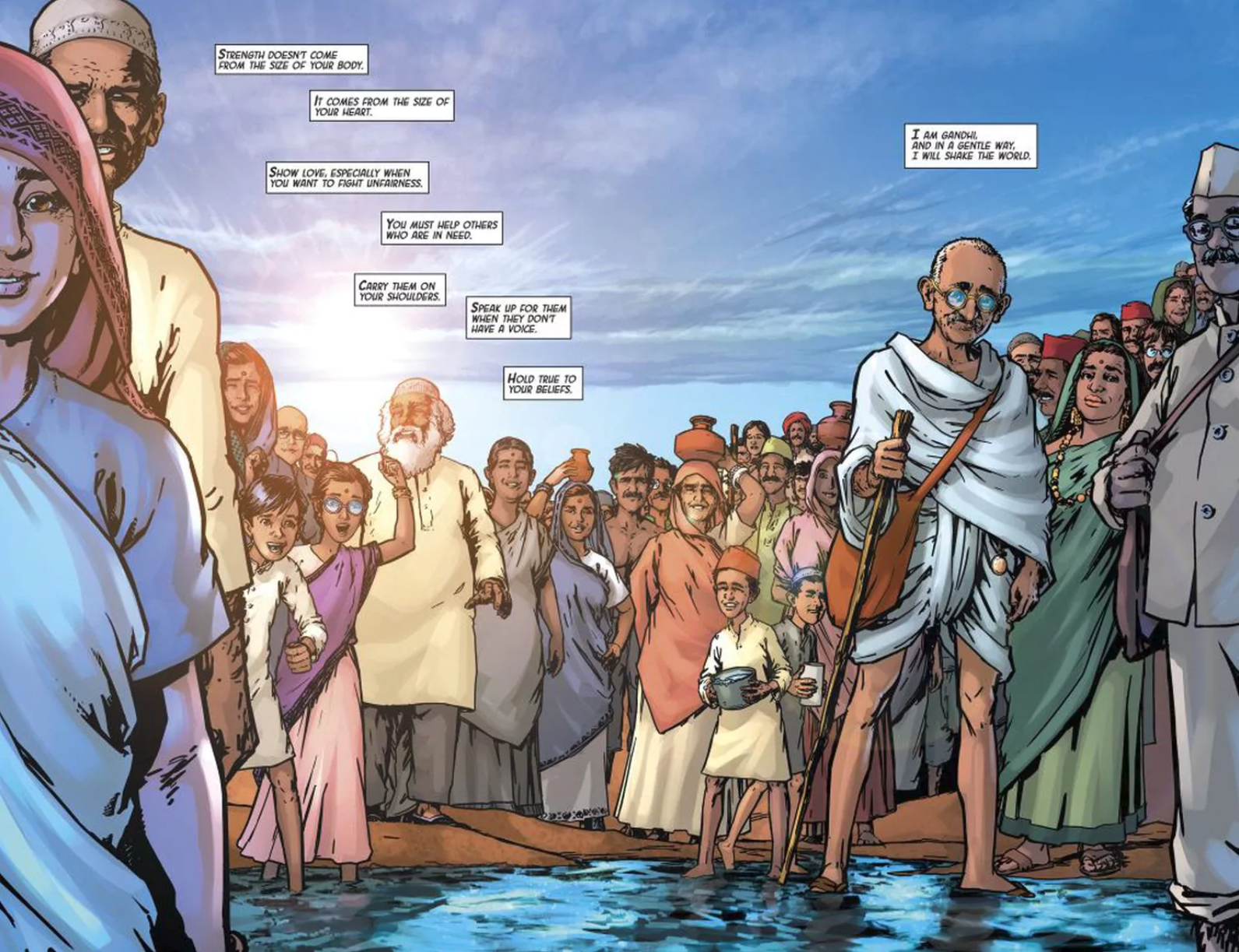
Kellee’s ReviewI’ll be honest–when I first read on the cover that 25 different artists illustrated this graphic biography, I was worried that the stagnation of illustration styles would hinder the narrative of Gandhi’s life, but I was so wrong. Instead, by allowing each illustrator to give us their interpretation of Gandhi, his spirit instead flowed through the pages as it was obvious that his story had touched each and every artist, and the author, taking part in this graphic biography.

While reading, it was clear to me that Meltzer wanted Gandhi’s message of equality, peace, and kindness to scream at the reader, and this was confirmed when I read the Washington Post article about Meltzer’s inspiration. I believe Meltzer did a beautiful job not only telling Gandhi’s story but also showing that peace is possible in a time of tumultuous relationships but that the only way to truly achieve it is through similar activism as Gandhi.

Ricki’s Review: I read this graphic novel twice to myself and twice with my son. Further, I’ve read portions of it to my students. I can’t stop sharing it! I was blown away by the amalgamation of the 25 graphic novelists—it made for an absolutely stunning text. I appreciate the historical perspective that extends throughout the graphic novel, and I loved that the illustrations really make Ghandi’s story come alive. This is a book that I will share often and widely. If you haven’t read it, I recommend it highly—even if you already know a lot about Ghandi’s life.

Teachers’ Tools for Navigation: Have students connect Gandhi’s philosophies to those who influenced him and those he influenced. For example, in one of my literature classes, one person picked an author who was influenced by another (for example, Woody Guthrie was influenced by Walt Whitman) then the next student built on that (for example, Bob Dylan was influenced by Woody Guthrie OR Ralph Waldo Emerson influenced Walt Whitman) until a complete chain of influences were made. Then each student wrote an analysis paper showing how they were influenced then presented their findings (in order of influences) to the class. This same idea could be done here: Henry David Thoreau influenced Gandhi who influenced Martin Luther King, Jr. who influenced Barack Obama who influenced Cory Booker, etc. This idea could also be used just to look at the idea of peaceful protests that have changed the course of history: Gandhi, MLK, Black Lives Matter, Never Again, etc.

Discussion Questions: 

  • What is the theme of Meltzer’s story of Gandhi?
  • How did Gandhi change the course of history for Indians in South Africa and India?
  • How did the 25 different artists illustrating the graphic novel affect the reading of the biography?
  • How did Thoreau influence Gandhi? Can you infer how Gandhi influence Martin Luther King, Jr.?
  • What was the importance of Gandhi’s march to the sea to hold salt?
  • Why do you believe Meltzer chose the specific quotes he included in the back matter of the book?

Flagged Passages: 

Read This If You Love: The Ordinary People Change the World series (ex. I am Lucille Ball, I am Jackie Robinson), Nonfiction graphic novels such as Drowned City by Don Brown

Recommended For: 

classroomlibrarybuttonsmall closereadinganalysisbuttonsmall

Signatureand 

A Secret About Close Reading

Share

Teachers, I have a secret to tell you. Come closer…. clooooser…

CLOSE READING ISN’T ANYTHING NEW!

Phew! It is so good to get that off my chest.

My district has been focusing on close reading this year through a District Professional Learning Community, and this is something I’ve realized the more I learn about close reading.

Before I continue, let me define close reading as I see it:

  • Close reading has to happen with a short piece of complex text.
    • Complex text is defined as any text where you are having students critically think. It DOES NOT mean only Lexile. Even Common Core who started this specific terminology states that you need to look at different components of the text as well as the task being completed and the reader completing the task. Almost any text can be complex.
    • Texts are inclusive of visuals, music, multimedia, and anything else that can be analyzed.
  • Close reading then has the reader look at the same text multiple times to help them get a deeper understanding of the text.
    • Each read (or view) of the text should have a different purpose with the final read ending in a final task.
    • The final task is standards-based task.

And let’s clear up some some misconceptions of close reading:

  • A whole novel should never be close read.
    • So if we label a novel as “Close Read/Analysis” that means we feel there are aspects of the novel that could be pulled out to used for a close read, not the whole novel.
  • Close reading doesn’t need to take multiple days.
    • It just depends on the text, task, and readers.
  • Close reading can be done with independent reading.
    • A complex task can be given that can be applied to multiple texts.
  • Close reading doesn’t have to kill the fun or love of a text.
    • My students actually like close reading (in small doses) because it makes them feel like they understand the text better and better. Think about when you read a poem multiple times with a teacher until you finally “get it.” That is how my students feel about close reading.
  • It can only be done with an article or poem.
    • It is done with every piece of music that a musician gets. It is done with athletes when they watch game tape to analyze their playing. It is done when looking at artwork to truly understand its meaning. It is done every time a student breaks down a math word problem to truly understand what it is asking. And these are just a few examples.
  • It is only for English class.
    • See above ^
  • Close reading should be done every day.
    • Oh man, no! Please. That’ll just completely kill it. Close reading, in my opinion, is for the end of a unit as you get to a standards-based final task. However, that is not the only time it can be used.

That’s it. Close reading is something that if you are teaching students to think deeply about a text with a focus on one task or standard, you’re already having students close read. It is just a name for this best practice.

Now, is close reading important? Absolutely! Should teachers consciously plan close reads? Definitely! But should students hate it and teachers avoid it? NO! If this is happening, then some close reading remediation needs to happen because without close reading, in my opinion, students are not deeply thinking about text.

Please continue being the kick butt teachers you are without the fear of the term close reading!

It’s Monday! What Are You Reading? #IMWAYR 5/14/18

Share

IMWAYR 2015 logo

It’s Monday! What Are You Reading? From Picture Books to YA!

It’s Monday! What are you Reading? is a meme started by Sheila at Book Journeys and now hosted by Kathryn at The Book Date. It is a great way to recap what you read and/or reviewed the previous week and to plan out your reading and reviews for the upcoming week. It’s also a great chance to see what others are reading right now…you just might discover the next “must-read” book!

Kellee and Jen, of Teach Mentor Texts, decided to give It’s Monday! What Are You Reading? a kidlit focus. If you read and review books in children’s literature – picture books, chapter books, middle grade novels, young adult novels, anything in the world of kidlit – join us! We love this meme and think you will, too.

We encourage everyone who participates to support the blogging community by visiting at least three of the other book bloggers that link up and leave comments for them.

Bold_line

Last Week’s Posts


Tuesday: Teacher Appreciation Week!: Teachers Who Inspired Us #ThankATeacher

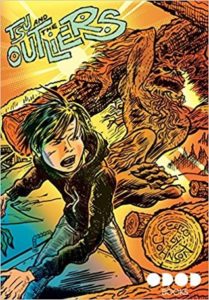
Wednesday: Tsu and the Outliers by E Eero Johnson

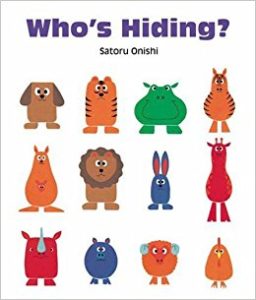
Thursday: Who’s Hiding by Satoru Onishi

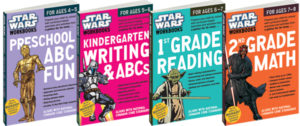
Friday:  Summer Brain Quest and Star Wars Workbooks

**Click on any picture/link to view the post**

Bold_line

Kellee
& 
Ricki

 We are spending our Mother’s Day Sunday with our families, so we’ll catch you all up on our reading next week 🙂 We hope everyone who is a mother, identifies as a mother, or fills the roll of a mother had a wonderful Mother’s Day! <3

Bold_line

Upcoming Week’s Posts


Tuesday: A Secret About Close Reading

Wednesday: I Am Gandhi by Brad Meltzer

Thursday: Guest Review: A Land of Permanent Goodbyes by Atia Abawi

Friday: How to Code a Sandcastle by Josh Funk

Sunday: Author Q&A with Lynn Brunelle, Author of Turn This Book Into a Beehive!

Bold_line

 So, what are you reading?

Link up below and go check out what everyone else is reading. Please support other bloggers by viewing and commenting on at least 3 other blogs. If you tweet about your Monday post, tag the tweet with #IMWAYR!

 Signature andRickiSig