Author Guest Post!: “The Joy of Sharing Literature in A Classroom” by Miriam Spitzer Franklin, Author of Extraordinary

Share

“The Joy of Sharing Literature in A Classroom”

by Miriam Spitzer Franklin

With the push for better standardized test scores, reading workshops have increasingly turned toward focusing on building stamina during independent reading so that students will be able to read multiple passages and answer questions during a test that lasts hours. Helping students build stamina so that they can read longer independently is a worthy goal. But for some students, like my third grade daughter, being expected to read on her own for 45 minutes means she’ll lose her focus after 15 minutes and will spend the rest of the time quietly floundering on her own.

A better strategy is to have shorter independent reading sessions and spend more of the workshop teaching literature in small groups or to the whole class. During the class reading of a high-quality literary work, those students who are unable to sustain focus will be redirected if the material is engaging. Teachers can set expectations for reading, help students make predictions, and check often for understanding. In a group with a wide range of learners, some of the students can read independently while the others have a more structured approach with a combination of read-alouds, short sections of silent reading, and teacher modeling of expressive oral reading.

Literature studies should focus on higher level thinking skills. Teachers should ask questions that lead to divergent answers and deeper discussions. Teachers should choose books that lead students to think about different themes, to help them make connections with the characters, and to encourage questions that lead to better understandings of themselves and how they fit into the world.

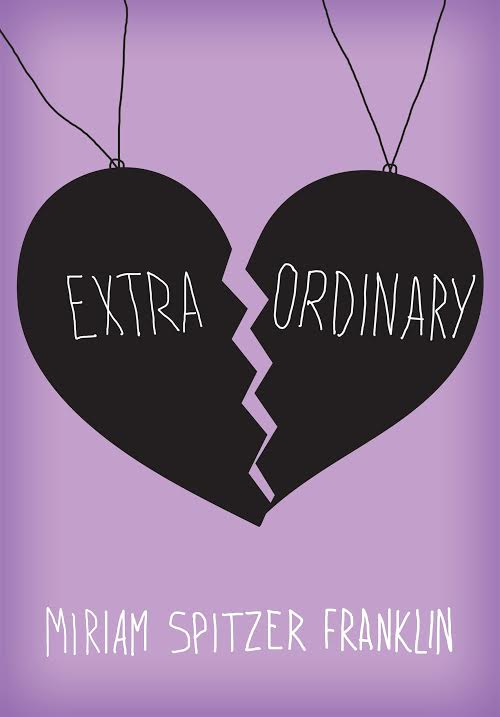
In my middle grade novel, Extraordinary, ten-year-old Pansy decides she’s going to become an extraordinary person after her best friend suffers a brain injury. She is sure that the upcoming surgery for seizures will fix her brain, and when that happens, Pansy is going to make up for all the times she’s let her friend down in the past. My novel explores themes of hope, perseverance, self-esteem, friendship, and acceptance. Students can work in partners and small groups to identify character traits, character growth, and interpretations of the themes. Because students are all reading the same book instead of reading independent choices, peer or teacher-led discussions will lead to deeper understanding and analysis of the novel.

If we want students to dig below the surface to find meaning in text, they need to be evaluated through creative projects, written responses, and class discussions, not through a multiple choice test. In this way, students will discover a different purpose for reading; instead of reading to get the right answer, they will read to discover the joy of literature and the way books can transport them to places and situations they have never experienced before.

About the author: Miriam Spitzer Franklin taught elementary and middle school for twenty years, in both public and private school. Currently she teaches homeschooled students, designs curriculum for an online site, and is a writer-in-residence with the Charlotte Arts & Science Council. Other jobs she has held include working as a frazzled and unorganized waitress at a number of restaurants, driving the Zamboni and working the skate counter at the ice skating rink, teaching ice skating lessons, and owning a toy and gift store with her husband, Scott. Miriam lives with her husband, two daughters, and two pampered cats in Charlotte, North Carolina.

www.miriamfranklin.com
extraordinary cover

About the book: Last spring, Pansy chickened out on going to spring break camp, even though she’d promised her best friend, Anna, she’d go. It was just like when they went to get their hair cut for Locks of Love; only one of them walked out with a new hairstyle, and it wasn’t Pansy. But Pansy never got the chance to make it up to Anna. While at camp, Anna contracted meningitis and a dangerously high fever, and she hasn’t been the same since. Now all Pansy wants is her best friend back—not the silent girl in the wheelchair who has to go to a special school and who can’t do all the things Pansy used to chicken out of doing. So when Pansy discovers that Anna is getting a surgery that might cure her, Pansy realizes this is her chance—she’ll become the friend she always should have been. She’ll become the best friend Anna’s ever had—even if it means taking risks, trying new things (like those scary roller skates), and running herself ragged in the process.

Pansy’s chasing extraordinary, hoping she reaches it in time for her friend’s triumphant return. But what lies at the end of Pansy’s journey might not be exactly what she had expected—or wanted.

Extraordinary is a heartfelt, occasionally funny, coming-of-age middle grade novel by debut author Miriam Spitzer Franklin. It’s sure to appeal to fans of Cynthia Lord’s Rules and will inspire young friends to cherish the times they spend together. Every day should be lived like it’s extraordinary.

From the Atlanta Journal-Constitution: This moving novel is narrated by Pansy, whose best friend Anna has contracted a disease that has impaired her brain. “Losing” a best friend this way can be a tough challenge. North Carolina author Franklin firmly grasps the climate and struggles among kids today. Her crystal-clear writing is filled with rich detail and believable characters. The sensitive story will resonate with young girls wrestling with friendship pains. (Sky Pony Press, ages 8-12)

Thank you to Miriam for her wonderful guest post!

Signature andRickiSig


Blog Tour with Review, Author Guest Post, and Giveaway!: The Vanishing Island by Barry Wolverton

Share

vanishing island preview tour banner updated

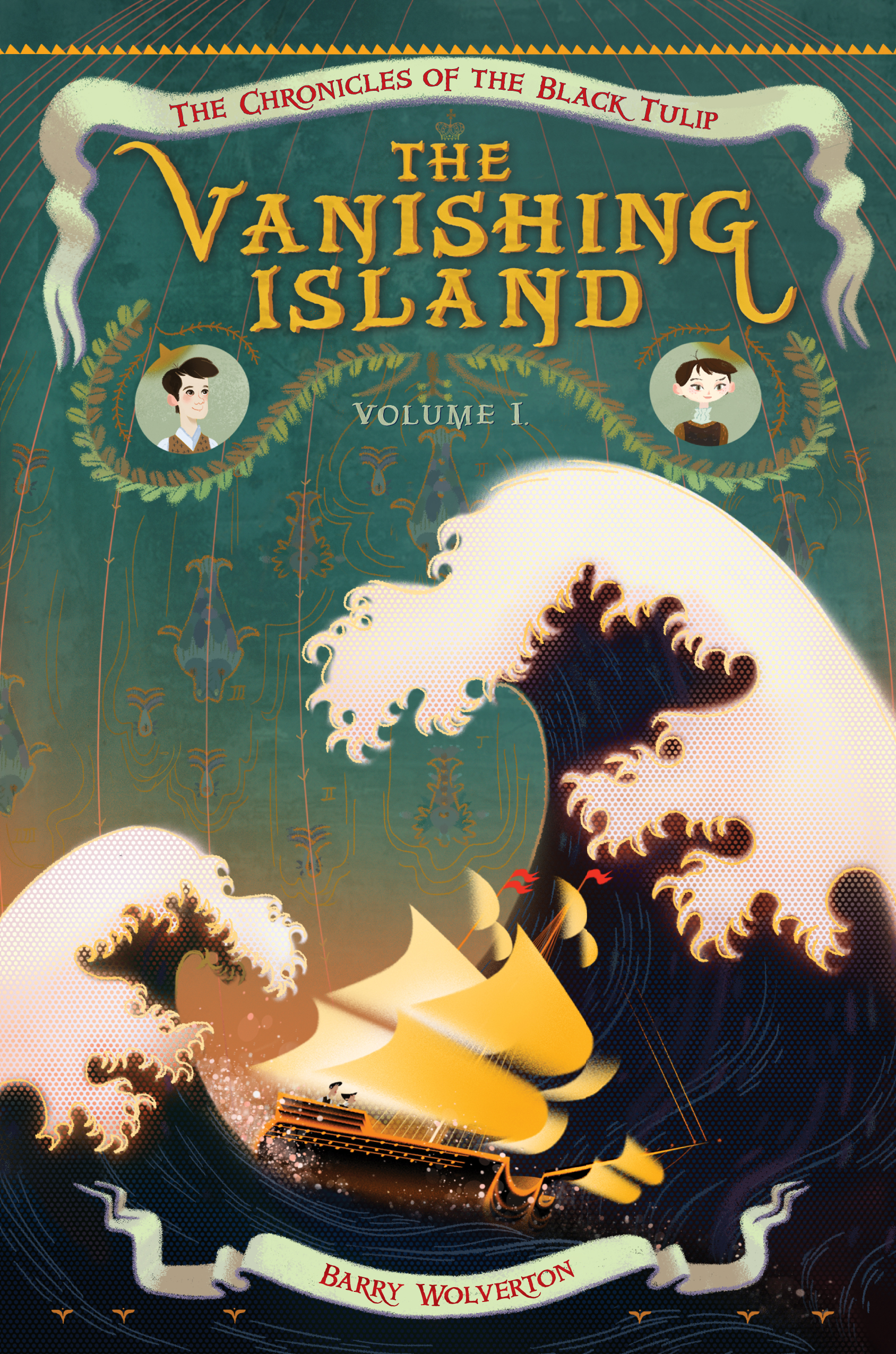
VanishingIslandHC

The Chronicles of the Black Tulip: The Vanishing Island
Author: Barry Wolverton
Published September 1st, 2015 by Walden Pond Press

Goodreads Summary: Does the Vanishing Island really exist? And if so, what treasure—or terrible secret—was hidden by its disappearance?

It’s 1599, the Age of Discovery in Europe. But for Bren Owen, growing up in the small town of Map on the coast of Britannia has meant anything but adventure. Enticed by the tales sailors have brought through Map’s port, and inspired by the arcane maps his father creates as a cartographer for the cruel and charismatic map mogul named Rand McNally, Bren is convinced that fame and fortune await him elsewhere. That is, until his repeated attempts to run away land him a punishment worse than death—cleaning up the town vomitorium.

It is there that Bren meets a dying sailor, who gives him a strange gift that hides a hidden message. Cracking the code could lead Bren to a fabled lost treasure that could change his life forever, and that of his widowed father. But to get there he will have to tie his fate to a mysterious Dutch admiral obsessed with a Chinese legend about an island that long ago disappeared from any map.

Before long, Bren is in greater danger than he ever imagined, and will need the help of an unusual friend named Mouse to survive. Barry Wolverton’s thrilling adventure spans oceans and cultures, brings together the folklore of East and West, and proves that fortune is always a double-edged sword.

My Review: Whoa! Quite a book! Part swashbuckling adventure, part historical fiction, part folklore, part fantasy, part ghost story, Barry Wolverton has given us quite an intense adventure. I couldn’t predict anything that happened in the book. There were twists and turns throughout, and I never knew who to trust (though I am happy to say my favorite sailor was trustworthy). There were some really gruesome parts (blood and guts and vomit) and there were some really beautiful fairy tales. Overall, quite an adventure! (Though I warn: by gruesome, I mean gruesome!)

Discussion Questions: How did the author use folklore throughout the story to move along the plot?; What parts of history that were shared within the book were true? Fictional?; Throughout the book, stop and try to predict what you think is going to happen next then check your predictions as you read more.; As you read, make a list of all of the seafaring vocabulary that is used within The Vanishing Islands then illustrate each of the vocabulary words as they are used in the book.; Wolverton used Marco Polo’s written works throughout the book–what allusions to Polo’s text can you find in The Vanishing Island?

We Flagged: “The summer began with the grim warning that the wolves were running again. In Britannia, this was code. It meant that Her Majesty’s navy was in need of fresh bodies to replace all of the seamen lost during the year to disease, desertion, or battle. Crimping, they called it. Men and older boys kidnapped and forced to enlist, of the good of God, queen, and country. Britannia, after all, was just one of many nations fighting for nothing less than to control the world.

One boy who didn’t have to worry about being crimped was Bren Owens of Map, the dirtiest, noisiest, smelliest city in all of Britannia. (He had heard rotten things about London, too, but he’d never been there.) Bren was what they called spindly–tall for his age, but unsteady, like a chair you might be afraid to sit on. He had been born in Map because he’d had no choice in the matter.

But that didn’t mean he had to stay here. And now, too skinny for the wolves, he had been forced to take matters into his own hands.” (p. 9-10)

Author Guest Post: 

“Be Careful What You Read, or Why Books Are Dangerous” by Barry Wolverton

Beginning in 1978, when Metrocenter mall opened near my home in Jackson, Miss., my family would go to the mall every Friday night. We would have dinner at one of the fine mall establishments, and then my mother would go clothes shopping, my brother would go nerd out at Radio Shack or Spencer’s, my father would go sit somewhere and smoke (you could do that then), and I would plop myself down in an aisle at Waldenbooks. I remember exactly how it felt to have that to look forward to, which is why Black’s Antique Books and Collectibles is Bren’s home away from home in The Vanishing Island. (Although the way I describe Black’s is more like I remembered Shakespeare and Co. in Paris, the ur-bookstore.)

But for a curious, receptive mind, books can do mischievous things. As I describe it in the book, “the bookstore was a blessing and a curse for [Bren]. Every few weeks seemed to bring in new adventure books, travelogues, and epic poems of war and conquest that were so popular these days. Tales from other lands and other times. For Bren, they offered proof that all things exotic and exciting lay anywhere but here.”

Books give Bren ideas. Ideas about places he’d rather be, things he’d rather be doing, possibilities that his current life doesn’t offer. Books also give him information. For instance, information about ships and the routines of their crew, so that an enterprising young man might figure out the best time to sneak aboard a ship and the best places to hide.

And it was undoubtedly in Black’s that Bren first found a copy of Travels by Marco Polo, the book that National Geographic described as “the founding adventure book of the modern world. Polo gave to the age of exploration that followed the marvels of the East, the strange customs, the fabulous riches, the tribes with gold teeth. It was a Book of Dreams, an incentive, a goad. Out of it came Columbus (whose own copy of the book was heavily annotated), Magellan, Vasco da Gama, and the rest of modern history.”

Wow, some book. Especially considering how much of it is considered dubious. Polo dictated his stories to a fiction writer named Rustichello while both were in prison during the Venice-Genoa war, and between Polo’s possible exaggerations and Rustichello’s flare for embellishment, we can be pretty sure Marco Polo didn’t really see a unicorn. (He may have seen a Sumatran rhino, though, which is still magical.)

Given all that, I hope you’ll appreciate why the Polo legend figures prominently in The Vanishing Island, without making light of the terrible cost of exploration and colonialism.

About the Author: Barry Wolverton is the author of Neversink. He has more than fifteen years’ experience creating books, documentary television scripts, and website content for international networks and publishers, including National Geographic, Scholastic.com, the Library of Congress, and the Discovery Networks. He lives in Memphis, Tennessee. You can visit him online at www.barrywolverton.com.

Barry Wolverton Author Photo

Read This If You Loved: The True Confessions of Charlotte Doyle by Avi, The Graveyard Book by Neil Gaiman, Emerald Atlas by John Stephens, The Dungeoneers by John David Anderson

Recommended For: 

classroomlibrarybuttonsmall

Make sure to visit other stops on The Vanishing Island blog tour!
Tour information: http://www.walden.com/8039-2/

6/15/2015 Blue Stocking Thinking                  bluestockingthinking.blogspot.com
6/16/2015 The Haunting of Orchid Forsythia    hauntedorchid.blogspot.com
6/17/2015 Small Review                               smallreview.blogspot.com
6/18/2015 Maria’s Melange                         www.mariaselke.com/
6/19/2015 Unleashing Readers                    unleashingreaders.com
6/19/2015 The Hiding Spot                             ​thehidingspot.blogspot.com
6/22/2015 This Kid Reviews Books              thiskidreviewsbooks.com
6/23/2015 Mundie Kids                                mundiekids.blogspot.com/
6/24/2015 Paige in Training                        pageintraining.wordpress.com
6/25/2015 Novel Novice                              novelnovice.com

Giveaway!

a Rafflecopter giveaway

Signature

**Thank you to Walden Pond Press for having us be part of the blog tour
and for providing copies for review and giveaway!**

Links for Barry Wolverton: 

Website: http://www.barrywolverton.com/
Twitter: https://twitter.com/wolvertonhill
Facebook: https://www.facebook.com/bwolverton
Instagram: https://instagram.com/wolvertonhill/

Links for Walden Pond Press:

Twitter: https://twitter.com/WaldenPondPress
Facebook: https://www.facebook.com/WaldenPondPress
Website/Blog: http://www.walden.com/books/
Pinterest: https://www.pinterest.com/waldenpondpress/

X by Ilyasah Shabazz and Kekla Magoon

Share

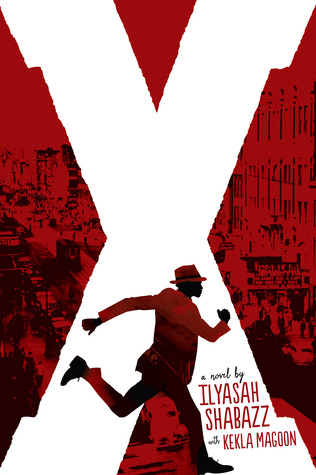
x

X
Authors: Ilyasah Shabazz and Kekla Magoon
Published: January 6, 2015 by Candlewick Press

GoodReads Summary: Cowritten by Malcolm X’s daughter, this riveting and revealing novel follows the formative years of the man whose words and actions shook the world.

I am Malcolm.
I am my father’s son. But to be my father’s son means that they will always come for me.

They will always come for me, and I will always succumb.

Malcolm Little’s parents have always told him that he can achieve anything, but from what he can tell, that’s nothing but a pack of lies—after all, his father’s been murdered, his mother’s been taken away, and his dreams of becoming a lawyer have gotten him laughed out of school. There’s no point in trying, he figures, and lured by the nightlife of Boston and New York, he escapes into a world of fancy suits, jazz, girls, and reefer.

But Malcolm’s efforts to leave the past behind lead him into increasingly dangerous territory when what starts as some small-time hustling quickly spins out of control. Deep down, he knows that the freedom he’s found is only an illusion—and that he can’t run forever.

X follows Malcolm from his childhood to his imprisonment for theft at age twenty, when he found the faith that would lead him to forge a new path and command a voice that still resonates today.

Review: If you’ve been reading the blog the past few weeks, my love for this book may feel repetitive (and I am not sorry!). Some books just stick to our bones and by Ilyasah Shabazz and Kekla Magoon will remain with me forever. It kept me awake late at night, and I was floored by the captivating writing. This is a very special book and well worth the hype it has received. I plan to use it in my future Methods classes because there are so many themes and topics for discussion. Most texts are written about Malcolm Little’s later life, but this book encapsulates his early years—this restless young man is dissatisfied with his circumstances and attempts to make a name for himself. He does not always make the best choices, but he learns from his many mistakes, and his spirit will inspire readers. I highly recommend this book for all readers. Malcolm has a lot to teach us.

Teachers’ Tools for Navigation: This book made me want to sign out Malcolm X’s autobiography from the library. I wondered what else I could learn about him. Teachers might ask students to research Malcolm X’s life. They might explore the ways Malcolm inspired troubled youth and why he made connections with them. Based on this text and others, it seems that many of Malcolm X’s actions may be misrepresented, so it might be wise for teachers to discuss his life, mission, and actions with students. This would allow students to form their own understandings of his later life.

Discussion Questions: If you could change one decision Malcolm made, what would it be? What do you think he should have done differently?; Malcolm may inspire us, but who inspired Malcolm?; How is Malcolm different from his family members? How does this impact him?

We Flagged: “I did what I had to. Didn’t see anything wrong with it. Not a thing” (p. 36).

Read This If You Loved: The Rock and the River by Kekla Magoon; How it Went Down by Kekla Magoon; Freedom Summer by Deborah Wiles; Audacity by Melanie Crowder; The Boy in the Black Suit by Jason Reynolds

Recommended For:

readaloudbuttonsmall litcirclesbuttonsmall closereadinganalysisbuttonsmall classroomlibrarybuttonsmall

RickiSig

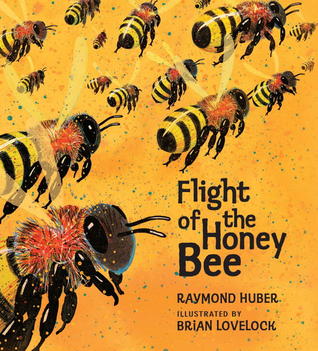
Flight of the Honey Bee by Raymond Huber

Share

NFPB2015

Nonfiction Picture Book Wednesday

Nonfiction Picture Book Wednesday is hosted by Kid Lit Frenzy and was started to help promote the reading of nonfiction texts. Most Wednesdays, we will be participating and will review a nonfiction text (though it may not always be a picture book).
Be sure to visit Kid Lit Frenzy and see what other nonfiction books are shared this week!

flight of the honey

Flight of the Honey Bee
Author: Raymond Huber
Illustrator: Brian Lovelock
Published September 10th, 2013 by Candlewick Press

Goodreads Summary: Follow the flight of a honey bee as she searches for nectar to sustain her hive and, along the way, pollinates flowers to produce seeds and fruits.

A tiny honey bee emerges from the hive for the first time. Using sunlight, landmarks, and scents to remember the path, she goes in search of pollen and nectar to share with the thousands of other bees in her hive. She uses her powerful sense of smell to locate the flowers that sustain her, avoids birds that might eat her, and returns home to share her finds with her many sisters. Nature lovers and scientists-to-be are invited to explore the fascinating life of a honey bee.

Kellee’s Review and Teachers’ Tools for NavigationI love books that mix narrative and information nonfiction within one book. This text introduces Scout as she exits the hive and goes about her bee-siness (hehe!). This part of the story is told as a story. Then on each page, there is information about bees in general to help the reader understand Scout’s journey. This unique text structure mixed with the realistic yet artistic illustrations really makes Flight compelling to read. In addition to learning about bees and the vocabulary included in the book, this book could be a great addition to a lit circle inquiry group about insects or as a mentor text to create student narrative and informational mixed writing about a animal after researching. 

Ricki’s Review and Teachers’ Tools for Navigation: I read this book aloud to my son while he was eating breakfast, and he was captivated by the illustrations and story. I immediately texted Kellee and told her we had to schedule a day to review it! I had a lot of fun following Scout on her adventure, and I know kids will become so engaged in this story that they will forget they are learning. I thought I knew a lot about bees, but I was surprised by how much information is packed into this text. Readers will cheer for Scout as she encounters obstacles. I try to integrate nonfiction into every unit, and this would be a great book to show students just how accessible nonfiction can be. Then, they could pick a creature or object in nature, conduct research, and write their own narrative nonfiction texts.

Discussion Questions: How do bees help the environment and humans?; How can we help save the bees?; What are the different types of bees? Why are they all important?

Flight of the Honey Bee Teacher Guide from Candlewick

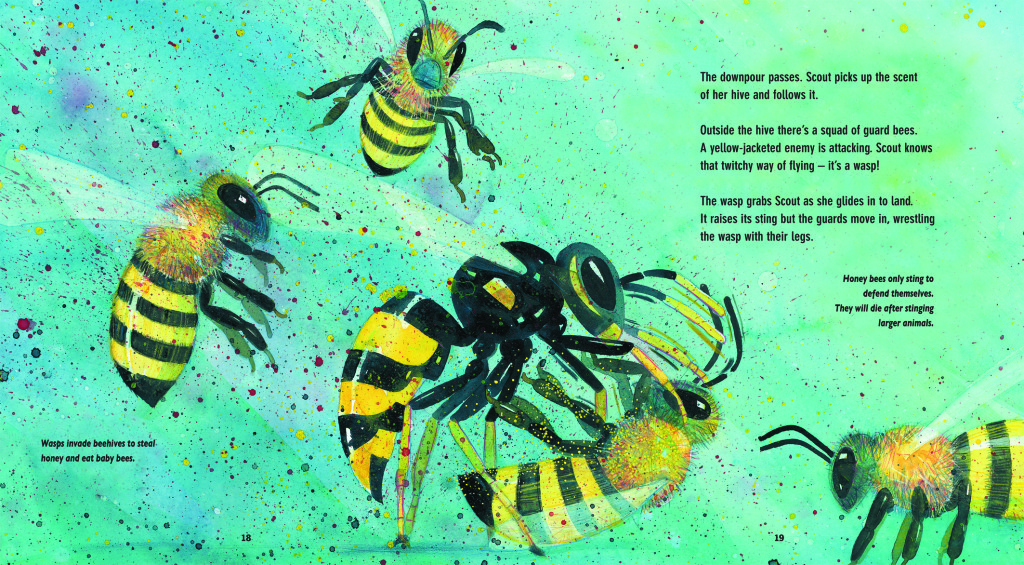
We Flagged: 

flight of the honey page
(c) 2013 Raymond Huber http://www.raymondhuber.co.nz/

Read This If You Loved: Lifetime by Lola M. Schaefer, Winter Bees & Other Poems of the Cold by Joyce SidmanThe Alphabet of Bugs by Valerie Gates

Recommended For: 

classroomlibrarybuttonsmall readaloudbuttonsmall closereadinganalysisbuttonsmall

Signatureand RickiSig

**Thank you to Candlewick for providing copies of the text for review!!**

Top Ten Tuesday: Top Ten Books On Our TBR Lists For Summer 2015

Share

top ten tuesday

Top Ten Tuesday is an original feature/weekly meme created at The Broke and the Bookish. The feature was created because The Broke and Bookish are particularly fond of lists (as are we!). Each week a new Top Ten list topic is given and bloggers can participate.

 Today’s Topic: Top Ten Books On Our TBR Lists For Summer 2015

Here are some of the books we plan to (hopefully) read this summer.

Ricki

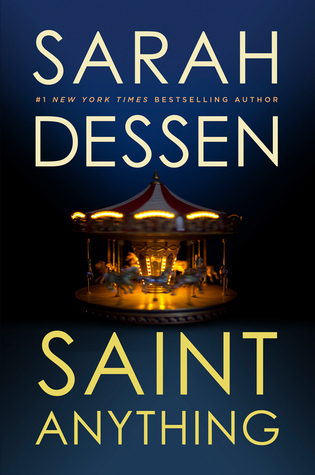
1. Saint Anything by Sarah Dessen

saint anything

I read everything by Sarah Dessen, so I am thrilled to have this book!

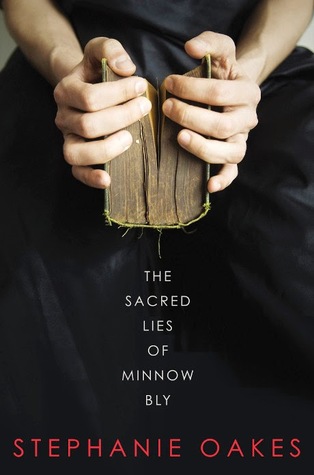
2. The Sacred Lies of Minnow Bly by Stephanie Oakes

the sacred lies of minnow bly

Doesn’t this cover just suck you in?

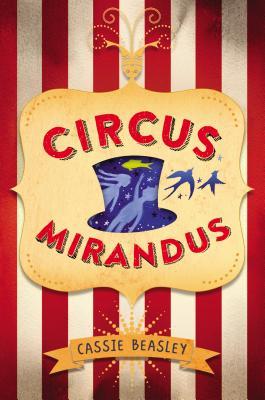
3. Circus Mirandus by Cassie Beasley

circus mirandus

Everyone is raving about this one. I will absolutely be reading it.

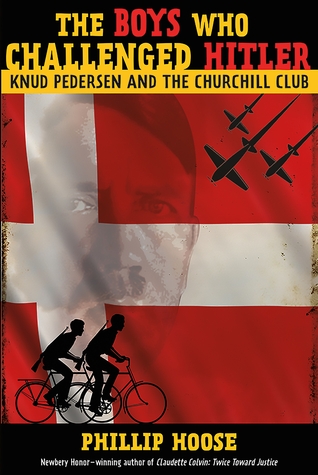
4. The Boys Who Challenged Hitler by Phillip Hoose

the boys who challenged hitler

This true story of seven Danish teens is definitely on my list.

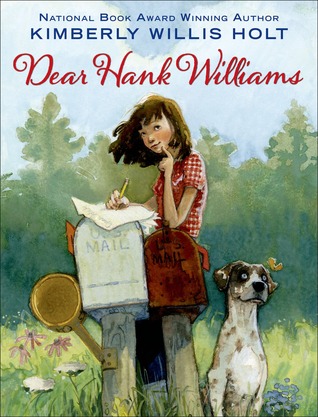
5. Dear Hank Williams by Kimberly Willis Holt

dear hank williams

The synopsis of this book includes the phrase: “gradually unfolds a story of overcoming tragedy, of family love, of small-town gossip, and of a young girl learning to find her voice.” I can’t wait to read it!

Kellee

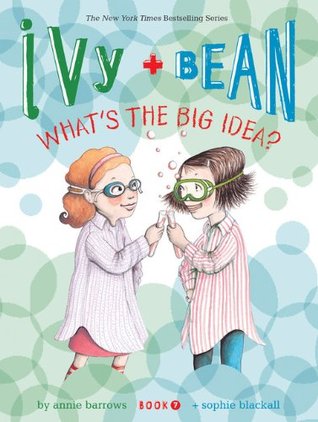
1. Ivy and Bean: What’s the Big Idea?  by Annie Barrows

ivy and bean

I promised myself and Carrie Gelson that I’d read some early chapter books this summer, so when I saw this one at the Scholastic Warehouse sale, I scooped it up!

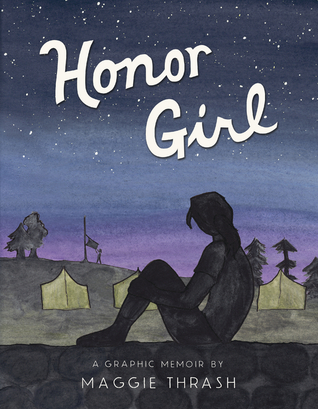
2. Honor Girl: A Graphic Memoir by Maggie Thrash

honor girl

Looks like an important book about sexuality and identity. And I love graphic memoirs!

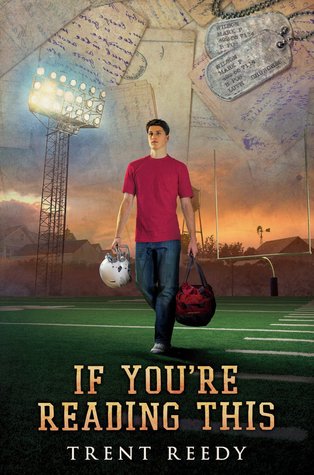
3. If You’re Reading This by Trent Reedy

ifyourereadingthis

My students put this on the list of books that they thought I should get for my classroom library, so I plan on reading it this summer.

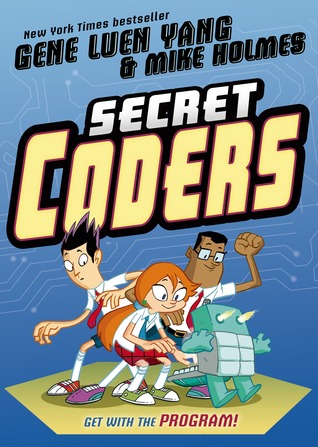
4. Secret Coders by Gene Luen Yang and Mike Holmes

secretcoders

I love Yang’s graphic novels, so I very much look forward to reading this one that comes out in the fall.

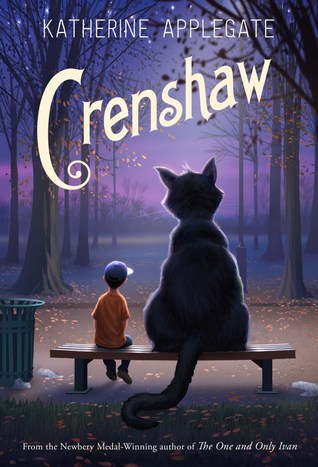
5. Crenshaw by Katherine Applegate

crenshaw

Yes, yes, yes, yes, yes!! I am so excited to read this one! Yay for being approved on Netgalley!

Which books are you planning to read this summer?

RickiSig and Signature

It’s Monday! What Are You Reading? #IMWAYR 6/15/15

Share

IMWAYR

It’s Monday! What Are You Reading? From Picture Books to YA!

It’s Monday! What are you Reading? is a meme hosted by Sheila at Book Journeys. It is a great way to recap what you read and/or reviewed the previous week and to plan out your reading and reviews for the upcoming week. It’s also a great chance to see what others are reading right now…you just might discover the next “must-read” book!

Jen Vincent, of Teach Mentor Texts, and Kellee decided to give It’s Monday! What Are You Reading? a kidlit focus. If you read and review books in children’s literature – picture books, chapter books, middle grade novels, young adult novels, anything in the world of kidlit – join us! We love this meme and think you will, too.

We encourage everyone who participates to support the blogging community by visiting at least three of the other book bloggers that link up and leave comments for them.

CONGRATULATIONS 

Emily M. 

for winning a copy of Cast Off by Eve Yohalem

CONGRATULATIONS 

Amanda T. 

for winning a copy of The Dungeoneers by John David Anderson!

Last Week’s Posts

top ten tuesday faraway friends disappearance of Emily my dog is the best

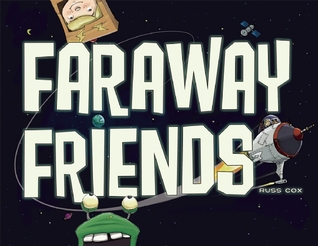
Tuesday: Top Ten Most Anticipated Releases For the Rest of 2015

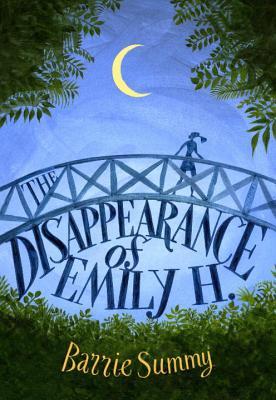
Thursday: Blog Tour, Review, and Giveaway!: The Disappearance of Emily H. by Barrie Summy

Giveaway open until Thursday!

Friday: Blog Tour, Review, Author & Illustrator Interview, and Giveaway!: My Dog is the Best by Laurie Ann Thompson

Giveaway open until Thursday!

**Click on any picture/link to view the post**

 Last Week’s Journeys

Kellee: I had a pretty good week! Although I didn’t get to read a book a day as I’d like, I did read every day and finished two novels, a graphic novel, a picture book, and a new board book.

The two novels I read are both must reads! Glory O’Brien’s History of the Future by A.S. King is just another brilliant novel by King. This book is just an explosion of thought-provoking commentary mixed with humor, feminism, romance, depression, and a touch of magic. I also finished The Categorical Universe of Candice Phee by Barry Jonsberg. I do not know how I missed this book! Jonsberg has given us another book that will help readers build empathy for students around them that may be a bit different.

The graphic novel I read was Secret Coders by Gene Luen Yang and Mike Holmes which is the first book in a series that so far is good, but… Holy cliffhanger, Batman! I love the cross-curricular aspects of this graphic novel and that smart kids are the star of the book. I did feel like this book was an introduction to the series and that this series is really going to pick up with book 2. This one is an introduction and the adventure/mystery is just starting.

The picture book I read was Flight of the Honey Bee by Raymond Huber which we’re reviewing for you on Wednesday.

Trent and I read a new, silly board book this week. The Hiccupotamus by Aaron Zenz is full of nonsense rhymes while telling thestory of a hippo whose hiccups are causing problems.

Ricki: Happy Birthday, Kellee! I love you more than you know, my friend. 

Well, my poor father fell down the stairs and broke his leg, so I have been helping him get around. This means a lot of lifting and not a lot of reading. I am thankful he is okay, so I am not sorry my priorities had to shift a bit this week. I did finish listening to Dodger by Terry Pratchett. To be honest, I wasn’t blown away. I enjoyed listening to it, but I didn’t find it to be incredibly unique or interesting.

This Week’s Expeditions

Kellee: The reason why I was not able to finish more novels (I finished Glory O’Brien on Monday and Candice Phee on Tuesday) is because Revolution by Deborah Wiles has stalled me a bit. This is a me problem, not a book problem. It is just so big which makes it not a travel or bed book. That really eliminates a good chunk of my reading time, so I have found myself on social media instead of reading a bit more while reading this book. I hope to have finished it by the time this posts (I’m writing this on Saturday because I am going out Sunday to celebrate my birthday which is Monday/today! Yay!), but I don’t know if that is realistic.

I am also listening to X by Ilyasah Shabazz and Kekla Magoon. I am about 70% of the way through, and I listen to it whenever I can. It is fascinating! I look forward to Ricki’s review on Thursday.

After Revolution, I’m going to stick with reading about civil rights by reading Lies We Tell Ourselves by Robin Talley. Then I’ll switch it up to mythology with Promise of Shadows by Justina Ireland then blood diamonds with Diamond Boy by Michael Williams. Hopefully I get more novels read this week. I do have a training on Tuesday, but next to that, I should be able to focus on reading and blogging this week.

Ricki: I can’t decide which AudioBookSync free summer read to listen to next. There are so many great choices! Which is your favorite? While I have you here, I want to pick your brains because you are incredible teachers: Does anyone have any suggestions for creative discussion formats to use in the middle/high school classroom? I am looking to try something new in my Methods class next week. They are future secondary teachers (of all subject areas). We’ve done Jigsaws, Fishbowls, Give One Get One, Four Corners (Agree/Disagree), and Post-It Notes (on Discussion Questions posted on the Walls). Please feel free to share in the comments. (And if you’d like, I can gather your ideas and create a blog post describing each of these in more detail.)

Upcoming Week’s Posts

top ten tuesday flight of the honey x VanishingIslandHC extraordinary cover

Tuesday: Top Ten Books On My TBR For Summer 2015

Friday: Blog Tour, Review, Book Trailer, and Giveaway!: The Vanishing Island by Barry Wolverton

Sunday: Author Guest Post!: “The Joy of Sharing Literature in A Classroom” by Miriam Spitzer Franklin, Author of Extraordinary

 So, what are you reading?

Link up below and go check out what everyone else is reading. Please support other bloggers by viewing and commenting on at least 3 other blogs. If you tweet about your Monday post, tag the tweet with #IMWAYR!

 Signature andRickiSig

Blog Tour, Review, Giveaway, and Author & Illustrator Interview!: My Dog is the Best by Laurie Ann Thompson, Illustrated by Paul Schmid

Share

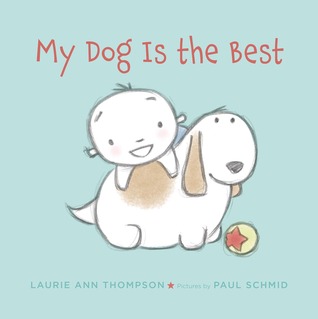
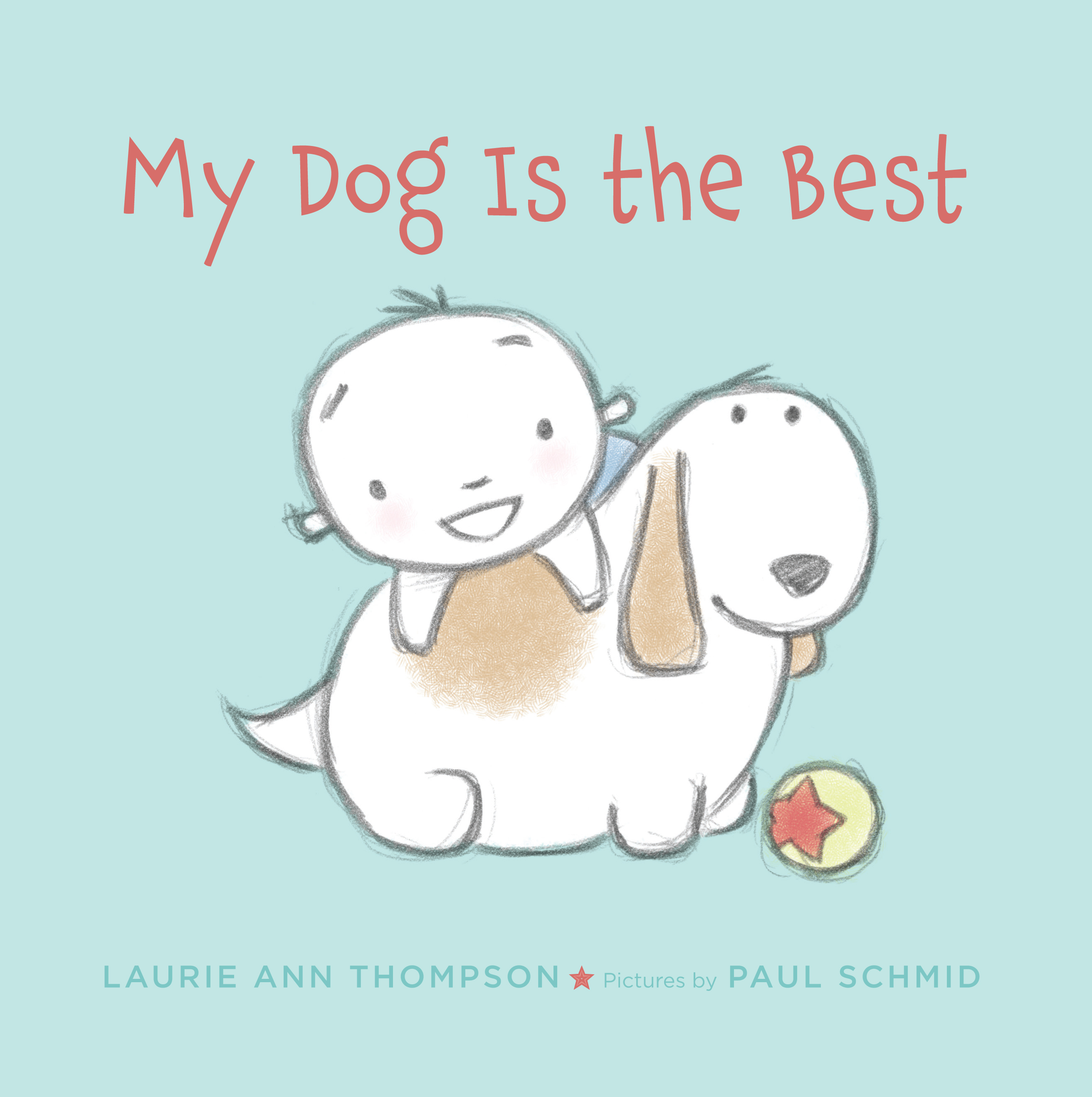
MY DOG IS THE BEST-cover

My Dog is the Best
Author: Laurie Ann Thompson
Illustrator: Paul Schmid
Published: June 9, 2015 by Farrar, Straus, and Giroux

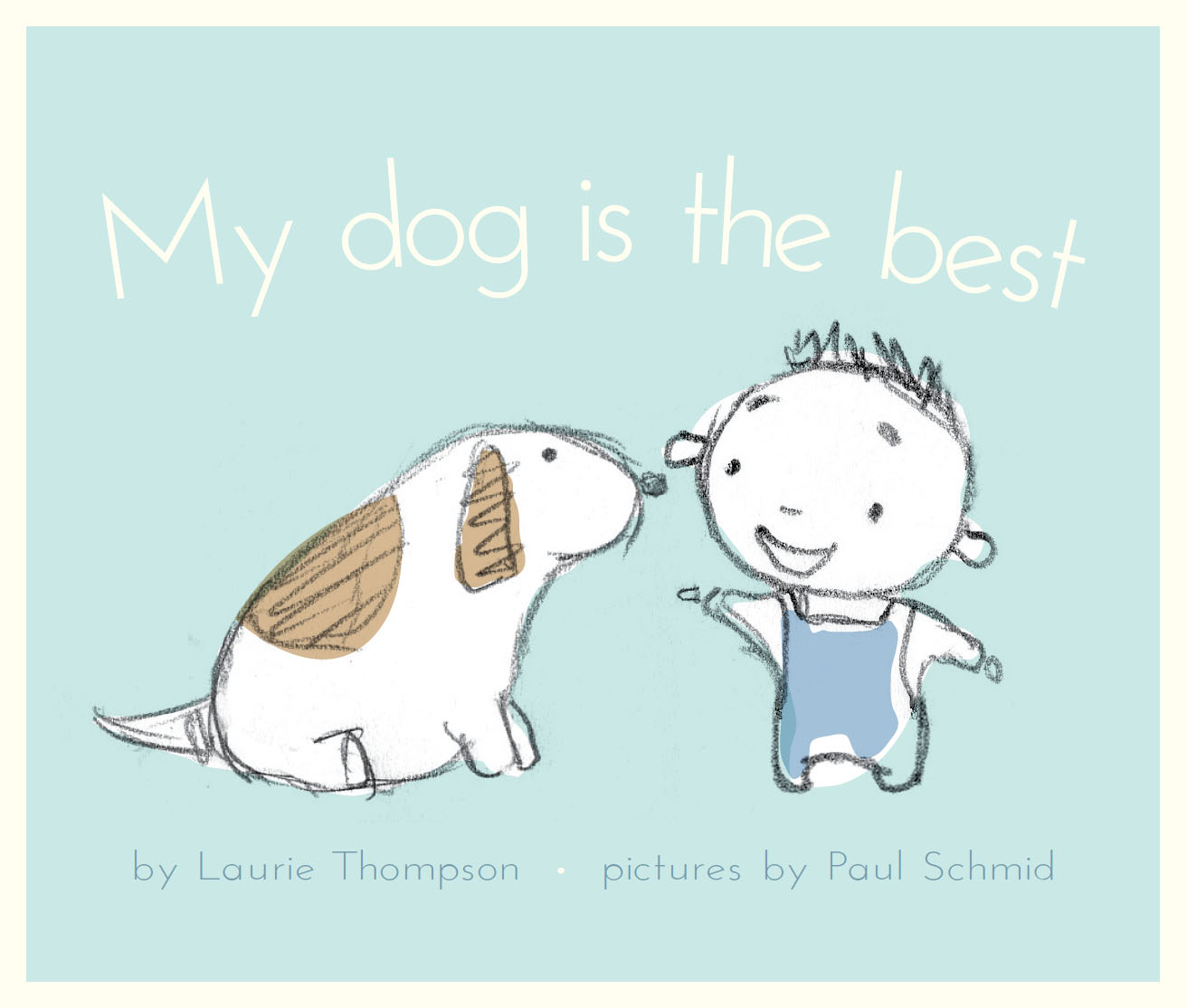
Goodreads Summary: What do you get when you combine one energetic, enthusiastic little boy with his sleepy but tolerant dog? Unconditional love. Using simple words and spare illustrations, My Dog Is the Best celebrates the special bond that exists between a young child and a beloved family pet. It’s the heartwarming story of two best friends. . . told by a boy with a very active imagination.

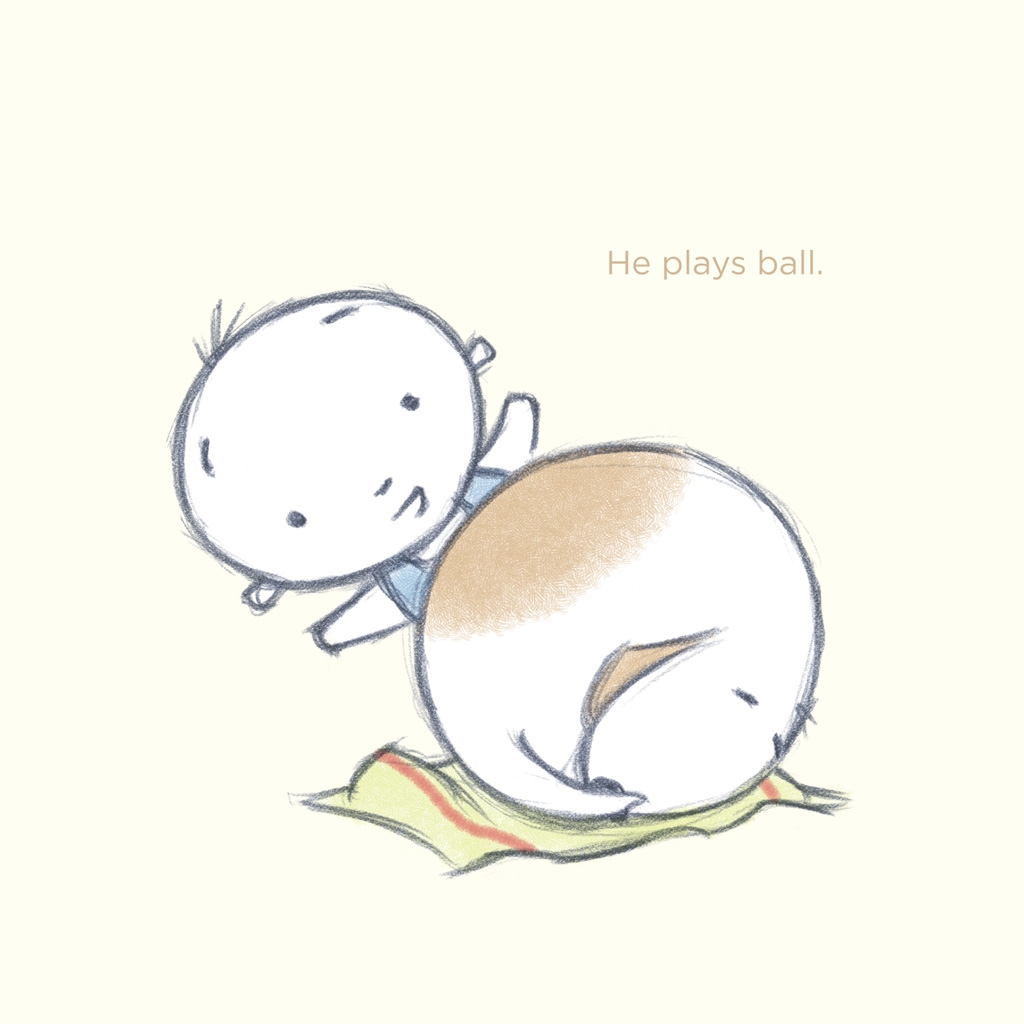
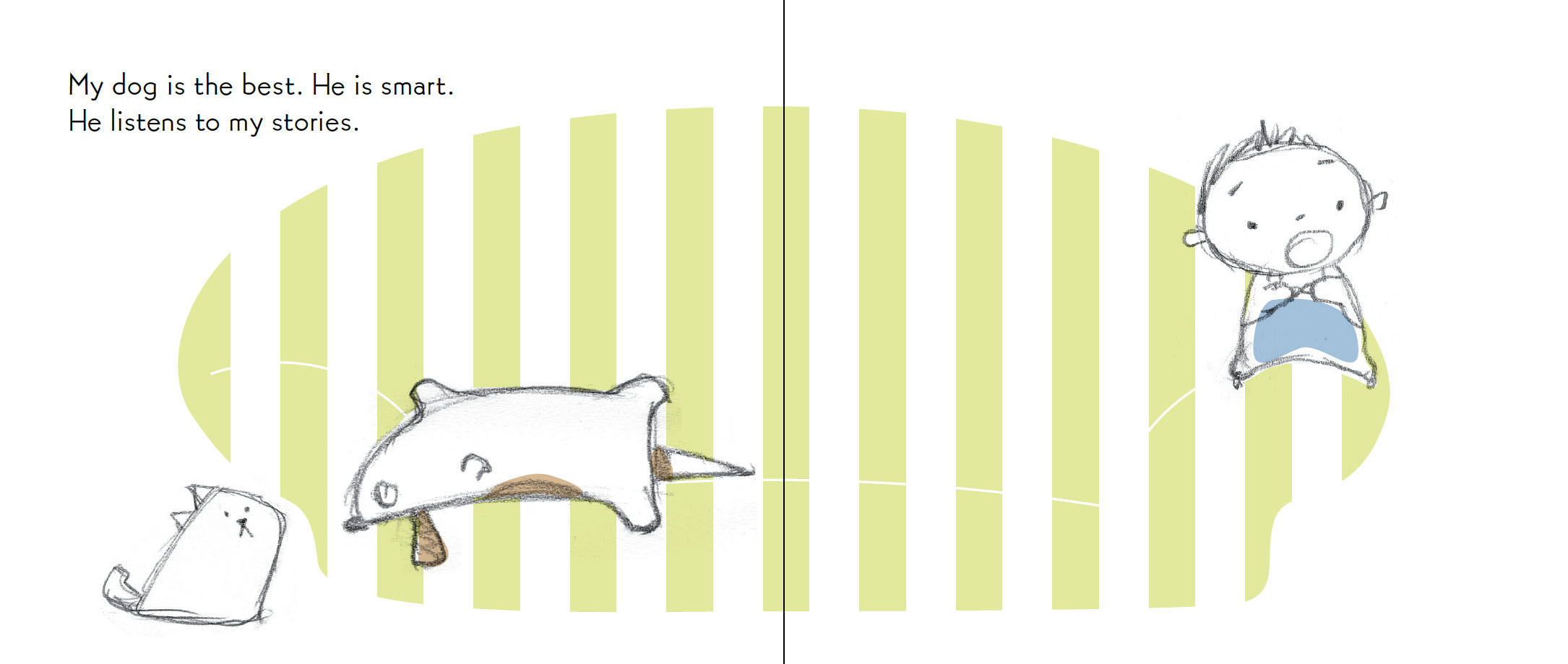
Ricki’s Review and Teachers’ Tools for Navigation: This charming tale will surely win the hearts of many children. It made me feel a bit guilty that I don’t have a dog for my son! I can imagine teachers reading this story aloud to captivated audiences. Teachers might ask students to compare this story with others in their classrooms. The way the illustrator and text focuses on the two subjects makes their friendship shine. You can find an example of the text’s playfulness in the flagged page below. It made me smile! After reading this story, I would encourage my students to write their own stories about friendships that they have.

Kellee’s Review and Teachers’ Tools for Navigation: This book makes me want a dog (and like Ricki said, I feel a bit guilty for not having a dog for Trent!). I loved this sweet story of a sleepy dog and a rambunctious child who is going to have fun with his dog no matter what the dog thinks about it. The play between the words and illustrations is what really made this book special and made the quiet humor really ring through. I also think that kids are really going to like the end of the book. Like Ricki, I think that this text could be a great mentor text for writing about times of imagination and friendship. What other ways could the boy have played with the dog? How do you play with your pet/toy? I also think that it is a great story to use to talk about humor and irony. Why was the ending funny?

Discussion Questions: What kinds of games do you play with your best friend/pet/toy?; Do you have a pet? How is your relationship with your pet similar or dissimilar with this story?; In what ways is it obvious that the author and illustrator worked together to create this book? How do the drawings enhance the story?; Why is the ending ironic?

We Flagged:

My Dog is the Best spread
Image from: http://us.macmillan.com/books/9780374300517

Read This if You Loved: Look! by Jeff Mack; The Poky Little Puppy by Janette Sebring Lowrey; May the Best Dog Win by Kelly Hashway; Bark, George by Jules Feiffer; Emmanuel’s Dream by Laurie Ann Thompson

Recommended For: 

readaloudbuttonsmall classroomlibrarybuttonsmall

Interview with the Laurie Ann Thompson and Paul Schmid!

Questions to Laurie:

05_lauriethompson_PhotoByMaryBalmaceda-500x750

  1. What inspired you to write this book?

I first wrote the text as an assignment for a course I was taking, Anastasia Suen’s Easy Reader/Chapter Book Workshop. I’ve always loved dogs, and it’s a great word for beginning readers, so I started there. I noticed that most of the time when I said, “Good dog!” to my poor old dog, Sara, she was either curling up and getting ready to go to sleep or already sleeping. She would give me this confused look that said, “What? I’m not doing anything!” She’d been a hyperactive, crazy dog in her younger years, so it was a huge relief when she finally started slowing down a little. I appreciated the humor in those interactions. At the same time, I had an awfully busy little boy at home, so both the tension between their very different energy levels and their special “best friends” relationship were natural ingredients for the story.


  1. Did you have a specific dog when you were growing up that you were thinking of as you wrote this book? 

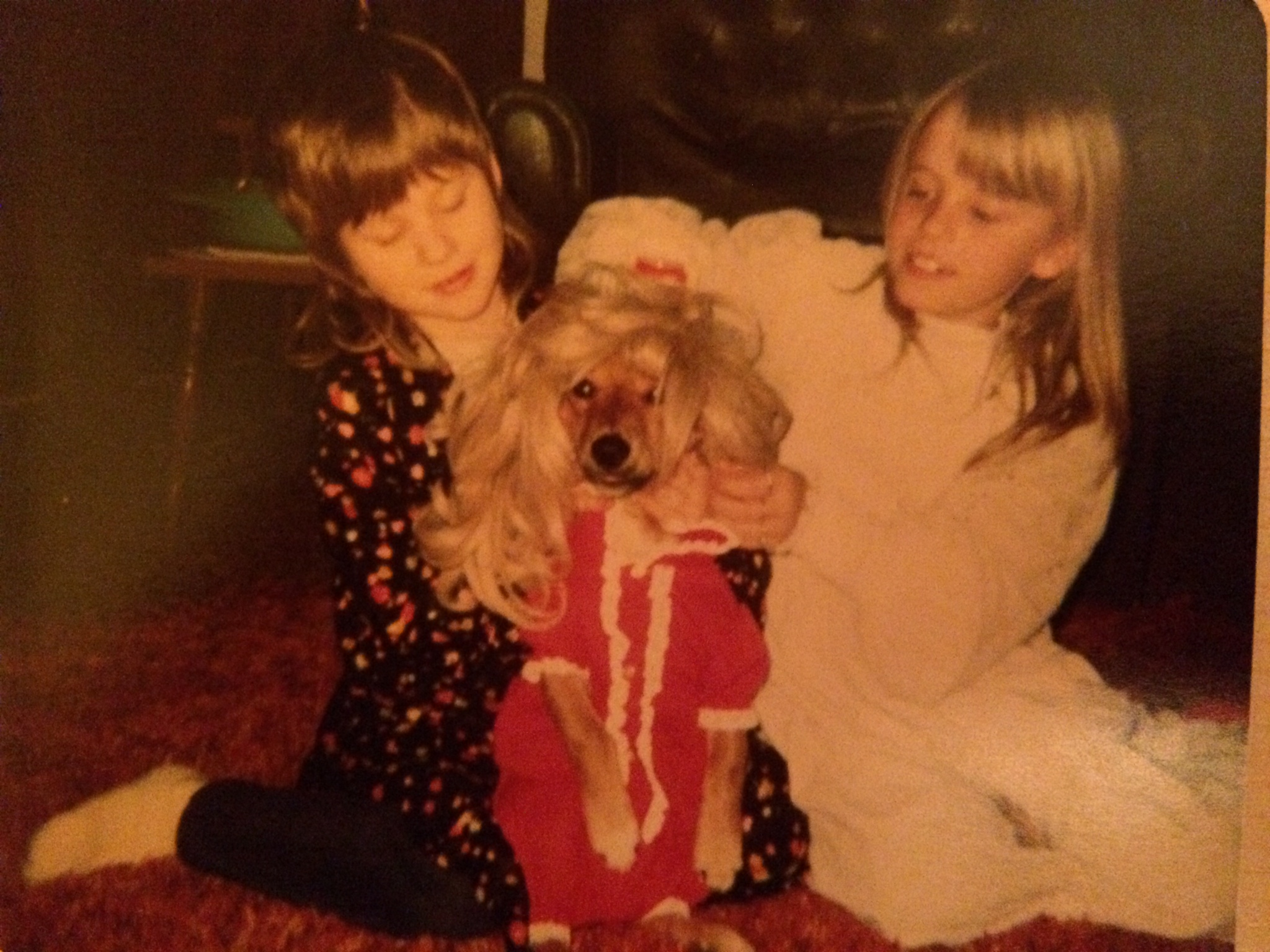
It’s really a collection of all of them. My dogs were my best friends, and they put up with so much of my probably unwanted attention. I had one special dog named Sammy that I used to dress up in doll clothes, push in a baby swing, and take for rides in my bicycle basket. (He loved those last two activities, but I’m pretty sure he merely tolerated the first!) He was the best. When I was bit older, my dog Ripper used to wait at the end of our driveway—every single day—for the school bus to bring me home. He listened to all of my tales of teenage angst and always let me dry my tears on his fur. He was devoted and dependable. He was the best. Then, as an adult, there was Sara. She was the best, too. I think whatever dog we make room for in our lives becomes “the best,” just by virtue of us loving them.


dressing up Sammy1999-03 36_34 Laurie and Ripper2011-07-02 083038 Connor and Sara

  1. You write both YA and children’s books. How is your writing process different for each?

It’s very different! For my YA books, I’m a rather obsessive planner. I research and outline, then research some more and revise the outline and so on, for a long time, before I’m finally ready to start writing. For my picture books, I like to just play. I just start writing and see what happens. As a result, I typically spend less time revising the YA books than the picture books, even though the picture books are much, much shorter! It usually takes a lot of revision to make a picture book work just right.


  1. What was it like to work with an illustrator? 

With my YA books, like Be a Changemaker, there is no illustrator, so the final product is the result of the collaboration between my editors and me—and we’re all primarily word people. As a picture book author, though, it’s always exciting to see what another person with a very different way of working and of seeing the world will bring to my original vision. Authors don’t usually get much say in the illustrations (and rightly so, as I surely am no art expert!). With my second book (and first picture book), Emmanuel’s Dream, I had never met the illustrator, Sean Qualls, and I didn’t see any of his stunning artwork until it was almost all finished. I was on pins and needles, but what a pleasant surprise! For My Dog Is the Best the experience was a bit unusual but every bit as special. It just happened that Paul Schmid and I live not far apart and had known each other for years. When he took on the manuscript, I was ecstatic! We kept in touch throughout the process, and I even got to spend a day collaborating with him in his studio—one of my all-time favorite writing days ever! We both ended up influencing both the art and the text, and we ended up with something we’re both really proud of.


Questions to Paul:

  1. How did you decide what the characters would look like?

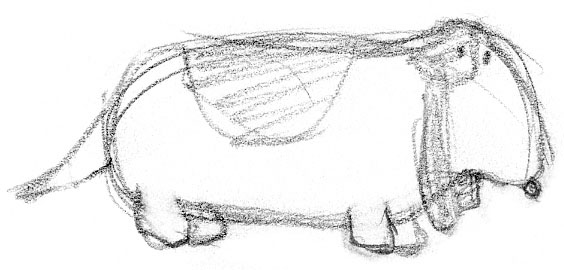
Initially, I form a clear picture of the characters personalities. Are they active? Sedentary? Outgoing or shy? The design of a character should provide solid clues to who they are. Our dog in the book just wants to nap, and I imagined an old, tolerant, comfortable Basset Hound of established habits. The boy is much more active, but young and naive. He is also sweet and loving, as the book is itself. So I felt the boy needed a kind, gullible, gentle look that was at the same time visually sympathetic to his dog, in order to form an emotional connection between the two for the reader. As a result, they both ended up round and gentle looking.
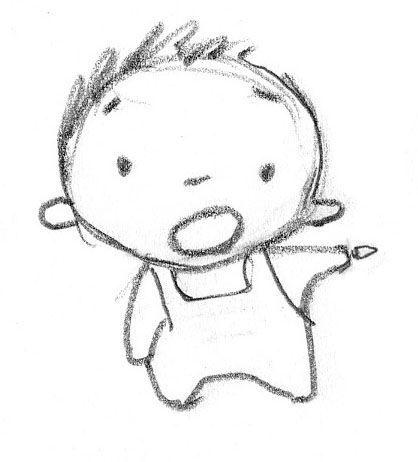
 

  1. What does the artistic process look like?

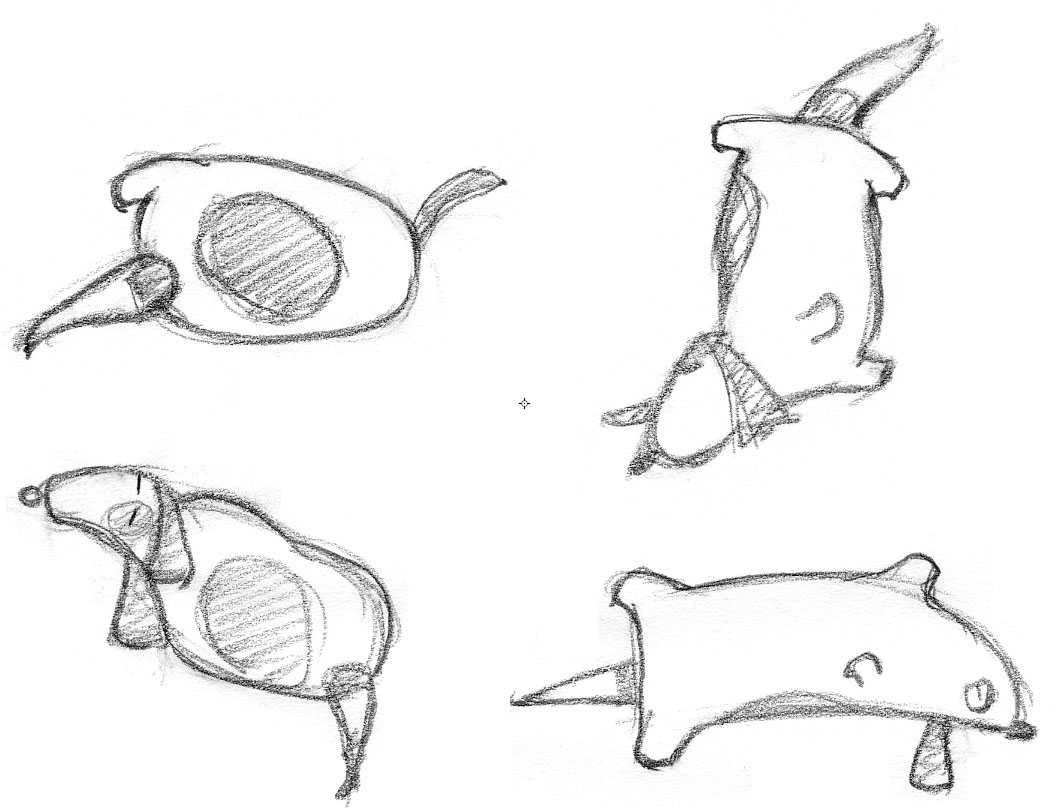
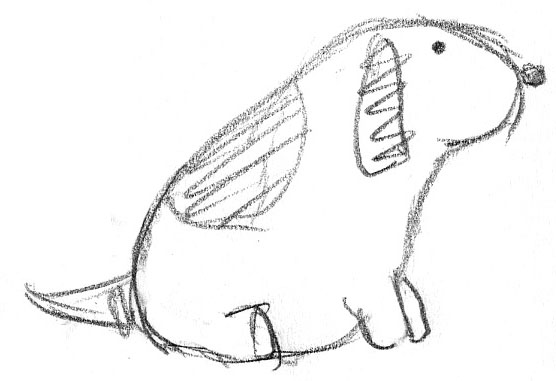
Many many sketches. Then many more. Then a few more. Eventually I have to start the final art. I don’t think I ever really feel like I’m done improving things, but a deadline shows up and helps me stop.
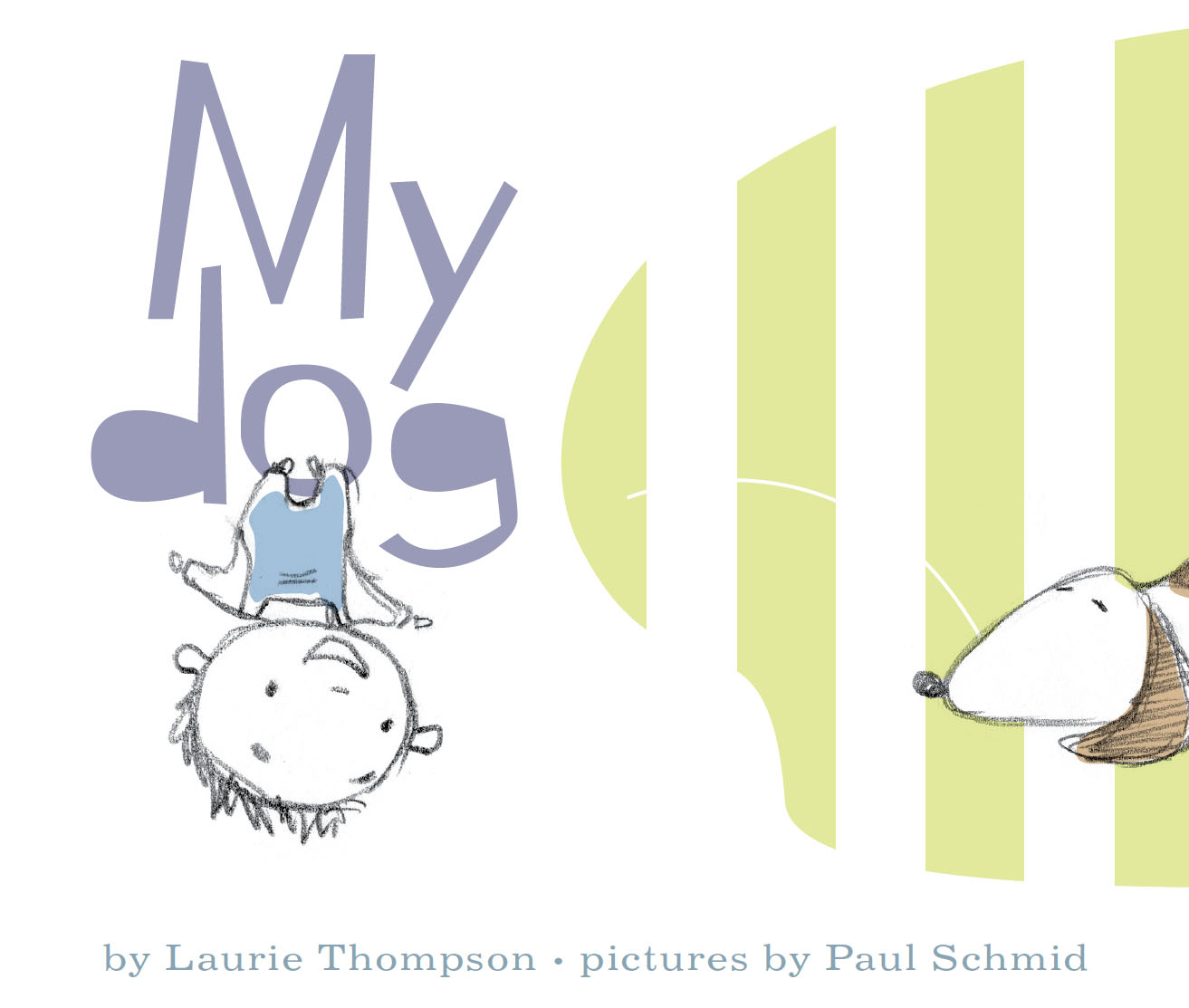
Early sketch of the dog

early dog

Dog Poses

dog poses

Dog sketch and boy sketch
dog sketch boy sketch

Early design

early design

Early cover design

early cover

Another early cover design

cover

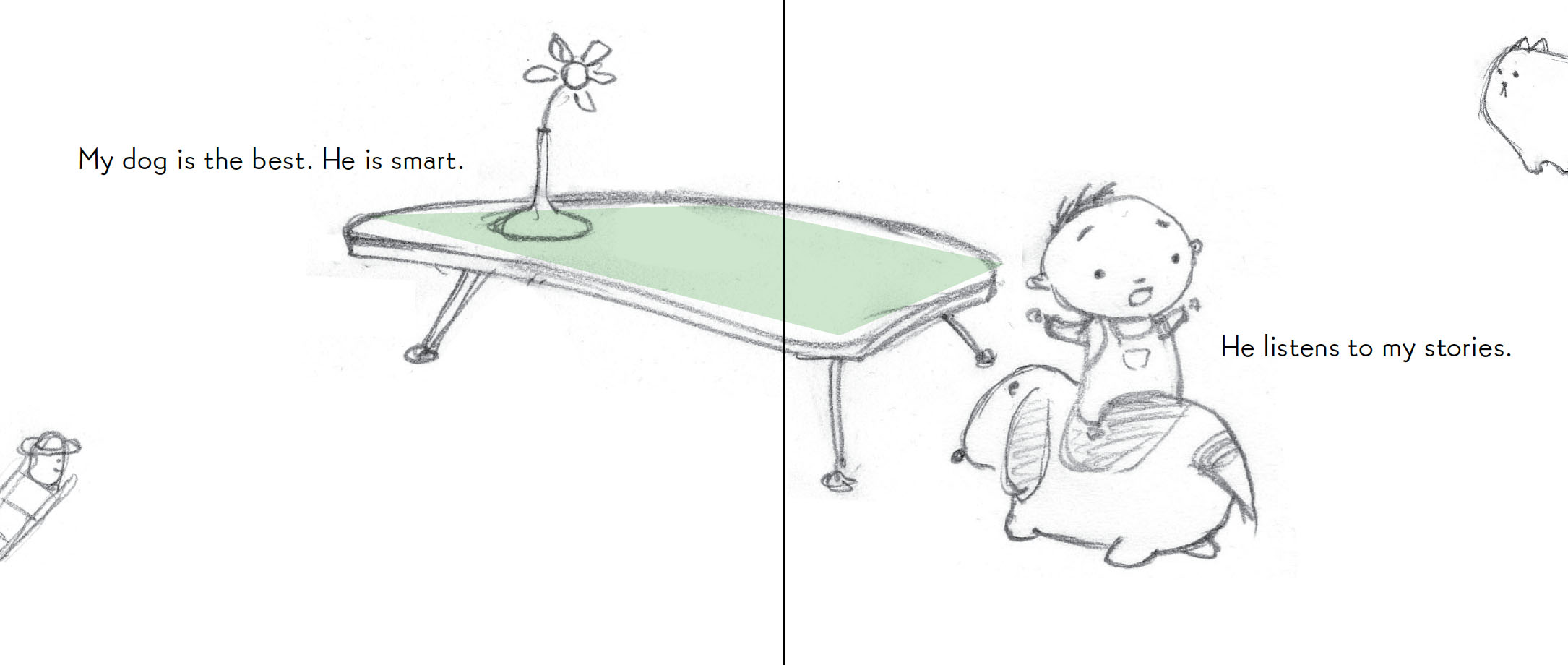
Second stage spread
2nd stage spread

GIVEAWAY!

a Rafflecopter giveaway

Follow My Dog is the Best on Tour!:

6/6/2015     Booking Mama     http://www.bookingmama.net

6/8/2015     Jean Reidy     http://jeanreidy.com

6/9/2015     Watch. Connect. Read.     http://mrschureads.blogspot.com

6/10/2015    5 Minutes for Books     http://books.5minutesformom.com

6/11/2015     KidLit Frenzy     http://www.kidlitfrenzy.com

6/12/2015     Unleashing Readers     https://www.unleashingreaders.com

6/16/2015     Anastasia Suen: Booktalk     http://www.anastasiasuen.com

6/19/2015     Kirby’s Lane     http://kirbyslane.com

7/1/2015        Library Lions     http://LibraryLionsRoar.blogspot.com

Thank you to Laurie and Paul for taking part in the interview and for having us as part of the blog tour!

RickiSigandSignature