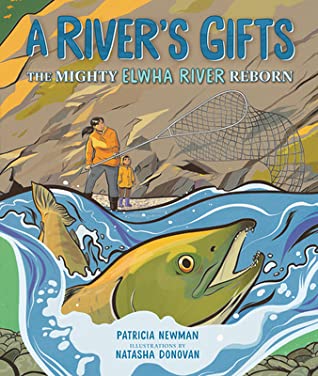
A River’s Gifts: The Mighty Elwha River Reborn by Patricia Newman, Illustrated by Natasha Donovan

Share

A River’s Gifts: The Mighty Elwha River Reborn
Author: Patricia Newman
Illustrator: Natasha Donovan
Published September 6th, 2022 by Millbrook Press

Summary: A mighty river. A long history.

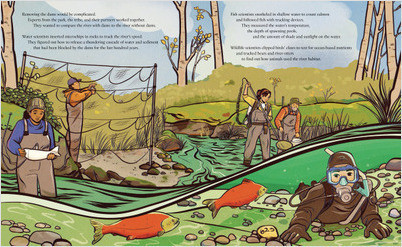
For thousands of years, the Elwha river flowed north to the sea. The river churned with salmon, which helped feed bears, otters, and eagles. The Lower Elwha Klallam Tribe, known as the Strong People located in the Pacific Northwest, were grateful for the river’s abundance. All that changed in the 1790s when strangers came who did not understand the river’s gifts. The strangers built dams, and the environmental consequences were disastrous.

Sibert honoree Patricia Newman and award-winning illustrator Natasha Donovan join forces to tell the story of the Elwha, chronicling how the Strong People successfully fought to restore the river and their way of life.

About the Creators: 

Patricia Newman’s books inspire young readers to seek connections to the real world. Her titles encourage readers to use their imaginations to solve real world problems and act on behalf of their communities. These books include Sibert Honor title Sea Otter Heroes: The Predators That Saved an Ecosystem; Orbis Pictus Recommended Book Planet Ocean: Why We All Need a Healthy Ocean; Bank Street College Best Book Zoo Scientists to the Rescue; Booklist Editor’s Choice Ebola: Fears and Facts; and Green Earth Book Award winner Plastic, Ahoy! Investigating the Great Pacific Garbage Patch. Patricia frequently speaks at schools and conferences to share how children of any age can affect change. Visit her at www.patriciamnewman.com.

Natasha Donovan is the illustrator of the award-winning Mothers of Xsan series (written by Brett Huson). She illustrated the graphic novel Surviving the City (written by Tasha Spillett), which won a Manitoba Book Award and received an American Indian Youth Literature Award (AIYLA) honor. She also illustrated Classified: The Secret Career of Mary Golda Ross, Cherokee Aerospace Engineer which won an Orbis Pictus Honor Book and an American Indian Youth Literature Award (AIYLA). Natasha is Métis, and spent her early life in Vancouver, British Columbia. Although she moved to the United States to marry a mathematician, she prefers to keep her own calculations to the world of color and line. She lives in Washington. www.natashadonovan.com

Review: This book is different than Newman’s other books as it is illustrated and more lyrical than her books of the past; however, there is no need to worry — the book is beautiful! Newman does a fantastic job balancing the narrative of the river and the Lower Elwha Klallam Tribe with informative information about water, salmon, dams, and other wildlife. Newman’s prose also does amazing justice when it comes to the river’s legacy and the indigenous tribes that relied on, and lost, the river.

To add to Newman’s work, Donovan’s illustrations bring everything to life that Newman shares. Her work is filled with color and life and brings the whole book together.

A spectacular nonfiction picture book that takes the reader on a journey of a river’s legacy filled with lyrical prose and important information.

Teachers’ Tools for Navigation: The publisher has provided a Teaching Guide for The River’s Gifts:

There is also an interview with Patricia Newman that digs deeper into her book:

Flagged Passages: 

Book Trailer: 

Read This If You Love: Environmental nonfiction picture books

Recommended For: 

classroomlibrarybuttonsmall 

Signature

**Thank you to Patricia Newman and Lerner for providing a copy for review!**

I Cannot Draw a Horse by Charise Mericle Harper

Share

I Cannot Draw a Horse
Author & Illustrator: Charise Mericle Harper
Publishing October 11th, 2022 by Union Square Kids

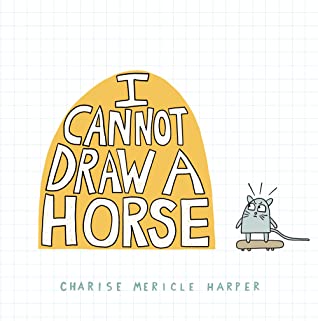
Summary: Award-winning author and illustrator Charise Mericle Harper delivers a fantastically funny adventure about doing the impossible: drawing a horse.

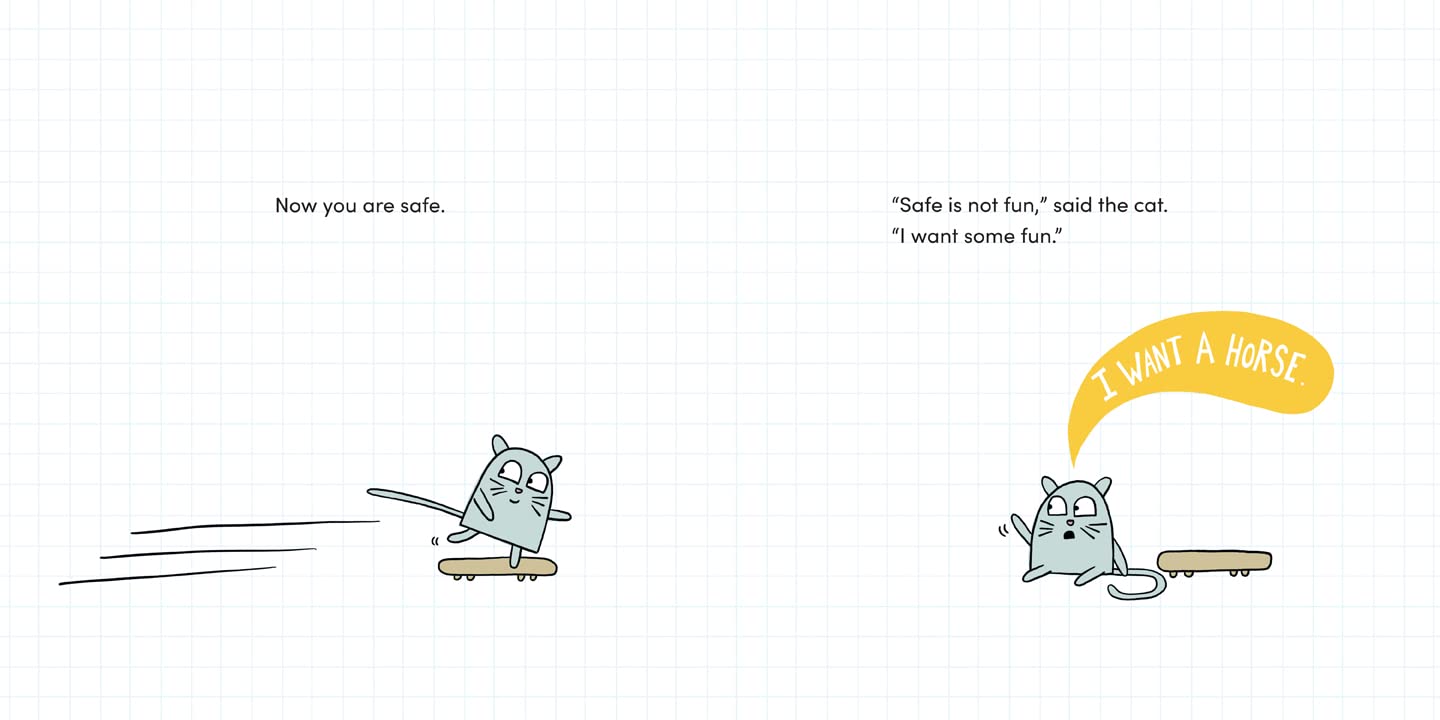
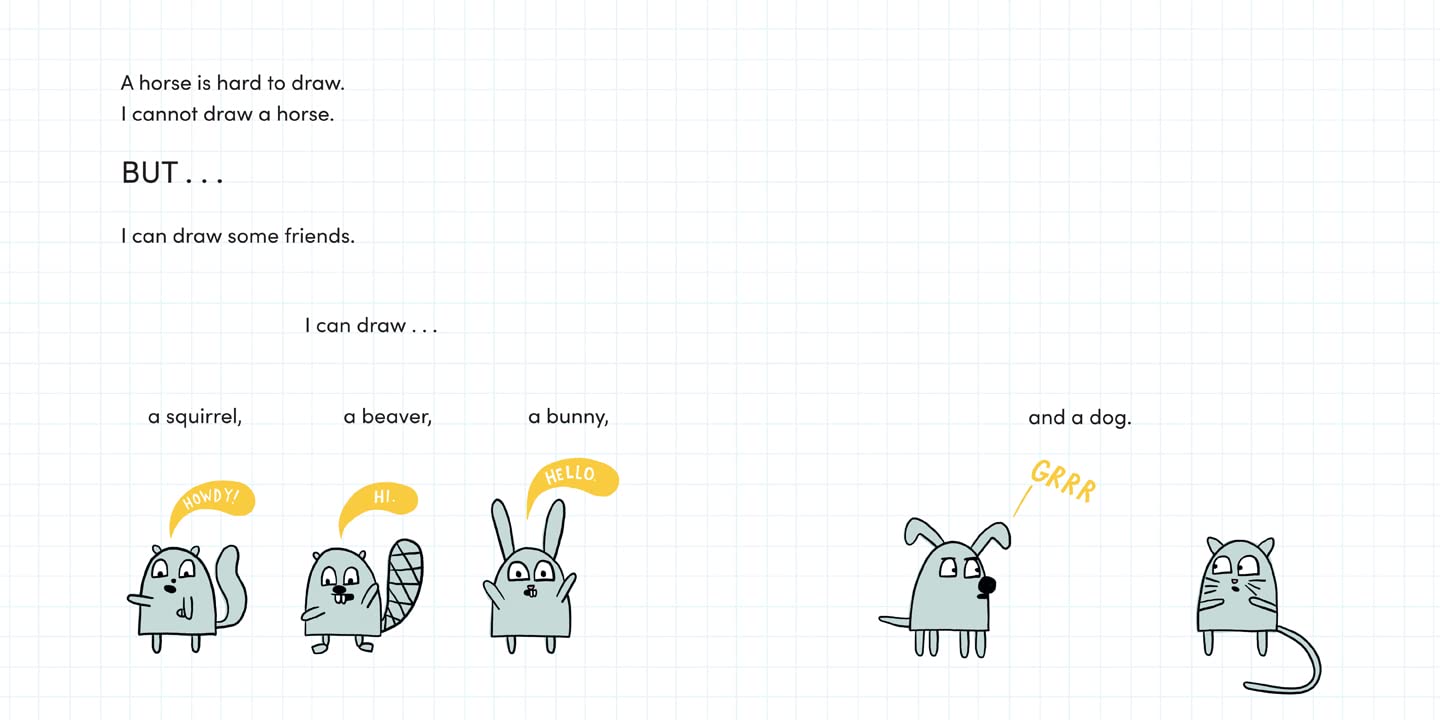
The cat wants a horse.
The book cannot draw a horse.
The book CAN draw a squirrel, a beaver, and a bunny.
Fun . . . but the cat still wants a horse.

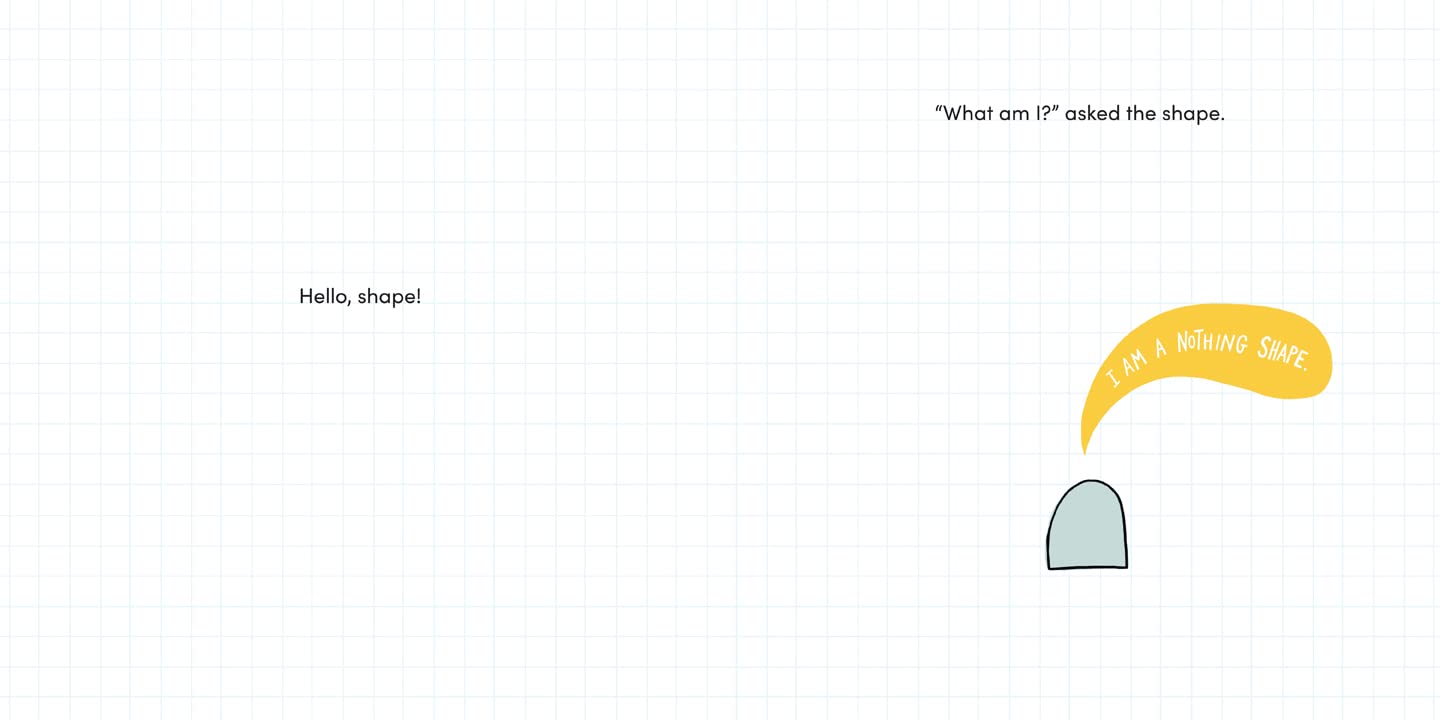
Can the quick-draw book appease the horse-obsessed cat with an impressive collection of horse-y alternatives (all created from the same “nothing shape”)? Or will the cat finally get a horse? The cat REALLY wants a horse.

Praise: “This book is clever in its simple story and imaginative, 2-D illustrations, which are printed on pages like graph paper. Easy text appears in both standard form and yellow speech bubbles, giving it an easy-to-follow, graphic novel feel. Creative and loaded with humor, this story will have kids giggling in seconds and trying their hand at drawing a horse—or at least a gumdrop.” — Booklist, Starred Review

About the Author: Charise Mericle Harper is the award-winning author and illustrator of numerous books for children, including The Good for Nothing Button!CupcakeGo! Go! Go! Stop!So Embarrassing, and Bad Sister. Her children’s book series include Pepper & Boo, Just Grace, Fashion Kitty, Sasquatch and Aliens, Bean Dog and Nugget, and Crafty Cat. Charise lives with her family and furry pets in Portland, Oregon.

Review: This clever picture book is funny and inspiring! It shows readers to not give up and to push themselves creatively. It also shows the power of the basics of art, specifically shapes & lines, can be used to tell stories, show characters’ emotions, and be manipulated in so many different ways. And the basic graphic novel format will grab readers’ attention and will keep them reading. Over all a fun picture book read that will bring giggles and asks for rereading.

Teachers’ Tools for Navigation: Educators will first want to read this book aloud–students will love the cranky cat and his demands! But then the book could easily lead into a discussion on creativity and creation of their own story using one shape. Use the book as a mentor text for students to imitate.

Discussion Questions: 

  • Why do you think the cat wants a horse so badly?
  • What does the end of the story lead you to believe?
  • What is your go-to shape when drawing? What animals can you make from it?
  • Why is the cat getting so frustrated with the author/illustrator?
  • How does the author turn this basic concept into a plot?

Flagged Passages: 

Read This If You Love: Give This Book a Title by Jarrett Lerner, I Can Only Draw Worms by Will Mabbitt, Draw the Line by Kathryn Otoshi

Recommended For: 

classroomlibrarybuttonsmall

Signature

**Thank you to Jenny at Union Square for providing a copy for review!**

Guest Review: A Butterfly is Patient by Dianna Hutts Aston, Illustrated by Sylvia Long

Share

Guest Reviewer: Natalia, UCF Elementary Education Student

A Butterfly is Patient
Author: Dianna Hutts Aston
Illustrator: Sylvia Long
Published May 18th, 2011 by Chronicle Books

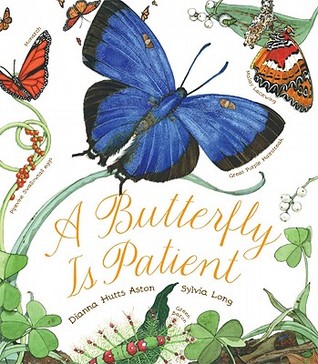
Summary: The creators of the award-winning An Egg Is Quiet and A Seed Is Sleepy have teamed up again to create this gorgeous and informative introduction to the world of butterflies. From iridescent blue swallowtails and brilliant orange monarchs to the worlds tiniest butterfly (Western Pygmy Blue) and the largest (Queen Alexandra’s Birdwing), an incredible variety of butterflies are celebrated here in all of their beauty and wonder. Perfect for a child’s bedroom bookshelf or for a classroom reading circle!  (Summary from Goodreads)

About the Creators: 

Dianna Hutts Aston is the author of many books for children and is the founder of the nonprofit foundation for disadvantaged children, The Oz Project. She lives in San Miguel de Allende, Mexico.

Sylvia Long is the illustrator of many best-selling books for children, including Sylvia Long’s Mother Goose and Hush Little Baby. She lives in Scottsdale, Arizona, with her husband and their dogs.

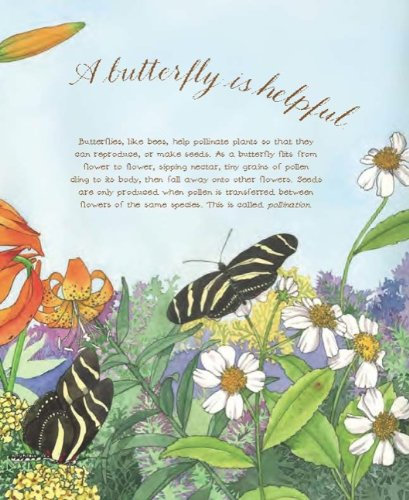
Review: I loved this beautifully illustrated book by Dianna Hutts Aston and Sylvia Long!  There is a wide variety of butterflies depicted in this nonfiction picture book about the life cycle and anatomy of butterflies.  Not only can it be enjoyed for its visual aspects, but the descriptive vocabulary shares basic facts about butterflies as well as more unusual information.  Did you know butterflies taste with their feet?  Some butterflies eat plants that are poisonous to their predators when they are caterpillars, so they will be poisonous as adults.  For such a seemingly delicate creature, A Butterfly is Patient shares that butterflies are so much more than they seem.

Teachers’ Tools for Navigation:

In addition to providing beautiful, life-like illustrations of a variety of butterflies, this nonfiction picture book follows the life cycle of a butterfly.  There are many opportunities to infuse reading, ELA, math, art, and science and more using this book.  There is a rich descriptive vocabulary and uses key terms like anatomy, metamorphosis, migration, coloration/camouflage, and more.  I can see using these words cross-curricular lessons, from an ELA-based writing exercise to science-based compare/contrast activity with other animals and insects.  Math and geography activities can be used to calculate and track the migratory paths that different species of butterflies travel in their lifetimes.  Take it a step further, compare/contrast how many hours/days/weeks that would take a person using different modes of transportation.  Students can use what they have learned about butterfly camouflage and anatomy, to create their own butterfly.  They can describe why they chose the colors and features, then use art supplies to create a painting, drawing, or model of their “newly discovered” species.

Something I love to do with my children and students, is purchase milkweed plants.  They attract Monarch Butterflies.  Sometimes the plants already have tiny eggs or caterpillars living on them.  Other times, if I wait long enough, Monarchs will lay eggs on my plants.  We love to watch the caterpillars grow from teeny tiny slivers, to thick, fat caterpillars, which in turn, change into gorgeous jade chrysalis.  If we are lucky enough, we get to see the butterfly when it hatches.  There are butterfly net cages you can use in the classroom or just keep the plants outdoors if there is a safe place.  Students can track the growth and changes throughout the process with drawings and/or written descriptions.

Discussion Questions: 

  • Why does a butterfly lay its egg under a leaf?
  • What does it mean to “molt?”
  • What is “metamorphosis?”
  • How does a caterpillar protect itself during metamorphosis?
  • How do butterflies help pollinate flowers?
  • What are some ways that butterflies use their wings to protect themselves?
  • How does a butterfly use its probiscis?
  • Are butterflies all the same size?
  • What would happen if a butterfly didn’t have scales?
  • How are butterflies’ scales helpful to them?
  • Where do Monarch butterflies migrate to and from?

Flagged Passages: 

Read This If You Love: The Very Hungry Caterpillar by Eric Carle

Recommended For: 

classroomlibrarybuttonsmall

Thank you, Natalia, for your review!

Guest Post: Classroom Uses for New Kid by Jerry Craft, Other Words for Home by Jasmine Warga, Stella Díaz Has Something to Say by Angela Dominguez, and From the Desk of Zoe Washington by Janae Marks

Share

One of the assignments during my Spring Children’s Literature course at UCF was creating a mini-teaching guide for the books we read for book clubs. We started with picture books for practice then students created them in their book clubs each week. The course was structured by genre as were the book clubs.

Today, I am happy to share the classroom uses and discussion questions found by my UCF Elementary Education students about these realistic fiction books.
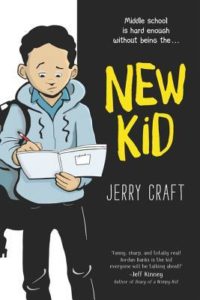
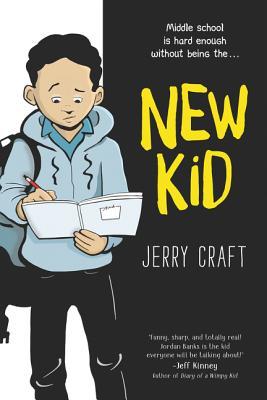
New Kid
Author: Jerry Craft
Published February 5th, 2019 by Quill Tree Books

Summary: A graphic novel about starting over at a new school where diversity is low and the struggle to fit in is real.

Seventh grader Jordan Banks loves nothing more than drawing cartoons about his life. But instead of sending him to the art school of his dreams, his parents enroll him in a prestigious private school known for its academics, where Jordan is one of the few kids of color in his entire grade.

As he makes the daily trip from his Washington Heights apartment to the upscale Riverdale Academy Day School, Jordan soon finds himself torn between two worlds—and not really fitting into either one. Can Jordan learn to navigate his new school culture while keeping his neighborhood friends and staying true to himself?

Teachers’ Tools for Navigation: You can cover social topics like: Inclusion for BIPOC students and new kids, microaggressions, and stereotyping. If you have a new student in the class, maybe they could read and relate to this book. How to like the way Liam treated Jordan. Maybe you could also use Andy as an example of how not to treat others, since he is the antagonist of the story. Jordan also learned throughout the book how to be more confident, outspoken, stand up for others (telling the teacher that Andy was in the wrong over Drew in the lunch room scene), and how to be a bigger person (Jordan signing Andy’s yearbook at the end of the year).

Some topics for navigation would be using this text to discuss family dynamics and friendships. It would be great to also bring up the topic of diversity, bullying, and respect in the classrooms. Most of the characters in the book have some kind of conflict going on. Draw these conflicts to the students as some of these conflicts may mirror conflicts they could be personally dealing with. Open up the discussion for them to make connections to the story and its characters. Have the students discuss in what ways the conflicts in the book are fueled by social, racial, economic, and cultural differences? Using the book, have students do some freewriting about how to navigate through their emotions, just as Jordan found a way to cope. Teachers can also use the book to have students explore the ways the neighborhood Jordan speaks about is portrayed in the illustrations and words. They can investigate Washington Heights where Jordan and his family live and discuss how or why Jordan would camouflage.

Interdisciplinary options:

  • Geography: have students work with maps and have them draw a way that Jordan would have gone to school every day on the bus.
  • History: teach about how diversity is viewed now vs what it was in the past and why it is important to have it within our school and classroom.
  • Art: Jordan has great drawing skills and he loves to draw about what is going on in his life, maybe the students could try to draw what there day/week has looked like.

Discussion Questions: 

  • Which of the many pressures that Jordan faced can you relate to the most?
  • How do you handle having a new kid at your school?
  • How does Jordan handle the impacts of race on his friendships?
  • Which character in the book do you identify with the most? Why?
  • Why do you think Jordan saying something when the altercation between Drew and Andy happened, made others step up to report the truth, too?
  • Jordan states that when he has to ride the bus to school he has to be like a chameleon. In your own words, explain what this simile means.
  • In your own opinion, explain why you think the teacher keeps calling Jordan by the wrong name.
  • If you were a character in this book, who would you be and why?
  • Why do you think Jordan at the end of the book decided to write in Andy’s yearbook?
  • Have you ever lost touch with a friend after moving? Why do you think that happens?
  • Have you ever been the new kid? What was that like?
  • How would you have handled the situation like Jordan where the teacher had his notebook? And why?
  • Do you think that Jordan Moving helped develop his character in the book? Why?
  • Why do you think Drew reacted upset towards his teacher calling him Deandre?
  • Write about a time that you didn’t fit in. What happened? How did this make you feel? Did anyone notice and include you?
  • How do you handle having a new kid at your school? Classroom?

Recommended For: 

classroomlibrarybuttonsmall


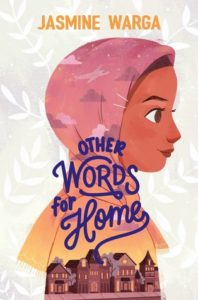
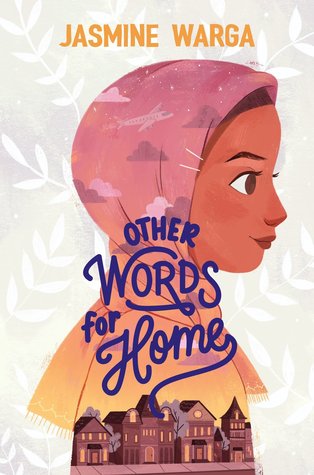
Other Words for Home
Author: Jasmine Warga
Published May 7th, 2019 by Balzer + Bray

Summary: I am learning how to be
sad
and happy
at the same time.

Jude never thought she’d be leaving her beloved older brother and father behind, all the way across the ocean in Syria. But when things in her hometown start becoming volatile, Jude and her mother are sent to live in Cincinnati with relatives.

At first, everything in America seems too fast and too loud. The American movies that Jude has always loved haven’t quite prepared her for starting school in the US—and her new label of “Middle Eastern,” an identity she’s never known before. But this life also brings unexpected surprises—there are new friends, a whole new family, and a school musical that Jude might just try out for. Maybe America, too, is a place where Jude can be seen as she really is.

Teachers’ Tools for Navigation: This book does a great job of taking a situation that is happening in the world and putting it into context in a way that resonates with students as is easy to understand.

A great activity for this book would be “Webbing what’s on my mind.” Students would take moments to write down key concepts throughout the book and talk about how they feel about the themes and issues that they read about. This will also give students time to research issues in the book, research it and then reflect. This will allow students to easily see key concepts in the books and compare their thoughts to the thoughts of their peers. This will allow a group discussion on key elements throughout the story.

Interdisciplinary opportunities:

Social Studies- Students will take this book as an opportunity to research about different countries and cultures to learn more about the characters and what they have gone through. This will also allow the students to understand the differences between the United States and Syria and the changes that Jude went through in the book.

Outreach/Humanitarian Aid- Students can learn about different organizations within their community and learn how to help those around them. Students can participate in drives to help refugees and those displaced by conflict.

Discussion Questions: 

  • Put yourself in Judes shoes. How would you have felt if you had to move across the country and leave your loved ones behind?
  • How does Baba feel when Mama and Jude say goodbye? Provide some examples from the book.
  • Why does Issa believe that he should protest?
  • Whose side do you understand more, the brothers or the parents?
  • Why did Jude have to move away?
  • How did Jude’s relationships with the other ELL students affect her confidence in school?
  • How did Mama and Jude first describe Cincinnati when they landed?
  • How did people treat Layla and Jude differently as one was born in America and spoke fluent English while the other struggled communicating and was seen as more of an outsider?
  • How did the behavior of those around Jude change after she began wearing a hijab. What evidence supports this?
  • The first time Jude is reminded of home in the US iis when she enters Layla’s family restaurant. How does this affect her relationship with Layla and her comfort level within Layla’s restaurant.

Recommended For: 

classroomlibrarybuttonsmall


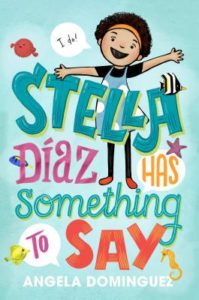
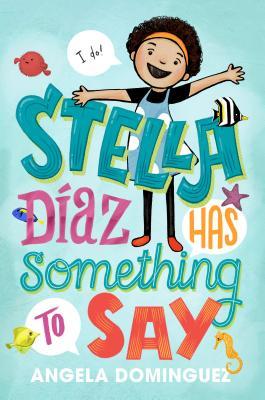
Stella Díaz Has Something to Say
Author: Angela Dominguez
Published January 16th, 2018 by Roaring Brook Press

Summary: In her first middle-grade novel, award-winning picture book author and illustrator Angela Dominguez tells a heartwarming story based on her own experiences growing up Mexican-American.

Stella Díaz loves marine animals, especially her betta fish, Pancho. But Stella Díaz is not a betta fish. Betta fish like to be alone, while Stella loves spending time with her mom and brother and her best friend Jenny. Trouble is, Jenny is in another class this year, and Stella feels very lonely.

When a new boy arrives in Stella’s class, she really wants to be his friend, but sometimes Stella accidentally speaks Spanish instead of English and pronounces words wrong, which makes her turn roja. Plus, she has to speak in front of her whole class for a big presentation at school! But she better get over her fears soon, because Stella Díaz has something to say!

Stella Díaz Has Something to Say introduces an infectiously charming new character with relatable writing and adorable black-and-white art throughout. Simple Spanish vocabulary is also integrated within the text, providing a bilingual element.

Teachers’ Tools for Navigation: This book would be useful by helping students know that they can overcome the fear of speaking and sharing  opinions, beliefs or ideas to other people, even if it means that those opinions may be different from other people. It also has bilingual opportunities!

Discussion Questions: 

  • Have you ever been the new students at school, if you have, how did you begin to make friends? If you haven’t, did you still feel nervous on your first day, why or why not?
  • If you moved to a different state and had to introduce yourself to the class, what would you say? Would you bring gifts for your classmates?
  • Do you think it’s an important best friend rule to match one another and no one else or do you think Stella was being over-protective of her best friend?
  • List some questions you would ask a new classmate to get to know them. What would you share with a classmate for them to get to know you?
  • How does Jenny suggest Stella start conversations with people? Do you think it is good advice?
  • Why do you think Stella doesn’t let people see her artwork until it’s perfect?
  • Why do you think Stella was afraid of speaking in public?
  • How did the spelling bee or marine report help Stella overcome her fear of speaking in public? What has helped you overcome the fear of speaking in public?
  • Stella and her family celebrate the new year with a trip to Wisconsin, how does your family celebrate special occasions or holidays?

Recommended For: 

classroomlibrarybuttonsmall


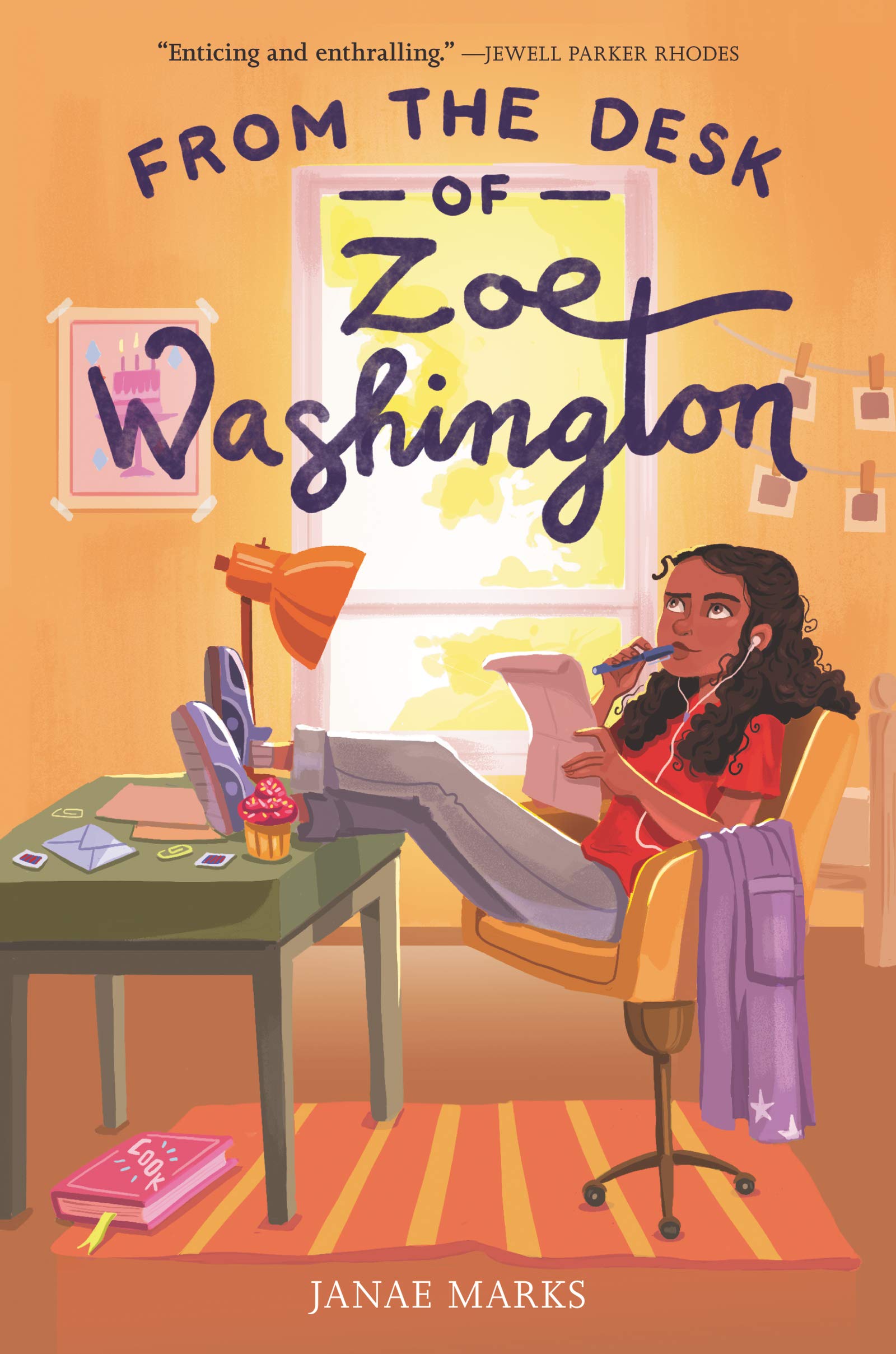
From the Desk of Zoe Washington
Author: Janae Marks
Published January 14th, 2020 by Katherine Tegen Books

Summary: Zoe Washington isn’t sure what to write. What does a girl say to the father she’s never met, hadn’t heard from until his letter arrived on her twelfth birthday, and who’s been in prison for a terrible crime?

A crime he says he never committed.

Could Marcus really be innocent? Zoe is determined to uncover the truth. Even if it means hiding his letters and her investigation from the rest of her family. Everyone else thinks Zoe’s worrying about doing a good job at her bakery internship and proving to her parents that she’s worthy of auditioning for Food Network’s Kids Bake Challenge.

But with bakery confections on one part of her mind, and Marcus’s conviction weighing heavily on the other, this is one recipe Zoe doesn’t know how to balance. The only thing she knows to be true: Everyone lies.

Teachers’ Tools for Navigation: This book is AMAZING, and is recommended for all to young readers to dive in. This story is also relatable and a lot of young readers can relate to this story and have a special bond with this book. This story also teaches the lesson to fight for what you believe in which is a great lesson to teach students.

This book would be useful to teach kids to fight for what they believe in. Even though Zoe didn’t know her father, she still fought to prove his innocence and was willing to uncover hard truths.

A great tool to use for this story is chronological order journals and open discussions. This book talks about a tough topic that may be hard for other students and this would be the perfect opportunity for teachers to connect with students and have an honest discussion about how the book makes them feel, what they think, and if they are open to sharing stories. You can also have a “mailbox” where students can send you mail and let them know that whatever mail  they send is only for your eyes, if they are uncomfortable with the conversation.

Discussion Questions: 

  • What is the theme of the book from the desk of Zoe Washington?
  • Describe where “From The Desk of Zoe Washington” take place.
  • How did the letter’s in the novel make you feel while reading the book?
  • What would you have done in Zoe’s  mother’s shoes? Why? What about other characters?
  • How do you think Zoe’s grandmother handles the situation?
  • Why do you think Zoe was so eager to rebuild her friendship with Trevor after he found out about Marcus?
  • Describe your favorite scene in the book and the way you imagined it while reading.
  • Why do you think it was so important for Zoe to build a relationship with his biological father?
  • Describe the conflicts that came up in Zoe and her mothers relationship when Zoe found the letter on her 12th birthday.

Recommended For: 

classroomlibrarybuttonsmall


Guest Post: Classroom Uses for Jo Jo Makoons by Dawn Quigley, Length of a String by Elissa Brent Weissman, Melissa by Alex Gino, and Merci Suarez Changes Gears by Meg Medina

Share

One of the assignments during my Spring Children’s Literature course at UCF was creating a mini-teaching guide for the books we read for book clubs. We started with picture books for practice then students created them in their book clubs each week.

Today, I am happy to share the classroom uses and discussion questions found by my UCF Elementary Education students about these realistic fiction books.

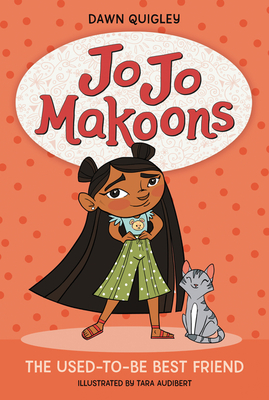
Jo Jo Makoons: The Used-to-be Best Friend
Author: Dawn Quigley
Illustrator: Tara Audibert
Published May 11th, 2021 by Heartdrum

Summary: Hello/Boozhoo—meet Jo Jo Makoons, a spunky young Ojibwe girl who loves who she is.

Jo Jo Makoons Azure is a spirited seven-year-old who moves through the world a little differently than anyone else on her Ojibwe reservation. It always seems like her mom, her kokum (grandma), and her teacher have a lot to learn—about how good Jo Jo is at cleaning up, what makes a good rhyme, and what it means to be friendly.

Even though Jo Jo loves her #1 best friend Mimi (who is a cat), she’s worried that she needs to figure out how to make more friends. Because Fern, her best friend at school, may not want to be friends anymore…

Teachers’ Tools for Navigation: This book can be used in the classroom as a tool to show the students that it’s important not to assume what another student is thinking. It is always best to vocalize concerns

Discussion Questions: 

  • Describe what a reservation is according to the book?
  • Why did Kokum (grandma) move in with Jo Jo and her mom?
  • In what ways are cats and balloons different?
  • Why did Jo Jo Makoons cut the toes out of her socks? What did she do with them?
  • What happens when Jo Jo takes Mimi to school?
  • What did the new girl, Susan do when she saw Mimi in the classroom?  How did JoJo feel about Susan’s reaction?
  • What are some ways you may relate to Jo Jo?
  • Has anybody ever felt like they might lose their best friend? Why?
  • How do Jo Jo’s classmates help her see that they are friends at the end of the story.
  • What does it mean to be a good friend to you?
  • What are some positive traits we could learn from Jo Jo?
  • In the Book Jo Jo cut out the toes in her socks. Why did she do this?
  • Why do you feel that Jo Jo felt left out at school?
  • Why was it so important for Jo Jo to bring MiMi to school with her?
  • What ways could JoJo have approached her classmates at lunch before getting upset about eating alone?
  • Why do you feel it’s important for Jo Jo and her family to learn and know the language of her Ojibwe tribe?
  • What could JoJo have done better for her original rhyme to make it better?
  • Like Jo Jo if you had to bring your best friend to class with you, who would it be and why?
  • How did you feel about the nickname Jo Jo made for Chuck?
  • Why do you think Jo Jo thought the Gym teacher’s name was Jim?

Recommended For: 

classroomlibrarybuttonsmall


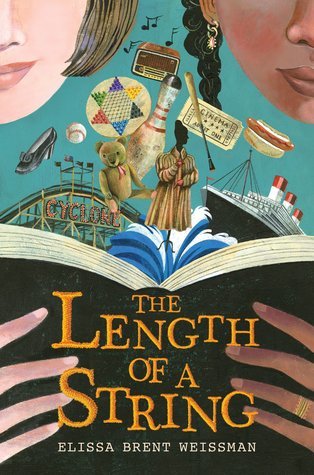
The Length of a String
Author: Elissa Brent Weissman
Published May 1st, 2018 by Dial Books

Summary: Imani is adopted, and she’s ready to search for her birthparents. But when she discovers the diary her Jewish great-grandmother wrote chronicling her escape from Holocaust-era Europe, Imani begins to see family in a new way.

Imani knows exactly what she wants as her big bat mitzvah gift: to meet her birthparents. She loves her family and her Jewish community in Baltimore, but she has always wondered where she came from, especially since she’s black and almost everyone she knows is white. When her mom’s grandmother–Imani’s great-grandma Anna–passes away, Imani discovers an old diary among her books. It’s Anna’s diary from 1941, the year she was twelve–the year she fled Nazi-occupied Luxembourg alone, sent by her parents to seek refuge in Brooklyn. Written as a series of letters to the twin sister she had to leave behind, Anna’s diary records her journey to America and her new life with an adopted family. Anna’s diary and Imani’s birthparent search intertwine to tell the story of two girls, each searching for family and identity in her own time and in her own way.

Teachers’ Tools for Navigation: Use this book to discuss and learn about History-World War II/Holocaust, the Jewish faith, and adoption.

This book is educational because it discusses the Holocaust from the point of view of someone who experienced it. It also has an engaging story line that makes readers want to read more to find out what will happen. This book would be very useful when teaching about the Holocaust.

Discussion Questions: 

  • How do you think Imani felt when she started to read about Anna’s life in her diary?
  • Think of a time you felt out of place and write about how that made you feel.
  • Why do you think Imani’s mom cries so much?
  • Have you ever felt a special connection with someone in you family?
  • If you were Imani, would you continue to look for your birth parents?
  • Suppose you wrote a diary about something that you want people/family in the future to know. What would it be about and why?
  • What are some special celebrations that you do with your family?
  • If you were Imani’s friend, what advice would you give her as she goes through this journey?
  • What is something you have that is special that you think you will give to someone in the future?
  • Why do you think people living around Imani insensitive questions?

Recommended For: 

classroomlibrarybuttonsmall


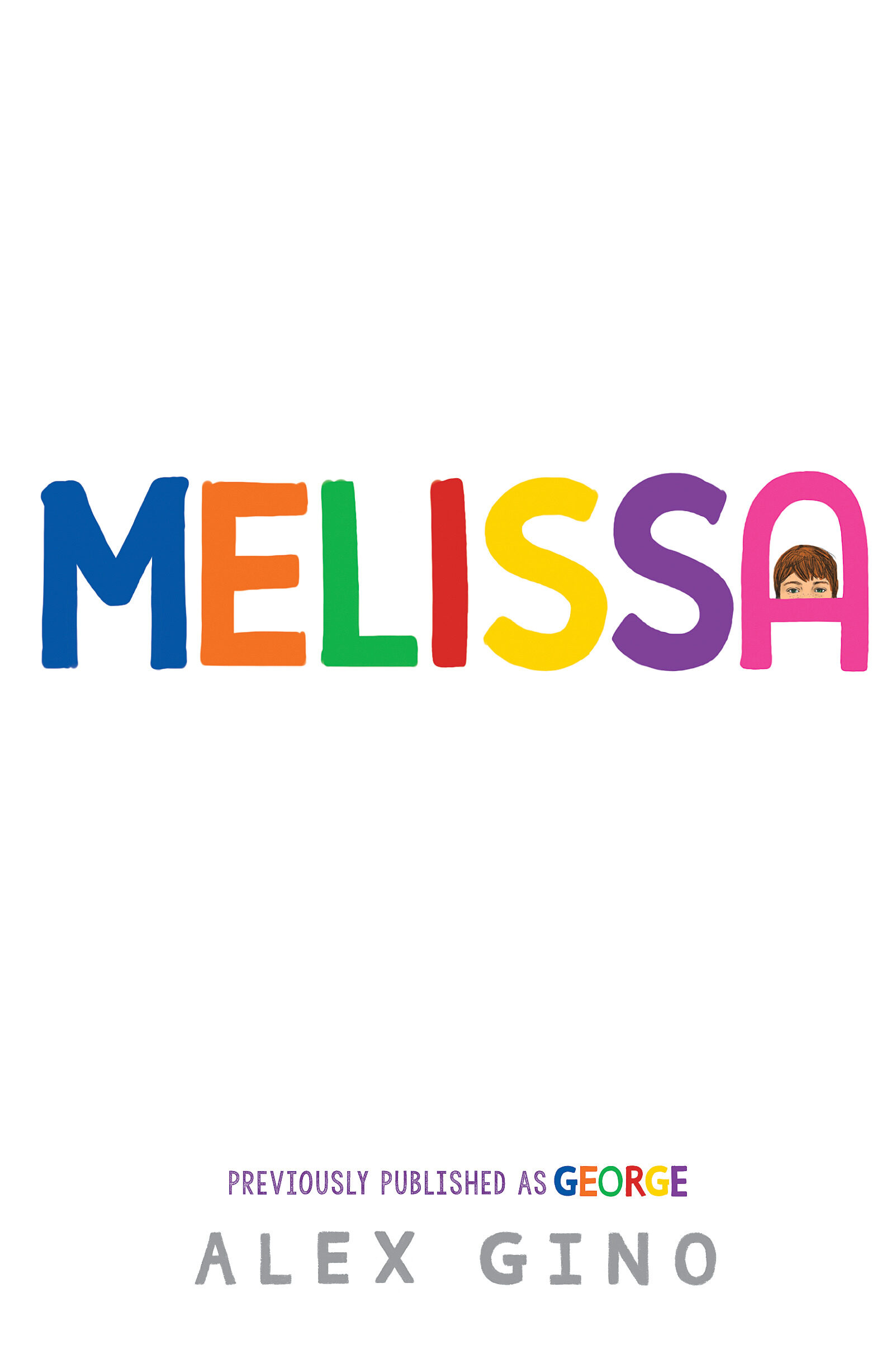
Melissa
Author: Alex Gino
Published August 25th, 2018 by Scholastic

Summary: When people look at George, they think they see a boy. But she knows she’s not a boy. She knows she’s a girl.

George thinks she’ll have to keep this a secret forever. Then her teacher announces that their class play is going to be Charlotte’s Web. George really, really, REALLY wants to play Charlotte. But the teacher says she can’t even try out for the part . . . because she’s a boy.

With the help of her best friend, Kelly, George comes up with a plan. Not just so she can be Charlotte — but so everyone can know who she is, once and for all.

Teachers’ Tools for Navigation: This story is a good teachable book where certain themes can be brought up and talked about within the classroom setting. Where students can ask questions that may push boundaries but can be answered in a professional setting. This novel would be useful in the classroom to teach and promote gender diversity. This book would also be great as a classroom library so that students who may be facing these issues will have something relatable to read.

Discussion Questions: 

  • Identify some ways Melissa being trans affected their life.
  • Think about a moment when someone in the book was bullied. What could have been done differently?
  • Why do you think Melissa was so scared to tell her parents about who she is?
  • What does it mean to be an Ally?
  • Describe two ways someone else helped Melissa.
  • Describe Melissa’s disposition throughout the book. How did it change?
  • Do you think that it was a good idea to talk to a therapist about the issues between Melissa and her mom?
  • Write about a time you felt scared to tell someone the truth.
  • If you were in Melissa’s class what would you do to make her feel welcome?
  • Sketch a scene from the book. Why did you pick that scene?
  • Why do you think the author chose to use the pronoun “she” when describing or referring to George?  Does this make a difference to the way you feel about the character?
  • How do you think George feels having to keep this big secret inside?  (Use text evidence to support your claims.)  Have you had to keep a secret about yourself — how does this make you feel?  Without revealing the secret (unless you feel comfortable), share or write about this experience and how you were affected.
  • George eventually reveals her secret to those she cares about.  How does this make her feel?  (Use text evidence to support your claims.)  What are some consequences of “hiding” vs. “being yourself”?
  • What do you think it takes to “be yourself”? What are some pros and cons of being who you are?  What are some other examples of “being yourself” that might be scary for kid?
  • Share or write about a time where you had to be brave enough to be who you are.  What made you finally do it, and what effects did the experience have on your life?
  • People reacted differently to George’s revelation. Discuss how they differed and possible reasons why (try to think about this from the person’s point of view).  How do you think you would react if you were each of these individuals?
    1. Classmates
    2. George’s mom and big brother
    3. School teacher/principal
    4. George’s best friend Kelly
    5. Kelly’s dad and uncle
  • Discuss diversity, acceptance/tolerance, prejudice, bullying, compassion, etc.  Come up with real-life examples. What are some way your classroom/school/family/community could be more accepting of those who might be different from you?
  • Towards the end of the book, the author switches to the name Melissa when referring to George.  Why do you think they chose to do that?
  • How does Melissa feel in the first few chapters of the book?
  • How does Melissa feel at the end of the book?
  • Why did Ms.Udell not let Melissa play Charlotte?
  • Have you ever felt lost or scared to tell the truth? If so, how did that make you feel?
  • If Melissa was in your class, what are some ways you could make her feel welcomed?
  • Name a few things that Melissa had to struggle with, because she wanted to be trans.

Recommended For: 
classroomlibrarybuttonsmall


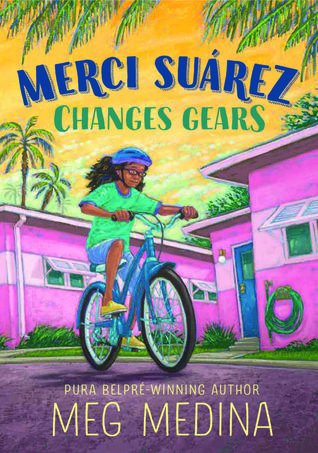
Merci Suárez Changes Gears
Author: Meg Medina
Published September 11th, 2018 by Candlewick Press

Summary: Thoughtful, strong-willed sixth-grader Merci Suarez navigates difficult changes with friends, family, and everyone in between in a resonant new novel from Meg Medina.

Merci Suarez knew that sixth grade would be different, but she had no idea just how different. For starters, Merci has never been like the other kids at her private school in Florida, because she and her older brother, Roli, are scholarship students. They don’t have a big house or a fancy boat, and they have to do extra community service to make up for their free tuition. So when bossy Edna Santos sets her sights on the new boy who happens to be Merci’s school-assigned Sunshine Buddy, Merci becomes the target of Edna’s jealousy. Things aren’t going well at home, either: Merci’s grandfather and most trusted ally, Lolo, has been acting strangely lately — forgetting important things, falling from his bike, and getting angry over nothing. No one in her family will tell Merci what’s going on, so she’s left to her own worries, while also feeling all on her own at school. In a coming-of-age tale full of humor and wisdom, award-winning author Meg Medina gets to the heart of the confusion and constant change that defines middle school — and the steadfast connection that defines family.

Teachers’ Tools for Navigation: This book would be useful in a classroom for teachers to expose a lot of topics to students such as bullying, family relations, and relatable school interactions like wanting to play sports or friendships and grades. As well as students that are nervous about their 6th grade year or also starting sixth grade read about someone going through the same things as them.

Discussion Questions: 

  • What do you think caused Lolo to pick up the wrong twins?
  • Why do you think Merci and Edna are not friends?
  • Why do you think Edna is worried about appearances and mercy is not?
  • After their first interaction, do you think Merci will end up enjoying Michael as a sunshine buddy?
  • If you were a new kid would you want a sunshine buddy? Would you want to be a sunshine buddy? Why or why not?
  • Do you think Merci handled her situations maturely? Why or why not ?
  • Why did Merci’s parents hide Lolo’s conditions from her ?
  • How would you describe Merci’s relationship with her grandfather?
  • Do you think Merci’s culture made her feel different from her peers at school ? Why or Why not ?
  • How would you handle being falsely accused of something you didn’t do like Merci when edna destroyed the mask ?

Recommended For: 
classroomlibrarybuttonsmall


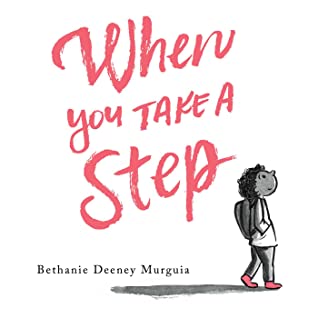
When You Take a Step by Bethanie Deeney Murguia

Share

When You Take a Step
Author: Bethanie Deeney Murguia
Expected Publication September 27th, 2022 by Beach Lane Books

Summary: Each step leads to a new discovery in this evocative picture book about how mindfulness, peace, or change could be just around the corner.

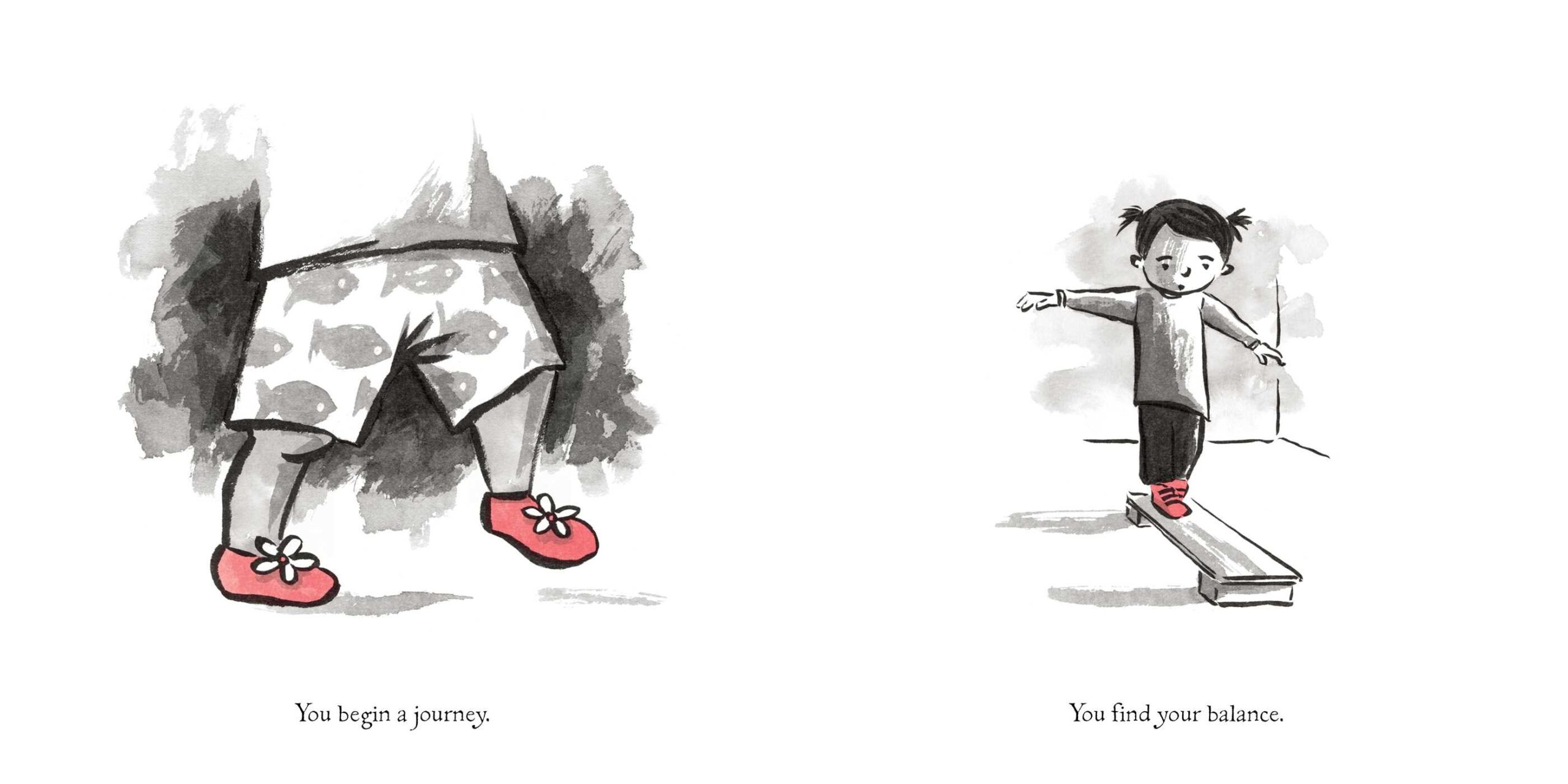
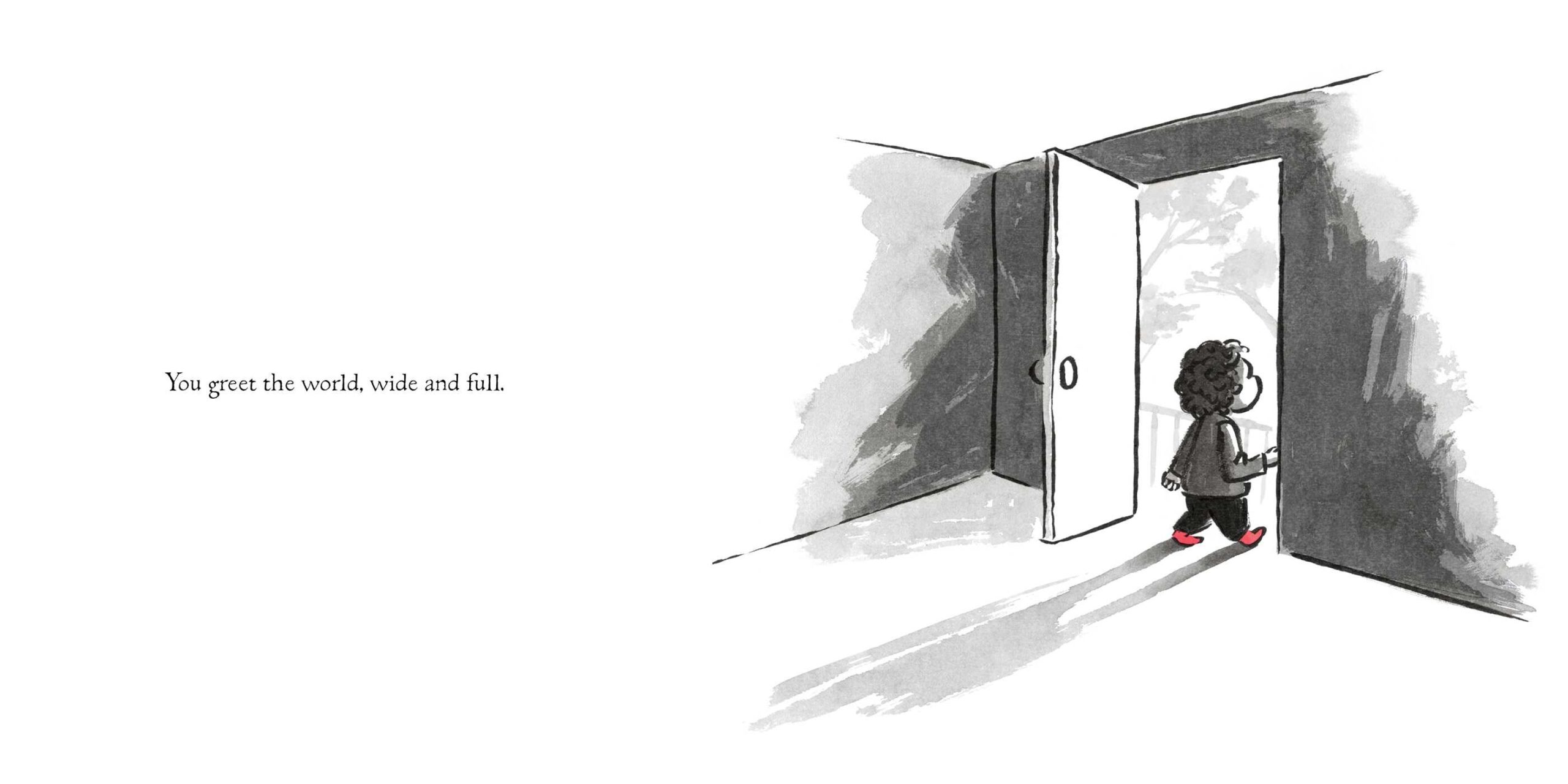
To take a walk is to begin a journey. It can be an adventure or a chance to let your thoughts roam and be one with nature. It can be a time for daydreaming and pondering life’s many questions. It can be a time to reflect on the past or to stand up for a better future. So take a step and see where your journey will lead you!

Praise: 

“Though the concept is simple—even a single step can empower—it uplifts via Deeney Murguia’s polished execution.” —Publisher’s Weekly

About the Author: Bethanie Deeney Murguia graduated from the School of Visual Arts in New York City with an MFA in illustration and has created numerous picture books, including Cockatoo, TooZoe Gets ReadySnippet the Early RiserI Feel Five!We Disagree; and When You Take a Step. She lives in the San Francisco Bay area with her two daughters and her dog, Disco. To learn more about Bethanie, please visit her website, AquaPup.com.

Review: Murguia has created a simple yet deep picture book about how one step, both figurative and literal steps, can make a difference. And it could be a small change or big, but the steps are important and they all have a purpose. This book will be an amazing text to inspire young minds to not give up, to make a difference, and to make that step they may be afraid to make.

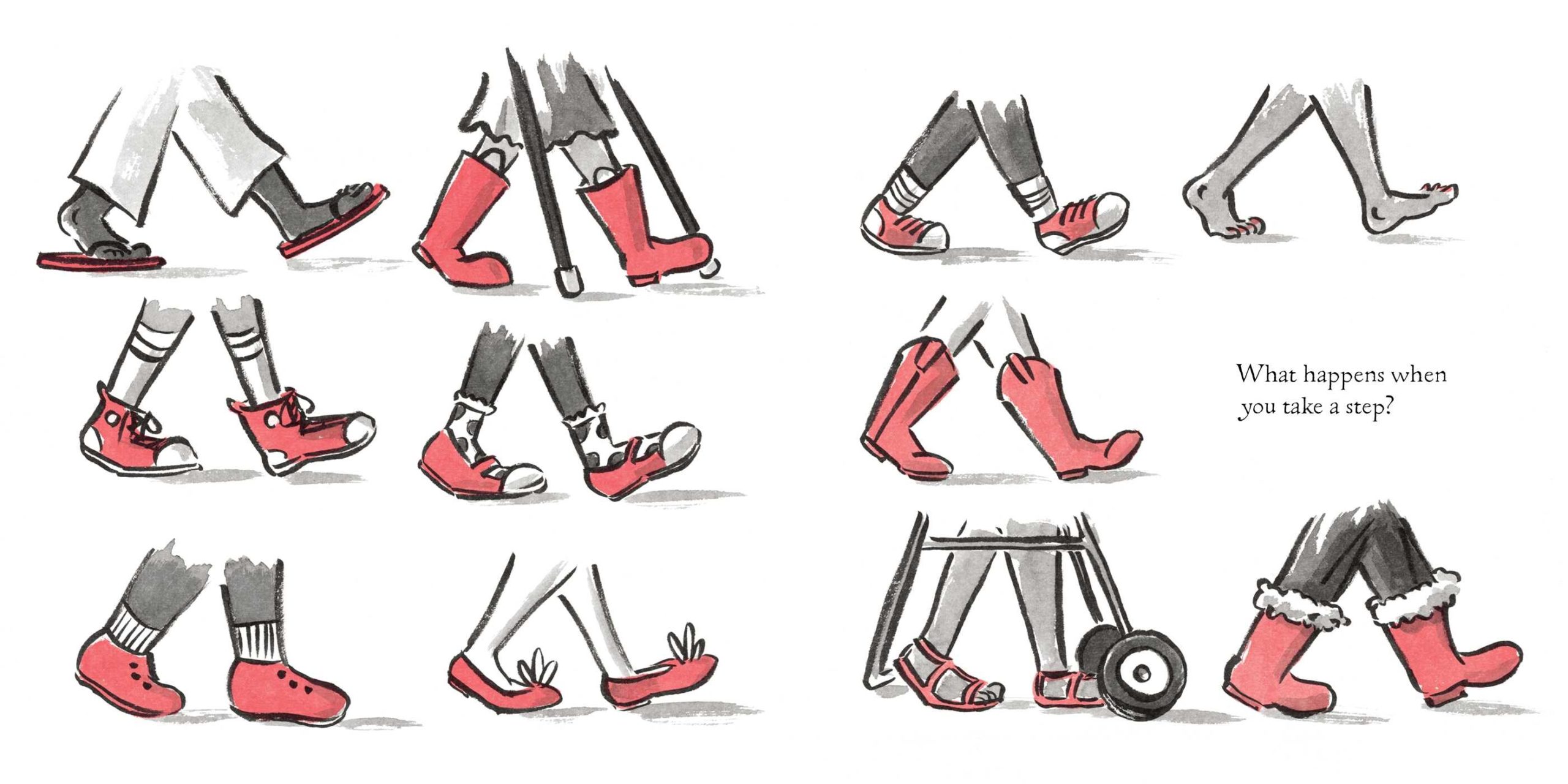
And I love the illustrations and purposeful use of pink color. The cartoon-style illustrations are realistic yet fun; I think readers will connect with them! Also, the use of pink on the shoes to its full page pink spread at the end was so well done to show the spread of the steps.

Teachers’ Tools for Navigation: The publisher has provided a guide for using books about feelings and emotions in the classroom which would work perfectly with this book:

Discussion Questions: 

  • Does the author always mean actual steps? Explain.
  • What are the different types of steps, figurative and literal, that the author includes in the book?
  • In what ways did the author add inclusivity into the book?
  • What is the theme of the book?
  • Why do you think the author chose to write this book?

Flagged Passages: 

Read This If You Love: Inspirational books, Books about emotions

Recommended For: 
classroomlibrarybuttonsmall 

Signature

**Thank you to Alex at Simon & Schuster for providing a copy for review!**

Blog Tour with Review by our 8-Year-Olds!: My Pet Feet by Josh Funk, Illustrated by Billy Yong

Share

My Pet Feet
Author: Josh Funk
Illustrator: Billy Yong
Anticipated Publication: August 23, 2022 by Simon & Schuster

Goodreads Summary: When the letter R suddenly vanishes, a whole town goes upside-down in this side-splitting picture book of alphabet chaos that’s Can I Be Your Dog? meets P Is for Pterodactyl.

A little girl wakes up one day to find that R, a vital piece of the alphabet, has vanished! Suddenly, she has pet feet instead of a ferret. Flocks of cows replace crows flying in the sky. Giant shoes (not shores!) live on the sandy beaches of her town.

What could have happened to the eighteenth letter of the alphabet? Did it get lost—or stolen? One way or another, the town needs to be saved!

When Trent first read this book, he said (and I quote), “This book should win all the awards! Not just now but forever!” Because of how much he loved the book, we decided to let him and Henry chat about and review the book for us!

Our 8-Year-Olds Chat About the Book:

Henry: Did you notice on the background on the first page that it said “fist place” instead of “first place”? That was so funny!

Trent: Hahahaha! Fist place! Hahahaha! What do you think will happen next because the bees are taking the Zs?

Henry: I would say that…hmm… I don’t know. I think the bees will just be quiet and will say Zs. What do you think?

Trent: Same.

Henry: Have you seen the mice? Have you seen the mice on most of the pages? There’s a little mouse holding a donut on the pages. I love that! Why do you think they did that?

Trent: I didn’t notice that. Oh look at that! I think they are actually rats.

Henry: Yah! Rats without the Rs. 

Trent: They are taking the donuts at the bake shop! What are three words without Rs and what would they say?

Henry: Hmm….[looking around the room] Roar would be oa! Hahahahaha! Grown would be gown! Growl would be gowl! Hahaha! Those are so funny!

Trent: In the book, the doo is the door. The cows are the crows. The cane is the crane.

Henry: Oh. You meant from the book! Hahaha! I just picked words!

Trent: Well we are talking about the book, silly.

Henry: Reading would be eading, like eating. Isn’t that funny?

Henry’s little brother: I love this book! 

Henry: The go-carts are go-cats! The feet is ferret! The fist is first! What do you think another good letter missing book would be, like this one, that is just as funny as this one?

Trent: But we are talking about this book!

Henry: I know, but I am talking about how this book is funny and thinking about other ones Josh Funk could make.

Trent: E would be good!

Henry: Oh nice! Like “see” would be “ssssss,” hahaha! I like that. Good one, Trent. “Fled” would be “fld.”

Trent: Oh! Compare the spreads on pages 8 and 20. What is the same and what is different? Bake shop, brake shop. That stuff. I like these ones. Taco caves! What do you think taco caves is?

Henry: Oh! Ha! I don’t know! I don’t know! It sounds so funny! 

Trent: It’s taco cravers, I think. If you look at the toon town closely inside the brake shop sign, you see posters. And then they are actually different, too.

Henry: Oh!! Taco cravers! Toon Town. Oh! Tires on Brake Shop! I love this book. Oh! Instead of Brake Shop, it is Bake Shop, Trent! We also fix ties instead of tires, it says. Cool! Haha. 

Trent: What could the sequel be called with the Zs? It could be My Pet Zzzs. 

Henry: Instead of Zzzs for sleeping, it would just say NOTHING! Ha! Why do you think the Bs are taking the Zs away?

Trent: I already asked you that question. Haha!

Henry: On the final page, page 20, in the corner, near Pam’s Bake Shop, the rats are finally eating the donut. Haha! It’s cute. There’s a dog on top, too!

Trent: Oh yah! I see it!

Henry: On page 15, in the left top corner, there is a shoe!

Trent: I know. The sea shore. Shoe, shore. And the pie is the pier.

Henry: Oh yah! 

Trent: Josh Funk told me that the illustrator and him didn’t meet before, and there are jokes in the illustration that he didn’t write. Henry, go to the butt page! The gassy field! Page 13!

Henry: Oh, hahahaha! I love this page. Did Josh Funk put that in?

Trent: I think that the illustrator put that in.

Henry: What is your favorite part about the book? 

Trent: I like the gassy field the best.

Henry: Hahahaha! I like how they take out the Rs. And I like the gassy fields. And I like the big, giant cow poop. On page 9, they are chasing the poop. And it says “town hall” and it has the poop in front of it.

Trent: It’s the door. It’s supposed to be the door!

Henry: On page 10, if you look in the corner, the door or doo is even bigger.

Trent: Hahahah poop. Hahaha poop.

Henry: What would you rate this book from 1 to 10?

Trent: 10! 10! 10! It was a really good book.

Henry: Same! I rate it a 10, too! I love the crane. The cane!

Trent: Yah, the cane! I like the cane, too. And I like the cows.

Henry: What kind of kids do you think would like to read this book?

Trent: Kindergarten to third, like us.

Henry: Yah, and fourth grade, too. And kids who like potty talk like me. And words.

Trent: Kids who like funny things would really like this book.


Parent Perspective: Not only does this book allow our kids to play with words, they maintained a long conversation about the book without parent prompts. It offered them so much to talk about. In particular, they loved the humor. It made them laugh, and it made them think about different word combinations. This book pushed our kids as readers because they had to pause and consider where the Rs were missing. 

We loved this book and think it would be a wonderful addition to classrooms. Although our kids were limited to their own age group, we think readers of all ages would find great joy in the play on words in this book. 


Recommended For: 
readaloudbuttonsmall classroomlibrarybuttonsmall closereadinganalysisbuttonsmall