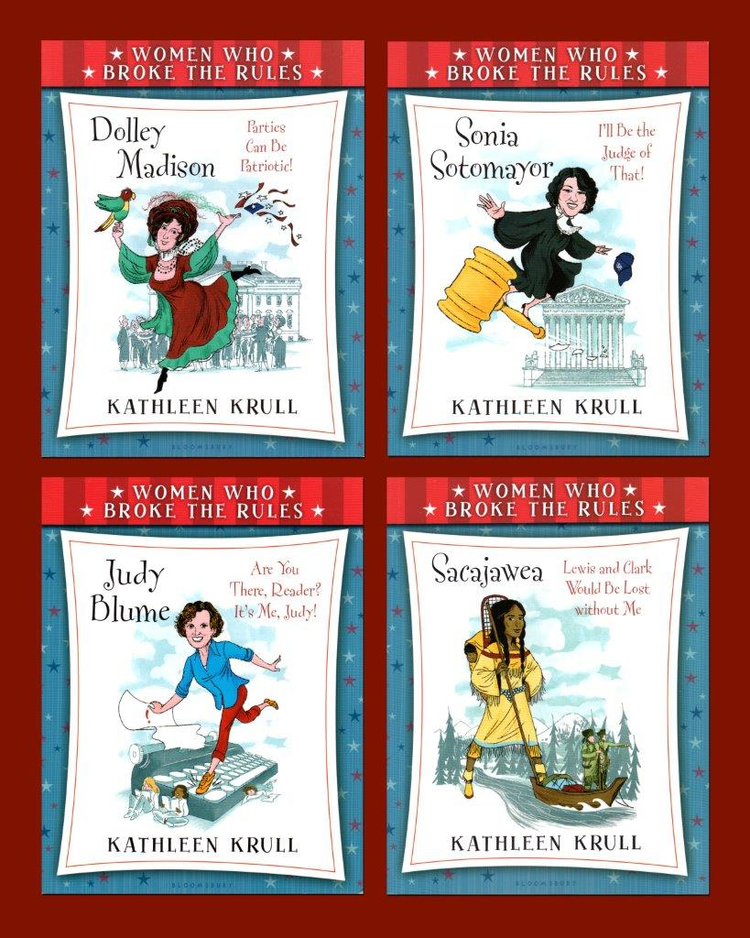
Women Who Broke the Rules: Sacajawea, Judy Blume, Sonia Sotomayor, and Dolley Madison by Kathleen Krull

Share

NFPB2015

Nonfiction Picture Book Wednesday

Nonfiction Picture Book Wednesday is hosted by Kid Lit Frenzy and was started to help promote the reading of nonfiction texts. Most Wednesdays, we will be participating and will review a nonfiction text (though it may not always be a picture book).
Be sure to visit Kid Lit Frenzy and see what other nonfiction books are shared this week!
women who broke the rules

Women Who Broke the Rules series
Sacajawea: Lewis and Clark Would Be Lost without Me
Judy Blume: Are You There, Reader? It’s Me, Judy!
Sonia Sotomayor: I’ll Be the Judge of That!
Dolley Madison: Parties Can Be Patriotic
Author: Kathleen Krull
Illustrators: Various
Published 2015 by Bloomsbury

Publisher’s Summary: Many awe-inspiring women have changed the course of history. From fighting for social justice and women’s rights to discovering and shaping our amazing country, women have left an indelible mark on our past, present, and future. But it’s not easy to affect change, and these women didn’t always play by the rules to make a difference! Kathleen Krull blends history and humor in this accessible young biography series.

My Review:  I was first introduced to this series at Kid Lit Frenzy in June when Alyson shared these four biographies with us (along with an informative Q&A and a fun quiz), and as soon as I read her posts, I knew I had to get my hands on them. I am a huge fan of well-done biographies because I think they are an essential part of spreading history into a new generation’s memory. I am an even bigger fan of well-done biographies of strong women. While there has been a good chunk of biographical picture books lately about women, I am very happy to see that students will have longer biographies to explore strong women from history. I also really like that Krull’s series has a mix of contemporary and historical figures and is filled with diversity. Next Krull will be sharing Coretta Scott King and Mary Todd Lincoln’s life.

Teachers’ Tools for Navigation: There are so many ways these books will be used and loved in the classroom. First, add them to your classroom libraries! Krull’s biographies will be a wonderful rung above picture book biographies and below the “big head biographies” on a reading ladder. Also, they would a perfect addition to a unit on women in history and could definitely be used in inquiry lit circles where each group became an expert of a different female leader to share with the class.

Discussion Questions: In what way did ____ play a part in history?; Why was ____ included in the Women Who Broke the Rules series? What rules did she break? How did it change her part in history?

We Flagged: “Like most little kids, Judy Blume had a lot of questions. Okay, maybe more than most kids. What she didn’t have were answers. She grew up in a stifling time, when the rules stopped people from being honest and real.” (p. 7, Judy Blume)

“Was Sacajawea skittish about traveling into the unknown with an infant strapped to her back on a cradle board? Was she scared to be the only woman in a large group of men? We don’t know. The men seemed to treat her with respect, calling her ‘a good creature, of a mild and gentle disposition.'” (p. 13, Sacajawea)

“A girl grows up in a tough neighborhood. Her poor immigrant parents don’t speak English and don’t get along. She tackles a serious illness. . . and rises, rises, rises to become one of the country’s guiding lights.” (p. 7, Sonia Sotomayor)

“Dolley Payne was born with extra zip. And she was going to need as much energy as she could muster.” (p. 7, Dolley Madison)

Check out Kid Lit Frenzy’s post for interior artwork.

Read These If You Loved: Biographies

Recommended For: 

classroomlibrarybuttonsmall readaloudbuttonsmall closereadinganalysisbuttonsmall litcirclesbuttonsmall

Signature

**Thank you to Linette at Bloomsbury for providing copies for review!**

Review, Giveaway, and Author Q&A!: Frozen Wild: How Animals Survive in the Coldest Places on Earth

Share

NFPB2015

Nonfiction Picture Book Wednesday

Nonfiction Picture Book Wednesday is hosted by Kid Lit Frenzy and was started to help promote the reading of nonfiction texts. Most Wednesdays, we will be participating and will review a nonfiction text (though it may not always be a picture book).
Be sure to visit Kid Lit Frenzy and see what other nonfiction books are shared this week!

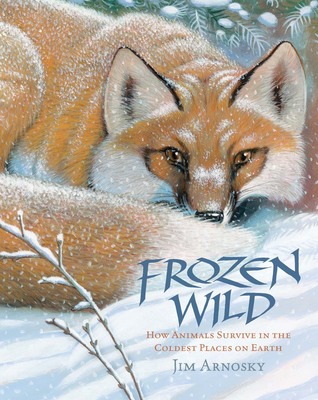
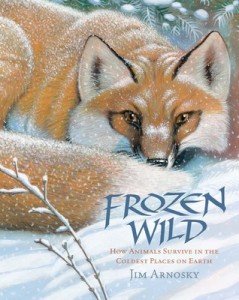
Frozen Wild

Frozen Wild: How Animals Survive in the Coldest Places on Earth
Author and Illustrator: Jim Arnosky
Published September 1st, 2015 by Sterling Children’s Books

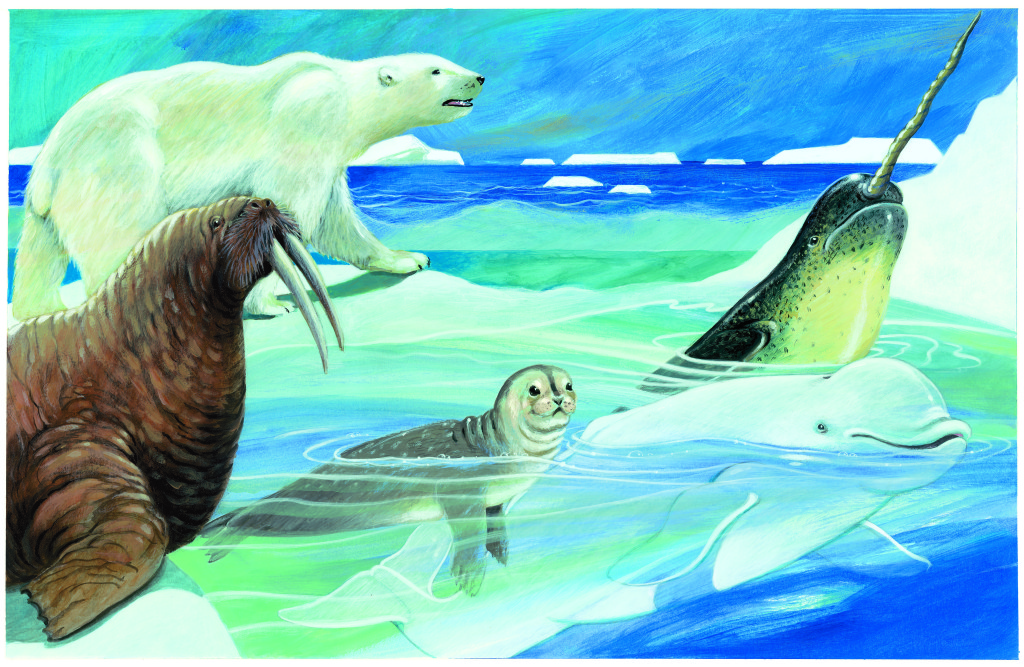
Goodreads Summary: Quietly it comes—the dark and chill of winter. And in the snow-covered fields and forests, the great northern plains, vast stretches of frozen tundra, and icy polar regions, wild animals have to survive day after day, night after night, out in the cold. How do they do it? Kids can bundle up and join award-winning author, illustrator, and naturalist Jim Arnosky as he follows the tracks of otters, beavers, moose, polar bears, killer whales, penguins, fur seals, and other creatures to discover more about their lives during this frigid season. Arnosky’s stunning art includes five magnificent foldouts that reveal worlds under the ice and at the farthest, frostiest reaches of the globe.

Kellee’s Review: This was my first exposure to Arnosky’s work, and I truly enjoyed my first book by him (and I will definitely be finding more by him). What stood out to me first is that the book was organized very thoughtful and in a way that students will definitely find user friendly. I was then automatically blown away by the artwork. Jim Arnosky is truly an artist. All the illustrations were created using pencil and paint, and they are so realistic and beautiful. Then within each section, the facts that Arnosky choose to share are interesting, well researched, and support the illustrations perfectly. I also really liked the fold outs that expanded the illustrations to sometimes double the size possible without the fold out. Overall, the text is fact-checked and interesting and the illustrations were pieces of artwork.

Ricki’s Review: I knew this book was going to be a great read before I opened the first page. Kellee messaged me to tell me how much she liked it. We review a lot of books together each year, and we only message each other when we really, really like a book. I waited until I had a quiet time to fully immerse myself in the book. The beautiful artwork quickly enveloped me in the winter wildlife. I imagined Arnosky sitting beside his own photographs (which he used as references) to recreate the beauty of the wild. There is so much fantastic information in this text, and Aronsky presents the facts in an accessible way. I can’t wait until my son is a bit older because I know he will really enjoy reading it. It would make a great gift for a child who loves wildlife or wants to learn more about the coldest places on Earth.

Teachers’ Tools for Navigation: Frozen Wild, and the other books in his animal series, are made for classrooms. They can be used in may different ways. My first thought, beside having the book in classroom and school libraries, is using Arnosky’s books as a basis for lit circles where each group would have one of his books. They can use his book, his resources, and other resources to research the topic of each of his books. They then can do an inquiry project using all of their research.

Discussion Questions: What are some of the ways that animals stay warm during the winter?; What is the difference between the Artic and the Antarctic?; What are some ways that animals find food when it is cold?; Which animal do you think is made the best for surviving in the cold?

Author Q&A: 

Unleashing Readers: Frozen Wild is the newest book in your animal series. How do you choose the topics for each of your texts?

Jim Arnosky: Frozen Wild is my 137th book about wild animals and wild places. It is the newest book in my series of gatefold books for Sterling. The topics of these books came from either my own curiosity about certain groups of animals or from a suggestion on the part of my editor, Meredith Mundy, to have a book featuring a particular animal. When I work on a suggested topic (which has been rare) my job is to make that book reflect my own personality, viewpoint, experience, and research. That is the crux of being an author. Not just to pass along information, but to share any and all of your understanding gained in thinking about and studying the subject.

UR: How do you choose which animals to include in your books, and what is your research process for your books? 

JA: For Frozen Wild my process began with the animals around our farm in Northern Vermont whose tracks I follow all through our snow season. From there the book’s content expanded to my curiosity about the animals who live in places where cold weather can last most of the year. While portions of Frozen Wild were researched in books and conversations I’ve had with friends who have studied animals in these cold regions, and some of the book’s paintings were done from captive species in zoos, most of the time I research my books in the field with Deanna my wife. She photographs the animals while I videotape them.

The video allows me to study animal sounds, anatomy, movement, and behavior long after we have returned home. And Deanna’s still photos provide yet another viewpoint of the subjects I write about and paint.

UR: What is your art process? 

JA: For the painting, I sketch the scenes in pencil on my paper. Then I over- paint the sketch with a layer of acrylic colors, using colors that blend with portions of the scene. On this underpainting of various color area, I re-sketch the scene in white chalk, and then paint the next layer, blocking out the figures and the background. Layer after layer, I build a deeply colored picture that, if you look at the originals with a magnifying lens as I do while I detail the art, you can actually see the multiple layers of color one on top of the other, the first to the top layer. It always thrills me to see that physical dimensional quality of what I have done.

UR: Are there any nonfiction authors or illustrators that influence you? 

JA: My favorite authors are the singer-songwriters such as Bob Dylan, John Denver, James Taylor, Jimmy Buffett, and Joni Mitchell. We did not have books in our home while I was growing up. And our little school had no library to speak of. Later, I found favorite authors in the great books – Thor Heyerdahl’s Kon Tiki, Ernest Hemingway’s The Old Man and the Sea, Mark Twain, John Burrough (the great naturalist) Henry Benston, Aldo Leopold, and Hal Borland.

My favorite illustrators (and painters) are Bruno Liljefors, Bob Kuhn, N.C. Wyeth, Roger Tory Peterson, Audubon, Charles Tunniclyfe, Ernest Thompson Seton, and Winslow Homer.

I am self taught in both art and nature and have learned much about art from studying these great masters. Also, I have met and learned from many great naturalists and scientists who have been generous in sharing their knowledge with me.

UR: Any plans for the next book in the series? 

JA: Presently I am working with Starwalk Kids Media in bringing my popular Crinkleroot series of nature guides into the digital realm. I am also working on another picture book. I have a novel making the rounds and have just finished a picture book about the invasive species problem threatening our wildlands. It is called Wild Invaders. For the Sterling series, our next book will be about animal camouflage.

Thank you for your interest in my work! I am happy to Skype a conversation with you if you wish. Deanna (jarnosky@fairpoint.net) can set that up. Also for further info please go to my website (www.jimarnosky.com) There is a piece in there describing Deanna and my early days in the can where, living basically, I was able to find my way into nature and writing and illustrating books. It is called “Born In A Tree – A Natural History”.

We are seeing color change now. And the air is getting cooler. Soon winter will be upon us again.

Your friend in books, Jim Arnosky

We Flagged: 
Frozen-Wild-image

Read This If You Loved: Winter Bees & Other Poems of the Cold by Joyce Sideman and Rick AllenFirefly July by Paul JaneczkoFeathers by Melissa StewartBorn in the Wild by Lita JudgeForest Has a Song by Amy Ludwig VanDerwaterOver and Under Snow by Kate Messner, Seymour Simon animal books and extreme series

Recommended For: 

classroomlibrarybuttonsmall closereadinganalysisbuttonsmall

Giveaway!

a Rafflecopter giveaway

What to know more about the book? Check out Mrs. Knott’s Book Nook!

Signatureand RickiSig

**Thank you to Joshua at Sterling Publishing for providing copies for review and the giveaway!**

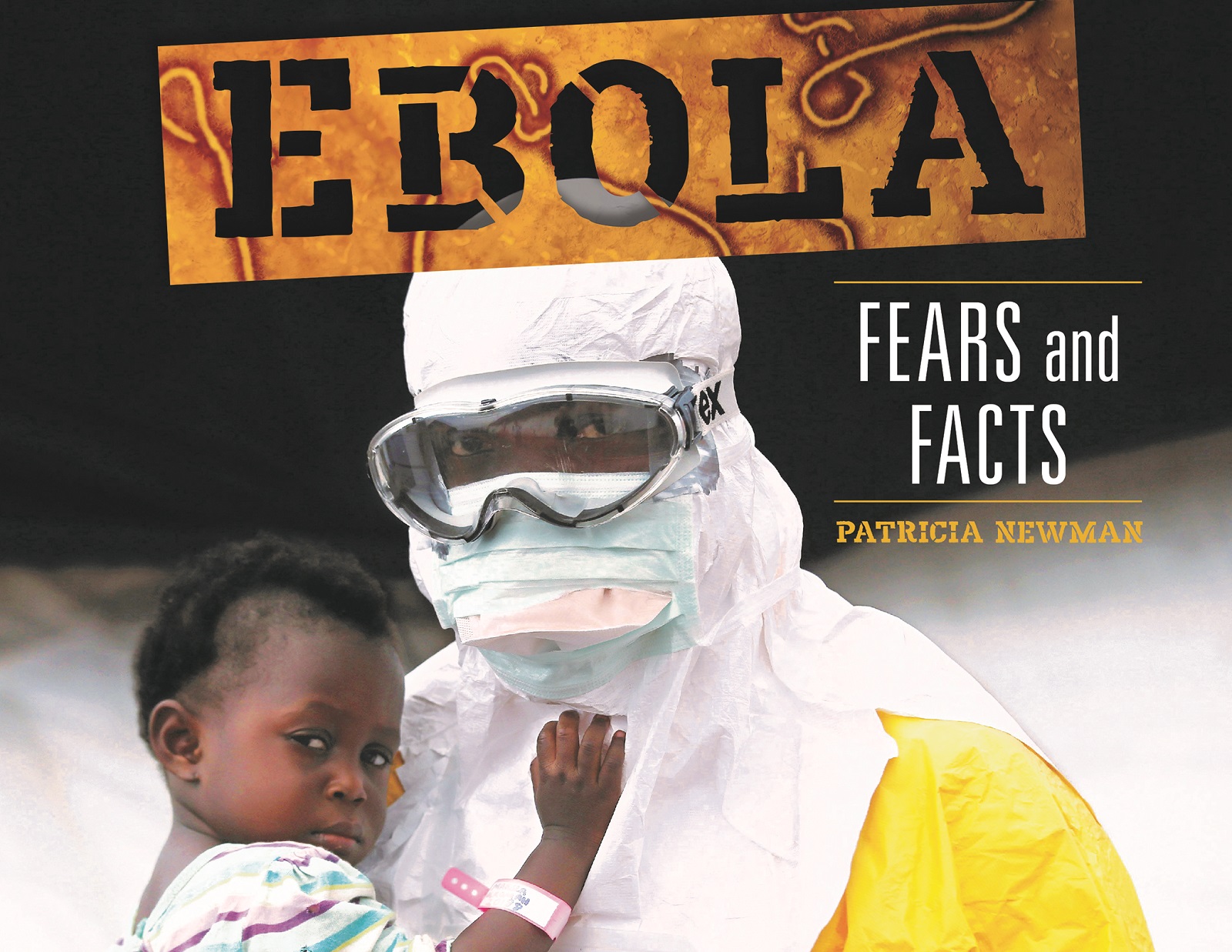
Review and Author Interview!: Ebola: Fears and Facts by Patricia Newman

Share

NFPB2015

Nonfiction Picture Book Wednesday

Nonfiction Picture Book Wednesday is hosted by Kid Lit Frenzy and was started to help promote the reading of nonfiction texts. Most Wednesdays, we will be participating and will review a nonfiction text (though it may not always be a picture book).
Be sure to visit Kid Lit Frenzy and see what other nonfiction books are shared this week!

ebola

Ebola: Fears and Facts
Author: Patricia Newman
Expected Published October 28th, 2015 by Lerner Publishing Group

Goodreads Summary: Ebola is a deadly contagious disease. From 1975 to 2013, it killed about 1,500 people. But a 2014 epidemic killed more than six times that number. At first the outbreak was contained to one country. But soon it spread to two others―the virus was on the move, and people were scared. When two American healthcare workers became infected and were sent to the United States for treatment, many people feared a pandemic―an outbreak that would spread all over the world. Could it happen?

Ebola: Fears and Facts takes you behind the sensational headlines to address questions and concerns about the virus. Learn about the history of the disease, its symptoms, and how it spreads. Find out how the 2014 epidemic compares to past Ebola outbreaks, as well as to outbreaks of other infectious diseases. With a question-and-answer section and reference maps, Ebola: Fears and Facts will help you to better understand this most-feared disease.

My Review: The Ebola epidemic of 2014 caused pure panic around the world. Because of the 24-hour news coverage of the disease as it entered the U.S, Ebola became a hot topic; however, there was so much misconception about the disease. As a teacher during the epidemic, I saw how scared students were of the disease and how little they knew about it. The text is a wonderful resource to help kids learn about the disease.

Teachers’ Tools for Navigation: Patricia Newman’s middle grade nonfiction texts are a necessity for middle school classrooms. They teach the reader so much about the topic though do so in an interesting way to keep the readers’ attention. They are also about important topics that kids can make a difference by learning about. Her books, including Ebola, need to be available to students.

I really like how the book is set up. It begins with the history then goes into the way Ebola works and finally looks at the 2014 outbreak and how Ebola could possibly be conquered. It allows readers to navigate to the section they want or build up their knowledge from beginning to end.

Discussion Questions: What did you learn about Ebola that you didn’t know before reading?; What is the difference between Ebola and diseases like the measles?; How did the Ebola virus begin?; How is the Ebola virus a threat to apes in Africa?

“Truth or Hype?…The next time you come across a story about Ebola–or any topic–ask yourself the following questions. 1. What does the storyteller want us to remember? 2. How might different people understand the story? 3. Does the storyteller present facts or opinions? How do we know? What words are used? Does the storyteller quote scientific or eyewitness sources? 4. What action does the storyteller want us to take? 5. Do our emotions influence the way we evaluate the story?” (p. 35)

Author Interview: Thank you to Patricia for answering some of my questions!

What research did you do when writing Ebola? 

I visited East Africa several years ago, so I had a general sense of the landscape, the bush, the people, the cadence of their speech. But the crowded cities and steamy jungles of West Africa are different than the wide open savannas of the east. Of course, I needed to learn about the physiology of the disease, but I also wanted to know where in the jungle it came from and how it affected all aspects of peoples’ lives.

I interviewed a CDC epidemiologist who’d just returned from Liberia; read books by David Quammen and Peter Piot; deciphered scientific studies in journals such as the New England Journal of Medicine and Vector Borne and Zoonotic Diseases; scoured the CDC, WHO and MSF websites for case counts and anecdotal information; and read every news story (or watched every video) I could get my hands on. I also interviewed a nurse at a Sacramento hospital near my home who specializes in speaking to children about serious illnesses. Her compassion and common sense were tremendously helpful. A small fraction of my sources are listed in the back of the book.

My nurse-source also gave me a full set of Ebola protective gear. I share it with students at school visits and talk to them about how health-care professionals put it on and take it off.

Why did you decide to research and write about Ebola?

My editor, Carol Hinz, came to me in November 2014 with the idea. Millbrook Press wanted to publish a book about the 2014 epidemic, and thought I was the person to do it. I was flattered by their faith in me and overjoyed with the way they handled Plastic, Ahoy! Investigating the Great Pacific Garbage Patch, so I said yes. Carol and I learned a lot from this book. Because the deadline was so tight (my final manuscript was due February 1, 2015) we developed the outline together. Before we went to press, we revised or otherwise massaged every line in the book, always working to stay abreast of current reports. At one point I added several hundred words because of planned vaccine trials and Ebola survivors. Thank goodness Millbrook paid for a fact checker because the editing process became more and more chaotic. For example at one point in April, I gave an all-day writing workshop to a group of conservation scientists interested in writing their research for children. During my lunch break I had to edit Ebola one final time before it went to press!

What is the biggest misconception you have found about Ebola? 

I think there are two frequent misconceptions. The first is that Ebola is airborne like measles or the common cold. It is not, nor is it every likely to be. Ebola is spread by contact with bodily fluids (saliva, vomit, stool, sweat, blood, semen). Generally one person infected with an airborne disease spreads the disease to more people than one person infected with Ebola. For instance, one Ebola patient infects between 1.5 and 2 people. In comparison, one measles patient infects 18 others (assuming those people have not been vaccinated). NPR wrote an interesting article about this concept.

The second misconception is that Ebola is deadly no matter what we do. Based on our success treating Ebola patients in the U.S., and the successes in some of the vaccine trials, Ebola need not be a death sentence. Two factors that contributed to the high death rate in West Africa were the lack of education about communicable diseases and the lack of high-quality medical care.

As information about the disease changes rapidly, what would be the best resources for people who want to continue learning about the disease? 

News from the front lines altered the manuscript even as my editor and I were preparing it for printing, and I worried about how my readers will stay informed as our understanding of Ebola develops. I decided to include a sidebar in the last chapter of the book, Conquering Ebola, to help readers stay informed by sharing the Ebola pages for WHO, CDC, USAid, and Doctors Without Borders. For students writing Ebola reports, many of these sites have RSS feeds that will deliver information straight to their inbox.

What is the topic of your next book? 

I have a book proposal under consideration at Millbrook—hopefully the editorial team will decide to take it—so for now the topic is a secret. But I can tell you to expect more science.

We Flagged: “Ebola. The word calls up images of sick people in Africa and doctors wearing space-suit-like protective gear. Before 1976, however, Ebola was simply the name of a winding river in central Africa.” (p. 5)

Read This If You Loved: Plastics Ahoy! by Patricia Newman

Recommended For: 

classroomlibrarybuttonsmall readaloudbuttonsmall closereadinganalysisbuttonsmall

Signature

**Thank you to Patricia and Lerner for providing a copy for review and specifically to Patricia for the Q&A!!**

Review, Author Q&A, and Giveaway!: The Trouble with Ants by Claudia Mills

Share

Trouble with Ants

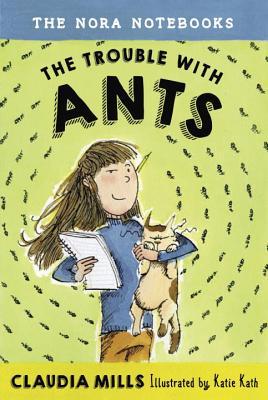
The Nora Notebooks: The Trouble with Ants
Author: Claudia Mills
Illustrator: Katie Kath
Published September 22nd, 2015 by Knopf Books for Young Readers

Goodreads Summary: Science-obsessed fourth grader Nora has ants all figured out—now she just has to try to understand her fellow humans!

The trouble with ants is . . .
. . . people think they’re boring.
. . . they are not cuddly.
. . . who would ever want them for a pet?

Nora Alpers is using her new notebook to record the behavior of ants. Why? Because they are fascinating! Unfortunately, no one agrees with her. Her mom is not happy about them being in the house, and when Nora brings her ant farm to school for show and tell, her classmates are not very impressed. They are more interested in cat videos, basketball practice, or trying to set a Guinness World Record (although Nora wouldn’t mind that).

Mostly they are distracted by the assignment their teacher Coach Joe has given them—to write a persuasive speech and change people’s minds about something. Will Nora convince her friends that ants are as interesting as she thinks they are? Or will everyone still think of ants as nothing but trouble?

With real science facts, a classroom backdrop, an emphasis on friendship, and appealing black-and-white interior illustrations from artist Katie Kath, The Nora Notebooks is perfect for newly independent readers—especially budding scientists like Nora!—and adults who want to encourage awareness of STEM subjects in young readers.

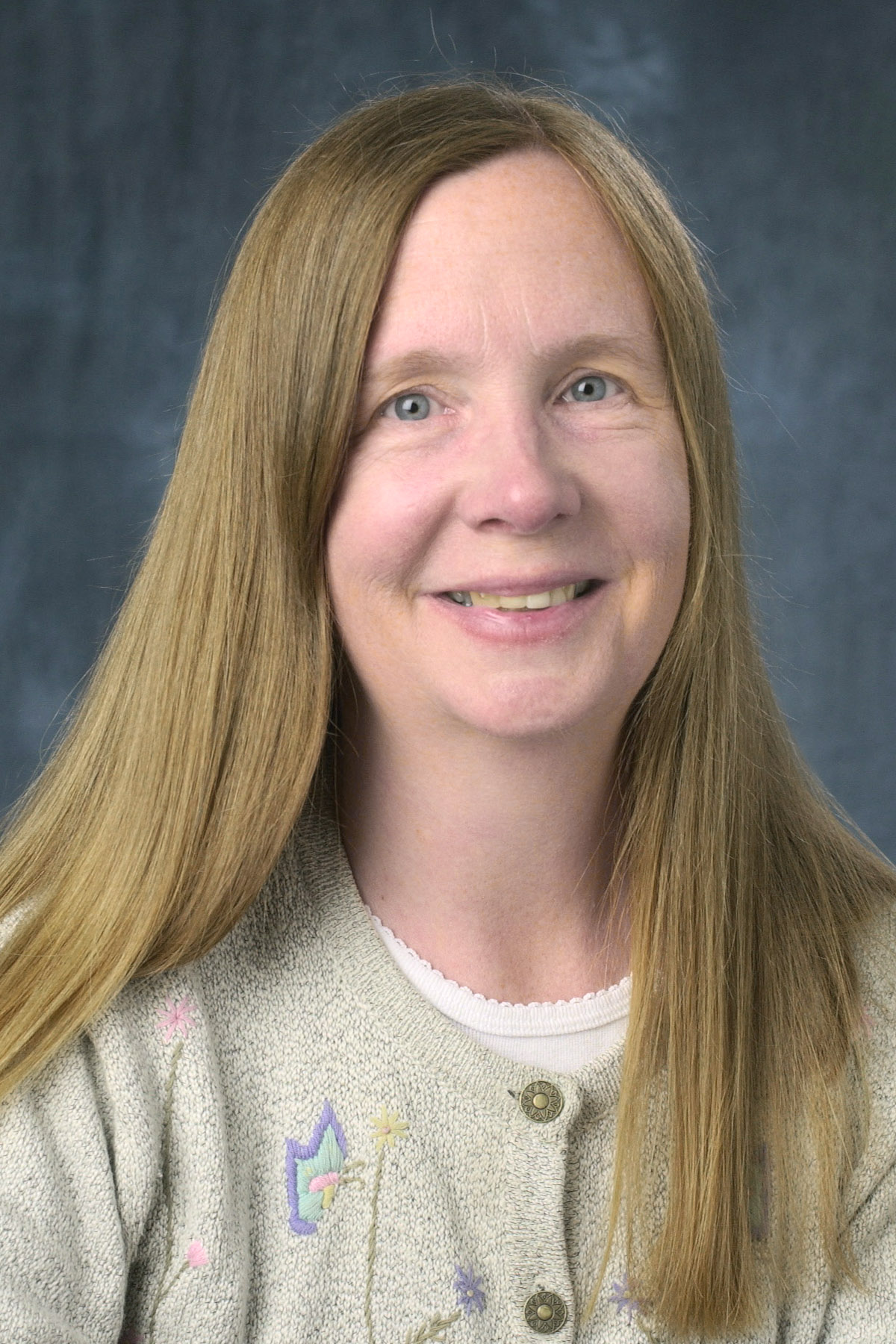
About the Author: Claudia Mills is the author of over fifty books for young readers. She does not personally keep an ant farm, but she does have a cat, Snickers, with whom she curls up on her couch at home in Boulder, Colorado, drinking hot chocolate and writing. To learn more, and to download free curriculum guides for her books, visit her website at claudiamillsauthor.comClaudia Mills, Philosophy claudia.mills@colorado.edu photo by: Larry Harwood

My Review: I love books that promote girls being smart and doing well in school. This book goes even further and promotes girls finding a love in science and, specifically, insects. Nora is a girl that I hope that lots of readers find a connection with and strive to be like. She is a role model for all kids. She is smart, doesn’t mind being a bit different, and has great friends and family. I also love that she is at the heart of it a normal girl who just happens to be smart and like science. The story is more than just her science and ants. It is about growing up.  There is so much you will love in this book: Nora, her parents, her teacher, her friends, and, of course, Precious Cupcake.

Author Q&A: We are so excited to host Claudia today! Thank you for taking part in the Q&A.

Do you like ants as much as Nora does?

No! But some ants somewhere must have read my book and gotten the wrong impression, as I had my first-ever invasion of ants in my pantry as the book was going to press. It was hard to convince them that I much prefer to have them outside in their usual habitat. But I had a pang thinking how much Nora would have come to their defense.

What was the hardest part about writing this book?

The research was a challenge. Most of my books are contemporary school stories. It helps that I love going to schools on author visits where I pay close attention to the details on how the classrooms are organized, what kind of work the kids are doing, and how classmates interact. But I don’t need to do any other research. Here I had to try to equal Nora’s knowledge about ants, and that meant reading about ants, interviewing a leading ant scientist, and combing the internet for promising ant experiments.

What’s next for Nora?

She is going to star in two more books. In The Trouble with Babies she devotes herself to the scientific study of babies as a new a-u-n-t; in The Trouble with Friends she wants to replicate Mendel’s experiments on the genetics of peas in the class garden, but finds herself instead learning the limits of her own scientific approach to life.

Thanks for hosting me today, Kellee!

Teachers’ Tools for Navigation: I love the cross-curricular aspect of this novel. You can use aspects in science and in language arts. I love Nora’s example of an experiment and persuasive essay. I also think having an ant farm while reading the novel would really add an extra aspect to the reading.

Discussion Questions: What are the steps to doing a science experiment?; Why did all of Nora’s ants die?; How is Nora different than her friends? How does their relationship show that different types of people can be friends.; How did Nora’s parents influence her?; Why do you think Dunk acts the way he does?; What was so special about Nora’s classroom?

We Flagged: “Nora loved scribbling down all kinds of facts in all kinds of notebooks: big ones, little ones, fat ones, skinny ones, spiral ones, and now this new super fancy one.

She had waited to start her new notebook on the first day of the new year.

‘Fascinating Facts About Ants,’ she now wrote on the first blank page with her blue ballpoint pen.” (p. 2)

Read This If You Loved: The Categorical Universe of Candice McPhee by Barry Jonsberg, Cody and the Fountain of Happiness by Tricia Springstubb

Giveaway: 

a Rafflecopter giveaway

Recommended For:

classroomlibrarybuttonsmall readaloudbuttonsmall closereadinganalysisbuttonsmall

  Signature

**Thank you to Barbara at Blue Slip Media for providing copies for review and giveaway and also a big thank you to Claudia Mills for taking part in the Q&A!!**

Flying Cars: The True Story by Andrew Glass

Share

NFPB2015

Nonfiction Picture Book Wednesday

Nonfiction Picture Book Wednesday is hosted by Kid Lit Frenzy and was started to help promote the reading of nonfiction texts. Most Wednesdays, we will be participating and will review a nonfiction text (though it may not always be a picture book).
Be sure to visit Kid Lit Frenzy and see what other nonfiction books are shared this week!

flying cars

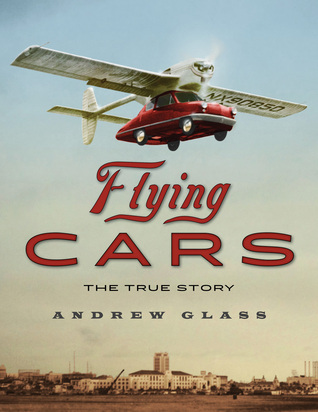
Flying Cars: The True Story
Author: Andrew Glass
Various Photographers
Published August 25th, 2015 by Clarion Books

Goodreads Summary: Humans have always wanted to fly. As soon as there were planes and cars, many people saw a combination as the next step for personal transportation, and visionary engineers and inventors did their best to make the flying car (or the roadable plane) a reality. This book is a breezy account of hybrid vehicles and their creators, and of the intense drive that kept bringing inventors back to the drawing board despite repeated failures and the dictates of common sense. Illustrated with archival photos, this entertaining survey takes readers back as far as Icarus and forward into the present day, with a look toward the future. Includes author’s note, source notes, bibliography, index.

Kellee’s Review:  What an odd, interesting part of history! I had no idea I even wanted to learn about this, but I am glad that I was exposed to it. I think Andrew Glass did a good job mixing history of aviation in general and the idea of a flying car. It was a good combination of informational and literary nonfiction, so it will hold readers’ attention throughout. It was also fascinating to see all of the photographs of the prototypes made over time. What innovation! I think the photos will draw the reader in then the history and stories will keep them there. 

Ricki’s Review: The minute I pulled this book out of the mailer, my son had his hands all over it. He is much younger than the intended audience (middle or high school), but it made me chuckle. This shows how excited students will be about this concept! Like Kellee, I had no idea that flying cars existed. I asked my husband, “Did this really exist?” He launched into a full history lesson about the development about flying cars and said they were very interesting to him as a teenager. This is yet more proof that this book would be a great resource for classrooms. I liked learning about all of the different attempts of flying cars and think this book would inspire students to be innovative in their thinking, particularly in the context of design and engineering. The prototypes made me feel a bit wistful that I had more of an engineering brain!

Teachers’ Tools for Navigation: The trend of readable and interesting middle grade nonfiction that students will find accessible is really increasing the likelihood of students reading nonfiction text, and this text fits that bill. We think students will find the topic interesting and, thus, pick up the book. Teachers could use it to talk about text features and the importance of captions, photographs, and chapter titles as well as look at how the book is structured and discuss why the author decided to set it up the way it is. The book could also be a resource for an inquiry mini-project (see Discussion Questions below).

Discussion Questions: How would flying cars make our lives easier?; Why aren’t flying cars a reality?; What do you think the benefits of flying cars are and what are the struggles?; After watching some of the archival videos, which of the flying cars interests you the most? Use Flying Cars and other resources to learn more about it.

We Flagged: “Cars fly every day–in fantasy. They soar by pure magic, like the Wesley family car in the Harry Potter series, or by sprouting wings, like Chitty Chitty Ban Bang. Some use high-tech gadgetry, allowing well-equipped heroes like James Bond and Batman to make incredible cliffhanger escapes.

But visionary engineers and inventors haven’t just imagine flying cars. Some actually built them. . . and then drove them up into the sky” (p. 1).

Read This If You Loved: Nonfiction books about aviation or automobiles including Amelia Lost: The Life and Disappearance of Amelia Earhart by Candace Fleming

Recommended For: 

classroomlibrarybuttonsmall

Signatureand RickiSig

**Thank you to Barbara for providing copies for review!**

Space Boy and His Dog by Dian Curtis Regan

Share

Space Boy

Space Boy and His Sister Dog
Author: Dian Curtis Regan
Illustrator: Robert Neubecker
Published April 7th, 2015 by Boyds Mills Press

Goodreads Summary: Niko may live on boring old Earth with his family, but he’s always finding a new adventure. Using the spaceship that he built from a box in his backyard and a little imagination, he flies off into space with his robot, Radar, and his dog, Tag. The only one NOT invited is his sister Posh who keeps trying to insert herself into Niko’s story. In this first mission, Niko and crew (and maybe also pesky Posh) fly to the moon in search of a lost cat. Illustrated in comic–book style and featuring easy–to–read text packed with humor, Space Boy and His Dog is Niko’s first adventure, with two more books planned in the series.

About the Author: Dian Curtis Regan is the author of more than 60 books for young readers, including The Snow Blew Inn, Rocky Cave Kids, Monster of the Month Club, Barnyard Slam, and the bestselling Princess Nevermore. Her books have received many honors, including Best Books for Young Adults, Los Angeles Times Recommended Book, and Children’s Choice Awards. For more information on her books, visitdiancurtisregan.com and spaceboybooks.com.

Kellee’s Review: Regan and Neubecker do a great job in this picture book making Niko’s story come to life. It is a fun story with elaborate, bright full-page illustrations. I also like that it is a chapter picture book. It sequences Niko’s adventure into different “chapters” which would make it a nice introduction to the idea of chapter books. This is a story that will trigger interest in space! It would spur some really wonderful conversations about the moon, but there are so many exciting elements to discuss. I love that the book promotes imagination (reminds me of Faraway Friends by Russ Cox in that aspect). It shows that playing in the backyard and pretending can be so much fun! It would offer excellent opportunities to analyze the interactions between Posh and Niko, Niko’s voice, as well as the character traits of the two characters.

Ricki’s Review: After reading this book, I showed it to a middle school science teacher who loves everything related to space. She told me she is excited to use it in her classroom to introduce her unit on space. The book reads like a fantasy, so she plans to do a lesson at the end of her unit (after they study the different planets), and her students will imagine themselves on a planet. As an educator, I very much value interdisciplinary connections, and I think teachers would enjoy using this book to kick off or conclude a unit about space. Students can consistently refer to the book and ask, “What was real, and what was fantasy?” The books is quite clever and very funny, and I was smiling as I read it to my toddler. I recommend this book particularly for early elementary school classrooms, but I think it can be used at all levels.

Teachers’ Tools for Navigation: Monday, July 20th, is the anniversary of the first moon landing, so this is perfect timing to celebrate this book. It would be a fun way to start a lesson about the moon and would definitely be a jumping off point to discussing the atmosphere of the moon, how long it would take to get to the moon, and space ships.

A curriculum guide for Space Boy and His Dog is available here. The curriculum guide not only focuses on the space elements of the story, but also asks the reader to think about characterization, the interactions between Niko and Posh, author’s purpose, and how illustrations affect a story.

Discussion Questions: What would Niko and Post need to survive a visit to the moon?; How long does it take to get to the moon?; Looking at Niko’s spaceship, how does it compare to NASA spaceships?

We Flagged: 

SpaceBoySpread2
from http://www.neubeckerbooks.com/

Read This If You Loved: Faraway Friends by Russ CoxSpace Encyclopedia by National Geographic

Recommended For: 

readaloudbuttonsmall classroomlibrarybuttonsmall

Signature andRickiSig

**Thank you to Barbara at Blue Slip Media for providing copies for review!**

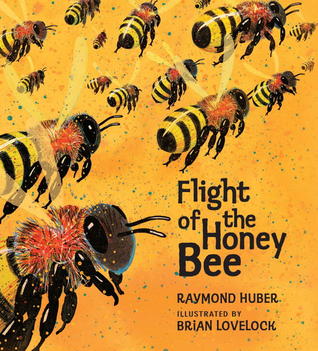
Flight of the Honey Bee by Raymond Huber

Share

NFPB2015

Nonfiction Picture Book Wednesday

Nonfiction Picture Book Wednesday is hosted by Kid Lit Frenzy and was started to help promote the reading of nonfiction texts. Most Wednesdays, we will be participating and will review a nonfiction text (though it may not always be a picture book).
Be sure to visit Kid Lit Frenzy and see what other nonfiction books are shared this week!

flight of the honey

Flight of the Honey Bee
Author: Raymond Huber
Illustrator: Brian Lovelock
Published September 10th, 2013 by Candlewick Press

Goodreads Summary: Follow the flight of a honey bee as she searches for nectar to sustain her hive and, along the way, pollinates flowers to produce seeds and fruits.

A tiny honey bee emerges from the hive for the first time. Using sunlight, landmarks, and scents to remember the path, she goes in search of pollen and nectar to share with the thousands of other bees in her hive. She uses her powerful sense of smell to locate the flowers that sustain her, avoids birds that might eat her, and returns home to share her finds with her many sisters. Nature lovers and scientists-to-be are invited to explore the fascinating life of a honey bee.

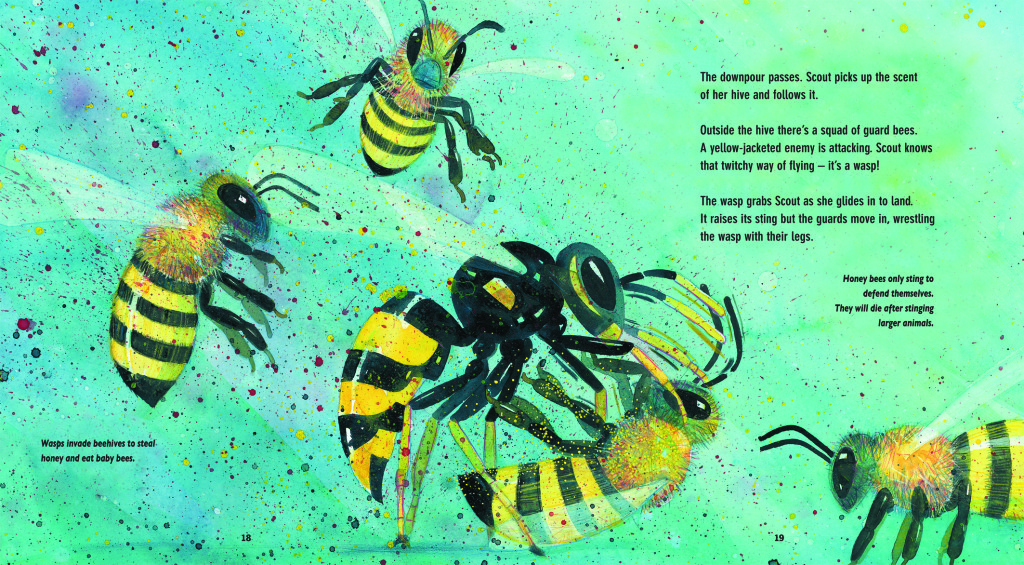
Kellee’s Review and Teachers’ Tools for NavigationI love books that mix narrative and information nonfiction within one book. This text introduces Scout as she exits the hive and goes about her bee-siness (hehe!). This part of the story is told as a story. Then on each page, there is information about bees in general to help the reader understand Scout’s journey. This unique text structure mixed with the realistic yet artistic illustrations really makes Flight compelling to read. In addition to learning about bees and the vocabulary included in the book, this book could be a great addition to a lit circle inquiry group about insects or as a mentor text to create student narrative and informational mixed writing about a animal after researching. 

Ricki’s Review and Teachers’ Tools for Navigation: I read this book aloud to my son while he was eating breakfast, and he was captivated by the illustrations and story. I immediately texted Kellee and told her we had to schedule a day to review it! I had a lot of fun following Scout on her adventure, and I know kids will become so engaged in this story that they will forget they are learning. I thought I knew a lot about bees, but I was surprised by how much information is packed into this text. Readers will cheer for Scout as she encounters obstacles. I try to integrate nonfiction into every unit, and this would be a great book to show students just how accessible nonfiction can be. Then, they could pick a creature or object in nature, conduct research, and write their own narrative nonfiction texts.

Discussion Questions: How do bees help the environment and humans?; How can we help save the bees?; What are the different types of bees? Why are they all important?

Flight of the Honey Bee Teacher Guide from Candlewick

We Flagged: 

flight of the honey page
(c) 2013 Raymond Huber http://www.raymondhuber.co.nz/

Read This If You Loved: Lifetime by Lola M. Schaefer, Winter Bees & Other Poems of the Cold by Joyce SidmanThe Alphabet of Bugs by Valerie Gates

Recommended For: 

classroomlibrarybuttonsmall readaloudbuttonsmall closereadinganalysisbuttonsmall

Signatureand RickiSig

**Thank you to Candlewick for providing copies of the text for review!!**