Make This by Ella Schwartz

Share

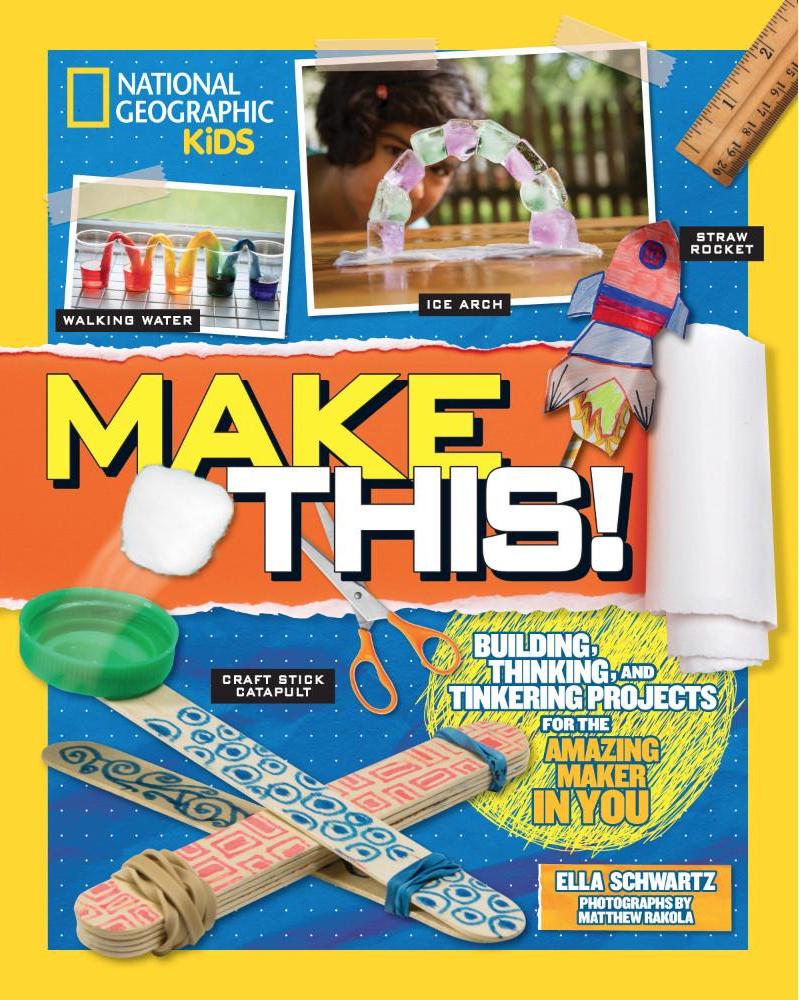
Make This!: Building, Thinking and Tinkering Projects for the Amazing Maker in You
Author: Ella Schwartz
Published February 2019 by National Geographic Children’s Books

Summary: This book is designed to inspire the next generation of engineers and supports all kinds of kid creators: those who prefer guided instruction, those who prefer to dream up and design objects on their own, and everyone in between. Within the nearly 160 pages of this book kids get the tools and the know-how to tackle all kinds of exciting projects: building a kaleidoscope, designing a fidget spinner, planting a rain forest, creating a musical instrument, and more. Unconventional scenarios inspired by real National Geographic Explorers give kids a chance to think outside the box and apply their maker skills to real life. Chapters are divided up by scientific principle, such as simple machines, energy, and forces. In each chapter, kids can start by following step-by-step activities, or get creative by tackling an open-ended challenge. Helpful sidebars explain the science behind what’s happening every step of the way.

My Review: My son loves this book so much that he took it for show-and-tell at his preschool. The teacher liked it so much that she purchased a copy for the classroom. This is a phenomenal book with loads of hands-on, easy-to-do activities. Many of the activities use materials that were available in my house (or easy to acquire). The first project my son completed was the straw rocket. He used two straws, some tape, and some paper to draw his own rocket and shoot it into the air. He has folded down the corners of almost every project as his next to-do. I love how the book is sectioned off into scientific principles. This even impressed my engineer husband. The sidebars allow me to read about the science behind the project as my son is constructing it. It is a wonderful book for learning. Although the book is marketed to ages 8-12, my 5-year-old was able to complete the projects with my help. I think 8-12-year-olds will appreciate this book just as much and be able to self-create.

Teachers’ Tools for Navigation: This book just screams for use in classrooms. It makes science learning incredibly fun. I can see it in classrooms as young as preschool and all the way through elementary school. The concepts can be scaffolded to the age of the learners, and the projects range in difficulty level.

Discussion Questions: 

  • Which scientific principle(s) do you enjoy learning about? Which projects taught you a lot about the principle?
  • Which real-life things (e.g. airplanes, hydraulic systems) relate to these scientific projects?

Read This If You Love: Science Books; Engineering Books; National Geographic’s 100 Things to Know Before You Grow UpMastermind by National Geographic, Weird but True series by National Geographic, Animal Atlas

Recommended For: 

classroomlibrarybuttonsmall

RickiSig

**Thank you to Karen at Media Masters Publicity for providing a copy for review!**

Don’t Mess with Me: The Strange Lives of Venomous Sea Creatures (How Nature Works series) by Paul Erickson

Share

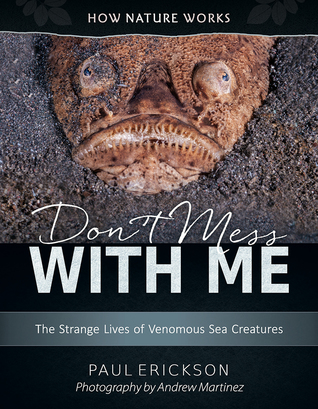
Don’t Mess With Me: The Strange Lives of Venomous Sea Creatures
(How Nature Works series)
Author: Paul Erickson
Photographer: Andrew Martinez
Published

Summary: How Nature Worlds books don’t just catalog the natural world in beautiful photographs. They seek to understand why nature functions as it does. They ask questions, and they encourage readers to ask more. They explore nature’s mysteries, sharing what we know and celebrating what we have yet to discover.

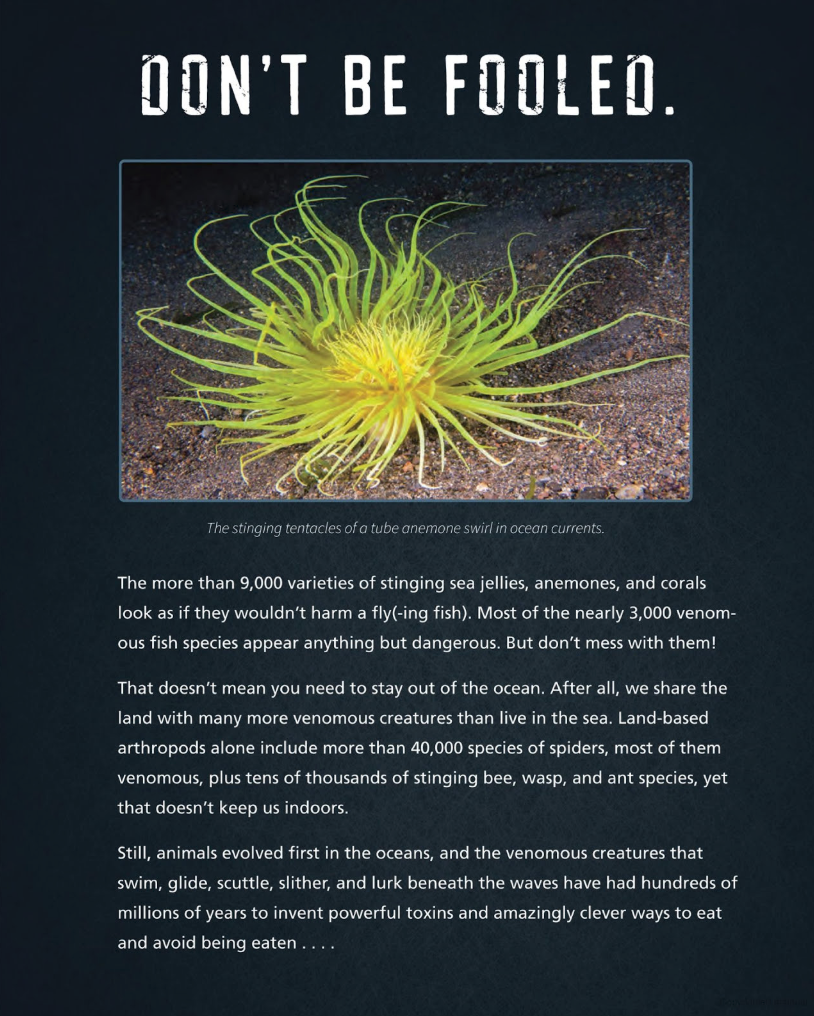
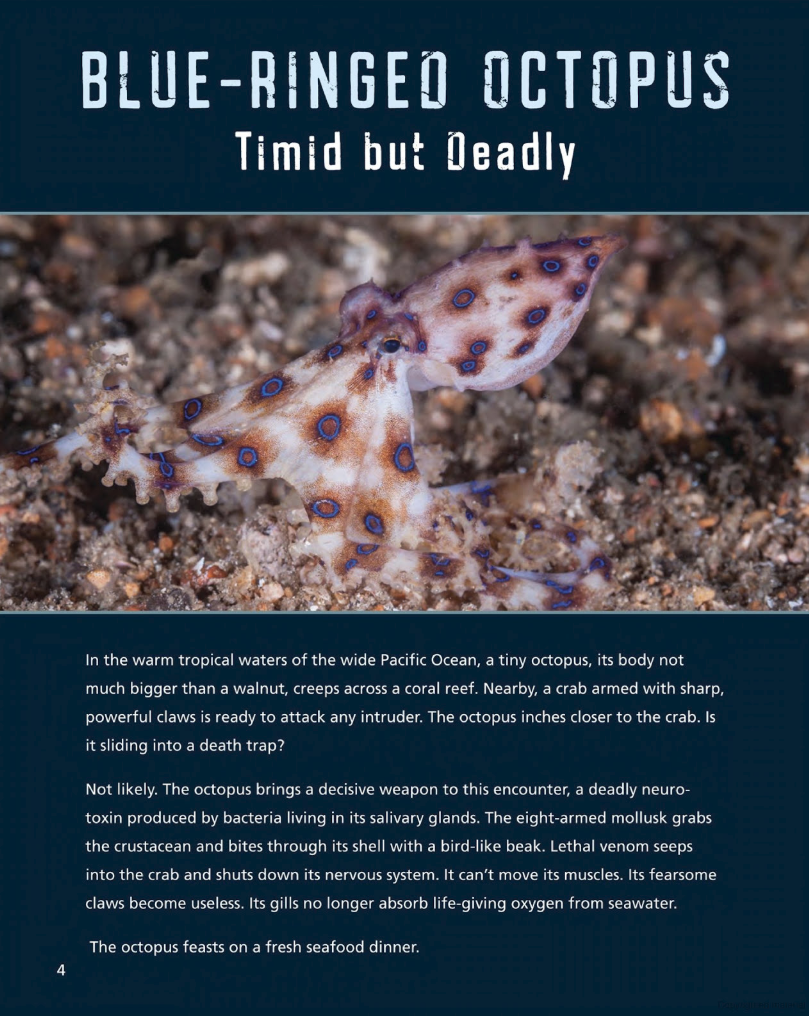
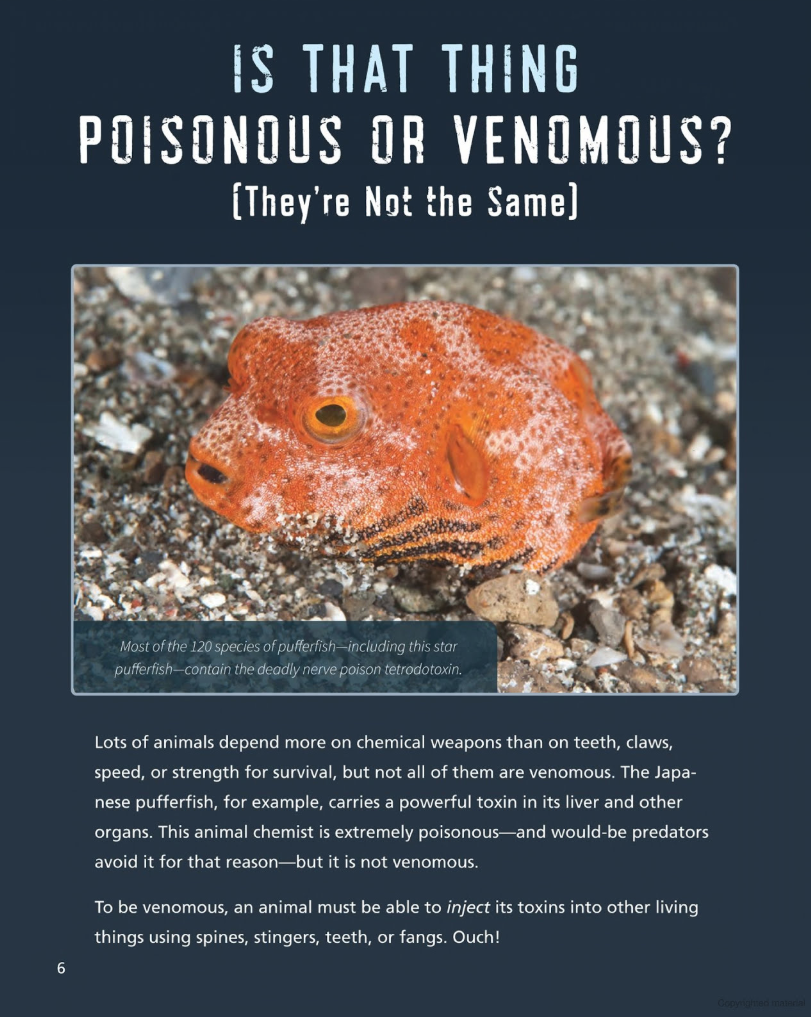
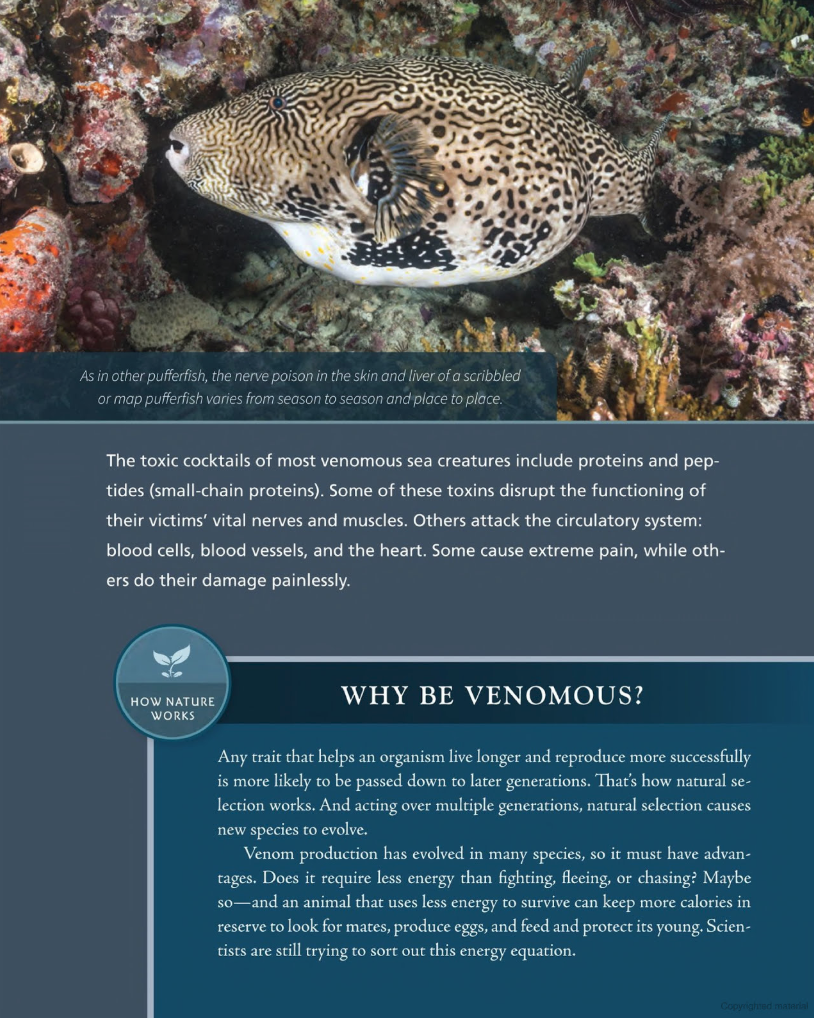
Scorpions and brown recluse spiders are fine as far as they go, but if you want daily contact with venomous creatures, the ocean is the place to be. Blue-ringed octopi, stony corals, sea jellies, stonefish, lionfish, poison-fanged blennies, stingrays, cone snails, blind remipedes, fire urchins—you can choose your poison in the ocean. Venoms are often but not always defensive weapons. The banded sea krait, an aquatic snake, wriggles into undersea caves to prey on vicious moray eels, killing them with one of the world’s most deadly neurotoxins, which it injects through fangs that resemble hypodermic needles.

About the Creators: 

Paul Erickson creates websites, exhibits, guides, and videos for zoos, museums, and aquariums nationwide. He has authored or co-authored numerous magazine articles and three books about undersea life. His book The Pier at the end of the World (Tilbury House) was named an Outstanding Science Trade Book of 2016 by the National Science Teachers Association.

Andrew Martinez specializes in images of the undersea world and is the author and photographer of Marine Life of the North Atlantic. He travels the world to photograph sea life, and was the photographer for The Pier at the End of the World.

Review: Don’t Mess with Me is a step up on the reading ladder from basic nonfiction books about undersea life because it takes the basic information about these venomous sea creatures and dives deeply (pun intended) into the actually whys and hows of their existence.

I was fascinated by so many of the facts in the book, and I loved learning about creatures I didn’t know about as well as learning more about ones I did. Check out the Flagged Passages to see how in depth the authors got which allows the reader to get a quite solid foundation about the different creatures. Additionally, the photographs are so cool because many of these creatures live where we’ll never see them.

Teachers’ Tools for Navigation: Use the Nature Works series (Catching Air; City Fish, Country Fish; Extreme Survivors; and One Iguana, Two Iguanas) in a lit circle/jigsaw setting where each group becomes an expert on the different topics in the series the creates a presentation of their choosing to share what they learned about nature with their classmates.

Discussion Questions: 

  • What is the difference between poisonous and venomous?
  • What are some clues that an animal is venomous?
  • Why are some animals in the sea venomous?
  • How does the “How Nature Works” text features help when reading this nonfiction text?
  • What are some ways that animals are venomous?
  • Pick a venomous sea creature. Create a list of 5 facts about the sea creatures to share with your classmates.

Flagged Passages: 

Read This If You Love: Nonfiction texts exploring nature and animals

Recommended For: 

Signature

Three Great New Board Books: The Story of Rock, The Story of Rap, and Frida Catlo

Share

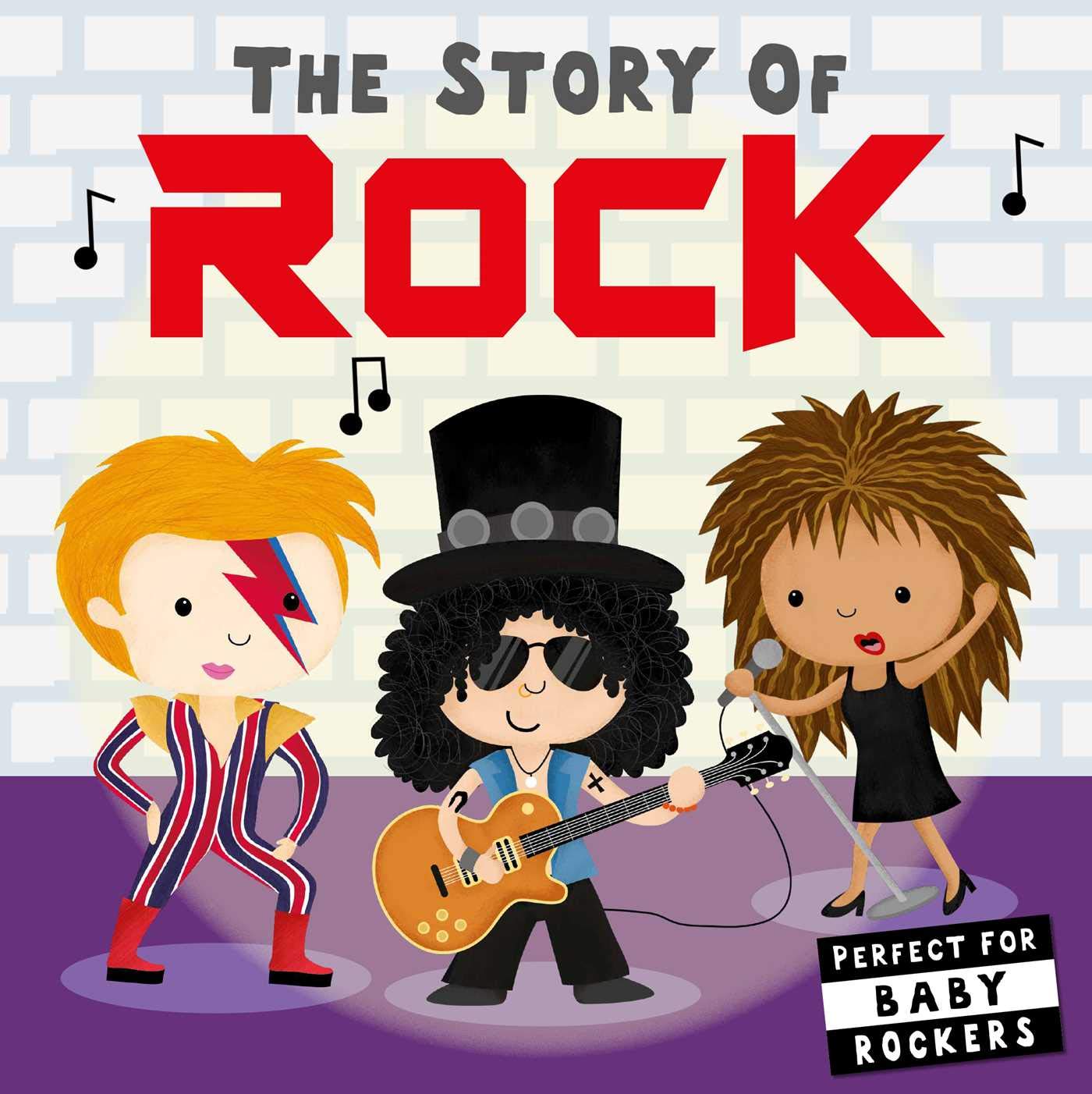
The Story of Rock
Published: May 7, 2019 by Silver Dolphin Books

Summary: 1…2…3…4! Let’s rock and roll, babies!

From Elvis Presley to Beatlemania, from Janis Joplin to David Bowie—rock has transformed through generations while ringing true with passionate sound. Rock along with the greats in this delightful baby book that introduces little ones to the rockers that started it all!
Parental Advisory: May cause toddlers to play the air guitar with adorable frequency.

My Review: Last night, my husband was reading to my son, and he asked me to bring this book from downstairs. It’s a great, enjoyable book to read and entertained both my 2-year-old and my 5-year-old. I liked how I could cater my reading differently to each of them. For my 5-year-old, I was able to show him pictures of the bands online and talk about the evolution of rock. For my 2-year-old, I was able to talk about music and instruments. We played sample music of many of the bands and had a lot of fun. I could see this working well in the classroom setting. Students might create their own Story of _________ books for children. It teaches excellent skills of summary, synthesis, and brevity.

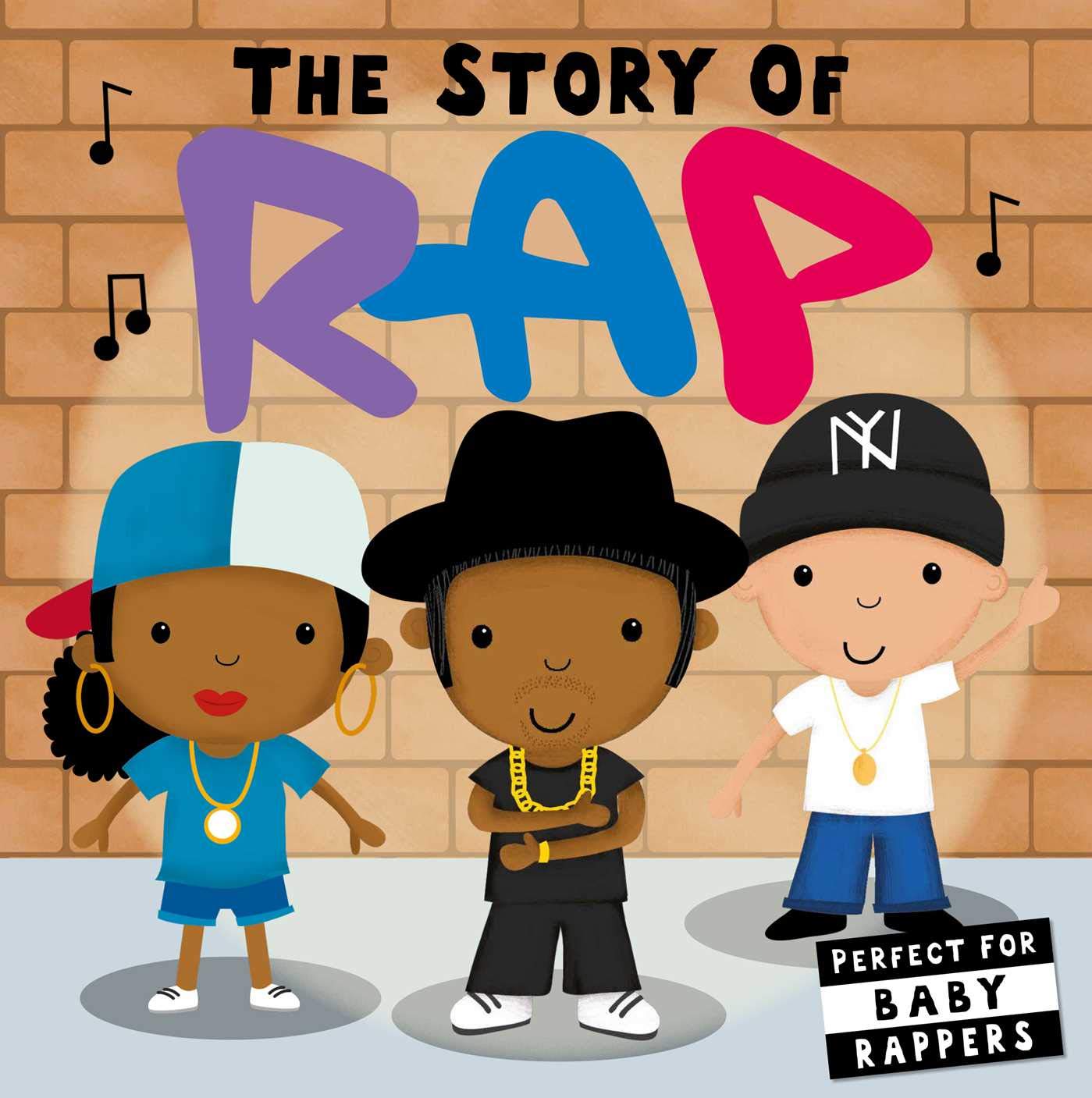
The Story of Rap
Published: May 7, 2019 by Silver Dolphin Books

Summary: Lay down a baby beat and learn all about the history of rap!

From Grandmaster Flash to Kendrick Lamar, rap has shaped generations and brought a voice to the voiceless. Bop along with the greats in this adorable baby book that introduces little ones to the rappers that started it all!
Parental Advisory: May cause toddlers to develop excessive amounts of swagger.

My Review: I will admit that I know a lot less about rap than I know about rock, so reading this book was a different experience. I knew many of the names but had less background information to share with my children. So together, we looked up the musicians to read and learn more about them together. It was fun to learn more about a music genre that I am less familiar with. This is another book that would pair well with a student assignment to create their own Story of _________ books for children. I love nontraditional synthesis assignments.

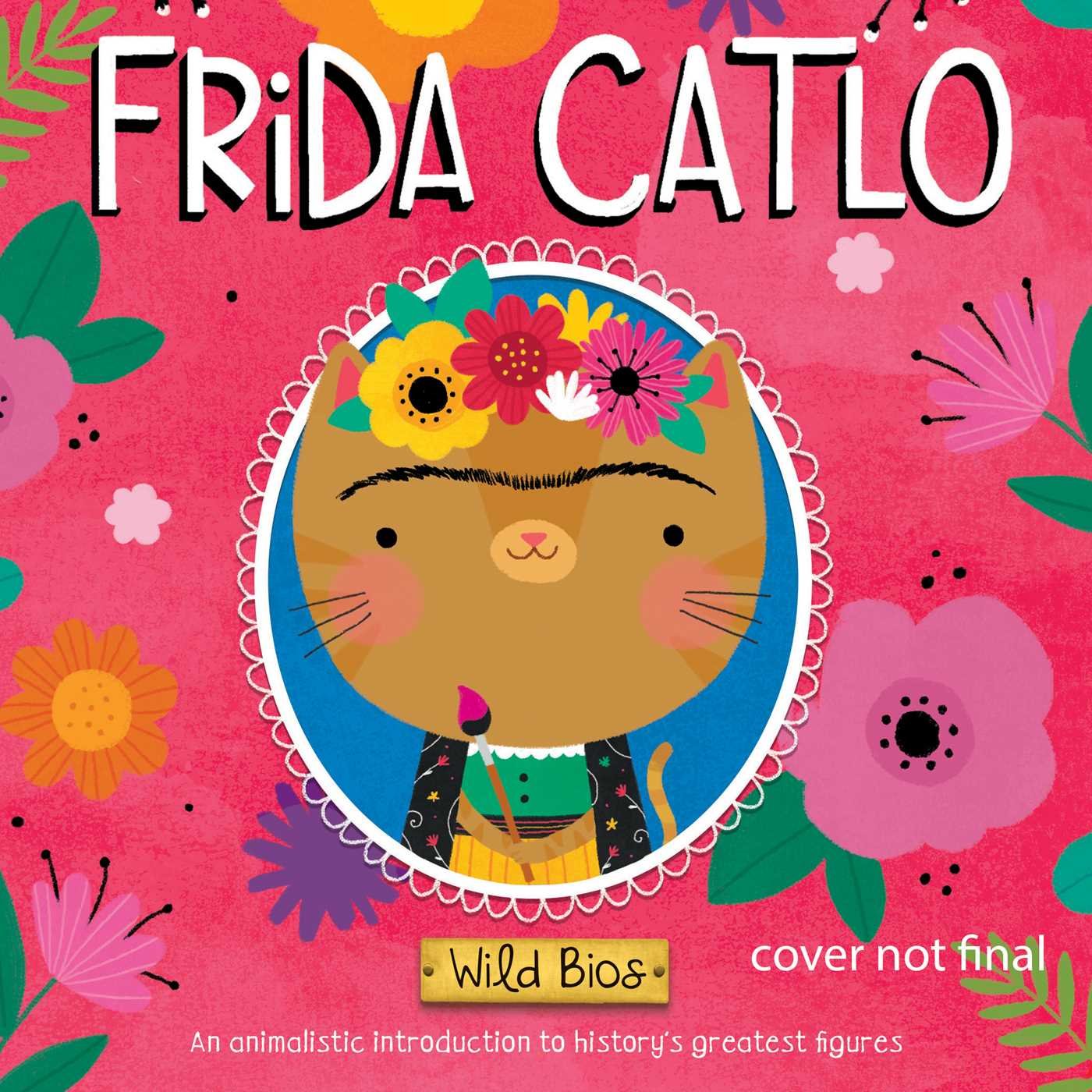
Wild Bios: Frida Catlo
Published: January 8, 2019 by Silver Dolphin Books

Summary: Frida Catlo was one purr-fect painter!

Meet one of history’s greatest figures in this adorable board book with an animal twist! Famous Meowxican painter Frida Catlo was a pioneer for female artists. She always painted from the heart, even in the face of health problems and personal struggles. With hilarious puns and colorful illustrations, this book brings Frida’s legacy to life for babies and parents alike!

My Review: Ahh, how I love Frida Kahlo. This book made me chuckle a bit. I will admit that I read it to my kids the first time without any of the cat references, but then I went through and read it again with the cat jokes. I wanted them to get a sense of Frida (who they are unfamiliar with) before they considered the cat jokes. This would make for a really fun classroom book. I can envision students enjoying a project that asks them to create their own Wild Bios for a person in history.

Recommended For: 

 classroomlibrarybuttonsmall

RickiSig

Ricki’s Favorite Reads of 2018

Share

Happy 2019! 

This year, I reread more books than any previous year. I am not including the billions of pictures books that I reread to my children in that statistic, either. 🙂 But for this list, I am focusing on my favorite reads of 2018. These are books that will stick to my bones for years to come!


Favorite Books Marketed Toward Young Adults

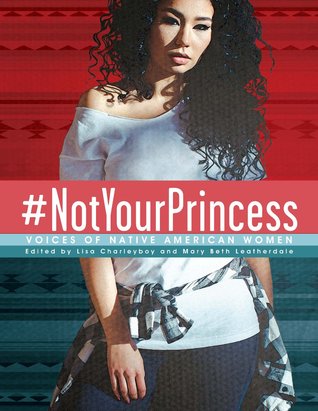
#NotYourPrincess: Voices of Native American Women, Edited by Lisa Charleyboy and Mary Beth Leatherdale

Americanized: Rebel Without a Green Card by Sara Saedi

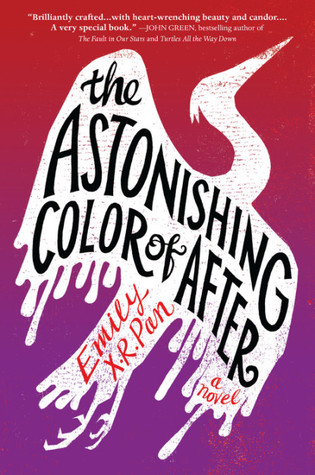
The Astonishing Color of After by Cynthia Leitich Smith

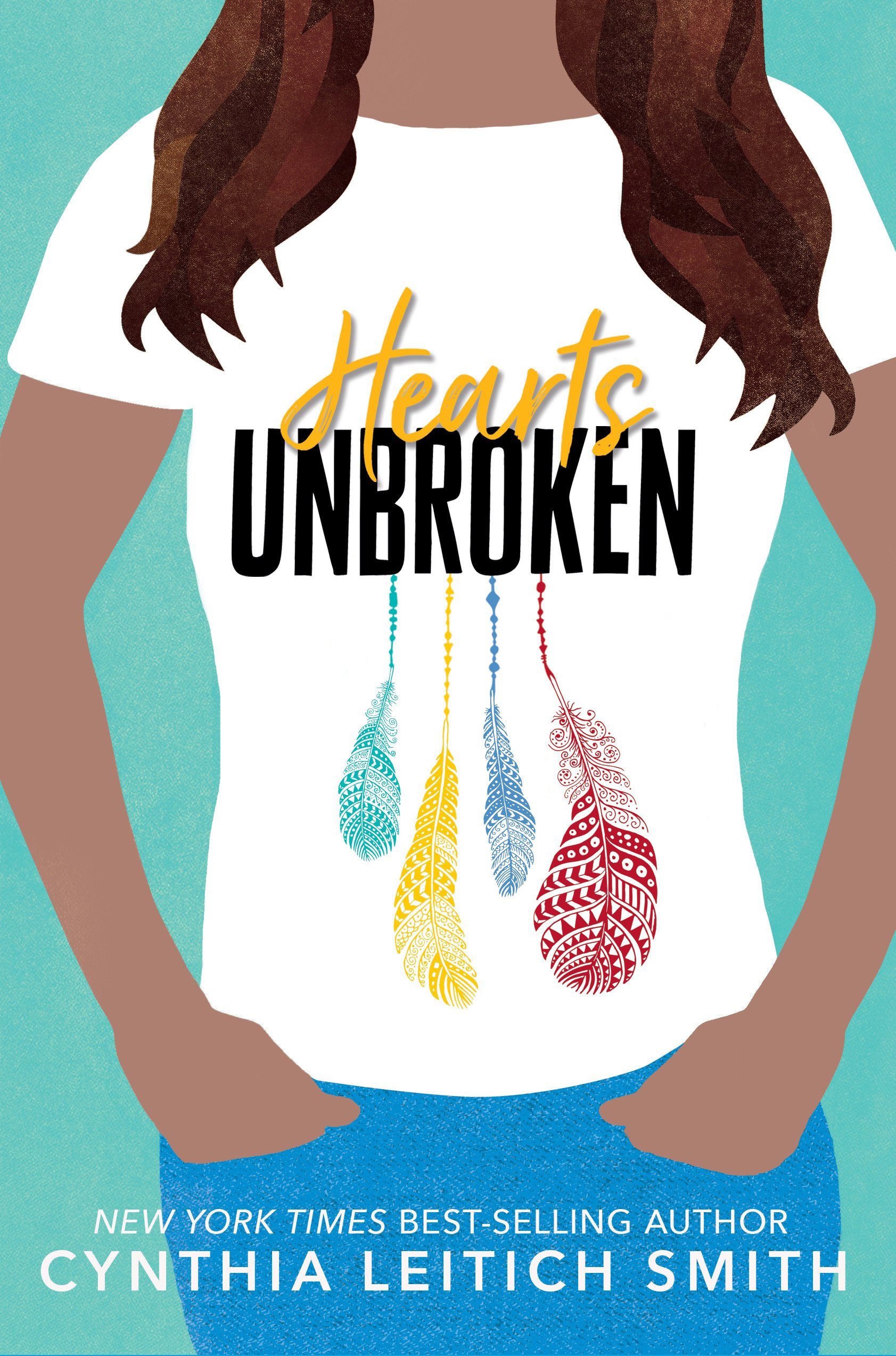
Hearts Unbroken by Cynthia Leitich Smith

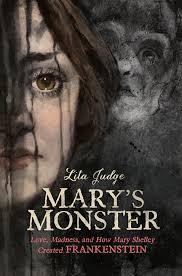
Mary’s Monster by Lita Judge

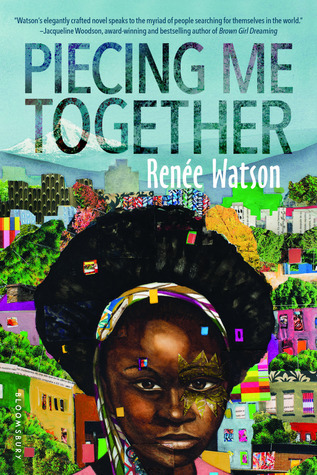
Piecing Me Together by Renée Watson

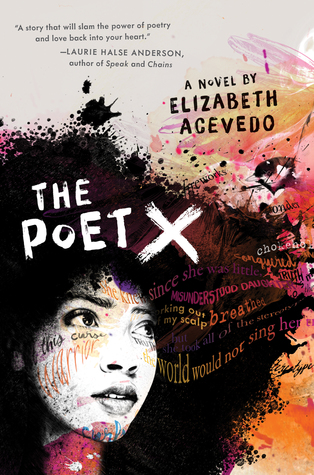
The Poet X by Elizabeth Acevedo

Pride by Ibi Zoboi


Favorite Books Marketed Toward Upper Elementary and Middle Grade

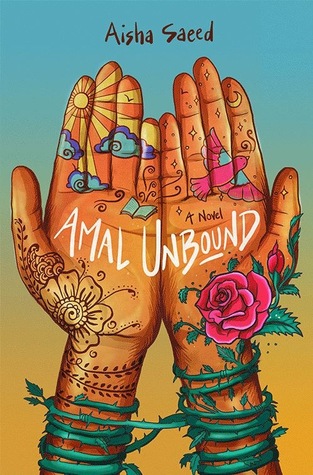
Amal Unbound by Aisha Saeed

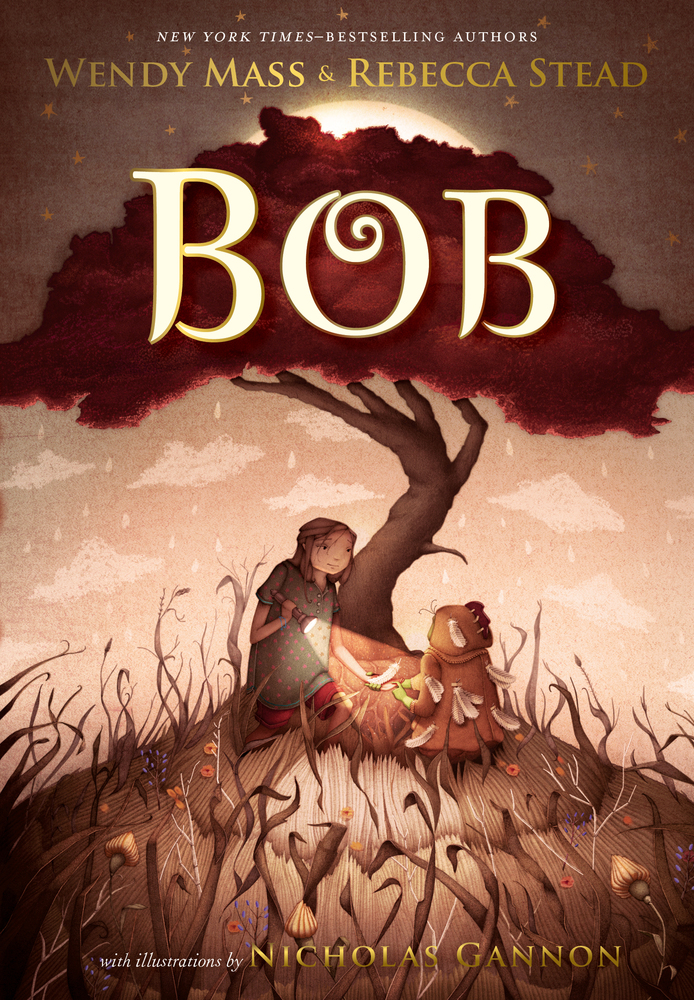
Bob by Wendy Mass and Rebecca Stead

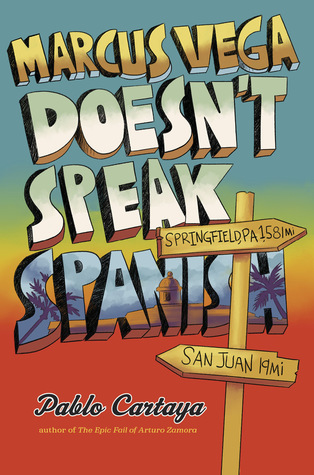
Marcus Vega Doesn’t Speak Spanish by Pablo Cartaya


Favorite Picture Books

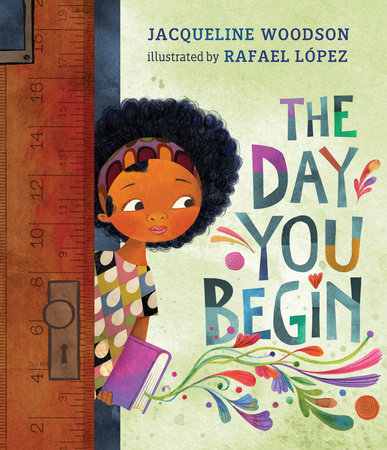
The Day You Begin by Jacqueline Woodson

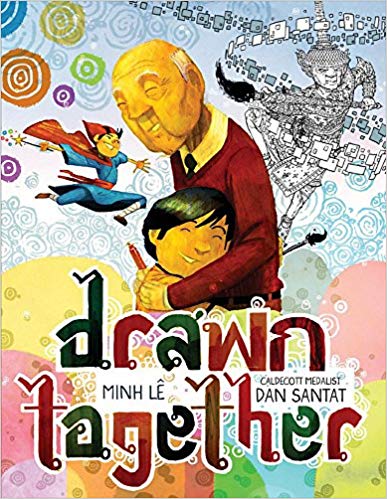
Drawn Together by Minh Lê

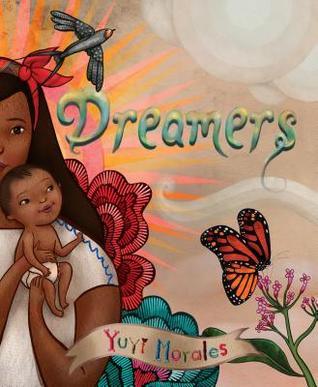
Dreamers by Yuyi Morales

I Walk With Vanessa by Kerascoët

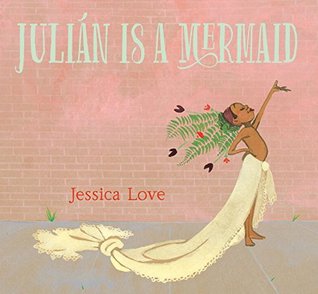
Julián is a Mermaid by Jessica Love

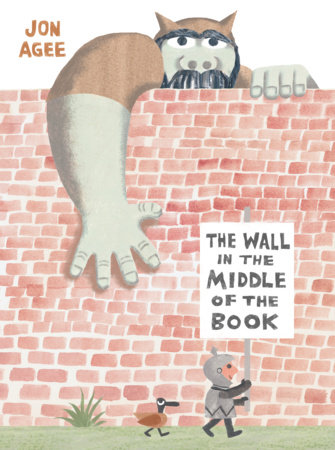
The Wall in the Middle of the Book by John Agee

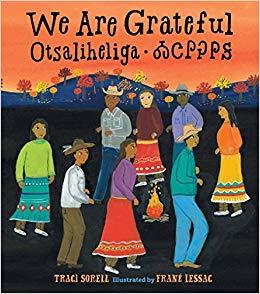
We Are Grateful: Otsaliheliga by Traci Sorrell


Which were your favorite reads of 2018?

Kellee’s Five Star Reads of 2018

Share

Happy 2019! 

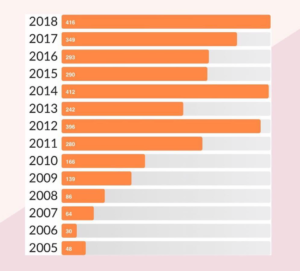
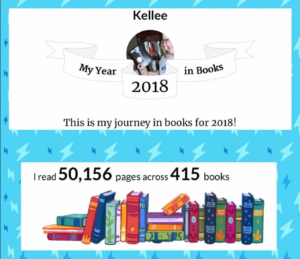
I had one of my best reading years ever! My GoodReads goal was 300 which I exceeded!

I read 415 books this year!
(Though I will admit GoodReads adding the ability to add rereads really helped with the total; however, I was quite inconsistent with it– I marked re-reads sometimes and other times I didn’t, so I don’t know how accurate the count is, specifically picture books…)


It was almost exactly split between picture books and non-picture books with my novel, etc. total being a bit over 200.
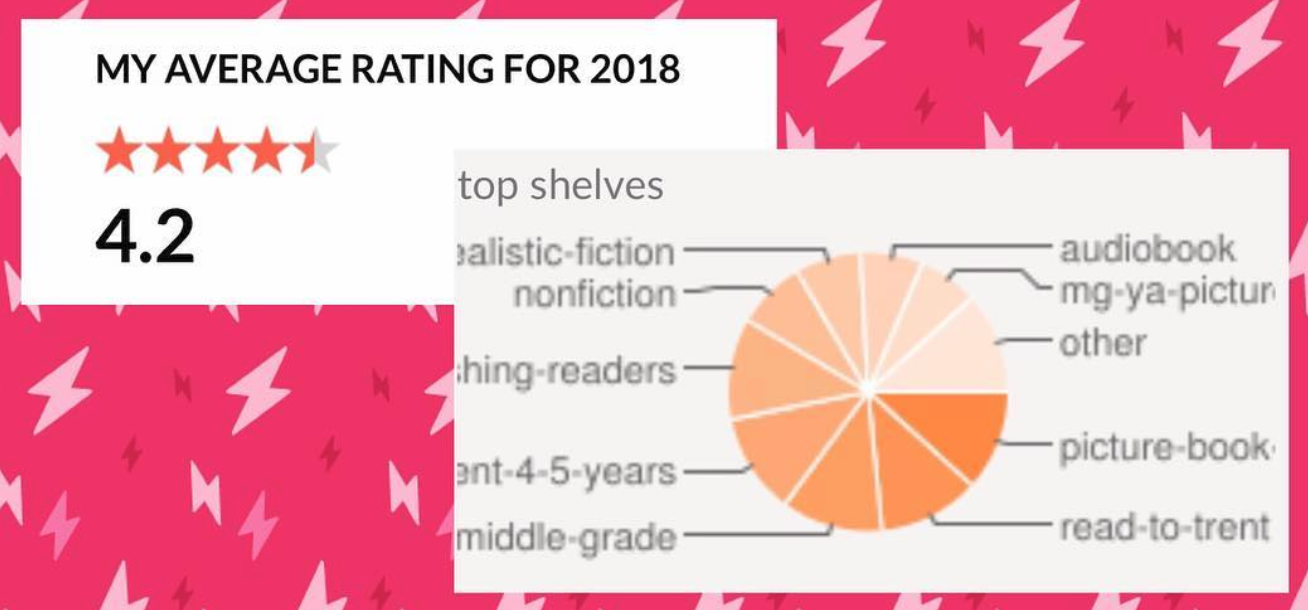
My average rating for the year is 4.2 and my top shelves were: realistic fiction, nonfiction, Unleashing Readers, Trent 4-5 years, middle grade, audiobook, mg-ya picture books, picture book, and read to Trent. 

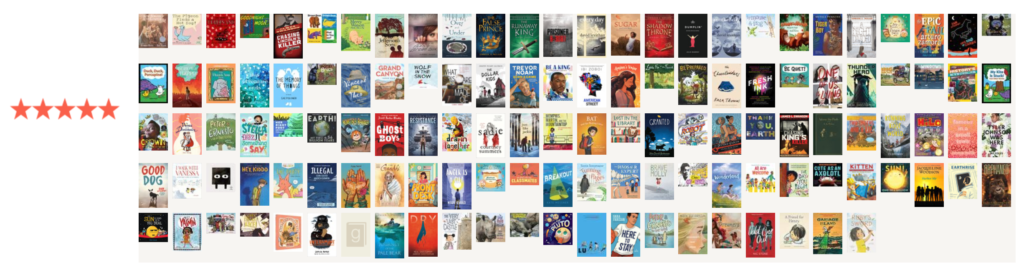
Today, I want to highlight my favorite reads from the year by sharing my 5 star reads from 2018
(the visual includes all while the list includes only newly read in 2018 books): 

Click on the photo above to see my 2018 Goodreads shelf to learn about any of these titles. If I’ve reviewed the book on Unleashing Readers, I’ve also hyperlinked it in the list. 

Picture Books & Early Readers (nonfiction & fiction)

Wolf in the Snow by Matthew Cordell
Windows by Julia Denos
Little Fox in the Forest by Stephanie Graegin
Grand Canyon by Jason Chin
Lights! Camera! Alice!: The Trilling True Adventures of the First Woman Filmmaker by Mara Rockliff
Crown: An Ode to the Fresh Cut by Derrick Barnes
My Kite is Stuck! And Other Stories by Salina Yoon
Duck, Duck, Porcupine! by Salina Yoon
Lost in the Library: A Story of Patience and Fortitude by Josh Funk
Be a King: Dr. Martin Luther King, Jr’s Dream and You by Carole Boston Weatherford
Square by Mac Barnett
Her Right Foot by Dave Eggers
Mission Defrostable by Josh Funk 
What Can a Citizen Do? by Dave Eggers
Masterpiece Robot and the Ferocious Valerie Knick-Knack by Frank Tra
Dreamers by Yuyi Morales
Drawn Together by Minh Lê
The Very Last Castle by Travis Jonker
The Day You Begin by Jacqueline Woodson
I Walk with Vanessa by Kerascoët
A Place for Pluto by Stef Wade
Cute as an Axolotl: Discovering the Worlds Most Adorable Animals by Jess Keating
Turning Pages: My Life Story by Sonia Sotomayor
All Are Welcome by Alexandra Penfold
One of a Kind by Chris Gorman
The Dinosaur Expert by Margaret McNamara
Memphis, Martin, and Mountaintop: The Sanitation Strike of 1968 by Alice Faye Duncan
A Friend for Henry by Jenn Bailey
Ruby’s Sword by Jacqueline Veissid
Brave Molly by Brooke Boynton Hughes
Santa Bruce by Ryan T. Higgins
We Can’t Eat our Classmates by Ryan T. Higgins
Be Quiet! by Ryan T. Higgins
Earthrise: Apollo 8 and the Photo That Changed the World by James Gladstone
Sun!: One in a Billion by Stacy McAnulty
The Sun is Kind of a Big Deal by Nick Seluk
Thank You, Earth by April Pulley Sayred
Meet Yasmin! by Saadia Faruqi

Middle Grade

False Prince trilogy by Jennifer A. Nielsen
Granted by John David Anderson
Sugar by Jewell Parker Rhodes
Bat & the Waiting Game by Elana K. Arnold
Track Series: Sunny & Lu by Jason Reynolds
Breakout by Kate Messner
Good Dog by Dan Gemeinhart
Tiger Boy by Mitali Perkins
Harbor Me by Jacqueline Woodson
Wonderland by Barbara O’Connor
Front Desk by Kelly Yang
Some Kind of Courage by Dan Gemeinhart
Louisiana’s Way Home by Kate DiCamillo
Running on the Roof of the World by Jess Butterworth
Orphaned by Eliot Schrefer
The Epic Fail of Arturo Zamura by Pablo Cartaya
Amina’s Voice by Hena Khan
Ghost Boys by Jewell Parker Rhodes
Amal Unbound by Aisha Saeed
Journey of the Pale Bear by Susan Fletcher
Garbage Island by Fred Koehler
The Dollar Kids by Jennifer Richard Jacobson
Escape from Aleppo by N.H. Senzai
Just Like Jackie by Lindsey Stoddard
A Night Divided by Jennifer A. Nielsen
Redwood and Ponytail by K.A. Holt
Stella Diaz Has Something to Say by Angela Dominguez

Young Adult

American Street by Ibi Zoboi
Thunderhead by Neal Shusterman
The Cheerleaders by Kara Thomas
The Memory of Things by Gae Polisner
Fresh Ink: An Anthology edited by Lamar Giles
Tyler Johnson was Here by Jay Coles
Prisoner B-3087 by Alan Gratz
Jefferson’s Sons by Kimberly Brubaker Bradley
Anger is a Gift by Mark Oshiro
What Girls are Made of by Elana K. Arnold
Sadie by Courtney Summers
Dumplin’ by Julie Murphy
Here to Stay by Sara Farizan
One of Us is Lying by Karen McManus
Resistance by Jennifer A. Nielsen
This Adventure Ends by Emma Mills
Internment by Samira Ahmed
Famous in a Small Town by Emma Mills
Odd One Out by Nic Stone
Dry by Neal Shusterman
Another Day by David Levithan

Graphic Novels

The Prince and the Dressmaker by Jen Wang
The Divided Earth by Erin Faith Hicks
I Am Ghandi: A Graphic Biography of a Hero edited by Brad Meltzer
Illegal by Eoin Colfer
Hey Kiddo by Jarrett J. Krosoczka
Monsters Beware by Jorge Aguirre
Kitten Construction Company: Meet the House Kittens by John Green
HiLo #4: Waking the Monsters by Judd Winick
Peter & Ernesto: A Tale of Two Sloths by Graham Annable
Peter & Ernesto: The Lost Sloths by Graham Annable
Be Prepared by Vera Brosgol
Fox & Chick: The Party and Other Stories by Sergio Ruzzier

Nonfiction

Chasing Lincoln’s Killer by James L. Swanson
Chasing King’s Killer by James L. Swanson
Vincent and Theo: The Van Gogh Brothers by Deborah Heiligman
Born a Crime: Stories from a South African Childhood by Trevor Noah
Two Truths and a Lie: Histories and Mysteries by Ammi-Joan Paquette
Eavesdropping on Elephants: How Listening Helps Conservation by Patricia Newman
The Great Rhino Rescue by Patricia Newman
National Geographic: History’s Mysteries: Curious Clues, Cold Cases, and Puzzles from the Past by Kitson Jazynka

All of these books are highly recommended by me, so if you haven’t read them and they interest you, they won’t let you down 🙂 Happy reading!

Author Guest Post!: “Shaping the World: Industrial Design” by Carla Mooney, Author of Industrial Design: Why Smartphones Aren’t Round and Other Mysteries

Share

“Shaping the World: Industrial Design”

Why are chairs shaped like…chairs? How do engineers get ideas for improving the design of cars, phones, packaging—everything?

Since the earliest times, people have searched for better solutions to specific problems. They have tried to improve stone tools, cooking pots, weapons, and more. When creating each new item, they have thought hard about it—what problem are they trying to solve, what are they trying to accomplish, how can they make it work better?

Answering these questions, they made a design. Through design, people have created the key inventions of our civilization.

You might not know it, but you, too are a designer. Have you ever rearranged your room or desk to better suit a specific use? Maybe you wrote a quick computer program to make your gaming system work better. By thinking about what needed to be improved and finding a way to improve it, you used design skills.

So what’s industrial design? Industrial design is the process of brainstorming and planning every aspect of a product before it is made in mass production. Most of the things we buy today are made in a factory. Someone, an industrial designer, decided what the product would look like, how it would work, and developed a process for it to be manufactured.

Industrial design includes making decisions about how a product is used by a person, what technologies it uses, the materials it is made from, and how it looks and feels. Industrial design is a problem-solving process.

People have been designing things since the first fire pit! As technology grows increasingly complex, the methods of design have grown more sophisticated, but the beginning spark is the same. Spot a problem? Design a solution!

Try your hand at industrial design with these hands-on projects!

DESIGNER VS CRAFTSMAN

The growth of factories and mass production allowed companies to produce goods that were affordable for many people. At the same time, separating design from manufacturing can cause some problems. In this activity, you will explore some of the differences between craft-based design and mass production.

To begin, you will play the role of a craftsperson. Choose something that you can make, such as a piece of art, a stick picture frame, a simple wooden train and tracks, or a magnetic clip. Gather your supplies and get to work designing and making your item. Think about the following questions.

What design decisions did you make for your item?
When did you make these decisions—before you started working or while you were making the item?
How were the design process and the making of the item connected? How were they separate?

Now, imagine that your item will be mass-produced in a factory. You are still the designer, but will not be making the items. How will you convey your design ideas to the people who will manufacture and assemble the items? How will you ensure that the mass-produced items match your design, regardless of who makes them?

Have several friends or classmates follow your design instructions and make the item without you. After they have finished, compare their items to your handcrafted original.

Are there any differences? If so, what are they?
What difficulties did you and your team encounter while mass-producing the item? Why do you think this occurred?
What problems will it cause if there are differences between a design and the manufactured products? What about between the products themselves?
What could you do as the designer to ensure there are very few differences between the original design and mass-produced items?

Try This!

Think about how ornamentation affects mass-produced industrial design. Ornamentation is everything added to an object for decoration. It could be the type of finish or painting on an object, scrolls in woodwork, or even added jewels or metalworking. What is the effect of ornamentation on an object’s form, function, manufacturing process, and cost?

DESIGN A CHAIR

Design solves a problem and meets a need. When industrial designers create and improve products, they make sure their designs meet the needs of users. In this activity, you’ll design a chair that meets the needs of a specific type of user.

Consider the following chair users.

An 80-year-old man who walks with a cane. He spends most of his day in a chair, watching television. It is difficult for him to get in and out of a chair.
A 15-year-old student who spends eight hours a day at school. He has a large, heavy backpack that he carries from class to class. In every class, he needs a place to work and store his backpack.
A 30-year-old marathon runner who spends much of her time moving. Because she often has sore muscles, she prefers a cushioned, comfortable place to relax and prepare for the next day’s run.

Choose one of the users and make a list of what they need in a chair. How are these needs related to design requirements for a chair?

Choose a variety of materials to work with. Possibilities include black permanent markers, paper, scissors, corrugated cardboard, pipe cleaners, modeling clay, cotton balls, tape, and toothpicks.

Following the design process and considering your design requirements, design the chair.

Draw several sketches of the design. What elements will you use in the design? How do these elements meet design requirements?

Using your materials, make a simple model of your chair.

Evaluate your chair’s design. Does it meet the design requirements? Does it work as intended? Is it aesthetically pleasing?

Test your design by having other people evaluate the chair. What changes or improvements do they recommend?

Retest it with potential users. If needed, redesign your chair based on the testing feedback. After you have the final design, consider the following questions.

What did you change during the design process? What did you learn from your models and prototypes?

What materials did you enjoy working with the most? Which did you enjoy the least? Why?

Try This!

Try building a model of the same chair using different materials. How do different materials affect the design? How does the choice of materials affect how well the chair meets the design requirements?

REDESIGN A KITCHEN UTENSIL

There are a lot of utensils in the kitchen—knives, forks, spoons, whisks, peelers, pizza cutters, ice cream scoopers, spatulas, and more. Can you find any that could be improved by industrial design?

With an adult’s permission, take an inventory of your kitchen utensils. Consider the following questions.

What types of utensils do you have? How many of each kind?
What materials are they made from?
Are they ergonomic?
Are any utensils hard to hold or difficult to use?
Are any broken or rusty?
Can you use them right-handed or left-handed?
Do the handles wobble and make gripping the utensil difficult?
Does the utensil have sharp edgesthat cut into your hand when holding?
Do they look aesthetically pleasing?

Choose a utensil to improve through industrial design. Follow the steps of the design process:

Understand the problem
Define design requirements
Generate ideas
Choose the best solution
Develop the solution
Make a model/build prototype
Test and redesign

Present your new and improved utensil design to family members. What are their reactions?

Try This!

Can you design a product to organize your kitchen utensils?

About the Author: Carla Mooney has written more than 70 books for children and young adults. Her work has appeared in many magazines including HighlightsFaces, and Learning Through History. Carla lives in Pittsburgh, Pennsylvania.
Website: carlamooney.com
Facebook: facebook.com/carlamooneyauthor

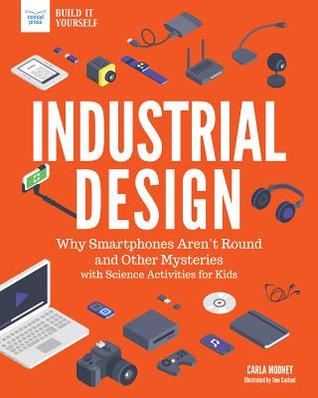
Industrial Design: Why Smartphones Aren’t Round and Other Mysteries with Science Activities for Kids
By Carla Mooney
Published August 3rd, 2018 by Nomad Press

About the Book: What is industrial design? Why do microwaves open with a swinging front door? Why aren’t smartphones round?

In Industrial Design: Why Smartphones Aren’t Round and Other Mysteries with Science Activities for Kids, readers ages 10–15 engage in and learn about the engineering design process from its earliest beginnings, when individuals designed and crafted their own tools, to today, when engineers work to find the best design for products that are then manufactured in bulk by automated machines. Engineers consider the user experience of every product they design to ensure that users have the best experience possible. Good design combines the right materials, colors, details, and form to make a person want to buy and use a product. A well-designed product is easy to use and does what it is meant to do!

Thank you Carla for these classroom and independent friendly inquiry activities!

Author Guest Post!: “Big Questions, Big World, Big Data!” by Carla Mooney, Author of Big Data: Information in the Digital World

Share

“Big Questions, Big World, Big Data!”

Did you shop online today? Write an essay in Google docs? Send a snapchat to a friend? If so, you’ve been using data!

Data is a collection of small bits of information. It’s what we know and can measure about the world. Data has been around since people could count and write down their observations, which means we’ve been creating and using data for many centuries.

Now, because of computers and the internet, the amount of digital data in the world is vast. There’s so much data, we’ve taken to calling it “big data!” People generate data every day. When we shop, when we listen to music online, when we use fitness trackers, when we text, when we simply visit different websites—all of these actions generate data about who we are and what we like.

But…why? Great question. Many organizations and businesses use data in innovative ways to help create new products and processes that improve the quality of life for people around the world. Others have used data for financial gain. Data can be used for many different purposes.

But there are problems. How do we store all of that data? How do we access it when we need it? How do we know what is good, trustworthy data and what is bad data? And what about keeping things private? Not everyone wants the world to know where they shop or what they eat or how much money they have in the bank. How do we make sure that our data isn’t being accessed when we don’t want it to be, or used in ways that are harmful?

These are critical questions that lots of different people are working on finding the answers to. The first, very important step is to understand what exactly data is, how it works, how we collect, store, and access it, and how we can protect it.

Try these hands-on projects to start thinking about data!

WHERE’S THE DATA?

Data can be found everywhere in the world. You generate data about yourself everyday—at home, at school, at work, and with your friends. In this activity, you will collect data about yourself and others. Then you’ll use the data you have collected to create meaningful information.

To start, find a partner—a classmate, friend, or family member—who is willing to participate in the activity with you. Together with your partner, brainstorm sources of data about each of you. Here are some ideas for data sources.

What data can you discover about a person from their cell phone?

What data can you discover about a person from their computer history?

What data can you discover about a person from their schedule and activities?

What can you discover from social media sites?

Now that you’ve identified several sources of data, you and your partner should select three sources from which to collect data about the other person. Decide how you are going to record or log this data—by hand, in a spreadsheet, or in a Word document. Collect and record your data.

Once you have three data sets about your subject, what can you do with the raw data? Is it meaningful in its raw format? Why or why not?

How can you organize the data so that it is more useful? What information can you learn from the data you have collected? For example, can you use the data to discover your partner’s favorite hobbies, websites, or television shows? What does this tell you about your partner? Is this information accurate?

Consider This!

As more devices collect data about your activities online and offline, what issues do you think this could cause? Who sees and owns this data? What should they be allowed to do with the data? What restrictions should be put in place?

EXPLORE WEATHER DATA

What’s the weather like where you live? Weather is one type of data in the world around you. It can be measured and described in many ways, including temperature, rainfall, wind speed, and humidity levels. Every measurement is a piece of data that can be used in a variety of ways.

To start, you’ll need to select two cities along with your own city. You will be collecting weather data for all three cities during a two-week period.

Every day for two weeks, use the internet and local weather sources to collect weather data. Consider collecting the following types of data.

Temperature, both high and low

Wind speed

Wind direction

Air pressure

Sky conditions– sunny, cloudy, partly cloudy

Precipitation–type and amount

Humidity

Meteorologists and other scientists use graphs and charts to look for trends in data. Create graphs for each category of weather data to compare and contrast the data from the three cities.

Now that you have organized your weather data, you can analyze it for useful information about the weather in the three cities. Use the graphs and charts to think about the following questions.

How would you describe the temperature changes in each city?

What was the highest and lowest temperature in each city and when did it occur?

What was the average temperature in each city?

Which city had the most sunny days, cloudy days, and rainy days?

Is there a relationship between sky conditions and temperature?

Is there a relationship between wind direction and temperature?

Which day had the most precipitation? Which had the least?

What was the total precipitation for the two-week period in each city?

How did air pressure change in each city? Did you spot any trends?

Is there a relationship between air pressure and the sky conditions of the next day?

Data can help us better understand the world around us. How are you able to use the data you collected to better understand the weather in your city and the other cities you tracked? What can you do with this information?

Try This!

How can you use your weather data to predict future weather? Based on the graphs and data analysis that you completed in this activity, what information have you learned that could help you predict weather in your city?

LEARNING ABOUT COMPUTER HISTORY

Many people, discoveries, and milestones were part of the history of the computer. From counting on an abacus to designing the first computer game, many people had a role in creating the technology behind today’s computers. In this activity, you’ll have the chance to learn a little more about a person or discovery you find especially interesting.

To start, think about an area of computer and data history that you want to learn more about.

You can pick a topic from this list, browse through the Computer History Museum’s website for ideas, or choose one of your own.

Abacus

Charles Babbage and Ada Lovelace

Hollerith’s punched cards

Grace Hopper

Colossus computer

The six ENIAC programmers

First IBM personal computer

Apple Macintosh

Microsoft Windows

Google search engine

Using the internet and your library, research your chosen topic. Why is your topic important? What problem did it solve? How did it contribute to computer history?

Create a short video or PowerPoint presentation to share what you learned.

Consider This!

What is the connection between the topic you chose and how we collect, store, and use data today? How did this discovery or person in computer history impact the world of data today?

About the Author: Carla Mooney has written more than 70 books for children and young adults. Her work has appeared in many magazines including HighlightsFaces, and Learning Through History. Carla lives in Pittsburgh, Pennsylvania.
Website: carlamooney.com
Facebook: facebook.com/carlamooneyauthor
Big Data: Information in the Digital World with Science Activities for Kids
Published August 3rd, 2018 by Nomad Press

About the Book: Have you watched videos online today? Did you post photographs on social media? Did you upload your English essay to Google docs? All of these are questions about data!
In Big Data: Information in the Digital World with Science Activities for Kids, readers ages 10 to 15 explore the definition of data and learn how essential it is to our everyday lives. They learn about the history of data, the transition from paper to computers, and the role that search engines such as Google play in handling data. By making connections between the relationships among data, computers, and people, middle school kids also acquire the tools they need to become better digital citizens!

Thank you to Carla and Nomad Press for this great post with perfect activities for any STEM/PLTW/ICT, etc. classroom!