Smithsonian Exploration Station: World Atlas by Josh Farndon

Share

Smithsonian Exploration Station: World Atlas
Author: Josh Farndon
Published November 6th, 2018 by Silver Dolphin and the Smithsonian

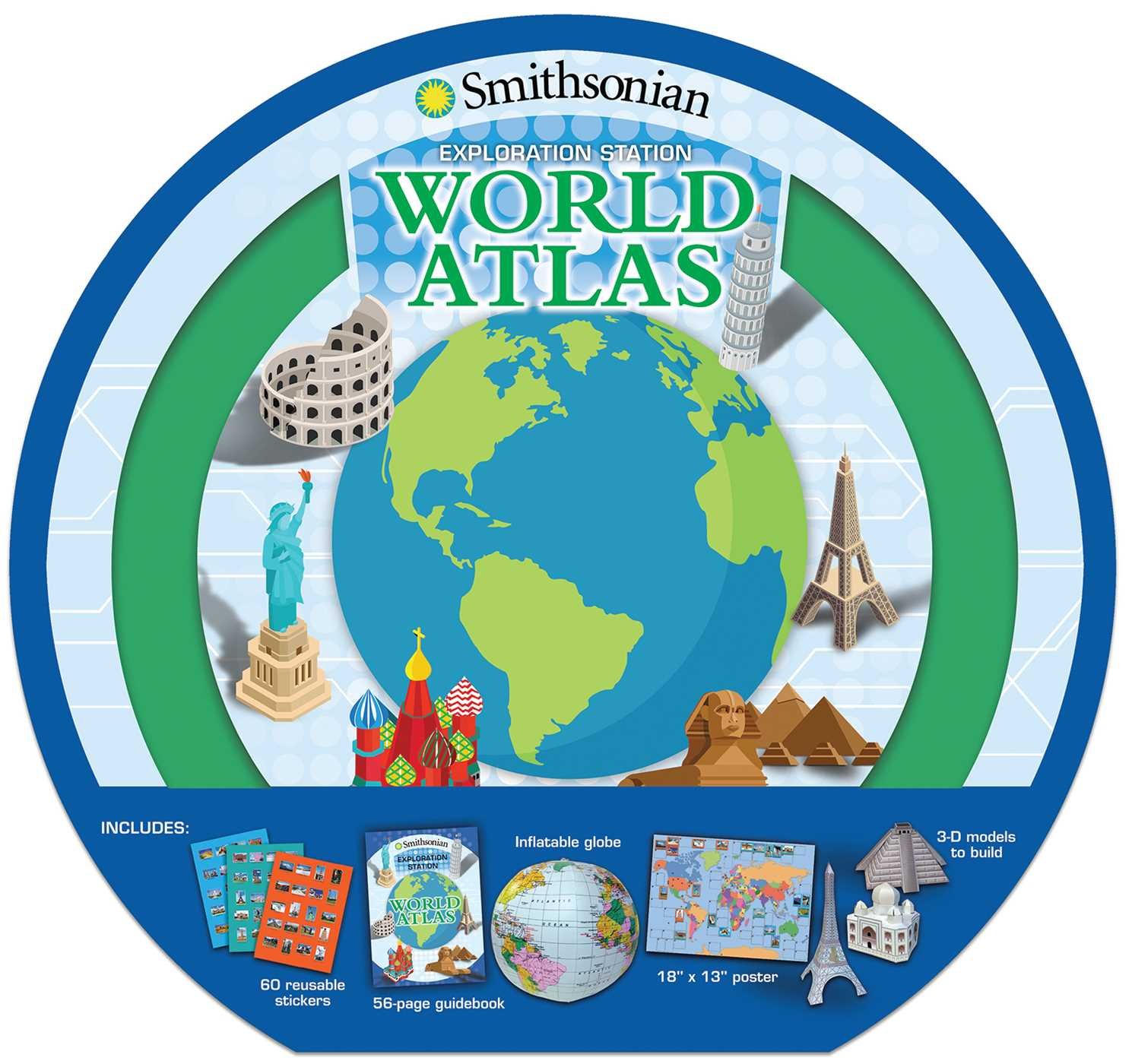
About the Book: Head off on a globetrotting adventure in this interactive atlas! Learn about the diverse cultures, customs, wildlife, and natural beauty that form our world through informative text and full-color photograph. Children will love the hands-on aspect to learning as they blow up their inflatable globe and build the cardstock models of some of the wonders of the world. Smithsonian Exploration Station: World Atlas (ISBN: 978-1626867208) is the perfect way to engage kids in the amazing world around them!

Includes:
56-page fact book
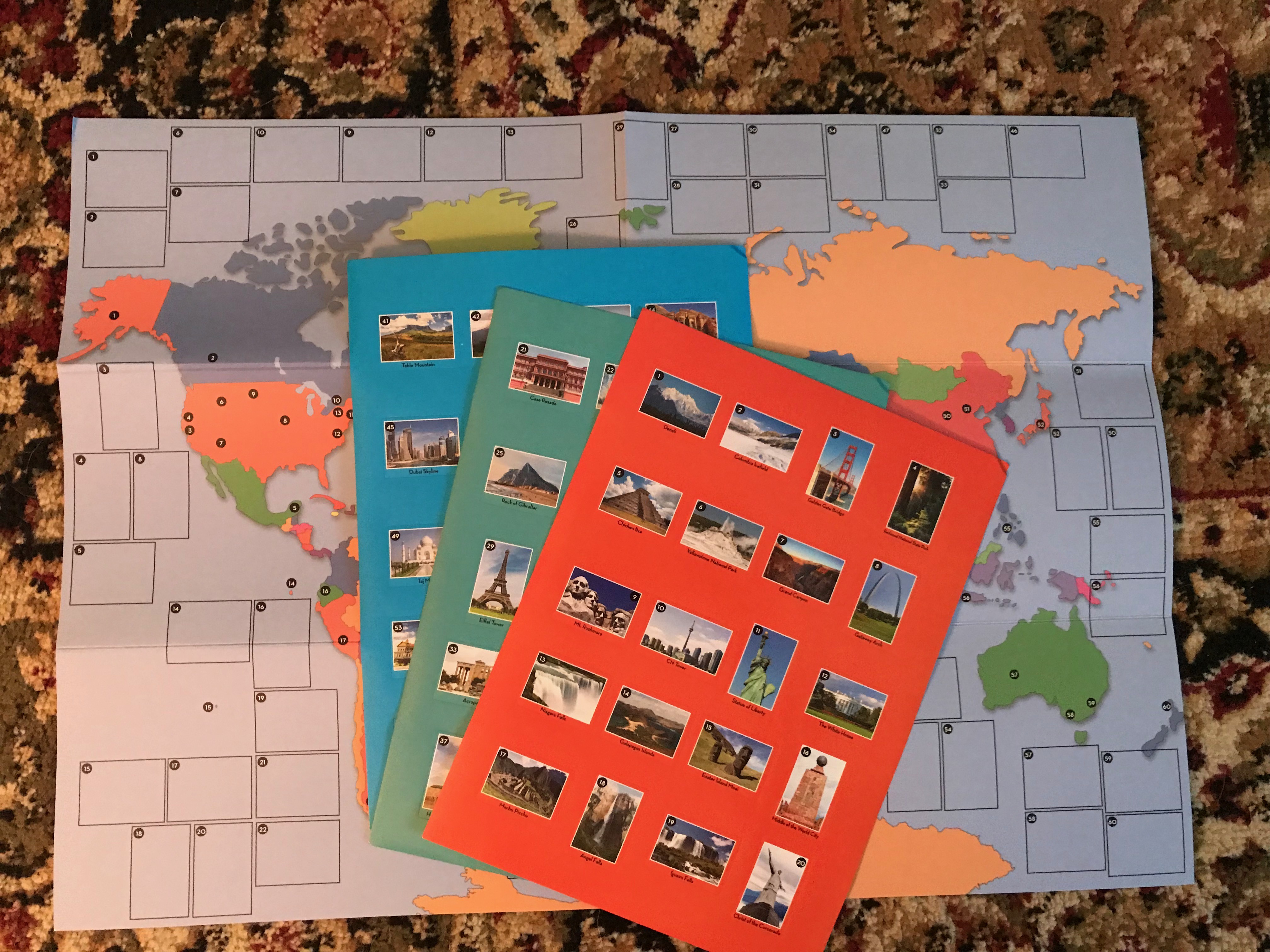
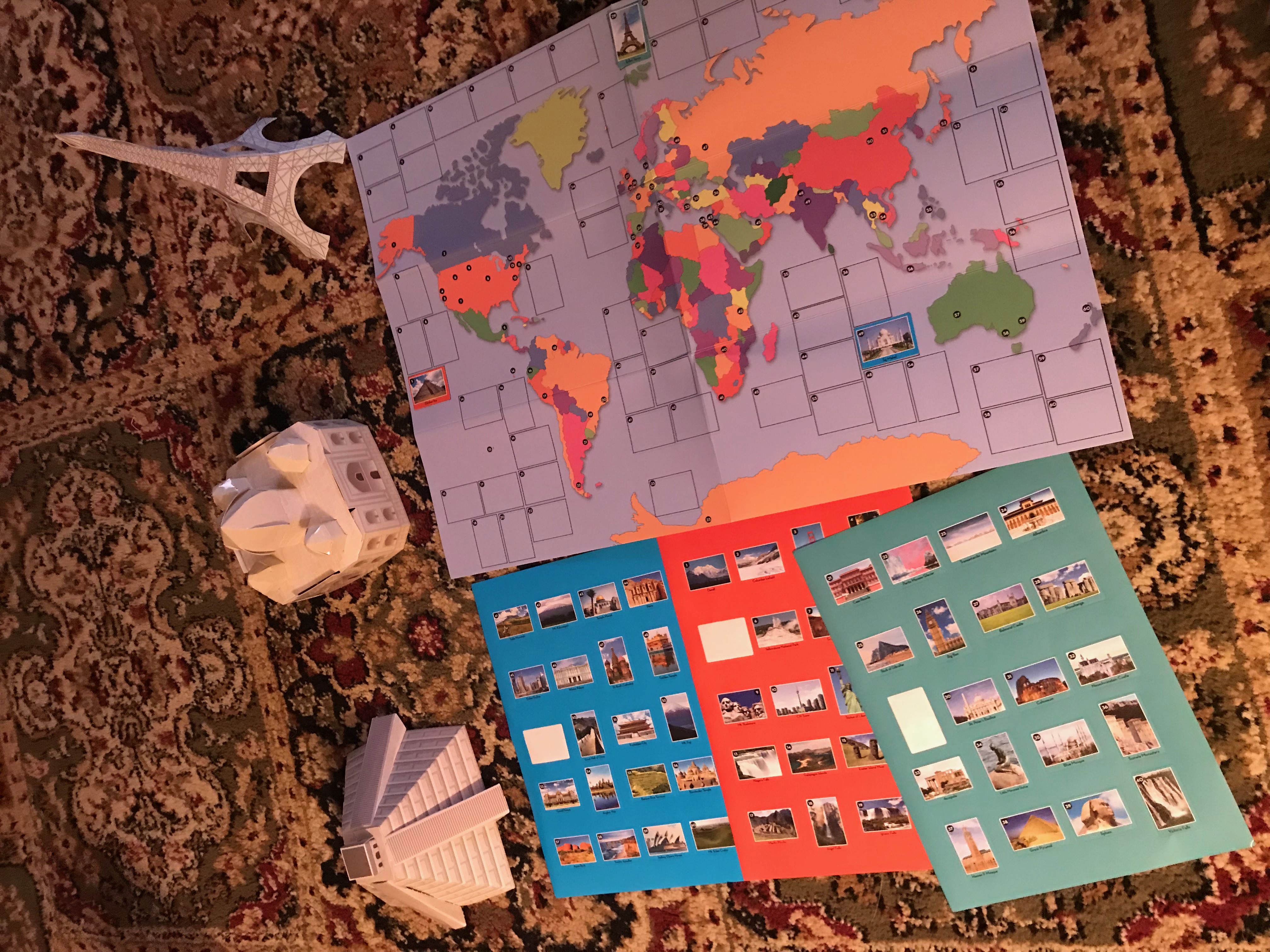
30 stickers with world map poster
1 inflatable globe
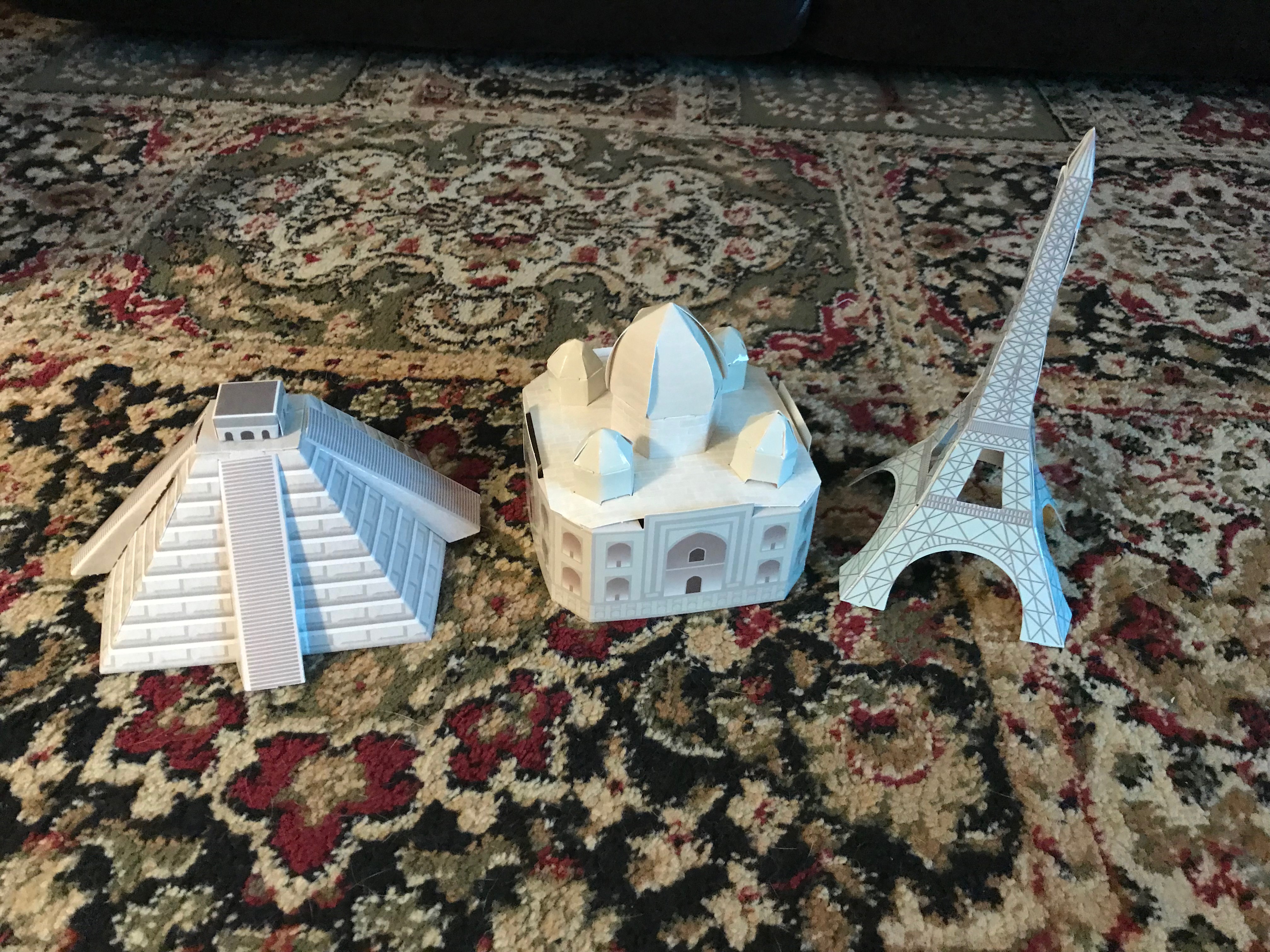
3 cardstock models to assemble: the Eiffel Tower, the Taj Mahal, and a Mayan pyramid

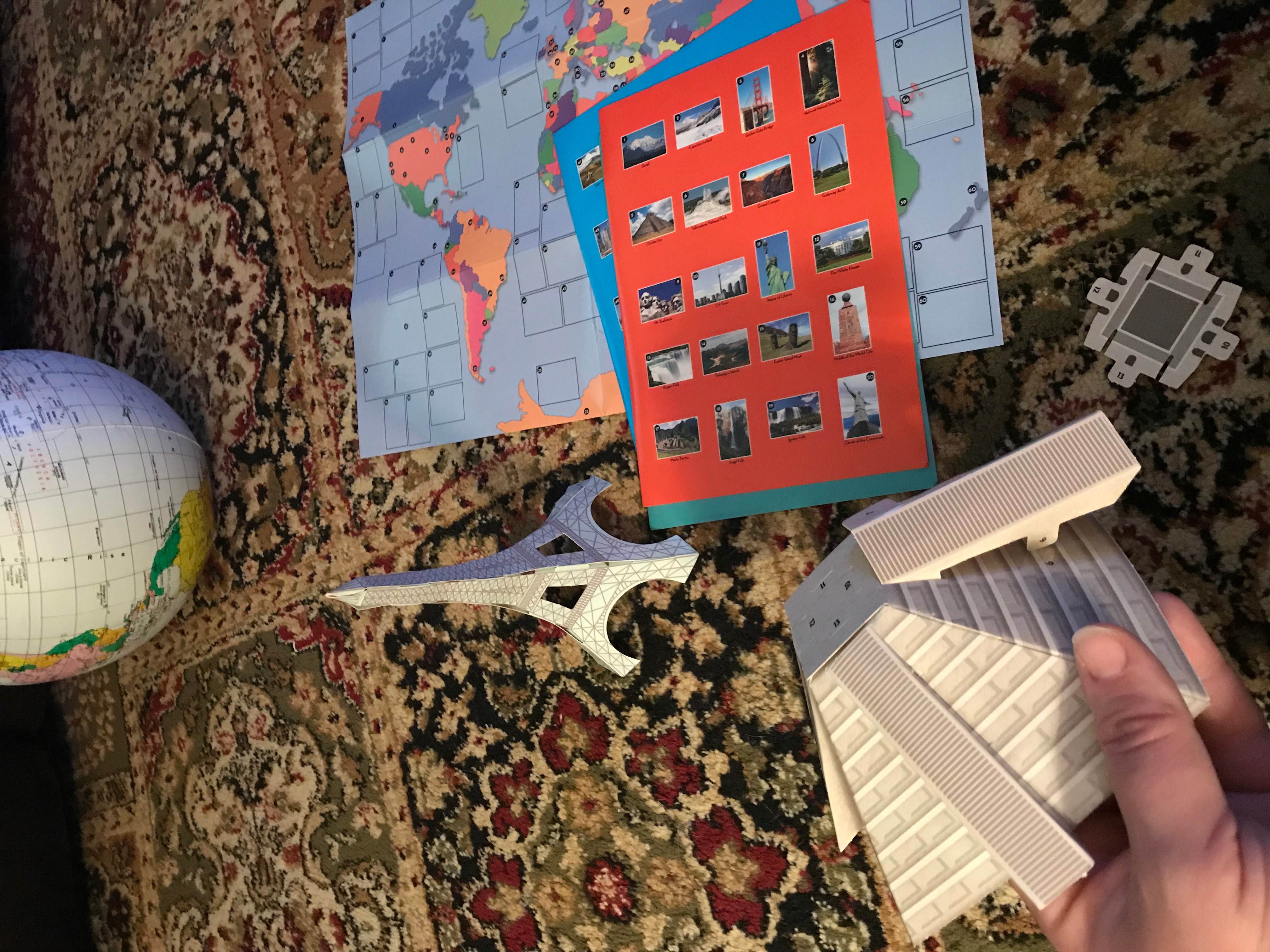
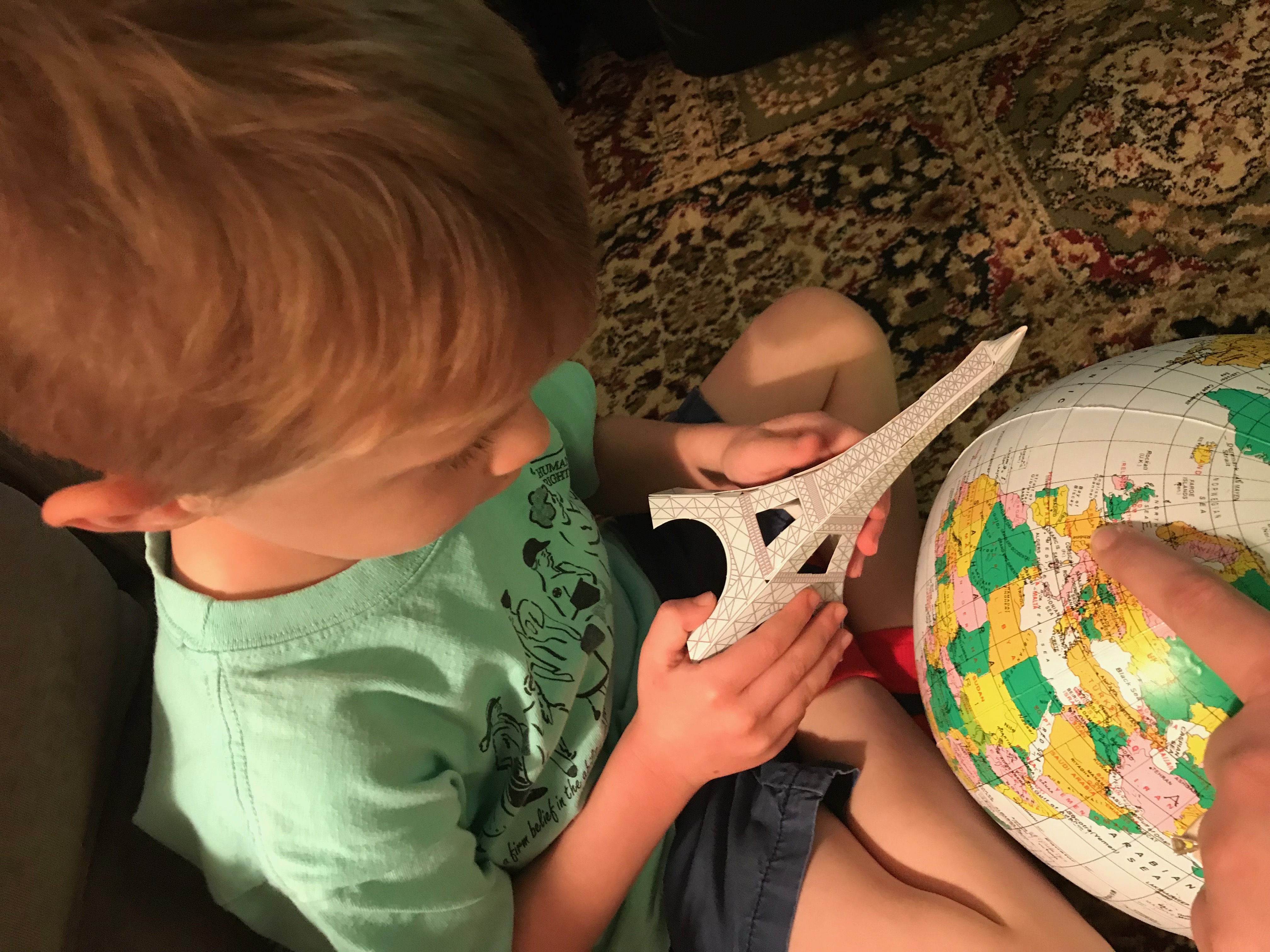
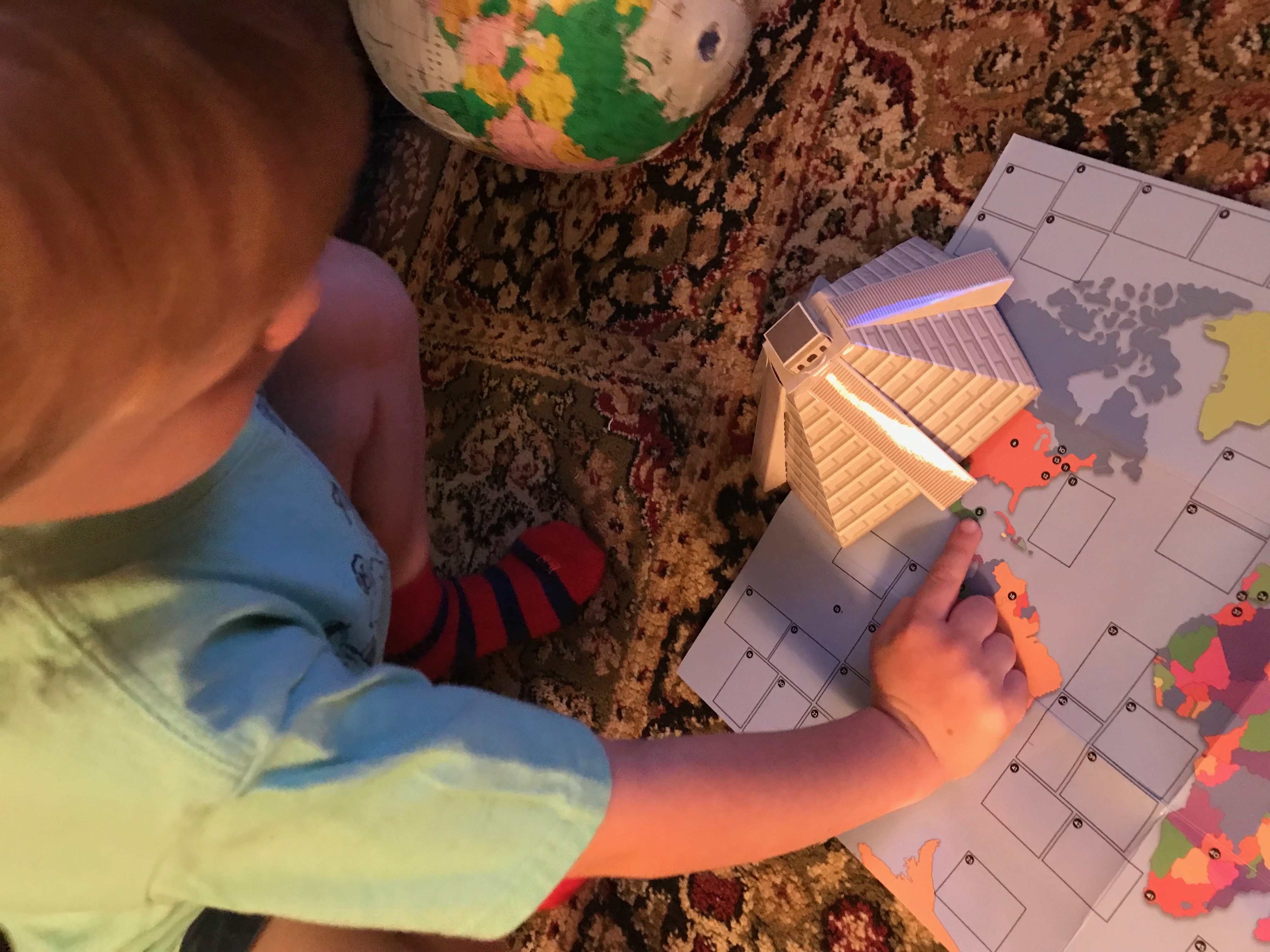
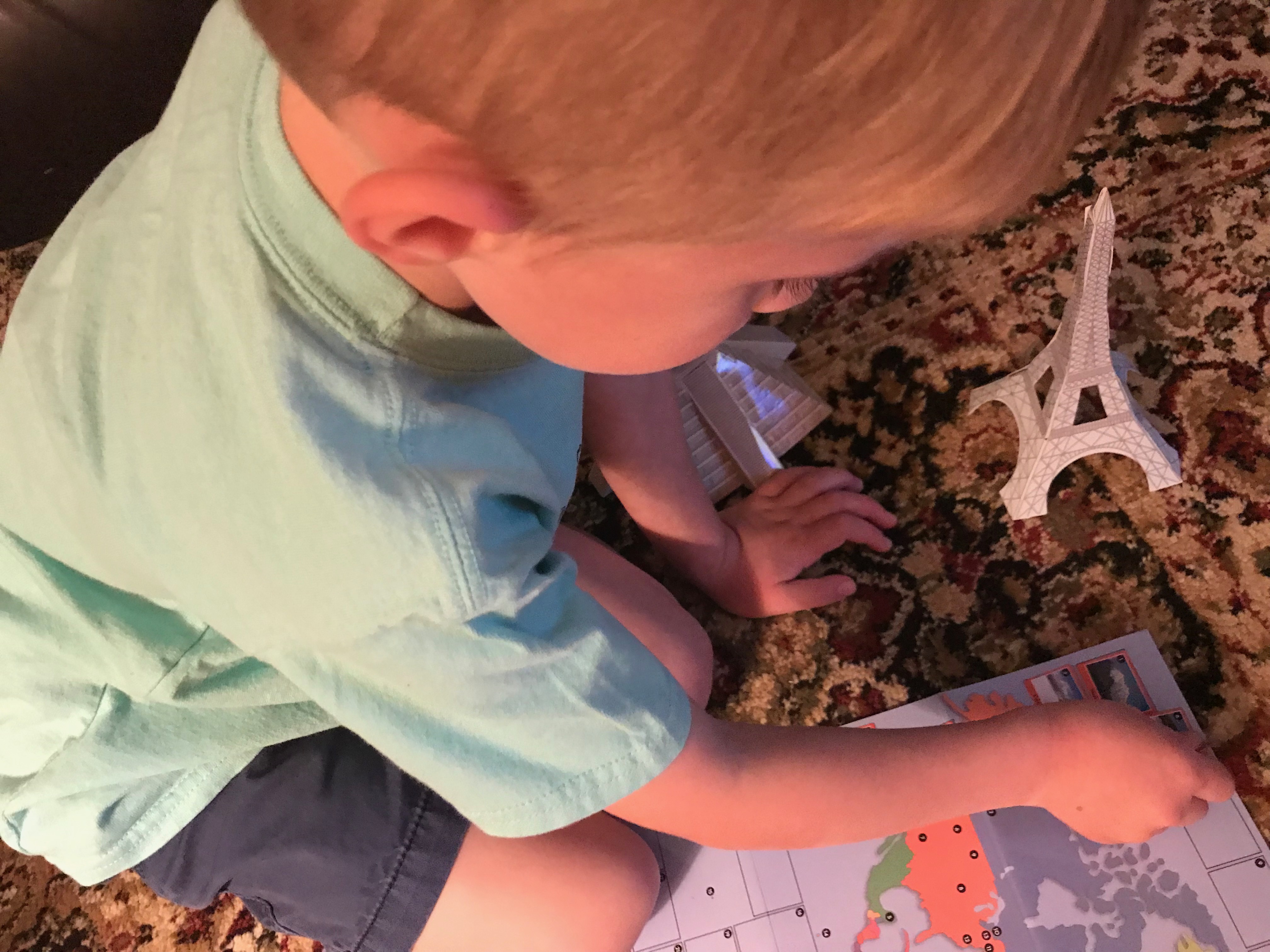
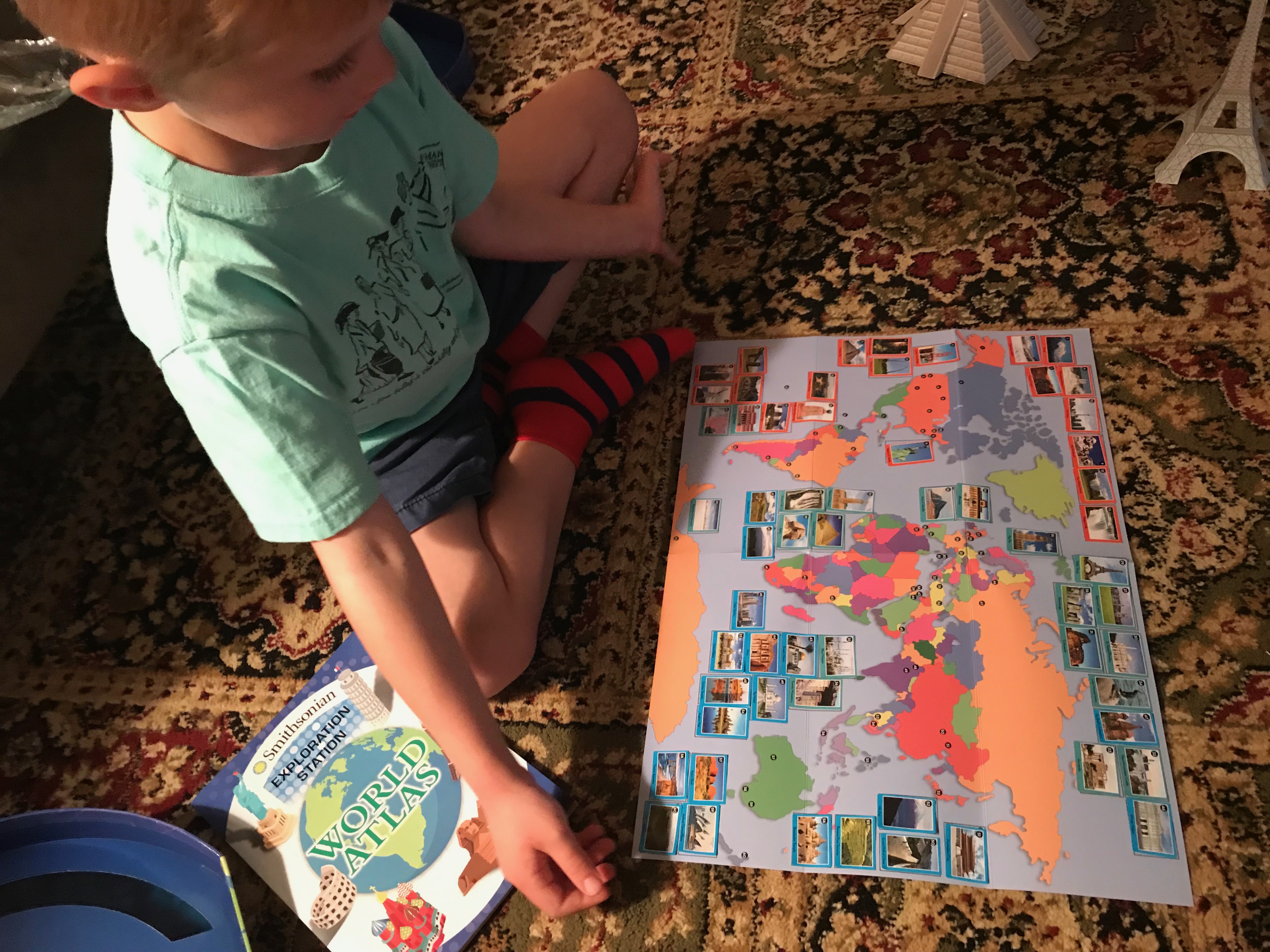
Review: I think the best way to review this exploration set is to show you Trent’s experiences with it as we had an amazing time exploring the world with the globe, map, landmark stickers, and landmark 3D sets:


I don’t think anything can show how wonderful a book is other than showing a child completely involved in its purpose. We’re definitely going to get all the sets in the series!

Teachers’ Tools for Navigation: This series (see Ricki’s review of the Solar System set) is made for education. How fascinating would it be to go through the 30 landmarks on the stickers, maybe one a week, and put them on the poster and discuss the landmark. There are ones all around the world which would allow the class to explore so many cultures. Or maybe separate the landmarks and have a different student become an expert on each one and share. There is so much to consider!

Discussion Questions: 

  • Where is _____ located?
  • What landmarks are in ____?
  • What did you learn about ____?
  • How is ___ different than ___?
  • Any Atlas/Geography questions!

Read This If You Love: Interactive sets, Geography, Landmarks

Recommended For: 

**Thank you to Casey at Media Masters Publicity for providing a copy for review!**

Smithsonian Exploration Station: Solar System

Share

Smithsonian Exploration Station: Solar System

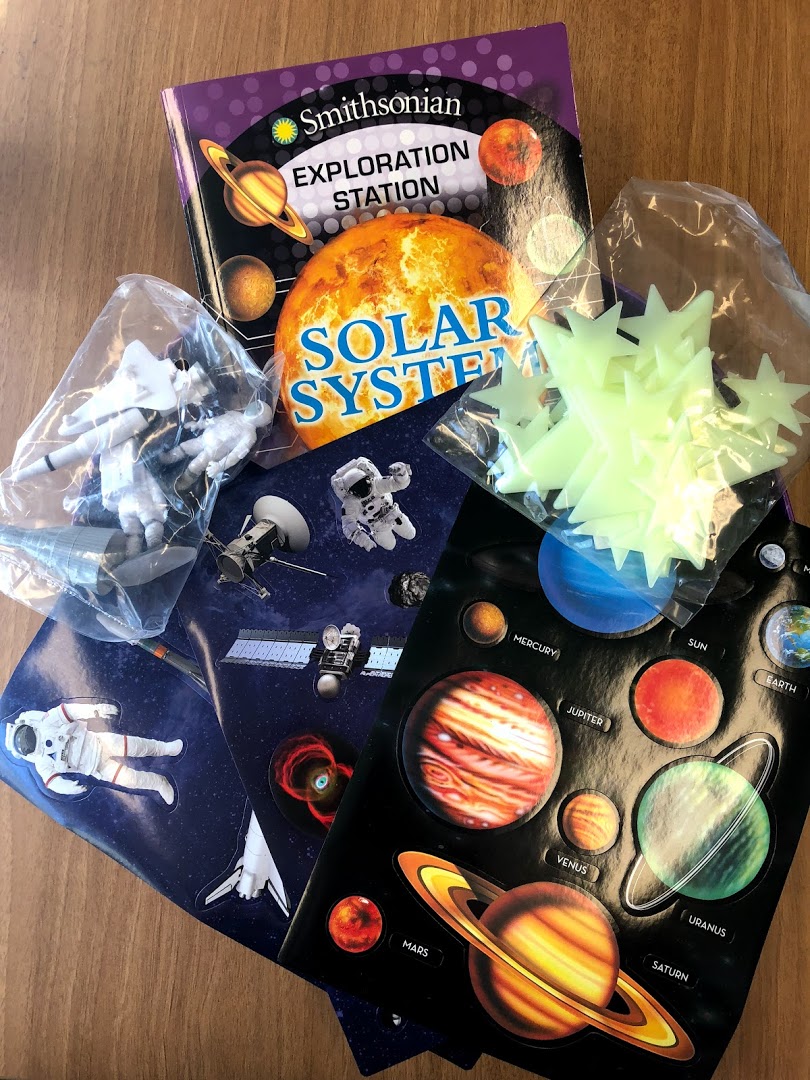
Summary: Take a trip into the stratosphere with Smithsonian Exploration Station: Space! With informative text and full-color photographs, young astronomers will learn about the intricate makeup of our solar system as well as distant galaxies and constellations. The 56-page fact book combined with the sticker sheet, space figurines to play with, and the glow-in-the-dark stars make this space experience interactive and engaging.

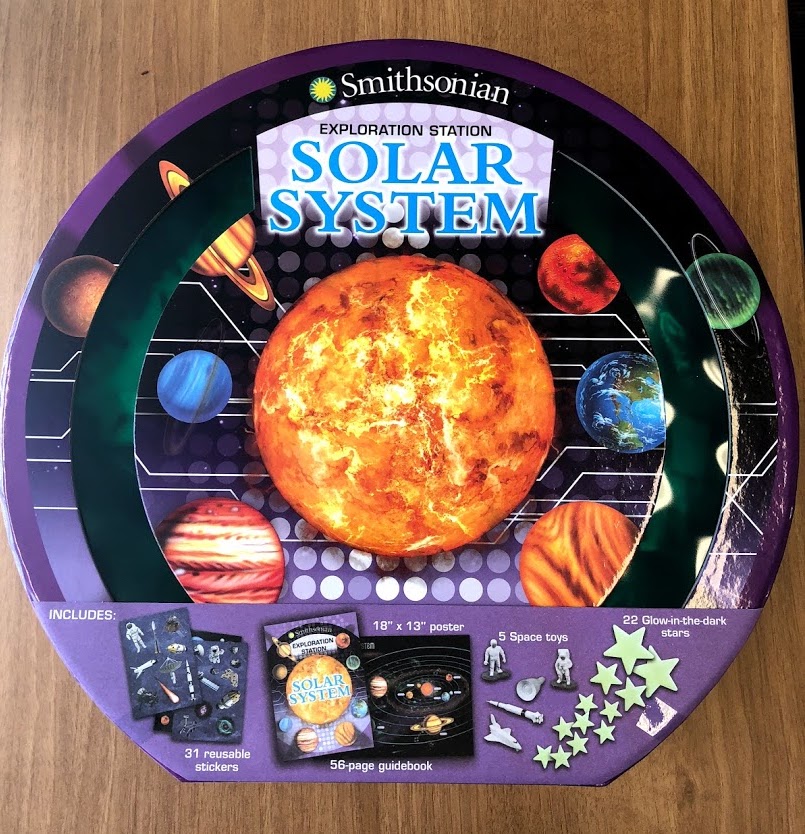
Includes a 56-page fact book, 30 stickers, 22 glow-in-the-dark stars, and 2 figurines (astronaut and rocket).

ReviewI love book kits. There is something about them that makes me feel warm and fuzzy. My almost 5-year-old loves them just as much. Opening the box is like opening a world of fun. We were thrilled to receive this kit, and it didn’t disappoint. My son played with the rocket and astronaut figurines as we read the book together. The rocket and astronaut touched every page of the book! After we read about each part of the solar system, he affixed the appropriate sticker on his poster. He’s very much looking forward to sticking the glow in the dark stars on his ceiling! Parents will love these kits. The interactive learning component is wonderful. I intend to purchase several other kits from this company!

Teachers’ Tools for Navigation: Teachers might purchase 1-2 kits each of the Smithsonian Exploration Station series. These include the Human Body, World Atlas, and Human Body. They can be found here. Students can select the kit that is most interesting to them and engage in an inquiry unit on the topic. These kids would be very fun to use in small groups!

Discussion Questions: 

  • What did you learn as you did the activities?;
  • What parts of solar system do you find most interesting? Why?;
  • How do the different parts of the solar system together?

We Flagged: 

The kit!

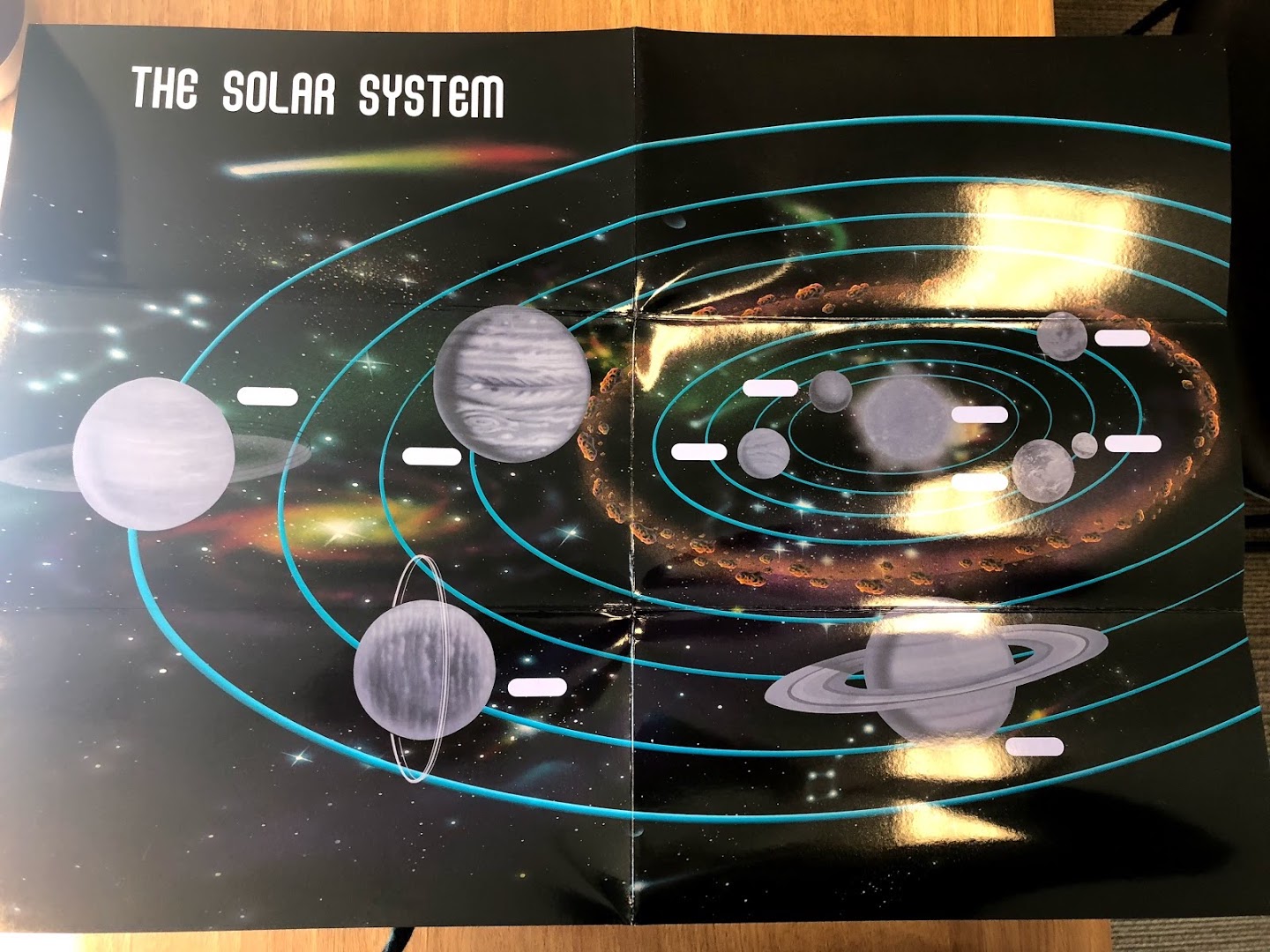
The full-sized poster! Notice the grayed out planets. The stickers match these and make for a great interactive reading experience!

Read This If You Loved: Any nonfiction books about the solar system; interactive books and kits (like this one about the human body)

Recommended For: 

classroomlibrarybuttonsmall

**Thank you to Casey at Media Masters Publicity for providing a copy for review**

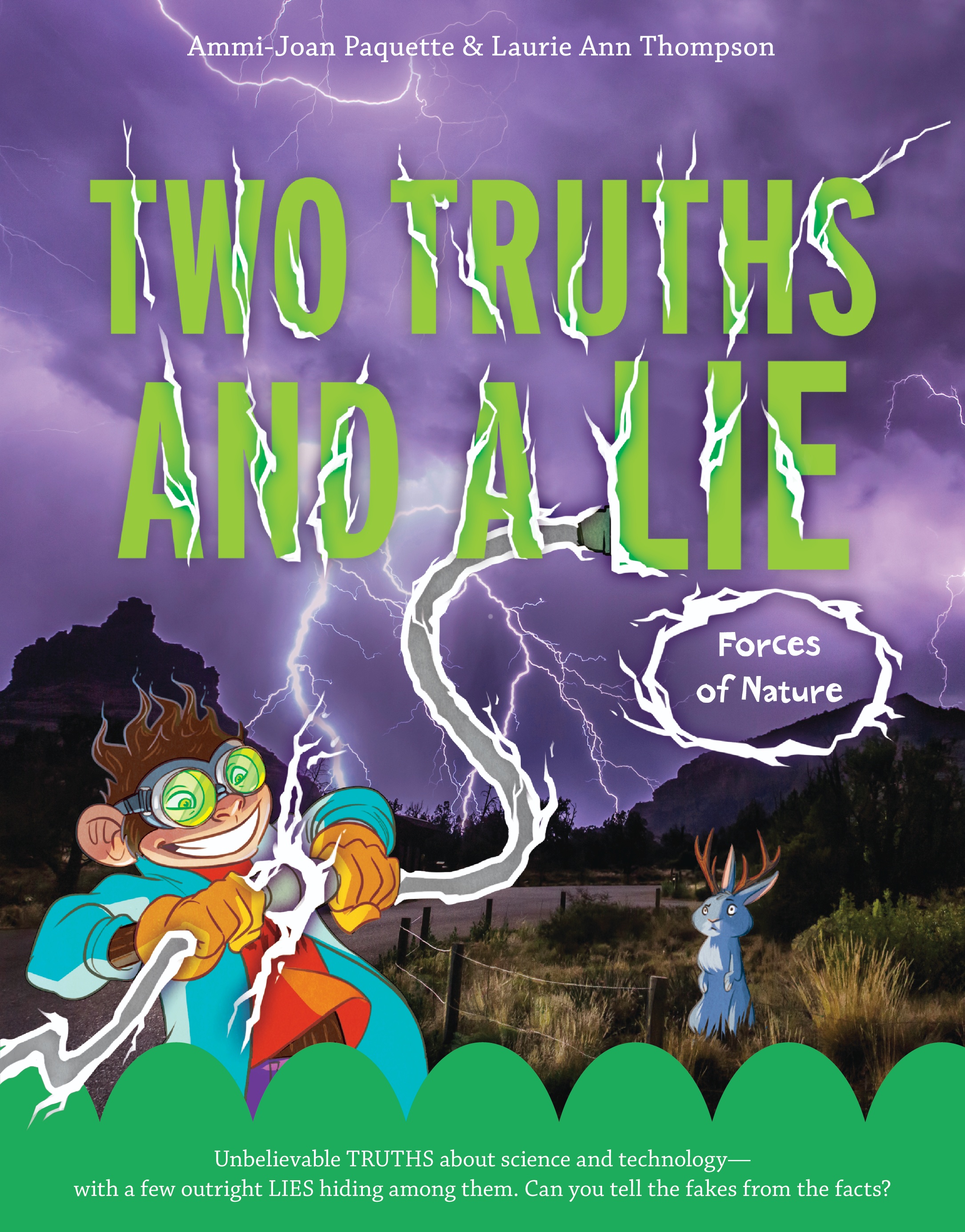
Exclusive Cover Reveal and Giveaway!: Two Truths and a Lie: Forces of Nature by Ammi-Joan Paquette and Laurie Ann Thompson

Share

loved Two Truths and a Lie: It’s Alive and Two Truths and a Lie: Histories and Mysteries, so I am so excited to share the third title of the series coming out in June of 2019!

“There’s something reassuring about opening a nonfiction book and knowing that all the stories and people you will read about are real; that everything between those covers is entirely factual. There’s also something exciting about opening a novel and knowing that all the stories and people you will read about inside are imaginary; in that world, there is no limit to the adventures that can take place.

But what if—just go with us for a second here—what if you could blend up a delicious bookshake to combine the very best of both of these elements?

Welcome to Two Truths and a Lie—the book series that tells you to think, not what to think!

Here’s the scoop: Every scintillating, science-packed chapter in this book contains three stories. Two of these stories are 100% true and you can believe them fully. But one of the stories . . . is not. Beware of that story! It might contain true bits, might name actual people or events or explain true concepts. But in every chapter, there will be one story that overall—its main point, direction, or idea—is fake, false, kaput.

The task set before you is simple: Read. Reflect. Research. And then pass judgment on what you have read. Is the story true or false? Fact or fake? Cross your heart or cross your fingers?

Once you think you’ve got it figured out, you can flip on over to the back of the book to check your answers. But don’t peek ahead . . . you wouldn’t want to spoil the fun, would you?

We’re not gonna lie (about this, anyway)—digging up the truth will be a challenge! But isn’t that true of most of the best things in life?

Here we go. . . .”

Two Truths and a Lie: Forces of Nature
Authors: Ammi-Joan Paquette and Laurie Ann Thompson
Expected Publication: June 25th, 2019 by Walden Pond Press

Summary: All about physical science: chemistry, physics, astronomy, meteorology, geology, etc. Full summar coming soon! Check out its Harper Collins page for updates and to preorder!

About the Authors: 

Ammi-Joan Paquette has squeezed past yaks on narrow cliff’s edges, once chased a ball of liquid mercury around the classroom, and always dreams in black-and-white. (Two of these facts are 100% true!) She is the coauthor of the Two Truths and a Lie series and the author of the novels The Train of Lost ThingsRules for GhostingParadox, and Nowhere Girl as well as the Princess Juniper series and many more. She is also the recipient of a PEN/New England Susan P. Bloom Children’s Book Discovery Award honor. Joan lives outside Boston, Massachusetts, where she balances her own writing with her day job as a literary agent. You can visit her online at www.ajpaquette.com.

Laurie Ann Thompson has fallen out of a moving car on her birthday, once chased a ball of liquid mercury around the living room, and lived in an apartment that was destroyed by Hurricane Andrew. (One of those facts is not entirely true.) She is the coauthor of the Two Truths and a Lie series and author of several award-winning nonfiction books, including the teen how-to Be a Changemaker and Emmanuel’s Dream, a picture book biography of Emmanuel Ofosu Yeboah, which was the recipient of the Schneider Family Book Award and was named an ALA Notable Book and a CCBC Choice, among other accolades. She lives outside Seattle with her family, and you can visit her online at www.lauriethompson.com.

Giveaway!

To get everyone excited for book 3, the authors and Unleashing Readers are giving away copies of the first two books in the series!

a Rafflecopter giveaway

We hope you are excited about this one as I am!
Thank you to Joan and Laurie for sharing the upcoming title and cover–your readers can’t wait!

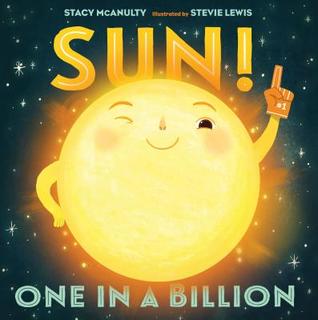
Sun! One in a Billion by Stacy McAnulty

Share

Sun! One in a Billion
Author: Stacy McAnulty
Illustrator: Stevie Lewis
Published October 23, 2018

Summary: From the author of Earth! My First 4.54 Billion Years comes a new picture book about space—
this time starring our Sun!

Meet Sun: He’s a star! And not just any star—he’s one in a billion. He lights up our solar system and makes life possible. With characteristic humor and charm, Stacy McAnulty channels the voice of Sun in this next celestial “autobiography.” Rich with kid-friendly facts and beautifully illustrated, this is an equally charming and irresistible companion to Earth! My First 4.54 Billion Years.

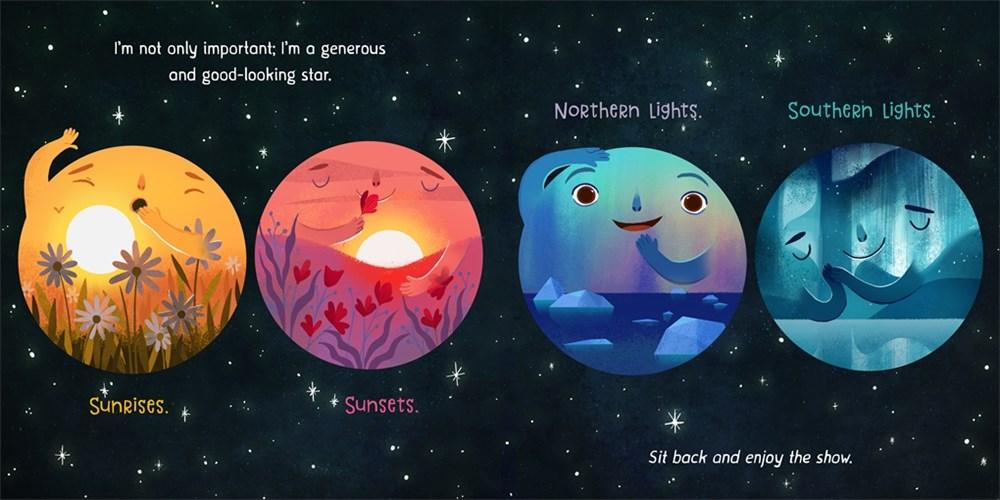
Ricki’s ReviewThis is my new favorite book about space. (And I have read a lot of books about space.) The author perfectly balances factual information and appeal. The illustrations pop off of the page, and the planets, sun, etc. are personified. I feel very lucky to have received this book for review. I am quite excited to read it to my son tomorrow night. I think I smiled throughout my entire reading of the book. If you are interested in space, get this book. It includes facts that were new to me, and the back matter offers a wealth of information for readers who want to delve deeper.

Kellee’s Review: The humor that Stacy McAnulty adds to her books about space really add to the engagement factor (for both the reader and listener); the Sun’s attitude in this one actually made me laugh out loud while reading, but I also learned some pretty cool facts while reading. I know that this book is going to be in our rotation because Trent wants to be an astronaut, and this one was an instant hit! I am so glad that there are amazing space books out there that add something new to the conversation and go about the information in a new and funny way! I really hope that this series continues because I’d love to see the personalities of all of the other parts of our solar system (and maybe some cool space objects from other systems!).

Teachers’ Tools for Navigation: Teachers might ask students to pick one fact in the book that makes them want to learn more about the world. They could look, for example, into a planet, or into the history of Earth. This inspires student-centered inquiry about a topic of choice!

Discussion Questions: 

  • How is the text structured in ways that are engaging and interesting?
  • What new facts did you learn?
  • Which page was your favorite, and why?
  • Did this book inspire you to want to learn more about any topics or information?

Flagged Passages: 

Read This If You Love: Earth! My First 4.54 Billion Years by Stacy McAnulty; Science, Space, Picture books with humorous narrators like It’s Not Jack and the Beanstalk by Josh FunkNothing Rhymes with Orange by Adam Rex

Recommended For: 

classroomlibrarybuttonsmall closereadinganalysisbuttonsmall

andSignature

**Thank you to Kelsey at Macmillan for setting up the blog tour for Sun!**

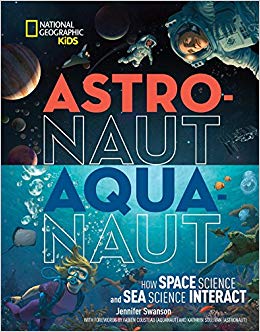
Astronaut, Aquanaut: How Space Science and Sea Science Interact by Jennifer Swanson

Share

Astronaut, Aquanaut: How Space Science and Sea Science Interact
Author: Jennifer Swanson
Foreword by Fabien Cousteau and Kathryn D. Sullivan
Published January 9th, 2018 by National Geographic Society

Summary: Journey from the deepest trenches in the oceans to the farthest humans have ventured into space and learn what it takes to explore the extremes. You might just be surprised by how similar the domains of ASTRONAUTS and AQUANAUTS really are.

Space and the ocean. If you don’t think they go together, think again! Both deep-sea and space explorers have to worry about pressure, temperature, climate, and most importantly, how to survive in a remote and hostile environment. Join us on an amazing journey as we go up in space with astronauts and dive deep down in the ocean with aquanauts to explore the far-off places of our planet and the solar system.

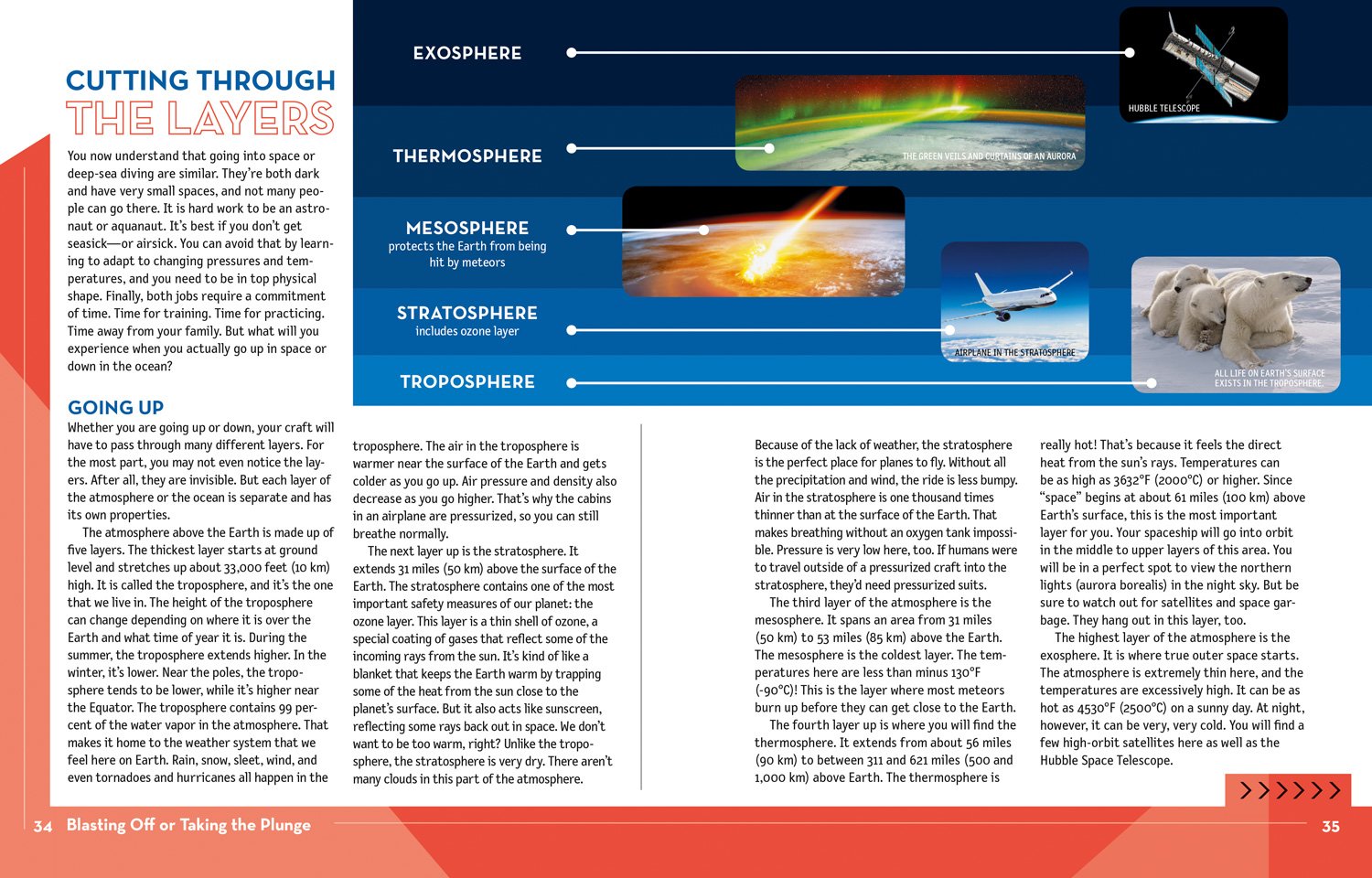
With a strong tie into STEM topics–such as making connections, making comparisons, and recognizing patterns across content areas–readers will discover the amazing science and incredible innovations that allow humans (and sometimes only machines) to survive in these harsh environments.

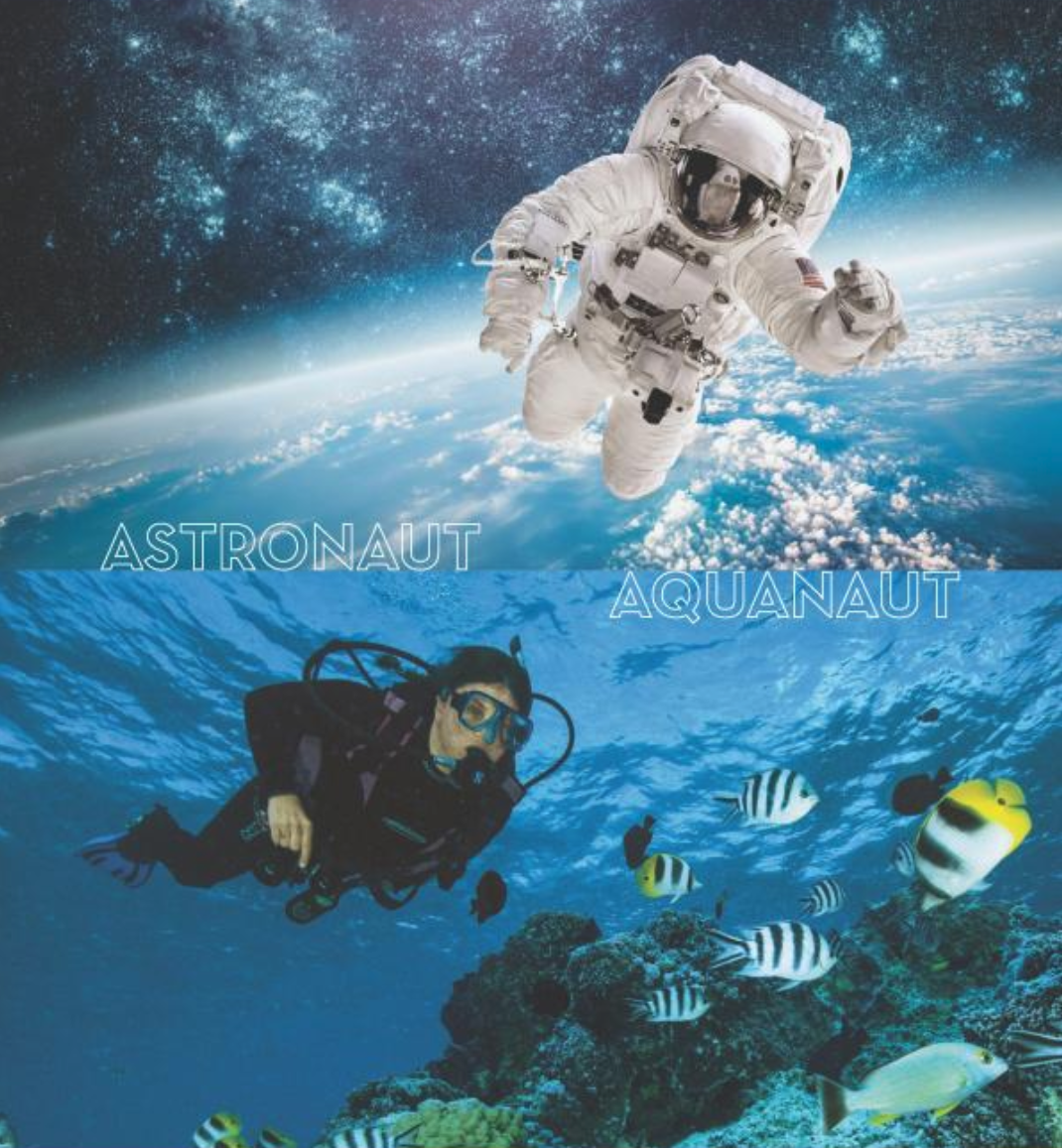
Review: First, I want to share this image because it is one of my favorites ever, and I want a poster of it for Trent’s room!

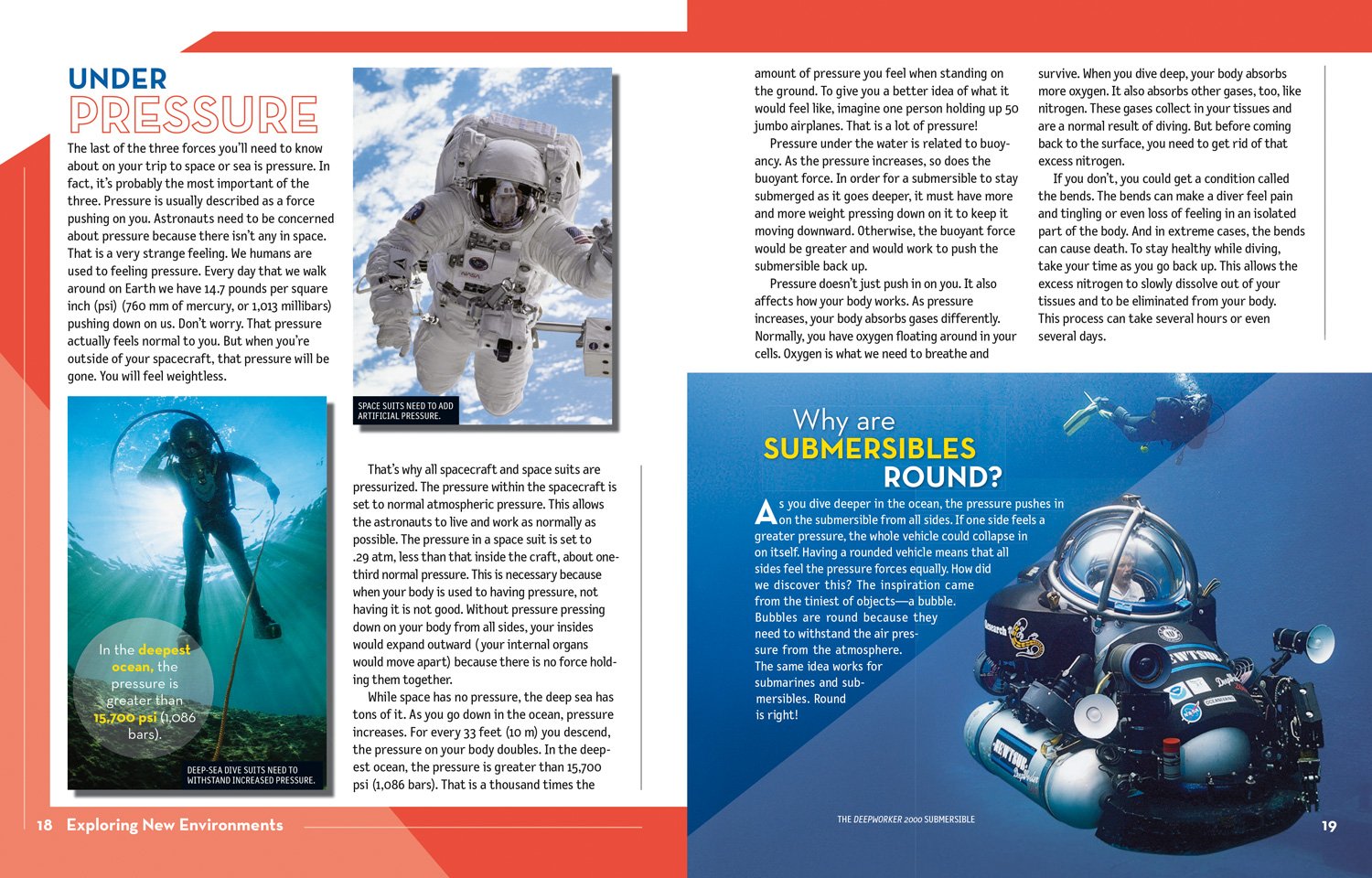
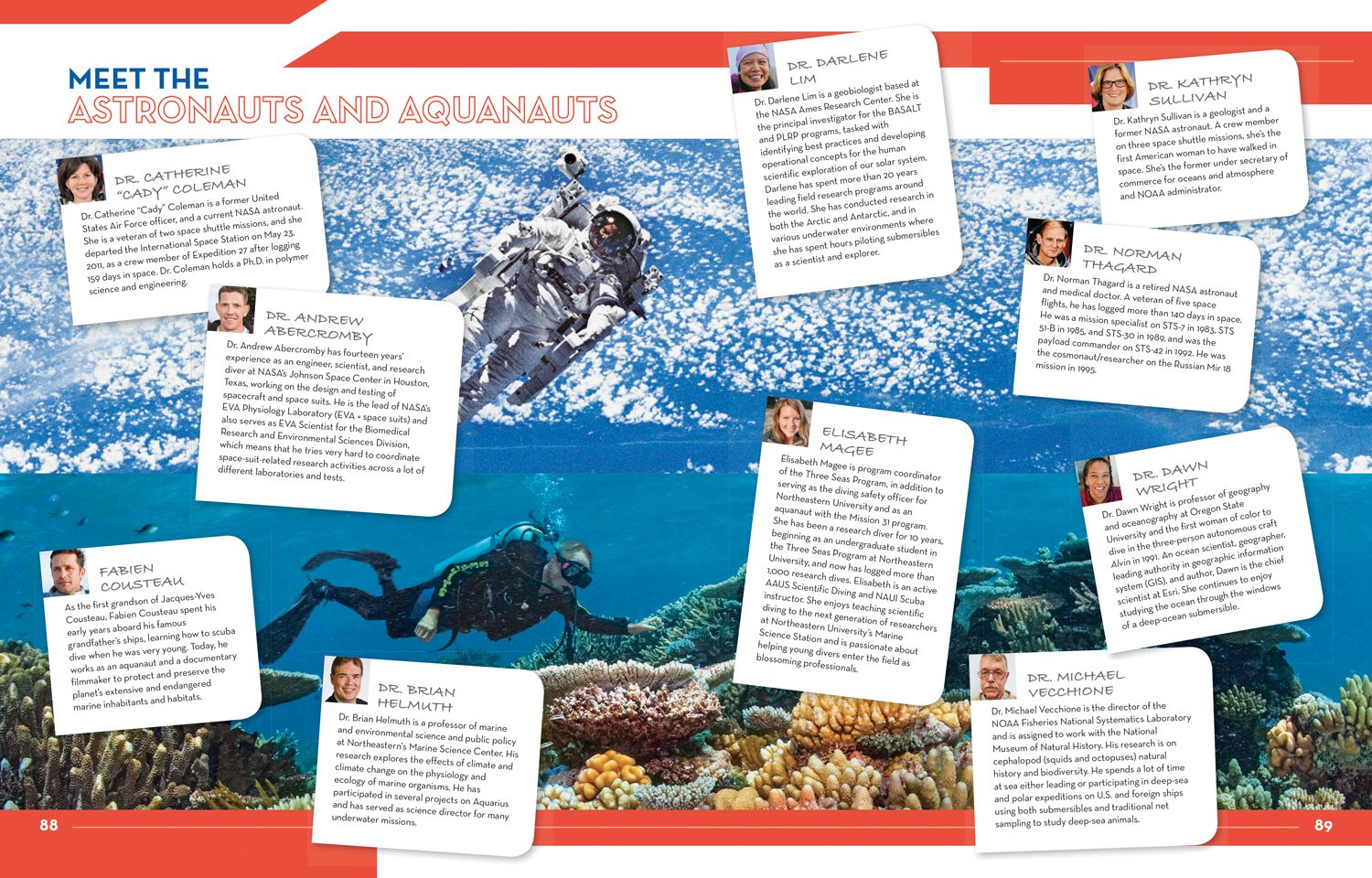
I love the idea of this book! First, from a personal point of view: my son loves animals and space, so this is a perfect book for him. We didn’t read word for word together, but we spent hours over the last couple of weeks flipping through the book, looking at different spreads, reading parts of the book, and answering any questions that Trent had. Also, from a educator point of view: this text is so full of information told in such an interesting way with fun facts, activities, and so much fascinating information! Swanson did a beautiful job making connections between the two professions and scientists and giving equal looks into both. And since the book is for middle grade students, it is essential for it to be written in a way that will be intriguing to readers, and this book is definitely that!

Teachers’ Tools for Navigation: Throughout the book there are questions that can lead to inquiry (see below) and many topics that are introduced that could be further researched. Additionally, there are a few activities throughout such as one on submersibles, docking the ISS, and design your own space suit. The book is also set up for comparing and contrasting looking at exploration in both space and the sea and how they differ and overlap.

Discussion Questions: The text is FILLED with books that can lead to phenomenal discussions or inquiry projects such as

  • How does studying the topography of the ocean floor help us understand the space?
  • Why is it important for astronauts to train underwater?
  • What does it feel like during blastoff?
  • What is it like to live in space/under water for a long time?
  • Why and how do we explore?
  • How can studying the ocean help astronauts better understand conditions in space?
  • What can space teach us about the ocean?

Flagged Passages: 

Read This If You Love: Space travel, Science, Marine biology

Recommended For: 

classroomlibrarybuttonsmall 

Signature

**Thank you to the author for providing a copy for review!**

Gods and Heroes by Korwin Briggs

Share

Gods and Heroes
Author: Korwin Briggs
Published August 21, 2018 by Workman

GoodReads Summary: Meet the Original Superheroes.

Before there was Batman, Wonder Woman, or Black Panther…there was Indra, Hindu king of gods, who battled a fearsome snake to save the world from drought. Athena, the powerful Greek goddess of wisdom who could decide the fate of battles before they even began. Okuninushi, the Japanese hero who defeated eighty brothers to become king and then traded it all for a chance at immortality.

Featuring more than 70 characters from 23 cultures around the world, this A-to-Z encyclopedia of mythology is a who’s who of powerful gods and goddesses, warriors and kings, enchanted creatures and earthshaking giants whose stories have been passed down since the beginning of time—and are now given fresh life for a new generation of young readers.

Plus, You’ll Learn All About:
Dragons: The Hydra, St. George’s Dragon, and the Australian Rainbow Snake
Giants: Grendel, Balor of the Evuil Eye, Polyphemus, and the Purusha with the thousand heads
Monsters: Manticore, Sphinx, Minotaur, Thunderbird, and Echidne, mother of the Nemean lion that nearly killed Heracles
Underworlds: Travel to Hades, Valhalla, and the Elysian Fields

Review: I always enjoy Workman books. The offer nonfiction information in a way that is fun and engaging. My four-year-old loved this book (even though most of it was a bit over his head). I’d recommend this book for the targeted audience (grades 3-7), but I think younger and older kids would really enjoy it (I know I did!). There are a diverse set of gods and heroes within this story, and they don’t originate from one culture, which I liked a lot. My son seemed to love the Greek/Roman gods the most, so those are the ones that we’ve read so far. We read about a different god/hero each night, and we’ve been going strong for about two weeks. We look forward to reading these stories each night. It makes for a fantastic bedtime routine.

Teachers’ Tools for Navigation: Teachers might ask each student to pick a different god or hero and present it to the class. I’d encourage students to choose a god/hero that interests them, and I think this onus would help students get excited about their presentations!

Discussion Questions: Which heroine/hero did you enjoy the most? Why?; Did you notice any similarities across cultural heroes? Differences? Which hero would you want to learn more about?

Flagged Passages: 

Read This If You Love: Mythology, Gods, Heroes, History

Recommended For: 

classroomlibrarybuttonsmall

**Thank you to Diana at Workman for providing a copy for review!**

Eavesdropping on Elephants: How Listening Helps Conservation by Patricia Newman

Share

Eavesdropping on Elephants: How Listening Helps Conservation
Author: Patricia Newman
Published August 1st, 2018 by Millbrook Press

Summary: Deep in the Central African Republic, forest elephants trumpet and rumble along with the forest’s symphony. And scientists are listening.

Scientist Katy Payne started Cornell University’s Elephant Listening Project to learn more about how forest elephants communicate and what they’re saying. But the project soon grew to be about so much more.

Poaching, logging, mining, and increasing human populations threaten the survival of forest elephants. Katy and other members of the Elephant Listening Project’s team knew they needed to do something to protect these majestic animals. By eavesdropping on elephants, the Elephant Listening Project is doing its part to save Africa’s forest elephants and preserve the music in the forest.

About the Author: Patricia Newman has a passion for uncovering fascinating aspects about our world and crafting books that lead children on an adventure of discovery. She gravitates toward stories about animals and conservation science and enjoys sharing her excitement with readers. Books include Sibert Honor title Sea Otter Heroes: The Predators That Saved an Ecosystem; Junior Library Guild Selection Eavesdropping on Elephants; Bank Street College Best Book Zoo Scientists to the Rescue; Booklist Editor’s Choice Ebola: Fears and Facts; and Green Earth Book Award winner Plastic, Ahoy! Investigating the Great Pacific Garbage Patch. She frequently speaks at schools, libraries, and conferences about writing and conservation. Visit her at www.patriciamnewman.com.

Praise: 

“…this book does an excellent job of transporting readers and providing a clear, multifaceted picture of African forest elephants…The more you listen to wildlife, the more your mind opens up to new ideas about why the world is a place worth saving… VERDICT: A great pick for middle school nonfiction collections.” —School Library Journal

“Fascinating for earnest conservationists.” —Kirkus Reviews

Review: I am never disappointed when I read a Patricia Newman book. Each of her books are filled with fascinating information told in a way that will make any reader feel the passion that Newman obviously feels about her topics.

Her newest, Eavesdropping on Elephants, takes it to a whole new level! Not only does the book still include informational and narrative nonfiction, sidebars, glossaries, and classroom connections all well-researched and interesting, but it also includes QR codes (or links if you do not have a QR reader) to actually see and/or hear the elephants that are being discussed in the book. This really makes the book come to life in a way that I haven’t seen before.

Like all of her books, by the end I wanted to talk to people about what I read, wanted to go make a difference, and wanted to keep learning. If this isn’t a testament to how good her nonfiction is then I don’t know what is.

Teachers’ Tools for Navigation: “Consider an Authors for Earth Day visit in conjunction with Eavesdropping on Elephants. Students research a list of five conservation nominees selected by Patricia Newman and then vote for their favorite. Newman writes a check to the winning organization. The mission? To empower young readers to shape the world around them!”  –https://www.patriciamnewman.com/books/eavesdropping-on-elephants/ 

Research, reading, and writing activities for the classroom in conjunction with Eavesdropping on Elephants can be found on Patricia Newman’s Elephants Pinterest Board!

I, personally, am going to use Newman’s texts in my passion project research unit this year. I’m going to use her texts to show mentor texts of a nonfiction picture book and students are going to make their own nonfiction book or video. I also hope to have my lunch book club read Newman’s books as one of their month choices.

Discussion Questions: 

  • How do the videos/recordings help with the understanding of the book?
  • What is a keystone species? And how are the forest elephants a keystone species of their habitat?
  • What is the difference between ultrasound and infrasound? What does this have to do with elephants?
  • What figurative journey did Katy take to finally make it to Africa to study elephants in the wild?
  • What did the scientists learn by listening to the elephants?
  • Why are elephants’ ears the shape that they are?
  • How is what Katy did with elephant sounds similar to a dictionary?
  • How are humans a threat to forest elephants?
  • What did Teagan Yardley do when she learned about these threats?

Book Trailer: 

Flagged Passages: 

Read This If You Love: Nonfiction about animals, Nonfiction titles by Patricia Newman

Recommended For: 

classroomlibrarybuttonsmall 

Signature

**Thank you to Lerner Publishing and Patricia for providing a copy for review!**