Nonfiction Writers Dig Deep: 50 Award Winning Children’s Book Authors Share the Secret of Engaging Writing Edited by Melissa Stewart

Share


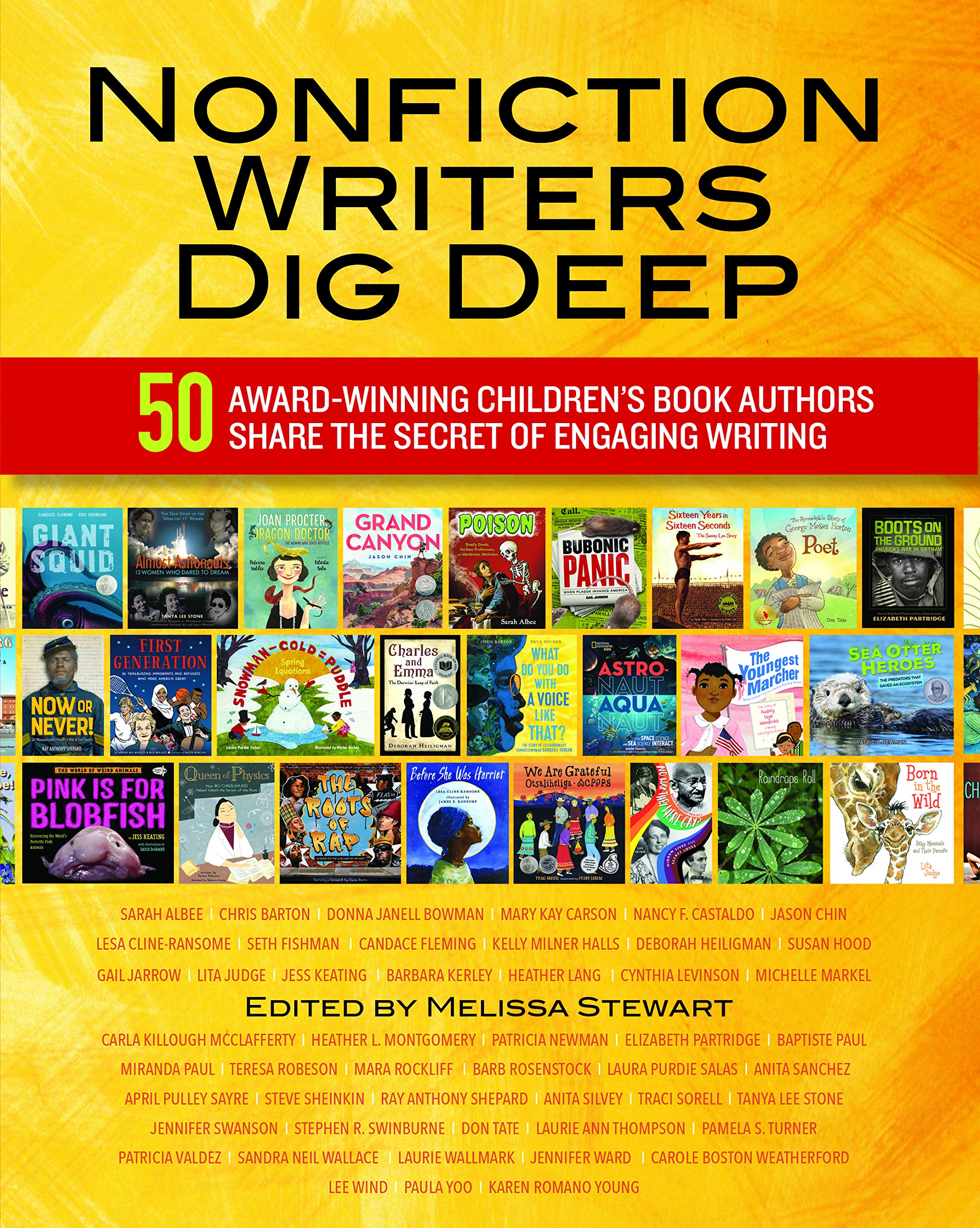
Nonfiction Writers Dig Deep: 50 Award Winning Children’s Book Authors Share the Secret of Engaging Writing
Editor: Melissa Stewart
Published November 2020 by National Council of Teachers of English

Summary: In Nonfiction Writers Dig Deep: 50 Award-Winning Children’s Book Authors Share the Secret of Engaging Writing, some of today’s most celebrated writers for children share essays that describe a critical part of the informational writing process that is often left out of classroom instruction.

To craft engaging nonfiction, professional writers choose topics that fascinate them and explore concepts and themes that reflect their passions, personalities, beliefs, and experiences in the world. By scrutinizing the information they collect to make their own personal meaning, they create distinctive books that delight as well as inform.

In addition to essays from mentor authors, Nonfiction Writers Dig Deep includes a wide range of tips, tools, teaching strategies, and activity ideas from editor Melissa Stewart to help students (1) choose a topic, (2) focus that topic by identifying a core idea, theme, or concept, and (3) analyze their research to find a personal connection. By adding a piece of themselves to their drafts, students will learn to craft rich, unique prose.

100 percent of the proceeds will be divided among the National Council of Teachers for English (NCTE), We Need Diverse Books (WNDB), and the Society of Children’s Book Writers and Illustrators (SCBWI)

About the Author: Melissa Stewart has written more than 180 science books for children, including the ALA Notable Feathers: Not Just for Flying, illustrated by Sarah S. Brannen; the SCBWI Golden Kite Honor title Pipsqueaks, Slowpokes, and Stinkers: Celebrating Animal Underdogs, illustrated by Stephanie Laberis; and Can an Aardvark Bark?, illustrated by Caldecott Honoree Steve Jenkins. She coauthored 5 Kinds of Nonfiction: Enriching Reading and Writing Instruction with Children’s Books (forthcoming) and grades K-2 and 3-5 editions of Perfect Pairs: Using Fiction & Nonfiction Picture Books to Teach Life Science. Stewart maintains the award-winning blog Celebrate Science and serves on the Society of Children’s Book Writers and Illustrators board of advisors. Her highly regarded website features a rich array of nonfiction writing resources.

Contributors: Sarah AlbeeChris BartonDonna Janell BowmanMary Kay CarsonNancy CastaldoJason ChinLesa Cline-RansomeSeth FishmanCandace FlemingKelly Milner HallsDeborah HeiligmanSusan HoodGail JarrowLita JudgeJess KeatingBarbara KerleyHeather LangCynthia LevinsonMichelle MarkelCarla Killough McClaffertyHeather L. MontgomeryPatricia NewmanElizabeth PartridgeBaptiste PaulMiranda PaulTeresa RobesonMara RockliffBarb RosenstockLaura Purdie SalasAnita SanchezApril Pulley SayreSteve SheinkinRay Anthony ShepardAnita SilveyTraci SorellTanya Lee StoneJennifer SwansonStephen R. SwinburneDon TateLaurie Ann ThompsonPamela S. TurnerPatricia ValdezSandra Neil WallaceLaurie WallmarkJennifer WardCarole Boston WeatherfordLee WindPaula YooKaren Romano Young

From Melissa Stewart: “Behind the Book”

The idea for this book traces back to the 2017 National Council of Teachers of English (NCTE) Annual Convention in St. Louis, Missouri, when I was fortunate to participate in a panel titled ‘The Secret of Crafting Engaging Nonfiction’ with two of the most talented children’s nonfiction authors of our time—Candace Fleming and Deborah Heiligman.

During our discussion, moderated by educator and children’s nonfiction enthusiast Alyson Beecher, we dove deeply into what fuels our work and why we routinely dedicate years of our lives to a single manuscript. As we compared our thoughts and experiences, we came to realize something critically important—each of our books has a piece of us at its heart. And that personal connection is what drives us to keep working despite the inevitable obstacles and setbacks.

Several other nonfiction authors attended our presentation, and afterward they praised our insights. That conversation helped us all understand our creative process in a new and exciting way. And it eventually led to the essays in this anthology, which are our way of sharing an important—and often unrecognized and underappreciated—aspect of nonfiction writing with educators and students.

Review and Teachers’ Tools for Navigation: I was star struck seeing all of the authors who had contributed! I was lucky enough to be at the presentation that this book’s seed of an idea started, so when I heard about this book, I knew it would be a book I would need!

This book is all about moving nonfiction writing to an authentic experience. The book is broken into 3 sections to help guide writing instruction:

  • Choosing a Topic
  • Finding a Focus
  • Making is Personal

Within each section there are essays by mentor authors focusing on different aspects of the topic. I loved reading the essays that ranged from a look at how to take an idea and make it grow, about complexities within nonfiction, about the bumps along the way, about the writing process, and everything else you can think of.

Then the last part of the chapter is In the Classroom which helps tie the essays all together with how to take it to our students.

This book is written specifically with teachers in mind–it is such an amazing resource!

Video about the Book: https://melissa-stewart.com/books/teachers/bk_nonfiction_writers_dig_deep.html

Read This If You Love: Teaching authentic nonfiction writing

Recommended For: 

Signature

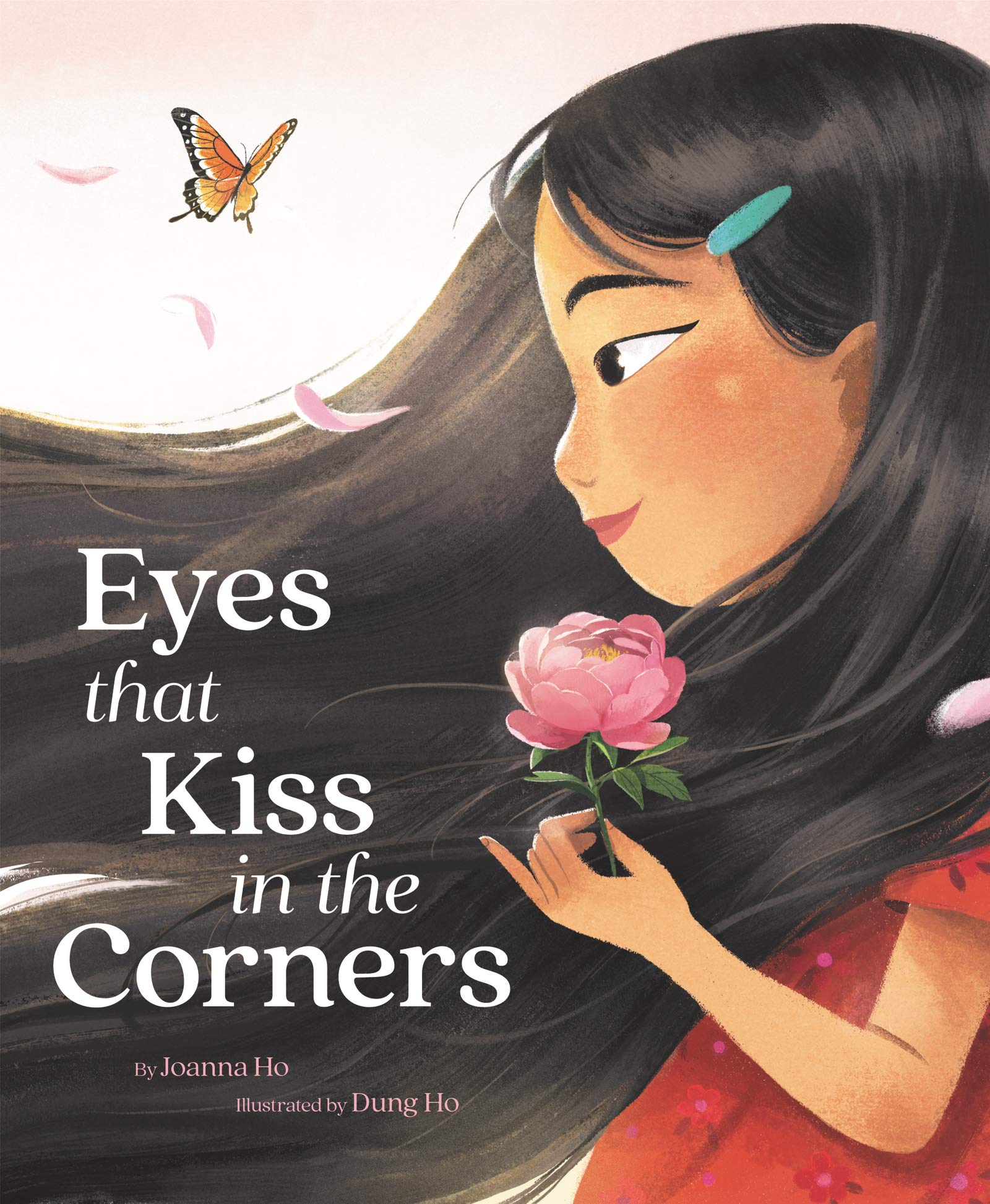
Eyes that Kiss in the Corners by Joanna Ho, Illustrated by Dung Ho

Share

Eyes that Kiss in the Corners
Author: Joanna Ho
Illustrator: Dung Ho
Published: January 5, 2021 by HarperCollins

Summary: This lyrical and stunning picture book tells a story about learning to love and celebrate your Asian-shaped eyes, in the of spirit of Hair Love by Matthew A. Cherry

A young Asian girl notices that her eyes look different from her peers’. They have big, round eyes and long lashes. She realizes that her eyes are like her mother’s, her grandmother’s, and her little sister’s. They have eyes that kiss in the corners and glow like warm tea, crinkle into crescent moons, and are filled with stories of the past and hope for the future.

Drawing from the strength of these powerful women in her life, she recognizes her own beauty and discovers a path to self love and empowerment.

This powerful, poetic picture book will resonate with readers of all ages and is a celebration of diversity.

Ricki’s Review: This book is beautiful and poetic. You could give it to any reader of any age, and they would be captivated by how beautifully it is conceived, constructed and delivered. The lyrical lilt of the words as it is read aloud are captivating. I found myself pausing at the end of reading each page to take in the beauty of the author’s language. Ahh, and the illustrations! The cover is just a teaser for the stunning pictures within this book. I am really excited to gift this book to friends and family. It exemplifies the beauty and power of pictures books. I plan to read it aloud to my YAL class next semester. This book just hit the shelves, and I expect it to be very popular.

Teachers’ Tools for Navigation: Teachers can use this book to offer students examples of figurative language. Often, figurative language can feel forced, but here, it flows magically with the storyline. I found that reading this book inspired me to want to write!

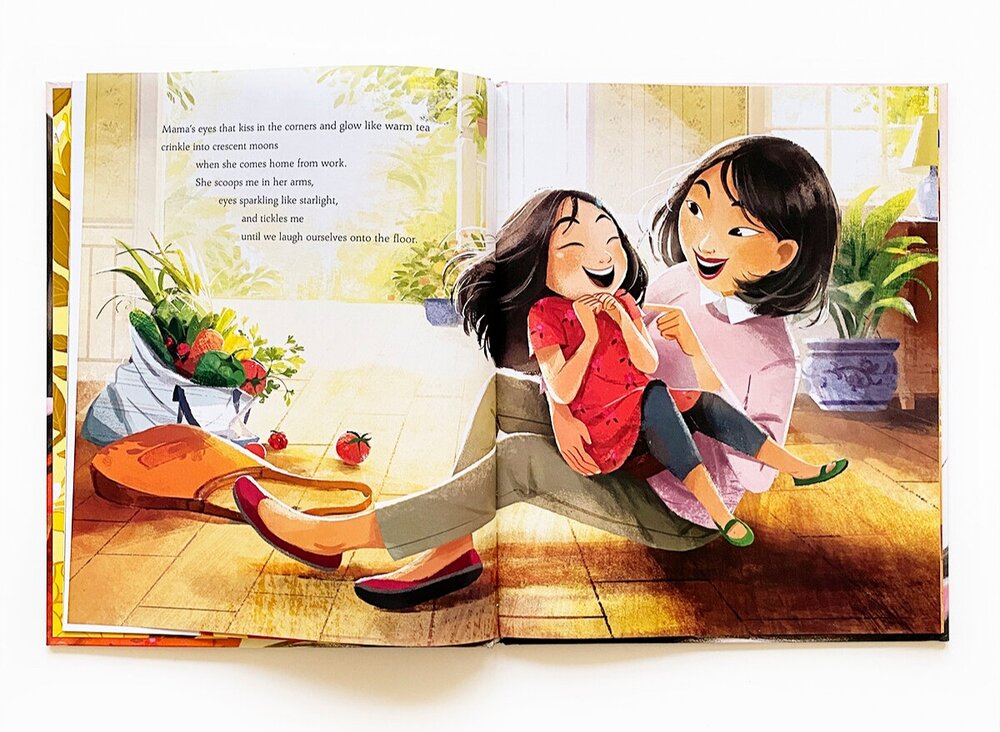
“Mama’s eyes that kiss in the corners and glow like warm tea

crinkle into crescent moons…”

Discussion Questions: 

  • How does the author use figurative language effectively?
  • What do you believe to be the author’s and illustrator’s message? How do they convey this message?
  • Who does the main character draw strength from? Who do you draw strength from?

Flagged Spread:

Image from: https://www.joannahowrites.com/eyes-that-kiss

Read This If You Love: Hair Love by Matthew A. Cherry; Fry Bread: A Native American Family Story by Kevin Noble Maillard; A Big Mooncake for Little Star by Grace Lin

  classroomlibrarybuttonsmall

**Thank you, Keely, from SparkPoint Studio for sending a copy for review!**

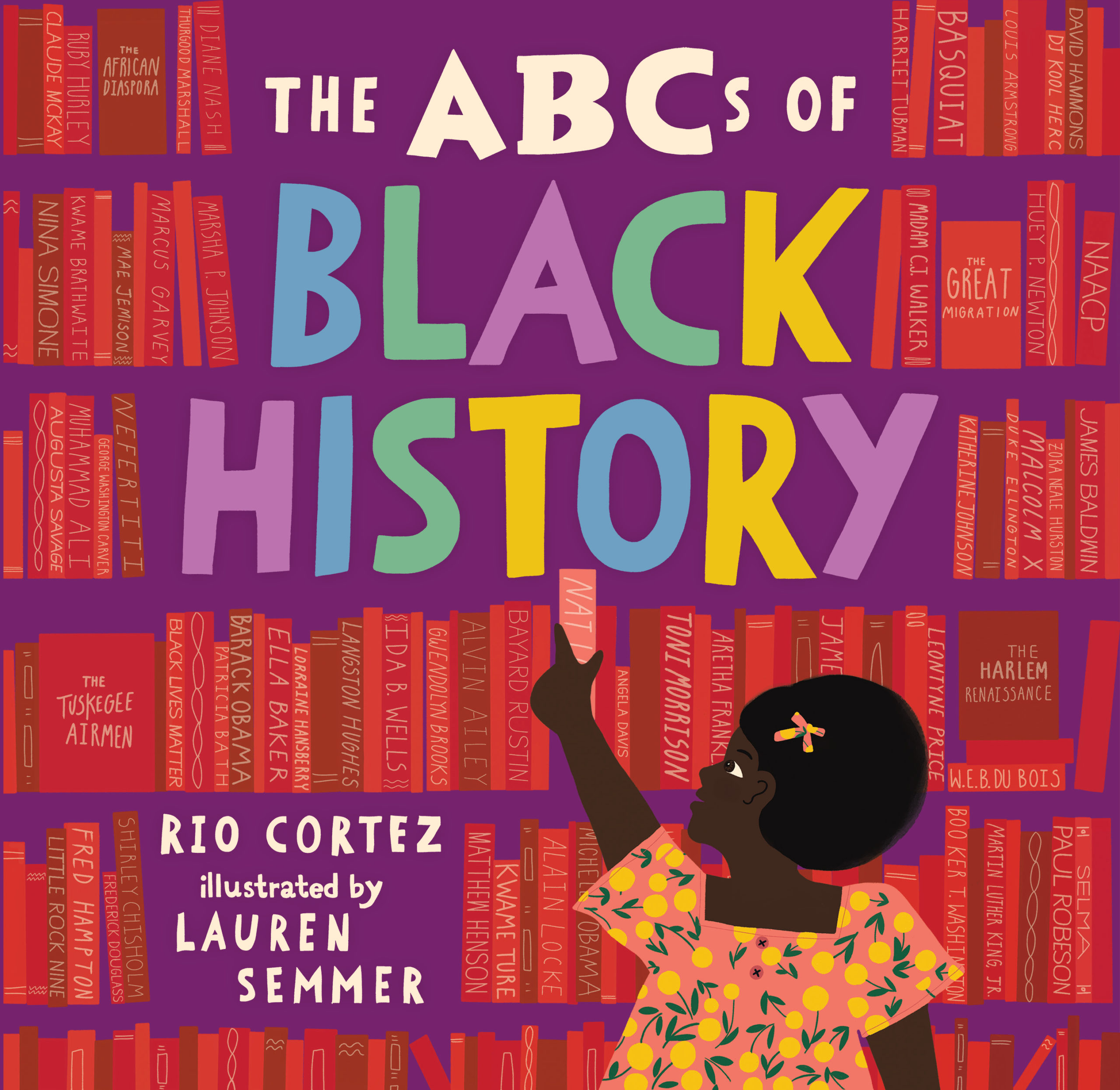
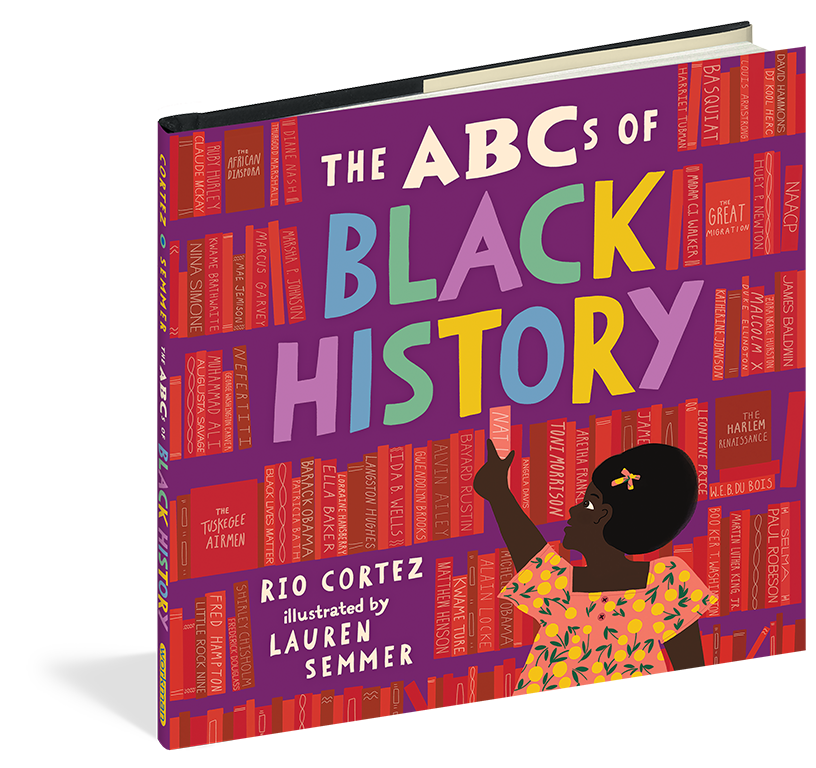
The ABCs of Black History by Rio Cortez, Illustrated by Lauren Semmer

Share

The ABCs of Black History
Author: Rio Cortez
Illustrator: Lauren Semmer
Published: December 8, 2020 by Workman Publishing Company

Summary: While many alphabet books have tackled a range of social justice topics from consent to feminism, there remains an urgent need to explore through a thoughtful lens how Black history has shaped American culture. The ABCs of Black History is a beautiful representation of the ideas and personalities that embody a wide range of Black people, experiences, and ideas in lively verse matched with vivid imagery.

Written by Pushcart-nominated-poet, Rio Cortez and illustrated by newcomer Lauren Semmer, The ABCs of Black History uses the alphabet as a frame to introduce Black history. Beginning with Anthem—an introduction to James Weldon Johnson’s Lift Ev’ry Voice and Sing—and ending with Zenith, a tribute to the mountaintop Dr. King spoke about before his death, readers will travel across continents and centuries, navigate triumph and heartbreak, and celebrate creativity and joy.

The poetic text introduces big ideas to engage curious minds. Every letter has a rhyming verse, and every spread is a visual feast. F explores the concepts of farming and food. G is for Go! and the Great Migration from the rural South to the urban North. Then the reader lands in Harlem, New York, where they meet Zora Neale Hurston and Langston Hughes. Contemporary moments are included too. M is for march and message, which explores the culmination of movements that have changed the course of history, from the Selma to Montgomery March in 1965 to the Black Lives Matter movement today. And Q is for queens, acquainting readers with powerful women like Leontyne Price, Queen Nandi, Toni Morrison, Michelle Obama, and many more.

The book also includes robust back matter that offers more information on the events, places, and people mentioned in the poem, from Fannie Lou Hamer to DJ Kool Herc, the Little Rock Nine to Sam Cooke.

A necessary addition to every child’s bookshelf, The ABCs of Black History is an exuberant celebration of history, culture, race, and justice.

Ricki’s Review: Oh my. This is a powerful book. Every single page is beautifully constructed. I simply cannot imagine how long it took to create this book. It is 64 pages of masterful writing and eye-catching illustrations. To call this an alphabet book would be to undermine everything that it is. Each spread features a different letter with numerous words connected to Black history and written in poetic form. Nine pages of back matter offer further information of all of the people, places, and terms used throughout the book. Thus, a child will hear the lilt of a poetic description in a read aloud, and the back matter offers more learning. I describe a child here, but as an adult, I was absolutely captivated by this text. This book is one to read and love and it is one to gift. Also, in case you missed it, look at the cover! I loved this book and give it my highest recommendation.

Teachers’ Tools for Navigation: Teachers might ask each child to select a letter in the book. They can learn more about the people, places, and terms used and share with peers more information about Black history. Then, they might create their own alphabet books about a topic they are interested in researching.

Discussion Questions: 

  • Which letter spread did you like the most? What did you learn?
  • How does the author incorporate information in a poetic and engaging way?
  • How do the illustrations elevate your understanding of the text?

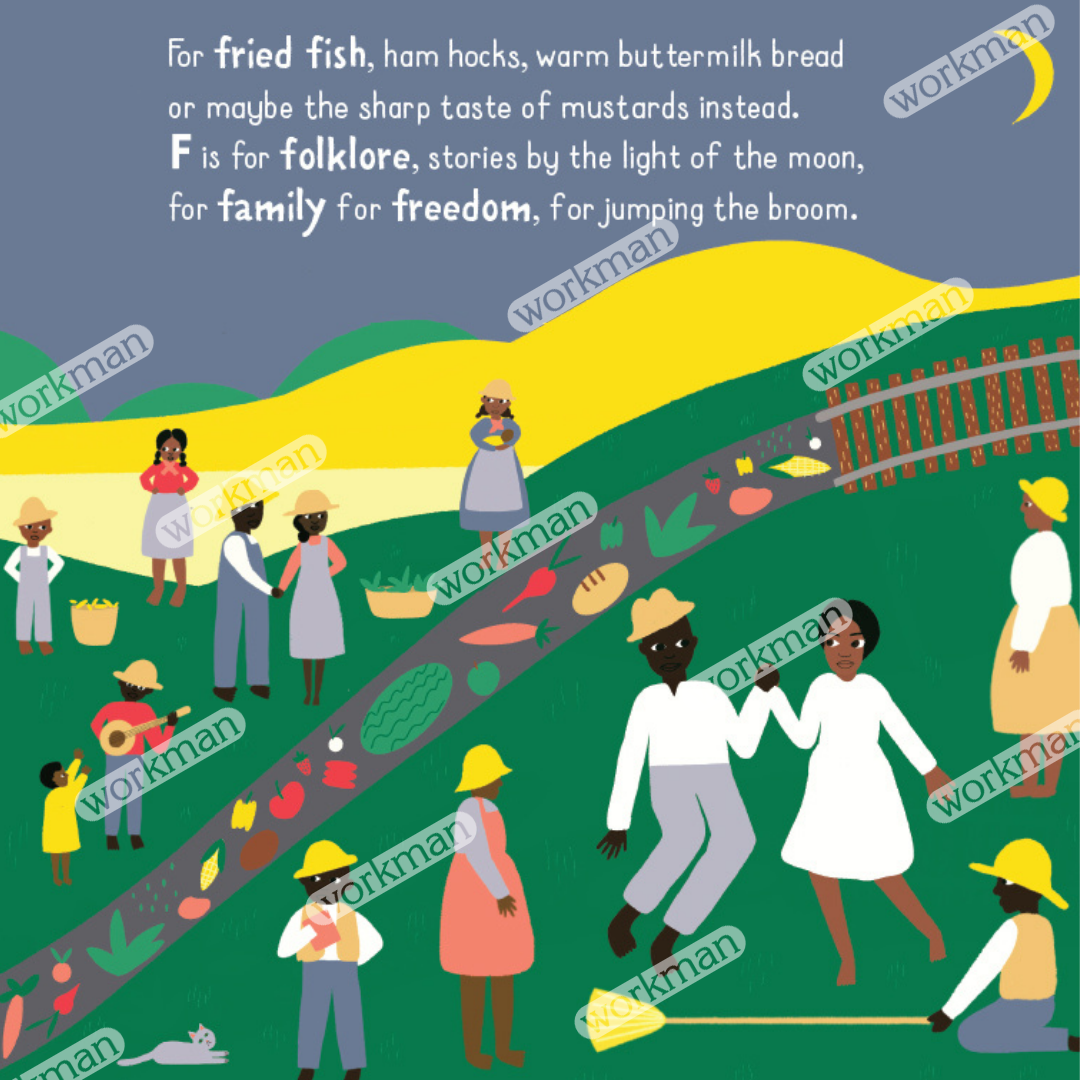
Flagged Passage: 

E is for explore—to study a place: like Matthew Henson, the Artctic; Mae Jemison, space.

E is for education, for expanding the mind, like Ruby Bridges, Linda Brown, the Little Rock Nine—The first Black children in all-white schools, they opened the doors and challenged the rules.

Flagged Spread:

Excerpted from THE ABCs of BLACK HISTORY by Rio Cortez (Workman Publishing). Copyright © 2020. Illustrations by Lauren Semmer

Read This If You Love: Nonfiction picture books, Black history books, alphabet books, Hidden Figures by Margot Lee Shetterly, Frederick Douglass: The Lion Who Wrote History by Walter Dean Myers, Duke Ellington: The Piano Prince and His Orchestra by Andrea Davis Pinkney, We March by Shane W. Evans, Harlem’s Little Blackbird: The Story of Florence Mills by Renee Watson, Freedom in Congo Square by Carole Boston Weatherford

Recommended For: 

  classroomlibrarybuttonsmall

Educators’ Guide for A Stone Sat Still by Brendan Wenzel

Share

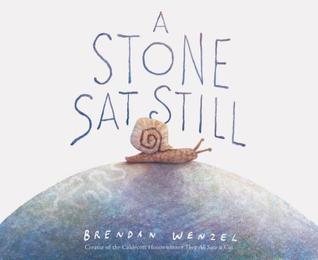
A Stone Sat Still
Author & Illustrator: Brendan Wenzel
Published: August 27th, 2019 by Chronicle Books

Summary: The brilliant follow-up to the Caldecott Honor-winning and New York Times bestselling picture book They All Saw a Cat by Brendan Wenzel!

A Stone Sat Still tells the story of a seemingly ordinary rock—but to the animals that use it, it is a resting place, a kitchen, a safe haven…even an entire world.

This is a gorgeous exploration of perspective, perception, and the passage of time, with an underlying environmental message that is timely and poignant.

• Filled with stunning illustrations in cut paper, pencil, collage, and paint
• Soothing rhythms invite reading aloud and bedtime snuggles
• Introduces concepts like color, size, function, and time in a way that is easily understandable and teachable for children

With a rhythmic, calming narrative about the stone and its place in the world—and the changing environment—A Stone Sat Still proves Brendan Wenzel’s mastery of the picture book form.

Teachers’ Tools for Navigation and Discussion Questions: 

Please view and enjoy the official educators’ guide for A Stone Sat Still (created by me!):

You can also access the teaching guide here.

You can learn more about A Stone Sat Still here.

Recommended For: 

readaloudbuttonsmall classroomlibrarybuttonsmall litcirclesbuttonsmall closereadinganalysisbuttonsmall

Kellee Signature

Educators’ Guide for A Girl, a Raccoon, and the Midnight Moon by Karen Romano Young, Illustrated by Jessixa Bagley

Share

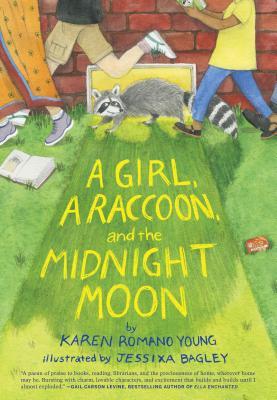
A Girl, a Racoon, and the Midnight Moon
Author: Karen Romano Young
Illustrator: Jessixa Bagley
Published: January 7th, 2020 by Chronicle Books

Summary: In a slightly fantastical New York City, one very special library branch has been designated for possible closure. Bookish, socially awkward Pearl, the daughter of the librarian, can’t imagine a world without the library—its books, its community of oddballs, its hominess. When the head of their Edna St. Vincent Millay statue goes missing, closure is closer than ever. But Pearl is determined to save the library. And with a ragtag neighborhood library crew—including a constantly tap-dancing girl who might just be her first friend, an older boy she has a crush on, and a pack of raccoons who can read and write—she just might be able to.

With an eclectic cast of richly drawn characters, a hint of just-around-the-corner magic, footnotes, sidebars, and Jessixa Bagley’s classic illustrations throughout, this warm-hearted, visually magnificent tale of reading and believing from beloved author Karen Romano Young tells of a world where what you want to believe can come true.

Teachers’ Tools for Navigation and Discussion Questions: 

Please view and enjoy the official educators’ guide for A Girl, a Racoon, and the Midnight Moon (created by me!):

You can also access the teaching guide here.

You can learn more about A Girl, a Raccoon, and the Midnight Moon here.

Recommended For: 

readaloudbuttonsmall classroomlibrarybuttonsmall litcirclesbuttonsmall closereadinganalysisbuttonsmall

Kellee Signature

Nonfiction History Books for Kids: The Extraordinary Lives Series by Kane Miller Books

Share

I am thrilled to introduce a new series that I am hosting, which explores nonfiction history books for kids. This is all we read in our house, and I’ve learned so much, so I am jazzed to dive deeply into some of the texts on the blog.

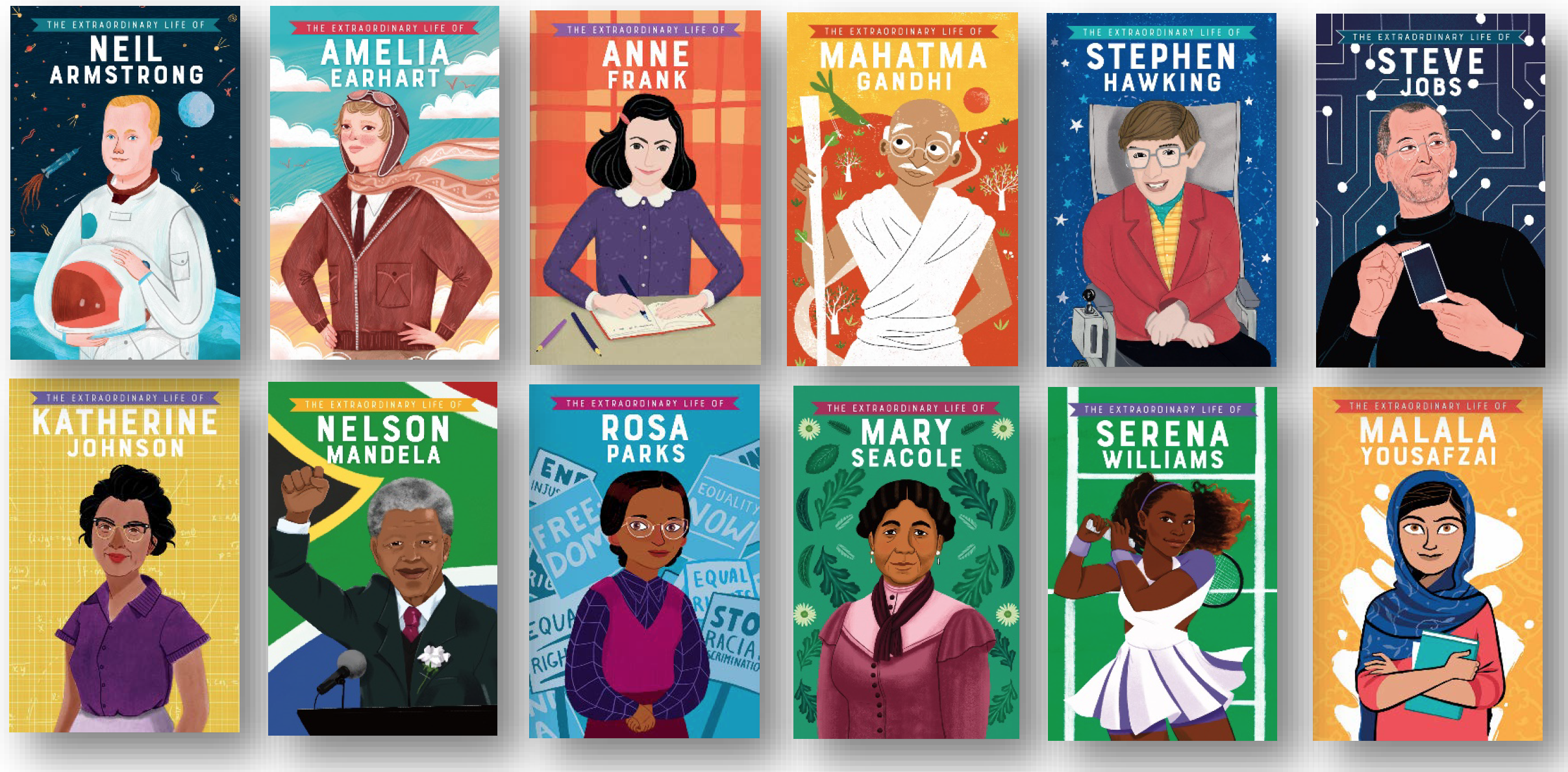
I want to start off by sharing a phenomenal series by Kane Miller: The Extraordinary Life of… series. You’ll want to get your hands on these.

Summary: A bold new series for young readers focusing on the lives of inspirational historical and modern figures.

Review: We have fallen in love with the Extraordinary Lives series. My first grader can’t get enough nonfiction. He could spend a full 12-hour day looking through the nonfiction section of the library. He devoured information about the election, reads history books that are above his age range, and just asks for more, more, more. When I learned about the Extraordinary Lives series, I knew it would be a good fit. What I didn’t realize was that my preschooler and I would get just as much joy from the series as my first grader.

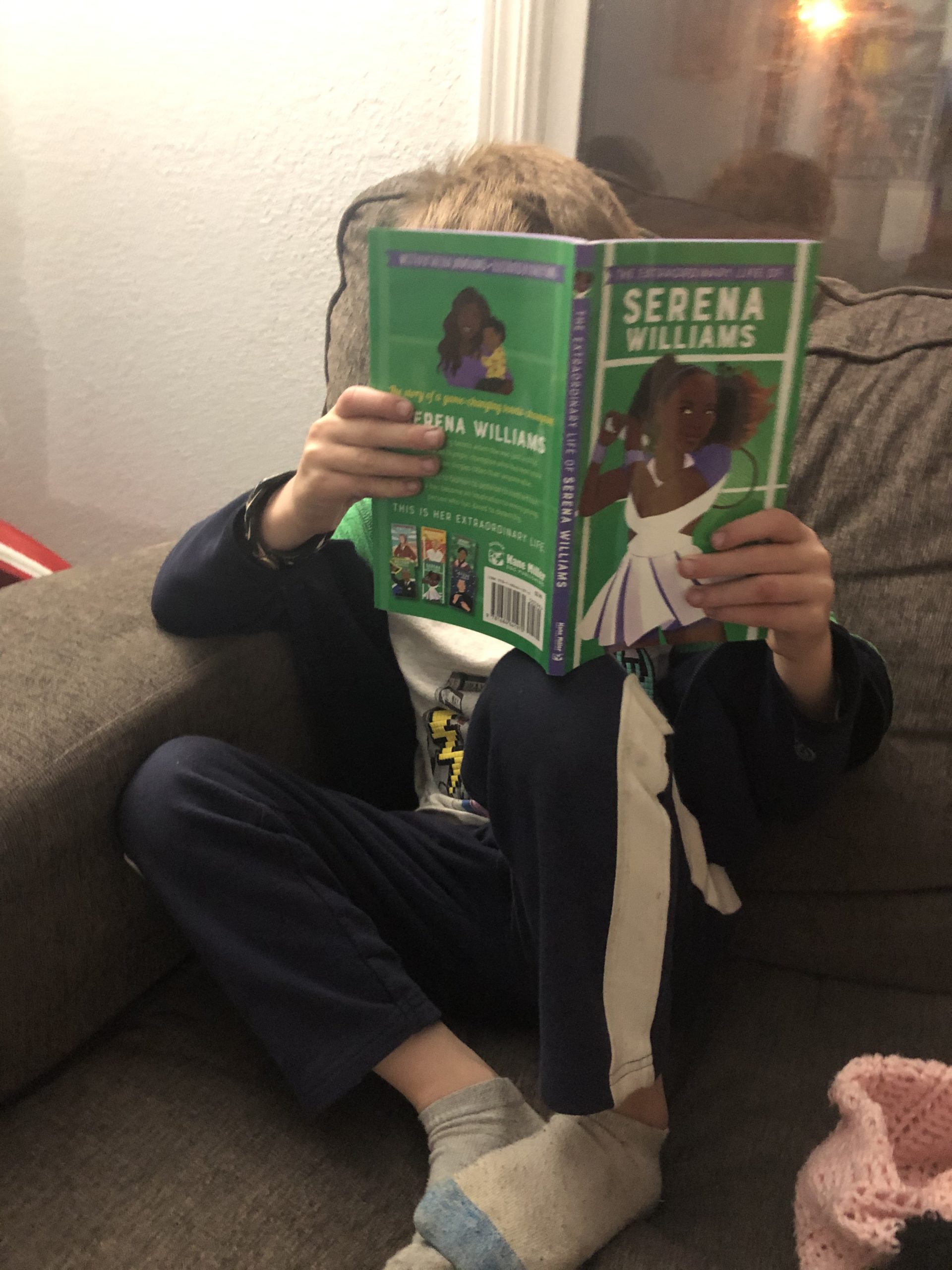
Here’s one picture I caught of my son reading them:

Here’s a closer look at the books:

PDF Loading...

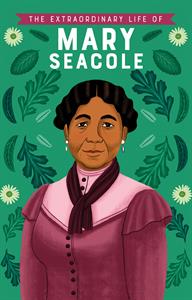
Teachers’ Tools for Navigation: These books would be wonderful for use in book groups. I would be thrilled if my kids were in a classroom in which the teacher allowed them to choose the text of a person they were interested in studying. For instance, I LOVED learning about Mary Seacole. That particular book really captured me (although they were all fascinating to read). My sons each had their own favorites, and I imagine this would be the case in a classroom. Students might then present to their peers to teach about the person they chose. Choice is so important in the classroom, and this series offers such wonderful opportunities for learning.

Discussion Questions: 

  • Which book did you choose and why?
  • What did you learn?
  • How did the author create engaging content to help you learn more about the person?

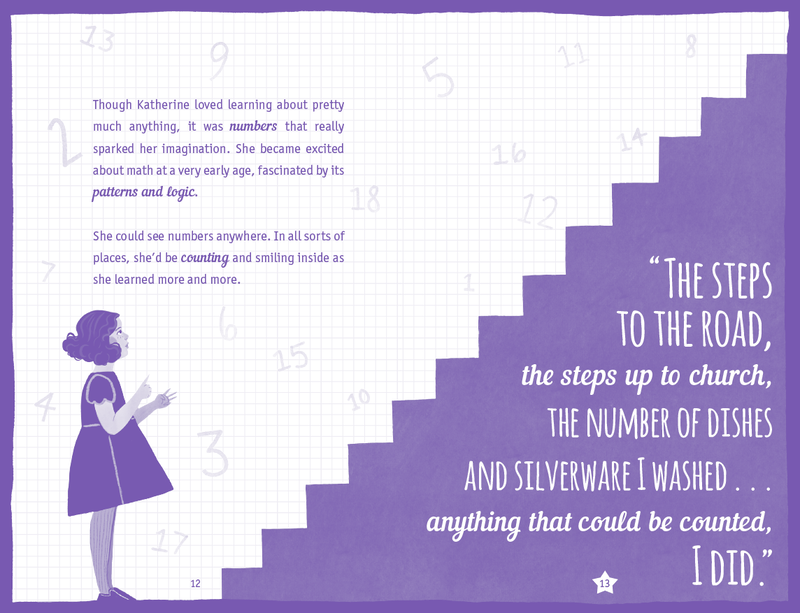
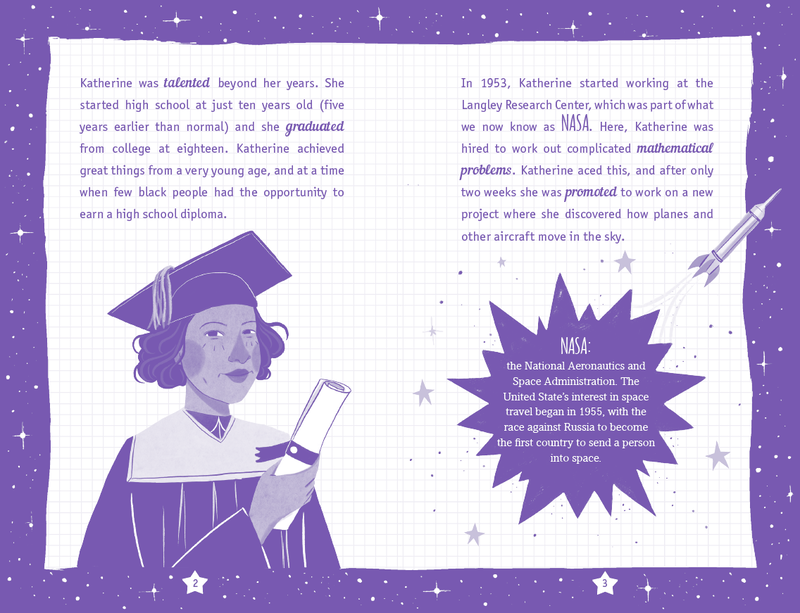
Flagged Passage from the Katherine Johnson Text: 

Read This If You Love: Nonfiction books, history books, biographies, Hidden Figures by Margot Lee Shetterly, Schomburg: The Man Who Built the Library by Carole Boston Weatherford, Radiant Child: The Story of Young Artist Jean-Michel Basquiat by Javaka Steptoe, Duke Ellington: The Piano Prince and His Orchestra by Andrea Davis Pinkney, We March by Shane W. Evans, Harlem’s Little Blackbird: The Story of Florence Mills by Renee Watson, Freedom in Congo Square by Carole Boston Weatherford

Recommended For: 

  classroomlibrarybuttonsmall

Educators’ Guide for AstroNuts Mission Two: The Water Planet by Jon Scieszka, Illustrated by Steven Weinberg

Share

AstroNuts Mission Two: The Water Planet
Author: Jon Scieszka
Illustrator: Steven Weinberg
Published: August 25th, 2020 by Chronicle Books

Summary: AstroNuts Mission Two: The Water Planet is the second book in the laugh-out-loud series by children’s literature legend Jon Scieszka.

The book follows a new mission, where AstroWolf, LaserShark, SmartHawk, and StinkBug must find a planet fit for human life after we’ve finally made Earth unlivable.

After they splash-land on the Water Planet, they find power-hungry clams, a rebellious underwater force, and a world full of too-good-to-be-true. Can this aquatic world really be humans’ new home? And why are these clams so eager to swap planets?

• Features full-color illustrations and an out-of-this-world book jacket
• A can’t-put-it-down page-turner for reluctant readers
• Complete with how-to-draw pages in the back

AstroNuts Mission Two is full of laugh-out loud humor with a thoughtful commentary on the reality of climate change at the core of the story.

Eager and reluctant readers alike ages 8 to 12 years old will be over the moon about this visually groundbreaking read.

• Creatively illustrated, full-color action-packed space saga
• Perfect for fans of Dog Man, Big Nate, Wimpy Kid, and Captain Underpants
• Great gift for parents, grandparents, teachers, librarians, and educators who are looking to introduce STEM and environmental topics to children
• Add it the the shelf with books like The Bad Guys in Superbad by Aaron Blabey, The 104-Story Treehouse: Dental Dramas & Jokes Galore! by Andy Griffiths, and The Stinky Cheese Man and Other Fairly Stupid Tales by Jon Scieszka

Teachers’ Tools for Navigation and Discussion Questions: 

Please view and enjoy the official educators’ guide for AstroNuts Mission Two (created by me!):

You can also access the teaching guide here.

You can learn more about AstroNuts Mission Two here.

You can see information about AstroNuts Mission One and its Educators’ Guide here.

Recommended For: 

readaloudbuttonsmall classroomlibrarybuttonsmall litcirclesbuttonsmall closereadinganalysisbuttonsmall

Kellee Signature