A Place Inside of Me: A Poem to Heal the Heart by Zetta Elliot, Illustrated by Noa Denmon

Share

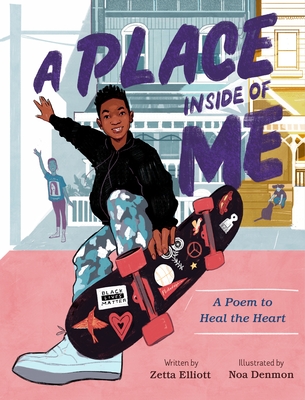
A Place Inside of Me
Author: Zetta Elliot
Illustrator: Noa Denmon
Published: July 21, 2020 by Farrar, Straus, and Giroux (BYR)

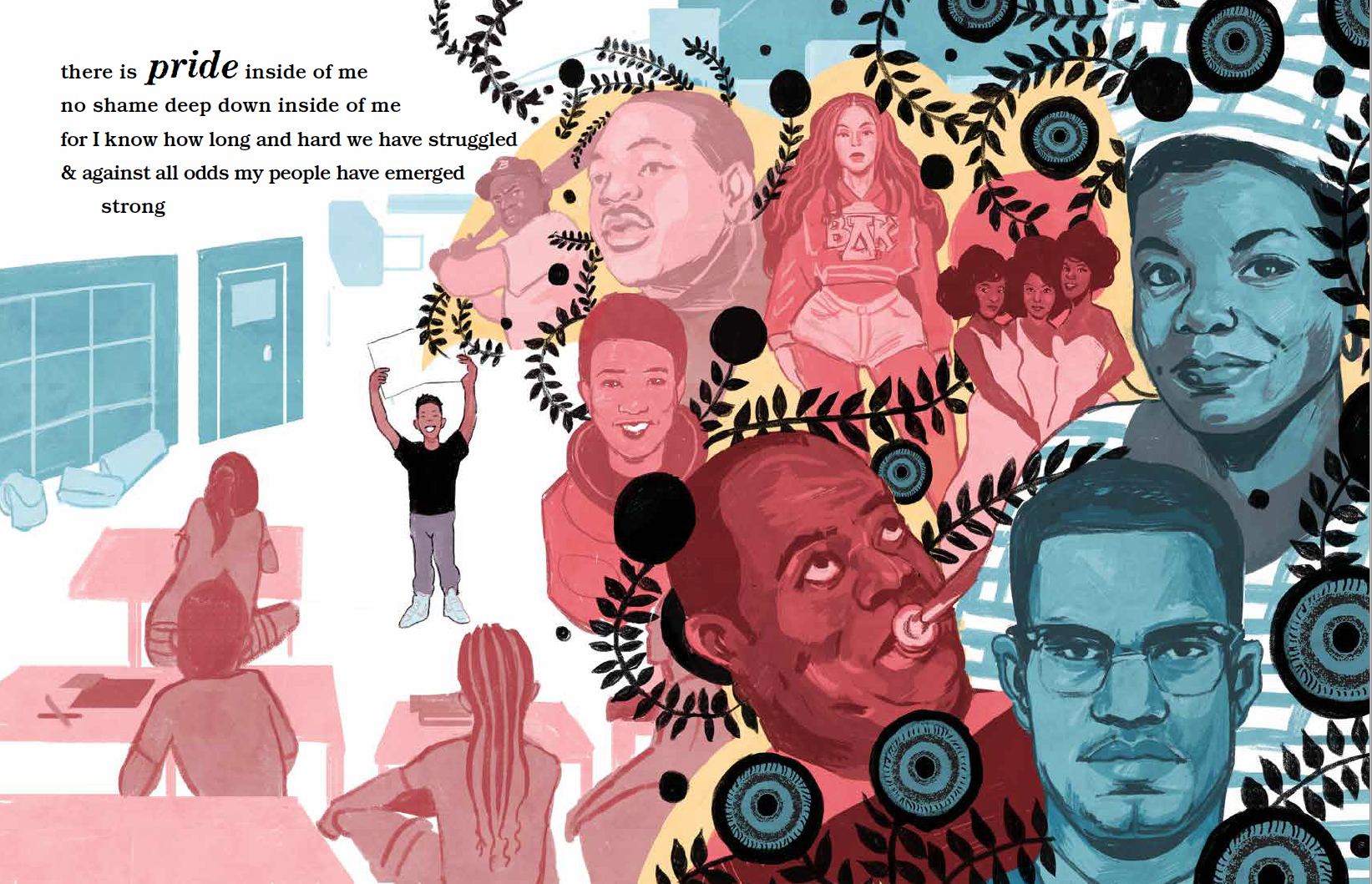
Summary: In this powerful, affirming poem by award-winning author Zetta Elliott, a Black child explores his shifting emotions throughout the year.

There is a place inside of me
a space deep down inside of me
where all my feelings hide.

Summertime is filled with joy―skateboarding and playing basketballuntil his community is deeply wounded by a police shooting. As fall turns to winter and then spring, fear grows into anger, then pride and peace.

In her stunning debut, illustrator Noa Denmon articulates the depth and nuances of a child’s experiences following a police shooting―through grief and protests, healing and community―with washes of color as vibrant as his words.

Here is a groundbreaking narrative that can help all readers―children and adults alike―talk about the feelings hiding deep inside each of us.

My Review: Whew. This is a powerful text that is accessible to all ages. I could imagine reading this to a class of elementary schoolers, and I could imagine reading it aloud to a group of adults. The book is a poem that reads in layers. It offers a surface-level understanding for beginning readers and also offers a rich conception and application for more mature readers. Following a police shooting, the narrator feels a wealth of very real emotions, and each spread navigates the emotions with beautifully woven language and powerful images. I believe that Zetta Elliot is one of the greatest authors of our time, and I felt this book in my gut. It is a must read.

Teachers’ Tools for Navigation: Teachers might use this text to unpack the many levels of emotions that students experience with events. One way to use this book is to ask students to pick a recent event and write a poem about the varied emotions they felt (or feel) regarding the event.

Discussion Questions: 

  • How do the author and illustrator depict the emotions within the text?
  • What nuances do you see in the different emotions?
  • How can we use this text to enact change in our community?

Flagged Passage: 


Read This If You Love: I Am Every Good Thing by Derrick Barnes, Dear Martin by Nic Stone, The Undefeated by Kwame Alexander and Kadir Nelson, You Matter by Christian Robinson, I Walk With Vanessa by Kerascoët

Recommended For: 

classroomlibrarybuttonsmall 

William Still and His Freedom Stories: The Father of the Underground Railroad by Don Tate

Share

William Still and His Freedom Stories: The Father of the Underground Railroad
Author & Illustrator: Don Tate
Publication Date: November 1, 2020 by Peachtree Publishing Company

Summary: You might be familiar with Harriet Tubman and other key leaders of the Underground Railroad, but do you know about the Father of the Underground Railroad?

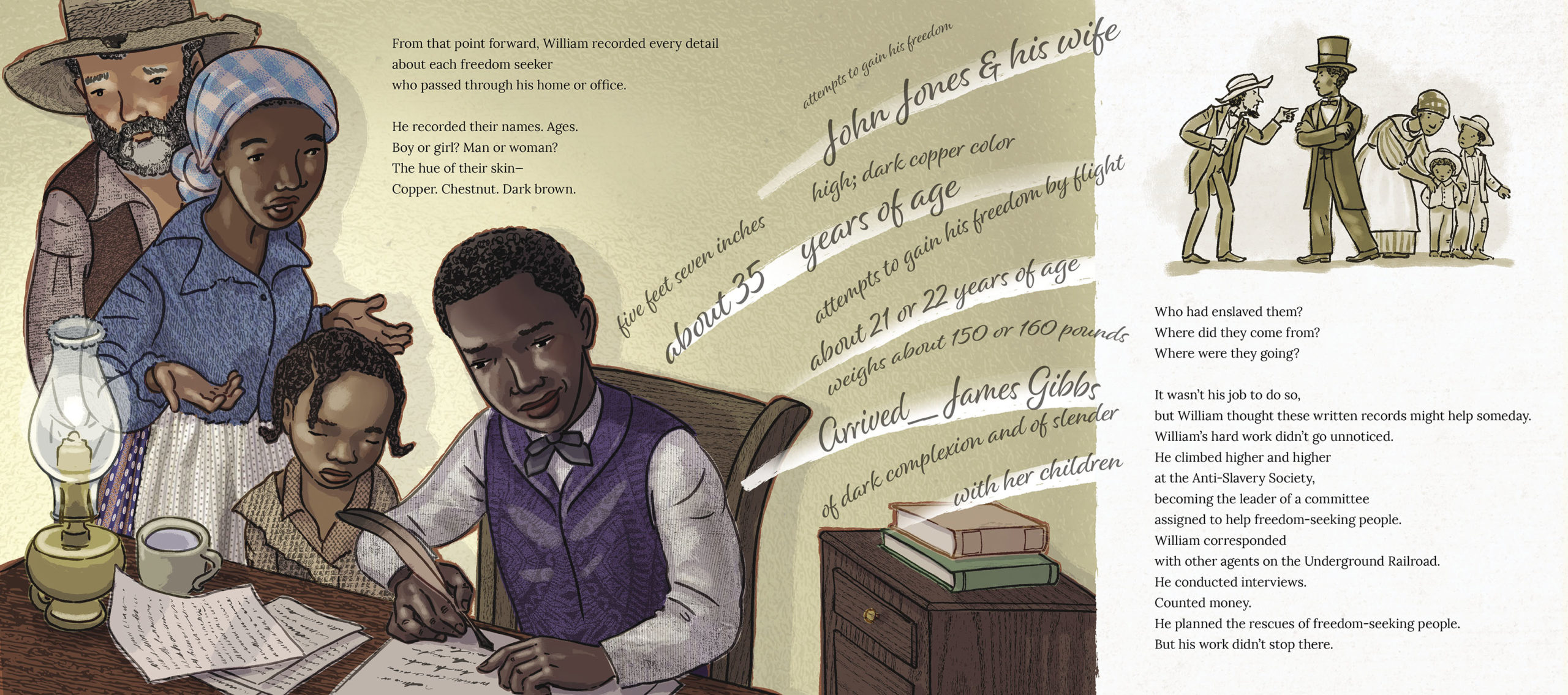
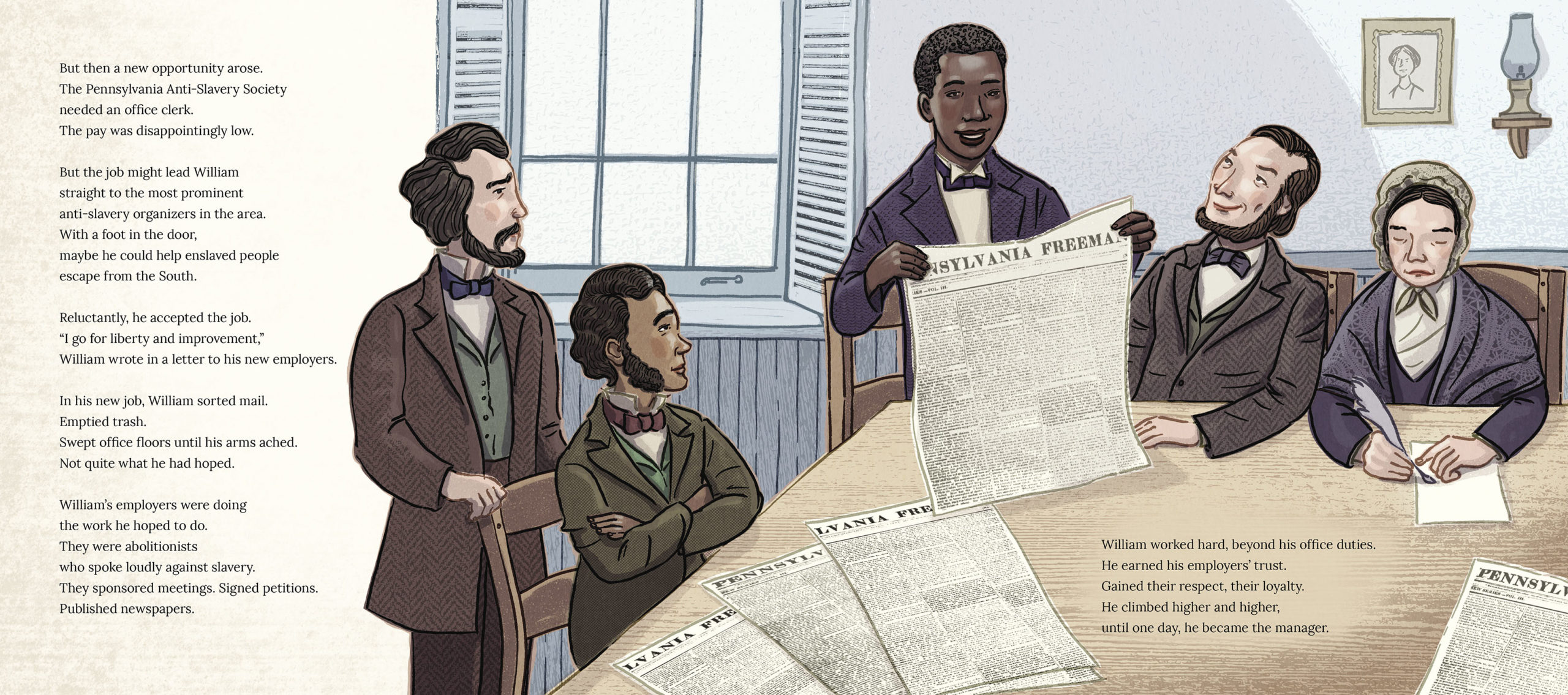
William Still’s parents escaped slavery but had to leave two of their children behind, a tragedy that haunted the family. As a young man, William went to work for the Pennsylvania Anti-Slavery Society, where he raised money, planned rescues, and helped freedom seekers who had traveled north. And then one day, a strangely familiar man came into William’s office, searching for information about his long-lost family. Could it be?

Motivated by his own family’s experience, William began collecting the stories of thousands of other freedom seekers. As a result, he was able to reunite other families and build a remarkable source of information, including encounters with Harriet Tubman, Henry Box Brown, and William and Ellen Craft.

Don Tate brings to life the incredible, stranger-than-fiction true story of William Still’s life and work as a record keeper of enslaved people who had fled to freedom. Tate’s powerful words and artwork are sure to inspire readers in this first-ever picture book biography of the Father of the Underground Railroad.

About the Author: DON TATE is the award-winning illustrator of numerous books for children, including Carter Reads the Newspaper, and is the author and illustrator of Poet: The Remarkable Story of George Moses Horton for  which he won the Ezra Jack Keats New Writer Award. He is also the co-contributor to the Brown Bookshelf, a blog designed to raise awareness of African Americans writing for young readers. He lives in Austin, Texas. Visit his website at www.dontate.com.

Review: I think history education is one of the ways I was let down as a kid, so I adore when I learn about a piece of history or a historical figure that we should all know about but has been left out of “chosen” history.

William Still was a huge part of abolitionism, the Underground Railroad, and the history of freed enslaved Americans. Based on Don Tate’s story, I learned that his transcription of the oral history of freedom seekers is how we know about many of the stories that are shared including Harriet Tubman’s and Henry Brown’s.

Don Tate’s book beautifully illustrates through his artwork and words the power of William Still and his impact on our history. We are lucky to have this book out in the world!

Teachers’ Tools for Navigation: 

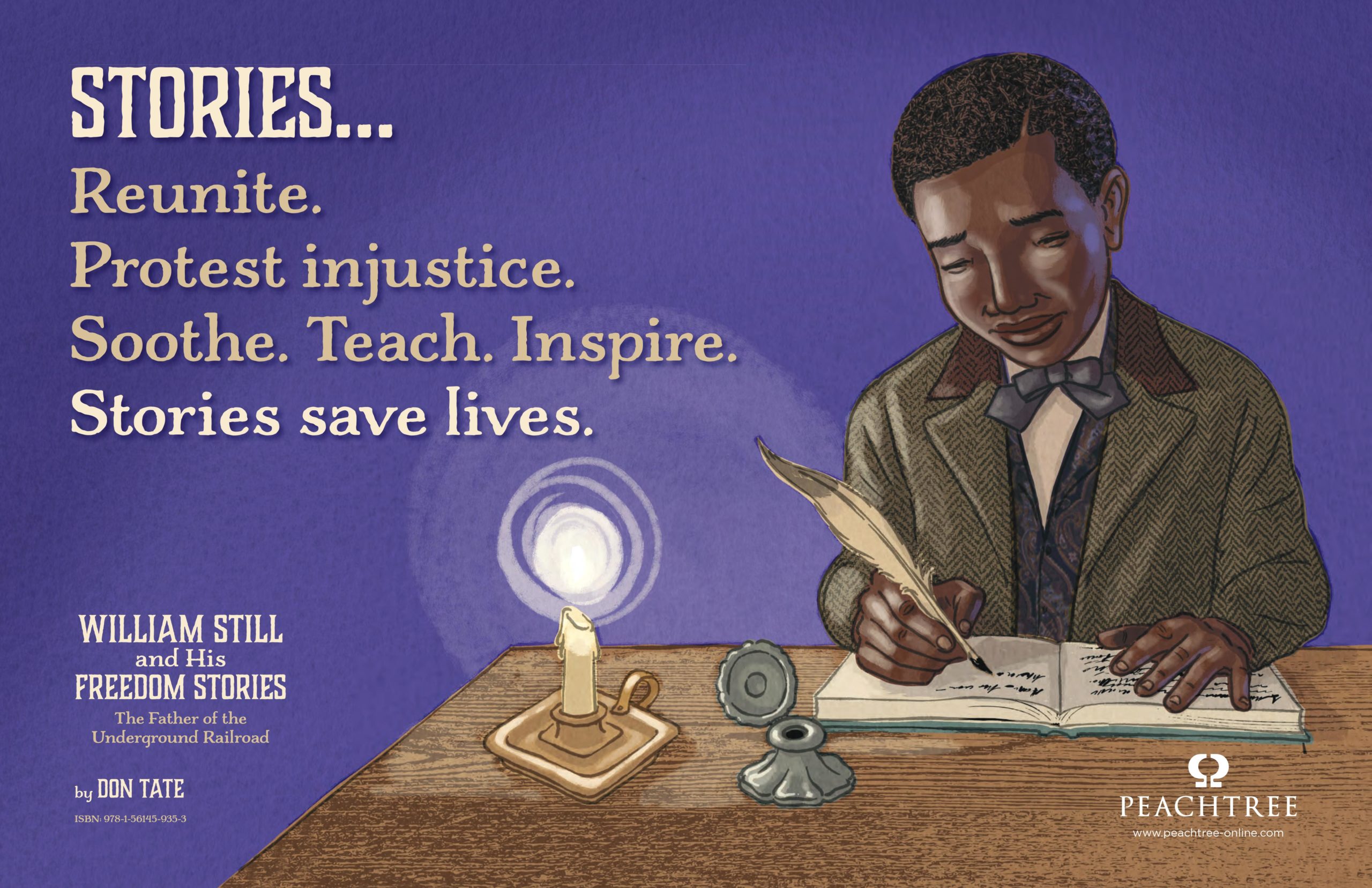
Peachtree Publishing has provided a downloadable poster which I love!

https://peachtree-online.com/wp-content/uploads/2020/03/William-Still-and-His-Freedom-Stories_poster.pdf

Flagged Passages: 

Read an excerpt of the book here: https://peachtree-online.com/wp-content/uploads/2020/05/WilliamStillandHisFreedomStoriesExcerpt.pdf 

Read This If You Love: History, specifically the Civil War, Emancipation, Underground Railroad; Don Tate’s books

Recommended For: 

classroomlibrarybuttonsmall 

Signature

**Thank you to Elyse at Peachtree for providing a copy for review!**

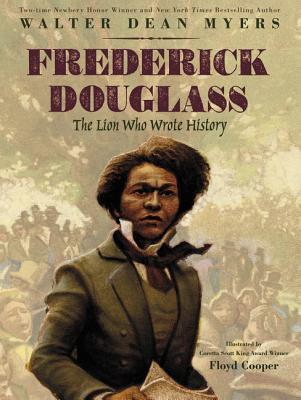
Frederick Douglass: The Lion Who Wrote History by Walter Dean Myers

Share

Frederick Douglass: The Lion Who Wrote History
Author: Walter Dean Myers
Illustrator: Floyd Cooper
Publication Date: January 24, 2017 by HarperCollins

Summary: In this picture book biography, the late New York Times bestselling author Walter Dean Myers and acclaimed artist Floyd Cooper take readers on an inspiring journey through the life of Frederick Douglass.

Frederick Douglass was a self-educated slave in the South who grew up to become an icon. He was a leader of the abolitionist movement, a celebrated writer, an esteemed speaker, and a social reformer, proving that, as he said, “Once you learn to read, you will be forever free.”

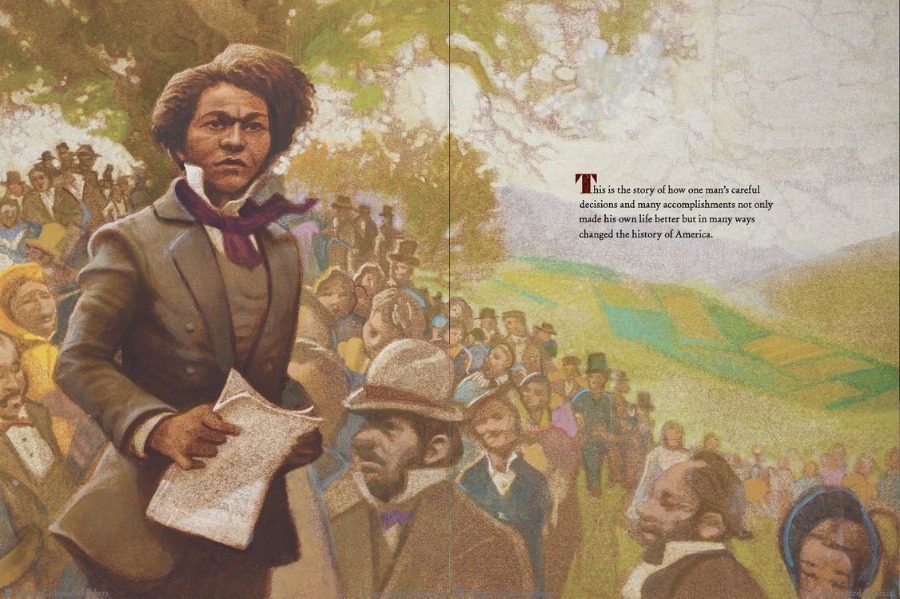
The story of one of America’s most revered figures is brought to life by the text of award-winning author Walter Dean Myers and the sweeping, lush illustrations of artist Floyd Cooper.

Review: We bought this book in 2017 when it first came out, and we read it again and again and again. My kids love to listen and learn about one of the most brilliant people to have ever lived. His story is incredibly inspiring. Even as a young boy, Douglass defied the world and never took no as an answer. The details of his story within this book show children (and adults) that they must push for what is right and commit to changing the world for the better. This book belongs in every classroom (and not just relegated to the classroom library). It should be shared collectively and purposefully with kids.

Teachers’ Tools for Navigation: There are endless uses for this book. One suggestion is that it could serve as a read-aloud and close reading at the start of a research or biography unit. Kids might look at the use of pictures and the pacing of the story to write their own nonfiction picture book.

Discussion Questions: 

  • How does Douglass regularly display strength and resolve throughout his life?
  • How is the book paced to reveal key moments of Douglass’ life?
  • What other famous figures related to issues of equity showed this kind of resolve? How do their stories connect to Douglass’ story?

Flagged Passage: 

Read This If You Love: Nonfiction picture books, Hidden Figures by Margot Lee Shetterly, Schomburg: The Man Who Built the Library by Carole Boston Weatherford, Radiant Child: The Story of Young Artist Jean-Michel Basquiat by Javaka Steptoe, Duke Ellington: The Piano Prince and His Orchestra by Andrea Davis Pinkney, We March by Shane W. Evans, Harlem’s Little Blackbird: The Story of Florence Mills by Renee Watson, Freedom in Congo Square by Carole Boston Weatherford

Recommended For: 

  classroomlibrarybuttonsmall

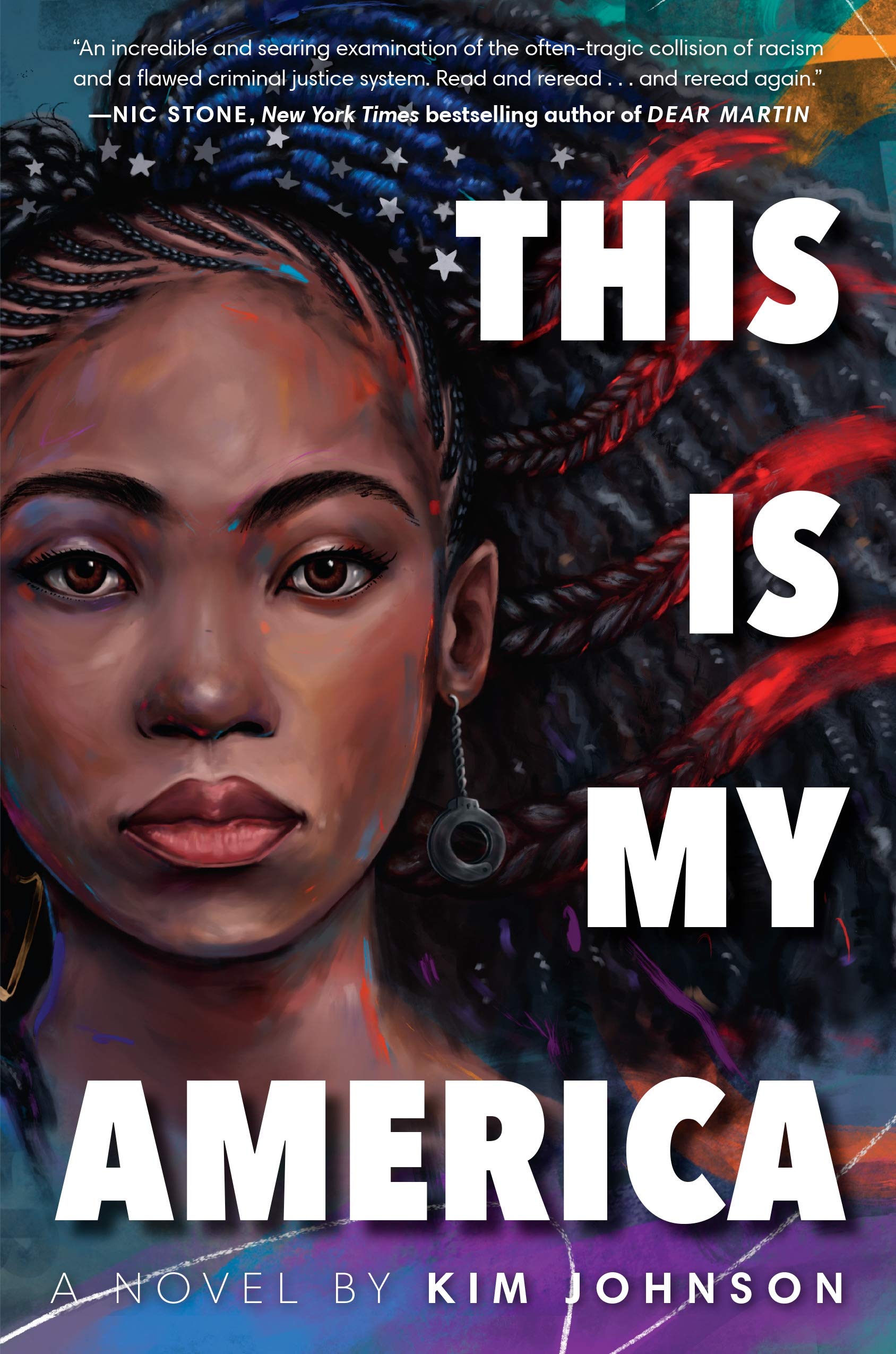
This is My America by Kim Johnson

Share

This is My America
Author: Kim Johnson
Published: February 28, 2017 by Balzer + Bray

GoodReads Summary: Dear Martin meets Just Mercy in this unflinching yet uplifting YA novel that explores the racist injustices in the American justice system.

Every week, seventeen-year-old Tracy Beaumont writes letters to Innocence X, asking the organization to help her father, an innocent Black man on death row. After seven years, Tracy is running out of time—her dad has only 267 days left. Then the unthinkable happens. The police arrive in the night, and Tracy’s older brother, Jamal, goes from being a bright, promising track star to a “thug” on the run, accused of killing a white girl. Determined to save her brother, Tracy investigates what really happened between Jamal and Angela down at the Pike. But will Tracy and her family survive the uncovering of the skeletons of their Texas town’s racist history that still haunt the present?

Fans of Nic Stone and Jason Reynolds won’t want to miss this provocative and gripping debut.

Review: This is a book that will stick with me forever. The characters are powerfully written, and the plot unfolds itself beautifully. It tackles complex themes that offer excellent fodder for classroom discussion. Some of these include implicit and explicit racism, the ripple effects of White supremacy and racism, White privilege, and injustices in the judicial system. I could go on. This book is truly exceptional, and I envision it winning some big awards this year. There is so much to unpack and so much to admire in Johnson’s writing. It’s absolutely brilliant. If you buy no other book this summer, buy this one. It will make you think deeply about equity and justice.

Teachers’ Tools for Navigation: I highlighted so many passages of this book while I was reading it. There are so many sections that would make phenomenal close readings in the classroom. I highly recommend pairing this text with portions or all of Michelle Alexander’s The New Jim Crow: Mass Incarceration in the Age of Colorblindness.

Discussion Questions: What are some of the injustices in this text?; How can we, as a society, work to change these injustices?; How do the injustices have a ripple effect on other characters?; How does Johnson layer the plot to elevate the reading and message of the text?

Flagged Passage: “Corinne never held that memory [of Daddy getting arrested], but I know she feels it in everything we breathe. It’s in the polite nods across the street we have to make, the way our family turns down our music when there are others around. Say yes ma’am and no sir. Leave our jackets and backpacks in the car when we go shopping.

It’s in the way I carry myself that tells our story now. I can’t risk being accused of anything. Because if something goes wrong or missing, I know it’s in the back of someone’s mind that maybe I had something to do with it. And it’s in the way that the voice of the strongest woman I know stumbles when saying, ‘Hello, Officer’ as she walks through the visitation gates to see Daddy.”

Read This If You Loved: Just Mercy by Bryan Stevenson; The Hate U Give by Angie Thomas; All American Boys by Jason Reynolds and Brendan Kiely; by Ilyassah Shabazz and Kekla Magoon; The Rock and the River by Kekla Magoon; How it Went Down by Kekla Magoon; Freedom Summer by Deborah Wiles;

Recommended For:

 litcirclesbuttonsmall closereadinganalysisbuttonsmall classroomlibrarybuttonsmall

RickiSig

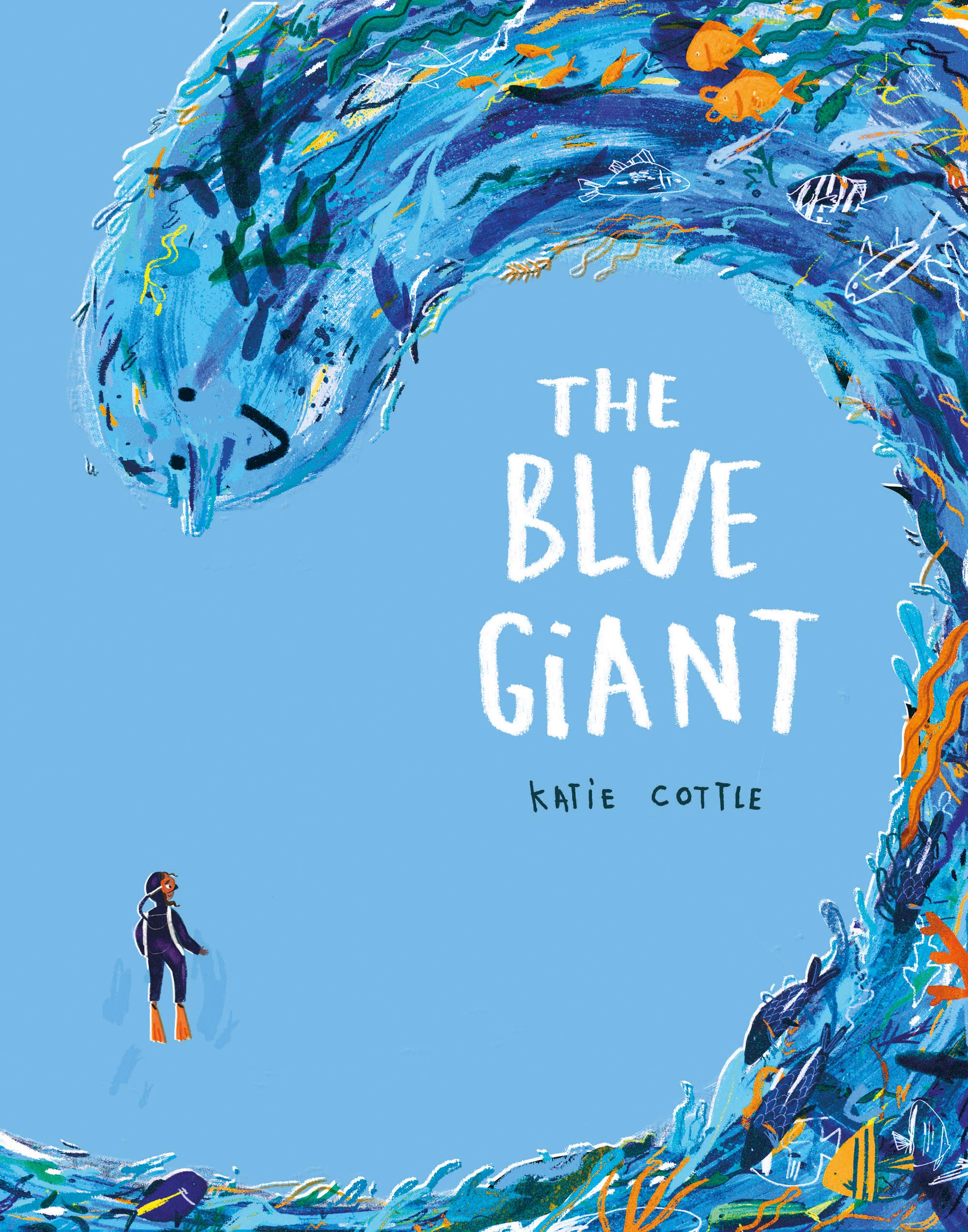
The Blue Giant by Katie Cottle

Share

The Blue Giant
Author & Illustrator: Katie Cottle
Published May 26th, 2020 by Pavilion Books Ltd.

Summary: A poignant and timely picture book introducing children to the issue of ocean pollution, with ideas to help the world become a better, cleaner place.

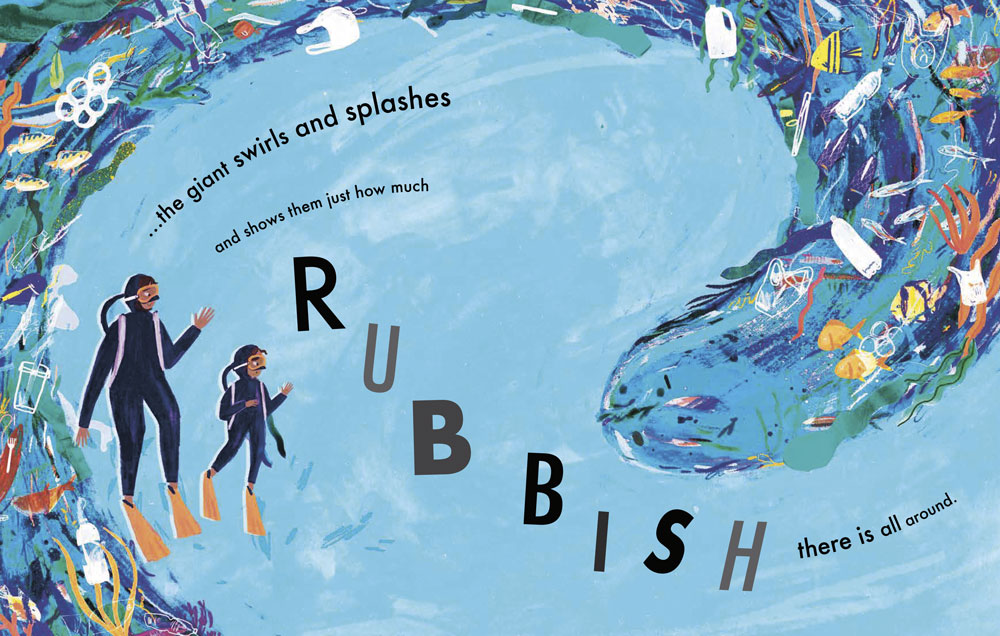
Coral and her mom are enjoying a break at the seaside. Until a creature emerges from the waves! It’s a giant. A blue giant. It is made of water, fish, and sea plants and has a stirring plea to help clean up the ocean.

Coral and her mom agree to help, donning their scuba-diving outfits and setting off to sea. But they can’t do it alone…can they?

This stunning follow-up to Katie Cottle’s debut picture book The Green Giant is another entertaining and beautiful eco-tale from the 2017 winner of the Batsford Prize. It introduces children to the issues of pollution, waste management, and the oceans, with suggestions of lifestyle changes to help clean up our seas.

About the Author: Katie Cottle is an illustrator and printmaker living and working in Bristol, U.K. Her work is often informed by the marks and colors created through traditional lithography. She also works digitally, using an iPad, and occasionally paints with gouache. The Blue Giant is her second book, following on from The Green Giant.

Review: Katie Cottle has caught onto something big with the format of this and her Green Giant book: it truly brings our environment to life and shows the harm that we are doing to it. The anthropomorphism of the ocean makes it even easier to connect to it as an entity as it shows how we are hurting it, and it shows what Meera DOES to try to reverse the effects we’ve caused.

In addition to the theme and story, I also really liked the illustrations. The author’s use of line is used expertly to show movement, and I loved all of the colors to really bring the story to life.

Teachers’ Tools for Navigation: This book is perfect for any discussion of water pollution and the environment. It shows a problem, a potential soultion, and hope for the future. It also specifically talks about single-use plastics which may be a new topic for many students.

Discussion Questions: 

  • What is something you can do to help the ocean?
  • What does Meera do to help the ocean?
  • How does our actions effect the ocean?
  • What is an animal that is effected by our pollution?
  • What is a single-use plastic that you use that you could replace?
  • What was the author’s purpose in writing this book?
  • Why did the author give the ocean a voice in the book?

Flagged Passages: 

Read This If You Love: Learning about the environment

Recommended For: 

classroomlibrarybuttonsmall

Signature

**Thank you to Media Master Publicity for providing a copy for review!**

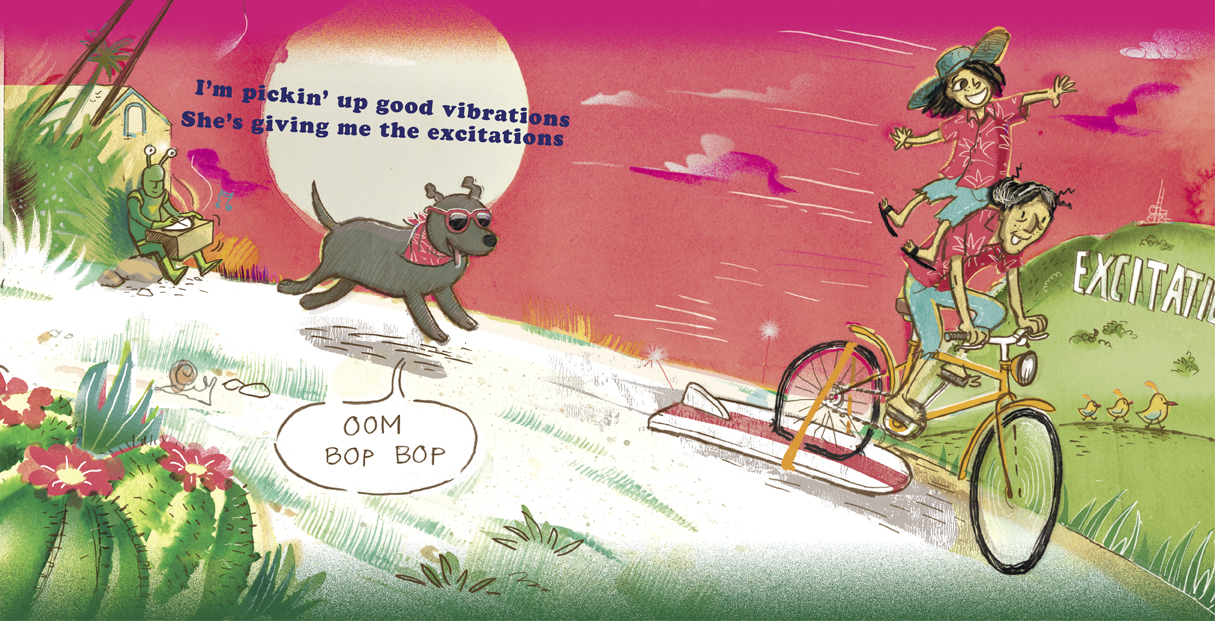
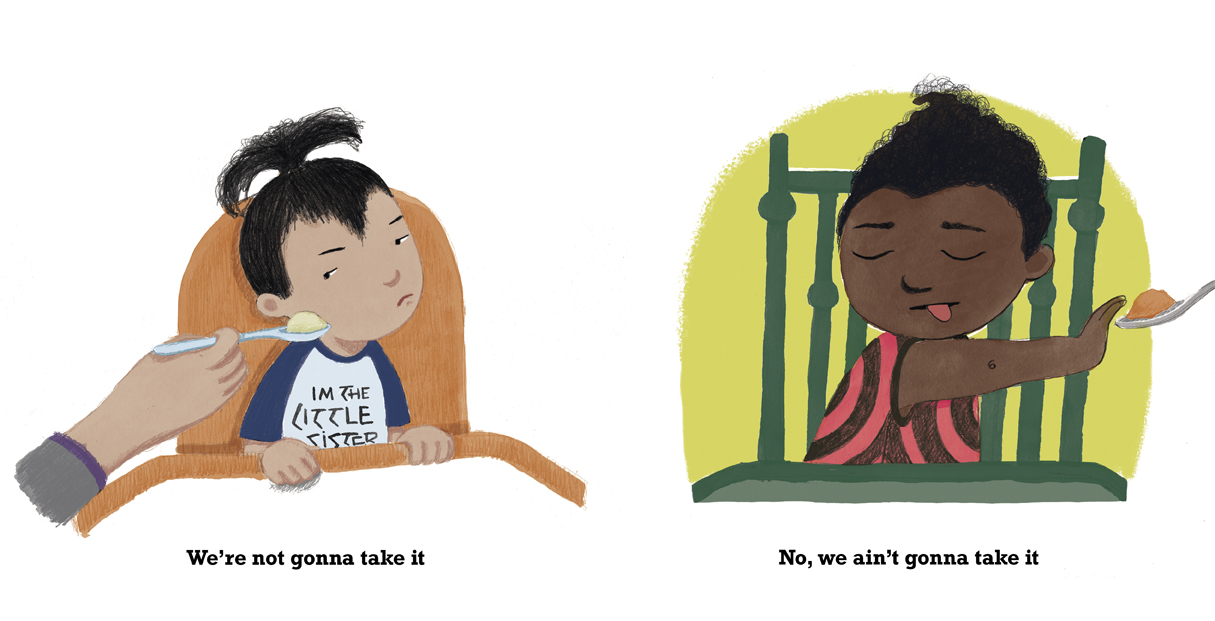
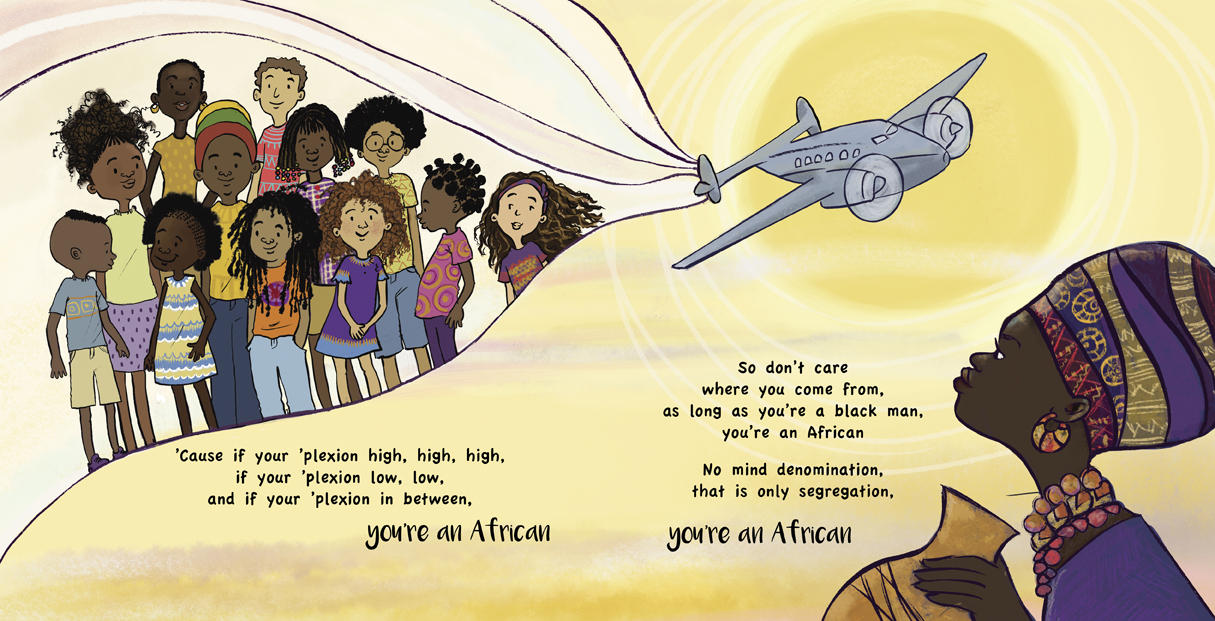
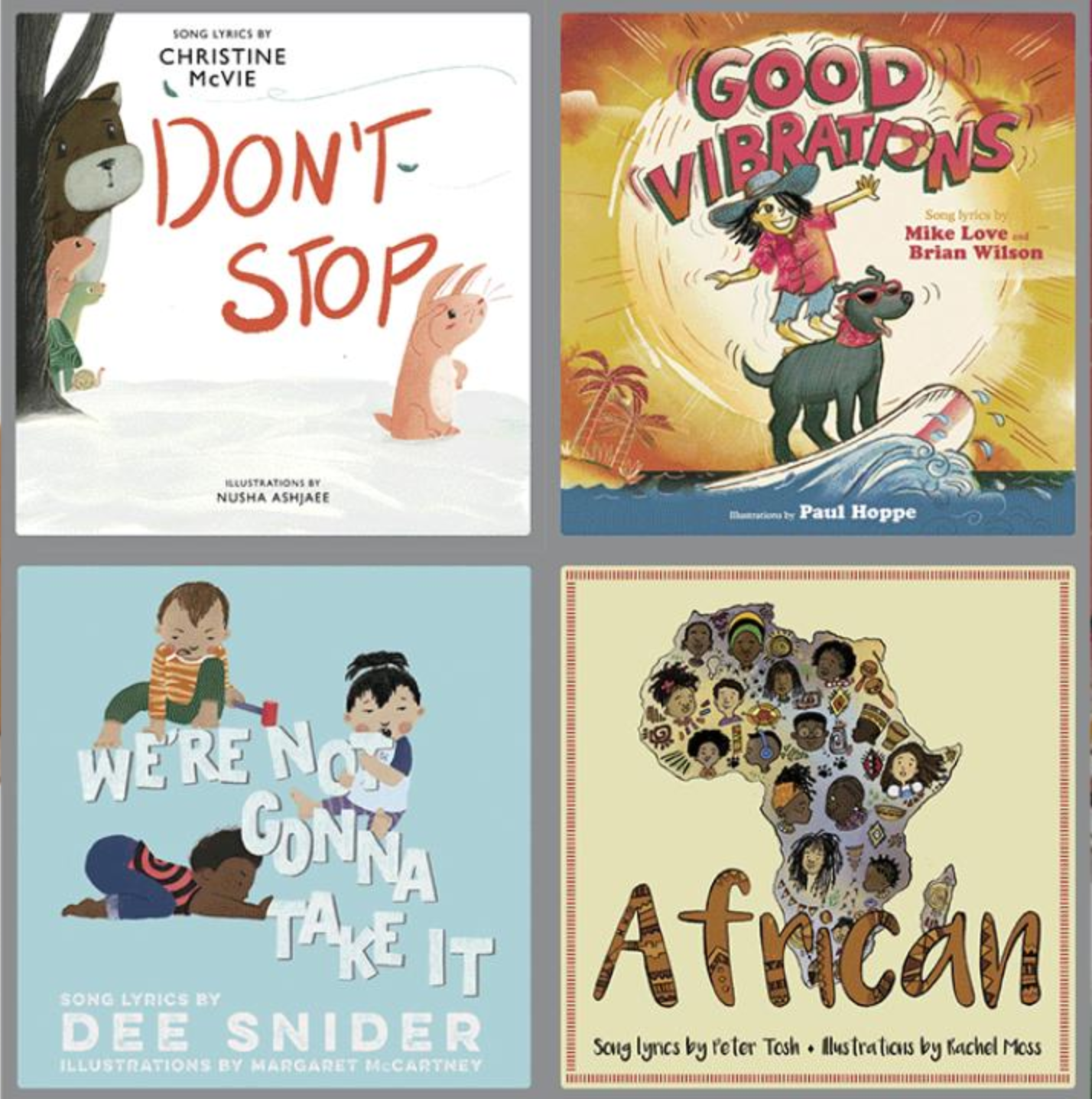
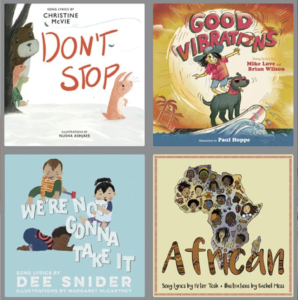
LyricPop: A New Picture Book Series from Akashic Books with Don’t Stop, Good Vibrations,We’re Not Gonna Take It, and African

Share

Don’t Stop, song lyrics by Christine McVie, illustrations by Nusha Ashjaee
Good Vibrations, song lyrics by Mike Love and Brian Wilson, illustrations by Paul Hoppe
We’re Not Gonna Take It, song lyrics by Dee Snider, illustrations by Margaret McCartney
African, song lyrics by Peter Tosh, illustrations by Rachel MossAuthor:

Published June 2, 2020 by Akashic Books

LyricPop Summary: LyricPop presents your favorite song lyrics by renowned songwriters as illustrated picture books, instilling a love of music and song among young readers.

“LyricPop represents two things I’m passionate about—music, and books for children,” said Johnny Temple, publisher of Akashic Books. “As both a musician and a publisher, I hope LyricPop will inspire parents, grandparents, and others to read (and even sing!) these books aloud with the children in their lives.”

After these four initial books are released, October 6th We Got the Beat, Respect, and Move the Crowd will be published. Then March 2, 2021 will bring us (Sittin’ On) The Dock of the Bay, Humble and Kind, and These Boots are Made for Walkin’.

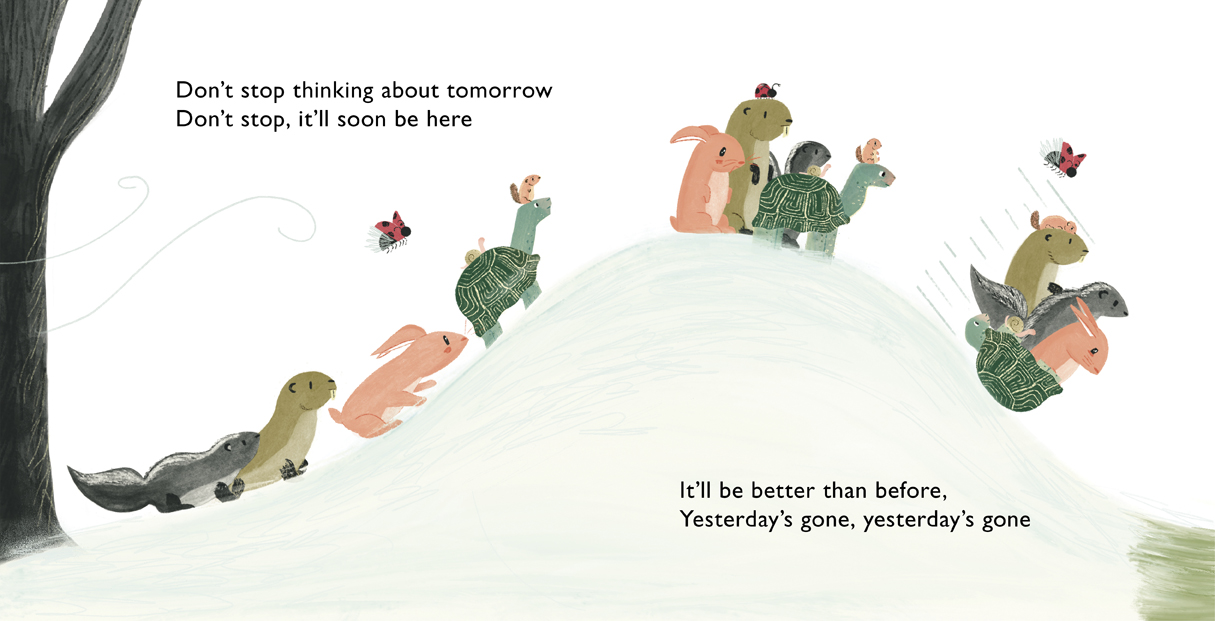
Don’t Stop Summary: Don’t Stop is a beautifully illustrated picture book based on Christine McVie of Fleetwood Mac’s enduring anthem to optimism and patience. The song was one of the singles on Fleetwood Mac’s megahit album Rumours, which spent thirty-one weeks at number one on the Billboard charts and went on to sell over forty million copies worldwide.

With lyrics by Christine McVie and illustrations by Nusha Ashjaee, this touching picture book imagines a rabbit willing her hibernating friends out of a long and dark winter and into joyous spring. Don’t Stop is a great opportunity for fans of Christine McVie and Fleetwood Mac to introduce their favorite band to their young children, and for parents looking to share a bright message in song.

• Debuting in 1977, this song is one of the most identifiable of that decade
• A classic rock radio staple
• A top-five single in the US, and one of the band’s most enduring hits
• Written by band keyboardist and vocalist Christine McVie
• Sung as duet between Christine McVie and guitarist Lindsey Buckingham
• Appears on the Grammy-winning album Rumours, which as of 2019 is the RIAA-certified tenth all-time best-selling album in the US
• It was the theme song for Bill Clinton’s 1992 presidential campaign

Good Vibrations Summary: Good Vibrations is a lively picture book based on Mike Love and Brian Wilson’s number one hit about absorbing positive energy from the people around them. Often praised as one of the most important compositions in rock, the Beach Boys’ original version of this song was their third number one Billboard hit. With lyrics by Brian Wilson and Mike Love, and illustrations by Paul Hoppe, this picture book follows a girl and her dog as they make their way down to the beach, sharing good vibrations all along the way. Parents and children alike can share and enjoy one of rock’s greatest hits through the colorful pages of Good Vibrations.

• Released in 1966, this is one of the defining and iconic songs of the era
• The recording involved the then-revolutionary process of tape-splicing, cutting up and editing pieces of the master tape together
• The musicians used in the recording of the song included members of the Wrecking Crew, the legendary set of Los Angeles session studio players
• Beach Boys publicist Derek Taylor described the song as a “pocket symphony” (Derek was the former press officer for the Beatles and the Beach Boys, and worked with the Byrds and the Mamas & the Papas, among others)
• The unusual sound featured in the song’s chorus was produced by an electrotheremin
• The song was a transatlantic number one, reaching the top spot in both the US and the UK
• The song was the last US number one the Beach Boys achieved in the 1960s
• Inducted into both the GRAMMY and Rock & Roll Halls of Fame
• Rolling Stone ranked the song at number six on its 2010 list of the 500 Greatest Songs of All Time
• In 2001, the RIAA and the National Endowment for the Arts published their Songs of the Century list, with “Good Vibrations” at number 24
• The song is part of the Rock & Roll Hall of Fame’s permanent exhibition, 500 Songs That Shaped Rock and Roll

We’re Not Gonna Take It Summary: We’re Not Gonna Take It is a playful picture book echoing 1980s hair band Twisted Sister’s most popular antiestablishment anthem. As part of their triple-platinum album Stay Hungry, “We’re Not Gonna Take It” spent fifteen weeks on the Billboard Hot 100 chart, reaching number twenty-one. With lyrics by Dee Snider and illustrations by Margaret McCartney, this picture book follows three toddlers on a mission to defy their parents, whether it be lunchtime, bath  time, or bedtime. We’re Not Gonna Take It is a story both parents and children can relate to, and a song they can enjoy together.

• Released in 1984, “We’re Not Gonna Take It” is a signature rock anthem of the 1980s
• The song was a Hot 100 top forty hit and reached the top ten on the Billboard Mainstream Rock chart
• The album it appeared on, Stay Hungry, was the band’s breakthrough and a US top twenty hit
• Its anthemic quality has propelled the song to become a US pop culture touchstone
• The song has an iconic music video

African Summary: African is a children’s book featuring lyrics by Peter Tosh and illustrations by Jamaican artist Rachel Moss. The song “African” by Peter Tosh was originally released in 1977 on his second solo record, Equal Rights. He wrote the song during a time of civil unrest in Jamaica as a reminder to all black people that they were part of the same community.
The album is considered one of the most influential reggae works of all time.

• A key song from the classic 1970s era of reggae
• Peter Tosh was one of the founding members of the iconic reggae group the Wailers

Review: All four of these classic songs are ones that as soon as you hear the title you start humming the melody or reciting the lyrics and LyricPop books is a great way to introduce these to a new generation of kids. All four are very different songs and illustrations which shows the extension of this new picture book series.

Teachers’ Tools for Navigation: In the classroom, I would have so much fun with these. I would love to group my students in four different groups (or more if it is after more LyricPop books have come out), have them listen to the songs these books are based on, and create their own picture book. Then, after they do so, they can read the LyricPop books and compare and contrast. This would be a great way to discuss interpretation, figurative language, illustrator choices, etc.

There’s another option too: Have students read the lyrics first without listening to the song and create a book. Then, after listening to the song, ask how they would change their book.

When done with the songs from LyricPop, students could then pick their own songs and make their own books!

Discussion Questions: 

  • Why do you think the illustrator interpreted the lyrics the way they did?
  • Do you think of the lyrics the same or different?
  • What is the main theme of the song?
  • (Before hearing the song) How do you imagine the song is going to sound?
  • (After hearing the song) Does the book fit the sound of the song?

Flagged Passages: 
Read This If You Love: Music

Recommended For: 

classroomlibrarybuttonsmall 

Signature

**Thank you to Akashic Books for providing copies for review**

The Refuge by Sandra Le Guen, Illustrated by Stéphane Nicolet

Share

The Refuge
Author: Sandra Le Guen
Translator: Daniel Hahn
Illustrator:  Stéphane Nicolet
Published June 1, 2020 by Amazon Crossing Kids

Summary: “There’s a new girl at school. She never stops looking up at the sky! She likes the stars and comets.”

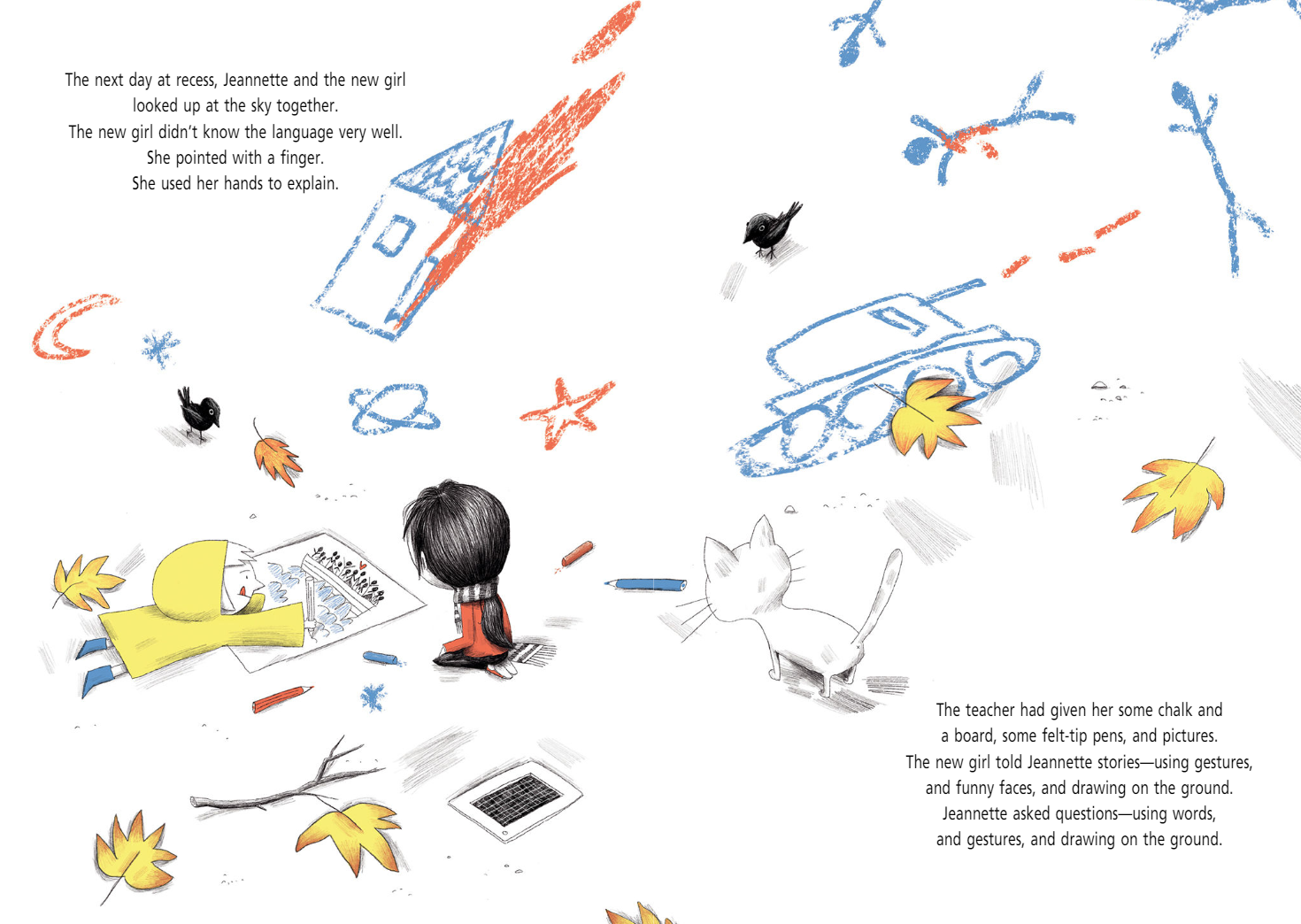
Jeannette tells her mom about her new classmate, who also loves astronomy but seems sad. She realizes it’s not easy to move to a new place. So the next day, at recess, Jeannette asks Iliana to play.

At first, it’s a little hard to communicate because Iliana is learning a new language. The girls have to use their hands and their drawings. But they keep trying, and, soon, Iliana tells Jeannette about her difficult journey as a refugee who had to leave her country. Then their families meet, and Iliana’s parents share their story too. The girls’ friendship blooms, as limitless as the sky and their imaginations.

Originally published in France and brought to life with wonderfully expressive artwork, this is a book about sharing stories and finding refuge in friendship, family, and a new home.

Kellee’s Review: This book is beautiful. It shows pure empathy for a young girl, and her family, who needs all love in the scary new situation she is in. Their journey was harrowing and being in a new place where they do not speak the language must be completely overwhelming; however, this was something they felt no choice in doing because of the horrors of war back at their home. But sadly, refugees have been villainized–once again fear winning over empathy. However, The Refuge puts a narrative to the journey that many children and families face just to stay safe. And it is such a well-crafted narrative with beautiful illustrations–just an overall excellent book. A must read for ALL ages. 

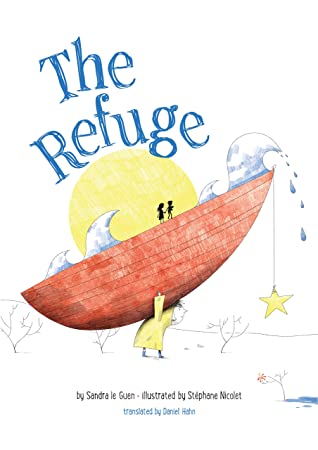
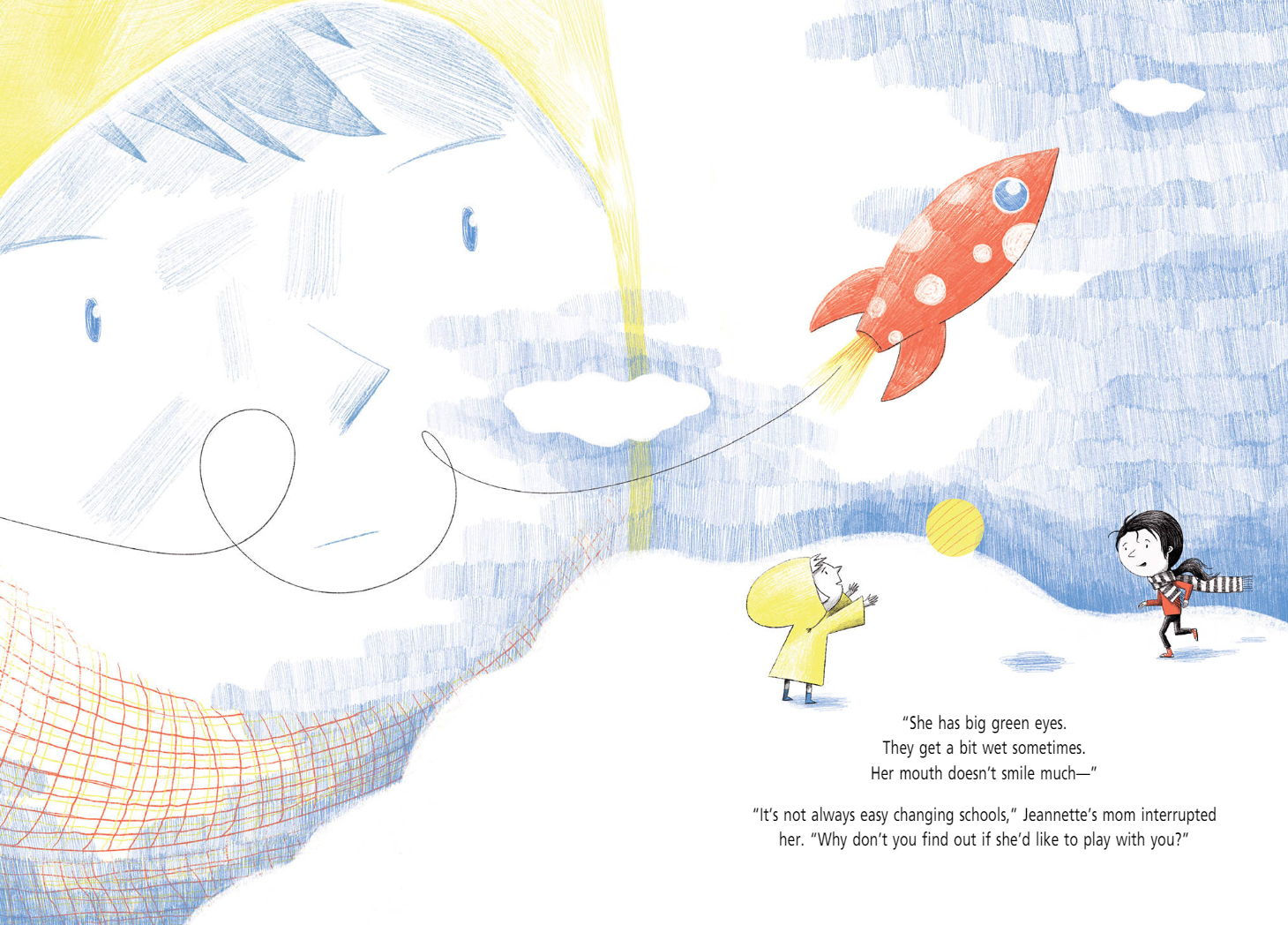
Ricki’s Review: Magnificent. This book is truly and utterly magnificent. I am quite hopeful it will win some of the major literary awards. Whew! The writing depicts the myriad emotions that Iliana might have experienced on her journey, and Jeannette has such deep empathy for her classmate. The illustrations take the book to the next level. I would purchase a spread of this book and frame it for the wall in my office—the illustrations are that captivating. We share some of the illustrations below. There’s one illustration in which Iliana is carrying a giant boat on her back, and a star hangs from a string on the front. Two small children walk up the top of the steep boat. The words match the illustrations, and yet the illustrations have deeper, metaphoric meaning. This would be a terrific book to study at the high school and college level. It would sustain several classes of discussion. I plan to purchase a copy to use in my Teaching Reading class. If you haven’t read this book, I recommend it highly.

Teachers’ Tools for Navigation: Metaphor is powerfully used in this text (both in the writing and illustrations). This would be a magnificent text to use as a mentor text for the instruction of metaphor. Students might select a written metaphor to illustrate and an illustrated metaphor to write in words to consider the flexibility and power of the use of metaphor. Then, they might craft their own metaphors related to the story.

Discussion Questions: 

  • Choose one illustration that you like. What is the surface level meaning? What is the deeper meaning attached to the image?
  • How does Jeannette demonstrate empathy for Iliana?
  • What did you learn about refugees?
  • Why do you believe the author titled the book The Refuge instead of Refugee?
  • How do the illustrations and writing work together?
  • What creative techniques does the author use?
  • What creative techniques does the illustrator use?

Flagged Passages: 

Read This If You Love: The Arrival by Shaun Tan, Refugee by Alan Gratz, Dreamers by Yuyi Morales, The Name Jar by Yangsook Choi, Each Kindness by Jacqueline Woodson

Recommended For: 

classroomlibrarybuttonsmall 

Signatureand

**Thank you, Barbara at Blue Slip Media, for providing copies for review!**