Love by Matt de la Peña

Share

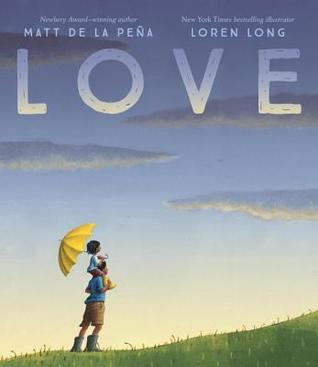
Love
Author: Matt de la Peña
Illustrator: Loren Long
Published January 9th, 2018 by Putnam

Summary: From Newbery Medal-winning author Matt de la Peña and bestselling illustrator Loren Long comes a story about the strongest bond there is and the diverse and powerful ways it connects us all.

“In the beginning there is light
and two wide-eyed figures standing near the foot of your bed
and the sound of their voices is love.

A cab driver plays love softly on his radio
while you bounce in back with the bumps of the city
and everything smells new, and it smells like life.”

In this heartfelt celebration of love, Matt de la Peña and  illustrator Loren Long depict the many ways we experience this universal bond, which carries us from the day we are born throughout the years of our childhood and beyond. With a lyrical text that’s soothing and inspiring, this tender tale is a needed comfort and a new classic that will resonate with readers of every age.

Kellee’s Review: I sat here for a long time trying to figure out how to put into words how I feel about this book. I just can’t, but I will try. 

Let me give you some history. At ALAN in 2016, I believe, Matt was a speaker, and he shared how he’d written a poem about love to share with his daughter when the world didn’t seem so loving. Matt’s daughter is approximately Trent’s age and she’s his first just like Trent is, so I completely understood his feelings–the reality that we’ve brought children into this hard world. When Matt read his beautiful words, I cried. It was beautiful. At the end of the poem, he let us know it was going to be a book, and I had very high expectations.

Then at NCTE 2017, I heard that Penguin had a finished copy. I thought that there was no way that the book could live up to what I expected. But then I read it. And I cried again. I, probably rudely, found Matt right away, maybe interrupting a conversation he was having with someone else, to tell him what a beautiful book he and Loren had created. Matt’s poem had been about love, but the book is about LOVE. Love in the sense that every one needs to start thinking about–love between every person. Empathy. Understanding. Tolerance. Unity. Love for all humans.

And as I read it over and over (after I was lucky enough to receive a copy), I couldn’t think of a kid I didn’t want to share it with. I wanted to share it with my son to talk about how much I love him and how he should love all of human kind; I wanted to share it with my friend who is a 2nd grade teacher, so she could share it with all of her students; I wanted to share it with my students, so we can discuss about the love and acceptance found in each spread and each word; and I am so happy to be sharing it here with all of you so that it can be in every person’s life.

Also, please read this amazing article by Matt de la Peña: “Why We Shouldn’t Shield Children from Darkness” from Time and Kate DiCamillo’s follow-up “Why Children’s Books Should Be a Little Bit Sad” where she answers a question de la Peña posed in his article as well as this Twitter thread from Sayantani DasGupta where she explores the need for joy in the darkeness! It truly embodies my parenting and teaching philosophy: that although kids are kids, they are also humans and future adults; life should be about being real and about happiness.

In the end, I want to just thank these two amazing men for writing this phenomenal book that I so feel is needed so badly right now, and thank you for including nothing but truth within it including inclusion of all types of people and children and situations and cultures and races and ethnicities, etc.

Ricki’s Review: I am really looking forward to seeing Matt de la Peña next month during his tour! This book is absolutely stunning, and we will certainly be purchasing many copies to give as baby shower gifts. The entire text simply emanates love. It is honest, poetically, and it treats children as the intelligent people that they are. The illustrations are simply marvelous and the words dance across the page. I simply don’t have the words to share how absolutely beautiful this book is. When I think of this book, I think about a warm, cozy house and two little boys on my lap. And these little boys make me feel love, love, love.

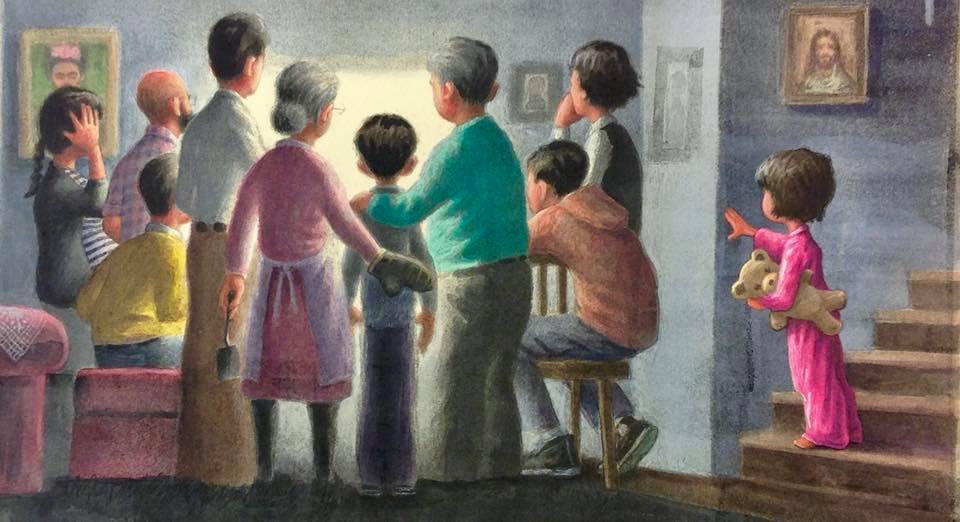
Teachers’ Tools for Navigation: I’ll talk about one scene specifically, which happens to be my favorite.

As soon as I saw this scene, I wanted to show it to students and have discussions with them. How does this scene make them feel? Who is the family? What are they watching? What clues did they use to answer these questions?

Then I would add in the word that accompany the scene:

“One day you find your family
nervously huddled around the TV,
but when you asked what happened,
they answer with silence
and shift between you and the screen.”

And I would ask them how these words change the inferences they made about the spread.

Lastly, I would ask them why this stanza would be in a poem about love, how it fits with the theme, and what it represents.

Another idea that I brainstormed with my friend Jennie Smith are:

  • Recreate my experience by sharing the poem first with the circumstances I shared above. Then reread the poem to them but with the illustrations.
    • After the first read, you can also have them make their own illustrations analyzing the words then compare/contrast the choices that Loren Long made with what they did.

Discussion Questions: 

  • Why did the author and illustrator include tough scenes in their picture book about love?
  • Which scene represents love the most for you?
  • Which scene are you glad they included?
  • How does the poem differ with and without the illustrations?
  • What different purposes could this poem of love be perfect for?

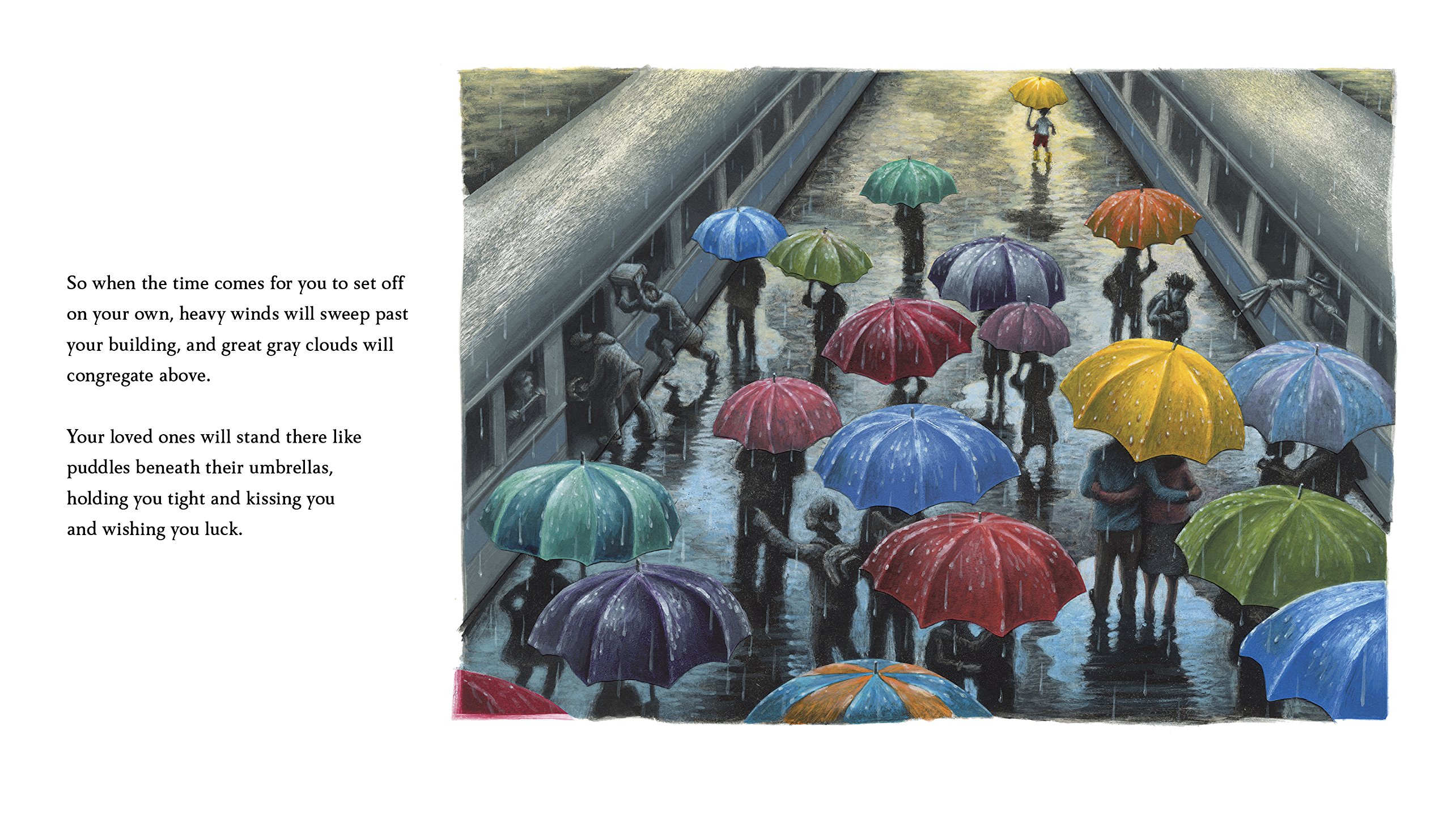
Flagged Passages: *psst!* Matt may have told me this is (one of) his favorite spreads:

Read This If You Love: Love. (But seriously, read this. Period.)

Recommended For: 

Signatureand 

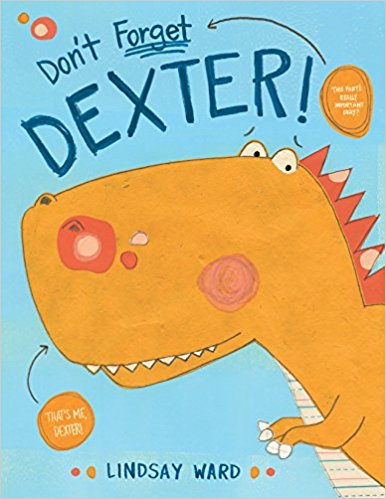
Review and Giveaway!: Don’t Forget Dexter by Lindsay Ward

Share

Don’t Forget Dexter
Author and Illustrator: Lindsay Ward
Published January 1, 2018 by Two Lions

Summary: Introducing Dexter T. Rexter, the toughest, coolest dinosaur ever. At least he likes to think so.

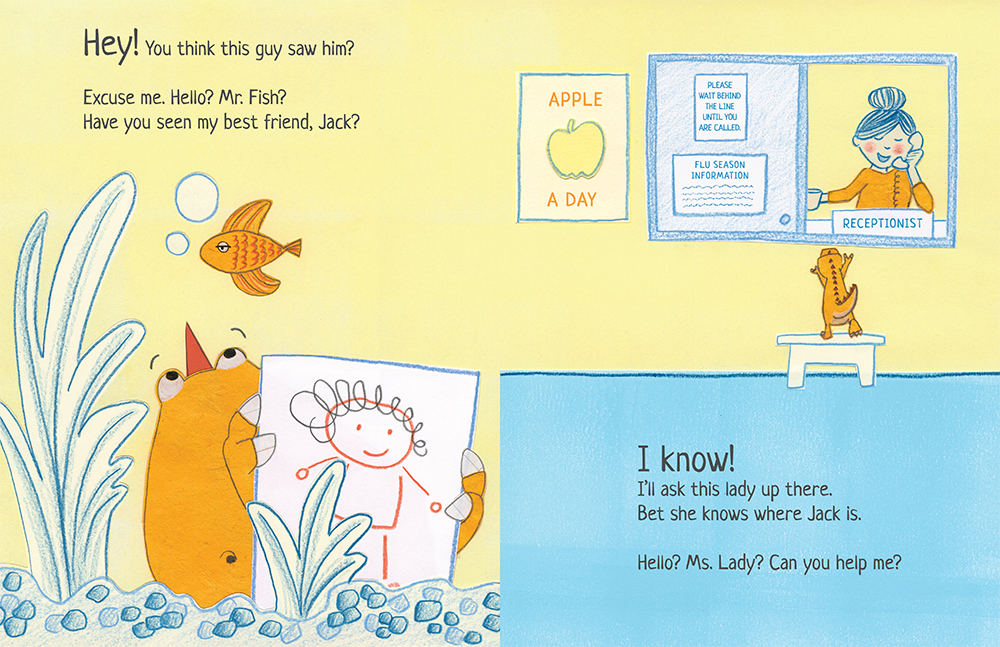
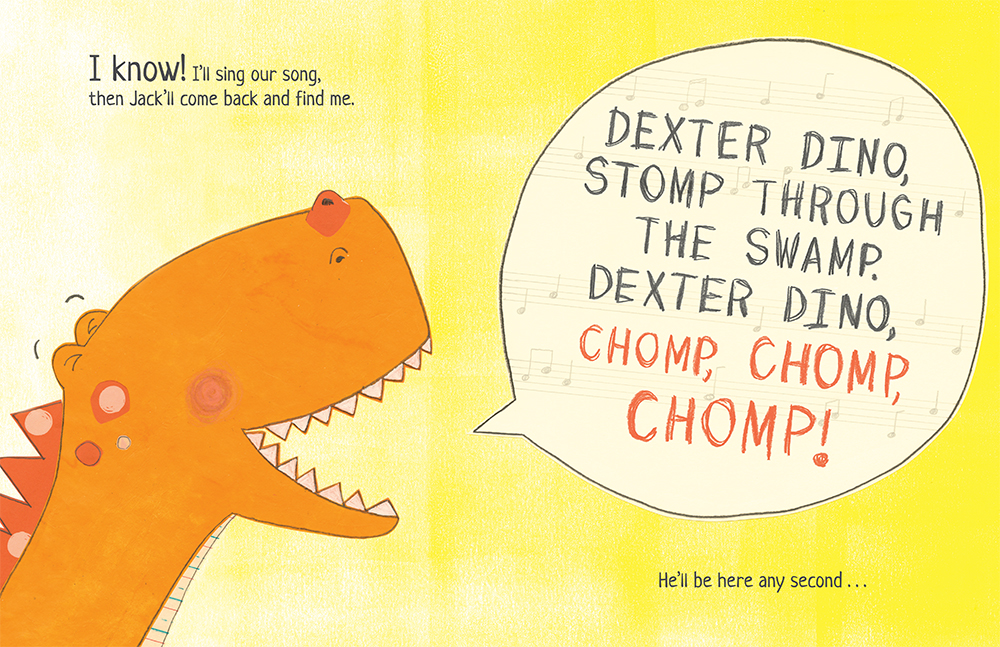
When his best friend, Jack, leaves him behind at the doctor’s office, Dexter T. Rexter panics. First he tries to find Jack. Then he sings their special song. Then he sings their special song even louder. But when Jack still doesn’t appear, Dexter starts to wonder. What if he’s being replaced by another toy? It can’t be—after all, he can STOMP, RAWR, and CHOMP! Right? Right?!

This hilariously neurotic dinosaur will do whatever it takes to get his friend back—even asking the reader’s advice—in this first book of a brand-new series.

Praise for  DON’T FORGET DEXTER!:

★ “Ward’s ink, colored-pencil, and cut-paper illustrations give readers a toy’s view of the world and allow children to stomp in Dexter’s feet for a while, his facial expressions giving them lots of clues to his feelings. Lost and found was never so riotously funny or emotionally draining.” —Kirkus Reviews (starred review)

“Ward (Brobarians) is as funny as ever as she chronicles her orange hero’s nervous, no-filter state of mind, and her cut-paper, pencil, and ink drawings—with their visual asides, annotations, and shifts in scale—are irrepressible. It’s high anxiety made highly adorable.” —Publishers Weekly

Ricki’s Review: I simply adored this charming story about a toy that is mistakenly left behind by his best friend, Jack. It reminded me a bit of The Velveteen Rabbit and Toy Story (but different!), and it is very accessible for kids. This book  teaches some great lessons, and my son and I had a long conversation about how being separated from his things doesn’t always have to be forever. We recently moved across the country, and he doesn’t have all of his favorite toys around, so this book was really helpful to me as a parent, and I imagine that other parents will find it to be a great resource. We received this book a few weeks ago and have read it several times. My son calls it his “dinosaur book.” We have several dinosaur books, so it is a big compliment that this book is the dinosaur book.

Kellee’s Review: I love the voice of Dexter in this book! And the breaking of the fourth wall really adds such humor to the story line. And although the story sounds a bit like Toy Story and other toy books, it is so different than what you’d expect because Dexter is all alone, doesn’t know why he’s still at the doctor’s office, and is having a bit of an identity crisis. However, the way that Dexter feels will be easily a feeling that readers will relate to because anyone who has ever felt left out from something will feel like Dexter does. 

Teachers’ Tools for Navigation: Teachers might ask kids to write about a time that they were separated from something that they value. They might consider how this separation may or may not have been permanent. Alternatively, teachers might ask kids to write a story in which one of of their toys comes to life.

Check out some fun activities here!

Discussion Questions: How do you learn about the feelings of the characters? What do the author and illustrator do to make these come to life?; When is a time that you were separated from something that you love? Was it permanent?; How do the author and illustrator make the text interactive? How do they engage readers?

Flagged Passage: 

Read This If You Love: Nibbles: The Book Monster by Emma Yarlett, Caring for Your Lion by Tammi Sauer, The Velveteen Rabbit by Margery Williams

About the Author: Lindsay Ward was inspired to write this book after her husband texted her a photo of a toy dinosaur abandoned at a doctor’s office. The caption read: “Well, they left me here.” Lindsay thought it was so funny that she sat down to write Dexter’s story immediately. She is also the author and illustrator of Brobarians, Henry Finds His Word, and When Blue Met Egg. Her book Please Bring Balloons was also made into a play.

Most days you can find Lindsay writing and sketching at her home in Peninsula, Ohio, where she lives with her family. Learn more about her online at www.LindsayMWard.com  or on Twitter: @lindsaymward.

Recommended For:

  classroomlibrarybuttonsmall 

Giveaway!

a Rafflecopter giveaway

 and

**Thank you to Barbara at Blue Slip Media for providing copies for review!!**

Windows by Julia Denos

Share

Windows
Author: Julia Denos; Illustrator: E. B. Goodale
Published: October 17, 2017 by Candlewick

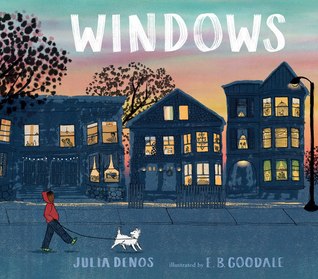
Goodreads Summary: Walking his dog at dusk, one boy catches glimpses of the lives around him in this lovely ode to autumn evenings, exploring your neighborhood, and coming home.

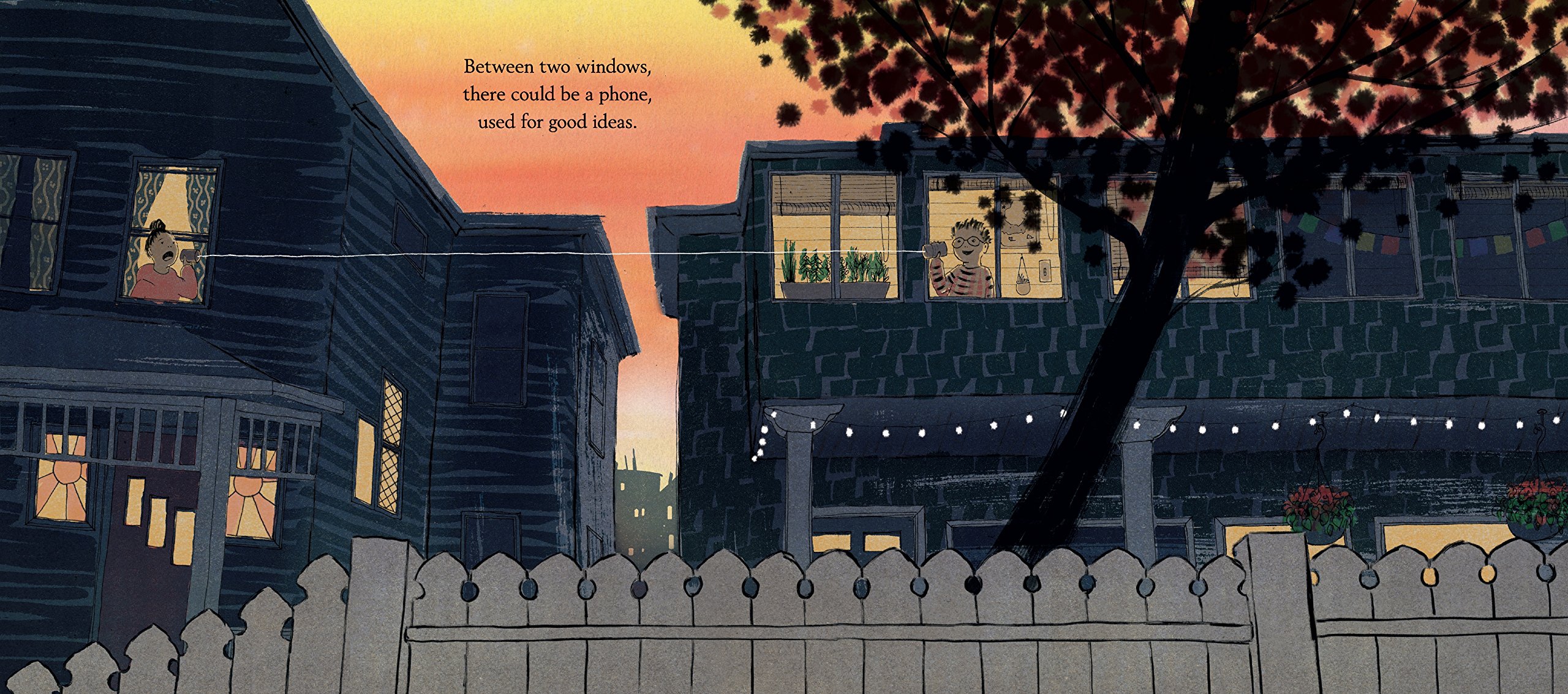
Before your city goes to sleep, you might head out for a walk, your dog at your side as you go out the door and into the almost-night. Anything can happen on such a walk: you might pass a cat, or a friend, or even an early raccoon. And as you go down your street and around the corner, the windows around you light up one by one until you are walking through a maze of paper lanterns, each one granting you a brief, glowing snapshot of your neighbors as families come together and folks settle in for the night. With a setting that feels both specific and universal and a story full of homages to The Snowy Day, Julia Denos and E. B. Goodale have created a singular book — at once about the idea of home and the magic of curiosity, but also about how a sense of safety and belonging is something to which every child is entitled.

My Review: This quiet book captured my heart. My husband used to live in Somerville, and this text beautifully captures the beauty of the city—and the beauty of many cities. I love the way that the author and illustrator reveal that peaking into windows allows us to view a slice of someone else’s world. We don’t see their entire world, but we see the sliver that they allow us to see. This book reminds us to pause and look around us. I am saving this book to give to my son for his birthday because I know he will love it. It’s a book that any person of any age will appreciate.

Teachers’ Tools for Navigation: Teachers might start by asking students to draw a window and the people inside of it. Then, students could move to writing about that family. Perhaps, the window reflects the beauty of those individuals’ world, or perhaps, it doesn’t show the truth. I love the possibilities that this book allows for teachers.

Discussion Questions: What would a window to your house look like? How might each room appear a bit different?; What do we see through the windows of others? What might we miss?

We Flagged:

Read This If You Loved: Last Stop on Market Street by Matt de la Peña; Each Kindness by Jacqueline Woodson, A Bus Called Heaven by Bob Graham, Harlem by Walter Dean Myers

Recommended For:

classroomlibrarybuttonsmall readaloudbuttonsmall 

  RickiSig

**Thank you to Candlewick for providing a copy for review!**
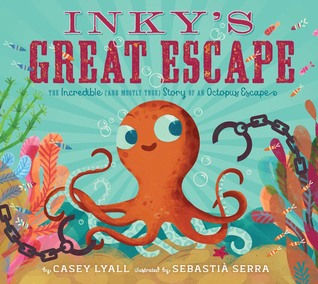
Inky’s Great Escape by Casey Lyall

Share

Inky’s Great Escape: The Incredible (and Mostly True) Story of an Octopus Escape
Author: Casey Lyall
Illustrator: Sebastia Serra
Published: November 7, 2017 by Sterling Children’s Books

Goodreads Summary: Inky’s Incredible Idea for an Ingenious Escape .
Based on a true story, this tale follows a daring, Houdini-esque octopus as he performs his greatest escape act yet.

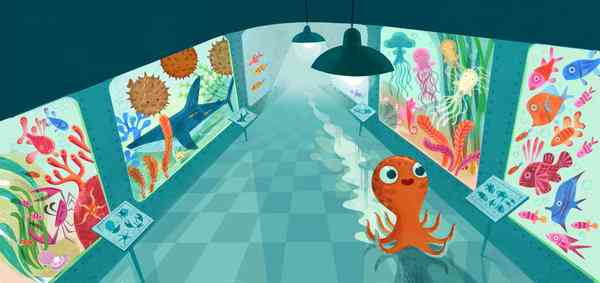
In April 2016, The New York Times published an article about an octopus named Inky who escaped from the National Aquarium of New Zealand through a drainpipe and into the sea. In this charming fictionalized account, Inky, worn out from his exciting life in the ocean, has retired to the aquarium. There he quietly plays cards, makes faces at the visitors, and regales his tankmate Blotchy with tales of his past adventures. Then Blotchy dares Inky to make one more great escape: out of their tank. Will Inky succeed?

Ricki’s Review: Inky! This is a fun, thrilling text that will surely entertain a classroom of kids. I can imagine all of the questions that would accompany a read-aloud of this book. When my son and I read it, the first thing we did was research Inky’s story on the internet (see Kellee’s review for more info about this). We talked about all of the exciting ways that an octopus might escape from an aquarium. I love how the author creatively interpreted Inky’s story and made it a sort of challenge from Inky’s friend Blotchy. This made me chuckle. This text is versatile and could be used in many ways in the classroom, and it has high appeal. Kids will love it.

Kellee’s Review: Although Inky’s Great Escape is a fictionalized version of the events that happened at the National Aquarium of New Zealand in 2016, if you go and research about the escape, you’ll learn that the Inky truly is one incredible octopus! Although Lyall used creative freedom to build up Inky’s backstory (he’d retired to the aquarium after many daring escapes, and only escaped from the aquarium because Blotchy challenged him), much of the escape sequence was what truly transpired when Inky made his escape. Kids will fall in love with Inky’s bravery, personality, and with his contrasting friend, Blotchy, who stayed behind. With colorful full page illustrations and two octopuses with character traits and personalities that will start conversations, Inky’s Great Escape is going to be a favorite read aloud and classroom library book in elementary classrooms (and would be a great companion to a cephalapoda discussion!).

Teachers’ Tools for Navigation: Teachers might take some time to point out New Zealand on a map and to research the habitat in New Zealand. They might specifically look into Inky’s story and how the author took a bit of creative license to interpret the truth a bit. Teachers might also ask students to create their own escape stories with another animal. They could illustrate these and bind them into books!

Discussion Questions: Why does Inky decide to escape? What does he do?; What is Blotchy’s role in the story? How might we compare this to situations in our lives?; What is the true story? How did the author creatively interpret that story?

Flagged Spread: 

Read This If You Loved: Prince and Pirate by Charlotte Gunnufson; Lady Pancake & Sir French Toast by Josh Funk; Whose Story is This, Anyway? by Mike Flaherty; Dragons Love Tacos by Adam Rubin

Recommended For: 

readaloudbuttonsmall classroomlibrarybuttonsmall

RickiSigandSignature

Musnet Series by Kickliy

Share

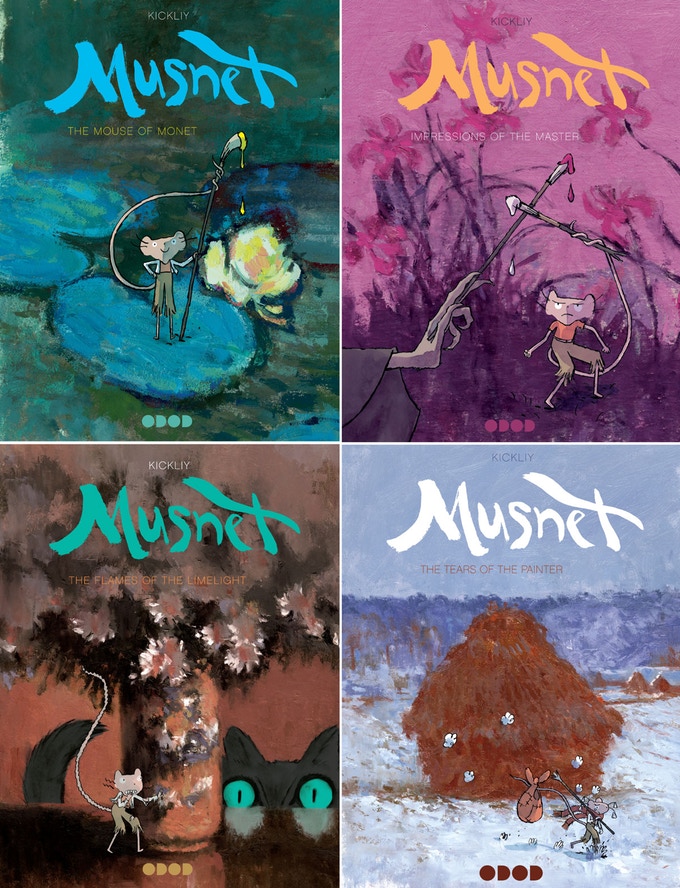
Musnet series
1. The Mouse of Monet
2. Impressions of the Master
3. The Flames of Limelight
4. The Tears of the Painter

Author: Kickliy
Published August 2nd, 2016; November 1st, 2016; April 11th, 2017; October 10th, 2017 by odod books

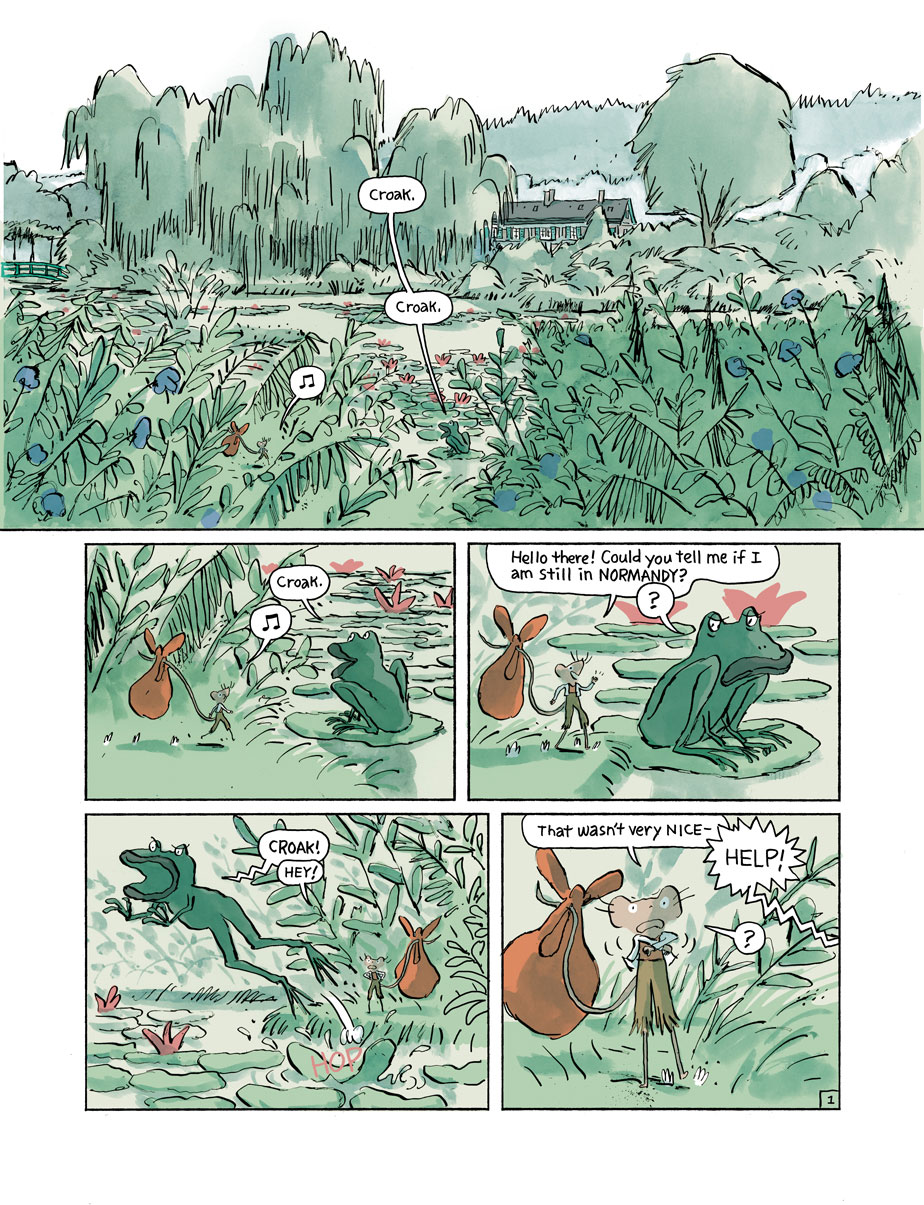
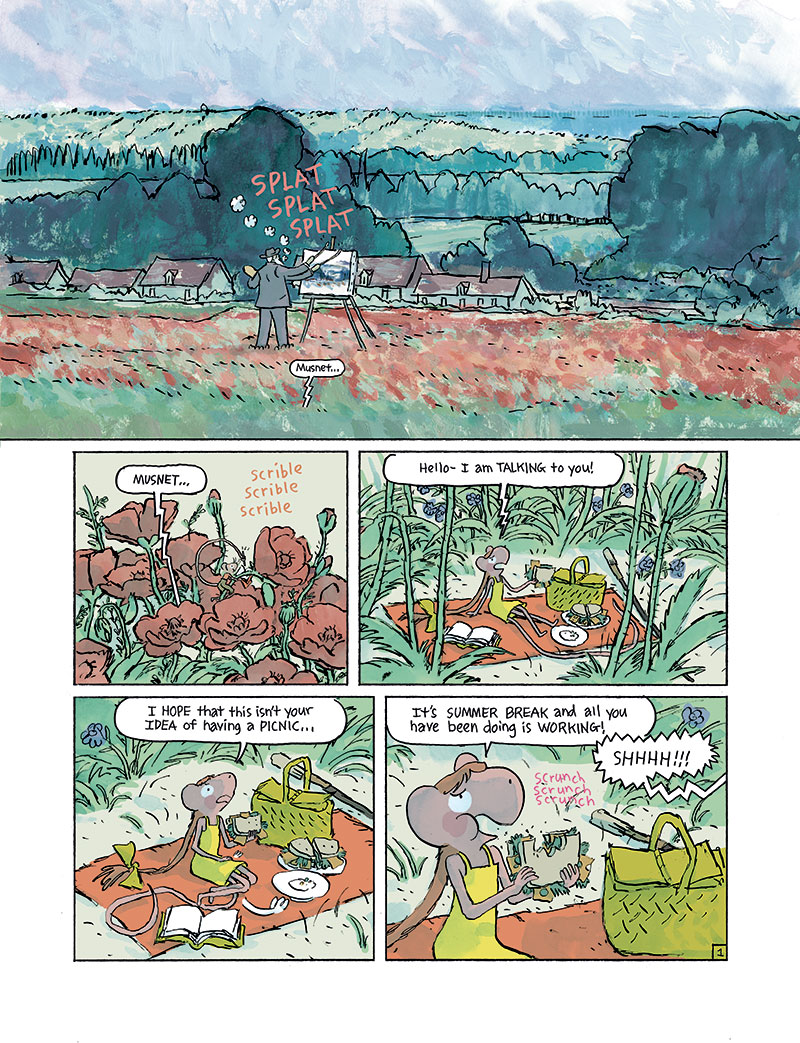
Summary: A young boy mouse travels the country side looking for work and happens upon the Monet’s garden. He takes on a job and becomes inspired to learn to paint. Will he paint in the classical ways, or in the new style of the impressionist? Which way will his brush sway?

Musnet wants to be the best mouse painter that ever was. But, he’s caught between two worlds. On one paw, Musnet loves the classical style of his old teacher, the squirrel Remi. On the other paw, Musnet can’t help to be drawn to the fresh and new art of the human master, Monet. Which path will the Mus choose?

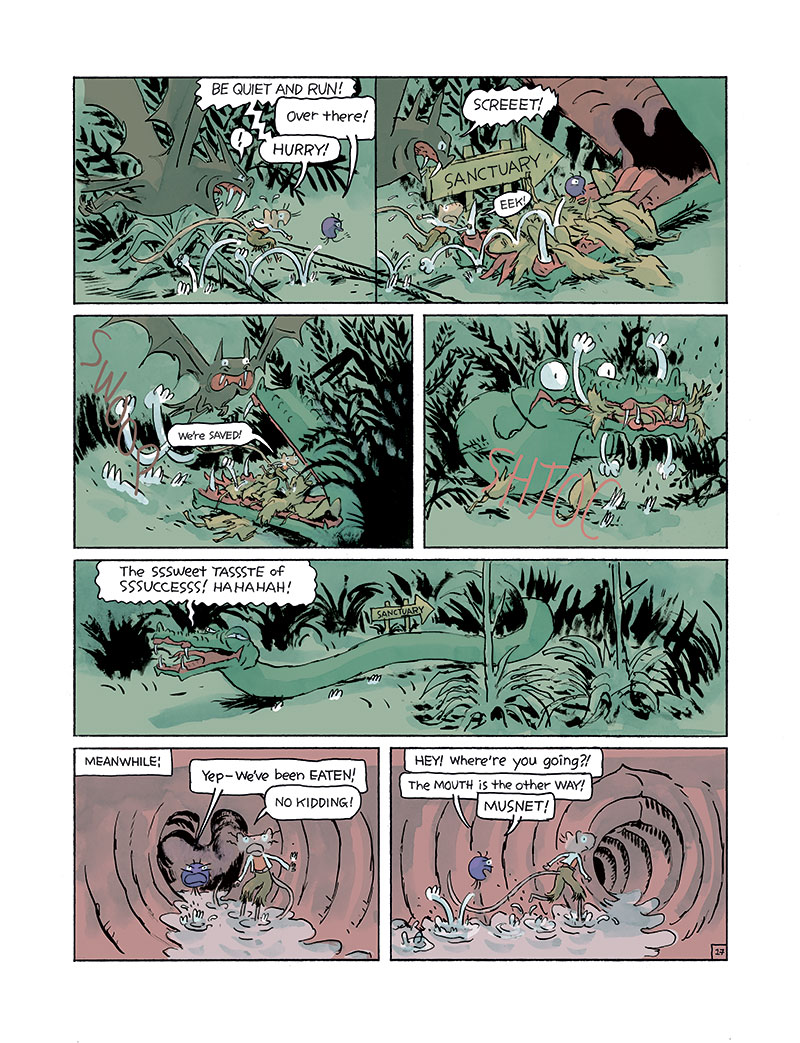
It’s dark season in Musnet’s world. His adoptive family faces eviction, his Master Remi is deathly ill, he’s chased by snakes, cats, and vampire bats, and—on top of all that—Musnet faces the most challenging painting commission of his life! Can he rise to challenges and brush them all away?

As snow and ice chill Monet’s garden, even colder things await Musnet this winter season. Mya, Musnet’s best friend, gets her own adventure. Chiby, the Japanese spider, gets in a tangle with a certain muscular rat. Is there even any room left for our vagabond mouse? Drama, action, adventure, abound in the final volume of the award nominated series.

Musnet is drawn and painted in a beautiful, lush and inky style popularized by Paul Pope and French comics masters such Blutch and Christophe Blain.

“It’s a really enjoyable story that brings Monet’s paintings to life through some incredibly sweet and memorable characters. It’s challenging and imaginative, and I’m sure it will spark an obsession with painting (and maybe also mice).”—Girls Like Comics

“This new series revolves around a painting mouse found in Monet’s famous gardens in Giverny: the nameless, orphan mouse is befriended by Mya and her mouse family, who live inside the artist’s house. Introduced to painting after he begins working for Remy, an old squirrel painter, he is enchanted by Monet’s work. Beautifully painted […] charming tale of humour, art, and adventure, as the little mouse grows to find his meaning and place in the world.”—The Guardian

Musnet: The Mouse of Monet is a gorgeous and friendly story about a mouse discovering his calling in life and also what he wants to be called. Take a friendly and likable orphaned mouse, place him in a beautifully rendered watercolor and ink medium with miniature Monet masterpieces and you get a stunning and engaging story of a mouse learning to become an artist. He makes friends, finds a mentor, and even gets to sneak a peek inside Monet’s studio. It’s incredibly well executed, entertaining, informative, and absolutely absorbing. It is one of the best books I’ve read this year.” —The Picture Book Review

Review: After I read book one of this series, I could not wait to share it with everyone I talked to: “I love when books include art history in them because it makes me feel at home since I grew up in art museums as a museum director’s daughter. Musnet is no different. As soon as I realized that Musnet had ended up in Monet’s famous garden, I was fascinated with Musnet’s story and his journey to becoming an artist. Kickliy’s artwork pays perfect homage to Monet’s work and is a beautiful backdrop to Musnet’s story.” And I was really excited to read the rest of the books in the series.

Luckily they did not disappoint! Book one was just an introduction to the characters who continued to mature throughout the arc of the story. Musnet’s situation fluctuates causing the reader to quickly move from relief to panic which ensures the reader wants to keep going through the series. Although the series begins with Musnet just looking for a home, it ends with Musnet looking for what life has in store for him as an artist.

But what makes this series even more unique is the level of graphics. Kickliy’s ink, watercolor, and oil illustrations are reminiscent of the period in which Monet lived–it is like reading art. Kickliy even paints little oil paintings for the book for whenever a Musnet or Monet work is shown.

Teachers’ Tools for Navigation: “Musnet lives in Monet’s garden. Was there a roach under Van Gogh’s bed? Or a fish behind Munch’s Scream? If so, what would their story be like?” Have students create stories of animals that ‘live’ in the background of famous paintings. They’d need to research the art styles for illustrations and the time period/place of the painting for their setting, so this activity would be a perfect cross-curricular for writing, reading, art, and history.

Parts of the book would also be really great assets for engagement and information in art classrooms. Remi, Monet, and Musnet are talented artists who share insight throughout the series.

Discussion Questions: 

  • After book one, did you think Musnet was going to become a successful artist?
  • How does Kickliy’s illustrations fit the period of the book’s setting?
  • Which conflict in Musnet’s story affected Musnet’s conclusion the most?
  • Why do you think Kickliy chose Monet as the artist inspiration for his book?
  • What artist would you want to meet?
  • How did meeting Mya change Musnet’s life? Remi? Chiby?

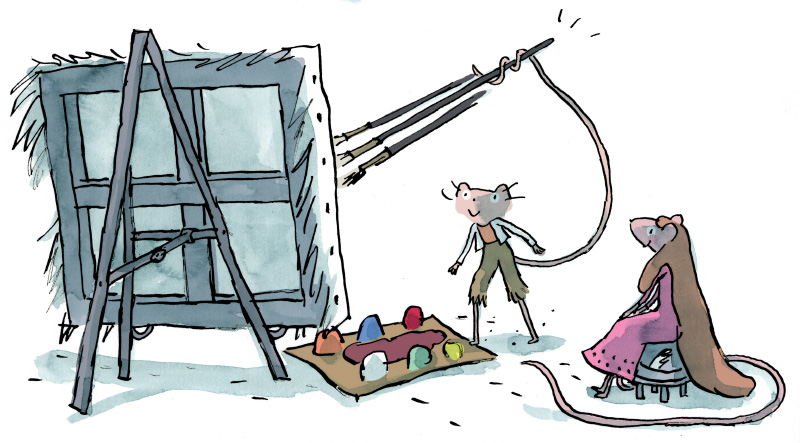
Flagged Passages: 

Read This If You Love: Art, Graphic Novels, Monet, Mira’s Diary by Marissa Moss, The Museum by Susan Verde, Babymouse series by Jennifer and Matthew Holm, The Tale of Despereaux by Kate DiCamillo, Redwall by Brian Jacques, The Museum by Susan Verde

Recommended For: 

Signature

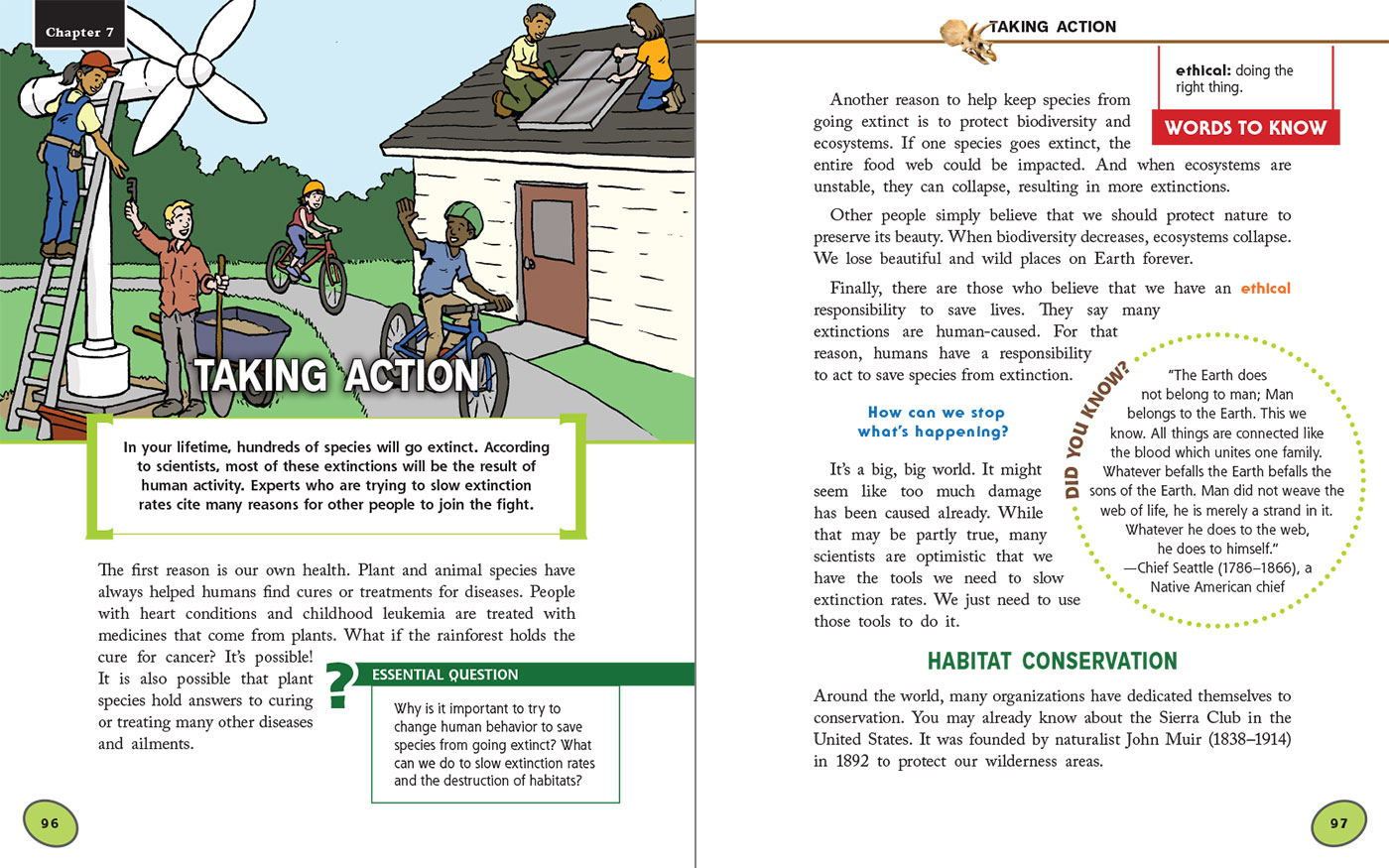
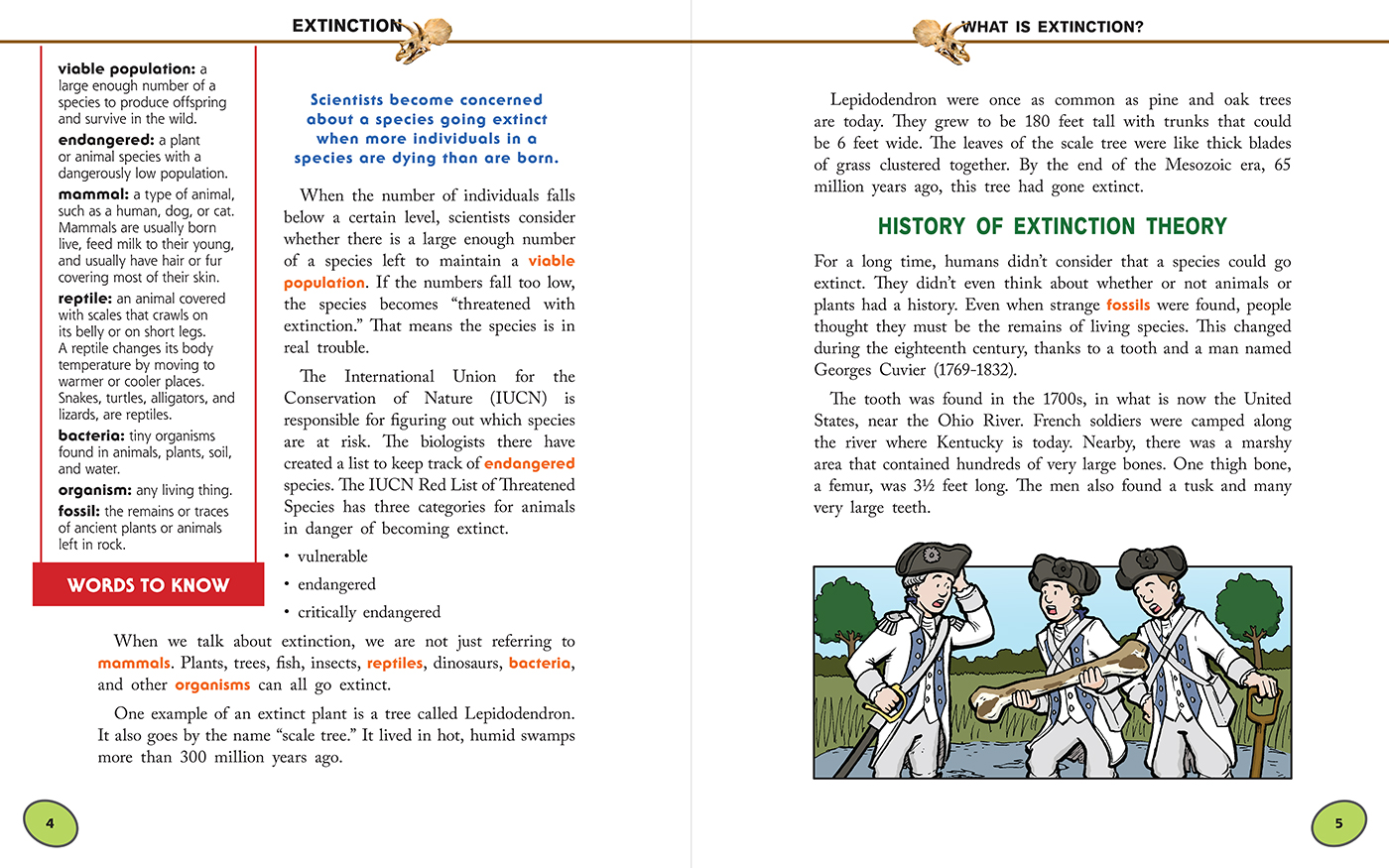
Author Guest Post!: “Talking to Kids about the Sixth Mass Extinction” by Laura Perdew, Author of Extinction: What Happened to the Dinosaurs, Mastodons, and Dodo Birds?

Share

“Talking to Kids About the Sixth Mass Extinction”

I think that when most people hear the word ‘extinction,’ dinosaurs come to mind first. But the truth is, billions of species have gone extinct in Earth’s 4.5-billion-year history.

Many of these were background extinctions, a normal part of life on this planet. There have also been five mass extinctions—events that wiped out more than 50 percent of species at one time. Perhaps the most well-known of these is the asteroid that hit the earth 66 million years ago and wiped out those dinosaurs.

What is not well-known, however, is that there is a sixth mass extinction currently underway.

The normal background extinction rate for mammals is one extinction every 100 years. But in the past 100 years, there have been more than 40 extinctions. Looking at all species on Earth, everything from the smallest microbes to the largest mammals, scientists estimate that the current extinction rates are 1,000 to 10,000 higher than normal. But unlike the previous five extinctions, this one is our fault.

We spend a lot of time talking about climate change, but we also need to pay more attention to the species that are dying off because of that and other human-related causes.

It’s time to spread the word. Before I wrote Extinction: What Happened to the Dinosaurs, Mastodons, and Dodo Birds?, there weren’t any books for kids that talked about the sixth extinction or what they can do to help slow this trend. Kids need to know what’s happening to the planet they are inheriting. And they need to be empowered to take action. In some ways, it seems a daunting task to stop extinctions. But history has proven that one person can make a difference in the world, and that together we can do even more.

It’s important to start the discussion with kids and to show them that even at their age, there are things they can do to create positive change. Here are some ideas!

Activity: Start the Discussion

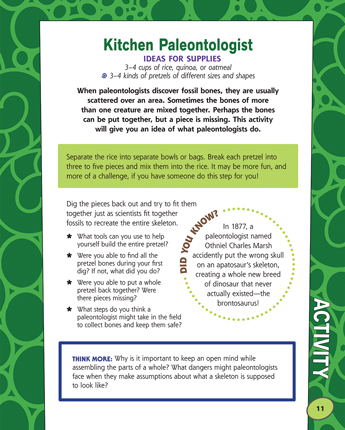
If the scientists’ predictions are right, three out of four species will go extinct over the next few hundred years. What will the world be like? Take students outside so they can get a better understanding of this prediction. Have students list the different species they observe. Encourage them turn over rocks, crawl in a garden, think about what is underground, or look in a tree. Remind them to include insects, mammals, reptiles, amphibians, birds, trees, and plants. Can they find 10? 20?

Once they have a list, ask students to cross out three out of every four of those species on it. For this activity, those crossed off species are the ones that will become extinct.

Questions for discussion:

  • Are the extinct species part of the food chain? What will happen to the other species that rely on that species for food or shelter?
  • What will happen to species when their main predators die off?
  • Can the ecosystem can be healthy, even with those missing species? Why or why not?
  • Can some of the surviving species adapt? What adaptations would they need to survive?

 Activity: Taking Action

Another way to get kids thinking about extinction is to have them think about their own carbon footprint. Start with a discussion of the terms “carbon footprint” and “carbon emissions.” Then, discuss and list the things humans do that require burning fossil fuel. Each of these activities contributes to global warming and ocean acidification, and ultimately to increased extinction rates. But there are things we can do to reduce carbon emissions.

There are many online resources that can help students research this, including NASA’s Climate Kids website (https://climatekids.nasa.gov/), and other carbon footprint calculators. The purpose of the activity is to have students identify their own actions that contribute to carbon emissions and what actions they can take to reduce their carbon footprint.

Questions for discussion:

  • What can you do in your home or community to reduce your carbon footprint?
  • Will making changes in how you live be easy or difficult?
  • Calculate the carbon emission reduction if everyone in the class took one step to reduce their carbon footprint. What would the savings be if each student could also convince three other families to do the same thing? How about if 1,000 families in the community took steps to lower emissions?

Activity: Planning for the Future

Tell students they are a team of engineers for a new town that’s going to be built. All that’s there right now is a mix of prairie and forest. Their job is to make it as green as possible. They must find a way to balance the need of humans and the needs of the environment and the species that live there.

Start by researching what makes a city green. Also, students must consider all the things in a town that people need—homes, schools, food stores, etc. They can even discuss their own town or city as an example of things you want to include (or omit) in the town they design and build. Possible activities include collages, models, dioramas, or drawing. The focus should be on the green details.

Questions for discussion:

  • What was easy about creating a green city? Difficult?
  • What was difficult about balancing the needs of the environment with the needs of people?
  • What can be done in their own town or city to move it towards being more green?

Discussions and research lead to awareness. Awareness leads to action. And action creates change!

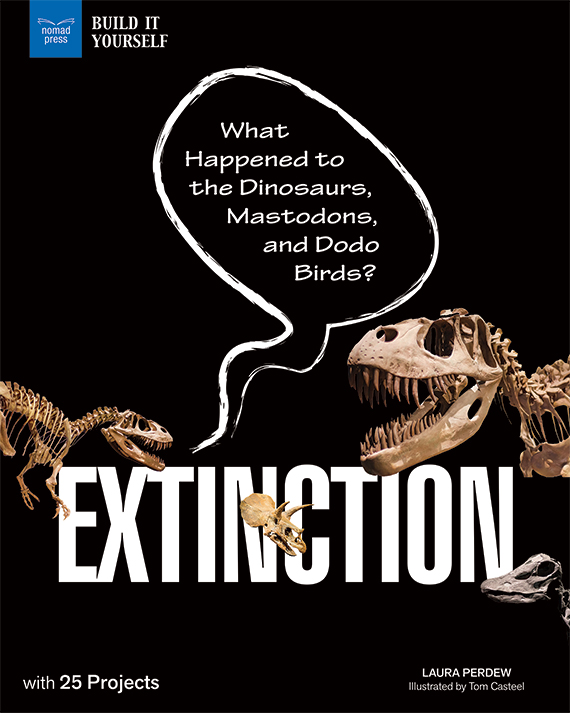
Extinction: What Happened to the Dinosaurs, Mastodons, and Dodo Birds? (with 25 Projects)
Published September 15th, 2017 by Nomad Press

About the Book: Have you seen a dodo bird recently? Do you have mastodons playing in your back yard? Not likely—these species are extinct. In Earth’s 4.5-billion-year history, more than 5 billion species have gone extinct, some of them at the same time. In Extinction: What Happened to the Dinosaurs, Mastodons, and Dodo Birds? readers ages 9 to 12 learn about the scientific detective work scientists perform to find the culprit behind mass extinctions, including the present-day, sixth mass extinction.

About the Author: Laura Perdew is an author, writing consultant, and former middle school teacher. She has written more than 15 books for the education market on a wide range of subjects, including the animal rights movement, the history of the toilet, eating local, and the Great Pacific Garbage Patch. She is a long-time member of the Society of Children’s Book Authors and Illustrators. Laura lives in Boulder, Colorado.

Thank you, Laura, for pushing us to start this conversation with our students!

 and

Nina: Jazz Legend and Civil-Rights Activist Nina Simone by Alice Brière-Haquet

Share

nfpb2017

Nonfiction Wednesday

Nonfiction Picture Book Wednesday is hosted by Kid Lit Frenzy and was started to help promote the reading of nonfiction texts. Most Wednesdays, we will be participating and will review a nonfiction text (though it may not always be a picture book).
Be sure to visit Kid Lit Frenzy and see what other nonfiction books are shared this week!

Nina: Jazz Legend and Civil-Rights Activist Nina Simone
Author: Alice Brière-Haquet
Illustrator: Bruno Liance
Published December 5th, 2017 by Charlesbridge Publishing

Summary: “To be young, gifted, and black.”

A stunning picture-book biography of the High Priestess of Soul and one of the greatest voices of the 20th century.

With evocative black-and-white illustrations and moving prose, readers are introduced to Nina Simone, jazz-music legend and civil-rights activist. Shared as a lullaby to her daughter, a soulful song recounts Simone’s career, the trials she faced as an African American woman, and the stand she took during the Civil Rights Movement. This poignant picture book offers a melodic tale that is both a historic account of an iconic figure and an extraordinary look at how far we’ve come and how far we still need to go for social justice and equality. A timeless and timely message aptly appropriate for today’s social and political climates.

ReviewAlthough Nina is just a taste into who Nina Simone was as it only introduces her talent as a pianist and shares her beliefs in regards to civil rights. Set up as a lullaby that Nina is singing to her child, the story recounts her love of music and learning about the racism within our nation as well as a story where she stood up to inequality at one of her piano concerts. The lyrics and illustrations are dreamy and perfectly fit the purpose of the story: to introduce and intrigue the reader when it comes to Nina Simone.

Teachers’ Tools for Navigation: I do wish that there had been back matter that went more in depth into Simone’s contribution to jazz and civil rights; however, without them existing, this nonfiction picture book allows for a perfect change for inquiry. Now that students have been introduced to Nina, have stations/centers focusing on different parts of her life, jazz, or the Civil Rights Movement.

Discussion Questions: 

  • How does the illustration on the bus use the idea of the piano to symbolize the relationship between White and Black citizens in the early 1900s?
  • What techniques do the author and illustrator use to make the book seem lullaby-eque?
  • How did the imagery of the single black chair symbolize the racism that occurred at Simone’s concert?
  • How does the author tie in Martin Luther King, Jr. and the Civil Rights Movement?

Flagged Passages: 

“‘The white keys are whole notes and the black keys are flats, or half notes,’ my teacher explained.

I asked why.

‘Because that’s just the way it is.’

Yes, that’s the way it was. White was whole. Black was half. It was that way everywhere and for everyone.

I could have held it against people. Or worse, I couldn’t believed I was worth less than other people.

Black people were nothing but half notes on a huge ivory keyboard.

But no. I did not agree with this.

The notes had to mingle and dance together in the air so these lies would disappear.”

Read This If You Love: Andrea Davis Pinkney picture book biographies, Jazz, Learning about the Civil Rights Movement

Recommended For: 

classroomlibrarybuttonsmall closereadinganalysisbuttonsmall  

Signature