Who’s Hiding? by Satoru Onishi

Share

Who’s Hiding?
Author: Satoru Onishi
Published: January 1, 2018 by Gecko Press

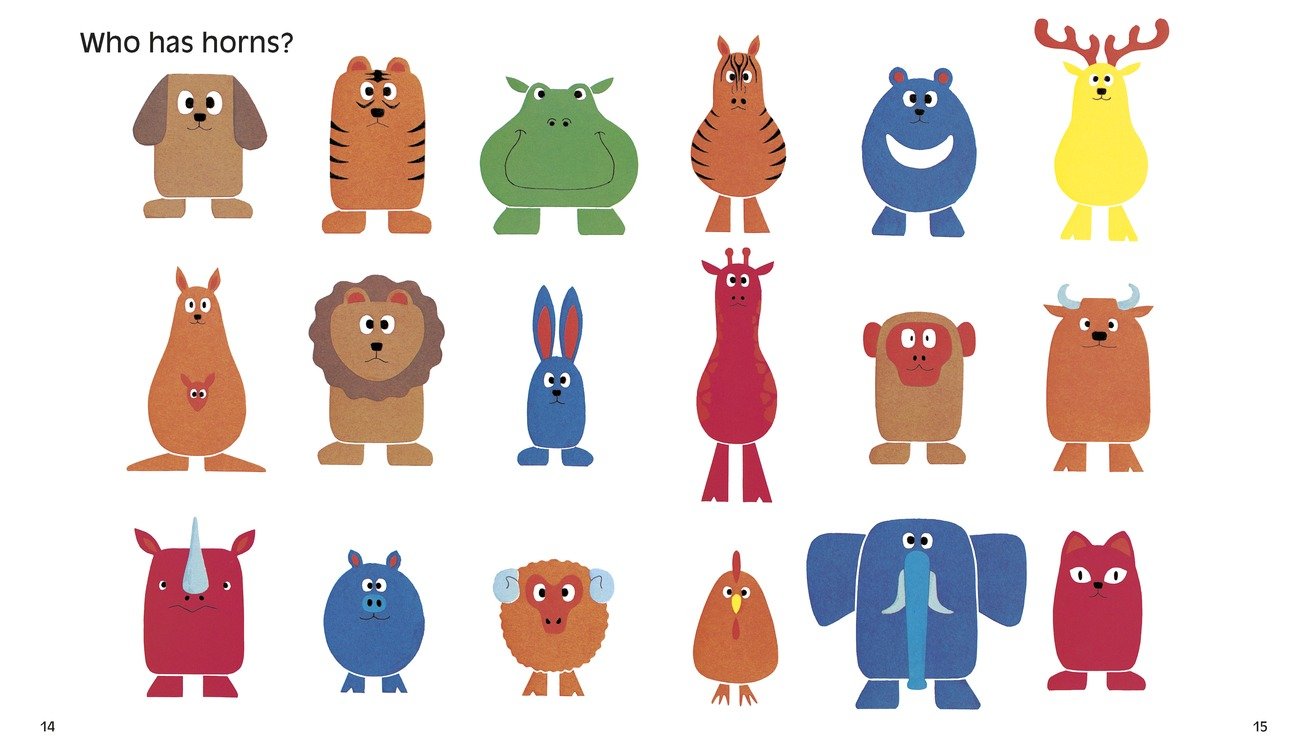
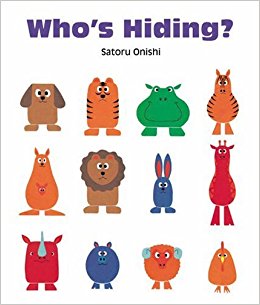
Summary: Who’s hiding? Who’s crying? Who’s backwards? Look carefully! Is it dog, tiger, hippo, zebra, bear, reindeer, kangaroo, lion, rabbit, giraffe, monkey, bull, rhino, pig, sheep, hen, elephant, or cat? Can you tell? Look again…18 fun-loving animals can be found on each question-posing page, sending readers into an up-close, attention-to-detail discovery.

ReviewThis is a book that is fun for people of all ages! Each spread asks questions like, “Who’s hiding?” or “Who’s angry?” or “Who has horns?” Readers  have to look from animal to animal to figure out the answer. My son and I had a lot of fun reading it because we raced to see who could find the animal first. It offers a unique twist to search-and-find books, and quite frankly, we found it to be much more fun than the classic search-and-find books. I could see this book working well with students who have been identified as having ASD. Because some pages ask about emotions, it would be a good way to reinforce facial expressions. Other pages would be easier (like “Who has horns?” and might relieve some frustration.

Teachers’ Tools for Navigation: As stated above, this books would be a great test for students who have been identified as having ASD. Also, it is a generally fun book and could be used to teach skills in compare and contrast (across the pages and within the pages). Lastly, it would be a great book to give to fast finishers.

Discussion Questions: How do the animals change across the pages? Which animal is your favorite? Which page is your favorite, and why?

We Flagged: 

Read This If You Loved: Search-and-Find Books

Recommended For: 

classroomlibrarybuttonsmall

**Thank you to Veronica at Myrick for providing a copy for review**

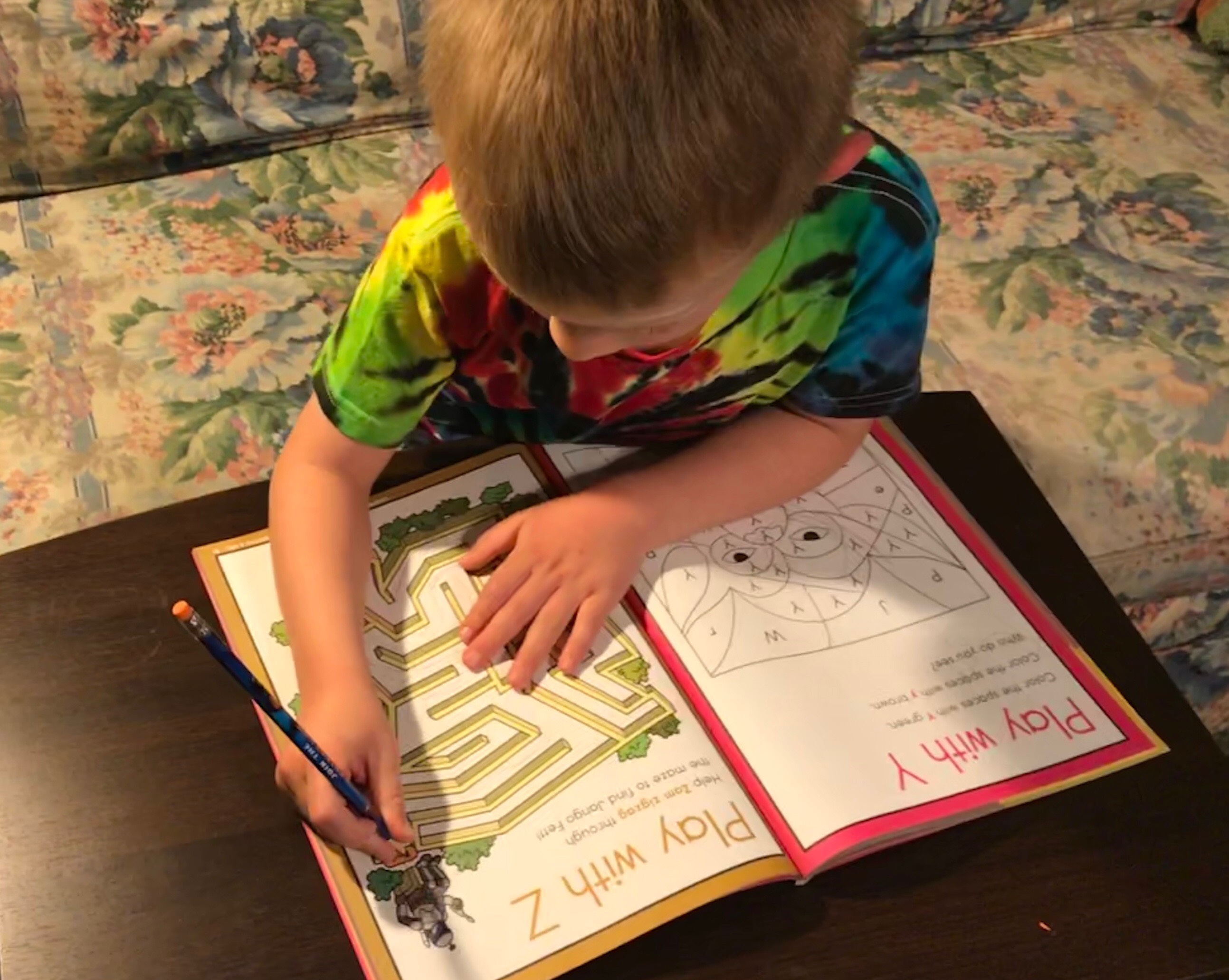
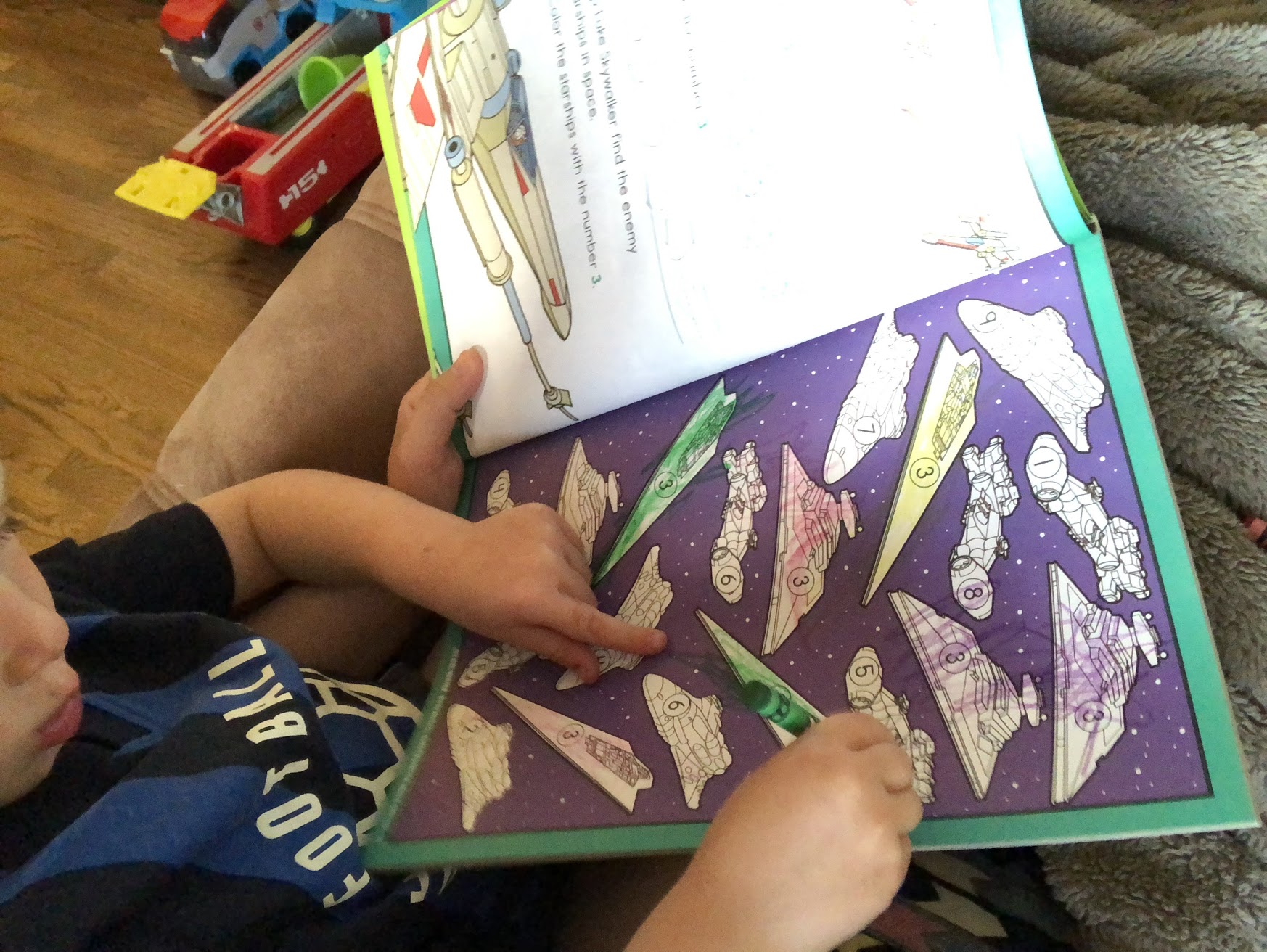
Sticky Facts: What Will You Find?: A Peel-and-Discover Activity Book

Share

Sticky Facts: What Will You Find?
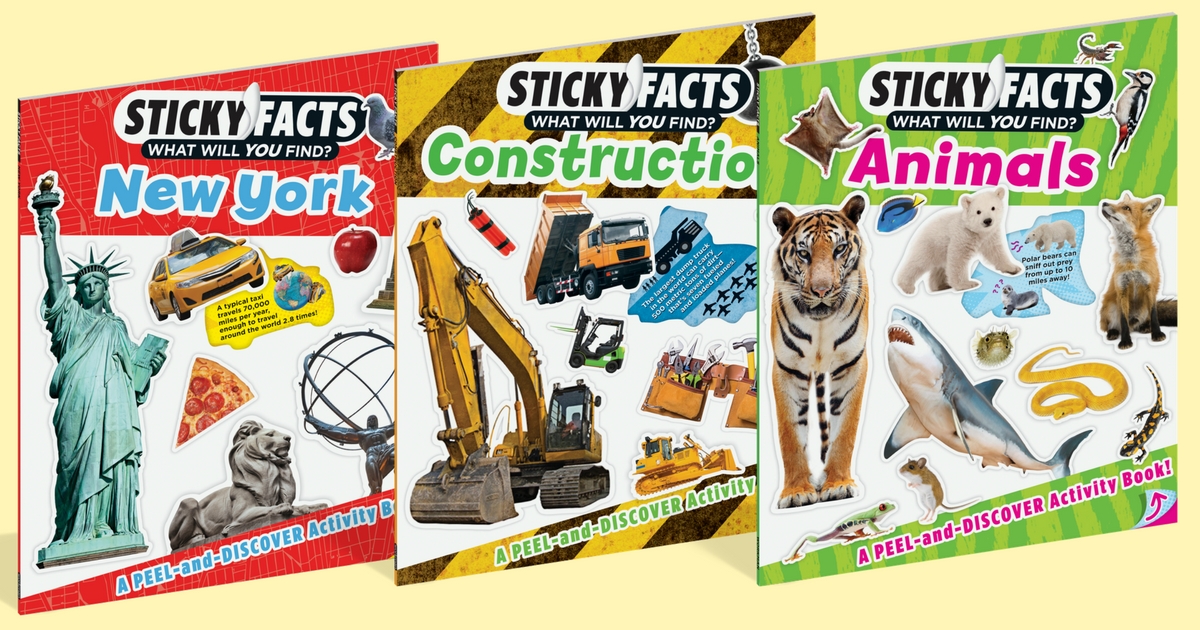
New York, Construction, Animals
Published: December 12, 2017 by Workman

Summary: Sticky Facts is an innovative, kid-friendly approach to beloved topics for ages 6 and up, featuring a cutting-edge sticker sheet design that allows for text and color images to appear underneath the sticker.

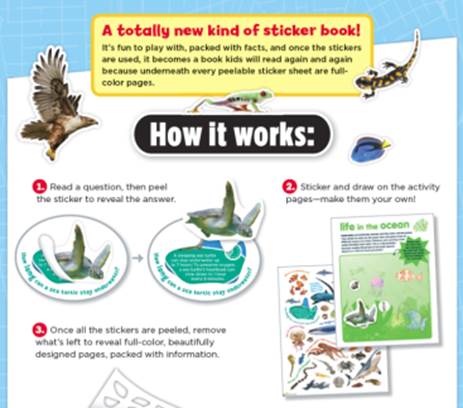
Unlike average sticker books, each sticker page features questions with facts hidden underneath the relevant sticker. Once the sticker is peeled o­ff, the fascinating factis revealed. Activity pages with corresponding prompts are featured next to the sticker pages for readers to use as fuel for sticker landscapes, adding hours of fun to the whole experience!

ReviewWhile the book is marketed for ages 6 and up, my 4-year-old had a blast with these books. I had to read the facts beneath the stickers to him, but he loved peeling them off of the pages and finding their matching places within the book. As a parent, sometimes it gets to the point that I am looking for something new and different, and this clever idea was very impressive to me. The books are well-made and fun. I overheard my son sharing one of the construction facts with a friend at preschool, so it really works! These books make great gifts and add a new twist to kids’ love of stickers.

Teachers’ Tools for Navigation: Teachers might group students by interest to allow them to learn and work together on a book of their choosing. This allows students to learn nonfiction facts on a topic that they are interested about!

Discussion Questions: Which was your favorite sticky fact?; What are some new facts that you learned? What kinds of facts are featured below the stickers?

We Flagged: 

Read This If You Loved: Nonfiction; Sticker Books

Recommended For: 

classroomlibrarybuttonsmall

**Thank you to Christy at Workman for providing a copy for review**
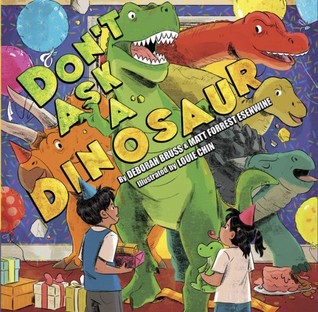
Blog Tour with Review!: Don’t Ask a Dinosaur by Deborah Bruss & Matt Forrest Esenwine

Share

Don’t Ask a Dinosaur
Author: Deborah Bruss & Matt Forrest Esenwine
Illustrator: Louie Chin
Published April 17th by POW!

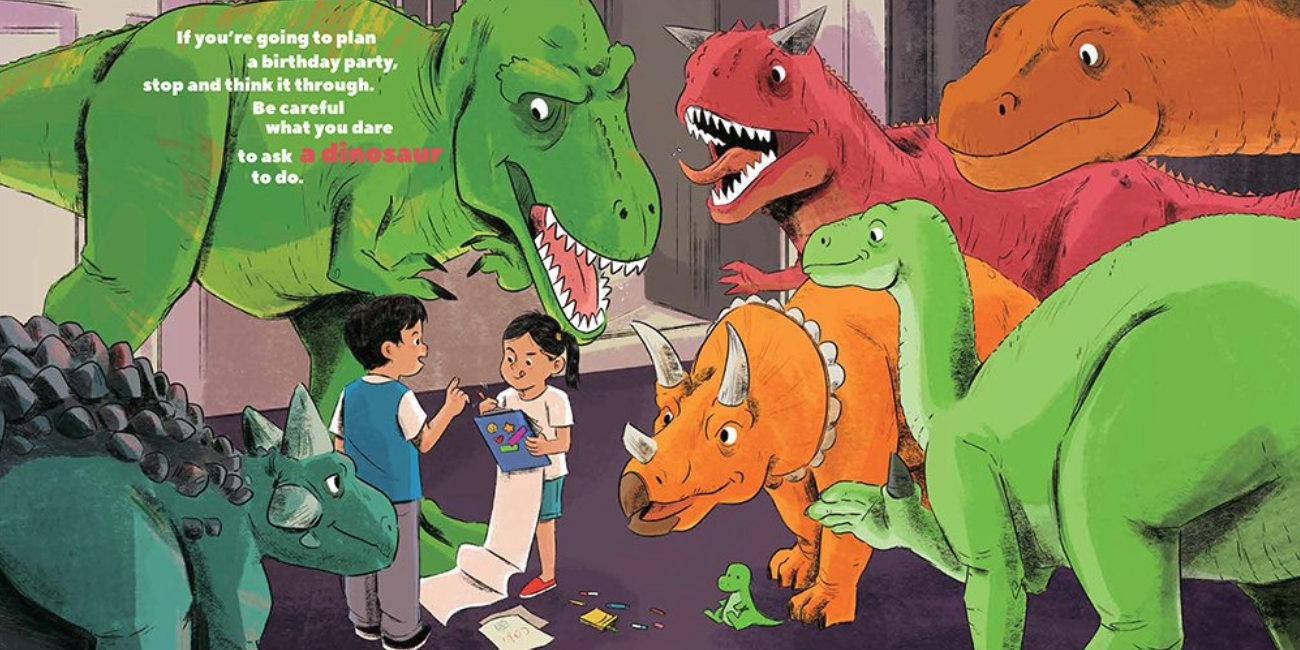
Summary: Don’t Ask a Dinosaur is about a party that goes wildly awry when a pack of dinosaurs with very unique physical attributes attempt to help set up.

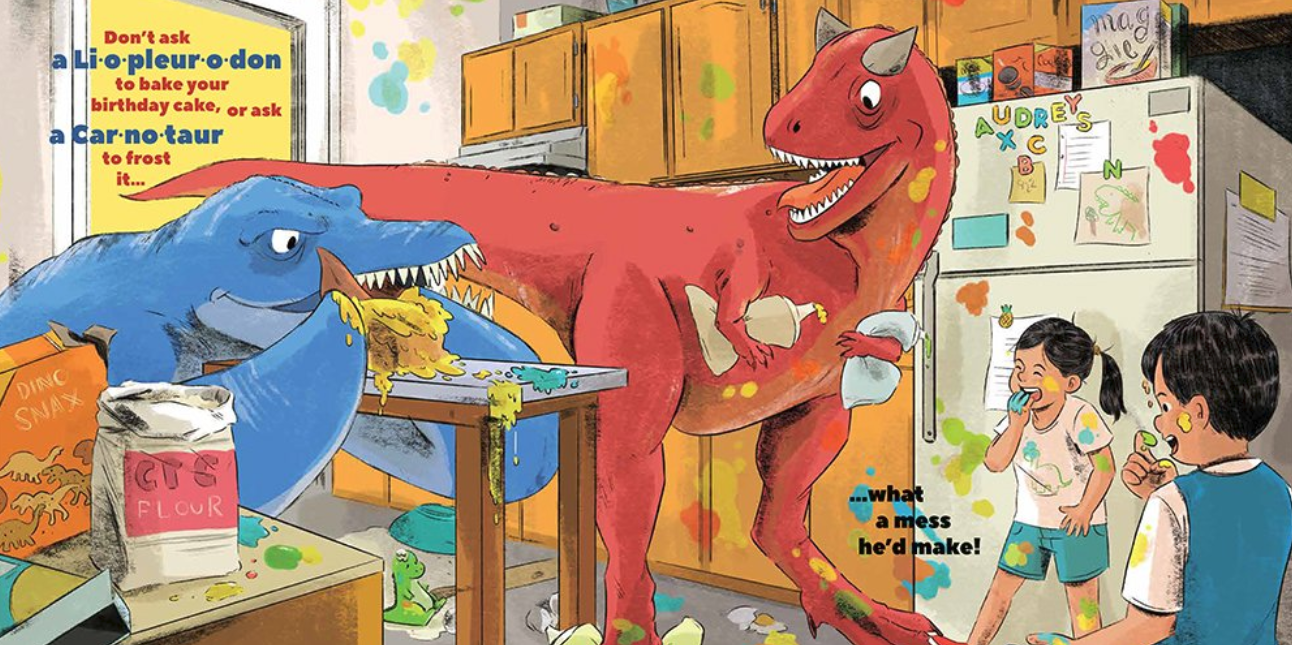
“Don’t ask Deinocheirus to set the forks and spoons,” because his hands were enormous, “Therizinosaurus cannot blow up balloons,” because he had very long claws. In the end they find the one thing everyone can help do is to blow out the candles on the cake…but will it create yet another mess?

ReviewDon’t ask a dinosaur what he thinks about this book! Unless he says it is awesome, funny, and informative. Then ask him, and trust his answer.

I was introduced to Esenwine’s work when I read Flashlight Night, and I was immediately impressed with his work–he just had a way with words! While this picture book is quite different, it is not going to let Esenwine fans down. It for sure didn’t let Trent down; he already has had us read this multiple times with different questions each time we read. He also thinks it is hilarious, finding something silly each time he reads.

I also loved the book for a couple other specific reasons. First, I loved that the story included some pretty unknown dinosaurs to help the readers get introduced to them in a fun way. Esenwine and Bruss also did a fantastic job with their rhyming using syllable count to make it even more rhythmic than it would be without. And the addition of phonetic spellings of the dinosaur names was a nice touch to help with the pronunciation for the adult reader and for the child as they learn about the dinosaurs.

Teachers’ Tools for Navigation: On the surface, this text will be a way to introduce a bunch of different types of dinosaurs in a fun, rhyming text; however, this can just be a jumping off point for either a creative writing activity or a science activity (or both!). Because of Esenwine & Bruss’s specific syllables and rhyming, it would be quite challenging and fun to ask students to pick dinosaurs and try to think of other things that they may not be good at and ask them to write their own mini-dino poems. Or students can take the dinosaurs that are introduced in the book and research them to find out what they really wouldn’t be able to do in real life.

Discussion Questions: 

  • Why did the certain dino get chosen for each activity?
  • What dinosaur was new to you?
  • If you could have one dinosaur at your birthday party, what dinosaur would you pick? What would you make sure not to have it do?
  • How does the phonetic spelling of the dinosaur names help with the rhythm of the text?
  • What is going on in the background, in the illustrations, as the narrator helps you see what dinosaurs shouldn’t do?

Flagged Passages: 

Read This If You Love: Dinosaurs!, Jane Yolen & Mark Teague “How Does a Dinosaur” series, PBS’s Dinosaur Train

Recommended For: 

classroomlibrarybuttonsmall closereadinganalysisbuttonsmall 

Make sure to stop by other stops on the Dinosaur Tour!

April 6:        Michelle H. Barnes (Interview w/month-long writing prompt)
April 8:        Kate Narita (Trailer & activity sheet spotlight)
April 11:      Deborah Kalb (Interview w/Matt Forrest Esenwine & Deborah Bruss)
April 13:      Radio, Rhythm, & Rhyme (Interview w/Louie Chin)
April 16:      KidLit Exchange (Blog post re: process of illustration)
April 17:      Momma’s Bacon
April 18:      Bonnie Ferrante
April 19:      Brenda Harsham
April 25:      Bonnie Ferrante (Interview)
May 2:         Unleashing Readers

Signature

**Thank you to POW! and Matt Forrest Esenwine for making this blog tour happen!**

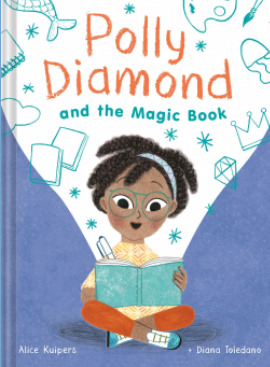
Teaching Guide with Activities and Discussion Questions for Polly Diamond and the Magic Book by Alice Kuipers

Share

Polly Diamond and the Magic Book
Author: Alice Kuipers
Illustrator: Diana Toledano
Expected Publication May 1st, 2018 by Chronicle

Summary: Polly loves words. And she loves writing stories. So when a magic book appears on her doorstep that can make everything she writes happen in real life, Polly is certain all of her dreams are about to come true. But she soon learns that what you write and what you mean are not always the same thing! Funny and touching, this new chapter book series will entertain readers and inspire budding writers.

Teachers’ Tools for Navigation: Activities for Polly Diamond include:

Color Poem

On page one, Polly says that her teacher said her color poem was fantastic.

Have your students use the Read. Write. Think. template to create their own color poem.

Template

Finish her perfect house story

On page 3, Polly is interrupted while writing her perfect house story.

Finish her story with what your perfect house would include.

Wishes

When Polly realizes her book is magical, she thinks of many things she can wish for such as a cell phone, not frizzy hair, more books, a flat screen TV, and world peace.

Using a brainstorming graphic organizer, have your students think of all the things they wish for.

After brainstorming all of their wishes, have them circle your top three.

Using the five-paragraph format for informative essays, have students write explaining their three wishes.

Measuring

For Polly’s grandmother’s recipe for pancakes called for a cup of flour and a cup of milk. Many times, when baking, you do not have what you need to make the recipe, and not just ingredients—you may not have the right measuring cup.

Bring in one cup measuring cups along with 1/4, 1/3, 1/2, 3/4, tablespoon, and teaspoon measuring cups/spoons. Break students into groups and give each group one of each measuring cup/spoon as well as something to measure (water, rice, flour), and have them answering the following questions:

  • If you only had 1/4 cup, how could you get one cup of flour?
  • If you only had 1/3 cup, how could you get one cup of flour?
  • If you only had 1/2 cup, how could you get one cup of flour?
  • If you only had 3/4 cup, how could you get one cup of flour?
  • If you only had a tablespoon, how could you get one cup of flour?
  • If you only had a teaspoon, how could you get one cup of flour?

Favorite words

Polly has a lot of favorite words: words with double letters like doozy and mutli-meaning words like basil.

Have students make a list of three words that they really like.

For each word, they should define it and also explain why they like the word.

When finished, students should do a word meet and greet. Using clock buddies or some other buddy system, have students meet with other students in the classroom and learn about their favorite words. They should add the favorite words they learn about to their list.

Paint names

On page 29, Polly makes up names for paint that describes the color such as muddy pond, lunch bag, and baboon butt.

First, have students look at the colors Polly described on page 29 and find the corresponding color in either a crayon box or a color exploration site online.

Then, have students create color names using imagery. Either have them use the color exploration site online or the colors from Microsoft Word.

Affixes

Show students how there are different word parts (affixes) that can be put together to make new words. They are like puzzle pieces! Share with them the different types of word parts (prefix, suffix, root, and base) and how they fit together.

On page 56, Polly explains how adding un- to the beginning of a word gives it an opposite meaning. The word she uses as an example is unobservant. Share with your students that un- is a prefix that means NOT which does make a word the opposite. Have student brainstorm a list of words with un- at the beginning and define them using NOT as the definition for un.

Extension: dis-, il-, im-, in-, and ir- also mean NOT. Students can also explore words with these
prefixes.

Extension: On page 57, Polly also talks about adding –fully to the end a word to make it bigger,
but it does more than that. Share with your students that –fully is actually a combination of ful, a root word that means full of, and –ly, a suffix that turns an adjective to an adverb, so her example of sorrowfully means full of sorrow (adv).

After showing students how words break apart and how affixes help with word meanings, give students words with un- and –ful (or any other affix you taught) and have them mark the different word parts and define the word.

Coloring Sheets

Coloring sheets can also be downloaded from Chonricle’s website here.

See the Teaching Guide Created by Me (Kellee) for even more activities! 

You can also access the teaching guide through Chronicle’s website here.

Recommended For: 

readaloudbuttonsmall classroomlibrarybuttonsmall closereadinganalysisbuttonsmall

Kellee Signature

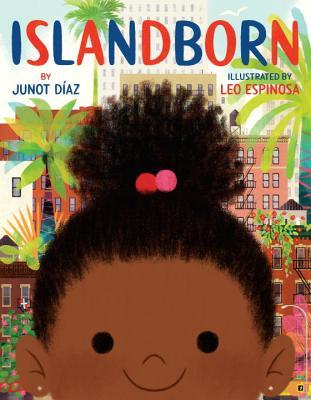
Islandborn by Junot Díaz

Share


Islandborn
Author: Junot Díaz
Illustrator: Leo Espinosa
Published: March 13, 2018 by Dial

Summary: From New York Times bestseller and Pulitzer Prize winner Junot Díaz comes a debut picture book about the magic of memory and the infinite power of the imagination.

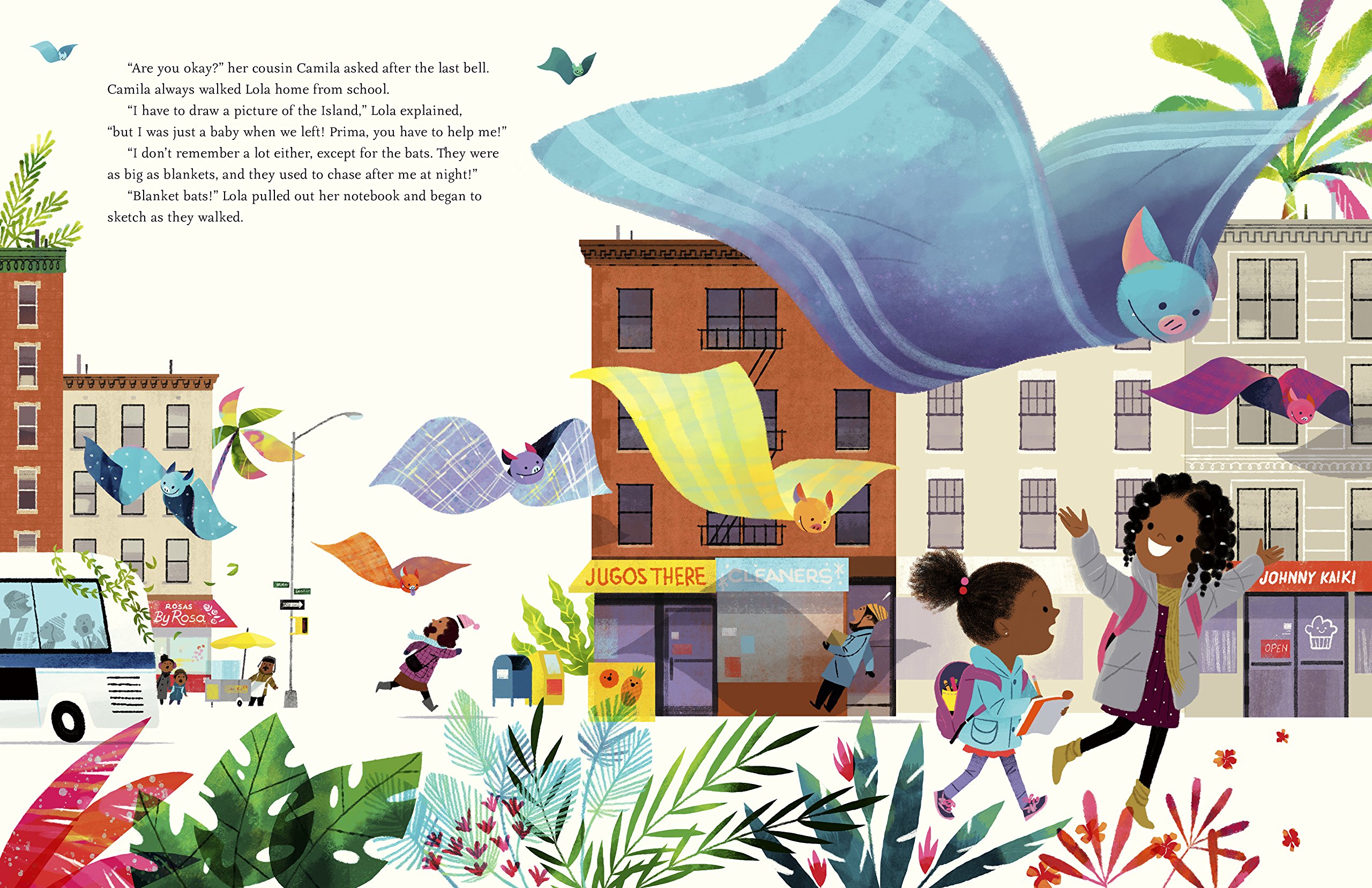
Every kid in Lola’s school was from somewhere else. Hers was a school of faraway places.

So when Lola’s teacher asks the students to draw a picture of where their families immigrated from, all the kids are excited. Except Lola. She can’t remember The Island—she left when she was just a baby. But with the help of her family and friends, and their memories—joyous, fantastical, heartbreaking, and frightening—Lola’s imagination takes her on an extraordinary journey back to The Island. As she draws closer to the heart of her family’s story, Lola comes to understand the truth of her abuela’s words: “Just because you don’t remember a place doesn’t mean it’s not in you.”

Gloriously illustrated and lyrically written, Islandborn is a celebration of creativity, diversity, and our imagination’s boundless ability to connect us—to our families, to our past and to ourselves.

Review: This book is absolutely enchanting. I can confidently say that it will always be one of my favorite picture books of all time. When Lola asks family and friends about the island that she came from, they have wonderful memories that they share with her. The illustrations and words dance off of the page—Díaz and Espinosa, the author-illustrator team, combine to create a work that will stun readers with its beauty and complexity. I took the pages from the F&G and hung them on my office walls, and they inspire me daily.

As I read this book, I continually paused to reflect on the words (“Just because you don’t remember a place doesn’t mean it’s not in you” and “Memory is magic.”). There is so much to teach from this book, and I am really looking forward to sharing it with students. If you haven’t read this book, I recommend you get in your car and drive immediately to the bookstore.

Teacher’s Tool For Navigation: There are so many possibilities for this section for teacher. They might analyze text and word choice, focusing on figurative language. Or they could examine the emotions that Lola experiences as she tries to learn about the place that she comes from. Or they might have students research their own countries of origin and create an image that represents the magic of the country. Or they might consider a monster that exists in their country and draw it metaphorically or symbolically. This is a book that is meant to be shared and shared.

Discussion Questions: How does Lola feel when she can’t remember the country she came from? How does she learn more about it?; What do Lola’s friends and family tell her about the country she came from? What are the good and bad memories that they share? What might the bad memory represent?

We Flagged:

Read This If You Loved: Works by Junot Díaz; Miguel and the Grand Harmony by Matt de la Peña; Echo by Pam Muñoz Ryan, Esperanza Rising by Pam Muñoz Ryan; Last Stop on Market Street by Matt de la Peña, Each Kindness by Jacqueline Woodson

Recommended For: 

readaloudbuttonsmallclassroomlibrarybuttonsmall 

RickiSig

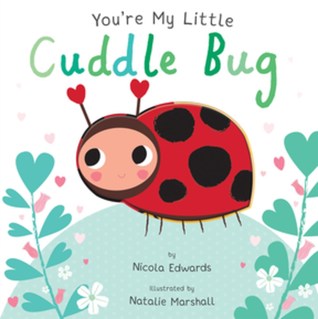
You’re My Little Cuddle Bug by Nicola Edwards

Share

You’re My Little Cuddle Bug
Author: Nicola Edwards; Illustrator: Natalie Marshall
Published February 1, 2017 by Silver Dolphin Books

Summary: Celebrate your little cuddle bug with this sweet and colorful rhyming board book!

Celebrate your little cuddle bug with this sweet and colorful rhyming board book! With chunky pages for little hands and die-cut cuddle bugs to add depth and interest, children will love the interactive features alongside the story.

My Review: The bright bugs pop on the page in a way that emanates warmth. This book reminds me of the popular classics like Time for Bed by Mem Fox. It’s fun for parents/guardians to read to their children, and the sweetness of the story and illustrations pop off of the page. The book is set up with cutouts and raised illustrations. On the first page, there is a baby bug, and when the reader turns the cut-out page, the baby bug is joined by a cuddling parent. It’s quite a charming little board book that made me smile.

Teachers’ Tools for Navigation: The book’s audience seems to be children and families, but I think it would also make a sweet read-aloud at a daycare or preschool before naptime. Children might draw their own cuddle bugs and write a verse from a parent or guardian to a child.

Discussion Questions: Which is your favorite bug? Why? How is this bug different from all of the other bugs in the book?; How do the bugs cuddle differently?

We Flagged: “So when the night is beetle black, and daytime’s at an end, we’ll snuggle up, two cuddle bugs, and sleep my little friend.”

Read This If You Loved: Time For Bed by Mem Fox; Twenty Yawns by Jane Smiley; Goodnight Moon by Margaret Wise BrownGoodnight Songs by Margaret Wise BrownA Book of Sleep by Il Sung Na, I’m Not Sleepy by Jonathan Allen, Hoot & Honk Just Can’t Sleep by Leslie Helakoski 

Recommended For: 

readaloudbuttonsmall

RickiSig

**Thank you to Casey from Media Masters for sharing these books with us!**

Miles Away from You by A. B. Rutledge

Share

Miles Away from You
Author: A. B. Rutledge
Published: March 20, 2018 by HMH Books for Young Readers

Guest Review by Kaari von Bernuth

Goodreads Summary: It’s been three years since Miles fell for Vivian, a talented and dazzling transgender girl. Eighteen months since a suicide attempt left Vivian on life support. Now Miles isn’t sure who he is without her, but knows it’s time to figure out how to say goodbye.

He books a solo trip to Iceland but then has a hard time leaving the refuge of his hotel room. After a little push from Oskar, a local who is equal parts endearing and aloof, Miles decides to honor Vivian’s life by photographing her treasured Doc Martens standing empty against the surreal landscapes. With each step he takes, Miles finds his heart healing–even as he must accept that Vivian, still in a coma, will never recover.

Told through a series of instant messages to Vivian, this quirky and completely fresh novel explores love, loss, and the drastic distances we sometimes have to travel in order to move on.

Kaari’s Review: I’d like to preface this blog post by saying that I do not identify as LGBTQ in any way, so I don’t have personal experiences to say whether or not this novel presents an accurate representation of what it is like to be an LGBTQ person. But, I think that this book does provide a compelling and interesting perspective that non-LGBTQ people can understand and connect with. I liked that the entire story was written in a messaging format. It placed an interesting lens over the story because, as readers, we always know that the story is being written to someone, even if they can’t respond. The format also lends itself to casual language, which makes it an entertaining and engaging read that students will love.

This book was certainly entertaining, and I loved reading it. I loved cheering for Miles and hurting for Miles when it was appropriate. I think that Miles’ approach to grief is also an approach that many teens can connect with, and maybe learn from as well. However, this book has a lot going on in it. The main character, Miles, is coping with the loss of his transgender girlfriend. His two lesbian moms are very supportive of the LGBTQ community, and even run a summer camp for LGBTQ kids. And, Miles himself is unsure of his sexuality, which he explores more as the novel goes on. Because there are so many LGBTQ elements the author tried to fit in, it feels a little bit contrived at times, and distracts from the overall messages of acceptance of personal identity, and also of the LGBTQ community, and dealing with the intricate and complicated loss of a loved one.

Teachers’ Tools for Navigation: I think this book poses a lot of really interesting questions about suicide, grief, overcoming grief, acceptance, identity, potential abuse (between Oskar and his boyfriend), love, gender, and sexuality that could spark a lot of discussions for students. For these reasons, I think that this book should definitely be included in classroom libraries, and used as a literature circle book. However, if someone is looking to teach an lgbtq book to an entire classroom, I’d choose one that didn’t have quite as many lgbtq aspects, as I mentioned in the review, because it makes the book feel somewhat cluttered and contrived, and there are many other novels that would be better for teaching to a large classroom.

Discussion Questions: 

  • How is identity explored in this novel?
  • How is discrimination portrayed in this novel?
  • What kinds of violence/abuse do we see in the novel?
  • How is death/dying portrayed?
  • How does Miles cope with grief? What ways are productive and what ways are unproductive?

We Flagged: “This is the Mid-Atlantic Ridge, the place where the North American and Eurasian tectonic plates are slowly, slowly tearing apart. It sounds so destructive, doesn’t it? Like the world could just keep spreading and eventually it’ll just crack in half and bleed out into the universe. But the good news is that it doesn’t actually work like that. When the earth splits, lava rises and cools, creating new land where there wasn’t any before. It heals as it tears. I think humans do that, too. So, anyway, this is the tenth photo I’ve taken of Vivian’s boots, and it might be my last for a little while. I do want to keep connecting and keep exploring this new scar tissue.” -Advanced Reading Copy page 224

Read This If You Loved: Beautiful Music for Ugly Children by Kirstin Cronn-Mills; Symptoms of Being Human by Jeff Garvin; If I Was Your Girl by Meredith Russo; Suicide Notes by Michael Thomas Ford

Recommended For:

classroomlibrarybuttonsmall

  RickiSig

**Thank you to Kaari for reviewing this book!**