Review and Teaching Guide!: Poptropica: Mystery of the Map by Jack Chabert

Share

Poptropica 1

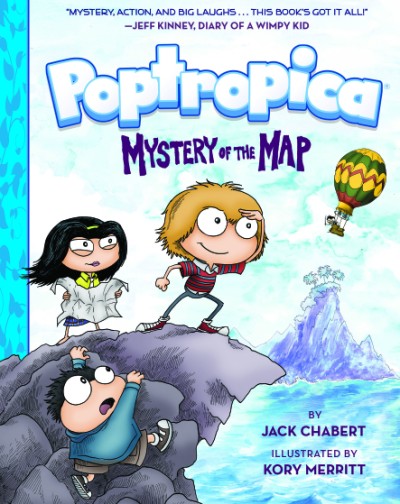
Poptrpica: Mystery of the Map
Author: Jack Chabert
Illustrator: Kory Merritt
Idea: Jeff Kinney
Published March 1st, 2016 by Amulet Books

Goodreads Summary: Based on a concept by Wimpy Kid author Jeff Kinney comes Poptropica, a brand-new graphic novel adventure series by Jack Chabert and Kory Merritt. In “Mystery of the Map,” Oliver, Mya, and Jorge take a ride in a hot-air balloon, only to crash-land on an unknown island filled with extinct animals and a horde of angry Vikings. Welcome to Poptropica, an uncharted group of islands whose existence is hidden from the rest of the world. As the three friends embark on a perilous search for a way home, they quickly discover the shocking reason they were brought there something that threatens the very existence of Poptropica and their ability to ever make it off the island!

My Review: I love learning about new graphic novels because they are so popular in my classroom, and I think this one will be another one that will be loved by students. Although the Poptropica idea was made by Jeff Kinney, I see it more as a ladder rung for late elementary school/early middle school before students jump to Amulet or Doug TenNapel books. I also know that there are millions of Poptropica users who will love to explore Poptropica through Oliver, Mya, and Jorge’s journey.

Although, I hadn’t played Poptropica when I first heard about the book, as soon as I knew I was getting it, I went onto the website to play, and I loved it! I can see why so many kids/teens like it–it is a role-playing game with adventure, puzzles, and a great story.  However, I will say that when I read the book, it would not have mattered if I’d played the game or not. I think that is the beauty of it. It can be an extension of the game, an intro to the game, or an adventure-filled graphic novel separate from the game.

The graphic novel itself is very well done. The graphics are fun and easy to read, the story is a page turner filled with adventure and humor, and it has fun history facts. I look forward to the rest of the series.

Teachers’ Tools for Navigation, Discussion Questions, and Flagged Passages: 

The teaching guide below that I wrote for Abrams Books includes vocabulary, cross-curricular activities, and cross-curricular discussion questions as well as example passages.

You can also access the teaching guide here.

Read This If You Loved: Bird & Squirrel series by James Burk, Rutabaga series by Eric Colossal, The Great Pet Escape by Victoria Jamieson, Little Robot by Ben Hatke, Salem Hyde series by Frank Cammuso

Recommended For: 

readaloudbuttonsmall classroomlibrarybuttonsmall

Kellee Signature

Blog Tour, Giveaway, and Review: Bubonic Panic: When Plague Invaded America by Gail Jarrow

Share

NFPB2016

Nonfiction Wednesday

Nonfiction Picture Book Wednesday is hosted by Kid Lit Frenzy and was started to help promote the reading of nonfiction texts. Most Wednesdays, we will be participating and will review a nonfiction text (though it may not always be a picture book).
Be sure to visit Kid Lit Frenzy and see what other nonfiction books are shared this week!
bubonic panic

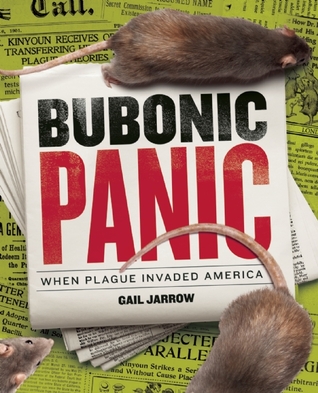
Bubonic Panic: When Plague Invaded America
Author: Gail Jarrow
Published: May 10, 2016 by Calkins Creek

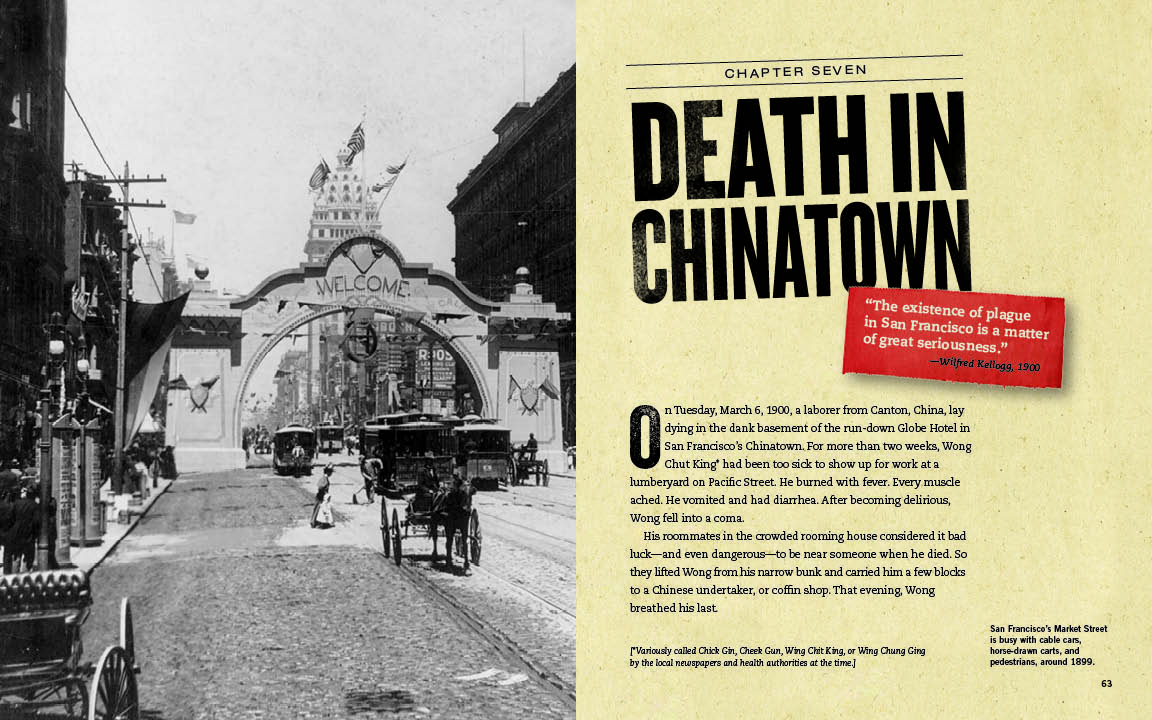
GoodReads Summary: In March 1900, San Francisco’s health department investigated a strange and horrible death in Chinatown. A man had died of bubonic plague, one of the world’s deadliest diseases. But how could that be possible? Bubonic Panic tells the true story of America’s first plague epidemic—the public health doctors who desperately fought to end it, the political leaders who tried to keep it hidden, and the brave scientists who uncovered the plague’s secrets. Once again, acclaimed author and scientific expert Gail Jarrow brings the history of a medical mystery to life in vivid and exciting detail for young readers. This title includes photographs and drawings, a glossary, a timeline, further resources, an author’s note, and source notes.

Review: I have read about the medieval plague, but I haven’t read much about the plague epidemic of the twentieth century. It was fascinating (and sad) to learn about this time period. Gail Jarrow has an incredible ability to make nonfiction material very accessible to readers. This book is a page-turner, and I had difficulty putting it down! The information is very easy to follow, yet it is complex and made me think! I will read any book by Jarrow because she really makes me think. Her texts go beyond medical information. There are themes, for example, about racism and prejudice that made me want to use this book in the classroom!

Teachers’ Tools for Navigation: As with Gail Jarrow’s Fatal Fever, I think it would be wise for teachers to explore other diseases and epidemics while teaching this book. It would be particularly interesting to make connections between this book and Jarrow’s Red Madness and Fatal Fever. Students could participate in literature circles and discuss their learning. I also found the prejudice and scapegoating included in the text to be very interesting and think this would make for very worthy classroom discussions.

Discussion Questions: What role does fear play in the text? How does fear evolve? Is it often validated or invalidated? What negative consequences come with fear?; Are there any heroes in this book? Why or why not?; How can we connect the text to the modern anti-vaccination movement?

Flagged Passage:

bubonic plague spread 

Read This If You Loved: Fatal Fever: Tracking Down Typhoid Mary by Gail Jarrow; Red Madness: How a Medical Mystery Changed What We Eat by Gail Jarrow; Invincible Microbe: Tuberculosis and the Never-Ending Search for a Cure by Jim Murphy and Alison Blank

Giveaway:

a Rafflecopter giveaway

Recommended For:

 classroomlibrarybuttonsmall litcirclesbuttonsmall

RickiSig

Check out the other stops on the blog tour!:

Monday, May 16

The Nonfiction Detectives

www.nonfictiondetectives.com

Tuesday, May 17

KidLit Frenzy

www.kidlitfrenzy.com

Wednesday, May 18

Unleashing Readers

www.unleashingreaders.com

Thursday, May 19

Teach Mentor Texts

www.teachmentortexts.com

Friday, May 20

Sally’s Bookshelf

www.sallysbookshelf.blogspot.com

*Thank you to Kerry at Boyds Mills Press for sending this book for review!*

Author Guest Post!: “Reading the Middle Grade Mind” by Sally Barlow-Perez, Author of The Unintended Runaways

Share

“Reading the Middle Grade Mind”

Have you ever tried to steer one of your favorite kids toward one of your favorite books? You’re in eager enthusiasm mode. “Hey, you are going to LOVE this book!”

Then the kid rears back, looks like you asked him to drink a glass of hot chalk, gives you that look, and says, “Uh, thanks, but I don’t think so.”

Just like adults, kids pick books for their own reasons. And timing is everything. One week a reader might feel like something light that reflects familiar problems like, The Mother Daughter Book Club series; the next week he or she might relish the challenges of Wonder or maybe a visit to a whole to universe in The Lightning Thief or something as wacky as one of the Wimpy Kid books. It all depends on mood, just like it does with you and me. Or stress level. Or time availability. I’ve seen a 9-year old read and enjoy a Babysitter Club book – standard 3rd grade level reading—during a school week, and Wonderstruck— 5thgrade level reading–on her vacation. Makes sense. You and I don’t read Dostoevsky when we barely have time for lunch. Middle grade readers thrive on a huge variety of choice. Which is lucky, since as authors, we are just as eclectic as our young readers!

That said, I am sure there are those of us who try to shake loose a few practical thoughts before we set pen to paper to write our deathless prose. No doubt, in addition to prayer, you’ve tried to psyche out just where that sweet spot in middle grade literature is. Sure, there are trends and the Goodreads lists and I’m sure there are some left-brain writers out there who can successfully write to the formula. But since I’ve always favored on-the-spot research, I thought I’d go directly to the source: my sixth grade consultants: Sarah, Haley, Carolyn, Mia and Emily. “What have you been reading lately?” I asked them. These are just a few samples of the many titles they sent me:

  • Escape from Mr. Lemoncello’s Library by Chris Grabenstein
  • I Will Always Write Back:  How One Letter Changed Two Lives by Martin Ganda
  • The Agony and the Ecstasy by Irving Stone.
  • The Port Chicago 50 by Steve Sheinkin
  • School of Charm by Lisa Ann Scott
  • Black Beauty by Anna Sewall
  • Little Women by Louisa Mae Alcott
  • Number the Stars by Lois Lowry
  • Hope is a Ferris Wheel by Robin Herrera
  • The Hunger Games by Suzanne Collins
  • Wonder by R.J. Palacio
  • The Egypt Game by Zilpha Keatley Snyder

Sure, it’s a girls list; not much blood and guts there but look at the variety. From dystopia to Victoriana to the serious issues of an adolescent with a disability to pure escapism. Irving Stone, no less! Remarkable that reading tastes could vary so widely among such friends from the same school in the same grade with such similar backgrounds. My point being, that predicting subject matter that will appeal to every middle grader is a losing proposition.

Picture this—and if you’ve taken your children or your students to the library, you’ve seen it many times. A middle grader sitting on the floor between the stacks taking out book after book off the shelf, looking at it very briefly, and then returning it to that empty slot among the other books. Those poor, forlorn, rejected books. Someone put his or her heart and soul into writing that book! What was wrong with it! Well, it just didn’t suit, that’s all. For reasons we, as onlookers (or the unfortunate author of said rejected volume) will never know. My conclusion: short of writing a tome on the love life of ants, I might as well forget trying to guess what will suit the middle grade reader and suit myself instead.

At the same time—trying with some difficulty to recall my past life as a lit. major—I tryed to find the commonalities in the lists of books my sixth graders sent me. It wasn’t in the eras, the settings or the subject matter. They varied from Hogwarts, to Ghana, to the rural South, to a dystopian future, to small town USA, to ancient Rome.  Lots of variety there and choice in those areas can be a matter of cover art, flap blurb or momentary whim. But in the protagonist (Lit. 101 !) I do think young people make a conscious choice to read a book featuring one of two different kinds of protagonists:

  1. A character with whom they can completely identify; someone who shares their sensibilities, their strengths, their weaknesses, and their secret feelings; someone who permits them to sigh in relief, saying, “I am not alone; Someone else feels or behaves that way too.”
    Or
  2. A character with whom they can partially identify, but who is perceived as an individual to emulate; someone with qualities to admire, or aspire to, even if those qualities are as basic as patience, or self-assurance, or courage rather than the ability to fly or fight dragons.

It might be simplistic to say that the former is featured in reading that requires a little less concentration than the latter. I’m sure there are examples either way. But the best authors show us well rounded characters who evolve and change in both cases. What a privilege it is to read the work of the many wonderful authors of middle grade fiction who make their characters come alive for us. I see my young friends absorbing Palacio’s Auggie, Hodgson Burnett’s Sara Crewe, Pullman’s Lyra, Selznick’s Ben and Rose; Riordan’s Percy, and Lowry’s Jonas and I think, “These characters are becoming part of who my young friends are.” How could they not?

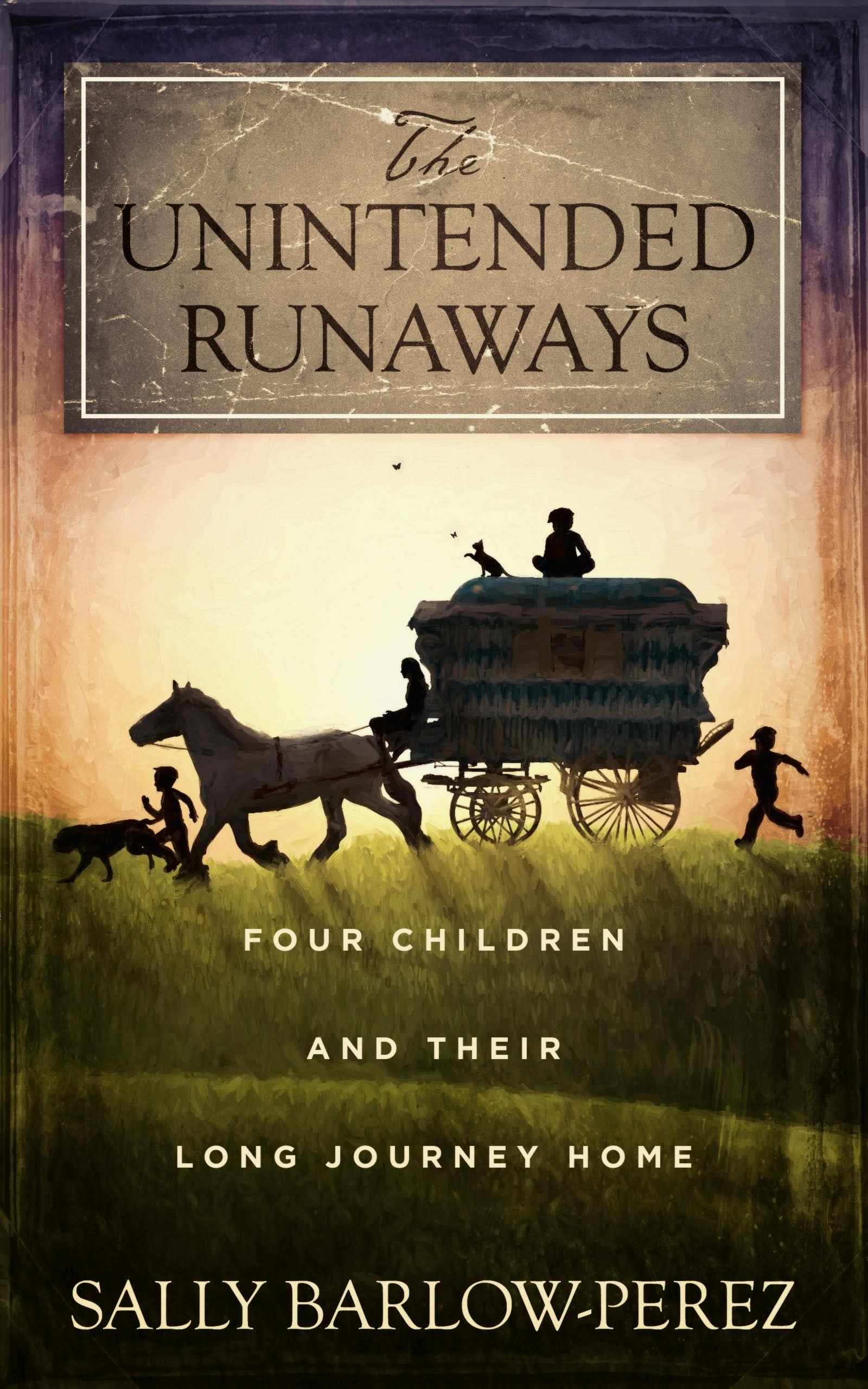
I too feel as though I too have been influenced by the thousands of fictional characters that have filled me up over the years. A good number have come from middle grade books. Many from young adult books. One memorable one was the picture book that inspired my own middle grade novel, The Unintended Runaways, with its lively painting of a gypsy wagon and the carefree little girl who lived in it.

The tale that formed around that picture was the story I wanted to tell. I fought it. I’d been in marketing and public relations and I knew historical fiction was emphatically NOT in vogue. Would anyone read it? Newsletters and conferences told me I would never sell it.  “Write it anyway,” I told myself. I already had visions of the beautiful blue wagon and the big shire horse trotting down the lovely rural roads of mid-19th century England. market.

“Don’t be an idiot,” I argued back. “You’re a journalist. You wrote a history book. Get out there and write something that’ll sell. How about an academy for shapeshifters? A middle school mafia? An underground society ruled by 12-year olds? You can do it! Get with the program!”

“Yeah,” said my better self. “And it will suck, big time and you will hate every minute of it. This is 40,000 words we’re talking about.”

So I did it my way. I wrote my historical novel about 19th century young people. Unfashionable as my setting might be, I knew today’s middle graders would identify with the larger themes of justice, freedom, and family. And I hoped they would fall in love with my characters just as I did.

Thus The Unintended Runaways came into being. My sixth grade consultants – who were very generous early readers!—say they like it. (They kind of have to say that.) But the proof will be in the sales figures. Because as a general rule……

There’s just no reading the middle grade mind.

____________________________________________

Links:

Website:  www.theunintendedrunaways.com

____________________________________________

unintended Runaways

Summary: For a girl who loved adventure, twelve-year old Lia Leonides had the perfect life. Every summer, she and her grandfather traveled the rural roads of England in their gypsy wagon, stopping at fairs and selling horse brasses along the way. It was exactly the life Lia wanted, until the day a mysterious letter arrived. Lia’s grandfather warned her not to get her hopes up, but lifelong dreams are hard to ignore. Lia’s father was alive and looking for her. But when her grandfather suddenly passes away, Lia is sent to work as a servant in an orphanage and is left with a choice that she never wanted to make: let the world decide her future for her, or run away and decide it for herself? Lia, with the help of her beloved pets and some unexpected friends, must take her gypsy wagon south on a harrowing journey before her father disappears forever. A persistent sheriff and the constant threat of misfortune won’t make the trip easy, but Lia and her friends don’t plan to let anything stop them from forging their own destinies.

____________________________________________

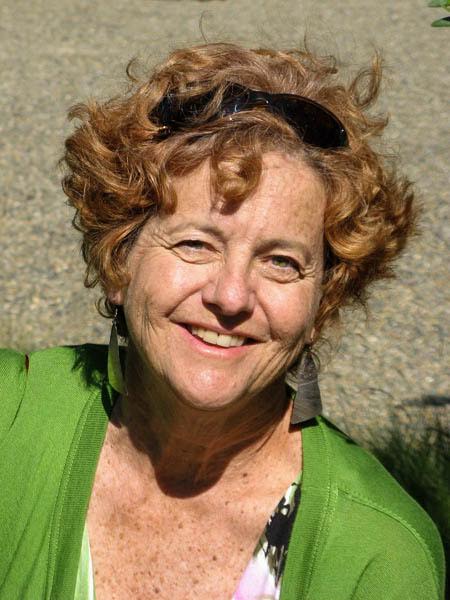
sally b-p

About the Author: Sally Barlow-Perez openly admits that books have taken over a good chunk of her life. She gobbles down two or three library books a week, ranging in genre from young adult, to middle grade, to fantasy, to mystery. She tries to balance her book obsession with writing, hiking, and hanging out with the young people who inspire her. But no matter how hard she tries, she always comes back to books. As a fiction writer, Sally’s focus is curiosity. “Curiosity is a great excuse for writing, as well as for reading,” she says. “Even when I finish a book, I still wonder what the characters are doing!” Sally makes her life in Palo Alto, California. She has two grown sons, whom she believes to be her greatest contribution to mankind. The Unintended Runaways is her first middle-grade novel. More information is available at www.theunintendedrunaways.com.

Thank you Sally for this insightful guest post!

Kellee Signature andRickiSig

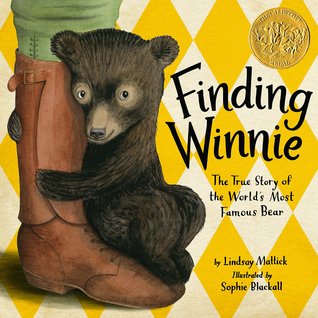
Finding Winnie: The True Story of the World’s Most Famous Bear by Lindsay Mattick

Share

NFPB2016

Nonfiction Wednesday

Nonfiction Picture Book Wednesday is hosted by Kid Lit Frenzy and was started to help promote the reading of nonfiction texts. Most Wednesdays, we will be participating and will review a nonfiction text (though it may not always be a picture book).
Be sure to visit Kid Lit Frenzy and see what other nonfiction books are shared this week!

finding winnie

Finding Winnie: The True Story of the World’s Most Famous Bear
Author: Lindsay Mattick
Illustrator: Sophie Blackall
Published October 20, 2015 by Little, Brown Books for Young Readers

Goodreads Summary: Before Winnie-the-Pooh, there was a real bear named Winnie.

In 1914, Harry Colebourn, a veterinarian on his way to tend horses in World War I, followed his heart and rescued a baby bear. He named her Winnie, after his hometown of Winnipeg, and he took the bear to war.

Harry Colebourn’s real-life great-granddaughter tells the true story of a remarkable friendship and an even more remarkable journey–from the fields of Canada to a convoy across the ocean to an army base in England…

And finally to the London Zoo, where Winnie made another new friend: a real boy named Christopher Robin.

Here is the remarkable true story of the bear who inspired Winnie-the-Pooh.

Ricki’s Review: Many of my blogger friends raved about this book. I knew I needed to read it, but my library hold list was very long. When I saw it won the Caldecott Award, I took action. I drove my son to the bookstore and read the book to him while he sat on my lap. My aunt came with me, and she cried through the entire book.

When we reached the end, we just stared at each other and she said, “Ricki, you have to buy this book. Henry needs to have this special story.” And this is how I broke my rule about buying books. Finding Winnie sits elegantly on my son’s bookshelf, and I don’t regret breaking my rule. We love reading it together. The story is captivating from the beginning to the end, and the author and illustrator paint the scene in a remarkable way that readers will be unable to put the book down. Depicting history in picture books is very difficult, and Mattick and Blackall nail it. I highly recommend this charming book if you haven’t read it yet. It will stay close to your heart.

Kellee’s Review: One of the things I particularly loved about Finding Winnie, that Ricki didn’t mention in her beautiful review above, was that the book was written by the great-granddaughter of Captain Coleburn, the serviceman who owned Winnie originally. Having Lindsay Mattick’s close knowledge of the story helped her delve into the story and transport the reader into Winnie’s stories. The backmatter filled with photos and other primary documents also make it feel like we are peaking into the family’s scrap book.

I also want to praise Sophie Blackall’s illustrations. I love Sophie’s soft style with what seems like pencil and paints just is angelic and brings Mattick’s story to life. Although they both would shine separately, they are stellar together.

Teachers’ Tools for Navigation: As a teacher, I’d love to do two things with this book. First, I’d want to compare it to the Winnie the Pooh stories by A. A. Milne. It would be great to compare and contrast the stories to make connections about how Milne might have been inspired. Then, I’d put this book in semi-literature circles. Students might read all of the books (in the “Read This If You Loved” section below) in small groups, and rotate the books across groups. Then, they could discuss the topic and depiction of animals during wars throughout literature. They could compare and contrast the stylistic choices of the authors and also delve into potential ways that animals might be symbolic of each particular war.

Discussion Questions: How do the author and illustrator depict Winnie? How does Winnie’s story evolve?; What does Harry’s friendship with Winnie teach us about human nature?; How might this story have inspired the fictional Winnie the Pooh story?; Why do you think it won the Caldecott? What qualities make it an award winner?

We Flagged: 

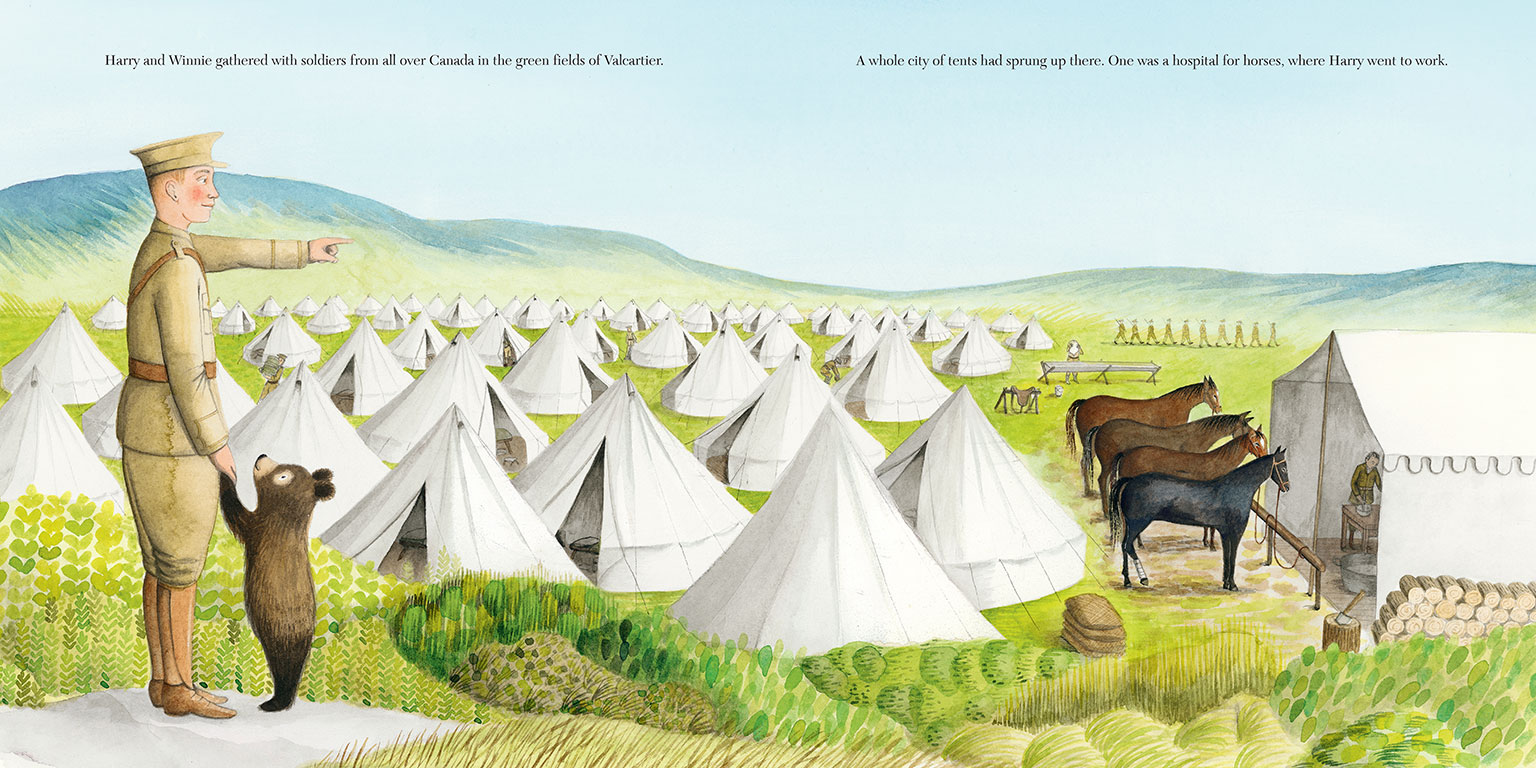
Finding WInnie Spread

**Image from: https://thewalrus.ca/finding-winnie/. We recommend this site, which includes many great images related to the text!**

Read This If You Loved: Winnie: The True Story of the Bear That Inspired Winnie-the-Pooh by Sally M. Walker, Winnie the Pooh  by A. A. Milne, Midnight, A True Story of Loyalty in World War I by Mark Greenwood, Stubby, the War Dog by Ann Bausum, Dogs of War by Sheila Keenan, Faithful Elephants by Yukio Tsuchiya

Recommended For: 

readaloudbuttonsmall classroomlibrarybuttonsmall litcirclesbuttonsmall

RickiSigandSignature

National Geographic Kids Early Reader Biographies: George Washington Carver & Sonia Sotomayor

Share

NFPB2016

Nonfiction Wednesday

Nonfiction Picture Book Wednesday is hosted by Kid Lit Frenzy and was started to help promote the reading of nonfiction texts. Most Wednesdays, we will be participating and will review a nonfiction text (though it may not always be a picture book).
Be sure to visit Kid Lit Frenzy and see what other nonfiction books are shared this week!

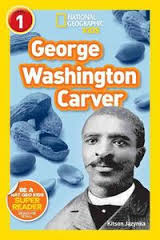
gwc

George Washington Carver
Author: Kitson Jazynka
Published January 12th, 2016 by National Geographic Children’s Books

Summary: Take a bite into the fascinating history of peanut butter and the man who invented it. Through leveled text and engaging photos, kids meet George Washington Carver and learn about his important work with peanuts and other plants. This Level 1 reader is carefully leveled for an early independent reading or read aloud experience, perfect to encourage the scientists and explorers of tomorrow!

Discussion Questions: Why did Carver have to move when he was 13?; What events in Carver’s life helped him become the first black student at Iowa State and eventually a professor?; What inventions did Carver discover?

We Flagged: “In Carver’s time, life was hard for many black people in the United States. They did not have the same rights as white people.

Carver felt that this was wrong. He used his ideas about farming to help change people’s lives.” (p. 7)

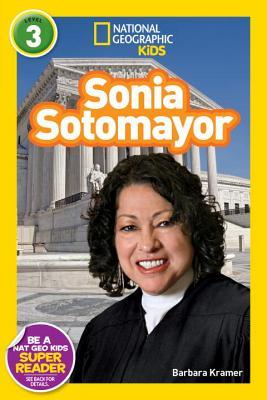
NG - Sonia Sotomayor

Sonia Sotomayor
Author: Barbara Kramer
Published January 12th, 2016 by National Geographic Children’s Books

Summary: Explore one of the most recognized names in modern America with this biography of Supreme Court Justice Sonya Sotomayor. Kids will learn about her rise to be the first Hispanic Supreme Court Justice and the trials she faced along the way. The level 3 text provides accessible, yet wide-ranging, information for independent readers.

Discussion Questions: What traits does Sotomayor have that helped her succeed in education to eventually become a Supreme Court justice?; Sotomayor has not forgotten where she comes from. In what ways does she give to her childhood community?; What did Sotomayor do that was so extraordinary?

We Flagged: “In August 2009, Sonia Sotomayor became a Super Court justice. It is a special job. Sotomayor is the 111th person ever to receive that honor. She is the third woman and the first Hispanic justice to serve on that court.” (p. 4)


My Review: These texts are such a wonderful way to introduce readers to some very important people in history. The books don’t back down from hard subjects like racism and poverty, but instead teach the reader about it in an easy to understand way. And to help the reader even more, throughout the books, any tough words are defined, sidebars are filled with additional information, and text features such as illustrations, graphs, and timelines elaborate on the story.

Teachers’ Tools for Navigation: These books could be used in many different ways including guided reading during a teacher-led small group or as biography lit circles.

Read These If You Love: Biographies

Recommended For: 

classroomlibrarybuttonsmall litcirclesbuttonsmall

Kellee Signature

**Thank you to Karen from Media Masters for providing copies for review!**

Blog Tour, Author Guest Post, and Review!: Reproductive Rights: Who Decides? by Vicki Oransky Wittenstein

Share

NFPB2016

Nonfiction Wednesday

Nonfiction Picture Book Wednesday is hosted by Kid Lit Frenzy and was started to help promote the reading of nonfiction texts. Most Wednesdays, we will be participating and will review a nonfiction text (though it may not always be a picture book).
Be sure to visit Kid Lit Frenzy and see what other nonfiction books are shared this week!

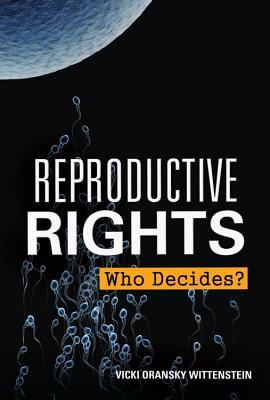
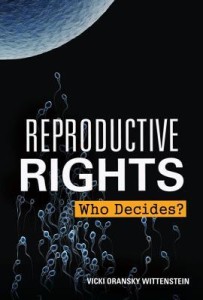
Reproductive Rights

Reproductive Rights: Who Decides?
Author: Vicki Oransky Wittenstein
Published January 1st, 2016 by Twenty-First Century Books

Summary: Throughout history, men and women have always found ways to control reproduction. In some ancient societies, people turned to herbs or traditional rituals. Others turned to methods that are still used in the twenty-first century, such as abstinence, condoms, and abortions.

Legislating access to birth control, sex education, and abortion is also not new. In 1873 the US Congress made it illegal to mail “obscene, lewd, or lascivious materials”—including any object designed for contraception or to induce abortion. In some states in the 1900s, it was illegal for Americans to possess, sell, advertise, or even speak about methods of controlling pregnancy.

At the beginning of the twentieth century, Margaret Sanger, Mary Ware Dennett, and others began to defy these laws and advocate for the legalization of birth control and for better women’s reproductive healthcare. By 1960 doctors had developed the Pill, but it wasn’t until 1972 that all US citizens had legal access to birth control. And in the landmark decision Roe v Wade (1973), the US Supreme Court ruled that women had a constitutional right to terminate a pregnancy.

Disputes over contraception, sex education, and abortion continue to roil the nation, leading to controversial legal and political rulings and occasionally violence. As society changes—and as new reproductive technologies expand the possibilities for controlling and initiating pregnancy—Americans will continue to debate reproductive rights for all.

About the Author: Before becoming an author, VICKI ORANKSY WITTENSTEIN prosecuted criminal cases as an assistant district attorney with the Manhattan District Attorney’s office. She earned an MFA in writing for children and young adults from Vermont College of Fine Arts. Vicki has written a number of science articles and books for the juvenile market, including Planet Hunter: Geoff Marcy and the Search for Other Earths, which won the 2011 Science Communication Award from the American Institute of Physics. Her book For the Good of Mankind? The Shameful History of Human Medical Experimentation was a Junior Literary Guild selection. Vicki and her husband live in Brooklyn, New York. Visit her website at vickiwittenstein.com.

Kellee’s Review: Wittenstein obviously did her research. Her text is filled to the brim with facts and unbiased information of all sides of the reproductive rights debate. I loved learning about the history of reproductive rights as well as the more details than I knew about the present situation and even information about possibilities in the future. I think Wittenstein did a good job with including primary sources, text features, and some narratives to help move the text along as well. 

Ricki’s Review: This is a very comprehensive book that was interesting to read from the beginning to the end! I enjoyed how Wittenstein presented factual information in ways that will engage readers. For instance, she describes the various ways that people of different cultures and time periods believe(d) they can (or could) avoid pregnancy. For instance, you might walk three times around a tree where a pregnant wolf has urinated. This sounds like it would be very difficult to do! This is a great book that students will enjoy. It is a controversial, so I’d probably check with students that they feel comfortable with the content before they sign it out. I don’t believe in censorship, and instead, I believe in allowing students to self-censor when they aren’t comfortable with content. This book is very important for classrooms because it ensures that kids are not in the dark about reproductive issues.

Teachers’ Tools for Navigation: This text is such an amazing resource. It will definitely be an asset either as a textbook or resource in a college or high school class that is touching on or researching reproductive rights, women’s rights, or legal proceedings. It is such a wonderful starting point for learning about the history and progression of reproductive rights.

Discussion Questions: What legal case was the biggest turning point for reproductive rights?; How has women’s rights progressed overtime?

Author Guest Post answering “What inspired you to write Reproductive Rights?” and “What was your research process for the book?”

There were so many inspirations for this book, so I will try to limit myself to a few! First, for as long as I can remember, I have been passionate about women’s rights. When I was in college, I co-organized one of the first domestic violence conferences in Philadelphia. Later, as an Assistant District Attorney in Manhattan, I spoke to many women who had been assaulted by their partners. That first-hand experience led me to chair the board of an organization that sheltered women victims. In addition, I grew up in the 60’s and 70’s during a time when women were just beginning to enter traditionally all-male professions, such as law and medicine. A good part of this new freedom was due to the availability of the Pill and the legality of contraception and abortion. These reproductive rights helped countless women believe they could achieve advanced degrees and build careers.

More recently, worries about setting the historical record straight sparked my interest in writing about this topic. Over the last decade or so, people have learned much of their worldwide news from short media sound bites flashed across the Internet. For many teens, these bits and pieces about new reproductive rights legislation or video clips of rallies against or for abortion are heard without an historical context. Without history, how can we expect young people to navigate through the minefield of these complex and controversial issues, understand what’s at stake with the hundreds of new laws that limit access to contraception and abortion, and form their own opinions?

For thousands of years—from ancient civilizations, through Colonial America, the development of the Pill, the legalization of contraception and abortion, and the brave new world of reproductive technologies—men and women have always found ways to control reproduction. By viewing reproductive rights through an historical lens, teens can learn that controlling procreation is a human need that is not new. This rich history can inform debate and analysis of availability of, access to, and funding for contraception, sex education, and abortion. Today’s teens are the ones who will be most affected by the laws enacted by our federal and state legislators and argued before our courts. And as new reproductive technologies expand the possibilities for controlling and initiating pregnancy, teens are the future adults who will define what it means to be a parent and under what circumstances. So, in many ways this book was inspired by my desire to lay a roadmap for the next generation of parents.

Most of my research was accomplished inside the New York City Public Library, a building filled with astounding resources and fabulous librarians. I also accessed many scholarly and legal articles online through university research collections, as well as letters, diaries, etc. Often just one article or the mention of an event or name led to the next kernel of information, as I worked to fit all the pieces into the puzzle. In many instances, my research uncovered names and events I had never heard of before. For example, I was astounded to learn about two largely unsung heroines: Mary Ware Dennett, who wrote one of the first pamphlets for young people about sex and paved the way for gutting the laws banning the discussion and use of contraception; and Katharine McCormick, the wealthy suffragist and biologist who funded and oversaw the initial development of the Pill. Another big help was the continual flow of media attention that reproductive rights issues provoke. Newspaper articles about state laws and court cases restricting access to women’s clinics led me to explore and understand the lay of the land today. I read lots of articles about the ways in which laws were restricting access to clinics by persuading women not to have abortions and forcing the closure of clinics.

Unfortunately, the media attention surrounding abortion has overshadowed what it means to be in favor of reproductive rights, as most reproductive health care involves cancer screenings, pregnancy prevention and care, and family planning—services mostly unrelated to abortion. I hope the current presidential debates and the appointment of a new Supreme Court justice shine a spotlight on reproductive rights, and that educators will continue to spur critical discussion of these important issues.

Thank you, Kellee and Ricki, for hosting me today!

We Flagged: “In the United States of the twenty-first century, reproductive health is hotly debated. For example, assisted reproductive technologies (ART) for infertile couples raise new ethical and moral issues…”

Read This If You Loved: Nonfiction texts about women’s rights

Follow the tour:
Mon, Feb 15
Proseandkahn
Tues, Feb 16
The Book Monsters
Wed, Feb 17
Library Fanatic
Thurs, Feb 18
Kid Lit Frenzy
Fri, Feb 19
The Nonfiction Detectives
Sat, Feb 20
Ms. Yingling Reads
Mon, Feb 22
The Launch Pad
Tues, Feb 23
Through the Tollbooth
Wed, Feb 24
Unleashing Readers
Thurs, Feb 25
The Pirate Tree
Fri, Feb 26
Teach Mentor Texts

Recommended For: 

classroomlibrarybuttonsmall

Signatureand RickiSig

**Thank you to Barbara at Blue Slip Media for providing copies for review!**

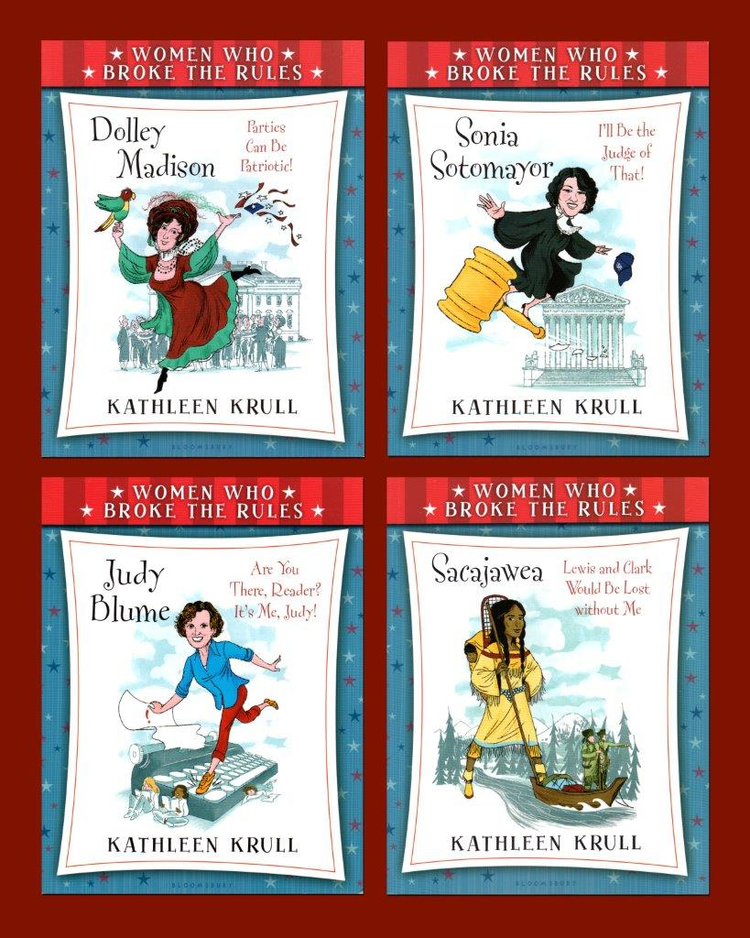
Women Who Broke the Rules: Sacajawea, Judy Blume, Sonia Sotomayor, and Dolley Madison by Kathleen Krull

Share

NFPB2015

Nonfiction Picture Book Wednesday

Nonfiction Picture Book Wednesday is hosted by Kid Lit Frenzy and was started to help promote the reading of nonfiction texts. Most Wednesdays, we will be participating and will review a nonfiction text (though it may not always be a picture book).
Be sure to visit Kid Lit Frenzy and see what other nonfiction books are shared this week!

women who broke the rules

Women Who Broke the Rules series
Sacajawea: Lewis and Clark Would Be Lost without Me
Judy Blume: Are You There, Reader? It’s Me, Judy!
Sonia Sotomayor: I’ll Be the Judge of That!
Dolley Madison: Parties Can Be Patriotic
Author: Kathleen Krull
Illustrators: Various
Published 2015 by Bloomsbury

Publisher’s Summary: Many awe-inspiring women have changed the course of history. From fighting for social justice and women’s rights to discovering and shaping our amazing country, women have left an indelible mark on our past, present, and future. But it’s not easy to affect change, and these women didn’t always play by the rules to make a difference! Kathleen Krull blends history and humor in this accessible young biography series.

My Review:  I was first introduced to this series at Kid Lit Frenzy in June when Alyson shared these four biographies with us (along with an informative Q&A and a fun quiz), and as soon as I read her posts, I knew I had to get my hands on them. I am a huge fan of well-done biographies because I think they are an essential part of spreading history into a new generation’s memory. I am an even bigger fan of well-done biographies of strong women. While there has been a good chunk of biographical picture books lately about women, I am very happy to see that students will have longer biographies to explore strong women from history. I also really like that Krull’s series has a mix of contemporary and historical figures and is filled with diversity. Next Krull will be sharing Coretta Scott King and Mary Todd Lincoln’s life.

Teachers’ Tools for Navigation: There are so many ways these books will be used and loved in the classroom. First, add them to your classroom libraries! Krull’s biographies will be a wonderful rung above picture book biographies and below the “big head biographies” on a reading ladder. Also, they would a perfect addition to a unit on women in history and could definitely be used in inquiry lit circles where each group became an expert of a different female leader to share with the class.

Discussion Questions: In what way did ____ play a part in history?; Why was ____ included in the Women Who Broke the Rules series? What rules did she break? How did it change her part in history?

We Flagged: “Like most little kids, Judy Blume had a lot of questions. Okay, maybe more than most kids. What she didn’t have were answers. She grew up in a stifling time, when the rules stopped people from being honest and real.” (p. 7, Judy Blume)

“Was Sacajawea skittish about traveling into the unknown with an infant strapped to her back on a cradle board? Was she scared to be the only woman in a large group of men? We don’t know. The men seemed to treat her with respect, calling her ‘a good creature, of a mild and gentle disposition.'” (p. 13, Sacajawea)

“A girl grows up in a tough neighborhood. Her poor immigrant parents don’t speak English and don’t get along. She tackles a serious illness. . . and rises, rises, rises to become one of the country’s guiding lights.” (p. 7, Sonia Sotomayor)

“Dolley Payne was born with extra zip. And she was going to need as much energy as she could muster.” (p. 7, Dolley Madison)

Check out Kid Lit Frenzy’s post for interior artwork.

Read These If You Loved: Biographies

Recommended For: 

classroomlibrarybuttonsmall readaloudbuttonsmall closereadinganalysisbuttonsmall litcirclesbuttonsmall

Signature

**Thank you to Linette at Bloomsbury for providing copies for review!**