William Still and His Freedom Stories: The Father of the Underground Railroad by Don Tate

Share

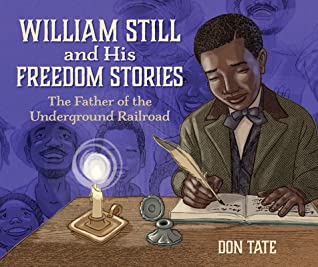
William Still and His Freedom Stories: The Father of the Underground Railroad
Author & Illustrator: Don Tate
Publication Date: November 1, 2020 by Peachtree Publishing Company

Summary: You might be familiar with Harriet Tubman and other key leaders of the Underground Railroad, but do you know about the Father of the Underground Railroad?

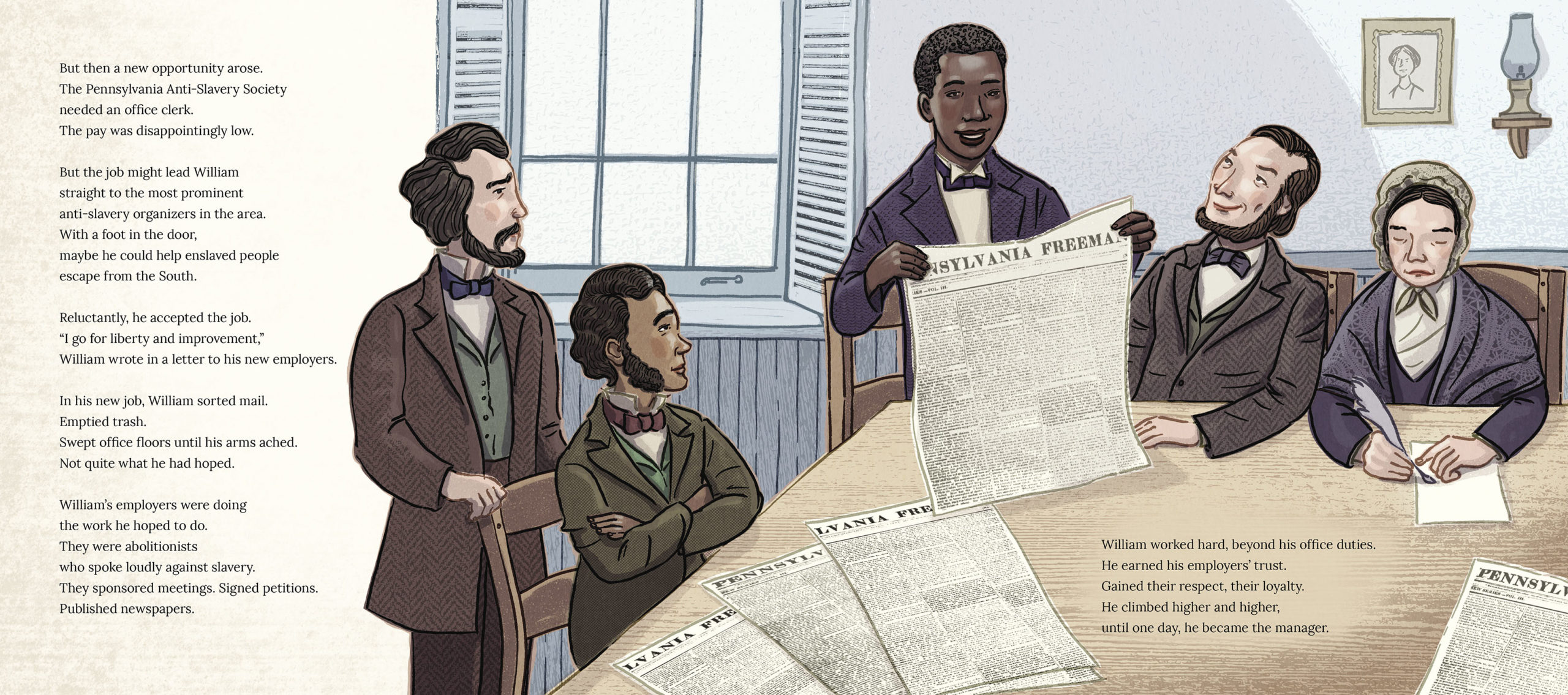
William Still’s parents escaped slavery but had to leave two of their children behind, a tragedy that haunted the family. As a young man, William went to work for the Pennsylvania Anti-Slavery Society, where he raised money, planned rescues, and helped freedom seekers who had traveled north. And then one day, a strangely familiar man came into William’s office, searching for information about his long-lost family. Could it be?

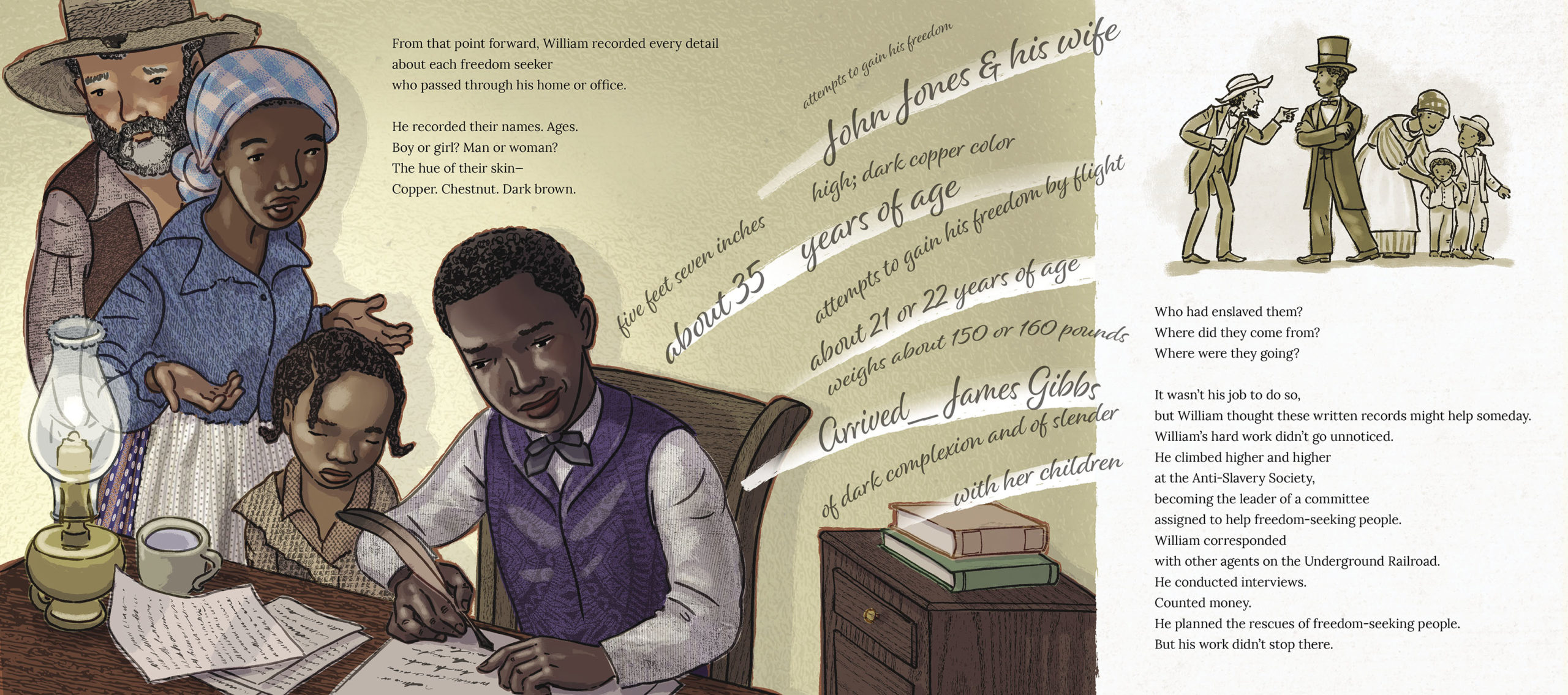
Motivated by his own family’s experience, William began collecting the stories of thousands of other freedom seekers. As a result, he was able to reunite other families and build a remarkable source of information, including encounters with Harriet Tubman, Henry Box Brown, and William and Ellen Craft.

Don Tate brings to life the incredible, stranger-than-fiction true story of William Still’s life and work as a record keeper of enslaved people who had fled to freedom. Tate’s powerful words and artwork are sure to inspire readers in this first-ever picture book biography of the Father of the Underground Railroad.

About the Author: DON TATE is the award-winning illustrator of numerous books for children, including Carter Reads the Newspaper, and is the author and illustrator of Poet: The Remarkable Story of George Moses Horton for  which he won the Ezra Jack Keats New Writer Award. He is also the co-contributor to the Brown Bookshelf, a blog designed to raise awareness of African Americans writing for young readers. He lives in Austin, Texas. Visit his website at www.dontate.com.

Review: I think history education is one of the ways I was let down as a kid, so I adore when I learn about a piece of history or a historical figure that we should all know about but has been left out of “chosen” history.

William Still was a huge part of abolitionism, the Underground Railroad, and the history of freed enslaved Americans. Based on Don Tate’s story, I learned that his transcription of the oral history of freedom seekers is how we know about many of the stories that are shared including Harriet Tubman’s and Henry Brown’s.

Don Tate’s book beautifully illustrates through his artwork and words the power of William Still and his impact on our history. We are lucky to have this book out in the world!

Teachers’ Tools for Navigation: 

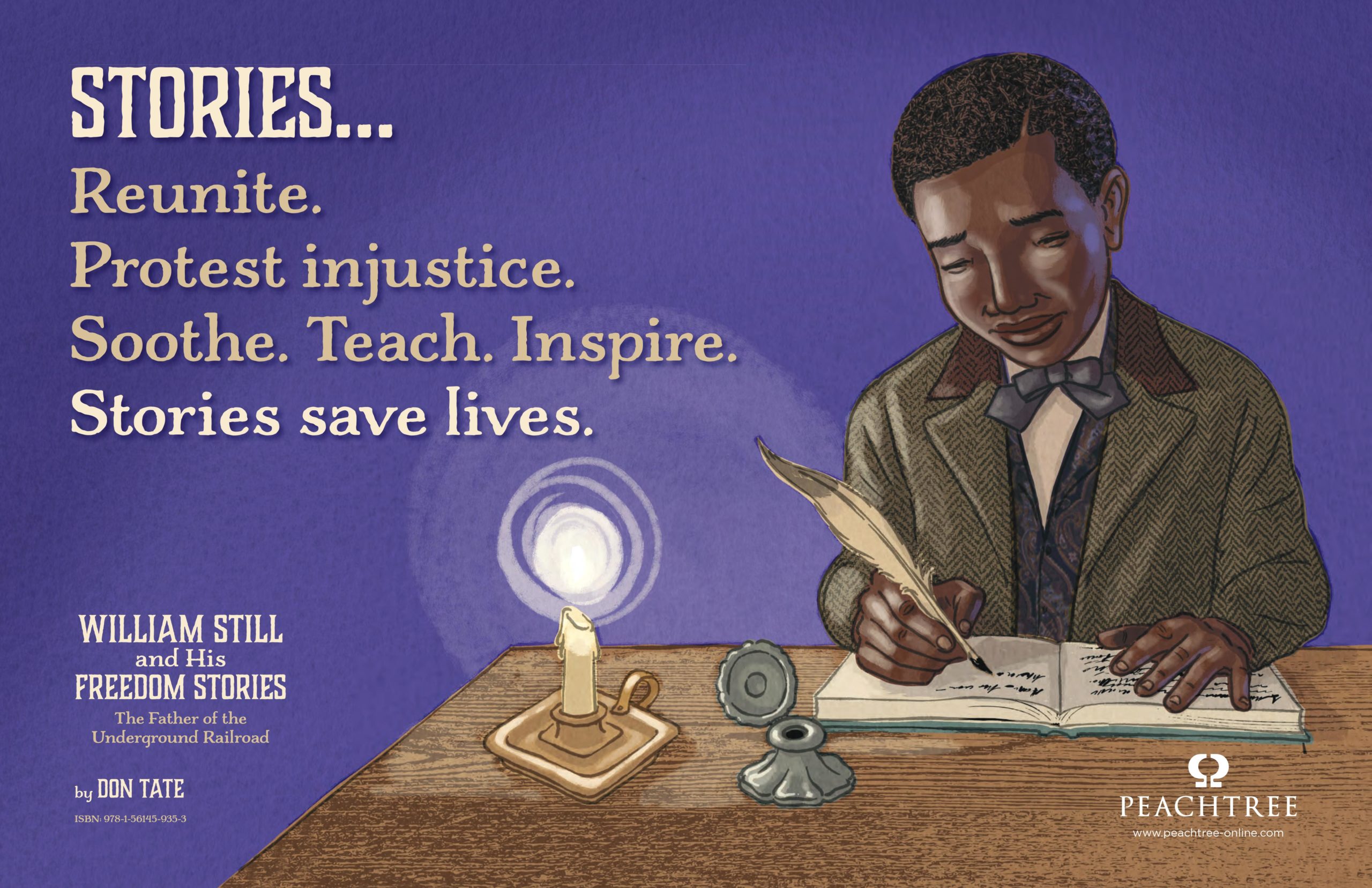
Peachtree Publishing has provided a downloadable poster which I love!

https://peachtree-online.com/wp-content/uploads/2020/03/William-Still-and-His-Freedom-Stories_poster.pdf

Flagged Passages: 

Read an excerpt of the book here: https://peachtree-online.com/wp-content/uploads/2020/05/WilliamStillandHisFreedomStoriesExcerpt.pdf 

Read This If You Love: History, specifically the Civil War, Emancipation, Underground Railroad; Don Tate’s books

Recommended For: 
classroomlibrarybuttonsmall 

Signature

**Thank you to Elyse at Peachtree for providing a copy for review!**

Educators’ Guide for Fight of the Century: Alice Paul Battles Woodrow Wilson for the Vote by Barb Rosenstock, Illustrated by Sarah Green

Share

Fight of the Century: Alice Paul Battles Woodrow Wilson for the Vote
Author: Barb Rosensock
Illustrator: Sarah Green
Published: February 25th, 2020 by Calkins Creek

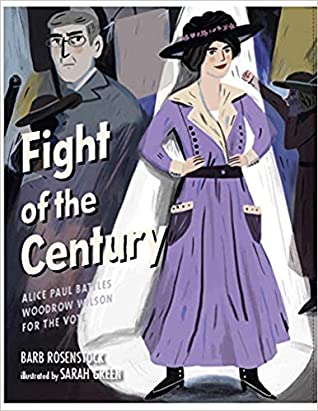
Summary: The fight for women’s suffrage between women’s rights leader Alice Paul and President Woodrow Wilson is presented as a four-round boxing match in this nonfiction picture book.

When Woodrow Wilson was elected President, he didn’t know that he would be participating in one of the greatest fights of the century: the battle for women’s right to vote. The formidable Alice Paul led the women’s suffrage movement, and saw President Wilson’s election as an opportunity to win the vote to women. She battered her opponent with endless strategic arguments and carefully coordinated protests, calling for a new amendment granting women the right to vote. With a spirit and determination that never quit–even when peaceful protests were met with violence and even when many women were thrown in jail–Paul eventually convinced President Wilson to support her cause, changing the country forever.

Teachers’ Tools for Navigation and Discussion Questions: 

Please view and enjoy the official educators’ guide for Fight of the Century (created by me!):

You can also access the teaching guide here.

You can learn more about Fight of the Century here.

Barb Rosenstock also created two other resources for educators:
A Pinterest Board
A Text Set

Recommended For: 
readaloudbuttonsmall classroomlibrarybuttonsmall litcirclesbuttonsmall closereadinganalysisbuttonsmall

Kellee Signature

Build a Castle: 64 Slot-Together Cards for Creative Fun by Pail Farrell

Share

Build a Castle: 64 Slot-Together Cards for Creative Fun
Author: Pail Farrell
Published: April 7th 2020 by Pavilion Children’s

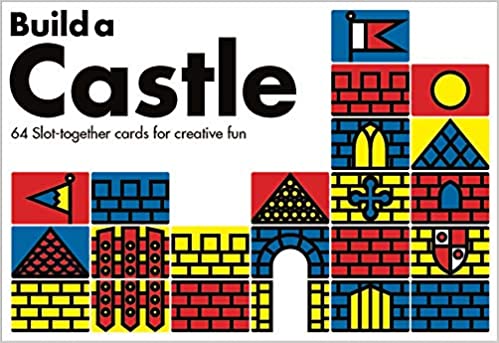
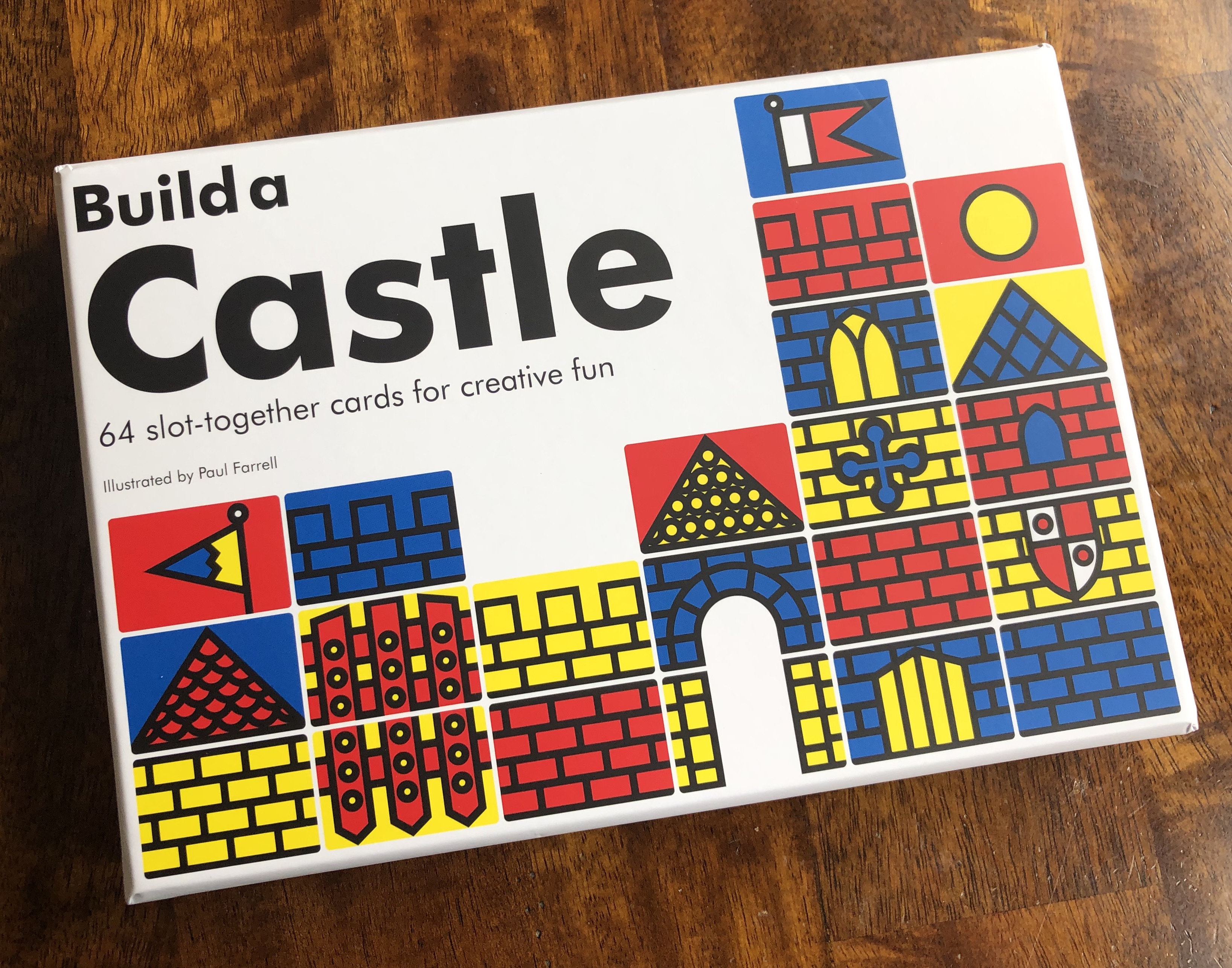
Summary: Turrets, ramparts, windows, walls, and more–create your own medieval masterpiece with the first in a new series of graphic-designed building cards.

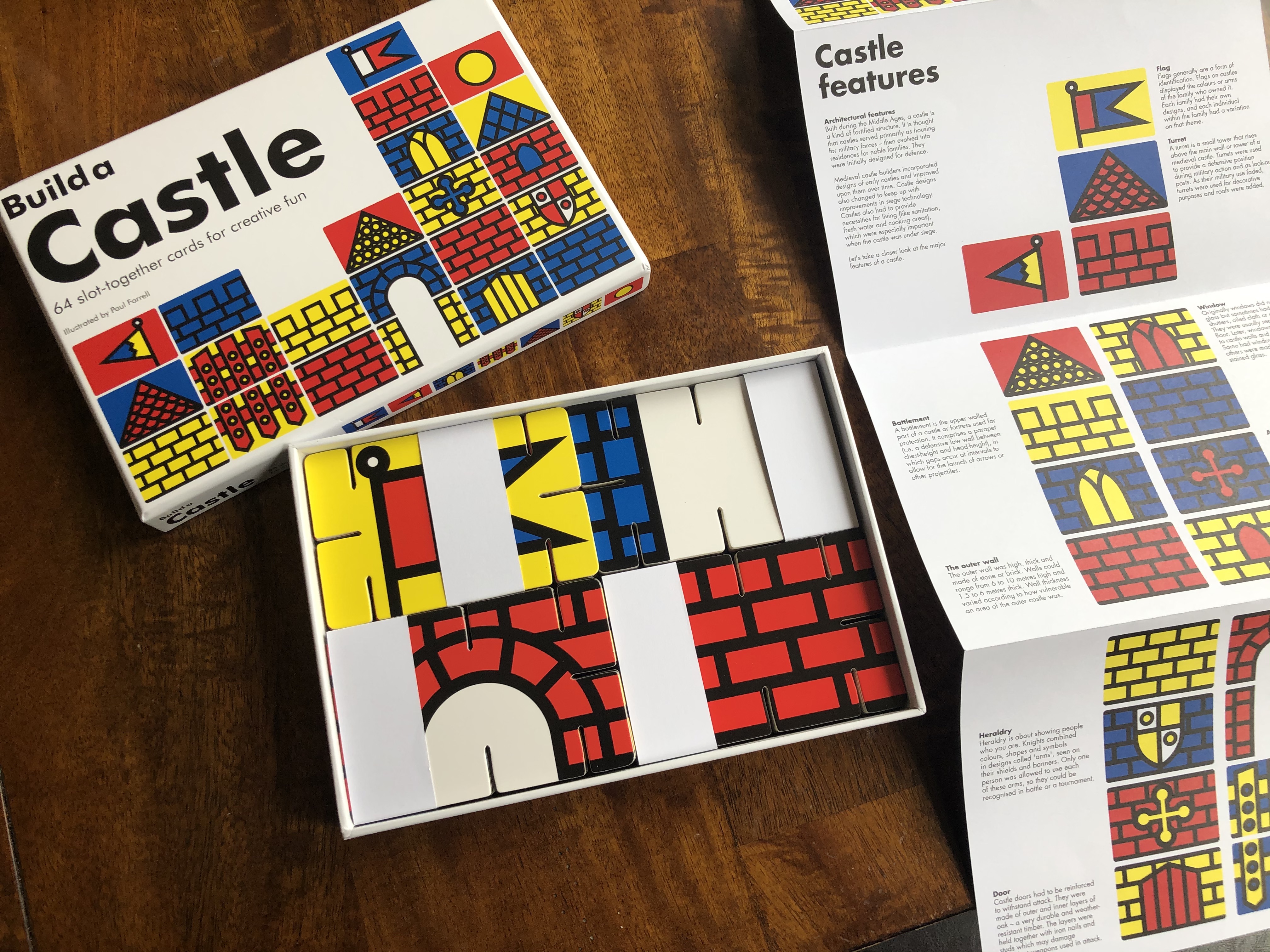
This pack contains sixty-four cards (4 x 2¾ inches) of a variety of graphic designs. Clever paper engineering allows you to slot the cards together, building up and out in whichever way you like! Also included is a short ten-page booklet, with descriptions of the card designs and suggestions of stacking methods. The instructions tell you how to build a castle, or you can let your imagination run riot and design your own!

Renowned illustrator Paul Farrell has designed these cards in his bold, colorful graphic style–turning the image of a castle into a work of art.

ReviewBuilding, building, building. My three kids love to build. I am always looking for something new and different. When I heard about Build a Castle, I knew it would be a huge hit in my house, and (spoiler alert), it was.

The cards come in a thick cardboard box that is very inviting. The pictures on the cover give kids ideas (if they need a sort of mentor text to get started.

I was pleasantly surprised by the long informational guide within the box. It provides a lot of neat details for kids to read and learn all about castles. I found it cool, myself, even though I know I am not the target audience. I suspect other adults will find joy in this box.

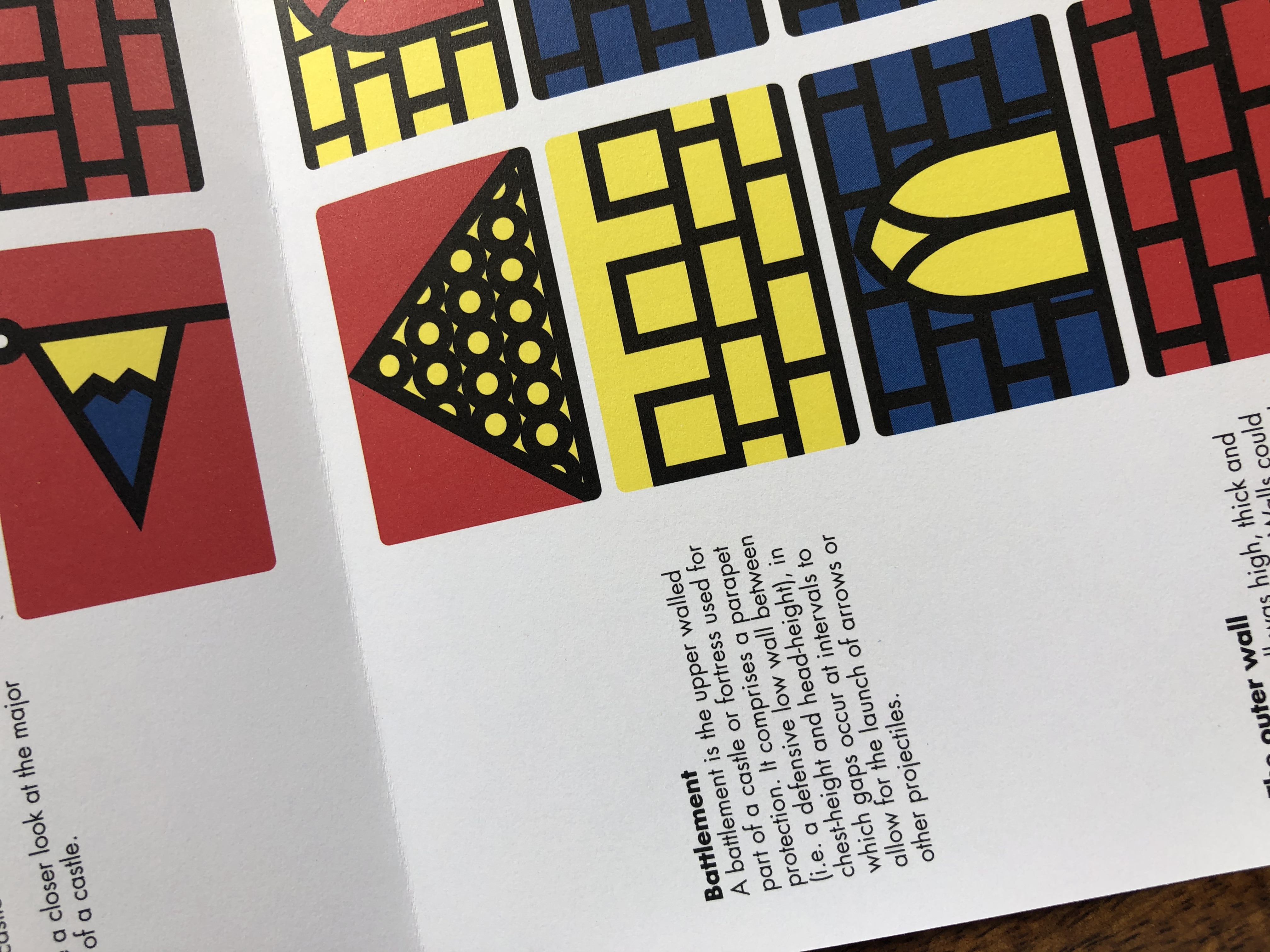
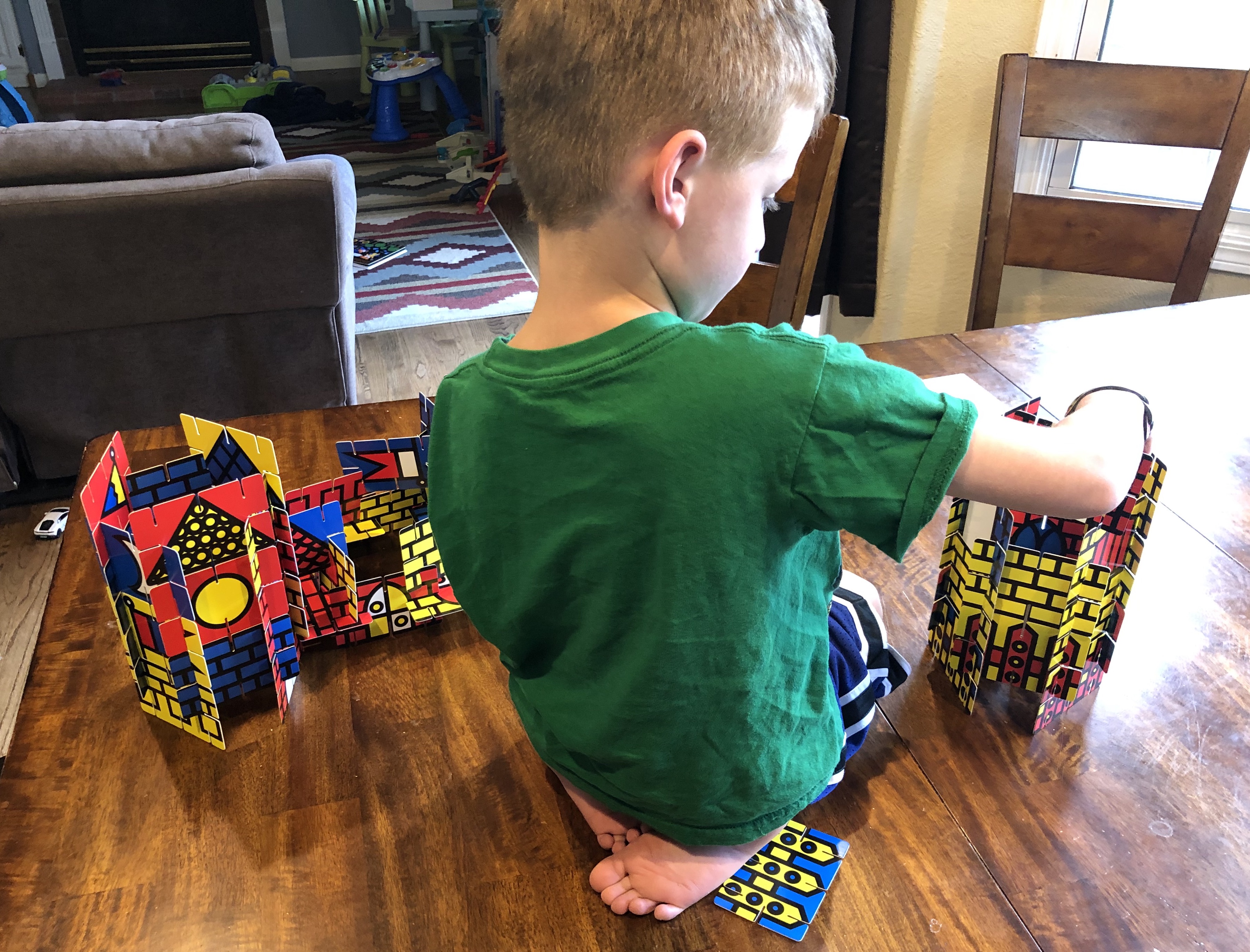
Here’s a closeup of one of the informational sections about castles. Younger kids might slot the castle together haphazardly, but older kids would enjoy choosing intentionally the placement of the items of their castle. For instance, a battlement might be better placed at the top of the castle to allow for safety from invaders from far away!

Building!

Teachers’ Tools for Navigation: This would make for a great classroom station. Or perhaps teachers would enjoy using it for fast finishers or for a free learning time slot. My son says that his classroom as a free learning time, and everyone fights over the iPad. Build a Castle would be a great competitor for the iPad. I know that my kids would enjoy building a castle just as much as using the well-loved tablet.

Discussion Questions: What did you learn as you did the activities?; What parts of the castle do you find most interesting? Why?; How do the different parts of the castle together?

Cool Video to Show How It Works: 

Read This If You Loved: Any nonfiction books about castles; interactive books and kits; legos; building; architecture

Recommended For: 
classroomlibrarybuttonsmall

**Thank you to Casey at Media Masters Publicity for providing a copy for review**

Best Learning’s iPoster My WORLD Interactive Map

Share

Best Learning’s iPoster My WORLD Interactive Map is a “beautifully illustrated large floor map for kids, great for interactive lessons in school or at home. Explore and discover the world with your fingertips!

The smartest way to learn the world which includes 92 countries, capital cities, flag, population, languages spoken, important landmarks, fun facts with 4 challenging quiz modes.

Learn over 1,000 facts about the world we live in!

Capital & Country – Learn about each country and its capital cities with quiz.

Flag – Learn about each country’s flag with quiz.

Population – Learn about the population of each country.

Language – Learn about the languages spoken in each country.

Landmark – Learn about the important landmark or monument of each country with quiz.

Fun Fact – Learn a fun fact of each country with quiz.

  • Family Choice, Mom’s Choice Gold Metal & Tillywig Brain Child Award Winner 2018! The most valuable interactive touch activated talking map.
  • Learning has never been so much easy and fun. Hang on a wall, play on the floor or use as a colorful play mat.
  • Learn capital cities, countries with their flags, population, languages spoken in each country, important landmarks, fun facts with volume control.
  • Skills learned include concentration, earth science, memory, problem solving, geography and environment.
  • Requires 3 AAA batteries (included); intended for Preschoolers and early learners of ages 5 and up.”

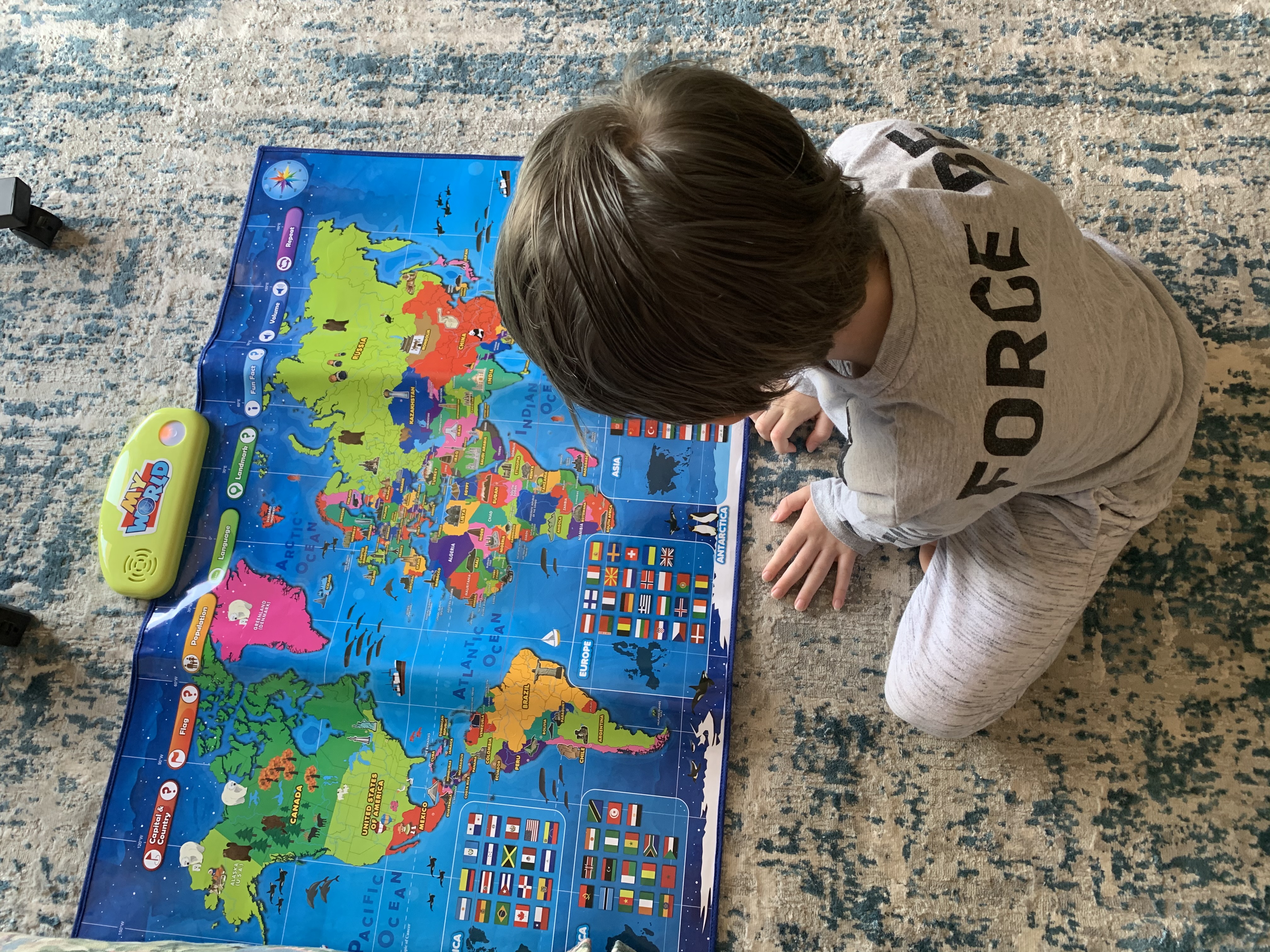
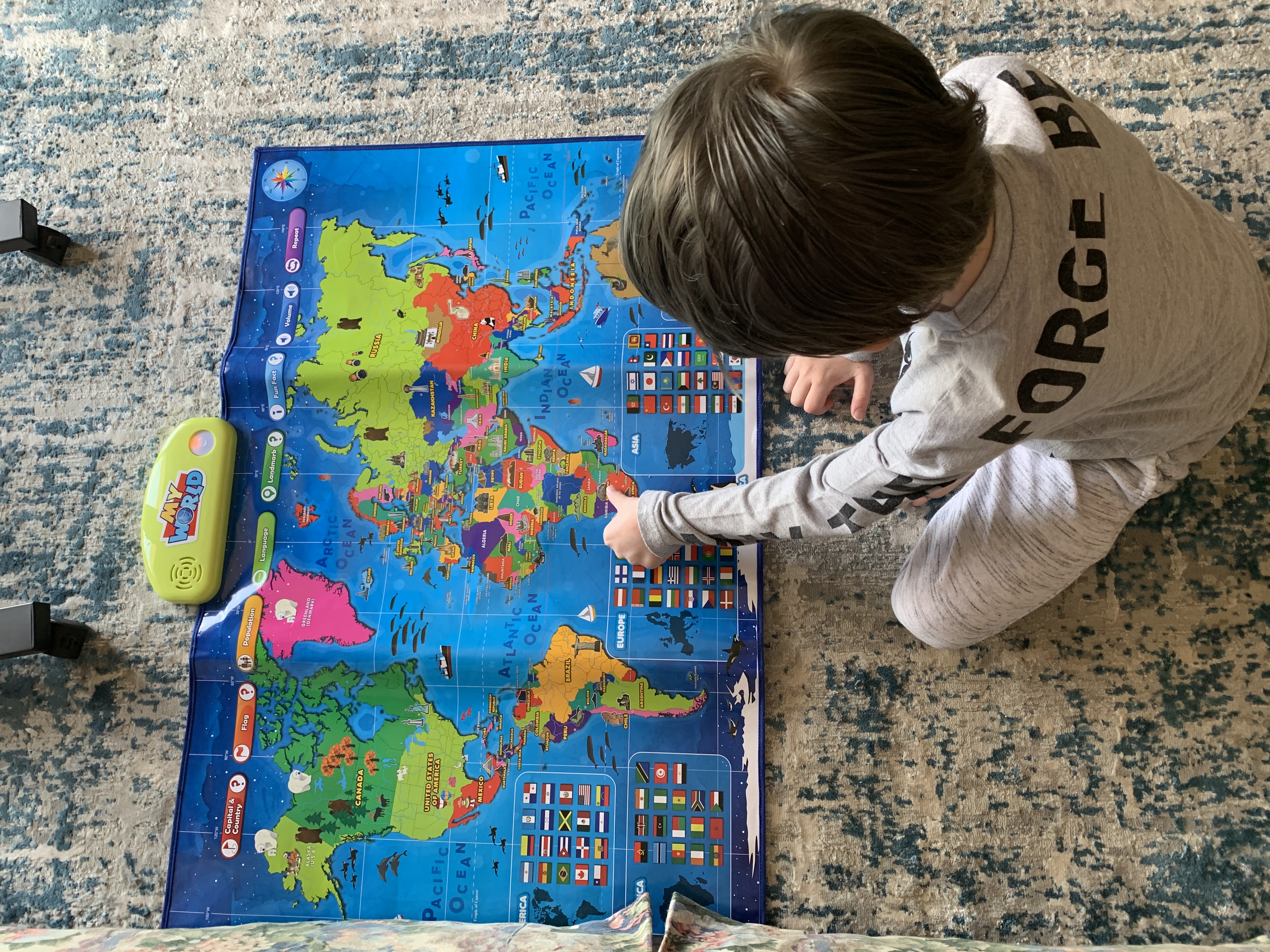
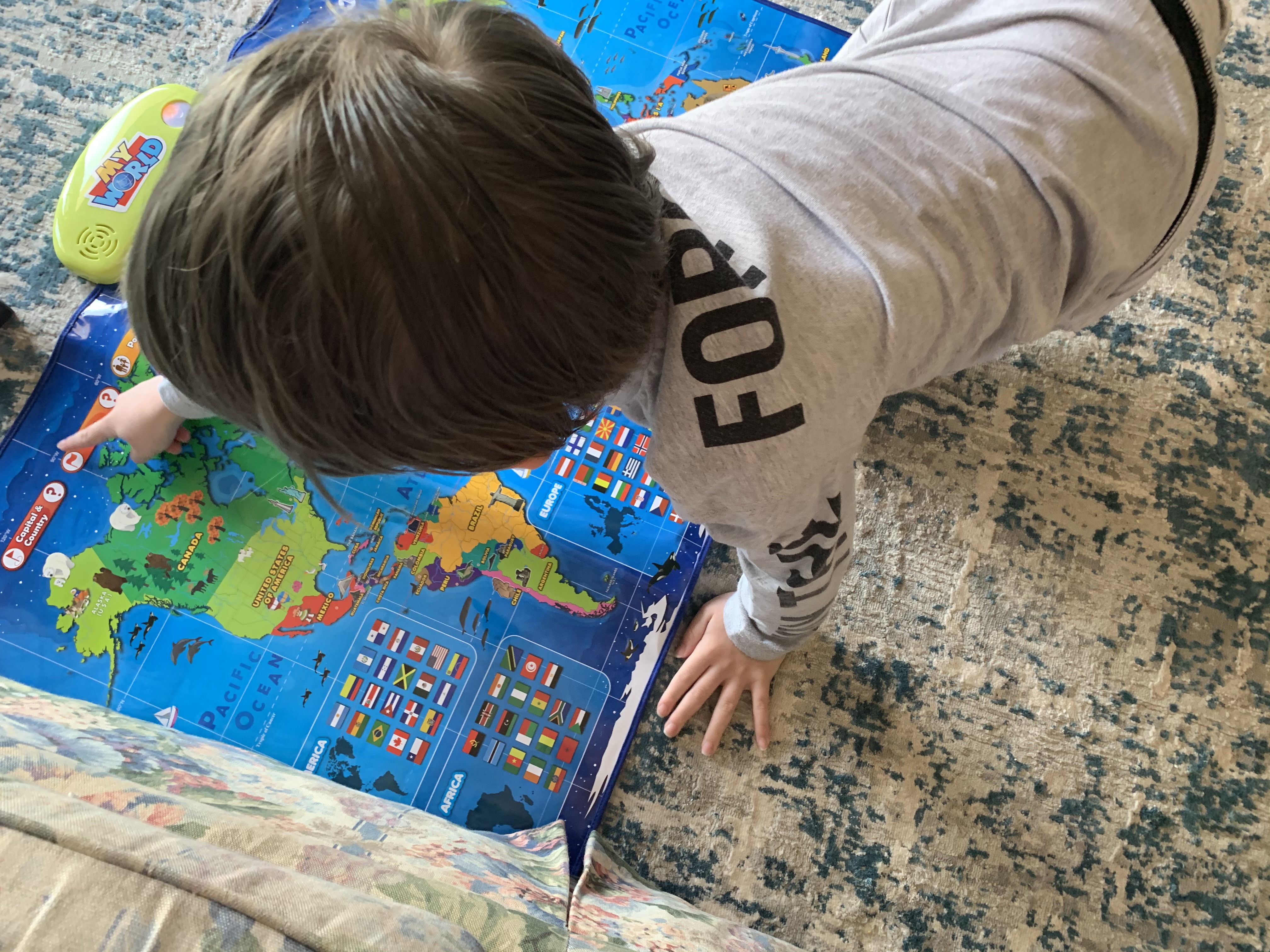
Ricki’s Review: We received this map a few weeks ago, and my kids take it out to explore again and again. I love how it isn’t just a simple, straightforward map with just countries. The different settings allow kids to explore more about our world. For instance, my older son seems to gravitate towards learning the country names, capital cities, and landmarks, yet my younger son is fascinated with the flags, and he regularly puts the map on the flag mode.

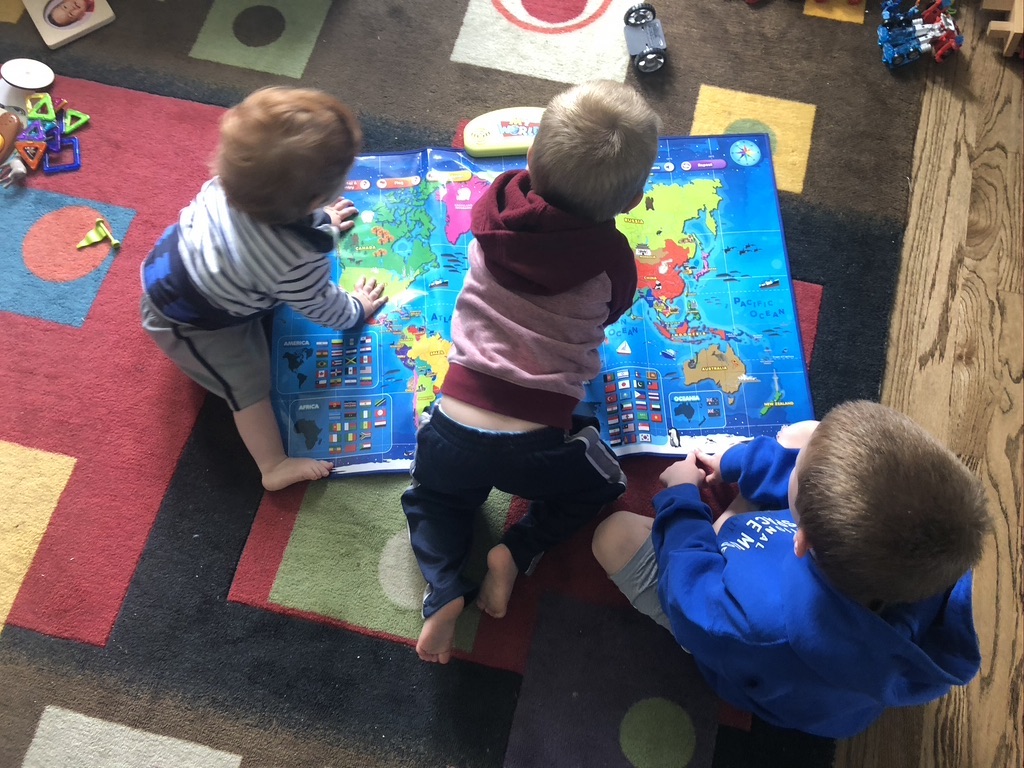
When we first opened the map, all three boys were interested. They learned to take turns learning about the countries. The baby is only included in this picture because as you see, he prefers to push everything at once.

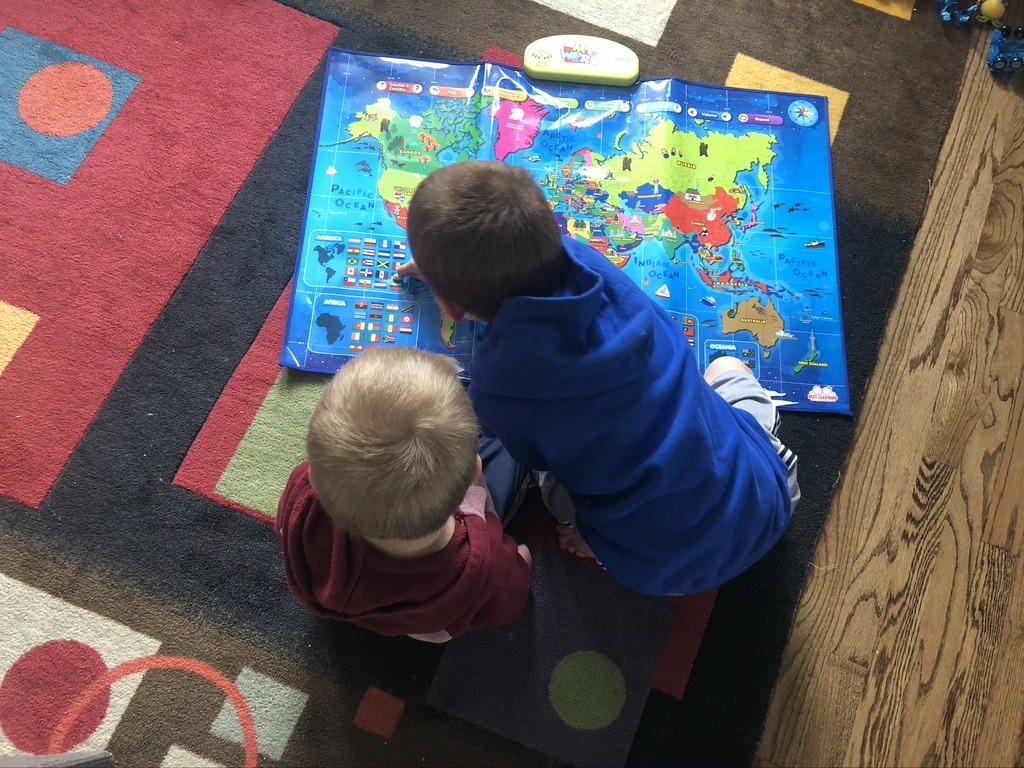
Here, my oldest son clicks on the flags to learn about the countries they come from.

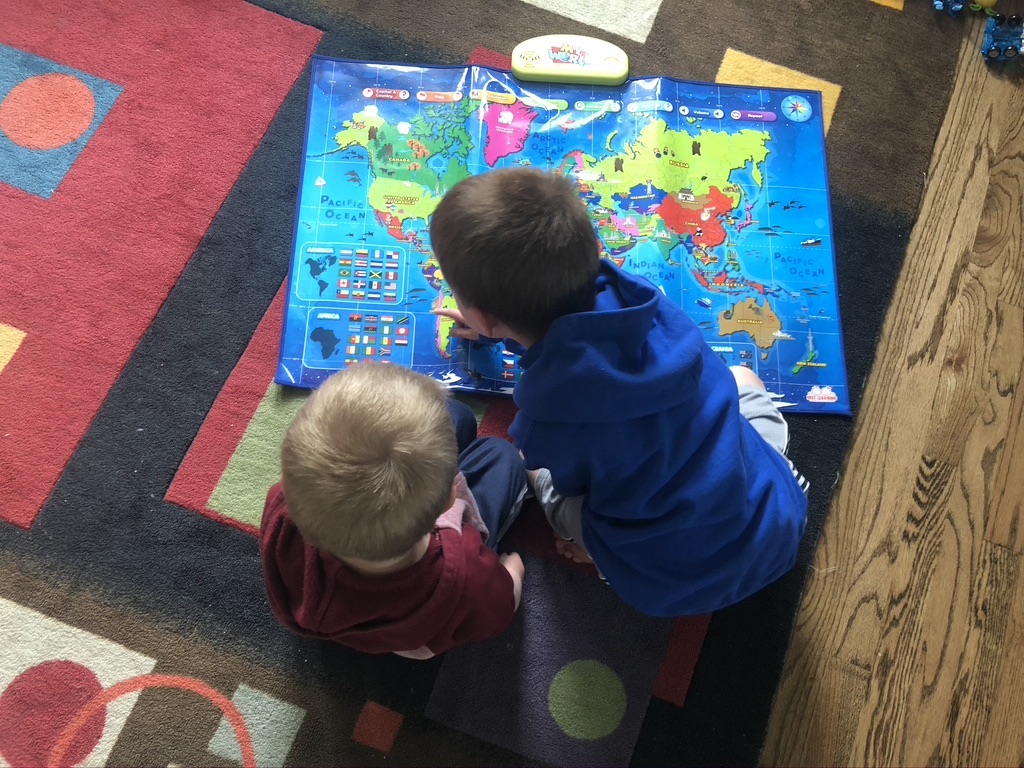
And here, the kids take turns trying to identify the correct country in a fun quiz.

We plan to move the map to the wall this week, and we are happy that it will be something that the kids can keep referring to. I can’t count the number of times that one of them asks something like, “Where is XXXX country, city, or monument?” The map will offer a fun way to not only identify the location but to also learn more about the countries as they pop up in teachable moments.

Kellee’s Review: This map is endless entertainment and information! For those of us who have inquiry-driven kids, the freedom of the map and plethora of information just lends to their natural curiousity. So often I would get questions about a setting of a book or movie or just a random country that he heard somewhere, and now we can visit the map to find the country and learn all about it.

Trent is a fan of landmarks. He can tell you where the Eiffel Tower, Statue of Liberty, Pyramids of Giza, etc. are, so he immediately gravitates towards learning about them with the map. And he just adores quizzes and will relisten to information and retake quizzes until he knows things by heart and will randomly share information with strangers. He says that this is his favorite part: “I love that the map tells you what the place is and tells you everything about the place.” It is all of the interesting information that keeps him gravitating towards it.

While Ricki loves that it isn’t just a simple map, I understand what she means, but I love that in the end it is still a map. Although there are some graphics, it isn’t overwhelming, and we can still use the map as a map also. I love that something that Trent goes back to over and over is fun and educational!

Teachers’ Tools for Navigation: This map would be a beautiful addition to classroom walls. It offers so much more than a simple, paper map, and it allows kids to learn more about our world. We would recommend using velcro strips to hang this map on classroom walls to allow kids to pull the map off of the wall and bring it to their seats for further investigation.

andSignature

**Thank you to Best Learning for providing maps for review!**

Review and Giveaway!: Rosie: Stronger Than Steel by Lindsay Ward

Share

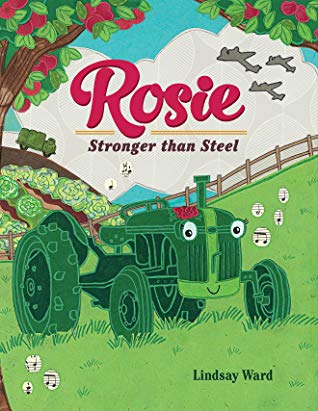
Rosie: Stronger Than Steel
Author and Illustrator: Lindsay Ward
Expected Publication: April 1st, 2020 by Two Lions

Summary: A brave tractor farms for freedom in a story inspired by women who acted with courage and strength in American factories and on British farms during World War II.

This is our Rosie,
stronger than steel.
She’ll plow all the land
with a turn of her wheel.

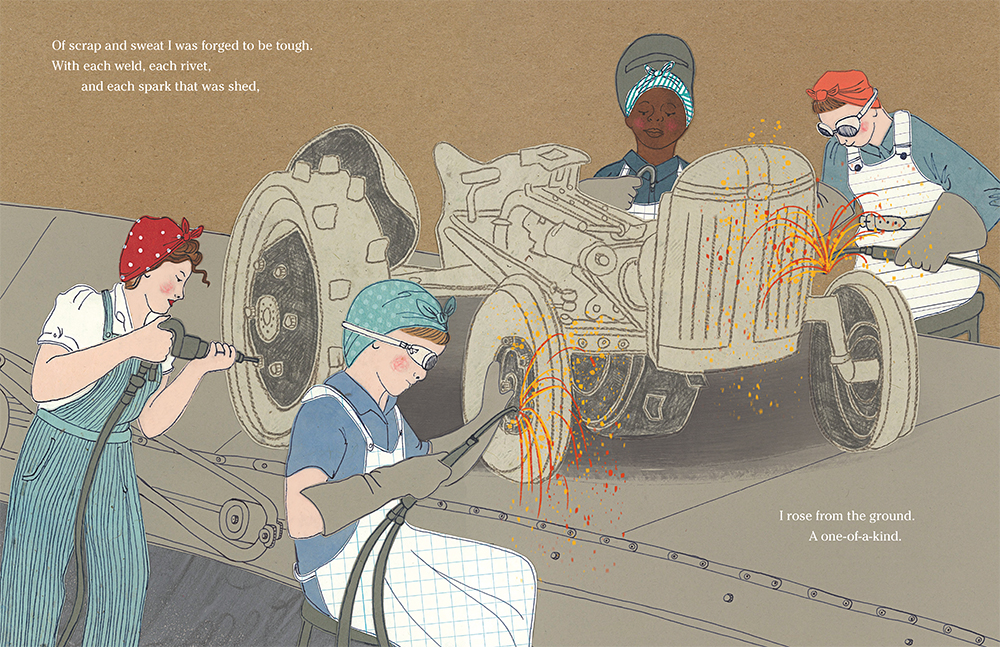
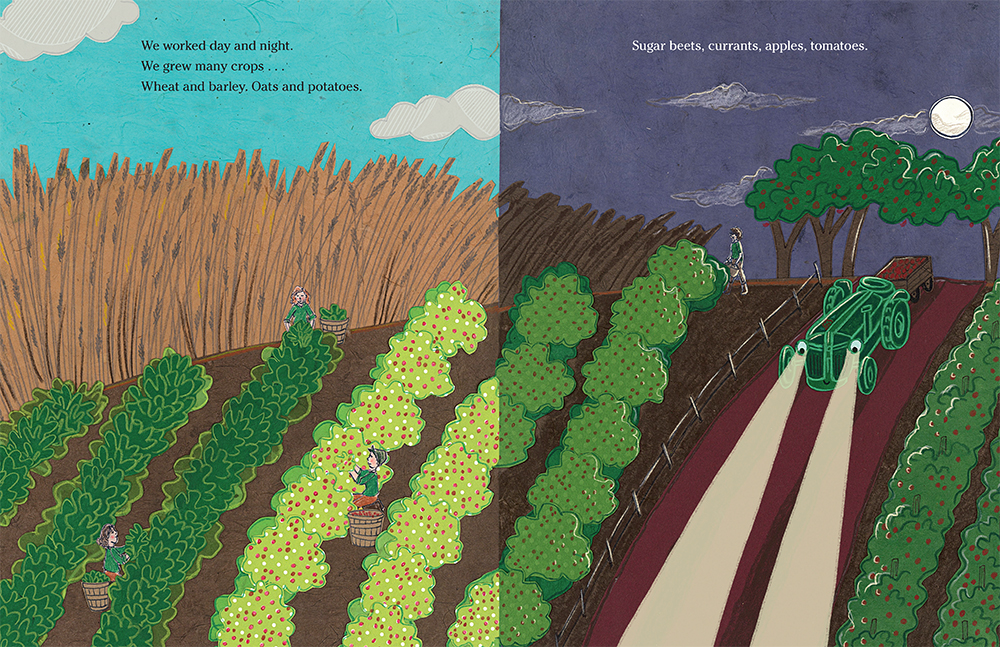
Built by women in the United States and sent to England to dig and plow alongside female farmers during World War II, Rosie the tractor does whatever is needed to support the war effort. She works day and night to help grow crops for the troops…even when she has to hide in the fields. This is because she knows, like the women who built her and the women who farm with her, that they all must do their part.

Inspired by the group of American women collectively known as “Rosie the Riveter” and the British Women’s Land Army, this is a story about taking action and coming together for the greater good.

About the Author: Lindsay Ward is the creator of the Dexter T. Rexter series as well as This Book Is Gray, Brobarians, Rosco vs. the Baby, and The Importance of Being 3. Her book Please Bring Balloons was also made into a play. Lindsay lives with her family  in Peninsula, Ohio, where she often sees tractors from the 1930s and 1940s. Learn more about her online at www.lindsaymward.com. Twitter: @lindsaymward

Praise: 

★“More than the sum of its parts, this is a wildly successful and well-researched shaping of the picture-book form to true historical sheroes.” —Kirkus Reviews (starred review)

★“This ‘little tractor that could’ sort of tale pays tribute to the iconic Rosie the Riveter persona from the US and the British Land Girls of the Women’s Land Army during WWII. Fans of Loren Long’s Otis, Virginia Lee Burton’s Katy, and like sturdy, dependable workhorses will welcome Rosie into the fold, but the historical perspective adds an unusual dimension to her story.” —Booklist (starred review)

“Vocabulary is rich, and the younger set will appreciate the intermittent rhymes. The style of Ward’s colored pencil and cut-paper illustrations reflect the period of the tale. ” —School Library Journal

Review: During World War II, our students’ lessons usually focus on the war itself and the horrific events because of the war, but there was so much more going on to ensure that our countries continued to run while all of our armed forces were at war. We don’t often enough hear about how women were essential to this effort, and Rosie shows us another side to this. Rosie represents not only the tractors made by women who helped keep our plants and crops healthy and edible, but she represents all women that stepped up to do jobs that before then they had been told they were not good enough for. This story, beautifully crafted and illustrated by Lindsay Ward, is a call for strength whenever faced with unprecedented times.

Teachers’ Tools for Navigation: Rosie is a great addition to history lessons about World War II and the home front efforts of women. Her story is also a great read aloud–maybe during Women’s History Month, or whenever!

Discussion Questions: 

  • Did you know anything about what happened on the home front before reading Rosie?
  • How does Rosie the tractor represent the women’s work on the home front?
  • How does Rosie impact the war effort?
  • What does the Rose on her body represent?
  • What is the theme of Rosie?
  • Why do you think the author wrote the book from Rosie’s point of view in first person?

Flagged Passages: 

Read This If You Love: Historical fiction picture books, Learning about history

Recommended For: 
classroomlibrarybuttonsmall 

Giveaway!: 

a Rafflecopter giveaway

Signature

**Thank you to Blue Slip Media for providing a copy for review and giveaway!**

Author Q&A, Education Resources, and Giveaway!: Honey: The Dog Who Saved Abe Lincoln by Shari Swanson, Illustrated by Chuck Groenink

Share

Honey: The Dog Who Saved Abe Lincoln
Author: Shari Swanson
Illustrator: Chuck Groenink
Published January 14th, 2020 by Katherine Tegen Books

Summary: Based on a little-known tale from Abraham Lincoln’s childhood, this charming picture book written by debut author Shari Swanson and illustrated by acclaimed artist Chuck Groenink tells a classic story of a boy, his dog, and a daring rescue.

Deeply researched and charmingly told, this is the true story of one extra-special childhood rescue—a dog named Honey.

Long before Abraham Lincoln led the nation or signed the Emancipation Proclamation, he was just a barefoot kid running around Knob Creek, Kentucky, setting animals free from traps and snatching frogs out of the jaws of snakes.

One day, young Abe found a stray dog with a broken leg and named him Honey. He had no idea that the scruffy pup would find his way into Abe’s heart, become his best friend, and—one fateful day—save his life.

About the Author: Shari Swanson is a debut author who has been a middle school language arts teacher as well as an appellate lawyer. She received her MFA in writing for children and young adults from Vermont College of Fine Arts, where she wrote her thesis on musicality in picture books. She lives in Southern California with her husband and their dog, Honey. To learn more, and to download a free curriculum guide and activity kit, visit her website: shariswanson.com.

Twitter: @ByShariSwanson
Facebook: Shari Swanson, Author

Author Q&A: Thank you to Shari for answering some questions for us and you!

Q: Why did you specifically choose this moment in Abe’s life to focus on? What did you hope to add to the Abe Lincoln narrative?

A: This story captivates me for several reasons. First, I love that we see Abe as a child—prone to distraction, earnest and loving, and with a deep compassion for animals. I feel it adds depth to our understanding of him as a man and makes him relatable to current children who might share these characteristics. Second, that Abe might not have grown up to be a man and our president without Honey gives me shivers. I believe Honey is an American hero, and that Abe’s kindness to Honey came back to bless him later. Kindness is something that causes ripples to go out and touch others in ways we usually never see. Finally, this is one of very few stories that features Lincoln’s mother, Nancy. Very little is written about his Kentucky years with Nancy, and she died shortly after the Lincolns moved to Indiana. That mother-son bond was important to him and is precious. I hope that this story fleshes out the narrative of Lincoln by showing his compassion from an early age as well as how his behavior was rooted in kindness. I also feel this story helps us appreciate the fragility of life and how interconnected everything is.

Q: What type of research did you do to prepare?

A: I’ve been twice to Kentucky to walk where Lincoln walked and explore the hills and hollows where he grew up. I’ve descended into several of the known caverns there to picture how he might have felt when he got stuck. I’ve been to all of the Lincoln museums and national sites in Kentucky to soak it in and ask lots of questions. I’ve read every book I could find on Lincoln’s Kentucky years, including chapters in larger biographies, pored over primary sources, like interviews, auction receipts, and land sale documents. For the timeline, I dove deep into every resource I could find, skimming for references to Lincoln with animals, loving that his affection for animals stayed with him all the way until the end. It makes me cry to think of his dog Fido and his horse, Old Bob, at his funeral. The picture of Old Bob, riderless, in the funeral procession, is powerful. Most all of this didn’t make it into the book, but I love research, and, as a former appellate lawyer, I’m a stickler for detail.

Q: Tell us your journey of your debut picture book.

A: My journey on this book began years ago when I was teaching middle school. We were reading an excerpt from Russell Freedman’s book on Lincoln and a sentence about Abe’s childhood caught my attention. I wanted to know more about his best friend then and their adventures. I threw myself into research, discovered Austin Gollaher, Abe’s best friend, and had my local library send for a copy of his narratives. Back then, the book was dusty and old in a college archive room. Now it is available online. I had the deep pleasure of telling Russell about my hopes to write a picture book about Lincoln’s childhood, and he encouraged me. When I was getting my MFA, I learned how to take the massive amount of information I had and draw out just a thread for a picture book narrative. HONEY is the culmination of those efforts.

Q: Lastly, what do you hope is the readers big take away from Honey?

A: I hope children and adults fall in love with Honey and his boy. I hope readers feel the story is both grounded in its time and timeless.

Curriculum Guide:

Activity Kit: 

Recommended For: 
classroomlibrarybuttonsmall 

Giveaway!: 

a Rafflecopter giveaway

Signature

**Thank you to Blue Slip Media for the copy for review and giveaway & to Shari Swanson for her participation!**

The Fountains of Silence by Ruta Sepetys

Share

Fountains of Silence
Author: Ruta Sepetys
Published: October 1, 2019 by Philomel Books

GoodReads Summary: A portrait of love, silence, and secrets under a Spanish dictatorship.

Madrid, 1957. Under the fascist dictatorship of General Francisco Franco, Spain is hiding a dark secret. Meanwhile, tourists and foreign businessmen flood into Spain under the welcoming promise of sunshine and wine. Among them is eighteen-year-old Daniel Matheson, the son of an oil tycoon, who arrives in Madrid with his parents hoping to connect with the country of his mother’s birth through the lens of his camera. Photography–and fate–introduce him to Ana, whose family’s interweaving obstacles reveal the lingering grasp of the Spanish Civil War–as well as chilling definitions of fortune and fear. Daniel’s photographs leave him with uncomfortable questions amidst shadows of danger. He is backed into a corner of difficult decisions to protect those he loves. Lives and hearts collide, revealing an incredibly dark side to the sunny Spanish city.

Includes vintage media reports, oral history commentary, photos, and more.

My Review: This book rocked me. It is so beautifully written, and I felt so lucky to be able to share it with others at NCTE this year. Because I have so many teaching ideas for this book, I am organizing this post a bit differently and focusing on many more teaching tools than usual. I hope that the information below helps other teachers use this book in their classrooms. It is so worthy of being read, studied, and loved.

Inquiry to Consider the Complexity of The Fountains of Silence:

The Connection of People: Ana, Daniel, Rafa, Fuga, Julia, Puri
“Some friendships are born of commonality. Others of proximity. And some friendships, often the unlikely ones, are born of survival” (p. 53).

Place as Character
The Castellana Hilton Madrid and Madrid
“After all, a hotel is a house of secrets” (p. 171).
“Madrid’s soil is untender, strong, and enduring like many who walk upon it” (p. 457).

Gender Norms
“Estamos más guapas con la boca cerrada. We are prettier with our mouths shut” (p. 240, 243, 300).

Social Class
“What lies outside the country’s borders is untouchable for families like hers” (p. 47).

Family Responsibility
“Julia needs the wages to feed her family and pay their debts” (p. 63).
“The family business needs you” (p. 82).

Human resilience
“It’s warrior skin, very strong” (p. 113)

Secrets
“There is a category of unspeakable things, a dark drawer where inexpressible truths live in exile” (p. 240).

Dreams
“Ana is tired of silence, tired of unanswered questions, and tired of secrets. A girl of patched pieces, she dreams of new beginnings. She dreams of leaving Spain” (p. 24).

Fountains of Silence
Analysis of the power of the title. Whose stories are heard? Whose are silenced?

Culminating Project Idea: Multigenre Inquiry Project
The Fountains of Silence is story which uses layered writing to illuminate the fear and terror that people experienced under Franco’s fascist regime. The novel reveals the brute strength and resilience of the people during the time period. Select a time and place in history to research. Consider researching a time and place which is deeply connected with your own story. Read the narratives of the people and develop a multigenre project which reflects your learning. You might include fictional narratives of stories you create, nonfiction excerpts that you find in your research, a photo essay which includes photos you find in your research. Whatever the final form, your culminating project should include various types of writing and media and demonstrate your knowledge about the time and place you selected to research.

Recommended For:

 closereadinganalysisbuttonsmall litcirclesbuttonsmall classroomlibrarybuttonsmall

RickiSig