Two Must Have Early Chapter Books: The Princess in Black by Shannon Hale & Dean Hale and Leroy Ninker Saddles Up by Kate DiCamillo

Share

princessinblack

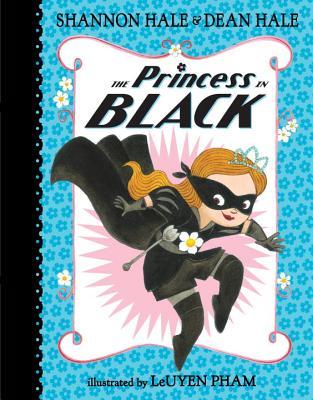
The Princess in Black
Authors: Shannon Hale and Dean Hale
Illustrator: LeUyen Pham
Published October 14th, 2014 by Candlewick Press

Goodreads Summary: Who says princesses don’t wear black? When trouble raises its blue monster head, Princess Magnolia ditches her flouncy dresses and becomes the Princess in Black!

Princess Magnolia is having hot chocolate and scones with Duchess Wigtower when . . . Brring! Brring! The monster alarm! A big blue monster is threatening the goats! Stopping monsters is no job for dainty Princess Magnolia. But luckily Princess Magnolia has a secret —she’s also the Princess in Black, and stopping monsters is the perfect job for her! Can the princess sneak away, transform into her alter ego, and defeat the monster before the nosy duchess discovers her secret? From award-winning writing team of Shannon and Dean Hale and illustrator LeUyen Pham, here is the first in a humorous and action-packed chapter book series for young readers who like their princesses not only prim and perfect, but also dressed in black.

My Review and Teachers’ Tools for Navigation: I am a sucker for girl power books. So much, I was part of writing three Nerdy Book Club Girl Power posts (here, here, and here). Princess in Black fits right in this these books. Although Princess Magnolia must live up to society’s expectations of a proper princess, in secret she fights crime, isn’t afraid of anything, and doesn’t wear pretty dresses. I love the idea that Magnolia can be a princess and all kick some butt. (I wish she could do it not in secret, but that wouldn’t fit the societal views of princesses in most fairy tales.) I know that the Hales wrote this book for their daughters, and I can see why they did: a great heroine, lots of action, funny, and colorful, fun illustrations. Princess in Black would actually be a perfect first introduction to the narrative elements and plot arc. It also just enough complex vocabulary that you could start a discussion about some of the words.

We Flagged: Chapter Two: “Princesses do not run. Princesses do not stuff frilly pink dresses into broom closets. Princess do not wear black. And princesses most definitely do not slide down secret chutes and high-jump castle walls. But then, most princess do not live near an entrance to Monster Land. Stopping monsters was no job for prim and perfect Princess Magnolia. But fortunately Princess Magnolia did have a secret. She was secretly the Princess in black! And stopping monsters was the perfect job for the Princess in Black.”

Read This If You Loved: Salem Hyde (series) by Frank Cammuso, Battle Bunny by Jon Sciezska, Fairy Tales

Recommended For: 

readaloudbuttonsmall classroomlibrarybuttonsmall

leroy ninker
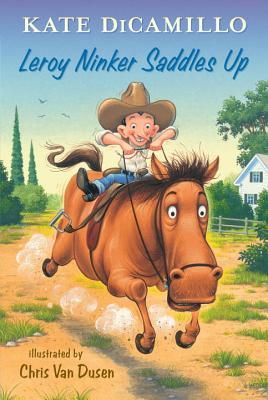
Leroy Ninker Saddles Up
Author: Kate DiCamillo
Illustrator: Chris Van Dusen
Published August 26th, 2014 by Candlewick Press

Goodreads Summary: Yippie-i-oh! Saddle up for the first in a spin-off series starring favorite characters from Kate DiCamillo’s New York Timesbest-selling Mercy Watson books.

Leroy Ninker has a hat, a lasso, and boots. What he doesn’t have is a horse — until he meets Maybelline, that is, and then it’s love at first sight. Maybelline loves spaghetti and sweet nothings, and she loves Leroy, too. But when Leroy forgets the third and final rule of caring for Maybelline, disaster ensues. Can Leroy wrestle fate to the ground, rescue the horse of his heart, and lasso loneliness for good? Join Leroy, Maybelline, and a cast of familiar characters — Stella, Frank, Mrs. Watson, and everyone’s favorite porcine wonder, Mercy — for some hilarious and heartfelt horsing around on Deckawoo Drive.

My Review and Teachers’ Tools for Navigation: I must be honest: I have not read the Mercy Watson books, but luckily it does not matter because Leroy is just so darn loveable. His personality shines through the pages and you just are so happy that Leroy and Maybelline found each other. Also, Kate DiCamillo has a way with voice! I can always hear her characters talking in my head, and they each are so very distinct. I also love her use of vocabulary and humor–perfect! This one is going to be loved by many!

Discussion Questions: Why do you think that Maybelline is the perfect horse for Leroy?; Was Leroy truly prepared to have a horse? How do you know?; Why does Leroy want to be a cowboy?

We Flagged: Leroy Ninker said ‘Yippie-i-oh’ because Leroy Ninker had a dream. He wanted to be a cowboy.

On Wednesday nights, the Bijou Drive-In Theater ran a Western double feature, and Leroy Ninker Stood and watched in wonder as the great white expanse of the Bijou screen filled with purple mountains, wide-open plains, and cowboys.

The cowboys wore ten-gallon hats. The wore boots. They carried lassos. The cowboys were men who cast long shadows and knew how to fight injustice. They were men who where never, ever afraid.

‘Yippie-i-oh,’ Leroy Ninker whispered to the screen. ‘That is the life for me. A cowboy is who I was meant to be.'” (p.2)

Read This If You Loved: Lulu and the Brontosaurus (series) by Judish Viorst, Frankie Pickle (series) by Eric Wight, Bramble and Maggie (series) by Jessie Haas

Recommended For: 

readaloudbuttonsmall classroomlibrarybuttonsmall

Signature

**Thank you to Candlewick Press for providing copies for review**
How To Speak Dolphin by Ginny Rorby

Share

howtospeakdolphin

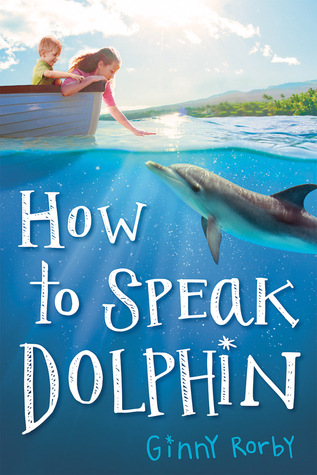
How to Speak Dolphin
Author: Ginny Rorby
Expected Publication May 26th, 2015 by Scholastic Press
(Though available in Spring Scholastic Book Fairs)

Goodreads Summary: Schneider Family Book Award-winning author Ginny Rorby has created an irresistible dolphin story about a girl’s struggle to help her autistic brother and herself.

Lily loves her half-brother, Adam, but she has always struggled with him, too. He’s definitely on the autism spectrum–though her step-father, Don, can barely bring himself to admit it–and caring for him has forced Lily to become as much mother as sister. All Lily wants is for her step-father to acknowledge that Adam has a real issue, that they need to find some kind of program that can help him. Then maybe she can have a life of her own.

Adam’s always loved dolphins, so when Don, an oncologist, hears about a young dolphin with cancer, he offers to help. He brings Lily and Adam along, and Adam and the dolphin–Nori–bond instantly.

But though Lily sees how much Adam loves Nori, she also sees that the dolphin shouldn’t spend the rest of her life in captivity, away from her family. Can Adam find real help somewhere else? And can Lily help Nori regain her freedom without betraying her family?

My Review: How to Speak Dolphin is a tale that looks at the struggles and triumphs of growing up with an autistic family member. Lily has lost her mom and is still mourning when we meet her, yet she is being expected to pretty much be her brother Adam’s caretaker. Because of this, Lily has very few friends and finds herself lonely and sad often. Her stepfather is lost in fantasy thinking that Adam is less work and less autistic than he really is. Lily is lost and tired though knows something needs to be done. She just wants her brother to be taken care of correctly, and she needs her stepfather to see it as well. It is through Lily’s guiding, and a bit of help from Adam’s new caretaker Suzanne, that Don finally seeks getting treatment for Adam through DAT, dolphin-assisted therapy, with a young dolphin named Nori recovering from cancer. During Lily’s journey through helping her brother (and herself), she becomes friends with Zoe, a young girl who lost her sight due to retinoblastoma, who also helps her realize that her life may not be what she’d expected, but it can still be good. This book, like all of Ginny’s, is quite a ride and makes the reader think about animal and human issues that are often ignored. Ginny Rorby has done it again.

Teachers’ Tools For Navigation: There are many books that look at autism or animal rights. I can definitely see this book being in a lit circle set (with the titles listed below) where students in groups can each read a book about the topic then share what they have learned from their book at the end. This could be done beautifully with most of Ginny’s titles (Hurt Go Happy, Outside of a Horse, and Dolphin Sky) because they each look at a human and animal struggle. Additionally, this book is going to be loved by students who love Rules, Out of My Mind, Wonder, and other books that look at overcoming differences.

I could also see inquiry projects blossoming out of the lit circles or a whole-class read of How to Speak Dolphin. In Dolphin alone, students could find themselves questioning animal captivity, DAT, autism, retinoblastoma, sign language, oil spill, and more.

Discussion Questions: Do you agree with the choice that is made with Nori at the end of the book?; Zoe was quite pushy with Lily when they disagree. Do you agree with how Zoe dealt with the situation?; Do you think it was Lily’s responsibility to care for Adam after her mother died?; Practice walking using echoing like Zoe does. How easy/hard is it?; Zoe is a very positive person. How does how she is dealing with her blindness help Lily be more optimistic about Adam and her life?; Why do you think Don had such a hard time admitting to himself that Adam may need help outside what he and Lily could give?

We Flagged: “Don holds Adam pressed to his chest, one arm around his legs and the other pinning his arms to his sides as I test the water temerature and start filling the tub. Don’s eyes are closed. I think from the pain of Adam’s screaming in his ear, but decided maybe it’s because his heart is broken. I was seven and a half when Mom and Don found out she was pregnant and that the baby would be a boy. Don was so over-the-top thrilled that Mom looked at me and said she’d wanted another girl. She was trying to make sure my feelings weren’t hurt, but it made me wonder if my real father had wished fora  boy, too.” (p. 8)

Read This If You Loved: Rules by Cynthia Lord, Rain Reign by Ann M. Martin, Mockingbird by Kathryn Erskine, Dolphin Sky by Ginny Rorby, Wonder by RJ Palacio, Hurt Go Happy by Ginny Rorby

Recommended For: 

readaloudbuttonsmall litcirclesbuttonsmall classroomlibrarybuttonsmall

Signature

Once Upon an Alphabet by Oliver Jeffers

Share

Once Upon an Alphabet

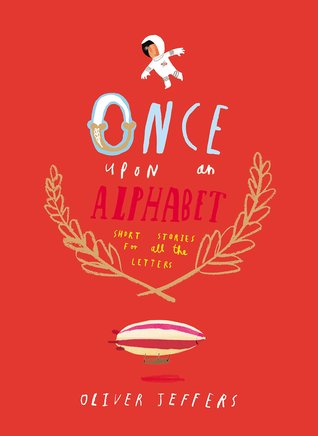
Once Upon an Alphabet: Short Stories for all the Letters
Author: Oliver Jeffers
Published October 14th, 2014 by Philomel

Goodreads Summary: If words make up the stories and letters make up the words, then stories are made up of letters. In this menagerie we have stories made of words, made FOR all the letters.

The most inventive and irresistible book of the year spans a mere 26 letters (don’t they all!) and 112 pages. From an Astronaut who’s afraid of heights, to a Bridge that ends up burned between friends, to a Cup stuck in a cupboard and longing for freedom, Once Upon an Alphabet is a creative tour de force from A through Z. Slyly funny in a way kids can’t resist, and gorgeously illustrated in a way readers of all ages will pour over, this series of interconnected stories and characters explores the alphabet in a way that will forever raise the bar.

In Once Upon an Alphabet, #1 New York Times bestseller Oliver Jeffers has created a stunning collection of words and artwork that is a story book, alphabet book, and gorgeously designed art book all in one.

Kellee’s Review and Teachers’ Tools for Navigation: Oliver Jeffers is just brilliant. Everything he does is unique, and he actually keeps surprising me with each new book. And he makes me laugh out loud, which is always such a treat. This book has 26 quirky short stories, each corresponding with a letter. Each story has characters, plot, theme, and conflict, and each is quite clever and funny. It is just so well done!

I’d love to see this book used as a read aloud for 26 days. Each day as a different letter. With every letter, teachers could focus on different things: the letter, illustrations, voice, characterization, plot arc, conflict, theme, mood, figurative language, etc. It would be a great opener to the day and would also be a lot of fun to ask students to write their own stories for the letters. This pushes an alphabet book to a whole different level!

Ricki’s Review and Teachers’ Tools for Navigation: I agree with Kellee. Decades from now, children will still be enjoying Jeffers’ books. For me, he is comparable to the greats in children’s literature. My favorite part about this book was the way he connected the letters. It made me excited when he returned to some of the previous short stories.

This book begs for students to write. The short stories teach literary skills in an engaging way. Kellee’s idea was similar to my own. I would love to see a classroom book of these letters. Each student could be assigned a letter or two. With some funding, perhaps the students could bring a bound version home. It would be much more fun for students to practice letters when they can read their classmate’s stories! The way Jeffers flexes his creative muscles would also be inspiring to high school students.

Discussion Questions: Which letter’s story was your favorite? Why?; In what ways was Oliver Jeffers creative in his storytelling?; Can you think of other stories for each letter?

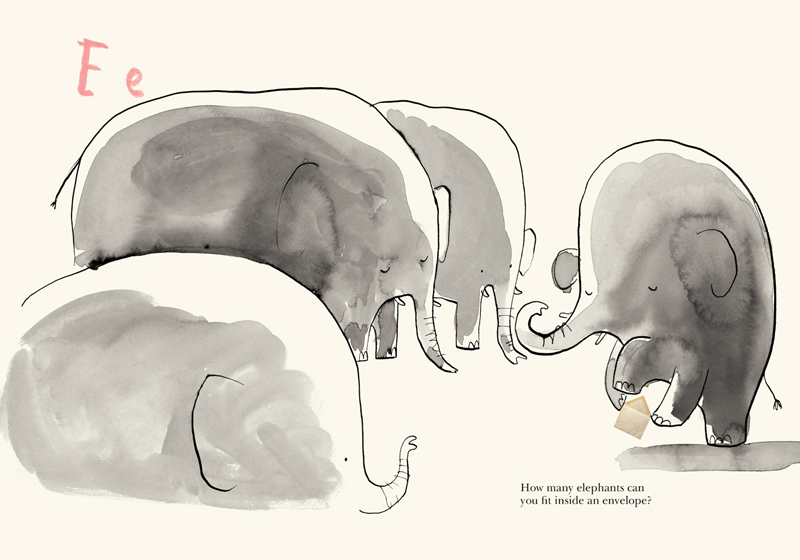
We Flagged: 

jeffers-e
http://www.oliverjeffers.com/media/5-e-2-web.jpg

Read This If You Loved: Any books by Oliver Jeffers, Eric Carle, or Dr. Seuss

Recommended For: 

classroomlibrarybuttonsmall readaloudbuttonsmall closereadinganalysisbuttonsmall

Signature andRickiSig

**Thank you to Penguin Young Readers Group for providing copies for review!**

Blog Tour with Review and Guest Post!: When Otis Courted Mama by Kathi Appelt

Share

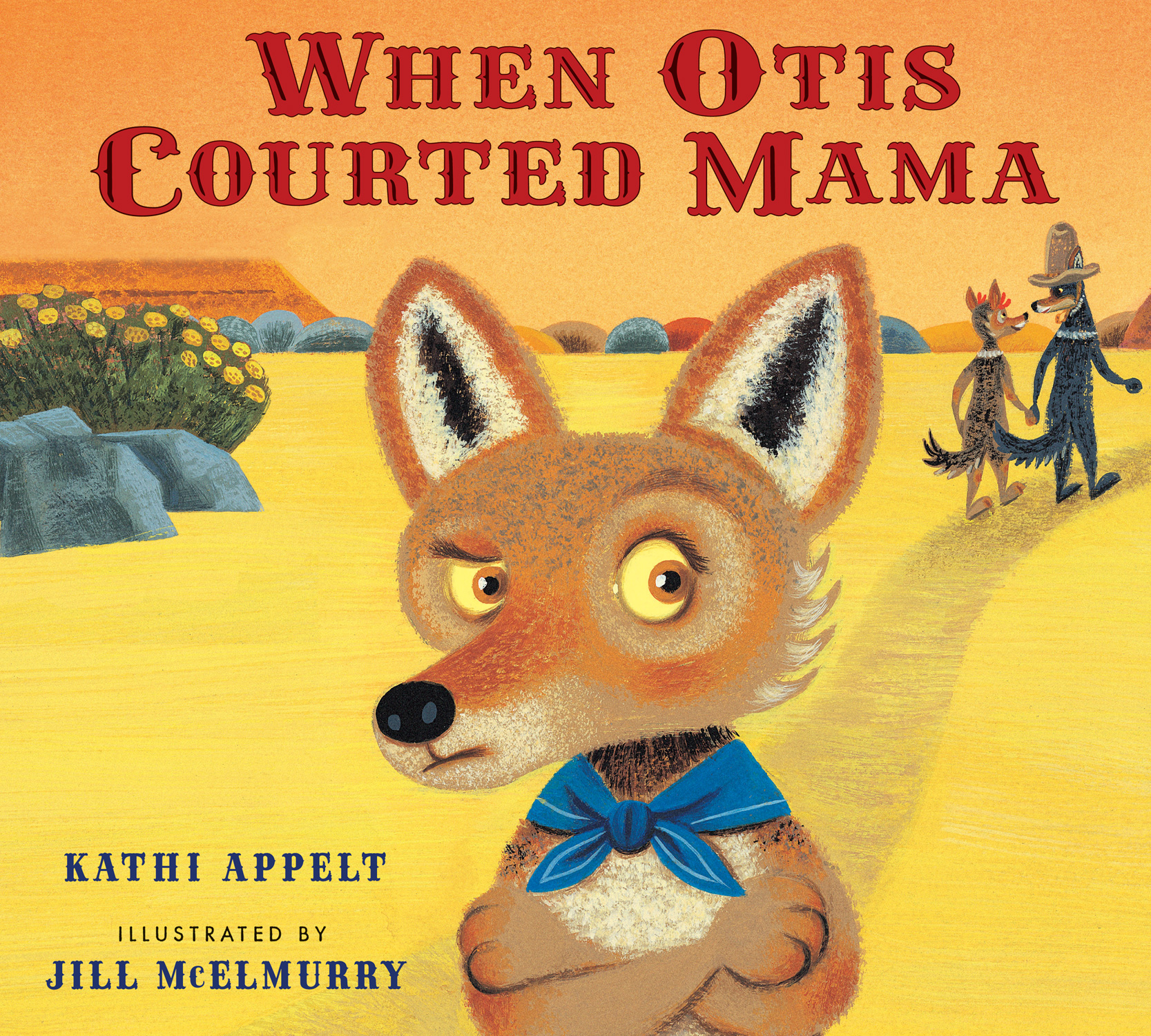
When Otis Courted Mama  cover

When Otis Courted Mama
Author: Kathi Appelt
Illustrator: Jill McElmurry
Published: January 6, 2015 by HMH Books for Young Readers

Goodreads Summary: Apart from sticker burrs and sand fleas, Cardell’s life is mostly wonderful. He knows he’s loved through and through by his perfectly good mama and his perfectly good daddy. They live in different parts of the desert, but that’s okay—Cardell is mostly used to it. Then Otis comes calling, and Cardell feels a grrr form in his throat. Otis can’t make jalapeño flapjacks or play Zig-the-Zag anything like Cardell’s daddy. And so Cardell waits for Mama to say “Adiós, Otis.” But what will happen if she doesn’t?

Ricki’s Review and Teachers’ Tools for Navigation: On a recent Top Ten Tuesday post, I wrote that I would love to see more picture books about different kinds of families. A week later, I found this gem. I absolutely adored Cardell the coyote and think kids will identify with his spunk. Cardell isn’t thrilled when his mother begins dating a new man, and he suspects Otis (the new guy) will be gone quickly, just like the others. This is a great resource to teach kids about accepting and adjusting to life with a new stepparent. I would also use it to teach setting and creative writing–the Southwest flavor adds a beautiful sense of culture that spices up both the text on the page and the illustrations. There is much to discuss with this book, and I think it would make a great read-aloud. I had a lot of fun reading it to my son.

Kellee’s Review and Teachers’ Tools for Navigation: Ricki said it so well! This is a book that was needed, and it is a good one at that. Too often, a lack of empathy occurs because one person doesn’t understand the other. I love picture books that help kids understand other people’s situations (but without being preachy), and this book does just that; however, it is also a very universal picture book because it shows a kid having to deal with a new situation. At one point or another, everyone must face the unknown or something s/he dislikes, and that is exactly what Cardell is going through.

This book will become a favorite read aloud for classroom teachers! Cardell’s voice rings true, and it will be so much fun to read aloud. I really loved Kathi Appelt’s writing as well. Her use of descriptive words is spot on and would be a great mentor text for imagery. Teachers could also discuss how her words were translated into illustrations.

Teaching Materials: Curriculum guide and Activities

Bonus!: Find a full-color door hanger and other fun downloadables at kathiappelt.com.

Discussion Questions: Do you think Cardell treated Otis fairly?; What are some of the different types of families in our world? What makes your family different?; How do you treat new people you meet?

Book Trailer: 

Read This if You Loved: ABC A Family Alphabet Book by Bobbie Combs, Donovan’s Big Day by Lesléa Newman, The Family Book by Todd Parr, And Tango Makes Three by Justin Richardson, Two Cool Coyotes by Jillian Lund, Girl Who Loved Wild Horses by Paul Goble, A Tale of Two Daddies and A Tale of Two Mommies by Vanita Oelschlager

Recommended For: 

readaloudbuttonsmall closereadinganalysisbuttonsmall classroomlibrarybuttonsmall

Kathi Appelt photo

Guest Post by Kathi Appelt

When I was in the fifth grade, my parents got divorced. It wasn’t a sudden thing, but it was a sad thing. We went from a whole family to a broken family. Moreover, my father left us—my mom and my two younger sisters and me—to start a brand new family. All at once, I had a stepmother and two stepbrothers, not to mention step-grandparents, step cousins, step uncles and aunts. Lots of steps. It was confusing.

The thing is, whenever life got to be too much, I could duck into the pages of a book and find some refuge there. It’s always been that way for me.

But in that tumultuous time, when my family was becoming something that seemed both smaller and larger, I could really have used a book that gave me some faith that life would eventually be “mostly wonderful.” I could have used a book that had non-antagonistic stepparents. There were—and still are—few picture books that celebrate step families, a notable exception being When We Married Gary, by Anna Grossnickle Hines.

In fact, for the most part, stepparents in children’s literature, are fairly villainous. (I’m reminded of the evil stepmother in Cinderella). In reality, I know that there are many stepparents in the world who are doing their best, and who are making a positive difference in the lives of their stepchildren. I had the great fortune of having George. He came into my mother’s life like a breath of fresh air. And he had the courage to marry her when my sisters and I were sixteen, fourteen, and thirteen. Imagine marrying someone who had three teenagers!

Looking back, I believe that the best thing about George was his ability to spin a yarn. He was a master at telling tales. In a matter of minutes, he’d have all of us laughing right out loud. And that felt perfectly wonderful.

So, when it comes to using my book in classrooms, I have four main hopes for it:

(1) that it can be used to feature an all-too-common modern family—divided, but working it all out; (2) that it honestly portrays a youngster who is having to make adjustments; (3) that it can serve as a way to talk about jealousy and other mixed emotions; and finally (4) with its Southwestern flora and fauna and landscape, that it can just be plain fun to read out loud. That last is my biggest hope.

And if it can offer up a character who is not a stereotype of Cinderella’s wicked stepmother, that will just be a bonus.

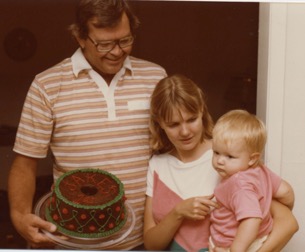
Kathi Appelt guest post - George, Kathi, Jacob

Photo of George, Kathi’s stepfather

(He’s with Kathi and her oldest child, Jacob, on his first birthday.)

About the Author: Kathi Appelt’s perfectly wonderful stepfather was a terrific storyteller, and she grew up to become a teller of stories, too. She is the New York Times best-selling author of more than forty books for children and young adults. Her picture books include Oh My Baby, Little One, illustrated by Jane Dyer, and the Bubba and Beau series, illustrated by Arthur Howard. Her novels for older readers include two National Book Award finalists: The True Blue Scouts of Sugar Man Swamp and The Underneath, which was also a Newbery Honor Book. In addition to writing, Ms. Appelt is on the faculty in the Masters of Creative Writing for Children and Young Adults at Vermont College of Fine Arts. She lives in College Station, Texas. To download a free, CCSS-aligned curriculum guide, visit Kathi’s website at kathiappelt.com.

Follow sweet Cardell on all of the tour stops!
 
Date
Blog
Blog URL
Mon, Jan 5
5 Minutes for Books
Tues, Jan 6
Cracking the Cover
Wed, Jan 7
Sharpread
Thurs, Jan 8
Unleashing Readers
Fri, Jan 9
Once Upon a Story
Sat, Jan 10
Booking Mama
Mon, Jan 12
Geo Librarian
Tues, Jan 13
The Late Bloomer’s Book Blog AND NC Teacher Stuff
Wed, Jan 14
Teach Mentor Texts
Thurs, Jan 15
Kid Lit Frenzy
Fri, Jan 16
The Fourth Musketeer

RickiSigandSignature

**Thank you to Barbara at Blue Slip Media for providing copies for review!**

Author Guest Post, Giveaway, and Blog Hop!: “How Research Transformed The Wolf Chronicles” by Dorothy Hearst, Author of The Wolf Chronicles

Share

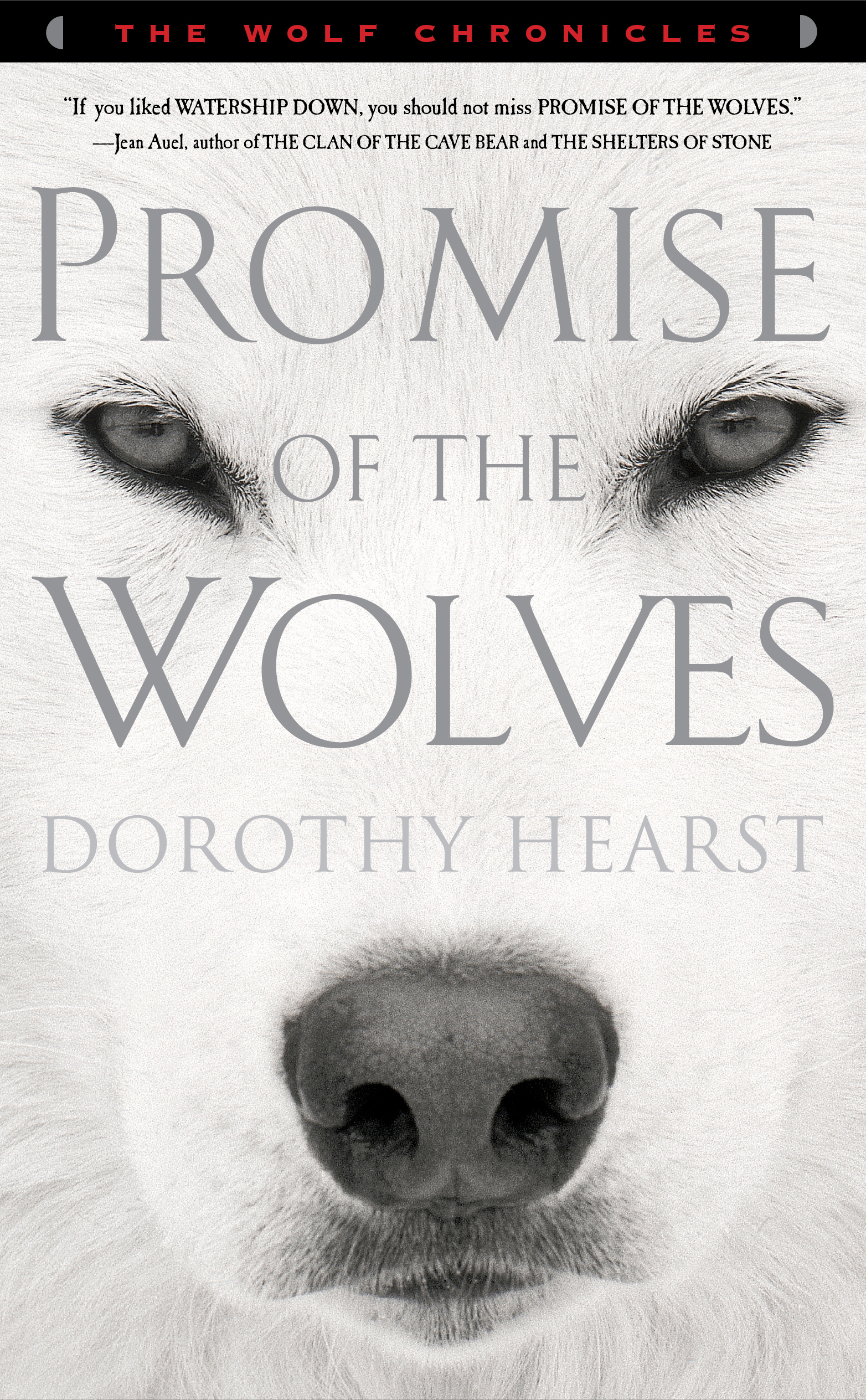
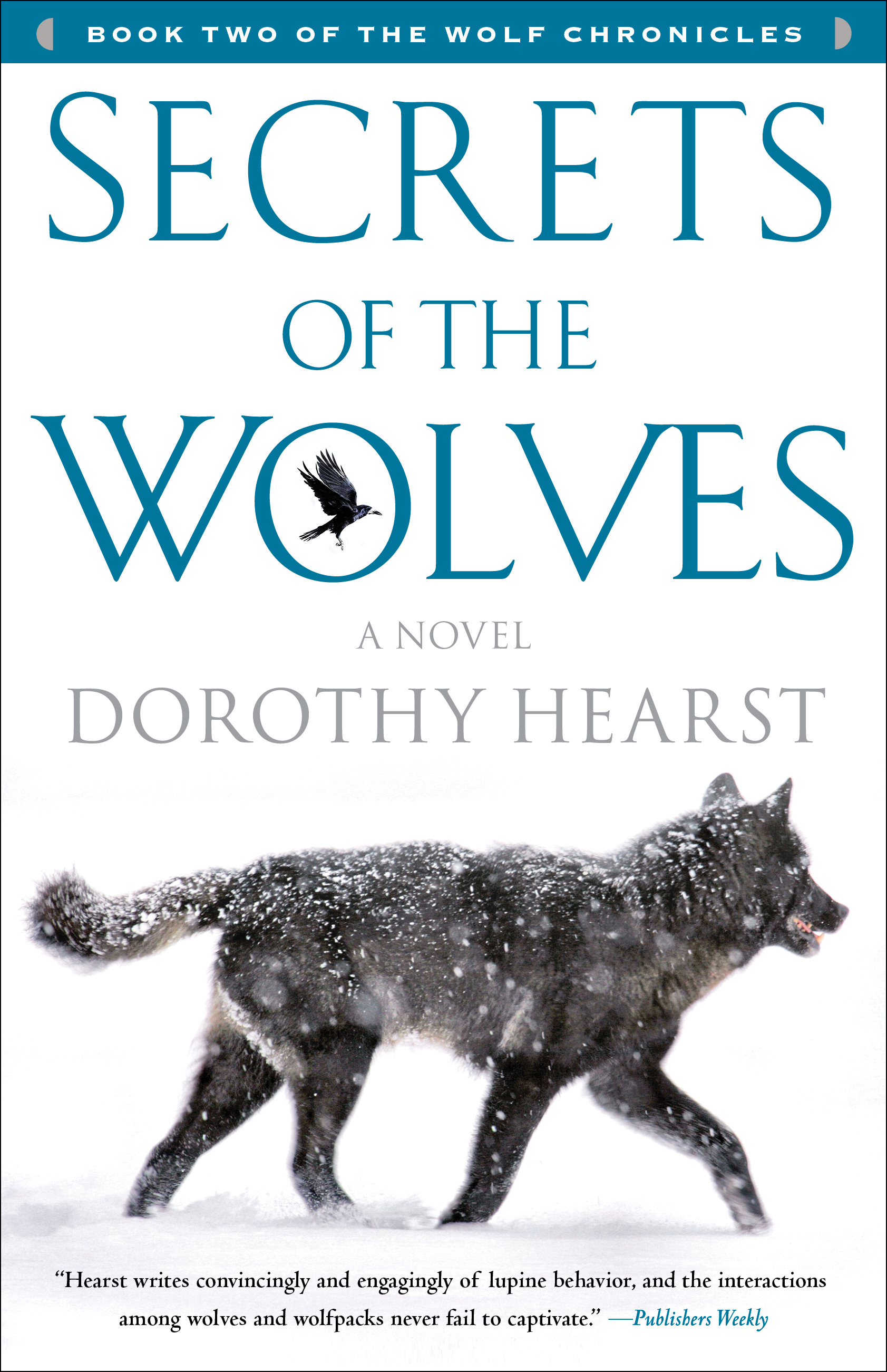
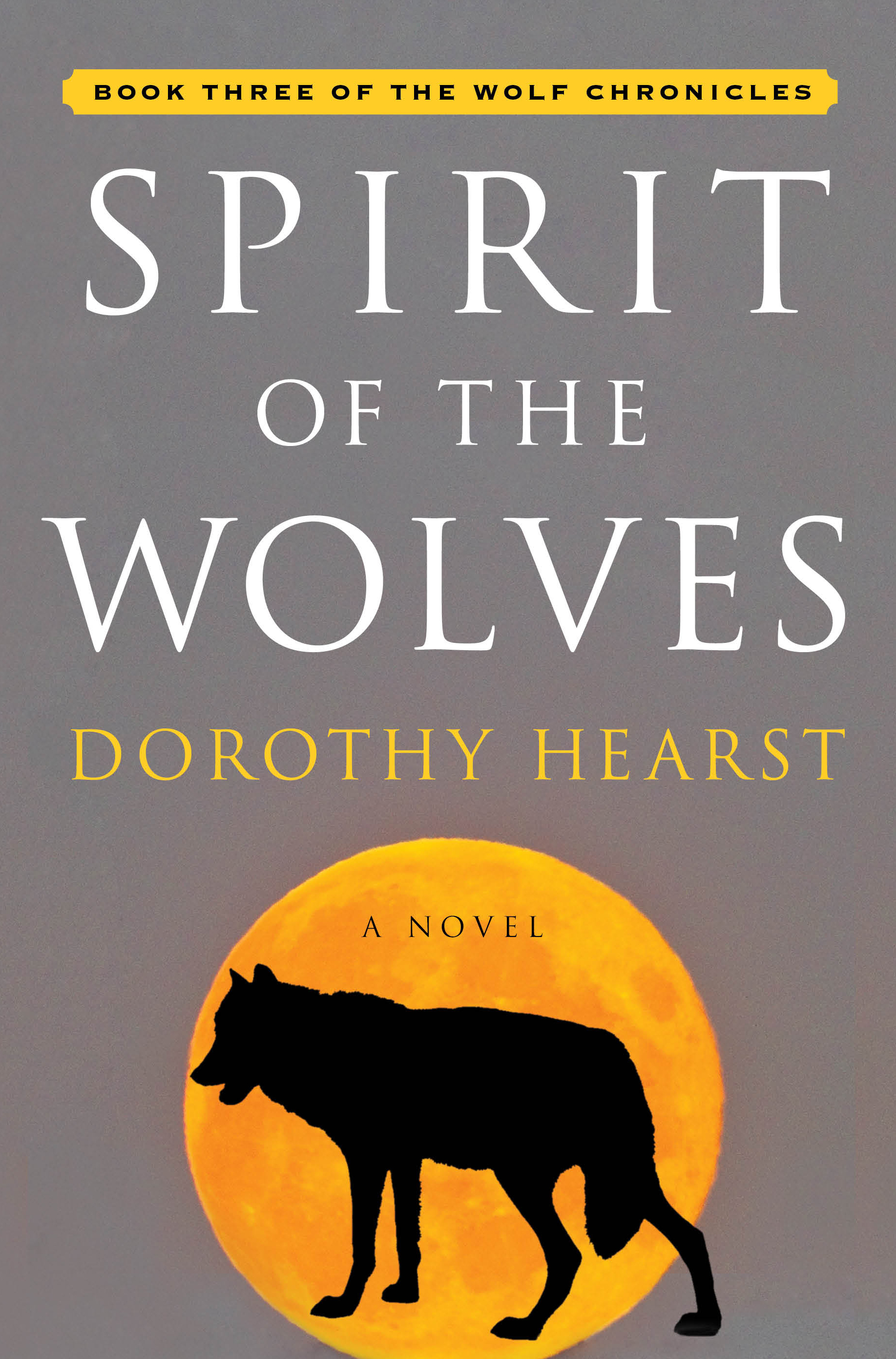
Promise of the Wolves cover Secrets of the Wolves cover Spirit of the Wolves cover

Series Synopsis: Inspired by the theory that it was wolves, and later dogs, that made humans the dominant species on earth by teaching mankind to hunt cooperatively and form complex societies, The Wolf Chronicles begins 14,000 years ago with PROMISE OF THE WOLVES. It is engagingly told from the point of view of lovable Kaala—an outcast young wolf who has been charged with watching over humans in order to prevent them from losing touch with nature and thus destroying the world.

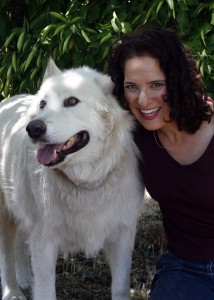
Dorothy Hearst_214x300_credit ThePetPhotographer.com

About the Author: Before the wolves barged in the door, demanding that their story be told, Dorothy Hearst was a senior editor at Jossey-Bass, where she published books for nonprofit, public, and social change leaders. She currently lives, writes, and plays with dogs in Berkeley, California.Spirit of the Wolves, the third and final title in the Wolf Chronicles, will be released December 2. For more information, and to download free CCSS-aligned discussion questions for all three novels, visit her website: dorothyhearst.com

“How Research Transformed The Wolf Chronicles”

When I got the idea to write novels about how the wolf became the dog from the wolf’s point of view, I knew that I had a lot of research ahead of me. And I balked. I’d never been any good at research.

But wolves can’t type, and they wanted their story told, so I hunkered down and got started.

It turned out that research was one of the best parts of the writing process. I snow-shoed in Yellowstone, chased huskies in the French Alps, spent hours in wonderful public and university libraries, and walked through a cave where someone had stood 14,000 years ago, painting a bison.

But what surprised me most was how research shaped my story. It profoundly changed The Wolf Chronicles in several ways:

It changed my wolves:

Like many people, I used to think that wolves were vicious animals that fought all the time and were very different from us. Books like Richard Busch’s Wolf Almanac showed me that wolves are actually highly social animals that rarely fight. Then I read up on prehistoric cultures, and learned that our ancestors and wolves lived surprisingly similar lives. This changed all the interactions between wolf and human characters, and made Kaala and her pack much more complex.

It deepened the story:

Early in my research, I learned about wolf-human coevolution, the theory that wolves and dogs may have greatly influenced our evolution. good lThen, Barry Lopez’s Of Wolves and Men showed me that wolves have long been emblematic of very different views of nature. This research made Kaala’s story more than the tale of a young wolf on a quest. It grew to be about our own connection to the natural world, and what that connection means for our future.

It gave me new characters:

While reading up on wolves, I learned that wolves and ravens often play together, so I decided to write just one scene with ravens in it. The raven Tlitoo decided he wanted a bigger part in the book, and became a major character. While on a trip to Yellowstone to watch wolves, I was awoken by a herd of elk bellowing outside my window. Ranor the elkryn marched into the story.

It gave me new scenes

Two scenes in the trilogy are drawn directly from the many documentaries and videos I watched. In Promise of the Wolves, Kaala and Ázzuen struggle to cross a great plain. This is from a video about wild dogs. The filmmakers actually rescued a pup who fell behind (I write about it here) which they weren’t supposed to do. A scene in which Kaala steals from sabre-toothed cat cub is based on a video of a young wolf playing with a young bear until Mama bear got annoyed.

In the end, research enriched The Wolf Chronicles in ways I never could have imagined. I am now a dedicated research devotee.

Some Classroom Applications:

I love the idea of the wolves making their way into classrooms. Here are some topics that lope through the books:

  • Animal biology and behavior (wolves, ravens, prey animals)
  • Ecology and the Environment
  • Life in prehistoric times
  • Wolf-Human coevolution—the controversial theory that wolves and dogs directly affected our evolution
  • Mythology: Norse myths, European folktales, Native American tradition as the basis for parts of the story.

The Educators page of my website also has some tools and guidelines for using The Wolf Chronicles in the classroom. You can read more about my research for The Wolf Chronicles at YAReviewNet.

Thanks so much to Unleashing Readers for hosting me!

Giveaway!

a Rafflecopter giveaway

Signature andRickiSig

**Thank you to Barbara from Blue Slip Media for asking us to participate in the blog tour!**

Noodles & Albie by Eric Bennett

Share

noodles&albie

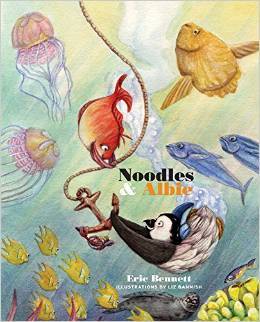
Noodles & Albie
Author: Eric Bennett
Illustrator: Liz Bannish
Published January 1st, 2014 by Small Batch Books

Publisher’s Summary: Noodles, a young penguin, is on his first and very memorable adventure at sea in the mysterious Southern Ocean. When his fun takes a turn and Noodles discovers he is lost, he tries to find his way home before darkness sets in, meeting an
interesting cast of characters along the way. Noodles has nearly given up when he meets a friendly fish named Albie who knows the sea “like the back of my fin.” Together, they begin their journey. Children will go along for the ride while wondering if this duo will make it home to the penguin colony before dark. This charming and imaginative story is set against a backdrop of beautifully intricate watercolor illustrations that help bring it to life.

About the Author: A native of New York City, Eric Bennett’s passion for penguins began as a kid. After graduating Queens College, he opened the world’s first all-penguin shop at South Street Seaport. In time, Bennett began offering his retail rookery online when he launched PenguinGiftShop.com. “Penguin & Fish” was one of the many inspired stories Bennett would recite to entertain his daughters in car rides and at bedtime. Bennett showed the story to his artist friend, Liz Bannish, and soon Noodles & Albie came to be. Eric presently lives in Northampton, Massachusetts with his daughters and a few hundred penguins. This is his first book. Eric Bennett is available for interview. You may find out more about the author here: http://penguingiftshop.com/noodles-albie

About the Illustrator: Liz Bannish was raised in landlocked West Springfield, Massachusetts/Amherst and currently lives in Northampton. Bannish spends her time making art and thinking about her favorite sea creatures. You may find more of the author’s work at www.lizbannish.com.

Kellee’s Review: I love penguins, I love penguin books, and I love when I find a new, good penguin book. The penguin fan in me really loved that this book had the correct setting for penguins and included science about Antartica. The author also included a penguin Q&A at the end of the book which makes this book easily cross-curricular. Then the story goes into a picture book version of a hero’s journey filled with a side kick and lots of adventures. The teacher in me loved the journey, the descriptive language (great verbs and adjectives such as sleepy, cranky, stammered, yawned), and that the dialogue was colored in blue. Then underneath it all, a friendship theme runs deep throughout. Overall, a fun picture book that would be a fantastic read aloud.

Ricki’s Review: When I was a young reader, I remember that as books became more complex, there weren’t any pictures on the page. This was always disappointing to me. I particularly like this book because I think it would make a great transitional text for young readers. There are a lot of words on each page, but the illustrations are filled with just as much fun and adventure as the passages of text. Like Kellee, I loved the possibilities for interdisciplinary connections in the end matter. Kids will be inspired to learn more about penguins after reading this book.

Teachers’ Tools for Navigation: This book would be a wonderful tool to use as a reading/science cross-curricular text. For reading, you can focus on the descriptive language, dialogue, and plot arc. Then for science, the book includes great information about penguins and Antarctica.

Discussion Questions: What other animals could Noodles have run into when on his adventure?; What other questions do you have about penguins? What new things did you learn?; Which of the words in the book were adjectives? Verbs?

We Flagged: 

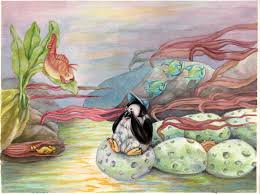
noodles&albie1

“”Hey, little penguin. Why so sad?” a voice called out. As Noodles looked around through the shadows a small fish swam toward him. “Are you lost?” asked the fish.
“I am,” said Noodles.” This is my first day in the ocean and I got separated form my friends and now I’m…I’m…”
“Lost,” the first said, finishing the penguin’s sentence.”

More Information About the Book and Author: You can find articles about the author and his book at Gazettenet and Mass Live.

Read This If You Loved: Penguin series by Salina Yoon, If You Were a Penguin by Florence Minor, Your Personal Penguin by Sandra Boynton, Penguins by Seymour Simon, Tacky series by Helen Lester, A Penguin Story by Antoinette Portis

Recommended For: 

classroomlibrarybuttonsmall readaloudbuttonsmall

Signature andRickiSig

**Thank you to Carol for providing copies for review!**

The Lovesick Skunk by Joe Hayes

Share

NF PB 2014

Nonfiction Picture Book Wednesday

Nonfiction Picture Book Wednesday is hosted by Kid Lit Frenzy and was started to help promote the reading of nonfiction texts. Most Wednesdays, we will be participating and will review a nonfiction text (though it may not always be a picture book).
Be sure to visit Kid Lit Frenzy and see what other nonfiction books are shared this week!

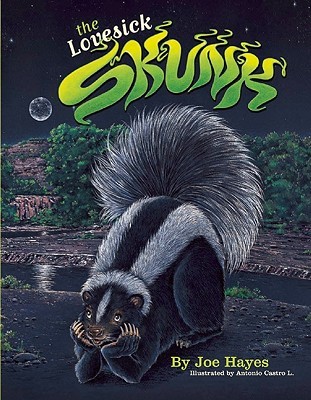
skunk

The Lovesick Skunk
Author: Joe Hayes
Illustrator: Antonio Castro L.
Published November 9th, 2010 by Cinco Puntos Press

Goodreads Summary: Joe Hayes must have had a singular growing up in the Arizona desert because he sure loves to write stories about it. And he tells those stories of his so much to audiences all over the United States that it seems like the stories just get more and more fantastic. I bet you’ve already heard the first tall tale he wrote—The Gum-Chewing Rattler—about a rattlesnake who chewed bubblegum. Yes, it’s true. That scary snake even blew huuuuuge bubbles.

Now Joe has written a new story about his early years in Arizona. Joe, the kid, was a creature of habit. If he decided he liked to do something, he would do it over and over again. Like wear the same T-shirt until it nearly fell apart or use the same pencil until he’d sharpened it down to a nub. He also had a pair of black-and-white high-top sneakers that he loved to wear. He wore them every day. “Get rid of those shoes,” his mother told him one morning. “They smell terrible!”

Did Joe listen? Not until he met the back end of a skunk.

And this wasn’t just an ordinary skunk, but one who was lovesick.

But I’m not going to tell you who she was in love with. You’ll have to find that out for yourself.

About the Author: Joe Hayes is one of America’s premier storytellers, a nationally recognized teller of tales—true and tall—from the Hispanic, Native American, and Anglo cultures of the American Southwest.

My Review and Teachers’ Tools for Navigation: The Lovesick Skunk reminds me of a tall-tale or other traditional literature. The way it is told, with a bit of  humor and moral, and even how the book is set up with the whole page illustrations on one page and the text on the other are both reminiscent of traditional tales. I think Hayes’s story is a great introduction to personal narrative about a favorite object as well as writing a story with a moral. It could definitely be used as a mentor text.

Discussion Questions: Do you have anything, like Joe’s shoes, that are your very favorite and if you could wear them every day you would?; Do you think Joe thought about keeping his shoes even after the “Skunk incident?”

We Flagged: 

Read This If You Loved: Family Pictures / Cuadros de Familia by Carmen Lomas Garza and other picture book memoirs

Recommended For: 

readaloudbuttonsmall classroomlibrarybuttonsmall

Signature

**Thank you to John at Cinco Puntos Press for providing a copy for review**