Blog Tour, Giveaway, and Review!: Twenty Yawns by Jane Smiley and Lauren Castillo

Share

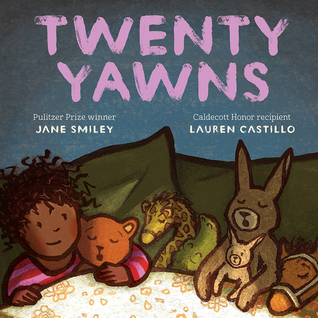
Twenty Yawns

Twenty Yawns
Author: Jane Smiley; Illustrator: Lauren Castillo
Published April 1, 2016 by Two Lions

Goodreads Summary: Featuring lyrical text and beautiful illustrations, this bedtime tale from Pulitzer Prize winner Jane Smiley and Caldecott Honor recipient Lauren Castillo evokes the splashy fun of the beach and the quietude of a moonlit night, with twenty yawns sprinkled in for children to discover and count.

As her mom reads a bedtime story, Lucy drifts off. But later, she awakens in a dark, still room, and everything looks mysterious. How will she ever get back to sleep?

Ricki’s Review: My son asks me to read this book every single night. (I’m not kidding. Imagine his sweet voice asking, “Twenty Yawns, please, Mama?”) My favorite part about this book is that there are many interactive sections that we can read together. He can’t read yet, but he is slowly learning sight words and loves reading the “Flap! Flap! Flap! Flap!” of the umbrella and each of the twenty “yawns.” He also tells me what Lucy is doing on each page. There are a lot of bedtime books out there, but this book truly makes me sleepy. I’m getting sleepy as I think about it right now! My son and I both yawn as we see each character yawn. Parents, READ: This book will make your child(ren) tired! I’d be remiss if I didn’t mention that the illustrations are breathtaking. The drawings of Lucy’s stuffed animals capture my attention every time I read this book. I feel lucky to have this book in my bedtime arsenal. My son is falling asleep more quickly. Could it be the twenty yawns?

Kellee’s Review: I love Ricki’s story of how Henry has imprinted on this book! Trent and I read it, and he said “Night, night!” on each of the pages where someone was going to sleep. And like Ricki said, in addition to having beautiful illustrations and a sweet story, this book will definitely make your child sleepy! I cannot help but yawn when I am reading it.

One other thing Trent loves is a promotional piece we received with the book (and you could win below!): a door hanger. One side says, “Shhh…we’re yawning.” And the other side says, “Come in. We’re ready to play.” It is hanging on his door, and we have to flip it back and forth depending on if he is getting up or going to bed. And on the “Shhh” side, he says goodnight to the little girl.

Teachers’ Tools for Navigation: Teachers might use this book to teach figurative language. Kids will enjoy the bold print of onomatopoeias. The illustrations feature aspects of the story that aren’t always present in the text. I love with authors and illustrators don’t match the illustrations and text perfectly because it provides such great opportunities for students to compare and contrast the story and pictures. They might talk about why the text doesn’t include all of the information from the illustrations and how this enhances the narrative. Also, kindergarten teachers and daycare providers can use this book right before nap time! I would have loved to have listened to this book as a child. Check out the Activity Kit!

Discussion Questions: Why doesn’t the author number the twenty yawns? How does this make the story more interesting to read?; What does Lucy do when she is frightened? How might you learn to soothe yourself when you are scared?; What activities do Lucy and her parents do together? What activities do you enjoy doing with family?

We Flagged: “Lucy started to carry Molasses back to her bed. But the other toys were looking at her, even Leonard, the baby Kangaroo. They seemed lonely.”

Read This If You Loved: Goodnight Moon by Margaret Wise BrownGoodnight Songs by Margaret Wise Brown

Recommended For: 

readaloudbuttonsmall classroomlibrarybuttonsmall

  Follow All of the Stops on the Tour, and Don’t Forget to Enter the Giveaway!:
About the Authors:
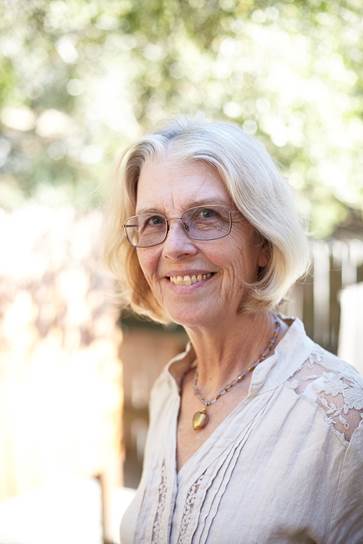
Jane Smiley photo
Jane Smiley is the author of numerous novels, including A Thousand Acres, which was awarded the Pulitzer Prize, as well as five works of nonfiction and a series of books for young adults. In 2001 she was inducted into the American Academy of Arts and Letters, and in 2006 she received the PEN USA Lifetime Achievement Award for Literature. This is her first picture book. She lives in Northern California.
laurencastillo_headshot (2)
Lauren Castillo is the illustrator of many books, including The Reader by Amy Hest. She has also written and illustrated several books, including Caldecott Honor book Nana in the City and The Troublemaker. She lives in Harrisburg, Pennsylvania. To learn more, visit www.laurencastillo.com.
Twitter: @studiocastillo.

RickiSigand Kellee Signature

**Thank you to Barbara Fisch for sending us this book and for allowing us to host the giveaway!**
National Geographic Kids: Celebrate Easter by Deborah Heiligman

Share

NFPB2016

Nonfiction Wednesday

Nonfiction Picture Book Wednesday is hosted by Kid Lit Frenzy and was started to help promote the reading of nonfiction texts. Most Wednesdays, we will be participating and will review a nonfiction text (though it may not always be a picture book).
Be sure to visit Kid Lit Frenzy and see what other nonfiction books are shared this week!

easter

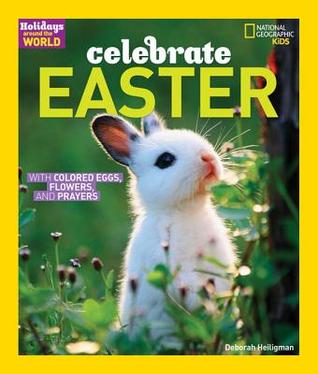
Holidays Around the World: Celebrate Easter with Colored Eggs, Flowers, and Prayer
Author: Deborah Heiligman
Photographs from National Geographic
Published February 9th, 2016 by National Geographic Children’s Books

Goodreads Summary: The joyous celebration of Easter is seen through a global perspective in this National Geographic volume featuring over 25 vibrant photographs. Witness the holiest day on the Christian calendar as it is celebrated throughout the world: from the famous Easter Egg Roll at the White House to the traditional bonfires throughout Europe, to colorful customs, to the universally popular dying of eggshells worldwide.

The first-person narrative leads young readers through the origins and traditions of this springtime festival of rebirth and hope. Reverend George Handzo gives parents and teachers a historical and cultural background in his informative note.

Kellee’s Review: This text is a wonderful informative introduction to Easter. It goes through not only the religious aspects of the holiday but also the traditions and secular parts. Although I think it could have gone into more detail about where the traditions came from (answered the WHY a bit more), it did a very good job of sharing all the different things that go along with Easter. I also loved the diversity within the book. The photos were from all over the world. And I am excited about the series Holidays Around the World because that means there are others within the series that will touch on holidays of other religions. This will help with understanding of holidays and religions that the reader may not be. 

Ricki’s Review: I completely agree with Kellee’s review! This book taught me a lot, and I enjoyed reading it. I would have loved to have read more about the WHY, but I found this to be quite a fun and interesting read, overall. Kids will really enjoy reading it, and it will be a resource for parents. Readers travel to many places in this single text, and it teaches an international appreciation. Like Kellee, I am really excited to see where this series goes, and I plan to read more books that National Geographic publishes! I love learning about international traditions and diverse cultures, so I appreciated all of the information in this book.

Teachers’ Tools for Navigation: I think it would be a powerful activity in a classroom to have many Holidays Around the World books and use them in both social studies, reading, and writing. Students could read about all of the different holidays, and they could then choose one to further research and share. Then there could be a walk-about in the classroom where different groups would have displays highlighting the different holidays.

Discussion Questions: What is the basis of Easter?; If you celebrate Easter, what are some traditions your family has?; What are some traditions around the world?; Why do you think the author chose to write the text in first person?

We Flagged: “Easter mornings brings special treats, too. Could it be the Easter Bunny was here? We get baskets of eggs–colored, decorated, and chocolate! Yummmm. In Germany, it’s the Easter Hare who brings us eggs. Bunnies, chicks, and eggs are symbols of new life.” (p. 16)

Read This If You Loved: Learning about religions, traditions, and holidays; Happy Easter, Mouse! by Laura Joffe Numeroff; Pete the Cat: Big Easter Adventure by Kimberly Dean

Recommended For: 

classroomlibrarybuttonsmall litcirclesbuttonsmall

Happy Easter to all who celebrate!

Signatureand RickiSig

**Thank you to Karen at Media Masters Publicity for providing copies for review!**

Top Ten Tuesday: Books We Really Love But Feel Like We Haven’t Talked About Enough

Share

top ten tuesday

Top Ten Tuesday is an original feature/weekly meme created at The Broke and the Bookish. The feature was created because The Broke and Bookish are particularly fond of lists (as are we!). Each week a new Top Ten list topic is given and bloggers can participate.

 Today’s Topic: Books We Really Love But Feel Like I Haven’t Talked About Enough

Ricki

I decided to highlight diverse books. I highly recommend each of the books below and vow to talk about them more frequently on the blog. These are books that I treasure, and I think you will enjoy them, too!

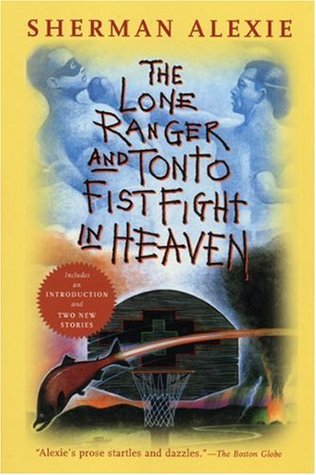
1. The Lone Ranger and Tonto Fistfight in Heaven by Sherman Alexie

lone ranger and tonto

Everyone (myself include) raves about The Absolutely True Diary of a Part-Time Indian. I love this book, but I don’t think we talk about The Lone Ranger and Tonto Fistfight in Heaven enough. This book is incredibly lyrical and would be a great text to use in classrooms.

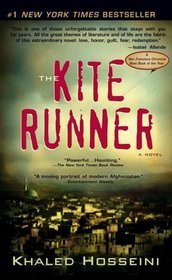
2. The Kite Runner by Khaled Hosseini

kite runner

If you missed this book, I highly recommend you get your hands on a copy. This book was life-changing for many of my students, and we had so many phenomenal discussions about humanity.

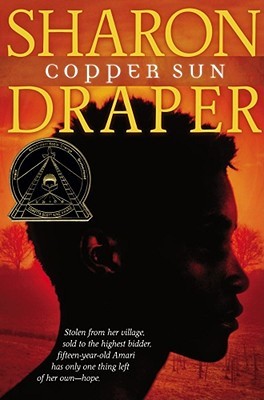
3. Copper Sun by Sharon Draper

copper sun

Even experienced readers of slave narratives will learn so much about this book. It is told in two perspectives: Amari, who is torn from her village in Africa, and Polly, an indentured servant. I connected deeply with this text and think about it often.

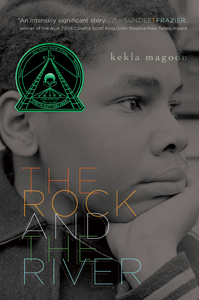
4. The Rock and the River by Kekla Magoon

Rock and River

I read this book about six years ago when it came out, and I still remember how frustrated I felt while I read it. I connected with the characters and wanted to urge them in certain directions. This is a great story, and kids will learn a lot from it.

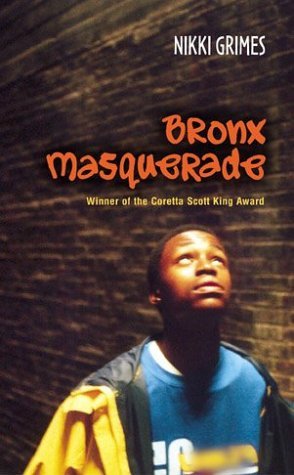
5. Bronx Masquerade by Nikki Grimes

bronx masquerade

When I think about writing and poetry, I think about this book. I love the way the teacher engaged the students in writing about their personal lives and wish I’d had students do poetry slams when I was teaching.

Kellee

These are middle grade books that I adore, but don’t book talk and share with my students enough.

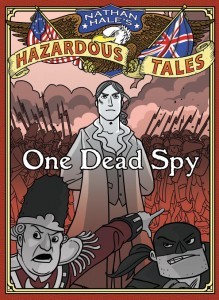
1. Hazardous Tales series by Nathan Hale

hazardous 1

For my graphic-novel-loving class, for some reason they are scared off by the nonfiction aspect of this series. I need to book talk it and share it more with them to show them how much fun AND informative they are.

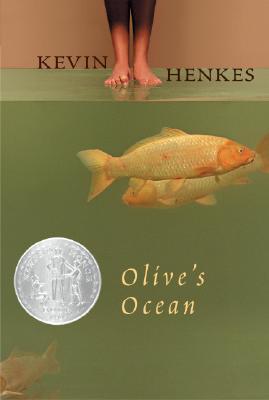
2. Olive’s Ocean by Kevin Henkes

olive's

This was the book I book talked the most when I taught 6th grade, but then I moved to 7th and 8th and students were not as interested; however, I have moved back to having one 6th grade class, so I need to share it with them. It is a fantastic (and sad) coming of age story.

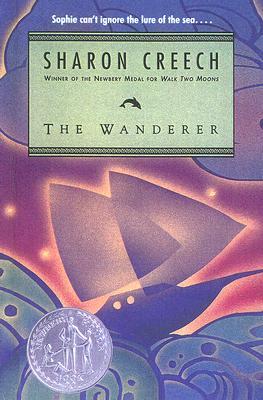
3. The Wanderer by Sharon Creech

wanderer

Sharon Creech is a favorite author of mine. I love how she writes and the stories she tells always touch me in some way. My students read Walk Two Moonin 6th grade and Love That Dog in my class, but I need to share more of her titles, including the adventure-filled The Wanderer with them.

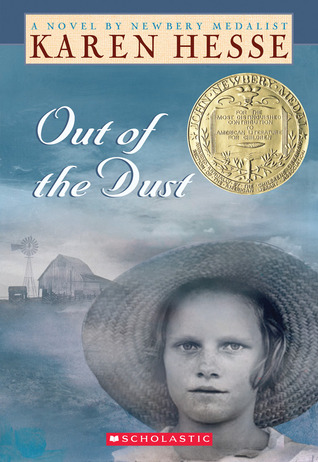
4. Out of the Dust by Karen Hesse

No title

This book is one that I have never forgotten. Billie Jo is a character that just stays with you, and I often wonder what happened to her next. However, historical fiction is just a hard one to sell, and I forget to book talk this amazing book in verse that is one of the books I say helped me to return to reading.

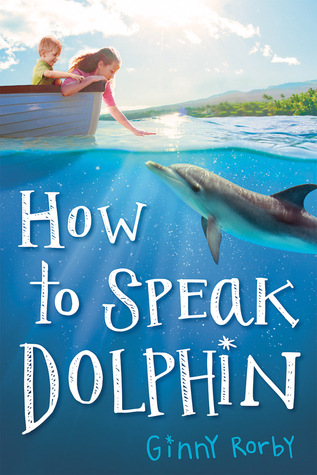
5. How to Speak Dolphin by Ginny Rorby

howtospeakdolphin

Ginny Rorby is another one of my favorite authors because she has a way of telling animal and human stories within the same book that are both equally important, and although we read Hurt Go Happy at the end of the year, I forget to book talk her books throughout the year and by the time we’re done with HGH, the school year is over! I need to remember to share the importance of her books earlier in the year.

Which books do you love and wish you talked about more frequently?

RickiSig and Signature

It’s Monday! What Are You Reading? #IMWAYR 3/21/16

Share

IMWAYR 2015 logo

It’s Monday! What Are You Reading? From Picture Books to YA!

It’s Monday! What are you Reading? is a meme started by Sheila at Book Journeys and now hosted by Kathryn at The Book Date. It is a great way to recap what you read and/or reviewed the previous week and to plan out your reading and reviews for the upcoming week. It’s also a great chance to see what others are reading right now…you just might discover the next “must-read” book!

Kellee and Jen, of Teach Mentor Texts, decided to give It’s Monday! What Are You Reading? a kidlit focus. If you read and review books in children’s literature – picture books, chapter books, middle grade novels, young adult novels, anything in the world of kidlit – join us! We love this meme and think you will, too.

We encourage everyone who participates to support the blogging community by visiting at least three of the other book bloggers that link up and leave comments for them.

CONGRATULATIONS
DECLAN F.
FOR WINNING A COPY OF THE TYPEWRITER!

AND

CONGRATULATIONS
JOLIE I.
FOR WINNING A COPIES OF GOOD MORNING YOGA AND GOOD NIGHT YOGA!

Last Week’s Posts

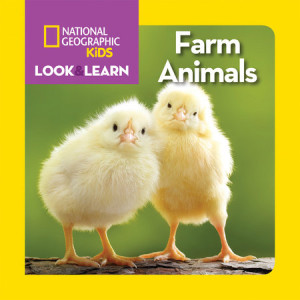
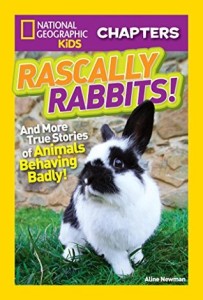
top ten tuesday farm animals rascally rabbits

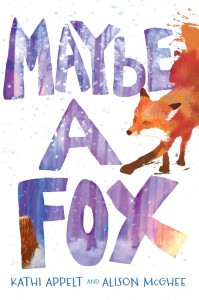
maybe a fox kiki and jacques freya

Tuesday: Ten Books on our Spring To Be Read List

Wednesday: National Geographic Kids: Farm Animals and Rascally Rabbits! 

Thursday: Blog Tour, Author Guest Post, Giveaway, and Review!: Maybe a Fox by Kathi Appelt and Alison McGhee
Giveaway open until Wednesday!

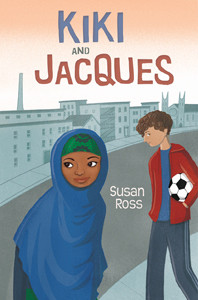
Friday: Kiki and Jacques by Susan Ross

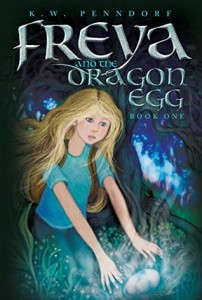
Sunday: “Getting Students to ‘Show, Don’t Tell’ Their Writing” by KW Penndorf, Author of Freya and the Dragon Egg

**Click on any picture/link to view the post**

 Last Week’s Journeys

Kellee: Spring break is here! So far, I haven’t done a ton of reading because Jim and I went on a date weekend at Disney, and I focused on just hanging out with my husband. Earlier in the week, I did finish two books that I loved so much!

First, I read The Tales of Beedle the Bard by J.K. Rowling which really filled a Harry Potter void. Though it wasn’t a Harry Potter story per se, it was just the touch I needed. I also listened to Upside-Down Magic by Sarah Mlynowski, Lauren Myracle, and Emily Jenkins. It was funny and smart and cute and had a great theme–the perfect audiobook for the last week before spring break.

Ricki: As I promised you last week, I didn’t get any reading done this week! I finished my manuscript for the AERA conference, and I am very excited to present it! I also wrote an essay for my Human Rights and Social Justice class (my last class of my doctoral degree!). I’ve been reading some articles about the ways that feminism and social class intersect, but I haven’t read any books this week. Next week, I will read more fun stuff, I promise!

This Week’s Expeditions

Kellee: I am currently almost done with Peter Nimble and his Fantastic Eyes by Jonathan Auxier, and I am enthralled! I cannot wait to finish–I have the second book waiting in the wings. I also have Red Planet by Eddie Pittman to read this week which is a sci-fi adventure graphic novel.

Ricki: I just started Kristen-Paige Madonia’s Invisible Fault Lines, an ARC from S&S, and I love it so far!

Upcoming Week’s Posts

top ten tuesday easter Twenty Yawns

line for line 9 Beyond the Red 9781634506441

Tuesday: Books We Really Love But Don’t Talk About Enough

Wednesday: National Geographic Kids: Celebrate Easter

Thursday: Blog Tour, Review, and Giveaway!: Twenty Yawns by Jane Smiley

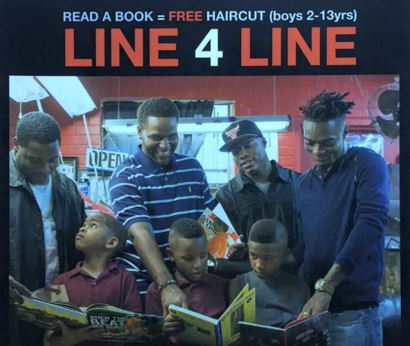
Friday: LSU’s Line 4 Line Program

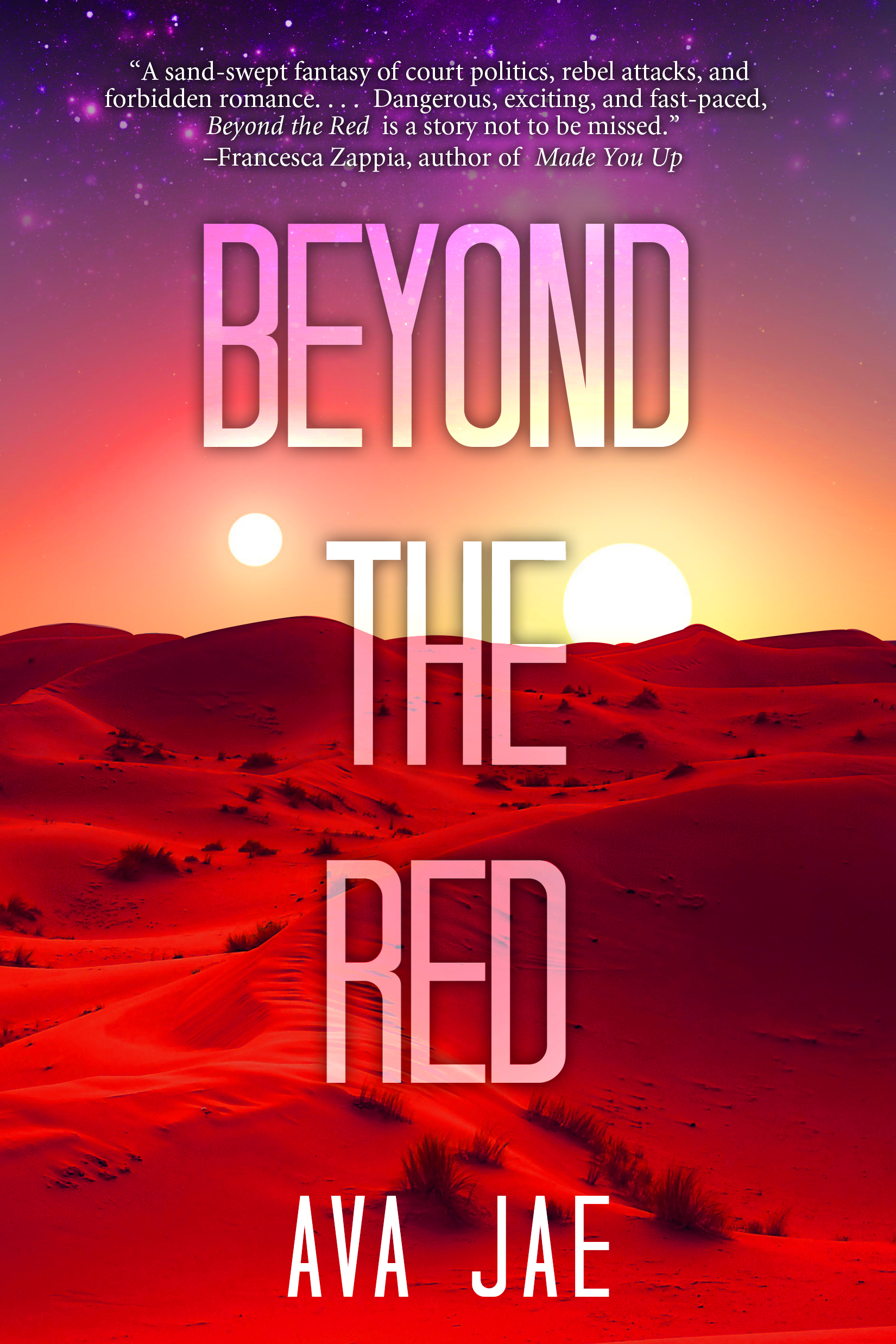
Sunday: Author Guest Post!: “The Star Wars Effect: Bringing Teens to Space” by Ava Jae, Author of Beyond the Red

 So, what are you reading?

Link up below and go check out what everyone else is reading. Please support other bloggers by viewing and commenting on at least 3 other blogs. If you tweet about your Monday post, tag the tweet with #IMWAYR!

 Signature andRickiSig

“Getting Students to ‘Show, Don’t Tell’ Their Writing” by K.W. Penndorf, Author of Freya and the Dragon Egg

Share

“Getting Students to ‘Show, Don’t Tell’ Their Writing”

I love books that read like a ‘movie in my mind’ with words capable of producing visions and feelings and experiences; basically, a world in which I could step into. So when I learned good authors write what they like, I knew immediately FREYA AND THE DRAGON EGG should read like a movie in my readers’ minds.

Unfortunately just because I sat down to pen and paper didn’t mean that movie was coming to life. If anything, the words I was writing were flat, stale, boring, and matter-of-factly.

Luckily, I found an editor who explained my problem: the words in my book didn’t play out like a movie in my mind because they were written in a way that told and didn’t show. “Show, don’t tell,” she said. Again and again and again. Show, don’t tell. Show, don’t tell. Show, don’t tell.

But how? How do I go about converting what I had already written in ‘telling’ words to ‘showing’ words?

Simple: close your eyes.

And so I did and still do. I visualize the scene, the action, the interaction, the transitions, the lull points, the fast-paced points, you name it, I visualize it. Then I write it.

In speaking with teachers, students, and writers, I find the irony about learning how to show don’t tell is precisely that: show the lesson, don’t tell the lesson.

Step 1

I open my workshops and school visits be doing a sort of warm up activity. Using two paragraphs I found on Scholastic’s website (http://www.scholastic.com/teachers/article/show-dont-tell-whiteboard-writing-lesson) I ask everyone to decide which paragraph created a movie in their mind when they read it. It’s amazing how many are spot on. I let them know that their correct choice is an example of “showing” whereas the other paragraph depicts “telling.”

Step 2

I hand out a worksheet of several ‘telling’ sentences. The number of sentences is dependent upon age range of the audience and amount of time for the event/lesson. Typically I have 6-8 sentences for a 45 minute block of time. Example sentences can include: He sat; She opened the door; He coughed; The dog barked. Feel free to create your own sentences, yet keep in mind the sentences need to be pantomimed.

Step 3

I invite one student to come stand at the front of the room and I ask them to act out the sentence. So, for example, the student is assigned the sentence “He sat” in which he’s allowed no props nor allowed to make sounds or talk. I ask all remainder students to watch carefully, for when I count to three the actor will perform. He does. I then ask students to tell me what they saw. Perhaps one answers the boy pulled (an invisible) chair near to him before plopping his weight down, or the boy folded his legs as slowly lowered himself into the chair, or he collapsed upon the chair, or he used his hands to steady his descent. Whatever the response, it’s always interesting how many NEVER say “He sat.” For students who get hung up with the action of falling down into the chair, I will often prompt them to answer what they saw the boy do with his hands or his body or what his facial expression was.

Step 4

Once students have replied and responded to a few sentences as a whole group, I’ll have them watch the actor then write what they saw before discussing it. I always love hearing their new sentences probably because what they have learned in 45 minutes about “Show, Don’t Tell” took me years to learn! It’s really that simple.

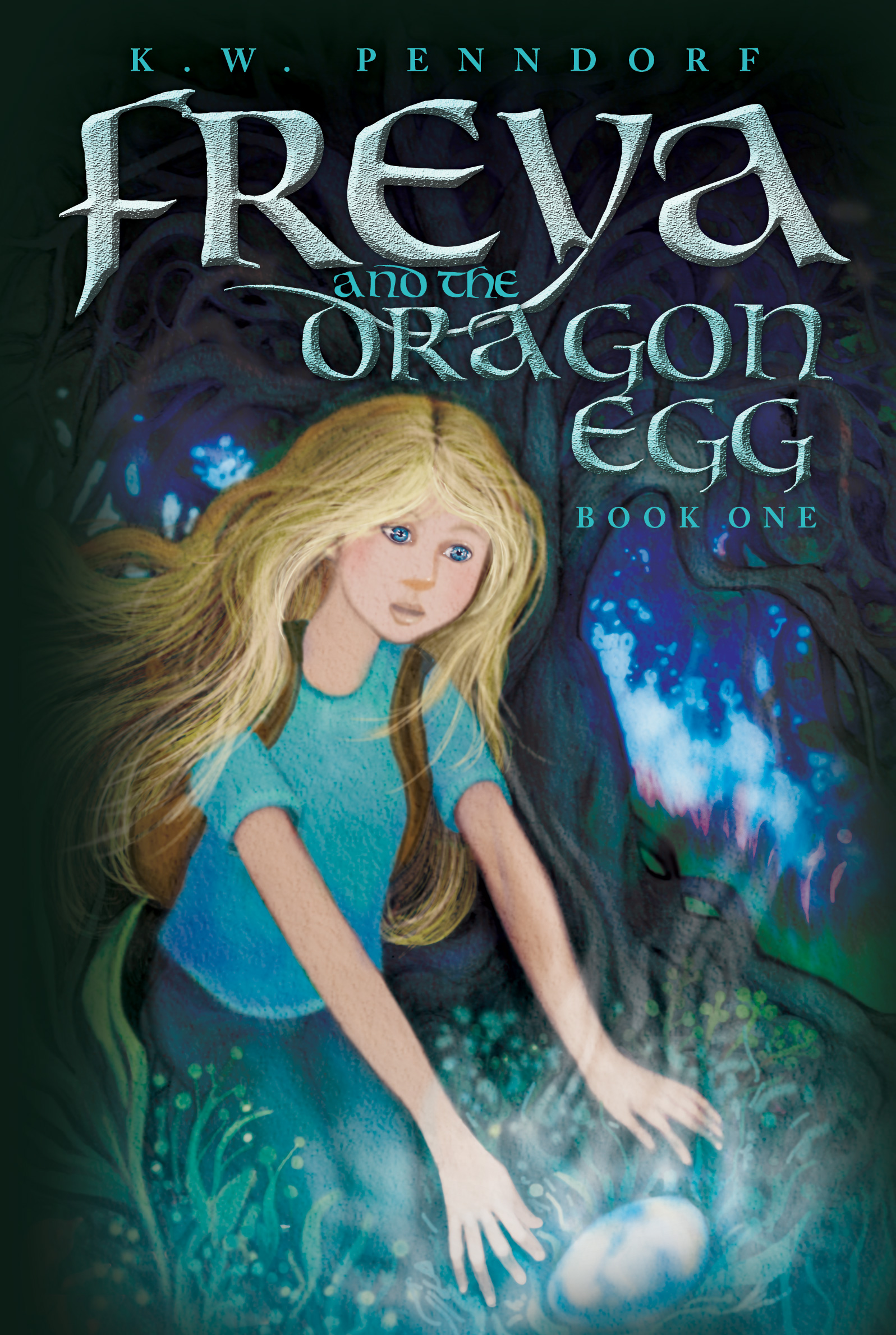
Freya and the Dragon Egg cover

Freya and the Dragon Egg

About the Book: Freya’s family is wonderful. Just not to her. After all, her older sister loves to talk about “pulling a Freya” – a term for any mistake she makes, her younger sister publicly reads from her diary without ever getting reprimanded, and her parents hardly take notice of her. But that is all about to change when her father, Denmark’s renowned Viking archeologist, asks her to hide a precious artifact where no one will find it. Freya jumps at the chance to prove her worth and suddenly discovers herself transported to a magical forest where she comes face to face with not only a thorpe of real Vikings but with a clan of sprites and a Berserk as well. In search of a way home, Freya unearths a realm of adventure and a path to greatness she is sure her family will revere.

Book Excerpt: “You must hurry. The police are due here any moment to question what I know about the break-in. If they search my office and find this…No! I don’t even want to think about that. It must be hidden. Do you understand?”

She nodded yes, though she didn’t understand at all.

“Yggdrasil is the link between the nine Realms. That Yggdrasil, outside my window there, it’s growing stronger because someone, or something, has tampered with the Realms. Could you imagine if the Realms were open in the modern day? If all the creatures, along with their powers, were unleashed…here?”


author photo

About the Author: Story time had always been KW Penndorf’s favorite ‘subject’ in school. But when her second grade teacher opted to read from a tattered old diary, KW’s view on books changed forever. Books were now alive, with adventures, dilemmas, far away locations, heroes, villains, drama, and quite frankly, story. Everything was so real, well at least in her imagination at any rate. She wanted to live in those stories… and she has.

In her senior year of high school KW interned at CBS three days a week, making sure to keep her grades up or the gig would be off. By sheer nature of the job, stories surrounded her there. In college, she spent a semester abroad living with her sister and brother-in-law in Denmark – where, yes, one can only imagine the crazy stories two sisters conjured up! Then after college, she moved to Germany and at the age of 25 she opened her own company – a language school, full of (you guessed it) stories abound. At 29 she moved back to the States, bringing home with her the greatest story and souvenir ever – her husband.

On a train ride into NYC, a vision came to KW’s sleepy commuter mind: a girl finding a dragon egg in the middle of a Viking graveyard. Presto! The premise for her debut novel was born. A story, which KW hopes, will change a child’s view on books forever.

Thank you to K.W. for this wonderfully insightful post!

RickiSigandKellee Signature

Kiki and Jacques by Susan Ross

Share

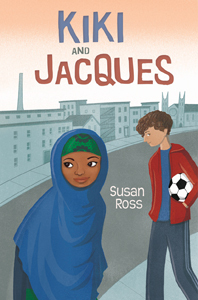
kiki and jacques

Kiki and Jacques
Author: Susan Ross
Published October 15th, 2015 by Holiday House

Goodreads Summary: Preteens prove that cultural differences can be overcome in this middle-grade novel about a native Mainer and a Somali girl who form an unlikely and supportive friendship.

Twelve-year-old Jacques’s mother has passed away, his father is jobless and drinking again and his grandmother’s bridal store is on the verge of going out of business. Plus he’s under pressure from an older boy to join in some illegal activities. At least Jacques can look forward to the soccer season. After all, he’s a shoe-in for captain.

But the arrival of Somali refugees shakes up nearly everything in Jacques’s Maine town, including the soccer team. So Jacques is surprised to find himself becoming friends with Kiki, a cheerful and strong-minded Somali immigrant. Despite their many differences they are able to help one another triumph over problems with friends, family and growing up.

About the Author: Susan Ross lives in Connecticut. She was born and grew up in the Lewiston, Maine, area. Susan was inspired to write this story by incidents in her childhood hometown when refugees from Somalia began to settle there in the early 2000s. Kiki and Jacques is her first novel.

Susan Ross recently was interviewed by HuffPost Live and wrote an article on the HuffPost Blog about Kiki and Jacques and the amazing refugee kids in Lewiston, Maine — and especially, the vital importance of teaching tolerance/ multiculturalism to children!

My Review: Kiki and Jacques is a perfect introduction to refugees for middle grade students. What makes the story work so well is that Jacques is just like so many middle school boys, so reading about Kiki and Mohammad from his point of view makes the story easy to connect with. The reader also gets to learn about the refugees and their lives and situations along with Jacques which makes it so students with no prior knowledge can live Kiki and Jacques story with them.

Teachers’ Tools for Navigation: Kiki and Jacques is a book that many different students are going to love reading for many different reasons. It is a book for sports lovers, realistic fiction fans, and students who want to learn about something and make a difference. It is a great book for classroom libraries.

Additionally, you can view a teaching guide for Kiki and Jacques which has many ideas for classroom uses: Kiki and Jacques Education Guide

Additionally, Mr. Gorman did an amazing activity with this novel using a mood meter. His blog post includes a wonderful writing activity.

Discussion Questions: How does soccer play a role in the story?; What did you learn about refugees in Kiki and Jacques?; What do you think the theme of the book is?; How does Jacques stay positive and “good” through everything that is going on in his life?; How does Jacques help Mohammad and Kiki?

We Flagged: “Frank Boucher broke out from the back and dribbled the ball toward the goal; in a minute he sliced it in. Boucher was tall, and broader than most of the kids. His bleach-blond hair was spiked marine-style, making him look even longer.

‘Holy crap.’ Jacques whistled. ‘That wasn’t bad.’

‘You’ll be captain,’ Sammy said. ‘Don’t worry. Boucher’s got muscle but your footwork’s better. And nobody trusts him.’

‘Wait up–who’s that kid?’Jacques nodded toward the far end of the field. ‘That big dude…is he one of the Somalis?’

A slim black teenager was dribbling toward them. Fast and accurate, the ball skipped effortlessly from side to side. The boy balanced the ball between his shin and knees, spun around and took a wild shot from mid-field. Tim O’Shea knocked his glasses off trying to stop it, but the ball slipped right past him into the goal.” (p. 6-7)

Read This If You Loved: Booked by Kwame Alexander, Soccer Star by Mina Javaherbin, Out of Nowhere by Maria Padian; also middle grade books about refugees including Inside Out & Back Again by Thanhha Lai and A Long Walk to Water by Linda Sue Park

Recommended For: 

readaloudbuttonsmall classroomlibrarybuttonsmall

Q&A with the Author from Holiday House: 

Susan, this is the first novel you’ve written. Please tell us about it.

KIKI AND JACQUES is a story about kids from very different backgrounds growing up in a small Maine town. It’s about finding common ground and friendship in spite of cultural differences and challenges.

You were inspired to write this book when your hometown in Maine began to see an influx of Somali refugees in the early 2000s. Tell us a little bit about that experience and how the addition of Somalis to your home town changed the cultural landscape.

When I was growing up, we lived in the “twin cities” in Maine—the old mill town of Lewiston and its sister city, Auburn. My great-grandparents came from Russia and opened a store. Three generations later, my parents had a bridal shop in downtown Lewiston. The majority of the population was of French Canadian descent, and my parents often sold dresses speaking basic French. When I read a magazine article about the wave of Somali immigration to Lewiston, I thought that a small Maine town experiencing such profound cultural change would be an amazing setting for a middle-grade novel.

What kind of research did you do for this book? In researching, what did you find most interesting or surprising?

As with most things in life, I found the very best place to start my research was at the library. In this case, I went to the library in Lewiston and met with a librarian, who told me something very important: in her experience, teenagers of all cultures were more alike than they were different.

I spoke with a few Somali kids that day, who were at the library using the computers. I saw that they were on Facebook, just like my teenagers at home. Later, I met with other Somali teens and asked them to read chapters of my book. I was greatly inspired by how strong and ambitious these kids were, and I was touched by how glad they were to have an author listen and learn about their lives.

KIKI AND JACQUES focuses on the importance of two kids respecting cultural, religious and racial differences, but still becoming friends. What do you hope young readers learn from this novel?

I hope that I’ve written a story that kids can relate to. Kiki and her brother Mohamed’s lives are very different than Jacques’s in many respects, but they also have a surprising amount in common—soccer, strong loyalty to family, and great loss (Kiki’s dad was killed in the war in Somalia and Jacques’ mom died in a car accident). Each kid is looking for a safe and permanent sense of home and  belonging.

When did you know you wanted to become an author?

I knew I wanted to become an author when I was in the fourth grade and liked to stay inside at recess and write. My first book was called Diablo, and it was about a wild horse with cruel masters. Not so coincidentally, I had just finished reading one of my  favorite books, Black Beauty. I became a lawyer, but after I stopped practicing law and my kids got older, I learned about the Somali immigration to Maine and thought, wow, this would be a wonderful and important topic to write about.

If you could give any advice to young authors, what would it be?

My best advice is simply that writers must write! Start a journal and keep it close, or take notes on your laptop or phone. Find a writing buddy and send ideas back and forth. Get your words down, whenever and however you’re inspired. Even if your writing isn’t close to perfect at first, it will get better, and you will learn and grow in the process—I promise!

Kellee Signature

**Thank you to Susan for providing a copy of the book for review and for sharing the teachers’ guide and Q&A!**

Blog Tour, Author Guest Post, Giveaway, and Review!: Maybe a Fox by Kathi Appelt and Alison McGhee

Share

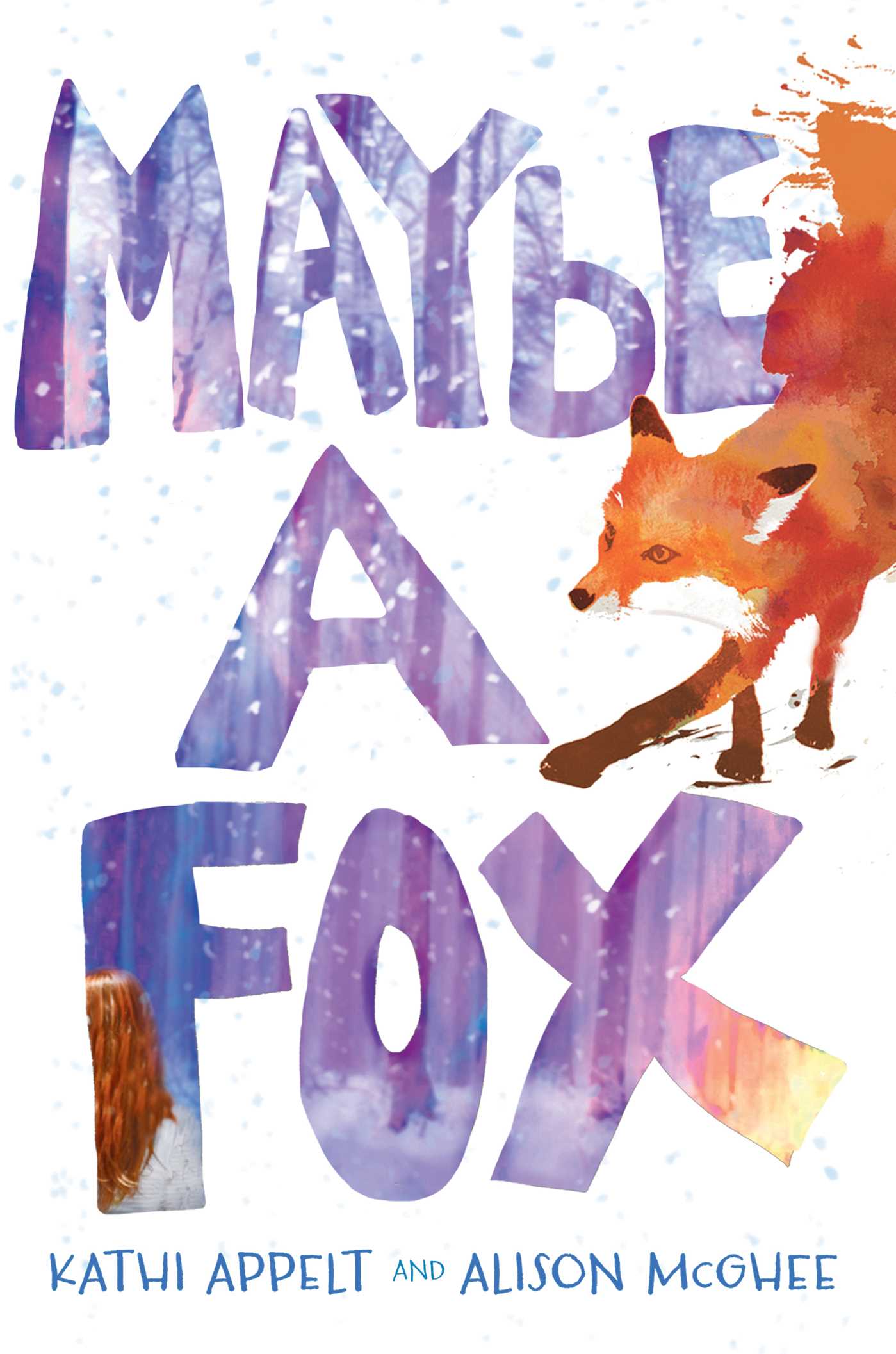
maybe a fox

Maybe a Fox
Author: Kathi Appelt and Alison McGhee
Published: March 8, 2016 by Atheneum/Caitlyn Dlouhy Books

Goodreads Summary: A tale about two sisters, a fox cub, and what happens when one of the sisters disappears forever.

Sylvie and Jules, Jules and Sylvie. Better than just sisters, better than best friends, they’d be identical twins if only they’d been born in the same year. And if only Sylvie wasn’t such a fast—faster than fast—runner. But Sylvie is too fast, and when she runs to the river they’re not supposed to go anywhere near to throw a wish rock just before the school bus comes on a snowy morning, she runs so fast that no one sees what happens…and no one ever sees her again. Jules is devastated, but she refuses to believe what all the others believe, that—like their mother—her sister is gone forever.

At the very same time, in the shadow world, a shadow fox is born—half of the spirit world, half of the animal world. She too is fast—faster than fast—and she senses danger. She’s too young to know exactly what she senses, but she knows something is very wrong. And when Jules believes one last wish rock for Sylvie needs to be thrown into the river, the human and shadow worlds collide.

Writing in alternate voices—one Jules’s, the other the fox’s—Kathi Appelt and Alison McGhee tell the tale of one small family’s moment of heartbreak.

Ricki’s Review: I read this entire book in one sitting because, quite simply, I could not put it down. I sobbed through the entire book because I connected so strongly with these characters. As a mom, I couldn’t imagine my son experiencing the pain that these sisters felt from the loss of their mother. As a sister, I can’t imagine my own sister disappearing. These two connections, along with the stunning portrayal of character and story, made this book feel deeply personal for me. While younger students won’t be moms, and thus, won’t have this personal connection I had with the text, they will be sons and daughters. Regardless of a reader’s point of view, they will connect with this book because it is written so beautifully. I won’t forget this book, and I don’t think other readers will forget it, either.

Kellee’s Review: This book is one I’ll be talking about for a while. I will say it is probably the saddest book that I’ve ever read; however, it is beautiful. It is very hard to explain unless you’ve experienced because it gives hope while also being so terribly sad. The characters, animal and humans, are so thought out and detailed that as you read you feel with them and for them. I was also in awe of the way Kathi and Alison were able to tell such a unique story without the reader ever feeling like it was an odd scenario. Whenever I try to describe this book to someone, they give me quite a weird look, so I just stop trying and tell them they should read it because it is a heart print book. There is no other way to describe it. Like Ricki said, every reader will feel for someone in the book. And every reader won’t be able to deny how beautifully written the prose is. 

Teachers’ Tools for Navigation: As you will read in Kathi and Alison’s guest post below, point-of-view makes this story quite powerful. Teachers might ask students to consider the varying perspectives of this story and how they work together to form a cohesive whole. The teacher might provide other examples of texts that feature different points-of-view to compare and contrast authors’ styles. Students might then try their hand at writing in various, connected points-of-view and subsequently analyze how this enhances a narrative.

Discussion Questions: How do the authors unfold the plot in the narrative?; What predictions did you make while reading this story? How might the story have turned out quite differently?; How does Senna’s point-of-view enhance the story for you?; Were there any allusions within the text?; What theme do you take away from Maybe a Fox?

We Flagged: “The baby girl fox, Senna, came into the world in darkness, thirty feet below ground in the end dug out of cool brown earth. She was the middle child, born between her older and younger brothers, the three of them separated by minutes.

The first thing she knew was the feel of her mother’s tongue. Shhh shhh shhh, cleaning her off, licking her into life and warmth and love and safety.

The second thing she knew was the feel and smell of her brothers’ bodies pressed against hers as their mother nursed them, their front paws kneading her belly.

The third thing she knew was that there was someone waiting for her, someone she needed to find.” (p. 75-76)

Read This if You Loved: The House of Purple Cedar by Tim TinglePax by Sara PennyPacker, Counting Crows by Kathi Appelt

Recommended For: 

litcirclesbuttonsmall closereadinganalysisbuttonsmall readaloudbuttonsmall classroomlibrarybuttonsmall

Giveaway!
A Guest Post from Kathi and Alison about Point-of-View

Finding the best possible point of view for a story is one of the most important choices that a writer can make. The point of view, more than any other aspect of literature, dictates the distance created between the character and the reader. When we embarked upon this story, Alison chose to write from the fox’s story and she decided early on that she wanted to write from an omniscient point of view. This allowed her to place Senna deeply within the pocket of her fox family, and to give our readers an intimate sense of their world. It gave her a way to present the fox-world via the senses of all five members of their family, and put the readers squarely inside of the natural landscape.

When we were first drafting, Kathi chose to write Jules from a first person point of view. However, it didn’t take long before she realized that the first person was too limiting. Yes, first person is quite intimate and there are good reasons to use it, but in this case it felt as though it created too many blind spots. Jules needed a bigger canvas and so Kathi switched to third person. That allowed her to broaden the scope of Jules’ experience, and to let Jules, as well as the omniscient narrator, experience the events as they unfolded.

We always knew that Sam’s point of view would be from the third person too, and he stepped into the story in a way that let the reader get a more objective perspective. We also hoped to show that even though Sylvie’s death primarily impacted Jules and her dad, her loss was felt strongly by the entire community. As well, Sam’s earnest desire for the return of the catamount helped to create a sense of possibility that the other characters couldn’t, simply because of their closeness to Sylvie.

The landscape also gave us a perspective. The woods and rocks, and of course the Slip itself with its local legends, provided not only a backdrop, but its own wild voice, a voice that spoke to each of our characters—fox, Jules, Sam, Elk, Sylvie, Zeke, Dad, and the catamount—in a way that only a wild place can speak.

All this to say that the multiple points of view hopefully helped to create stories within stories that, when woven together, made a single story that was enriched by the viewpoints of each character.

Kathi and Alison.

About the Authors:

Kathi Appelt photo 2015_credit Igor Kraguljak

Kathi Appelt is the New York Times best-selling author of more than forty books for children and young adults. Her picture books include Oh My Baby, Little One, illustrated by Jane Dyer, and the Bubba and Beau series, illustrated by Arthur Howard. Her novels for older readers include two National Book Award finalists: The True Blue Scouts of Sugar Man Swamp and The Underneath, which was also a Newbery Honor Book. In addition to writing, Ms. Appelt is on the faculty in the Masters of Creative Writing for Children and Young Adults at Vermont College of Fine Arts. She lives in College Station, Texas. To learn  more, visit Kathi’s website at kathiappelt.com.
Alison McGhee photo 2015 credit Dani Werner
Alison McGhee is the New York Times bestselling author of Someday, as well as Firefly Hollow, Little Boy, So Many Days, Bye-Bye Crib, Always, A Very Brave Witch, and the Bink and Gollie books. Her other children’s books include All Rivers Flow to the Sea, Countdown to Kindergarten, and Snap. Alison is also the author of the Pulitzer Prize–nominated adult novel Shadowbaby, which was also a Today show book club selection. She lives in Minneapolis, Minnesota, and you can visit her at AlisonMcGhee.com.

MaybeAFox_banner

Follow the blog and book tour!

See Another Guest Post by Kathi Appelt Here!

RickiSigandSignature

**Thank you to Barbara at Blue Slip Media for providing copies for review and the giveaway. Also, thank you to Kathi and Alison for the wonderfully insightful guest post!**