Kellee’s End of Year Student Survey Results, Students’ Favorite Books, and Top Checked Out Books 2017-18

Share

Another school year is in the books! This was a special year. I’ve now been teaching advanced reading for 3 years, so there were 5 kids who were in my class for all 3 years of this elective. I’ll never forget all of my students, but these 5 will always be special because of that.

End of Year Survey

At the end of each year, I give my students a survey to help me grown and learn as a teacher but also for them to reflect on the year. Here are some answers from the survey:

I need to reflect on this one because most of the kids who chose the same or less are 8th graders. I saw a huge drop for my readers between 7th and 8th grade. Why?

Does my classroom library benefit students? How did it benefit you this year? 

  • I think that your classroom library does benefit students. It benefited me because there’s a lot of books. So many different types books makes it easier for me to find something that interests me. It also benefited me because having books in your classroom makes it easier to find books when I can’t buy some or can’t go to the school or public library.
  • I think that it does because students are able to have a wide selection of books.
  • Yes! Your classroom library benefited me this year by allowing me access to multiple books. It exposed me to multiple genres, authors, and adventures.
  • I definitely believe that it benefits students because since you’re usually here and we can kind of get some help on what to get by telling you our interests and things that we like to read about. Then you can help us find a book and it makes students feel like they have somewhere to go when they’re wondering what book to read.
  • Yes, by having a reading class that has an actual private library is very good for getting students to read because of this easy environment to get to books. By having this library situated right in the classroom allowed me to instantly check out another book anytime I’m done with one, allowing me to read more and more instead of having to plan about when to go to the library and having that planning becoming potentially postponed resulting in less reading.

What would you say to someone that says that a classroom library is a waste of money?

  • I would say it is not. It’s not because the teacher is helping students and providing them with books to help them in their classes.
  • It is really not. Being a in classroom full of books pushes the students to read more. Also, since the library is inside the classroom all the books are titles students are interested in.
  • It’s not a waste of money it is a preserve of knowledge.
  • I think that a classroom library as cool to have because kids have interesting books right at their fingertips since it’s in their classroom.
  • I would say they have to learn to appreciate the love of reading kids have because without a library in a classroom kids will have a harder time being encouraged to read.
  • I would, politely, tell them that they’re wrong. Classroom libraries help people get books easily. Students can find things that interest them in classroom libraries. Besides, you learn things while reading books.
  • I would have said that it doesn’t matter, the more books the more learning. The learning can improve students in their language.

Do you like how the classroom library was organized? Explain.

  • Yes because it was very quick and easy to find a book by just looking up the last name of the author.
  • I liked how the classroom was organized because it made things easier to find. For example, if an author wrote two series that are completely different genres it would be much harder to find because they wouldn’t be in the same place. But since you organized it in alphabetical order you could see all the different series written by the same author.
  • Yes because I can find books by my favorite author or genre.
  • Yes, it’s because not only is there a system given to us to find books of our interest, we could also stroll around the class searching for books that are there in a shelf organized by genre and finding books that we mostly likely wouldn’t find as fast in the systems.

What do you think the benefit of taking advanced reading is?

  • It helps me read more and it makes me be a completely different (in a good way) person.
  • You can find authors that you can follow for the rest of your life.
  • I think the greatest benefit of taking advanced reading it that we are really pushed to read more, and that improves our progress in language arts and all other subjects.
  • You’re vocabulary definitely expands because once you read enough books, you start to see a bunch of new words and you’ll get to learn what they mean as you read.
  • It helps with close reading and deeper thinking.
  • The benefit of advanced reading is that you get to read more for pleasure.
  • You learn more and it helps you become a better reader and writer and helps you a lot, I believe, in the real world.

What have you learned about yourself through the assignments in this class?

  • That I can do more than what I am capable of doing. I’ve learned a lot about myself for the past 3 years in this class.
  • I have learned that I need to stay more focused, and that I should pay attention to the news more often about other countries.
  • I learned that I actually enjoy non-fiction books even though I don’t read them often. When we did the non-fiction unit I enjoyed learning about animals and the Titanic.
  • I learned that nobody is perfect and that we should always strive to be a better person instead of flawless.
  • I have learned that I still have a lot of books I can’t wait to read.
  • I’ve learned about myself that I am a bookworm. I didn’t think I would be, but I am.
  • I’ve learned that I can be a very determined and hardworking person. 
  • Some things that I have learned about myself through the assignments is that I could do many things that I really didn’t enjoy in other years and now I do them nearly everyday now. Also I learned about things that I didn’t think I was good at and now that I know how to use them they are easy to use.

What was your favorite assignment or activity we did in class? Why?

  • The Rescued book was my favorite because of what Raja had went through, how it has to do with real events, and the Center for Great Apes.
  • Book trailers because I was able to tell people about a book that i really like and recommended it to many people.
  • I’d say book clubs because we get a chance to step into an unfamiliar genre that we aren’t used to reading but we get to read it along with our classmates allowing us to discuss details about the book, identifying the facts of it whether the book is more interesting than we think.
  • I think the nonfiction unit we did was very fun because it showed me that there are interesting nonfiction books and that not all of them are just boring facts.
  • My favorite assignment we did in class were word parts because it helped me a lot when I’m reading other books with a hard vocabulary.

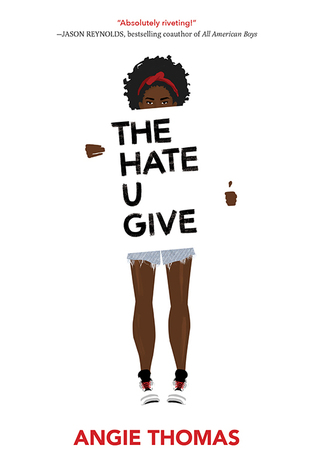
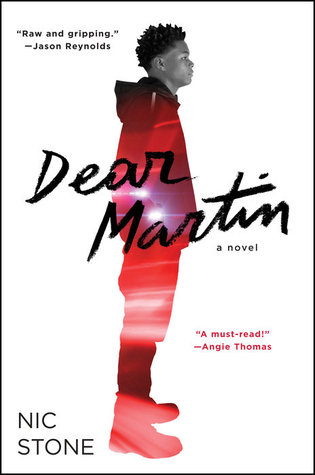
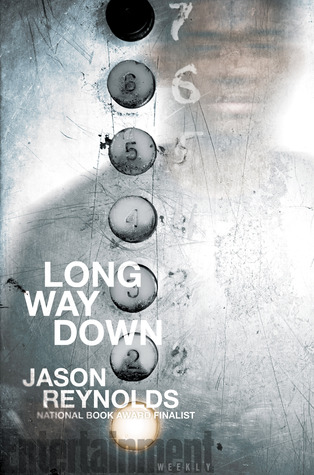
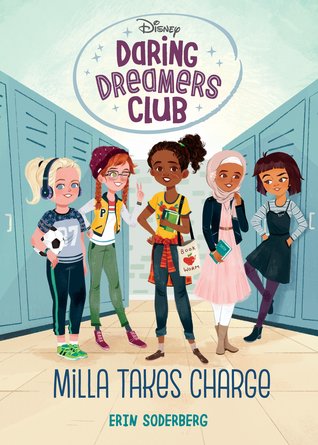
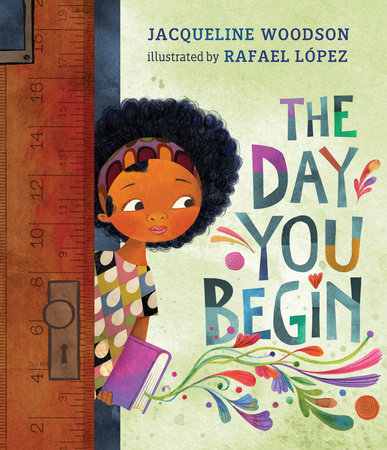
Favorite Books My Students Read This Year

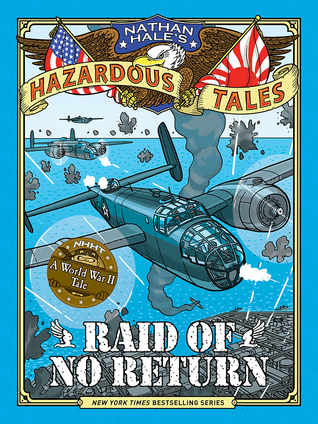
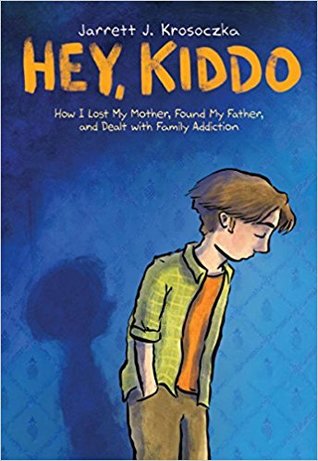
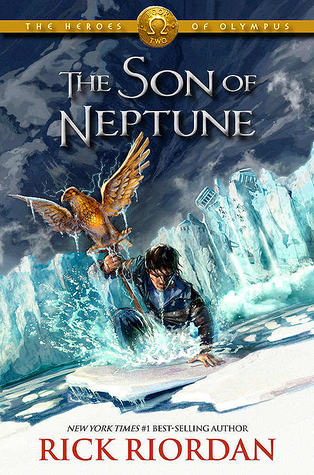
My students read A LOT this year! 1,514 books read by 41 students in my Advanced Reading class. That is an average of 37 books per student! I am so proud of them!

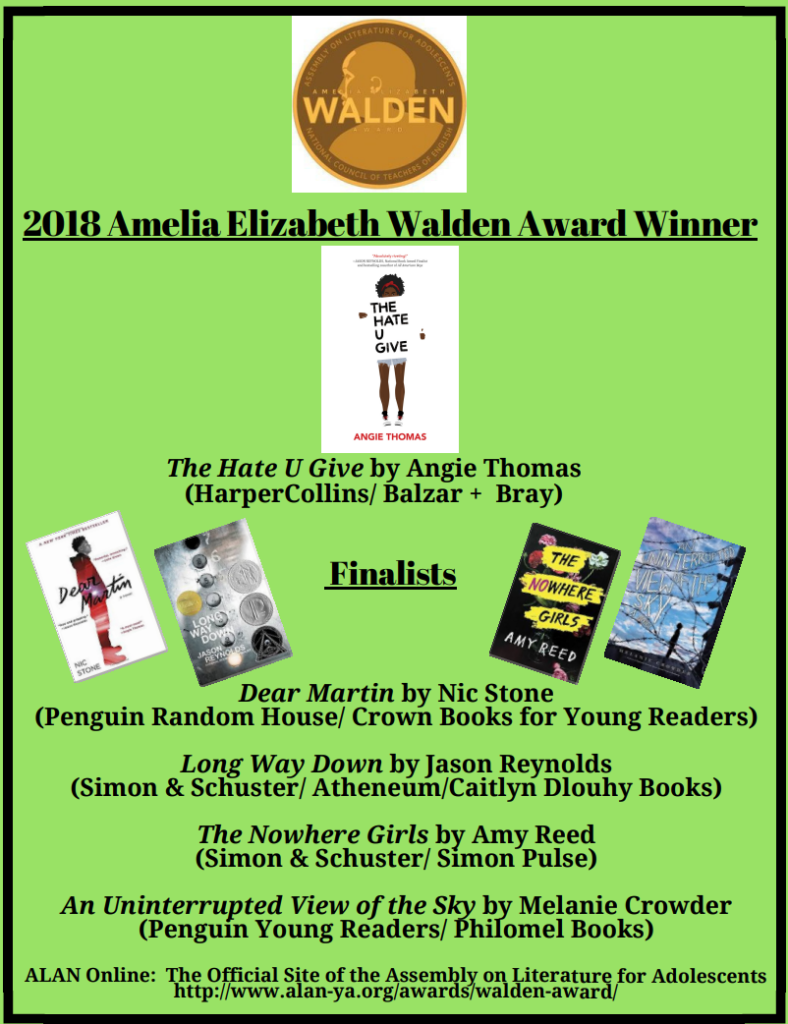
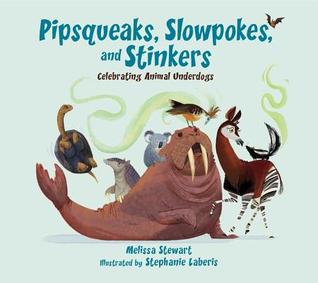
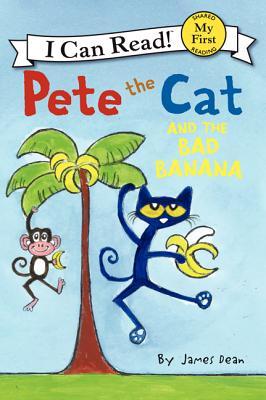
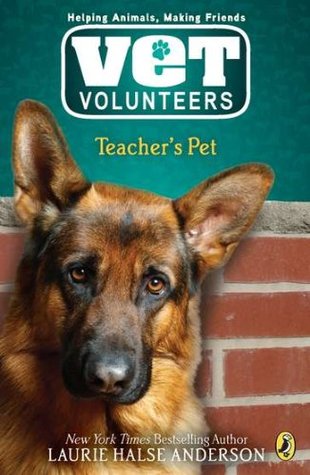
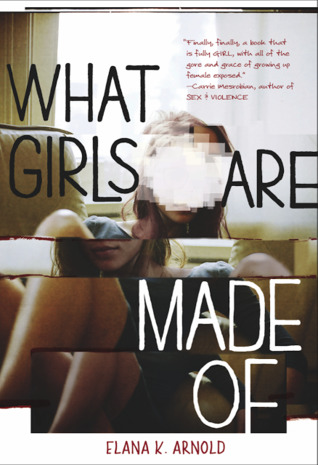
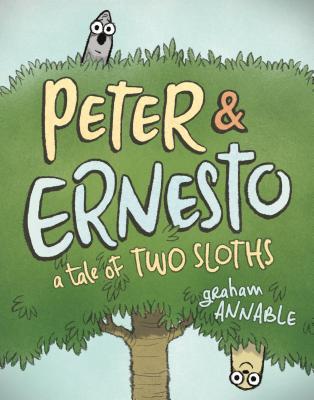
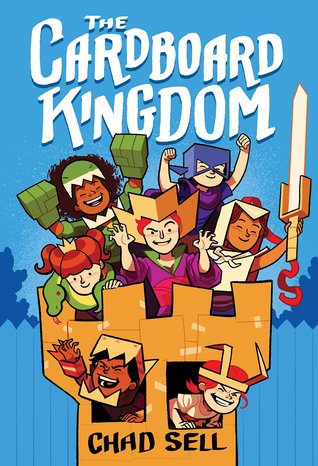
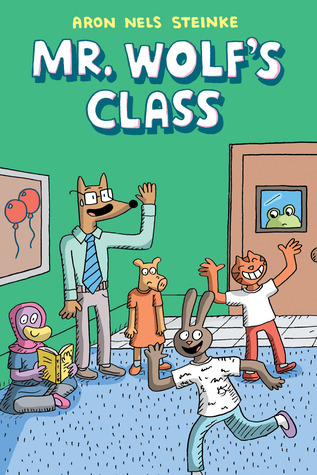
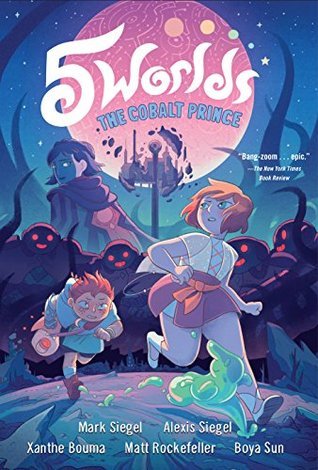
Here are the titles they listed as their favorites on our end of year survey
(click on either image to enlarge):

If you don’t have any of these, you definitely should get them:

Top Checked Out Books from my Classroom Library

Yearly, starting with 2012-2013 (and excluding 2013-2014), I have shared the most popular books in my classroom library:
2012-2013
2014-2015
2015-2016
2016-2017

From 2011-2013, I taught an intensive reading class with students who had not been successful on the state reading test; however, since 2014, I switched to teaching advanced reading, an elective that students choose to be in (and I still get to work with my striving readers through being reading coach–a win/win!). Students from all intervention reading classes as well as my class use my classroom library.

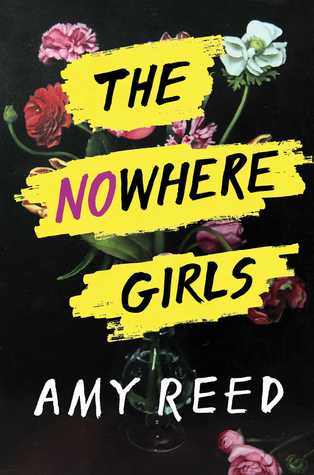
1. Ghosts by Raina Telgemeier
2. See How They Run by Ally Carter
T3. Ghost by Jason Reynolds
T3. Sisters by Raina Telgemeier
T3. Take the Key and Lock Her Up by Ally Carter


T6. All Fall Down by Ally Carter
T6. The Honest Truth by Dan Gemeinhart
T8. Drama by Raina Telgemeier
T8. The Stonekeeper by Kazu Kibuishi
T10. Double Down by Jeff Kinney
T10. Smile by Raina Telgemeier
T10. Sunny Side Up by Jennifer L. Holm

T13. House Arrest by K.A. Holt
T13. How to (Almost) Ruin Your Summer by Taryn Sounders
T13. Long Way Down by Jason Reynolds
T13. Prince of Elves by Kazu Kibuishi
T13. Scythe by Neal Shusterman
T13. Swing It, Sunny by Jennifer L. Holm
T13. The Crossover by Kwame Alexander
T13. The Girl in the Well is Me by Karen Rivers
T13. The Stonekeeper’s Curse by Kazu Kibuishi

Happy summer to all of my fellow teachers, and here’s to another awesome school year in the books!

Review and Giveaway!: What Do They Do With All That Poo? by Jane Kurtz

Share

What Do They Do With All That Poo?
Author: Jane Kurtz; Illustrator: Allison Black
Published: June 19, 2018 by Beach Lane Books

Goodreads Summary: Find out what happens to all of the poo at the zoo in this funny and factual picture book!

There are so many different kinds of animals at the zoo, and they each make lots and lots (and sometimes LOTS!) of poo. So what do zoos do with all of that poo? This zany, fact-filled romp explores zoo poo, from cube-shaped wombat poo to white hyena scat, and all of the places it ends up, including in science labs and elephant-poo paper—even backyard gardens!

Ricki’s Review: It brings me great joy to review this book. Really. This book is on our nightly reading list, and my son laughs and laughs as we look at all of the different types of poo. I’ll admit that I don’t like poop jokes and don’t find poop to be very funny. But this book is really funny and wildly entertaining. My son’s preschool teacher has recycled panda poo paper, and he learned from this book that this recycling process is made possible by a panda’s diet (see the first spread featured below). He was thrilled to share this scientific tidbit during his morning meeting. This book spurs curiosity. My son asks a lot of questions wen we read it, and we do a lot of comparing and contrasting across pages. I’ll admit that we’ve had great fun selecting which poo is the most interesting to us. I loved that one of the animals (no spoilers here) has cube-shaped poo! This book is sure to be a favorite in classrooms. Get ready to learn science in an entertaining way!

Teachers’ Tools for Navigation: Mary Cowhey’s Black Ants and Buddhists is one of the most beloved elementary school professional development texts. In the book, Cowhey describes a moment in her teaching career when a student wondered aloud about where the poo goes after he flushes the toilet. Cowhey set up an exploratory learning unit based on this question. What Do They Do with All That Poo? follows this spirit (with a focus on zoos and animals).

Teachers might ask students to go home and return to class with an inquiry question about the world. Then, they might (as a whole class, in groups, individually) explore their question(s) and design a picture book or picture books to reflect their new learning.

Discussion Questions: 

  • What did you learn? What do they do with all that poo?
  • Which animal poo was the most interesting to you?
  • Select one animal. What is one interesting fact about the animal’s poo (beyond the shape)?
  • Which animals weren’t featured in the book? What is their poo like?

Flagged Passages: 

Read This If You Loved: Caring for Your Lion by Tammi Sauer; Strange, Unusual, Gross, and Cool Animals by Charles Ghigna; Pink is for Blobfish by Jess Keating; Animal Planet & National Geographic nonfiction such as Real or Fake?Ocean AnimalsAwesome 8Animal Atlas, or the Animal Bites series    

Recommended For: 

readaloudbuttonsmall classroomlibrarybuttonsmall

Giveaway!:

a Rafflecopter giveaway

About the Author: Jane Kurtz was born in Portland, Oregon (where she now lives), but when she was two years old, her parents decided to move to Ethiopia, where she spent most of her childhood. Jane speaks about being an author at schools and conferences—in all but eleven of the United States, so far, and such places as Uganda, Nigeria, Kenya, France, Germany, Romania, Russia, Oman, England, Indonesia, Cambodia, the Philippines, and Japan. She helped start Ethiopia Reads (EthiopiaReads.org), a nonprofit that is planting libraries for children and printing some of the first easy-reader books in local languages in Ethiopia. She is the author of many books for children, including Water Hole Waiting and River Friendly River Wild, winner of the SCBWI Golden Kite award for picture book text. To learn more, visit her website: janekurtz.com.

Twitter: @janekurtz

RickiSig

**Thank you to Barbara at Blue Slip Media for providing a copy for review!**
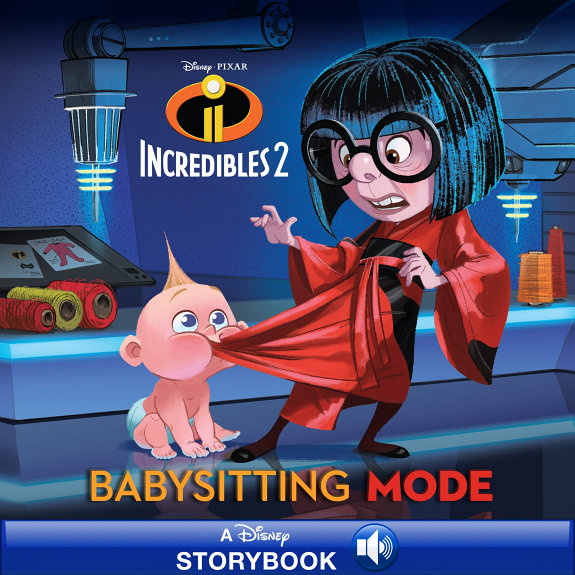
Women Athletes Who Rule! from Sports Illustrated Kids: The 101 Stars Every Fan Needs to Know by Elizabeth McGarr McCue

Share

Women Athletes Who Rule! from Sports Illustrated Kids: The 101 Stars Every Fan Needs to Know
Author: Elizabeth McGarr McCue
Published June 5th, 2018 by Sports Illustrated

Summary: The fifth book in the Big Book of Who series from Sports Illustrated Kids profiles extraordinary athletes who shaped the narratives of their sports. The best women athletes–past and present–including Billie Jean King, Serena Williams, Nadia Comaneci, Simone Biles, and dozens more are grouped into these categories: Superstars who reinvented what it means to be a sports celebrity, Wonder Women who transcend sports and created seismic shifts in our culture, Trail Blazers who broke barriers and paved the way for others to follow, Record Breakers who set new standards for excellence, and the Champions who showed heart and gumption as winners. All of their stories bring excellence in women’s sports to readers hungry for empowering stories for kids–girls and boys alike. 

ReviewAlthough I wish there were just more women in a book called ATHLETES WHO RULE, I am happy to have a book that celebrates female athletes that kick butt in their sport! This book celebrates firsts, amazing accomplishments, broken records, and champions. I adore that it spans from the early 1900s to today looking at women who paved the way for the extraordinary athletes that are superstars of today.

Teachers’ Tools for Navigation: The text is structured like a Guinness Book of World Records book making it quite friendly for kid readers who want to read the whole text or for readers who want to browse for fun facts. It could also be a great resource for a literacy activity in a physical education class.

Discussion Questions: 

  • How did the women of the early 1900s help pave the way for women athletes today?
  • How are women athletes treated differently than male athletes?
  • Which woman athlete was a new name to you and impressed you with their accomplishments?
  • How was the book structured? What other ways could it have been organized?
  • How did the “Fast Facts,” “Did You Know,” and “Wow Factor” sidebars help with the intrigue the book built?

Flagged Passages: 

Credit: Excerpted from Women Athletes Who Rule by the Editors of Sports illustrated Kids. Copyright © 2018 Liberty Street. Reprinted with permission from Time Inc. Books, a division of Meredith Corporation. New York, NY. All rights reserved.

Read This If You Love: Sports!, Sports history, Sports Illustrated Kids

Recommended For: 

classroomlibrarybuttonsmall

Signature

**Thank you to little bigfoot for providing a copy for review!**
Things We Do Over the Summer (Educators DO Work During the Summer!)

Share

Ah. Summer is here! That means teachers are going to nothing for the next nine weeks, right?!
NO! Here are just some of the things we’re up to this summer during our “free” time.

(We ended up combining our lists because there was a lot of overlap; some are for one of us but most are for both–it turns out that we do a lot of similar summer prep!)

Attend the Future Problem Solvers International Competition

Write common final exams for the school district

Plan curriculum and write syllabi

Attend the American Library Association Annual Conference

Blog!

Read for pleasure

Read professional books that we never get to all year

Read all of the journals we’ve gotten all year and have not had time to read

Write teaching guides

Answer emails for questions about summer reading and course-related questions

Go into school when test scores come in to analyze them

Meet with counselors to help with reading and language arts scheduling

Meet up with teachers who want to chat about curriculum or books before the start of the school year

Professional Learning Community pre pre-planning days

Host a Summer Book Club

Start planning for NCTE and ALAN presentations

Leadership Team meetings planning for pre-planning

See past students who are in town for the summer from college

Take part in Twitter Chats with my PLN for e-PD

Go to doctor and dentist appointments

Go to the bathroom whenever we want (Ricki admits that this has become possible year-round now that she teaches college)

Submit a book proposal

Read dozens of books seeking new material for course adoption

Write manuscripts for publication (Publish or perish at the college level, right?)

Meet with colleagues to plan and streamline college courses

Write dozens of letters of recommendation for preservice teachers seeking jobs

Review for academic journals

What are you doing this summer during your “free” time? 

 and

It’s Monday! What Are You Reading? #IMWAYR 6/11/18

Share

IMWAYR 2015 logo

It’s Monday! What Are You Reading? From Picture Books to YA!

It’s Monday! What are you Reading? is a meme started by Sheila at Book Journeys and now hosted by Kathryn at The Book Date. It is a great way to recap what you read and/or reviewed the previous week and to plan out your reading and reviews for the upcoming week. It’s also a great chance to see what others are reading right now…you just might discover the next “must-read” book!

Kellee and Jen, of Teach Mentor Texts, decided to give It’s Monday! What Are You Reading? a kidlit focus. If you read and review books in children’s literature – picture books, chapter books, middle grade novels, young adult novels, anything in the world of kidlit – join us! We love this meme and think you will, too.

We encourage everyone who participates to support the blogging community by visiting at least three of the other book bloggers that link up and leave comments for them.

Bold_line

Last Week’s Posts

Tuesday: BOOK TRAILER PREMIERE!: Lady Pancake and Sir French Toast: Mission Defrostable by Josh Funk

Wednesday: Startalk with Neil deGrasse Tyson: Young Readers Edition

Thursday:  Nocturnals: The Slithery Shakedown by Tracey Hecht

Friday: Teaching Rescued by Eliot Schrefer in a Middle School Reading Classroom

Sunday:  Author Guest Post with Teaching Tools!: “How can we tell we’re living in a global village?” by Carla Mooney, Author of Globalization: Why We Care About Faraway Events

**Click on any picture/link to view the post**
Bold_line

 Last Week’s Journeys

Kellee

I am writing this post on Wednesday the 6th before I leave for the Future Problem Solvers International Competition.
If I am going to be completely honest, I do not have much to share with you that I have read since Monday. I think the beginning of summer is one of my hardest reading times because my brain just wants a break. Hopefully it’ll get back to normal soon 🙂

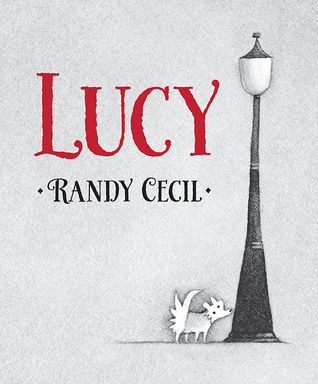
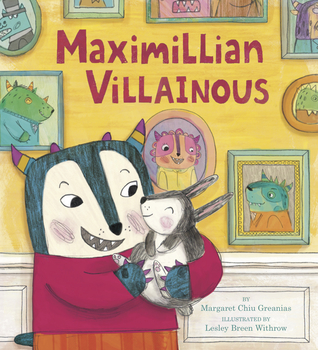
I did get a chance to read two upcoming picture books (both September) that are VERY different but are both must get books, and Trent and I also listened to some new books in the car:

 Ricki

I LOVED Josh Funk’s Mission Defrostable. This is one of my favorite children’s book series. Lady Pancake and Sir French Toast are very funny, and the books provide a lot of great classroom opportunities.

Piecing Me Together by Renée Watson is well worth the hype. I really enjoyed it. I’m adding it to my book list for the fall. It’s that good. I did a lot of Kindle highlighting. There is much to talk about with this one.

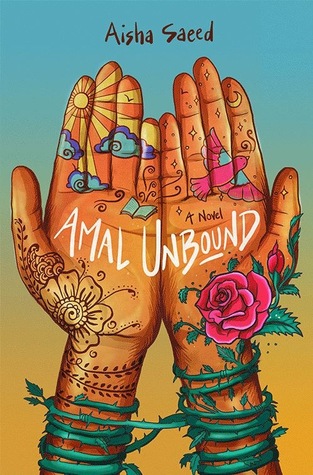
Amal Unbound was also incredible. I had a lot of good luck with books this week. I read this book last night and stayed up until three in the morning because I was desperate to find out what happened next. This book is set in Pakistan, but it discusses human rights issues that are a reality across the world.

Bold_line

This Week’s Expeditions
Kellee

We’ll see how much reading I can get done at FPS! I’m still listening to Anger is a Gift, so I hope to get some time on the plane and shuttle!

Ricki

I am trying to finalize books for my Fall syllabus. I have a few tough choices to make, and I want to read this book to consider whether it will fit within one of my weekly themes.

Bold_line

Upcoming Week’s Posts


Tuesday: Things We Do Over the Summer (Teachers DO Work During the Summer!)

Wednesday: Women Athletes Who Rule! from Sports Illustrated Kids

Thursday: What Do They Do With All That Poo? by Jane Kurtz

Friday: Kellee’s End of Year Student Survey Results, Students’ Favorite Books, and Top Checked Out Books 2017-18

Sunday: Author Guest Post with Teaching Tools!: “Lessons of Past Wars” by Barbara Diggs, Author of The Vietnam War

Bold_line

 So, what are you reading?

Link up below and go check out what everyone else is reading. Please support other bloggers by viewing and commenting on at least 3 other blogs. If you tweet about your Monday post, tag the tweet with #IMWAYR!

 Signature andRickiSig

Author Guest Post with Teaching Tools!: “How can we tell we’re living in a global village?” by Carla Mooney, Author of Globalization: Why We Care About Faraway Events

Share

Globalization: Why We Care About Faraway Events
Carla Mooney
Published May 1st, 2018 by Nomad Press

Summary: Have you noticed that our planet is becoming increasingly connected?

In Globalization: Why We Care About Faraway Events, kids ages 12 to 15 focus on the definition of globalization and discover how technology drives globalization, which affects economies, political systems, human rights, and cultures around the world. The book also explores the future of globalization and discusses issues the global community might face in coming years.

  • Readers hear news stories about globalization on a daily basis.
  • Investigating previous events in the world’s history can help students understand the causes and effects of current events.
  • Uses links to online primary sources to imbue readers with a curiosity about the topic and engage in further, independent inquiry.

About the Author: Carla Mooney has written more than 70 books for children and young adults. Her work has appeared in many magazines including HighlightsFaces, and Learning Through History. Carla lives in Pittsburgh, Pennsylvania.

Author Guest Post: 

“How can we tell we’re living in a global village?”

Where was your phone manufactured? How many different countries did you send digital waves to when you checked your social media feeds this afternoon? What nations did you read about in the paper over your morning cup of coffee?

It’s pretty easy to recognize that globalization is a driving force in our daily lives. Everything we do has consequences, both our actions as individuals and our actions as nations. It can be a little tougher to get kids to recognize what this means!

For example, consider the withdrawal of the United States from the Iran nuclear deal, which kids have probably heard about on the news. What kind of repercussions might this have in the life of an eighth grader? Well, as sanctions are potentially put back in place, global relationships will change, which means the way we trade will change, which might make things such airplane tickets more expensive for the average consumer. A 13-year-old will certainly notice if their family has to skip a summer vacation because the cost of flying is prohibitively expensive. They’ll also notice if digital devices go down in price, because their parents might be more inclined to purchase the most recent version of their phone!

Globalization is a complex topic that can help kids recognize the interconnected workings of our world. While your students’ lives might not be super changed as a result of things like the Iran nuclear deal or the trade negotiations with China, at some level, these issues affect all of us, and exploring these connections can be a lesson rich in discovery.

This is what was in my mind as I wrote Globalization: Why We Care About Faraway Events. As you might imagine, research for this book was a deep dive into the innumerable ways countries are connected, from trade policies to political partnerships to environmental agreements. It’s a very tangled web! But the more kids know about these connections, the better equipped they’ll be to make the kinds of decisions they’ll be faced with as tomorrow’s leaders.

Teachers’ Tools for Navigation: 

To get them started, here are three activities from the book.

SHOW THE CONNECTIONS

Globalization is the great connector, bringing together people, ideas, and more from all around the world. You can learn about these connections simply by studying something from your everyday life.

Pick three items that you use on a daily basis. They could be music you listen to, a T-shirt you wear, the bed you sleep in, the toothpaste you use, or the apple you eat.

For each item, think about the following.

  • Is your item affected by globalization?
  • Where is it made or grown?
  • Where is it shipped to?
  • How is it transported?
  • What laws affect it?
  • Who benefits from it and why?
  • Who suffers from it and why?

Create a map on poster board or in PowerPoint to illustrate the global connections you have found for each object. Present the map and findings to your class.

How are the journey and connections for each item similar? How are they different?

To investigate more, pick a country to research. Write an essay on how globalization has impacted the country, both positively and negatively.

WINNERS OR LOSERS?

Global trade has many benefits. It lowers the price of goods, increases wages, and fuels economic growth. Yet the global economy has both winners and losers.

To further understand this issue, you can explore the following articles or research some additional information on your own.

“More Wealth, More Jobs, but Not for Everyone: What Fuels the Backlash on Trade”

“The Toughest Questions About Global Trade”

Based on what you learn, consider the effects of global trade on individuals, companies, and governments. For example, think about the effect of global trade on a multinational toy corporation, an American factory worker, a Chinese factory worker, an Indian software engineer, an American chief executive officer, a local toy retailer, the United States government, and the Chinese government.

Who are the winners and losers? Create a chart that shows the effects of global trade on the different groups.

Do you think that increasing global trade will have a positive, negative, or neutral effect on the world overall? What about for the United States? Do you believe that the United States should enter into more free-trade agreements? Or do you believe that trade protectionism is a better strategy? Explain your position.

To investigate more, consider that as globalization changes the economy, local workers and businesses can be hurt by disappearing sales and jobs. What policies can the government put in place to support workers and businesses hurt by globalization?

VANISHING CULTURES

Many indigenous cultures are facing a battle between traditional ways of life and globalization. As older generations die out, many of the culture’s traditions are dying with them.

Use the internet and other sources to research a specific indigenous culture. You might choose the Maasai of Africa, the Wanniyala-Aetto of Sri Lanka, the Yanomami of South America, or another group of your choosing. Once you have chosen a group to investigate, consider the following.

  • Where does the group traditionally live? What are the climate and environment like?
  • What is their traditional lifestyle? How do they eat and gather food?
  • What tools do they use to get and prepare food?
  • What ceremonies, celebrations, or festivals do they observe?
  • What role does the extended family play?
  • What types of jobs do people typically hold? How do they get around?
  • How are traditions passed from one generation to the next?

Next, research how globalization has impacted these indigenous people and their culture. What changes have occurred in their environment, society, and political systems? What has caused these changes? How have these changes affected the group’s culture, beliefs, and traditions? Prepare a presentation to share what you have learned with your class.

To investigate more, imagine that you were going to live with this group for a week. What items from your culture would you bring with you? Why are these items important to you? How would they help you to live with this indigenous group? What would people from this group think about the items you have brought? Write a diary entry to describe your visit.

Find more resources in the free classroom teaching guide!

Thank you so much, Carla and Nomad Press!

Teaching Rescued by Eliot Schrefer in a Middle School Reading Classroom

Share

Rescued
Ape Quartet #3
Author: Eliot Schrefer
Published April 26th, 2016 by Scholastic Press

Summary: They grew up together. Now they have to escape together.

Raja has been raised in captivity. Not behind the bars of a zoo, but within the confines of an American home. He was stolen when he was young to be someone’s pet. Now he’s grown up and is about to be sent away again, to a place from which there will be no return.

John grew up with Raja. The orangutan was his friend, his brother. But when John’s parents split up and he moved across the country, he left Raja behind. Now Raja is in danger.

There’s one last chance to save Raja—a chance that will force John to confront his fractured family and the captivity he’s imposed on himself all of these years.

About the Author: Eliot Schrefer is a New York Times-bestselling author, and has twice been a finalist for the National Book Award. In naming him an Editor’s Choice, the New York Times has called his work “dazzling… big-hearted.” He is also the author of two novels for adults and four other novels for children and young adults. His books have been named to the NPR “best of the year” list, the ALA best fiction list for young adults, and the Chicago Public Library’s “Best of the Best.” His work has also been selected to the Amelia Bloomer List, recognizing best feminist books for young readers, and he has been a finalist for the Walden Award and won the Green Earth Book Award and Sigurd Olson Nature Writing Award. He lives in New York City, where he reviews books for USAToday.

ReviewI think out of the three Ape Quartet books published so far, this is the one that is going to hit closest to home for many. It will make many readers uncomfortable and want to make a change. First, it takes place in the United States unlike Africa like the first two. Second, it really digs into an issue that is still very much prominent here–animal injustice.

I find Schrefer’s writing to be so beautiful yet so easy to read. He can pull you into his stories and makes you feel for not only his human characters but also his animal characters. He does such a tremendous amount of research for all of his books and with this one it brings the injustice of Raja alive.

I am a sucker for ape books. I find apes to be the most fascinating animals, and orangutans may be my favorite because they have these amazing eyes that just show me that they are so intelligent and deep thinkers. They are also introverts; I think I just relate to them in that way. This book brings orangutans to life through Raja.

As evident from Schrefer’s status as a two-time National Book Award finalist, his books can be used as a mentor text for just about any aspect of writing that you are looking for: characterization, imagery, voice, conflict, etc. Read any of his books, and you can pull out so much to discuss and use within the classroom. Additionally, there are some amazing ape books, including Schrefer’s other Ape Quartet books, that would make for an amazing lit circle opportunity or text set.

Review originally posted here on May 13, 2016.

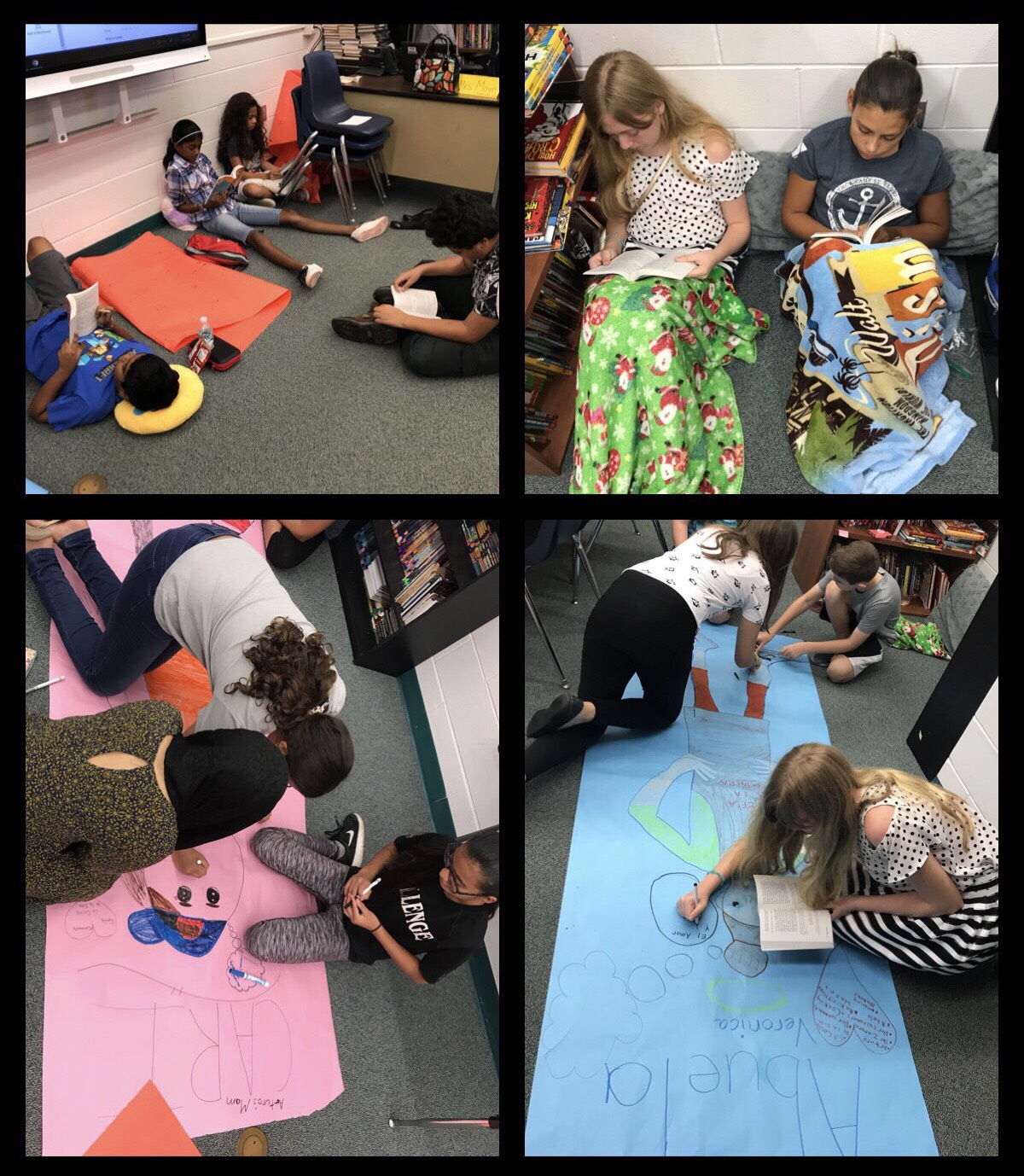
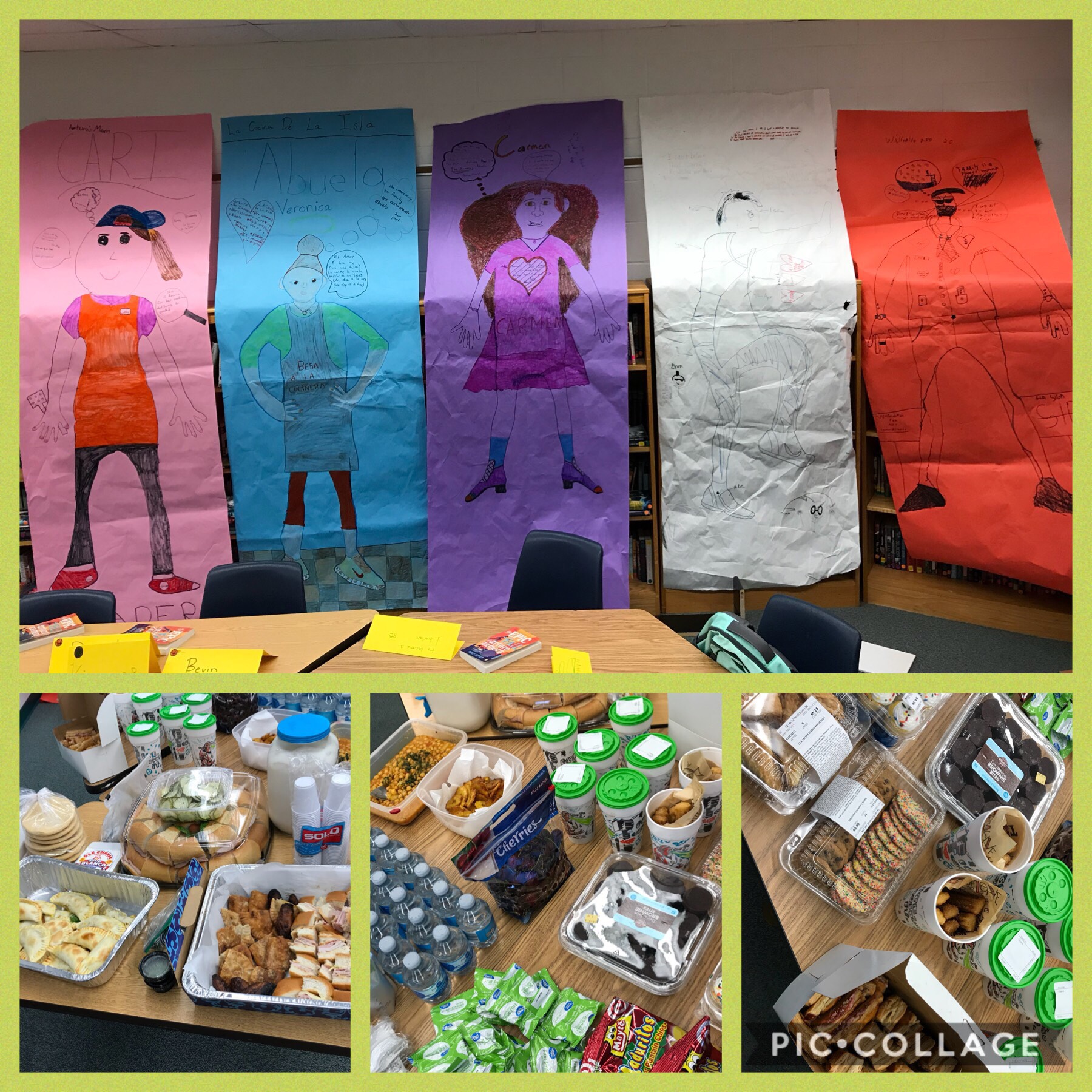
Teachers’ Tools for Navigation: Last year, our whole-class novel unit was done using Hurt Go Happy and included a trip to Center for Great Apes. This year, I had a completely different type of novel planned, but my students begged to read more about apes (and visit CFGA again). After looking at all of the available ape books, I decided that Rescued was perfect for the standards I wanted to teach and also included orangutans instead of chimps, and orangutans are the other great ape at CFGA. After setting up a Donors Choose and getting funded (THANK YOU ALL DONORS!), Eliot Schrefer also so kindly contacted me and offered to send even more copies of Rescued to my students–wow! So much kindness! Now that we had a plethora of copies, I wanted to share the love, so I contacted my South Carolina middle school teacher friend, Jennie Smith, to see if she wanted to read Rescued with us and collaborate some how. I was so happy that she said yes!

The Unit

Because I do love whole-class novels, but I also don’t like how a whole-class novel can also ruin a book with too much time spent on one book with way too many assignments during the unit. To try to fight this, I planned the unit quite simply:

  • Each week the students were given a focus question on Monday that they could think about all week then answer on Friday.
    • These focus questions are how we collaborated with Mrs. Smith’s class as well. My 1st and 2nd period posted their answers on Padlet and Mrs. Smith’s students would also post. The kids would then respond to each other.
    • Focus questions:
      • 1. What’s a big idea that’s emerging that’s worth talking about?
      • 2. Is there a passage that struck you as important in developing a character or a conflict in the reading so far? Share the passage and explain.
      • 3. What incident up to this point has had the most impact on the plot? How so? What did the characters’ response to this incident teach you about them?
      • 4. There are many who argue that Great Apes are human-like, including the lawyer who will take apes as plaintiffs to demand rights. What are some examples in this section of Raja showing how close to humans he truly is?
      • 5. How did the characters (specifically John’s mom, John’s dad, John, and Raja) change throughout the book? What other narrative elements helped shape their final persona? Find a piece of dialogue and a specific incident in the book that is evidence for your analysis of the character.
    • The idea of focus questions was something I got from a talk by Kelly Gallagher and Penny Kittle at NCTE 2017.
  • Because of one of the standards the unit was focusing on, we also looked at narrative elements, specifically dialogue, setting, and conflicts. Here is my scale for the unit:
  • Throughout the unit, I would also stop to have students think about certain text-dependent questions. I tried not to do this too often to not slow down the narrative; however, I loved seeing my students’ thinking. We would then discuss these questions, but I like allowing my students to write answers first before discussing because it allows them to get their thinking organized. (I shared some of these text-dependent questions and an example of a student’s answers below.)

The Field Trip

Once again I was lucky enough to bring my students to the CFGAs. All students were able to attend this year, and they were so kind to donate to the Center goodies for the Apes–it always fills my heart to see the empathy in their hearts!

I have gone to the Center for Great Apes for years, and sadly this is the first year it rained. Luckily, we were able to get in a 90-minute tour to see the amazing animals who inspired Schrefer’s novel. To see more about the Center, the apes they’ve saved, and the amazing work they do, please visit http://www.centerforgreatapes.org/.

Author Virtual Visit

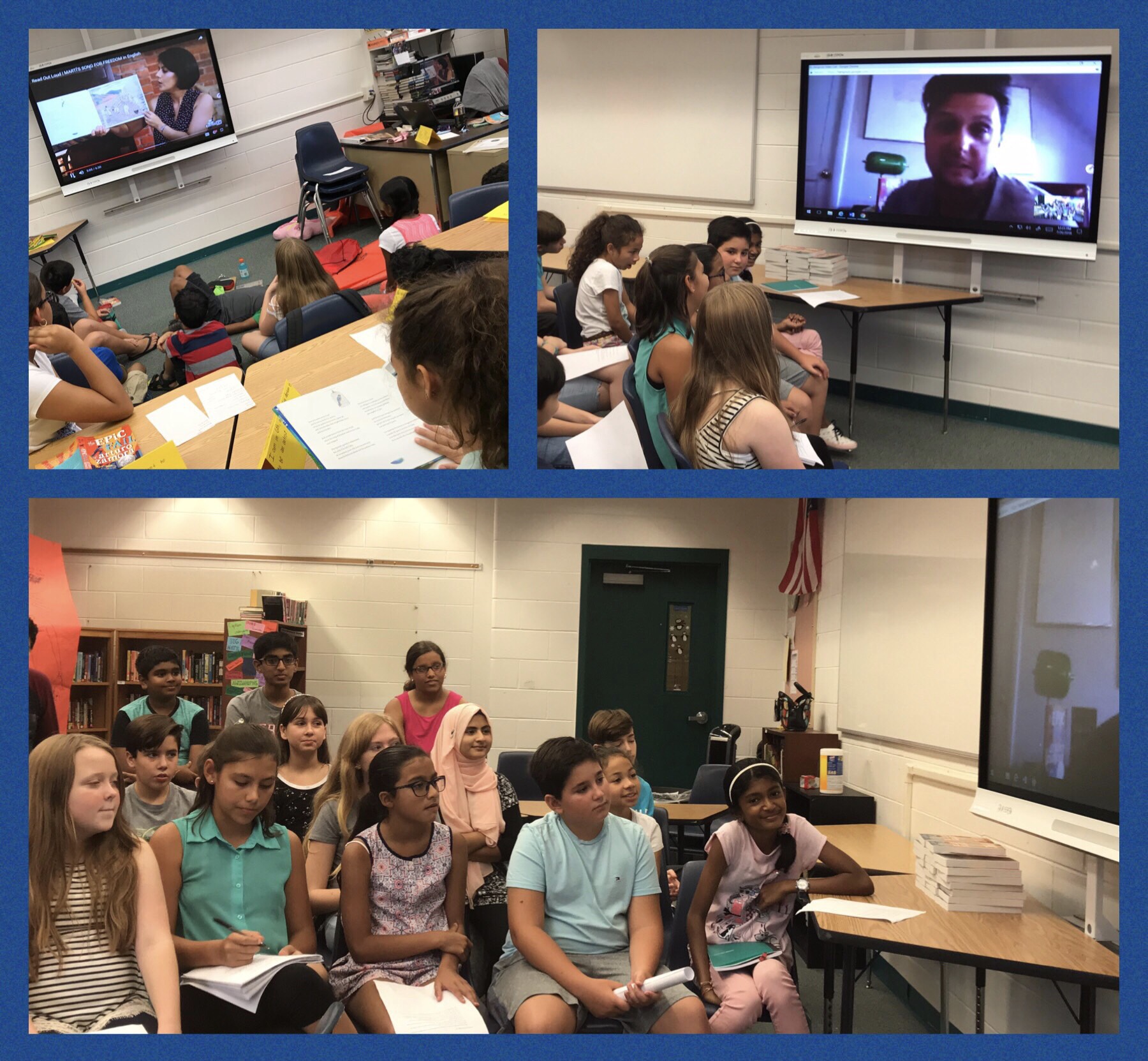
After reading Rescued, I was so happy to be able to give my (and Jennie’s) students an opportunity to interview Eliot Schrefer about the book. Each student wrote down at least one question they had for Eliot then in groups, the students chose their favorites, then based on these choices, we broke it down to 5 per class equaling fifteen interview questions altogether:

  • Why did you start writing about apes in the first place? And how did you decide on the order of publication for the Ape Quartet? 
  • Do you like writing realistic fiction like Rescued or fantasy like Mez’s Magic better?
  • Will you continue to write about apes now that you are done with the Ape Quartet? 
  • While the titles of your other books, Endangered, Threatened, and Captured, inspire a feeling of fear, the title Rescued inspires hope. Did this change in connotation of your title mark your different opinion about orangutans?
  • Were you ever stuck in between two decisions while writing the book? When? 
  • Who do you think the antagonist of the book is?
  • How did you come up with the whole “Raja bites off John’s finger” scenario? 
  • How did you come up with the concept of Friendlyland? 
  • How did you come up with the character traits for each character (Ex. Gary being a bad father)? Did you base them off people you know or knew? 
  • Can you tell us more about the corruption happening in Indonesia which allows palm oil companies to be able to keep burning down forests even though it is illegal? 
  • Do you feel that apes should be treated like human beings and given the same rights such as due process, land, etc. like the lawyer in the book? 
  • Was it hard for you to decide what would happen to Raja at the end of the book or did you know that you wanted Raja to be released into the wild instead of being kept at the sanctuary?
  • Do you have a favorite sanctuary or zoo you’ve visited? Have you visited the CFGA?
  • You used the word “merantau” which means “hitting a dead end and leaving one life to live another elsewhere” which pretty much sums up the theme of the book. Where did you come across this word? 
  • What writing tips can you give to students who want to be a writer?

We then did a Google Hangout with Mrs. Smith’s class and Eliot Schrefer on May 25th after school:

Some of my favorite answers/quotes from the visit were:

  • Realistic fiction allows for a shifting antagonist.
  • Wanted to help people realize that orangutans aren’t stuffed animals come to life.
  • I don’t have characters first. I have stories first then make the best characters for that story.
  • Apes should not be kept against their will.
  • I used the idea of merantau to develop the plot.
  • Advice: For any artistic pursuit, I encourage you to think of the long range range view. It is risky to put all expectations of self in one basket. Focus on the joy you feel when doing the art. Remember what brings you joy! And do research, take advice, and read.

Discussion Questions: These were the first five of the text-dependent questions I asked during our reading of Rescued as well as an example of a student response (color coded for RATE. R=restate, A=answer, T=text evidence, E=elaborate/explain).

  • What can you infer about John and Raja’s relationship based on the first section?
  • Why does John feel like he needs to go see Raja before he leaves?
  • In the Q&A, the author says he “realized that a captive ape’s situation was similar to the plight of a kid during a divorce, getting swept along by the needs of powerful parents, at risk for being seen for what he represents instead of as a child with his own needs” (p. 251). How are John’s and Raja’s situations similar after the divorce? How are they different?
  • Do you agree with the choice John and his dad are making? Why or why not?
  • Why do you believe the author is beginning each part with a memory of Raja’s?
  • How did the author foreshadow this scene (on pg. 99) earlier in the book?

Flagged Passages: “My telltale heart, the one I’d left behind.” (p. 38)

Read This If You Love: Eliot Schrefer novels: Endangered and ThreatenedHurt Go Happy by Ginny RorbyHalf Brother by Kenneth Oppel, The One and Only Ivan by Katherine Applegate, Ivan: The Remarkable True Story of the Shopping Mall Gorilla by Katherine ApplegatePrimates by Jim Ottaviani

Recommended For: 

classroomlibrarybuttonsmall  

Signature