Clap When You Land by Elizabeth Acevedo

Share

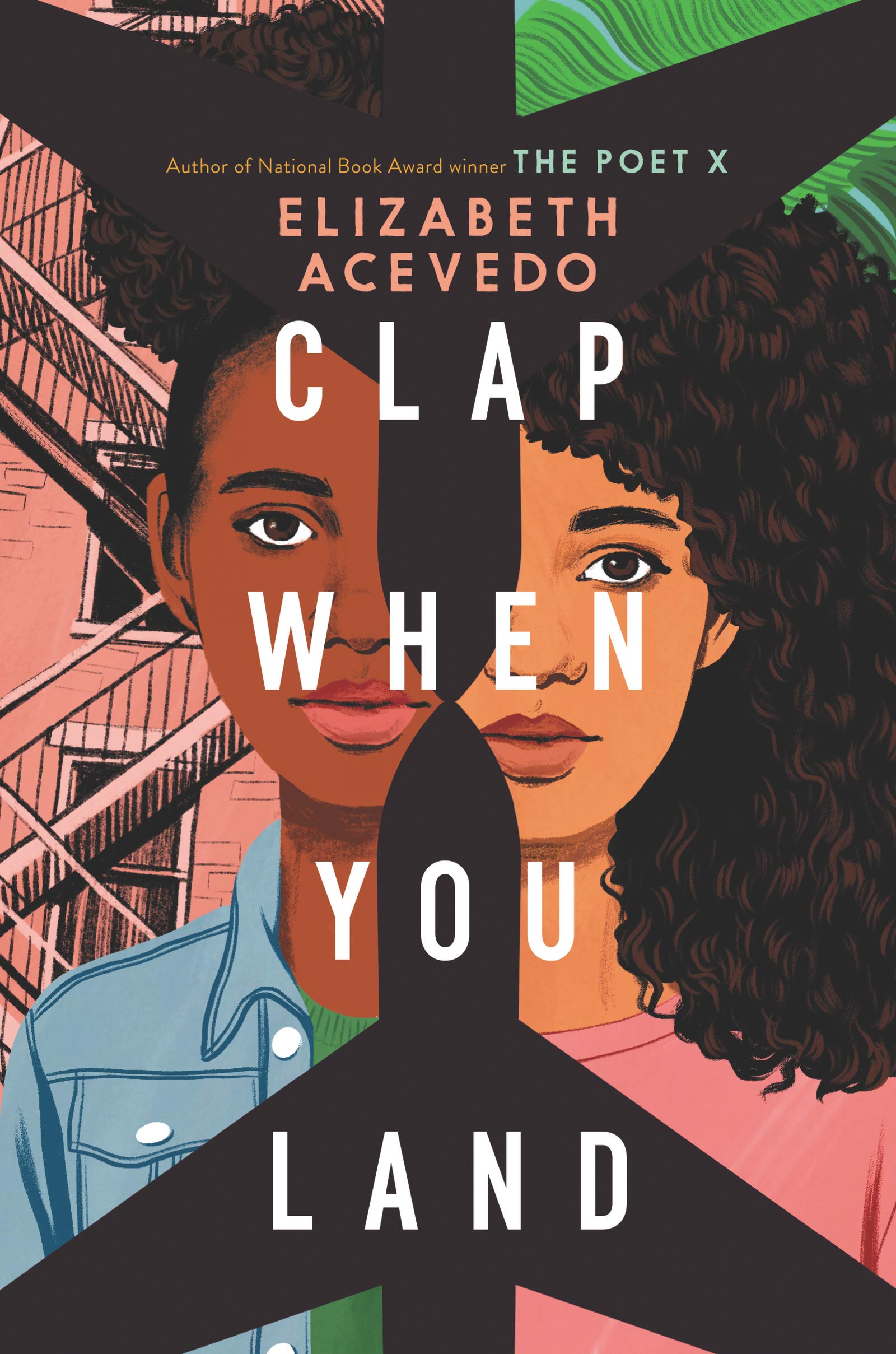
Clap When You Land
Author: Elizabeth Acevedo
Published March 5, 2020 by HarperTeen

Summary: In a novel-in-verse that brims with grief and love, National Book Award-winning and New York Times bestselling author Elizabeth Acevedo writes about the devastation of loss, the difficulty of forgiveness, and the bittersweet bonds that shape our lives.

Camino Rios lives for the summers when her father visits her in the Dominican Republic. But this time, on the day when his plane is supposed to land, Camino arrives at the airport to see crowds of crying people…

In New York City, Yahaira Rios is called to the principal’s office, where her mother is waiting to tell her that her father, her hero, has died in a plane crash.

Separated by distance—and Papi’s secrets—the two girls are forced to face a new reality in which their father is dead and their lives are forever altered.

And then, when it seems like they’ve lost everything of their father, they learn of each other.

Ricki’s Review: I was so happy to see that this book won the Amelia Elizabeth Walden Award. It is one of the most beautifully written books that I have ever read. It made me laugh, it made me weep, and it filled me with so many emotions and so many wonderings. The book is beautifully lyrical, and the voices are so strong. There’s a scene in the book that simply took my breath away. If you haven’t read this book yet, I recommend you head out and purchase it now. It’s absolutely magnificent.

Discussion Questions: 

  • How do the two perspectives of the story work together? How did it enhance your reading of the story?
  • How does place function in the story?
  • Where is home for the characters?
  • How do the characters in the story grieve? What understandings did it offer about grief and loss?
  • How do the characters in this book show strength in many different ways?

Flagged Passage: 

“Can you be from a place
you have never been?

You can find the island stamped all over me,
but what would the island find if I was there?

Can you claim a home that does not know you,
much less claim you as its own?”

Read This If You Love: Books. Seriously, it would be very difficult not to see the beauty of this book. Elizabeth Acevedo is one of the greatest writers of our time.

Recommended For: 

classroomlibrarybuttonsmall   

Blog Tour with Giveaway, Educators’ Guide, and Review: The House That Wasn’t There by Elana K. Arnold

Share

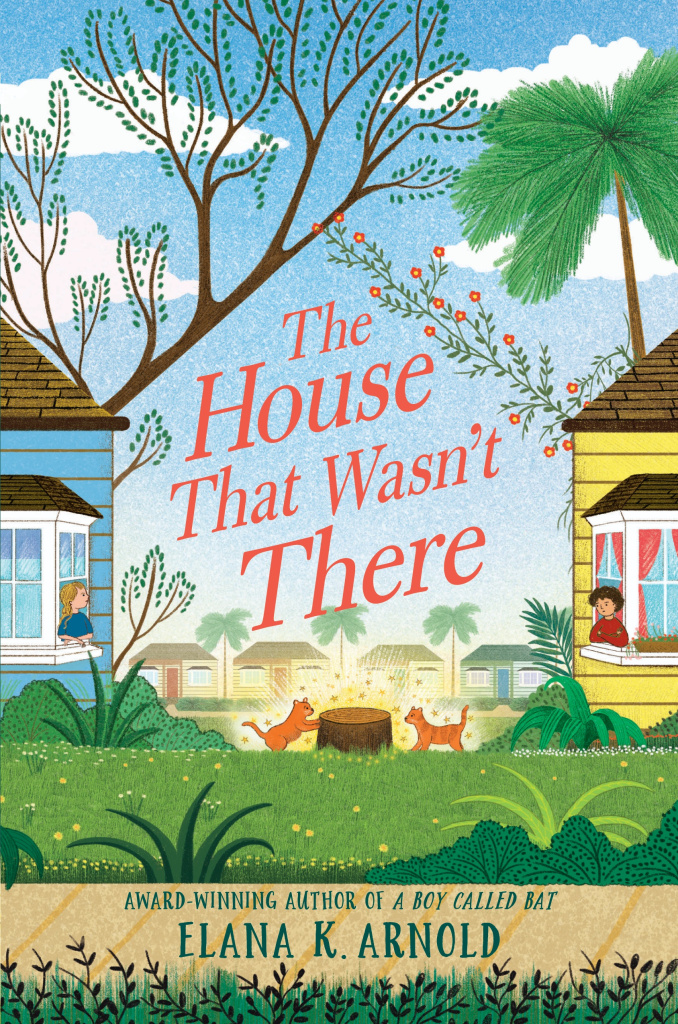
The House That Wasn’t There
Author: Elana K. Arnold
Published March 30th, 2021 by Walden Pond Books

Summary: Alder has always lived in his cozy little house in Southern California. And for as long as he can remember, the old, reliable, comforting walnut tree has stood between his house and the one next door. That is, until a new family—with a particularly annoying girl his age—moves into the neighboring house and, without warning, cuts the tree down.

Oak doesn’t understand why her family had to move to Southern California. She has to attend a new school, find new friends, and live in a new house that isn’t even ready—her mother had to cut down a tree on their property line in order to make room for a second floor. And now a strange boy next door won’t stop staring at her, like she did something wrong moving here in the first place.

As Oak and Alder start school together, they can’t imagine ever becoming friends. But the two of them soon discover a series of connections between them—mysterious, possibly even magical puzzles they can’t put together.

At least not without each other’s help.

Award-winning author Elana K. Arnold returns with an unforgettable story of the strange, wondrous threads that run between all of us, whether we know they’re there or not.

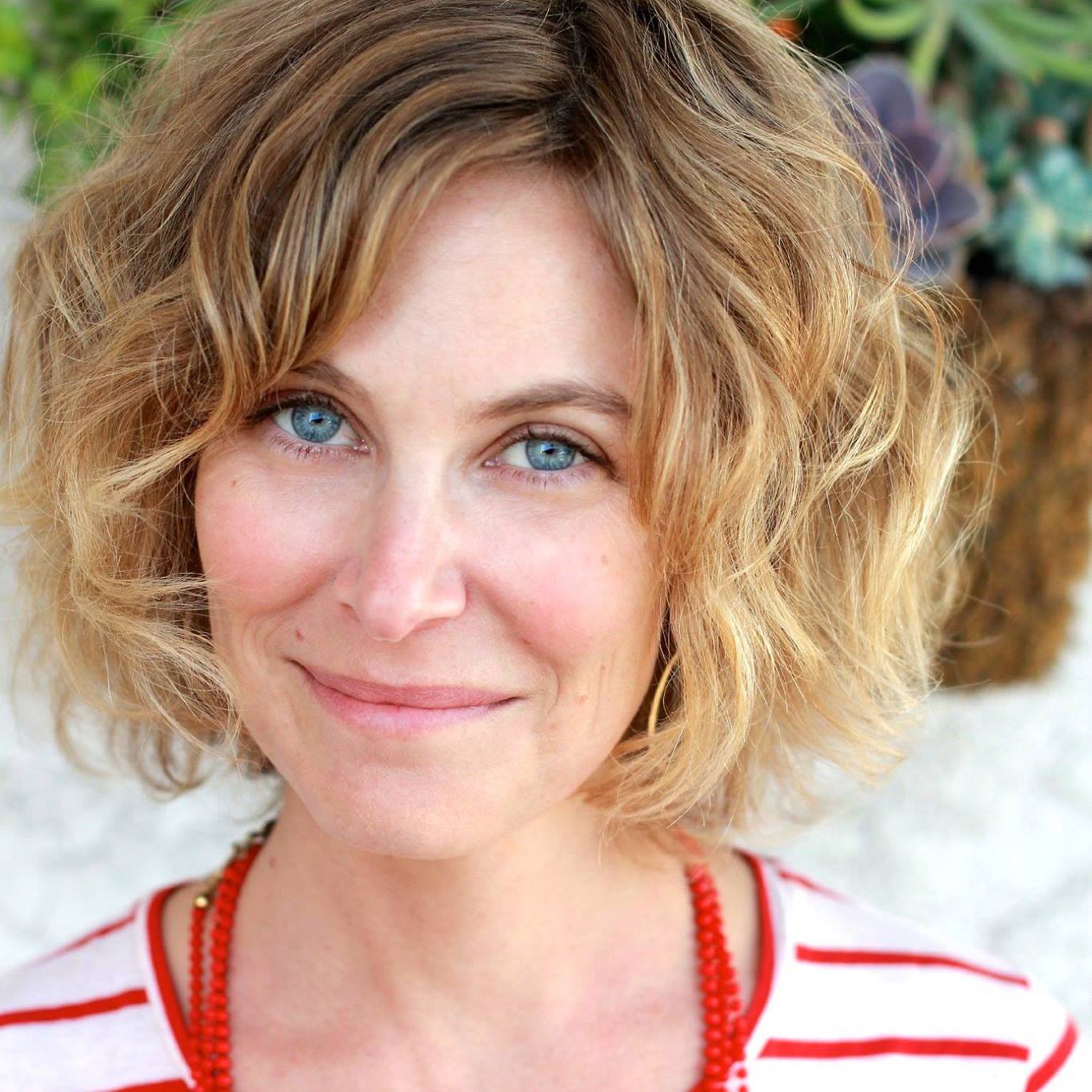
About the Author: Elana K. Arnold is the author of critically acclaimed and award-winning young adult novels and children’s books, including the Printz Honor winner Damsel, the National Book Award finalist What Girls Are Made Of, and Global Read Aloud selection A Boy Called Bat and its sequels. Several of her books are Junior Library Guild selections and have appeared on many best book lists, including the Amelia Bloomer Project, a catalog of feminist titles for young readers. Elana teaches in Hamline University’s MFA in Writing for Children and Young Adults program and lives in Southern California with her family and menagerie of pets.

Praise for The House That Wasn’t There:

“In this luminous story full of mystery and magic, Elana K. Arnold weaves a shimmering tapestry about the lovely and surprising ways we’re connected to each other. Heart-healing, hopeful, and wonderfully inventive, this beautiful novel by a master storyteller is not to be missed.” —Katherine Applegate, Newbery Medal-winning author of The One and Only Ivan

“Told through alternating perspectives that offer clearly rendered details, this compassionate novel gives a unique twist to familiar situations—feeling lonely, adjusting to new environments, forging new bonds—while inviting readers to open their imaginations to all sorts of wonderful possibilities.” —Publishers Weekly (starred review)

“The author enriches her sparely told story with hints of magic, song lyrics, good choices that key sudden sea changes in several relationships, and the small background details that make settings and backstories seem real. A low-key marvel rich in surprises, small fuzzy creatures, and friendships old and new.” —Kirkus Reviews (starred review)

Review: I love what Elana K. Arnold can do with a story! She is brilliant when it comes to weaving in secondary stories that often have way more impact than the reader realizes and for building secondary characters that leave a lasting impression.

In The House That Wasn’t There, I was struck with this talent again as I followed Alder’s and Oak’s life as they collide suddenly at the beginning of 6th grade and how their school project, a walnut tree, a dead possum, and adopted kittens all intertwine to help tell their story. The reader at times will wonder why certain things are happening or why something is being mentioned and then BAM it is revealed. It is quite fun to read! And with a bit of magical realism thrown in just for fun, a seemingly “normal” story becomes an extraordinary one!

It was also quite interesting how Arnold set up the chapters, alternating between Alder and Oak but in 3rd person. It helped keep the POV clear while also showing the reader a bit more about each of the character’s lives.

And finally: A shout out to Beck for not being what was expected; Faith for having a name, being a part of the story instead of the background, and being wonderful; and Mr. Rivera for being an innovative teacher that promotes collaboration, cross-curricular activities, and outside of the box thinking!

Educators’ Guide: 

Flagged Passages: Preview the first two chapters from the publisher: READ A SAMPLE

Read This If You Love: A Girl, a Raccoon, and the Midnight Moon by Karen Romano YoungBrave in the Woods by Tracy HolczerQuintessence by Jess Redman, Ikenga by Nnedi Okorafor, This Was Our Pact by Ryan Andrews, The Trouble with Shooting Stars by Meg Cannistra

Recommended For: 

classroomlibrarybuttonsmall

Don’t Miss the Other Stops on the Blog Tour!

March 28 Nerdy Book Club @nerdybookclub
March 29 YAYOMG @yayomgofficial
March 30 Unleashing Readers @UnleashReaders
March 31 Teachers Who Read @teachers_read
April 2 Maria’s Mélange @mariaselke
April 7 Bluestocking Thinking @BlueSockGirl
April 10 A Library Mama @librarymama
April 12 Storymamas @storymamas

Giveaway!

a Rafflecopter giveaway

Signature

**Thank you to Walden Pond Press for providing a copy for review and giveaway!**

Unicorns are the Worst by Alex Willan

Share

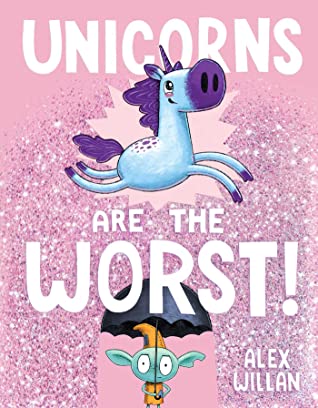
Unicorns are the Worst!
Author: Alex Willan
Published September 29th, 2020 by Simon and Schuster Books for Young Readers

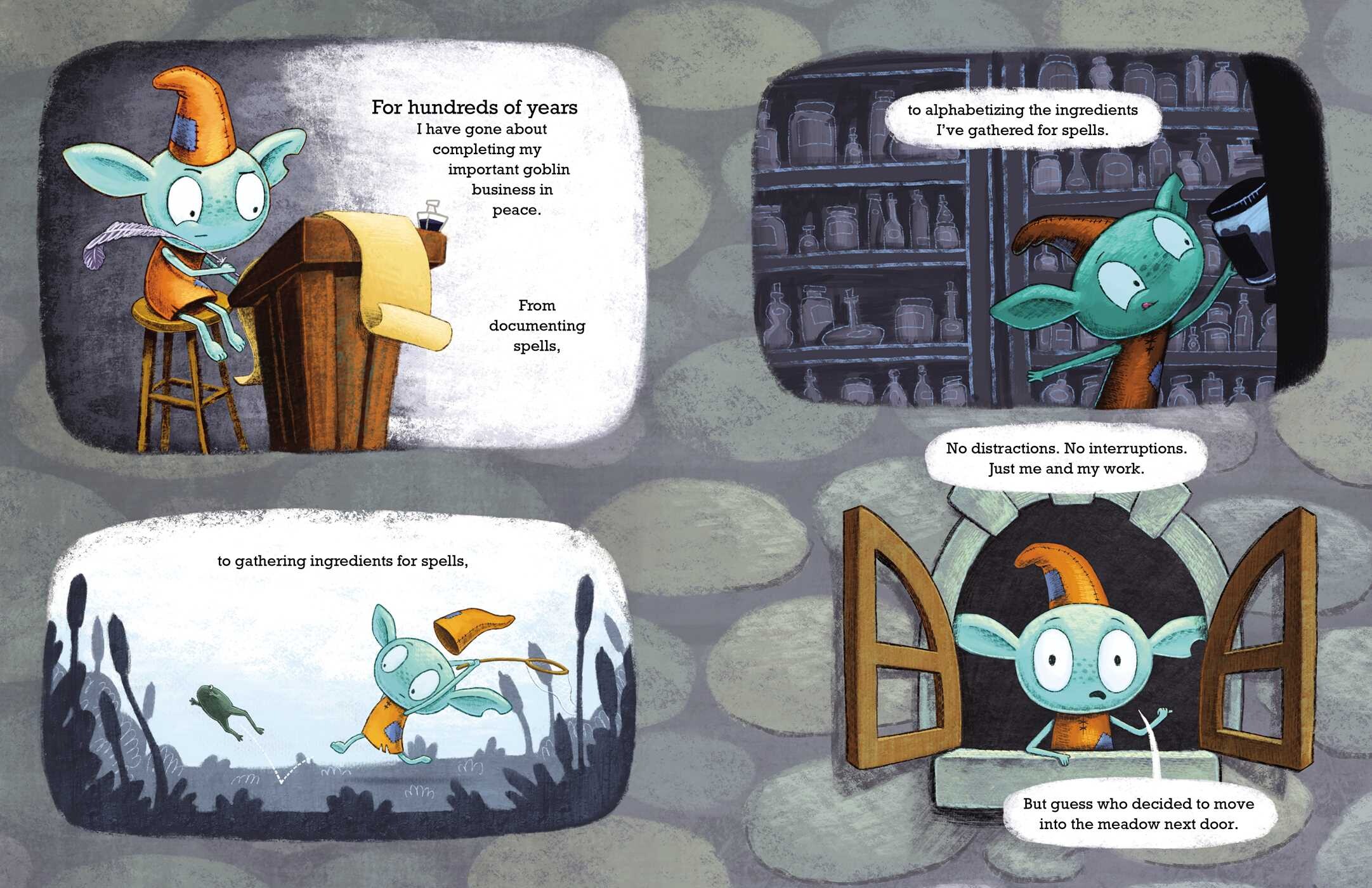
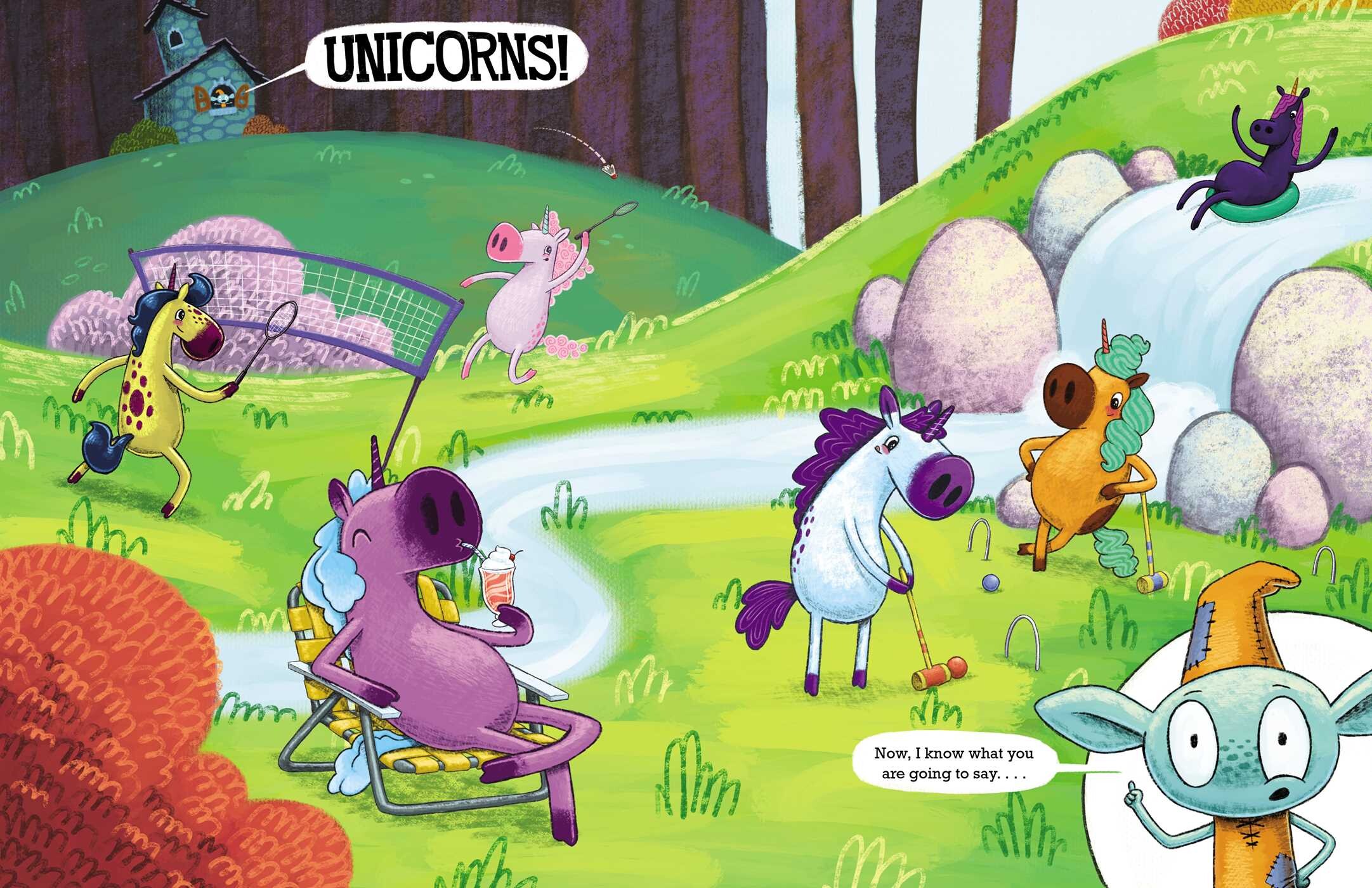
Summary: This wildly funny and imaginative picture book celebrates the value of differences as a grumpy goblin gets to know his new unicorn neighbors.

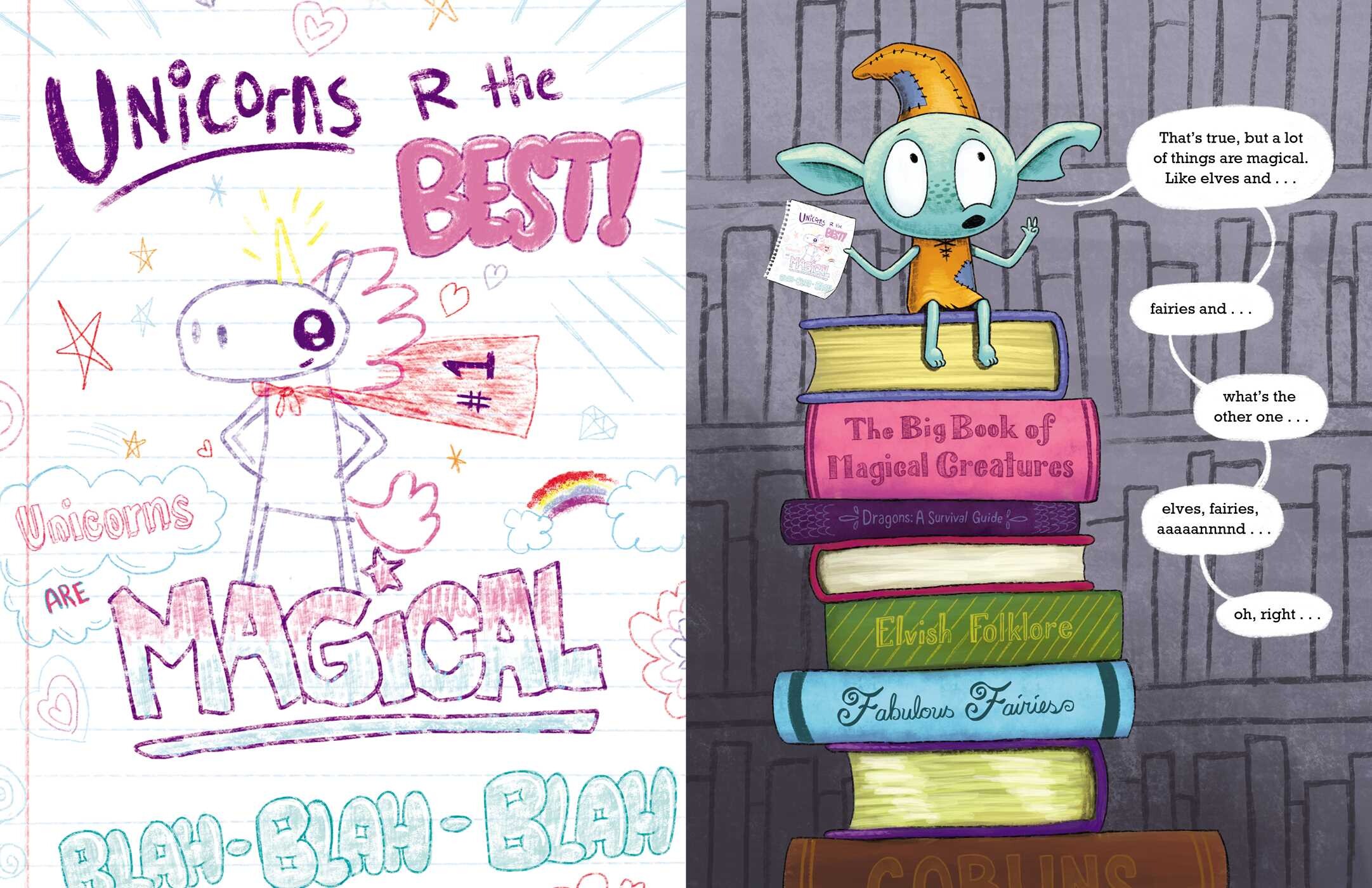
It’s an undeniable fact that unicorns are the worst!

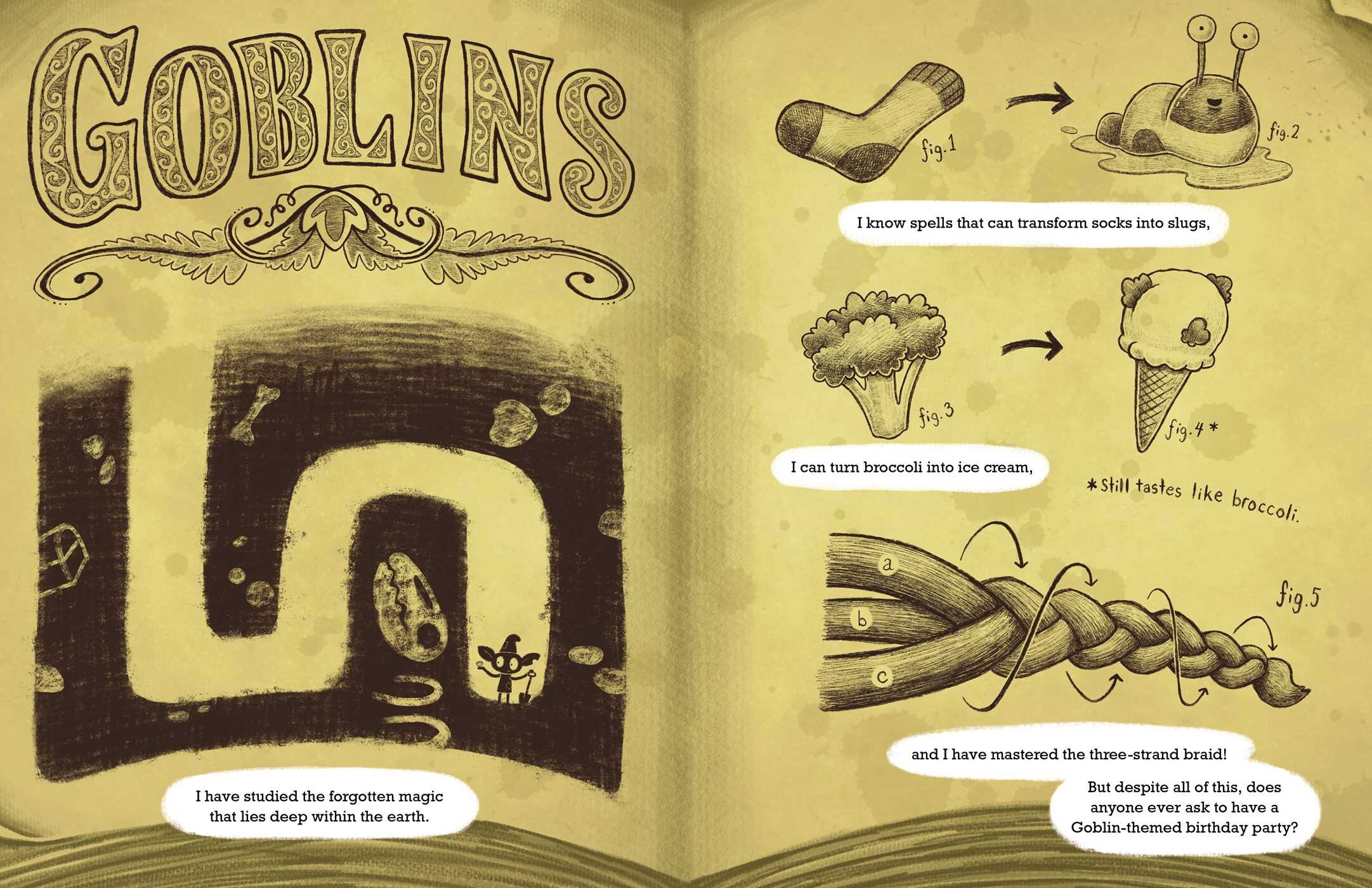
Magic is serious business, but all unicorns do is frolic around, have tea parties, and leave glitter all over the place! They’re nothing like goblins—practical and hard-working, who can put magic to good use! Unicorns aren’t helpful at all.

Or are they?

About the Author: Alex Willan grew up in Louisville, Kentucky, where he was seldom seen without his sketchbook in hand. His love of drawing led him to earn a BFA in illustration from Savannah College of Art and Design. Alex has exhibited in art galleries and has painted murals, theater sets, and squirmy kids’ faces, but his true love has always been children’s books. He lives in Chicago with his dog, Harley. Visit him online at Alex-Willan.Squarespace.com.

P.S. If you haven’t read Alex Willan’s Jasper and Ollie, I HIGHLY recommend it as well!!!

Review and Teachers’ Tools for Navigation: Happy book birthday to this funny tale! I am a sucker for a funny and unique narrator, and our Goblin in Unicorns are the Worst! fits that bill. You can hear his grumpy voice as he tells of his tales of whoa trying to do his job while unicorns get to just frollick and be happy. You can feel his despair while he gets frustrated with his hardworking life versus the laidback life of the unicorns. But you also witness his realization that his assumptions were wrong.  Because the reader has such a connection with him, this realization comes to the reader as well because as you read, you are starting to agree with the goblin. All of this leads to the idea of assumptions, fake news and gossip, propaganda, different points of view on one thing, and envy–all topics that are tough to talk about with young children, but Unicorns are the Worst! gives the perfect context (and is hilarious!).

Book Trailer:

Flagged Passages:  

Read This If You Love: Unicorn Thinks He’s Pretty Great by Bob Shea, Dragons Love Tacos by Adam Rubin, Eduardo Guadardo, Elite Sheep by Anthony Pearson

Recommended For: 

classroomlibrarybuttonsmall 

Signature

**Thank you to Simon Kids for providing a copy for review!**

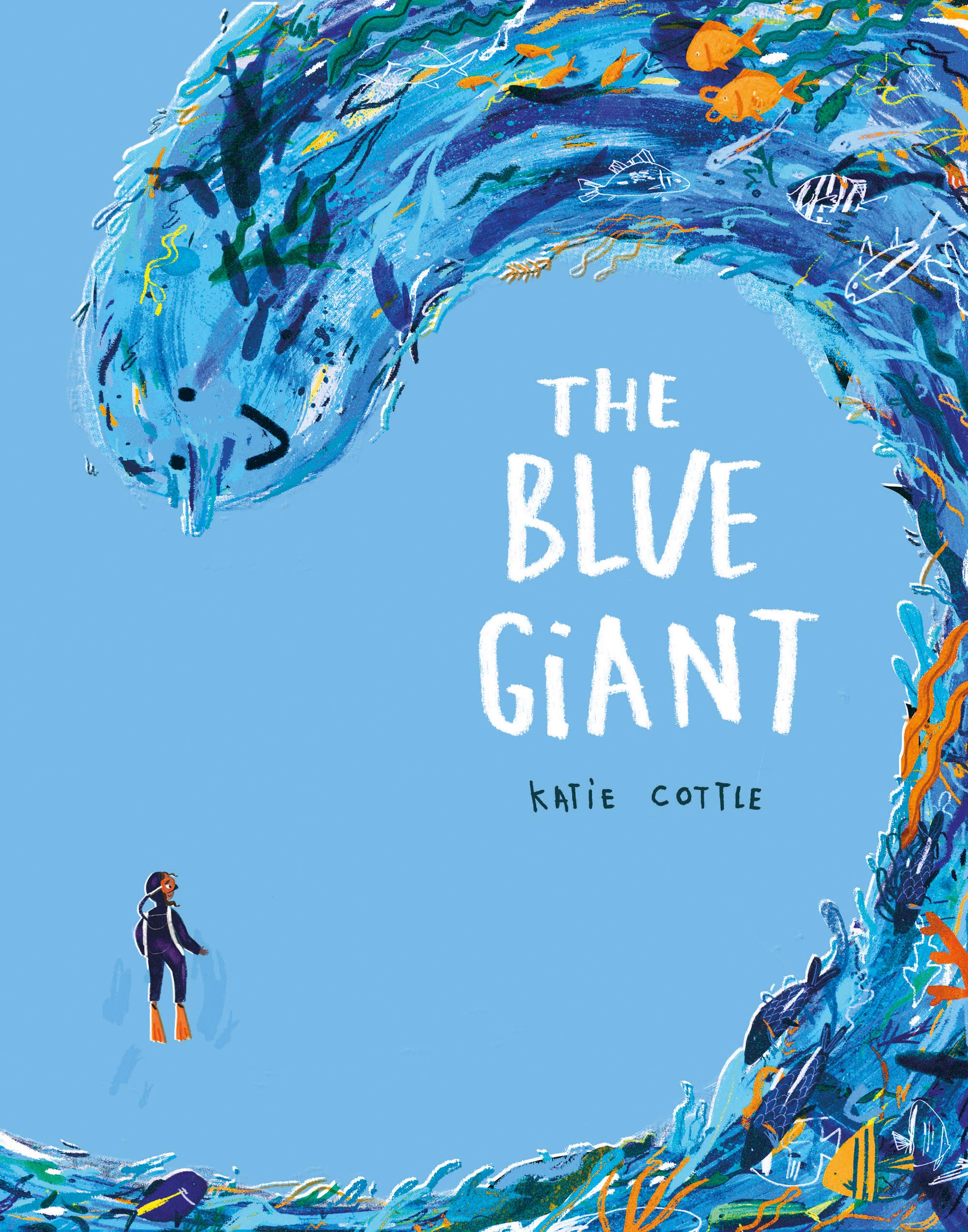
The Blue Giant by Katie Cottle

Share

The Blue Giant
Author & Illustrator: Katie Cottle
Published May 26th, 2020 by Pavilion Books Ltd.

Summary: A poignant and timely picture book introducing children to the issue of ocean pollution, with ideas to help the world become a better, cleaner place.

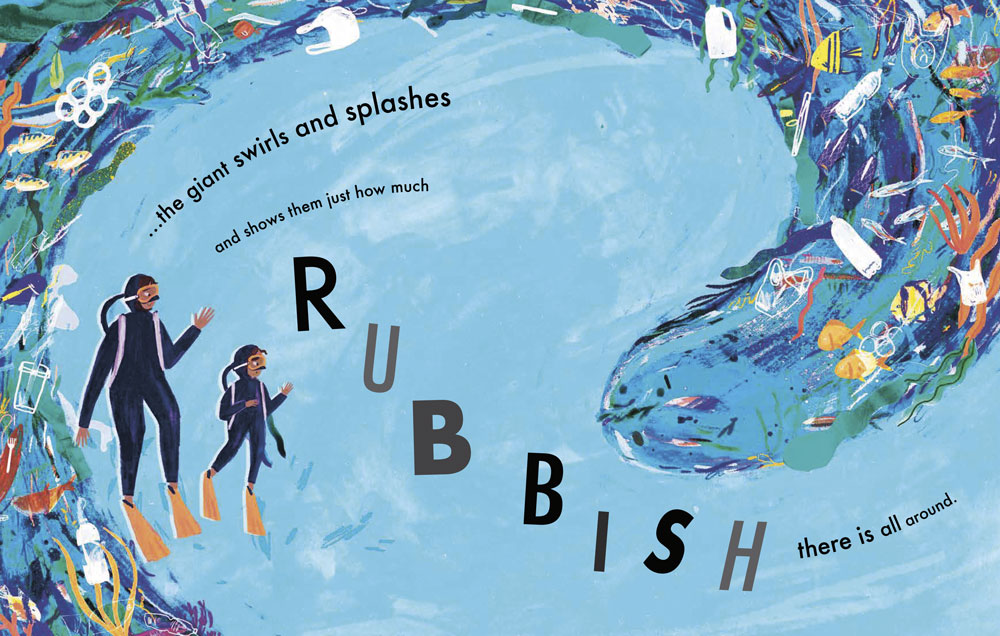
Coral and her mom are enjoying a break at the seaside. Until a creature emerges from the waves! It’s a giant. A blue giant. It is made of water, fish, and sea plants and has a stirring plea to help clean up the ocean.

Coral and her mom agree to help, donning their scuba-diving outfits and setting off to sea. But they can’t do it alone…can they?

This stunning follow-up to Katie Cottle’s debut picture book The Green Giant is another entertaining and beautiful eco-tale from the 2017 winner of the Batsford Prize. It introduces children to the issues of pollution, waste management, and the oceans, with suggestions of lifestyle changes to help clean up our seas.

About the Author: Katie Cottle is an illustrator and printmaker living and working in Bristol, U.K. Her work is often informed by the marks and colors created through traditional lithography. She also works digitally, using an iPad, and occasionally paints with gouache. The Blue Giant is her second book, following on from The Green Giant.

Review: Katie Cottle has caught onto something big with the format of this and her Green Giant book: it truly brings our environment to life and shows the harm that we are doing to it. The anthropomorphism of the ocean makes it even easier to connect to it as an entity as it shows how we are hurting it, and it shows what Meera DOES to try to reverse the effects we’ve caused.

In addition to the theme and story, I also really liked the illustrations. The author’s use of line is used expertly to show movement, and I loved all of the colors to really bring the story to life.

Teachers’ Tools for Navigation: This book is perfect for any discussion of water pollution and the environment. It shows a problem, a potential soultion, and hope for the future. It also specifically talks about single-use plastics which may be a new topic for many students.

Discussion Questions: 

  • What is something you can do to help the ocean?
  • What does Meera do to help the ocean?
  • How does our actions effect the ocean?
  • What is an animal that is effected by our pollution?
  • What is a single-use plastic that you use that you could replace?
  • What was the author’s purpose in writing this book?
  • Why did the author give the ocean a voice in the book?

Flagged Passages: 

Read This If You Love: Learning about the environment

Recommended For: 

classroomlibrarybuttonsmall

Signature

**Thank you to Media Master Publicity for providing a copy for review!**

That’s A Job?: I Like Animals…What Jobs Are There? by Steve Martin, Illustrated by Roberto Blefari

Share

I Like Animals…What Jobs Are There?
Author: Steve Martin
Illustrator: Roberto Blefari
Published March 1st, 2020 by Kane Miller Books

Summary: What do you want to do when you grow up? Children who love animals can find out all about potential future careers, from veterinarian to zookeeper to pet portrait artist, as they’re taken through a “day in the life” of 25 different animal workers.

Praise: 

Review: This book was written for so many kids out there! If any of you are librarians or teachers, you know how popular nonfiction animal books are. There are so few kids out there that don’t love animals! My son is one of those kids that adores animals and already says that he wants to be a zoologist and work with turtles, so when I saw this book, I knew I had to get it for him. What I love about the book (and the series I hope it is!) is that it gives options that kids may not know they have. Trent’s first thought for working with animals is working at a zoo, but there is so much more than that which he can choose from.

Each job’s section is really well done! It is written in first person from the point of view of the professional and includes fun yet truthful information, including the best and worst parts. Then, in the back, there is a flow map that helps kids see which job might be their perfect match, and there’s even back matter with more jobs. What a way to open up a kid’s imagination for the future!

Teachers’ Tools for Navigation: My first thought was that this book could be an awesome mentor text for creating a similar type pamphlet. Students could pick something like sports, technology, children, etc. and make a pamphlet about what jobs are out there. This would be a great research project.

Discussion Questions: 

  • Before reading: What jobs do you know of that include working with animals?; After reading: Add to the list.
  • Which job do you think would work the best with your personality and work ethic?
  • Any jobs that you are interested in that weren’t in the book?
  • Why do you think the author chose to write each section in 1st person?
  • Why do you think the author wrote this book?
  • Compare/contrast two of the jobs in the book.

Flagged Passages: 

Read This If You Love: Animals

Recommended For: 

classroomlibrarybuttonsmall 

Signature

**Thank you to Lynn at Kane Miller for providing a copy for review!**

Old Rock (is not boring) by Deb Pilutti

Share

Old Rock (is not boring)
Author & Illustrator: Deb Pilutti
Published February 4th, 2020 by G.P. Putnam’s Sons

Summary: Quirky charm infuses this tale of Old Rock’s life story, which is much more exciting than you’d expect.

Old Rock has been sitting in the same spot in the pine forest for as long as anyone can remember. Spotted Beetle, Tall Pine, and Hummingbird think just sitting there must be boring, but they are in for a wonderful surprise.

Fabulous tales of adventurous travel, exotic scenery, entertaining neighbors, and more from Old Rock’s life prove it has been anything but boring.

Great storytellers come in all shapes, sizes, and ages, and Old Rock’s stories are sure to inspire questions that lead to wonderful conversations about the past and the natural world.

About the Author: Deb Pilutti feels lucky to have a job where reading, playing with toys and watching cartoons is considered “research”. She lives in Ann Arbor, Michigan with her husband, and nervous border collie. Deb has worked as a graphic designer and illustrator, creating toys and products for children and is the author and illustrator of  OLD ROCK (IS NOT BORING!) Putnam, THE SECRETS OF NINJA SCHOOL (Ottaviano/Macmillan), TEN RULES OF BEING A SUPERHERO (Ottaviano/Macmillan), and BEAR AND SQUIRREL ARE FRIENDS (Simon & Schuster).

Praise: 

“A witty, engaging exploration of deep time . . . This picture book rocks!” –Kirkus, starred review

“This is a wonderful story about mistaken assumptions, and taking the time to listen to a variety of perspectives and experiences. Part scientific history, part storytelling, Old Rock is content with his lot in life, and Old Rock is not boring! This is a brilliant book for school and public libraries and one that children will be drawn to.” –School Library Journal, starred review

“Pilutti puts a smile and wide eyes on the rock and places it among an increasingly fascinated animal audience in a set of simply drawn, usually idyllic cartoon scenes. ‘They are not bored,’ she concludes, nor will younger readers and listeners be once they realize that every rock they see has a similar story to tell.” –Booklist

Review: This book is not boring! I just adore Old Rock and how he puts things in perspective for the beetle, pine, and hummingbird. There is so much to dig into in this book, and it is a fun narrative also. I’m also a big fan of Pilutti’s illustration styles. It is such a fun mix of cartoon and realistic with each character’s personalities shining through the illustrations.

Teachers’ Tools for Navigation: On top of the wonderful storytelling aspects of the story that could be used for a mentor text to initially introduce a personal narrative, looking at points of view of a situation, and seeing how illustrations support a text and add to the story, the book also shares the science behind rock’s stories which is a great introduction to basic geology and some animal science. Yay STEAM! Below is the image in the back matter:

Discussion Questions: 

  • Why does everyone think that being a rock is boring?
  • What has rock done that is definitely not boring?
  • How old is rock?
  • What other things would rock have seen in the timeline given for him?
  • What are some things that rock did that show his character traits?
  • Which of the characters would you want to be friends with? Why?
  • How are the other characters different than Old Rock?

Flagged Passages: 

Book Trailer: 


Read This If You Love: Anthropomorphic picture books, Tiny T. Rex and the Impossible Hug by Jonathan Stutzman, You Don’t Want a Unicorn by Ame Dyckman, Fly! by Mark Teague, Jasper & Ollie by Alex Willan

Recommended For: 

classroomlibrarybuttonsmall

Signature

The Fountains of Silence by Ruta Sepetys

Share

Fountains of Silence
Author: Ruta Sepetys
Published: October 1, 2019 by Philomel Books

GoodReads Summary: A portrait of love, silence, and secrets under a Spanish dictatorship.

Madrid, 1957. Under the fascist dictatorship of General Francisco Franco, Spain is hiding a dark secret. Meanwhile, tourists and foreign businessmen flood into Spain under the welcoming promise of sunshine and wine. Among them is eighteen-year-old Daniel Matheson, the son of an oil tycoon, who arrives in Madrid with his parents hoping to connect with the country of his mother’s birth through the lens of his camera. Photography–and fate–introduce him to Ana, whose family’s interweaving obstacles reveal the lingering grasp of the Spanish Civil War–as well as chilling definitions of fortune and fear. Daniel’s photographs leave him with uncomfortable questions amidst shadows of danger. He is backed into a corner of difficult decisions to protect those he loves. Lives and hearts collide, revealing an incredibly dark side to the sunny Spanish city.

Includes vintage media reports, oral history commentary, photos, and more.

My Review: This book rocked me. It is so beautifully written, and I felt so lucky to be able to share it with others at NCTE this year. Because I have so many teaching ideas for this book, I am organizing this post a bit differently and focusing on many more teaching tools than usual. I hope that the information below helps other teachers use this book in their classrooms. It is so worthy of being read, studied, and loved.

Inquiry to Consider the Complexity of The Fountains of Silence:

The Connection of People: Ana, Daniel, Rafa, Fuga, Julia, Puri
“Some friendships are born of commonality. Others of proximity. And some friendships, often the unlikely ones, are born of survival” (p. 53).

Place as Character
The Castellana Hilton Madrid and Madrid
“After all, a hotel is a house of secrets” (p. 171).
“Madrid’s soil is untender, strong, and enduring like many who walk upon it” (p. 457).

Gender Norms
“Estamos más guapas con la boca cerrada. We are prettier with our mouths shut” (p. 240, 243, 300).

Social Class
“What lies outside the country’s borders is untouchable for families like hers” (p. 47).

Family Responsibility
“Julia needs the wages to feed her family and pay their debts” (p. 63).
“The family business needs you” (p. 82).

Human resilience
“It’s warrior skin, very strong” (p. 113)

Secrets
“There is a category of unspeakable things, a dark drawer where inexpressible truths live in exile” (p. 240).

Dreams
“Ana is tired of silence, tired of unanswered questions, and tired of secrets. A girl of patched pieces, she dreams of new beginnings. She dreams of leaving Spain” (p. 24).

Fountains of Silence
Analysis of the power of the title. Whose stories are heard? Whose are silenced?

Culminating Project Idea: Multigenre Inquiry Project
The Fountains of Silence is story which uses layered writing to illuminate the fear and terror that people experienced under Franco’s fascist regime. The novel reveals the brute strength and resilience of the people during the time period. Select a time and place in history to research. Consider researching a time and place which is deeply connected with your own story. Read the narratives of the people and develop a multigenre project which reflects your learning. You might include fictional narratives of stories you create, nonfiction excerpts that you find in your research, a photo essay which includes photos you find in your research. Whatever the final form, your culminating project should include various types of writing and media and demonstrate your knowledge about the time and place you selected to research.

Recommended For:

 closereadinganalysisbuttonsmall litcirclesbuttonsmall classroomlibrarybuttonsmall

RickiSig