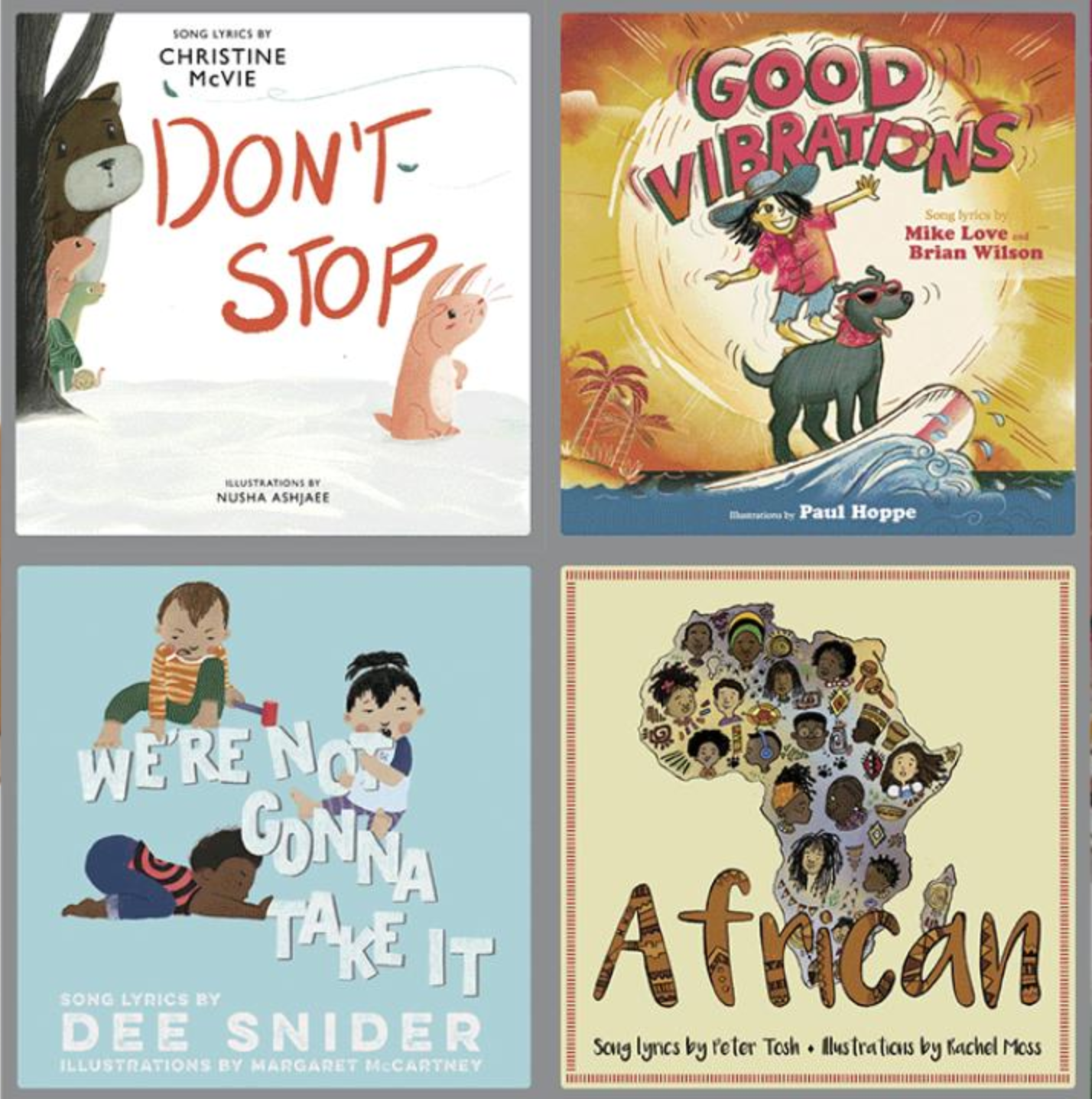
LyricPop: A New Picture Book Series from Akashic Books with Don’t Stop, Good Vibrations,We’re Not Gonna Take It, and African

Share

Don’t Stop, song lyrics by Christine McVie, illustrations by Nusha Ashjaee
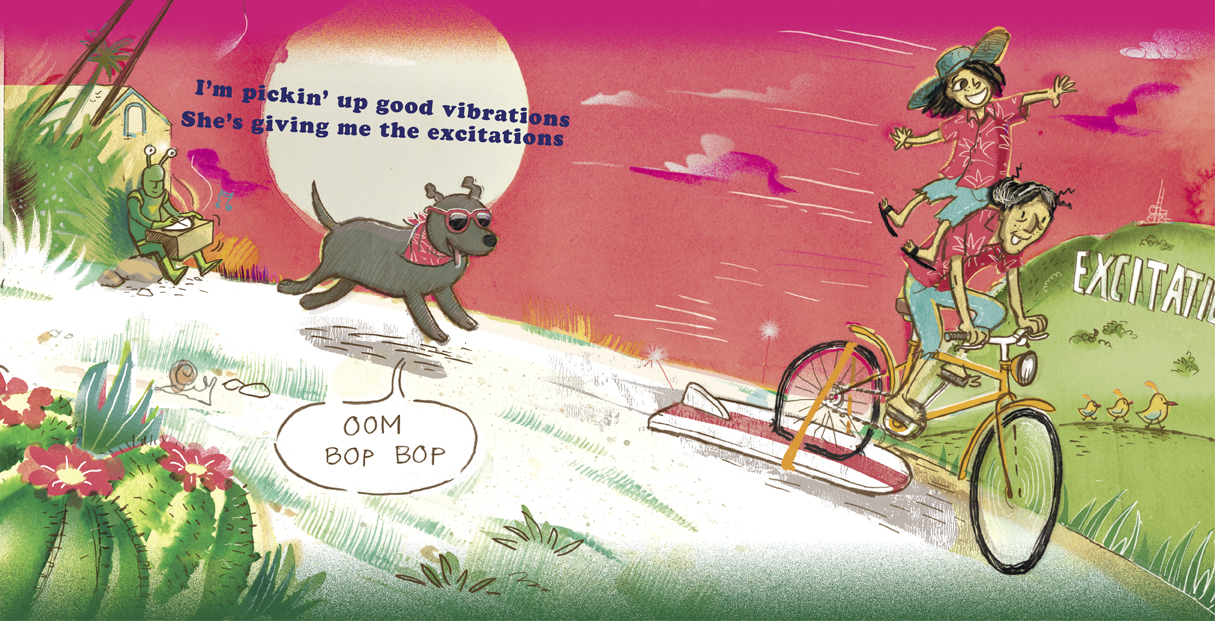
Good Vibrations, song lyrics by Mike Love and Brian Wilson, illustrations by Paul Hoppe
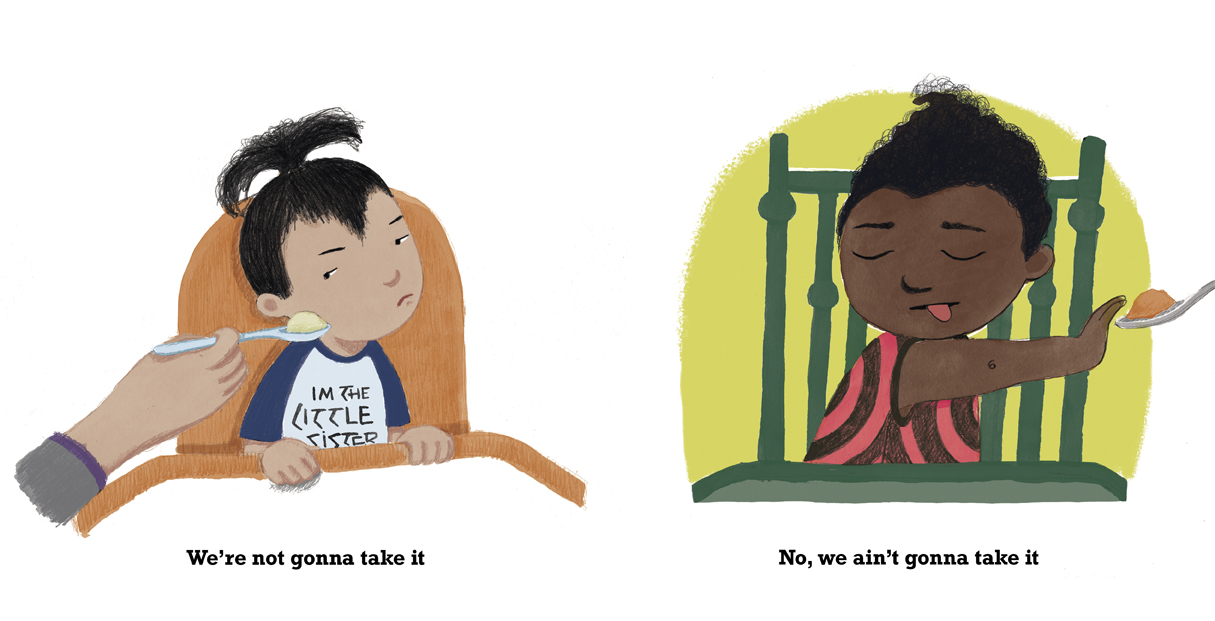
We’re Not Gonna Take It, song lyrics by Dee Snider, illustrations by Margaret McCartney
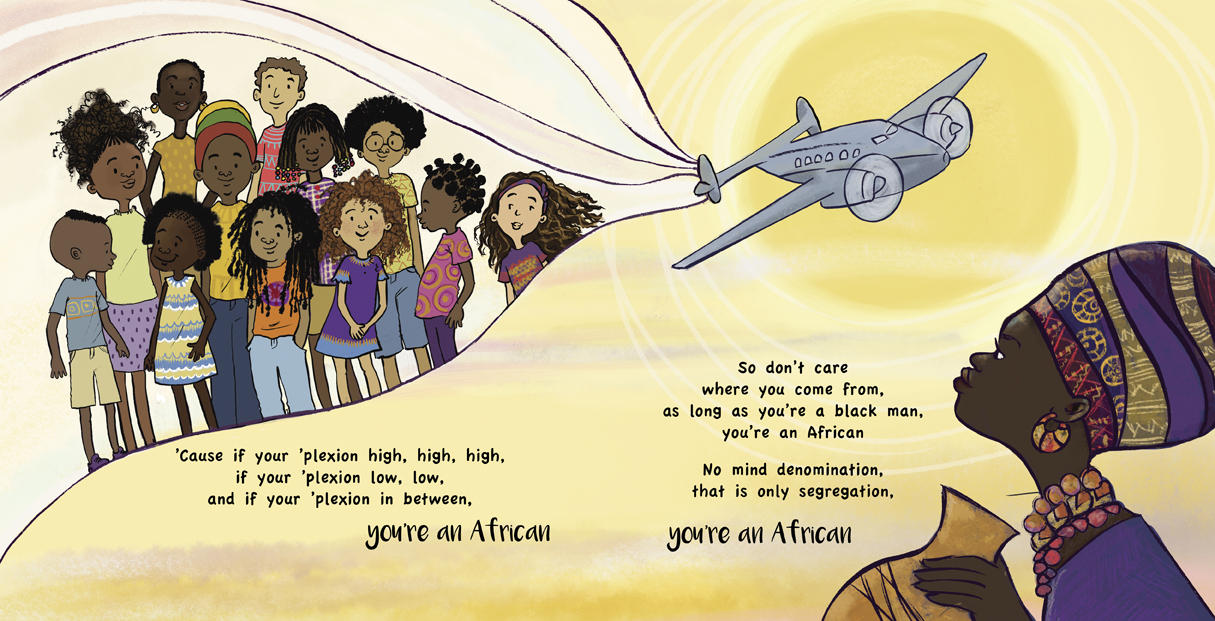
African, song lyrics by Peter Tosh, illustrations by Rachel MossAuthor:

Published June 2, 2020 by Akashic Books

LyricPop Summary: LyricPop presents your favorite song lyrics by renowned songwriters as illustrated picture books, instilling a love of music and song among young readers.

“LyricPop represents two things I’m passionate about—music, and books for children,” said Johnny Temple, publisher of Akashic Books. “As both a musician and a publisher, I hope LyricPop will inspire parents, grandparents, and others to read (and even sing!) these books aloud with the children in their lives.”

After these four initial books are released, October 6th We Got the Beat, Respect, and Move the Crowd will be published. Then March 2, 2021 will bring us (Sittin’ On) The Dock of the Bay, Humble and Kind, and These Boots are Made for Walkin’.

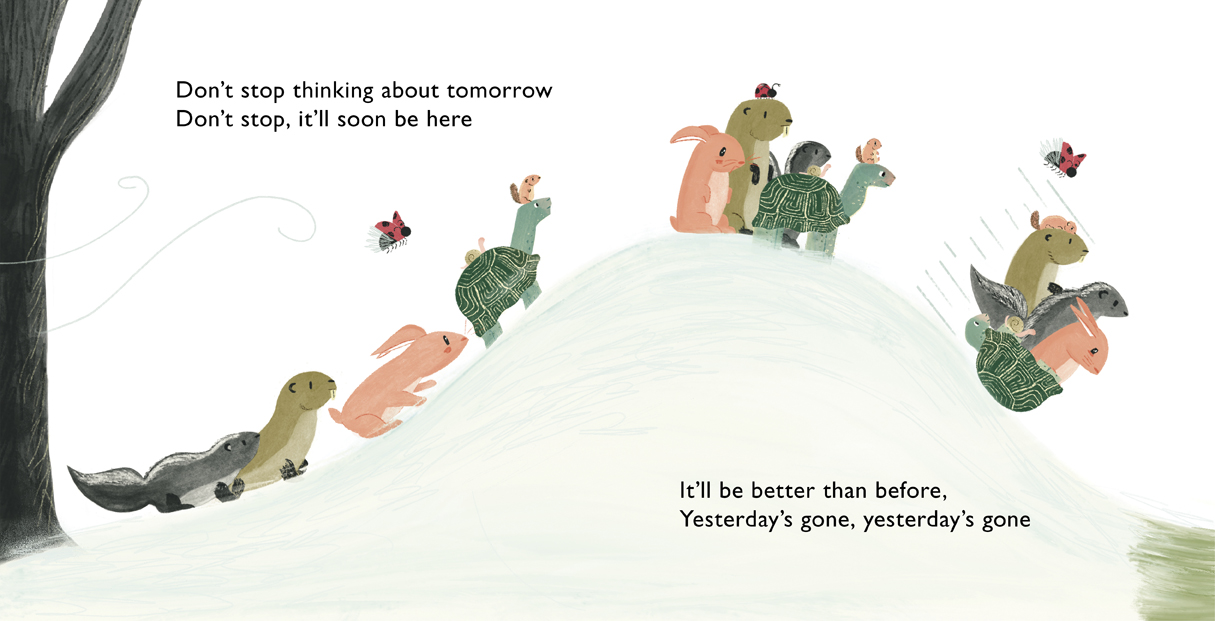
Don’t Stop Summary: Don’t Stop is a beautifully illustrated picture book based on Christine McVie of Fleetwood Mac’s enduring anthem to optimism and patience. The song was one of the singles on Fleetwood Mac’s megahit album Rumours, which spent thirty-one weeks at number one on the Billboard charts and went on to sell over forty million copies worldwide.

With lyrics by Christine McVie and illustrations by Nusha Ashjaee, this touching picture book imagines a rabbit willing her hibernating friends out of a long and dark winter and into joyous spring. Don’t Stop is a great opportunity for fans of Christine McVie and Fleetwood Mac to introduce their favorite band to their young children, and for parents looking to share a bright message in song.

• Debuting in 1977, this song is one of the most identifiable of that decade
• A classic rock radio staple
• A top-five single in the US, and one of the band’s most enduring hits
• Written by band keyboardist and vocalist Christine McVie
• Sung as duet between Christine McVie and guitarist Lindsey Buckingham
• Appears on the Grammy-winning album Rumours, which as of 2019 is the RIAA-certified tenth all-time best-selling album in the US
• It was the theme song for Bill Clinton’s 1992 presidential campaign

Good Vibrations Summary: Good Vibrations is a lively picture book based on Mike Love and Brian Wilson’s number one hit about absorbing positive energy from the people around them. Often praised as one of the most important compositions in rock, the Beach Boys’ original version of this song was their third number one Billboard hit. With lyrics by Brian Wilson and Mike Love, and illustrations by Paul Hoppe, this picture book follows a girl and her dog as they make their way down to the beach, sharing good vibrations all along the way. Parents and children alike can share and enjoy one of rock’s greatest hits through the colorful pages of Good Vibrations.

• Released in 1966, this is one of the defining and iconic songs of the era
• The recording involved the then-revolutionary process of tape-splicing, cutting up and editing pieces of the master tape together
• The musicians used in the recording of the song included members of the Wrecking Crew, the legendary set of Los Angeles session studio players
• Beach Boys publicist Derek Taylor described the song as a “pocket symphony” (Derek was the former press officer for the Beatles and the Beach Boys, and worked with the Byrds and the Mamas & the Papas, among others)
• The unusual sound featured in the song’s chorus was produced by an electrotheremin
• The song was a transatlantic number one, reaching the top spot in both the US and the UK
• The song was the last US number one the Beach Boys achieved in the 1960s
• Inducted into both the GRAMMY and Rock & Roll Halls of Fame
• Rolling Stone ranked the song at number six on its 2010 list of the 500 Greatest Songs of All Time
• In 2001, the RIAA and the National Endowment for the Arts published their Songs of the Century list, with “Good Vibrations” at number 24
• The song is part of the Rock & Roll Hall of Fame’s permanent exhibition, 500 Songs That Shaped Rock and Roll

We’re Not Gonna Take It Summary: We’re Not Gonna Take It is a playful picture book echoing 1980s hair band Twisted Sister’s most popular antiestablishment anthem. As part of their triple-platinum album Stay Hungry, “We’re Not Gonna Take It” spent fifteen weeks on the Billboard Hot 100 chart, reaching number twenty-one. With lyrics by Dee Snider and illustrations by Margaret McCartney, this picture book follows three toddlers on a mission to defy their parents, whether it be lunchtime, bath  time, or bedtime. We’re Not Gonna Take It is a story both parents and children can relate to, and a song they can enjoy together.

• Released in 1984, “We’re Not Gonna Take It” is a signature rock anthem of the 1980s
• The song was a Hot 100 top forty hit and reached the top ten on the Billboard Mainstream Rock chart
• The album it appeared on, Stay Hungry, was the band’s breakthrough and a US top twenty hit
• Its anthemic quality has propelled the song to become a US pop culture touchstone
• The song has an iconic music video

African Summary: African is a children’s book featuring lyrics by Peter Tosh and illustrations by Jamaican artist Rachel Moss. The song “African” by Peter Tosh was originally released in 1977 on his second solo record, Equal Rights. He wrote the song during a time of civil unrest in Jamaica as a reminder to all black people that they were part of the same community.
The album is considered one of the most influential reggae works of all time.

• A key song from the classic 1970s era of reggae
• Peter Tosh was one of the founding members of the iconic reggae group the Wailers

Review: All four of these classic songs are ones that as soon as you hear the title you start humming the melody or reciting the lyrics and LyricPop books is a great way to introduce these to a new generation of kids. All four are very different songs and illustrations which shows the extension of this new picture book series.

Teachers’ Tools for Navigation: In the classroom, I would have so much fun with these. I would love to group my students in four different groups (or more if it is after more LyricPop books have come out), have them listen to the songs these books are based on, and create their own picture book. Then, after they do so, they can read the LyricPop books and compare and contrast. This would be a great way to discuss interpretation, figurative language, illustrator choices, etc.

There’s another option too: Have students read the lyrics first without listening to the song and create a book. Then, after listening to the song, ask how they would change their book.

When done with the songs from LyricPop, students could then pick their own songs and make their own books!

Discussion Questions: 

  • Why do you think the illustrator interpreted the lyrics the way they did?
  • Do you think of the lyrics the same or different?
  • What is the main theme of the song?
  • (Before hearing the song) How do you imagine the song is going to sound?
  • (After hearing the song) Does the book fit the sound of the song?

Flagged Passages: 
Read This If You Love: Music

Recommended For: 

classroomlibrarybuttonsmall 

Signature

**Thank you to Akashic Books for providing copies for review**
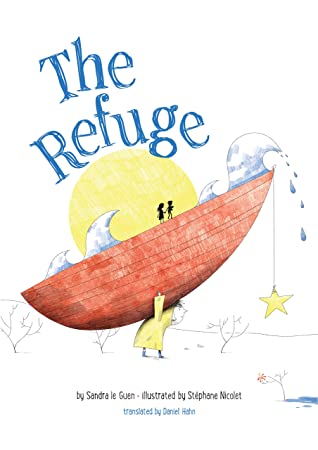
The Refuge by Sandra Le Guen, Illustrated by Stéphane Nicolet

Share

The Refuge
Author: Sandra Le Guen
Translator: Daniel Hahn
Illustrator:  Stéphane Nicolet
Published June 1, 2020 by Amazon Crossing Kids

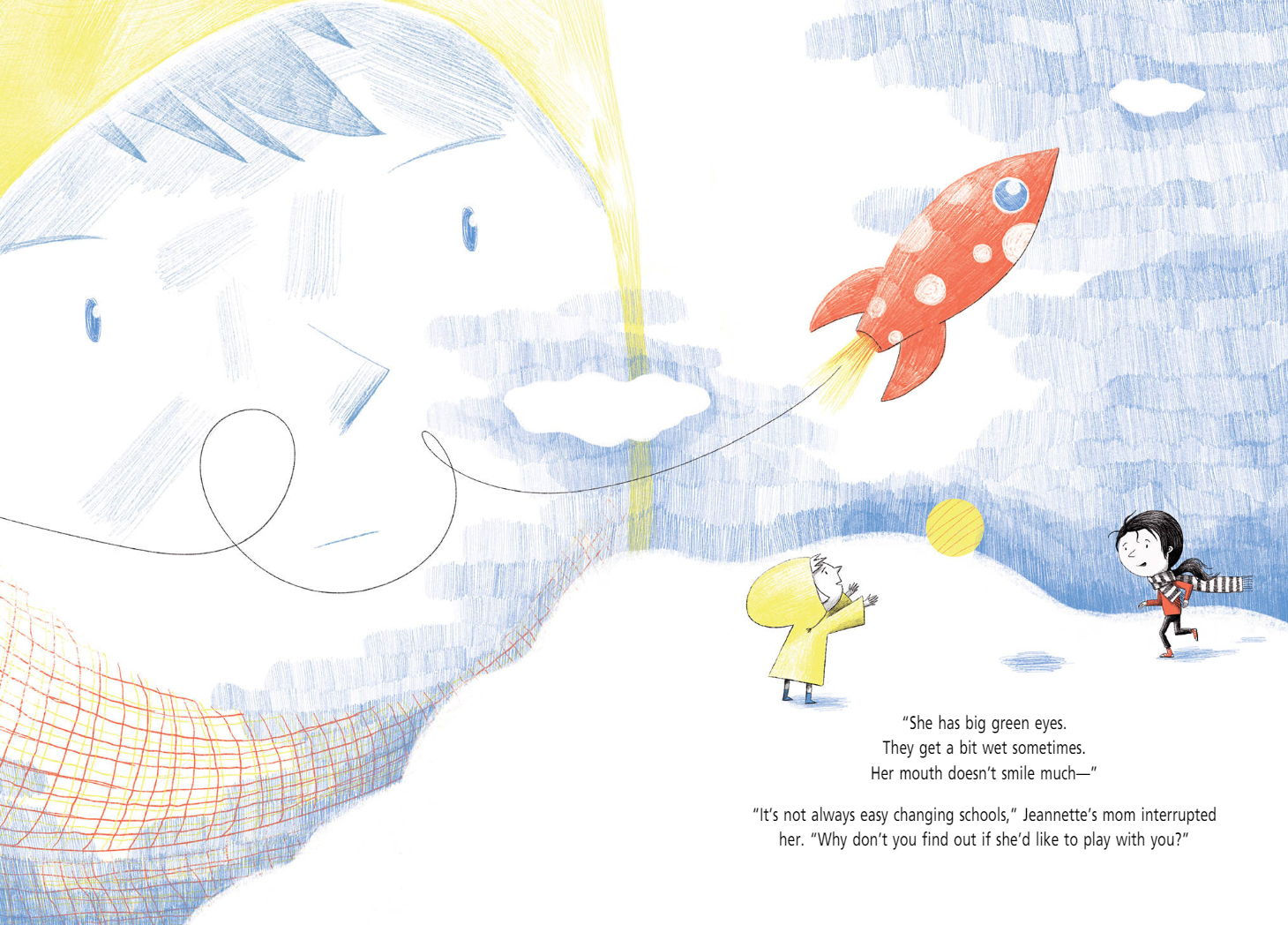
Summary: “There’s a new girl at school. She never stops looking up at the sky! She likes the stars and comets.”

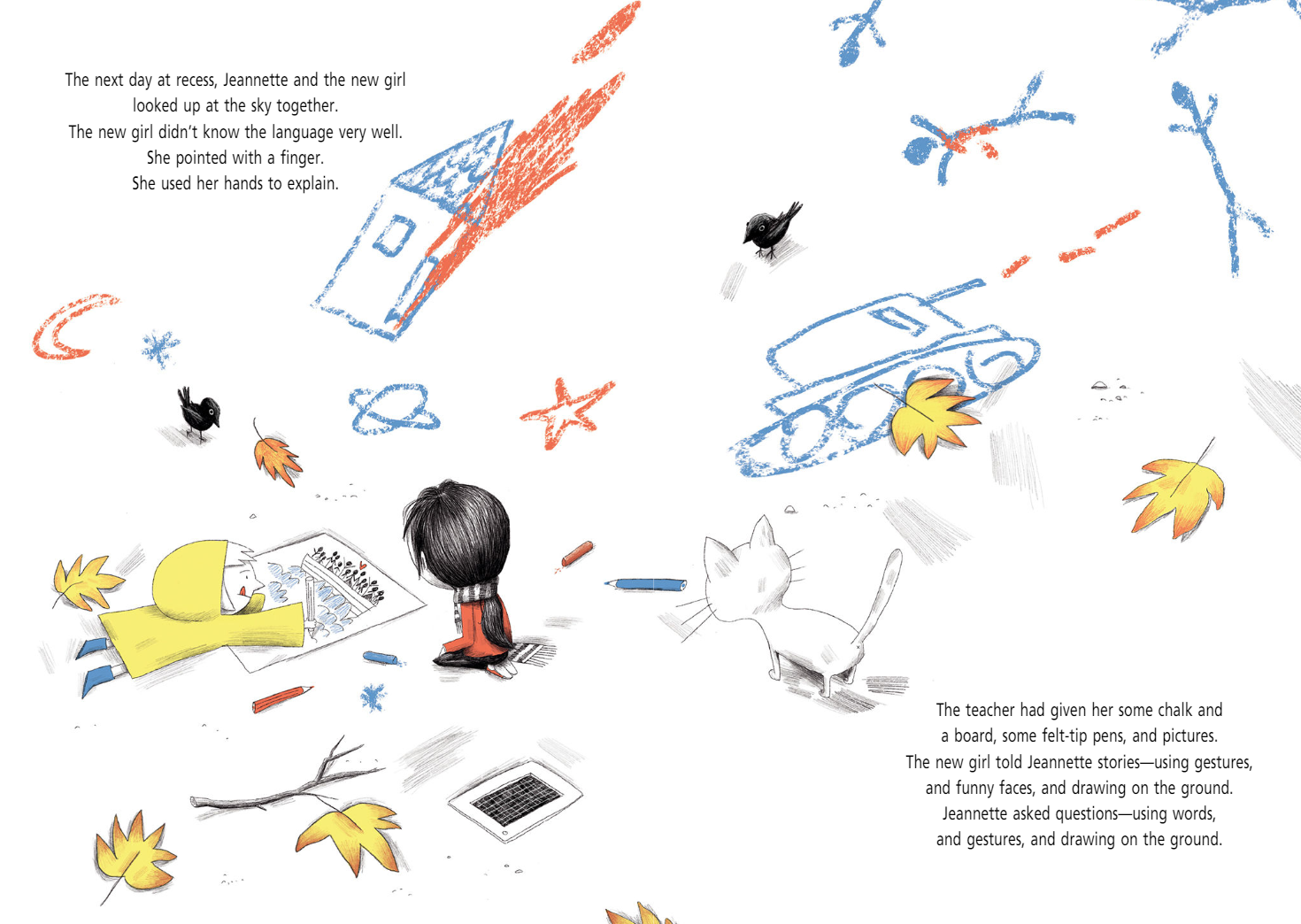
Jeannette tells her mom about her new classmate, who also loves astronomy but seems sad. She realizes it’s not easy to move to a new place. So the next day, at recess, Jeannette asks Iliana to play.

At first, it’s a little hard to communicate because Iliana is learning a new language. The girls have to use their hands and their drawings. But they keep trying, and, soon, Iliana tells Jeannette about her difficult journey as a refugee who had to leave her country. Then their families meet, and Iliana’s parents share their story too. The girls’ friendship blooms, as limitless as the sky and their imaginations.

Originally published in France and brought to life with wonderfully expressive artwork, this is a book about sharing stories and finding refuge in friendship, family, and a new home.

Kellee’s Review: This book is beautiful. It shows pure empathy for a young girl, and her family, who needs all love in the scary new situation she is in. Their journey was harrowing and being in a new place where they do not speak the language must be completely overwhelming; however, this was something they felt no choice in doing because of the horrors of war back at their home. But sadly, refugees have been villainized–once again fear winning over empathy. However, The Refuge puts a narrative to the journey that many children and families face just to stay safe. And it is such a well-crafted narrative with beautiful illustrations–just an overall excellent book. A must read for ALL ages. 

Ricki’s Review: Magnificent. This book is truly and utterly magnificent. I am quite hopeful it will win some of the major literary awards. Whew! The writing depicts the myriad emotions that Iliana might have experienced on her journey, and Jeannette has such deep empathy for her classmate. The illustrations take the book to the next level. I would purchase a spread of this book and frame it for the wall in my office—the illustrations are that captivating. We share some of the illustrations below. There’s one illustration in which Iliana is carrying a giant boat on her back, and a star hangs from a string on the front. Two small children walk up the top of the steep boat. The words match the illustrations, and yet the illustrations have deeper, metaphoric meaning. This would be a terrific book to study at the high school and college level. It would sustain several classes of discussion. I plan to purchase a copy to use in my Teaching Reading class. If you haven’t read this book, I recommend it highly.

Teachers’ Tools for Navigation: Metaphor is powerfully used in this text (both in the writing and illustrations). This would be a magnificent text to use as a mentor text for the instruction of metaphor. Students might select a written metaphor to illustrate and an illustrated metaphor to write in words to consider the flexibility and power of the use of metaphor. Then, they might craft their own metaphors related to the story.

Discussion Questions: 

  • Choose one illustration that you like. What is the surface level meaning? What is the deeper meaning attached to the image?
  • How does Jeannette demonstrate empathy for Iliana?
  • What did you learn about refugees?
  • Why do you believe the author titled the book The Refuge instead of Refugee?
  • How do the illustrations and writing work together?
  • What creative techniques does the author use?
  • What creative techniques does the illustrator use?

Flagged Passages: 

Read This If You Love: The Arrival by Shaun Tan, Refugee by Alan Gratz, Dreamers by Yuyi Morales, The Name Jar by Yangsook Choi, Each Kindness by Jacqueline Woodson

Recommended For: 

classroomlibrarybuttonsmall 

Signatureand

**Thank you, Barbara at Blue Slip Media, for providing copies for review!**

It Is (Not) Perfect by Anna Kang, Illustrated by Christopher Weyant

Share

It Is (Not) Perfect
Author: Anna Kang
Illustrator: Christopher Weyant
Expected publication: May 12th, 2020

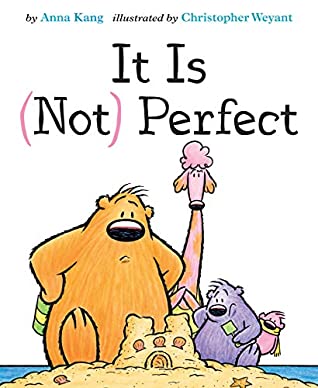
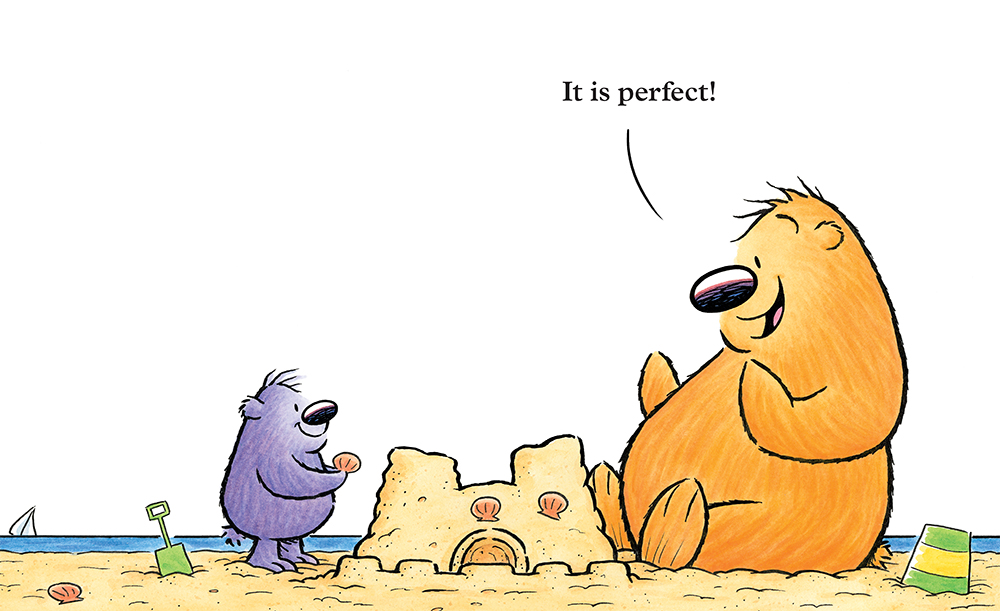
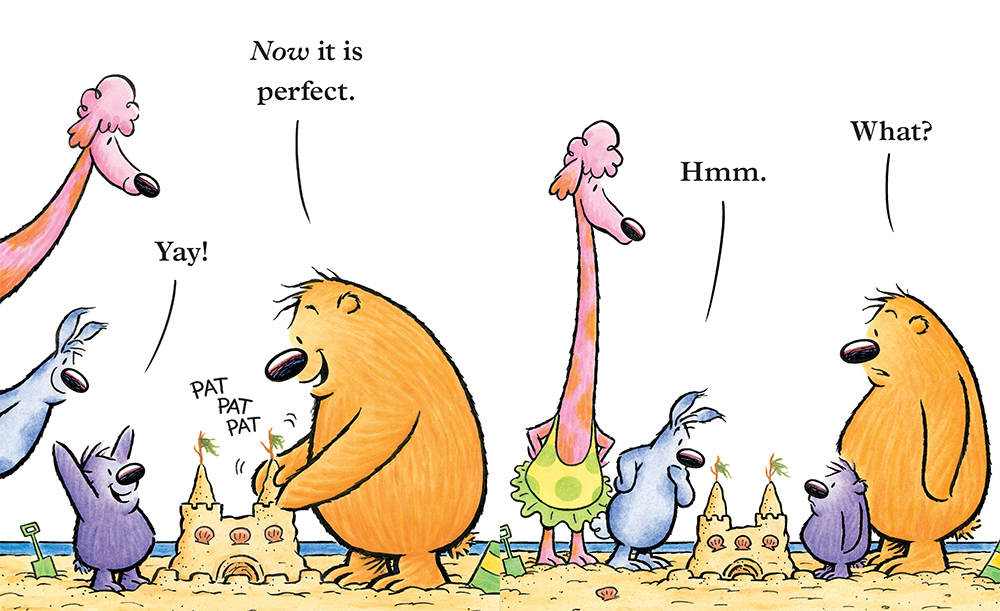
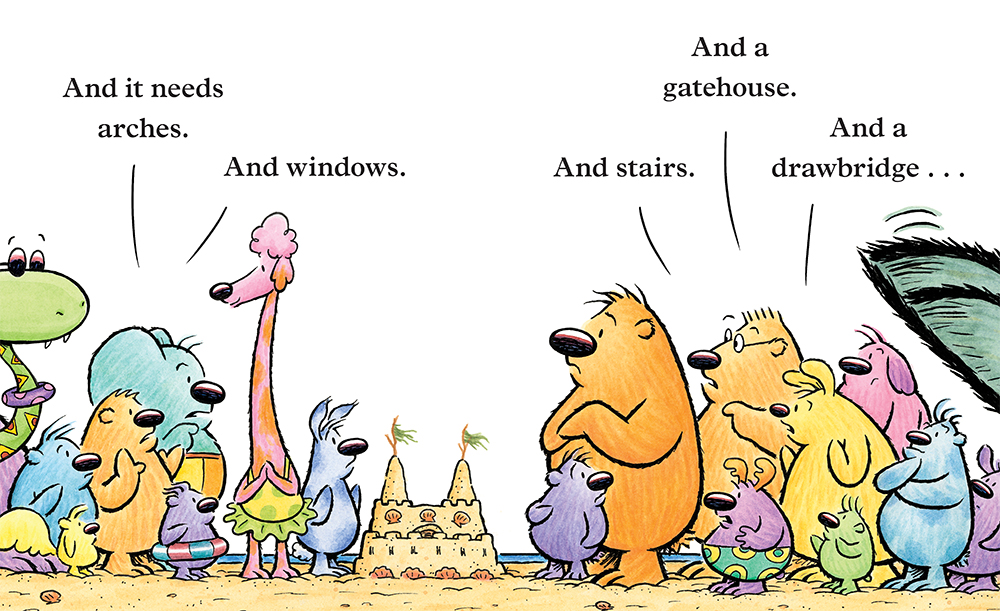
Summary: Two fuzzy creatures are happily putting the finishing touches on their sandcastle when each of them thinks of something that would make it even better. As they work furiously to incorporate each new change, their tiny sandcastle becomes an over-the-top palace…but is it really perfect?

This latest book in the beloved series featuring the pals from Theodor Seuss Geisel Award winner You Are (Not) Small reminds us that perfection is in the eye—and heart—of the beholder.

Praise:

“Colorful cartoon illustrations add a lightheartedness to what could be a stressful real-life situation for kids. Another life lesson neatly packaged in child centric humor.” —Kirkus Reviews

“This award-winning duo have created a lovely tribute to the old adage that perfect is the enemy of good. Recommended for purchase for all collections.” —School Library Journal

About the Creators: Anna Kang and Christopher Weyant are the creators of Theodor Seuss Geisel Award winner You Are (Not) Small as well as series titles That’s (Not) Mine, I Am (Not) Scared, and We Are (Not) Friends. They also wrote and illustrated Eraser, Can I Tell You a Secret?, and Will You Help Me Fall Asleep? Christopher’s work can also be seen in The New Yorker, and his cartoons are syndicated worldwide. This husband-and-wife team lives in New Jersey with their two daughters and their rescue dog. Visit them at www.annakang.com and www.christopherweyant.com.

Twitter: @annakang27 @chrisweyant05
Instagram: annakangbookschristopherweyant
Facebook: Anna Kang – Author; Christopher Weyant

Review: This series is one of my favorites. Although the simplicity of the texts makes the books seem straightforward, they are actually multi-tiered and can be used for so many different ages to discuss illustrations as part of the narrative, moral issues, friendship, perspective, and much more. All while following the stories for two super cute monster friends!

Discussion Questions: 

  • What ended up actually being perfect?
  • What did trying to please all cause?
  • Who gets to decide what is perfect?
  • Does everything you do need to be perfect?
  • How did trying to make it perfect ruin the fun?

Flagged Passages: 

Read This If You Love: Not series by Kang and Weyant including You Are (Not) SmallThat’s (Not) MineI Am (Not) Scared, and We Are (Not) Friends; How to Code a Sandcastle by Josh Funk, Dexter series by Lindsay Ward including Don’t Forget Dexter and It’s Show and Tell, Dexter

Recommended For: 

classroomlibrarybuttonsmall

Giveaway!:

a Rafflecopter giveaway

Signature

**Thank you to Blue Slip Media for providing a copy for review and giveaway!**

Review and Giveaway!: Tag Your Dreams: Poems of Play and Persistence by Jacqueline Jules, Illustrated by Iris Deppe

Share

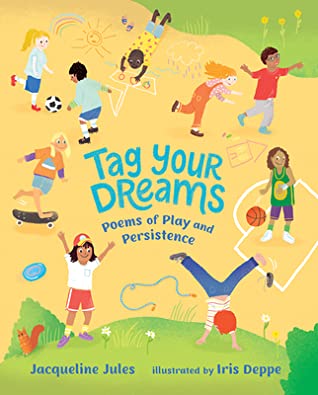
Tag Your Dreams: Poems of Play and Persistence
Author: Jacqueline Jules
Illustrator: Iris Deppe
Published April 1st, 2020 by Albert Whitman & Company

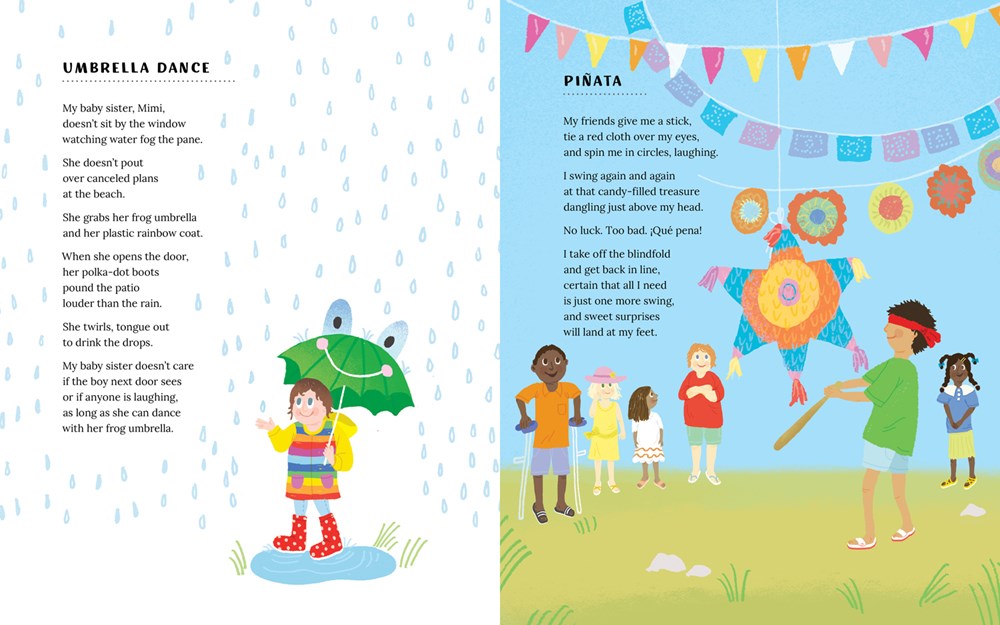
Summary: Whether just trying out for the team or reaching for the Olympics, there’s something for every reader in this playful poetry collection! From baseball, basketball, and football to double-dutch, mini-golf, and turning a cartwheel, these poems look at facing fears, dreaming big, and never giving up. This well-rounded collection explores sports and play across all abilities and backgrounds.

About the Author: Jacqueline Jules has been writing poems since middle school. Her poetry has been published in over a hundred publications. She is also the author of more than forty books for young readers, including the Zapato Power series, the Sofia Martinez series, and Duck for Turkey Day. She lives in northern Virginia and enjoys giving poetry workshops to students, teachers, and anyone else who loves poetry as much as she does. To learn more, and to download free classroom materials, visit her online at jacquelinejules.com.

Praise: 

“Jules presents a plethora of possibilities as the theme of children at play provides the structure for a collection of poems that encourage and applaud. . . . Fun and games, with something deeper to think about.” —Kirkus

“If you are looking for lighthearted, joyous, and youthful poems about childhood, this is the perfect selection for your bookshelves.” —Booklist

Review: Happy National Poetry Month! To celebrate, I knew I had to highlight this wonderful poetry book for two reasons:

1) It combines playing and poetry which will help with the engagement of reading poetry. It also teaches great lessons.

2) During this time of sheltering in place, play and persistence are both things we definitely need to encourage!

Jacqueline Jules does such a fantastic job with adapting each poem to the activity she is writing about and the fun illustrations by Iris Deppe bring the play to life. This is a poem book I recommend specifically now but also for all classrooms to use and have to explore this playful poetry.

Teachers’ Tools for Navigation: While Jules’s book represents many playground and outdoor activities, it doesn’t include everything. Have students write their own poems of play about the activity they love to do the most. To challenge them, ask them to put a conflict in the poem that must be overcome, so the poem includes a lesson of persistence.

Discussion Questions: 

  • Pick one of the activities written about that you have never done (that is reasonable to do). Do it then write a journal reflecting what it was like–maybe even try writing a poem about it!
  • Find examples of figurative language, such as imagery or personification, in one of Jules’s poems.
  • Which poem’s activity did you connect with the most?
  • Which poem’s lesson did you connect with the most?

Flagged Passages: 

Read This If You Love: Poetry, Sports

Recommended For: 


Giveaway!: 

a Rafflecopter giveaway

Signature

**Thank you to Blue Slip Media for providing copies for review and giveaway!**

Review and Giveaway!: Rosie: Stronger Than Steel by Lindsay Ward

Share

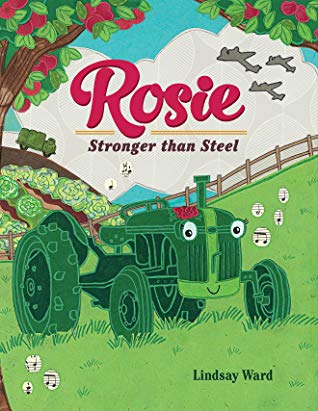
Rosie: Stronger Than Steel
Author and Illustrator: Lindsay Ward
Expected Publication: April 1st, 2020 by Two Lions

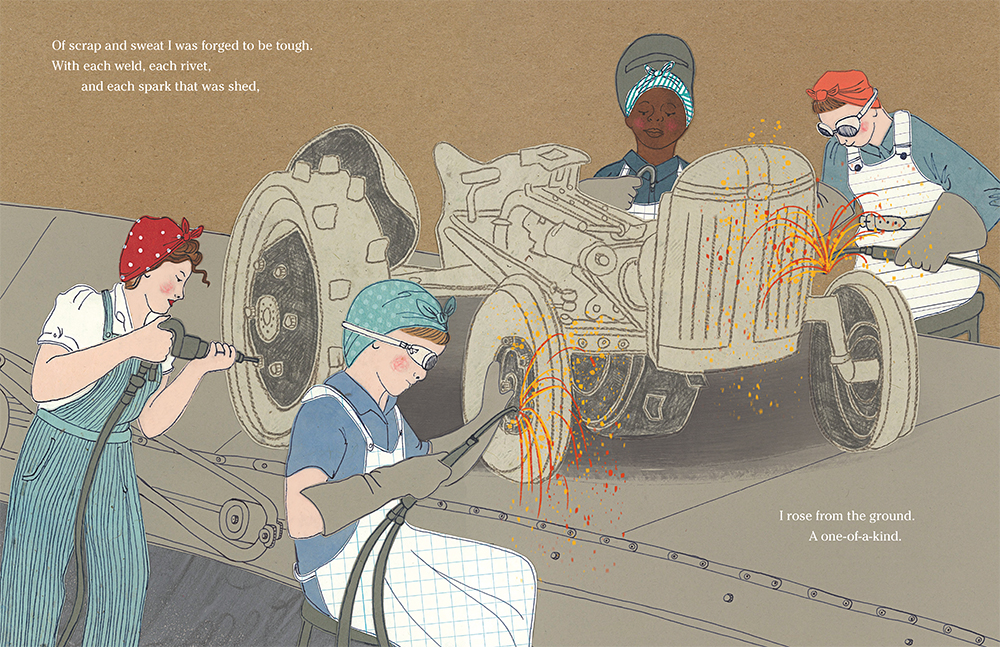
Summary: A brave tractor farms for freedom in a story inspired by women who acted with courage and strength in American factories and on British farms during World War II.

This is our Rosie,
stronger than steel.
She’ll plow all the land
with a turn of her wheel.

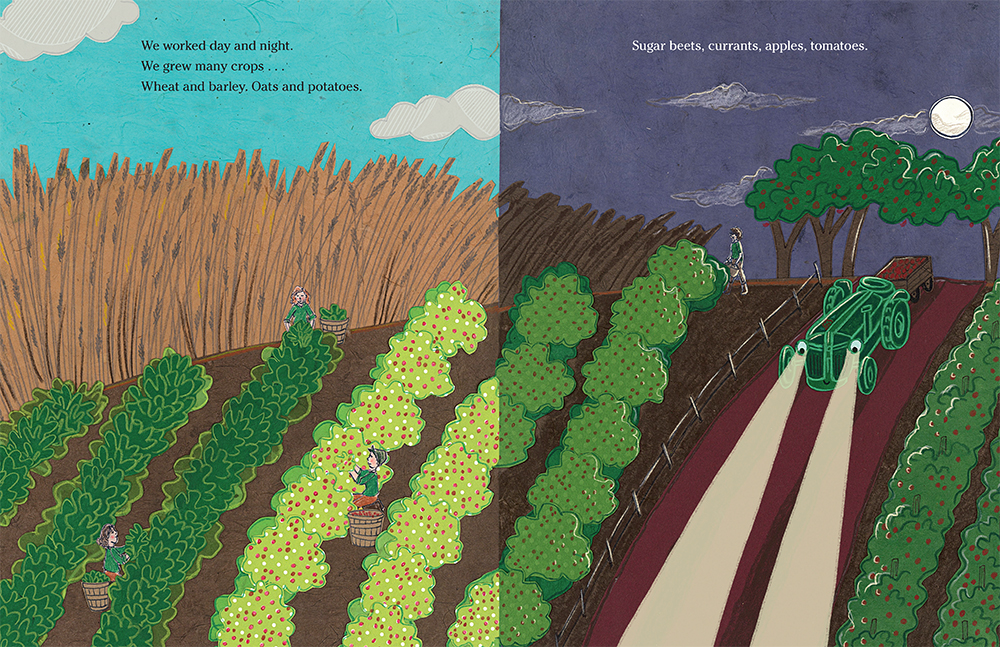
Built by women in the United States and sent to England to dig and plow alongside female farmers during World War II, Rosie the tractor does whatever is needed to support the war effort. She works day and night to help grow crops for the troops…even when she has to hide in the fields. This is because she knows, like the women who built her and the women who farm with her, that they all must do their part.

Inspired by the group of American women collectively known as “Rosie the Riveter” and the British Women’s Land Army, this is a story about taking action and coming together for the greater good.

About the Author: Lindsay Ward is the creator of the Dexter T. Rexter series as well as This Book Is Gray, Brobarians, Rosco vs. the Baby, and The Importance of Being 3. Her book Please Bring Balloons was also made into a play. Lindsay lives with her family  in Peninsula, Ohio, where she often sees tractors from the 1930s and 1940s. Learn more about her online at www.lindsaymward.com. Twitter: @lindsaymward

Praise: 

★“More than the sum of its parts, this is a wildly successful and well-researched shaping of the picture-book form to true historical sheroes.” —Kirkus Reviews (starred review)

★“This ‘little tractor that could’ sort of tale pays tribute to the iconic Rosie the Riveter persona from the US and the British Land Girls of the Women’s Land Army during WWII. Fans of Loren Long’s Otis, Virginia Lee Burton’s Katy, and like sturdy, dependable workhorses will welcome Rosie into the fold, but the historical perspective adds an unusual dimension to her story.” —Booklist (starred review)

“Vocabulary is rich, and the younger set will appreciate the intermittent rhymes. The style of Ward’s colored pencil and cut-paper illustrations reflect the period of the tale. ” —School Library Journal

Review: During World War II, our students’ lessons usually focus on the war itself and the horrific events because of the war, but there was so much more going on to ensure that our countries continued to run while all of our armed forces were at war. We don’t often enough hear about how women were essential to this effort, and Rosie shows us another side to this. Rosie represents not only the tractors made by women who helped keep our plants and crops healthy and edible, but she represents all women that stepped up to do jobs that before then they had been told they were not good enough for. This story, beautifully crafted and illustrated by Lindsay Ward, is a call for strength whenever faced with unprecedented times.

Teachers’ Tools for Navigation: Rosie is a great addition to history lessons about World War II and the home front efforts of women. Her story is also a great read aloud–maybe during Women’s History Month, or whenever!

Discussion Questions: 

  • Did you know anything about what happened on the home front before reading Rosie?
  • How does Rosie the tractor represent the women’s work on the home front?
  • How does Rosie impact the war effort?
  • What does the Rose on her body represent?
  • What is the theme of Rosie?
  • Why do you think the author wrote the book from Rosie’s point of view in first person?

Flagged Passages: 

Read This If You Love: Historical fiction picture books, Learning about history

Recommended For: 

classroomlibrarybuttonsmall 

Giveaway!: 

a Rafflecopter giveaway

Signature

**Thank you to Blue Slip Media for providing a copy for review and giveaway!**

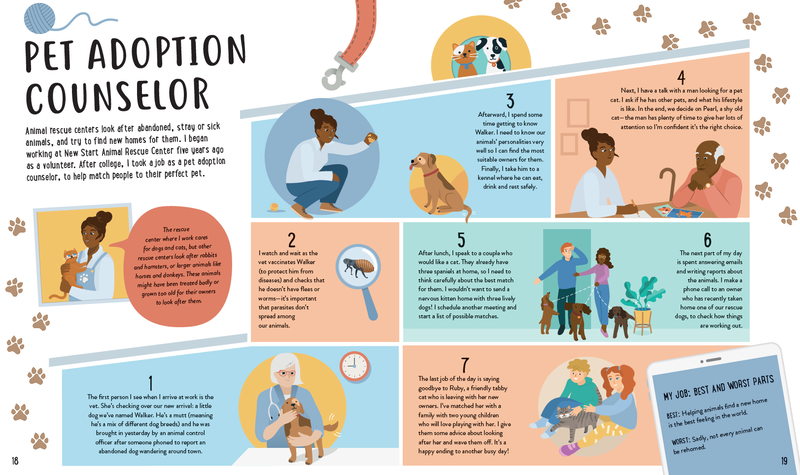
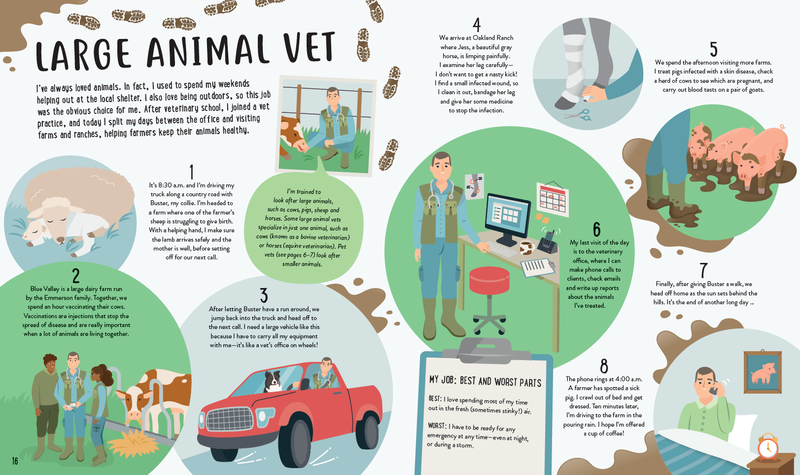
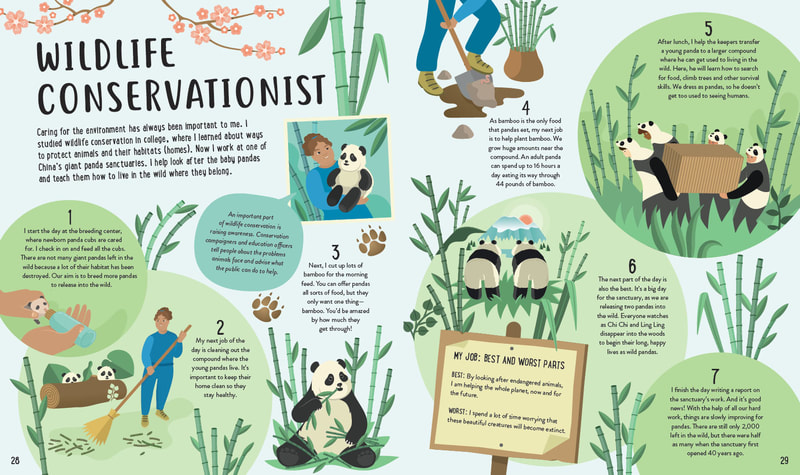
That’s A Job?: I Like Animals…What Jobs Are There? by Steve Martin, Illustrated by Roberto Blefari

Share

I Like Animals…What Jobs Are There?
Author: Steve Martin
Illustrator: Roberto Blefari
Published March 1st, 2020 by Kane Miller Books

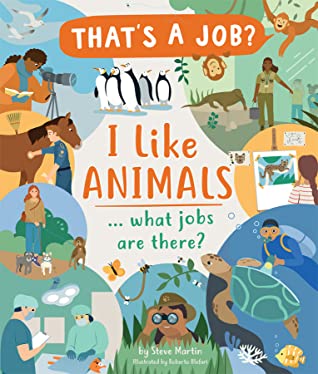
Summary: What do you want to do when you grow up? Children who love animals can find out all about potential future careers, from veterinarian to zookeeper to pet portrait artist, as they’re taken through a “day in the life” of 25 different animal workers.

Praise: 

Review: This book was written for so many kids out there! If any of you are librarians or teachers, you know how popular nonfiction animal books are. There are so few kids out there that don’t love animals! My son is one of those kids that adores animals and already says that he wants to be a zoologist and work with turtles, so when I saw this book, I knew I had to get it for him. What I love about the book (and the series I hope it is!) is that it gives options that kids may not know they have. Trent’s first thought for working with animals is working at a zoo, but there is so much more than that which he can choose from.

Each job’s section is really well done! It is written in first person from the point of view of the professional and includes fun yet truthful information, including the best and worst parts. Then, in the back, there is a flow map that helps kids see which job might be their perfect match, and there’s even back matter with more jobs. What a way to open up a kid’s imagination for the future!

Teachers’ Tools for Navigation: My first thought was that this book could be an awesome mentor text for creating a similar type pamphlet. Students could pick something like sports, technology, children, etc. and make a pamphlet about what jobs are out there. This would be a great research project.

Discussion Questions: 

  • Before reading: What jobs do you know of that include working with animals?; After reading: Add to the list.
  • Which job do you think would work the best with your personality and work ethic?
  • Any jobs that you are interested in that weren’t in the book?
  • Why do you think the author chose to write each section in 1st person?
  • Why do you think the author wrote this book?
  • Compare/contrast two of the jobs in the book.

Flagged Passages: 

Read This If You Love: Animals

Recommended For: 

classroomlibrarybuttonsmall 

Signature

**Thank you to Lynn at Kane Miller for providing a copy for review!**

Author Q&A, Education Resources, and Giveaway!: Honey: The Dog Who Saved Abe Lincoln by Shari Swanson, Illustrated by Chuck Groenink

Share

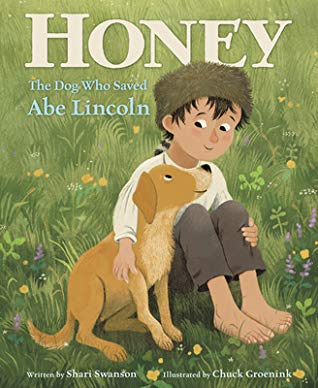
Honey: The Dog Who Saved Abe Lincoln
Author: Shari Swanson
Illustrator: Chuck Groenink
Published January 14th, 2020 by Katherine Tegen Books

Summary: Based on a little-known tale from Abraham Lincoln’s childhood, this charming picture book written by debut author Shari Swanson and illustrated by acclaimed artist Chuck Groenink tells a classic story of a boy, his dog, and a daring rescue.

Deeply researched and charmingly told, this is the true story of one extra-special childhood rescue—a dog named Honey.

Long before Abraham Lincoln led the nation or signed the Emancipation Proclamation, he was just a barefoot kid running around Knob Creek, Kentucky, setting animals free from traps and snatching frogs out of the jaws of snakes.

One day, young Abe found a stray dog with a broken leg and named him Honey. He had no idea that the scruffy pup would find his way into Abe’s heart, become his best friend, and—one fateful day—save his life.

About the Author: Shari Swanson is a debut author who has been a middle school language arts teacher as well as an appellate lawyer. She received her MFA in writing for children and young adults from Vermont College of Fine Arts, where she wrote her thesis on musicality in picture books. She lives in Southern California with her husband and their dog, Honey. To learn more, and to download a free curriculum guide and activity kit, visit her website: shariswanson.com.

Twitter: @ByShariSwanson
Facebook: Shari Swanson, Author

Author Q&A: Thank you to Shari for answering some questions for us and you!

Q: Why did you specifically choose this moment in Abe’s life to focus on? What did you hope to add to the Abe Lincoln narrative?

A: This story captivates me for several reasons. First, I love that we see Abe as a child—prone to distraction, earnest and loving, and with a deep compassion for animals. I feel it adds depth to our understanding of him as a man and makes him relatable to current children who might share these characteristics. Second, that Abe might not have grown up to be a man and our president without Honey gives me shivers. I believe Honey is an American hero, and that Abe’s kindness to Honey came back to bless him later. Kindness is something that causes ripples to go out and touch others in ways we usually never see. Finally, this is one of very few stories that features Lincoln’s mother, Nancy. Very little is written about his Kentucky years with Nancy, and she died shortly after the Lincolns moved to Indiana. That mother-son bond was important to him and is precious. I hope that this story fleshes out the narrative of Lincoln by showing his compassion from an early age as well as how his behavior was rooted in kindness. I also feel this story helps us appreciate the fragility of life and how interconnected everything is.

Q: What type of research did you do to prepare?

A: I’ve been twice to Kentucky to walk where Lincoln walked and explore the hills and hollows where he grew up. I’ve descended into several of the known caverns there to picture how he might have felt when he got stuck. I’ve been to all of the Lincoln museums and national sites in Kentucky to soak it in and ask lots of questions. I’ve read every book I could find on Lincoln’s Kentucky years, including chapters in larger biographies, pored over primary sources, like interviews, auction receipts, and land sale documents. For the timeline, I dove deep into every resource I could find, skimming for references to Lincoln with animals, loving that his affection for animals stayed with him all the way until the end. It makes me cry to think of his dog Fido and his horse, Old Bob, at his funeral. The picture of Old Bob, riderless, in the funeral procession, is powerful. Most all of this didn’t make it into the book, but I love research, and, as a former appellate lawyer, I’m a stickler for detail.

Q: Tell us your journey of your debut picture book.

A: My journey on this book began years ago when I was teaching middle school. We were reading an excerpt from Russell Freedman’s book on Lincoln and a sentence about Abe’s childhood caught my attention. I wanted to know more about his best friend then and their adventures. I threw myself into research, discovered Austin Gollaher, Abe’s best friend, and had my local library send for a copy of his narratives. Back then, the book was dusty and old in a college archive room. Now it is available online. I had the deep pleasure of telling Russell about my hopes to write a picture book about Lincoln’s childhood, and he encouraged me. When I was getting my MFA, I learned how to take the massive amount of information I had and draw out just a thread for a picture book narrative. HONEY is the culmination of those efforts.

Q: Lastly, what do you hope is the readers big take away from Honey?

A: I hope children and adults fall in love with Honey and his boy. I hope readers feel the story is both grounded in its time and timeless.

Curriculum Guide:

Activity Kit: 

Recommended For: 

classroomlibrarybuttonsmall 

Giveaway!: 

a Rafflecopter giveaway

Signature

**Thank you to Blue Slip Media for the copy for review and giveaway & to Shari Swanson for her participation!**