Animal Planet’s Animal Atlas

Share

NFPB2016

Nonfiction Wednesday

Nonfiction Picture Book Wednesday is hosted by Kid Lit Frenzy and was started to help promote the reading of nonfiction texts. Most Wednesdays, we will be participating and will review a nonfiction text (though it may not always be a picture book).
Be sure to visit Kid Lit Frenzy and see what other nonfiction books are shared this week!
animal atlas

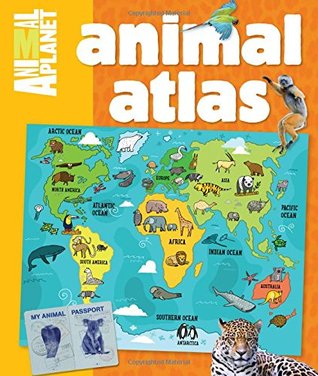
Animal Atlas
Published May 24th, 2016 by Animal Planet

Goodreads Summary: Animal Planet’s definitive atlas of animal life takes readers on a continent-by-continent and habitat-by-habitat passport to adventure!

What is a habitat? How is the North Pole’s animal life different from the South Pole’s? How and why do animals adapt to their environment? Is a food web different from a food chain? Animal Planet Animal Atlas answers all of these questions and many more. Through detailed maps, fun infographics, simple charts, and Find It! Fact boxes readers can track their favorite animals across the globe, learning about how animal habitats are affected by climate, food and water availability, migration, and human environmental impact.

Kellee’s Review: Nonfiction informational texts are really stepping up their game! Over the last few months, we’ve been sharing a lot of Animal Planet and National Geographic texts, but it is because they are worth sharing! This text is filled with such a wealth of information. First and foremost, I see it as a beautiful atlas. It focuses on not only the different continents and oceans, but it teaches about the biomes within the world also. Within each biome in each continent, animals who lie and thrive are shared along with interesting information about the animals. Some of my favorite parts though are the “Animal Close Up” sections which focus on one animal, where it lives, why it lives there, and what it eats and the animal travel guides who pop up within each continent and give out tidbits of information. This plethora of information combined with breathtaking photographs allows this book to take you on a journey all around the world!

Ricki’s Review: I loved this book. My toddler and I probably spent 45 minutes reading it, and we didn’t even read all of the facts! There is so much information in this book, and it is all incredibly fascinating. I think we are going to enjoy this text for a long time yet! My favorite part about it was the way the book was divided up by continent and then further by biomes. My son and I were able to talk about the similarities between the animals and insects within biomes and why that might be. When we reached each new continent, we flipped back to the big atlas to talk about where that continent was in comparison to our home. I also loved the sections that compared the animals to humans. It was neat to talk about our similarities and differences. I’d highly recommend this text for any child of any age. I think it would appeal to all ages and interest levels!

Teachers’ Tools for Navigation: This is such a beautiful text that begs to be used cross curricularly. In Florida, 6th grade learns about life science and one of the unites focuses on habitats and biomes. This book would be an asset either in the science classroom or in an ELA classroom supporting the science standards. Also, in late elementary school this text would be a perfect way to combine science, social studies, reading, and writing.

Discussion Questions: Which biome is the hardest for animals to live in?; Which continent has the least amount of animals?; What are the differences between the different biomes?; Which animal/habitat/continent would you like to learn more about?

We Flagged: 

animal atlas spread
(c) 2016, Animal Planet

Read This If You Loved: National Geographic titles such as Awesome 8 or National Parks USA Guide, Animal Planets Animal Bites series, Seymour Simon’s animal books or Extreme Oceans

Recommended For: 

classroomlibrarybuttonsmall closereadinganalysisbuttonsmall

Signatureand RickiSig

Awesome 8 by National Geographic Kids

Share

NFPB2016

Nonfiction Wednesday

Nonfiction Picture Book Wednesday is hosted by Kid Lit Frenzy and was started to help promote the reading of nonfiction texts. Most Wednesdays, we will be participating and will review a nonfiction text (though it may not always be a picture book).
Be sure to visit Kid Lit Frenzy and see what other nonfiction books are shared this week!

awesome 8

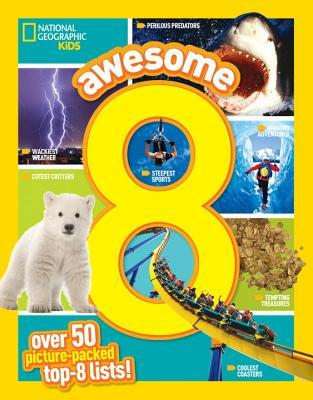
Awesome 8: Over 50 Picture-Packed Top-8 Lists!
Published May 3rd, 2016 by National Geographic Children’s Books

Goodreads Summary: Curious kids who want to know the who/what/where of the coolest things on the planet will welcome this first book in an awesome new National Geographic Kids series. Every turn of the page presents a different theme and counts down the greatest of the great top 8 of its kind. For example: The Awesome 8 Coolest Coasters, Haughtiest Hotels, Wicked Water Slides, Perilous Predators, Remarkable Ruins, Weirdest Wonders, Swankiest Subways, and anything else you can imagine. It’s truly something you have to see to believe–which is why the entire list appears in photographs, layered with fun facts and insightful stories.

Kellee’s Review: I think this may be one of my favorite National Geographic books I’ve read yet. You know we love lists here at Unleashing Readers (Top Ten Tuesday, anyone?!), so this book already was set up in a favorite way. This large-sized book packs so much information into its pages. Each 2 page spread includes an top 8 list with crazy, interesting topics and beautiful photographs. Each Awesome 8 is just a normal list, each item includes fascinating information that ties it to the topic.

Ricki’s Review: Ahh! This National Geographic book was so much fun! My son and I loved flipping through the stunning photographs and talking about each of the categories. This is a great learning book for kids. My son is very young, so it was great to use as a counting book, too. The repetition was very helpful. This is the kind of book that inspires kids to want to do more research and explore more within each category. There isn’t a kid (or adult) in the world that won’t be able to find something of interest in this book.

Teachers’ Tools for Navigation: In addition to being an instant favorite in classrooms, Awesome 8 will definitely make anyone who reads it want to make their own top 8 list. This activity could revolve around any unit that you are teaching. You could also give your students choice of topic or you can assign topics to fit your lessons/unit.

There’s an Awesome 8 section on the National Geographic Kids website as well which allows for extended inquiry: http://kids.nationalgeographic.com/explore/awesome-8-hub/ 

Discussion Questions: What was your favorite Awesome 8 list?; Which list did you wish had more than 8 items on it?; Which list made you want to learn more?

We Flagged: “Eight Cutest Critters:  These animals may be small in size, but they’re pretty big on awesome. Here are eight of the tiniest (and more adorable!) creatures on Earth. Say awww!

4. Eye Spy: What are you looking at? A baby tarsier shows off its huge peepers, which are about the same size and weight as its brain. Found exclusively in the islands of Southeast Asia, the nocturnal primate has the biggest eyes in the animal kingdom compared to its body size.” (p. 27)

*Disclosure: This quote cannot share the entire feeling of the book without the photos. See the published book to see the amazing photographs.

Read This If You Loved: National Geographic’s 100 Things to Know Before You Grow UpMastermind by National Geographic, Weird but True series by National Geographic, Almanacs, World Record books

Recommended For: 

classroomlibrarybuttonsmall readaloudbuttonsmall

Signatureand RickiSig

**Thank you to Karen at Media Masters Publicity for providing copies for review!**

National Geographic’s 100 Things to Know Before You Grow Up

Share

NFPB2016

Nonfiction Wednesday

Nonfiction Picture Book Wednesday is hosted by Kid Lit Frenzy and was started to help promote the reading of nonfiction texts. Most Wednesdays, we will be participating and will review a nonfiction text (though it may not always be a picture book).
Be sure to visit Kid Lit Frenzy and see what other nonfiction books are shared this week!

100 things

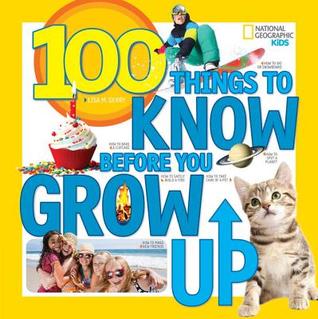
100 Things to Know Before You Grow Up
Author: Lisa M. Gerry
Published March 8th 2016 by National Geographic Children’s Books

Goodreads Summary: It’s fun to be a kid, but are you ready for what comes next? Challenge yourself with these 100 things and you will be! Jam-packed with tips, tricks, and skills that every kid should master before turning 18, this is the ultimate guide to becoming a fun-loving, well-rounded, totally competent and confident young person. Complete with expert advice from real life explorers, adventurers, and masters of their craft, it’s perfect for jump-starting an amazing life!

Kellee’s Review: I love books that push students to be more than what they already are. This book is one of those. It has such a crazy variety of things that kids can learn to do and overcome and try throughout their childhood: from making a bed to learning to say no to trying yoga. There were things in the book that I am not even good at, but I wish someone had helped me learn how to do as a kid like how to remember names or how to deal with change. I am always impressed with National Geographic books because they are all so unique and well done, and this one is no different!

Ricki’s Review: Typically, I review books and then donate them. I am hanging on to this book because I think it is a great one to share with my children. I loved that some of the “things to know” were abstract like being brave and some were much more concrete like trying another country’s cuisine. I think it would be really neat to use this book as a bucket list. All of the things in this book are experiences and ideas that I want my children to have.

Teachers’ Tools for Navigation: 100 Things to Know Before You Grow Up is a great inquiry project jumping off point. Students could definitely take these 100 things and choose a favorite to research then share with the family. The book would also be a good read aloud for the beginning of each day to have a class discussion. It would be interesting to see what students already know how to do, if they think that everything listed is important, and work on learning new things.

Discussion Questions: Which of the things listed do you already know how to do?; Is there anything you would add to the list that you think you need to know before you grow up?; Which of the things do you want to learn how to do first?; Do you think all of the items listed are important to learn?

We Flagged: “#31. How to Be Brave

Everyone feels afraid from time to time, but it’s how you respond to that fear that shows who you are. Being scared is an uncomfortable feeling, so it makes sense that you’d want to avoid it. But the only way to conquer a fear is to do the thing that scares you. As Mark Twain said, ‘Courage is resistance to fear, mastery of fear, not absence of fear.’

People Profile: Malala Yousafzai

Malala is the youngest person to have ever won a Nobel Peace Prize. She won it in 2014, when she was just 17 years old. Malala was born in Pakistan in 1997. She attended a school founded by her father and quickly became an advocate for a girl’s right to get an education. However, the Taliban, a violent political group in her country, believed that girls should not go to school…” (p. 80-82)

*Disclosure: This quote cannot share the entire feeling of the book without the photos. See the published book to see the amazing photographs.

Read This If You Loved: 31 Ways to Change the World by Candlewick Press, Mastermind by National Geographic, Weird but True series by National Geographic, Be Changemaker by Laurie Ann Thompson, Almanacs, World Record books

Recommended For: 

classroomlibrarybuttonsmall readaloudbuttonsmall

Signatureand RickiSig

**Thank you to Karen at Media Masters Publicity for providing copies for review!**

The First Step: How One Girl Put Segregation on Trial by Susan E. Goodman

Share

NFPB2016

Nonfiction Wednesday

Nonfiction Picture Book Wednesday is hosted by Kid Lit Frenzy and was started to help promote the reading of nonfiction texts. Most Wednesdays, we will be participating and will review a nonfiction text (though it may not always be a picture book).
Be sure to visit Kid Lit Frenzy and see what other nonfiction books are shared this week!

first step

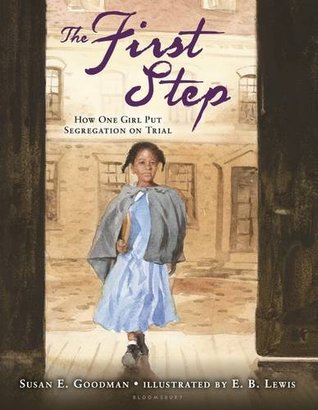
The First Step: How One Girl Put Segregation on Trial
Author: Susan E. Goodman
Illustrator: E.B. Lewis
Published January 5th, 2016 by Bloomsbury Children’s Books

Goodreads Summary: In 1847, a young African American girl named Sarah Roberts was attending a school in Boston. Then one day she was told she could never come back. She didn’t belong. The Otis School was for white children only.

Sarah deserved an equal education, and the Roberts family fought for change. They made history. Roberts v. City of Boston was the first case challenging our legal system to outlaw segregated schools. It was the first time an African American lawyer argued in a supreme court.

These first steps set in motion changes that ultimately led to equality under the law in the United States. Sarah’s cause was won when people–black and white–stood together and said, No more. Now, right now, it is time for change!

With gorgeous art from award-winning illustrator E. B. Lewis,The First Step is an inspiring look at the first lawsuit to demand desegregation–long before the American Civil Rights movement, even before the Civil War.

Backmatter includes: integration timeline, bios on key people in the book, list of resources, and author’s note.

My Review: I really appreciate the abundance of quality nonfiction books about the early civil rights in our country because I fear that so much of the prejudice still remains, so it is important to learn about history so hopefully it will not repeat itself. The First Step is a story that shows how even if you do not win your fight, that doesn’t mean that the effort you put forth was for naught. Sarah Roberts and her family were so brave in standing up for her education and rights, and their fight helped pave the way for the bumpy road of integration in schools. Goodman does a wonderful job starting with Sarah’s story but tying it to the Brown v. Board of Education trial while not taking away any credit from the Roberts’ part of history.  

Teachers’ Tools for Navigation: My first thought is to do a jigsaw type activity with The First Step and other civil rights nonfiction picture books (such as the ones listed below in recommended reading). Students can learn about different parts of the history of civil rights by reading the picture books and maybe even researching extra. They would then either present as a group to the class or you can jigsaw the kids back together (pull one person from picture book and put them together as a group), and they can each teach each other about what they learned. This is one of my favorite activities to do with picture books because it allows students to learn in depth about one subject then teach the rest of their class thus everyone learns about all subjects.

Discussion Questions: How did Sarah Roberts’s family’s fight lead to the integration of schools even though she did not win her case?; How did the author structure the book to go through the history of segregation?; How do the illustrations by Lewis help bring Goodman’s story to life?

We Flagged: 

first step spread

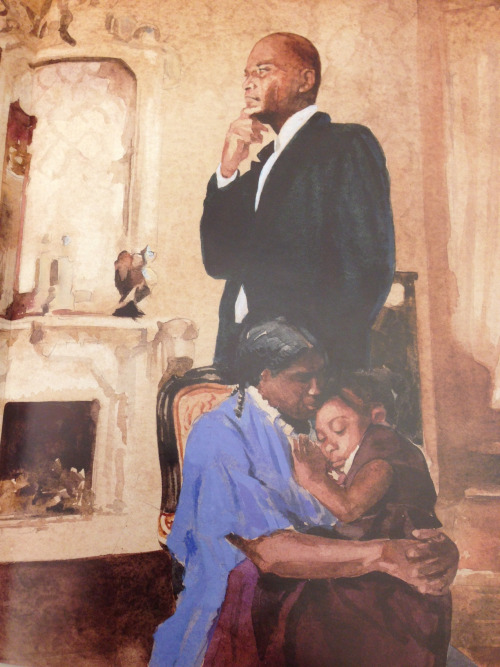
“Adeline and Benjamin Roberts tried to imagine Sarah’s walk to the Smith School, which was for African American children. She would have to zigzag through many streets, crossing one neighborhood after another.

Sarah would have to go all that way for a school that never taught subjects like history or drawing. All that way for Boston’s only school without a play yard. A school that owned only one book.”

Read This If You Loved: Separate is Never Equal by Duncan TonatiuhFreedom Summer (Kellee’s Review, Ricki’s Review) by Deborah Wiles, Seeds of Freedom by Hester Bass

Recommended For: 

classroomlibrarybuttonsmall readaloudbuttonsmall litcirclesbuttonsmall

Signature

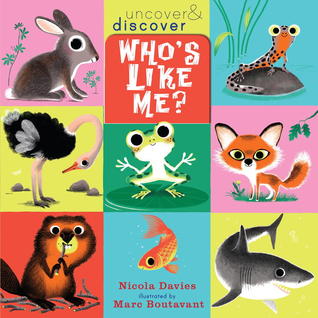
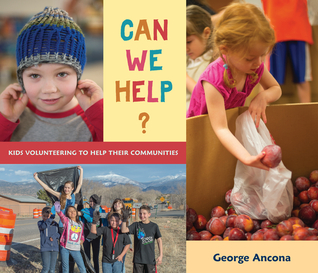
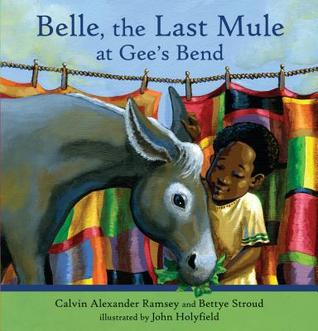
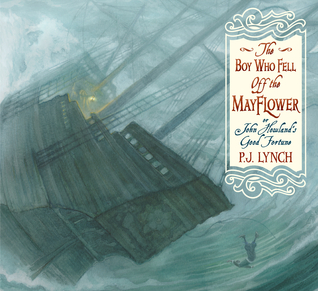
Candlewick Nonfiction Picture Books: Who’s Like Me? by Nicola Davies; Can We Help? by George Ancona; Belle, the Last Mule at Gee’s Bend by Calvin Alexander Ramsey & Bettye Stroud; and The Boy Who Fell Off the Mayflower by P.J. Lynch

Share

NFPB2016

Nonfiction Wednesday

Nonfiction Picture Book Wednesday is hosted by Kid Lit Frenzy and was started to help promote the reading of nonfiction texts. Most Wednesdays, we will be participating and will review a nonfiction text (though it may not always be a picture book).
Be sure to visit Kid Lit Frenzy and see what other nonfiction books are shared this week!

who's like me

Who’s Like Me?
Author: Nicola Davis
Illustrator: Marc Boutavant
Published February 28th, 2012 by Candlewick Press

Goodreads Summary: Lift the flaps and learn about animal life in this fresh, fun-filled book for curious preschoolers.

A bunny is furry and breathes air. Who else is like that — a pigeon, a fish, a chameleon, or a fox? Some animals have fins to swim with, some have feathers and a beak, some have skin that is scaly, or smooth and wet. But whatever features a creature has, someone else has them, too. Can you guess who? Big flaps and a matching spread at the end make animal classification fun.

My Thoughts: This flap book is going to be a big hit in my house both because it is entertaining and because it is informative. First, the author does a great job making the identification of animal types a game including flaps and comparisons/contrasts then she ensures that factual information follows the matching to explain the type of animal and the characteristics of the type.

can we help

Can We Help? Kids Volunteering to Help their Communities
Author: George Ancona
Published August 25th, 2015 by Candlewick Press

Goodreads Summary: Real kids make a real difference in their communities in this vibrantly photographed chronicle by George Ancona.

George Ancona celebrates the joy of kids giving back. In one after-school program, middle-school students mentor and tutor younger children. Via a special partnership, schoolchildren help professionals train assistance dogs for people with disabilities. At a community farm, families plant, grow, and harvest produce for soup kitchens and charities. In these and other examples of volunteering, kids of all ages work together knitting hats and scarves for those who could use warm clothes, packing hot meals to deliver to housebound people, and keeping roadways clean. Young humanitarians reading these accounts may well be inspired to find ways that they can help, too.

My Thoughts: I think this picture book would be a wonderful one to read in conjunction with the 31 Ways to Change the World because that book includes suggestions while this one gives us narratives about those actually making a difference. I love the variety of ways the author highlights: from knitting to a community farm to training dogs and mentoring. These stories are inspiring and will make the reader (adult or child) want to do something to make a difference!

belle last mule

Belle, the Last Mule at Gee’s Bend
Authors: Calving Alexander Ramsey and Bettye Stroud
Illustrator: John Holyfield
Published September 13th, 2011 by Candlewick Press

Goodreads Summary: A true story inspires the moving tale of a mule that played a key role in the civil rights movement– and a young boy who sees history anew.

Sitting on a bench waiting for his mother, Alex spies a mule chomping on greens in someone’s garden, and he can’t help but ask about it.””Ol Belle?” says Miz Pettway next to him. “She can have all the collards she wants. She’s earned it.” And so begins the tale of a simple mule in Gee’s Bend, Alabama, who played a singular part in the civil rights movement of the 1960s. When African-Americans in a poor community– inspired by a visit from Dr. Martin Luther King, Jr.– defied local authorities who were trying to stop them from registering to vote, many got around a long detour on mule-drawn wagons. Later, after Dr. King’s assassination, two mules from Gee’s Bend pulled the farm wagon bearing his casket through the streets of Atlanta. As Alex looks into the eyes of gentle Belle, he begins to understand a powerful time in history in a very personal way.

My Thoughts: This story adds an extra truth to the story of Martin Luther King that many of us know. MLK was an advocate and leader and activist for all African and Black Americans and this meant a lot to so many communities of people around America including Gee’s Bend. To learn about Belle and King’s reason for having Belle pull his coffin really just shows how true his intentions of being a man of the people while fighting for the rights of all. And I loved how this story was told as a story from a Bender to a young boy visiting the town. Gee’s Bend is such a historical place, and I love this new part of their history that I didn’t know. (I love the quilts produced in Gee’s Bend! If you haven’t viewed them, Google it now!)

boy who fell

The Boy Who Fell Off the Mayflower or John Howland’s Good Fortune
Author and Illustrator: P.J. Lynch
Published September 22nd, 2015 by Candlewick Press

Goodreads Summary: In the first book he has both written and illustrated, master artist P.J. Lynch brings a Mayflower voyager’s story to vivid life.

At a young age, John Howland learned what it meant to take advantage of an opportunity. Leaving the docks of London on the Mayflower as an indentured servant to Pilgrim John Carver, John Howland little knew that he was embarking on the adventure of a lifetime. By his great good fortune, John survived falling overboard on the crossing of the Atlantic Ocean, and he earned his keep ashore by helping to scout a safe harbor and landing site for his bedraggled and ill shipmates. Would his luck continue to hold amid the dangers and adversity of the Pilgrims’ lives in New England? John Howland’s tale is masterfully told in his own voice, bringing an immediacy and young perspective to the oft-told Pilgrims’ story. P.J. Lynch captures this pivotal moment in American history in precise and exquisite detail, from the light on the froth of a breaking wave to the questioning voice of a teen in a new world.

My Thoughts: I have to start my review with discussing the art work. Describing P.J. Lynch as a master artist is a perfect statement. His watercolor and gouache full page plus illustrations are so lifelike and beautiful that the reader will spend time on each page viewing the art in addition to reading the text. And what makes the book even better is that the text is interesting. Told in first person from John Howland’s point of view, we travel from London to America through storms, a fall off the Mayflower, death, disease, famine, and shows how friendship and kindness pay. In the classroom, this text would be an informational and interesting introduction to the Mayflower voyage and Plymouth.


All Recommended For: 

classroomlibrarybuttonsmall readaloudbuttonsmall litcirclesbuttonsmall

Kellee Signature

Blog Tour with Review!: Mastermind by National Geographic

Share

NFPB2016

Nonfiction Wednesday

Nonfiction Picture Book Wednesday is hosted by Kid Lit Frenzy and was started to help promote the reading of nonfiction texts. Most Wednesdays, we will be participating and will review a nonfiction text (though it may not always be a picture book).
Be sure to visit Kid Lit Frenzy and see what other nonfiction books are shared this week!

mastermind

Mastermind: Over 100 Games, Tests, and Puzzles to Unleash Your Inner Genius
Author: Stephanie Warren Drimmer
Puzzles by: Julie K. Cohen
Published May 10th, 2016 by National Geographic Children’s Books

mastermind banner

Welcome to Stop #7 on the National Geographic Kids Mastermind Blog Tour!

This summer, National Geographic Kids Books is inviting kids to “Unleash Their Inner Genius” with the release of Mastermind (May 2016, ages 8-12).  In this fun, interactive book, kids learn what type of thinker they are and are given the chance to exercise different parts of their brains with games, tests and puzzles.

Each stop on the National Geographic Kids Mastermind Blog Tour brings you one step closer to becoming a Certified Mastermind. Be sure to stop by each stop on the tour and challenge yourself to unleash your inner genius with fun quizzes, optical illusions, and brain teasers, and learn tips and tricks for improving brainpower and explanations for the science behind navigating your mental map.

Are you ready to put your genius to the test with some word puzzles? Check out below and tweet your answers using #Mastermind!

mastermind 1

mastermind 2

Goodreads Summary: Ready to exercise your brain? Let zany superbraniac Ima Genius be your guide in this interactive book full of fascinating brain facts, puzzles, games, and challenges. Learn what type of thinker you are and the geniuses that share your special type of intellect. Discover why your brain does what it does, and how that affects vision, hearing, touch, smell, taste, spatial reasoning, language, memory, and problem solving. Each chapter is filled not only with fun and games, but also famous historical cases, crazy quizzes, exciting experiments, and a glossary of Genius Jargon, invented for advanced brain-related vocabulary.

The cheeky narrator and self-proclaimed “Mastermind” Ima Genius and her talking dog, Atom, guide the reader through short and snappy explanations of the science behind why the brain does what it does and how it affects the senses, spatial reasoning, language, memory and problem solving. As kids work their way through the book completing experiments, brain teasers, mazes, quizzes and games, their efforts (and smarts!) are rewarded with a Certificate of Mental Achievement declaring them as a Certified Mastermind.  Or, in the words of Ima Genius:

When I’m finished with you, your brain will be so huge that your average-size neck will no longer be able to support your massive noggin.  Ha!  I kid.  That’s only happened once.”

Kellee’s Review: I love the variety of puzzles and games found within this book! They are quite clever and are definitely brain exercises. I also always love National Geographic books because of the quality of not only the text inside but also because of the photographs. Mixed in with all the puzzles are perfect animal photos and other science-y photos. For example, even the maze within the book is finding your way through a maze within a spine! Although the puzzles definitely are fun, I think my favorite things within the book are the “Atom’s Brain Breaks,” “Myths: Busted,” “Fun Facts,” tests, and other fun knowledge that was shared within.  

Ricki’s Review: This would be the perfect road trip book. There are so many puzzles and games, and they are all quite different. I am tempted to save this for my son for when he is a bit older, but I know my neighbors would love it. It’s a great book to share with others because it will appeal to kids of all interest levels. As with most of the National Geographic books we’ve reviewed here on Unleashing Readers, this book is jam-packed with awesome facts about animals, science, etc. This book will last a long time—there is so much to learn and do! The narrator (Ima Genius) is a perfect guide, and she made me smile.

Teachers’ Tools for Navigation: Although this book may seem like an individual book, it would definitely be fun as a whole-class bell work activity. It is almost exactly one page per school day if you did one each day. It would be a fun way to mix literacy and science!

Discussion Questions: What myths were busted that you thought were true?; What’s the difference between how dogs and humans see the world?; How do the different parts of your body work and work together?; What fun facts did you learn that you didn’t know before?

We Flagged: See above!

Read This If You Loved: Interactive books with puzzles, brain teasers, tests, or other games

Recommended For: 

classroomlibrarybuttonsmall readaloudbuttonsmall

Thank you for stopping by and being a part of the National Geographic Kids Mastermind Blog Tour!  Did you master all of the quizzes, puzzles and brain teasers?  If so, congratulations Mastermind! Here is your Certificate of Mental Achievement!

mastermind 3

If you missed one or two, visit these stops and become a Certified Mastermind!

Blog Tour Schedule:

5/23 – Reading is Better With Cupcakes

5/24 – Mother Daughter Book Reviews

5/25 – Geo Librarian

5/26 – Mrs. Mommy Book Nerd’s Book Reviews

5/27 – Always In The Middle

5/31 – Mundie Kids

6/1 – Unleashing Readers

Signatureand RickiSig

**Thank you to Karen at Media Masters Publicity for providing copies for review!!**
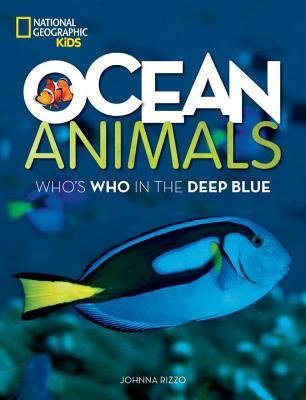
Animal Planet’s Animal Bites: Ocean Animals and Polar Animals

Share

NFPB2016

Nonfiction Wednesday

Nonfiction Picture Book Wednesday is hosted by Kid Lit Frenzy and was started to help promote the reading of nonfiction texts. Most Wednesdays, we will be participating and will review a nonfiction text (though it may not always be a picture book).
Be sure to visit Kid Lit Frenzy and see what other nonfiction books are shared this week!

animal planet 2

Polar Animals

animal planet 1

Ocean Animals

Animal Planet
Published March 1st, 2016 by Animal Planet

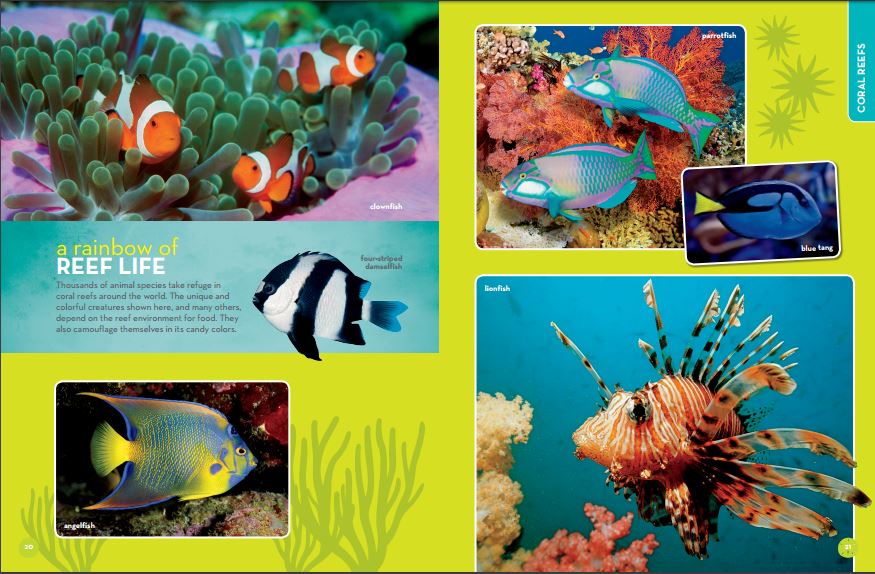
Polar Animals Summary: With more than 200 gorgeous animal photos of penguins, polar bears, sea lions, walruses, reindeer and others, Animal Planet Polar Animals is a fun, habitat-by-habitat guide that provides kids in the first years of schooling with the perfect bite-sized view of their favorite animals living in both polar climates. Arranged thematically with focus on animal behavior and family relationships, young readers will explore sections about animal bodies, baby animals, food, play time, conservation, and more. Special book features designed for this age group include Quick Bites sidebars with cool animal facts, simple infographics, and illustrated maps of the coldest places on Earth.

Ocean Animals Summary: With more than 200 gorgeous animal photos of sharks, whales, clown fish, jelly fish, dolphins, and others, Animal Planet Ocean Animals is a fun, habitat-by-habitat guide that provides kids in the first years of schooling with the perfect bite-sized view of their favorite ocean-dwelling animals. Arranged thematically with focus on animal behavior and family relationships, young readers will explore sections about animal bodies, baby animals, food, play time, conservation and more. Special book features designed for this age group include Quick Bites sidebars with cool animal facts, simple infographics, and illustrated maps of Earth’s watery environments.

A portion of the proceeds will benefit Animal Planet’s R.O.A.R. (Reach Out. Act. Respond.) project which partners with leading animal organization to make the world a better place for domestic and wild animals.

Kellee’s Review: Like National Geographic nonfiction books for kids, Animal Planet’s books have some of the most stunning photographs of animals that I’ve ever seen. They take the reader to the animals’ home and shows the reader the ins and outs of the animal and how and where they live.   

Ricki’s Review: My toddler adores these books. My husband was watching him when I started this post, and he said, “Henry have those! Henry have those!” They are intended for an older audience, but that doesn’t stop him. The pictures are gorgeous and there is so much to learn. Each page is brimming with facts! These are great books for readers of all ages.

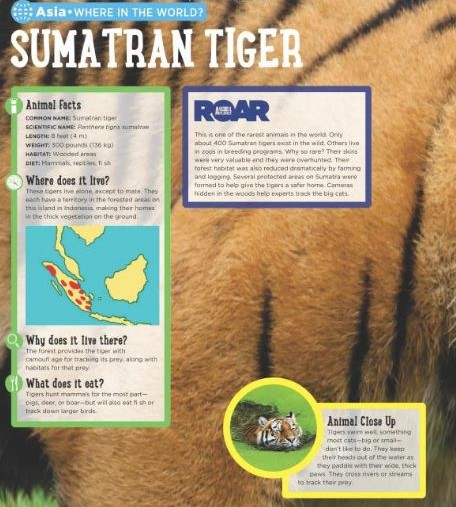
Teachers’ Tools for Navigation: The Animal Bites series uses colorful tabs and other text features to organize the information throughout the book. The tabs are: Where They Live, How They Live, Vista (awesome photos that show the places animals live), Big Data, Animal Gallery, Living/working, Conservation, and specific animal tabs. They also have Just Like Mes thrown throughout the book showing how the animals are similar to humans. The way the book is set up is perfect to discussing biology and zoology. While you use these books in science, you can do comparisons/contrasts and text features in language arts, and find the animals’ habitats in geography. These are perfect books for cross-curricular lessons and inquiry projects.

Activities Created by Time Inc.: 

ocean activitiespolar activities

Ocean and Polar Animals Activity Sheets PDF

Discussion Questions: What other Animal Bites books would you like to see?; What are some examples of ways that some animals are like us?; Which animal that you learned about is the best at camouflaging? Fastest? Best predator? etc.; What text features does the author use to help you understand the text?; How did the author structure the text?; What are the differences/similarities of some of the animals within the books?

We Flagged: 

ocean poster polar poster

Ocean and Polar Animals Posters PDF

Animal Planet has also created FUN FACT cards for each of their Animal Bites books that can be accessed fore free HERE.

animal-fun-fact-cards-2

Read This If You Loved: National Geographic nonfiction texts, Seymour Simon animal texts, Extreme Ocean Records by Seymour Simon 

Recommended For: 

classroomlibrarybuttonsmall closereadinganalysisbuttonsmall

SignatureandRickiSig