Miles Away from You by A. B. Rutledge

Share

Miles Away from You
Author: A. B. Rutledge
Published: March 20, 2018 by HMH Books for Young Readers

Guest Review by Kaari von Bernuth

Goodreads Summary: It’s been three years since Miles fell for Vivian, a talented and dazzling transgender girl. Eighteen months since a suicide attempt left Vivian on life support. Now Miles isn’t sure who he is without her, but knows it’s time to figure out how to say goodbye.

He books a solo trip to Iceland but then has a hard time leaving the refuge of his hotel room. After a little push from Oskar, a local who is equal parts endearing and aloof, Miles decides to honor Vivian’s life by photographing her treasured Doc Martens standing empty against the surreal landscapes. With each step he takes, Miles finds his heart healing–even as he must accept that Vivian, still in a coma, will never recover.

Told through a series of instant messages to Vivian, this quirky and completely fresh novel explores love, loss, and the drastic distances we sometimes have to travel in order to move on.

Kaari’s Review: I’d like to preface this blog post by saying that I do not identify as LGBTQ in any way, so I don’t have personal experiences to say whether or not this novel presents an accurate representation of what it is like to be an LGBTQ person. But, I think that this book does provide a compelling and interesting perspective that non-LGBTQ people can understand and connect with. I liked that the entire story was written in a messaging format. It placed an interesting lens over the story because, as readers, we always know that the story is being written to someone, even if they can’t respond. The format also lends itself to casual language, which makes it an entertaining and engaging read that students will love.

This book was certainly entertaining, and I loved reading it. I loved cheering for Miles and hurting for Miles when it was appropriate. I think that Miles’ approach to grief is also an approach that many teens can connect with, and maybe learn from as well. However, this book has a lot going on in it. The main character, Miles, is coping with the loss of his transgender girlfriend. His two lesbian moms are very supportive of the LGBTQ community, and even run a summer camp for LGBTQ kids. And, Miles himself is unsure of his sexuality, which he explores more as the novel goes on. Because there are so many LGBTQ elements the author tried to fit in, it feels a little bit contrived at times, and distracts from the overall messages of acceptance of personal identity, and also of the LGBTQ community, and dealing with the intricate and complicated loss of a loved one.

Teachers’ Tools for Navigation: I think this book poses a lot of really interesting questions about suicide, grief, overcoming grief, acceptance, identity, potential abuse (between Oskar and his boyfriend), love, gender, and sexuality that could spark a lot of discussions for students. For these reasons, I think that this book should definitely be included in classroom libraries, and used as a literature circle book. However, if someone is looking to teach an lgbtq book to an entire classroom, I’d choose one that didn’t have quite as many lgbtq aspects, as I mentioned in the review, because it makes the book feel somewhat cluttered and contrived, and there are many other novels that would be better for teaching to a large classroom.

Discussion Questions: 

  • How is identity explored in this novel?
  • How is discrimination portrayed in this novel?
  • What kinds of violence/abuse do we see in the novel?
  • How is death/dying portrayed?
  • How does Miles cope with grief? What ways are productive and what ways are unproductive?

We Flagged: “This is the Mid-Atlantic Ridge, the place where the North American and Eurasian tectonic plates are slowly, slowly tearing apart. It sounds so destructive, doesn’t it? Like the world could just keep spreading and eventually it’ll just crack in half and bleed out into the universe. But the good news is that it doesn’t actually work like that. When the earth splits, lava rises and cools, creating new land where there wasn’t any before. It heals as it tears. I think humans do that, too. So, anyway, this is the tenth photo I’ve taken of Vivian’s boots, and it might be my last for a little while. I do want to keep connecting and keep exploring this new scar tissue.” -Advanced Reading Copy page 224

Read This If You Loved: Beautiful Music for Ugly Children by Kirstin Cronn-Mills; Symptoms of Being Human by Jeff Garvin; If I Was Your Girl by Meredith Russo; Suicide Notes by Michael Thomas Ford

Recommended For:

classroomlibrarybuttonsmall

  RickiSig

**Thank you to Kaari for reviewing this book!**

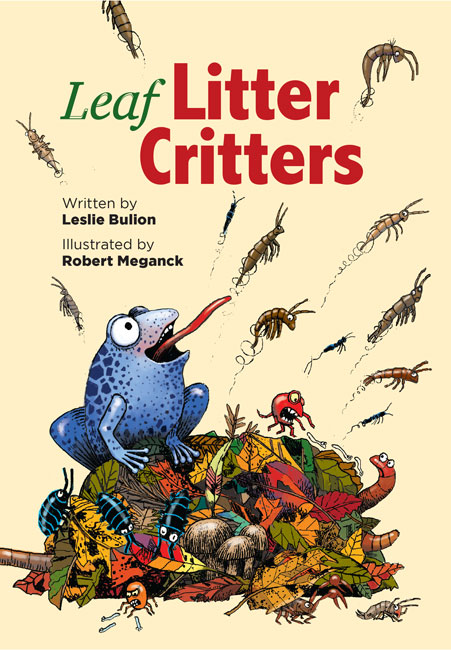
Leaf Litter Critters by Leslie Bulion

Share

Leaf Litter Critters
Author: Leslie Bulion
Illustrator: Robert Meganck
Published March 8th, 2018 by Peachtree Publishers

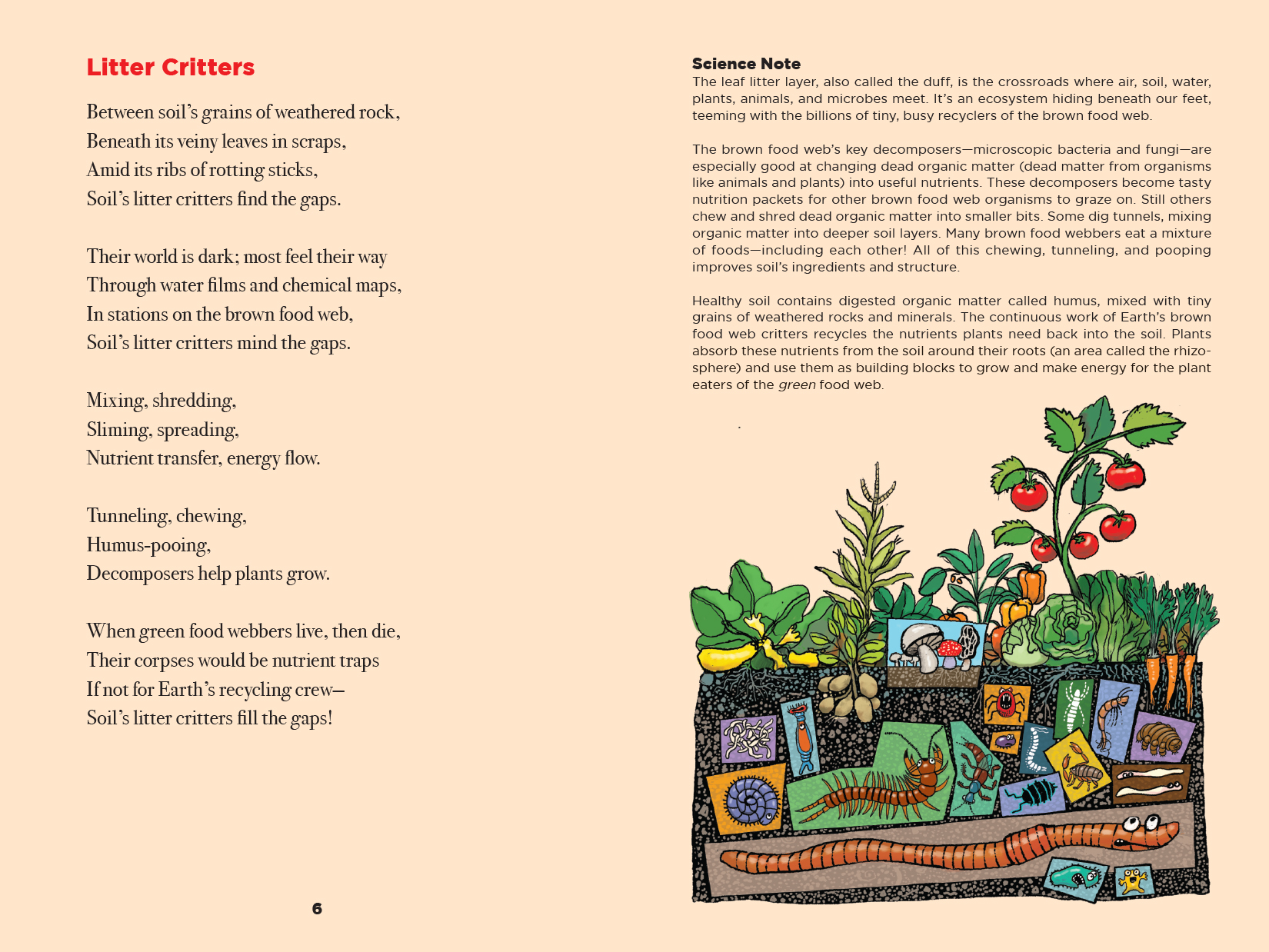
Summary: Have fun on this poetic tour through the leaf litter layer and dig into the fascinating facts about the tiny critters who live there. Nineteen poems in a variety of verse forms with accompanying science notes take readers on a decomposer safari through the “brown food web,” from bacteria through tardigrades and on to rove beetle predators with other busy recyclers in-between. 

Zooming into the thin layer of decaying leaves, plant parts, and soil beneath our feet, Leaf Litter Critters digs into fascinating information about the world of decomposers–from the common earthworm to the amazing tardigarde.

Written in various poetic forms, acclaimed science poet and award-winning author Leslie Bulion combines intriguing scientific details with fun wordplay to create a collection of nonfiction verses amusing for all readers. Vibrant and entertaining artwork by distinguished illustrator Rober Meganck adds to the humor of each poem.

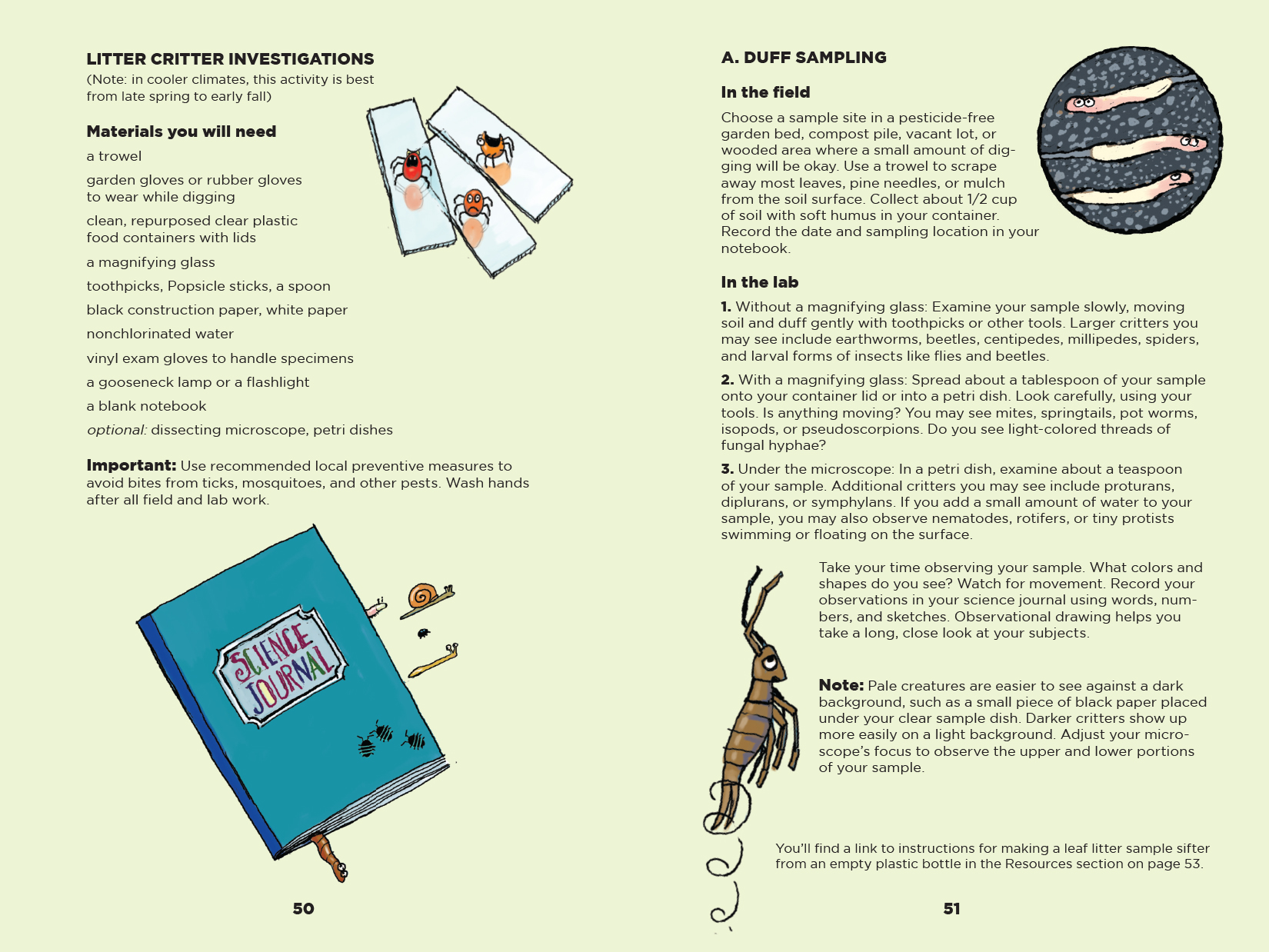
Perfect for cross curricular learning, Leaf Litter Critters has extensive back matter, including both science notes about each critter and poetry notes about each poetic form, as well as a glossary, hands-on activities, and additional resources for curious readers to further their investigations. It’s also a great read-aloud for Earth Day and beyond.

* “The poems are expertly crafted in a variety of forms (identified in the backmatter). The language is lively and the imagery appropriate. With alliteration, internal rhymes, and careful rhythm, these will be a delight to read aloud and learn…. Meganck’s engaging digital drawings give each creature pop-eyes and attitude…. A delightful, memorable introduction to an unsung ecosystem.” —Kirkus Reviews, STARRED REVIEW

“Bulion stuffs her poems with scientific detail and puts even more into accompanying “science notes.” Meganck’s cartoons strike sillier notes…balancing all of the information Bulion provides with hefty doses of fun.” —Publishers Weekly

Review & Teachers’ Tools for Navigation: I cannot wait to give this to my mentee who is a sixth grade science teacher who has a BS in biology–she is going to love this so much! And if I was an upper elementary teacher, I would love to use this text as a cross-curricular text during a poetry and biology unit. Not only did it teach me SO much about these amazing creatures that do weird and truly astonishing things, it goes through all the different types of poetry shared to ensure that the book isn’t just science nor poetry centered. I think the author did a beautiful job making sure that each spread had a wonderful poem and a deep science explanation just in case the poem doesn’t clarify anything. Additionally, the back matter includes investigative activities, a glossary, and more science information that would all be incredible assets to a classroom! I really cannot say enough how well the book is crafted for the purpose it was created for.

Discussion Questions: 

  • How is each creature in the leaf litter layer important?
  • How did the illustrator use a pin to help you see the size of each critter on pages 54-55?
  • Write your own poem about one of the creatures that you learned about using whatever poetic style you choose.
  • How did the science notes on each page assist you in understanding the creature that was shared on each spread?
  • Which of the poetic forms/styles did you enjoy the most? Why?

Flagged Passages: 

Read This If You Love: Biology, Poetry, Science

Recommended For: 

classroomlibrarybuttonsmall closereadinganalysisbuttonsmall

Signature

**Thank you to Elyse at Peachtree for providing a copy for review!!**

Tough Tug by Margaret Read MacDonald

Share

Tough Tug
Author: Margaret Read MacDonald;  Illustrator: Rob McClurkan
Published: March 1, 2018 by Two Lions

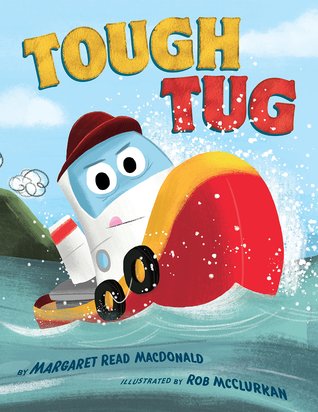
Goodreads Summary: Tough Tug is a brand-new boat. He likes to swirl and twirl—and run and race. He wants everyone to see what he can do. But when he sails to Alaska for the first time, he finds out what being a tug really means…

Ricki’s Review: This delightful book is sure to capture the spirit of young children. Tough Tug has determination and energy, and I yearned to read this book aloud to a classroom of readers. As he adventures to new horizons, Tough Tug realizes just how difficult it is to be a tug boat, but he knows that he passion will get him to his goal. The bright illustrations feature determined, anthropomorphic ships. Readers will feel energized after reading this one.

Teachers’ Tools for Navigation: This book begs for movement. I’d read this book to preschoolers and kindergarteners and ask them to move with tough tug. Reading this story and reacting to the movement words (e.g. “haul”) would help them learn some great new vocabulary!

Discussion Questions: How does Tough Tug show strength? What is he determined to do? What struggles does he face?; How does the illustrator make the boats come alive?; How can you connect this story with your own lives?

Flagged Passage: 

“Launch day!

Here I come…!”

“Hooray! I’m floating! This is fun!

Wait till those boats see what Tough Tug can do!”

Read This If You Loved: Might Tug by Alyssa Satin Capucilli; The Little Engine That Could by Watty Piper; Goodnight, Goodnight, Construction Site by Sherri Duskey Rinker, Demolition by Sally Sutton

Recommended For: 

readaloudbuttonsmall classroomlibrarybuttonsmall

RickiSig

**Thank you to Kristin for providing copies for review!**

Love, Mama by Jeanette Bradley

Share

Love, Mama
Author and Illustrator: Jeanette Bradley
Published January 9th, 2018

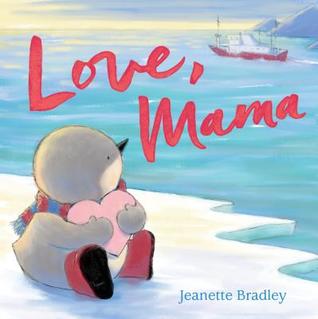
Summary: With a heartwarming story and tender illustrations, Jeanette Bradley’s debut picture book Love, Mama is perfect for Valentine’s Day, Mother’s Day, and any day when a child needs a reminder of the strength of a mother’s love.

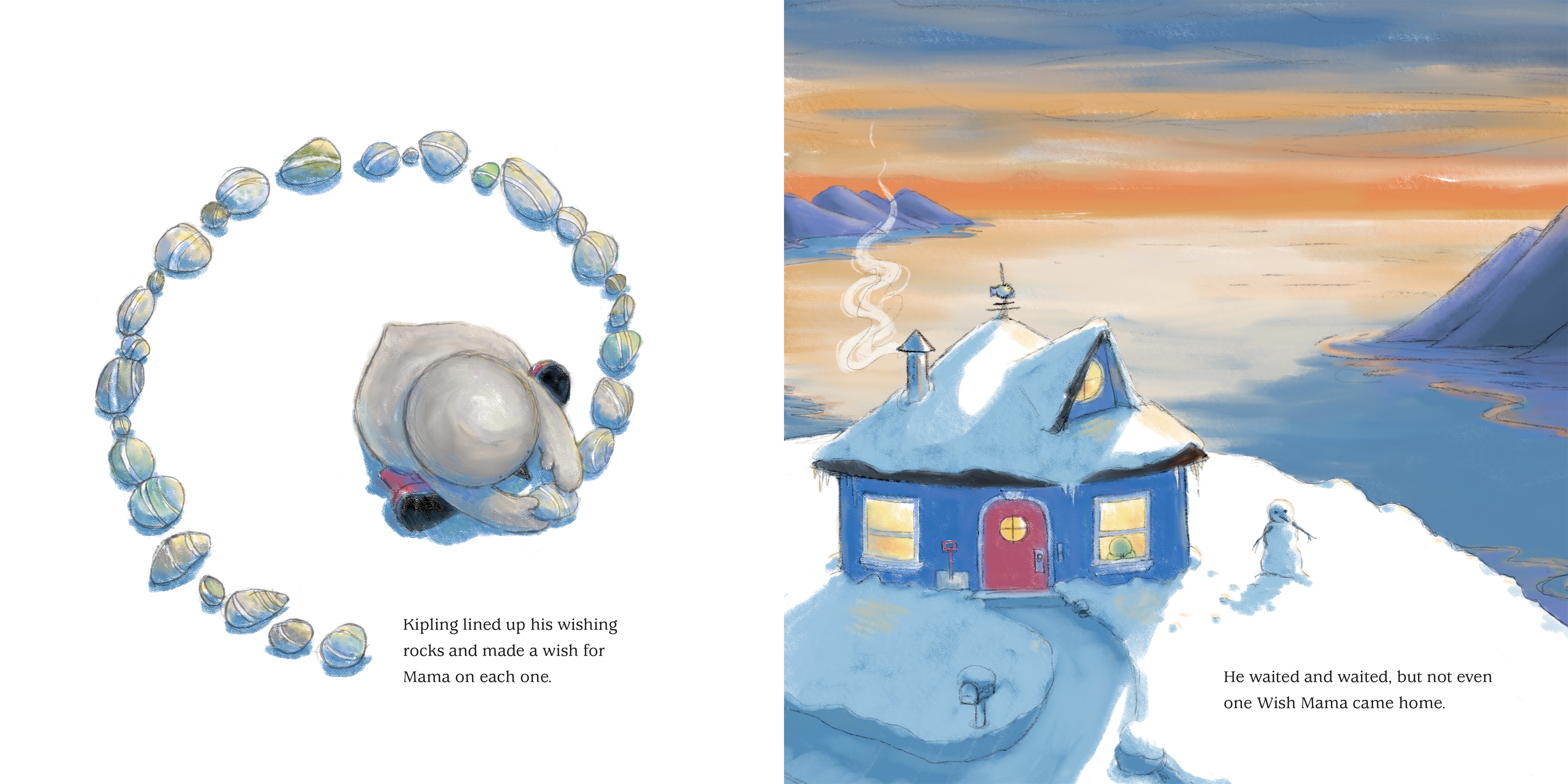
When Mama leaves her young penguin Kipling, he knows she’ll return home soon—yet he still can’t help but miss her. After all, Pillow Mama won’t read, Picture Mama won’t laugh, and Snow Mama is too cold to cuddle.

But then Kipling receives a special delivery from Mama, including a note that reads:

My love for you stretches across the wide ocean, 
through day and night, 
from earth to sky 
and back again.

And Kipling knows that no matter where Mama is, he is loved. Soon, Mama comes home, and Kipling ends the day where he belongs—right in her arms.

Ricki’s Review: This is a charming book that is perfect for Valentine’s Day week. I was thinking of Kipling today when I walked into my son’s school, and he said, “Why did it take you so long to get here?” I remember always feeling like I was waiting interminably long for my parents to get to school. It’s very tricky for kids to understand a sense of time. This book is a great conversation starter between parents and kids. It might be particularly good for kids who are living across multiple houses due do a divorce. The note that Mama writes does a beautiful job capturing a mother’s love. 

Kellee’s Review: I am such a sucker for penguin books! And a penguin book about a son’s love for his mama? Melted my heart! And I can see so many different times this book will come in handy to read to Trent including when I have to leave for longer than a day, when he asks how much I love him, or if he asks why I need to leave. The author complimented her sweet text so nicely with soft, detailed illustrations that help support the mood of the story. Trent and I have already read this more than once, and I know there will be more reads in the future. 

Discussion Questions: 

  • What does Kipling do while he waits for Mama? Does it help? What does he learn?
  • What personification do you see in Mama’s note to Kipling? Other figurative language?
  • What is the message of the story? What does Mama’s return teach Kipling?
  • Have you ever waited for someone you love? What did that feel like?
  • Who do you think the other adult penguin in the book is?

Teachers’ Tools for Navigation: Teachers might ask students to write their own metaphor letters to family members to describe their love. This would be a great activity that teaches figurative language and also allows students to show their families their appreciation. Alternatively, teachers might ask students to compare and contrast the things that Kipling does to try to recreate Mama while she is gone. Then, they might think of other things that Kipling might do while he waits for Mama.

Flagged Passage:

Read This If You Love: Llama Llama Misses Mama by Anna Dewdney, The Kissing Hand by Audrey Penn, And Tango Makes Three by Justin Richardson and Peter Parnell, Love by Matt de la Peña, Forever by Emma Dodd, If I Were a Penguin by Anne Wilkinson,

Recommended For: 

andSignature

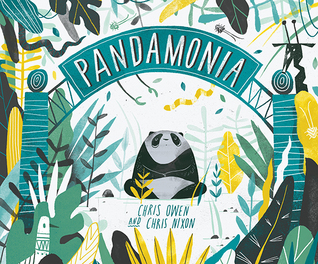
Pandamonia by Chris Owens

Share

Pandamonia
Author: Chris Owen
Illustrator: Chris Nixon
Published 2017 by Kane Miller Books

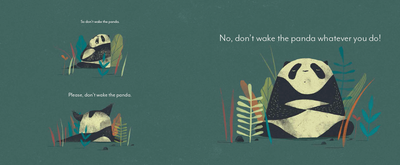
Summary: Here’s something to remember: when visiting the zoo, whatever you do, DON’T WAKE THE PANDA!

Join in the fantastic fun of Chris Owen and Chris Nixon’s Pandamonia, as one could-be-grumpy-if-woken-up sleeping panda sets off a frenzy of wild partying.

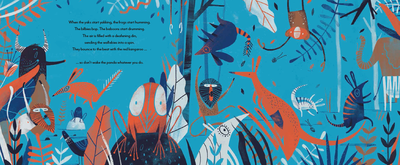
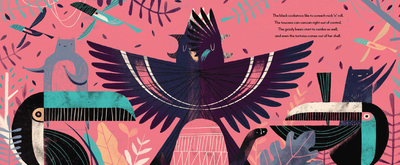
There’s grunting and growling and prancing and prowling and … so much more in this rollicking, rhyming text. It is so filled with energetic art and action and noise and alliteration that it just begs to be read aloud.

There is a playfulness, a rhythm and an energy to both the text and the illustrations, a cumulative growing and building of words and pictures, plus a whole bunch of animals you might never have seen in a picture book before. And the hilarity will have listeners and readers on their feet!

This is one for story time, or anytime!

ReviewThis picture book quickly became a regular in our reading because my son is just a bit obsessed with animals and there is such a wide variety introduced and shared in this title. Sometimes we read all the way through and just have fun with it while other times we look up the animals and find them in the pictures and find videos of the sounds they make. A different experience each time. And with the party-filled pages and colorful illustrations, every experience is fun.

Teachers’ Tools for Navigation: This book will be such a fun read aloud! The illustrations are really colorful, the text is alliterative with a ton of onomatopoeias, and there’s lots of fun to be had! In addition to alliteration and sound words, it can also be a way to talk about animals or zoos.

Discussion Questions: 

  • How did the author use the word pandemonium and panda as a premise to his book?
  • What animals did the author include that you didn’t know?
  • What type of medium do you think the illustrator used to make the illustration?
  • How did the author use onomatopoeias and alliteration in the story?
  • What do you think will happen if the panda gets woken up?!?!

Flagged Passages: 

Read This If You Love: Du Iz Tak? by Carson Ellie, Nothing Rhymes with Orange by Adam Rex, The Curious Case of the Missing Mammoth by Ellie HattieHello Hippo! Goodbye Bird! by Kristyn Crow, Can Aardvark Barkby Melissa Stewart, Other books about animals or zoos

Recommended For: 

Signature

**Thank you to Lynn Kelly from Kane Miller for providing a copy for review!**

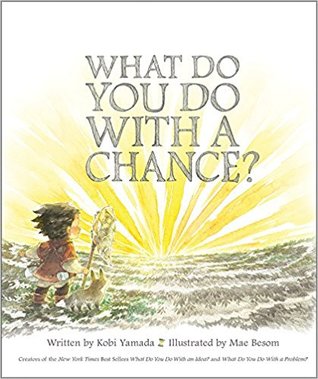
What Do You Do with a Chance? by Kobi Yamada

Share

What Do You Do with a Chance?
Author: Kobi Yamada
Illustrator: Mae Besom
Published: July 1, 2016 by Compendium Inc.

Summary: The award–winning creators of The New York Times best sellers What Do You Do With an Idea?and What Do You Do With a Problem? return with a captivating story about a child who isn’t sure what to make of a chance encounter and then discovers that when you have courage, take chances, and say yes to new experiences, amazing things can happen.

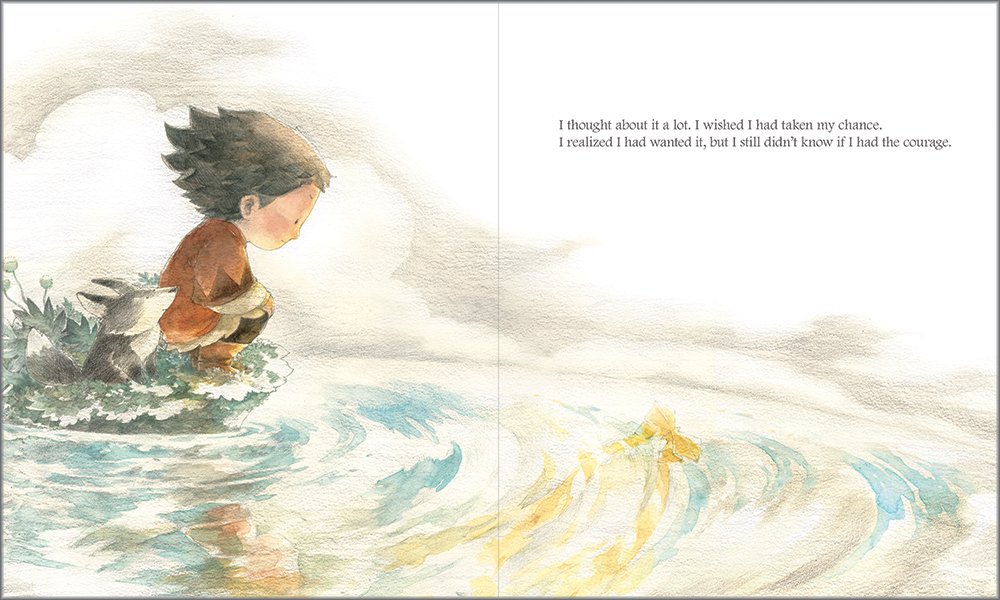
In this story, a child is visited by his first chance and unsure what to do with it, he lets it go. Later on, when a new chance arrives he reaches for it, but this time he misses and falls. Embarrassed and afraid, he begins ignoring each new chance that comes by, even though he still wants to take them. Then one day he realizes that he doesn’t need to be brave all the time, just at the right time, to find out what amazing things can happen when he takes a chance.

The final addition to the award-winning What Do You Do With…? picture book series created by New York Times best selling author Kobi Yamada and illustrator by Mae Besom, What Do You Do With a Chance? inspires kids of all ages and parents alike to find the courage to go for the opportunities that come their way. Because you never know when a chance, once taken, might be the one to change everything.

Ricki’s Review: There is something absolutely magical about these books. This author/illustrator team is simply remarkable in their ability to make the abstract come alive. Each semester, I read one of the books from this series aloud to my preservice teachers. They will be teaching in secondary schools, but this book series makes it obvious about how they can powerfully use picture books in their classrooms. After I read the book aloud, I don’t need to go through a long justification of why picture books work well in middle and high schools. What I like about this series is that each book is different from the other two. They overlap in their conceptualization and they all are remarkable choices for the instruction of symbolism and creating writing–but they all teach very different, big ideas. I can see each book pairing well with a different canonical or YA text. 

Kellee’s Review: I hope each and every one my students leave my class with is that life is about trying and working hard and being creative and kindness and so much more than just passing tests, and Yamada’s series teaches all of these things in such a beautiful, fun, and inspiring way! The newest book in the series looks at the fear that comes with new things, and I think this is something that is so important to talk to kids about, doing anything different or new can be scary for a bunch of different reasons. And this ranges from toddlers (Trent is afraid of fast rides) to teenagers (who may be afraid of doing something that may look uncool or are too busy to grab a chance when it comes by). I am so sad that this is the final installation of the series, but I am so glad that we have the three we do. 

Teacher’s Tools for Navigation: In previous posts for this series, we have discussed how teachers might use this book to teach word choice, symbolism, and creative writing. Teachers might also consider reading all three books aloud to students and talking about the ways they are conceptually similar and different. Students might discuss the paratext of the novels and the marketing of the books. They might also compare and contrast how the books offer completely different, powerful illustrations of abstract ideas.

Discussion Questions: What do you do with a chance?; How do the author and illustrator work together to make the abstract concept of a “chance” more concrete?; What does the book teach about courage?; When have you taken a chance? Did it work out? What did it teach you? What famous people in history have taken chances? What do you think they learned?

Flagged Passage: 

Read This If You Loved: What Do You Do with an Idea? by Kobi Yamada; What Do You Do With a Problem? by Kobi Yamada; The Most Magnificent Thing by Ashley Spires; The Dot by Peter H. Reynolds, The Noisy Paint Box by Barb Rosenstock, Lost and Found by Oliver Jeffers, Journey by Aaron Becker

Recommended For:

  readaloudbuttonsmall closereadinganalysisbuttonsmall classroomlibrarybuttonsmall

 and

Love by Matt de la Peña

Share

Love
Author: Matt de la Peña
Illustrator: Loren Long
Published January 9th, 2018 by Putnam

Summary: From Newbery Medal-winning author Matt de la Peña and bestselling illustrator Loren Long comes a story about the strongest bond there is and the diverse and powerful ways it connects us all.

“In the beginning there is light
and two wide-eyed figures standing near the foot of your bed
and the sound of their voices is love.

A cab driver plays love softly on his radio
while you bounce in back with the bumps of the city
and everything smells new, and it smells like life.”

In this heartfelt celebration of love, Matt de la Peña and  illustrator Loren Long depict the many ways we experience this universal bond, which carries us from the day we are born throughout the years of our childhood and beyond. With a lyrical text that’s soothing and inspiring, this tender tale is a needed comfort and a new classic that will resonate with readers of every age.

Kellee’s Review: I sat here for a long time trying to figure out how to put into words how I feel about this book. I just can’t, but I will try. 

Let me give you some history. At ALAN in 2016, I believe, Matt was a speaker, and he shared how he’d written a poem about love to share with his daughter when the world didn’t seem so loving. Matt’s daughter is approximately Trent’s age and she’s his first just like Trent is, so I completely understood his feelings–the reality that we’ve brought children into this hard world. When Matt read his beautiful words, I cried. It was beautiful. At the end of the poem, he let us know it was going to be a book, and I had very high expectations.

Then at NCTE 2017, I heard that Penguin had a finished copy. I thought that there was no way that the book could live up to what I expected. But then I read it. And I cried again. I, probably rudely, found Matt right away, maybe interrupting a conversation he was having with someone else, to tell him what a beautiful book he and Loren had created. Matt’s poem had been about love, but the book is about LOVE. Love in the sense that every one needs to start thinking about–love between every person. Empathy. Understanding. Tolerance. Unity. Love for all humans.

And as I read it over and over (after I was lucky enough to receive a copy), I couldn’t think of a kid I didn’t want to share it with. I wanted to share it with my son to talk about how much I love him and how he should love all of human kind; I wanted to share it with my friend who is a 2nd grade teacher, so she could share it with all of her students; I wanted to share it with my students, so we can discuss about the love and acceptance found in each spread and each word; and I am so happy to be sharing it here with all of you so that it can be in every person’s life.

Also, please read this amazing article by Matt de la Peña: “Why We Shouldn’t Shield Children from Darkness” from Time and Kate DiCamillo’s follow-up “Why Children’s Books Should Be a Little Bit Sad” where she answers a question de la Peña posed in his article as well as this Twitter thread from Sayantani DasGupta where she explores the need for joy in the darkeness! It truly embodies my parenting and teaching philosophy: that although kids are kids, they are also humans and future adults; life should be about being real and about happiness.

In the end, I want to just thank these two amazing men for writing this phenomenal book that I so feel is needed so badly right now, and thank you for including nothing but truth within it including inclusion of all types of people and children and situations and cultures and races and ethnicities, etc.

Ricki’s Review: I am really looking forward to seeing Matt de la Peña next month during his tour! This book is absolutely stunning, and we will certainly be purchasing many copies to give as baby shower gifts. The entire text simply emanates love. It is honest, poetically, and it treats children as the intelligent people that they are. The illustrations are simply marvelous and the words dance across the page. I simply don’t have the words to share how absolutely beautiful this book is. When I think of this book, I think about a warm, cozy house and two little boys on my lap. And these little boys make me feel love, love, love.

Teachers’ Tools for Navigation: I’ll talk about one scene specifically, which happens to be my favorite.

As soon as I saw this scene, I wanted to show it to students and have discussions with them. How does this scene make them feel? Who is the family? What are they watching? What clues did they use to answer these questions?

Then I would add in the word that accompany the scene:

“One day you find your family
nervously huddled around the TV,
but when you asked what happened,
they answer with silence
and shift between you and the screen.”

And I would ask them how these words change the inferences they made about the spread.

Lastly, I would ask them why this stanza would be in a poem about love, how it fits with the theme, and what it represents.

Another idea that I brainstormed with my friend Jennie Smith are:

  • Recreate my experience by sharing the poem first with the circumstances I shared above. Then reread the poem to them but with the illustrations.
    • After the first read, you can also have them make their own illustrations analyzing the words then compare/contrast the choices that Loren Long made with what they did.

Discussion Questions: 

  • Why did the author and illustrator include tough scenes in their picture book about love?
  • Which scene represents love the most for you?
  • Which scene are you glad they included?
  • How does the poem differ with and without the illustrations?
  • What different purposes could this poem of love be perfect for?

Flagged Passages: *psst!* Matt may have told me this is (one of) his favorite spreads:

Read This If You Love: Love. (But seriously, read this. Period.)

Recommended For: 

Signatureand