125 Wacky Roadside Attractions by National Geographic Kids

Share

NFPB2016

Nonfiction Wednesday

Nonfiction Picture Book Wednesday is hosted by Kid Lit Frenzy and was started to help promote the reading of nonfiction texts. Most Wednesdays, we will be participating and will review a nonfiction text (though it may not always be a picture book).
Be sure to visit Kid Lit Frenzy and see what other nonfiction books are shared this week!

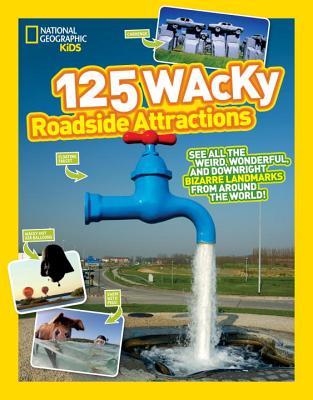
125 Wacky Roadside Attractions

125 Wacky Roadside Attractions: See All the Weird, Wonderful, and Downright Bizarre Landmarks from Around the World!
Published May 10, 2016 by National Geographic Children’s Books

Goodreads Summary: Going on a road trip? See the silly side of travel as you explore the wackiest landmarks from around the world — a place where you can walk in real dinosaur tracks, a hotel where you sleep in an igloo, a crazy beard festival, a UFO museum, and so much more. You won’t believe our world is full of so many bizarre and wonderful places!

My Review: I’ve become a huge fan of the National Geographic books. My toddler is obsessed with them, even though he is much younger than the intended audience. He loves telling us all about the things he learns in the books, and the pictures give us so much to talk about. For this book, we loved talking about all of the different places in the world and what we might see on a road trip. For older kids, this book is great to inspire them to want to travel and to visit all of these neat landmarks! I particularly liked the variety in this text. I can’t imagine that anyone could finish reading this text without adding places they want to visit to their bucket lists. There was a good balance between drivable places and also locations that are across the world. This book will keep a traveler quite busy!

Teachers’ Tools for Navigation: It would be so much fun to place these attractions on the map. Readers might examine how the authors balanced the locations. It also provides students with a good visual concept of where they want to travel next! Students might also be inspired to find a weird or wacky attraction that isn’t in the book. They can share these ideas with the class!

Discussion Questions: Which attraction was most interesting to you? Why?; Which of the closer attractions might you want to visit soon? Which is the farthest attraction that you are interested in visiting?; What neat themes did you see across different attractions?; What might inspire people to create weird and wacky attractions like these?

Read This If You Loved: National Geographic’s 100 Things to Know Before You Grow UpMastermind by National Geographic, Weird but True series by National Geographic, Animal Atlas, Almanacs, Travel Books

Recommended For: 

classroomlibrarybuttonsmall

RickiSig

**Thank you to Karen at Media Masters Publicity for providing a copy for review!**

Still a Work in Progress by Jo Knowles

Share

still a work in progress

Still a Work in Progress
Author: Jo Knowles
Published August 2nd, 2016 by Candlewick Press

Summary: In a return to middle-grade fiction, master of perspectives Jo Knowles depicts a younger sibling struggling to maintain his everyday life while coping with his sister’s secret struggle.

Noah is just trying to make it through seventh grade. The girls are confusing, the homework is boring, and even his friends are starting to bug him. Not to mention that his older sister, Emma, has been acting pretty strange, even though Noah thought she’d been doing better ever since the Thing They Don’t Talk About. The only place he really feels at peace is in art class, with a block of clay in his hands. As it becomes clear through Emma’s ever-stricter food rules and regulations that she’s not really doing better at all, the normal seventh-grade year Noah was hoping for begins to seem pretty unattainable. In an affecting and realistic novel with bright spots of humor, Jo Knowles captures the complexities of navigating middle school while feeling helpless in the face of a family crisis.

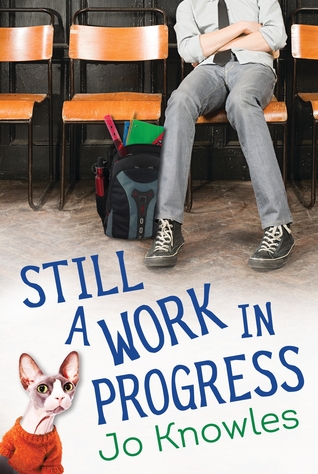
Review: What I am always amazed by when I read a book by Jo Knowles is her ability to tell the truth about our world, and this book once again fits this description. Jo has a way of making her characters ones that are so real that you can imagine them walking into a school and know exactly which kids they’d hang out with. Noah and his friends could definitely be middle school students at my school. Her stories always seem to include a bit of humor (see: hairless cat on the cover) while never taking away from the seriousness of the book’s topic. The emotions, specifically pain or sadness, she portrays through her characters radiates out of the pages, so the reader can feel it. 

Teachers’ Tools for Navigation: This is an important book to have available for students to read. Although the main story is about Noah fitting into middle school, it is also about dealing with pain and anger and sadness and still having to live. This book needs to be in classroom libraries and should be booktalked so students are aware of its brilliance.

Discussion Questions: What makes the art room such a special place for Noah?; Why does Noah and his family not talk about Emma’s problems? Did not talking about it end up being hurtful or helpful?; Noah’s school is a bit different than traditional schools. How does his school differ from yours?; What does the title mean in reference to Noah? Emma? Their family? Other characters?; How did Emma’s experience with Lord of the Flies spiral out of control?

Flagged Passages: “Community meetings happen once a week. Everyone in the school has to go, including the teachers. The Community Room used to be the music room, but our town had budget cuts and they cut the music program. The wars are painted green, and old couches donated by various families line the walls so that if we’re all sitting on them, we form a circle/square. The problem is that there are more students than seats on couches, so if you get to a Community Meeting late, you’re stuck sitting on a beanbag or on the floor in front of the couch sitters. The beanbags are mysteriously sticky and smell like dirty sheets. The floor is cold and kind of gross because it doesn’t get washed very much. In either case, you have to sit in front of the people on the couch which means you are close to their feet, which means, depending on who you end up in front of, you are probably going to have a miserable hours.” (p. 9-10)

“‘Sara is new to vaganism,’ Emma explains.

‘Is your family vegan, too?’ my mom asks.

‘No, just me. My parents are all stressed-out about it. They think I’m going to become anemic or something.’

Emma sighs dramatically, as if to say, So typical.

My mom clears her throat uncomfortably. ‘We were worried about Emma, too. But she’s very aware of her dietary needs. Right, Emma?’

‘Kind of hard not to be with you and Dad obsessing about everything I eat,’ Emma says sarcastically.

My  mom doesn’t answer, just grips the steering wheel tighter. Sara shifts in her seat awkwardly, probably remember the time a few years ago that no one talks about. Even though she and Emma weren’t good friends then, everyone know about the Thing That Happened.” (p. 29-30)

Read This If You Loved: Perfect by Natasha Friend, Awkward by Svetlana Chmakova, Zack Delacruz by Jeff Anderson

Recommended For:

  classroomlibrarybuttonsmall

Kellee Signature

The Memory of Things by Gae Polisner

Share

the memory of things

The Memory of Things
Author: Gae Polisner
Published: September 6, 2016 by St. Martin’s Griffin

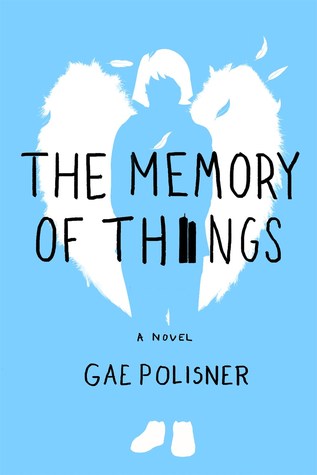
GoodReads Summary: The powerful story of two teenagers finding friendship, comfort, and first love in the days following 9/11 as their fractured city tries to put itself back together.

On the morning of September 11, 2001, sixteen-year-old Kyle Donohue watches the first twin tower come down from the window of Stuyvesant High School. Moments later, terrified and fleeing home to safety across the Brooklyn Bridge, he stumbles across a girl perched in the shadows. She is covered in ash and wearing a pair of costume wings. With his mother and sister in California and unable to reach his father, a New York City detective likely on his way to the disaster, Kyle makes the split-second decision to bring the girl home. What follows is their story, told in alternating points of view, as Kyle tries to unravel the mystery of the girl so he can return her to her family. But what if the girl has forgotten everything, even her own name? And what if the more Kyle gets to know her, the less he wants her to go home? The Memory of Things tells a stunning story of friendship and first love and of carrying on with our day-to-day living in the midst of world-changing tragedy and unforgettable pain—it tells a story of hope.

Review: I read this book several weeks ago, and I still can’t thinking about it. As a few other bloggers have said, this is a book about 9/11—but it isn’t a book about 9/11. It is more a book about friendship, about growing up, and about being human. There are so many topics in this book that are worthy of discussion, and I think teachers will really appreciate its beauty. The writing is quiet yet powerful, and the book has a sort of shattering impact on readers. I loved the connections that Kyle makes in this book, and I particularly enjoyed the ways each of the individuals he interacts with tells the reader more about him. He grows from everyone in this book, and I’d love to discuss this growth with students.

Teacher’s Tools for Navigation: Teachers might ask students to research the many themes of this book to provide background information. They might look at disability/caregivers, PTSD, suicide, and 9/11—just to name a few. They could also look at the different stages of trauma to learn more about how each of the characters reacts differently to the tragic events that occurred on 9/11.

Discussion Questions: Is Kyle helping the girl, or is she helping him?; What do we learn from Kyle’s uncle? What does he teach us about disability and humanity?; In what ways does Kyle show strength, and in what ways does he show weakness? How does he grow from each experience of the text?

We Flagged: “So now I get it. Now I fully understand. Tuesday, and those planes, they’ve broken something. Permanently. And in the process, they’ve changed everything. And everyone.”

This is a quote from an advanced reader’s copy. Some quotes may change before publication.

Read This If You Loved: Extremely Loud and Incredibly Close by Jonathan Safran Foer; The Impossible Knife of Memory by Laurie Halse Anderson; Personal Effects by E.M. Kokie, The Things a Brother Knows by Dana Reinhardt, If I Lie by Corrine Jackson, Purple Heart by Patricia McCormick

Recommended For:

 litcirclesbuttonsmall classroomlibrarybuttonsmall

RickiSig

Picture Book Ten for Ten 2016: Ten Must-Have Picture Books for the Secondary Classroom

Share

PB10for10

In place of our weekly Top Ten Tuesday, we are instead so excited to join Cathy Mere and Mandy Robek for their annual August 10th Picture Books 10 for 10 event. The event features educators, librarians, parents, and other picture book lovers sharing their favorite ten picture books. Today, we are going to share our favorite 10 picture books for use in our secondary classrooms.

 Today’s Topic: Ten Must-Have Picture Books for the Secondary Classroom

Kellee

I wanted to share some picture books I used for the regular precept activity in my classroom with my middle schoolers. On my original post, I listed Each Kindness by Jacqueline Woodson, Red by Michael Hall, The Dot by Peter H. Reynolds, and Last Stop on Market Street by Matt de la Peña; however, here are others that I added during the rest of the year or will add this upcoming year:

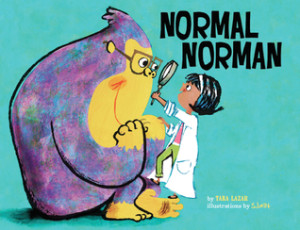
1. Normal Norman by Tara Lazar

normal norman

When I reviewed this book, the first thing I thought of was using it for a precept because the theme of novel is so relevant to middle schoolers. They all want to be normal when really it is the extraordinary that should be striving for!

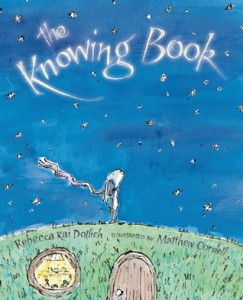
2. The Knowing Book by Rebecca Kai Dotlich

knowing book

The Knowing Book is a book that makes the reader think about the world around them and think about their priorities, choices, identity, and nature.

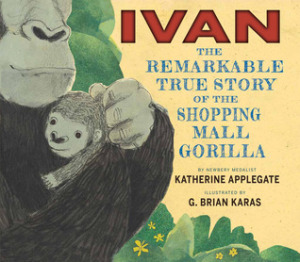
3. Ivan: The Remarkable True Story of the Shopping Mall Gorilla by Katherine Applegate

ivanpb

I used Ivan this year in a different individualized picture book activity, but the conversations that came about during that activity made me realize that the book needs to be a whole-group read aloud so we can discuss empathy for all living things.

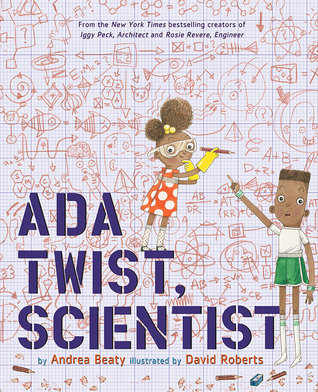
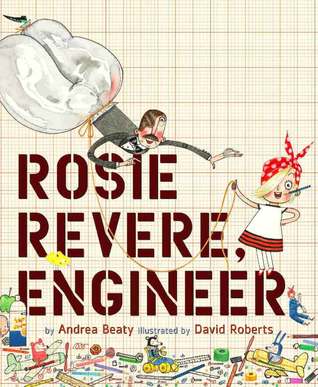
4. Ada Twist, Scientist and Rosie Revere, Engineer by Andrea Beaty
and Iggy Peck, Architect (though I haven’t read it yet) 

ada twist rosie revere

I love these texts that focus on going for your dreams, overcoming obstacles, and finding your passion. Beaty’s writing is rhythmic and imaginative, and Roberts’s illustrations are so detailed and beautiful.

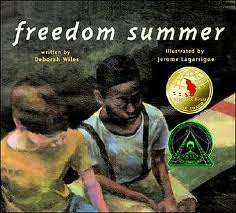
5. Freedom Summer by Deborah Wiles

freedom summer

Freedom Summer is such an accessible introduction to the Civil Rights Movement for students who are just learning about the civil unrest of the past and in the middle of racial tension currently. This book will start discussions and make students think. Luckily, Deborah Wiles helps us out a ton by sharing so many resources with us on her Pinterest board https://www.pinterest.com/debbiewiles/ and her website http://deborahwiles.com/site/resources-for-educators/.

Ricki

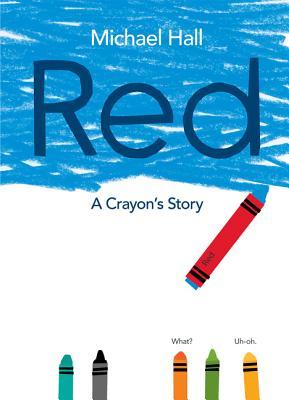
1. Red by Michael Hall

red a crayon's story

I use this picture book to talk about theme. I love reading this book to secondary students (or preservice teachers) and then asking them what they thought the book was “really” about. They are always surprised that their peers have different interpretations than they do. It’s a fabulous book with a beautiful message.

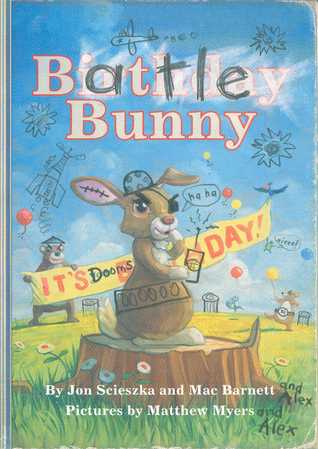
2. Battle Bunny by Jon Scieszka and Mac Barnett (I linked to Kellee’s Review of the book)

battle

This is one of my favorite activities to do with students of all ages (elementary school through college!). You can easily download the Birthday Bunny book from the internet. I like this idea, but I do the activity a bit differently. I put the students into groups of five and purchase five copies of The Poky Little Puppy. The story is fairly flat, and it is a classic. We talk about why this might be. Then, I let them go at it—they create their own versions (each group writes directly in the five books I purchased). Each group shares with the class, and they are stunned at what we come up with. This gives us opportunities to talk about all kinds of literary goodness. 🙂

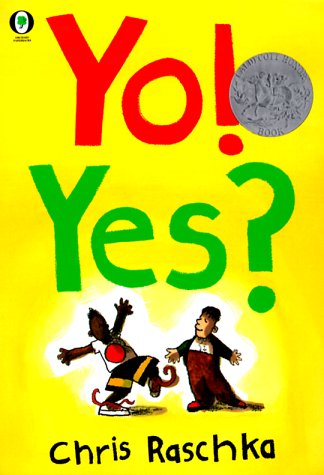
3. Yo! Yes? by Chris Raschka

yo yes

My advisor, Wendy Glenn, introduced this book to me during our Methods class, and I still use it many years later (along with her activity!). She gave us a slip of paper with all of the words from this book but with the punctuation removed. We were instructed to find a partner and together, add punctuation and perform a skit for the class. It taught us the power of punctuation! I still use this activity with pre-service teachers  and loved doing it with my high schoolers.

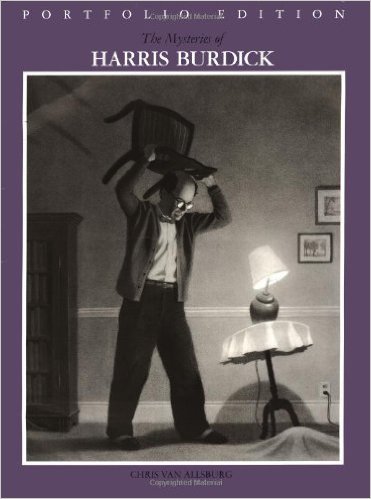
4. The Mysteries of Harris Burdick (Portfolio Edition) by Chris Van Allsburg

mysteries of harris burdick

I took this idea from Caitlin Hoffman, a teacher in my department who always had clever ideas. (I am not sure if this idea was her own, but it is a clever one.) I bought the portfolio edition of this book, but it can also be purchased in picture book form. I hang the pictures around my classroom and tell my students to tell the rest of the story. Each picture in this book begs to be elaborated into a story.

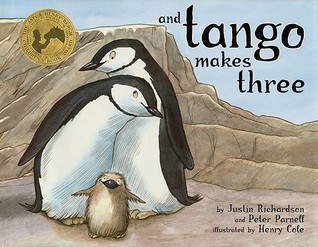
5. And Tango Makes Three by Justin Richardson and Peter Parnell

tango

I love reading this book to my students to kick off banned books week. Most of them are stunned that it might even be banned because it is based on a true story. Following the reading and discussion, I put them into groups and give each group a different banned book, and we continue our conversation and sharing.

Which books do you think are a must-have for the classroom? 

Signatureand RickiSig

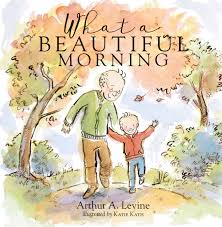
What a Beautiful Morning by Arthur A. Levine

Share

what a beautiful morning

What a Beautiful Morning
Author: Arthur A. Levine;  Illustrator: Katie Kath
Published TODAY!: August 9, 2016 by Running Press Kids

Goodreads Summary: Every morning is beautiful when Noah visits his Grandparents. When Grandpa and Noah wake up, they take off singing and hardly stop: walking the dog, splashing through puddles, and eating French toast with cinnamon. But one summer Grandpa seems to have forgotten how to do the things they love. Does he even know who Noah is? Grandma steps in energetically, filling in as best she can. But it is Noah who finds the way back to something he can share with Grandpa. Something musical. Something that makes the morning beautiful again. This is a story about how love helps us find even what we think is lost.

My Review and Teachers’ Tools for NavigationThis is a beautiful story—from cover to cover. I was enveloped by the watercolor images and words that took me inside Noah and Grandpa’s story. My toddler sat beside me and pointed to the images as I read aloud to him. While he may not have understood the story, he most certainly understood the love between Noah and his grandfather. Elementary school children will develop knowledge of the scary truths of Alzheimer’s disease. While it may feel more comfortable to shield children from these truths, the disease is very much a reality for millions of families, and this book will bring them comfort as they discuss the development of this disease in our loved ones.

Teachers might consider teaching a unit about diseases or disabilities. Texts such as these are very important for students to learn from, and this book is no exception. This might lead into a research unit where students explore and learn more about the diseases or disabilities they find within the books the teacher discusses. However, I most appreciated that this isn’t a book about Alzheimer’s Disease. This is a book is truly about the love between a child and his grandfather.

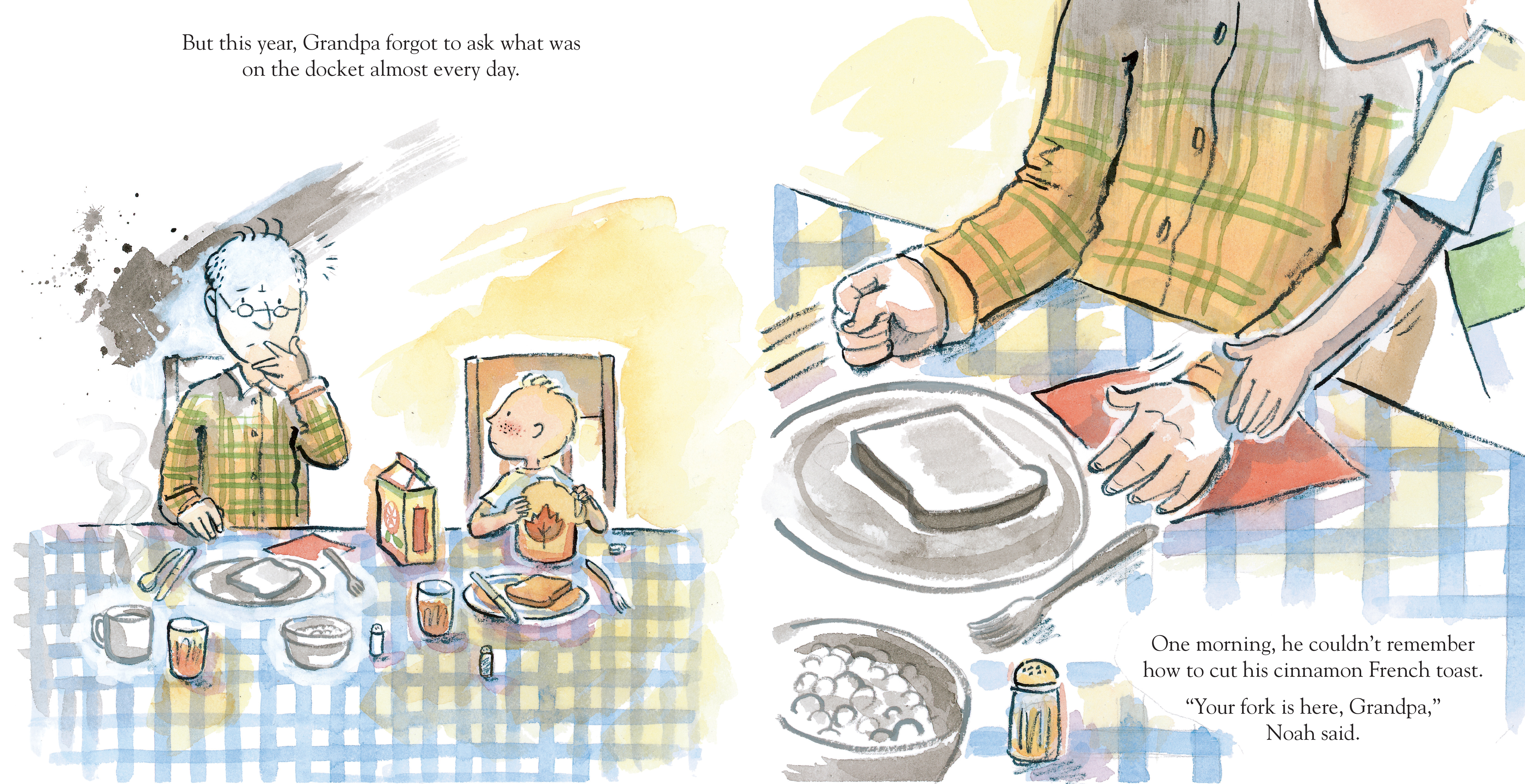
Discussion Questions: When does Noah first notice that Grandpa is having trouble remembering things? How does he react? How does Grandma react?; How does the illustrator use color to help readers better understand the story?; How does the book end? Did you like the ending? How does it connect to the beginning of the story and the overall message?

Flagged Spread: 

WABM_int.indd

Read This If You Loved: Forget Me Not by Nancy Van Laan; The Memory Box by Mary Bahr, Still My Grandma by Veronique Van Den Abeele, Really and Truly by Emilie Rivard, Wilfrid Gordon McDonald Partridge, written by Mem Fox, What’s Happening to Grandpa? by Maria Shriver

Check Out the Other Stops on the Blog Tour:

8/2 Flowering Minds

8/3 MomReadIt

8/4 Unpacking the POWER of Picture Books

8/5 Stacking Books

8/6 #Kidlit Book of the Day

8/8 Enjoy Embrace Learning

8/9 Unleashing Readers

8/10 Two Writing Teachers

8/11 Bildebok

8/12 Geo Librarian

8/13 Randomly Reading

Recommended For: 

readaloudbuttonsmall classroomlibrarybuttonsmall

RickiSig

Student Survey: Are Classroom Libraries Beneficial?

Share

Student Survey- (1)

My friend, Sarah Andersen, posted a blog post titled “Is ‘Getting Along Fine’ Good Enough? after a reader questioned the need for classroom libraries. Sarah hit on so many important points in this post:

  • If we expect [students] to become lifelong readers and find value in reading, then we need to show them that we are reading and valuing reading as well.
  • Too many students only read when they’re in school. It is our job to provide them with time to read independently and to provide them with books to read.
  • But having that classroom library, even a small classroom library, allowed me instant access to books to recommend to my students and provide for them during SSR. Those recommendations created an invaluable rapport with my students.

Then Sarah shared survey results and quotes from students about their experience with Ms. Andersen’s classroom library. These results show that a classroom library is an irreplaceable tool in building reading within our students.

Bold_line

Sarah’s post inspired me to share about my classroom library. I currently have over 3,000 titles. My library is filled with novels, illustrated novels, and graphic novels of all genres as well as informational nonfiction, narrative nonfiction, traditional literature, biographies, and poetry anthologies. I have books about all different topics, issues, and interests. This classroom library is how I get to  know my students. I use it to help my students find a place for themselves in books and a home while reading. Through recommending and discussing books, I learn so much about my students that I otherwise wouldn’t know.  I let my classes as well as three other teachers’ classes check out from me (though tw0 had students check out more from me than the other two). Last year 583 different titles were checked out from me equaling 1450 checkouts (I use Booksource to manage my classroom library and get this data).

Middle school is such an important time in students’ reading development; it is up to us teachers to help nurture the love for reading that many students have when they enter into middle school. This would also help our high school friends because by encouraging and nurturing readers, better readers would leave middle school.

As a reading teacher in the 21st century, so much pressure is being put on teachers to be rigorous, follow CCSS or other state standards, and follow mandated curriculum. However, in my opinion, the most powerful thing a teacher could have to promote analysis, inquiry, higher order thinking, etc. is a classroom library where students get to explore books and topics and genres. The best way to have students become better readers and thinkers is by reading.

But, like Sarah, why listen to me when you can listen to my students:

Did you borrow a book from my classroom library this year?
100% YES

Did you read more, the same, or less than last year? 
90% MORE
5% LESS
5% SAME

Did you have access to a classroom library last year? 
27% NO
20% YES
53% YES BUT A SMALL ONE

Does my classroom library benefit students? How did it benefit you this year?

-“Yes, I got to read what I liked.”
-“IT WAS GOOD CAUSE I could read any book I wanted to read.”
-“I think it benefits students because some students do not have books at home to read. It benefits because I don’t have very many books at home to read.”
-“Yes, your classroom library benefits students. It benefited me this year by giving me a chance to read more books and find books that I like.”
-“It made me want to read more.”
-“I really like your library because I know that someone actually read them and liked them, which means they weren’t just put there.”
-“Yes it does benefit students by providing tons of books for them to read. It benefited me by showing me new and different books to read.”
-“
Easy access to books.”

What would you say to someone that says a classroom library is a waste of money, not worth the time, or isn’t necessary?

-“It isn’t because so many books are amazing and helps you learn.”
-“It’s not a waste because a classroom library can help a lot of people read more.”
-“It is not true because books can enhance learning and engage students into learning.”
-“It isn’t as long as the owner is reading the books too.”
-“I would say that he should start reading and experience how having a library is like.”
-“That is a lie.”
-“It is not a waste. You are investing in someones brain.”
-“It isn’t because it allows many kids to have access to books and helps with education.”
-“I would say that it was their loss, because a classroom library is not only a learning experience, it’s a place to explore the pages and get in deeper to that world.”
-“Wow, you probably don’t read a lot.”
-“That he is wrong because it actually helps students read more.”
-“I would say it is not a waste of money because if a lot of people like to read then you are having something that many poeople love. If people know that you like reading they can give you books for others.”
-“I wouldn’t think so because sometimes people don’t read because they feel like other ‘logical’ activities are more important which deprives people from their sense of self and their sense to dream and learn life lessons.”
-“If someone said that a classroom library isn’t worth I can prove them wrong by saying, As kids lose places and time to read they can finally have a chance to read during the school by having a classroom library. And if the teachers do have a library, students will have more time to read and they can leave middle school strong.”

Why is it important to have a classroom library? Why is it important for teachers to read?

Bianca, 6th grade — “I think that it is important to have a classroom library because then kids get to choose what book they get to read. I don’t like when teachers give me a book I have to read by a certain time, and it’s usually a book I don’t like. It is important for a reading/language arts teacher to read because then they get to learn about things in books and teach it to their students so they can learn as well. Teachers can also learn things they never had known about in books. It is worth it because for the students that enjoy reading can keep enjoying reading and they can inspire others to enjoy reading.”

Ron, 8th grade — “A classroom library is very important for a language arts or a reading class because students might not have books at home to read so they will need a book to read or at least to read in class. And also, borrowing books from a library usually have due dates, and due to that, students that do not read fast will not have time to finish a very long book that they love in time. Instead, having a reading class, students can have a lot more time reading a book by borrowing a book in a teacher’s class than borrowing a book from a library. It is important for teachers to read so that they could suggest more books for students to read and start to read more and more books then they usually read.”

Kiersten, 6th grade — “I think that a classroom library is extremely important because it allows students to have access to tons of books with different varieties at any given time. It is important for language arts and reading teachers to read because if they read they can interact with any students reading the same book. This helps the teachers connect with students and lets the students have a chance at sharing their opinions on the books. It is also important for language arts/reading teachers to read because it is sort of their jobs to read because they do classroom novels and literature circles which require them to read. Also a student would be able to ask the teachers opinion on whether a book they are interested in is good or not.”

Kenneth, 6th grade — “It lets students experience the love of reading if they do not like it. And also if they do they get a extra place to read or have quiet time. So in the end students will be engaged in reading and the percentage of readers when they leave middle school can stay the same of go up. If teachers read they can discuss the climax and how interesting it is to read. And so that encourages students to read books in which they might be so engaged that they cannot stop reading. And so it helps teachers teach students better while the students get better at reading.”

Is there anything I could have done differently to help you read more this year? 

-“No, I actually like to read now.”
-“No, you helped me read a lot more.”
-“No, I think this was a great way to help us read more.”
-“I don’t think so! I have read wayyyyy more than ever!”
-“I don’t think there is anything more because I have improved so much.”

I also reached out to some of my past students who I still remain in touch with. This is what they had to share about the importance of a classroom library and choice independent reading:

Aaron, class of 2015 — “What I can say about your independent library? Well, for one thing, reading was a skill I never gained until my sixth grade year. For as long as I can remember the school system has inhibited students to read the books they wish to read. A classroom library allows students to build a foundation on their reading skills and allows them to grow as readers. From experience, I was never the best reader and was never really well spoken. I had trouble on my vocabulary and sentence structure. Luckily, a fantastic teacher named Ms. Moye introduced a book from her library called Stormbreaker by Anthony Horowitz. This was the book that launched my reading career. As soon as I read Stormbreaker, I immediately started to read the whole series and couldn’t stop. It was addicting and I felt proud to read a series that big. This shows that non readers can soon become readers. Having a classroom library, I believe can inspire the youth to read more books. It can open new doors just like it did for me.”

Andrew, class of 2016 — “For me it was so powerful to have a classroom library because it constantly reminded me of how important it was to read and how many more stories and lessons I still had to learn through the countless books on those shelves. The main school library was also an excellent resource but the accessibility of the classroom library allowed me to develop a deeper passion and appreciation for reading.”

Alan, class of 2014 — “I needed a lot of guidance my middle school years so it was really nice having a teacher recommend a book that they knew I would enjoy and understand.”

Carlos, class of 2016 — “The best thing about your class and the library was that you gave us choices. The choice to read, the choice to succeed, and the choice to fail. Since you were really the first teacher to give me those choices I decided to take them. It was when I had you that I actually started reading for fun. Thank God you had King Arthur. School in general was never presented to me as a choice but rather as an absolute and you completely shattered that and I thank you for that.”

G.B., class of 2016 — ” I was blessed and fortunate enough to attend public schools where the teachers worked hard day and night to ensure the success of their students, and even luckier to have had the ability to check out books in Mrs. Kellee Moye’s classroom collection. With access to more than 1,300 titles in a classroom library, my classmates and I had no choice but to examine, discuss and check out the books alphabetized and organized by author and genre on the shelves. Through this handy library at arm’s length, I noticed the students around me who were not as motivated and interested in reading began to find pleasure in certain genres and gained an openness towards discussing in class regarding their opinions on the novels they have read. This “breakthrough” for many students at this age tends to occur through a scenario of contagious diffusion, just as much of our pop culture is spread today, and with access to such a library, students are bound to find something that entices them.

With daily access to the works of Patrick Ness, Wendy Mass, Ally Carter and other juvenile and young adult authors, readers are able to submerge into the shoes of characters of all ages, homelands, races, passions, ethnicities, environments and genuinely understand the struggles, obstacles and emotional moments they endure. This leads to the creation of a generation of readers who can empathize with the world around them and take these lessons they have learned through the journeys of their respective fictional characters and integrate these newfound understandings into their everyday decisions and conscious actions towards themselves and others. For these young readers, these storybook characters slowly fade away from their fictional storylines and become real people in the real world with real challenges and motives to learn from their mistakes and change for the better.

We gain perspective from these characters, we gain understanding from these new pairs of lenses, we gain optimism and success, uncertainty and guidance, and whether we realize it or not, we gain a versatile companion along the way. One who appears to have all the words and questions, just like us, and if we’re lucky enough, we seem to discover the answers within them. ”

I hope that you find these students’ answers as inspiring as I do! Allowing students to read independent choice novels and having time to read is something that I strongly believe in (and research believes in, too), and a classroom library goes hand-in-hand with this practice!

Kellee Signature

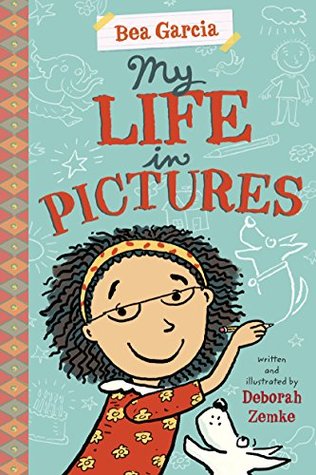
Bea Garcia: My Life in Pictures by Deborah Zemke

Share

bea garcia

Bea Garcia: My Life in Pictures
Author and Illustrator: Deborah Zemke
Published March 8th, 2016 by Dial Books

Summary: Bea Garcia is an artist. She draws anywhere and everywhere—but mostly in her own notebook.  When Bea’s first and only best friend Yvonne moves to Australia, not even drawing makes Bea feel better. And things only get worse when a loud, rambunctious boy moves in next door. He’s nothing at all like Yvonne! But with a little imagination and a whole lot of doodles, Bea Garcia might just make a new friend.

This first book in a brand-new chapter book series is a must-read for doodlers everywhere.

Review: I am loving learning more about early middle grade books, and Bea Garcia is going to be a protagonist that will be welcomed in this group of books. Bea will join forces with so many strong girls that 4th through 6th graders can read about. What I love about Bea’s story is that it is one that so many readers will relate to. She deals with losing a best friend and a bully moving into her classroom and neighborhood. She also has a supportive and real family that will reflect many families out there. Also, I loved Deborah Zemke’s illustrations throughout. They really brought Bea’s personality, dreams, and thoughts. 

Teachers’ Tools for Navigation: Bea’s story will be one that can be used to start so many discussions while being read aloud. It is a perfect story to discuss different types of people, bullying, friendship, school, etc.  Also, I think it would be interesting to discuss the addition of illustrations and even voice with students. One idea would be to read aloud part of the story without showing the illustrations and discuss how the illustrations help the story and how Bea’s voice is crafted.

Discussion Questions: Bea uses drawing to think through her emotions. What do you use to help think through your emotions?; What would have been a different way that Bea could have dealt with Bert?; Is there a time that you lost a best friend? How did you deal with it?; How would Bea’s story have been different without illustrations?

Flagged Passages: “We played together at recess and after school, on weekends and vacations, running back and forth in the backyards from my house to her house.

One winter day, we rolled a snowball from her yard to mine and back a hundred times until it was the biggest snowball in the world. Then we turned the snowball into a giant Snow Kitty.

I don’t think Sophie liked Snow Kitty.

When it was warm, we played in the crabapple tree that was just the right size for us to climb.

It was a magic tree.” (p. 20-21)

Bea Garcia Illustration

Read This If You Loved: Amelia’s Notebook series by Marissa Moss, Popularity Papers series by Amy Ignatow, Mackenzie Blue series by Tina Wells, Middle School series by Jenni L. Holm

Recommended For:

  classroomlibrarybuttonsmall readaloudbuttonsmall

Kellee Signature

**Thank you to Deborah for providing the book for review!**