Guest Post: Classroom Uses for Stand Tall, Molly Lou Melon by Patty Lovell; Sulwe by Lupita Nyong’o; The Crown by Derrick Barnes; The Day You Begin by Jacqueline Woodson; Word Collector by Peter H. Reynolds; and You Matter by Christian Robinson

Share

One of the assignments during my Spring Children’s Literature course at UCF was creating a mini-teaching guide for the books we read for book clubs. We started with picture books for practice then students created them in their book clubs each week.

Today, I am happy to share the classroom uses and discussion questions found by my UCF Elementary Education students for these six picture books.

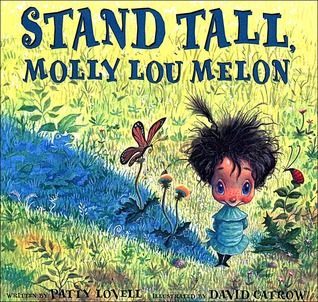
Stand Tall, Molly Lou Melon
Author: Patty Lovell
Illustrator: David Catrow
Published August 27th, 2001 by G.P. Putnam’s Sons

Summary: Molly Lou Melon is short, clumsy, has buck teeth, and a voice that sounds like a bull-frog being squeezed by a boa constrictor… But she doesn’t mind.

Her grandmother has always told her to walk proud, smile big, and sing loud, and she takes that to heart.

But then Molly Lou has to start in a new school. A horrible bully picks on her on the very first day, but Molly Lou Melon knows just what to do about that…

Teachers’ Tools for Navigation:

  • This book can be used to set a president within the classroom to advise at the beginning of the year that bullying is not okay.
  • Teach about how having a positive attitude can affect the world around you
    • Our attitude towards life determines life’s attitude towards us. – John Mitchell
  • Have the students go into a small group to talk about what happens when another student is being bullied.
    • Writing-in-role: Each student can discuss what they would do in Molly’s shoes with each encounter with the bully.

Discussion Questions: 

  • How would you feel if you were in Molly’s situation?
  • What advice has a family member given you that has gotten you through a tough time?
  • What are some things that you like about yourself?
  • How do you think Molly was able to keep a positive attitude?
  • How did the illustrations make you feel?
  • What did you like about the story?
  • What are some things you would have done if you heard Ronald making fun of Molly?
  • If Molly had a negative attitude toward Ronald, how would have had the story turned out differently?
  • How can you use this story in our classroom?
  • If Molly had not received advice from her grandmother do you think she would have had such a positive attitude?

Recommended For: 

classroomlibrarybuttonsmall


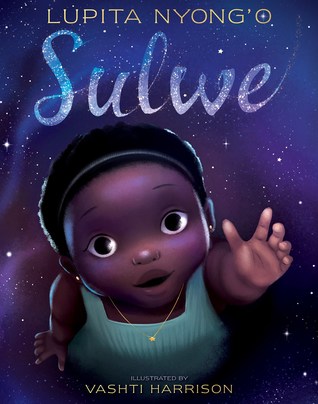
Sulwe
Author: Lupita Nyong’o
Illustrator: Vashti Harrison
Published October 15th, 2019 by Simon & Schuster Books for Young Readers

Summary: Sulwe has skin the color of midnight. She is darker than everyone in her family. She is darker than anyone in her school. Sulwe just wants to be beautiful and bright, like her mother and sister. Then a magical journey in the night sky opens her eyes and changes everything.

In this stunning debut picture book, actress Lupita Nyong’o creates a whimsical and heartwarming story to inspire children to see their own unique beauty.

Teachers’ Tools for Navigation: T

  • Good as a read-aloud and book club book.
  • A good book to introduce a discussion about skin color.
  • Beginning BLM topic.
  • Encourages children to be comfortable in their own skin.
  • Encourages children to love themselves.
  • Modern-day text.
  • May be used during social studies instruction. Prompts discussion about skin color and different cultures. Introduces self and encourages students to reflect on their own family and community.
  • After reading activity: Students may respond to the text by drawing a self-portrait of themselves. After drawing a self-portrait of themselves, they can share it with their peers and reflect on their own similarities and differences. The activity encourages students to recognize the importance of each member of their community.

Discussion Questions: 

  • What ideas do you think will be present in this text?
  • How did the author use the title of this book in the text?
  • How do you think the story will end?
  • How do you think Sulwe feels regarding how her classmates are treating her? How do you feel about this treatment?
  • What use of imagery sparked your imagination?
  • What could happen to make this character feel a different way?
  • What type of emotions do you feel during the daytime versus the nighttime? Explain why?
  • How does the word choice contribute to the tension throughout the story and ultimately the theme at the end?
  • What do you think the author wanted you to feel after reading this book?
  • How do Sulwe’s feelings change from the beginning to the middle, to the end of the story?
  • What evidence of organization do you see throughout the story?

Recommended For: 
classroomlibrarybuttonsmall


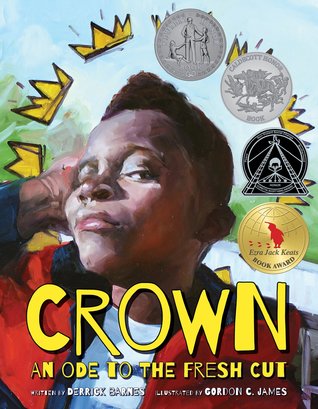
The Crown
Author: Derrick Barnes
Illustrator: Gordon C. James
Published October 10th, 2017 by Agate Bolden

Summary: The barbershop is where the magic happens. Boys go in as lumps of clay and, with princely robes draped around their shoulders, a dab of cool shaving cream on their foreheads, and a slow, steady cut, they become royalty. That crisp yet subtle line makes boys sharper, more visible, more aware of every great thing that could happen to them when they look good: lesser grades turn into As; girls take notice; even a mother’s hug gets a little tighter. Everyone notices.

A fresh cut makes boys fly.

This rhythmic, read-aloud title is a celebration of the way boys feel when they leave the barber’s chair.

Teachers’ Tools for Navigation: Notes about when the book would be useful in the classroom:

  • To show feelings towards a certain moment in life.
  • This can be used for language arts practice (events, plot, meaning).
  • Asking students about a time where they felt a personal experience with something that they do often.
  • Reflect on how they feel after receiving a haircut.
  • Reflect on something that excites you, like the haircut in the story.

This book is best done as a read aloud and a book club book. The reason for this, is that Crown integrates great opportunities because it helps students to understand a character’s feelings written into text.

Discussion Questions: 

  • The boy in the story talks about his passion of having a haircut. When has there been a time where you felt passionate about something?
  • How does the author in the story convey emotion through colors?
  • What did you think the story might have been about?
  • What do you think that the boy in the story is feeling when he enters the barber shop?
  • If you could write a sequel to this book, what would it be about and why?
  • What have you might have changed in this story?
  • Has there been a time where you think you have gotten a nice haircut? Why or why not?
  • Describe the boy’s feelings about getting a haircut? Why do you think this?
  • The boy in the story felt confident and positive after getting a haircut. When was there a time where you felt confident and positive about something?

Recommended For: 
classroomlibrarybuttonsmall


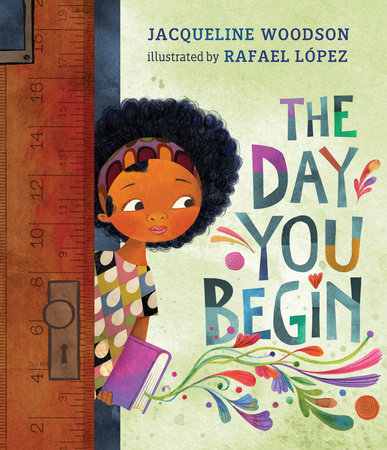
The Day You Begin
Author: Jacqueline Woodson
Illustrator: Rafael López
Published August 28th, 2018 by Nancy Paulsen Books

Summary: National Book Award winner Jacqueline Woodson and two-time Pura Belpre Illustrator Award winner Rafael Lopez have teamed up to create a poignant, yet heartening book about finding courage to connect, even when you feel scared and alone.

There will be times when you walk into a room
and no one there is quite like you.

There are many reasons to feel different. Maybe it’s how you look or talk, or where you’re from; maybe it’s what you eat, or something just as random. It’s not easy to take those first steps into a place where nobody really knows you yet, but somehow you do it.

Jacqueline Woodson’s lyrical text and Rafael Lopez’s dazzling art reminds us that we all feel like outsiders sometimes-and how brave it is that we go forth anyway. And that sometimes, when we reach out and begin to share our stories, others will be happy to meet us halfway.

Teachers’ Tools for Navigation: After reading this book it would be best if students use this as a community building opportunity to celebrate their differences and learn about their peers. This book opens up a discussion about the lives that others live and how although they have a different background we should treat everyone with respect and encourage others to be true to themselves. After reading this book the classroom can do a reading analysis of the book to help establish classroom norms and expectations. This book would be best as a read aloud preferably towards the beginning of the school year. Afterwards this book may go to the classroom library. This book is interdisciplinary as it can be used in social studies to help explore different cultural backgrounds. The students can be given the opportunity to explore the different customs and regions brought up in the book to gain a deeper understanding of the world around them.

Discussion Questions: 

  • What is the symbolism behind rulers being present in the illustrations of the book?
  • What differences did you notice in each of the characters?
  • Why do you think it is important for us to celebrate our differences?
  • What differences do you notice within your classmates or others around you?
  • How did the students’ perceptions of each other change over time?
  • Describe something that makes you unique compared to your classmates
  • What is one way to support a classmate that feels isolated because of their differences?
  • Why do you think Angelina felt less nervous towards the end of the book?
  • What is the overall message of the story?
  • Why do we notice the differences of our peers?
  • Why are we different from those around us?
  • Pick two different interactions in the story and write about you would change the characters behavior to be more respectful of their peers

Recommended For: 
classroomlibrarybuttonsmall


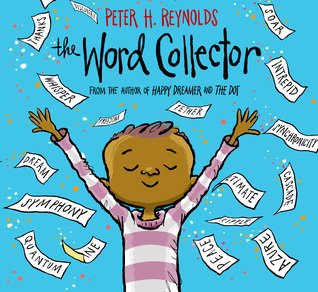
Word Collector
Author & Illustrator: Peter H. Reynolds
Published January 30th, 2018 by Orchard Books

Summary: Some people collect stamps.
Some people collect coins.
Some people collect art.
And Jerome?
Jerome collected words . . .

In this extraordinary new tale from Peter H. Reynolds, Jerome discovers the magic of the words all around him—short and sweet words, two-syllable treats, and multisyllable words that sound like little songs. Words that connect, transform, and empower.

From the creator of The Dot and Happy Dreamer comes a celebration of finding your own words—and the impact you can have when you share them with the world.

Teachers’ Tools for Navigation:

  • This book would be useful during a read aloud when teaching about vocabulary. You can use the book as a good jump start into vocabulary. Seeing another child interested in learning words will catch the students attention and make them more interactive while learning vocab.

Discussion Questions: 

  • What are some words that you would like to share?
  • Is there anything you wished for your class to learn like the main character did?
  • Did you learn any new words?
  • Why does Jerome like to collect words?
  • Where do you find new words not counting in a book?
  • Which types of words were the most powerful for Jerome?
  • What do you like to collect for yourself and why?
  • Why do you think Jerome threw his words across town?
  • What do you do to make yourself happy?
  • What was your favorite part about the book?

Recommended For: 

classroomlibrarybuttonsmall


You Matter
Author & Illustrator: Christian Robinson
Published June 2nd, 2020 by Atheneum Books for Young Readers

Summary: They All Saw a Cat meets The Important Book in this sensitive and impactful picture book about seeing the world from different points of view by Caldecott and Coretta Scott King Honoree Christian Robinson.

In this full, bright, and beautiful picture book, many different perspectives around the world are deftly and empathetically explored—from a pair of bird-watchers to the pigeons they’re feeding. Young readers will be drawn into the luminous illustrations inviting them to engage with the world in a new way and see how everyone is connected, and that everyone matters.

Teachers’ Tools for Navigation: The response best for after reading this text would be a group discussion of their thoughts on the book, a compare and contrast of everyone’s differences that “matter,” reflect on things that students think matters to them, and think they want to not matter. And the the book is interdisciplinary due to its multiple subject related ideas, because it addresses science related topics like planets and plants, and even geography.

Discussion Questions: 

  • Is there something that one of your siblings does that you don’t like? Why? Does that mean that they don’t matter?
  • What is something that you think matters?
  • What is something that you think makes you different?
  • Why does that make you special?
  • Why are differences important?
  • Why do you think the last picture was of the whole city?
  • Who is the astronaut thinking about when she is looking down on earth?
  • On the cover, what do you notice about all the children playing, what happens if there is only one kid playing with the parachute?
  • Why do you think the author wrote this book?
  • Why do you matter?

Recommended For: 

classroomlibrarybuttonsmall


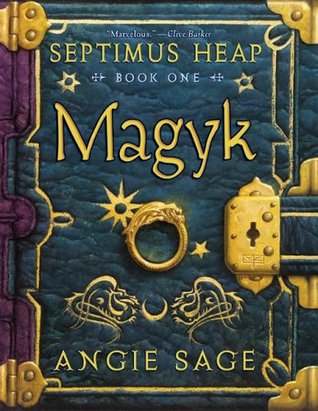
Guest Review: Magyk by Angie Sage

Share

Guest Reviewer: Grace, UCF Elementary Education Student

Magyk (Septimus Heap Book One)
Author: Angie Sage
Published March 2nd, 2005 by Bloomsbury Publishing

Summary: The first part of this enthralling new series leads readers on a fantastic journey filled with quirky characters, clever charms, potions and spells, and a yearning to uncover the mystery at the heart of this story…who is Septimus Heap?

The 7th son of the 7th son, aptly named Septimus Heap, is stolen the night he is born by a midwife who pronounces him dead. That same night, the baby’s father, Silas Heap, comes across a bundle in the snow containing a newborn girl with violet eyes. The Heaps take this helpless newborn into their home, name her Jenna, and raise her as their own. But who is this mysterious baby girl, and what really happened to their beloved son, Septimus?

Angie Sage writes in the tradition of great British storytellers. Her inventive fantasy is filled with humor and heart: Magyk will have readers laughing and begging for more.

About the Author: Angie Sage began her career illustrating books, and then started writing – first toddler books, later chapter books and then the masterful Septimus Heap. She lives in a fifteenth-century house in Somerset. She has two grown-up daughters.

Review: Magyk is an interesting fantasy adventure that provides children an alternative to the increasingly controversial Harry Potter series. It has themes of wizardry/magic and adventure and focuses on a small group of young characters that age throughout the series.

Magyk and the rest of the Septimus Heap series promotes gender equality as it has several strong female characters and shows women in positions of power without questioning from other characters. In addition, this book and its series promote friendships between characters not only of different genders but of different backgrounds and races.

This book also has strong themes of found-family as well as other complicated family relationships that can be comforting to children without a more traditional nuclear family structure. One of the main characters, Jenna, has been adopted and struggles with her relationships with her non-adopted siblings. This is explored further in later books in the series when she meets her biological father and learns the identity of her birth mother.

The series associated with Magyk grows with its reader as Septimus, the main character, ages throughout the series. The books introduce increasingly mature themes over time, introducing readers to new ideas as they are ready for them.

Teachers’ Tools for Navigation: This book touches upon the idea of found family. This theme could be implemented in the classroom to help students better understand the importance of relationships between themselves and those around them. Highlighting the importance of the people we surround ourselves with and the aid they can provide is an important lesson to learn as it gives us strength to go about our day.

This book also teaches students to trust themselves and bare more responsibility as time goes by. Throughout the book, the characters discover that true power comes from themselves. It is only by trusting themselves and working hard that can they achieve their goals. This teaches students the importance of a good work ethic and how you have to work in order to achieve your goals. By adding additional responsibilities to characters throughout the book you can see how their wants and needs change over time however, this does not take away from the goals and aspirations they want to achieve.

Discussion Questions: 

  • Although Jenna is not related to the Heaps by blood she is raised as their daughter. How does Jenna’s relationship with her parents differ from that of her “siblings”?
  • Boy 412 and Jenna both have complicated pasts. How does their relationship change throughout the book as they learn more about themselves and each other?
  • How does Boy 412 relationships with others vary compared to how other children in the book make relationships?
  • How do the circumstances in which Jenna and Boy 412 discover their identities vary? How does this affect how they react to the news?
  • Boy 412 was raised in a militaristic environment, how does this shape the person he has become? If he was raised in a different environment do you think his personality would be different?
  • How do Marcia, Sarah, Zelda, and Silas treat the children differently? Why do you believe they have such different approaches?

Flagged Passages: 

“Oh it’s a pebble… But it’s a really nice pebble Dad thanks.”

Read This If You Love: Books about witches/wizards, Books that age with you

Recommended For: 

classroomlibrarybuttonsmall

Thank you, Grace, for your review!!


Guest Post: Classroom Uses for Ambitious Girl by Meena Harris, Bunheads by Misty Copeland, I Talk Like a River by Jordan Scott, I’m Worried by Michael Ian Black, and Lady Pancake & Sir French Toast by Josh Funk

Share

One of the assignments during my Spring Children’s Literature course at UCF was creating a mini-teaching guide for the books we read for book clubs. We started with picture books for practice then students created them in their book clubs each week. 

Today, I am happy to share the classroom uses and discussion questions found by my UCF Elementary Education students for these five picture books.

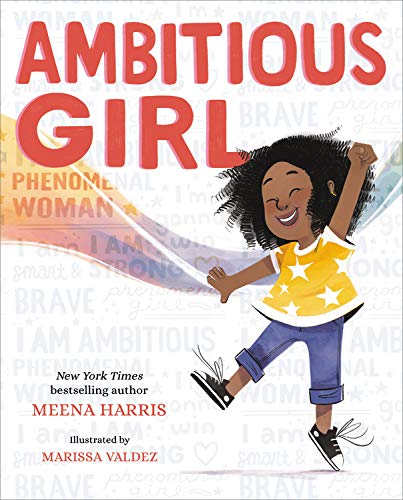
Ambitious Girl
Author: Meena Harris
Illustrator: Marissa Valdez
Published January 19th, 2021 by Little, Brown Books for Young Readers

Summary: Anyone who’s ever been underestimated or overshadowed will find inspiration in this empowering new picture book from Meena Harris, New York Times-bestselling author of Kamala and Maya’s Big Idea.

When a young girl sees a strong woman on TV labeled as “too assertive” and “too ambitious,” it sends her on a journey of discovery through past, present, and future about the challenges faced by women and girls and the ways in which they can reframe, redefine, and reclaim words meant to knock them down.

As Ambitious Girl says:

No “too that” or “too this”
will stop what’s inside us from flowering.

Teachers’ Tools for Navigation: This book would be most useful as a classroom read-aloud. You could possibly use this book during Women’s History Month (or on the national day), Black History Month, at the beginning of the school year, or even randomly if you notice certain issues like those in the book present in the classroom.

This book is interdisciplinary due to the fact it can be used to demonstrate social skills, vocabulary, confidence, and social studies such as Women’s Rights and the history of how women were allowed to speak.

Discussion Questions: 

  • What words could you use to describe yourself?
  • If you were the main character in this book, what would people say that you’re too much of?
  • Was there a time when you felt you were being ambitious?
  • What do you want to be when you grow up?
  • What was the main idea of this story?
  • Who do you look up to that makes you feel
  • When are you the most confident?
  • What do you think the woman on the T.V screen was giving a speech about?
  • What was your favorite part of the book?
  • Why is it important to be who you are?

Recommended For: 

classroomlibrarybuttonsmall


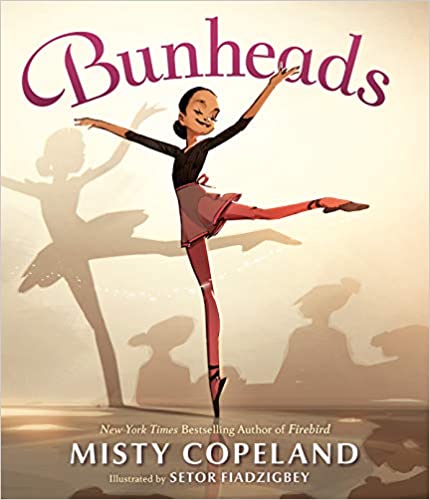
Bunheads
Author: Misty Copeland
Illustrator: Setor Fiadzibgey
Published September 29th, 2020 by G.P. Putnam’s Sons Books for Young Readers

Summary: The story of a young Misty, who discovers her love of dance through the ballet Coppélia–a story about a toymaker who devises a villainous plan to bring a doll to life.

Misty is so captivated by the tale and its heroine, Swanilda, she decides to audition for the role. But she’s never danced ballet before; in fact, this is the very first day of her very first dance class!

Though Misty is excited, she’s also nervous. But as she learns from her fellow bunheads; she makes wonderful friends who encourage her to do her very best. Misty’s nerves quickly fall away, and with a little teamwork, the bunheads put on a show to remember.

Teachers’ Tools for Navigation: A great response that students could do after reading the text is a consensus board.  A consensus board is when a large board is divided into different sections with a circle in the center.  The circle contains the book’s title or key theme.  In the individual sections, each person writes or sketches personal connections to the book or theme.  The group discusses these connections and comes to a consensus on the issues or big ideas to explore further.  These are written in the middle of the board for further discussion. 

Discussion Questions: 

  • Within the book, Misty expresses that she was nervous about auditioning for the role of Coppelia, has there ever been a time when you were scared or nervous to try something new?
  • Towards the end of the book, you see all the bunheads gather around and support one another. Tell me about a time when you felt as though you were being a supportive classmate.
  • Have you ever felt a time when your classmates were inspiring you to try harder?
  • If you were to audition for this ballet who would you want to audition for and why?
  • What feelings did this book evoke for you while reading?
  • What do you think about the book’s cover? Do you think it conveys what the book is about?  What would you change about the book cover?
  • Has there ever been a time where you tried something new?
  • Why do you think the instructor introduced Misty to Cat?
  • Have you ever been so excited that you could hardly sleep?  If so when?
  • How did Misty overcome her feeling of being nervous?
  • What do you do when you feel nervous about something?

Recommended For: 

classroomlibrarybuttonsmall


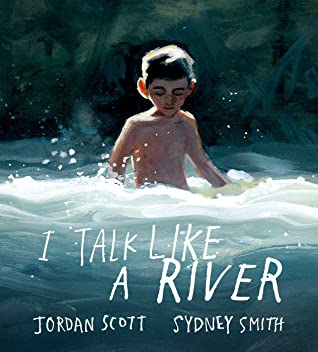
I Talk Like a River
Author: Jordan Scott
Illustrator: Sydney Smith
Published by September 1st, 2020 by Neal Porter Books

Summary: What if words got stuck in the back of your mouth whenever you tried to speak? What if they never came out the way you wanted them to? Sometimes it takes a change of perspective to get the words flowing.

I wake up each morning with the sounds of words all around me.

And I can’t say them all . . .

When a boy who stutters feels isolated, alone, and incapable of communicating in the way he’d like, it takes a kindly father and a walk by the river to help him find his voice. Compassionate parents everywhere will instantly recognize a father’s ability to reconnect a child with the world around him.

Teachers’ Tools for Navigation: This book would be good to use in the classroom when talking about overcoming obstacles and accepting who you are. The book also represents a good way to talk about mood.

Discussion Questions: 

  • Why did the little boy not want to speak?
  • Why did the author compare a river to his speech?
  • What are similarities between the river and his speech?
  • What helped him overcome his stutter?
  • Why did he like being with his dad?
  • How does the story apply to your life?
  • How does the book help us think differently about fluency?
  • How do you feel connected to the story?
  • What is the theme of this book?
  • How do the illustrations help tell the story?

Recommended For: 

classroomlibrarybuttonsmall


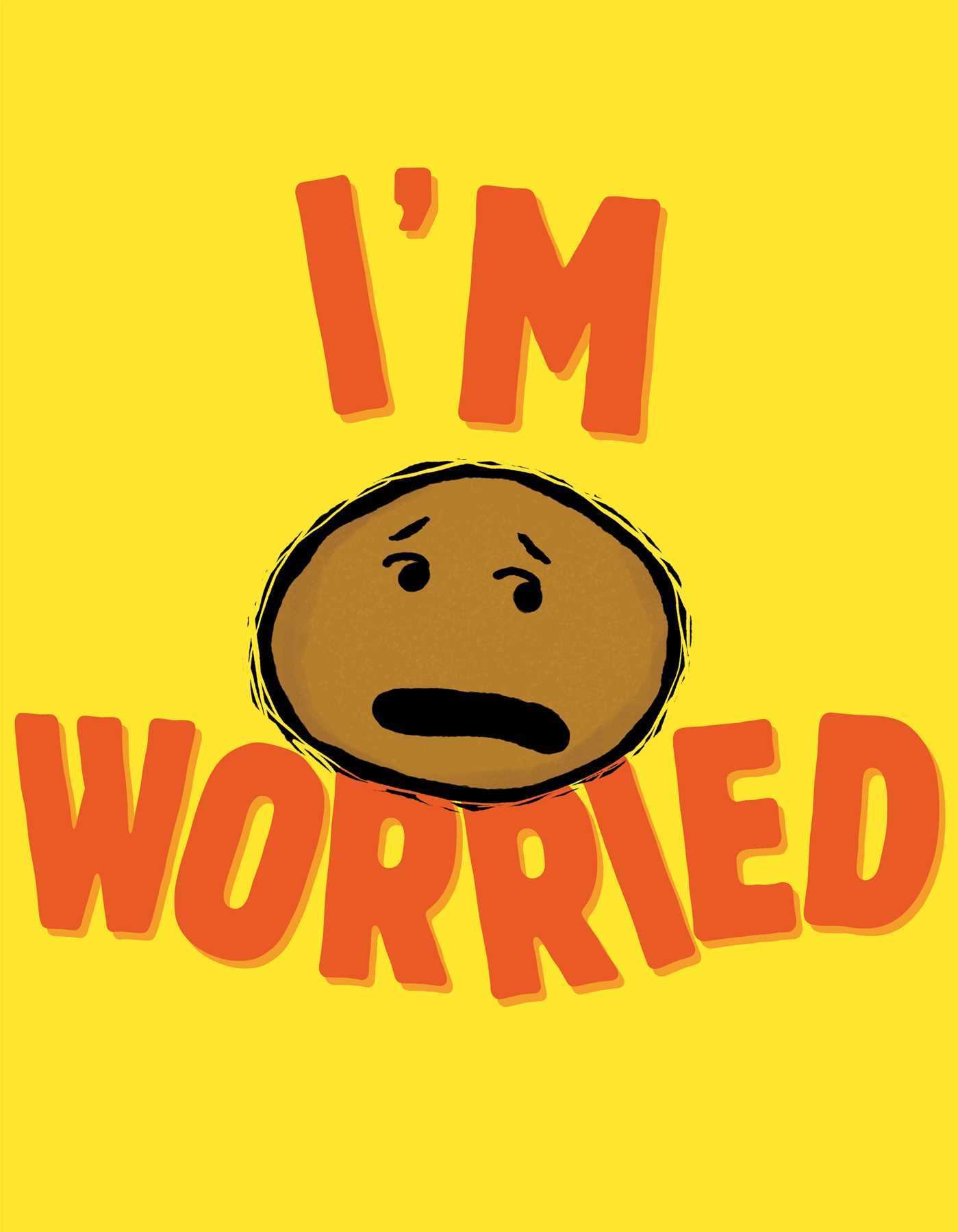
I’m Worried
Author: Michael Ian Black
Illustrator: Debbie Ridpath Ohi
Published June 4th, 2019 by Simon & Schuster Books for Young Readers

Summary: A girl, a flamingo, and a worried potato star in the third book in New York Times bestselling author Michael Ian Black and celebrated illustrator Debbie Ridpath Ohi’s series about feelings—and why they’re good, even when they feel bad.

Potato is worried. About everything.

Because anything might happen.

When he tells his friends, he expects them to comfort him by saying that everything will be okay. Except they don’t. Because it might not be, and that’s okay too. Still, there’s one thing they can promise for sure: no matter what happens…they will always be by his side.

Teachers’ Tools for Navigation: This would be useful in a classroom when a student may be having a bad day. Everyone has bad days and everyone worries about everyday stresses. This book would also be useful on the 1st day of school. “I’m Worried” will bring a sense of community to the students. Everyone is nervous and worried on their first day of school reading this book could be a good source to calm everyone’s nerves.

A freewrite would allow students the ability to apply the book’s message to themselves. It allows them to reflect on the topic of “worry” and understand that worry is something that everyone feels. They then would share with their classmates which would further the idea that everyone feels worried at some point.

Discussion Questions: 

  • How did this book help you learn about feelings?
  • What is one thing that you are worried about and why?
  • How do you think the potato felt by the end of the book?
  • Do you think that you live in the now? Why or why not?
  • How would you overcome your anxieties?
  • How would you describe the little girl? How would you describe the potato?
  • What does it mean to be  worried?
  • How can I help you when you are worried?
  • Why are some of the illustrations in green?
  • If you see a friend who is worried, how would you help them?

Recommended For: 

classroomlibrarybuttonsmall


Lady Pancake & Sir French Toast
Author: Josh Funk
Illustrator: Brendan Kearney
Published September 1st, 2015 by Sterling

Summary: Lady Pancake and Sir French Toast have a beautiful friendship—until they discover that there’s ONLY ONE DROP of maple syrup left. Off they go, racing past the Orange Juice Fountain, skiing through Sauerkraut Peak, and reeling down the linguini. But who will enjoy the sweet taste of victory? And could working together be better than tearing each other apart?

Teachers’ Tools for Navigation: Lady Pancake & Sir French Toast can teach students how to rhyme, help students understand problems and solutions in this story, and help with social-emotional learning looking at the power of words and the impact it has on others.

Discussion Questions: 

  • Is it important to share with your friends?
  • Is it ok to compete with others? Especially your friends?
  • What do you think the meaning of the story is?
  • What do you guys think Baron von Waffle is up to next?
  • What did you like least about this book?
  • Which character can you relate to the most?
  • If you could give this book another name, what would it be?
  • What advice can you give Lady Pancake and Mr. French Toast?
  • Can you describe what the illustration on the front cover is trying to tell us?
  • What did the characters learn at the end?
  • What is your favorite food?

Recommended For: 

classroomlibrarybuttonsmall


Guest Review: The Worrysaurus by Rachel Bright, Illustrated by Chris Chatterton

Share

Guest Reviewer: Darlene, UCF Elementary Education Student

The Worrysaurus
Author: Rachel Bright
Illustrator: Chris Chatterton
Published October 6th, 2020 by Orchard Books

Summary: A modern Wemberly Worried-featuring dinosaurs!-for today’s young readers, with reassuring, lighthearted text and charming illustrations sure to calm the anxious butterflies in any child’s tummy.

It’s a beautiful day and Worrysaurus has planned a special picnic. But it isn’t long before a small butterfly of worry starts fluttering in his tummy…

What if he hasn’t brought enough to eat?

What if he gets lost in the jungle?

What if it rains?!

With a little help from his mom, Worrysaurus finds a way to soothe the anxious butterflies, chase his fears away, and find peace and happiness in the moment at hand.

Discover the perfect book to help every little anxious Worrysaurus let go of their fears, and feel happy in the moment at hand! The Worrysaurus strikes just the right balance of positive, lighthearted, and kid-friendly, with reassuring, rhyming text from Rachel Bright, the bestselling author of The Lion Inside and Love Monster, and charming illustrations from Chris Chatterton. Perfect for any reader who might feel the flutter of an anxious butterfly in their tummy, The Worrysaurus is sure to become a storytime favorite.

About the Creators: 

Rachel Bright is rained in Graphics at Kingston University, followed by a Masters Degree in Printmaking at UWE. Her striking illustrative and typographic style, coupled with her witty storytelling have resulted in an award winning and ever-growing collection of acclaimed picture books.

Here is her website: The Brightside » Welcome to the Wonderful World of The Brightside (lookonthebrightside.co.uk)

Chris Chatterton began his career in graphic design and animation, working on a variety of projects including Dr Who and CBBC’s The Dumping Ground. Chris’ passion for illustration then led him to pursue a career as a freelance artist working on a number of children’s books.

Now writing the stories as well, Chris considers his debut author/illustrator Gus picture book story to be semi-autobiographical as he claims his loveable grumpy dog character is based on his own grumpy moods!

Originally from County Durham in the UK, Chris now lives and works in Barcelona, Spain.

Chris Chatterton – Illustrator & Author

Review: This book has received nothing but positive reviews from me. Anxiety and worry is real. We have all experienced it at some point in our lives and so have children. It is a struggle that if not targeted quickly can affect everyone negatively. I love how this book targets anxiety and worry in a delicate yet powerful way to teach young readers to manage worries and anxiety and to know that they are stronger than their worries and smarter than their doubts.

Teachers’ Tools for Navigation: In addition to reading this picture book, I would create a short writing prompt activity for students to write about their anxiety, fear and worries. After this, I  would place students in small groups to engage in conversations in which they can talk it over instead of being silent about it.

Discussion Questions: 

  • Why was Worrysaurus worried during his picnic?
  • Do you think Worrysaurus worried unnecessarily?
  • What do you think Worrysaurus’s mom meant when she said the phrase; “ Oh, my little Worrysaurus, Chase that butterfly away?”
  • Based on  this sentence from the book, “This Worrysaurus often was a one to overthink.” What do you think the author meant by “overthink” and in what ways have you overthought?
  • What did Worrysaurus do to chase away his worries?
  • List 2 things not listed in the story that can help Worrysaurus chase those worries away.

Flagged Passages: 

“Oh, my little Worrysaurus, Chase that butterfly away.”

Book Trailer: 

Read This If You Love: Encouragement and Hope

Recommended For: 

classroomlibrarybuttonsmall

Thank you, Darlene, for your review!

Pigeon & Cat by Edward Hemingway

Share

Pigeon & Cat
Author & Illustrator: Edward Hemingway
Published June 21st, 2022 from Christy Ottaviano Books

Summary: Pigeon and Cat form a lasting bond in this poignant picture book about compassion and friendship.

In an abandoned city lot, Cat lives alone in a cardboard box. He leaves only to find food. One day, Cat discovers an unbroken egg too beautiful to eat. Soon, out pecks Pigeon, and they become fast friends. Cat is happy to share his box with Pigeon. But when Pigeon flies far away from where they live, Cat must brave the city in order to rescue his friend. This journey will forever transform his understanding of home.

This heartwarming story explores unlikely friendships, the creative spark within us, and how to give comfort and kindness in small, impactful gestures. It is also a celebration of urban community.

About the Author: Edward Hemingway is the acclaimed creator of many popular books: Tough Cookie: A Christmas Story, Field Guide to the Grumpasaurus, and Bad Apple: A Tale of Friendship. His writing and artwork have been published in the New York Times and GQ Magazine, among others. The youngest grandson of Ernest Hemingway, he lives in Bozeman, Montana. He invites you to visit him at edwardhemingway.com, on Twitter @EdwardHemingway, and  Instagram: @edwardhemingway.

Review: This book is special both in message and in art.

First, I loved that the book not only showed that one act of kindness can change a lot and that a friendship can change people, but it also showed that there are people out there that it is worth not giving up hope on. Cat, at the beginning, is hard to like and it seems he would be okay with that. Then he saves Pigeon and changes. Although, it is HIS act of kindness that changes the trajectory of the story, it is Pigeon that helps him see that that kindness isn’t a fluke; that Cat can be more than he’s been.

Second, Hemingway’s art is just so beautifully done. It is hard for me to explain, but just looking at the style of his painting, I find myself being sucked into the story. It is just a fantastic addition to the story and brings it all to life in a way that is so perfect. I can definitely see Hemingway’s love in the art (see below for what he said about the art).

Teachers’ Tools for Navigation: Edward Hemingway created a video sharing his inspiration behind the book (https://vimeo.com/626765984) which would be a wonderful start of a discussion about kindness and friendship and how it can change someone’s life and even the world. Students could also write their own stories with an act of kindness changing a character just like Cat changed.

Also, I received the book with an amazing letter from the author which is a call for action. I want to share it with you because it has so much to talk about as well as a perfect After Reading activity in the classroom:

Dear Reader,

I am very proud to be sending you my latest work, Pigeon & Cat. This book is so special to me. At its heart it is a story about kindness and compassion, and also about the gifts that art provides.

I hand painted all the artwork for the book during the height of the pandemic, so I was either isolating in my studio or at home with my fiancé. In a way, the book became one of my friends, and I looked forward to seeing it and working on it every day. I’m so happy to be sharing it with you now, and I hope that reading it touches you in some small way.

Pigeon & Cat begins with one small act of kindness. When Cat finds Pigeon’s abandoned egg on the ground, he cares for it instead of eating it. I firmly believe that such small acts of kindness can shine a bright light in dark times and open the pathway to a more positive future.

In the spirit of envisioning such a future, I have a small favor to ask of you. Pigeon opens Cat’s eyes to the beauty in the world around him, and when Pigeon goes missing, Cat creates beautiful messages in chalk that dot the city streets, walls, and avenues in an effort to reach his friend. He leaves these messages for all to see… Won’t you leave some beautiful messages on a wall or street or chalk board for your friends and community just like Cat? It would be wonderful to see the beautiful things you create.

If you post your creations, please tag me so I can see what you do!
🤗🙂❤️🌈
Sincerely yours,
Eddie Hemingway

Discussion Questions: 

  • What did Pigeon do to change how Cat viewed the world?
  • How did this change Cat’s character traits?
  • Why was Cat the way he was at the beginning?
  • Cat thought he was happy in the beginning of the book. Do you think he was happier at the beginning or end?
  • What types of messages did Cat draw around the city for Pigeon to find?
  • How does the transformation of Cat’s shelter represent Cat’s change as a character?
  • Why do you think the creator had illustrations change from full color to black silhouetted sometimes?
  • What kindness messages would you put around your community for others?
  • What was something during the pandemic that you did to help keep yourself preoccupied?

Flagged Passages: 

Read This If You Love: Mr. Fuzzbuster Knows He’s the Favorite by Stacy McAnulty, illustrated by Edward HemingwayNegative Cat by Sophie Blackall; Inside Cat by Brendan Wenzel; A Cat is Better by Linda Joy SingletonAll Are Welcome by Alexandra Penfold

Recommended For: 

classroomlibrarybuttonsmall

Signature

**Thank you to Blue Slip Media for providing a copy for review!!**

Review and Giveaway!: Pink Is Not a Color by Lindsay Ward

Share

Pink Is Not A Color
Author and Illustrator: Lindsay Ward
Published: July 1, 2022 by Two Lions

Goodreads Summary: Pink finds happiness right where she always knew it was in this colorful companion to the popular picture book This Book Is Gray.

Pink loves her rosy world, from her pink toy dinosaur to her pet flamingo, Phil. But when she sees the Primaries and Secondaries getting ready for the Rainbow Extravaganza, she begins to wonder why she isn’t in the rainbow…and if that means she’s not really a color. Then she meets the Tints, and she’s even more confused. Luckily, a friend shows her the many ways she spreads joy—reminding Pink that she is truly one of a kind, rainbow or not.

Featuring the world of colors introduced in This Book Is Gray—and a few new color concepts—this is a tale about appreciating who you are and realizing that only you can decide what makes you happy.

“Ward’s cast of colors, pink-cheeked and wearing accessories, speak in color-coded speech bubbles; appropriately, pink hues dominate the exuberant art. A rosy take on selfhood.” ―Kirkus Reviews

Lindsay Ward is the creator of the Dexter T. Rexter series as well as Between the Lines, Scooper and Dumper, Rosie: Stronger than Steel, This Book Is Gray, Brobarians, Rosco vs. the Baby, and The Importance of Being 3. Her book Please Bring Balloons was also made into a play. Lindsay lives with her family in Peninsula, Ohio with her husband, three boys, one dog, and eight ducks. When she’s not drawing, Lindsay loves to bake. Pink-frosted cupcakes are her favorite. Learn more about her online at www.lindsaymward.com.

Twitter: @lindsaymward
Instagram: lindsaymward

Check out activities and more here on Lindsay Ward’s website!

Ricki’s Review: Lindsay Ward is simply an incredible author/illustrator. She takes a concept that is deceivingly simple (the color pink) and connects it with readers through big themes of not fitting in. I have read this book to my son (whose favorite color is pink) so many times, and each time, we are able to have a discussion about his personal connections to the text. When I dropped him off to his new classroom, we talked about Pink and how she might feel in that moment, and how she was very brave. This is one of those books that will appeal to readers of all ages because it captures a complex concept (colors versus tints) that will teach readers something new, and it has so much heart that will ring loudly for all readers. I recommend it highly! (Side note: Her Dexter T. Rexter series is one of my favorites. Her books are just so fun to read aloud!)

Kellee’s Review: I want to start with the backmatter of this book. I love how it shows the research process behind Lindsay’s book and how one piece of information led to more research which led to Pink is Not a Color. It seems so much like a passion project which makes me love how that could show students the power of research and the creative process. And the research is so interesting! The science behind colors is so much more than most realize, and I love this introduction. I’d love to pair this book with Blue: A History of the Color as Deep as the Sea and as Wide as the Sky to look at the history AND the science of color. Pink is NOT a Color will also pair with This Book is Gray which shows how Lindsay Ward is making a canon of color books that are so much fun to read and even more fun to learn from.

Readers will love Pink’s personality and will definitely connect with her as she figures out her place in the world through the help of some friends, some discovery, and some reflection.

Teachers’ Tools for Navigation: This is one of those books that makes us really, really want to work with younger children. And yet, it is great for all ages! We would love to read this book in tandem with other identity stories like This Book is Gray by Lindsay Ward and Red: A Crayon’s Story by Michael Hall. Each offers an important message about ourselves but does so through color.

Discussion Questions:

  • How does the author convey the message implicitly and explicitly?
  • Is Pink happy? Where does Pink find happiness?
  • Have you ever felt like you didn’t fit in? What did you do?

Flagged Spreads:

Giveaway!:

a Rafflecopter giveaway

Read This If You Loved: This Book is Gray by Lindsay Ward, Red: A Crayon’s Story by Michael Hall, Blue: A History of the Color as Deep as the Sea and as Wide as the Sky by Nana Ekua Brew-Hammond, The Day the Crayons Quit by Drew Daywalt

Recommended For: 

readaloudbuttonsmall classroomlibrarybuttonsmall

RickiSigand Kellee Signature

**Thank you to Barbara at Blue Slip Media for providing copies for review!**

Guest Review: Thank You, Omu! by Oge Mora

Share

Guest Reviewer: Briana, UCF Elementary Education Student

Thank You, Omu!
Author & Illustrator: Oge Mora
Published October 2, 2018 by Little, Brown Books for Young Readers

Summary: A generous woman is rewarded by her community in this remarkable author-illustrator debut that’s perfect for the Thanksgiving season, perfect for fans of Last Stop on Market Street.

Everyone in the neighborhood dreams of a taste of Omu’s delicious stew! One by one, they follow their noses toward the scrumptious scent. And one by one, Omu offers a portion of her meal. Soon the pot is empty. Has she been so generous that she has nothing left for herself?

About the Author: Oge Mora is a collage artist and storyteller. Her picture book, Thank You, Omu!, was a Caldecott Honor, Coretta Scott King/John Steptoe New Talent Award winner, and Ezra Jack Keats Book Award recipient.  Her second book, Saturday, won the 2020 Boston Globe—Horn Book Picture Book Award. Oge’s artwork has been applauded by The Washington Post, The New York Times, The Wall Street Journal, and The Boston Globe. She also recently made the Forbes 30 Under 30 2021 list in Arts & Style.

Oge grew up in Columbus, Ohio but resides in Providence, RI. She is a fan of all things colorful, patterned, or collaged, and enjoys creating warm stories that celebrate people coming together.

Review: This is a beautiful and joyous book celebrating community, generosity, and reciprocity. What I like about this book is that everything is freely given: Omu shares her stew out of the kindness of her heart and all of the neighbors return that kindness without being asked or cajoled. I also like this book because it demonstrates how we can and should rely on each other in times of need. Everyone in the book receives and gives help at different points. And this shows how connected, strong communities make everyone’s life better. I think this book is important because there isn’t really any conflict or character growth in the story, instead everyone acts as they should, and this serves as a model for students about how to act and how the world should be.

The cut-paper illustrations, also done by Oge Mora, are colorful and vibrant. This makes the book and the town it depicts feel warm, inviting, and idyllic which draws the reader in and supports the text’s message about the value of community. This book is set within an urban setting, which is a refreshing change of place from the suburbs, and idealized rural and wilderness settings of so many children’s books. And it is important for children to see urban communities as beautiful and valuable.

Teachers’ Tools for Navigation: I think this book is a valuable addition to your classroom library and it is an excellent book for whole class read aloud. This book can be used with the guided questions to prompt discussions about sharing and about the students’ own communities. It is also useful to build a healthy classroom community. Students are going to be asked to share and work together throughout the year. Students can also explore the illustration style while exploring the central theme. For example, students could be tasked to depict a scene of a time when they shared or someone shared with them using cut construction paper. After reading the story students should be able to understand and reflect on their own communities, the members that make it up  and how everyone works towards a happy community. You can also discuss the elements of Nigerian American culture that are prevalent in this book, such as the one pot stew and Omu’s name herself.

Discussion Questions: 

  • What does Omu make that has everyone starving?
  • Why do you think Omu shares with everyone?
  • How do you think all the characters know each other?
  • How did the community thank Omu for sharing?
  • Omu helped her community by sharing! What are things you could share that would help your community? Remember that you can share things that are not physical.
  •  What makes a good neighbor?
  • Why is sharing important? Can sharing be hard? Why or why not?

Flagged Passages: 

Book Trailer: 

Read This If You Love: Last Stop on Market Street by Matt de la Peña, Bear Came Along by Richard T. Morris, Wolf in the Snow by Matthew Cordell

Recommended For: 

classroomlibrarybuttonsmall

Thank you, Briana, for your review!