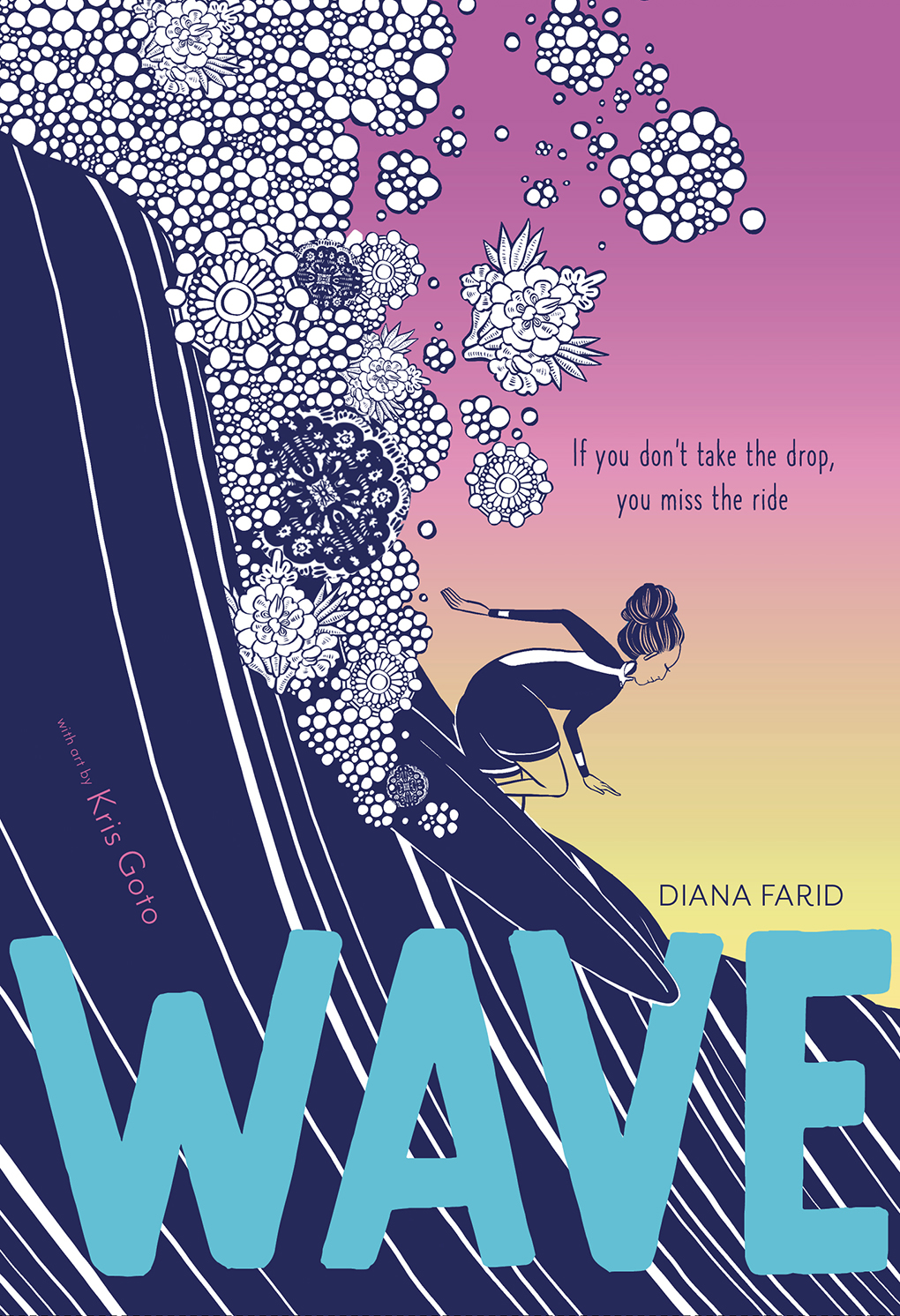
Wave by Diana Farid, Illustrated by Kris Goto

Share

Wave
Author: Diana Farid
Illustrator: Kris Goto
Published March 29th, 2022 by Cameron Kids

Summary: A coming-of-age novel in verse set in 1980s Southern California, about a Persian American girl who rides the waves, falls, and finds her way back to the shore.

Thirteen-year-old Ava loves to surf and to sing. Singing and reading Rumi poems settle her mild OCD, and catching waves with her best friend, Phoenix, lets her fit in—her olive skin looks tan, not foreign. But then Ava has to spend the summer before ninth grade volunteering at the hospital, to follow in her single mother’s footsteps to become a doctor. And when Phoenix’s past lymphoma surges back, not even surfing, singing, or poetry can keep them afloat, threatening Ava’s hold on the one place and the one person that make her feel like she belongs. With ocean-like rhythm and lyricism, Wave is about a girl who rides the waves, tumbles, and finds her way back to the shore.

Praise: 

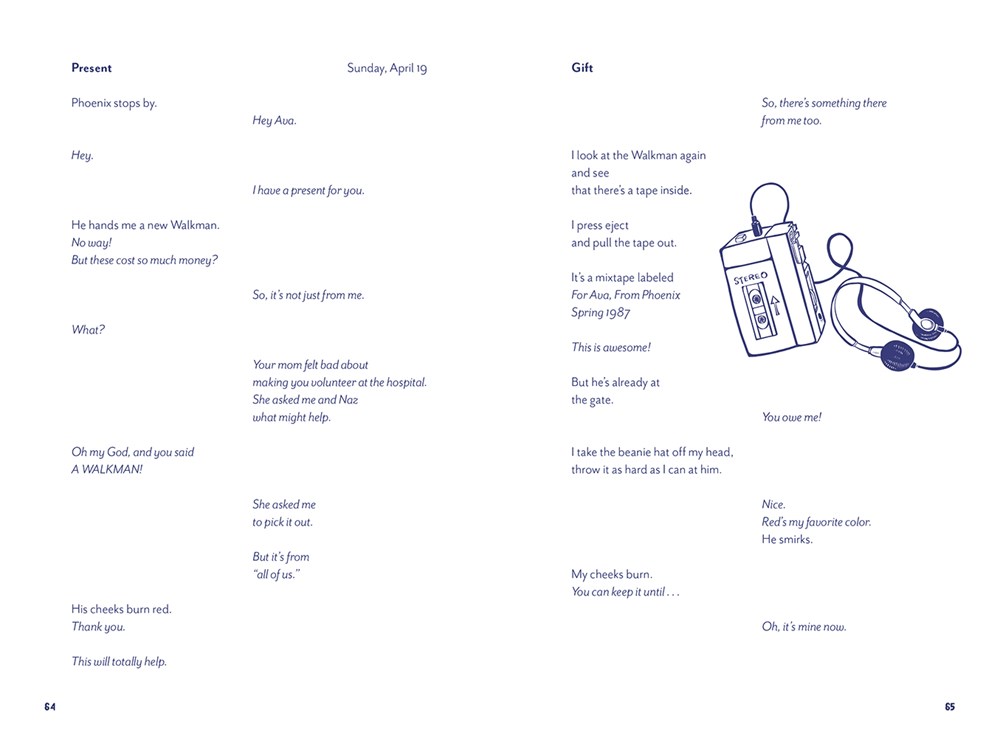
“Processing her feelings through music empowers Ava and gives her a new understanding of home and the connections she shares with others. Raw and powerful, this free verse novel honestly explores issues of identity, culture, grief, and hope… Rich, layered, and heart-rending.”―Kirkus Reviews

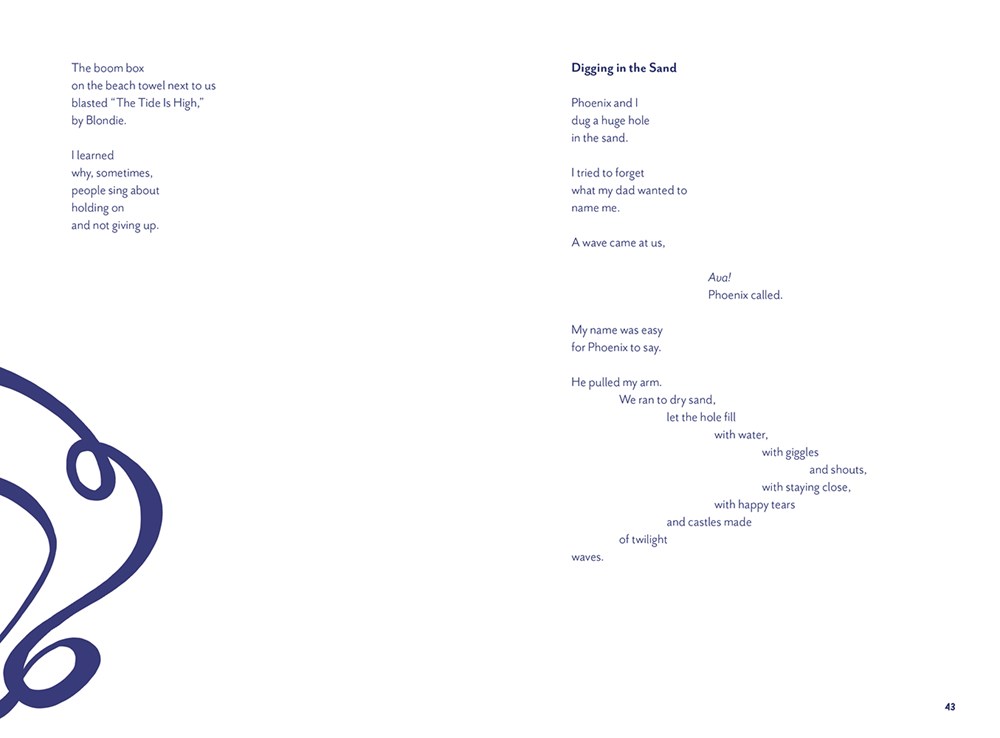
“Farid’s poetry rides the page like a wave, charting the ups and downs of Ava’s emotions. . .The verse format makes this text extremely accessible, and readers will be delighted to find elements of Ava’s Persian heritage and 1980s childhood also woven throughout.” ―School Library Journal

“Farid brings her expertise as an MD to Ava’s story, simplifying the complexity of lymphoma while packing an emotional punch with the musical references that Ava uses to cope.” ―Booklist

About the Creators: 

Diana Farid is the author of When You Breathe, published by Cameron Kids. She is a poet and a physician at Stanford University. She lives in the Bay Area.

Honolulu-based fine artist Kris Goto was born in Japan. She spent most of her adolescence in Hong Kong and New Zealand, where she became inspired by the outside world and a passion for manga.

Review: This book is actually hard for me to write about because it is just so beautiful in all the right ways. It is full of so many emotions, beautiful writing, important topics, characterization, and 80s references. The author’s inclusion of such a specific setting and pop culture references could have easily turned off a reader, but Farid seamlessly blends it into Ava’s story to where it is all part of one amazing package. A package that includes a lot but that is because a 14 year old Persian girl growing up in California would have dealt with a lot: identity, self-love vs. loathing, immigrant experience, expectations, friendship, hobbies, school, racism, family… and on top of that Ava has Phoenix’s and (my favorite character) Room 509’s health to think about, her own broken leg, surfing, music, and a single parent. Add to all of this plot poetry that is robust in its rhythm and variety in a way that makes reading the book an experience, a wonderful reading experience.

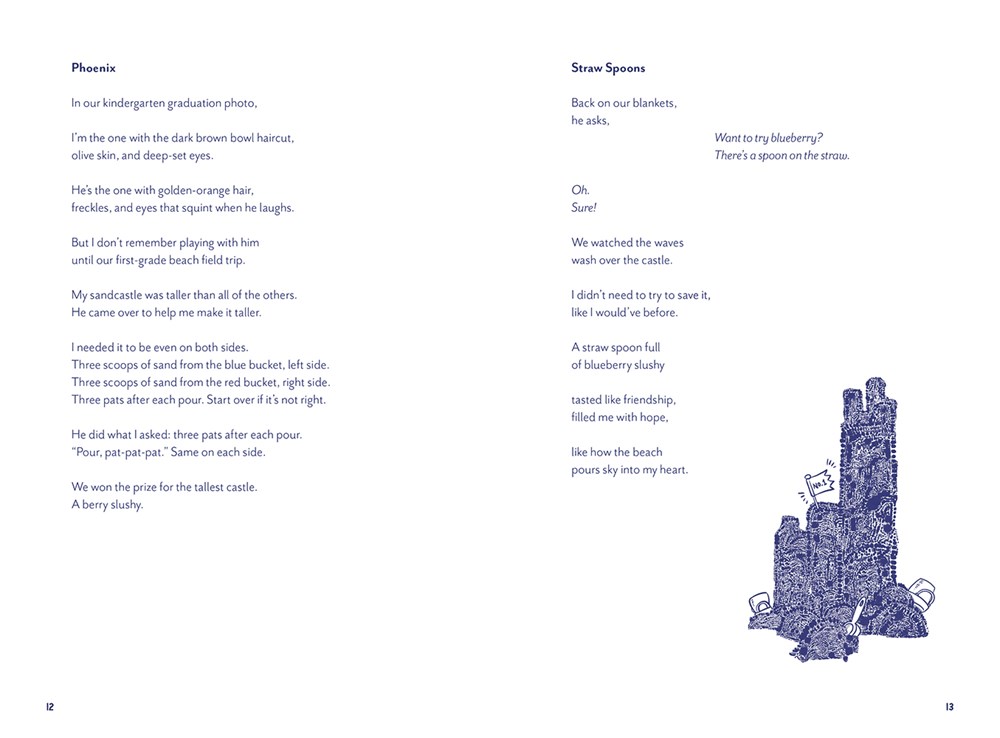
Teachers’ Tools for Navigation: In addition to all of the reading discussion that can happen with this book, it is also a wonderful poetry writing mentor text. Each poem has its own format, personality, mood, tone, etc. so students have so many choices about which they would want to be inspired by. Goto’s illustrations show how art can add to poems as well, so students could create their own drawings to accompany their poems. Also, with the inclusion of music, students could turn their poems into songs.
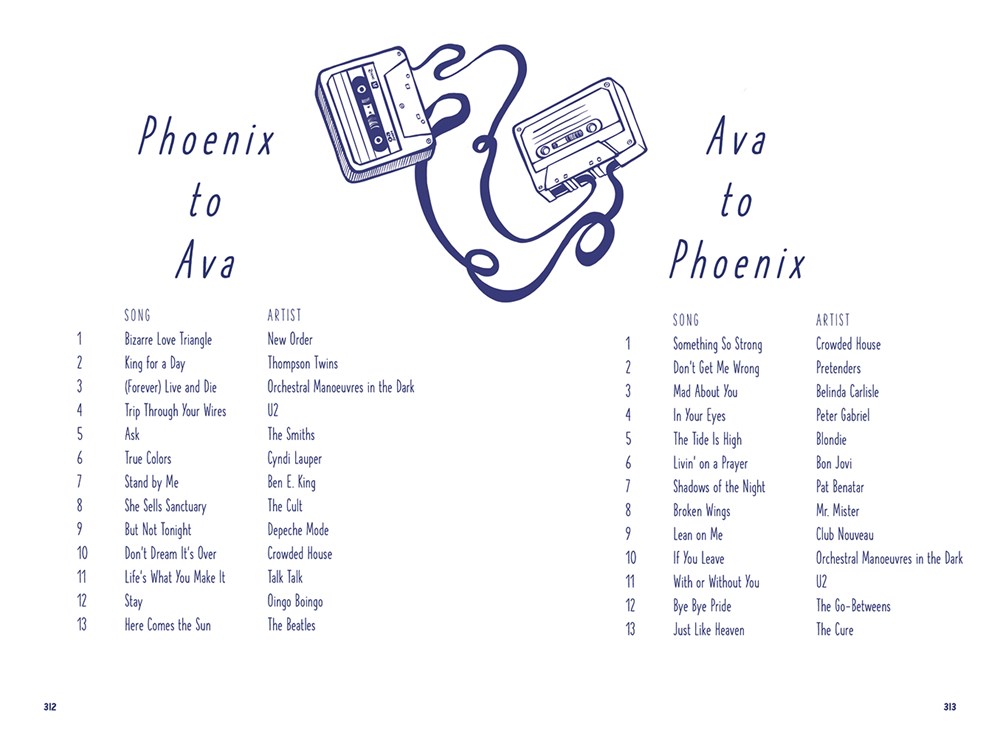
Students could also make their own mix tapes for different characters in the book using Ava’s and Phoenix’s as examples. Students could then explain why they chose the songs they did for the characters.
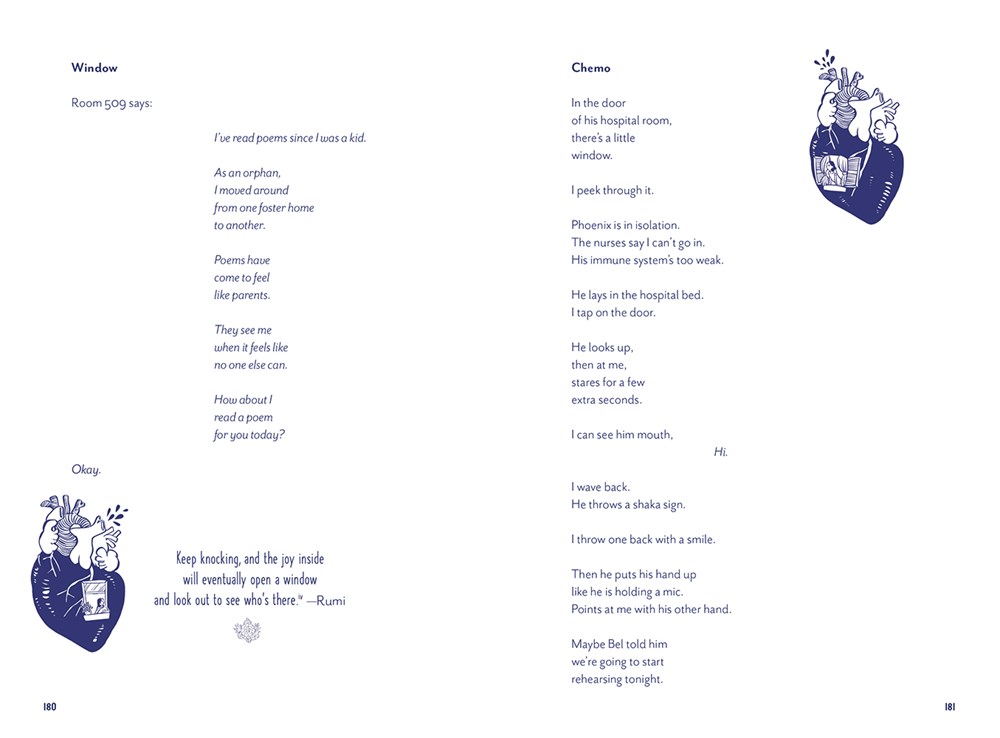
The inclusion of Rumi’s poetry could also lead to a poetry study of his poetry which could include historical instruction as well.

Discussion Questions: 

  • Why did the author format __[poem]__ the way she did?
  • How did music influence Ava’s time during this point in her life?
  • How do you think Ava’s summer would have been different if she hadn’t broken her leg?
  • How did Phoenix and Ava’s friendship change over time? What caused their friendship to evolve?
  • Why does Ava blow up at Phoenix and Naz at the beach?
  • How does Room 509 play a part in Ava’s summer? What do you think the purpose of this character is?
  • How did Ava’s mother’s decision to leave Iran to go to medical school transform her life?
  • Farid included instances of racism in the book. Why is it important that she includes these? What does it show us about our country?
  • Do you believe Ava has OCD? What parts in the story show you this?
  • How does Ava both embrace her Persian culture but also resent the pressure it holds?
  • The author included Farsi throughout the book. Why is this translanguaging important to include when telling Ava’s story.
  • Find an example of when Farid captured the rhythm of the ocean in her poetry.

Flagged Passages: 
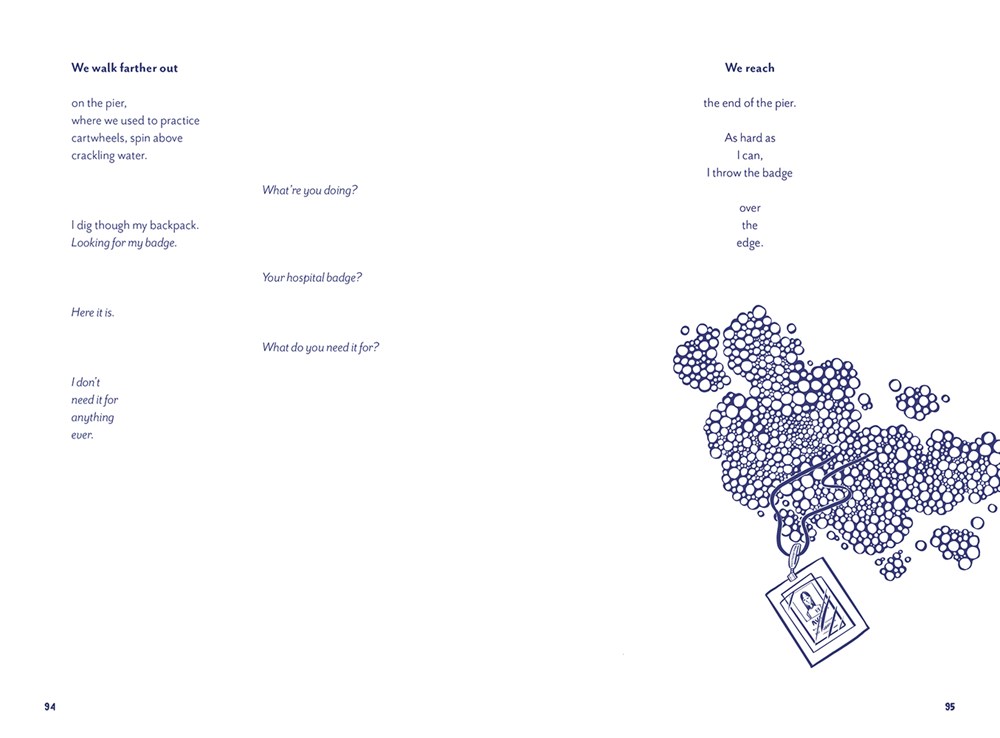
Read This If You Love: Land of the Cranes by Aida Salazar, Starfish by Lisa Fipps, Benbee and the Teacher Griefer by KA Holt, Open Mic edited by Mitali Perkins

Recommended For: 

classroomlibrarybuttonsmall 

Signature

**Thank you to Blue Slip Media for providing a copy for review**
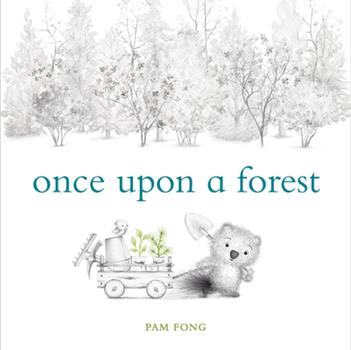
Once Upon a Forest by Pam Fong

Share

Once Upon a Forest
Author and Illustrator: Pam Fong
Publication: February 8, 2021 by Random House

Goodreads Summary: This gorgeous picture book follows a helpful marmot working to save a forest recovering after a wildfire. Perfect for teaching children to practice kindness while developing an appreciation for animals and the earth.

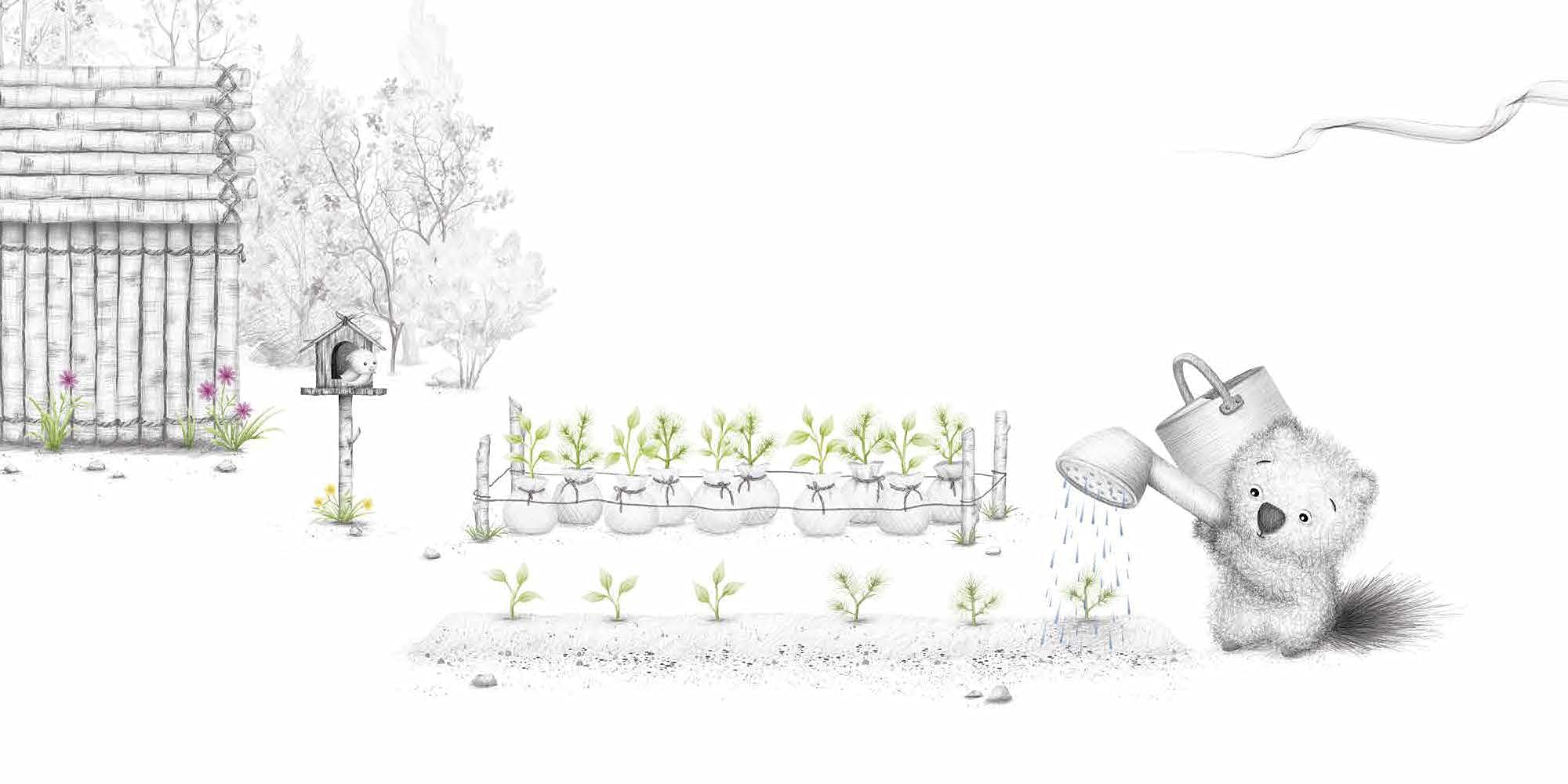
After a fire leaves the forest smoldering, a determined marmot and her resourceful bird friend set off on a rescue mission in this beautifully illustrated, wordless story. They clear away fallen branches and scorched bushes. They rake and dig and plant new seedlings in the earth. With determination and ingenuity, as the seasons pass, they care for the little trees by making sure they have enough water, protect their branches from the wind and snow, and keep away hungry creatures, until the trees can thrive on their own.

With a little time, care, and hope we all can help the earth.

My Review: This summer and the last, our state of Colorado was cloaked in smoke. My youngest struggled to understand what was happening and why we had to stay indoors. It was even worse in California, as a whole. Wildfires are, unfortunately, something we are going to have to get used to. This book offers a beautiful, positive look at wildfires. The book focuses less on the wildfire and more on the actions of the marmot and a bird. They don’t dwell in the wildfire’s damage—they take the opportunity to plant new life. I love this book, and it is one that will stick in my heart forever. 

Teachers’ Tools for Navigation: This book would be well-paired with nonfiction articles about wildfires–how to prevent them and what to do after they happen. I would also love to use this book on Earth Day.

Discussion Questions: 

  • How does the illustrator use color to enhance the story?
  • What do the marmot and bird do when the trees are damaged?
  • What adjectives would you use to describe the marmot and bird?

Flagged Passage: 

Read This If You Love:  Journey by Aaron Becker, Wolf in the Snow by Matthew Cordell, The Girl and the Bicycle by Mark Pett, Explorers by Matthew Cordell

Recommended For: 

readaloudbuttonsmall classroomlibrarybuttonsmall

RickiSig

**Thank you to Barbara from Blue Slip Media for sending a copy for review!**

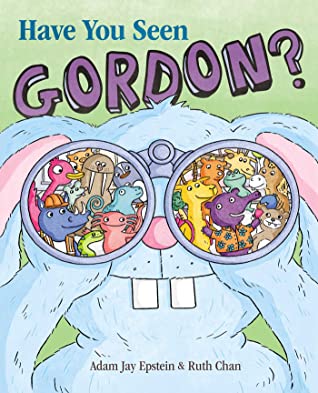
Have You Seen Gordon? by Adam Jay Epstein and Ruth Chan

Share

Have You Seen Gordon?
Author and Illustrator: Adam Jay Epstein and Ruth Chan
Published: September 28, 2021 by Simon & Schuster

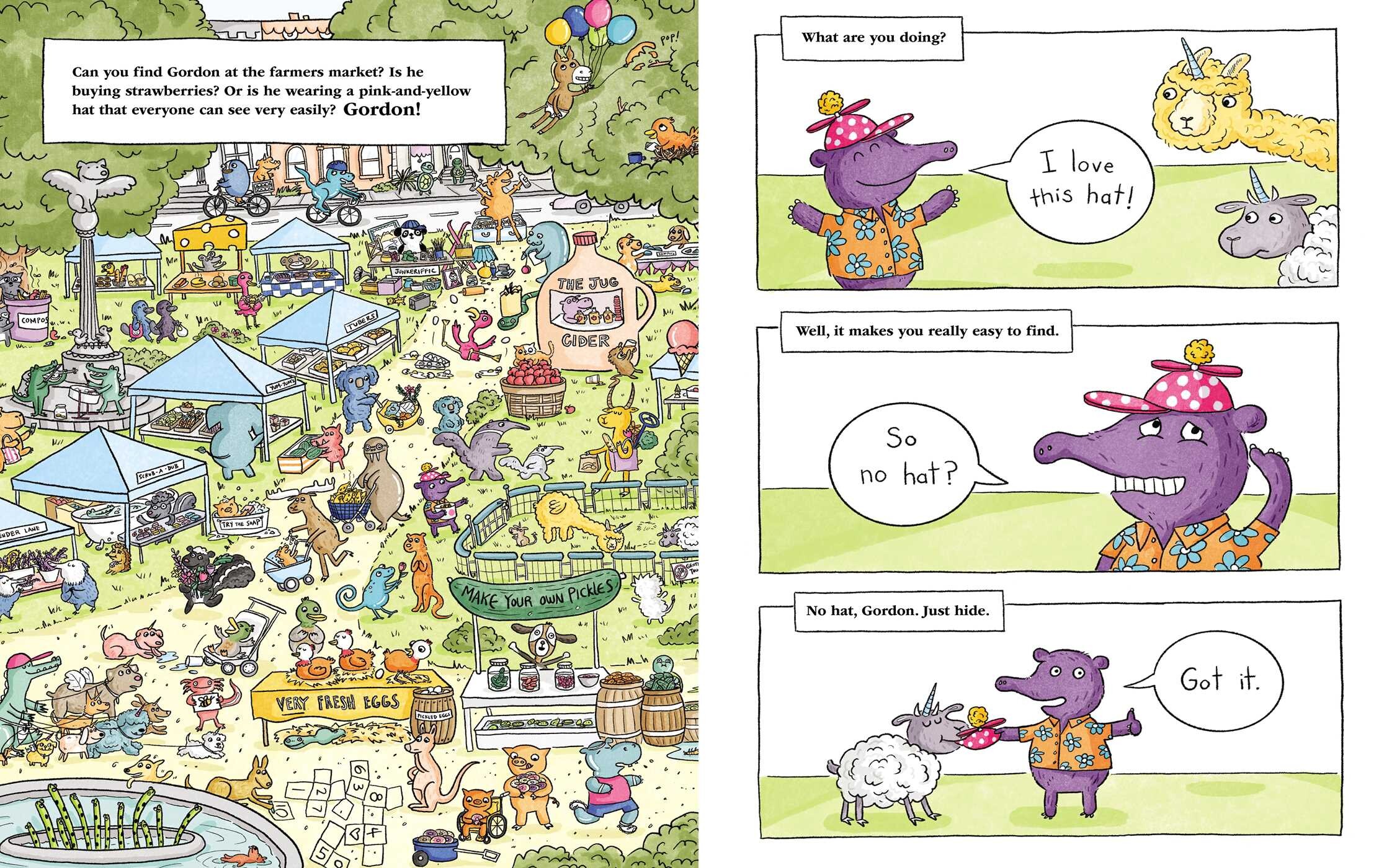
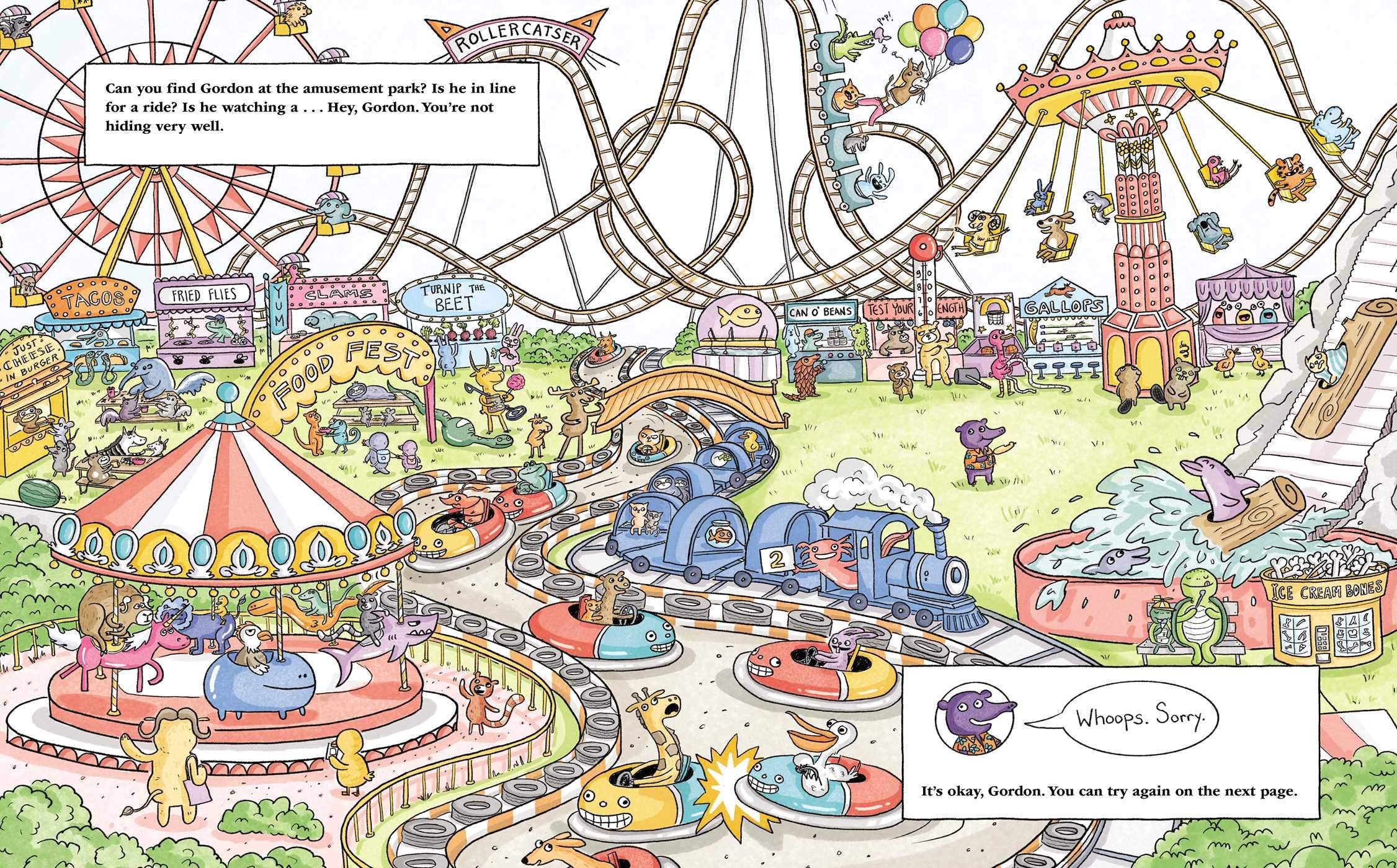
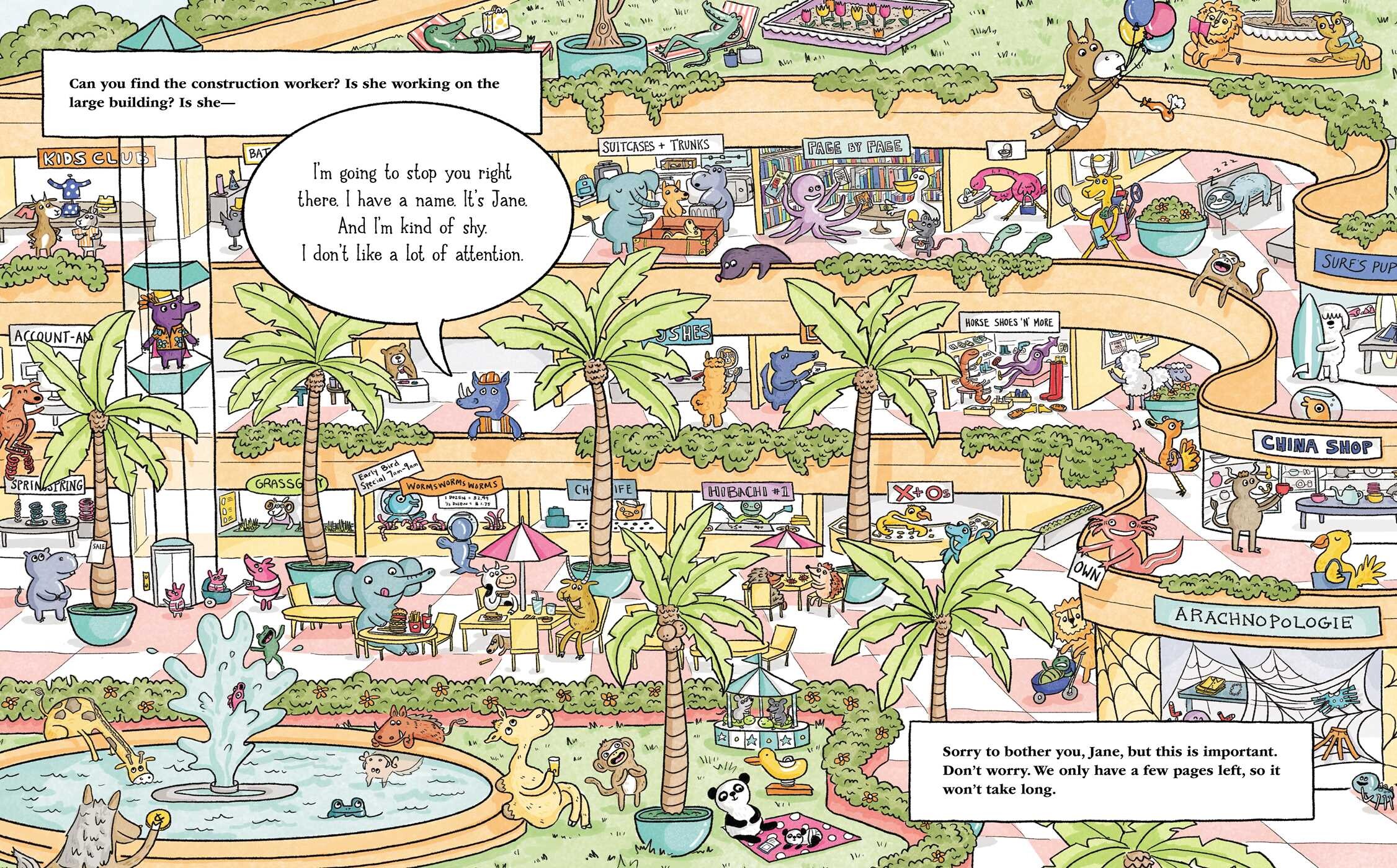
Summary: Packed with vibrant and dizzying artwork, this hilarious story cleverly riffs on classic seek-and-find books and will have young ones laughing out loud as the narrator struggles to get the characters to play along.

Have you seen Gordon? Oh. There he is. Gordon isn’t very good at hiding, is he?

The narrator wants to play hide and seek with Gordon and the reader, but Gordon just wants to stand out. This madcap, fourth wall–breaking picture book is packed with humor and full, zany spreads with details kids will return to again and again.

Review: This book is very funny, and my kids loved it. It is a more humorous, more accessible Where’s Waldo? but for younger children. That said, all of my children (ages 2-8) loved it. Readers are finding Gordon (and others) across the pages, and they are also listening to a very clever tale about him. As an underling theme, Gordon doesn’t want to hide anymore. I adored this charming book and will enjoy reading it again and again.

Teachers’ Tools for Navigation: Students could be inspired to reimagine their own favorite picture books, and they need not be hide-and-seek texts!

Discussion Questions: 

  • Why doesn’t Gordon want to cooperate in the text?
  • What did you learn about him?
  • How is this text creatively imagined?

Flagged Passages: 

Read This If You Love: Funny stories, Hide-and-seek stories, Where’s Waldo? books, I Spy books

Recommended For:

classroomlibrarybuttonsmall

RickiSig

**Thank you to Chantal at Simon & Schuster for providing a copy for review!**

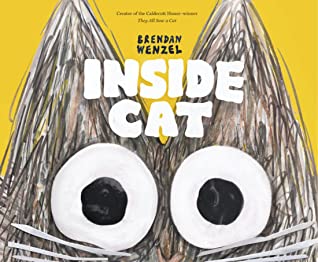
Inside Cat by Brendan Wenzel

Share

Inside Cat
Author: Brendan Wenzel
Published: October 12, 2021 by Chronicle Books

GoodReads Summary: Told in rhyming text, Inside Cat views the world through many windows, watching the birds, squirrels, and people go by—but when the door opens it discovers a whole new view.

Review: Brendan Wenzel regularly impresses me. I use his They All Saw a Cat to teach about perspective, and it reminds us of the value of picture books at all levels of class instruction. I was really excited to read Inside Cat because I knew it would be just as compelling—and it was! Inside Cat can see the world in so many ways. It travels around the house and sees so much. I don’t want to give a spoiler, but the last page of this book will make you gasp.

Teachers’ Tools for Navigation: This book should be paired with They All Saw a Cat to teach perspective. Both offer different angles to questions of perspective. I think it could also be used to teach about authorship (as in authority and authenticity). Teachers might ask students to think critically about what perspectives we do or do not hold.

Discussion Questions: 

  • What does Inside Cat do?
  • What does Inside Cat see?
  • How do the images on the page work together?
  • What does the surprise ending teach you?

Read This If You Love: They All Saw the Cat by Brendan Wenzel, The Journey Trilogy by Aaron Becker

Recommended For:

classroomlibrarybuttonsmall 

RickiSig

**Thank you to Eva at Chronicle for providing a copy for review!**

Review & Giveaway!: Susie B. Won’t Back Down by Margaret Finnegan

Share

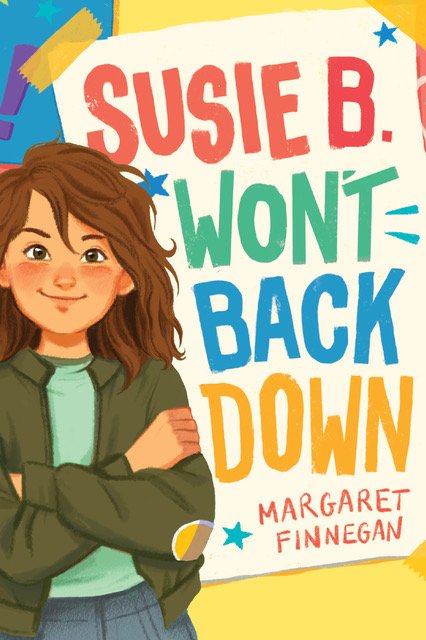
Susie B. Won’t Back Down
Author: Margaret Finnegan
Published October 5th, 2021 by Atheneum Books for Young Readers

Summary: This funny, big-hearted novel about a young girl’s campaign for student council president is told through letters to her hero Susan B. Anthony.

Susie B. has a lot to say. Like how it’s not fair that she has to be called Susie B. instead of plain Susie. Or about how polar bears are endangered. Or how the Usual Geniuses are always getting picked for cool stuff over the kids like her with butterflies in their brain. And it’s because Susie B. has a lot to say about these very important things that she’s running for student council president.

If she’s president, she can advocate for the underdogs just like her hero and fellow Susie B., Susan B. Anthony. (And, okay, maybe the chance to give big speeches to the whole school with a microphone is another perk.) But when the most usual of Usual Geniuses also enters the student council race, Susie realizes this may be a harder won fight than she thought. Even worse, Susie discovers that Susan B. Anthony wasn’t as great as history makes it seem, and she did some pretty terrible things to try to help her own cause. Soon, Susie has her own tough decisions to make. But one thing is for sure—no matter what, Susie B. won’t back down.

Praise: 

“Susie is energetic, breathless, enthusiastic, and genuinely, charmingly funny.” —Kirkus Reviews

A Junior Library Guild Selection

About the Author: Margaret Finnegan is the author of the middle-grade novels Susie B. Won’t Back Down and We Could Be Heroes. Her writing often focuses on themes on inclusion, hard choices, and being true to yourself. She also makes a really good chocolate cake. To learn more, and to download free discussion guides, visit MargaretFinnegan.com.

Twitter: @FinneganBegin
Instagram: @finneganbegin

Review: Happy book birthday to Susie!!!

This book has so much in it! I was highlighting away as I read–both as a recreational reader and as a teacher (see more in Teachers’ Tools!)! I love that it is an epistolary novel, specifically writing to Susan B. Anthony, because it gives us insight into Susie’s school, home, and her inner thinking. The discussions throughout about heroes, fairness, and history is done in a very age-appropriate way but also doesn’t sugar coat anything. I love that Susie has a “butterfly brain” and went to reading lab but is proud of it. The talk about how all brains are different made my heart sing! And on top of all of this, the story itself is so on point for coming of age and how popularity, personalities, and more really start to affect kids starting in about 5th grade.

Teachers’ Tools for Navigation: I am in love with Mr. Springer’s hero project! The way he made the project cross-curricular, interesting, interactive, and included choice just makes it such an amazing project! And there are definitely parts of the book that will work as mentors/exemplars to share with students if you have them do their own hero project including some of Susie’s letters and the Voting posters. Also, the author created a mock Susie B. News to show one of the activities for the hero project: https://www.margaretfinnegan.com/wp-content/uploads/2021/09/The-Susie-B.-News.pdf.

The author also shares some activities in the publisher-created discussion guide!

Discussion Questions (from the publisher-created discussion guide): 

  • Describe the way that the author organizes the story. How does this format help to connect the worlds of Susie B. at home and at school?
  • Why does Susie B. call Chloe and her three R’s (Rachelle, Rachel, and Rose) “fakey fakes?” In contrast, Susie B. has Joselyn Salazar as her best “spark.” What connects these two as friends?
  • Each of the characters copes with the social scene at school differently. How does Soozee Gupta manage to not be alone at lunch? What is your opinion of her social strategy?
  • Susie B. wrangles with the idea of fairness and justice. She believes that they are two different things. What do you think is the difference between being fair and being just?
  • What do you think is the most important lesson that Susie B. learned in this story? Give reasons for your opinion.

Flagged Passages: Chapter 1

Dear Susan B. Anthony:
I have very bad news for you. You’re dead. Really dead. Like, over one hundred years dead. Like, right now, you are dust and bones in the cemetery of your old hometown, Rochester, New York.

Sorry.

You are probably thinking, What the heck? If I am dead, why are you writing to me?

Congratulations! Even though you are dead, you are not forgotten! You are still remembered for being a brave and determined defender of women’s rights, especially women’s suffrage. That is the fancy name for women voting, even though I think suffrage should be the name for not being able to vote, because it sounds like the suffering you would have to go through if everybody thought your voice didn’t matter one speck.

Since I am also a brave and determined defender of all the rights of all the people, I thought you would like to know that I am thinking about you.

Plus, Mr. Springer is making me.

Mr. Springer is my fifth-grade teacher. Every year he assigns this thing called the Hero Project. All of his students have to choose a personal hero. They can choose anyone they want, as long as the person is dead. Mr. Springer used to let kids choose living heroes, but then the live heroes kept doing horrible things and ruining everyone’s projects. Luckily, dead heroes can’t surprise you like that. We are going to do a bunch of research and assignments on our heroes and basically use them to learn stuff about language arts, history, and even math and science. Mr. Springer is always trying to find sneaky ways to get us interested in what he’s teaching.

Read This If You Love: Twins by Varian Johnson & Shannon Wright, How to Win a Slime War by Mae Respicio, Kids Under the Stairs series by K.A. Holt, Friends Forever by Shannon Hale & LeUyen Pham, Five Things about Ava Andrews by Margaret Dilloway

Recommended For: 

classroomlibrarybuttonsmall 

Giveaway!

a Rafflecopter giveaway

Signature

**Thank you to Blue Slip Media for providing a copy for review and giveaway!**

Mr. Watson’s Chickens by Jarrett Dapier, Illustrated by Andrea Tsurumi

Share

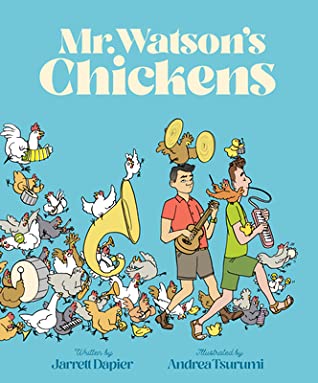
Mr. Watson’s Chickens
Author: Jarrett Dapier
Illustrator: Andrea Tsurumi
Published: October 5, 2021 by Chronicle Books

GoodReads Summary: Interrupting Chicken meets Click, Clack, Moo in this zany classic-in-the-making!

With rollicking rhythms, nonsensical refrains, and too many chickens to count, this modern classic will inspire unstoppable giggles and endless rereads. Bawka-bawka!

Mr. Watson has 456 chickens in the sink, on the bed, in the bread box. When his partner, Mr. Nelson, threatens to leave, Mr. Watson takes his chickens to town to sell only for them to escape! Young readers will follow Mr. Watson all around town as he gathers up his chickens. But, when they’re all rounded up, does he have the heart to sell them? Does a different fate await these chickens?

This quirky, irresistible book is full of read-aloud fun with its onomatopoeia, rollicking rhythm, and familiar refrains and ends with a touch of sweetness. It has all the makings of a classic, with a farm theme, hilarious refrains, and a familiar narrative structure that unfolds in threes. Librarians, teachers, and parents looking for a new book that feels traditional will love sharing this book with children.

A JOY TO REREAD: This is a very classic-feeling storybook. Paired with its funny farm setting and hilarious refrains, this book is sure to inspire countless rereads and endless giggles.

PERFECT READ-ALOUD: This book is full of nonsensical sounds and repetition that make it fun to read out loud and invite audience participation. It’s a perfect choice for classroom events and laptime reads.

LIKE CHICKA CHICKA BOOM BOOM, WITH CHICKENS!: With its bouncy refrains and rollicking rhythms, this book will remind readers of classic bestsellers like Don’t Let the Pigeon Drive the Bus! and Chicka Chicka Boom Boom.

REALISTIC RELATIONSHIP UNUSUAL IN PICTURE BOOKS: This book features a gay couple at its center, but doesn’t call specific attention to it. It simply portrays a healthy relationship between two men (and their chickens!).

WRITTEN BY A NEW TALENT WHO REALLY UNDERSTANDS KIDS: This is Jarret Dapier’s first book! He’s a popular, award-winning teen librarian who works with kids, knows what they like, and is well-versed in the rhythms of the classic children’s book—and he has many more stories up his sleeves.

DELIGHTFUL, DETAILED DRAWINGS OF OVER 400 CHICKENS!: With hundreds of chickens to find and scenes crammed with action and detail, the pages of this book are chock-full of things to look at. Young readers will spend hours poring over each spread.

Perfect for: parents, families looking for LGBTQIA+ stories, fans of funny books.

Ricki’s Review: This book is hysterical. The chickens cracked me up. Teachers will love reading this book aloud. Mr. Watson’s partner Mr. Nelson is threatening to leave because they have TOO MANY CHICKENS (456, actually). So they take their chickens into town to give them away to chicken homes, but all does not go as planned. There is so much care and thought in this book–from the writing to the illustrations of all of the chickens. Kids will love it.

Teachers’ Tools for Navigation: This book takes a twist on typical counting books and adds a delightful story. Kids might consider the numbers used in this book and how this may be intentional and create their own counting books.

Discussion Questions: 

  • What are some of the reasons that Mr. Nelson got frustrated with the chickens? Do you think he had a valid reason to be frustrated? How does Mr. Watson respond?
  • Where was Aunt Agnes? How does this enhance your reading of the story?
  • How does the story end? What do you think a sequel might look like?

Read This If You Love: Funny stories; counting stories; animal stories

Recommended For:

classroomlibrarybuttonsmall 

RickiSig

**Thank you to Eva at Chronicle for providing copies for review!**

It Fell From the Sky by the Fan Brothers

Share

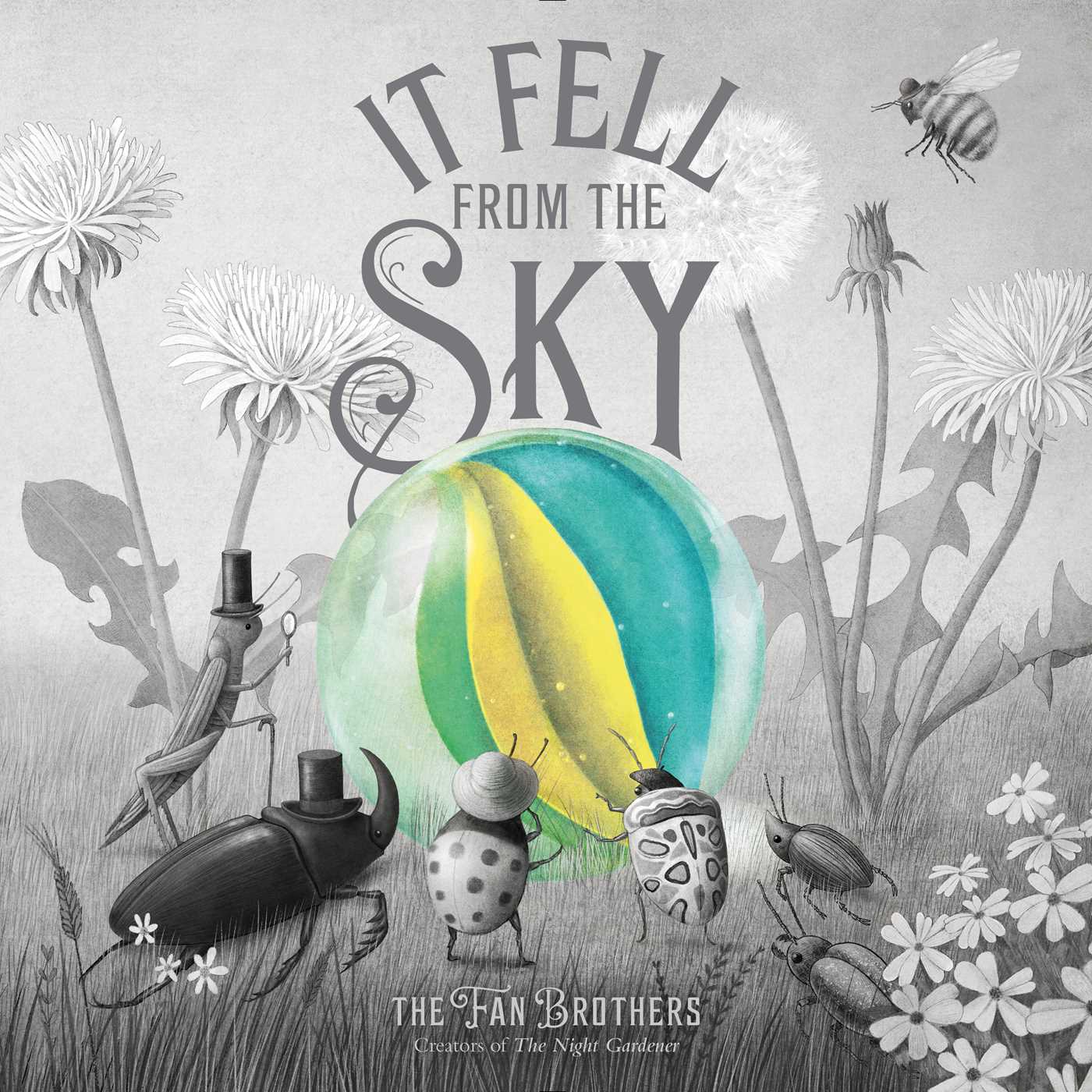
It Fell From the Sky
By the Fan Brothers
Published: September 28, 2021 by Simon & Schuster

Summary: From the creators of the critically acclaimed The Night Gardener and Ocean Meets Sky comes a whimsical and elegantly illustrated picture book about community, art, the importance of giving back—and the wonder that fell from the sky.

It fell from the sky on a Thursday.

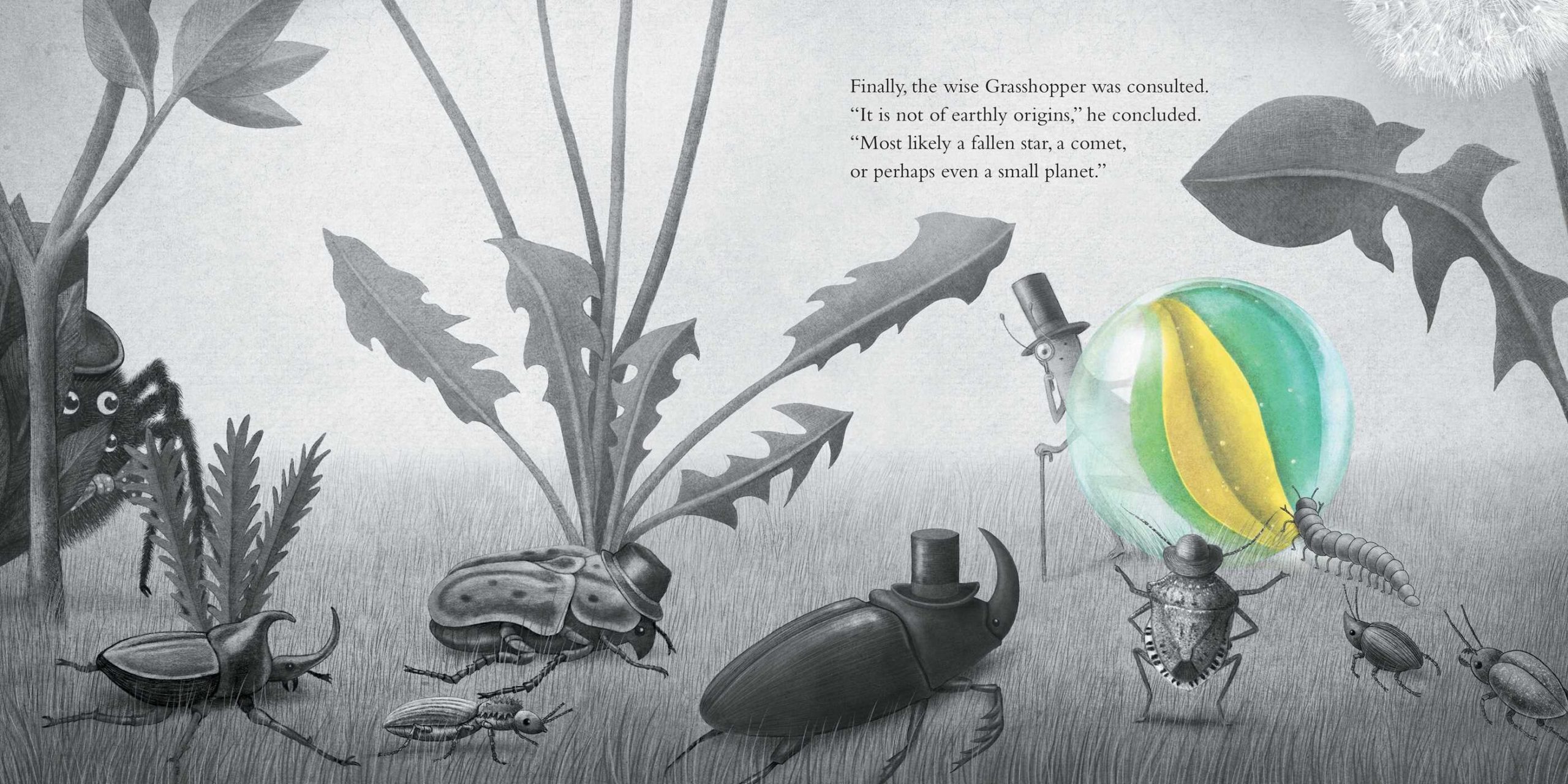
None of the insects know where it came from, or what it is. Some say it’s an egg. Others, a gumdrop. But whatever it is, it fell near Spider’s house, so he’s convinced it belongs to him.

Spider builds a wonderous display so that insects from far and wide can come look at the marvel. Spider has their best interests at heart. So what if he has to charge a small fee? So what if the lines are long? So what if no one can even see the wonder anymore?

But what will Spider do after everyone stops showing up?

Review: I cannot get enough of this book. I just want to hug it every time I see it. The story and illustrations work in a way that is simply magical. Their talent is simply remarkable. When an object falls from the sky (“A marble!” -My 7-year-old), the insects are convinced it must be from another world. Spider decides to develop a display and invites the insects far and wide. They merely need to pay a leaf to see the object. But spider learns an important lesson—one that serves as a good reminder to all of us. I loved this book and expect it to see some awards. It dazzled me.

Teachers’ Tools for Navigation: Teachers might to ask students to choose an object to examine from a different perspective than their own. They could write their own picture books.

Discussion Questions: 

  • How do the creators of the book use color to enhance their story?
  • How do the creators of the story use personification to teach a lesson?
  • What do we learn from this story? What does the spider teach us?

Flagged Passages: 

Read This If You Love: The Night Gardener by The Fan Brothers; What Do You Do With an Idea? by Kobi Yamada; What Do You Do With a Chance? by Kobi Yamada; What Do You Do With a Problem? by Kobi Yamada; Magic Candies by Heena Baek; The Caiman by María Eugenia Manrique; Sam & Dave Dig a Hole by Mac Barnett; Hug Machine by Scott Campbell

Recommended For: 

  classroomlibrarybuttonsmall

**Thank you to Beth from Simon & Schuster for Providing a Copy for Review!**