Text Sets for Teachers: Prejudice: Is It Something We Can Control?

Share

Text Set Button

Prejudice: Is It Something We Can Control?
Text Set for Frankenstein by Mary Shelley and Pride and Prejudice by Jane Austen
created by Brenna Conrad

I will be working with an 11A class studying British Literature. In class, we will be reading Frankenstein and Pride and Prejudice. At first, I had a lot of difficulty finding a theme that would be applicable not only to both texts but also to two sets of students who get to choose which book they want to read. I chose to focus my unit on the concept of prejudice and if it is something that we can control. In Frankenstein, prejudice is visible when everyone rejects the monster based on its appearance. In Pride and Prejudice, it is inherent in how the classes are divided and how characters treat one another. I chose this overarching theme because I think that this idea of prejudice is a very prominent issue in today’s society and should be considered and discussed in an educational setting. I want students to be able to not only get a more complex and complete understanding of what prejudice is and how it is prevalent in society but also to understand that there are many subtle ways it is incorporated into the media and texts. This is important for students to be aware of, especially as technology and media is becoming increasingly more influential as time progresses.

With this goal in mind, I constructed my text set with illustrating prejudices not only in as many forms of media as possible but in as many different time periods as possible. I want students to place these books among many other works that display the dangers and horrors of prejudice. Though I tried to incorporate multiple sources from different time periods to plot prejudice through time, I narrowed my focus to current media that my students have witnessed in their lifetime, allowing them to personally connect with these sources. Prejudice is one of the most prevalent issues in today’s society, and I think creating an awareness about how prejudice is incorporated into our society in multiple forms of media is very important for learners.

Anchor Texts (although other texts may be used!):
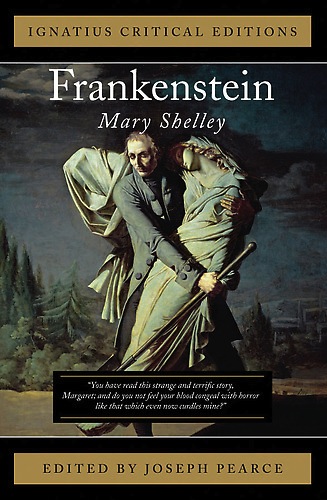
Frankenstein by Mary Shelley
Frankenstein
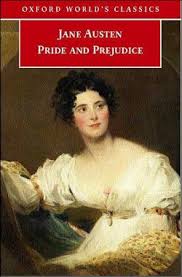
Pride and Prejudice by Jane Austen
Pride and Prejudice

Children’s Books
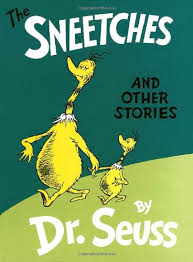
The Sneeches by Dr. Seuss (Also available on YouTube)
sneetches

Young Adult Texts
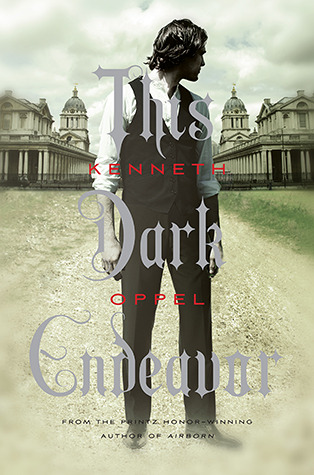
This Dark Endeavor by Kenneth Oppel (YA pairing to Frankenstein)
this dark endeavor
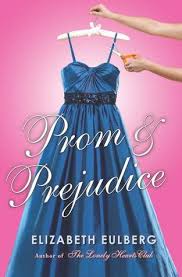
Prom and Prejudice by Elizabeth Eulberg (YA pairing to Pride and Prejudice)
prom and prejudice

Films
Mary Shelley’s Frankenstein (with Kenneth Branagh and Robert Di Niro)
Pride & Prejudice (with Kiera Knightly)
Pride and Prejudice (with Colin Firth)
Cinderella

Plays
The Laramie Project by Moisés Kaufman
Othello by William Shakespeare

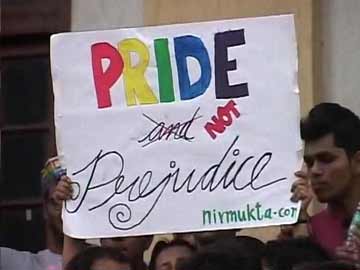
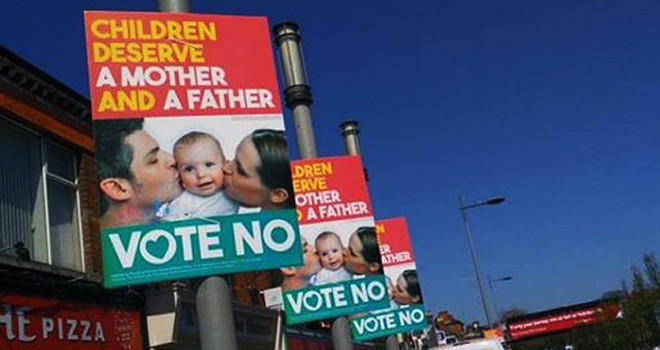
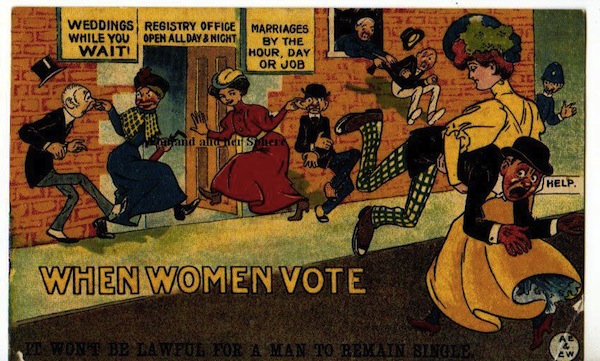
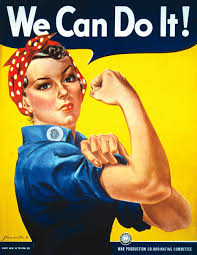
Images Used as Propaganda for Protest Movements
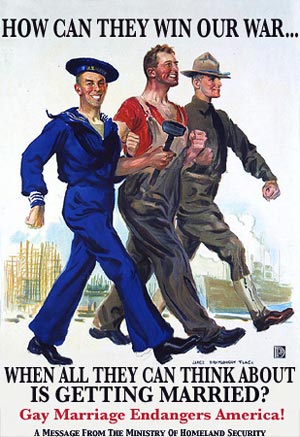
Gay Rights:
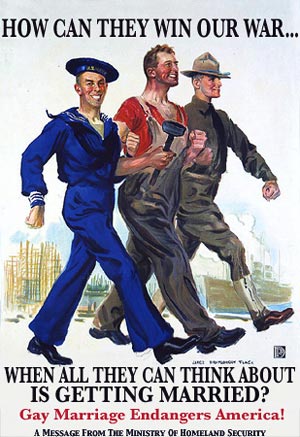
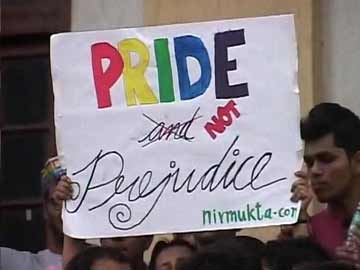
3.25.2015Prior to WWIJune 2015 Gay Rights MovementJune 2015 Anti-Gay Rights Movement

3.25.2015 Prior to WWI June 2015 Gay Rights June 2015 Anti-Gay Rights

Women’s Suffrage:
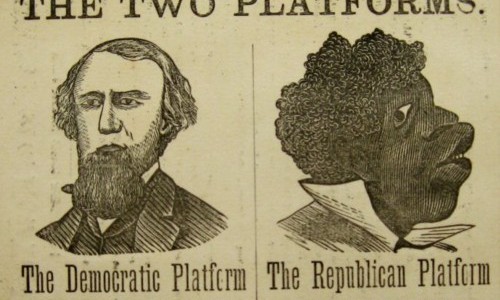
Anti-SuffragePro-Suffrage2013

 SuffragePro-Suffrage2013

Civil Rights:
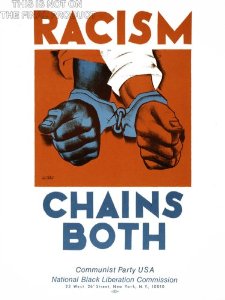
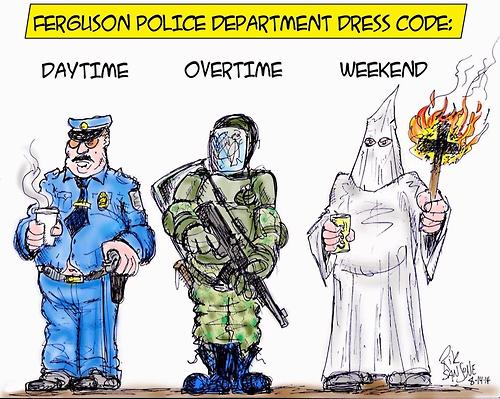
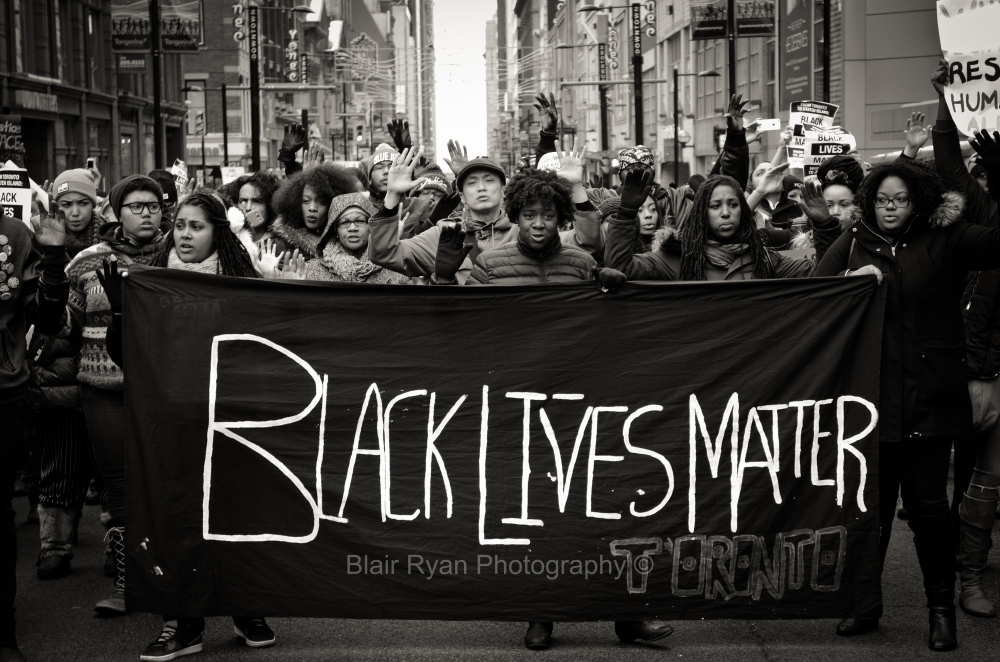
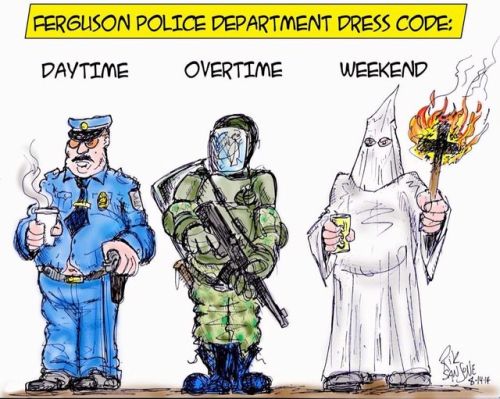
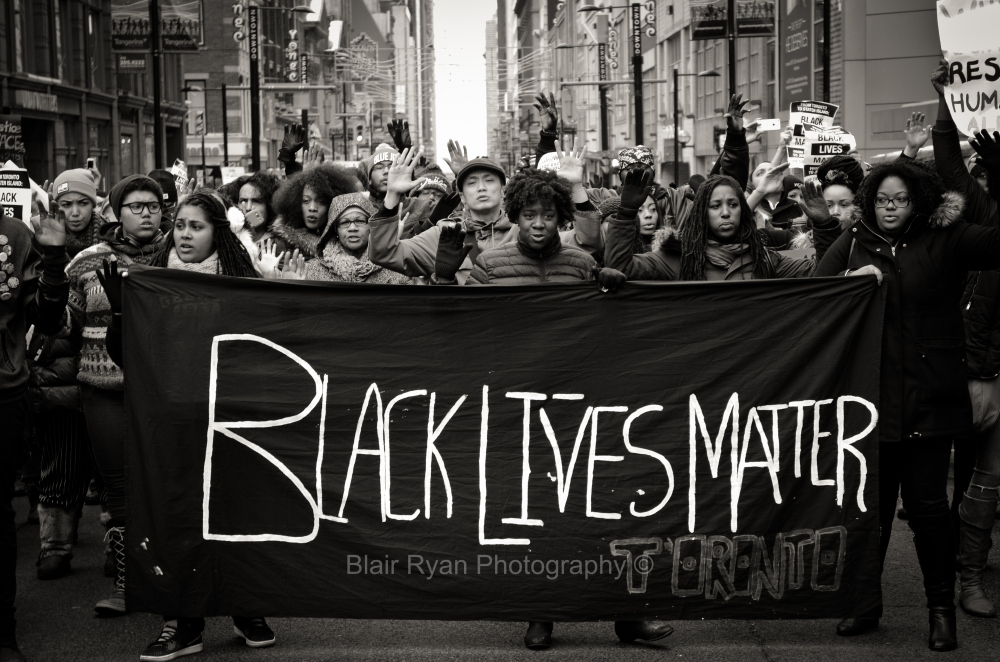
1960sAnti-Civil RightsBlack Lives Matter MovementBlack Lives Matter MovementCounter to Black Lives Matter Movement

1960s Anti-Civil Rights Black Lives Matter1 black lives matter white lives matter

News Articles
Transgender Student Seeks Acceptance as She Runs for Homecoming Queen
BBC News: The Girl Who Was Shot for Going to School
Girls who Code aim to Make Waves in a Man’s World
Seeking Self-Esteem Through Surgery

Poems
“I, Too” by Langston Hughes
“Caged Bird” by Maya Angelou
“Beautiful City” by Alfred Tennyson
“Discrimination” by Kenneth Rexroth
“Breaking Prejudice” by Daniel Tabone

Songs
“Teenage Frankenstein” by Alice Cooper
“Same Love” by Macklemore
“Blackbird” by The Beatles
“Chains” by Usher

Charts
Gap in Yearly Earnings
Race of Prisoners

Essays
Gilbert and Gubar: “The Madwoman in the Attic: The Woman Writer and the Nineteenth-Century Literary Imagination”

TV Shows/YouTube Clips
Family Guy: African American Prejudice
Family Guy: Asian Prejudice
Family Guy: Mexican Prejudice
Family GuyItalian Prejudice
Family Guy: Muslim Prejudice
Family GuyChristian Prejudice
Social Mobility with Legos

Guiding Questions

  • What is prejudice?
  • How is prejudice seen in today’s society? Has this changed in comparison to the past?
  • How does society portray prejudice? How do we speak back to prejudice?
  • Are there prejudices that we are unaware of, but still possess? How do we know? What can we do about it?
  • Do people live in fear of prejudice? What do they do to avoid it?
  • Are prejudice and racism the same thing?
  • What different types of prejudice are there? Do some levels of prejudice feel stronger or more impactful than others? How might ranking levels of prejudice be problematic?
  • Can we eradicate prejudice or is it a reality of human nature?

Writing Prompts

  • How many different forms of prejudice are there? Are they all prejudice?
  • Make a list of things you’ve seen in the media that promote a prejudice society. Consider media such as television commercials, shows, movies, songs, magazines, or even comics. Pick 5 media that you believe are the most detrimental and briefly explain why.
  • After reading Frankenstein or Pride and Prejudice, has your concept of prejudice changed?
  • Choose a group that has been historically marginalized—either one that we talked about in class or a different group—and examine how the prejudice against this group has shifted across years.
  • Do you believe that it is human nature to be prejudice or that it is something society has taught. Write an argument for the side that you believe in. Be sure to include example from class and at least two credible outside sources.
  • In a journal entry, discuss prejudice in our society. Consider: Do people use prejudice in a way to benefit themselves? How do we as a society associate prejudice and humor? Is that ok? Are we making progress away from prejudice? Why or why not?

A special thanks to Brenna for this phenomenal text set! We think this text set would be useful for many anchor texts! What do you think?

RickiSigandKellee Signature

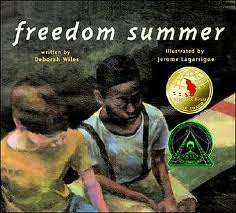
Freedom Summer by Deborah Wiles (Kellee’s Review)

Share

NFPB2015

Nonfiction Picture Book Wednesday

Nonfiction Picture Book Wednesday is hosted by Kid Lit Frenzy and was started to help promote the reading of nonfiction texts. Most Wednesdays, we will be participating and will review a nonfiction text (though it may not always be a picture book).
Be sure to visit Kid Lit Frenzy and see what other nonfiction books are shared this week!
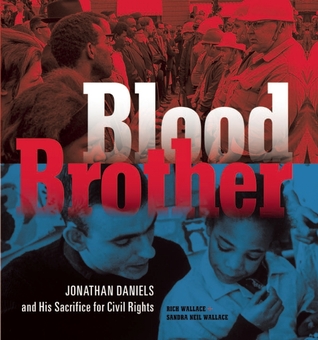
Disclaimer: This book is technically historical fiction, but I felt it belonged on a Wednesday because of its base in fact (see “A Note About The Text”).

freedom summer

Freedom Summer
Author: Deborah Wiles
Illustrator: Jerome Lagarrigue
Published January 1st, 2005 by Aladdin

Goodreads Summary: 

John Henry swims better than anyone I know.
He crawls like a catfish,
blows bubbles like a swamp monster,
but he doesn’t swim in the town pool with me.
He’s not allowed.

Joe and John Henry are a lot alike. They both like shooting marbles, they both want to be firemen, and they both love to swim. But there’s one important way they’re different: Joe is white and John Henry is black, and in the South in 1964, that means John Henry isn’t allowed to do everything his best friend is. Then a law is passed that forbids segregation and opens the town pool to everyone. Joe and John Henry are so excited they race each other there…only to discover that it takes more than a new law to change people’s hearts.

My Review:  Deborah Wiles amazes me every time I read something by her. I think I need to get everything she has written and devour it. Her books make me a better person. This one is no exception to these statements. Freedom Summer starts with a personal story of Wiles’s and sets the stage for the book: What would it be like to have a best friend who is black in the South in 1964? Do you know what it is like? Any other friendship! Except many people felt that it was wrong and you cannot go places together. Freedom Summer is about Joe and John Henry. They are both young boys. They both like to swim. They both love ice cream. However, only one can go to the pool and only one can buy ice cream from the store. I think what makes this story so impactful is that Wiles sets the stage of the friendship as something so normal (because it is!!) then shows how different their lives are. So powerful. Made me cry. It’s lyrical writing, soft and beautiful illustrations, and powerful message are so moving. Go read it if you haven’t.

You can view Ricki’s review of Freedom Summer here.

Teachers’ Tools for Navigation: This book belongs in classrooms. It will start discussions and make students think. Luckily, Deborah Wiles helps us out a ton by sharing so many resources with us on her Pinterest board https://www.pinterest.com/debbiewiles/ and her website http://deborahwiles.com/site/resources-for-educators/.

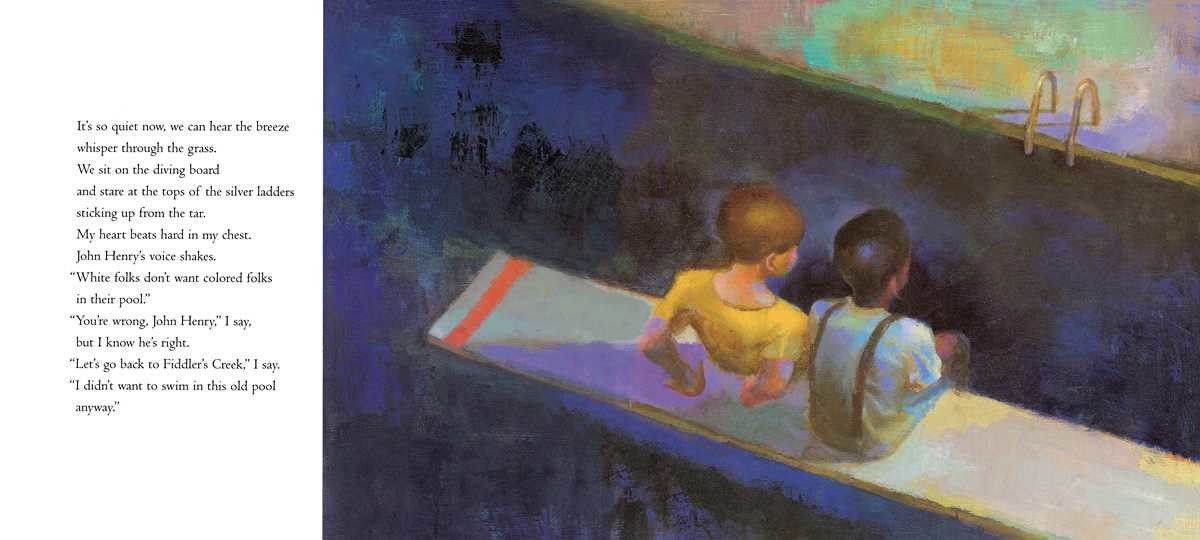
Discussion Questions: Why was the pool being filled with tar?; What do you think will happen after the end of the book?; Based on Joe’s parents letting him be friends with John Henry, what can you infer their viewpoint of integration is?

We Flagged: 

freedom summer spread
from http://books.simonandschuster.ca/Freedom-Summer/Deborah-Wiles/9781481422987

Read This If You Loved: Revolution by Deborah WilesSeeds of Freedom by Hester BassSeparate is Never Equal by Duncan TonatiuhThe Lions of Little Rock by Kristin Levine, Sin-In by Andrea Pinkney

Recommended For: 

classroomlibrarybuttonsmall readaloudbuttonsmall litcirclesbuttonsmall

Signature

2015 Big Book Summer Challenge: Revolution by Deborah Wiles & East of Eden by John Steinbeck

Share

bigbooksummer

Big Book Summer Challenge is a challenge hosted by Sue at Book by Book. The inspiration behind the challenge is to push the bigger books to the top of the TBR pile during summer time.

The Details:

  • Anything over 400 pages qualifies as a big book.
  • The challenge will run from Memorial Day weekend (starting May 22 this year) through Labor Day weekend (Labor Day is September 7 this year).
  • Choose one or two or however many big books you want as your goal.  Wait, did you get that?  You only need to read 1 book with over 400 pages this summer to participate! (Though you are welcome to read more, if you want.)
  • Choose from what’s on your shelves already or a big book you’ve been meaning to read for ages or anything that catches your eye in the library – whatever peaks your interest!
  • Sign up on Book by Book.
  • Write a post to kick things off – you can list the exact big books you plan to read or just publish your intent to participate, but be sure to include the Big Book Summer Challenge pic above, with a link back to Book by Book.
  • Write a post to wrap up at the end, listing the big books you read during the summer.
  • You can write progress posts if you want to and/or reviews of the big books you’ve read…but you don’t have to!  There is a separate links list below for big book review posts.

Today, we are combining the last three bullet points–we both have finished our big books!

Kellee

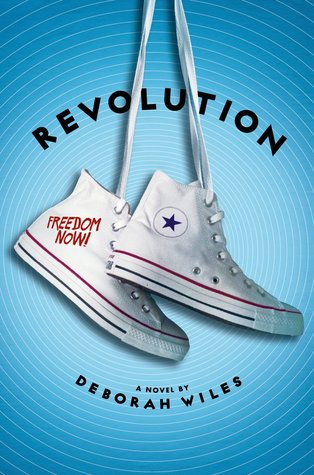
revolution

Revolution
Author: Deborah Wiles
Published May 27th, 2014 by Scholastic Press
538 pages

Goodreads Summary: It’s 1964, and Sunny’s town is being invaded.  Or at least that’s what the adults of Greenwood, Mississippi, are saying. All Sunny knows is that people from up north are coming to help people register to vote.  They’re calling it Freedom Summer.

Meanwhile, Sunny can’t help but feel like her house is being invaded, too.  She has a new stepmother, a new brother, and a new sister crowding her life, giving her little room to breathe.  And things get even trickier when Sunny and her brother are caught sneaking into the local swimming pool — where they bump into a mystery boy whose life is going to become tangled up in theirs.

As she did in her groundbreaking documentary novel Countdown, award-winning author Deborah Wiles uses stories and images to tell the riveting story of a certain time and place — and of kids who, in a world where everyone is choosing sides, must figure out how to stand up for themselves and fight for what’s right.

*A 2014 National Book Award Finalist

Kellee’s Thoughts: What is so amazing about this book is that it doesn’t feel like a big book. Well, it FEELS like a big book because it is heavy and thick, but when you are done reading, it doesn’t feel like you had to trudge through anything. Not once did I feel like there were too many pages. Wiles does an amazing job filling each and every page with important information for the historical context, characterization, or plot development.

Revolution is a perfectly-crafted look at one of the toughest times in American history. What Wiles does is truly delve into the emotions felt during the Freedom Summer and some of the smaller actions that may not have made the history books. One of my favorite things about Wiles’s Sixties Trilogy books is that she includes historical resources throughout the book that truly puts the story in context. The primary sources/stories and other embedded pieces of history really show that the narrative she has created is not truly a work of fiction. It may include fictional characters, but the setting, the feelings, the conflict, the time period, the history–those are all fact.

Revolution couldn’t work without the Sunny and her cast of characters though. This book could have gone terribly wrong if the voice, thoughts, and feelings of our protagonist were not so believable since Wiles was having us learn about such a tumultuous time through the eyes of a child. However, no need to worry about that because Sunny is perfect. She is easy to connect to and seems true. My favorite characters are those around her that push her and help change her: Annabelle, Jo Ellen, and Ray. Annabelle is so patient, truly loves Sunny, and has some of the best lines in the book; Jo Ellen is so head-strong, forward-thinking, and intelligent; and Ray is just crazy but also overwhelmingly brave.

I am part of an informal Twitter book club, and our June read was Revolution. Deborah Wiles even stopped by to chat with us! If you are interested in reading it, I archived it here. Warning: There may be spoilers if you haven’t read the book. Some of my favorite quotes from the chat that truly show the impact of the book are:

“What a brilliant idea Deborah Wiles had with these books–to embed all of the history.” -Carrie Gelson

“Sunny’s story hit my heart.” -Michele Knott

Countdown and Revolution are like…seeing beyond the headlines.” -Cheriee Weichel

“So hard to read how something you think people could do (register) but couldn’t because of effects (lose job, name in paper, etc.)” -Michele Knott

“It took Sunny witnessing the civil unrest to grow up and realize how to accept her own life.” -Kellee Moye

“There is so much about the Civil Rights Movement that seems like it should be easy, but ignorance stops it.” Kellee Moye

“Immerse as much as possible.” -Deborah Wiles, referencing part of her research process

Favorite quote from the book: “Everything is connected. Every choice matters.Every person is vital, valuable, and worthy of respect.” pg. 361

Recommended For: 

classroomlibrarybuttonsmall readaloudbuttonsmall closereadinganalysisbuttonsmall litcirclesbuttonsmall

Ricki

I also plan to tackle Wonderstruck by Brian Selznick, as well, but I am not sure if I will make it by the end of the summer. East of Eden was quite an epic read!

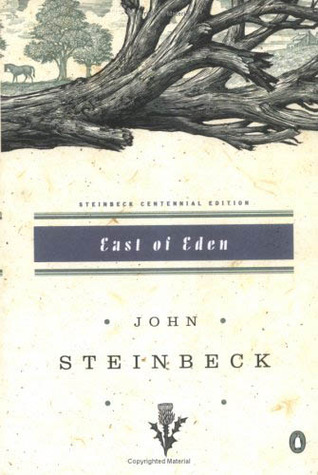
east of eden

East of Eden
Author: John Steinbeck
Published in 1952
601 pages

Goodreads Summary: Set in the rich farmland of California’s Salinas Valley, this sprawling and often brutal novel follows the intertwined destinies of two families—the Trasks and the Hamiltons—whose generations helplessly reenact the fall of Adam and Eve and the poisonous rivalry of Cain and Abel. Here Steinbeck created some of his most memorable characters and explored his most enduring themes: the mystery of identity; the inexplicability of love; and the murderous consequences of love’s absence.

Ricki’s Thoughts: I’ve had this book on my to-be-read list for several years. In fact, I realized I own three identical copies of it, so I have considered reading it for quite some time. I love Of Mice and Men and Grapes of Wrath. In fact, I love the six or so Steinbeck books I’ve read. I’d heard this book was related to the Cain/Abel story, so I never got around to reading it because I thought I knew the ending. As an aside, I didn’t, but even if all of my predictions were accurate, it still would have been well worth the read.

The book consists of several interwoven stories and families. Two good friends (who aren’t avid readers) listened to this book in the car, and they continually urged me to read it. When I finally started, they kept saying, “We know which character you will love.” Sam Hamilton is a good man–a salt of the Earth kind of man. He reminds me of Slim for Of Mice and Men. Essentially, he teaches us what it means to be good to the very hollows of our souls. Another character who will stick with me forever is Cathy. Phew. She is quite a complex character—a sociopath, I would say—and her evilness makes my skin crawl. She is unlike any other character I’ve ever read. I could continue forward and describe more characters, but it feels as if I won’t do them justice.

The story does meander at times, but anyone who appreciates Steinbeck’s work knows that this is, in fact, a positive quality. His stories feel very true to life. We don’t follow plot diagrams. I will never forget reading this book. The story and its characters will stay with me forever. I highly recommend it.

A few great quotes that depict the beauty of Steinbeck’s words:

“I believe a strong woman may be stronger than a man, particularly if she happens to have love in her heart. I guess a loving woman is indestructible.”

“All great and precious things are lonely.”

“I believe that there is one story in the world, and only one. . . . Humans are caught—in their lives, in their thoughts, in their hungers and ambitions, in their avarice and cruelty, and in their kindness and generosity too—in a net of good and evil. . . . There is no other story. A man, after he has brushed off the dust and chips of his life, will have left only the hard, clean questions: Was it good or was it evil? Have I done well—or ill?”

“There’s more beauty in truth, even if it is dreadful beauty.”

Recommended For: 

classroomlibrarybuttonsmall closereadinganalysisbuttonsmall

Thank you to Sue for hosting the challenge and pushing us! 

What big books do you have planned for the summer? You should join in the challenge too!

Signature andRickiSig