Author Guest Post: “What is it Like to be a Dog?” by Dr. John Bradshaw, Author of A First Guide to Dogs: Understanding Your Very Best Friend

Share

“What is it Like to be a Dog?”

My middle-schooler grandkids love their superheroes. Posters of their favorites adorn their bedroom walls, their T-shirts feature costumed crusaders extolling their superpowers. Yet few parents realize that the family dog has his or her own set of superpowers, not so flashy as those of their two-legged fictional counterparts, but, in their own way, just as enthralling. If only more people would take the time to wonder, “what is it like to be a dog?” (or, indeed, any other animal).

Imaginary worlds are the very stuff of childhood, and nowadays we have the knowledge to stretch children’s imaginations to include the worlds of animals as well as humans and their ilk. Over the past hundred years or so, science has revealed just how many differences there are between reality as we know it, and the many parallel but distinctive realities inhabited by other animals. The family dog is probably the most accessible example, but any animal could serve, whether the family cat, a small furry, or even a bird perched on a wire outside an apartment window. Any one of these could lead to valuable insights into how the animals around us live in their own worlds.

Dogs make great subjects for such flights of fancy, and not only because they’re so familiar to us. Their version of the family home overlaps with ours a lot – otherwise we’d find them difficult to live with, and vice versa – but there are also many intriguing differences that I reveal in my book for middle-graders, “A First Guide To Dogs”. Dogs can hear high-pitched sounds that we can’t, they’re red-green color-blind and permanently long-sighted, their sense of smell is thousands of times better than ours, and they have a whole other “nose” that sits between their actual nose and the roof of their mouths, that helps them to decode – and perhaps store – the individual smells of other dogs. Indeed, dogs’ social lives revolve around these smells, hence the care with which they choose a place to pee, and their obsession with sniffing underneath each other’s tails.

It’s not only the physical world that must seem different to a dog. Their minds work differently too, even though their brains are laid out in a similar way to ours. Scientists are still arguing about whether dogs are aware of themselves to the same extent that we are (probably not so much), but we are now sure that their sense of time is different to ours. Dogs live much more in the here-and-now than we do, having only a limited perception of the past and even less of a grasp of the future. This has profound implications for the way they interpret our actions. Most pertinently, they seem unable to understand that whenever we leave the home, they should expect us to return. Left home alone, many dogs fear they have been abandoned for good, raising their stress levels sky-high. A simple training regime can overcome this, but too few owners understand the necessity.

Dogs’ lives can also provide great lessons for thinking about what “well-being” really means. Hold on, surely everyone loves their dog, right? But that’s no guarantee that dogs will always get the happiness they deserve. The problems come when dogs get treated as if they were just little people, not animals with their own priorities. How would middle-schoolers feel if their parents ripped their screens out of their hands every time they saw a message from a friend? Yet that’s exactly what dogs must experience when they’re yanked away from every interesting smell by the leash tightening around their neck.

Dogs – and other animals – can provide a springboard for amazing journeys into other worlds, now that science has given us so much insight into their minds and how they interpret their surroundings. Thinking about dogs, especially, can give us a close-to-home stimulus for the imagination, whether the focus of the class is science, or ethics, even creative writing.
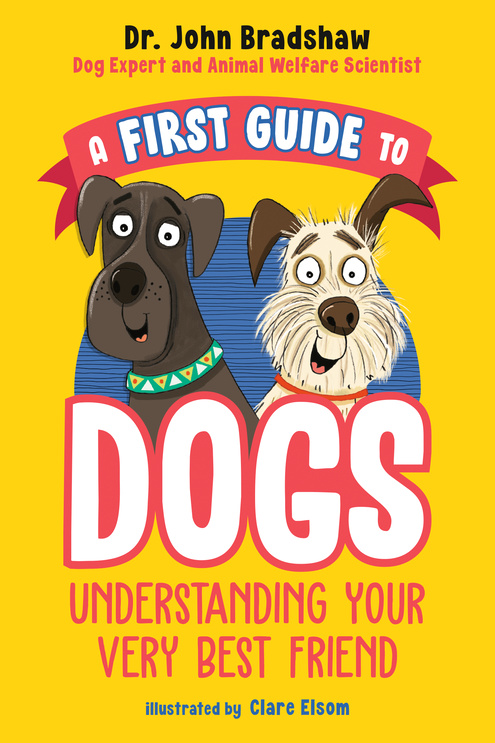
Published June 13th, 2023 by Penguin Workshop

About the Book: Featuring fun illustrations (by Clare Elsom) and easy how-tos from animal expert Dr. John Bradshaw!

Uncovering the secret lives of pets, Dr. John Bradshaw invites young readers to learn more about their closest companions: their dogs! Told from the point of view of Rusty the Terrier, this lively, illustrated book gives kids a front-seat view to the everyday lives of dogs, sharing lessons and growing children into the best pet owners they can be.

 “Perceptive and engaging—essential reading for anyone seeking greater understanding of their four-legged best friends.” — Kirkus, starred review

About the Author: John Bradshaw is the director of the Anthrozoology Institute at the University of Bristol in the U.K. He has studied the behavior of domestic cats and dogs for more than 25 years.

Thank you, John, for this fun look into the minds of dogs!

Student Voices: “The Issue with Banning Books” by Toby B., 8th Grade

Share

“The Issue with Banning Books” by Toby Briggs, 2022-23 8th Grader

Banning books is an argument that has been going on for years and years. Over two thousand years actually. This argument is an argument on whether certain books are suitable for children. Books with LGBTQ+ representation, magic, racism, and slurs are typically the victim of this act. Some of these books are The Hate You Give (by Angie Thomas),Melissa (by Alex Gino), Gender queer: a memoir (by Maia Kobabe), Maus (by Art Spigelman), and The Diary of Anne Frank. This is only a small example of banned books today in America. The reason books are banned and challenged is to limit thinking and to censor beliefs that other people do not support. Books help children develop empathy and to open themselves up to people, places, cultures, and world views. Banning these books could narrow down how these kids think and respect other people.The act of banning books is the top example of American censorship. People fear that the contents of a book would sway a child to follow suit in violent acts or sexual activities. This act is violating first amendment rights as an American citizen to have free speech. 

Reading is supposed to teach and inspire people as well as encouraging to think about what is around you. With the recent acts of trying to ban these books it is clear that state officials want to eradicate thinking that is different from their own beliefs. They want to hide away books that can encourage people to question everything around them or books that encourage people to be themselves. They want to eradicate a generation of thinkers and supportive people. They want to eradicate anything that is outside of what they deem the correct way. 

The category with the highest percentage of books banned are novels. While the lowest percentage is textbooks. No matter what type of category a book fits in to it is not free from being banned. 4.28% of religious texts are banned. That is more than poetry books are manuals. No matter what kind of book type it is if it does not fit in the agenda of state officials it is banned. 41% of books with LGBTQ+ representation are banned. 40% of books with a person of color being the main character are banned. 

The main argument that pro book banning bring up when talking about banned books is it’s for the children. We are doing this to protect the welfare of children. Banning books about people different from a child is not protecting children it is censoring amazing books with representation on minorities, past occurrences of our history, and books that have racist ideas or violent actions. I am not saying a 5 year old should read a young adult book but i am saying books with people of color and people apart of the LGBTQ+ need to be represented to young children so that it can help teach them important lesson on people that are different from them and how to respect those people. A study that was done in 2014 by Christopher J. Fergason shows how reading banned books can be good for kids. People believe that if a kid that is exposed to a book with violent or sexual content that a kid would try something along those lines. However that is not always the case. Reading banned books can increase they’re awareness of civic awareness and engagement. The study by Fergason shows this and how reading can provide ethical development in children.

I believe every parent has a right to not let they’re child read a book they believe is unsuitable for their age. However, I do not believe that people should ban books just because you don’t find it appropriate. Most of the books on the banned books list are books people believe are unsuitable for children. Some of those books have amazing messages and representation for children. But they are banned because people believe kids shouldn’t read them. Books with people like me living their truth are banned because of someone else’s opinions. Books with minorities who just want to be represented being stripped of that right. 

I am  a young reader who has been reading since kindergarten. I have learned most of what i know from the books I have read. I am also a part of the LGBTQ+ community. I have read books upon books with representation of people and kids who are like me and there is nothing better than reading a book that makes you feel like you can belong. Books that make you feel like your any other kid. However most of these books are banned due to pro book banning. I want people to be able to hear my voice, to hear what I have to say about banning books with representation on people like me. The act of banning books is stripping away representation of people like me and other minorities from books. People need to know what people have gone through but also who they are now. Books have made me feel accepted when I believe no one else would accept me. Books are my escape from everything that is wrong with the world. Please don’t ban books with representation we need those books. 

Banning books has no outcome other than to stop a generation from growing up to be thinkers and being kind. Banning books is hiding away multiple generations of books with messages of our history as well as messages of being kind and curious. The act of banning books does not help anyone other than the people who want to ban them. It helps no one but themselves. We need representation in books and banning those books aren’t going to help. This is why I believe there is a massive issue with banning books. Nothing good comes from it.

Thank you so much to Toby for sharing their voice today and their outlook on the banning of books.

Peaceful Me and Angry Me by Sandra V. Feder, Illustrated by Rahele Jomepour Bell

Share

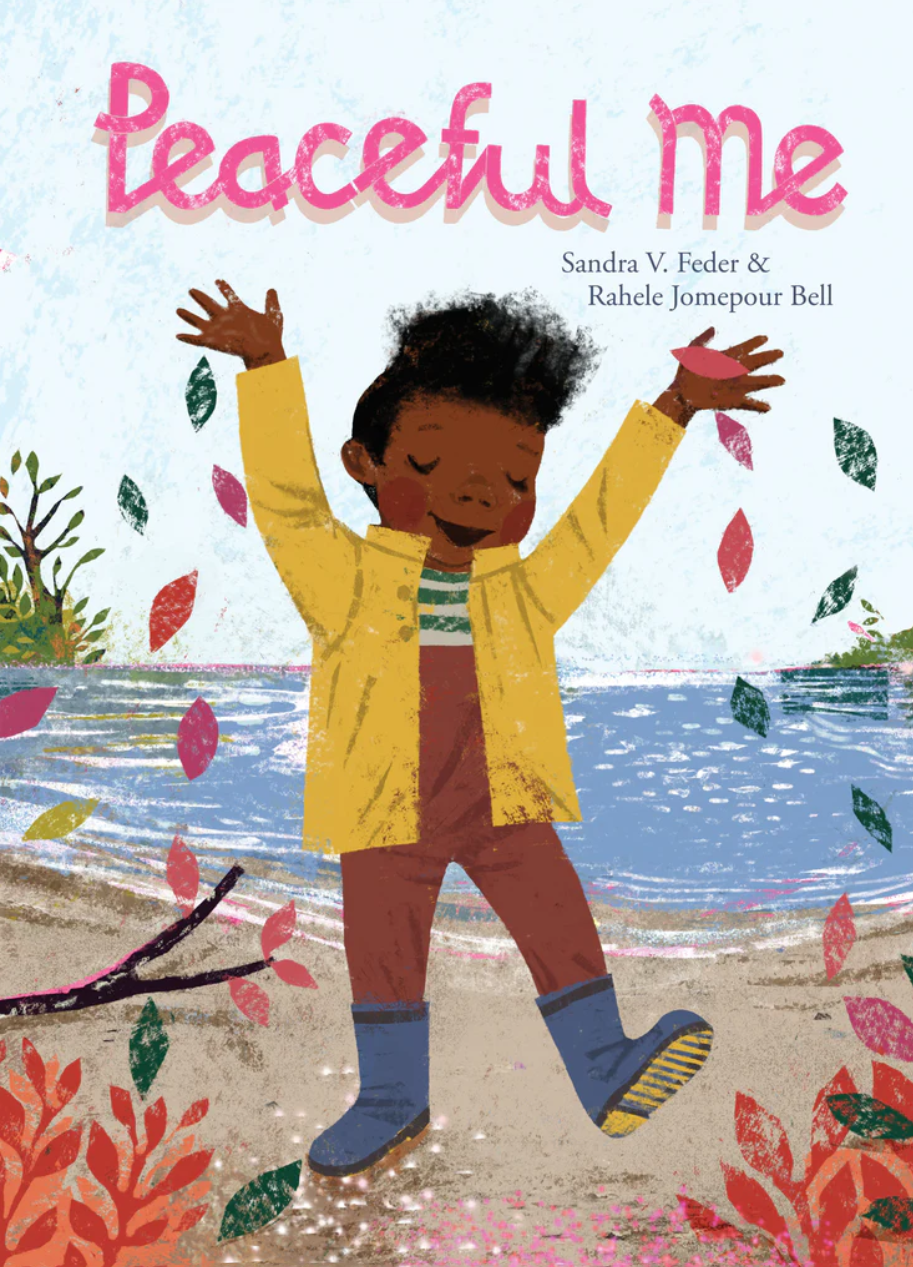
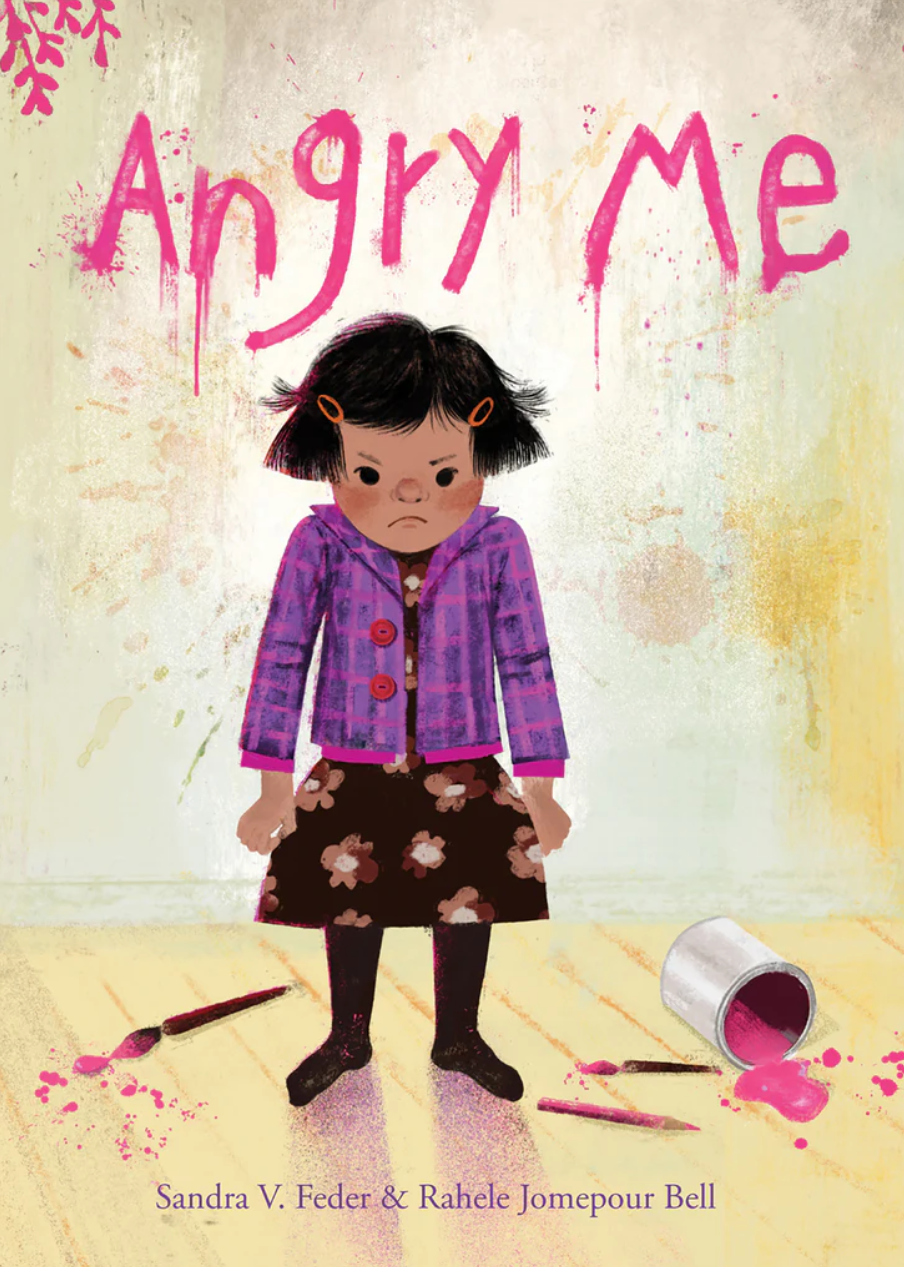
Peaceful Me       &        Angry Me
Author: Sandra V. Feder
Illustrator: Rahele Jomepour Bell
Published May 2nd, 2023 & May 1st, 2022 by Groundwood Books

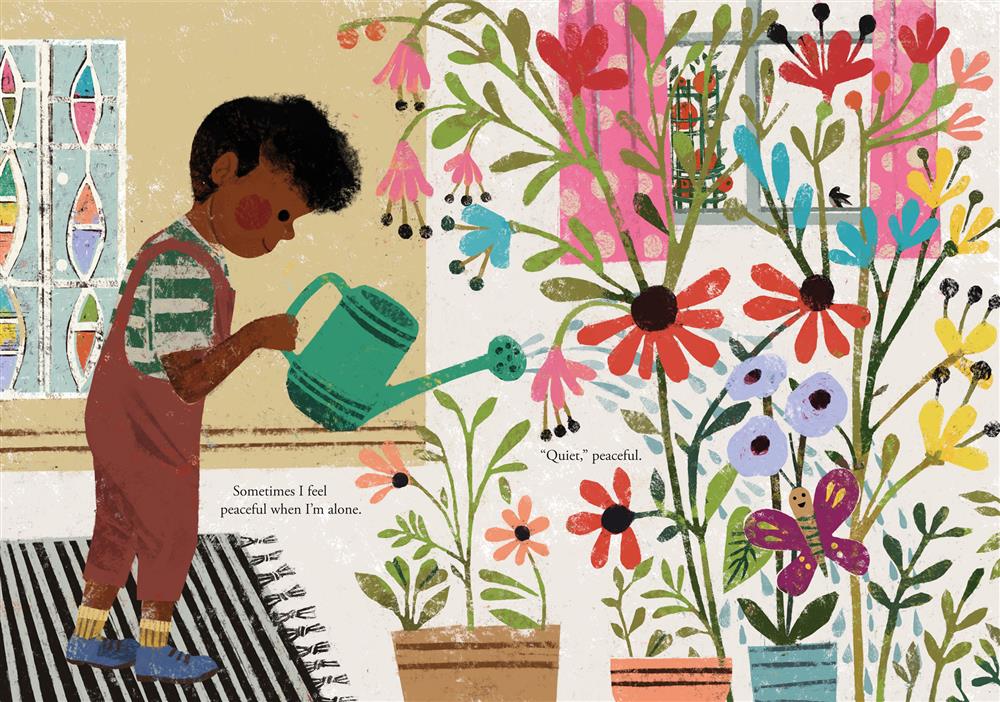
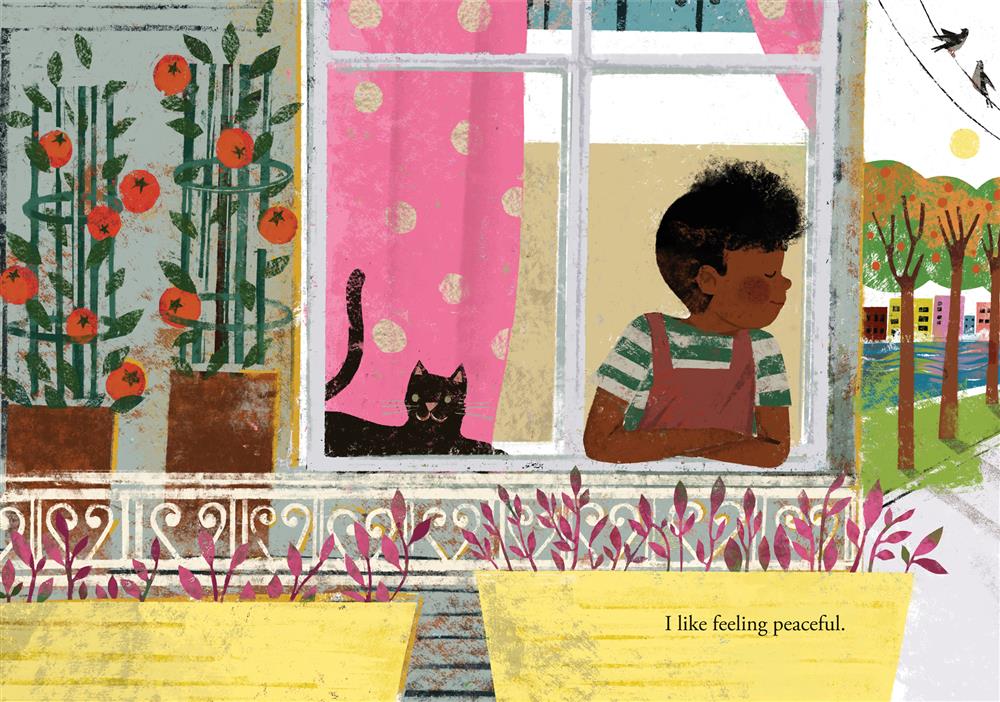
Peaceful Me Summary: A young child tells us about the different times when he feels peaceful, as well as how he copes when he needs to find a peaceful state again.

Acclaimed picture-book creators Sandra V. Feder and Rahele Jomepour Bell have teamed up once again to create a thoughtful and beautifully illustrated exploration of peacefulness.

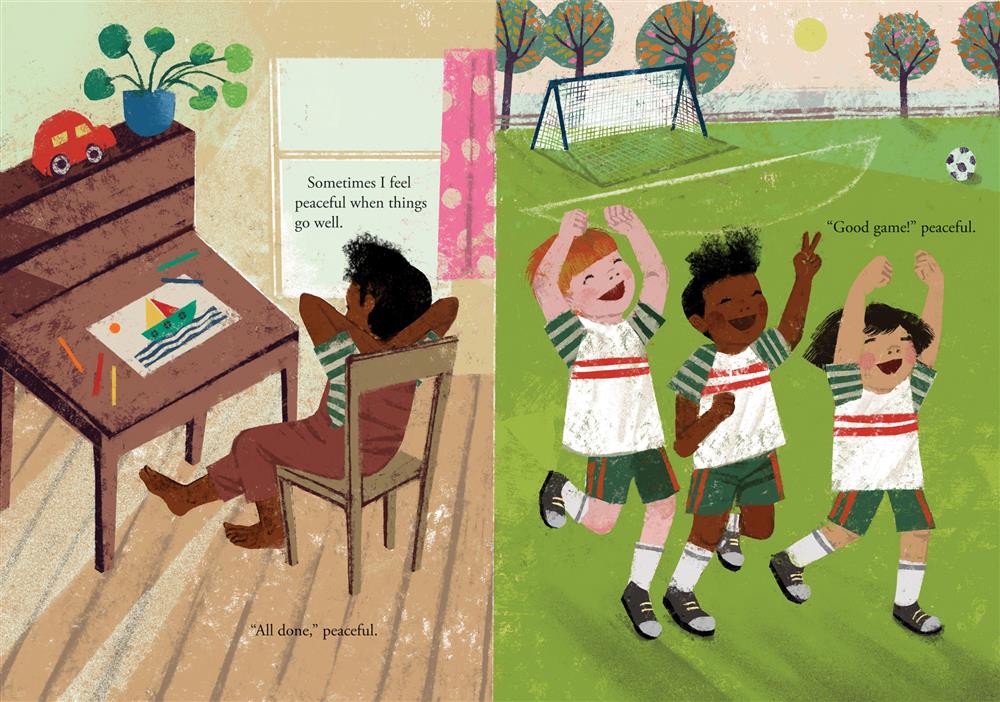
“I like feeling peaceful,” the young narrator tells us, then describes the times when he is filled with this emotion. When he is playing with a friend, he feels “free peaceful”; when he is having family dinner, “yummy peaceful”; when he is outside gazing up at the sky, “fluffy clouds peaceful”. But, of course, he doesn’t always feel peaceful, and we hear about his strategies for coping during those times, such as taking deep breaths, imagining his favorite things, and finding a quiet refuge or a hug.

Peaceful Me is the perfect companion to Angry Me — together, they encourage readers to let anger come and go, while inviting peace to come and stay.

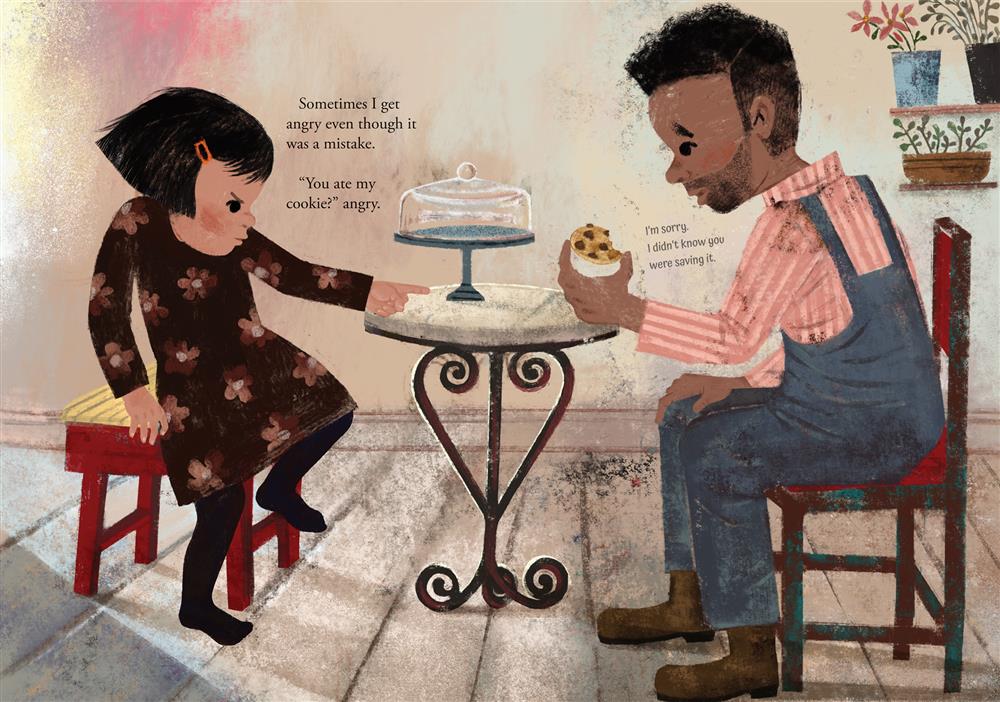
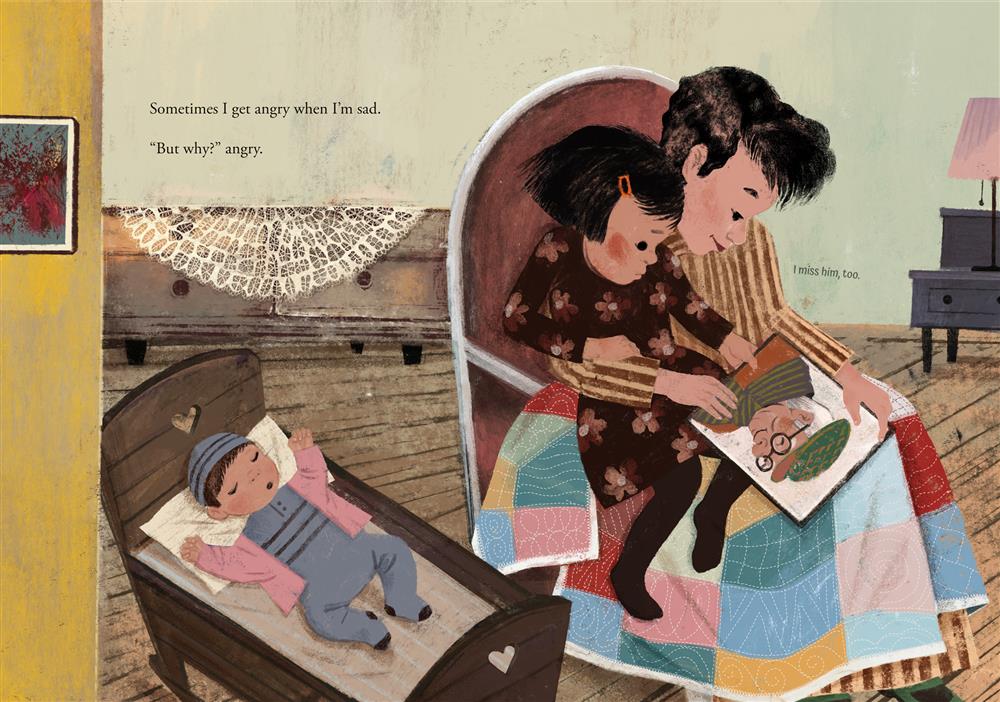
Angry Me Summary: A young child tells us what makes her angry and how she tries to let the anger come and go. An artful starting point for conversations about strong feelings.

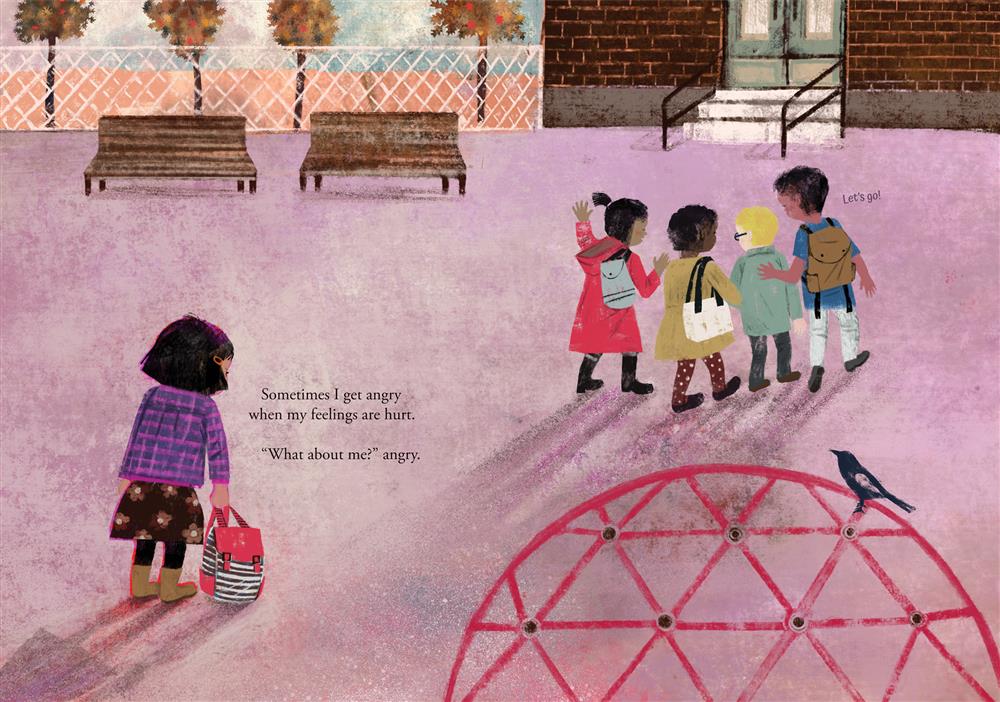
“I get angry,” says a little girl, looking fiercely in the mirror. Sometimes she gets angry when someone is mean and tries to take her toy away, when it feels unfair that there’s not enough time to go swimming, when she’s tired and just wants to go home, or when the kids at school leave her out, hurting her feelings.

When she’s angry, she tries to remember to use her words — even though that doesn’t always work. Sometimes she can’t find the right words, or the words don’t come out the way she intends. But sometimes words do help, and when her anger melts away a new feeling can blossom.

Sandra Feder’s cleverly constructed text presents different situations in which a child might feel angry, creating a nuanced look at anger and its many underlying emotions. Rahele Jomepour Bell’s illustrations show a loveable, angry little girl, brimming with personality, who learns how to express herself as she moves through her feelings.

Praise for Angry Me: 

A valuable tool for teaching children the important skill of recognizing and naming feelings.” —Kirkus Reviews

A fresh addition to teeming ‘anger management’ shelves.” —Booklist

Artfully captures the nuances of anger. STARRED REVIEW” —Shelf Awareness

An effective springboard for discussing a topic that may be hard for young children to verbalize.” —School Library Connection

About the Creators: 

SANDRA V. FEDER is the author of three acclaimed picture books: Angry Me, illustrated by Rahele Jomepour Bell; Bitter and Sweet, illustrated by Kyrsten Brooker, a PJ Library selection; and The Moon Inside, illustrated by Aimée Sicuro, which has been translated into multiple languages. She has also written the Daisy series of early chapter books, illustrated by Susan Mitchell. Sandra lives in California.

RAHELE JOMEPOUR BELL’s charming illustrations have appeared in Angry Me by Sandra V. Feder, The Treasure Box by Dave J. Keane and Our Favorite Day of the Year by A. E. Ali (Kirkus Best Picture Books of the Year), among others. She has also published seven picture books in Iran and has received a number of awards and honors for her work.

Review: These are such important books! Children become better adults when they can learn to name and deal with the actual feelings they are feeling, and these texts start this process. These books would be perfect to use at the beginning of the year to talk about emotional regulation and how conflicts will be resolved in the classroom. I also think that parents will benefit from these texts to discussion emotions, as will therapists and counselors. They are so multifaceted!

What made these books even more special were the way that the text does one purpose and then the illustrations add a whole other element to the book. I would love to see these books used not only with a social emotional learning purpose, but also use the illustrations to tie in narrative and creative writing elements. Students can take what they learn in the illustrations and write a whole other story!

Teachers’ Tools for Navigation (from the publisher): 

  • Key Text Features:
    • explanation
    • illustrations
    • vignettes
  • Correlates to the Common Core State Standards in English Language Arts:
    • CCSS.ELA-LITERACY.RL.K.7 With prompting and support, describe the relationship between illustrations and the story in which they appear (e.g., what moment in a story an illustration depicts).
    • CCSS.ELA-LITERACY.RL.1.2 Retell stories, including key details, and demonstrate understanding of their central message or lesson.
    • CCSS.ELA-LITERACY.RL.1.4 Identify words and phrases in stories or poems that suggest feelings or appeal to the senses.
    • CCSS.ELA-LITERACY.RL.1.7 Use illustrations and details in a story to describe its characters, setting, or events.

Discussion Questions: 

  • When do you feel peaceful? Angry?
  • What is your favorite time you feel peaceful?
  • How do you deal with feeling angry? What can you do to turn from angry to peaceful?
  • Is it better to talk about your feelings or hold them in?
  • How does talking about your feelings help you process?
  • How do the illustrations of Peaceful Me and Angry Me help you with understanding the book better? How do they support the message of the book(s)?
  • What is the main theme of Peaceful MeAngry Me?

Flagged Passages: 

Peaceful Me

Angry Me

Read This If You Love: Jory John’s & Pete Oswald’s Food Group Books; Sunny and Oswaldo by Nicole Melleby, Illustrated by Alexandra Colombo; Invisible Things by Andy J. Pizza, Illustrated by Sophie Miller; I Don’t Care by Julie Fogliano & Molly Idle, Illustrated by Juana Martinez Neal; In the Blue by Erin Hourigan; Harold the Iceberg Melts Down by Lisa Wyzlic, Illustrated by Rebecca Syracus

Recommended For: 

classroomlibrarybuttonsmall 

Signature

**Thank you to Nicole Banholzer PR for providing copies for review!**

It’s Monday! What Are You Reading? #IMWAYR 6/19/23

Share

It’s Monday! What Are You Reading?
Sharing Picture Books, Early Readers, Middle Grade Books, and Young Adult Books for All Ages!

It’s Monday! What Are You Reading? is a weekly blog hop co-hosted by Unleashing Readers and Teach Mentor Texts which focuses on sharing books marketed for children and young adults. It offers opportunities to share and recommend books with each other.

The original IMWAYR, with an adult literature focus, was started by Sheila at Book Journeys and is now hosted by Kathryn at The Book Date.

We encourage you to write your own post sharing what you’re reading, link up below, leave a comment, and support other IMWAYR bloggers by visiting and commenting on at least three of the other linked blogs.

Happy reading!

Bold_line

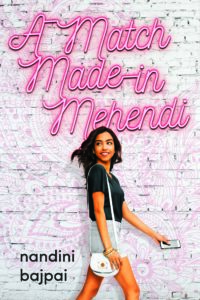
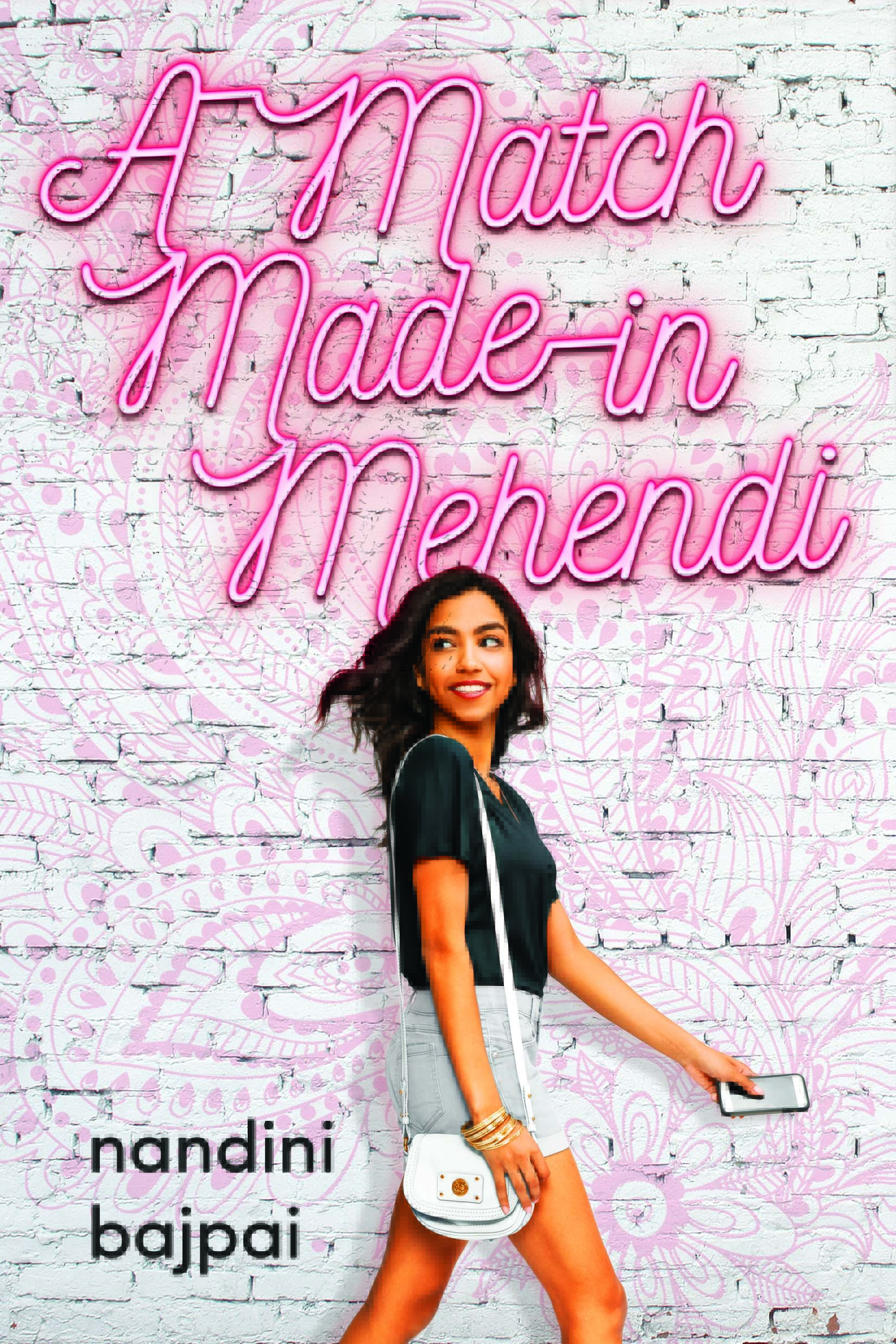
Tuesday: Educators’ Guide for A Match Made in Mehendi by Nandini Bajpai

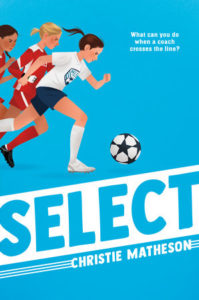
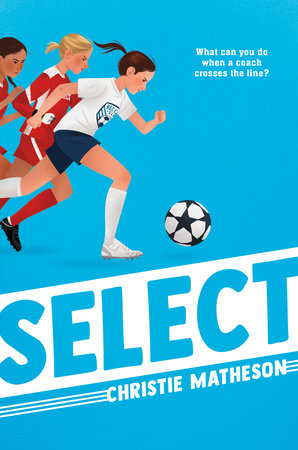
Sunday: Author Guest Post: “Notice What You Feel” by Christie Matheson, Author of Select

**Click on any picture/link to view the post**

Bold_line

Kellee

Hi! It is my week off. To learn more about what I’ve been reading, check out my read bookshelf on Goodreads.

Ricki

Hi, all! I am running a teachers of color program for the next two weeks, so I will return with more book recommendations in two weeks!

Bold_line

Tuesday: Peaceful Me and Angry Me by Sandra V. Feder and Rahele Jomepour Bell

Friday: Student Voices: “The Issue with Banning Books” from Toby B., 8th Grader

Sunday: Author Guest Post: “What is it Like to be a Dog?” by Dr. John Bradshaw, Author of A First Guide to Dogs: Understanding Your Very Best Friend

Bold_line

Link up below and go check out what everyone else is reading. Please support other bloggers by viewing and commenting on at least 3 other blogs. If you tweet about your Monday post, tag the tweet with #IMWAYR!

 Signature andRickiSig

Author Guest Post: “Notice What You Feel” by Christie Matheson, Author of Select

Share

“Notice What You Feel”

There’s a short scene in my book Select during which the main character, Alex, notices a woman across a crowded city street running to catch a bus. She’s carrying heavy bags and moving as fast as she can. A man waiting at the bus stop sees her, and Alex assumes he will alert the bus driver so the bus can wait a few seconds for her to get on. But the man doesn’t do that, and the bus speeds away, leaving the woman alone and distressed on the sidewalk.

Alex feels sad and frustrated that she couldn’t do anything to help—and that the man chose not to help when he could have. She pays attention to her feelings, and thinks about the people in this world who choose to help when they can, and those who choose not to help.

This scene was inspired by reality. Not too long before I wrote that scene, I saw this exact thing happen from a distance. It made my heart hurt for the woman who was left on the sidewalk with her heavy bags. I wished I could have done something to help. And as soon as I had the chance, I wrote about it quickly in my notebook and later wrote the scene. Is it critical to the plot of the book? No, not really. Does it help us understand how Alex sees people and the world? I hope so.

Every day, we will witness and experience things that make us feel something. It might be sadness, or a glimmer of joy, or full-blown excitement, or a sense of unexpected calm. It might happen while we are out and about, or at home, or while reading. When we are struck by noticeable feelings, I think it’s important that we take the time to notice them. Pay attention to them. Wonder about them. (What was it that caused the feeling? Why?) Feel them fully. And maybe write about them.

Noticing our feelings and what sparks them can help us be more present and aware of what’s happening in the world, and possibly deepen our understanding of ourselves and others.

It can also help us to think more clearly about books. After reading a chapter or a whole book, we can ask ourselves: Which scenes made me feel something? What did they make me feel? Why? Do I want to read more books that make me feel this way?

And finally, if you write down the tiny details of something you saw or experienced, and how it made you feel, that just might go into a book you write!

Published May 9th, 2023 by Random House Books for Young Readers

About the Book: One girl and her soccer team take a stand against the bullies who push them too far in this brave, inspiring novel that celebrates girl power and the true spirit of sports. Perfect for readers who love The Crossover and Fighting Words.

“A tale of terrific girl power and athleticism.” —Kirkus Reviews

Twelve-year-old Alex loves playing soccer, and she’s good at it, too. Very good. When her skills land her a free ride to play for Select, an elite soccer club, it feels like a huge opportunity. Joining Select could be the key to a college scholarship and a bright future—one that Alex’s family can’t promise her.

But as the team gets better and better, her new coach pushes the players harder and harder, until soccer starts to feel more like punishment than fun. And then there comes a point where enough is enough, and Alex and her teammates must take a stand to find a better way to make their soccer dreams come true.

Powerful and inspiring, Select explores the important difference between positive and negative coaching and celebrates the true spirit of sports.

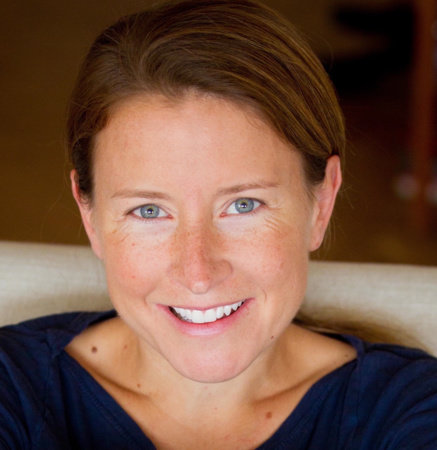
About the Author: Christie Matheson is the author of Shelter and is also the author-illustrator of many picture books, including Tap the Magic TreeTouch the Brightest Star, and Bird Watch. She lives in San Francisco with her family.

Thank you, Christie, for this wonderful writing tip!

Educators’ Guide for A Match Made in Mehendi by Nandini Bajpai

Share

A Match Made in Mehendi
Author: Nandini Bajpai
Published: September 10th, 2019 by Little, Brown Books for Young Readers

Summary: Fifteen-year-old Simran “Simi” Sangha comes from a long line of Indian vichole-matchmakers-with a rich history for helping parents find good matches for their grown children. When Simi accidentally sets up her cousin and a soon-to-be lawyer, her family is thrilled that she has the “gift.”

But Simi is an artist, and she doesn’t want to have anything to do with relationships, helicopter parents, and family drama. That is, until she realizes this might be just the thing to improve her and her best friend Noah’s social status. Armed with her family’s ancient guide to finding love, Simi starts a matchmaking service-via an app, of course.

But when she helps connect a wallflower of a girl with the star of the boys’ soccer team, she turns the high school hierarchy topsy-turvy, soon making herself public enemy number one.

Teachers’ Tools for Navigation and Discussion Questions: 

Please view and enjoy the educators’ guide I created for Cake Creative Kitchen:

You can also access the educators’ guide here.

You can learn more about A Match Made in Mehendi by visiting Cake Creative Kitchen’s Library.

Recommended For: 

readaloudbuttonsmall classroomlibrarybuttonsmall litcirclesbuttonsmall closereadinganalysisbuttonsmall

Kellee Signature

It’s Monday! What Are You Reading? #IMWAYR 6/12/23

Share

It’s Monday! What Are You Reading?
Sharing Picture Books, Early Readers, Middle Grade Books, and Young Adult Books for All Ages!

It’s Monday! What Are You Reading? is a weekly blog hop co-hosted by Unleashing Readers and Teach Mentor Texts which focuses on sharing books marketed for children and young adults. It offers opportunities to share and recommend books with each other.

The original IMWAYR, with an adult literature focus, was started by Sheila at Book Journeys and is now hosted by Kathryn at The Book Date.

We encourage you to write your own post sharing what you’re reading, link up below, leave a comment, and support other IMWAYR bloggers by visiting and commenting on at least three of the other linked blogs.

Happy reading!

Bold_line

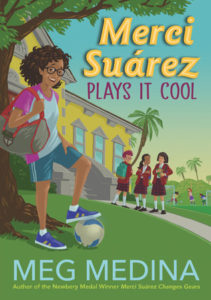
Tuesday: Discussion Guide for Merci Suárez Plays it Cool by Merci Suarez

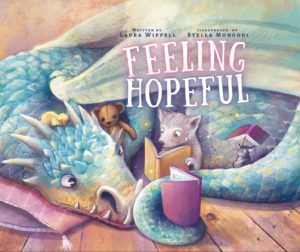
Sunday: Author Guest Post: “Big Ideas: Ways of Making Abstract Concepts More Tangible for Students” by Laura Wippell, Author of Feeling Hopeful

**Click on any picture/link to view the post**

Bold_line

Kellee

Hello 👋 It is my week; however, I am traveling home from the Future Problem Solvers International Competition (on Sunday, 6/11), so I won’t be able to get this post up. I will definitely update you all on my reading in my next post on June 26th!

(Also, this week is my birthday week!!! 🎉)

To learn more about what I’ve been reading, check out my read bookshelf on Goodreads.

Ricki

This is my week off–see you next week!

Bold_line

Tuesday: Educators’ Guide for A Match Made in Mehendi by Nandini Bajpai

Sunday: Author Guest Post: “Notice What You Feel” by Christie Matheson, Author of Select

Bold_line

Link up below and go check out what everyone else is reading. Please support other bloggers by viewing and commenting on at least 3 other blogs. If you tweet about your Monday post, tag the tweet with #IMWAYR!

 Signature andRickiSig