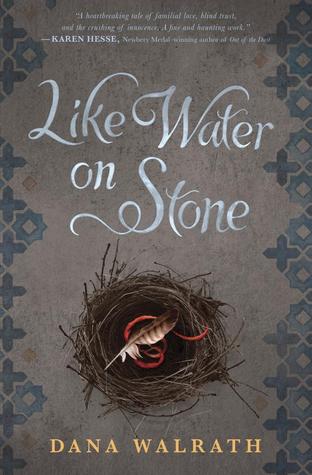
Like Water on Stone by Dana Walrath

Share

like water on stone

Like Water on Stone
Author: Dana Walrath
Published: November 11th, 2014 by Delacorte Press

Summary: Blending magical realism and lyrical free verse, this is an intense survival story of three siblings caught up in the horrific events of the Armenian genocide of 1915.

It is 1914, and the Ottoman Empire is crumbling into violence.

Beyond Anatolia, in the Armenian Highlands, Shahen Donabedian dreams of going to New York. Sosi, his twin sister, never wants to leave her home, especially now that she is in love. At first, only Papa, who counts Turks and Kurds among his closest friends, stands in Shahen’s way. But when the Ottoman pashas set their plans to eliminate all Armenians in motion, neither twin has a choice.

After a horrifying attack leaves them orphaned, Shahen and Sosi flee into the mountains, carrying their little sister, Mariam. Shahen keeps their parents’ fate a secret from his sisters. But the children are not alone. An eagle named Ardziv watches over them as they run at night and hide each day, making their way across mountain ridges and rivers red with blood.

Review: This is a beautiful book in verse that is set in the Ottoman Empire during the 1910s. It blends genres of magical realism and historical fiction. The point of view alternates with each poem, so I came to understand the differing perspectives of the family depicted in the text. The horrific genocide against Armenians is not common in literature, and this text sheds light on a time period that should be depicted more often. The strength of the children in this book will be inspirational to readers.

Teacher’s Tools for Navigation: I would recommend using this book as a literature circle text. Each group could be assigned a text that depicts a different genocide. This would provide rich opportunities to discuss parallels and differences across texts. Then, teachers might consider having students examine both historical and modern genocide. This might involve critical conversations about how we might work to promote social justice. They might even critique conceptions of social justice, such as slacktivism.

Discussion Questions: What does this story teach us about humanity?; How might a feminist read this text? What issues of gender emerge? Is this acceptable due to the historical setting of the text?

We Flagged:

“Hate makes jagged spikes of light,

and blame can crack the sky.

As pierced with wounds

from sharp white teeth,

the Ottoman air had ruptured.

Massacres would come again

as the drum-capped rulers

spread their hate” (p. 17-18).

Read This If You Loved: Tree Girl by Ben Mikaelsen; Audacity by Melanie Crowder; Requiem: Poems of the Terezin Ghetto by Paul B. Janeczko; Between Shades of Gray by Ruta Sepetys; Night by Elie Wiesel; A Long Way Gone by Ishmael Beah

Recommended For:

closereadinganalysisbuttonsmall litcirclesbuttonsmall classroomlibrarybuttonsmall

RickiSig

Review and Author Interview!: Ebola: Fears and Facts by Patricia Newman

Share

NFPB2015

Nonfiction Picture Book Wednesday

Nonfiction Picture Book Wednesday is hosted by Kid Lit Frenzy and was started to help promote the reading of nonfiction texts. Most Wednesdays, we will be participating and will review a nonfiction text (though it may not always be a picture book).
Be sure to visit Kid Lit Frenzy and see what other nonfiction books are shared this week!

ebola

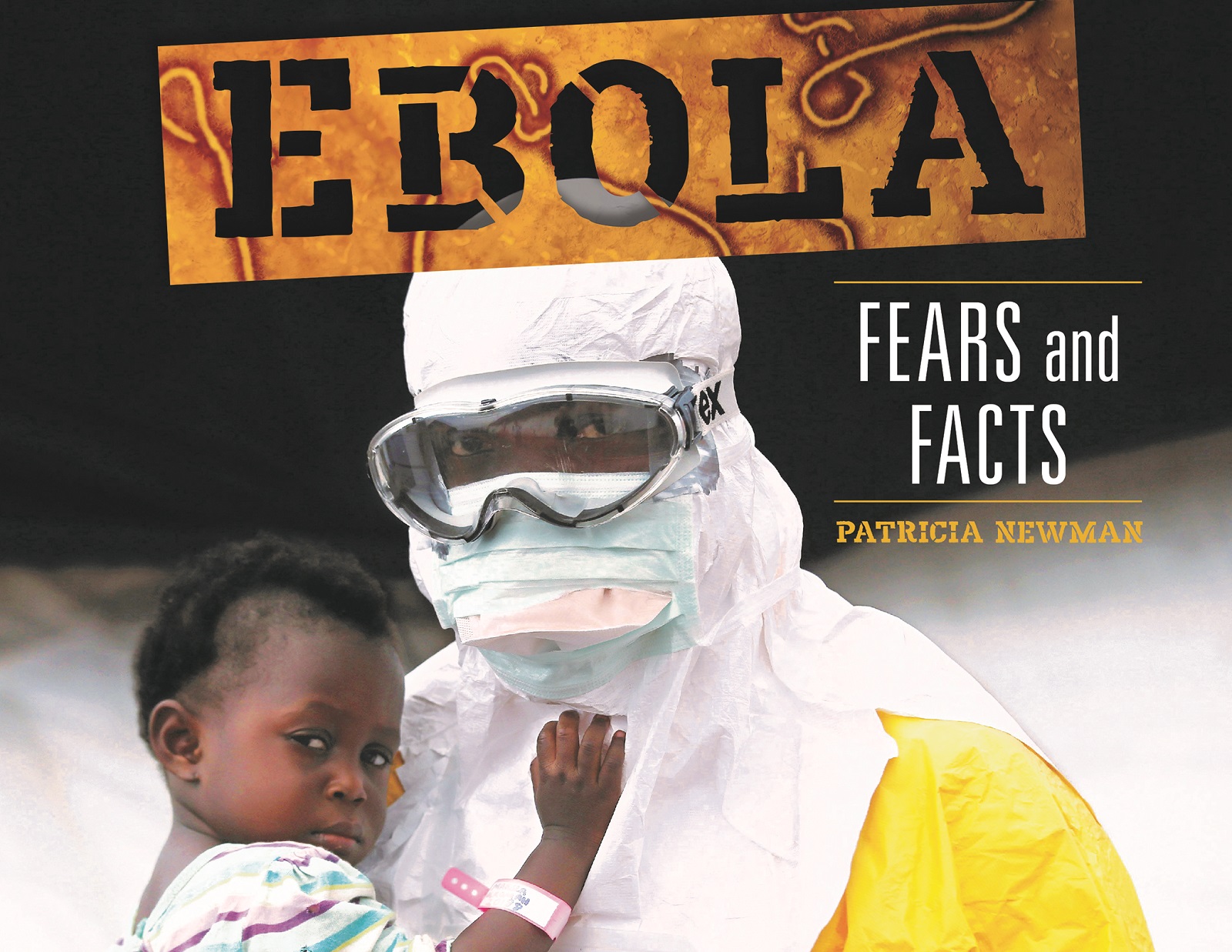
Ebola: Fears and Facts
Author: Patricia Newman
Expected Published October 28th, 2015 by Lerner Publishing Group

Goodreads Summary: Ebola is a deadly contagious disease. From 1975 to 2013, it killed about 1,500 people. But a 2014 epidemic killed more than six times that number. At first the outbreak was contained to one country. But soon it spread to two others―the virus was on the move, and people were scared. When two American healthcare workers became infected and were sent to the United States for treatment, many people feared a pandemic―an outbreak that would spread all over the world. Could it happen?

Ebola: Fears and Facts takes you behind the sensational headlines to address questions and concerns about the virus. Learn about the history of the disease, its symptoms, and how it spreads. Find out how the 2014 epidemic compares to past Ebola outbreaks, as well as to outbreaks of other infectious diseases. With a question-and-answer section and reference maps, Ebola: Fears and Facts will help you to better understand this most-feared disease.

My Review: The Ebola epidemic of 2014 caused pure panic around the world. Because of the 24-hour news coverage of the disease as it entered the U.S, Ebola became a hot topic; however, there was so much misconception about the disease. As a teacher during the epidemic, I saw how scared students were of the disease and how little they knew about it. The text is a wonderful resource to help kids learn about the disease.

Teachers’ Tools for Navigation: Patricia Newman’s middle grade nonfiction texts are a necessity for middle school classrooms. They teach the reader so much about the topic though do so in an interesting way to keep the readers’ attention. They are also about important topics that kids can make a difference by learning about. Her books, including Ebola, need to be available to students.

I really like how the book is set up. It begins with the history then goes into the way Ebola works and finally looks at the 2014 outbreak and how Ebola could possibly be conquered. It allows readers to navigate to the section they want or build up their knowledge from beginning to end.

Discussion Questions: What did you learn about Ebola that you didn’t know before reading?; What is the difference between Ebola and diseases like the measles?; How did the Ebola virus begin?; How is the Ebola virus a threat to apes in Africa?

“Truth or Hype?…The next time you come across a story about Ebola–or any topic–ask yourself the following questions. 1. What does the storyteller want us to remember? 2. How might different people understand the story? 3. Does the storyteller present facts or opinions? How do we know? What words are used? Does the storyteller quote scientific or eyewitness sources? 4. What action does the storyteller want us to take? 5. Do our emotions influence the way we evaluate the story?” (p. 35)

Author Interview: Thank you to Patricia for answering some of my questions!

What research did you do when writing Ebola? 

I visited East Africa several years ago, so I had a general sense of the landscape, the bush, the people, the cadence of their speech. But the crowded cities and steamy jungles of West Africa are different than the wide open savannas of the east. Of course, I needed to learn about the physiology of the disease, but I also wanted to know where in the jungle it came from and how it affected all aspects of peoples’ lives.

I interviewed a CDC epidemiologist who’d just returned from Liberia; read books by David Quammen and Peter Piot; deciphered scientific studies in journals such as the New England Journal of Medicine and Vector Borne and Zoonotic Diseases; scoured the CDC, WHO and MSF websites for case counts and anecdotal information; and read every news story (or watched every video) I could get my hands on. I also interviewed a nurse at a Sacramento hospital near my home who specializes in speaking to children about serious illnesses. Her compassion and common sense were tremendously helpful. A small fraction of my sources are listed in the back of the book.

My nurse-source also gave me a full set of Ebola protective gear. I share it with students at school visits and talk to them about how health-care professionals put it on and take it off.

Why did you decide to research and write about Ebola?

My editor, Carol Hinz, came to me in November 2014 with the idea. Millbrook Press wanted to publish a book about the 2014 epidemic, and thought I was the person to do it. I was flattered by their faith in me and overjoyed with the way they handled Plastic, Ahoy! Investigating the Great Pacific Garbage Patch, so I said yes. Carol and I learned a lot from this book. Because the deadline was so tight (my final manuscript was due February 1, 2015) we developed the outline together. Before we went to press, we revised or otherwise massaged every line in the book, always working to stay abreast of current reports. At one point I added several hundred words because of planned vaccine trials and Ebola survivors. Thank goodness Millbrook paid for a fact checker because the editing process became more and more chaotic. For example at one point in April, I gave an all-day writing workshop to a group of conservation scientists interested in writing their research for children. During my lunch break I had to edit Ebola one final time before it went to press!

What is the biggest misconception you have found about Ebola? 

I think there are two frequent misconceptions. The first is that Ebola is airborne like measles or the common cold. It is not, nor is it every likely to be. Ebola is spread by contact with bodily fluids (saliva, vomit, stool, sweat, blood, semen). Generally one person infected with an airborne disease spreads the disease to more people than one person infected with Ebola. For instance, one Ebola patient infects between 1.5 and 2 people. In comparison, one measles patient infects 18 others (assuming those people have not been vaccinated). NPR wrote an interesting article about this concept.

The second misconception is that Ebola is deadly no matter what we do. Based on our success treating Ebola patients in the U.S., and the successes in some of the vaccine trials, Ebola need not be a death sentence. Two factors that contributed to the high death rate in West Africa were the lack of education about communicable diseases and the lack of high-quality medical care.

As information about the disease changes rapidly, what would be the best resources for people who want to continue learning about the disease? 

News from the front lines altered the manuscript even as my editor and I were preparing it for printing, and I worried about how my readers will stay informed as our understanding of Ebola develops. I decided to include a sidebar in the last chapter of the book, Conquering Ebola, to help readers stay informed by sharing the Ebola pages for WHO, CDC, USAid, and Doctors Without Borders. For students writing Ebola reports, many of these sites have RSS feeds that will deliver information straight to their inbox.

What is the topic of your next book? 

I have a book proposal under consideration at Millbrook—hopefully the editorial team will decide to take it—so for now the topic is a secret. But I can tell you to expect more science.

We Flagged: “Ebola. The word calls up images of sick people in Africa and doctors wearing space-suit-like protective gear. Before 1976, however, Ebola was simply the name of a winding river in central Africa.” (p. 5)

Read This If You Loved: Plastics Ahoy! by Patricia Newman

Recommended For: 

classroomlibrarybuttonsmall readaloudbuttonsmall closereadinganalysisbuttonsmall

Signature

**Thank you to Patricia and Lerner for providing a copy for review and specifically to Patricia for the Q&A!!**

Top Ten Tuesday: YA Text Recommendations for Bestselling Adult Texts

Share

top ten tuesday

Top Ten Tuesday is an original feature/weekly meme created at The Broke and the Bookish. The feature was created because The Broke and Bookish are particularly fond of lists (as are we!). Each week a new Top Ten list topic is given and bloggers can participate.

 Today’s Topic: YA Text Recommendations for Bestselling Adult Texts

I love YAL. I’ll read the adult texts that everyone raves about, but often, I find YAL to be more compelling. If you like the bestselling adult novels below, I recommend specific YA texts (or middle grade text) that you might also enjoy.

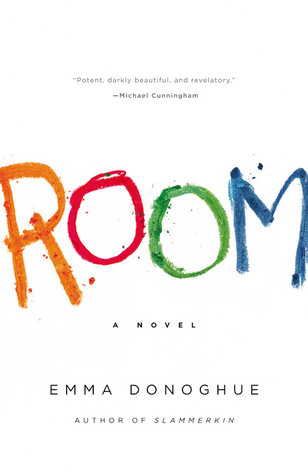
1. Adult Text: Room by Emma Donaghue

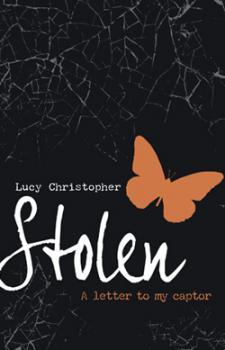
YA Text: Stolen: A Letter to My Captor by Lucy Christopher

room Stolen

Both texts are about girls who are taken captive. Stolen leaves readers with much to think about.

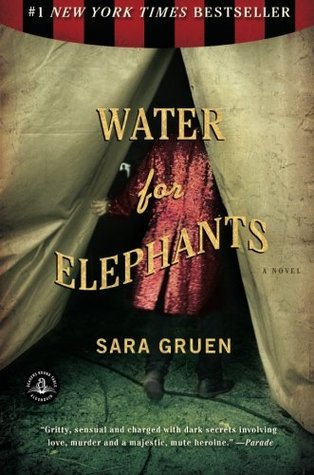
2. Adult Text: Water for Elephants by Sara Gruen

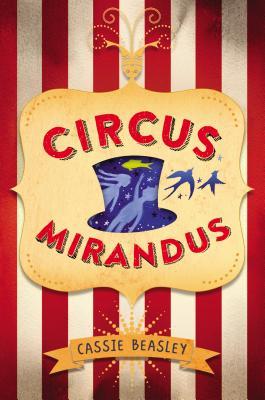
YA Text: Circus Mirandus by Cassie Beasley

Water for Elephants circus mirandus

Both texts bring readers into a magical setting. Circus Mirandus pulled at my heartstrings.

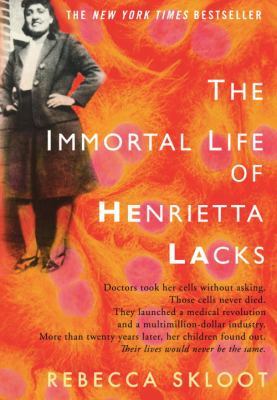
3. Adult Text: The Immortal Life of Henrietta Lacks by Rebecca Skloot

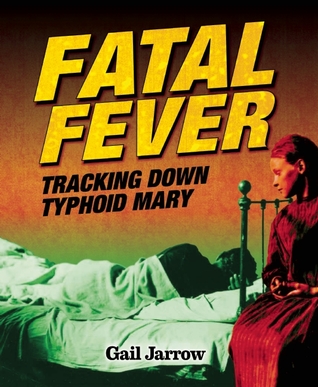
YA Text: Fatal Fever: Tracking Down Typhoid Mary by Gail Jarrow

immortal life of henrietta lacks fatal fever

Both texts combine medicine, science, and a notable woman in history (for different reasons).

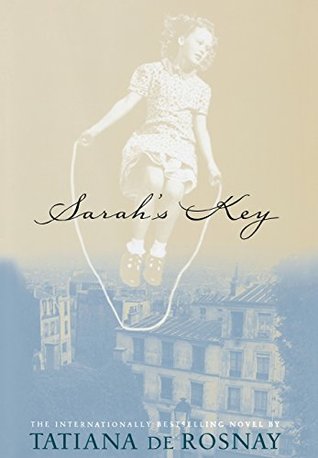
4. Adult Text: Sarah’s Key by Tatiana de Rosnay

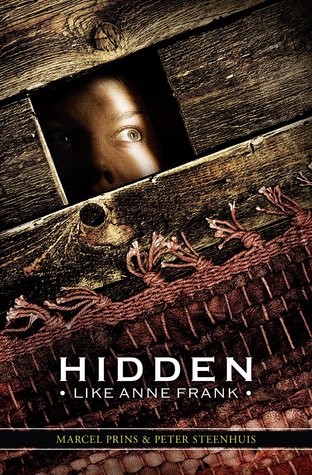
YA Text: Hidden Like Anne Frank: 14 True Stories of Survival by Marcel Prins and Peter Henk Steenhuis

sarah's key hidden like anne frank

Sarah’s Key is beautiful prose. Hidden Like Anne Frank offers much knowledge about those who were hidden during the Holocaust. I learned many of my assumptions were inaccurate.

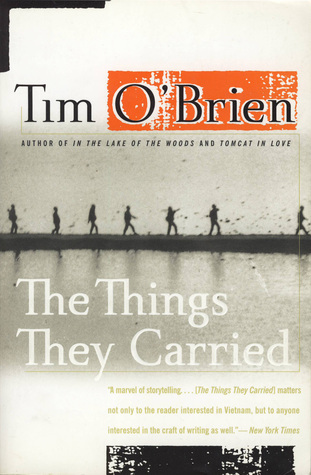
5. Adult Text: The Things They Carried by Tim O’Brien

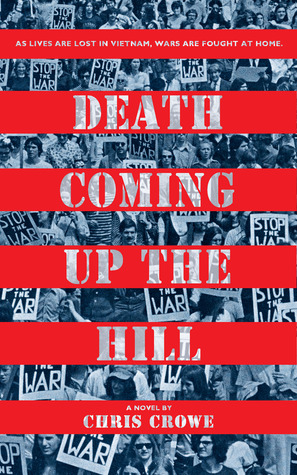
YA Text: Death Coming Up the Hill by Chris Crowe

The Things They Carried Death Coming Up The Hill

The Things They Carried is well-loved (and quite deserving of its praise). Death Coming Up the Hill is also set during the Vietnam War. The text is entirely written in Haiku format, and the syllable count of the entire text is the same as the number of soldiers who died in 1968 Vietnam. Chris Crowe is brilliant.

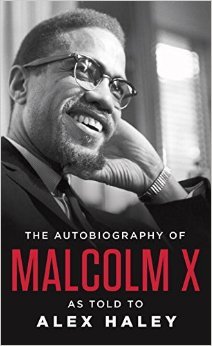
6. Adult Text: The Autobiography of Malcolm X by Malcolm X

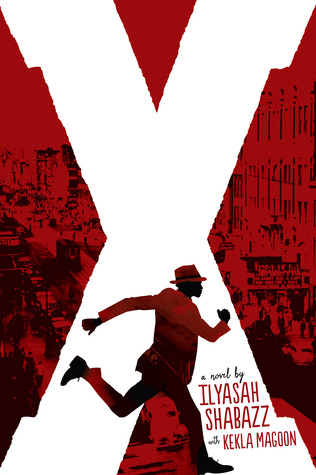
YA Text: X by Ilyasah Shabazz and Kekla Magoon

Malcolm X x

may not be autobiographical, but it is written by Malcolm X’s daughter and a fantastic YA author, Kekla Magoon. It offers a perspective of Malcolm Little’s teenage years that is quite compelling.

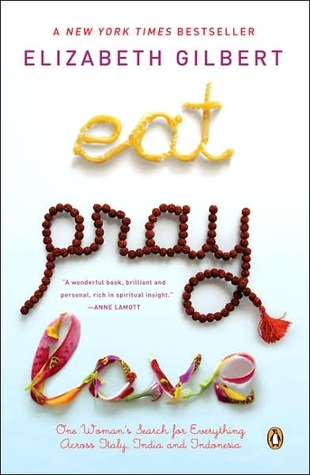
7. Adult Text: Eat, Pray, Love by Elizabeth Gilbert

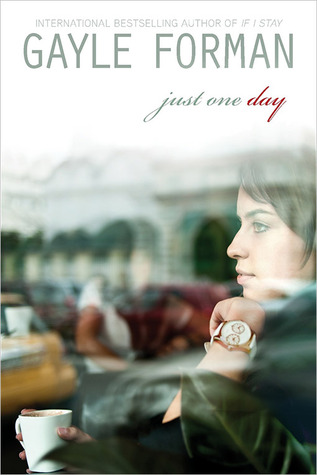
YA Text: Just One Day by Gayle Forman

Eat Pray Love just one day

Gayle Forman’s Just One Day captured my heart and reminded me of the things I liked best of Eat, Pray, Love.

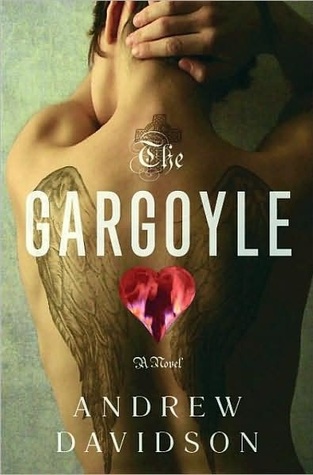
8. Adult Text: The Gargoyle by Andrew Davidson

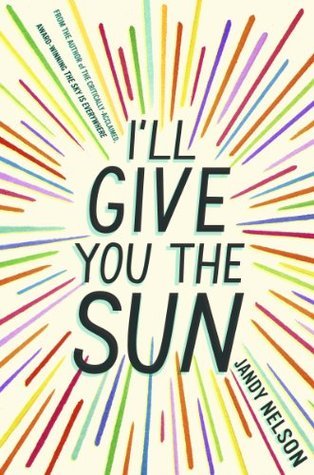
YA Text: I’ll Give You the Sun by Jandy Nelson

The Gargoyle I'll Give You the Sun

Art weaves through the narratives of these texts. Both have incredible depth and will make readers think. 

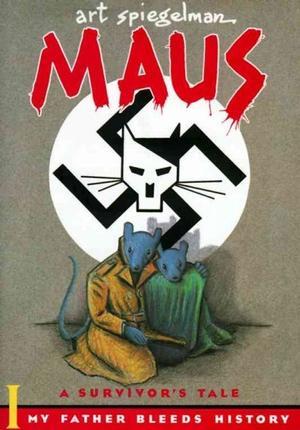
9. Adult Text: Maus by Art Speigelman

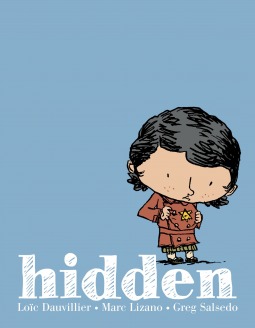
YA Text: Hidden: A Child’s Story of the Holocaust by Loïc Dauvillier

maus hidden

Both graphic novels feature a survivor’s story, told a generation (or in the case of the second book, generations) later.

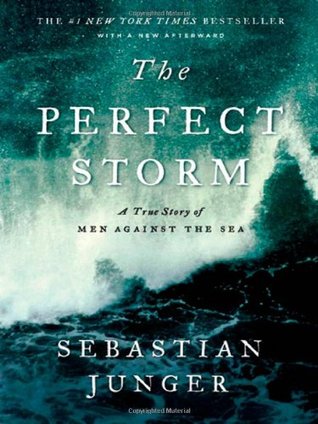
10. Adult Text: The Perfect Storm by Sebastian Junger

YA Text: The Living by Matt de la Peña

Perfect Storm living

Both texts feature stormy settings on boats. While this is one of the few similarities between these well-written works, both are wonderful and worthy of high praise.

Which adult books have you enjoyed? Would you recommend (or would you like a recommendation for) a YA text?

RickiSig

It’s Monday! What Are You Reading? #IMWAYR 9/28/15

Share

IMWAYR

It’s Monday! What Are You Reading? From Picture Books to YA!

It’s Monday! What are you Reading? is a meme hosted by Sheila at Book Journeys. It is a great way to recap what you read and/or reviewed the previous week and to plan out your reading and reviews for the upcoming week. It’s also a great chance to see what others are reading right now…you just might discover the next “must-read” book!

Jen Vincent, of Teach Mentor Texts, and Kellee decided to give It’s Monday! What Are You Reading? a kidlit focus. If you read and review books in children’s literature – picture books, chapter books, middle grade novels, young adult novels, anything in the world of kidlit – join us! We love this meme and think you will, too.

We encourage everyone who participates to support the blogging community by visiting at least three of the other book bloggers that link up and leave comments for them.

CONGRATULATIONS

Jill the Owl 

for winning a copy of Ghostlight by Sonia Gensler!

Last Week’s Posts

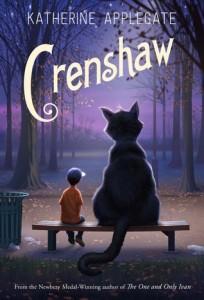
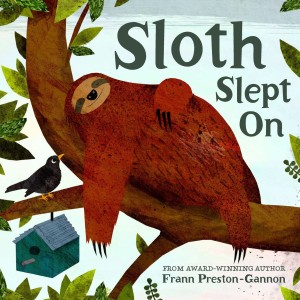
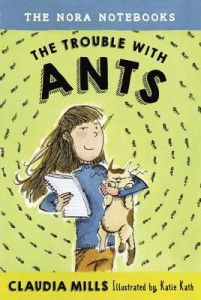
top ten tuesday crenshaw sloth slept on Trouble with Ants TheFix-cover-NEW

Tuesday: Fall TBR List

Thursday: Review and Giveaway!: Sloth Slept On by Frann Preston-Gannon

Giveaway open until Wednesday!

Friday: Review, Author Guest Post, and Giveaway!: The Trouble with Ants by Claudia Mills

Giveaway open until Friday!

Sunday: Author Guest Post! “Teaching Kids Empathy Through Story” by Natasha Sinel, Author of The Fix

**Click on any picture/link to view the post**

 Last Week’s Journeys

Kellee: I am writing this on Friday because my mom is in town, and I am not sure if I will have time to blog Sunday evening. Please excuse me this week from IMWAYR, and I will update next week with my reading. I also apologize for not commenting on blogs this week, but happy reading to you all this week!

Ricki: This week, I read Like Water on Stone by Dana Walrath. It is a beautiful book in verse that is set in the Ottoman Empire during the 1910s. The point of view alternates with each poem, so I came to understand many perspectives of the family depicted in the text. I learned a lot about this horrific genocide and think this book would be excellent in literature circles.

This Week’s Expeditions

Ricki: I am all over the place with the types of texts I am reading. Like most of you (I suspect), I never discriminate based on the age level of the text. For PD, I have been enjoying Zaretta Hammond’s Culturally Responsive Teaching and the Brain. I am learning a lot from this text. For younger readers, I  plan to read Last-But-Not-Least Lola and the Cupcake Queens by Christine Pakkala this week. And lastly, within YAL, I am almost finished with A.S. King’s Glory O’Brien’s History of the Future.

Upcoming Week’s Posts

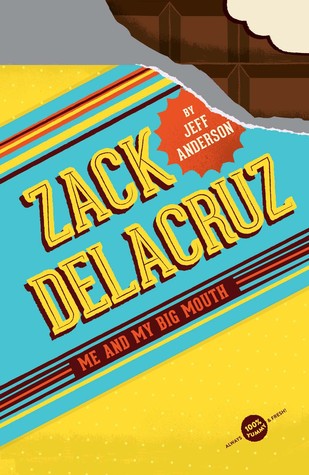
top ten tuesday ebola like water on stone Zack delacruz

Tuesday: YA Text Recommendations for Bestselling Adult Texts

Wednesday: Review and Author Interview!: Ebola: Fears and Facts by Patricia Newman

Friday: Review and Giveaway!: Zack Delacruz: Me and My Big Mouth by Jeff Anderson

 So, what are you reading?

Link up below and go check out what everyone else is reading. Please support other bloggers by viewing and commenting on at least 3 other blogs. If you tweet about your Monday post, tag the tweet with #IMWAYR!

 Signature andRickiSig

Author Guest Post: “Teaching Kids Empathy through Story” by Natasha Sinel, Author of The Fix

Share

“Teaching Kids Empathy through Story”

“I do not ask the wounded person how he feels, I myself become the wounded person.”

― Walt Whitman, Song of Myself

Recently NPR’s All Things Considered aired a piece about a research study suggesting that school kids who read and identify with Harry Potter display more positive attitudes toward people from disadvantaged groups. The reporter said, “So it turns out Harry Potter may be an effective tool against prejudice…When stories allow us to empathize with people who lead very different lives or come from very different backgrounds, it allows us to get into their shoes in a way that no amount of preaching can accomplish.”

While this doesn’t surprise me, I find it extremely interesting and validating.

I consider myself empathetic to an extreme. To be a writer of fiction, I believe that’s a requirement—we have to get inside our characters’ heads to see who they are, how they live, how they think. If I didn’t have empathy, then all of my characters would be privileged white women in their forties. But that’s not who I write. I write about teenagers—female, male, white, non-white, gay, immigrant, autistic, mentally ill.

In The Fix, some of Macy’s actions could be judged—she’s not particularly nice to her mother, she has a history of sleeping around—but as you get to know her, you learn that there’s a reason for her behaviors that even she doesn’t quite understand, even when the reader already does. Same goes for Sebastian. He’s an addict, he suffers from depression, and he spends several weeks at a psychiatric institute.

For readers who have experienced any of these hardships—depression, addiction, sexual abuse—I hope they’ll see that they’re not alone. I hope a reader who has been abused will see that telling someone can help. But I also hope that readers who haven’t dealt with any of these things will take away an understanding of the difficulties a friend may be going through, and will see how important it is not to trivialize or overlook pain that may be underneath the surface.

This quote I found really struck me, and I think of it now whenever I write: “We could be standing next to someone who is completely broken and we wouldn’t even know it.”

Part of empathy is realizing that people wear cloaks to make the pain and scars inside easier to hide. When we read, we see beneath the cloaks. Maybe that can help us look at our friends, our classmates in a new light. Maybe we can question actions first instead of judging. Maybe we can begin to understand what it feels like to be a survivor of abuse, an addict struggling every day to stay clean, an immigrant who fears deportation, an intersex girl learning about her complex body, a boy with Aspergers who wants close friends but doesn’t always understand the nuances of social interactions, an impoverished girl who doesn’t know where her next meal is coming from.

If the studies are true, and kids can become more empathetic by reading diverse narratives, then we need to keep giving them the stories. I promise to keep writing them, and I hope you’ll keep teaching them.


About the Book:

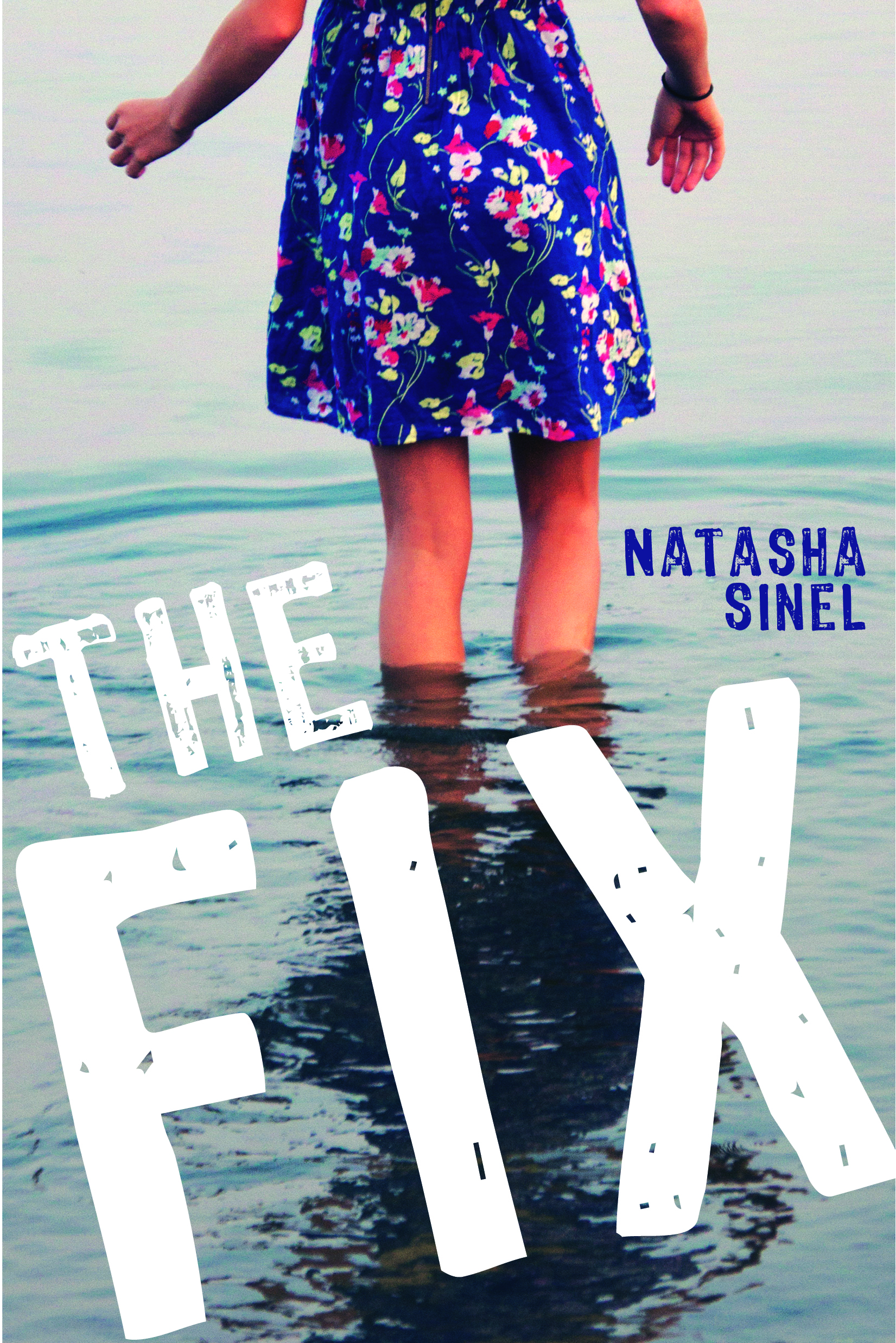
TheFix-cover-NEW

“Sinel bravely addresses tough topics, demonstrating that the weight of secrets can pull us under––and their release can save us from drowning.” —Holly Schindler, critically acclaimed author of A Blue So Dark and Feral

“Bewitching, beautiful, and brave . . . readers will marvel at Macy’s resilience. Sinel’s writing devastates and uplifts, by turns.” —Carrie Mesrobian, award-winning author of Sex & Violence and Perfectly Good White Boy

“A riveting picture of a teenager haunted by her past and struggling with her present . . . richly drawn, heartbreakingly real, and difficult to put down. The Fix shines.” —I. W. Gregorio, author of None of the Above

“A vivid storyteller, Sinel tackles an emotional topic, portraying the pain and repercussions of Macy’s experience with an honest sensitivity. I was hooked from the opening pages.” —Yvonne Ventresca, award-winning author of Pandemic

“Unflinchingly honest writing.” —Marie Jaskula, author of The Lost Marble Notebook of Forgotten Girl & Random Boy

Perfect for fans of Laura Weiss’s award-winning Such a Pretty Girl and Leftovers, as well as Sarah Dessen’s Dreamland, THE FIX (Sky Pony Press; September 1, 2015; ISBN: 978-1-63450-167-5; $16.99; ages 12 & up), by debut author Natasha Sinel, addresses real-life issues of drug addiction and sexual abuse.

While there are many YA novels that focus on sexual abuse, very few explore the complex effects of sibling sexual abuse, which is extremely prevalent (five times the rate of parent-child sexual abuse) and underreported. The Fix, a contemporary story featuring two teenagers from opposite sides of the track, fills a void in young adult fiction.

Meet seventeen-year-old Macy. Rich, popular, and dating the cute boy next door, Macy’s life should be perfect. But she harbors a secret that could ruin her seemingly flawless family. A late night conversation with loner and recovering addict Sebastian at her friend Rebecca’s party throws Macy’s life off balance. The following morning Sebastian doesn’t show up at school, and rumors fly that he’s been hospitalized after attempting suicide. Though their conversation was brief, Macy feels connected to Sebastian and begins to visit him in the hospital. Their blossoming friendship eventually shakes Macy out of her carefully maintained complacency as she realizes that keeping her secret could destroy her.

The Fix not only tells the story of two good-hearted teenagers coming to terms with the cards they were dealt but is also about the fixes we rely on to cope with our most shameful secrets, and the hope and fear that comes with meeting someone who challenges us to come clean. Written with honesty and sensitivity, Sinel’s heartfelt and courageous debut will inspire readers.

About the Author:
2014_Natasha_Sinel_249-hi_res

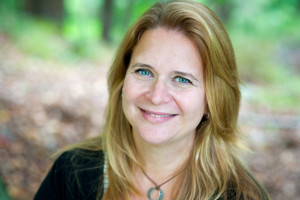
Natasha Sinel is a writer of young adult fiction. She graduated from Yale University with a BA in English and from the University of Michigan’s Ross School of Business with an MBA. Before beginning her career as an author, she was director of business development at Showtime Networks. Born and raised in Washington, DC, she now lives in northern Westchester, New York, with her husband and three sons.

You can visit her website at natashasinel.com.

Thank you to Sara at Sky Pony Press for sharing this great book with us, and thank you, Natasha, for your beautiful words.

RickiSigandSignature

Review, Author Q&A, and Giveaway!: The Trouble with Ants by Claudia Mills
Share

Trouble with Ants

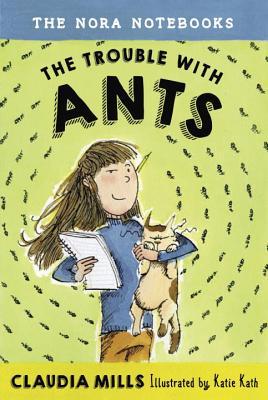
The Nora Notebooks: The Trouble with Ants
Author: Claudia Mills
Illustrator: Katie Kath
Published September 22nd, 2015 by Knopf Books for Young Readers

Goodreads Summary: Science-obsessed fourth grader Nora has ants all figured out—now she just has to try to understand her fellow humans!
The trouble with ants is . . .
. . . people think they’re boring.
. . . they are not cuddly.
. . . who would ever want them for a pet?

Nora Alpers is using her new notebook to record the behavior of ants. Why? Because they are fascinating! Unfortunately, no one agrees with her. Her mom is not happy about them being in the house, and when Nora brings her ant farm to school for show and tell, her classmates are not very impressed. They are more interested in cat videos, basketball practice, or trying to set a Guinness World Record (although Nora wouldn’t mind that).
Mostly they are distracted by the assignment their teacher Coach Joe has given them—to write a persuasive speech and change people’s minds about something. Will Nora convince her friends that ants are as interesting as she thinks they are? Or will everyone still think of ants as nothing but trouble?

With real science facts, a classroom backdrop, an emphasis on friendship, and appealing black-and-white interior illustrations from artist Katie Kath, The Nora Notebooks is perfect for newly independent readers—especially budding scientists like Nora!—and adults who want to encourage awareness of STEM subjects in young readers.

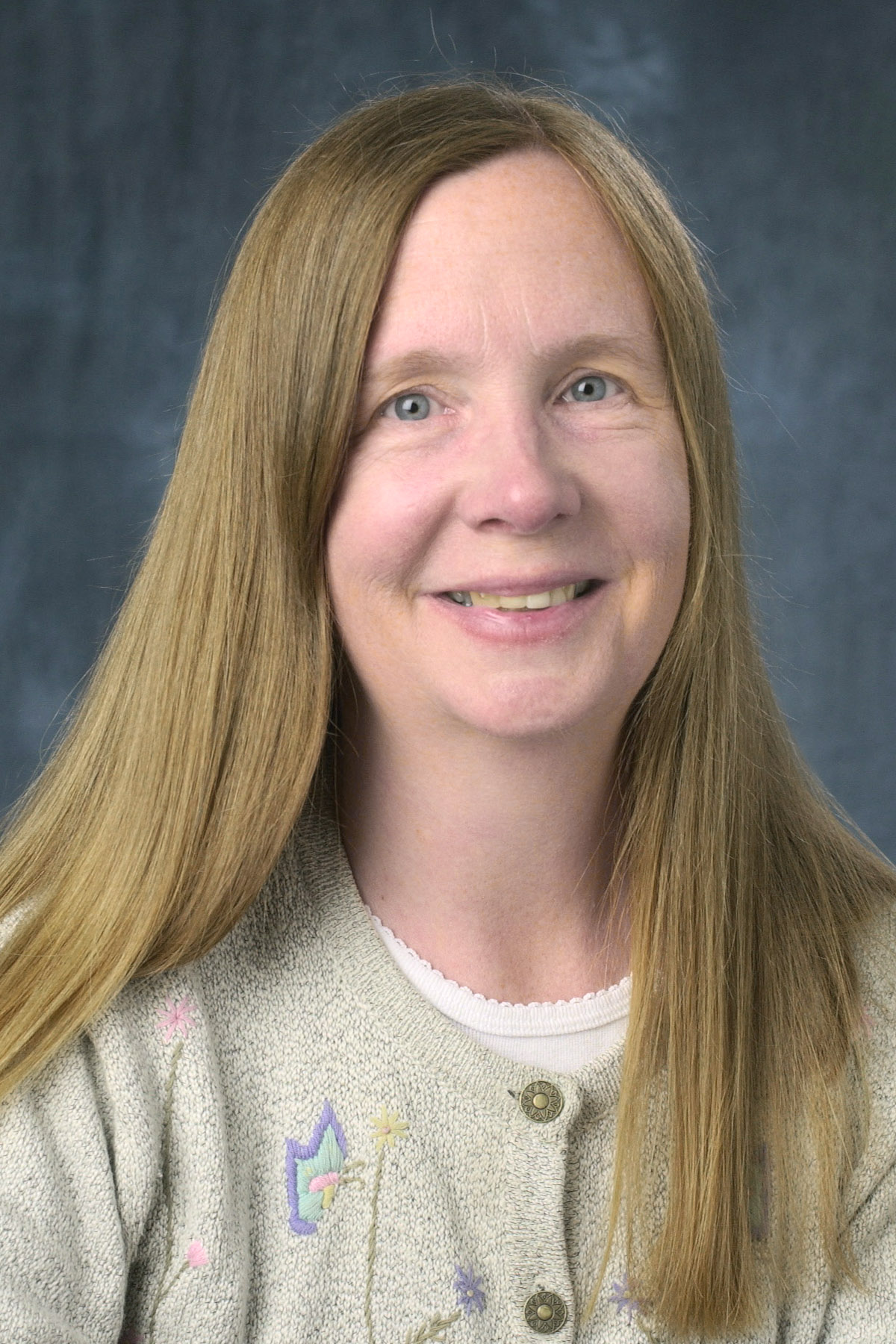
About the Author: Claudia Mills is the author of over fifty books for young readers. She does not personally keep an ant farm, but she does have a cat, Snickers, with whom she curls up on her couch at home in Boulder, Colorado, drinking hot chocolate and writing. To learn more, and to download free curriculum guides for her books, visit her website at claudiamillsauthor.comClaudia Mills, Philosophy claudia.mills@colorado.edu photo by: Larry Harwood

My Review: I love books that promote girls being smart and doing well in school. This book goes even further and promotes girls finding a love in science and, specifically, insects. Nora is a girl that I hope that lots of readers find a connection with and strive to be like. She is a role model for all kids. She is smart, doesn’t mind being a bit different, and has great friends and family. I also love that she is at the heart of it a normal girl who just happens to be smart and like science. The story is more than just her science and ants. It is about growing up.  There is so much you will love in this book: Nora, her parents, her teacher, her friends, and, of course, Precious Cupcake.

Author Q&A: We are so excited to host Claudia today! Thank you for taking part in the Q&A.

Do you like ants as much as Nora does?

No! But some ants somewhere must have read my book and gotten the wrong impression, as I had my first-ever invasion of ants in my pantry as the book was going to press. It was hard to convince them that I much prefer to have them outside in their usual habitat. But I had a pang thinking how much Nora would have come to their defense.

What was the hardest part about writing this book?

The research was a challenge. Most of my books are contemporary school stories. It helps that I love going to schools on author visits where I pay close attention to the details on how the classrooms are organized, what kind of work the kids are doing, and how classmates interact. But I don’t need to do any other research. Here I had to try to equal Nora’s knowledge about ants, and that meant reading about ants, interviewing a leading ant scientist, and combing the internet for promising ant experiments.

What’s next for Nora?

She is going to star in two more books. In The Trouble with Babies she devotes herself to the scientific study of babies as a new a-u-n-t; in The Trouble with Friends she wants to replicate Mendel’s experiments on the genetics of peas in the class garden, but finds herself instead learning the limits of her own scientific approach to life.

Thanks for hosting me today, Kellee!

Teachers’ Tools for Navigation: I love the cross-curricular aspect of this novel. You can use aspects in science and in language arts. I love Nora’s example of an experiment and persuasive essay. I also think having an ant farm while reading the novel would really add an extra aspect to the reading.

Discussion Questions: What are the steps to doing a science experiment?; Why did all of Nora’s ants die?; How is Nora different than her friends? How does their relationship show that different types of people can be friends.; How did Nora’s parents influence her?; Why do you think Dunk acts the way he does?; What was so special about Nora’s classroom?

We Flagged: “Nora loved scribbling down all kinds of facts in all kinds of notebooks: big ones, little ones, fat ones, skinny ones, spiral ones, and now this new super fancy one.

She had waited to start her new notebook on the first day of the new year.

‘Fascinating Facts About Ants,’ she now wrote on the first blank page with her blue ballpoint pen.” (p. 2)

Read This If You Loved: The Categorical Universe of Candice McPhee by Barry Jonsberg, Cody and the Fountain of Happiness by Tricia Springstubb

Giveaway: 

a Rafflecopter giveaway

Recommended For:

classroomlibrarybuttonsmall readaloudbuttonsmall closereadinganalysisbuttonsmall

  Signature

**Thank you to Barbara at Blue Slip Media for providing copies for review and giveaway and also a big thank you to Claudia Mills for taking part in the Q&A!!**

Review and Giveaway!: Sloth Slept On by Frann Preston-Gannon

Share

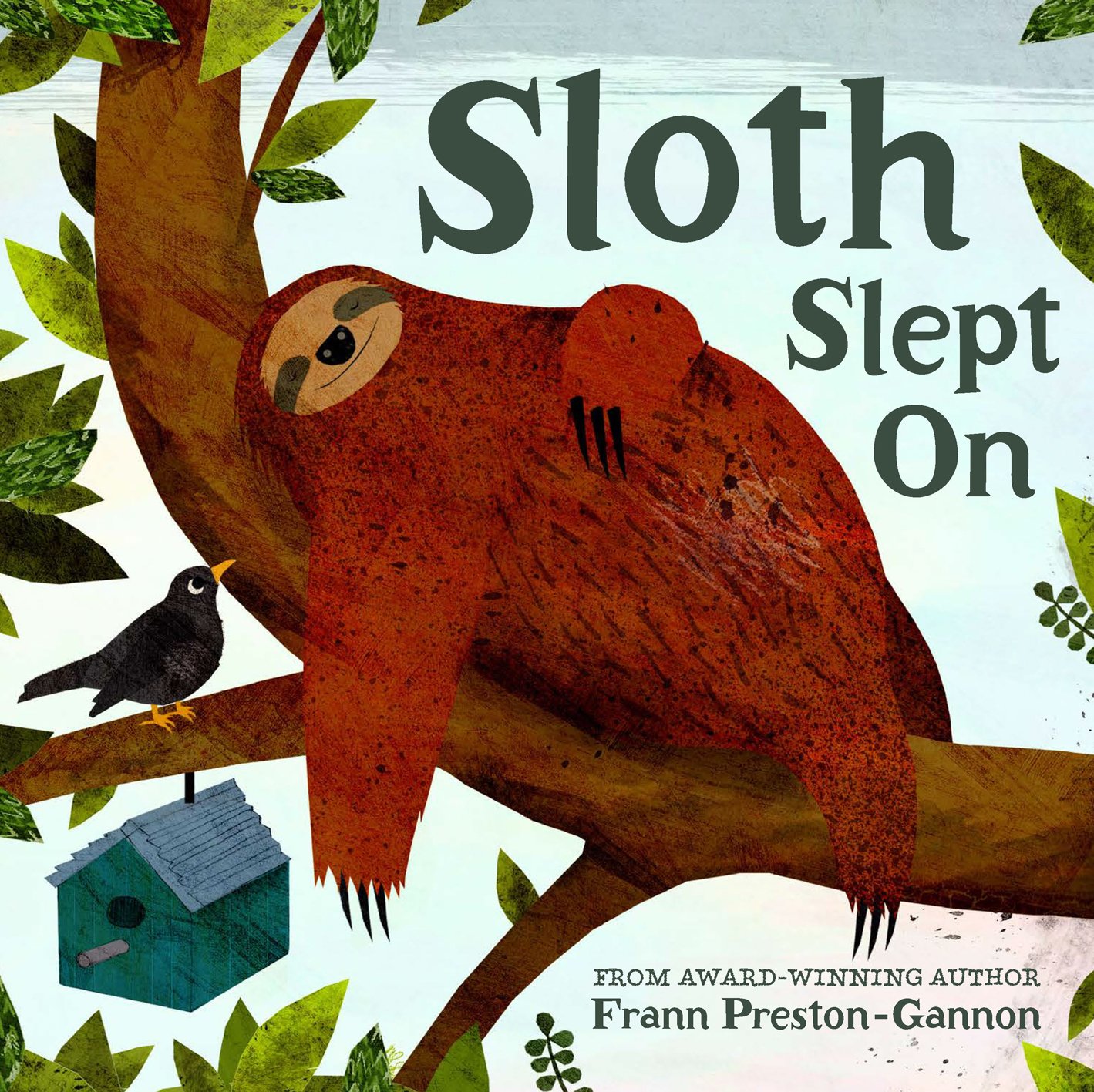
sloth slept on

Sloth Slept On
Author: Frann Preston-Gannon
Published: September 1, 2015 by Sterling

Goodreads Summary: Who’s that sleeping in our tree? When a group of kids finds an animal happily napping in their backyard, they set out to discover what it is and where it belongs. As they search and search—never noticing all the posters and news articles about a sloth that’s broken out of the zoo—they finally discover the identity of the snoozing creature. And when sloth wakes up, it’s in for a BIG surprise! Frann Preston-Gannon has created an endearing, adorable, and huggable title character; a group of intrepid children; and a wildly humorous situation that will appeal to young readers.

Ricki’s Review: The characterization of this text is simply marvelous. I smiled through my entire reading of the book! The sloth’s facial expressions and all of the advertisements that the students miss will make them giggle. This humorous story would be a fantastic read-aloud for classrooms. It provides a good balance between nonfiction and fiction because readers learn about sloths while following an engaging story. I suspect that the sloth will become the favorite animal of many students after they read this book. Reading this book made me want to meet the author/illustrator, Frann Preston-Gannon, because I suspect she is a very entertaining woman!

Kellee’s Review: I really love books that combine fiction and nonfiction because it truly makes reading fun and interesting. This book does a great job of throwing in the factual information within a humorous story. I think it would be so much fun to read this book with students/kids because it would be so easy to make it interactive. I also really loved the illustrations. They are so full of clues and facial expressions and humor and colors. Really made the book even better.

I will say that I do I feel really bad for the sloth though! (You’ll have to read to see why!)

Teachers’ Tools for Navigation: The obvious navigational tool would be to ask students to research about sloths to learn more about the animal and the ways this information connects with the text. Teachers might ask students to research other animals and create similar stories to share. Another idea would be to ask readers why the children in this book miss all of the signs that the sloth is missing, and zookeepers are searching for them. Teachers might ask students to consider the ways they might miss blatant signs around them.

Discussion Questions: How does the author infuse information about sloths within the fictional story line? What did you learn from the story?; Why do the children miss information about the sloth? How might the story be different if they saw the signs?; How does the story end? Can you think of alternate endings?

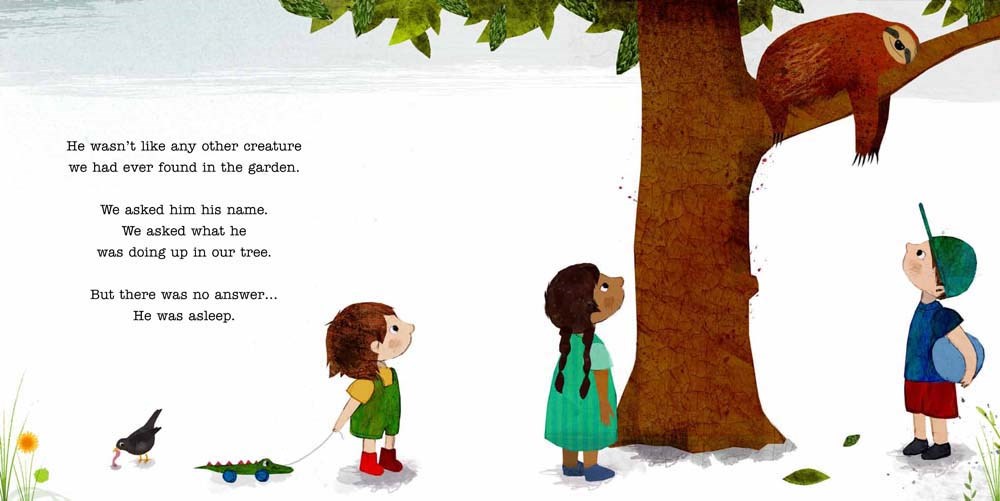
We Flagged: 

Sloth interior pages 2

Read This If You Loved: Sparky by Jenny Offill, “Slowly, Slowly, Slowly” Said the Sloth by Eric Carle, Dinosaur Farm by Frann Preston Gannon

Giveaway!:

a Rafflecopter giveaway

Recommended For: 

readaloudbuttonsmall classroomlibrarybuttonsmall

RickiSigandKellee Signature

**Thank you to Lauren at Sterling for providing copies for review and giveaway!**