Sloth Slept On Author: Frann Preston-Gannon
Published: September 1, 2015 by Sterling
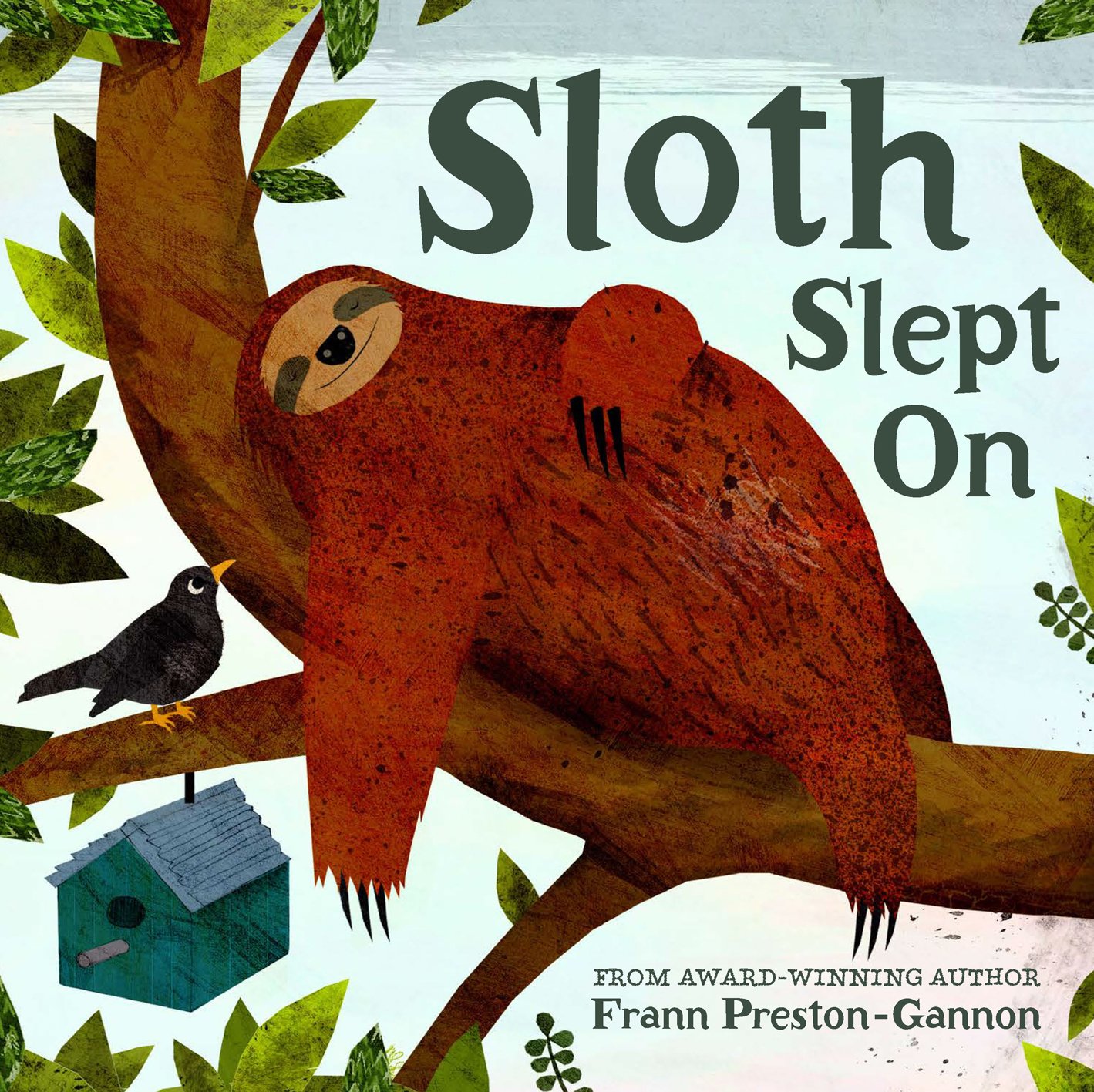
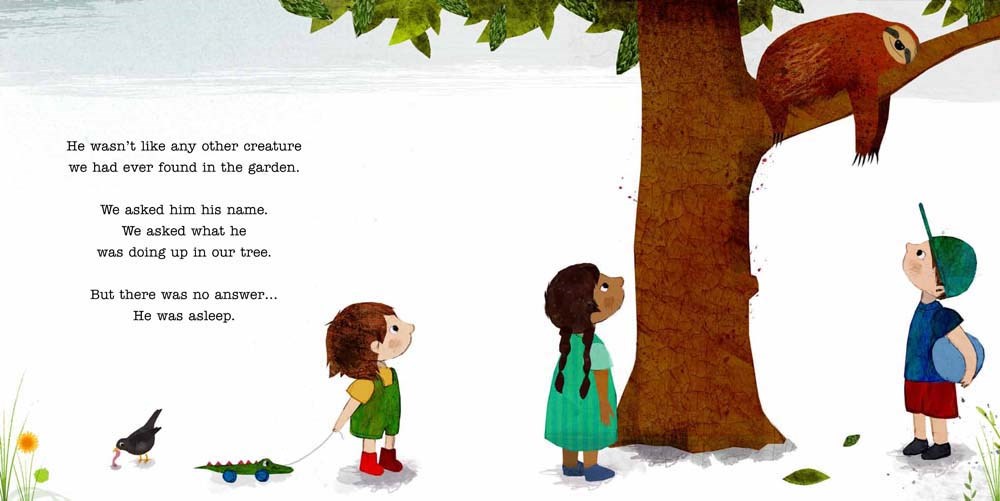
Goodreads Summary: Who’s that sleeping in our tree? When a group of kids finds an animal happily napping in their backyard, they set out to discover what it is and where it belongs. As they search and search—never noticing all the posters and news articles about a sloth that’s broken out of the zoo—they finally discover the identity of the snoozing creature. And when sloth wakes up, it’s in for a BIG surprise! Frann Preston-Gannon has created an endearing, adorable, and huggable title character; a group of intrepid children; and a wildly humorous situation that will appeal to young readers.
Ricki’s Review:The characterization of this text is simply marvelous. I smiled through my entire reading of the book! The sloth’s facial expressions and all of the advertisements that the students miss will make them giggle. This humorous story would be a fantastic read-aloud for classrooms. It provides a good balance between nonfiction and fiction because readers learn about sloths while following an engaging story. I suspect that the sloth will become the favorite animal of many students after they read this book. Reading this book made me want to meet the author/illustrator, Frann Preston-Gannon, because I suspect she is a very entertaining woman!
Kellee’s Review:I really love books that combine fiction and nonfiction because it truly makes reading fun and interesting. This book does a great job of throwing in the factual information within a humorous story. I think it would be so much fun to read this book with students/kids because it would be so easy to make it interactive. I also really loved the illustrations. They are so full of clues and facial expressions and humor and colors. Really made the book even better.
I will say that I do I feel really bad for the sloth though! (You’ll have to read to see why!)
Teachers’ Tools for Navigation: The obvious navigational tool would be to ask students to research about sloths to learn more about the animal and the ways this information connects with the text. Teachers might ask students to research other animals and create similar stories to share. Another idea would be to ask readers why the children in this book miss all of the signs that the sloth is missing, and zookeepers are searching for them. Teachers might ask students to consider the ways they might miss blatant signs around them.
Discussion Questions: How does the author infuse information about sloths within the fictional story line? What did you learn from the story?; Why do the children miss information about the sloth? How might the story be different if they saw the signs?; How does the story end? Can you think of alternate endings?
We Flagged:
Read This If You Loved: Sparky by Jenny Offill, “Slowly, Slowly, Slowly” Said the Sloth by Eric Carle, Dinosaur Farm by Frann Preston Gannon
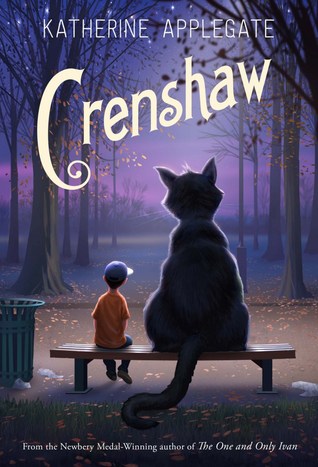
Crenshaw Author: Katherine Applegate
Published September 22nd, 2015 by Feiwel & Friends
Goodreads Summary: In her first novel since winning the Newbery Medal, Katherine Applegate delivers an unforgettable and magical story about family, friendship, and resilience.
Jackson and his family have fallen on hard times. There’s no more money for rent. And not much for food, either. His parents, his little sister, and their dog may have to live in their minivan. Again.
Crenshaw is a cat. He’s large, he’s outspoken, and he’s imaginary. He has come back into Jackson’s life to help him. But is an imaginary friend enough to save this family from losing everything?
Beloved author Katherine Applegate proves in unexpected ways that friends matter, whether real or imaginary.
My Review: It is not fair to compare this book to The One and Only Ivan. The only similarity is that they are both beautifully written and put a very special issue in the spotlight. Like Ivan made you think about animal’s imprisonment, Crenshaw makes you think about homelessness; however, it is more than that. This book made me think about so many things. First, this book shows the speed and brutality of homelessness. It can affect anyone and can come from no where. There is an extended scene from Jackson’s past that made me want to jump into the book to give him a hug and help his family in anyway I could. Second, this book looks at how much children sometimes have to deal with because of their home situation. Jackson had such anxiety and pressure on him because he felt like he had to be a grown up (specifically for his sister). Finally, the book looks at friendship–both of the imaginary and real kind–and how important they are. And specifically how the magic of both kinds are something you need to hold onto.
Teachers’ Tools for Navigation: Crenshaw is going to be added to so many teachers’ read aloud queue. It is such a special book that can cause lots of discussion and enlightening reflection.
Discussion Questions: What are ways that Jackson and Robin try to trick their stomachs when they are hungry? Why do you think the games work?; What did you learn about homelessness by reading this book?; Why did Crenshaw return to Jackson when he did?; What type of friend is Marisol? Why is she so important to Jackson?
We Flagged: “My mom was right, of course. They were just things. Bits of plastic and wood and cardboard and steel. Bunches of atoms. I knew all too well that there were people in the world who didn’t have Monopoly games or race car beds. I had a roof over my head. I had food most of the time. I had clothes and blankets and a dog and a family. Still I felt twisted inside. Like I’d swallowed a knotted-up rope.
It wasn’t about losing my stuff. Well, okay. Maybe that was a little part of it. It wasn’t about feeling different from other kids. Well, okay. Maybe that was part of it too.
What bothered me the most, though, was that I couldn’t fix anything. I couldn’t control anything. It was like driving a bumper car without a steering wheel. I kept getting slammed, and I just had to sit there and hold tight.”
Read This If You Loved: Hold Fast by Blue Balliett, No Place by Todd Strasser, Almost Home by Joan Bauer
Top Ten Tuesday is an original feature/weekly meme created at The Broke and the Bookish. The feature was created because The Broke and Bookish are particularly fond of lists (as are we!). Each week a new Top Ten list topic is given and bloggers can participate.
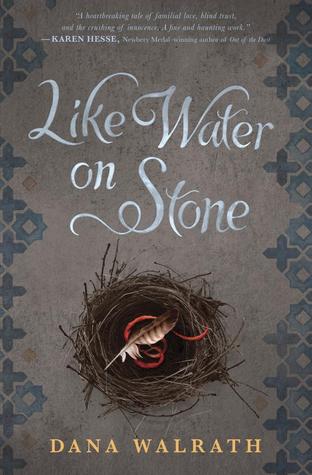
This has been on too many of my must-read lists. I’ve heard it is incredible!
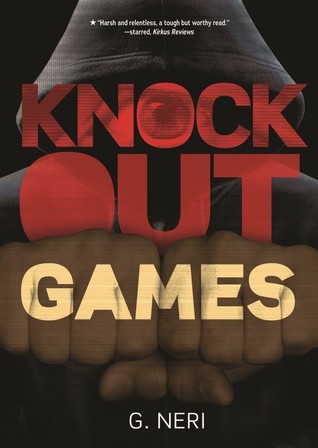
2. Knockout Games by G. Neri
I just learned what this book is about, and now I really want to read it. I had no idea what “the knockout game” was until recently. I am horrified, and I feel compelled to learn more about this awful phenomenon.
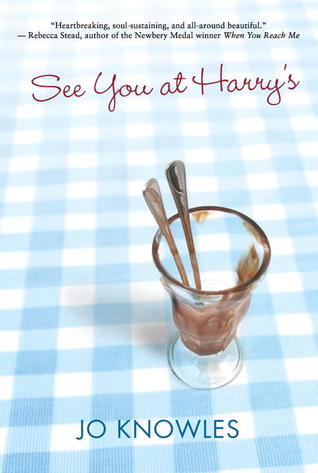
3. See You At Harry’s by Jo Knowles
Everyone raves about this one. I love Jo Knowles, so count me in!
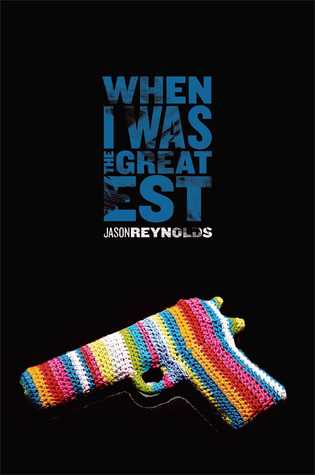
4. When I Was the Greatest by Jason Reynolds
I am embarrassed to say I have not read anything by Jason Reynolds yet. I follow him on Facebook and the web like crazy. I’ll be reading (at least!) one of his books before the ALAN Workshop.
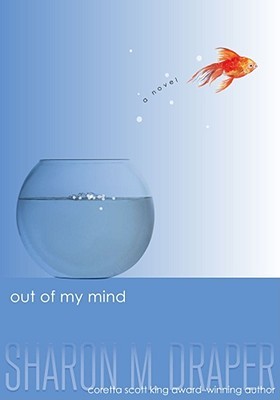
5. Out of my Mind by Sharon Draper
Has this book reached “classic” status yet? I better read it very soon because everyone says it is incredible!
Kellee
I hope that I get to my #mustreadin2015 list; however, my fall is going to be filled with preparing for NCTE and ALAN.
It’s Monday! What Are You Reading? From Picture Books to YA!
It’s Monday! What are you Reading? is a meme hosted by Sheila at Book Journeys. It is a great way to recap what you read and/or reviewed the previous week and to plan out your reading and reviews for the upcoming week. It’s also a great chance to see what others are reading right now…you just might discover the next “must-read” book!
Jen Vincent, of Teach Mentor Texts, and Kellee decided to give It’s Monday! What Are You Reading? a kidlit focus. If you read and review books in children’s literature – picture books, chapter books, middle grade novels, young adult novels, anything in the world of kidlit – join us! We love this meme and think you will, too.
We encourage everyone who participates to support the blogging community by visiting at least three of the other book bloggers that link up and leave comments for them.
Kellee:I have figured out that for now my reading limit is about one novel a week. I keep on trying to read more, and I will try to work my way up from that, but for now, that is going to be my reading speed 🙂 This week, my novel was Crenshaw by Katherine Applegate. I am so excited for its book birthday this week, and I am even more excited to review it on Wednesday.
Ricki: This week, I was very fortunate to pass my dissertation proposal defense. 🙂 In effect, the first half of the week was spent preparing for the defense, and the second half was spent writing the IRB forms. So I am empty handed. I am sorry I failed you! (Kellee, don’t yell at me for apologizing.)
This Week’s Expeditions
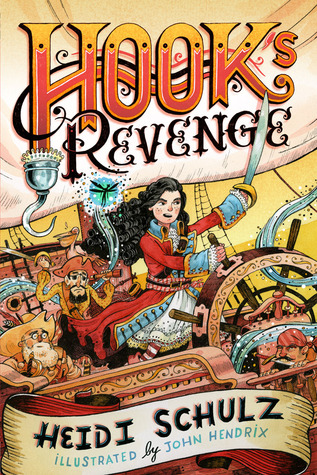
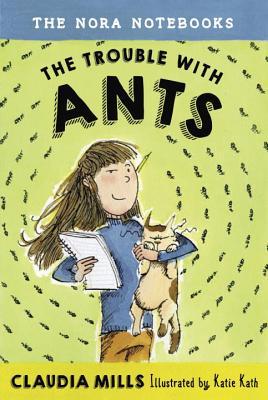
Kellee:This week I need to finish The Trouble with Ants by Claudia Mills to review on Friday. I also want to finally start Hook’s Revenge, and I am reviewing Zack Delacruz next week, so I will need to read that as well. I also plan on reading Ebola: Fears and Facts by Patricia Newman and Sloth Slept On by Frann Preston-Gannon for future reviews.
Sadly, I didn’t get done with Read Between the Lines this week, so I am going to miss the chat on Wednesday, but if you have read the book, join my informal book club friends on Twitter for #RBtLChat at 9PM on Wednesday.
Ricki:I plan to read five books for the panel I am moderating at the ALAN Workshop. The panel focuses on increasing the number of diverse books in publishing. I am lucky enough to be working with five awesome authors. See below for more information about the panel!
Friday: Review and Author Guest Post!: The Trouble with Ants by Claudia Mills
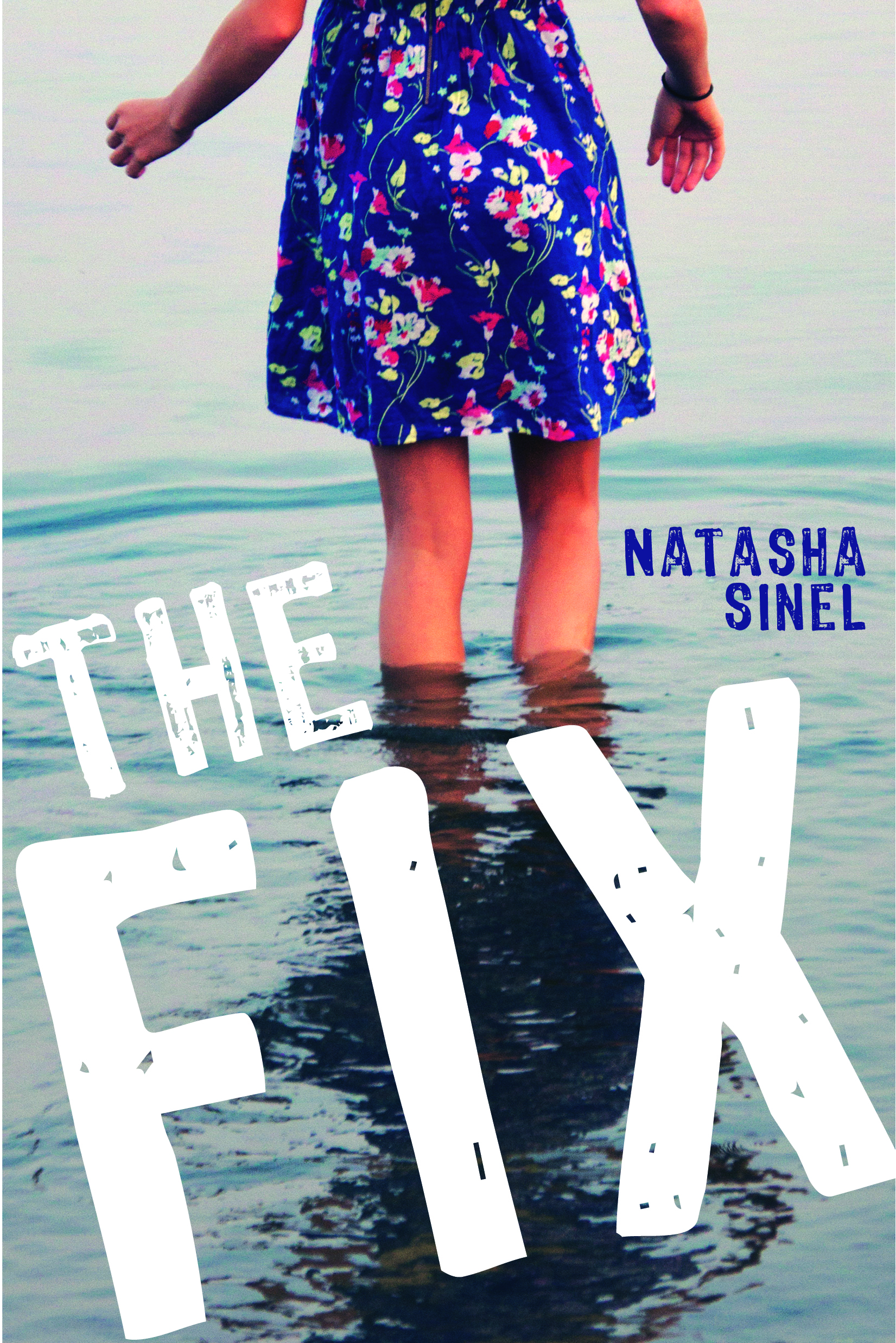
Sunday: Author Guest Post! “Teaching Kids Empathy Through Story” by Natasha Sinel, Author of The Fix
So, what are you reading?
Link up below and go check out what everyone else is reading. Please support other bloggers by viewing and commenting on at least 3 other blogs. If you tweet about your Monday post, tag the tweet with #IMWAYR!
In every job that must be done there is an element of fun. – Mary Poppins
I believe that my experience as a teacher is very much like the students’ experiences. The school year starts with excitement, anticipating what’s new. The work isn’t too much of a bother because we’re fresh and there just seems to be a feeling of, “Well, that’s what we’re back to school to do!” Two months later…
Teacher thoughts: How long is this grading going to take? I’ve only graded 10 papers? It feels like 20! When will the work end? I just want to sip some coffee and read a good book.
Student thoughts: How much more homework are we going to have? Seriously? I just want to go outside.
The school year officially begins and the days start to feel longer. If the routine stays the same, everyone will be worn out by December. After teaching my first year and experiencing the need for change in my daily routine, I learned something very important about myself, and I believe about students as well. Sometimes, you just have to have fun and make work feel like play in order to stay motivated.
In my training for becoming a teacher, one of the main pieces of information we were given about students was that they need to stay motivated. If they are going to keep learning and stay engaged, they need to stay interested in the topic. I know this to be true about myself. I noticed in the slow months of teaching, I had to do things to keep my job fun so that I would stay motivated to continue working hard and being the best teacher I could be. Around Thanksgiving I would buy new pumpkin and fall scents to put in my wax burner. As the room would fill with the smell of a nice, warm, baked pumpkin pie, all of our faces would smile, our shoulders would relax, and questions would arise from around the room saying, “Mmmmm!! What’s that smell?!” Immediately, the feeling of the classroom went from “reading my 2 chapters” to reading a book in a cozy home. The smell would motivate the students to work because the environment had changed to something different. A good different.
At the end of teaching a unit, I could always tell the students seemed to be trudging along, needing a boost in their step. I would also need a little boost in my step after all the work put together to organize and teach the unit. All of us needed some kind of break, while still having class and continuing to learn. This was when I would put the books and pencils away and play Jeopardy. The students loved playing Jeopardy and it was a way for them to review all the information they had been learning over the last month or two. After playing Jeopardy over a couple days, the students were re-motivated and re-energized to learn and continue working hard. I believe this is because we all are motivated by something we enjoy. For students, playing is something they enjoy. When learning and working feels like play and there is an element of fun, the energy goes up and everyone is motivated to continue working.
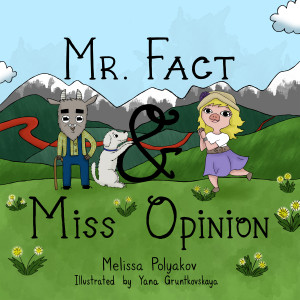
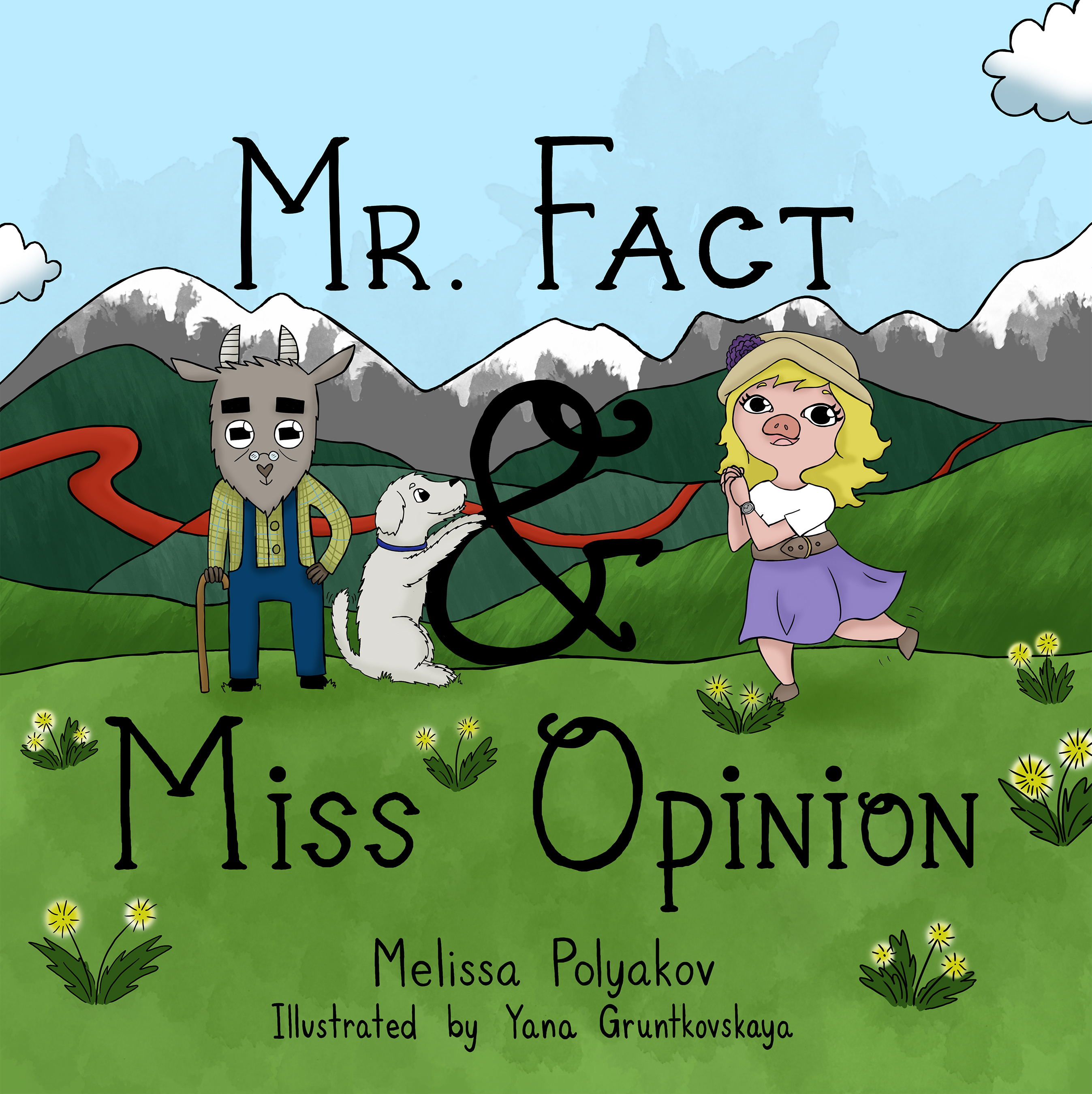
This brings me back to the original quote from Mary Poppins which says, “In every job that must be done there is an element of fun.” When we work, we must find the fun. We must find ways to make it engaging and motivating. This was my goal when writing my recent book Mr. Fact and Miss Opinion. I wanted to give parents and teachers the opportunity to teach about fact and opinion through a story and not through a workbook. I wanted to add a fun, playful element to a not-so-interesting topic. Not only does the story teach the difference between fact and opinion in a silly and entertaining way, it also shows how two completely different characters can become the best of friends. It can act as a teaching guide for both parents and teachers while also being a cute, beautifully illustrated story about a goat and a pig who develop a friendship and learn about each other. When a story such as this is used to teach a lesson, students remember it because it was wrapped up in a fun, playful package. Children’s literature plays a vital role in the education of children, and I believe that it can and should be used to educate children on a multiplicity of subjects. That is my goal as an author and teacher. I would love to see more books that teach about specific concepts within a story that is fun and entertaining. If you have a favorite children’s book that taught you or your children or your grandchildren something important, please share it so we can benefit from each other’s wealth of knowledge.
Mr. Fact and Miss Opinion Summary:
This book is a lively and lyrical story about unlikely neighbors, a goat named Mr. Fact and a pig named Miss Opinion.
Miss Opinion shares a flavorful meal with Mr. Fact, attempting to show him that opinions can add spice to his life. This educational children’s book uses endearing characters to introduce terms such as objective and subjective by personifying fact and opinion.
About the Author: Melissa has a Bachelor of Science Degree in Elementary Education from Multnomah University in Portland, OR, and is a member of SCBWI. An educator since 2012, she has taught multiple ages and subjects. However, it was working as the school librarian where her love for children’s literature grew. During her free time, Melissa and her husband enjoy playing volleyball and spending time outdoors with their beloved Goldendoodle.
Thank you so much to Melissa for her reflections about finding the fun in teaching!
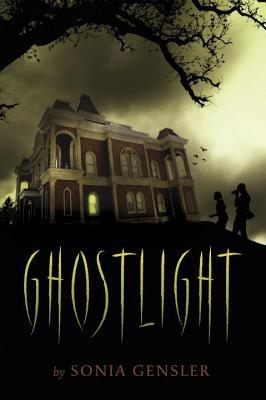
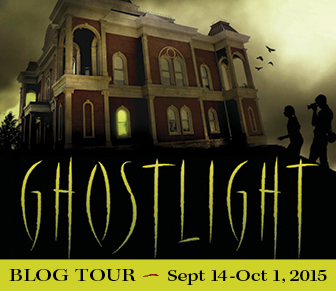
Ghostlight Author: Sonia Gensler
Published August 4th, 2015 by Knopf Books for Young Readers
Goodreads Summary: Things that go bump in the night are just the beginning when a summer film project becomes a real-life ghost story!
Avery is looking forward to another summer at Grandma’s farm, at least until her brother says he’s too old for “Kingdom,” the imaginary world they’d spent years creating. Lucky for her, there’s a new kid staying in the cottage down the road: a city boy with a famous dad, Julian’s more than a little full of himself, but he’s also a storyteller like Avery. So when he announces his plan to film a ghost story, Avery is eager to join in.
Unfortunately, Julian wants to film at Hilliard House, a looming, empty mansion that Grandma has absolutely forbidden her to enter. As terrified as Avery is of Grandma’s wrath, the allure of filmmaking is impossible to resist.
As the kids explore the secrets of Hilliard house, eerie things begin to happen, and the “imaginary” dangers in their movie threaten to become very real. Have Avery and Julian awakened a menacing presence? Can they turn back before they go too far?
My Review: I do not do creepy. No creepy books, movies, haunted houses…nothing. So, a creepy book had to sound really good or be recommended to me by someone I trust for me to read it. This one was both, so I agreed to give it a chance. Although it did scare the kajeebees out of me, I am very glad that I picked it up. First, the ghost story part of the plot is done so well. It isn’t over the top, it seemed real, and it really got me! Second, the book was so much more than a ghost story. It was a look at rural vs. urban, celebrity, the definition of family, mental disorders, filmmaking, and more. Third, the characters seemed real. You have four very different preteens/teens, but they all represent a different type of person. Each has flaws, and each is wonderful
Teachers’ Tools for Navigation: I was fascinated by all of the filmmaking information that Julian shares with Avery. I would love to use this part of the book with students, as well as information from other sources, to help them make a film from a script they wrote. They could also use the information to make a book trailer with good filmmaking technique.
P.S. I book talked Ghostlight on Tuesday to my class, and 90% of them put it on their TBR list. They all want to know what is going on in that house!
Discussion Questions: Would you forgive Julian and Lily after what they did to Avery?; If you were Avery, and you were asked about your father, how would you respond?; What does Avery’s family situation tell us about what family is?; What specifically made the ghost in Ghostlight scary?;
We Flagged: “…Julian paused the video. This time I could see the wispy thing hanging in the air across from Lily. It wasn’t a person, but it was something.” (p. 119)
Book Trailer:
Read This If You Love: All the Lovely Bad Ones by Mary Downing Hahn, Doll Bones by Holly Black, Liesl & Po by Lauren Oliver, Seer of Shadows by Avi, City of the Dead by Tony Abbott, Skeleton Man by Joseph Bruchac
Sonia Gensler has some more books to share that you may enjoy: Ghostlight, my first middle grade novel, was inspired by classic B&W horror films and the spine-tingling tales of authors like Mary Downing Hahn and Patricia Clapp. To celebrate its release, I thought I’d share other recent middle grade ghost novels that raise the stakes with deft characterization and unique conflicts.
Breathe: A Ghost Story by Cliff McNish (2006): Jack and his mother move into an old farmhouse, but only he can see the resident ghosts. Having once nearly died of asthma, Jack has a special sensitivity to those who have crossed to the other side. In fact, Jack senses several ghostly individuals within the house, but the more he learns, the more vulnerable he becomes to the most powerful of the spectral entities — one who wishes to control all the inhabitants of the house, living or dead. Breathe presents the ghostly characters and their conflicts in an innovative way that will keep readers gripped to the very end.
Seer of Shadows, by Avi (2008): Young Horace apprentices with a society photographer in 19th-century New York City. When Horace finds an eerie image on a developed photograph — the likeness of the subject’s dead daughter — dark things begin to happen. I am fascinated by the notion of Victorian spirit photography, so this story was particularly to my liking! (Another spirit photography novel for readers interested in more mature characters and themes would be Cat Winters’ In the Shadow of Blackbirds.)
The Aviary, by Kathleen O’Dell (2011): Clara lives in the crumbling Glendoveer Mansion, where her mother is housekeeper. Her life is comfortable enough, but she can’t go outside, has no friends, and actively fears the exotic birds kept by old Mrs. Glendoveer. One day, the mynah bird speaks to her, and he seems to be saying a name. Eliot. When Clara investigates, she gradually learns the dark history of the Glendoveer family, and in turn discovers secrets from her own past. While not a traditional ghost story, this Gothic tale is full of mystery and chilling reveals.
Doll Bones, by Holly Black (2013): Zach has decided to put childhood things behind, but when his old friend Poppy tells him she is being haunted by her china doll, he agrees to help her properly bury it. Creepy dolls aside, this book is haunting in its look at childhood play and imagination–particularly what may be lost in the transition from childhood to adolescence.
A Curious Tale of the In-Between, by Lauren DeStefano (2015): Pram, who can see and speak with the dead, wishes more than anything to meet her living father. The mysterious Lady Savant says she can help, but Pram soon learns the lady has a dark agenda of her own. This captivating novel is more mystery than horror, and I was intrigued by how it represented interactions between the living and dead. The novel’s focus on the manipulation of memories reminded me (in a very good way) of the film Inception.
About the Author: Sonia Gensler is also the author of the young adult novels The Dark Between and The Revenant. She grew up in a small Tennessee town and spent her early adulthood collecting impractical degrees from various Midwestern universities. A former high school English teacher, she now writes full-time in Oklahoma. To learn more, and to download a free curriculum guide, visit soniagensler.com or her Twitter: @soniagensler
**Thank you to Barbara from Blue Slip Media for providing a copy for review and giveaway as well as a big thank you to Sonia Gensler for her guest post!**
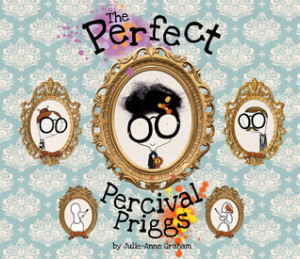
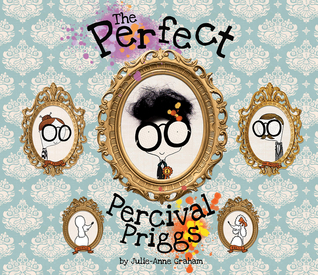
The Perfect Percival Priggs Author: Julie-Anne Graham
Published: May 26, 2015 by Running Press
Goodreads Summary: Percival Priggs seems to be the perfect child. His parents are perfect, his grandparents are perfect, and even his pets are perfect. Percy’s shelf is packed with gleaming trophies. But with all the practice and preparation needed for his competitions, Percy never has a free moment.
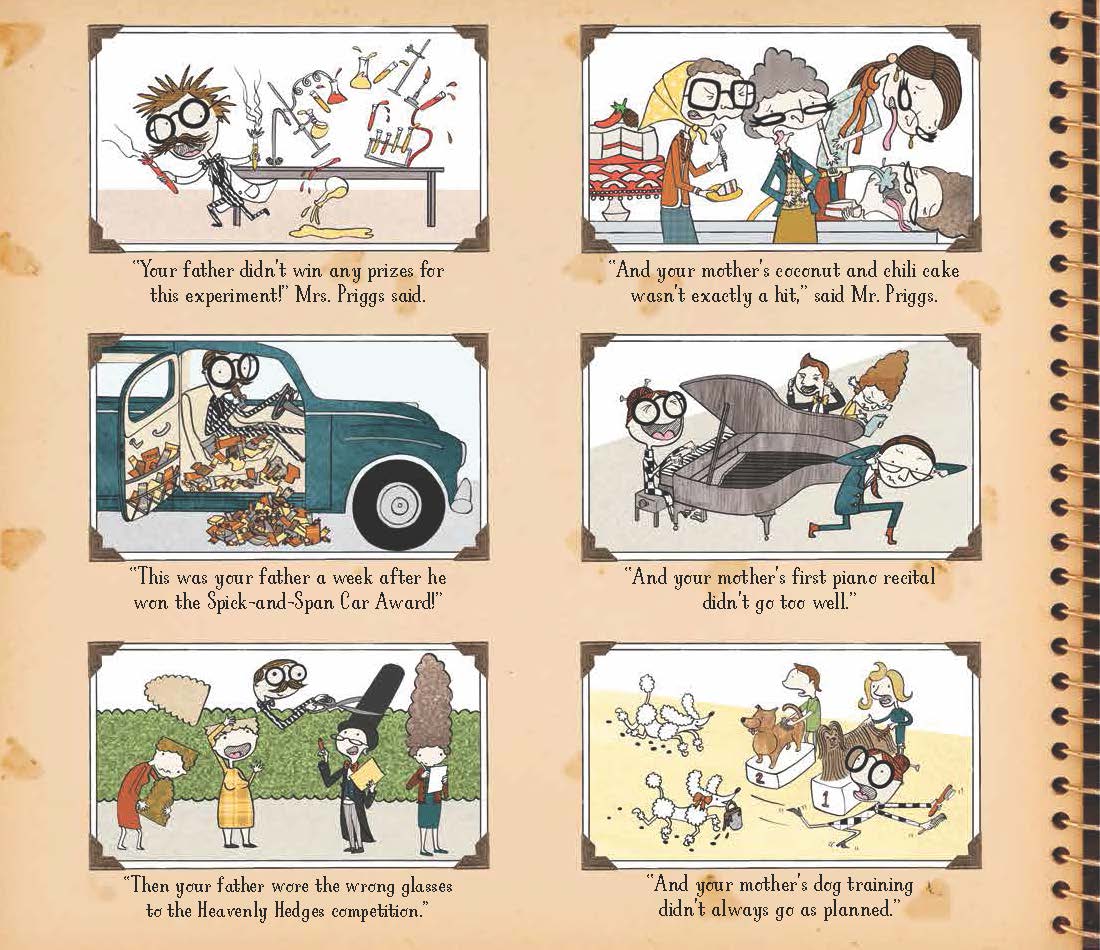
Percy worries that his parents will not love him if he does not smile his prize-winning smile and perform perfectly in every competition. But after his rocket experiment turns into an imperfect mess, Mr. and Mrs. Priggs reveal their own funny imperfections and show Percy they are proud of him exactly as he is.
The message of reassurance and acceptance in The Perfect Percival Priggs is timely in our age of helicopter parenting, overscheduling, and increased testing standards for young children. But it is debut author Julie-Anne Graham’s fresh art style that truly sets the book apart. A former fashion designer with a love of textiles, Graham has built on each page a collage of textured patterns and drawn characters, adding humor and a world of detail to the Priggs’ home and story.
Ricki’s Review:I loved the layered textures of this book. The wide-eyed illustrations will draw readers in and allow them to pay close attention to the important lessons of this story. Many kids battle with inner desires for perfection, and Percival Priggs is no exception. He struggles to be just as perfect as his perfect family, and it weighs on him. He comes to learn that perhaps perfection isn’t all that important.
Kellee’s Review:I loved the unique illustrations of this one. They are eye-catching and are just quirky enough. I also think this is a perfect read aloud for all levels because of its theme. It is definitely going in my read aloud pile for home and school. It has a fun story, but has a much deeper message. I think so many of us face the pressure of being perfect and having a discussion with kids about this pressure and the unrealistic aspect of it would really help with anxiety they may be feeling. I also love the message of family.
Teachers’ Tools for Navigation: This text would offer meaningful classroom discussions about the fallacies of perfection. Students might share times they made mistakes, and this would allow them to understand that we are all human. They might analyze perfection as it is portrayed in society and the media. Additionally, teachers might use this book as a mentor text to teach alliteration in writing.
Discussion Questions: How does Percival’s family react to his worries about perfection?; Can a person be truly perfect?; Why do people have the desire to be perfect?; Share with a partner some of the ways you are an imperfect person and why this might just be okay.

 and
and