Author Guest Post!: “All About Imps” by Henry Herz, Author of When You Give an Imp a Penny

Share

“All About Imps”

According to German mythology, imps are lesser goblins who often seek humans on whom to commit mischievous, not evil, acts. Imps are described as small, wild and willful; in some cultures they are synonymous with fairies. They are sometimes depicted as unattractive small demons. Although immortal, imps could be harmed with magical weapons or kept out of one’s house with magical wards.

There’s a certain pathos associated with imps, as their mischief is meant to attract human attention and friendship, but typically produces the opposite effect. Even in “successful” situations, the imp remains true to its nature, and continues to play pranks on its human host. Hence the term “impish” is often used today to describe someone who is a trickster or practical joker.

Given their quasi-demonic appearance, some believed that imps were servants of witches and warlocks, sometimes known as familiars. Such familiars, in the form of the all-too-common black cat, black dog, or toad, were considered proof of witchcraft during the era of witch hunts. Science!!

Imp legend in some cases associates imps with an object. Some imps were kept within a container, like a bottle or lamp. Others were not contained within, but magically bound to an object like a sword or jewel.

Imps could be considered the alter-egos of the far more helpful brownies (not to be confused with young girl scouts or a delicious chocolatey treat). According to Scottish and English folklore, brownies are small humanoids that inhabit unused portions of houses, such as attics, basements, or within the walls. Brownies help with the household chores, but because they don’t like to be seen, they work at night. They appreciate gifts of food, particularly honey, porridge and dairy products. But brownies may depart the home if their gifts are referred to as payments, or if the human occupants mistreat them. It seems like a brownie would be a natural solution to an imp infestation.

Imps appear in the games Forgotten Realms and Dungeons & Dragon, and in the books THE BOTTLE IMP by Robert Louis Stevenson, LIVES OF THE NECROMANCER by William Godwin, THE IMP AND THE CRUST by Leo Tolstoy, The Oz series by L. Frank Baum, and MONSTER GOOSE NURSERY RHYMES by Henry Herz.

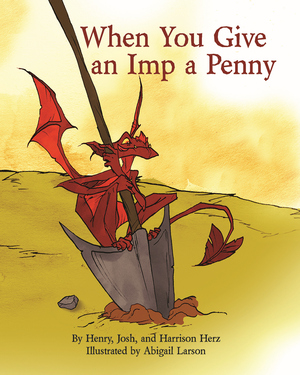
Henry Herz’s latest picture book, published by Pelican, is WHEN YOU GIVE AN IMP A PENNY. Before you lend an imp a penny, there’s something you should know—such a simple act of generosity could set off a side-splitting chain of events! A colorful picture book full of mythology, mischief, and magic, WHEN YOU GIVE AN IMP A PENNY shows us just what happens when an accident-prone—but well-intentioned—imp comes along asking for favors! The same writer/illustrator duo that brought you MONSTER GOOSE NURSERY RHYMES brings to life a comedy of fabled proportions.

From tracking mud on the floor to setting the broom on fire, this clumsy little imp causes accidents wherever he goes, but he’s determined make things right again. The only thing it will cost his host is a little patience—and maybe a bit of time cleaning up some messes! It won’t be long before this troublemaker has won over the entire family (except for the cat) with his irrepressible charm. Herz’s whimsical prose and Larson’s bold illustrations make this tale a laugh from beginning to end—and then again!

imp

When You Give an Imp a Penny
Author: Henry, Josh, and Harrison Herz
Illustrator: Abigail Larson
Published February 1st, 2016 by Pelican Publishing Company

Goodreads Summary: If you’ve ever given an imp a penny, then you know how outrageous things can get. If you haven’t…consider yourself warned! In this vibrant new story from the writer and illustrator behind Monster Goose Nursery Rhymes, a well-meaning imp needs one tiny favor. But sometimes even the smallest of good deeds can lead to huge accidents! When he tries to help you clean house, this clumsy imp will leave everything messier than ever. And once he’s done burying his money bag for safekeeping, your yard might never be the same. With colorful illustrations right out of a fairy tale and a story that will get the whole family laughing, this book is a must-have for every lover of fantasy.

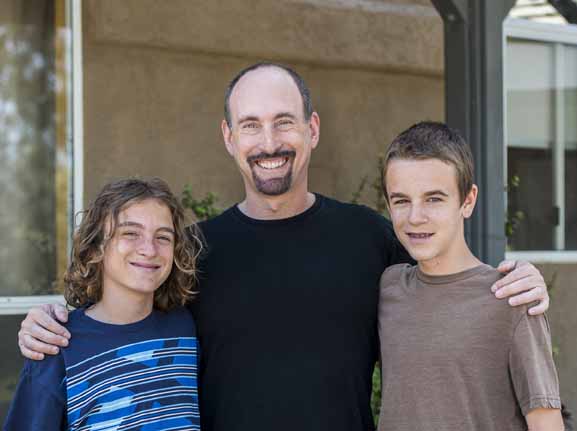
About the Author: Henry Herz writes fantasy and science fiction for children. He is represented by Deborah Warren of East/West Literary Agency. His debut traditionally published picture book, MONSTER GOOSE NURSERY RHYMES (reviewed here on 3/27/15), was published by Pelican in January 2015. WHEN YOU GIVE AN IMP A PENNY and LITTLE RED CUTTLEFISH will follow in 2016. Henry and his sons have also indie-published four children’s books. NIMPENTOAD reached #1 in Kindle Best Sellers large print sci-fi & fantasy, and was featured in Young Entrepreneur, Wired GeekDad, and CNN. BEYOND THE PALE featured short stories by award-winning and New York Times bestselling authors Saladin Ahmed, Peter S. Beagle, Heather Brewer, Jim Butcher, Rachel Caine, Kami Garcia, Nancy Holder, Gillian Philip & Jane Yolen, and reached #2 in Amazon Science Fiction & Fantasy > Fantasy > Anthologies.

Henry is a member of the Society of Children’s Book Writers & Illustrators (SCBWI) and the Science Fiction & Fantasy Writers of America (SFWA). Henry participates in literature panels at a variety of conventions, including San Diego Comic-Con and WonderCon. Henry created KidLit Creature Week (www.birchtreepub.com/kcw/), an annual online gallery of monsters, creatures, and other imaginary beasts from children’s books. Henry writes articles about children’s literature for TheWriteLife.com. He reviews children’s books for the San Francisco Book Review and the San Diego Book Review.

Blog: http://www.henryherz.com
Facebook: https://www.facebook.com/henry.herz/
Twitter: https://twitter.com/Nimpentoad

HerzHenry3-72

Thank you Henry for sharing your newest picture book!

RickiSig andKellee Signature

In The Middle School Classroom: Talking About Last Stop on Market Street by Matt de la Pena

Share

last stop on market street

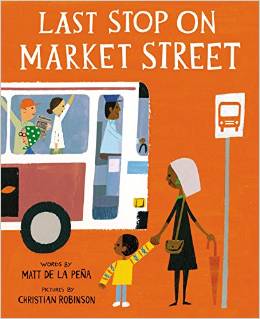
So many of us were so happy to hear that Matt de la Peña won the Newbery Medal with Last Stop on Market Street though so many of us were quite surprised as well. Not surprised because the book didn’t deserve it, it did; surprised because it is a picture book winning the award for most distinguished piece of children’s literature. This means that the illustrations, which are phenomenal and also won a Caldecott Honors, could not be taken into consideration during the Newbery process. This left many people wondering how a picture book could beat out novels such as Echo by Pam Muñoz Ryan and The War That Saved My Life by Kimberly Brubaker Bradley, two of the three honors books.

I was fascinated by all the conversations, and then I read a post on Facebook by my friend, Beth Shaum, sharing an activity she did in her classroom. She decided to let her student be the judge of the book and read Last Stop on Market Street aloud to her students without showing them the illustrations. She then asked them how it met the criteria of the Newbery. I loved it and decided to do it in mine as well. I didn’t plan on blogging about it, but the conversations that came with the activity and reading of Last Stop on Market Street with my middle school students was something that needed to be shared.

In my class, I read the whole picture book twice. The first time straight through. Then the second time I allowed for questions and we discussed it a bit. It was so wonderful to see how much inference needed to be done when the illustrations were excluded from the reading. When CJ says he wanted something a pair of teens had, students couldn’t see the photos to determine what it was. They also noticed the diversity of the book without seeing the photos because they pointed out that there was a blind man on the bus.

Finally, I asked my students to answer two questions. First, I asked them to tell me what made Last Stop on Market Street distinguished, and why do you think it won the Newbery. Then, after reading the book for a third time and showing the illustrations as well they had to tell me what the theme of the book was. (We are actually in a theme unit, so the text fit in perfectly.) Here are some answers I received:

What made Last Stop on Market Street distinguished? Why do you think it won the Newbery?

“This book won the Newbery award because it had so many positive things to teach kids. It shows many different things to think about.”

“Because of the author’s ability to use imagery, teach a valuable life lesson in a way where a child can understand, and it’s way of including racially diverse characters like the world we live in today. This book creates a story for children that let’s them think.”

“I think it won because the book teach you many lessons about homeless people and the different types of diversity that is in the world, also the book teach you that some people don’t have a lot of things and it is important to be thankful, the kid in the book was complaining about doesn’t have a car but some people don’t even have food.”

“This book is different from all the other winners for this award, but it still won maybe because the amount of detail in the story even without looking at the illustration.”

“I think this book won the Newbery prize because this shows us that deep down inside that little town it shines bright like the sun,so i think that this book won because it teaches life lessons for kids.”

“I think this won because the story was very well written. The setting and people in the setting were described very well. Even without the pictures I could imagine what the scene looked like. The one scene that really stood out was when CJ, his grandma, and the blind man, all closed their eyes and enjoyed the sound of the music the man with the guitar was playing. The author described this scene very well.”

“It won the Newberry medal because there was so much description in the characters and how the character talked about the setting how there was a arch of a rainbow, about the streetlamps, the graffiti, and even about the description of the characters were so much in detail, like this person was blind, and that the dog guided him around.”

“I think the Last Stop On Market Street won the Newbery Medal because of the way of the wording showed freedom, power, and beauty. It showed clever wording and hints that implied little things that made the world better and beautiful. It talked about how the world was ruined to some and looked wrong, but when you understood it, the world was beautiful. What made the book distinguished was how so little words meant so much and made you think about how the world was breathtaking, and what made it so special.”

“This book is distinguished because the characters are described well because it showed what they were doing and saying. The book also described freedom well and it showed the theme better because it said that his Nana found beautiful everywhere and he looks around after wondering that and it seems that he is appreciating the beauty of all the things around him. I think that this book won the Newbery because it (1) shows diversity, (2) it has an amazing message, and (3) the book doesn’t take place in a fancy school or luxurious house but on an old bus yet it still makes CJ’s time there seem great because he is enjoying the world around him and the people around him.”

“I think that the book won the Newberry because the characters are diverse, for example, the blind man with his dog on the bus. C.J and his Nana are also interesting characters, because Nana sees the beauty in a lot of things that C.J doesn’t see yet.”

“This book won the Newbery prize because it is very true and it gives people hope.”

What is the theme of Last Stop on Market Street?

“The theme is that whenever you are sad you have to keep positive and look at the good side.”

” Broken things still have their uses.”

“Don’t be jealous and want everything be happy that you are living the life you have. You don’t have to be like all the other people and be jealous. Who cares where you live and what you do or what you have. Like when the boy said he wanted a car instead of riding the bus. He wanted to go straight home instead of going to the homeless shelter. All those things he wanted but he should have been happy for what he has.”

“I think the theme of the Last Stop On Market Street was to appreciate the little things in the world that make it special, rather than looking on the outside and wanting what you think makes the world better for you, not including others who may have less, but respect more than what you think the world is made of.”

“I think that the theme of the story is that people should appreciate what they have in life because beauty is everywhere no matter where you are or what you are doing.”

“I think that the theme of this book is that there is beauty in everything. I say this because C.J’s Nana said that the bus breathes fire, that a tree’s trunk is a straw, she also said that some people see the world with their ears.”

Thank you to my students for their beautiful and thoughtful responses.

Kellee Signature

Not if I See You First by Eric Lindstrom

Share

not if i see you first

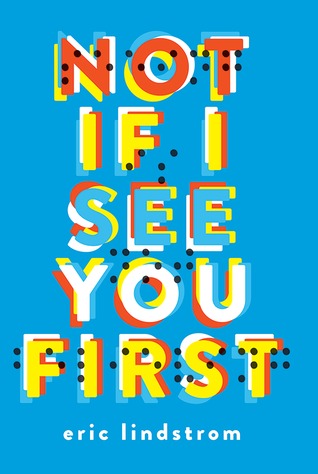
Not If I See You First
Authors: Eric Lindstrom
Published: December 1, 2015 by Poppy

GoodReads Summary: The Rules:

Don’t deceive me. Ever. Especially using my blindness. Especially in public.

Don’t help me unless I ask. Otherwise you’re just getting in my way or bothering me.

Don’t be weird. Seriously, other than having my eyes closed all the time, I’m just like you only smarter.

Parker Grant doesn’t need 20/20 vision to see right through you. That’s why she created the Rules: Don’t treat her any differently just because she’s blind, and never take advantage. There will be no second chances. Just ask Scott Kilpatrick, the boy who broke her heart.

When Scott suddenly reappears in her life after being gone for years, Parker knows there’s only one way to react—shun him so hard it hurts. She has enough on her mind already, like trying out for the track team (that’s right, her eyes don’t work but her legs still do), doling out tough-love advice to her painfully naive classmates, and giving herself gold stars for every day she hasn’t cried since her dad’s death three months ago. But avoiding her past quickly proves impossible, and the more Parker learns about what really happened—both with Scott, and her dad—the more she starts to question if things are always as they seem. Maybe, just maybe, some Rules are meant to be broken.

Combining a fiercely engaging voice with true heart, debut author Erid Lindstrom’s Not If I See You First illuminates those blind spots that we all have in life, whether visually impaired or not.

Review: The story is about a girl who is blind and a runner. I feel like I learned so much for this book from the physical and mental strength of this young girl. Frankly, I can’t quite find the words to express how much it taught me about life. The narrator is feisty, and I appreciated her candor about her disability. I came to realize how incredibly frustrating it would be to deal with the same reactions from strangers every day, particularly when she feels perfectly capable. This is a great book to teach empathy.

Teachers’ Tools for Navigation: We don’t talk about disability in literature enough. I would love to put students in literature circles, with all of the texts focusing on disability. It would be interesting to have whole-class discussions about the way disability is present in each text. It might be particularly interesting to include texts that feature mental and physical disability. This might lead to good discussions, like: What is disability? Is a disability always visible to others? What is normal?

Discussion Questions: The narrator of the text is unlikable. How does this add to the story? Why might the author have written the text in this way?; Do you think Parker’s rules are fair? Why do you think she has this list of rule?

We Flagged: I flagged this section because it shows Parker’s dry humor:

“‘So you’re blind, huh?’

I cock my head toward the unfamiliar male voice coming from the seat directly in front of me. Low-pitched a bit thick around the vowels. The voice of a jock, but I just keep that as a working hypothesis awaiting more evidence.”

Read This If You Loved: The Running Dream by Wendelin Van Draanen, Girl, Stolen by April Henry, Blind by Rachel DeWoskin, Wonder by R.J. Palacio, Out of My Mind by Sharon Draper

Recommended For:

litcirclesbuttonsmall classroomlibrarybuttonsmall

RickiSig

I Want to Be…. by Ruby Brown

Share

i want to be a lion tamer i want to be an astronaught

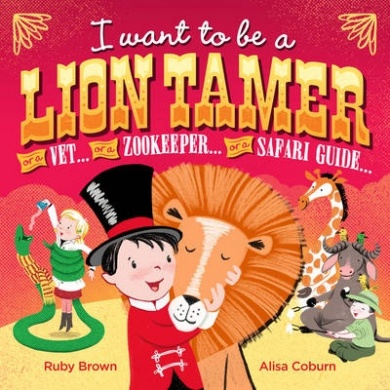
I Want to Be a Lion Tamer…
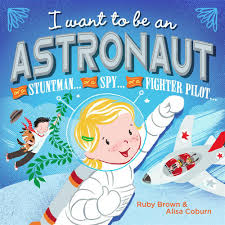
I Want to Be an Astronaut…
Author: Ruby Brown
Illustrator: Alisa Coburn
Published 2015 by Kane Miller Publishing

Summary: What do I want to be when I grow up? When I grow up, I can be anything I want to be! A vet? A dog walker? A lion tamer? A spy? An astronaut? A deep-sea diver?

Kellee’s Review: The thing I loved the most about these books was the lesson that readers will take away: You can be anything you want when you grown up! From a young age we really need to be teaching kids to have dreams and do what they can to reach them, and part of having a dream is knowing what a job entails. These books are a very nice introduction to a bunch of different jobs and would be a great jumping off point to talk to kids of a very young age about what they want to be when they grow up and what that job is like. I also liked the illustrations so much! Coburn’s illustrations are so colorful and lively–they take Brown’s words of a kid’s imagination and brings them to life. 

Ricki’s Review: I’ve read these books dozens of times with my two-year-old son. He may be a bit young to understand the concepts of the books, but he loves the pictures! I am happy to have them because I know I will be able to use them in the future to teach him that he can be anything he wants to be. I could see these books being great to use during job fairs and job talks. I’d even use these with high schoolers to get them in the mindset that they can be anything they want to be. I particularly enjoyed the diversity of jobs featured in the books. These are a great resource for teachers.

Teachers’ Tools for Navigation: The I Want to Be books can be used as a read aloud to begin a discussion of different types of careers and what students want to be when they grow up. You can use this time to talk about goals, how to reach them, and maybe even do a small research project where students find what the job they are interested in includes. Students can then use this information to write a 3 sentence poem following Ruby Brown’s style explaining their dream job.

Discussion Questions: What do you want to be when you grow up? What are the pros and cons of different jobs? How might you group jobs into categories?

We Flagged: “When I grow up, I want to be…

A marine biologist.
I’ll work at an aquarium with lots of fish.
I’ll study animals and plant life from the sea.
And I’ll even discover a new type of sea creature.

An archaeologist.
I’ll excavate ancient tombs and old cities.
I’ll discover artifacts that are very old.
And I’ll study them and unlock secrets from the past.”

Read This If You Loved: Interstellar Cinderella by Deborah Underwood, The Most Magnificent Thing by Ashley Spire
(Both of these books are ladders up from the I Want to Be… books.); When I Grow Up by Mercer Mayer, The Berenstain Bears: Jobs Around Town by Stan and Jan Berenstain with Mike Berenstain

Recommended For: 

readaloudbuttonsmall

Kellee Signature andRickiSig

**Thank you to Lynn at Kane Miller Books for providing copies for review!**

Top Ten Tuesday: Favorite Literary Couples

Share

top ten tuesday

Top Ten Tuesday is an original feature/weekly meme created at The Broke and the Bookish. The feature was created because The Broke and Bookish are particularly fond of lists (as are we!). Each week a new Top Ten list topic is given and bloggers can participate.

 Today’s Topic: Favorite Literary Couples

These couples are so easy to fall in love with!

Ricki

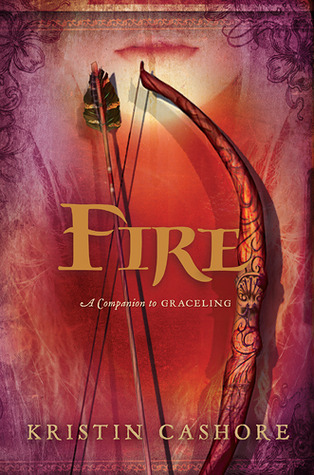
1. Brigan and Fire from Fire by Kristin Cashore

fire

This phenomenal book features one of my favorite couples. I almost named my son Brigan, but it didn’t quite go with my last name.

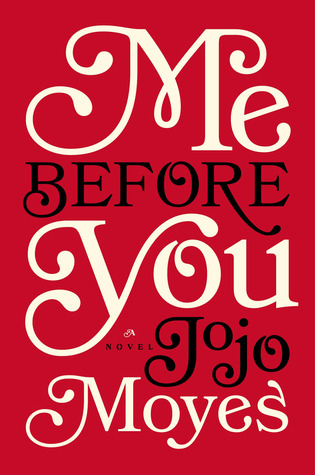
2. Lou and Will from Me Before You by Jojo Moyes

me before you

Proving that disability most certainly doesn’t get in the way in love.

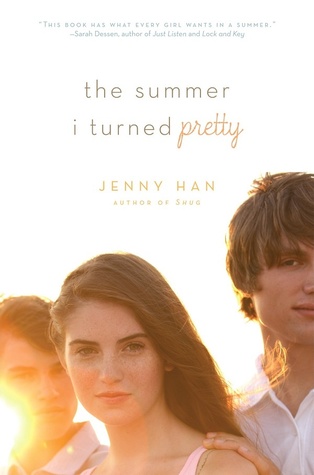
3. Isabel and Conrad/Jeremiah from The Summer I Turned Pretty by Jenny Han

summer i turned pretty

I devoured these books, and my students and I had heated debates about this romance.

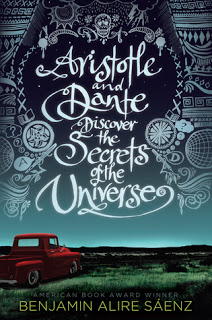
4. Aristotle and Dante from Aristotle and Dante Discover the Secrets of the Universe by Benjamin Alire Sáenz

aristotleand

There is nothing better than the love that emanates from this book.

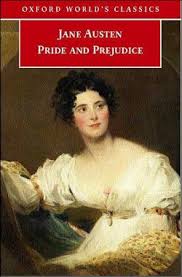
5. Elizabeth and Mr. Darcy from Pride and Prejudice by Jane Austen

Pride and Prejudice

I couldn’t keep it off the list. That would be negligent of me. 😉

Kellee

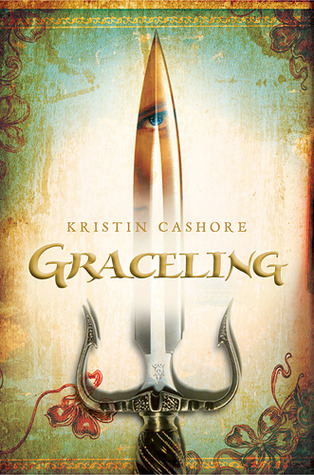
1. Katsa and Po from Graceling by Kristin Cashore

graceling

Their love is one of those passionate, forever loves where the reader falls in love with the character too because the protagonist loves the other so much.

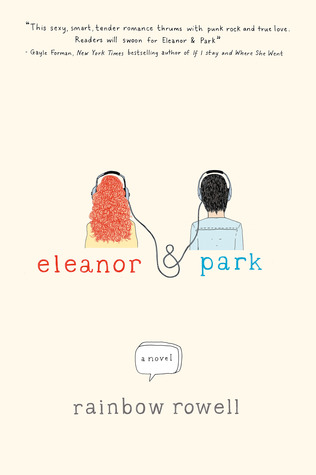
2. Eleanor and Park from Eleanor & Park by Rainbow Rowell

eleanor

Imperfect, perfect love.

3. Aristotle and Dante from Aristotle and Dante Discover the Secrets of the Universe by Benjamin Alire Sáenz

aristotleand

There is just something so special about the true love that flows through this book.

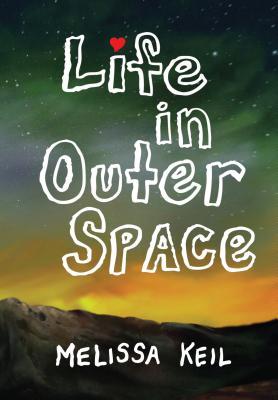
4. Sam and Camilla from Life in Outer Space by Melissa Keil

outerspace

These characters are so different and so quirky yet so perfect for each other.

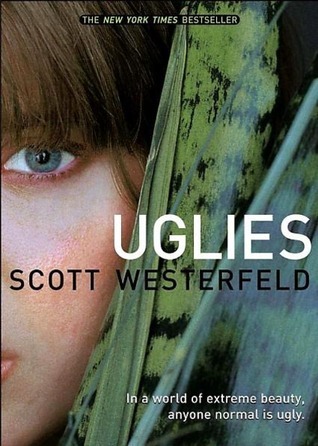
5. Tally and David from Uglies by Scott Westerfeld

uglies

Tally and David are just so kick butt, and together they just are even more so!

Which literary couples were your favorite?

RickiSig and Signature

It’s Monday! What Are You Reading? #IMWAYR 2/8/16

Share

IMWAYR 2015 logo

It’s Monday! What Are You Reading? From Picture Books to YA!

It’s Monday! What are you Reading? is a meme started by Sheila at Book Journeys and now hosted by Kathryn at The Book Date. It is a great way to recap what you read and/or reviewed the previous week and to plan out your reading and reviews for the upcoming week. It’s also a great chance to see what others are reading right now…you just might discover the next “must-read” book!

Kellee and Jen, of Teach Mentor Texts, decided to give It’s Monday! What Are You Reading? a kidlit focus. If you read and review books in children’s literature – picture books, chapter books, middle grade novels, young adult novels, anything in the world of kidlit – join us! We love this meme and think you will, too.

We encourage everyone who participates to support the blogging community by visiting at least three of the other book bloggers that link up and leave comments for them.

Last Week’s Posts

top ten tuesday kid athlete more happy than not

recite-7g2gyc WarriorKids-FRONT COVER

Tuesday: Top Historical Settings We Love

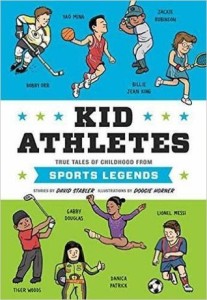
Wednesday: Kid Athletes: by David Stabler

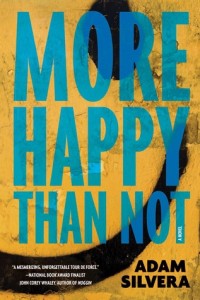
Thursday: More Happy Than Not by Adam Silvera

Friday: Unleash Your (and your students’) Inner Reader

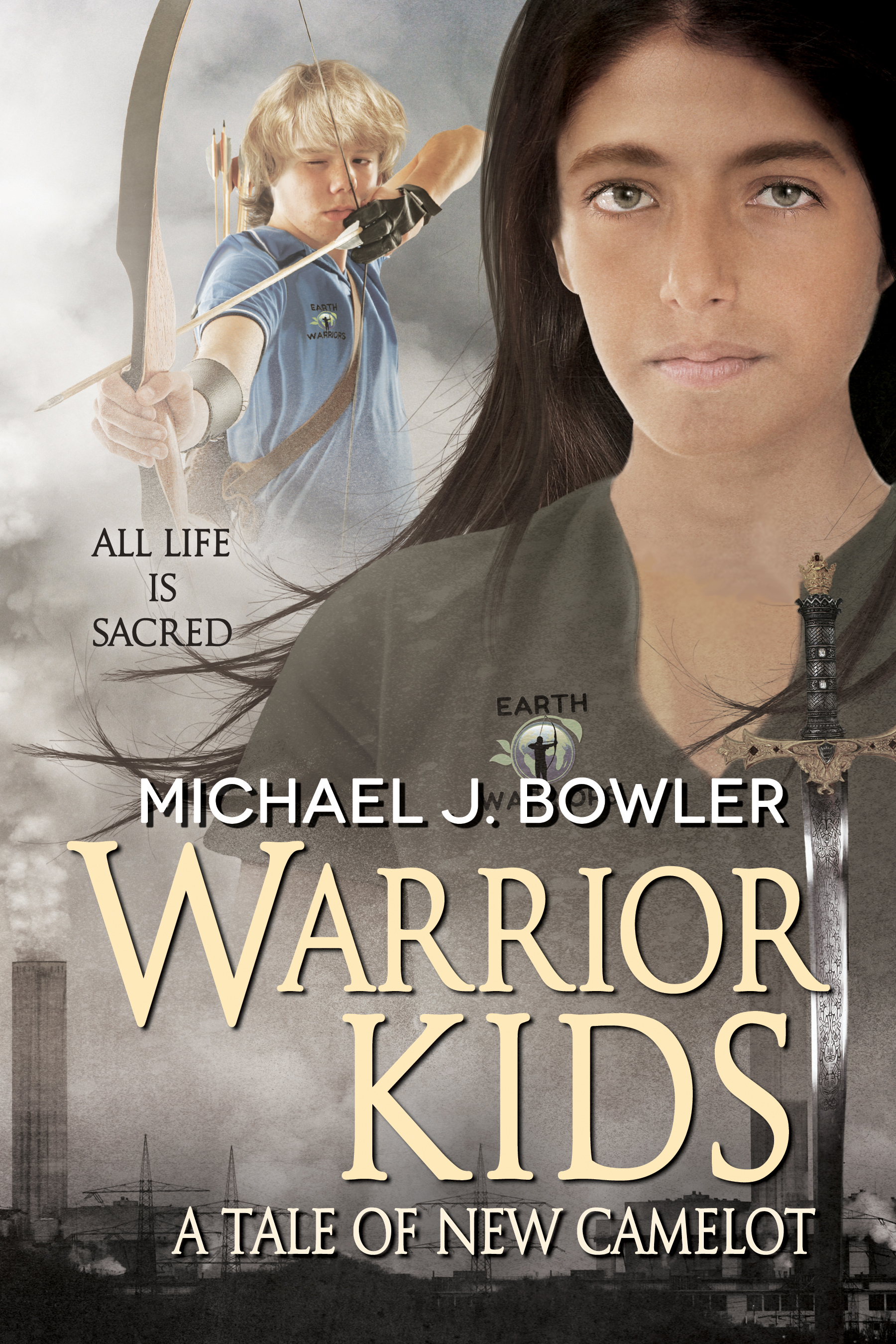
Sunday: Author Guest Post!: “Cross Curricular Integration of Climate Change Education Using Middle Grade Fiction” by Michael J. Bowler, Author of Warrior Kids

**Click on any picture/link to view the post**

 Last Week’s Journeys

Kellee: Although I didn’t get to anything I said I was going to, I had a pretty fantastic week of reading. I got to read Booked! Oh man, everyone–it is a pretty great follow up to The Crossover. Kwame Alexander once again tackles sports and family issues in a perfectly-crafted, smart verse novel. A must read! I also read Seeing Red by Kathryn Erskine this week with one of my students. Her mom was a bit concerned about some of the content, so the student asked me to read it with her. It was so good! I can see why it would be good for an 11-year-old to have someone to talk to about the book because it deals with racism, sexism, abuse, and death, but it was such a great read and would be a perfect book to read alongside Lions of Little Rock.

I also read Last Stop on Market StreetRed, and The Day the Crayons Quit with my classes during our theme unit. Reading these picture books with my students was really inspirational. So much so that I plan on writing two blog posts about it to share the lessons and my students’ thoughts.

With Trent, we’ve been reading Thomas the Tank Engine books from a Me Reader set. The Me Reader allows Trent to choose the book he wants then he can press a certain button, and it will read the page to him. He still wants me sitting with him, but he loves being in control of the story. Trent is also loving Friends by Eric Carle still and has been asking for Goodnight Moon more than usual.

Ricki: Henry and I read The Typewriter by Bill Thomson—a fun, new wordless picture book about three kids who find a typewriter. Because he’s been sick (double ear infection!), we have been rereading all of his favorites each night (Racecar Alphabet by Brian Floca, Cat vs. Dog by Chris Gall, among some older classics like Brown Bear, Brown Bear and Chicka Chicka Boom Boom).

This Week’s Expeditions

Kellee: I have Poptropica: Mystery of the Map by Jack Chabert that I plan on reading this week. It is based off of Jeff Kinney’s concept and is a new graphic novel adventure series. I’m looking forward to it! This week is also going to be a bit crazy (wonderful crazy!) because my mom, sister, and brother-in-law are all coming into town for Trent’s birthday party! He doesn’t turn 2 until the 20th, but we’re celebrating on the 13th. Whenever family comes into town, my reading really takes a hit, so we’ll have to see how much I get read.

Ricki: I am reading Education for Extinction: American Indians and the Boarding School Experience, 1875-1928 by David Wallace Adams. Sorry I am boring—but it is a really informative book! I am also hoping to get to All American Boys by Jason Reynolds and Brendan Kiely. I am not sure if I’ll have time, though!

Upcoming Week’s Posts

top ten tuesday i want to be an astronaught i want to be a lion tamer not if I see you first last stop on market street imp

Tuesday: Top Ten Tuesday: Favorite Literary Couples

Wednesday: I Want to Be a… books by Ruby Brown

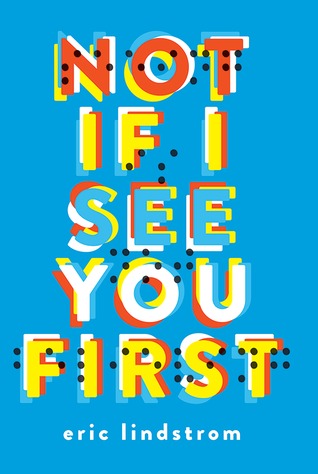
Thursday: Not If I See You First by Eric Lindstrom

Friday: Talking about Last Stop on Market Street in a Middle School Classroom

Sunday: Author Guest Post!: “All About Imps” by Henry Herz, Author of When You Give an Imp a Penny

 So, what are you reading?

Link up below and go check out what everyone else is reading. Please support other bloggers by viewing and commenting on at least 3 other blogs. If you tweet about your Monday post, tag the tweet with #IMWAYR!

 Signature andRickiSig

Author Guest Post!: “Cross Curricular Integration of Climate Change Education Using Middle Grade Fiction” by Michael J. Bowler, Author of Warrior Kids

Share

Cross Curricular Integration of Climate Change Education Using Middle Grade Fiction

With pollution and climate change being, arguably, the most serious issue facing the youth of this century, I authored a book, Warrior Kids, that’s suitable for middle grade through high school. The storyline educates and empowers kids to lead the way in solving this crisis. Included within the plot, and added to the back of the book in the form of Extension Activities, are numerous ways kids as young as elementary school age can take an active role in ensuring a healthier planet for themselves and their own children far off in the future.

Teachers need to implant the belief in students that they can be the change they want to see in the world. When dealing with the environment, adults need to give kids hope and not preach that the sky is falling, which is the message of so many environmental groups in their pursuit of donations. I wrote an entire post about how kids need hope, not fear. Fear paralyzes us, while hope encourages us toward action. My book is filled with hope and positive solutions to the environmental crisis that kids and teens can readily embrace.

I’m sharing cross-curricular ideas that almost all teachers can utilize, whether or not they incorporate Warrior Kids into their classes. Warrior Kids does, however, contain a plethora of ideas that middle and high school students should find of interest discussing and debating. The eBook of Warrior Kids is free for any teacher who requests it.

  1. SCIENCE: At all grade levels, classes can plant gardens around school and have the students tend them. Each grade level can have a different garden or a different responsibility in maintaining one larger garden. Organizations like Common Vision can help you get started. Especially in big cities, kids have little contact with nature and don’t really have a sense of what will be lost if we destroy it. Having them nurture living things and spend time in a garden is an easy way to reawaken their innate connection to the natural world.
  2. MATH: there are so many “numbers” issues your students could work on computing. For example, take plastic water bottles. Based on America’s current annual disposal of water bottles (each of which can only be recycled once) how many acres of land will be needed in the form of landfill to hold all the discarded bottles, both those recycled and turned into a then-non-recyclable item, or those initially tossed into the trash? These calculations can be done for five years into the future, ten years, twenty years, etc. In this way, the students will become tangibly aware of the negative impact of buying water in plastic bottles. The same principal can apply to the numbers of trees we cut down versus how many trees there are worldwide, and to a host of other environmental concerns.
  3. CHEMISTRY: have the students learn in greater depth the ingredients that make up the various kinds of plastics and why certain ones are chemically unhealthful. (There is a section at the back of Warrior Kids that breaks down the different plastics based on toxicity.) Your students can also explore the new biodegradable plastics that are currently available, and others that are still experimental, and debate the pros and cons of each. Chemistry students can also study the effects that “fracking” chemicals have on the environment. Fracking is a method of digging for oil or natural gas. Over six hundred chemicals are added to water during the fracking process – toxic chemicals like benzene and formaldehyde. What is the physical impact on the eco-system when these chemicals leak into groundwater or dissipate into the air? What is the impact on human, animal, and plant life?
  4. BIOLOGY: have your students explore the scientific data that sets two degrees Celsius as the threshold over which the planet cannot safely become any warmer. Have them consider random factors like major volcanic eruptions and how those might affect global temperatures and the climate as a whole. Have them calculate various temperature increases on sea levels and existing plant and animal life. What species are more likely to survive higher temperatures and why? Will parts of the earth become uninhabitable for humans due to heat levels? If so, at what temperature might that occur?
  5. EARTH SCIENCE: students can study the link between heavily fracked areas like Oklahoma and an increase in seismic activity. Is there a direct or indirect connection, and does proximity of wells to known and unknown earthquake faults pose a serious threat to people?
  6. ENGLISH/ELA: have your students go through Warrior Kids and break down the various speeches given by Lance (the eighteen-year-old leader of the youth movement) as examples of persuasive writing. Does he back up his words with evidence? Does he use effective rhetoric? Which aspects are the most persuasive and which are the least and why? If teachers don’t want to use the book, students can use this technique with real activists in the climate arena who speak to the United Nations or other bodies. Are their words substantive, or just platitudes with no specifics to back up their arguments? Take one of their speeches and re-write it to make the message more meaningful and powerful.
  7. SPEECH/DEBATE: students can analyze the effectiveness of Billy’s “Alien Invasion” analogy in his address to the joint session of Congress (or any of Lance’s speeches, as noted in number five, or real speeches delivered by climate activists.) Have students write their own speeches to congress, the UN, or even their parents about why our behaviors need to change so the planet can heal. They can practice their speeches on each other, in front of the class, and even in front of other classes throughout the school. They could attend a school board meeting and attempt to persuade the district to become more sustainable.
  8. BUSINESS/ECONOMICS: have your students calculate the costs of having the school run on solar power. What would be upfront costs to the district and what would be the savings over time? They can pitch their ideas to the principal and the school board. They can even write a grant to obtain money and make the project a reality.
  9. HISTORY: have students explore and report back on the taxpayer subsidies that have been given to fossil fuel companies over the decades. What were the lobbying efforts based on? Which party or politicians have been most in the pocket of these industries, and what would happen politically if all such subsidies were cut off?
  10. GOVERNMENT: have students study up on campaign finance laws – why is it illegal for 501(c)(3) non-profits to campaign for or endorse candidates for public office? They can explore environmental activist groups that have 501(c)(3) status to see if they have ever campaigned for a candidate. If so, did that violation of law affect their non-profit status in any way? If it didn’t, do your students think it should have? Why or why not?
  11. MUSIC: have students compose songs that address the climate issue from the perspective of youth. Put these songs on YouTube and share them with like-minded young people around the world.
  12. ART: create posters/paintings that promote recycling, sustainability, and renewable energy. Enter these works into art contests. There are a number of contests that promote environmental artwork and offer prize money that can be used for eco-friendly projects.
  13. DANCE: interpretive dances that illustrate the negative impacts of pollution and climate change could be an amazing way for the student who isn’t a great writer or speaker to express his/her ideas.
  14. ALL CURRICULAR:
    • Start an Earth Warriors Crew with your class (EW is the fictional group in my book) and get other classes involved. It’s a great community service opportunity and the kids can actively help the move toward sustainability.
    • Each class can have a FB Group page, and link it to the Warrior Kids FB Group Page, if they so choose. They can share their accomplishments rather than selfies (a theme in the book.)
    • They can order t-shirts like the ones worn in the book (I’m happy to share the logo or even order the shirts for you.) They can also create their own shirts with whatever slogan they feel works for them in their community.
    • Have cool giveaways to your students who come up with the most creative idea for sustainability, recycling, reusability, or even creative ways to get the cooperation of reluctant adults (either people they know or politicians.)
    • Organize petition drives for needs in your school or community.
    • Have your class start paper collections. The students can sort all the paper by colors for proper recycling.
    • If there isn’t already a strong recycling program for bottles and cans, have them start one.
    • Where I taught high school, the maintenance staff would throw old computers into the trash. Have your kids make sure all old electronics around the school site are e-waste recycled. If there isn’t a city location nearby, Salvation Army takes e-waste and makes sure it’s recycled properly.

These are just a few of the activities I present at the conclusion of Warrior Kids. There are others, including a list of fifty simple things we can all do to help save the planet. Kids in every curricular area can take almost any of those fifty activities and turn them into a class or school/wide project. I also provide a list of organizations that students can explore in order to learn about climate change and become more involved in making a difference.

Thematically, Warrior Kids posits that we need to shift our human consciousness away from “me” centered thinking over to “we” centered thinking if the earth, and the human race, are to truly heal. When we focus on seemingly small things – like cutting plastic waste, for example – we are taking a huge step toward shifting that consciousness because our actions have a global impact. Just by each of us, and our students, reducing the use of plastic, we improve the entire world and become one with teachers and students in other countries who are doing the same. It’s simple, it’s unifying, it’s elevating, and ultimately it’s a major step toward preserving a healthy planet for the next generation. The time to act is now. As Billy says to his crew in Warrior Kids: “Earth Warriors, assemble!”
WarriorKids-FRONT COVER

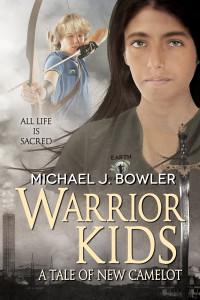
The future looks bleak unless eighteen-year-old Lance and his New Camelot Earth Warriors can save the planet from catastrophic climate change.

Spurred by twelve year-olds Billy, Enya, Itzamna, and his ten-year-old brother, Chris, Lance creates a branch of Earth Warriors, a youth-led movement designed to save the earth from its greatest enemy – greed.

His involvement leads to Earth Warrior crews springing up all across America. Millions of kids leap into action, paralyzing the country and alarming the rich and powerful.

Having adopted his father’s philosophy of doing what’s right, rather than what’s easy, Lance makes serious enemies when he calls out New Camelot donors who represent fossil fuel or other polluting industries, and then barely escapes a series of “accidents” designed to kill him.

When he challenges the United States Congress to step up and act immediately on the climate crisis, the attacks on him escalate. With the majority of America’s kids on his side, Lance and his young Earth Warriors prepare for the United Nations Conference of the Parties in Paris, where they will call upon world leaders to stop talking about sustainability and start acting on it.

But whoever wants him dead isn’t giving up. Will Lance and his crew live long enough to even get to Paris?

Warrior Kids is a standalone tale set within the Children of the Knight universe.

About the Author: Michael J. Bowler is an award-winning author of nine novels––A Boy and His Dragon, A Matter of Time (Silver Medalist from Reader’s Favorite), and The Knight Cycle, comprised of five books: Children of the Knight (Gold Award Winner-Wishing Shelf Book Awards; Reader Views Honorable mention; Runner-Up Rainbow Awards), Running Through A Dark Place (Bronze Award Winner-Wishing Shelf Book Awards), There Is No Fear, And The Children Shall Lead, Once Upon A Time In America, Spinner (Winner Hollywood Book Festival; Honorable Mention San Francisco Book Festival; Bronze Medal from Readers’ Favorite; Literary Classics Seal of Approval; Runner-Up in Southern California Book Festival; Honorable Mention in the Halloween Book Festival), and Warrior Kids: A Tale of New Camelot.

His horror screenplay, “Healer,” was a Semi-Finalist, and his urban fantasy script, “Like A Hero,” was a Finalist in the Shriekfest Film Festival and Screenplay Competition. He partnered with two friends as producer, writer, and/or director on several ultra-low-budget horror films, including “Fatal Images,” “Club Dead,” and “Things II.”

He grew up in San Rafael, California, and majored in English and Theatre at Santa Clara University. He went on to earn a master’s in film production from Loyola Marymount University, a teaching credential in English from LMU, and another master’s in Special Education from Cal State University Dominguez Hills.

He taught high school in Hawthorne, California for twenty-five years, both in general education and to students with learniag disabilities, in subjects ranging from English and Strength Training to Algebra, Biology, and Yearbook.

He has also been a volunteer Big Brother to eight different boys with the Catholic Big Brothers Big Sisters program and a thirty-year volunteer within the juvenile justice system in Los Angeles.

He has been honored as Probation Volunteer of the Year, YMCA Volunteer of the Year, California Big Brother of the Year, and 2000 National Big Brother of the Year. The “National” honor allowed him and three of his Little Brothers to visit the White House and meet the president in the Oval Office.

He is currently writing a novel based on his screenplay, “Like A Hero.”

His goal as an author is for teens to experience empowerment and hope; to see themselves in his diverse characters; to read about kids who face real-life challenges; and to see how kids like them can remain decent people in an indecent world.

You can find him at:
www.michaeljbowler.com
FB: michaeljbowlerauthor
Twitter: BradleyWallaceM
Blog: www.sirlancesays.wordpress.com
tumblr: http://michaeljbowler.tumblr.com/
Pinterest: http://www.pinterest.com/michaelbowler/pins/
Amazon: http://www.amazon.com/Michael-J.-Bowler/e/B0075ML4M4
Instagram: StuntShark

Thank you to Michael for his great cross-curricular post! These activities will be wonderful for the classroom and even would work well around Earth Day in April!

Kellee Signature andRickiSig