Author Guest Post: “The Real-Life Power of Genies” by M. Tara Crowl, Author of Eden’s Wish and Eden’s Escape

Share

The Real-Life Power of Genies

My middle-grade novels, Eden’s Wish and Eden’s Escape, tell the adventures of a twelve-year-old genie who comes to live on Earth. Like many authors, I make frequent visits to schools to speak to students about my books. When I’m there, I often ask what the students would wish for if they were to meet a genie. I’ve learned that, fictional though they may be, genies possess a very real special power: they are gatekeepers to the imagination.

Once they start talking about their wishes, even the quietest groups of students open up. They hear one another’s responses and change their own to make their wishes bigger, grander, or more refined. They’re bursting with thoughts and ideas as they engage and collaborate with one another. Sometimes, the teacher has to pump the brakes and set them back on course. And the way I see it, that’s a wonderful thing! I’d like to point out two valuable ways that teachers can make use of the three wishes fantasy and the response that it elicits.

First, there’s the creative momentum. When students imagine what their three wishes would be, they remove limitations of what’s possible or feasible, and their imaginations run wild. Why not use this as a launching pad for them to write stories? They can write about meeting a genie and making their wishes, and explain whether they received what they had in mind. Or they can write about wishes gone wrong, where a tricky genie like Eden doesn’t give them exactly what they had in mind. Or, there are the inevitable adventures after they receive—or don’t receive—what they’ve wished for. You can also encourage students to view things from the genie’s perspective. Would the student like to be a genie? Why or why not? There are so many possibilities, and writing these stories is exciting for students because the starting point is whatever their greatest fantasy might be.

The second valuable aspect here is that the teacher receives insight as to what’s going on in students’ minds. When someone shares what their wishes would be, they’re providing a glimpse into their dreams and desires. They might reveal mindsets and thoughts that wouldn’t have been exposed otherwise. For instance, once I was speaking to a classroom of fifth-grade girls who were telling me what they’d wish for. Nearly every girl expressed a desire to change something about the way she looked. It broke my heart, but it also drew attention to a problem that needed to be addressed. The school’s guidance counselor was in the room with us, and after hearing their responses, she told me it was clear that they needed to add a unit on loving yourself the way you are to their curriculum.

Stories are powerful, and there are always opportunities to use them in positive ways. I believe that the classic wish-fulfillment premise can motivate students to turn their dreams and fantasies into stories, and can also reveal what those fantasies are so that the teacher can nurture students’ minds more effectively. Genies may not be real, but they can have real power in the classroom.
edenswish edensescape

ABOUT THE BOOKS

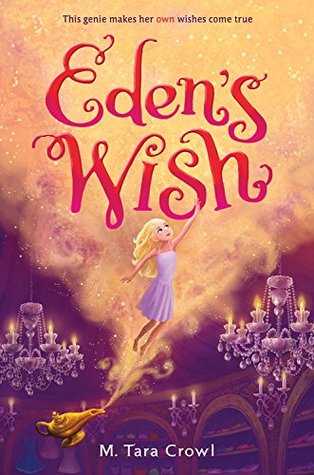
Eden’s Wish
(Eden of the Lamp #1)
By M. Tara Crowl
From Disney-Hyperion
Release Date: September 1, 2015
Ages 9-12

All twelve years of Eden’s life have been spent in an antique oil lamp. She lives like a princess inside her tiny, luxurious home; but to Eden, the lamp is nothing but a prison. She hates being a genie. All she wants, more than anything, is freedom.

When Eden finds a gateway to Earth within the lamp, she takes her chance and enters the world she loves. And this time, she won’t be sent back after three wishes.

Posing as the new kid at a California middle school, Eden revels in all of Earth’s pleasures–but quickly learns that this world isn’t as perfect as she always thought it was. Eden soon finds herself in the middle of a centuries-old conflict between powerful immortals. A ruthless organization run by a former genie will stop at nothing to acquire the lamp and its power–even hurt Tyler and Sasha, the new mortal friends who have given Eden a home. To save her friends and protect the lamp’s magic, Eden must decide once and for all where she belongs.

Goodreads

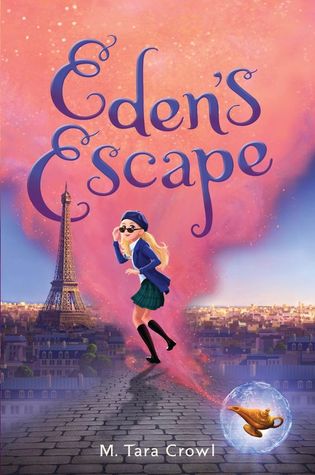
Eden’s Escape
(Eden of the Lamp #2)
By M. Tara Crowl
From Disney-Hyperion
Release Date: September 6, 2016
Ages 9-12

Eden’s new life on earth begins in New York City under the guidance of her new guardian: Pepper, a petite, bubbly genie alum who’s also a Broadway actress. Before she has a chance to settle in, though, Eden is whisked away for a granting–only to find herself trapped in a laboratory. David Brightly, owner of the world’s leading tech company, cares more about tapping into the lamp’s power than making a wish and starts performing tests on Eden. With Brightly’s plasma shield around the lamp, Eden has no way home. Left without a choice, she escapes the lab and goes on the run. After her daring exit, Eden finds herself on the streets of Paris–home to Electra’s headquarters. Left in a strange city with a price on her head (courtesy of scheming Brightly), Eden has to keep her wits about her. She dons a chic disguise and flits around Paris incognito, investigating Brightly Tech. Assisted by Pepper and her old adversary Bola, as well as some new friends, Eden embarks on a quest to retrieve the lamp and protect the secrets of the genie legacy.

Goodreads

PRAISE

“Crowl’s imaginative storyline rings with both perception and humor.” ―Kirkus Reviews

“Middle grade readers will enjoy the children’s autonomy and Eden’s humorous difficulties in grasping how school works…Hand this to readers who like their magical fantasy combined with middle school drama.” ―School Library Journal

“An imaginative romp with a smart, snarky protagonist and a humorous interpretation of the world as we know it…[Eden] is also just plain entertaining, with a sassy attitude and a clever wit that saves her on more than one occasion.” ―BCCB

ABOUT THE AUTHOR

mtaracrowl

Tara Crowl grew up in Murfreesboro, Tennessee. She studied Cinematic Arts at the University of Southern California, then received an MA in Creative Writing at Macquarie University in Sydney, Australia. She lives in New York City.

Facebook
Twitter
Instagram
Website

Stories are powerful, and we can find all sorts of dreams within them! Thank you Tara for your post!

Kellee Signature andRickiSig

Exclusive Reveal!: Teaching Guide for Charlie and Mouse by Laurel Snyder

Share

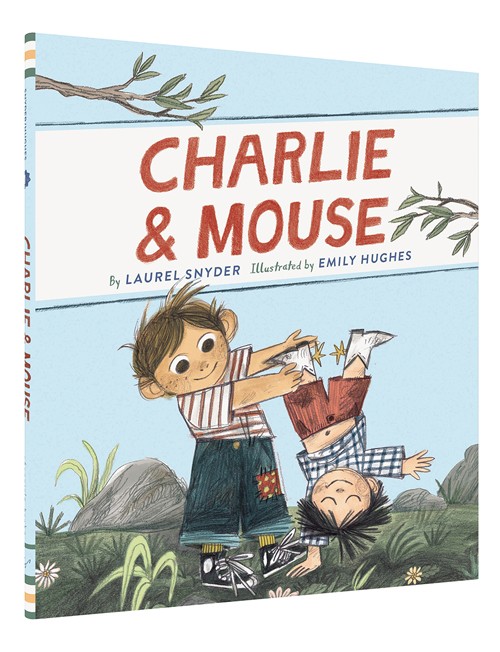
charlie-and-mouse-cover

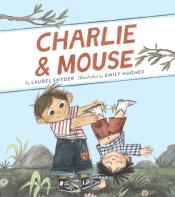
Charlie & Mouse
Author: Laurel Snyder
Illustrator: Emily Hughes
Expected Publication April 11th, 2017 by Chronicle Books
http://www.chroniclebooks.com/charlie-mouse.html

Yesterday we revealed the Barkus teaching guide, today we get to share another new guide I wrote for another must-get early chapter book from Chronicle Books for all of my early elementary friends!

About the Book: Meet Charlie and Mouse! Join these irresistible and irrepressible sibs in their quest to talk to some lumps, take the neighborhood to a party, sell some rocks, and invent the bedtime banana. With imagination and humor, beloved author and illustrator team Laurel Snyder and Emily Hughes paint a lively picture of brotherhood in four irresistible stories that readers will relish.

About the Author: Laurel Snyder is the author of many books for children. She lives and writes in a small yellow house in Atlanta, Georgia, which she shares with her husband and two sons. She would like to state for the record that while none of these stories are exactly true, none of them are exactly untrue either.
About the Illustrator: Emily Hughes is an illustrator (and sometimes writer) who lives in windy Brighton, England, while thinking fondly of her hometown in Hilo, Hawaii. When making books she uses pencils, her tablet, and a very, very generous stack of paper.

About the Guide: This guide consists of discussion opportunities and classroom extension activities designed for use by Pre-K through first grade students in classroom, small group, or individual assignments. Charlie & Mouse allows children to exercise a variety of reading comprehension strategies, from gaining information about a story from the illustrations and text to retelling, describing, building vocabulary, and comparing and contrasting. Additionally, Charlie & Mouse helps young readers develop foundational reading skills such as learning to recognize sight words and text features.

You can also access the teaching guide here.

Update (11/10/17): I have completed the guide for the sequel to Charlie and Mouse as well! Check it out: https://www.unleashingreaders.com/?p=14584

Recommended For: 

readaloudbuttonsmall classroomlibrarybuttonsmall closereadinganalysisbuttonsmall

Don’t miss out on this one!

Kellee Signature


Exclusive Reveal!: Teaching Guide for Barkus by Patricia MacLachlan

Share

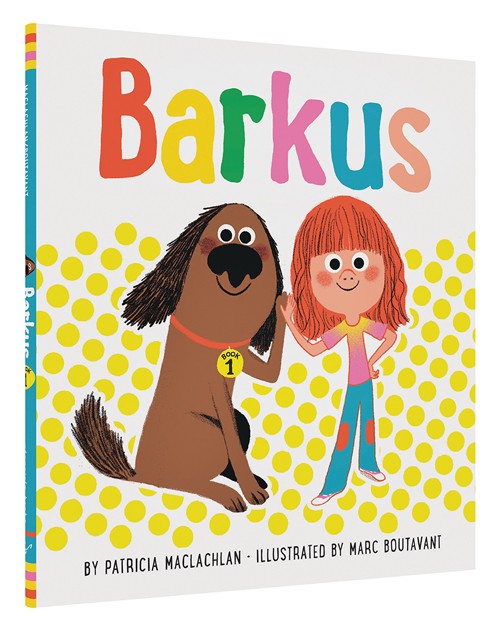
barkus-cover

Barkus
Author: Patricia MacLachlan
Illustrator: Marc Boutavant
Expected Publication June 6th, 2017 by Chronicle Books
http://www.chroniclebooks.com/barkus.html

Today we are happy to be able to be able to exclusively reveal the teaching guide for Barkus by Patricia MacLachlan. This is an early chapter book that is a must-get for all of our early elementary friends.

About the Book: Meet Barkus. Barkus is loyal. Barkus is generous. Barkus is sometimes a little too energetic! But in the end, Barkus is family. The exuberant Barkus and his lucky young owner jump, whirl, and twirl across this delightful early chapter book series from two award-winning book creators.

About the Author: Patricia MacLachlan is the celebrated author of many timeless books for young readers, including Sarah, Plain and Tall, winner of the Newbery Medal. Her novels for young readers include: Arthur, For the Very First Time; The Facts and Fiction of Minna Pratt; Skylark; Caleb’s Story; More Perfect than the Moon; Grandfather’s Dance; Word After Word After Word; Kindred Souls; and The Truth of Me. She is also the author of countless beloved picture books, a number of which she co-wrote with her daughter, Emily.

About the Illustrator: Marc Boutavant is an illustrator, graphic artist, and comic strip author. He lives in Paris.

About the Guide: This guide consists of discussion opportunities and classroom extension activities designed for use by Pre-K through second grade students in classroom, small group, or individual assignments.

You can also access the teaching guide here.

Recommended For: 

readaloudbuttonsmall classroomlibrarybuttonsmall closereadinganalysisbuttonsmall

Don’t miss out on this one!

Kellee Signature

Tales from the Arabian Nights: Stories of Adventure, Magic, Love, and Betrayal by Donna Jo Napoli

Share

nfpb2017

Nonfiction Wednesday

Nonfiction Picture Book Wednesday is hosted by Kid Lit Frenzy and was started to help promote the reading of nonfiction texts. Most Wednesdays, we will be participating and will review a nonfiction text (though it may not always be a picture book).
Be sure to visit Kid Lit Frenzy and see what other nonfiction books are shared this week!

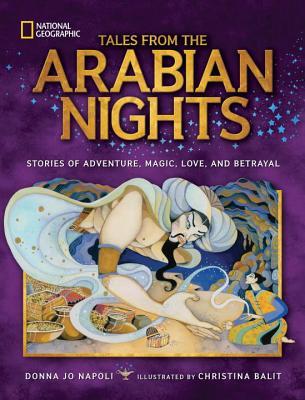
arabian-nights

Tales from the Arabian Nights: Stories of Adventure, Magic, Love, and Betrayal by Donna Jo Napoli
Author: Donna Jo Napoli
Illustrator: Christina Balit
Published October 11th, 2016 by National Geographic Children’s Books

Summary: Classic stories and dazzling illustrations of princesses, kings, sailors, and genies come to life in a stunning retelling of the Arabian folk tales from One Thousand and One Nights and other collections, including those of Aladdin, Sinbad the Sailor, and Ali Baba and the Forty Thieves. The magical storytelling of award-winning author Donna Jo Napoli dramatizes these timeless tales and ignites childrens’ imaginations.
Review: This short story anthology of Arabian mythology was fascinating, captivating, and beautifully written and illustrated. The layers of themes and stories built upon each other to create a collection that is a wonderful introduction to true traditional literature.

One thing that I at first struggled with but then ended up loving was how stories overlapped with stories. The main story was that a young woman was telling her husband a story every night to keep him in suspense so that he keeps her alive for another night. So within her story, she is telling stories. Then sometimes the characters in her stories, to help her add suspense and cliffhangers, will tell stories. So that meant at times the story you were reading was a story within a story within a story. Sounds confusing but the way it was explained and implemented allowed for the tactic to do what the young woman hoped it would do for her husband–I just had to keep reading!
I also, in my ignorance, had not read any Arabian traditional literature as I only knew the pop culture versions, so I loved learning about the culture and history through their folk tales.

Teachers’ Tools for Navigation: Greek mythology is taught throughout school; however, there are folk tales and mythology from so many other cultures. I would love to see more Arabian folk tales taught during mythology units (and why not more folk tales and mythology from other cultures as well!). Donna Jo Napoli along with Christina Balit already have anthologies for Egyptian and Norse (and Greek), so those are a good place to start!

Discussion Questions: What are some themes you see throughout all of the tales?; How are the stories you were familiar with different than the popular culture versions you knew?

Flagged Passages: 

arabian-nights-illustration

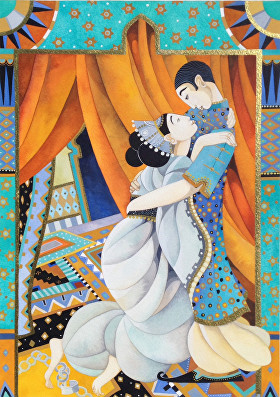
“Princess Budur unfoldedthe letter and her own ring dropped into her palm. She read the letter. At last! She planted her feet against the wall and strained until the iron around her neck snapped. She pulled the curtain aside and threw herself into Qamar al-Zaman’s arms. On that day they were wed.” (p. 72-73)

Read This If You Love: The Arabian Nights by various and other Middle Eastern or Asian stories and folk tales, mythology

Recommended For: 

classroomlibrarybuttonsmall closereadinganalysisbuttonsmall

Signature

**Thank you to Karen at Media Masters Publicity for providing a copy for review!!**

Top Ten Tuesday: Ten Books We’re Looking Forward to In the First Half of 2017

Share

top ten tuesday

Top Ten Tuesday is an original feature/weekly meme created at The Broke and the Bookish. The feature was created because The Broke and Bookish are particularly fond of lists (as are we!). Each week a new Top Ten list topic is given and bloggers can participate.

 Today’s Topic: Ten Books We’re Looking Forward to In the First Half of 2017

Ricki

I am so excited for this upcoming releases!

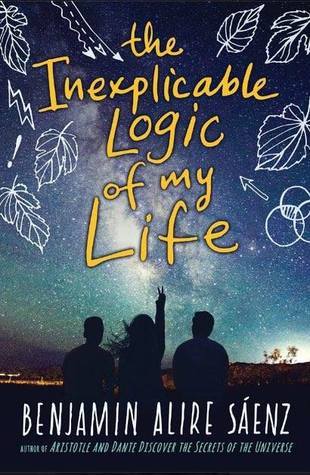
1. The Inexplicable Logic of My Life by Benjamin Alire Sáenz

the-inexplicable-logic-of-my-life

Coming March 7, 2017 by Clarion Books

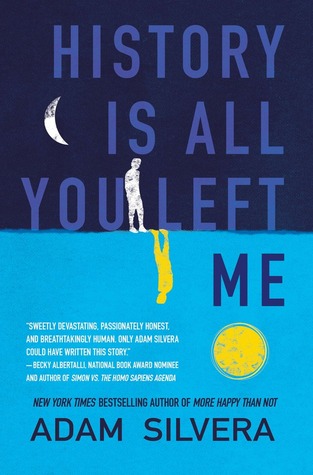
2. History Is All You Left of Me by Adam Silvera

history-is-all-you-left-of-me

Coming January 17, 2017 by Soho Teen

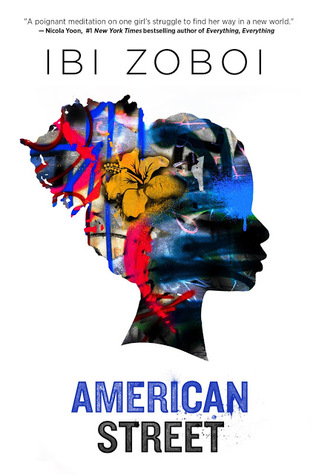
3. American Street by Ibi Zaboi

american-street

Coming February 14, 2017 by Balzer + Bray

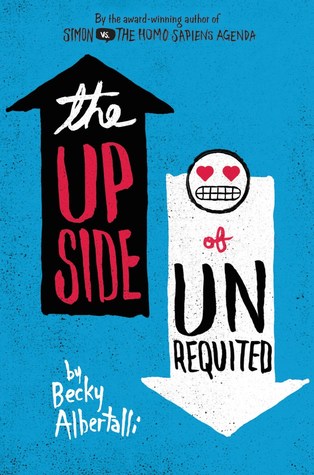
4. The Upside of Unrequited by Becky Albertalli

the-upside-of-unrequited

Coming April 11, 2017 by Balzer + Bray

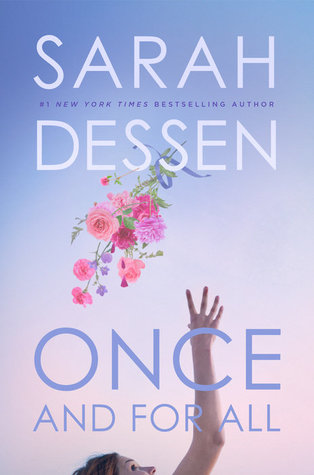
5. Once and For All by Sarah Dessen

once-and-for-all

Coming June 6, 2017 by Viking Books for Young Readers

Kellee

Every single one of these are listed because of how much I LOVED these authors’ past books.

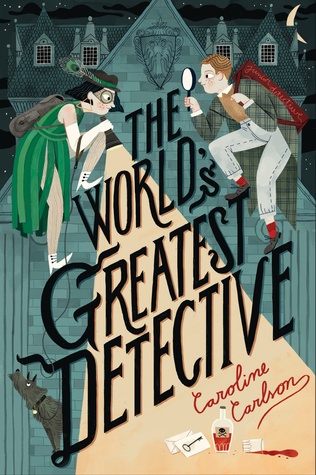
1. The World’s Greatest Detective by Caroline Carlson

worlds-greatest-detective

Coming May 16th, 2017 by HarperCollins

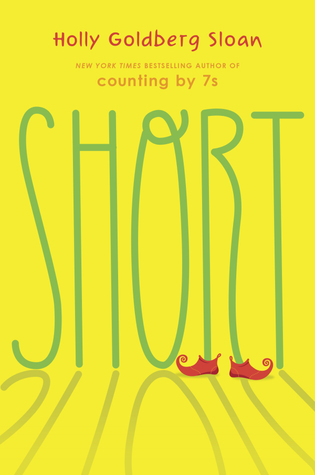
2. Short by Holly Goldberg Sloan

short

Coming January 31st, 2017 by Dial Books

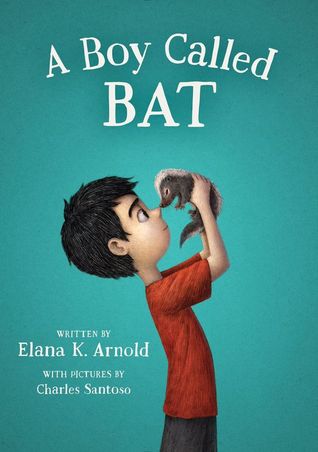
3. A Boy Called Bat by Elana K. Arnold

a-boy-called-bat

Coming March 14th, 2017 by Walden Pond Press

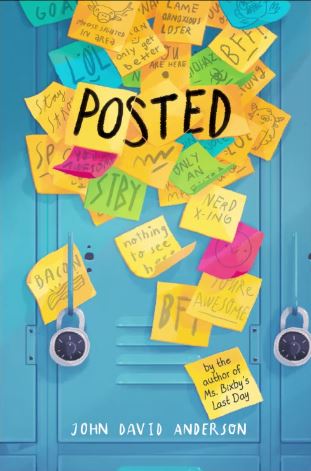
4. Posted by John David Anderson

posted

Coming May 2nd, 2017 from Walden Pond Press

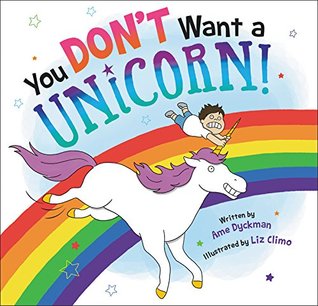
5. You Don’t Want a Unicorn by Ame Dyckman

you-dont-want-a-unicorn

Coming February 14, 2017 by Little, Brown

Which 2017 releases are you looking forward to? 

RickiSig and Signature

It’s Monday! What Are You Reading? #IMWAYR 1/9/17

Share

IMWAYR 2015 logo

It’s Monday! What Are You Reading? From Picture Books to YA!

It’s Monday! What are you Reading? is a meme started by Sheila at Book Journeys and now hosted by Kathryn at The Book Date. It is a great way to recap what you read and/or reviewed the previous week and to plan out your reading and reviews for the upcoming week. It’s also a great chance to see what others are reading right now…you just might discover the next “must-read” book!

Kellee and Jen, of Teach Mentor Texts, decided to give It’s Monday! What Are You Reading? a kidlit focus. If you read and review books in children’s literature – picture books, chapter books, middle grade novels, young adult novels, anything in the world of kidlit – join us! We love this meme and think you will, too.

We encourage everyone who participates to support the blogging community by visiting at least three of the other book bloggers that link up and leave comments for them.

Bold_line

Last Week’s Posts

**Click on any picture/link to view the post**

kellees-favorite-reads dining-with-dinosaurs

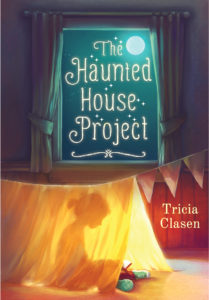
mustreadin2017image your-alien-returns haunted-house-project-978151077122

Tuesday: Kellee’s Favorite Reads in 2016

Wednesday: Dining with Dinosaurs by Hannah Bonner

Thursday: Kellee and Ricki’s #mustreadin2017

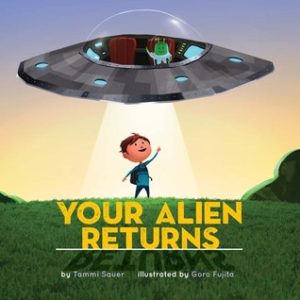
Friday: Review and Giveaway!: Your Alien Returns by Tammi Sauer

Author Guest Post: “When an Academic Writes Fiction” by Tricia Clasen, Author of The Haunted House Project

 So, what are you reading?

Bold_line

 Last Week’s Journeys

Kellee

Wednesday: My husband, Jim, is running the Dopey Challenge (48.6 miles in 4 days!) at Walt Disney World’s Marathon Weekend, so I just know that I will not have a chance to write out my IMWAYR post on Sunday (we have dinner plans with his family), so I will catch you all up next week. Thank you for understanding 🙂

Happy reading this week!

 Ricki

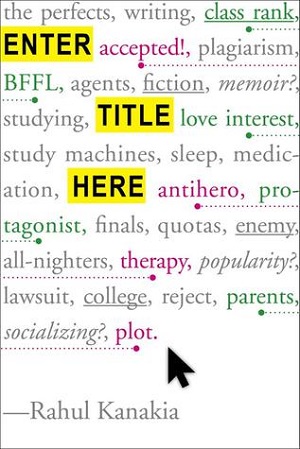
entertitlehere-rahulkanakia

I finished Enter Title Here by Rahul Kanakia. Whew! I really enjoyed it! Reshma Kapoor knows she needs a hook to get her into Stanford, and her valedictorian status won’t be enough. She decides to write a book (this book). This book really nails the pressure that overachievers experience. Reshma is willing to do anything to maintain her valedictorian status. She is such an unlikeable character that I found her to be quite likable. I very much appreciated this book.

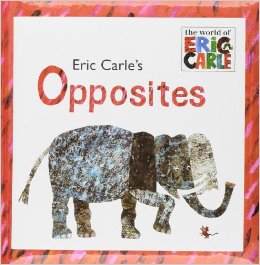
opposites

Henry and I read Eric Carle’s Opposites. I liked how this was a puffy board book because it felt nice. I also enjoyed how the flaps lifted the entire page upwards. Most opposite books have the two opposites juxtaposed on each page. This required Henry to guess what the opposite was before he could see it. Explaining the concept of opposites to a three-year-old is very difficult! We’ve read this book for two nights in a row, and I don’t know whether Henry is understanding the concept yet or whether he has the book memorized. I’ve been quizzing him about opposites during the day to try to figure it out!

Bold_line

This Week’s Expeditions
Ricki

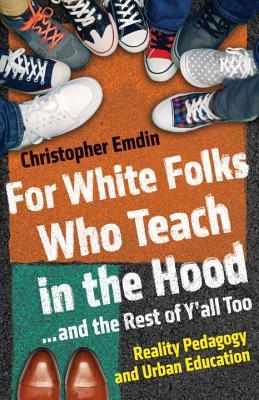
white-folks

I am halfway through Christopher Emdin’s For White Folks Who Teach in the Hood…and the Rest of Y’all Too. This is my area of research, but I am still learning a lot. Emdin’s perspective is quite insightful, and he has me thinking and thinking. I highly recommend this book to teachers who teach in the hood–but also teachers who teach students of color. So…that is pretty much all teachers. 😉

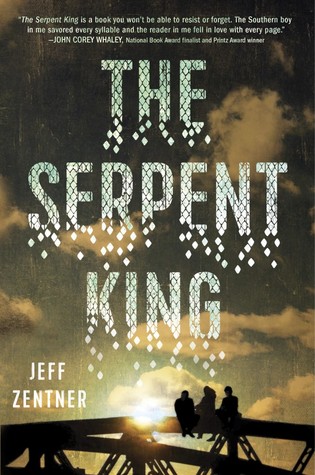
serpent king

I am listening to The Serpent King by Jeff Zentner and really enjoying it. I met Jeff at the ALAN Workshop and was really impressed by him, so I am happy to be diving into the book!

Bold_line

Upcoming Week’s Posts

top ten tuesday arabian-nights barkus charlie-and-mouse

Tuesday: Ten Books We Are Looking Forward to in the First Half of 2017

Wednesday: Tales from the Arabian Nights by Donna Jo Napoli

Thursday: Teaching Guide for Barkus by Patricia MacLachlan

Friday: Teaching Guide for Charlie & Mouse by Laurel Snyder

Sunday: Author Guest Post

 So, what are you reading?

Link up below and go check out what everyone else is reading. Please support other bloggers by viewing and commenting on at least 3 other blogs. If you tweet about your Monday post, tag the tweet with #IMWAYR!

 Signature andRickiSig

Author Guest Post: “When an Academic Writes Fiction” by Tricia Clasen, Author of The Haunted House Project

Share

When An Academic Write Fiction

I adore stories. I want to listen to them, watch them, write them, tell them, and live them.  Publishing a novel, is truly a dream come true because I can’t wait to share one of my stories with the world. As a college professor of communication, however, I’ve also spent countless hours and pages (over)analyzing stories, themes, and characters.

So, what happens with someone who teaches gender and culture writes fiction? I felt some added pressure to think critically about the characters I was creating and what kind of potential impact they could have on the kids who would read about them. At the same time, I know it’s impossible to avoid all common tropes and stereotypes.

In addition to my forthcoming novel, I am also co-editor of a recently released Gendered Identities: Critical Re-readings of Gender in Children’s and Young Adult Literature (Routledge 2016), and one of my primary areas of study is communication and culture, which means I really should know better.  I do know better, but what happens when theory meets practice?

When I teach popular culture in the media, I encourage students not only to analyze messages but also to attempt to create popular culture artifacts such as an advertisement.  It forces students to consider what social constructions and stereotypes they rely on.

The goal isn’t necessarily to avoid all stereotypes because it’s not necessarily possible or realistic.  My hope is that we become a little more active in the process of seeing how things like gender and culture are presented in our characters.  In my case, at times, both my editor and I took a step back a few times to ask what was necessary to the story versus what might have been a description that only belonged in my head. I may have wanted to deal more overtly with some of the issues, but they weren’t central to this particular story which is focused on grief.  Sometimes, it added an unnecessary layer to explore a cultural dimension.

That doesn’t mean books like The Haunted House Project aren’t important to discuss in relationship to those themes. Even when stories aren’t really about gender or culture, they are still telling kids what’s normal and what’s expected of them.

Here are a few things that writers, readers, teachers, and parents can think about:

Character Interests

Yes, many boys like to play sports, and many girls like make-up. But if that’s ALL we see, it can limit the possibility for kids to think outside of a rigid expectations. Having a range of characters with a variety of interests and activities can go a long way to alleviate this.  It doesn’t mean that all girls in the story need to be math geniuses or that the boys should love to cook, but if kids can see options, it doesn’t pigeon-hole them.

Appearance

We probably talk more about this than any other aspect of gender and culture. Across all genres of popular culture, we critique the overt emphasis on physical beauty for women and girls. It creates unrealistic standards that influence self-esteem.  Boys face problematic portrayals as well.  In movies and television, boys are expected to be tough, tall, and muscular.  Young adult and children’s literature deviates a bit, likely because it’s a time when young men are still developing, but then descriptions focus on perfect hair and eyes, for example. In a world of budding romance and descriptive writing, it’s not surprising that appearance is used to explain attraction.

Language and communication

Generally, for boys, expression of emotions is limited to anger and frustration, and open and honest communication about feelings is practically taboo while girls are more “emotional” and may cry more often.

Girls tend to me more willing to talk about relationships and their feelings as well.  That may reflect reality for many people, but it certainly offers opportunities for students to address what is okay in relationships between friends and family members.

If a book (yes, even my own) does rely too heavily on these kinds of boxes, perhaps, students can be trained to see it and to call it out in their reading.

  • Even if, or maybe especially when, the themes of the book don’t center on gender or culture, pose questions in readings guides and discussion that help students draw make implicit assumptions more explicit.

For example, questions surrounding The Haunted House Project might include:

  • Why do you think Andie’s sister worked as a waitress?
  • Isaiah is openly described as geeky. Are those characteristics consistent for both boys and girls?  Are girl geeks different than boy geeks?
  • Engage students in an exercise where they are challenged to write a short story without using any gender stereotypes. They will probably fail, and that will open up a great opportunity to discuss why we rely on them and what positive purposes they can serve.
  • Challenge students to find problematic descriptions of characters that may limit the way they are visualized by readers.
  • Ask students how characters might communicate with each other differently if they switched genders or cultures.

In many ways, children’s literature is probably more open to bending and twisting cultural expectations than other storytelling genres.  Worlds aren’t as set in stone as they might be for older audiences.

It’s the perfect time for kids to start digging into all the social norms that go unstated in books they read.  Not only does can it give them better critical reading skills, they can better understand their own relationships as a result.

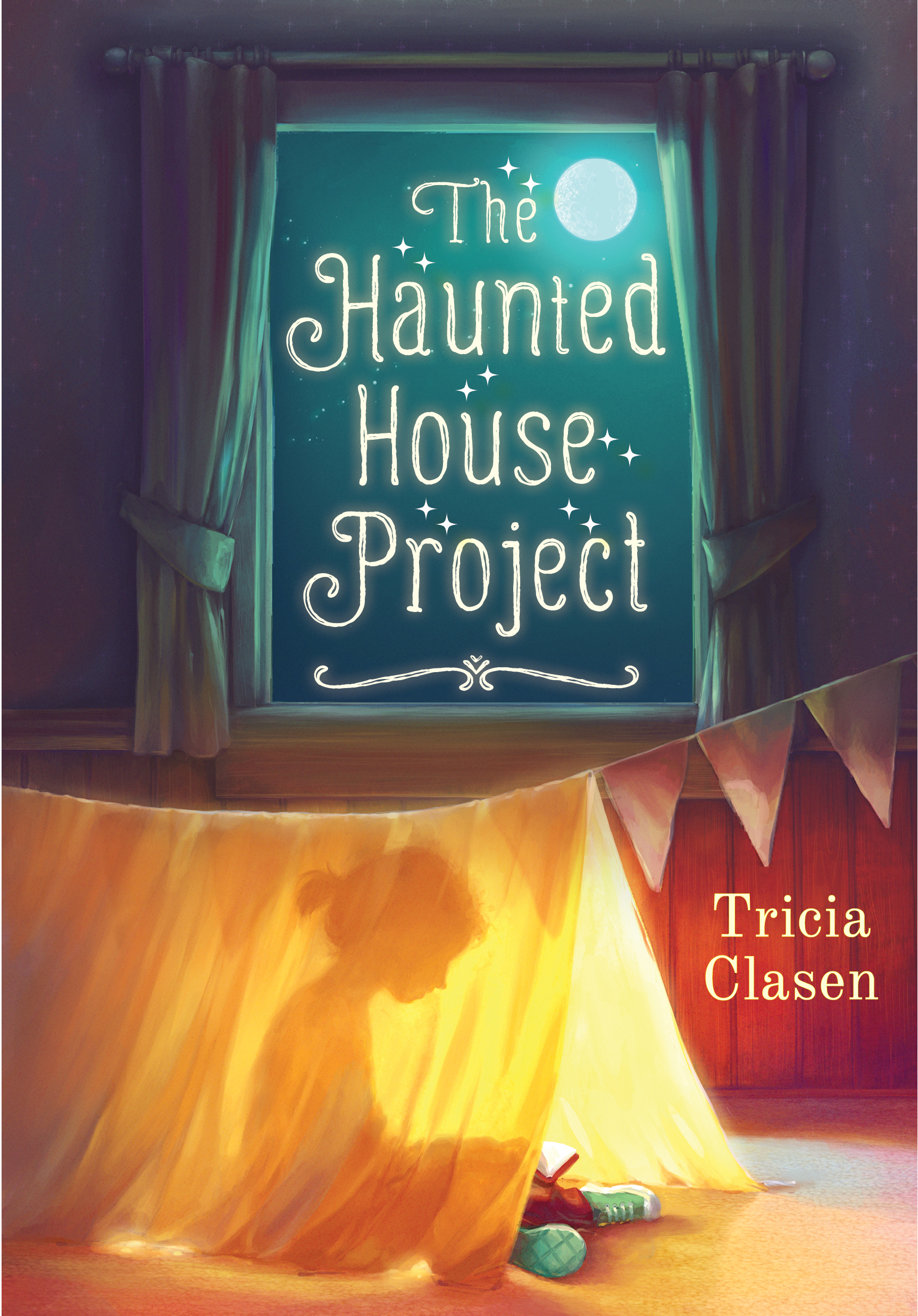
haunted-house-project-978151077122

The Haunted House Project
Author: Tricia Clasen
Published October 11th, 2016 by Sky Pony Press

Summary: Since her mom died, Andie’s family has crumbled. Instead of working, her dad gambles away insurance money, while her sister, Paige, has put her future on hold in order to pick up extra waitressing shifts. Andie’s afraid of what will happen if people find out just how bad things are. She’s not sure how long she can hide the fact that there’s no food or money in the house…or adults, for that matter.

When her science partner suggests they study paranormal activity, Andie gets an idea. She wants a sign from her mom—anything to tell her it’s going to be okay. Maybe the rest of her family does too. So she starts a project of her own. Pretending to be her mother’s ghost, Andie sprays perfume, changes TV channels, and moves pictures. Haunting her house is Andie’s last hope to bring her family back into the land of the living.

For anyone who loved Counting by 7s, The Haunted House Project is a journey through loss and grief, but ultimately a story of hope and self-reliance. As much as Andie has been changed by her mother’s death, the changes she makes herself are the ones that are most important.

clasen-tricia-the-haunted-house-project

About the Author: Tricia Clasen is a professor of communication with specialties in public speaking and pop culture and a research focus on critiquing young adult fiction. Always a lover of a good story, she grew up spending her days reading and dreaming of being a writer. This is her debut novel. She and her husband live with their two girls in Janesville, Wisconsin.

Thank you for the insight!

Kellee Signature andRickiSig