Teaching Tuesday: Kellee’s Middle School In-Class Book Clubs and Recommended Titles

Share

Recommended Books for Lit Circles/Book Clubs in the Middle School Classroom

As a teacher, I am always working to grow professionally to give my students the best possible instruction in the classroom, but one practice that has been a common theme throughout all twelve of my years teaching is literature circles or in-class book clubs. Although the way I implement them have DRASTICALLY changed over the years, the idea of CHOICE of text, COLLABORATIVE discussion about the text, and COLLECTING thoughts about a text have been consistent.

Over the years I moved from calling what we did in class lit circles to in-class book clubs because I no longer assign students jobs and the students in general have more freedom. Here is how our in-class book clubs go now:

  • I book talk the options for book choices and have students list their top 3 on an index card with their name.
    • I have this process be completely silent because I really want students to pick the book they want to read not what their friend wants to read.
  • I then take the index cards and group them into groups of three to five depending on what books were chosen.
  • The next day, I have the students sit in their book clubs, and I give them the task of determining their reading schedule.
    • I give them the time period and ask the to come up with a schedule of pages to read by each book club meeting. Most groups then come up with a daily reading goal too, but they don’t have to.
  • I then give reading time every day, but we also do other class activities every day except on book club day on Mondays (I like to give the weekend before our meetings).
  • One thing I didn’t like about lit circles in my classroom was the unevenness of “jobs” during lit circles and how only one student was responsible for the ongoing conversation during meetings. So because of this my students have one simple task while reading: Come up with 5 open ended discussion questions or topics that they want to talk about during the meeting.
    • I also like to make a student-created word wall, so I ask them to write down any words that they find that they don’t know and figure out what they mean. They then share those in their group also and discuss them then put them on our word wall.
  • Some groups have a harder time chatting during group meetings, so I also have generic questions that will work with any book.
    • I also read along with them, so I can help with some chatting as well.
  • At the end of the unit, I will have them answer a few standards-based text-dependent questions about their specific book.
    • I share the standards ahead of time, and they are what we are working on and focusing on during class when we’re not doing book clubs.

Today, I want to share with you seven titles that have also been consistently successful for my students and eight new titles I added over the last couple of years that were hits. I highly recommend any of these for middle school lit circles or in-class book clubs (or classroom libraries!):

Red Kayak by Priscilla Cummings

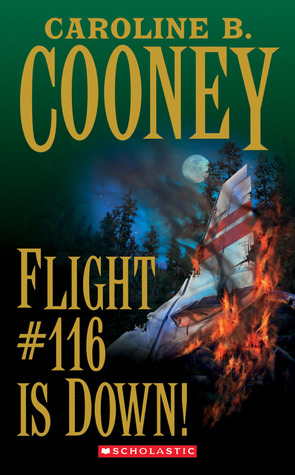
Flight #116 is Down by Caroline B. Cooney

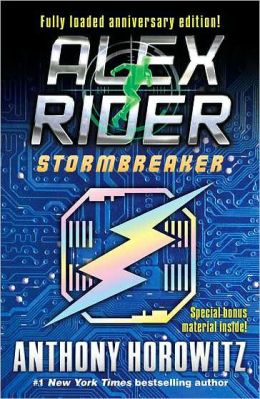
Stormbreaker by Anthony Horowitz

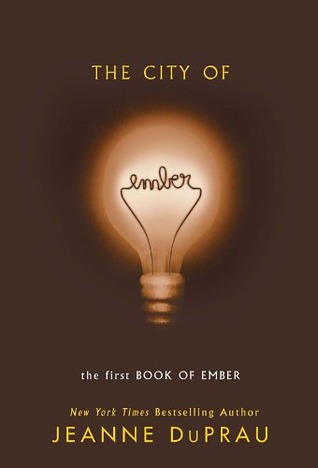
City of Ember by Jeanne DuPrau

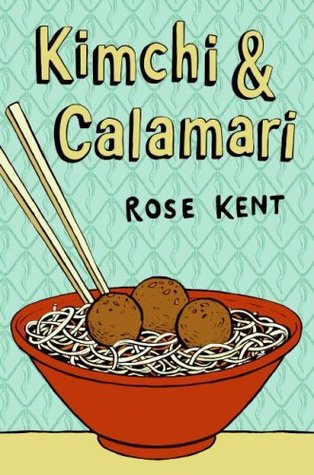
Kimchi and Calamari by Rose Kent

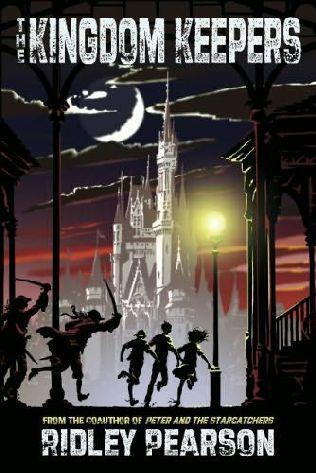
Kingdom Keepers by Ridley Pearson

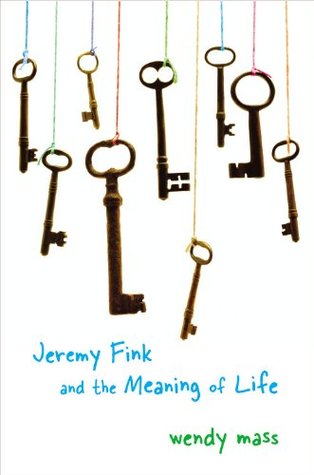
Jeremy Fink and the Meaning of Life by Wendy Mass

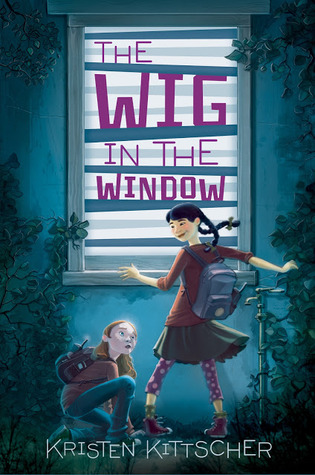
Wig in the Window by Kristen Kittscher

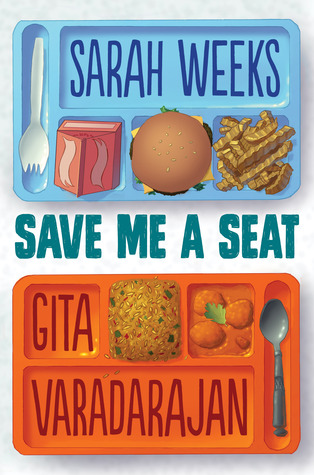
Save Me a Seat by Sarah Weeks & Gita Varadarajan

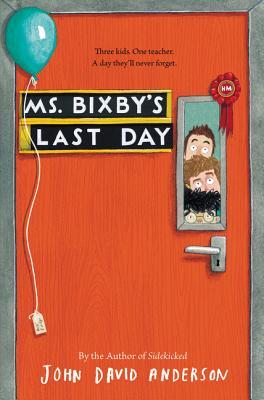
Ms. Bixby’s Last Day by John David Anderson

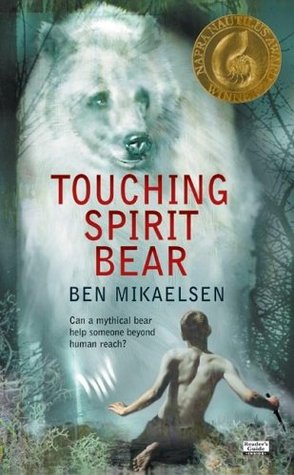
Touching Spirit Bear by Ben Mikaelsen

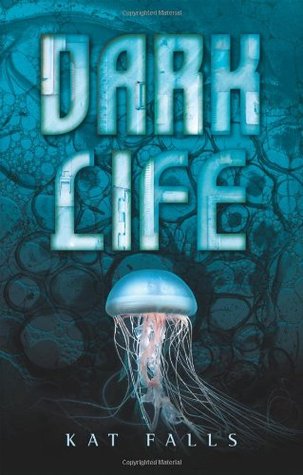
Dark Life by Kat Falls

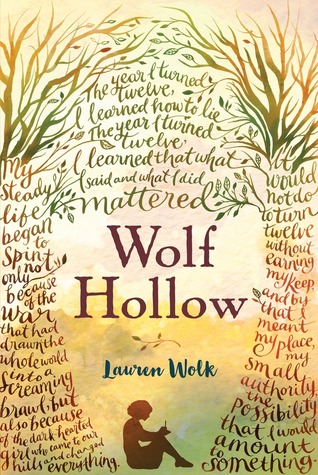
Wolf Hollow by Lauren Wolk

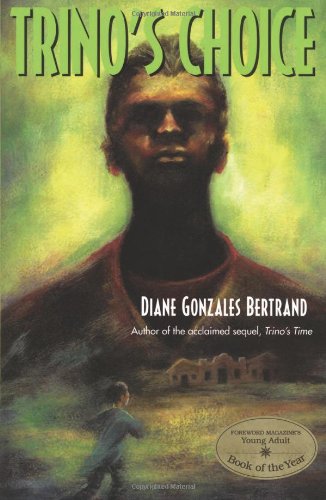
Trino’s Choice by Diane Gonzales Bertrand

Locomotion by Jacqueline Woodson

Do you do lit circles or in-class book clubs in your classroom?
What do they look like for you and your students?
What books do you recommend? 

It’s Monday! What Are You Reading? #IMWAYR 4/16/18

Share

IMWAYR 2015 logo

It’s Monday! What Are You Reading? From Picture Books to YA!

It’s Monday! What are you Reading? is a meme started by Sheila at Book Journeys and now hosted by Kathryn at The Book Date. It is a great way to recap what you read and/or reviewed the previous week and to plan out your reading and reviews for the upcoming week. It’s also a great chance to see what others are reading right now…you just might discover the next “must-read” book!

Kellee and Jen, of Teach Mentor Texts, decided to give It’s Monday! What Are You Reading? a kidlit focus. If you read and review books in children’s literature – picture books, chapter books, middle grade novels, young adult novels, anything in the world of kidlit – join us! We love this meme and think you will, too.

We encourage everyone who participates to support the blogging community by visiting at least three of the other book bloggers that link up and leave comments for them.

Bold_line

Last Week’s Posts


Tuesday: Teaching Tuesday: Disability and the Body, Literature Circles/Book Clubs

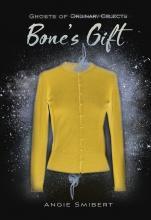
Wednesday: Blog Tour with Review and Giveaway: Bone’s Gift by Angie Smibert

Congratulations to Jeff S. for winning the giveaway!!!!

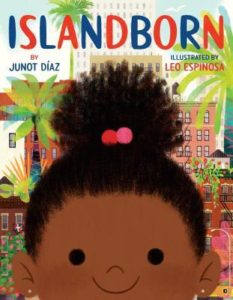
Thursday: Islandborn by Junot Díaz

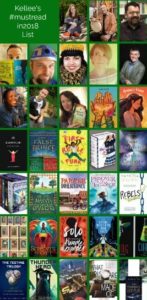
Friday: Kellee’s #mustreadin2018 Spring Update

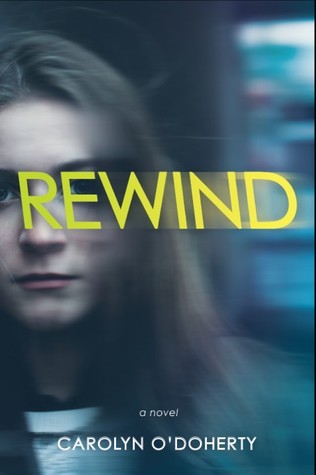
Sunday: Blog Tour with Author Guest Post and Giveaway!: “The Importance of a Diverse Cast of Characters” by Carolyn O’Doherty, Author of Rewind

Giveaway open until Friday!

**Click on any picture/link to view the post**

Bold_line

 Last Week’s Journeys

Kellee

I focused on graphic novels this week because I was so excited to read so many, and I was able to read four of them:

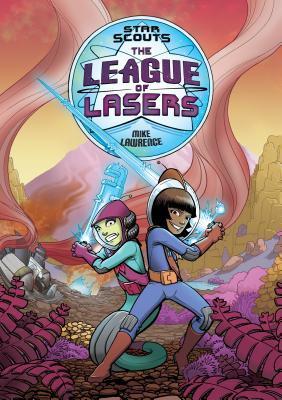
  • I love the Star Leagues series by Mike Lawrence! It is so full of girl power and team work and aliens and sci fi and wonderful adventures! And book two, League of Lasers, does a great job continuing the story.
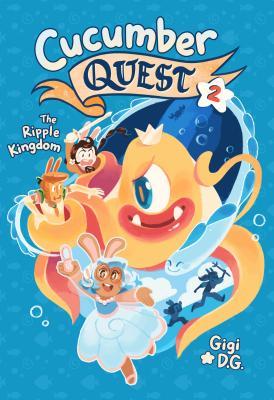
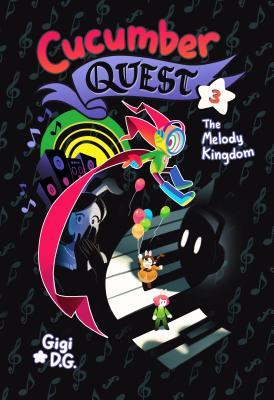
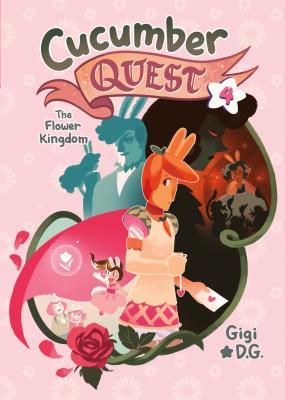
  • The first Cucumber Quest by Gigi D.G. book was such a hit in my classroom, when I heard that the next three were coming out quite quickly, I knew I had to get to them, and thanks to Netgalley I was able to read the third one early. Each GN takes the hero through a new kingdom and a new monster.
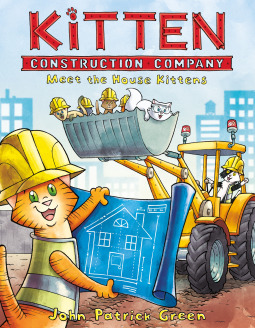
  • Kitten Construction Company by John Patrick Green seems like just a cute story on the surface and it may be, but I really think that it is a social justice book in its own way looking at people who are looked at as not equal no matter how qualified they are.

I also finished two audiobooks this week because they were just SO good!

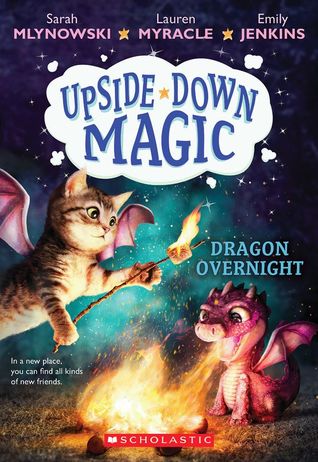
  • I loved the new Upside Down Magic book! Dragon Overnight takes the Upside Down Magic kids to sleepover camp at a Dragon rehab center. And obviously things happened that are hilarious and thought-provoking.
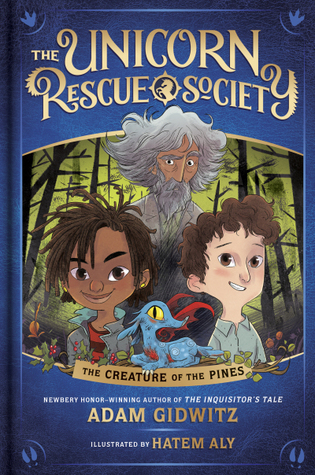
  • The first Unicorn Rescue Society book, Creature of the Pines, by Adam Gidwitz is so special–it is funny and smart and thoughtful and mythical and everything! And the audio was superb! It is a must get.

Trent and I read quite a few new-to-us book this week!

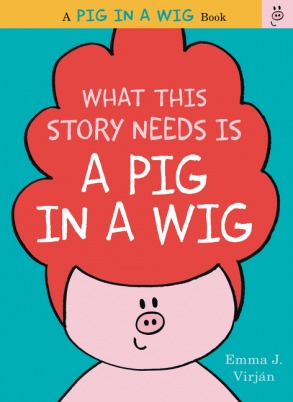
  • What This Story Needs is a Pig in a Wig by Emma J. Virjan is such a fun rhyming book. Trent is just learning how rhyming works, so this was a perfect book for him.
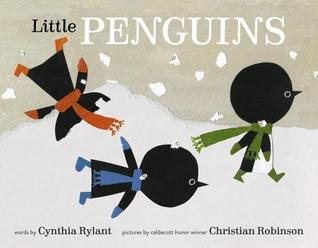
  • Little Penguins by Cynthia Rylant is a cute story but it is made by Christian Robinson’s artwork. But I love anything with penguins, so it made me happy!
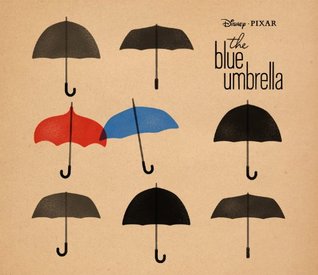
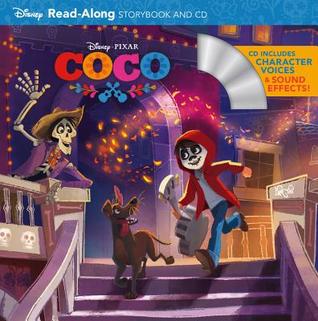
  • Blue Umbrella from Pixar and Coco from Disney were two audiobooks that we listened to on our way to school this week. Both were good representations of their movies.
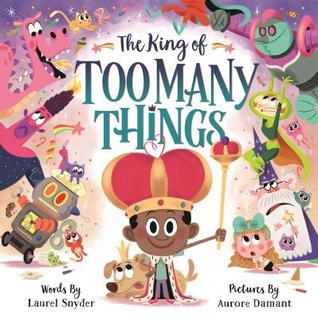
  • The King of Too Many Things is another gem from Laurel Snyder! Every time I thought I had read everything by her, I find another book, and I love it, too!
 Ricki

I am away this weekend at the AERA (American Educational Research Association) conference! I am hoping to learn some great new things to share with everyone! 🙂

Bold_line

This Week’s Expeditions
Kellee

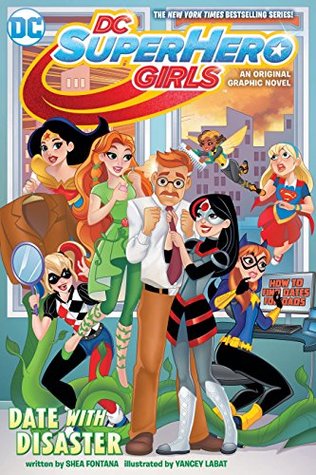
  • We are slacking on our graphic novel reading, but my goal is to finish Date with Disaster with Trent this week!
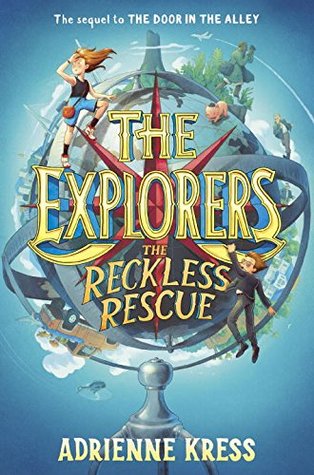
  • I am so excited to read the second book in The Explorers series, Reckless Rescue! If you read my review you know it ended with a TERRIBLE cliffhanger, so I could not wait to find out what happened!
  • I still have one more Cucumber Quest book to read!
  • My book clubs next virtual author visit is with Dan Gemeinhart, and I have read all but Some Kind of Courage and his newest, Good Dog, so I was happy to find Courage as an audiobook which I’ll start this week.

Bold_line

Upcoming Week’s Posts


Tuesday:  Kellee’s Middle School In-Class Book Clubs and Recommended Titles

Wednesday: On Gull Beach by Jane Yolen

Thursday: Mary’s Monster by Lita Judge

Friday: I Love You, Michael Collins by Lauren Baratz-Logsted

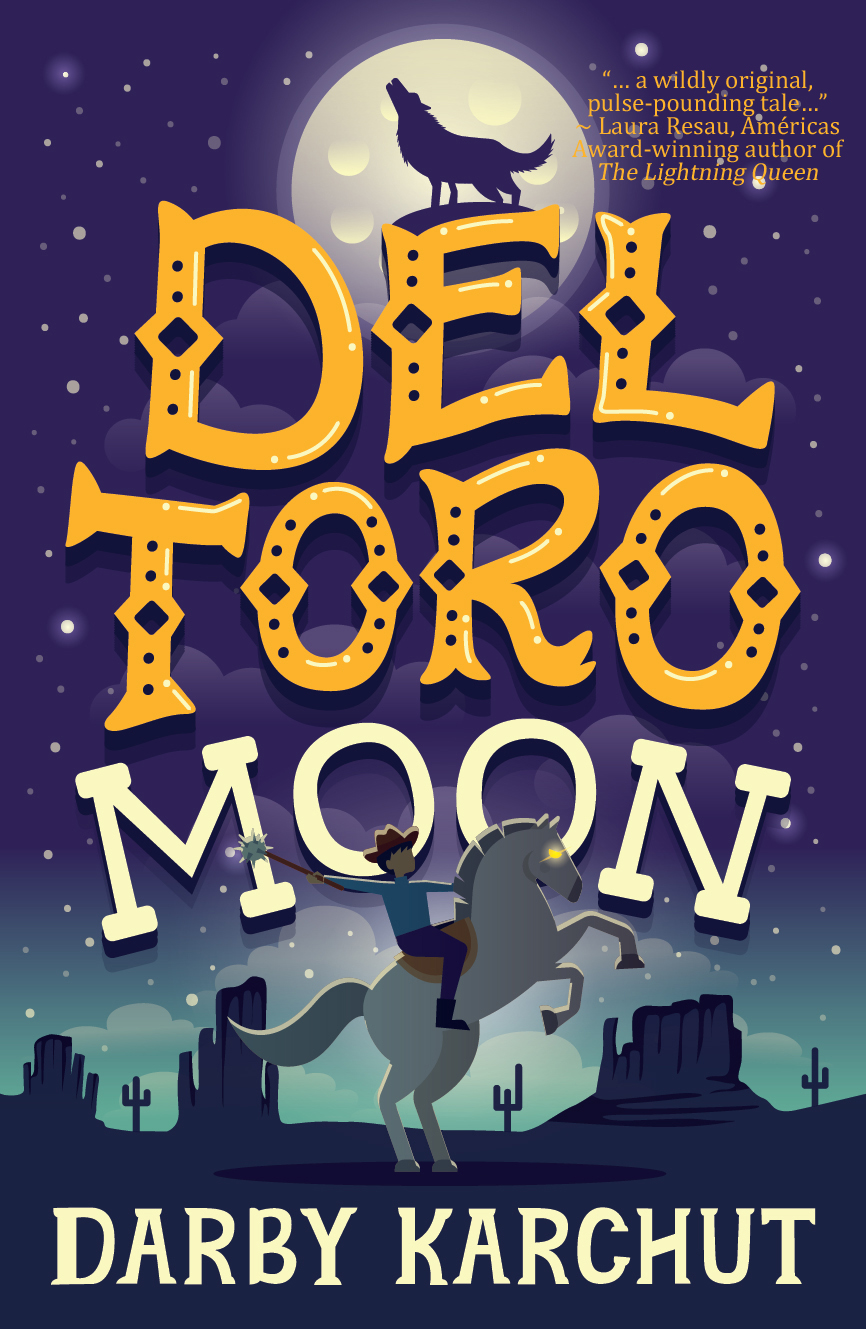
Sunday: Author Guest Post from Darby Karchut, Author of Del Toro Moon

Bold_line

 So, what are you reading?

Link up below and go check out what everyone else is reading. Please support other bloggers by viewing and commenting on at least 3 other blogs. If you tweet about your Monday post, tag the tweet with #IMWAYR!

 Signature andRickiSig

Blog Tour with Author Guest Post and Giveaway!: “The Importance of a Diverse Cast of Characters” by Carolyn O’Doherty, Author of Rewind

Share

“The Importance of a Diverse Cast of Characters”

One of the lessons most writers learn early in their careers is to write what you know. This is generally good advice, since understanding a place or a topic or an emotion makes it much easier to write something that sounds real on the page. The rule is not, of course, meant to be taken completely literally. Fiction is, by definition, made up. Having spent time in one city, it isn’t a huge stretch to place a story in a city one hasn’t visited. If you understand what it feels like to be scared or excited you can believably expand that experience to portray the emotional impact of say, being kidnapped or winning the lottery without suffering (or enjoying) that fate yourself. But how does “write what you know” apply when we’re talking about characters with different cultural backgrounds than their authors?

Diversity in books has become a hotly debated topic in recent years and for good reason. Too many readers feel alienated because an overwhelming percentage of books on the shelves are about exclusively white, middle class, straight characters. This limited perspective doesn’t just alienate people who don’t fit this narrow profile, it is a lost opportunities for everyone as books are an ideal way for people to immerse themselves in other cultures and life experiences. The challenge for an author is how to accurately create diversity when that is not “what we know.” It’s a challenge that must be approached with care. Getting the neighborhoods wrong when your character wanders the streets of Chicago is mildly annoying; using a stereotype to show a teenager is gay or African American is both damaging and offensive.

So what is an author to do? I am a white, middle class, woman who has mostly lived in cities. I don’t feel confident about accurately portraying the life experience of someone in a poor rural community who faces racism on a regular basis. What I can do is create a world for my characters that is not solely populated by white, middle class people, and I can do that with confidence because the world I live in is chock full of people from every background, shape, and color. Basically, I can follow the rule to write what you know while adding this important corollary: pay attention. I set REWIND in my hometown, so to make the scenes feel realistic, I had to pay attention to the people I actually see every day. Who passes me on the street when I head to work? Where is my grocery store clerk from? What kinds of accents do I overhear when eating out at a restaurant? Writing a multicultural community is not only the “right thing to do,” it is also the accurate thing to do.

In REWIND I have to admit to a little bit of a cheat. The teenage protagonists in the novel are orphaned and have been raised their entire lives in an Institutional Center. This set-up allowed me to include characters of various races without having to portray multiple cultures. Or, what is probably more accurate, I could place them all in my own culture without that feeling false within the context of the story. My first person point-of-view character is white, but other characters in the book are not. (I looked up census data and matched the ethnicity of the remaining teenagers—all of whom share a random genetic trait—to the reported census distribution in order to accurately reflect the region.) I did sometimes mention someone’s race as part of a character description, but tried to add that detail to white characters as often as I did with minority ones, in hopes that “white” wouldn’t be the assumed default just because no race is mentioned.

Diversity in book is more than just having an international cast. One of my fears as a writer is that I inadvertently typecast a character. My efforts to avoid this have focused on another fundamental lesson for good writing: descriptions are strongest when they also illuminate something about the book’s world or about the character doing the describing. Saying “the Hispanic teacher handed out our assignments” does not create a compelling scene in part because real people are never defined solely by their ethnicity or sexuality or any other single factor. Writing a scene where our hero is at his friend Manuel’s family restaurant and Manuel is mocking his attempts to pronounce the Spanish words on the menu tells me something about Manuel as a person and his relationship with our hero. Having a non-Asian character step into an Asian grocery store and not be able to read the packing nor understand the people around her could be a great way to show her feelings of alienation. Like real people, characters should stand out as unique and multi-faceted. My hope is that by placing three-dimensional characters in a variety of realistic settings, a greater breadth of readers will feel at home in my novels.

I know that including a diverse cast in a book with a white point-of-view character is not the same thing as creating truly inclusive literature. In a better world, there will be more published authors who are able to represent the life experiences of underrepresented people with nuance and understanding. REWIND is my debut novel. As a writer, I am still exploring ways to better incorporate diversity. As a reader, I encourage all of us to seek variety in our reading choices, both to support those voices that sometimes struggle to be heard and to enrich our own life by learning what it feels like to be someone else. This is not because reading widely is a politically correct imperative—immersion in a wide array of experiences is the gift we give ourselves when we sit down to read a good book.

Thank you so much to Carolyn for this IMPORTANT post and for being willing to chat about diversity with us! 
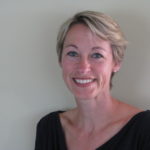
About the Author: Carolyn O’Doherty lives in a much prettier and less dangerous version of Portland than her characters. She’s loved writing and books her whole life, but ventured into novel writing late. In 2011 she received an MFA (Master of Fine Arts) in Creative Writing from Stonecoast. When, as a kid, she dreamed up the idea of freezing time, she only considered the benefits: always having the perfect snappy come-back, the right answer on the test, untraceable revenge. It was when she turned the idea into a novel that she delved into the dark side of this potential blessing.  Outside of writing, Carolyn has spent the last twenty years working with Portland non-profits to develop affordable housing.

Make sure to checkout her debut novel: 
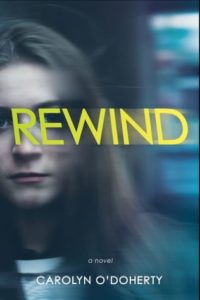
Summary: [April 10th, 2018 by Boyds Mills Press] Sixteen-year-old Alex is a Spinner–she has the ability to rewind time to review past events. Hated and feared because of their ability to find the truth, the small population of Spinners is restricted to Centers–compounds created to house and protect them. Alex’s society uses the Spinners’ skills to solve major crimes, but messing with time comes with consequences: no Spinner lives past the age of twenty. At sixteen, Alex is in her prime–until time sickness strikes early. When she is offered an experimental treatment, Alex sees a future for herself for the first time. But the promising medication offers more than just a cure–it also brings with it dire consequences.

Don’t miss out on the other stops on the Rewind blog tour: 

Sunday, April 15
Unleashing Readers

Monday, April 16
Linda K. Sienkiewicz blog

Tuesday, April 17
Books by Pamela Thompson blog

Wednesday, April 18
YA Books Central

Thursday, April 19
The Brain Lair

Friday, April 20
Ms. Yingling Reads

And make sure to enter the Rewind giveaway!

a Rafflecopter giveaway

Thank you again to Carolyn and Boyds Mills Press for hosting the Rewind blog tour!

For more advice to writers about including diversity into your work, visit https://diversebooks.org/resources/resources-for-writers/.
Kellee’s #MustReadIn2018 Spring Update

Share

#MustReadIn2018 is hosted by Carrie Gelson at There Is A Book For That:

My #mustreadin2018 list is super ambitious this year including series and authors instead of just a list of titles, but so much of what I put on there are books/authors/series that I am so excited to read. As I explained when we first debuted the list:
“First, I have a few authors that I am going to try to read multiple books from because I either love their work, haven’t read anything by them, or am Skyping with them with my book club, so I just listed the author. Then, I made a list of books I really want to read either because my students love them or I just have wanted to read it for a while. Finally, I added a few copies of books that my students asked me to add to the list. All of this equaled a crazy list that I may not get through, but I love it!”

Without further adieu, here is my update!!!

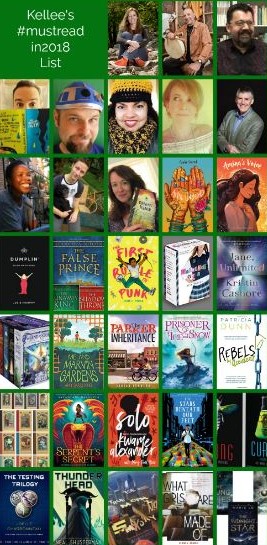
I am super proud to say that as of today, I have read 12 out of 33 on my list: 

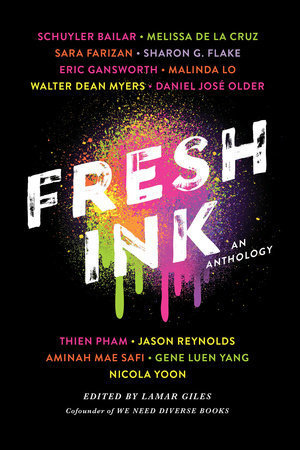
Eric Gansworth
“Don’t Pass Me By” from Fresh Ink 2/26/2018

I loved this anthology–it is a must get!

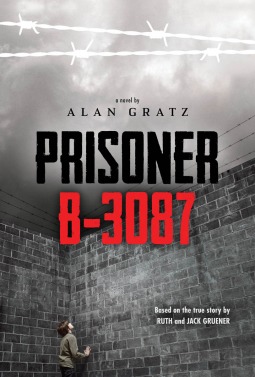
Alan Gratz
Prisoner B-3087 2/8/2018

Alan Gratz just knows what he is doing! He really breaths life into historical fiction.

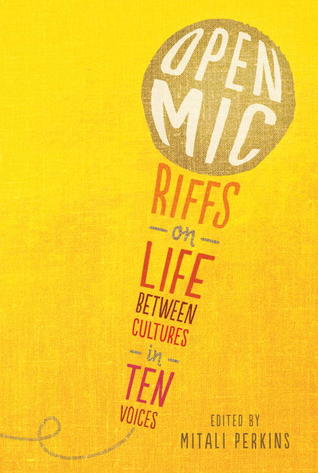
Mitali Perkins
Open Mic edited by Mitali Perkins including her story “Three-Pointer” 3/17/2018

Another great anthology!

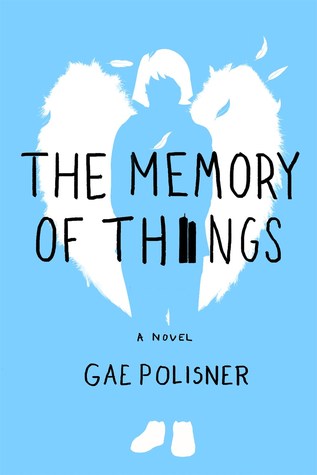
Gae Polisner
The Memory of Things 1/22/2018

I now know why everyone loves Polisner’s writing so much–beautiful!

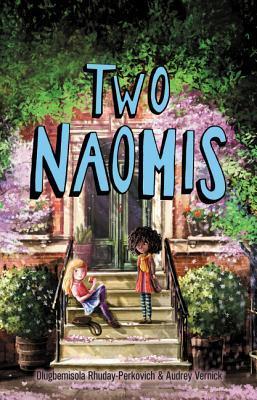
Olugbemisola Rhuday-Perkovich
“Confessions of a Black Geek” from Open Mic 3/17/2018
Two Naomis 3/27/2018

Two Naomis was a great story of dealing with change, and my book club and I cannot wait for the sequel!

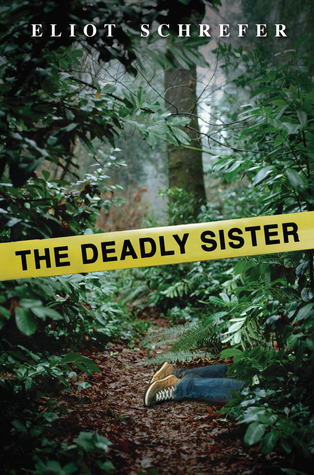
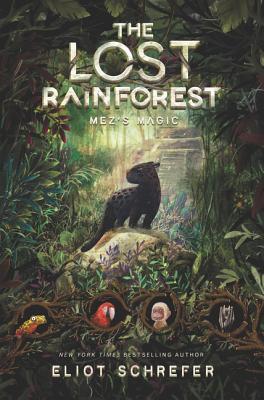
Eliot Schrefer
The Deadly Sister  2/11/2018
Mez’s Magic 2/25/2018

Both of these are so different than the other Screfer books I’ve read, but they are both just as good!

Laurel Snyder
Swan 1/6/2018
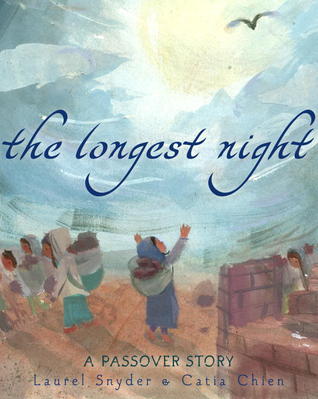
The Longest Night 1/6/2018
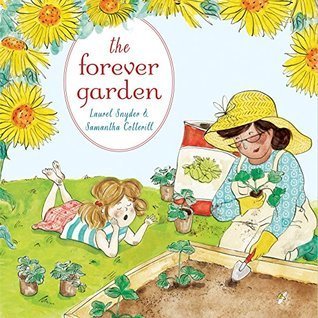
Forever Garden 1/11/2018
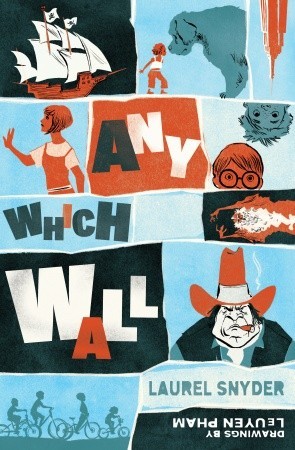
Any Which Wall 1/13/2018
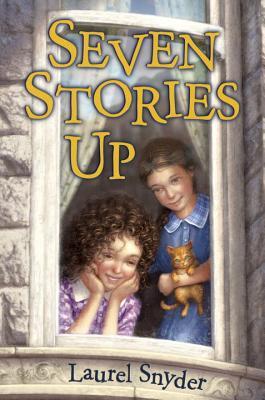
Seven Stories Up 1/14/2018
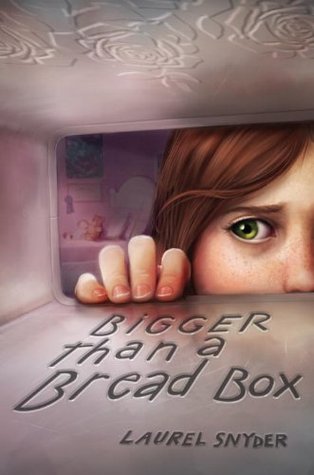
Bigger Than a Breadbox (reread) 1/15/2018
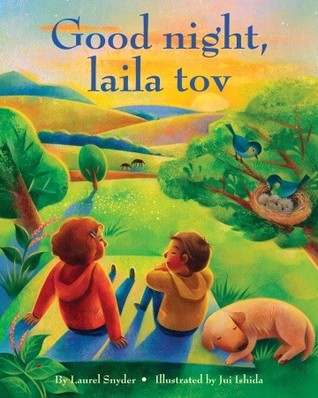
Good night, laila tov 1/16/2018
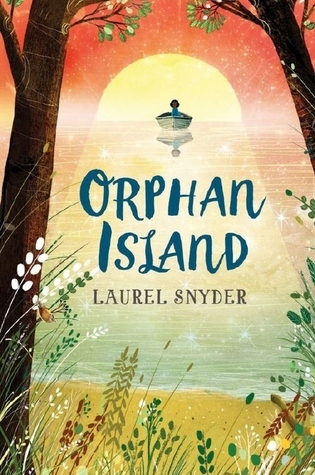
Orphan Island 1/17/2018


If you cannot tell, I really like Snyder’s stories. All kinds of them. I’m so glad I read even more of them because they just fill my heart.

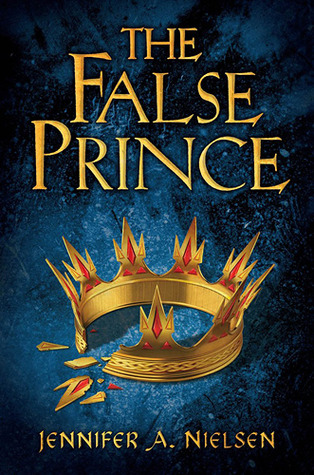
The False Prince trilogy by Jennifer A. Nielsen
The False Prince 3/4/2018
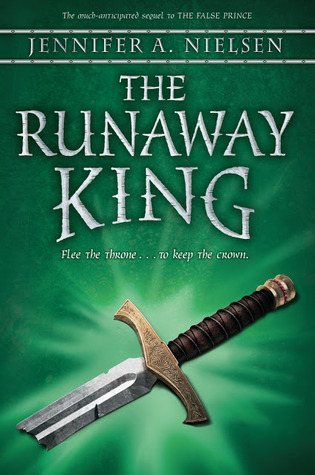
The Runaway King 3/13/2018
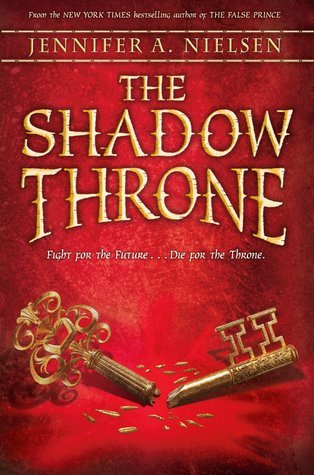
The Shadow Throne 4/3/2018

I LOVED this trilogy! I am pretty much forcing it on students now (luckily they like it!) because I need someone to talk to about all of the twists and turns. So good!

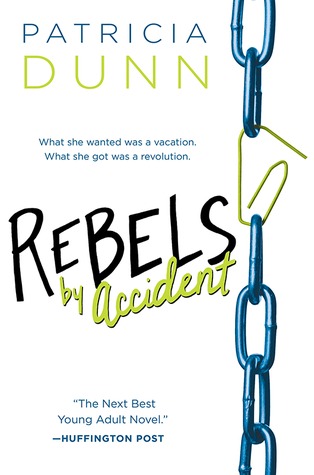
Rebels by Accident by Patricia Dunn
1/27/2018

My student said this was the first book where she saw her life reflected in a book, so I was happy to read it and talk to her about it. And it gave such great insight into my Egyptian students’ lives.

A Series of Unfortunate Events series by Lemony Snicket
The Bad Beginning 2/14/2018

I read this because my students LOVE it, but it just wasn’t for me. Made me so cringy because everything was so unfortunate!

Stung series by Bethany Wiggins
Stung 4/1/2018
Cured 4/4/2018

Such a fascinating post apocalyptic series!

Thunderhead by Neal Shusterman
1/5/2018

I CANNOT wait for number 3!!! This series is definitely a favorite!

How is your #mustreadin2018 list progress going? What book do you most look forward to?

Signature

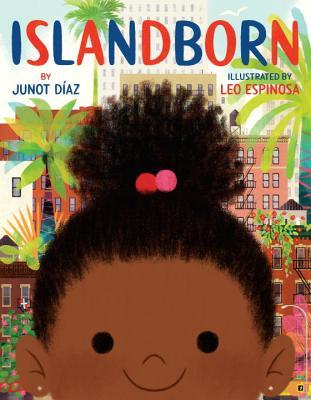
Islandborn by Junot Díaz

Share


Islandborn
Author: Junot Díaz
Illustrator: Leo Espinosa
Published: March 13, 2018 by Dial

Summary: From New York Times bestseller and Pulitzer Prize winner Junot Díaz comes a debut picture book about the magic of memory and the infinite power of the imagination.

Every kid in Lola’s school was from somewhere else. Hers was a school of faraway places.

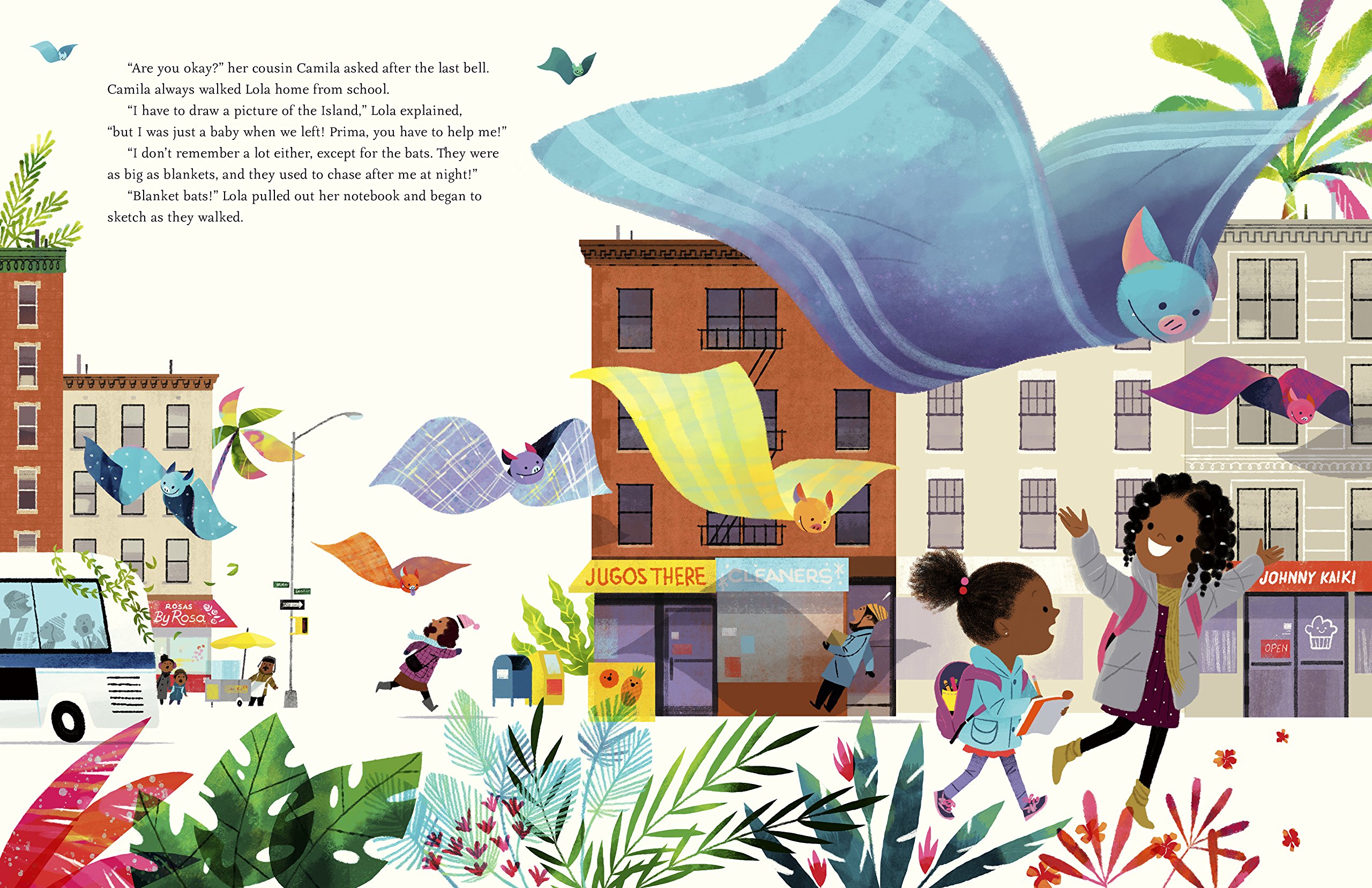
So when Lola’s teacher asks the students to draw a picture of where their families immigrated from, all the kids are excited. Except Lola. She can’t remember The Island—she left when she was just a baby. But with the help of her family and friends, and their memories—joyous, fantastical, heartbreaking, and frightening—Lola’s imagination takes her on an extraordinary journey back to The Island. As she draws closer to the heart of her family’s story, Lola comes to understand the truth of her abuela’s words: “Just because you don’t remember a place doesn’t mean it’s not in you.”

Gloriously illustrated and lyrically written, Islandborn is a celebration of creativity, diversity, and our imagination’s boundless ability to connect us—to our families, to our past and to ourselves.

Review: This book is absolutely enchanting. I can confidently say that it will always be one of my favorite picture books of all time. When Lola asks family and friends about the island that she came from, they have wonderful memories that they share with her. The illustrations and words dance off of the page—Díaz and Espinosa, the author-illustrator team, combine to create a work that will stun readers with its beauty and complexity. I took the pages from the F&G and hung them on my office walls, and they inspire me daily.

As I read this book, I continually paused to reflect on the words (“Just because you don’t remember a place doesn’t mean it’s not in you” and “Memory is magic.”). There is so much to teach from this book, and I am really looking forward to sharing it with students. If you haven’t read this book, I recommend you get in your car and drive immediately to the bookstore.

Teacher’s Tool For Navigation: There are so many possibilities for this section for teacher. They might analyze text and word choice, focusing on figurative language. Or they could examine the emotions that Lola experiences as she tries to learn about the place that she comes from. Or they might have students research their own countries of origin and create an image that represents the magic of the country. Or they might consider a monster that exists in their country and draw it metaphorically or symbolically. This is a book that is meant to be shared and shared.

Discussion Questions: How does Lola feel when she can’t remember the country she came from? How does she learn more about it?; What do Lola’s friends and family tell her about the country she came from? What are the good and bad memories that they share? What might the bad memory represent?

We Flagged:

Read This If You Loved: Works by Junot Díaz; Miguel and the Grand Harmony by Matt de la Peña; Echo by Pam Muñoz Ryan, Esperanza Rising by Pam Muñoz Ryan; Last Stop on Market Street by Matt de la Peña, Each Kindness by Jacqueline Woodson

Recommended For: 

readaloudbuttonsmallclassroomlibrarybuttonsmall 

RickiSig

Blog Tour with Review and Giveaway!: Bone’s Gift by Angie Smibert

Share

Bone’s Gift
Author: Angie Smibert
Published March 20th, 2018 by Boyd’s Mill Press

Summary: Boyds Mills Press is pleased to announce the March publication of BONE’S GIFT, a supernatural historical mystery written by Angie Smibert about twelve-year-old Bone, who possesses a Gift that allows her to see the stories in everyday objects. When Bone receives a note that says her mother’s Gift killed her, Bone seeks to unravel the mysteries of her mother’s death, the schisms in her family, and the Gifts themselves.

In a southern Virginia coal-mining town in 1942, Bone Phillips has just reached the age when most members of her family discover their Gift. Bone has a Gift that disturbs her; she can sense stories when she touches an object that was important to someone. She sees both sad and happy—the death of a deer in an arrowhead, the pain of a beating in a baseball cap, and the sense of joy in a fiddle. There are also stories woven into her dead mama’s butter-yellow sweater—stories Bone yearns for and fears. When Bone receives a note that says her mama’s Gift is what killed her, Bone tries to uncover the truth. Could Bone’s Gift do the same?

This beautifully resonant coming-of-age tale about learning to trust the power of your own story is “charming” says School Library Connection, while Kirkus Reviews says, “Smibert surrounds Bone with a loving, complicated extended family….(with) language, which feels real and down-to-earth, like her characters. An intriguing blend of history and magic.”

About the Author: Angie is the author of several young adult books, including Memento NoraThe Forgetting Curve, and The Meme Plague, and numerous nonfiction books for children, as well as many short stories for both adults and teens. She lives in Roanoke, Virginia.

ReviewBone’s Gift was a special story looking at a well-known time period in a less-known setting. Normally stories in the 1940s focus primarily on the World War in Europe and the Pacific Islands, but this story focuses on a young girl who stays home when her father leaves to fight for his country. What happens to the children who have no mother and whose father leave for the war? Mostly a young girl whose family don’t all get along? And a young girl who is working very hard to figure out something important in her life while also learning truths about her mother’s life. This is that story. Bone is a character that the reader will love and will want to know what happened to her. Between Bone’s loss of her mother, her father going to WWII, Appalachian folklore & setting, and family dynamics, Bone’s Gift has so many different aspects weaving their way throughout the story, but it is all done beautifully in a way that all comes together in the resolution.

Teachers’ Tools for Navigation: 

(Resources from http://www.angiesmibert.com/blog/?mbdb_book=bones-gift)

Discussion Questions: 

  • What genre would you consider Bone’s Gift?
  • How did the author incorporate Appalachian Folklore in Bone’s story?
  • What theme would you say was the main theme of the story?
  • What incident in the book changed the trajectory of the plot?
  • How would a changed setting have changed the story?

Flagged Passages: “Bone Phillips floated in the cool, muddy water of the New River up to her eyeballs. The sky above was as blue as a robin’s egg, and the sun was the color of her mama’s butter-yellow sweater.

Her mother was still everywhere and nowhere Bone looked.

She let herself sink under the water and swam along the river bottom toward shore–toward Will.

In the shallows, her hand brushed against something hard and jagged on the silky river bottom. An image poured over her like cold bathwater. A young boy had hit his head on this rock. He struggled for air. The current grabbed at him–and her, pulling her along back in time. Bone snatched her hand away from the rock and came up for air with a gasp.” (p. 1)

Read This If You Love: Magical Realism, Folk lore, Historical Fiction, Mysteries

Giveaway!

a Rafflecopter giveaway

Don’t miss the other stops on the blog tour!

Monday, April 9 YA Books Central

Tuesday, April 10 Ms. Yingling Reads

Wednesday, April 11 Unleashing Readers

Thursday, April 12 The Brain Lair AND Genrefluent

Friday, April 13 Always in the Middle

Recommended For: 

classroomlibrarybuttonsmall closereadinganalysisbuttonsmall

Signature

Teaching Tuesday: Disability and the Body Recommendations for YA Lit Circles/Book Clubs

Share

Recommended Books for Lit Circles/Book Clubs with a Focus on Disability and the Body

Each semester, I focus a section of my college course on disability and the body. I choose this topic for literature circles quite intentionally. My class is divided into thirds for most of the class texts, but for the literature circles portion of the class, we use eight texts. For me, there is so much to talk about regarding disability and the body. Limiting myself to eight texts is difficult. In fact, I am dropping one (to be determined this month) to make room for a new text that I love, Little & Lion, so you will see nine texts listed below. When I choose books, I strive for representation of different types of disabilities. Further, I try to offer texts that help students consider aspects like body image. I hope the texts below are helpful to those who are considering a focus on this topic in their classrooms.

Also, after we read the texts, we talk about the different theoretical frameworks of disability, and we watch and discuss this video:


Here are the books I ask students to choose from:

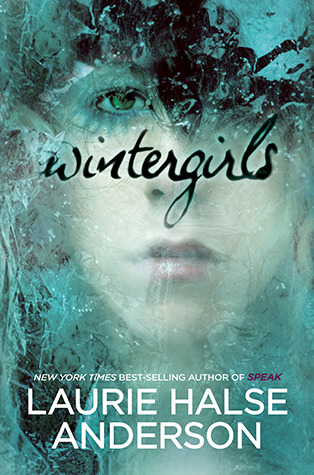
Laurie Halse Anderson’s (2009) Wintergirls

We do our literature circles next week, but last week, a student who chose this book came up to me after class to say, “Wow. I have never read a book like that.” I’ve used this at the high school level, too, and it is always sparked insightful, difficult conversations.

Brandy Colbert’s (2017) Little & Lion

I am looking forward to adding this book next semester. I think it is going to offer a lot for students to talk about.

Sharon Draper’s (2010) Out of My Mind

This is a phenomenal book that is always well-received. I’ve taught this book multiple times, and every group has loved it.

Wendelin Van Draanen’s (2011) The Running Dream

A few years ago, I was sitting next to a man who was reading this on a plane. He turned to me and said, “Have you read this book? It’s really good.” I told him, “Yes, I teach it!” 🙂

R. J. Palacio’s (2012) Wonder

I can’t get enough of Wonder. I’ll buy every picture book, companion book, etc. that they produce relative to this text. It makes me want to be a better person.

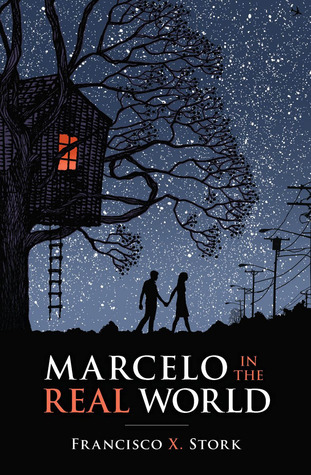
Francisco X. Stork’s (2008) Marcelo in the Real World

Magic bottle up in a book. That’s what comes to mind when I think of this stunning text.

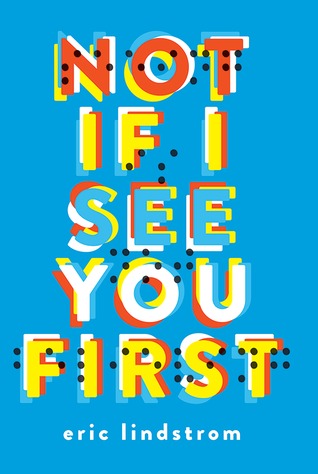
Eric Lindstrom’s (2015) Not If I See You First

I learned so much from this book. I always love the presentations that my students come up with for this text.

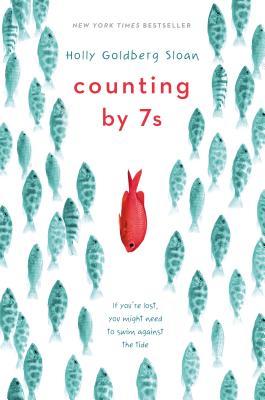
Holly Goldberg Solan’s (2013) Counting by 7s

Do you remember when this book came out? The blog world exploded. Everyone was raving about it. It turns out that five years later, the same happens in my classroom.

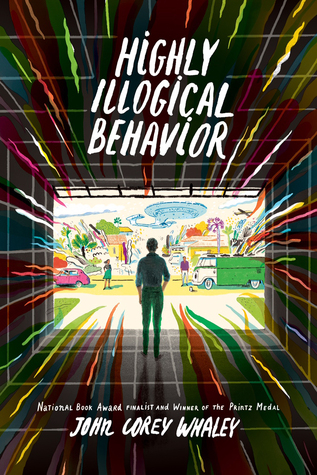
John Corey Whaley’s (2016) Highly Illogical Behavior

I listened to this book on audio at the end of last semester, and I immediately called my bookstore to ask them if I could switch out a book they’d ordered for me. I needed this on the list!


I’ve made an intentional decision not to label the books above by disability. While I find it important to highlight disability as a topic, I also find it important not to define a book by the disability featured within the pages. Further, not all authors choose to explicitly label the disability—at times, the actual disability is nebulous to readers. During class, we talk about the dangers of “diagnosing” characters when a disability isn’t named, and we also talk about the danger of a single story. One character’s experiences with a disability is not the same as another’s experiences. Further, we talk about authority and authenticity. Who has the right to write stories? For more on this, check out this Summer’s The ALAN Review psychology-themed issue, where some incredible YA authors discuss these issues in depth.

I’d love to hear your thoughts on this topic. I look at the world through a learner lens, so if I am getting this wrong, or my thoughts are off, please push back.